




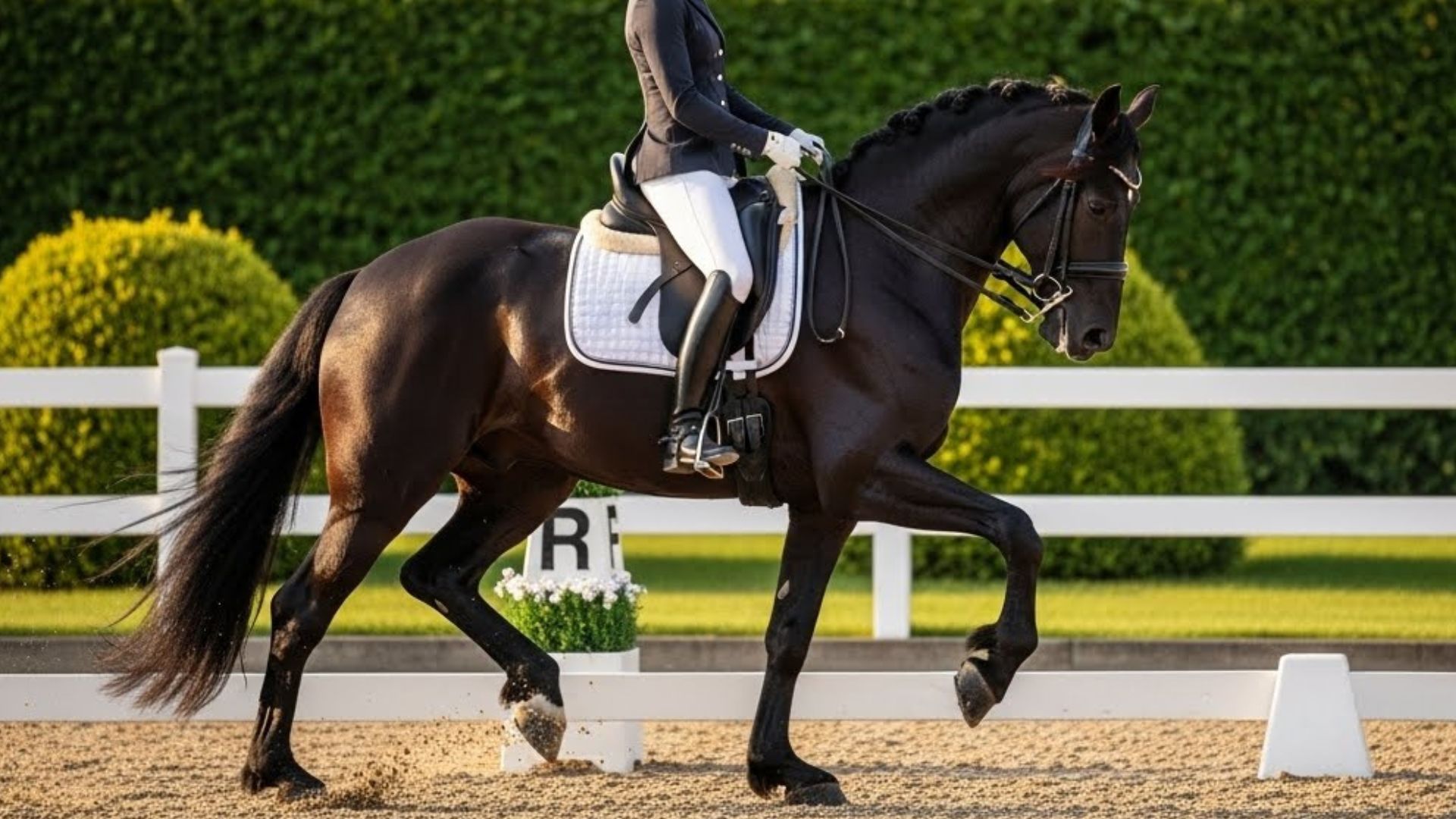
Dressage is often described as calm, refined, and almost serene, yet the horses that excel in it are powerful athletes. Their movements may look soft, but the strength required to maintain balance and rhythm is immense.
The best dressage horses combine athletic power with deliberate composure, creating a partnership that feels smooth even when the work beneath it is demanding. They do not overwhelm the arena with force. Instead, they guide it with precision shaped through countless hours of conditioning.
This contrast between quiet elegance and deep physical intensity is what makes dressage so compelling. The horses succeed because they understand how to build movement from the inside out, shaping power into art.
When you reach the end of this article, you will know what transforms a skilled horse into a true dressage competitor.
Key Takeaways
Precision, rhythm, and controlled power define the best dressage horses and make watching them mesmerizing.
Dutch Warmbloods carry power in their long strides while Hanoverians glide with fluid grace, showing how structure meets elegance.
Lusitanos and Trakehners combine intelligence and responsiveness, turning complex movements into flowing art.
Keep reading to see which ten breeds transform precision and strength into true dressage mastery.
Best Horses for Dressage Competitions
1. Dutch Warmblood

The Dutch Warmblood stands out through its strong, rectangular build that gives it impressive reach and balance in the arena. Its long neck, defined topline, and clean legs support smooth transitions during complex dressage patterns. This structure allows the horse to maintain power without losing softness in movement.
Precision in the Ring
Its quick reactions to subtle cues make it a dependable partner for riders moving up the dressage levels. The horse’s eagerness to learn blends well with its natural rhythm, creating a responsive feel during advanced work, as per PetMD.
Let’s highlight these traits that strengthen its reputation.
Stable focus
Confident forward energy
Reliable cue recognition
Built for High-Level Goals
Its deep chest and muscular hindquarters offer the strength needed for expressive movements like piaffe and collected canter. The elevated front end contributes to uphill movement, which is highly valued in dressage scoring. Dutch Warmbloods remain frequent choices at elite events, including Olympic arenas.
2. Hanoverian

A Hanoverian steps into dressage with a type of fluid movement that catches attention right away. Their balanced frame allows them to shift weight with ease during collected work. This makes their transitions look smooth while keeping a steady rhythm in every stride.
Power Shaped for Performance
Their history with demanding tasks shaped a body that responds well to refined cues. This strength naturally supports the precision needed in dressage routines.
Here is a quick look at traits that matter inside the arena:
Strong push from the hindquarters
Consistent rhythm in extended gaits
Flexible body control
Focus on Technical Movements
They bring a thoughtful, calm energy to complex patterns, which helps riders fine-tune lateral steps. The breed adapts well to dressage schooling sessions that require accuracy. According to WebMD, their athletic roots in driving, jumping, and eventing add a wider skill set that shows during training.
3. Oldenburg
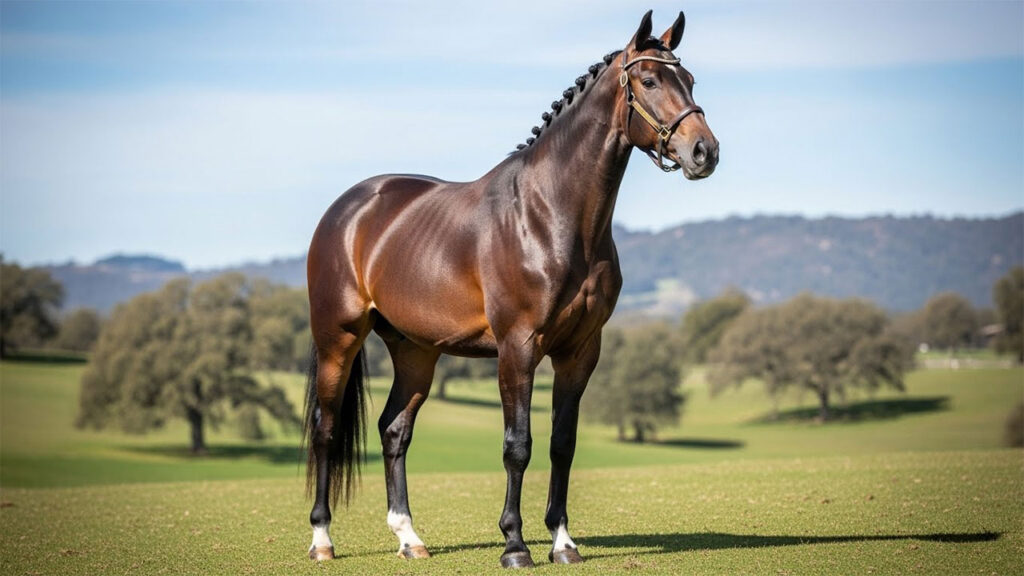
Oldenburgs exhibit a long, sloping neck and a refined head, giving them a naturally elegant presence. Their expressive eyes and slim throatlatch add a sense of intelligence and poise. These features make them ideal for dressage, where appearance complements precision.
Strength and Structure
Muscular shoulders and forelimbs, along with sturdy joints, support their athletic performance. Their back and croup are long, giving stability for complex movements in the arena. This structure provides the foundation for power and balance.
Traits that reinforce their capabilities include:
Broad hocks for a strong hindquarter drive
Flexible pasterns for smooth strides
Tough, well-formed hooves for support
Distinctive Gender Features
Mares and stallions display clear gendered traits, enhancing their presence in competition. Horses lacking refinement or masculine/feminine characteristics are considered less desirable. These subtle distinctions contribute to elegance and performance in the show ring.
4. Westphalian

Westphalians move with elegance, showing fluid gaits that capture attention in the dressage arena. Their balance and rhythm make transitions appear effortless, giving riders a natural flow. Strength and coordination allow them to perform complex movements with precision.
Performance That Demands Attention
These horses are tested for temperament and rideability before being approved for breeding, ensuring quality across the breed. Their work ethic and focus stand out in competitions, reflecting careful selection and training.
Here’s what defines their competitive edge:
Quick response to rider cues
Consistent movement and rhythm
Adaptability to various dressage levels
Refined Temperament for Precision
Top-level Westphalians often display spirited energy, allowing them to perform advanced routines with flair. Others show a calmer demeanor, making them suited for riders seeking reliability and composure. Their sensitivity enhances communication between horse and rider.
5. Andalusian
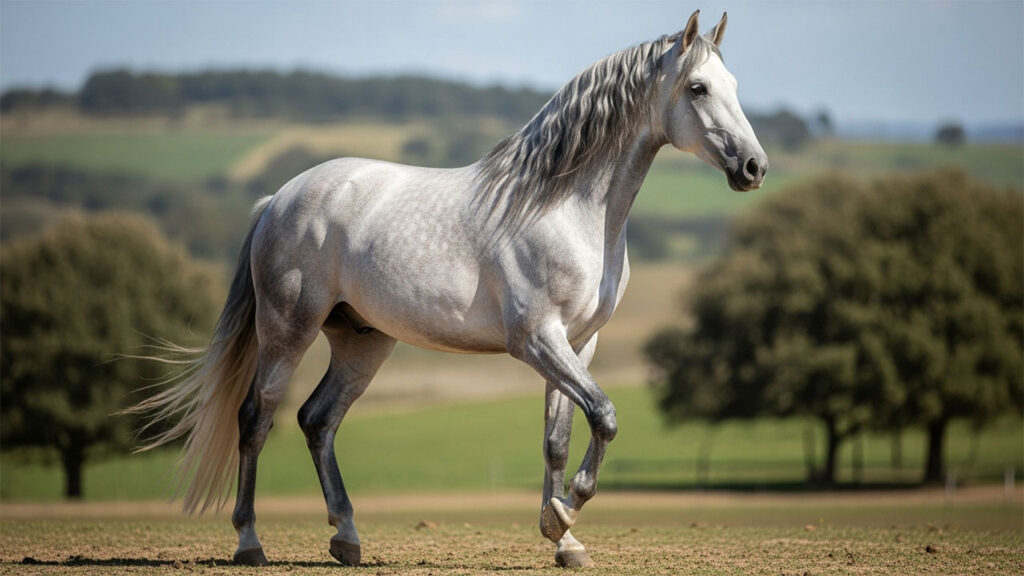
Andalusians were originally used as war horses and were exported from Spain to other countries starting in 1962. Today, they excel in multiple disciplines, admired for their beauty, intelligence, and temperament. Their presence is rare in the United States, adding to their distinctive appeal in competitions.
Personality and Social Nature
Each Andalusian has individual traits, combining an attractive appearance with a friendly, calm disposition. They enjoy being around people and display sensitivity, kindness, and loyalty.
Notable traits that shape their interaction and training:
Quiet and docile temperament
Easily adapts to rider cues
Energetic yet controlled movement
Trainability and Intelligence
Their intelligence and willingness to learn make them highly responsive in the arena, as mentioned in PetMD. Andalusians adapt quickly to both competition and general riding routines. This combination of energy and focus allows them to perform with precision and grace.
6. Lusitano

Lusitanos are celebrated for their sharp mind and quick learning ability, which makes them highly responsive in precise dressage routines. Their calm demeanor allows them to stay focused under challenging exercises. Bravery shows in the way they face sudden movements or distractions without hesitation.
Agility That Commands Attention
These horses are known for their graceful and controlled movements, making them ideal for intricate patterns and sudden directional changes. Their balance and responsiveness support advanced maneuvers.
Key traits that enhance performance:
Swift and fluid transitions
Stable in high-pressure situations
Quick to adapt to rider cues
Affection Backed by Focus
Despite their athletic prowess, Lusitanos are warm and attentive, forming a reliable partnership with the rider. Their focus and steady temperament make them suitable for demanding dressage competitions. Every movement demonstrates both elegance and controlled power.
Fun Fact: Lusitanos have been used in Portuguese bullfighting, showcasing their agility and courage in high-intensity environments.
7. Trakehner
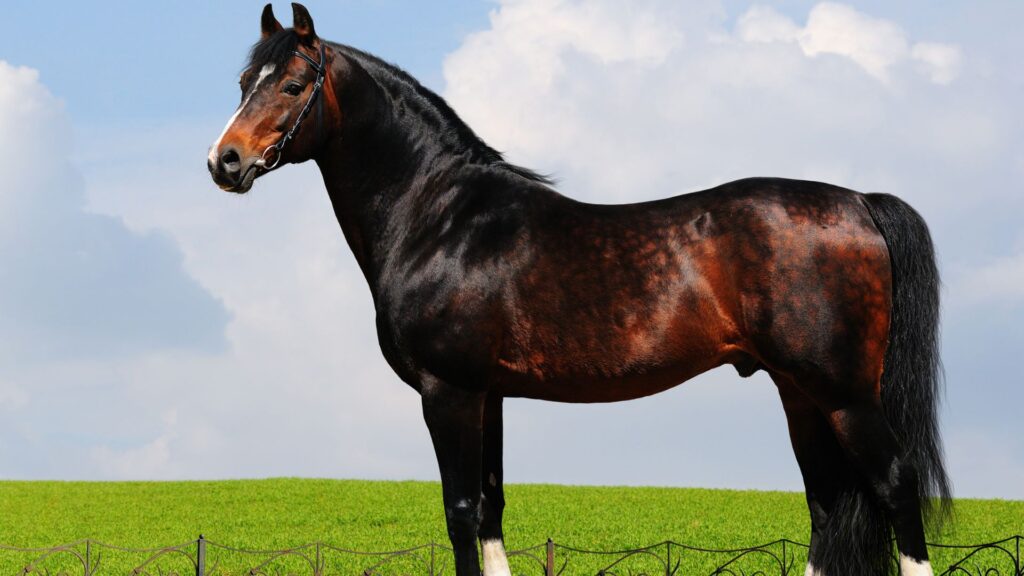
Trakehners move with a flowing elegance that captures attention in the arena. Sloping shoulders and powerful croups create balance and fluidity, enhancing every stride. This harmony in body and motion makes them a top choice as a dressage horse.
Refinement That Enhances Performance
Selective breeding and careful outcrosses with Arabians and Thoroughbreds shape their distinctive type and temperament. Their structure supports strength without sacrificing flexibility, making them adaptable for high-level competitions.
Key details that define their competitive edge:
Sculpted muscles supporting smooth transitions
Clear, well-defined joints for precise movements
Expressive gaits that highlight rhythm and grac
Proven Success at the Olympics
Trakehner mare Dalera has won team and individual gold medals at Tokyo 2020 and Paris 2024, demonstrating the breed’s excellence in elite competition. Their combination of refinement, structure, and expressive movement makes them one of the best horse breeds for dressage.
8. Holsteiner

Holsteiners combine strength with fluid motion, giving them a natural edge in dressage competitions. Their agility allows them to perform complicated movements with ease and precision. This blend of power and elegance makes them one of the most sought-after popular horse breeds.
Versatility Across Sports
These horses excel when tasked with different sporting disciplines, showcasing their adaptability and intelligence. Their responsiveness allows riders to execute routines confidently and safely.
Skills that highlight their competitive edge include:
Smooth transitions between gaits
Precision in collected and extended movements
Quick grasp of complex dressage patterns
Composed Under Pressure
Holsteiners maintain focus during high-stakes events, letting them perform even challenging routines with consistency. Their calm temperament ensures that stress does not affect execution. This steady mindset supports both training progress and performance success.
9. Swedish Warmblood

Swedish Warmbloods showcase fluid movement that makes dressage performances stand out. Their well-proportioned bodies and sloping shoulders give them natural balance and elegance. This combination of strength and refinement allows them to execute precise, controlled movements with ease.
Breeding Focus for High-Level Sport
Selection in Swedish Warmbloods emphasizes traits that excel in dressage and show jumping. Their intelligence and responsiveness support consistent training and refined performance.
Key features shaping their performance include:
Deep chest and strong muscling
Prominent withers aid saddle stability
Correct legs for smooth, efficient gaits
Famous Achievements in Competition
Swedish Warmbloods have proven their skill on the world stage. Briar earned an individual bronze at the 2005 European Championships, while Fibonacci contributed to a team Olympic bronze in 2016. Such achievements highlight their ability to perform under the highest competitive pressure.
10. Friesian

Friesians captivate with a flowing mane and high-stepping trot that draws attention in the arena. Their strength and elegance make them suitable for various equestrian disciplines. These horses combine energy and versatility to excel in demanding dressage routines.
Adaptable Athletes for Multiple Disciplines
Their natural movement allows them to perform with precision and style, making training engaging and rewarding. Friesians can take on several disciplines with the right preparation and guidance.
Here’s what highlights their versatility:
Dressage performance with expressive gaits
Driving for controlled, steady movement
Trail or pleasure riding for endurance and comfort
Strength Suited for Show and Sport
Their powerful build supports sustained movements needed in competitive events. Even outside competitions, their calm composure lets them adjust to different environments easily. These traits make them stand out among performance horses.
Fun fact: Black Friesians are highly sought after for films, appearing in The Mask of Zorro, Sense and Sensibility, and Ladyhawke for their dramatic presence on screen.
Conclusion
The finest dressage horses succeed because they blend strength with clarity, turning each step into a controlled expression of athletic skill. Their ability to handle upper-level movements shows how discipline and balance shape performance in the dressage ring. These qualities also carry into modern dressage, where precision matters as much as power.
Riders in equestrian sports rely on horses that stay focused even when routines grow complex. This is why many of the breeds in this guide continue to earn great success in international dressage. Their rhythm, posture, and cooperation form the foundation of every confident ride.
