




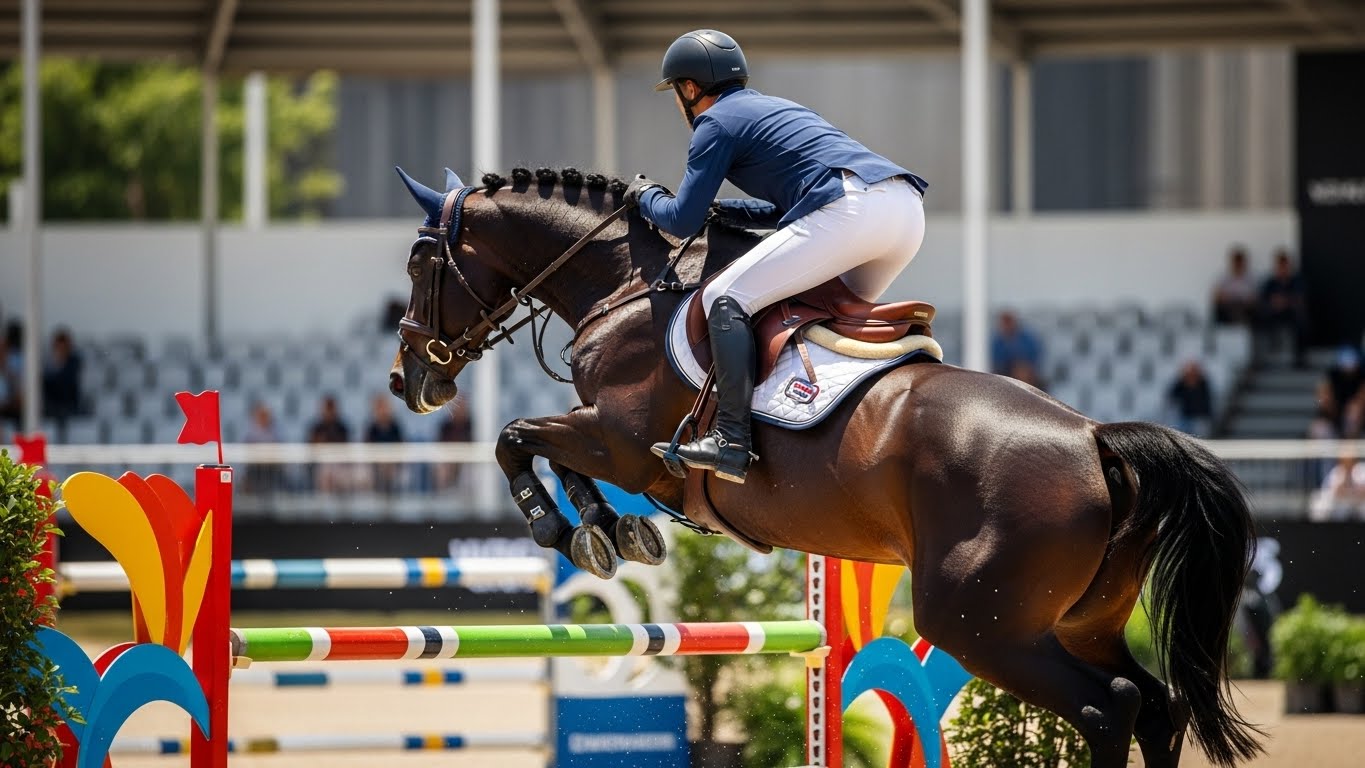
Competitive riding looks elegant from a distance, but its foundation is far more demanding. Beneath the controlled movements and steady rhythm lies a horse carrying precise expectations. These horses must balance power with restraint, energy with composure, and responsiveness with self-control.
Their training shapes their instinct into performance, transforming natural movement into structured skill. A horse suited for competition shows strength that does not overwhelm its coordination and sensitivity that does not weaken its confidence.
This balance allows riders to guide them through exact patterns while maintaining fluidity. Their bodies respond as a single, connected system, absorbing cues with accuracy that feels almost intuitive. Their presence in the arena comes from discipline rather than force.
As you continue through this article, you will gain a clear understanding of the qualities that define the best horses for competitive riding.
Key Takeaways
Competitive riding looks graceful from the stands, but the real magic comes from horses trained to balance force with calm teamwork.
Thoroughbreds and Dutch Warmbloods bring that harmony to life as they glide from bold forward motion to light, responsive cues that riders trust.
Arabians and Quarter Horses raise the bar with stamina and sharp reactions that keep tough courses feeling smooth and controlled.
By the final breed, you see how top competitors turn structure, instinct, and hours of training into a partnership that feels almost effortless.
Best Horses for Competitive Riding
1. Thoroughbred
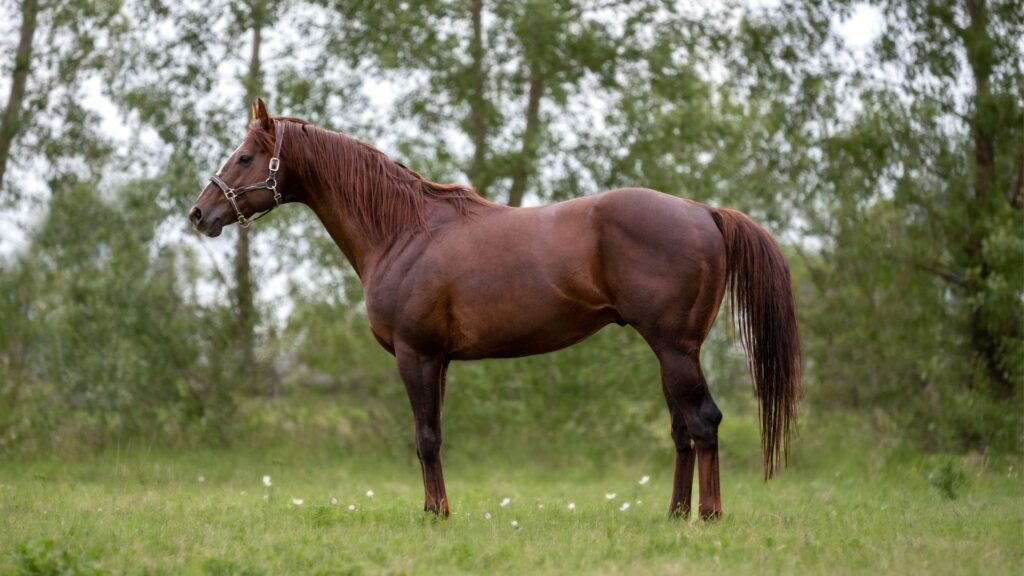
Thoroughbreds are known for their sharp responsiveness, which gives them an edge in fast-paced competitive arenas. They read cues quickly and adjust their pace without hesitation. Their natural forward energy makes them a strong fit for events that demand precision and speed.
Performance Strengths
With lean bodies and long legs, their athletic frame supports smooth transitions and clean takeoffs during challenging courses, as WebMD writes. Even though some gain a reputation for being tense in racing settings, countless non-racing Thoroughbreds show a calmer, more thoughtful side under saddle.
Trainability in Sport
Riders often notice how easily Thoroughbreds refine new skills once they build trust with their trainer. Their smart, willing attitude helps them handle shifting environments at shows. This also allows them to settle into jump courses, flatwork sessions, and conditioning routines with consistency.
2. Dutch Warmblood

Dutch Warmbloods are strong, athletic horses that move with smooth coordination, excelling in both competitive and riding settings. Their calm, even temperament helps them adapt quickly to different styles and tasks. Energy and steadiness work together to make them standout performers.
Versatile Competitors
These horses can adjust easily to new challenges, showing talent across multiple disciplines. Riders notice how naturally they respond while staying confident under pressure. This combination of skill and focus is what makes them top choices in competitions.
Athleticism Meets Intelligence
Dutch Warmbloods pair strong muscles with sharp minds, helping them learn complex exercises efficiently, as PetMD stated. They stay composed while performing demanding movements and transitions. Their responsiveness makes them reliable partners in rigorous training sessions.
3. Arabian

Arabian horses are one of the oldest equine breeds, prized for their refined structure and graceful movements. Their light build supports quick turns, sudden bursts of speed, and smooth transitions. Combined with natural stamina, they are exceptional partners for competitive riding.
Versatility in Every Arena
These horses adapt seamlessly to different disciplines, showcasing intelligence and trainability in every challenge. Their responsiveness allows riders to push boundaries while maintaining control. This adaptability makes them valuable across various competitive and performance settings.
Strength Meets Stamina
Arabians sustain high-energy routines without losing focus, performing consistently across demanding courses. Their muscular yet light frame supports both strength and speed, giving riders confidence in high-intensity events. This balance is why they remain top contenders in show and racing arenas.
4. American Quarter Horse

American Quarter Horses excel in short bursts of speed, capable of running a quarter-mile in under 21 seconds, as highlighted in PetMD. Their muscular build supports explosive power, making them standout competitors in racing and performance events.
Versatility Across Disciplines
These popular horse breeds adapt effortlessly to various riding challenges, handling everything from reining to jumping with precision. Their focus and quick response make them reliable partners in competitive environments. Such adaptability sets the stage for exceptional performance in any arena.
Balanced Temperament for Training
Quarter Horses learn rapidly due to a sharp mind and willingness to engage with exercises. Their attention span allows riders to develop advanced skills efficiently without frustrating delays. This balance of energy and composure supports complex training routines and event preparation.
5. Oldenburg
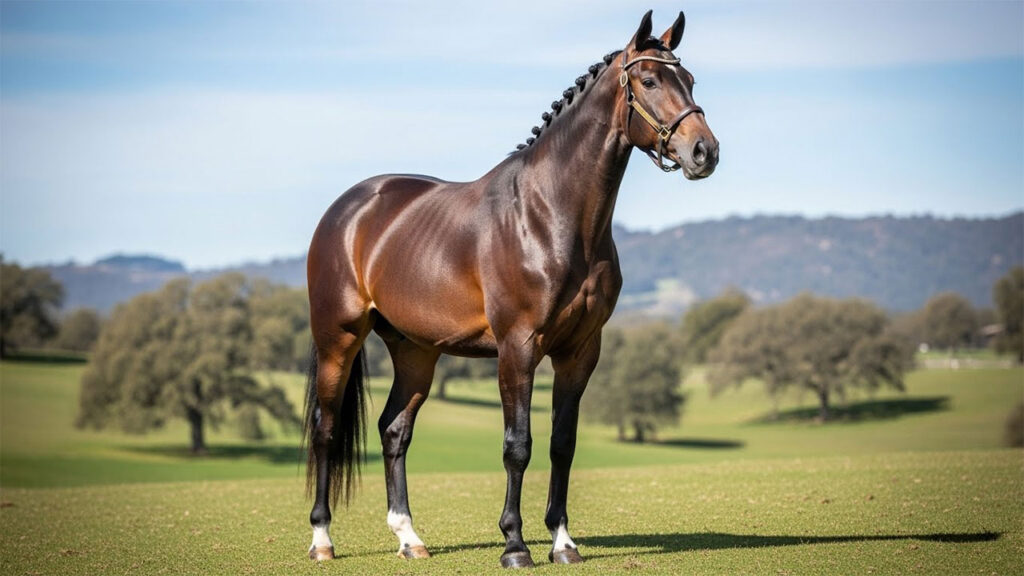
Oldenburgs combine impressive strength with smooth, flowing movement, making them stand out in competitive riding. Their athleticism allows them to adapt quickly to complex courses and demanding routines. Riders notice their natural ability to maintain balance under pressure.
Versatile Competitors in the Arena
This best horse breed excels in multiple sports, from dressage and show jumping to eventing and driving. Each discipline highlights its responsiveness and willingness to work. Their versatility ensures they can perform at high levels across a variety of competitive riding events.
Excellence Shaped Through Testing
Male Oldenburgs undergo rigorous sports tests in dressage, jumping, or eventing for stallion licensing. These assessments ensure only the most capable horses represent the breed in competitions. Each horse demonstrates a blend of power, precision, and controlled energy.
6. Trakehner
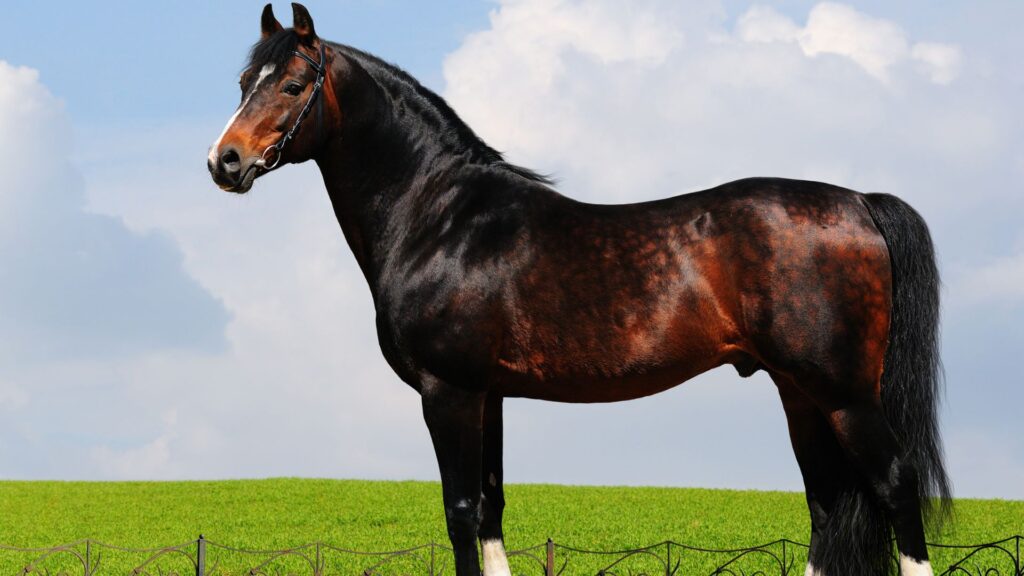
Trakehners are defined by their fluid stride and natural balance, making them exceptional in arenas that demand precision. Their agility allows them to tackle complex courses while maintaining composure. This combination of grace and power gives riders confidence at every jump.
Precision and Athleticism
These horses excel when quick thinking meets strength, responding intuitively to subtle cues. Their powerful hindquarters provide explosive energy for demanding maneuvers. Every movement reflects years of selective breeding aimed at high-level performance.
Versatility in the Course
Beyond show jumping, Trakehners adapt seamlessly to dressage and eventing, combining stamina with controlled finesse. Their alertness helps them navigate sudden changes in pace or direction. This versatility sets them apart among competitive mounts.
7. Selle Français
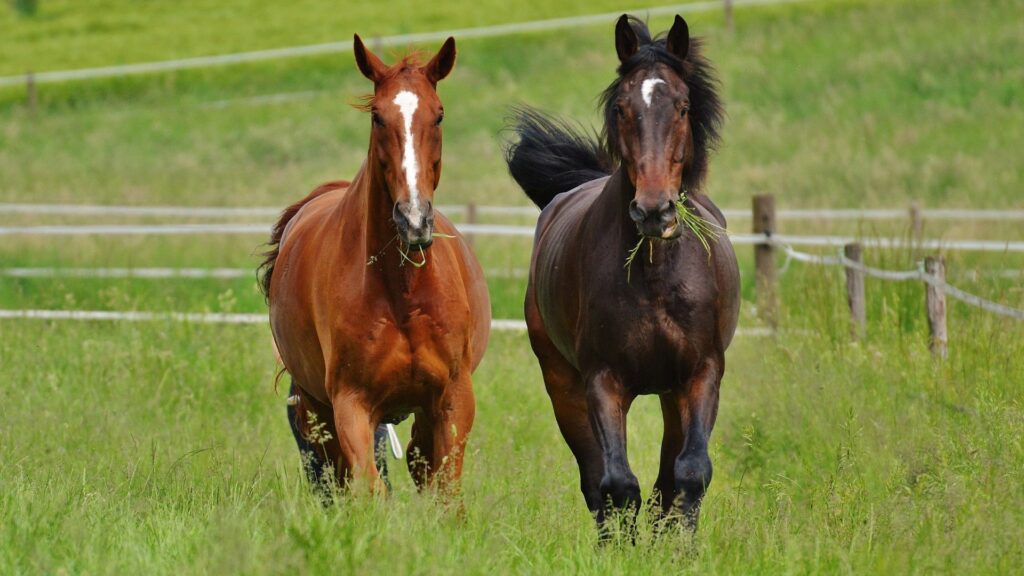
Selle Français horses move with a remarkable combination of strength and elegance that makes them standout performers. Their athletic build allows quick adjustments mid-jump while maintaining balance. They seamlessly adapt to challenging courses in competitive settings.
Versatility in Action
These horses excel across jumping, eventing, and combined tests, showing stamina and responsiveness. Their mindset is sharp, helping them process cues instantly during fast-paced competitions. A focused routine helps them consistently deliver strong performances.
Strength Backed by Discipline
Their muscular frame supports long training sessions without fatigue, yet they remain sensitive to the rider’s commands. Observation and anticipation help them adjust to obstacles before each approach. This combination of power and attentiveness is essential in top-level events.
Conclusion
The horses highlighted in this guide show why certain breeds continue to shape competitive riding at every level. Their structure and mindset help competitive riders stay focused through tight turns and detailed routines. These horses handle the pressure of jumping competitions with control that supports both speed and accuracy.
Their calm temperament also gives riders steady support during western riding and English riding sessions. When the energy rises in jumping events, they respond with strength that feels purposeful rather than rushed. Each one proves how disciplined training and trust create the foundation for long and successful competition journeys.
