




The ocean is often painted as a magical world full of colorful coral reefs and friendly marine life, but let’s be real for a second—it’s also filled with creatures that have absolutely zero chill. While we all worry about the razor-sharp teeth of great white sharks or the aggression of bull sharks, some of the biggest threats are actually much smaller and way sneakier. We are talking about the fish with the most potent toxins, the ones that don’t need to take a single bite to ruin your day.
Venomous creatures, like the Stonefish, inject their toxins through venomous spines or venomous barbs (think of it like a hypodermic needle). Poisonous species, like the puffer fish, are harmful if you eat them or touch their secretions. Whether it’s food poisoning on steroids or a sting that causes temporary paralysis, marine envenomation is not a souvenir you want to bring home from your vacation.
Let’s explore the finest (and deadliest) game in the ocean. We will look at creatures that rival the blue ringed octopus in toxicity and others that make electric eels look like minor batteries.
Fish with the Strongest Toxins
1. Pufferfish
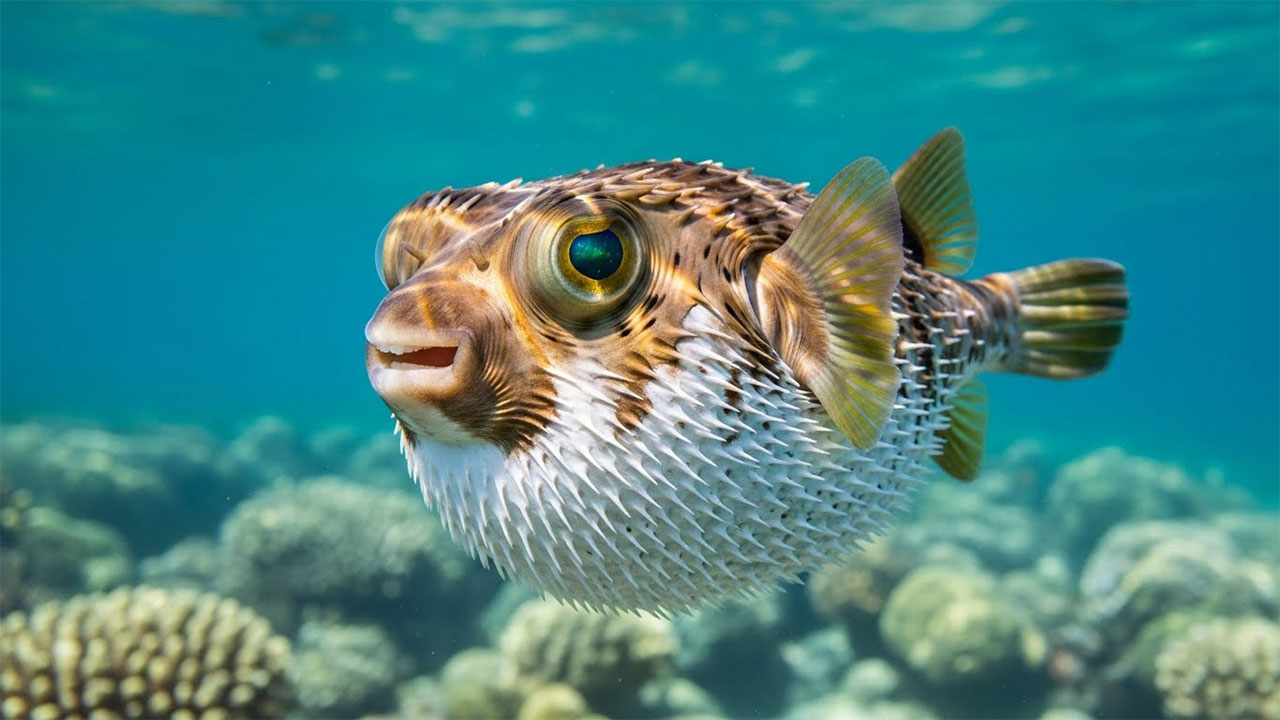
When you think of famous deadly fish, the puffer fish (or blowfish) usually tops the list.
These goofy-looking guys might seem cute when they puff up like a balloon, but they are hiding a dark secret: Tetrodotoxin. This potent neurotoxin is found in their internal organs, specifically the liver and ovaries, as well as in their skin.
It is estimated to be up to 1,200 times more poisonous than cyanide. A single pufferfish contains enough toxin to kill 30 adult humans, and the scary part? There is no known antidote.
Despite their lethal potential, they are considered a delicacy called fugu in Japan. Only highly trained, licensed chefs are allowed to prepare it. If not adequately prepared, a meal of fugu can lead to numbness, muscle weakness, paralysis, and eventually death by respiratory failure.
Yet, thrill-seeking foodies pay hundreds of dollars for a plate, trusting the chef to remove the toxic bits without contaminating the muscle tissue—the part you actually eat.
If a predator manages to swallow one before it puffs up, the toxin will likely kill the attacker, ensuring that even in death, the puffer takes its enemy down with it. They are commonly found in tropical waters, drifting along coral reefs in search of algae and invertebrates.
It is wild to think that one of the most poisonous fish in the sea looks so harmless. They don’t have the razor-sharp teeth of a moray eel or the speed of a shark, but their chemical defense is unmatched. Severe cases of poisoning are rare thanks to regulations, but they do happen.
2. Reef Stonefish
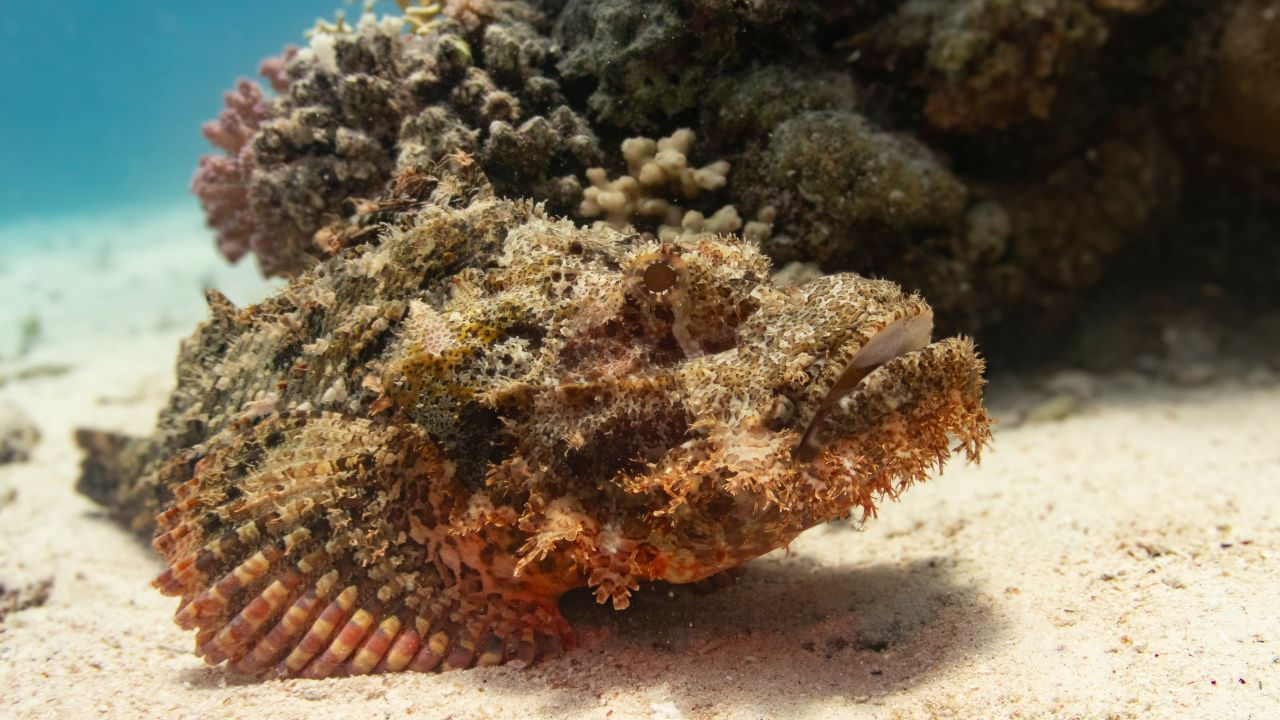
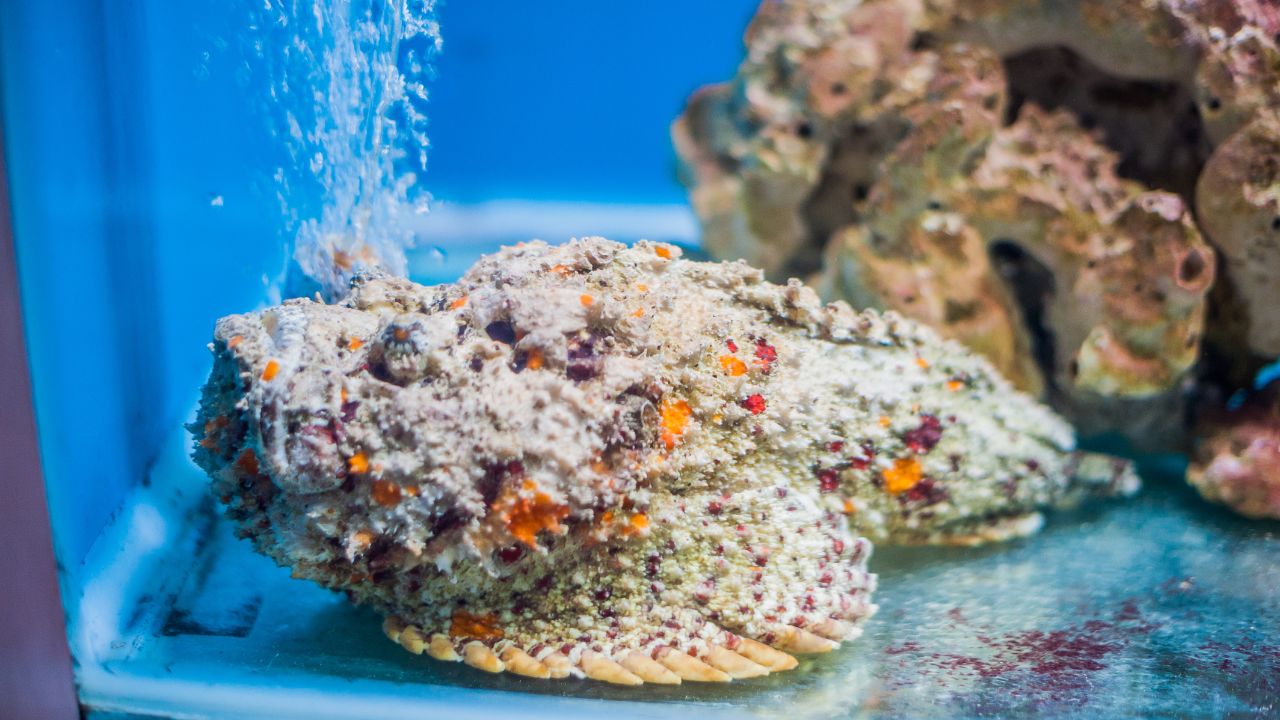
If there were an award for the most venomous fish on Earth, the Reef Stonefish would win it hands down. These masters of disguise are found in the Indo-Pacific region and are terrifying because they look exactly like rocks or dead coral. They sit perfectly still on the ocean floor, waiting for unsuspecting small fish to swim by.
The Stonefish is armed with 13 dorsal spines that are tough enough to pierce through rubber-soled reef shoes. When pressure is applied (like a foot stepping down), these spines shoot venom deep into the flesh. The sting causes intensely painful symptoms that have been described as some of the worst pain known to man.
Beyond the pain, the venom can cause tissue death (necrosis), shock, and muscle weakness. In severe injuries, if left untreated, the sting can lead to heart failure and death. Standard first aid involves immersing the wound in hot water (as hot as you can stand), as heat helps break down the protein-based venom.
They are essentially the ocean’s landmines. Unlike bull sharks or great white sharks that hunt in open water, the Stonefish relies on you not seeing it. They are a bottom-dwelling fish that proves you don’t need to be big to be dangerous.
3. Red Lionfish
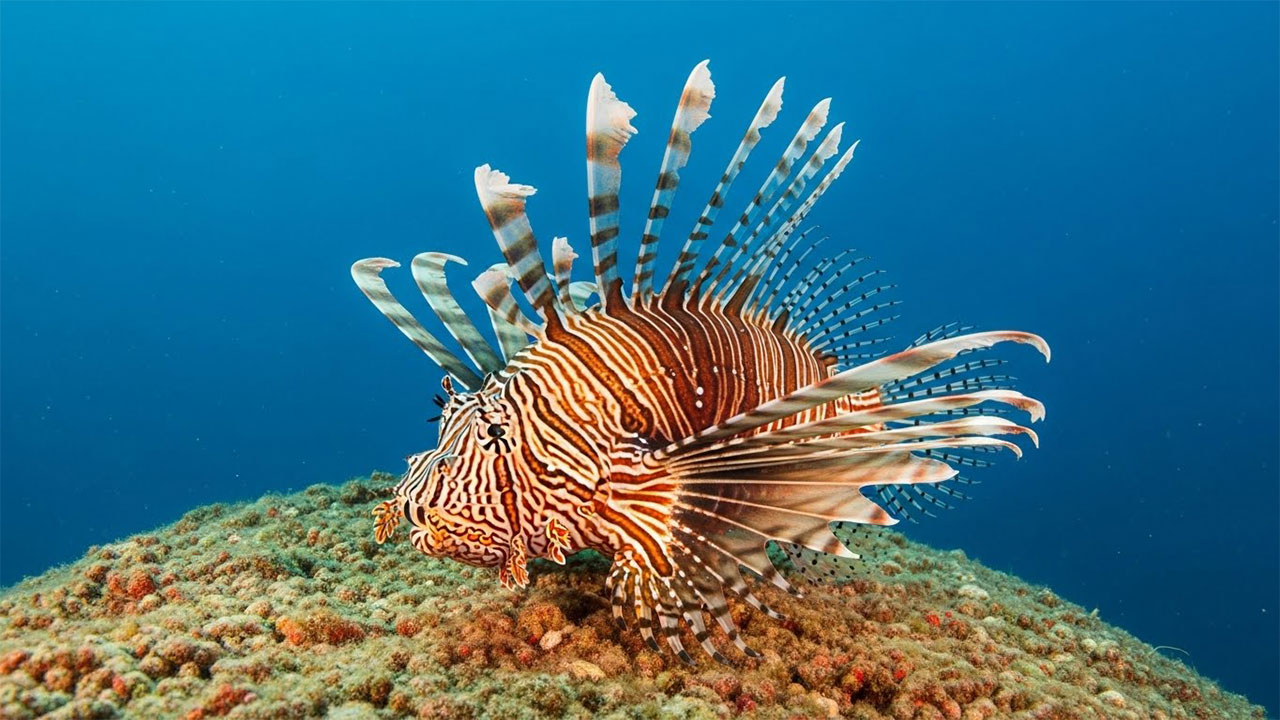
With their flowing pectoral fins and striking red-and-white stripes, they are undeniably beautiful. Native to the Indo-Pacific, they have become a significant invasive species in the Atlantic and Caribbean.
But don’t let their beauty fool you; those feathery fins conceal sharp, venomous fin spines. A sting from a lionfish is excruciating and can cause nausea, breathing difficulties, and sweating. While rarely fatal to healthy adults, the sting is nasty enough to ruin your week. These vertically striped species use their elongated dorsal fin spines primarily for defense, cornering prey with their large fins before swallowing them whole.
Because they are wreaking havoc on coral reefs, divers are actually encouraged to hunt them in many places. They are one of the few venomous fish and are also considered among the finest game fish for conservationists. When properly prepared (with the spines carefully removed, of course), they are delicious.
However, National Geographic mentions that handling them requires extreme care. Even after the fish is dead, the venom in the spines can remain potent for a while. Encounters usually happen when divers get too close or try to handle them.
4. Yellow Boxfish
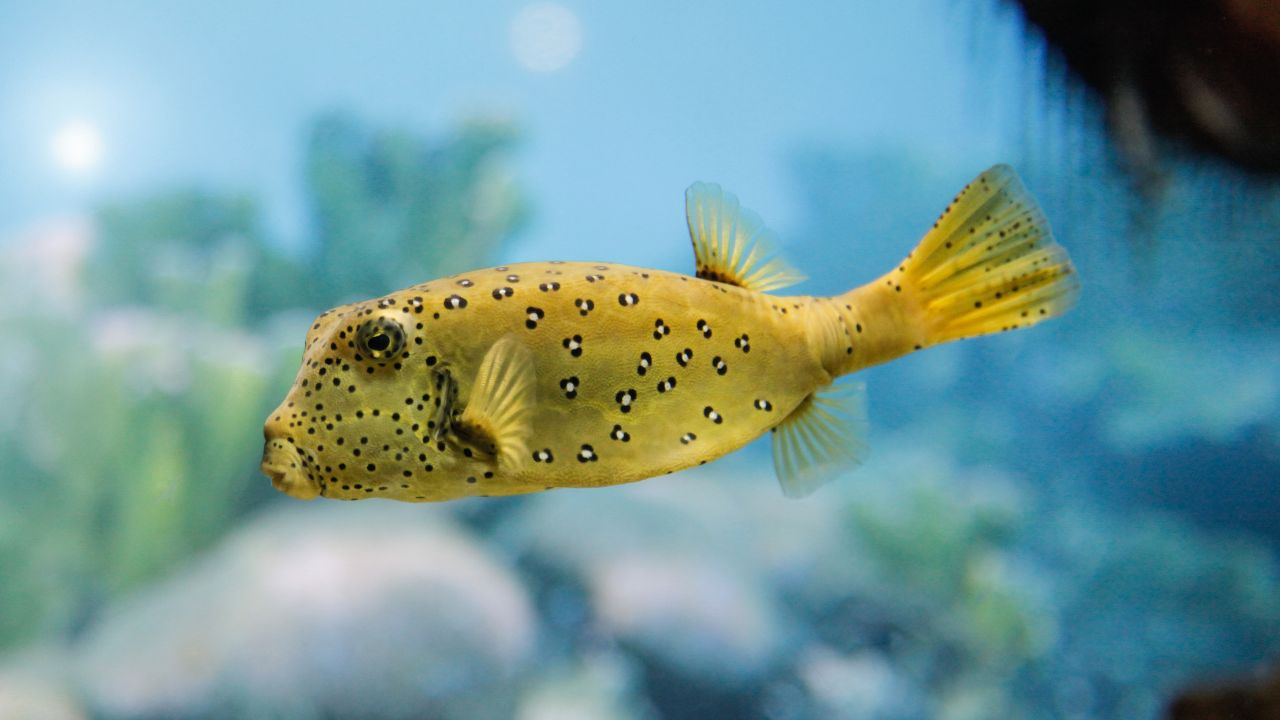
Found primarily in the Pacific and Indian Oceans, their bright yellow color isn’t just for show; it’s a warning. This is a classic example of a poisonous fish. Unlike the Stonefish that injects venom, the boxfish releases a toxin called ostracitoxin through its skin into the surrounding water when it is stressed or threatened.
This mechanism is a chemical defense cloud. In the confined space of aquariums, a stressed boxfish can release enough toxin to wipe out every other fish in the tank, including itself. This is why they are tricky to keep as pets.
They are slow swimmers, rowing around with their tiny fins, which makes them look clumsy. Because they can’t outrun threats like sharks or barracudas, their toxicity is their only real shield. They don’t have venomous spines or sharp teeth to bite humans, so the risk of marine envenomation for a diver is low unless you harass them to the point where they secrete their slime.
Interestingly, as they age, their bright yellow color fades to a duller mustard or brown, and they become less cute and more rugged.
5. Stargazer Fish
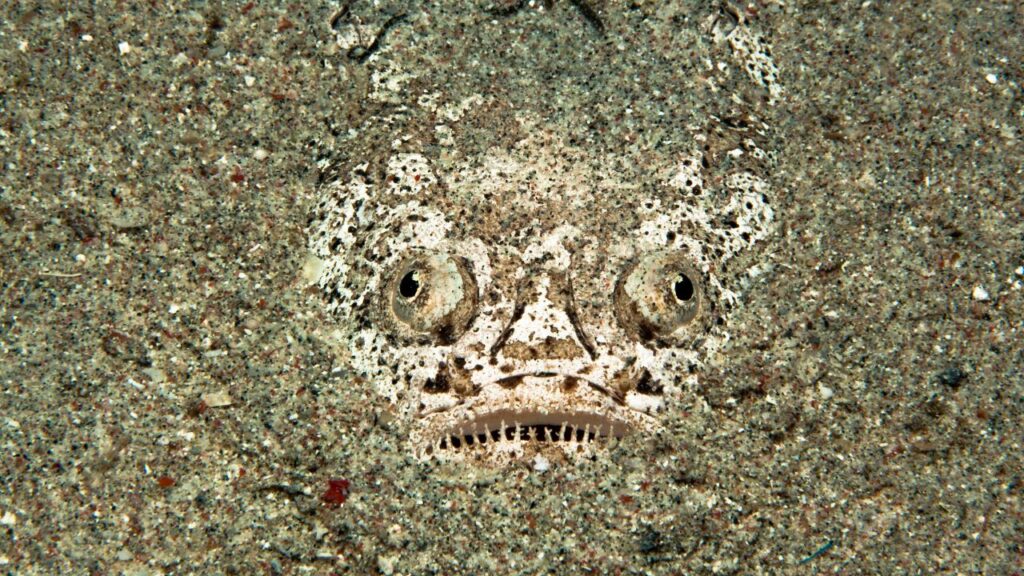
The Stargazer Fish is the stuff of nightmares. These bottom-dwelling fish bury themselves in the sand, leaving only their eyes and massive mouths exposed, staring upwards (hence the name). They are ambush predators that wait for prey to swim overhead before launching a lightning-fast attack.
Located behind their eyes are modified muscle cells that can generate electric shocks, as per Discover Wildlife. While not as powerful as electric eels, the jolt is strong enough to stun prey and startle predators (or a human hand). They also possess venomous spines above their pectoral fins. If you step on one or try to pick it up, you can get zapped and stung simultaneously. It’s a double whammy of pain.
Stargazers are found in both deep and shallow waters worldwide. They are often called the “meanest things in creation” because of their grumpy, monstrous faces. They don’t typically attack humans unprovoked, but accidental steps can lead to severe injuries.
6. Giant Freshwater Stingray
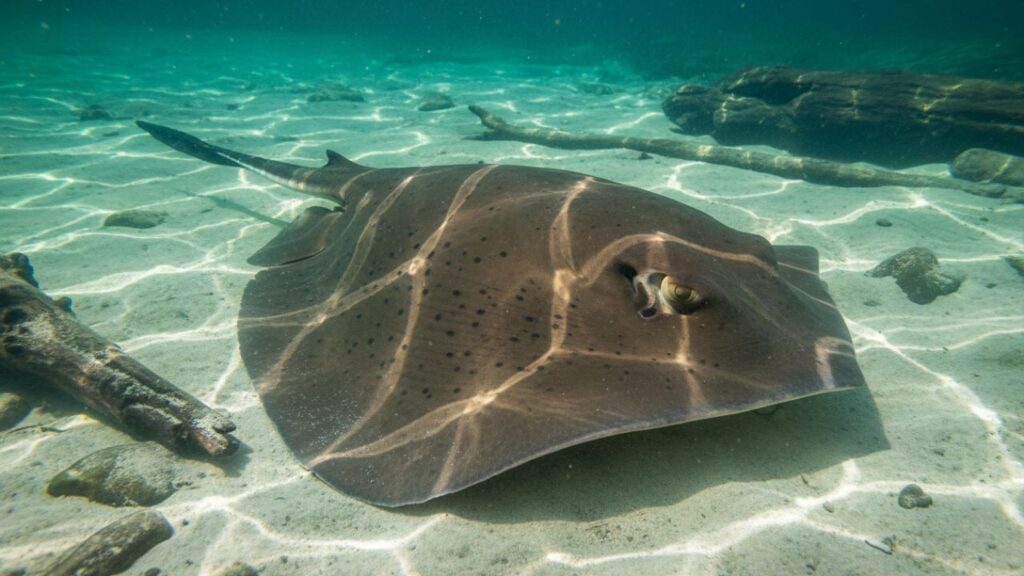
Moving away from the ocean, let’s talk about a river monster: the Giant Freshwater Stingray. Found in the rivers of Southeast Asia, these behemoths can grow to the size of a car. They are closely related to ocean rays but live exclusively in freshwater.
The stingray venom causes intense pain, causing muscle cramps and swelling. The real danger, however, is the barb itself. It acts like a jagged dagger capable of piercing bone. When a stingray strikes, it whips its tail with incredible force. This is the exact mechanism that famously killed Steve Irwin (though that was an ocean species). The barb can cause massive physical trauma along with the toxicity.
These rays are increasingly rare due to habitat loss, but they hold a fearsome reputation among local fishermen. Encounters usually happen when people wade into muddy water and step on the ray. The animal reacts defensively, whipping its tail up. The venomous barbs can break off inside the wound, leading to secondary infections and tissue death.
7. Oyster Toadfish
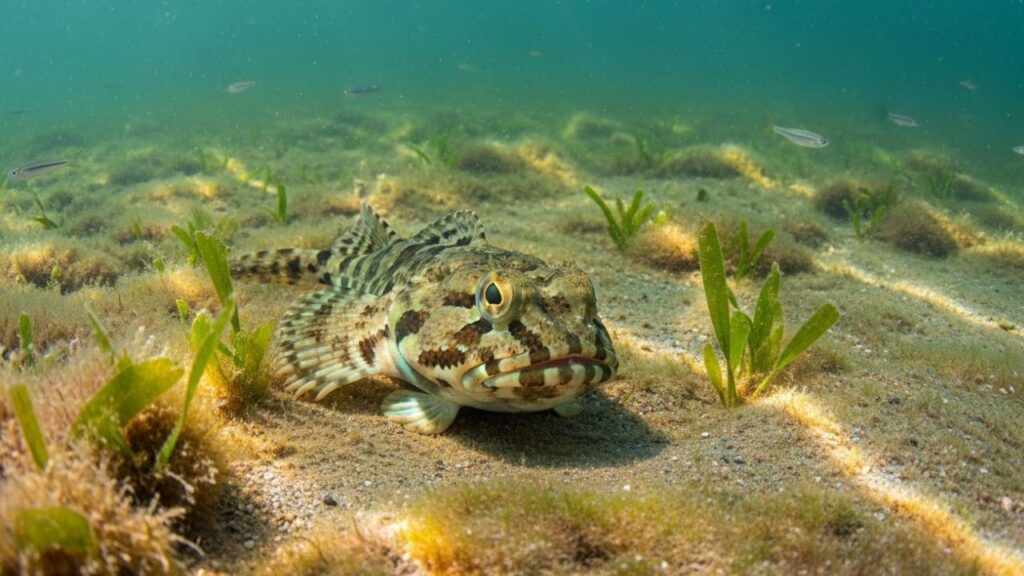
The Oyster Toadfish is not going to win any beauty pageants. Found along the East Coast of North America, this lumpy, slimy fish hides in rocks and debris. It is known for its powerful jaws, which can crack oyster shells, and for its ability to make grunting sounds.
While their venom isn’t as lethal as a stonefish’s, a sting from a Toadfish is remarkably painful. It has been compared to a bee sting but much worse. They are bottom-dwelling fish that often hide in old cans or trash on the ocean floor, making them a hazard for fishermen or curious divers who stick their hands where they shouldn’t.
What makes them unique is their resilience. They can survive in terrible water conditions and even live out of water for a short time. They will aggressively snap and bite humans if handled, and their sharp teeth are strong enough to crush fingers. Combine that with the venom, and you have a fish that demands respect.
Conclusion
The ocean is an incredible place, but it demands respect. From the lethal pufferfish to the camouflaged Stonefish, the waters are full of creatures that have evolved extreme defenses to survive. These fish with the strongest toxins aren’t evil; they are just trying to avoid being eaten by predators or messed with by humans. Whether it’s the electric shocks of a Stargazer or the venomous barbs of a stingray, nature has equipped these animals with some serious firepower.
Next time you are snorkeling in the Indo-Pacific or swimming off the East Coast, remember to watch your step. The most dangerous fish isn’t always the one with the biggest teeth—sometimes, it’s the pretty one floating by the reef or the rock that just blinked at you.
Stay safe, admire from a distance, and maybe leave the fugu eating to the professionals!
