




The vast diversity of fish scales represents one of nature’s most remarkable evolutionary adaptations, with different species developing specialized scale types to suit their unique environments and lifestyles.
While most fish sport overlapping scales that provide flexible armor, the aquatic world offers an extraordinary variety of protective coverings. Some species display mirror-like scales that shimmer with an almost reflective quality.
At the same time, cartilaginous fish such as sharks have evolved an entirely different approach, with their distinctive shark skin composed of tiny placoid scales that feel like sandpaper. Ancient species once held cosmoid scale structures embedded with blood vessels and bone-like material, though these have largely disappeared from modern waters.
Interestingly, not all aquatic creatures follow the exact blueprint—some bony fishes lack scales entirely, having evolved smooth, slippery skin instead.
From the rough dermal denticles of rays to the soft, slimy coating of catfish, and from the ganoid scales of sturgeon to modified placoid scales found across thousands of species, these varied adaptations tell a fascinating story of survival, protection, and the endless creativity of evolution beneath the waves.
Fish with the Most Unique Scales
1. Alligator Gar
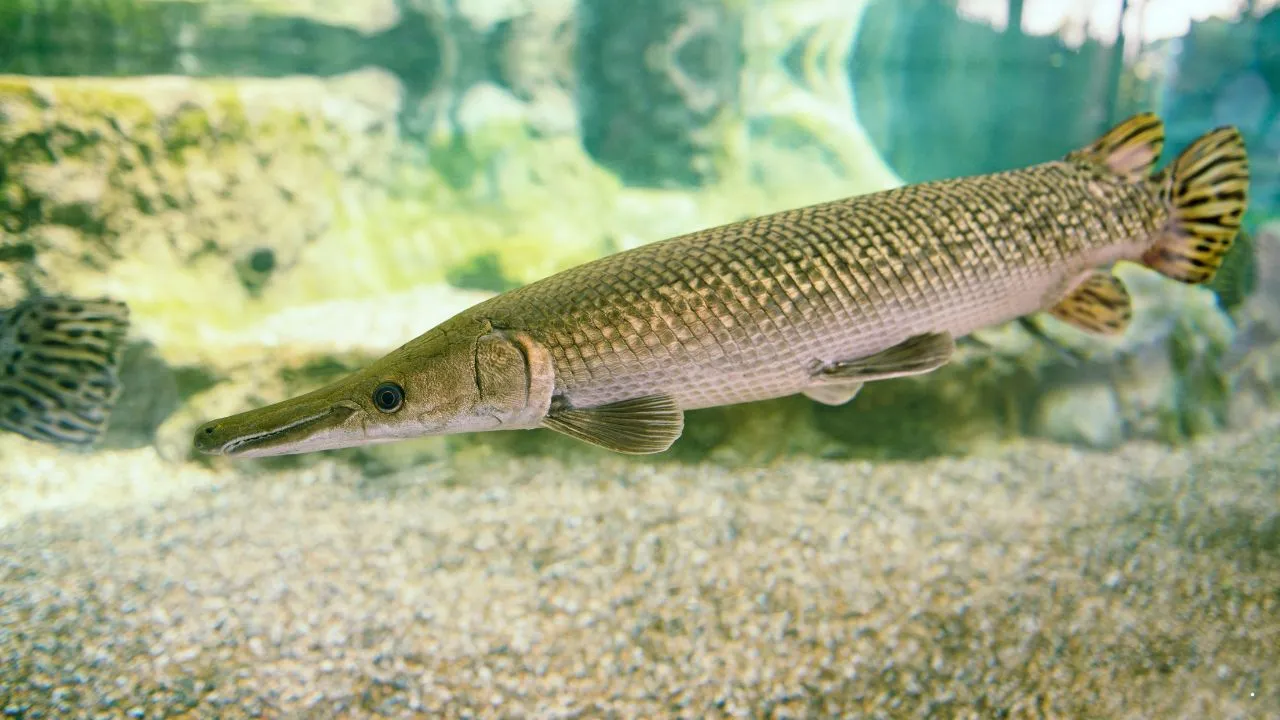
The Alligaor Gar has diamond-shaped scales that interlock like chainmail, and the outer layer is made of ganoine—literally the same vibe as tooth enamel.
These scales are so tough that Native Americans made arrowheads out of them. The scales are arranged so perfectly that the fish can still move smoothly despite being covered in what’s essentially a bulletproof vest.
Speaking of built differently, these fish can grow up to 8 feet long and weigh over 300 pounds. That’s basically a small car with teeth (two rows on each side, actually, because one wasn’t intimidating enough). These extremely tough scales provide such adequate protection that even alligators have to think twice before trying to take a bite.
The most unhinged part?
These fish are called “living fossils” because they’ve kept the same basic design for 100+ million years. While other species were out here evolving and switching up their whole aesthetic, alligator gars said, “This look is timeless,” and refused to change.
Talk about staying true to your brand. They really understood the assignment and have been passing it with flying colors since before dinosaurs even went extinct.
2. Pinecone Fish
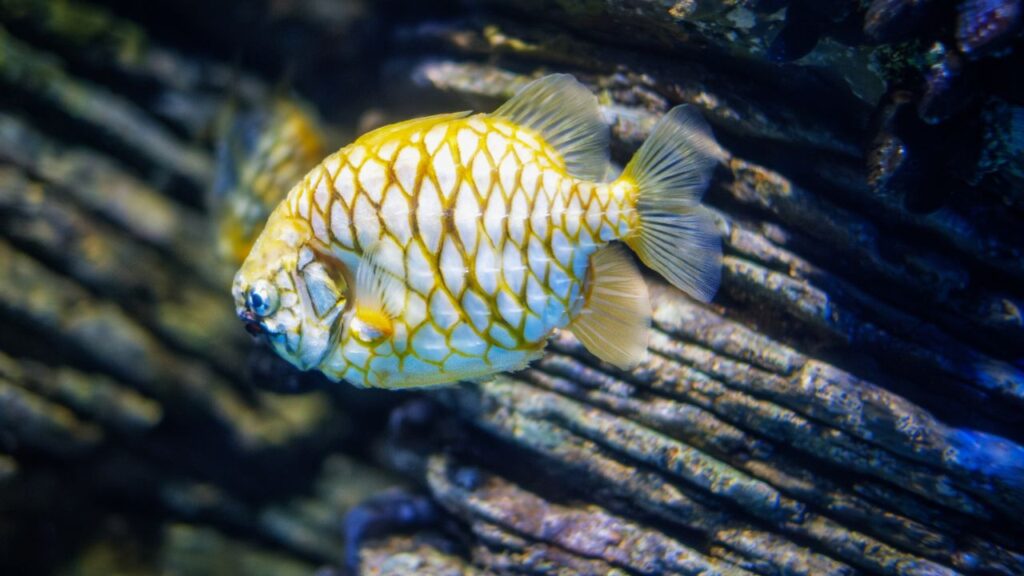
The pinecone fish is covered in these massive bony plates called scutes that make it look like it raided a medieval armory, got dressed in the dark, and somehow made it work. The scutes are ridged, outlined in black, and cover almost the entire body.
But here’s where it gets absolutely wild: these aren’t even regular fish scales, as per Ocean. Scutes form in the deeper layers of the skin and have this hard, horny outer layer that makes them incredibly resistant to damage.
The pinecone fish isn’t winning any swimming competitions. It sacrificed speed for security, which, honestly, is a valid life choice. Sometimes you gotta prioritize safety over being the fastest one at the party.
They’ve got photophores filled with symbiotic bacteria that literally glow in the dark.
Scientists are genuinely fascinated by this combination of armor and bioluminescence, which makes the pinecone fish one of the most interesting creatures in the ocean. They’re basically the ultimate multitasker—protected from predators AND able to light up the deep sea like an underwater rave.
3. Pearlscale Goldfish
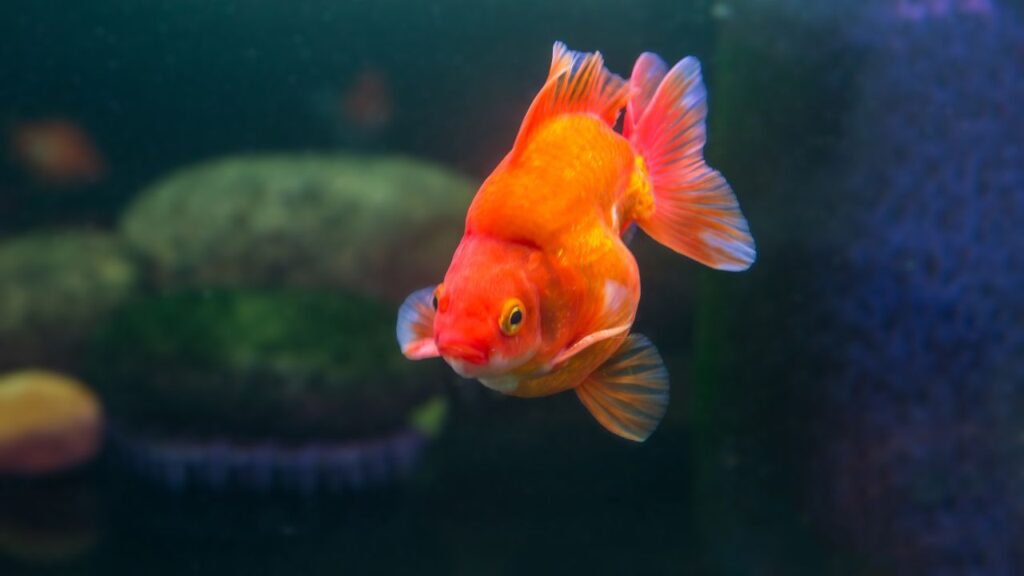
The pearlscale goldfish has phenomenal scales. Each scale on this fancy fish has a raised, white, calcified center that makes the whole fish look like it’s covered in tiny pearls or golf ball dimples. We’re talking about a living, swimming piece of jewelry that somehow ended up in a fish tank.
The secret to their unique look?
Calcium carbonate deposits in each scale create that signature domed appearance. The scales are arranged in neat rows like the world’s most aesthetic bubble wrap, giving the fish this incredible texture. Some pearlscale goldfish have such extreme body shapes that they look like golf balls with fins, which affects their swimming ability but honestly adds to their quirky charm.
These gorgeous domed scales are actually pretty delicate.
If they get knocked off from rough handling, they grow back as regular flat scales, which means your pearlscale goldfish could lose its signature look.
The round, compact, egg-shaped body amplifies the pearl effect even more, making these goldfish look like they’re perpetually dressed for a gala. Some pearlscale goldfish with extreme body shapes develop balance problems or swim with their heads down, which lowkey makes them look like they’re constantly searching for something they dropped. Despite these challenges, they remain one of the most visually distinctive fancy goldfish varieties.
4. Scaly Dragonfish
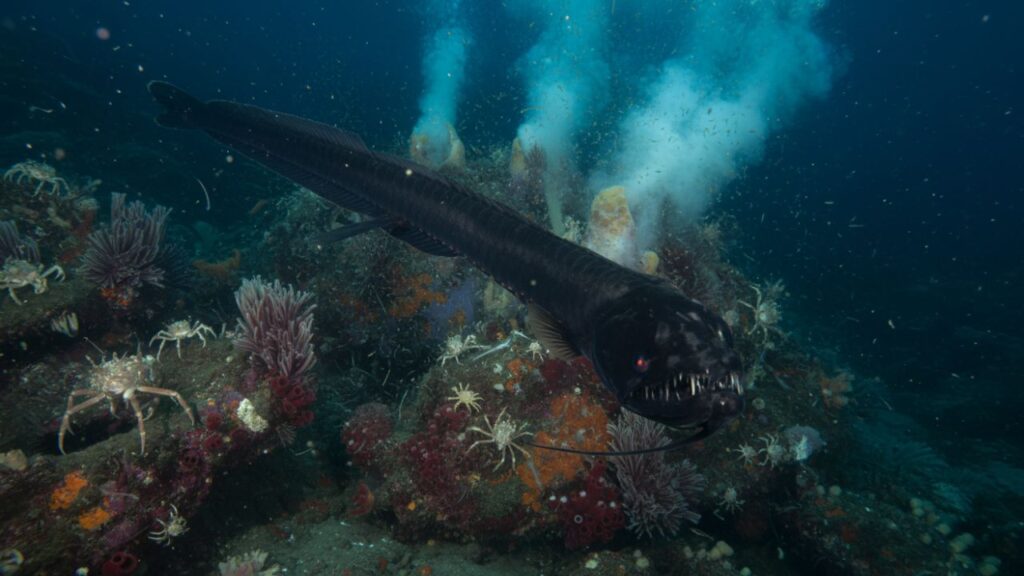
Living at depths of 200-1,500 meters, the Scaly Dragonfish doesn’t even have regular overlapping scales. Instead, its slender body is covered in a pattern of hexagonal areas that give it this geometric, almost alien appearance.
The color scheme?
Absolutely unmatched.
Black underneath, iridescent silver on the flanks, with that hexagonal pattern visible above a series of large photophores (light-producing organs). This color combination helps it camouflage in the dim light of the deep ocean, where being visible is basically a death sentence. The iridescent quality means it can reflect what little light exists down there, making it even harder to spot.
What makes the scaly dragonfish’s covering unique is that these aren’t technically “true scales” in the traditional sense—they’re more like a specialized skin texture with a scale-like appearance. The six-sided pattern creates a natural chain-mail effect that’s both protective and flexible enough for the fish to move efficiently while hunting.
At a maximum length of about 32 centimeters (13 inches), the scaly dragonfish might be small, but it’s mighty. This deep-sea cryptid is entirely different from those ornamental “dragon scale” goldfish varieties you might see in fancy aquariums—this is the real deal, living in conditions that would crush most other creatures.
5. Longnose Gar
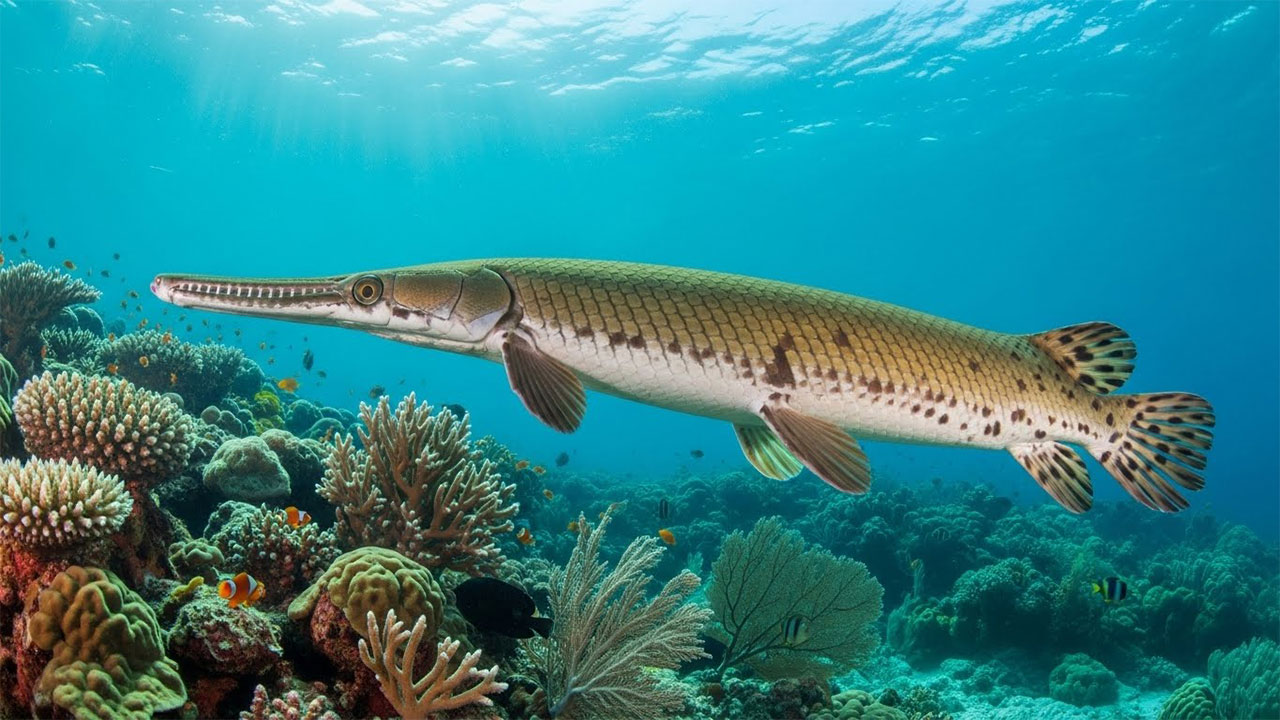
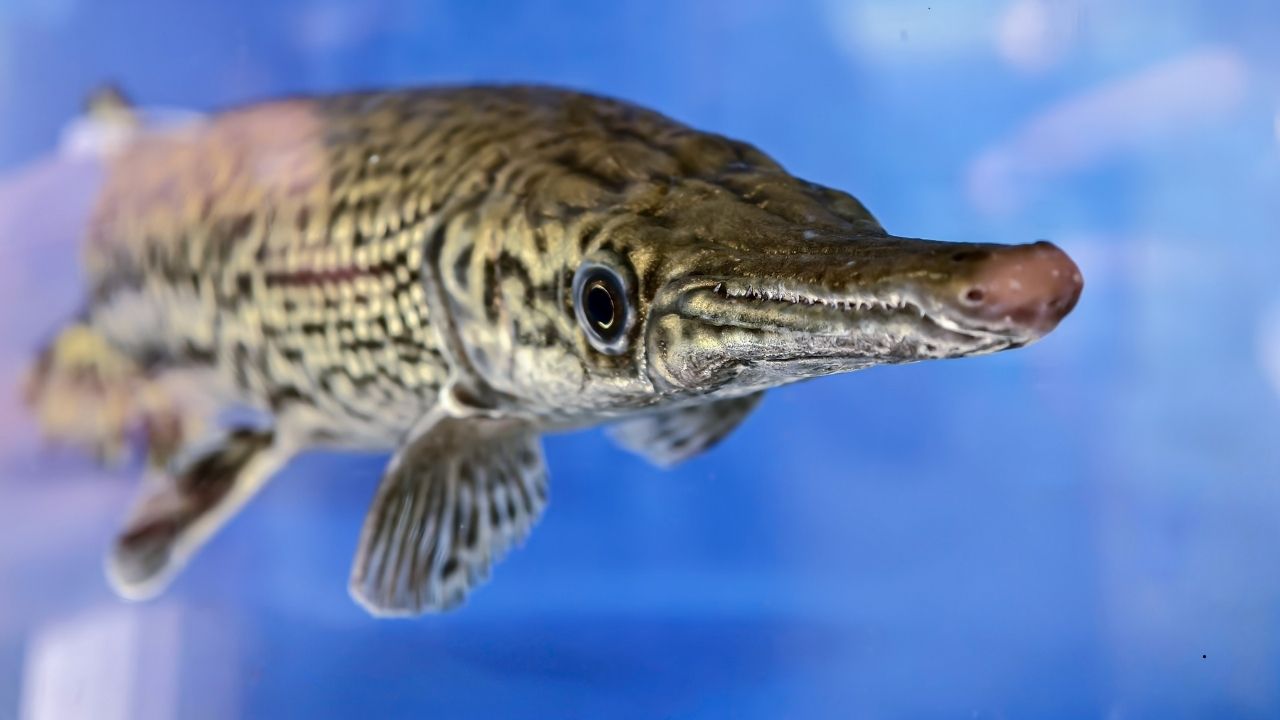
With its elongated body and ridiculously long, thin snout packed with needle-like teeth, this fish is built like a biological spear gun. This suit of armor is made from ganoid scales that interlock in a mosaic pattern. These scales don’t overlap like regular fish scales; they fit together with serrated edges like puzzle pieces, creating protection so effective that even alligators struggle to bite through.
The scales create a virtually impenetrable barrier that’s served the gar family well for millions of years—they’re part of one of the most ancient fish families still around today, as per Britannica.
These fish average 2-3 feet in length but can reach up to 5 feet, with their most distinguishing feature being that long, slim snout and cylindrical body covered in round dark spots (except on the head—apparently the head gets to be spot-free). The snout is absolutely packed with small, sharp teeth that make catching fish their primary diet ridiculously easy.
They’re generally olive gray above and light below, which is pretty standard coloring for all gars, but that armor-plated body covered in ganoid scales is what really sets them apart.
Here’s a wild bonus fact: longnose gar have a highly vascularized swim bladder that functions as an auxiliary lung, allowing them to gulp air at the surface and absorb oxygen through internal tissue layers. This primitive adaptation (which they share with the bowfin) lets them survive in harsh conditions and habitats with low oxygen that would leave other fish gasping.
6. Bowfin
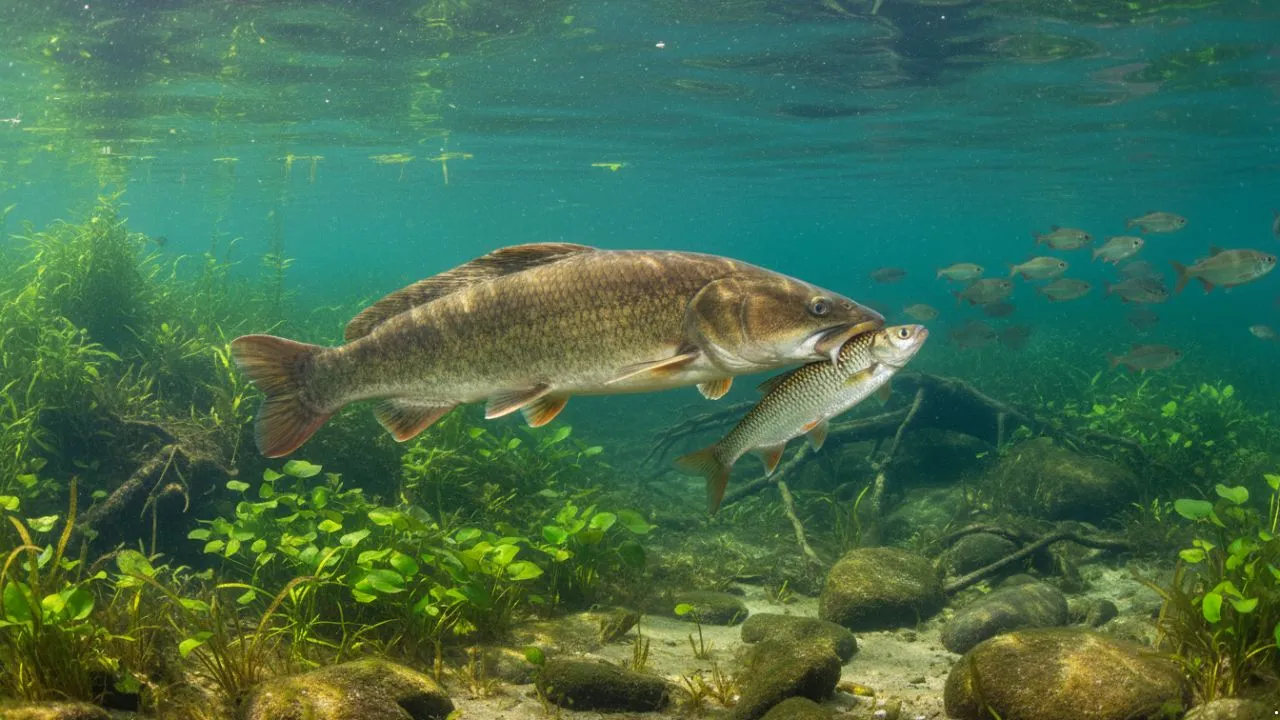
The bowfin has ganoid scales just like the gars, BUT they managed to make them feel completely different. The scales lack rough prickles found on other fish, so touching a bowfin is surprisingly pleasant considering it’s basically wearing protective plating.
These scales are diamond-shaped and interlock using peg-and-socket joints like prehistoric Legos, forming layers of protection that include a bony base, a layer of dentine, and an outer coating of ganoine (that inorganic bone salt that makes them extra challenging).
The most iconic thing about the bowfin?
The Florida museum mentions that its head is completely scaleless, instead protected by rigid, bony plates. It’s like the fish equivalent of wearing a helmet with your armor—maximum protection with a clear aesthetic vision. The scaleless head actually makes the bowfin easier to identify and adds to its distinctive appearance.
Archaeological evidence shows that Indigenous peoples have used bowfin scales (alongside other scales) for tools and ornaments for thousands of years, which honestly tracks because these scales are both beautiful and functional.
7. Coelacanth
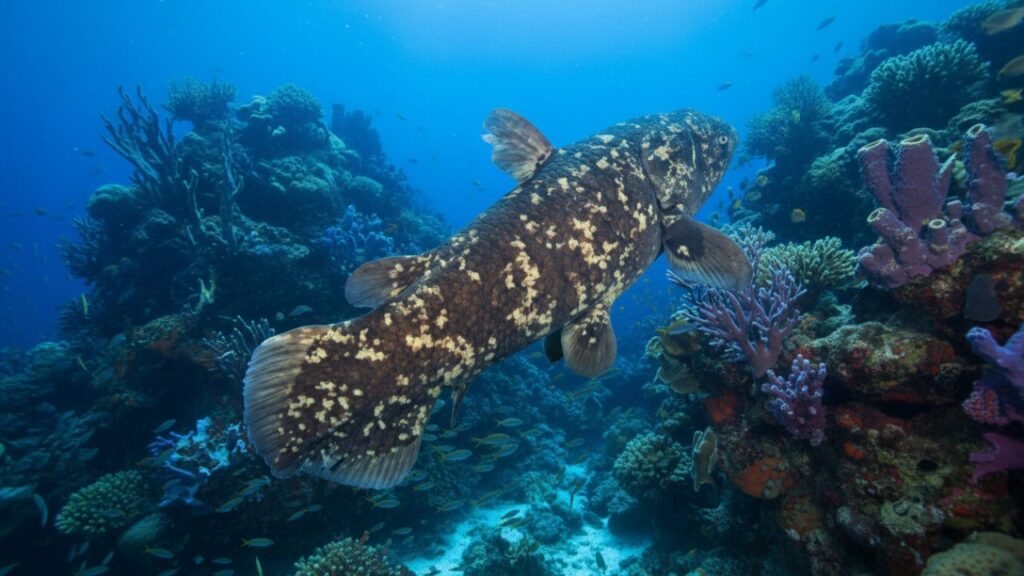
Coelacanths are thick, hard, rough to the touch, and fit together like puzzle pieces in a suit of armor that makes medieval knights look underprepared. Add tiny tooth-like spikes called denticles on the outer surface, and you’ve got protection that works against both predators and rocky environments.
Scientists discovered that the inner layer has bundles of collagen arranged in something called a “double-twisted Bouligand pattern”—basically, imagine a spiral staircase, but make it biological armor. This configuration allows the scales to absorb large amounts of energy and resist deformation or cracking under pressure.
The scales have a damage-tolerance feature, where the specific arrangement of fibers and the matrix between them helps localize damage and prevent cracks from spreading. It’s like having built-in damage control—when one area gets hit, the rest of the armor stays intact.
Each coelacanth has a unique pattern of white or gold spots on its scales, which scientists use to identify individuals like an underwater fingerprint database. So not only are these scales providing incredible protection, but they’re also serving as natural ID cards.
8. Tarpon
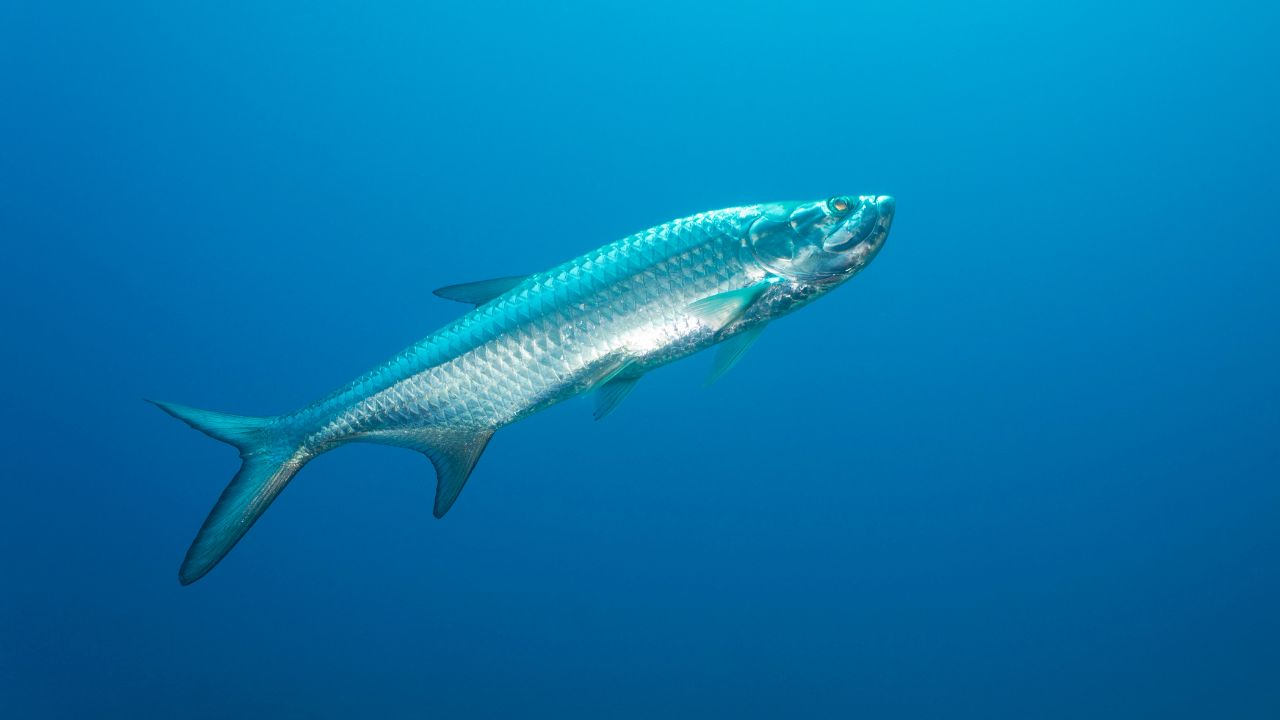
Tarpon’s scales are tough enough to serve as body armor and are scientifically valuable in a unique way. They grow in rings like tree rings, and scientists can analyze the trace elements and isotopes in these layers to learn about a fish’s entire life story—age, diet, migration patterns between fresh and saltwater, all without having to sacrifice the fish.
Humans have been obsessed with tarpon scales literally since pre-history, using them for everything from nail files to decorative crafts like lampshades and jewelry.
Imagine having scales so impressive that people throughout history kept finding creative ways to use them for home décor and accessories. The tarpon’s scales have been THE accessory for thousands of years across multiple civilizations. That’s staying power.
That said, while tarpon scales are absolutely massive and unique, other fish like the arapaima have scales that are considered some of nature’s toughest flexible materials—strong enough to resist piranha bites.
So tarpon might be the “silver king,” but there’s some serious competition in the scale game. Still, with their distinctive, almost vertical, silvery sides made up of large scales, tarpons are instantly recognizable. They can also gulp air at the surface when oxygen is low (backup respiratory system? check).
9. Pacific Herring
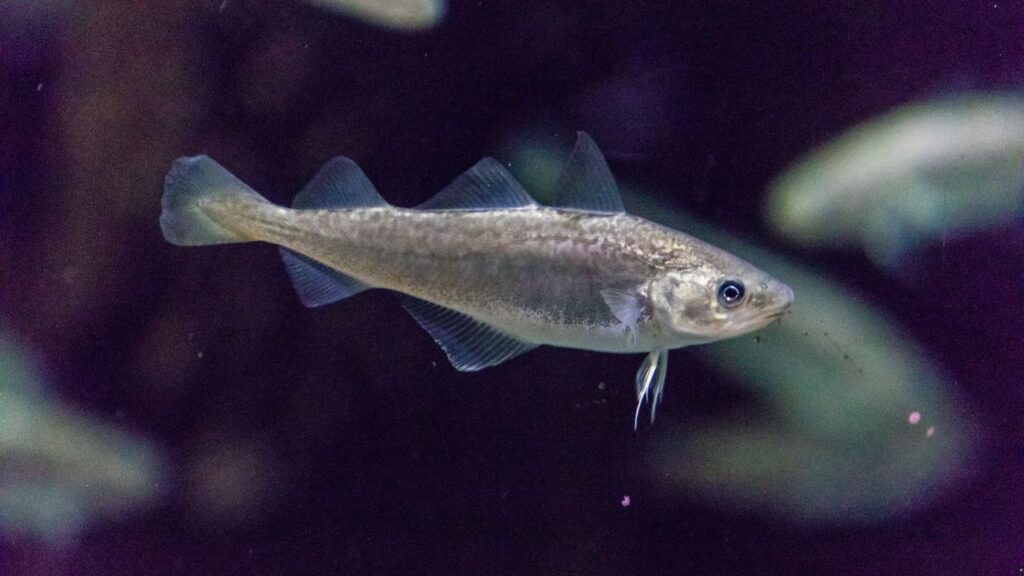
Pacific herring might not have the most unique scales compared to some of these other aquatic legends, but they’ve got their own distinctive characteristics that deserve recognition. First off, their scales are relatively large for their body size and detach super easily, which is actually helpful for identifying them from other similar silver fish.
The most interesting part?
Unlike other members of their genus, Pacific herring have NO scales on their head or gills. Meanwhile, the scales along their undersides protrude in a slightly serrated, sawlike fashion, forming a keel. So they’re smooth on top, spiky underneath—like a reverse mohawk, but make it aquatic. The design choices here are fascinating.
Their scales contain guanine crystals that give them a shiny, silver-white appearance, providing excellent camouflage in the water. They’re literally covered in biological glitter that serves a practical purpose.
Pacific herring have deeply forked tails and lack adipose fins, with those notably large, easily-removed scales covering everything except the head and gills. They might not be wearing armor plating or have scales the size of your palm, but they’re holding it down in their own way.
Sometimes the most interesting thing about scales isn’t that they’re the biggest or the toughest—it’s about how they work together to create something functional and beautiful.
Conclusion
So there you have it, the most unhinged, iconic, and absolutely serving collection of fish scales in the entire ocean (and some rivers too). From prehistoric armor that’s been unchanged for millions of years to scales that glow in the dark, from cycloid scales to ctenoid scales, the variety is genuinely mind-blowing.
What’s fantastic is that while we’re out here inventing new materials and protective gear, these fish have been rocking solutions that engineers are STILL trying to replicate. The alligator gar’s armor inspired the design of puncture-resistant gloves. The coelacanth’s scale structure is being studied for new material designs. The arapaima’s scales can resist piranha bites.
Whether they’re built for protection, camouflage, or just looking absolutely flawless, these fish scales prove that evolution doesn’t play around.
