




When people think about fish, they often picture peaceful swimming, shiny scales, and maybe a hook dangling nearby. But beneath that calm surface is a full-on survival game where every species is trying not to become someone else’s food.
Oceans, rivers, and reefs are packed with danger, and fish live with constant pressure from predators, changing conditions, and the simple need to eat without being eaten.
From venom and electricity to breathing on land, these animals are masters of adaptation. Some fish rely on camouflage so effective that they disappear against rocks and sand.
Others use speed, toxins, or shockingly clever tricks to escape certain death. Every fin, scale, and behavior is shaped by the same goal: survival. If a strategy fails even once, that species does not get a second chance.
This blog dives into the best survival strategies of fish, showing how evolution built underwater superheroes long before humans figured out fishing techniques, line, and bait. Understanding how fish survive harsh environments and how to catch fish in games also gives us better insight into conservation, ethical fishing, and why protecting these species matters.
Fish with the Best Survival Strategies
1. Pufferfish
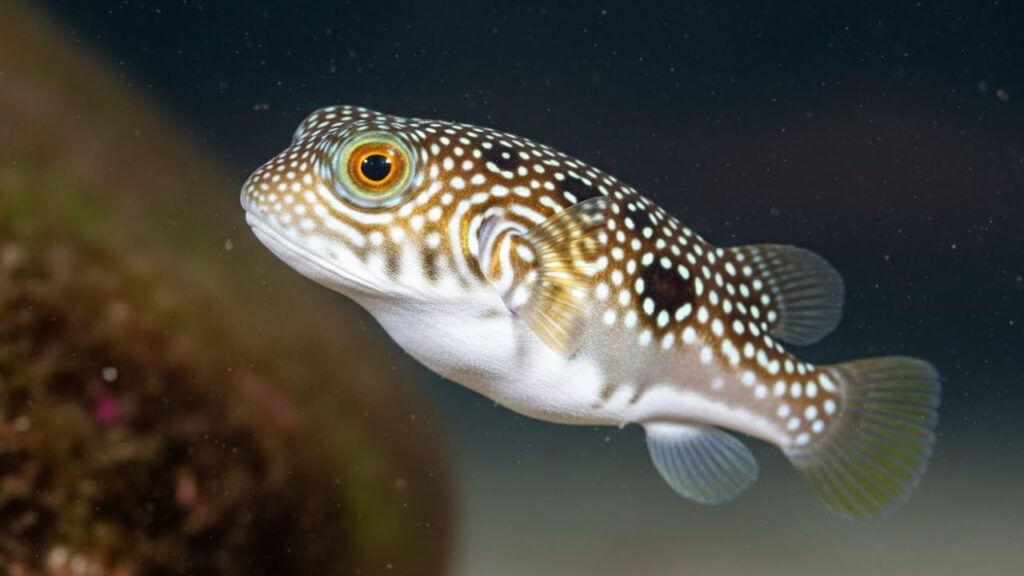
The pufferfish is living proof that sometimes the best survival strategy is to panic… professionally. When threatened, this little fish gulps water or air and inflates its body into a round, spiky balloon.
Thanks to a reduced skeleton and stretchy skin, it can expand several times its normal size in seconds. For predators trying to catch a quick snack, that sudden shape change creates intense pressure and confusion. Imagine biting into what you thought was a nugget and getting a basketball instead.
But inflation is only part of the story. Pufferfish skin stretches without damaging vital organs like the gut or gills, making it one of the most impressive biological designs in the ocean. Studies show that predators often abandon attacks once the pufferfish inflates, significantly improving survival rates. This means fewer death events and a much better chance to survive long enough to feed, spawn, and pass on those balloon skills.
As if that was not enough, pufferfish also pack toxins strong enough to kill predators and cause serious harm to humans. The toxin attacks nerves and muscles, turning one bad bite into a terrible life choice. That chemical defense acts like a permanent warning sign that says, “Do not even try.” In the wild, this dramatically lowers predation risk and reduces overall mortality.
Some pufferfish also use camouflage, blending into rocks, sand, and coral to avoid attention altogether. Cute, deadly, and clever, they are a reminder that good survival priorities do not always involve speed or strength. Sometimes the answer is simply that it becomes too weird to eat.
2. Reef Stonefish
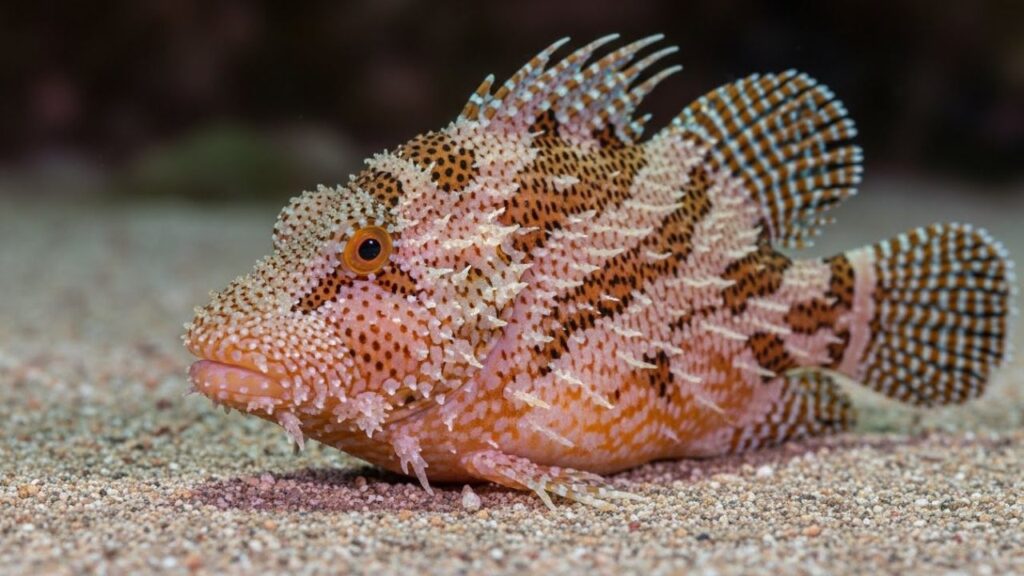
If survival were a hide-and-seek game, the reef stonefish would be unbeatable. This species looks exactly like a lump of coral or a pile of rocks, making it nearly invisible on the seafloor. The same goes for the fish caught by the humans.
Divers swim past it, predators ignore it, and prey never see it coming. This camouflage is so effective that humans accidentally step on stonefish more often than predators attack them.
Australian Museum notes that Stonefish are ambush experts. Instead of chasing prey, they wait patiently on the ground, barely moving. When a small fish swims close, the stonefish strikes in a fraction of a second, opening its mouth and swallowing the prey whole. This low-energy strategy is ideal in a survival situation where conserving resources is essential.
Defense is where the stonefish truly shines. Thirteen dorsal spines inject one of the most painful venoms known in marine animals. The venom causes extreme pain, tissue damage, and, in rare cases, death if untreated. That level of risk teaches predators fast and permanently. One encounter is usually enough.
Even more impressive, this fish can survive out of water for nearly a full day and live many years in the wild. That flexibility helps it endure changing tides, shallow river mouths, and harsh conditions. The reef stonefish proves that patience, disguise, and venom make a powerful survival combo.
3. Australian Lungfish
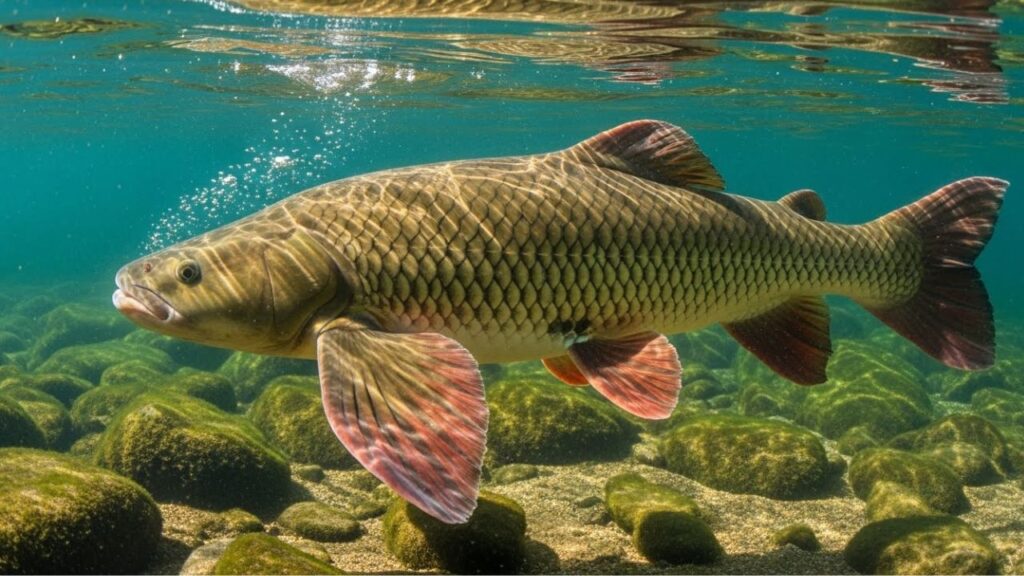
The Australian Lungfish looks like a relic from ancient times, and honestly, it is. This species has both gills and a lung, allowing it to breathe air when water becomes warm, stagnant, or low in oxygen.
In some environments, it gets most of its oxygen from the air, an incredible advantage when other fish start to struggle or die.
During droughts, Lungfish can bury themselves in mud, secrete a protective cocoon, and wait it out. Inside that cocoon, they breathe through their lung and slow their metabolism. Some lungfish have survived months or even years this way, proving that patience is sometimes the ultimate survival skill.
This ability dramatically improves survival rates during extreme conditions. While other species perish when water disappears, Lungfish hit pause on life. Researchers consider them one of the most scientifically fascinating fish because they show how early vertebrates may have transitioned from water to land.
Their thick body, strong fins, and adaptable respiration systems make them nearly impossible to wipe out naturally. In a world of environmental stress, the Lungfish is living proof that flexibility beats strength every time.
4. Clownfish
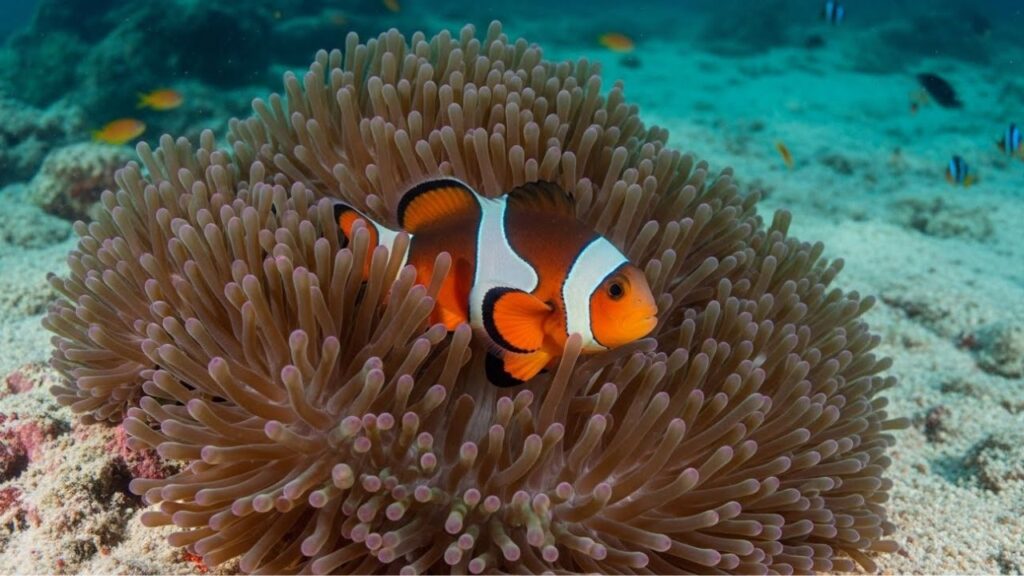
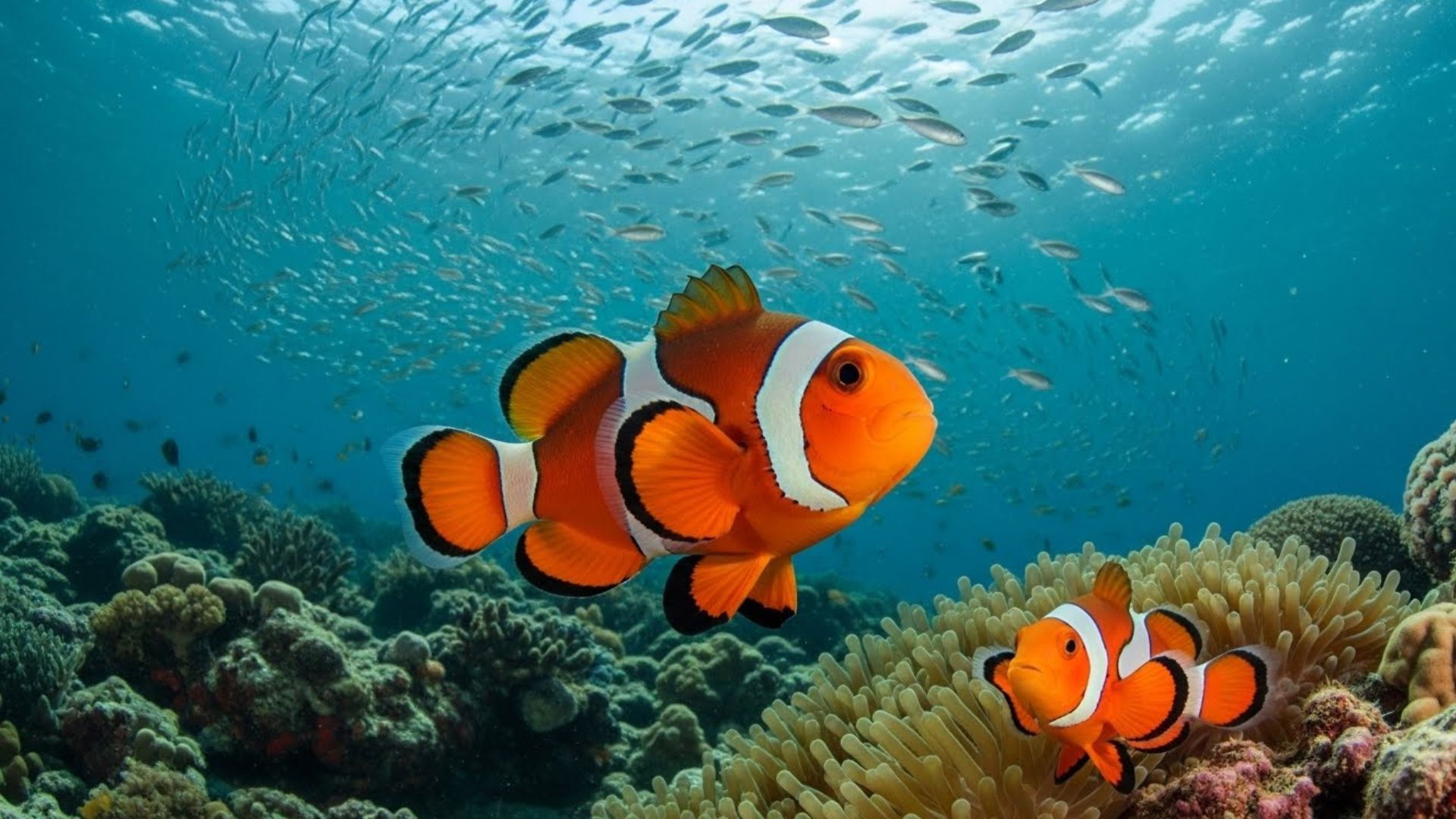
Clownfish may look small and cheerful, as National Geographic describes, but their survival strategy is elite. They live among sea anemones that sting almost everything else. A special mucus coating on their body protects their skin, mouth, and throat from venom. Predators see the anemone as a death trap, but the clownfish calls it home.
This relationship benefits both partners. The clownfish scares away threats, helps circulate water, and provides nutrients. In return, it gets protection that drastically reduces death and stress. That is teamwork done right, no net, hook, or trap required.
Clownfish also have a strict social structure. All are born male, and if the dominant female dies, the breeding male changes sex. This ensures reproduction continues without needing to search for mates. It is one of the most efficient reproductive techniques in the ocean.
Not even climate change has stopped them. Studies show clownfish can shrink their body size during heat waves to reduce energy needs. Less pressure on the system means a better chance of survival in warming seas.
5. Electric Eel
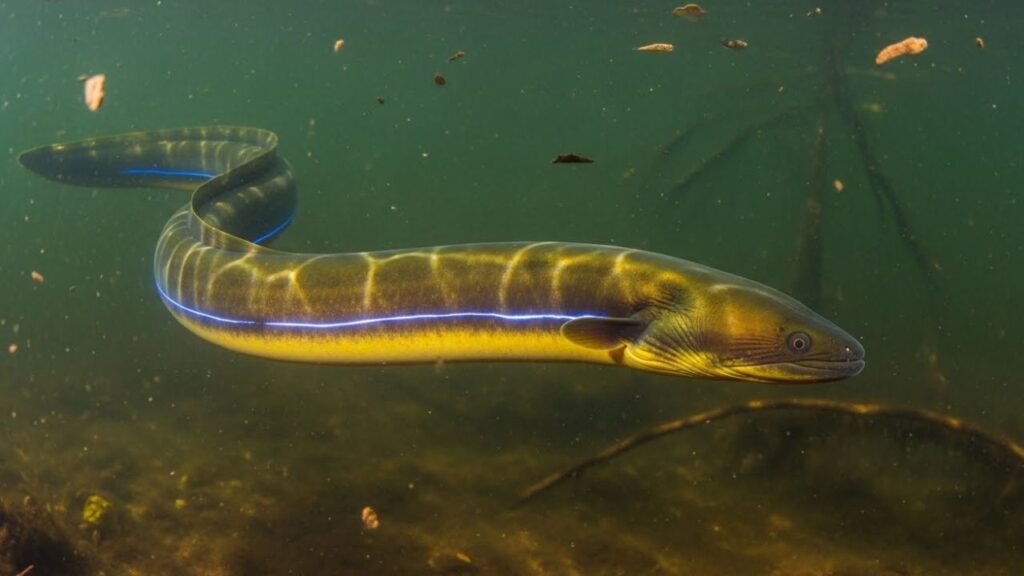
Electric eels are basically living stun guns with gills. They can generate powerful electric shocks that immobilize prey and scare off predators. These fish are used both for hunting and defense, making them among the most versatile freshwater species.
In dark, muddy waters, electric eels rely on low-voltage pulses to sense movement. This biological radar helps them locate prey even when visibility is zero. Once detected, a high-voltage discharge causes muscles to contract, making the prey impossible to escape. That is a catch with science on its side.
Electric eels are also obligate air breathers. They surface regularly, using a highly vascularized mouth to absorb oxygen. This allows them to thrive in oxygen-poor pools where other fish would die. During seasonal floods, they spread into new habitats, increasing survival opportunities.
When threatened, they can leap from the water and press their electric organ against predators, delivering maximum shock. It is dramatic, compelling, and honestly a little terrifying.
6. Arctic Cod
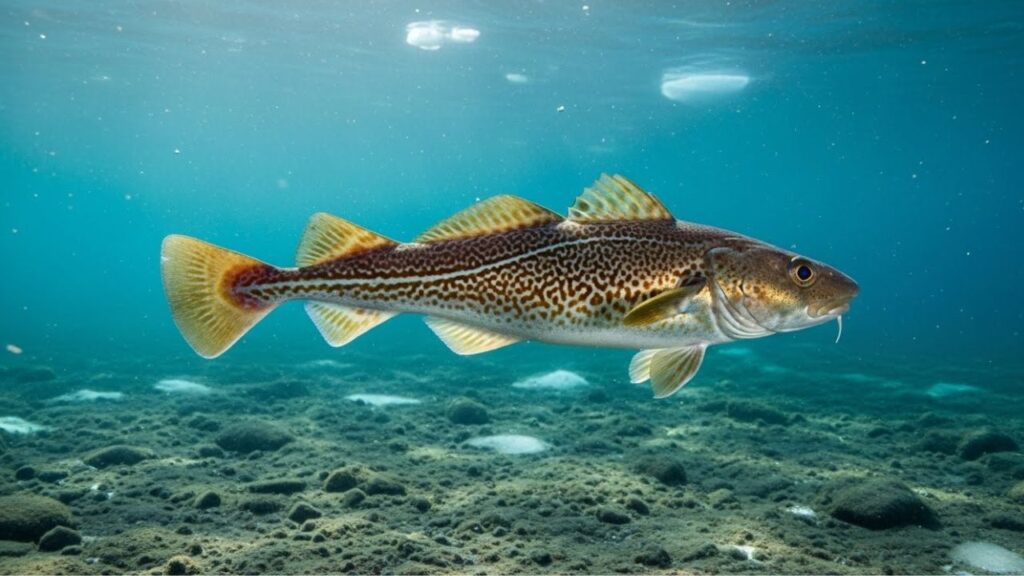
The Arctic cod lives where most fish would freeze solid. Its secret is antifreeze proteins that prevent ice crystals from forming in its body. These proteins bind to ice, preventing it from growing and allowing the fish to survive in icy waters.
NOAA says they are closely associated with sea ice. They spawn beneath it, and their eggs float safely near the ice surface. This protects from predators and provides access to rich feeding zones, improving early survival rates.
They also use a bet-hedging strategy, spreading spawning across time and locations. That way, even if conditions fail in one area, others succeed. It is long-term thinking applied to survival.
While sensitive to warming temperatures, Arctic cod dominate cold ecosystems and play a crucial role in the food web. Their success supports birds, seals, and even humans in polar regions.
7. Mudskipper
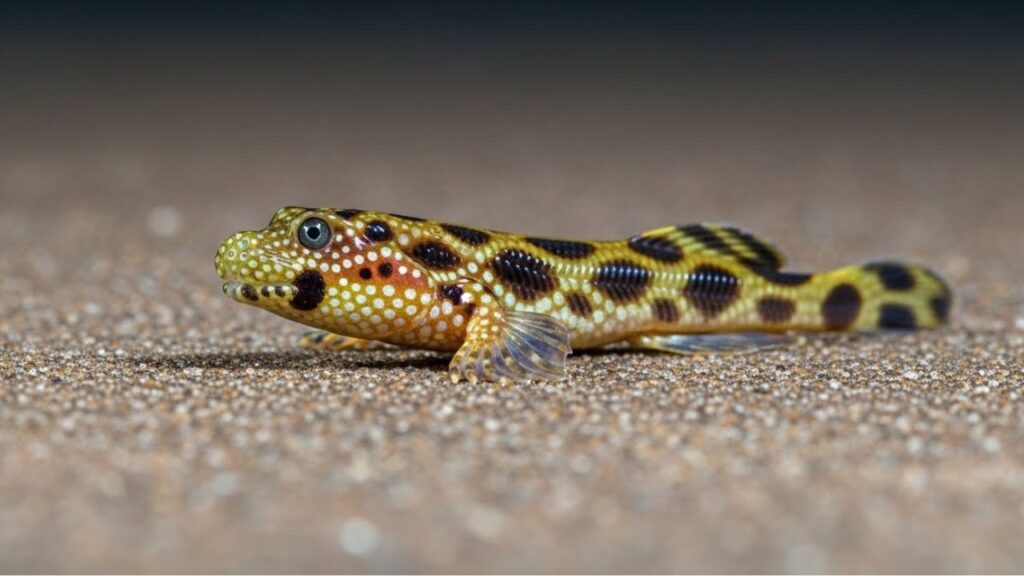
Mudskippers look like fish that forgot they were supposed to stay in water. They walk, hop, and climb on land using strong fins. When out of water, they breathe by drawing in trapped moisture through their gills and absorb oxygen through their mouth and throat.
They live in intertidal zones where conditions change constantly. To avoid heat, they retreat into burrows in the mud, which also protect them from predators. Some even store air bubbles in their tunnels for later use. That is advanced planning.
Mudskippers have skin compounds that act like sunscreen, helping protect them from sunlight. Staying wet is key, but they are far more comfortable on land than most fish ever will be.
Their amphibious lifestyle allows them to access food sources that others cannot. By expanding their territory beyond water, mudskippers reduce competition and improve survival chances.
Conclusion
From venomous spines to electric shocks and air-breathing lungs, these fish with the most reasonable survival strategies show how creative evolution can be. Unlike striped bass, which rely on speed, schooling, and open-water hunting, the fish in this list survive using extreme defenses like venom, electricity, and air-breathing.
While anglers, fishermen, and other anglers focus on bait, line, hook, and passive fishing techniques to reduce and release mortality, nature has been refining survival for millions of years. While many small bait fish survive by staying in schools and hoping not to get caught, the fish featured here take survival to another level with defenses so effective that they rarely need to rely on numbers alone.
While anglers often rely on live bait to tempt a hungry predator, many of these fish survive by making sure they’re the last thing any predator wants to bite. Understanding these adaptations helps us respect aquatic life and make better choices, whether we are fishing for bass, trout, or
