




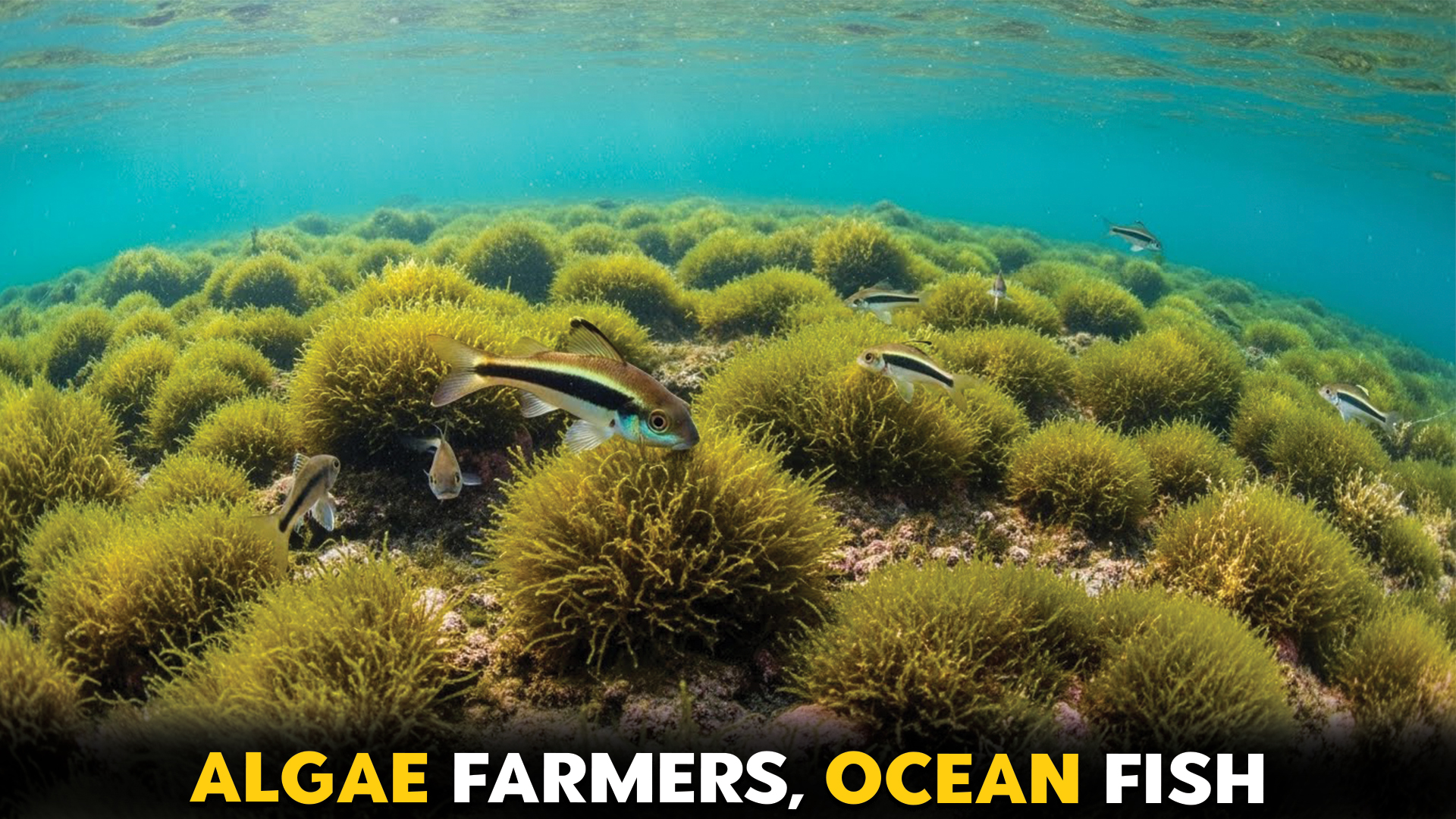
When we look at the ocean, we often imagine a chaotic survival-of-the-fittest scenario, but there is actually a surprising amount of agriculture happening beneath the waves. While we are used to seeing fish swim and hunt, some fish farm algae like underwater gardeners. In the marine habitats of coral reefs, particularly within the Family Pomacentridae, we find the Damselfish.
These clever creatures, specifically the Stegastes nigricans, are known for cultivating lush gardens of algae. They actively manage their plots on staghorn coral, weeding out indigestible types and promoting the growth of their preferred food sources.
These algae farmers are fiercely territorial, aggressively defending their algae patches from sea urchins, other fish species, and even divers who get too close. The Damselfish will chase away intruders to protect their crops.
They essentially create a monoculture of highly digestible filamentous algae, removing things they cannot eat. This behavior creates a unique ecosystem impact: while they slightly damage live corals to make space for their garden, they also boost local productivity.
In this blog, we are going to explore some of the most famous freshwater fish that act as these maintenance workers.
Fish That Farm Algae Like Underwater Gardeners
1. Siamese Algae Eater

The Siamese Algae Eater is often the first recommendation when an aquarium owner discovers a fuzzy outbreak in their tank. Unlike other fish that might nibble occasionally, this species is a dedicated worker, as per Fish Lore.
They are famous for their ability to eat filamentous algae, also known as black beard algae, which most other fish species essentially ignore because it is too harsh or tastes bad. Native to Southeast Asia, they have slender bodies with a distinct black horizontal stripe that runs from nose to tail, making them easy to identify if you know what to look for.
These fish are generally peaceful, making them excellent community tank residents, though they can become a little territorial with their own kind as they age. They are active swimmers and need plenty of oxygen and good water movement to thrive. In a setup with live plants, they are invaluable because they gently clean the leaves without harming the plant.
One interesting fact is that you need to be careful when buying them. There is a lookalike called the “Flying Fox” that is often sold under the same name but is much less effective at eating algae and can be more aggressive.
While their primary diet in nature consists of algae and small organisms called periphyton, in captivity, they will happily eat leftover fish food.
2. Otocinclus Catfish
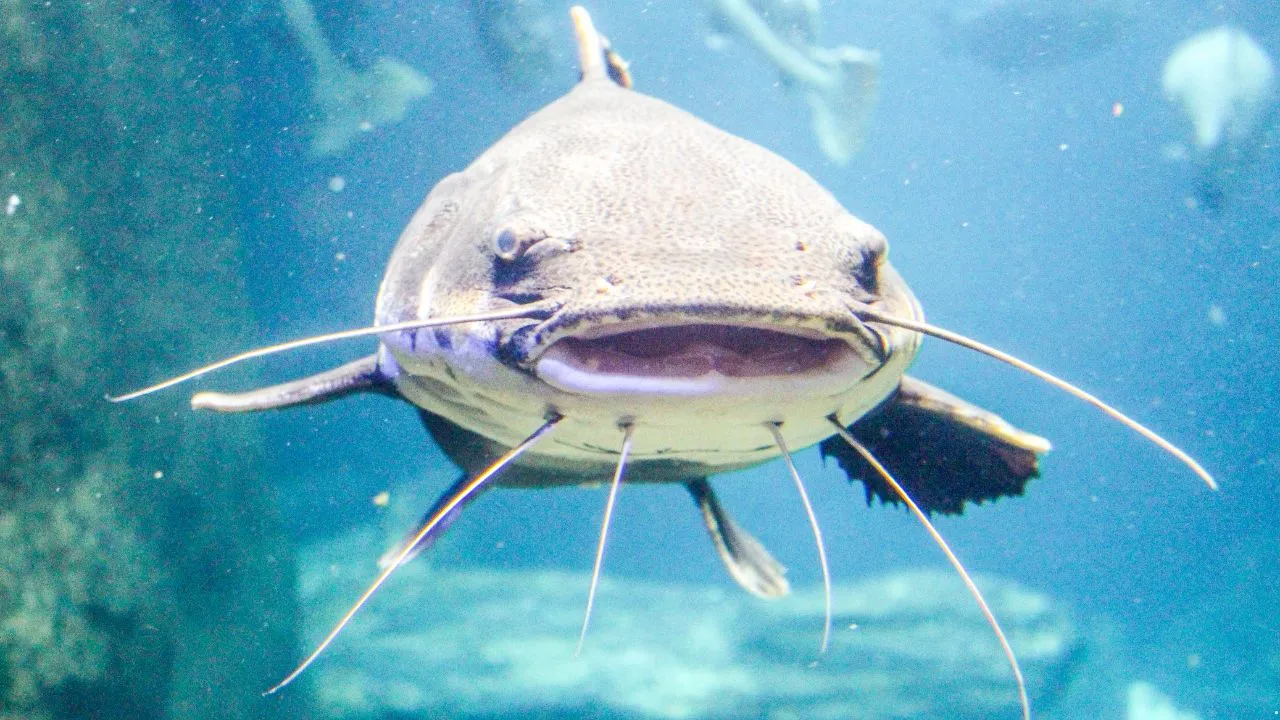
If you have a smaller setup or a tank with delicate plants, the Otocinclus Catfish, or “Oto” for short, is the perfect candidate. These are tiny catfish, rarely growing larger than two inches. Because of their small size, they can get into tight spaces that larger fish cannot reach. They are famous for eating soft green algae and diatoms (brown algae) that often plague new tanks.
With their sucker mouths, they work tirelessly against the glass and leaves, looking like little vacuum cleaners.
Otocinclus are schooling fish, meaning they feel safest in a group of their own kind, as per WebMD. If you only get one, it will likely hide and suffer from stress due to a lack of companionship.
You should aim to keep at least six together so they can display natural social behavior. When they feel secure, they will spend the entire day latching onto surfaces and scrubbing away biofilm and algae.
However, these little guys are known for being sensitive to water conditions. They do not do well in brand-new tanks that haven’t yet established a stable cycle. They need a mature environment with plenty of natural algae to eat right away.
Despite their delicate nature, they are a favorite among aquascapers who grow high-end aquatic plants. Since Otos are so gentle, they won’t tear up fragile leaves or uproot carpets like larger catfish might.
3. Suckermouth Catfish

The Suckermouth Catfish, commonly known as the Plecostomus or “Pleco,” is perhaps the most iconic algae eater in the hobby. With their armor-plated bodies and prehistoric looks, they are fascinating creatures.
In an aquarium, they will attach themselves to the glass, giving you a perfect view of their specialized mouth parts working away. They are heavy-duty grazers that can clear a large patch of algae overnight.
However, there is a significant misconception regarding this fish. The Common Pleco can grow to be massive—often reaching over a foot long or even eighteen inches. Many people buy them when they are two inches long, thinking they will stay small, only to find they have a monster in their tank a year later.
A fish of this size produces a massive amount of waste, which can contribute to high nitrates and phosphates and fuel more algae growth if the filtration isn’t strong enough. It is a bit of an ironic cycle if not appropriately managed.
Because of their size and sturdy build, they can be a bit clumsy. A large Pleco might accidentally bulldoze your carefully arranged plants or hardscape just by swimming past.
4. Molly Fish

Molly Fish are a staple in the hobby, known for their vibrant shades of black, white, orange, and yellow. While they are primarily kept for their color and active personality, they are surprisingly effective algae eaters.
Mollies are livebearers, according to PetMD, meaning they give birth to free-swimming young rather than laying eggs. In the wild, they inhabit everything from fresh streams to brackish estuaries, and a large part of their natural diet consists of grazing on algal mats and plant matter.
You will often see Mollies pecking at everything in the tank. They constantly pick at the substrate, the decorations, and the plants. They are particularly good at managing hair algae and surface films. Because their mouths are shaped to scrape surfaces, they can clean up areas that other mid-water fish ignore.
They are voracious eaters, and if you withhold prepared meals for a day or two, they will decimate the algae population in the tank with renewed vigor.
Mollies are also hardy and adaptable, making them commonly found in beginner setups. However, they do prefer harder water with a higher pH.
5. Goldfish
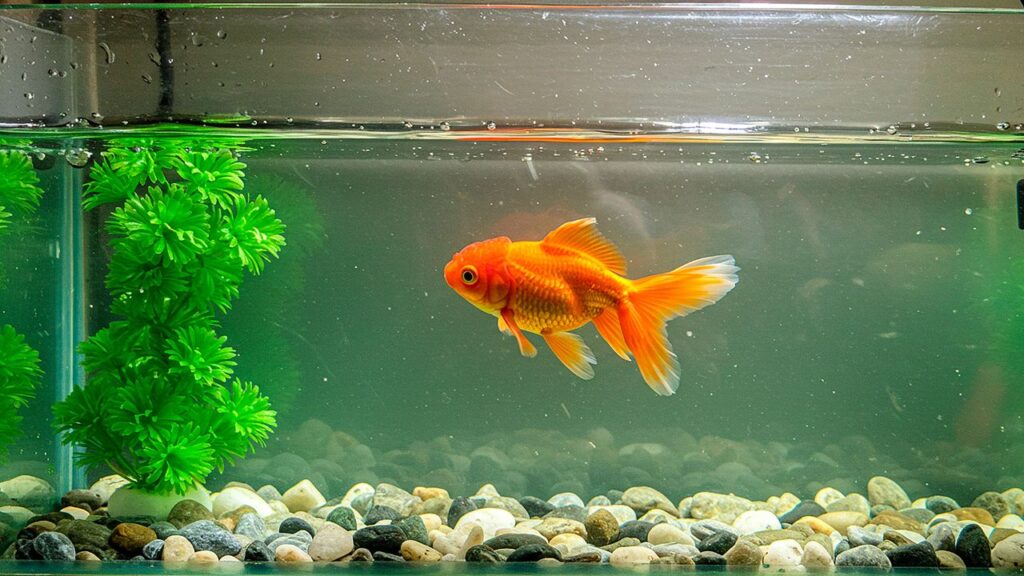
When we think of pond life, the Goldfish is usually the first animal that comes to mind. These cold-water fish have been kept as pets for over a thousand years. While they are often viewed just as decorative pets, Goldfish are natural foragers.
In a pond or a large tank, they spend a massive portion of their time sifting through the bottom substrate and grazing on rocks. They are omnivores, but they have a strong appetite for vegetable matter, including various types of thread algae and blanket weed.
Goldfish can consume a lot of material. A school of Goldfish in a backyard pond can help keep the walls and floor relatively clean of softer algae species. However, they are not precise gardeners.
They are known to uproot plants while digging for edibles. If you have delicate underwater lilies or grasses, a Goldfish might view them as a salad bar rather than landscaping.
Effective filtration and aeration are key when keeping them. You need to balance their algae-eating benefits with the heavy bioload they add to the system. Regular water changes are essential to maintaining a healthy environment for them.
6. Mosquito fish

The Mosquitofish, or Gambusia, is a small fish that has had a massive impact worldwide. As their name suggests, they were spread globally to control mosquito populations by feeding on mosquito larvae.
They are incredibly tough survivors, able to live in water with low oxygen, high temperatures, and poor quality. While their main fame comes from eating insects, they are also opportunistic omnivores that will graze on algae and plant matter when insect prey is scarce.
In many natural waterways, Mosquitofish have become invasive because they were introduced without regard for their impact on native species. They are aggressive for their size and will nip the fins of other fish and compete for food sources. However, in a contained green pond or a rain barrel, they are excellent utilitarian “gardeners.”
These fish are livebearers, similar to Mollies, and they reproduce rapidly. A few pairs can turn into a colony of hundreds in a single summer. This high population density leads to intense competition for food, forcing them to graze on whatever is available, including microscopic algae and detritus.
7. Koi Fish

Koi Fish are the undisputed emperors of the garden pond. Closely related to the common carp, these fish are bred for their stunning patterns and colors, which can fetch prices in the thousands of dollars. But beneath the glamorous exterior, a Koi is a bottom-feeding powerhouse.
They have strong mouths designed to root around in the mud and graze on surfaces. In a large pond, Koi will constantly forage along the bottom and the walls, sucking up algae, snails, and invertebrates.
Koi grow to huge sizes, often exceeding two or even three feet in length. This massive size means they have huge appetites. They can effectively strip a pond of filamentous algae, but, like Goldfish, they can be destructive to decorative plants. Many Koi keepers have to plant their lilies in heavy pots topped with large stones to stop the Koi from digging them up.
The social aspect of Koi is fascinating. They are known to be quite intelligent and can live for decades—some even outlive their owners. They are peaceful giants that get along well with other pond fish. However, because they grow so big, they need substantial filtration.
Conclusion
From the tropical coral reefs where damselfish fiercely guard their gardens to the quiet backyard pond where Koi and damselfish species graze on the rocks, fish play a vital role in managing aquatic flora. They prevent algae from taking over, recycle nutrients, and in some cases, even farm their own meals.
Understanding the behavior of these fish helps us become better keepers and stewards of nature. It teaches us that what appears to be simple grazing is, in fact, a critical ecological function.
When we set up our own aquariums or ponds, adding the right team of algae eaters is just as crucial as the filtration system. They are the natural janitors, working around the clock to keep the habitat healthy and beautiful.
