




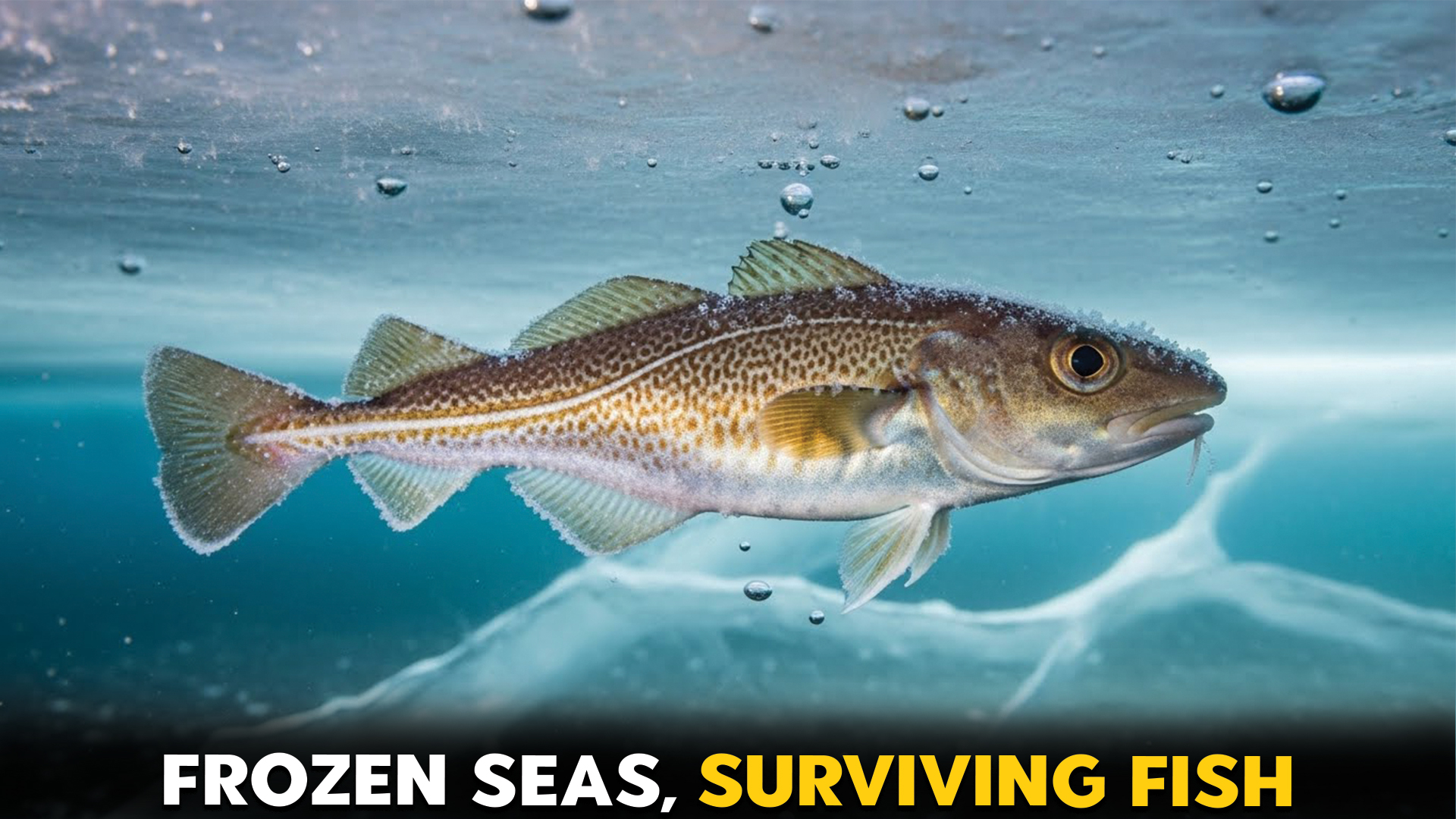
Ever complained about being cold?
Like, really cold?
Imagine living in water that’s literally freezing. For us, that’s a big nope, but for some incredible fish, it’s just another Tuesday. We’re talking about the ultimate survivors, the undisputed champions of chill, the fish that can survive in freezing waters. These creatures are basically superheroes, with built-in antifreeze in their blood. It’s a total vibe.
But hold up—you don’t need to book a flight to Antarctica to witness the magic of cold water fish. While the polar pros are next-level, a whole squad of amazing cold-water fish species can thrive right in your home in an unheated tank or even in outdoor ponds.
Forget the hassle and expense of a tropical setup; these hardy critters are all about that low-maintenance life. So, if you’re looking for a pet fish that’s as cool as it seems, you’ve come to the right place.
Let’s dive into the world of these frosty friends, from the Arctic legends to the ones you can bring home. This article is your one-stop shop for everything chilly and fishy.
Fish That Can Survive in Freezing Waters
1. Arctic Cod
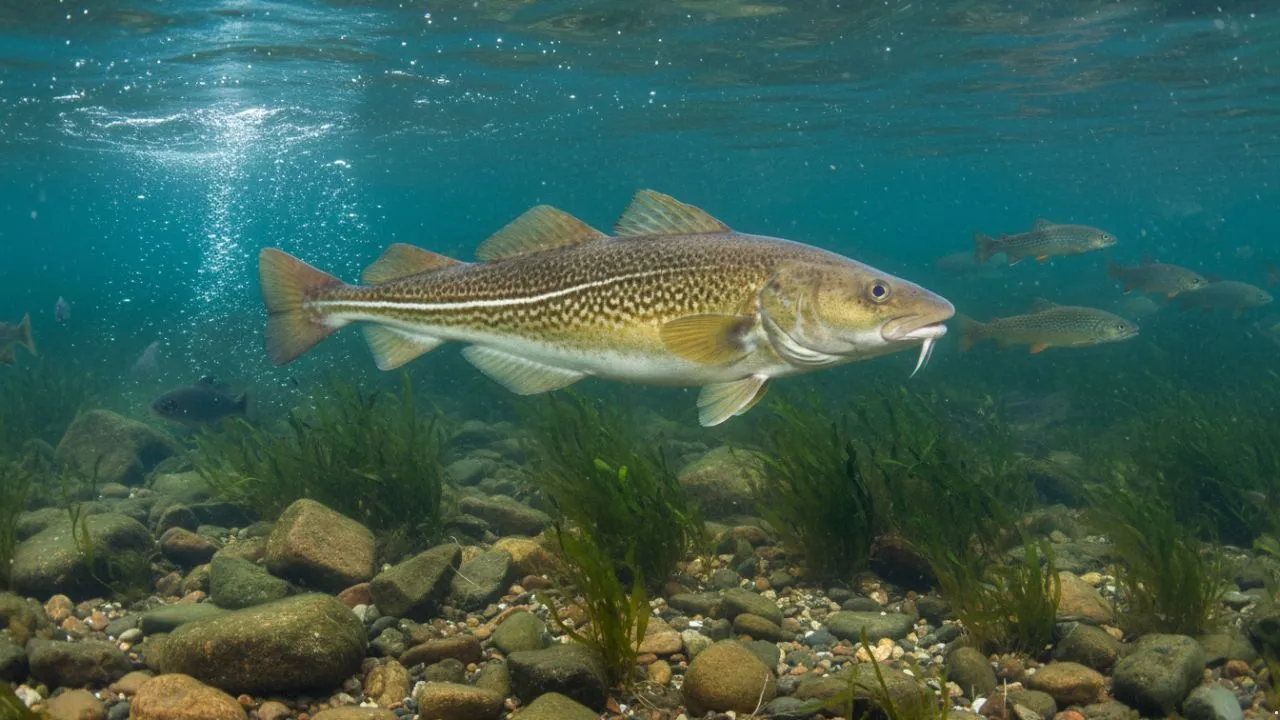
Found all across the chilly Arctic seas, this fish is rarely more than 10 inches long, but its impact is massive. It’s basically the energy bar of the Arctic ecosystem. Everything from narwhals to seabirds loves to eat them. Without this fish, the whole food chain would be in serious trouble.
So how does this fish stay so chill? As we mentioned, it has natural antifreeze in its veins, according to ScienceDirect. This allows it to hunt for food and avoid becoming a popsicle in water that is literally at its freezing point. They are often found swimming upside down beneath sea ice, which is a pretty cool party trick.
While you won’t find Arctic Cod as an ornamental fish at your local pet store, understanding them helps us appreciate the incredible diversity of life on our planet. These feeder fish are susceptible to temperature changes, and as the Arctic warms, their populations are at risk.
They need that icy cold water to thrive. Their survival is a strong indicator of the health of the entire Arctic, making them among the most essential coldwater fish in the world.
The life cycle of this well-known coldwater fish is also fascinating. They spawn under the ice in the dead of winter, releasing their eggs into the frigid water. The young fish grow up in one of the harshest environments imaginable.
They are a testament to how evolution enables creatures to live and prosper even in the most extreme conditions. So next time you’re feeling a bit chilly, remember the Arctic Cod and its icy superpowers.
2. Antarctic Toothfish
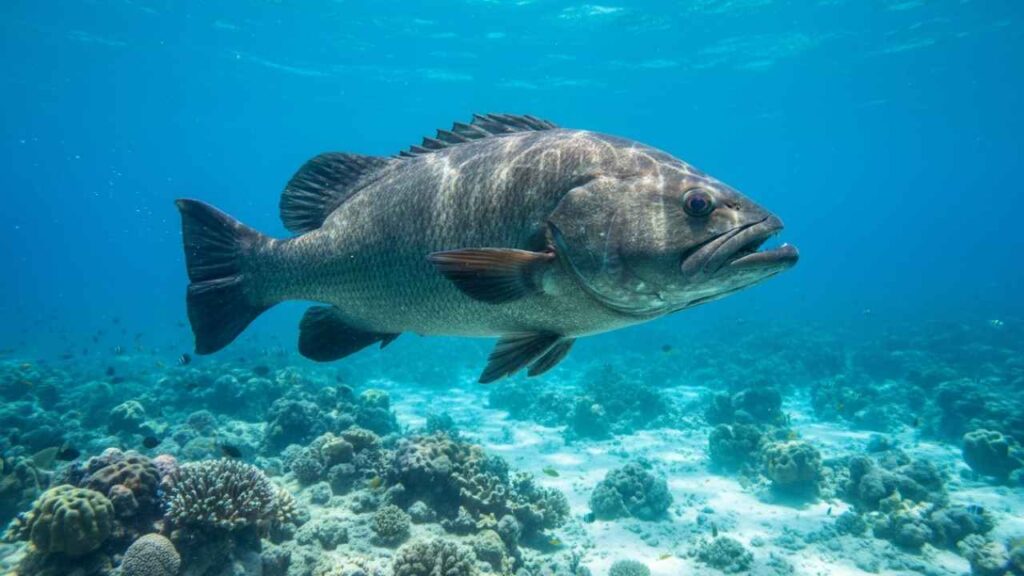
The Antarctic Toothfish patrol the deep, dark, and freezing waters around Antarctica, making them among the top predators in their ecosystem. They have giant mouths full of sharp teeth, perfect for snatching up smaller fish and squid.
Just like its Arctic counterparts, the Antarctic Toothfish has the same antifreeze proteins, which are crucial for living in water that hovers around 28-29 degrees Fahrenheit. Without this adaptation, its blood would turn to slush. This ability allows it to hunt actively in places where most other fish would be completely frozen.
This fish species is also known commercially as Chilean Sea Bass, a name created for marketing purposes because, let’s be honest, “Antarctic Toothfish” doesn’t sound super appetizing. This popularity has raised concerns about overfishing, and strict regulations are now in place to maintain healthy populations.
This fish, which can tolerate very low temperatures, is a slow-growing, long-lived creature, with some individuals estimated to live for up to 50 years. They don’t mature until they’re about a decade old, which makes them particularly vulnerable to fishing pressure
3. Eelpout

Eelpouts are a whole family of fish (Zoarcidae), and they look like a cross between an eel and a tadpole, with a long, tapering body and a face only a mother could love. They are bottom-dwellers, spending their lives on the seafloor, from coastal areas to the deep sea.
One of the most famous members is the Ocean Pout, which is found in the chilly waters of the Northwest Atlantic. This fish was among the first species in which scientists discovered antifreeze proteins.
Britannica mentions that they can tolerate temperatures that would be lethal for many other marine animals. They spend their days lounging on the seabed, waiting for unsuspecting crustaceans or mollusks to come by for a quick snack.
What’s really wild about some Eelpout species is their reproductive strategy. One Antarctic species, for example, gives birth to a few very large, fully formed young. This is super rare for fish, which usually lay thousands of tiny eggs.
While you won’t be adding an Eelpout to your home aquariums, they share a key trait with many popular coldwater fish: hardiness. Their ability to adapt to low temperatures is a common theme among all the fish in this article.
They show us that there’s a wide variety of ways to be a successful fish, and you don’t need warm, tropical waters to have a fascinating life. The Eelpout is proof that weird is wonderful, especially in the deep blue sea.
4. Arctic Char

Arctic Char is a close relative of salmon and trout and is hands-down one of the most beautiful cold-water fish. During spawning season, they get a major glow-up, with fiery orange and red bellies that look absolutely stunning against the icy backdrop of their native habitats. They are the northernmost freshwater fish in the world, found in alpine lakes and Arctic coastal water.
This species is incredibly adaptable. Some populations spend their entire lives in freshwater lakes, while others are anadromous, meaning they migrate from freshwater to the ocean to feed and then return to freshwater to spawn.
For thousands of years, Arctic Char has been a crucial food source for Inuit and other northern peoples. It’s prized for its delicate, flavorful meat, which is packed with healthy fats. Today, it’s also farmed in several countries, making it a more sustainable choice than some other farmed fish.
The Arctic Char is another fish that demonstrates the incredible resilience needed to live in the cold. Whether it’s a landlocked population in a mountain lake or a sea-run group navigating coastal ice, these fish are masters of survival.
They can tolerate temperatures close to freezing and are experts at finding food in a sparse landscape. Their beauty and strength make them a true icon of the north and a fantastic cold-water species.
5. Arctic Sculpin

Arctic Sculpin are bottom-dwelling ambush predators, perfectly camouflaged to blend in with the rocks and sediment of the seafloor.
These hardy little guys are tough as nails. They are native to the brackish and fresh waters of the Arctic and can tolerate a wide range of salinities and temperatures. Like the other polar pros, they have antifreeze capabilities that let them hang out in freezing water without any difficulty. They use their spiky fins for defense and to help them stand on the bottom as they wait for prey.
The Arctic Sculpin plays a vital role in the ecosystem as both predator and prey. They eat a variety of small invertebrates and fish, helping to control those populations. In turn, they are an essential food source for larger fish like Arctic Char and Burbot, as well as for seabirds.
While they might not win any beauty contests, Arctic Sculpins are masters of their environment. It’s a great reminder that the world of fish is incredibly diverse, with a perfect design for every possible niche, even the coldest and darkest ones.
6. Greenland Halibut

Let’s go deep—really deep—with the Greenland Halibut (Reinhardtius hippoglossoides). Also known as Turbot, this fascinating flatfish has mastered life in the deep, dark, freezing waters of the North Atlantic and Arctic Oceans. Unlike other flatfish that have both eyes on one side and spend their lives lying flat, the Greenland Halibut is a bit of a rebel.
This fish can be found at depths of up to 6,500 feet, where the water is perpetually dark and just a few degrees above freezing. To survive these crushing pressures and frigid temperatures, it has a body with a high oil content, which not only provides energy but also helps with buoyancy.
This adaptation is key to its success as a deep-sea predator, as it hunts for shrimp, squid, and other fish such as capelin and cod.
The Greenland Halibut is a commercially important species, prized for its white, fatty flesh. The fishery is a significant economic driver for communities in places like Greenland and Newfoundland. Planning for a healthy fishery requires careful science and international cooperation.
This flatfish with a twist shows us yet another way that fish have conquered the cold. By adapting its body plan and physiology, the Greenland Halibut can exploit a deep-sea niche that’s off-limits to most other species. It’s a powerful swimmer and a formidable predator, proving that even in the most extreme parts of the ocean, life doesn’t just survive—it thrives.
7. Antarctic Silverfish
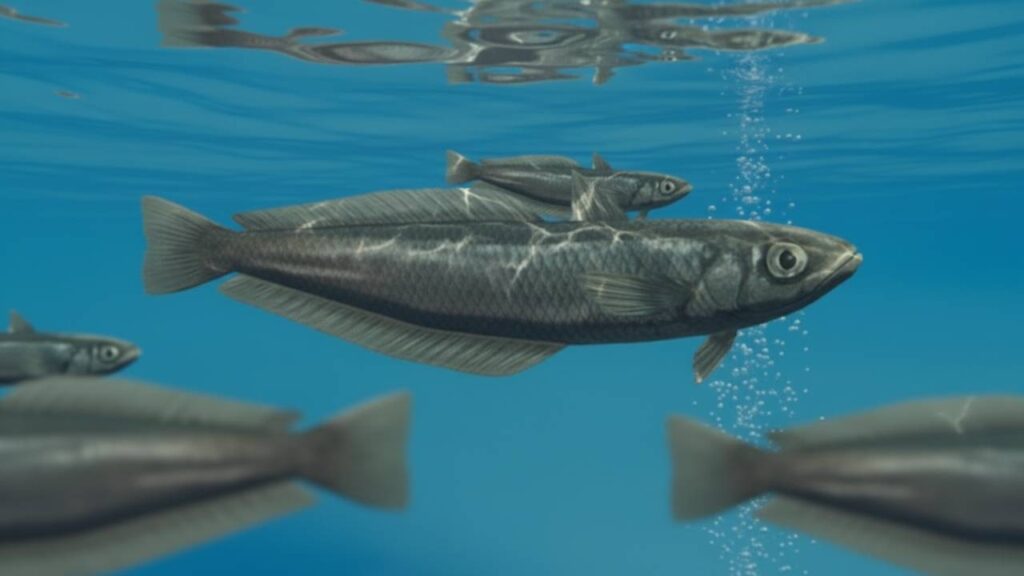
Last but not least on our tour of polar legends is the Antarctic Silverfish (Pleuragramma antarcticum). This fish is the polar opposite of the giant Toothfish; it’s a small, silvery fish, usually only about 6 inches long.
But don’t let its size fool you—this is arguably the most abundant and essential fish in the high-Antarctic ecosystem, playing a similar role to the Arctic Cod up north.
Polar journal mentions that it is the dominant pelagic (open-water) fish in the frigid waters of the Antarctic shelf. It possesses a robust set of antifreeze glycoproteins, allowing it to live its entire life cycle, from eggs to adults, in water that is constantly at or near its freezing point.
They are often found in massive schools, forming a shimmering, living cloud beneath the sea ice. This schooling behavior is a key defense against predators.
This little fish is the primary food source for a vast range of Antarctic predators, including penguins, seals, whales, and the Antarctic Toothfish itself. The entire Ross Sea ecosystem, one of the most pristine marine environments left on Earth, is heavily dependent on this single fish species.
Studying this fish is crucial for understanding how climate change will affect the Antarctic. As sea ice patterns change and water temperatures rise, the Antarctic Silverfish could be in serious trouble. Its entire life is tied to the ice, and without it, this foundational species could disappear, with catastrophic consequences for the predators that rely on it.
Conclusion
From the mighty Antarctic Toothfish to the humble Arctic Cod, the world of fish that can endure freezing waters is absolutely mind-blowing. These creatures have developed incredible superpowers not just to survive, but to dominate the coldest places on Earth. Their stories are a powerful testament to the resilience and adaptability of life.
But the cool club isn’t just for polar explorers. As we’ve seen, there’s a fantastic variety of cold-water fish that are perfectly happy to chill in home aquariums without a heater.
Whether you’re into the classic vibe of a goldfish or koi pond, the energetic buzz of a tank full of rosy barbs and gold barbs, or the quirky personality of a dojo loach (also known as weather loach), there’s a coldwater fish out there for you. They are considered excellent choices for cold-water community tanks.
