




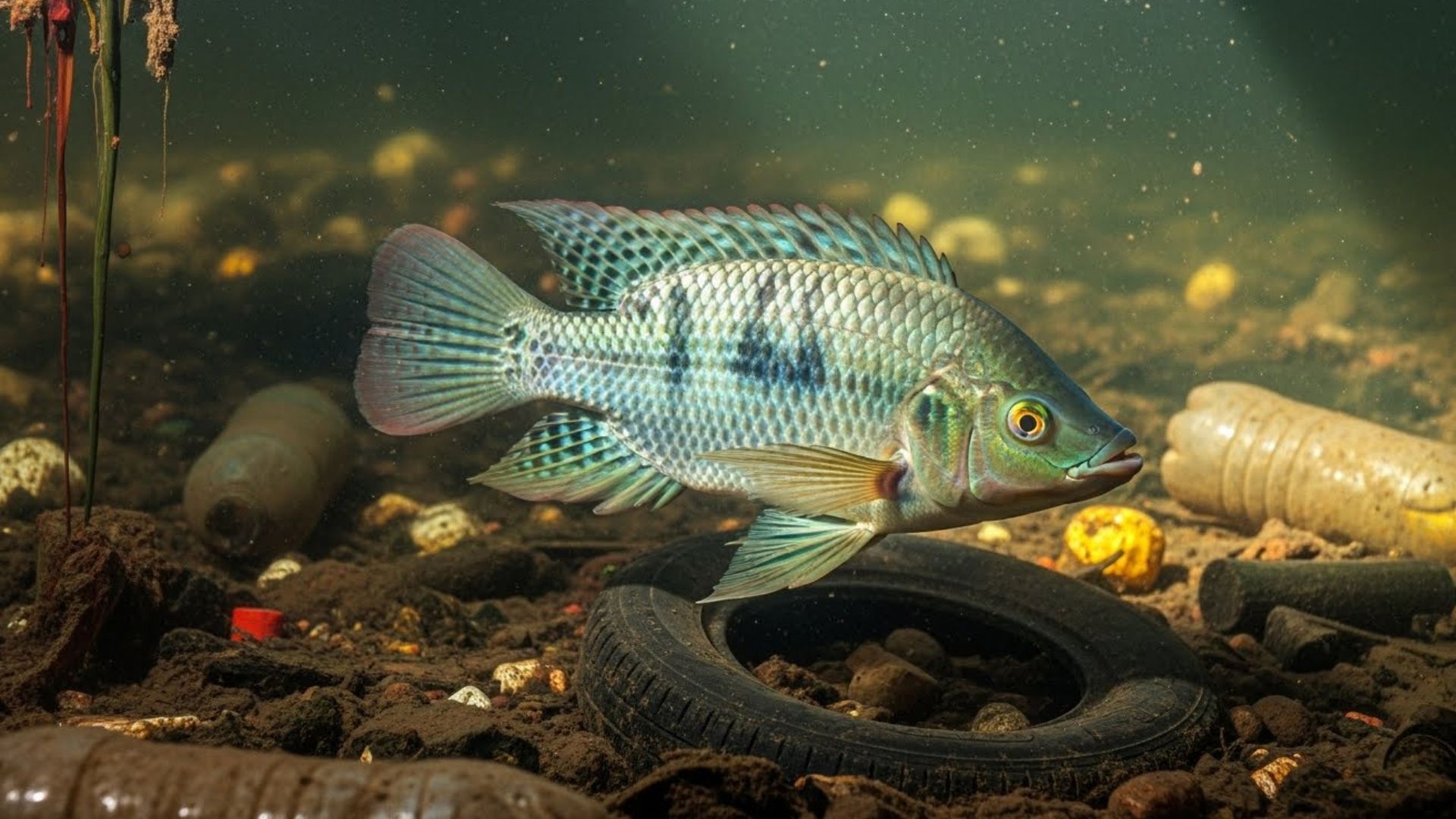
Some fish don’t just swim; they survive. In places where water looks like a toxic stew—slick rainbow shimmers, murky sediment, and a suspicious smell—particular species keep cruising, feeding, and even raising babies. It’s both impressive and, honestly, a cautionary tale.
While most species struggle in polluted waters, a handful have evolved tools to resist industrial contaminants, cope with low oxygen levels, and withstand chemicals that would otherwise derail other fish.
Why should sea-organism fans care? Because these survival stories are also about genetics, physiology, and evolution. Researchers have spent more than a decade uncovering how vertebrate animals adapt to heavily polluted environments. They dig into genomes, test genes in experiments, and compare populations from contaminated sites and unpolluted areas. The result is a clearer picture of how animals evolve tolerance, why embryos are sensitive, and what it all means for ecosystems, humans, and clean water policy.
Let’s talk about the fish that can live in polluted waters and what really makes them such super-heroes!
Fish That Can Live in Polluted Waters
1. Tilapia
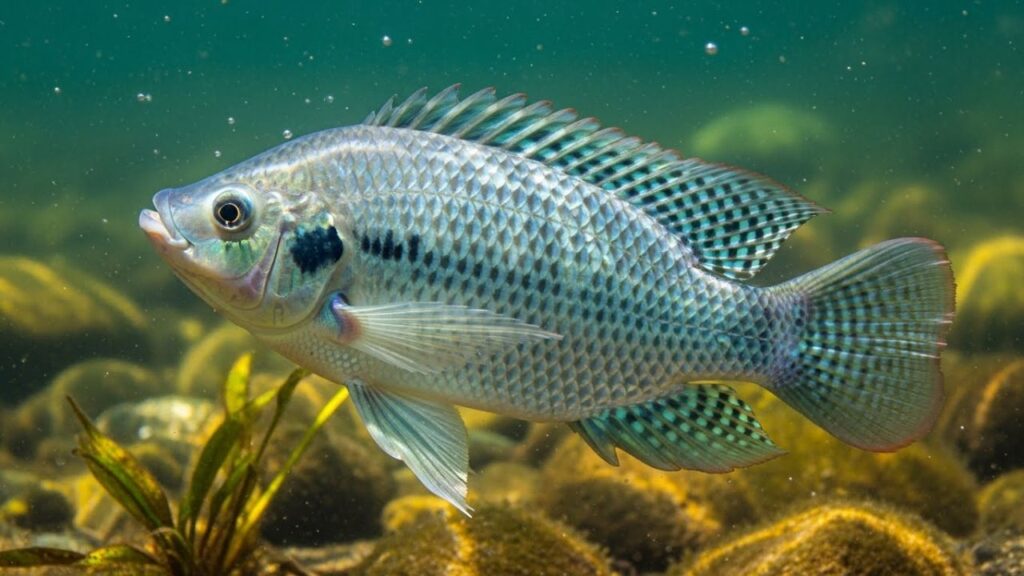
Tilapia are the hardworking generalists of the fish world. They tolerate slightly salty water, low oxygen, and a pantry of foods, from algae to leftover crumbs. In contaminated waters, their “no drama” physiology helps them cope, and their rapid reproduction keeps populations present even when pollution levels fluctuate.
Farmers like them because they produce a lot of protein under harsh conditions—and because tilapia are very managed-friendly.
What’s the secret? A rugged metabolism, gills that can wring oxygen from poor water, and behavior that keeps them near surfaces when oxygen dips. They’re not immune to industrial pollutants, but they’re more resistant than many other organisms.
Fun fact: Tilapia parents are mouthbrooders—eggs and sensitive embryos get carried in a parent’s mouth. When the environment becomes unfavorable, parents protect the early life stages. It’s a simple transformation that boosts survival in both polluted sites and unpolluted waters.
Cautionary tale: We shouldn’t normalize dirty water just because tilapia can survive in it. Industrial pollution can still cause genetic mutations and long-term effects. For people, pure water is the goal; for tilapia, clean ponds mean better growth, fewer harmful mutations, and tastier dinners for, well, us humans.
2. Catfish
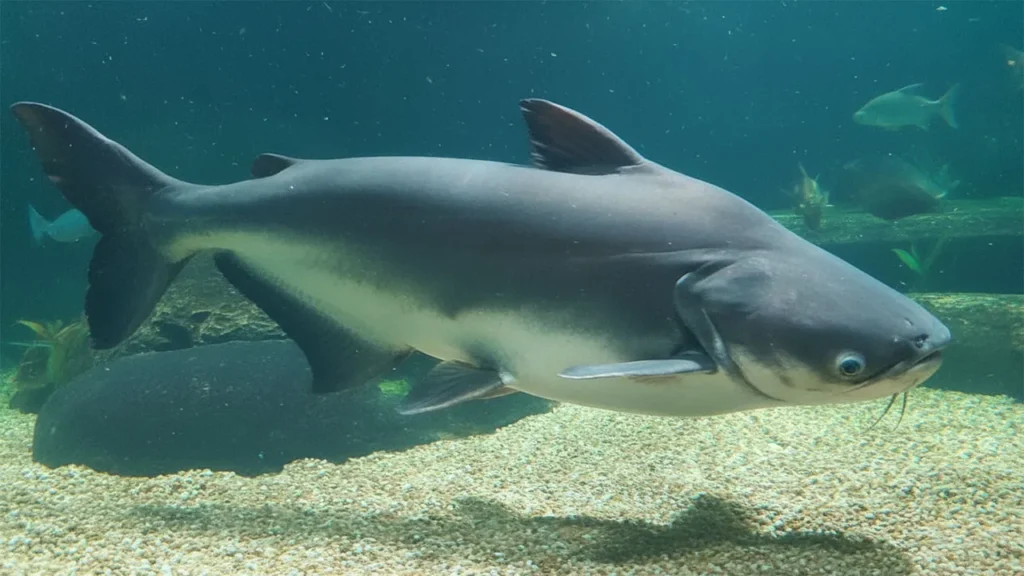
If you’ve ever seen a catfish whisker, you know they are built to find food in the dark. Many catfish species tolerate muddy rivers, low oxygen, and even urban canals. Their ability to gulp air at the surface helps them survive contaminated waters where many fish tap out.
They often rest on the bottom, where sediment can store pollutants from industrial zones: hydrocarbons, metals, and the same chemicals that plague other organisms. That does expose them to toxins, but they counter with strong livers and enzyme systems that handle hydrocarbons. Still, high levels are dangerous—no fish has magic armor against a poisonous stew.
History tidbit: In many Gulf Coast species of catfish, anglers have long noticed that fish persist even after spills. Persistence doesn’t mean zero effects: scientists found lesions and stress in some fish after events involving industrial pollutants. It’s a reminder that survival is not the same as wellness.
Fun fact: Some catfish “talk” by rubbing spines and pectoral girdles, making squeaks. If they could speak plain English, they’d probably ask for the Environmental Protection Agency cleanup and a plate of clean algae. Same, catfish. Same.
3. Guppies
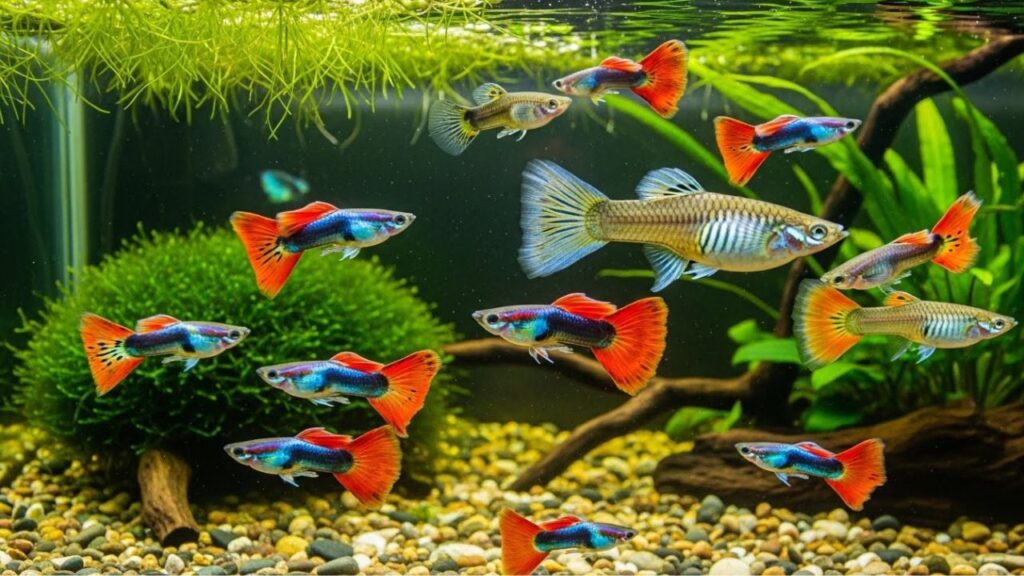
Tiny, colorful, and tougher than they look, guppies have colonized canals and ditches worldwide. In dirty waters, they show quick adaptation: short generations and a willingness to eat whatever floats by. For science, guppies are a dream—fast life cycles that let researchers watch evolution play out in a couple of years.
WebMD mentions that this is often the only fish species found in polluted waters.
Guppy embryos can be sensitive to pollutants, but they sometimes evolve tolerance to them. With large population sizes, guppies generate genetic variation that selection can sift through, enabling the emergence of resistant lineages in just a dozen generations. It’s not universal—many species can’t pull that off—but guppies often can.
Fun fact: Male guppies show off colors like disco lights. In dirty canals, colors may shift toward patterns that are easier to see at low visibility. Pollution changes not only physiology but also behavior and even fashion choices.
Cautionary tale: Even when guppies adapt, genetic changes might trade off with growth or reproduction.
4. Mudskipper
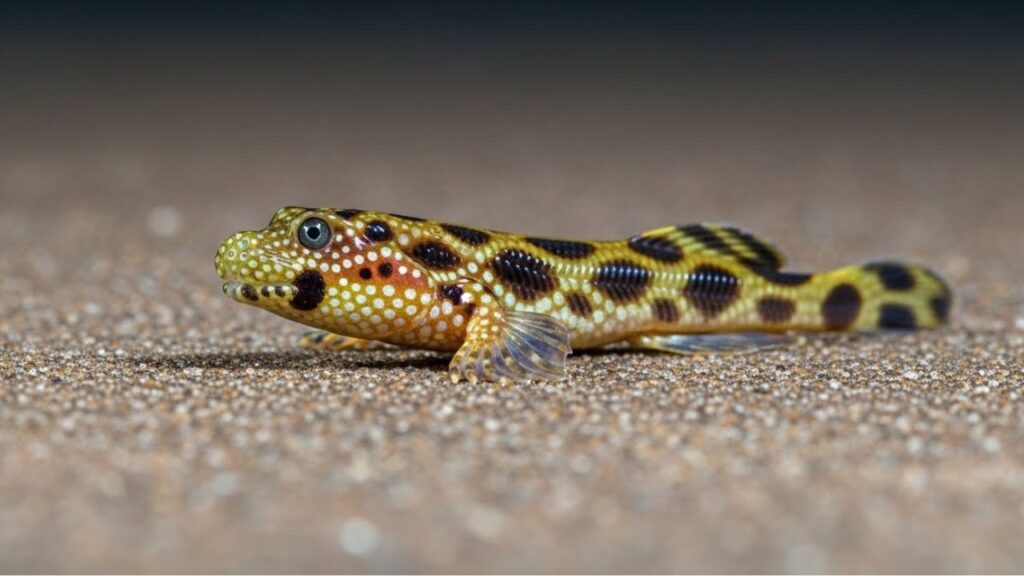
Mudskippers are the amphibious clowns of the intertidal zone. They skip, climb mangrove roots, and breathe through skin and a modified mouth and gill chamber. When water quality dips, they can leave the worst puddle—an advantage in unclean sites where oxygen crashes.
Living at the land–sea edge means they face pollutants from both directions: runoff from industrial sites and urban streets, as well as natural hydrocarbons from sediments. Their tolerance isn’t infinite, but behavior and physiology help them cope with swings.
Fun fact: Mudskippers court by building little mud walls and doing push-ups. If your gym had mudskippers, membership would triple. Their antics hide serious science: these animals show how organs and physiology can adapt to wildly changing climates.
Cautionary tale: Mangroves protect coasts from climate change impacts and filter pollutants. Remove them, and even the tough mudskippers lose their shelter. EPA rules and local management matter—rescuing habitat rescues fish.
5. Killifish
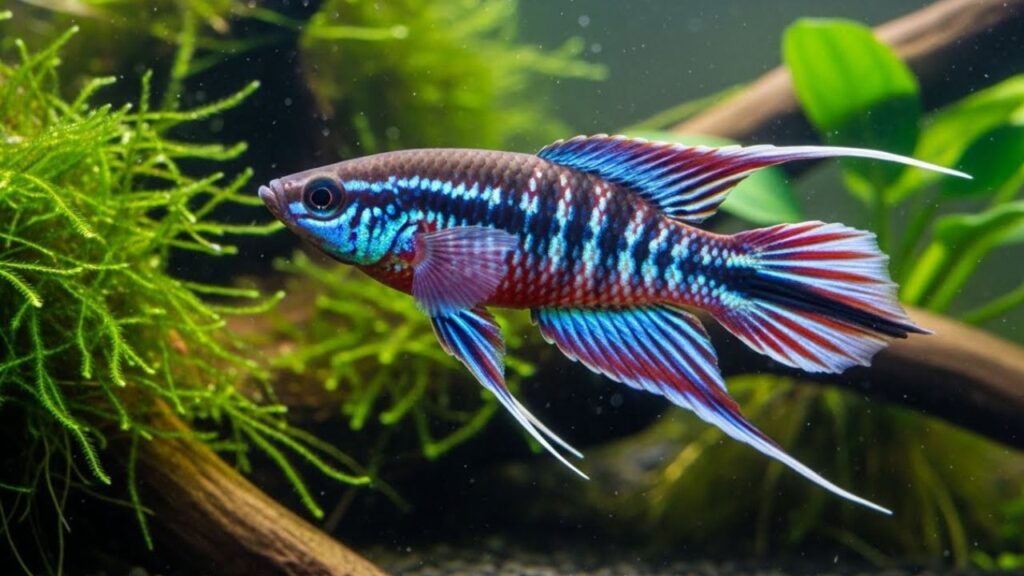
If toxic-water rock stars exist, it’s the killifish—especially Atlantic killifish along the Atlantic Coast and Gulf killifish along the Gulf Coast. Populations from Virginia’s Elizabeth River, New Bedford Harbor, and other industrial spots have evolved pollution resistance to polycyclic aromatic hydrocarbons (PAHs) and polychlorinated biphenyls (PCBs).
How?
Genetics.
Large population sizes mean greater genetic variation. Natural selection quickly sorted through those genomes, and within years (and in some places as fast as a dozen generations), resistant populations emerged.
Research led by Andrew Whitehead and colleagues at the University of California, Davis, and other institutions discovered genetic shifts in a signaling pathway centered on the aryl hydrocarbon receptor (AHR). That track usually senses hydrocarbons; mutations in AHR and related genes tone down the toxic signaling, reducing harmful effects on development and proper blood flow.
History tidbit: The Elizabeth River has long been a test case for industrial contamination and cleanup. As sites are managed and pollutants are removed, scientists track whether resistance remains, fades, or shifts—information that can guide efforts to restore ecosystems and preserve genetic diversity. The lesson is clear: we can repair rivers, and nature will meet us halfway.
6. Goldfish
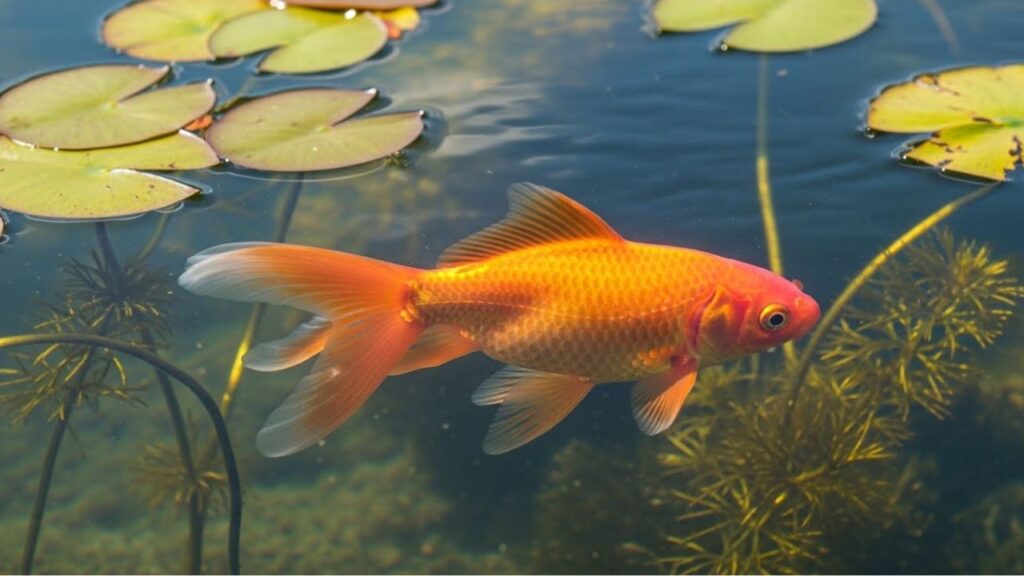
Surprise: the humble goldfish is a survivor. Released (please don’t!) into ponds and canals, goldfish tolerate cold, low oxygen, and murky water. PetMd says they can slow their metabolism and rely on anaerobic pathways when oxygen levels dip, producing alcohol to prevent toxic acid buildup. Yes, your pet is a tiny biochemist.
In dirty waters, goldfish aren’t immune, but they’re resilient. Their physiology helps maintain blood movement and organ function during rough spells, and their diet flexibility lets them keep calories coming in even when ecosystems are knocked sideways by pollution.
Fun fact: In winter under ice, goldfish can endure the climate for months with almost no oxygen. If they had a résumé, under “Skills,” it would say: “Breath-holding champion, calm under pressure, looks good in orange.”
National Geographic claims it can breathe easily outside the water.
Cautionary tale: Goldfish introduced into the wild can become invasive species, outcompeting other fish and stirring up sediment, making pollutants more bioavailable. The best environmental choice is to keep pets at home and support clean water in their communities.
7. Northern Snakehead
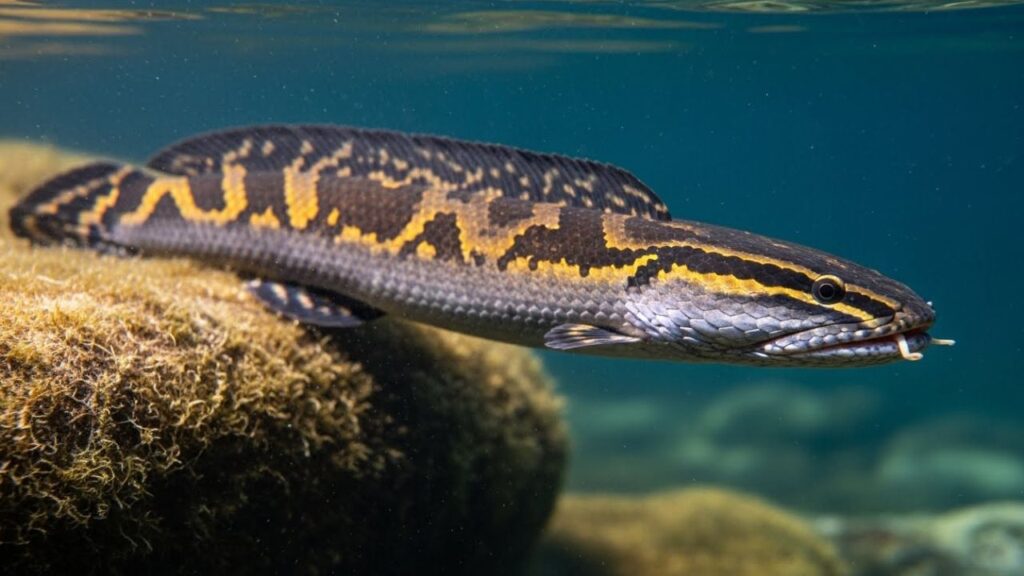
The northern snakehead is a formidable predator with a reputation. It breathes air with a special organ and can wriggle across wet ground, letting it survive low-oxygen waters that would stall other fish. That means it can persist in contaminated waters where oxygen crashes—never ideal, but survivable.
Snakeheads are not celebrated for pollution resistance per se, but for durability: they handle temperature swings, poor water quality, and habitat disruption. Their strong physiology and appetite keep populations moving even in degraded surroundings.
Fun fact: Snakeheads guard nests fiercely. In a toxic atmosphere, that parental effort can mean the difference between a failed year and a successful one. But remember: tough doesn’t mean invulnerable—industrial pollutants still harm embryos and adults.
Cautionary tale: In some regions, snakeheads are invasive and threaten other creatures. Management aims to protect ecosystems, not crown a new monarch. Pure water plus native fish equals a happier river—and fewer surprises in your local pond.
Conclusion
Fish that can live in unclean waters show nature’s gritty side. Tilapia, catfish, guppies, mudskippers, killifish, goldfish, and snakeheads are proof that life will adapt, evolve, and survive—even in bad, contaminated places.
Here’s the takeaway: Adaptation is real, but prevention is kinder. We want rivers and coasts where other species can flourish, not just the rugged few. Support environmental protection, celebrate the researchers who uncover the information we need, and champion pure water so ecosystems can recover.
Let’s manage our industrial zones wisely, keep pollutants out of waterways, and give future fish a better story than “we survived.” With smart policy, community action, and a bit of humor, the next generation of fish fans can write about colorful reefs and sparkling rivers—not about toxic stew.
