




Some fish measure life not in years, but in centuries. If birthdays earned air miles, a few of these elders could circle the world dozens of times. Across animals, from the oldest known wild bird to the Greenland shark, long life is often linked to slow growth, low metabolism, and safe habitats. Longevity links to the whole life cycle—slow growth, late maturity, and careful spawning.
Why do some of them live longer? Their bodies, behavior, and habitats all help. Cold water slows metabolism. Deep‑sea life means fewer predators and fewer flashy moves. Reproduction is cautious and careful; many older fish invest years before spawning. There’s a lot to learn from these creatures—about resilience, patience, and how nature writes long stories in water.
In this tour, we’ll meet fish species with the longest lifespan.
Fish Species with the Longest Lifespan
1. Greenland Shark
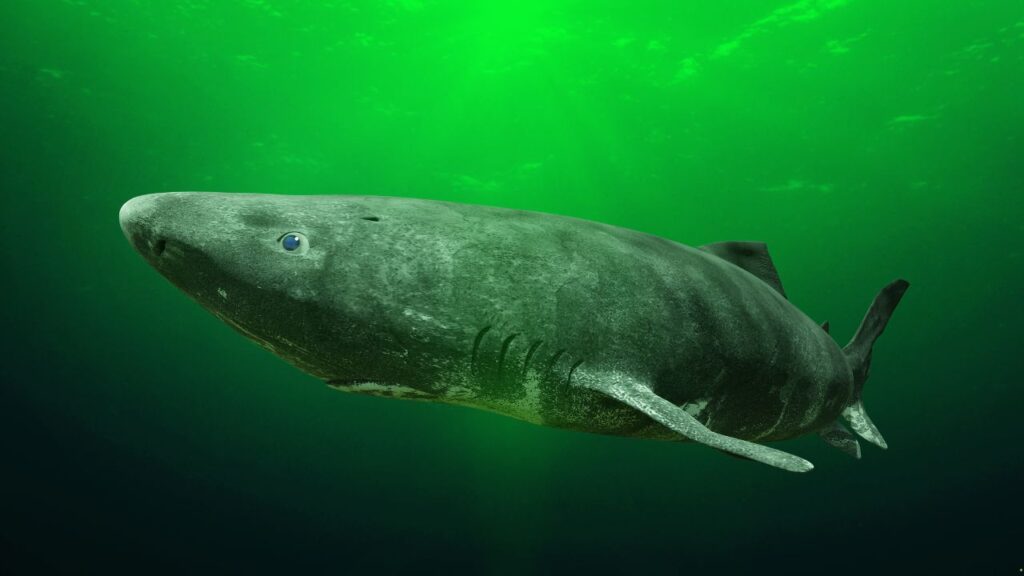
The world’s most famous long‑liver may be the Greenland shark, a deep, slow cruiser of the North Atlantic and Arctic. Science estimates that many individuals are 200–400 years old—yes, older than certain countries.
Researchers determined the age of the longest-living animal by examining lens proteins, which form before birth and act as a biological time capsule. Result: a fish that can outlast family trees.
Everything about its life says “take it slow.” The shark moves gently, has a low metabolism, and lives in near‑freezing water. That cold, dark world reduces stress and growth peaks, which improves lifespan. It’s the grandmaster of “less effort, longer life.” Even the skin is armored with tiny denticles—rough enough that older sailors once used it as sandpaper.
Odd but true: They contain a compound (TMAO and urea) that stabilizes proteins under pressure but makes the flesh toxic if eaten fresh. Inuit cultures traditionally fermented meat to make it safe to eat. A culinary relationship with a 400‑year‑old shark? That’s history on a plate.
Reproduction is slow and mysterious. A female may not be “pregnant” (sexually mature) until well over 100 years old. That late start means we must avoid overfishing; losing old breeders can crash a population that takes centuries to recover. If patience were a species, it would have a tail and live under ice.
2. Pacific Rockfish
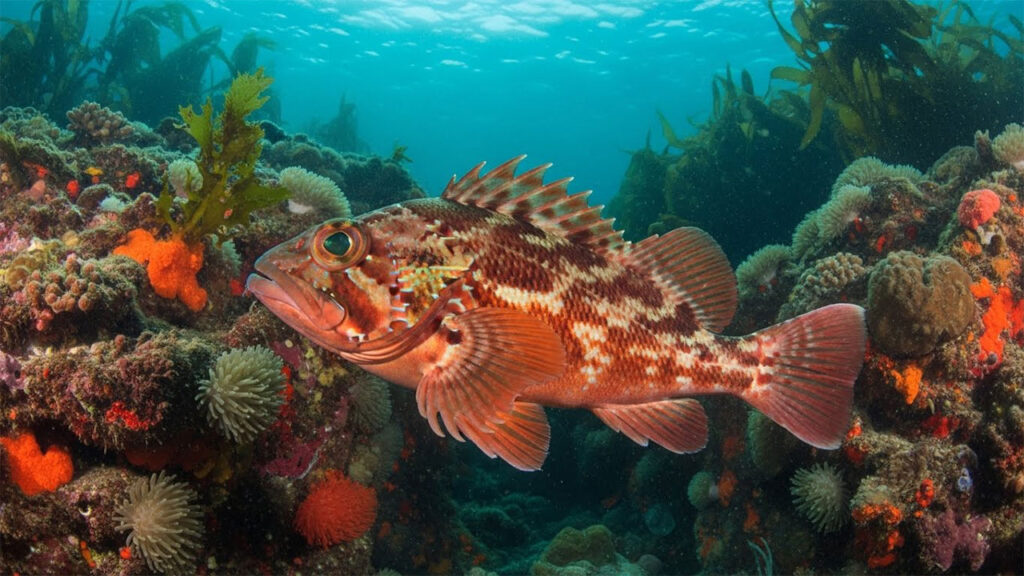
“Rockfish” isn’t one marine fish; it’s a big group off the Pacific coast, including champions like rougheye rockfish and shortraker that can live 150–200+ years. Scientists age them by counting rings in otoliths—ear stones that grow layer by layer. It’s like reading a journal of the ocean, one winter line at a time.
They mature slowly, spawn later, and invest heavily in egg quality. A large, old female rockfish produces not just more eggs, but better ones—higher survival, stronger larvae. That’s why protecting “big moms” improves population health. It’s nature’s version of compounding interest.
Habitat helps: deep reefs, complex rocky valleys, and chilly water along the North Pacific coast keep them safe from many predators. Their behaviour is calm, with short daily movements built on the “avoid trouble, live longer” plan.
Fun fact: Rockfish are famous among divers for their stoic faces and striking colour patterns—banded, spotted, sunset reds. Don’t be fooled; they may look like statues, but some of those statues have been watching currents since your great‑great‑grandparents were kids.
3. Lake Sturgeon
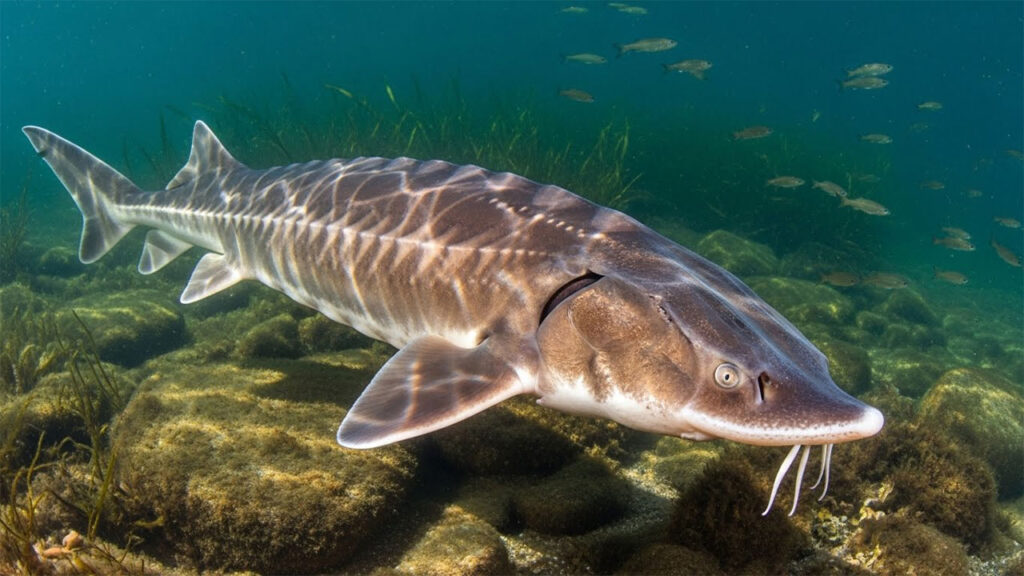
Lake sturgeon look prehistoric because they basically are—armored with bony plates, whiskered snouts, and a vacuum mouth made for river bottoms. NC wildlife claims the females can live well past 100 and sometimes reach 150; males often reach 50–80+.
That’s a lot of birthdays under bridges.
Their life strategy is classic: grow slowly, mature late, spawn rarely but in huge effort bursts. A big female may only spawn every 3–7 years, choosing high‑quality gravel runs with strong, clean water. When the conditions are right, the event is a powerful display—thousands of eggs released in a wild, splashy rush.
History tidbit: these fish were once so common in parts of the Great Lakes that people considered them pests and burned them as fuel. Then caviar demand flipped the script, and populations crashed. Today, careful science, hatcheries, and river restoration are helping them rebuild their numbers.
Sturgeon courtship is less dance, more endurance test—a search for the proper flow, temperature, and timing. Their extended lives depend on healthy rivers; when we improve habitat, sturgeon repay us with centuries of presence.
4. Orange Roughy
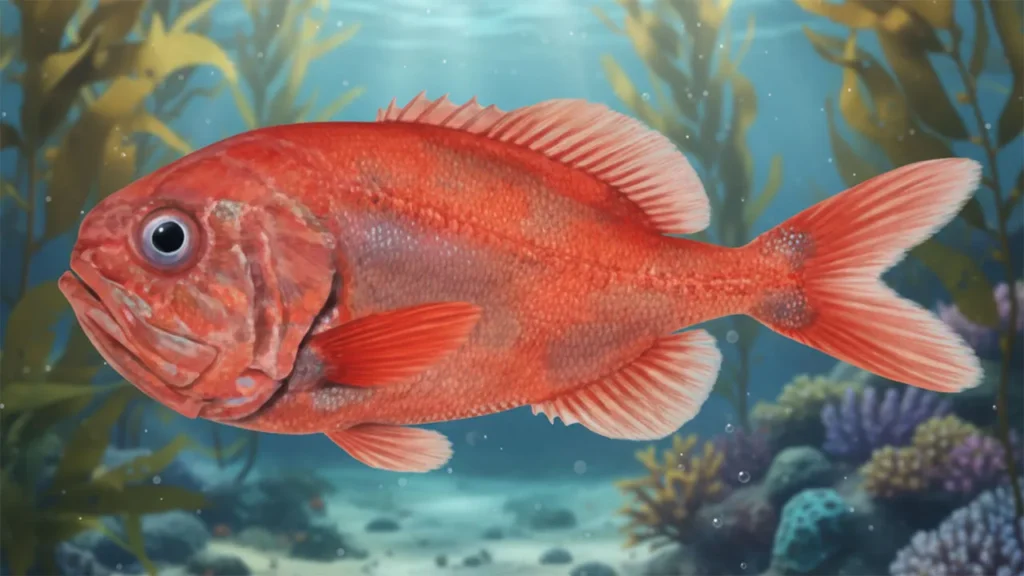
The orange roughy is the poster child for “long life, slow life.” Individuals can reach 150–200 years in deep, cold water around New Zealand and Australia. Age is read in otoliths, and the math says these bright‑eyed fish grew up with old maritime tales.
They form immense spawning aggregations over underwater mountains. That makes them easy to find and, sadly, easy to overfish. Older females produce better eggs; take them away, and the population’s future dims. Several fisheries now use stricter rules to allow elders to recover.
Orange roughy’s body plan screams “conserve energy”: slow growth, low metabolism, and a diet of small prey grabbed during calm, nightly rises from the depths—no flashy courtship behavior here—just steady timing and reliable seasons.
Fun fact: the name “orange roughy” replaced the original “slimehead” for market appeal. Same fish, nicer brand. If menus had truth‑in‑aging labels, theirs would read “centenarian entrée.”
5. Koi Carp
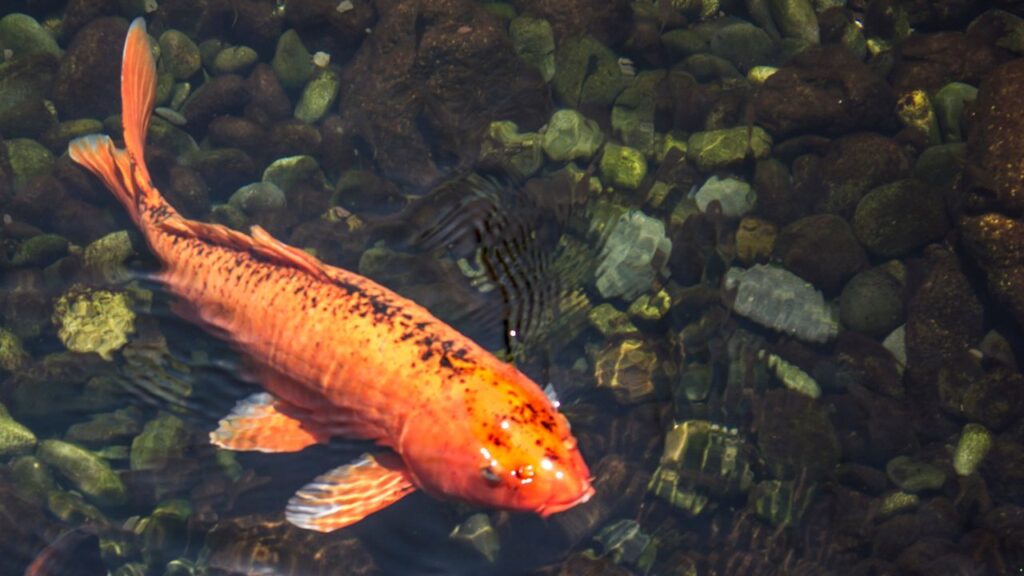
From calm ponds to backyard legends, koi carp can live a century or more with good care. The most famous case, a koi named Hanako, reportedly lived over 200 years based on scale-ring analysis—an old result that scientists debate —but even conservative accounts agree koi can live 50–100+ years in the right conditions.
Their secrets are simple: clean water, stable temperatures, quality food, and low stress. Koi are social, curious fish with expressive fins and bright colour patterns bred over generations—living art that grows more valuable with age, like a painting that swims.
Good filtration and gentle handling translate directly into such longevity.
History tidbit: koi fish breeding flourished in Japan, where colour and pattern names read like poetry—Kohaku (red on white), Sanke, Showa. Families passed lines down like heirlooms. The relationship between humans and this, one of the oldest living fish, may be the most extended fish friendship in the world.
Bonus smile: koi learn to associate people with gifts (food), often surfacing to “kiss” the air at feeding time. A gentle, daily ritual keeps them calm and, yes, longer‑lived.
6. Clown Loach
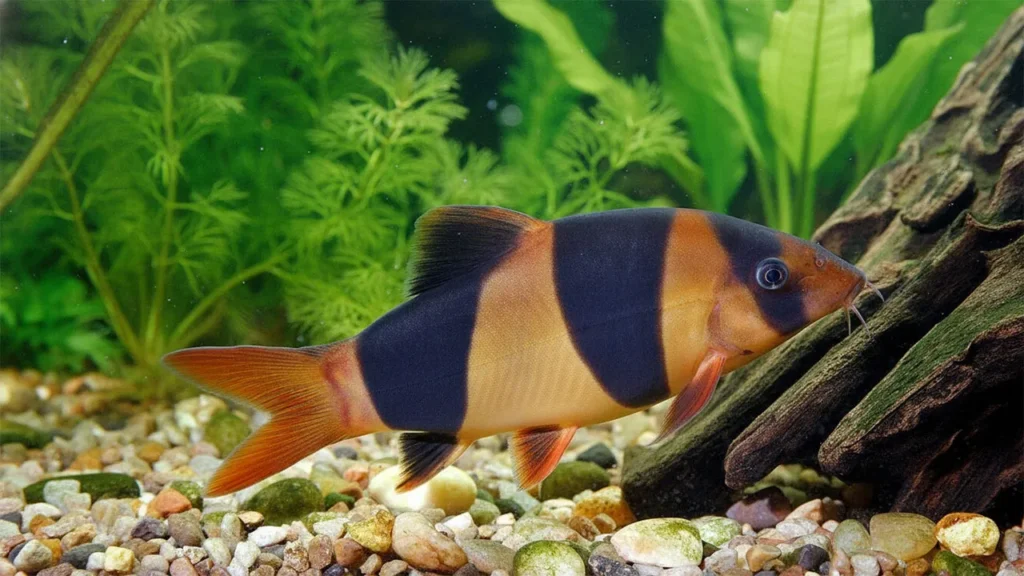
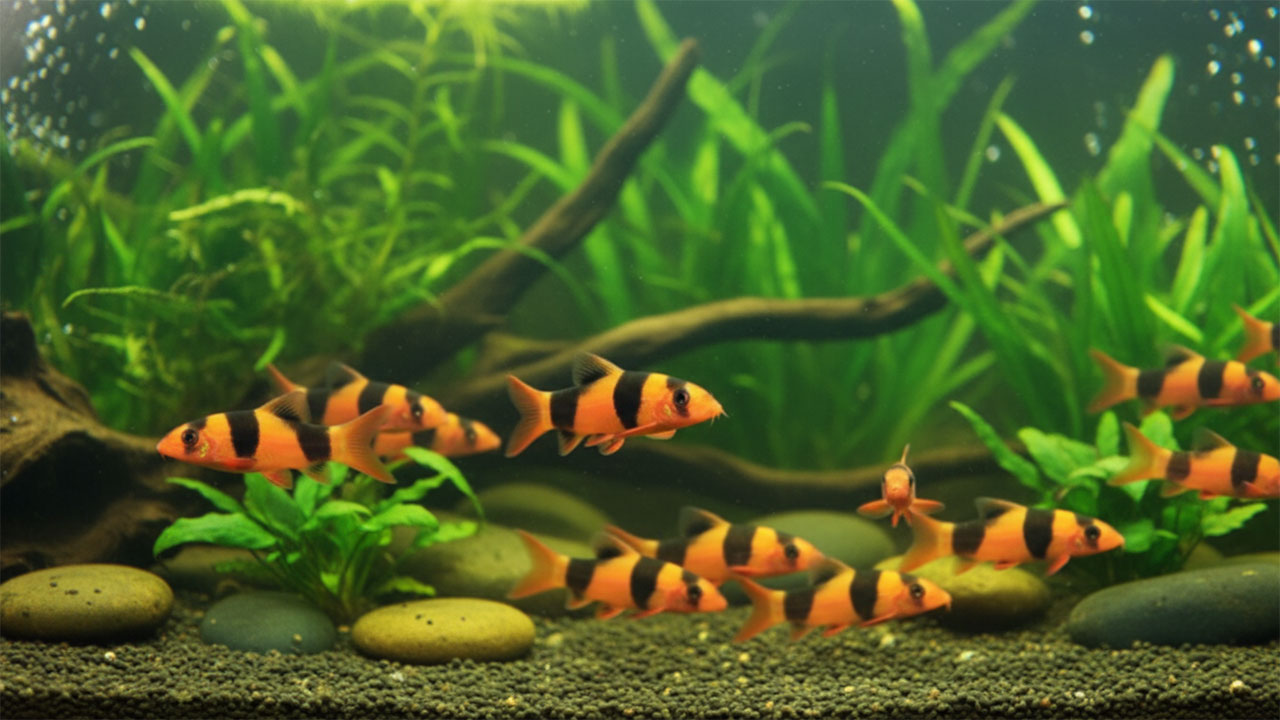
In home aquariums, clown loaches are the bright, banded comedians. But give them space and time, and they can have an average lifespan of 20–30 years, sometimes longer. That’s a serious commitment for a “pet.” They grow slowly and thrive in groups—more company, less stress, better life.
Behaviour fans love their social signals: clicking sounds, playful chases, and sideways naps that make new keepers panic. Don’t worry; the odd positions are normal. Happy loaches mean stable water, soft substrate, and plenty of hideouts.
In the wild of Southeast Asia, seasonal floods cue movement and, eventually, spawning. Captive breeding is tricky, which is why research and careful sourcing matter. Patience pays off with healthier, long‑lived fish that display more natural behaviour.
Fun fact: their whisker‑like barbels help them search sand for snacks. Think of them as tiny metal detectors with fins, always looking for that perfect morsel.
7. Bigmouth Buffalo
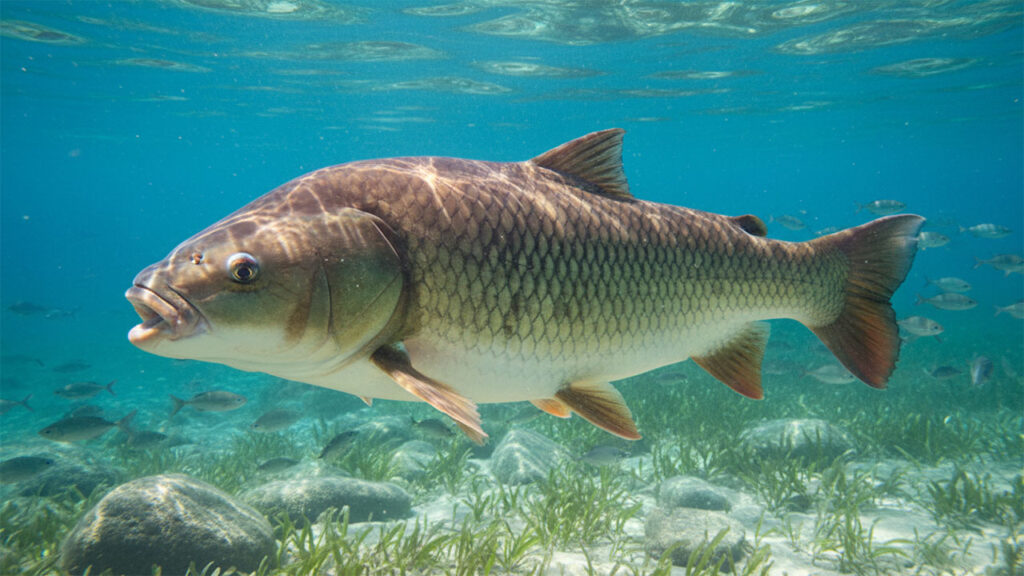
A North American freshwater surprise: bigmouth buffalo can live over 100 years. Recent studies using otolith analysis have discovered centenarians, overturning the old assumption that they were short‑lived. The information spread quickly in journals and conservation circles.
They grow slowly and favor calm lakes and rivers, filter‑feeding like gentle vacuums. Because they spawn in significant events tied to temperature and water levels, missing the right year can delay recruitment. That makes consistent habitat quality crucial.
BBC calls it a mysterious fish for a reason!
Their longevity makes them vulnerable to overharvest, especially bowfishing of older adults. When the elders go, the population’s ability to bounce back drops. Several states have updated rules to protect them, a science‑based move we can all get behind.
Glacial lakes and river routes left by the last ice age still shape the bigmouth buffalo’s calm habitats—perfect for century fish.
8. Red Snapper
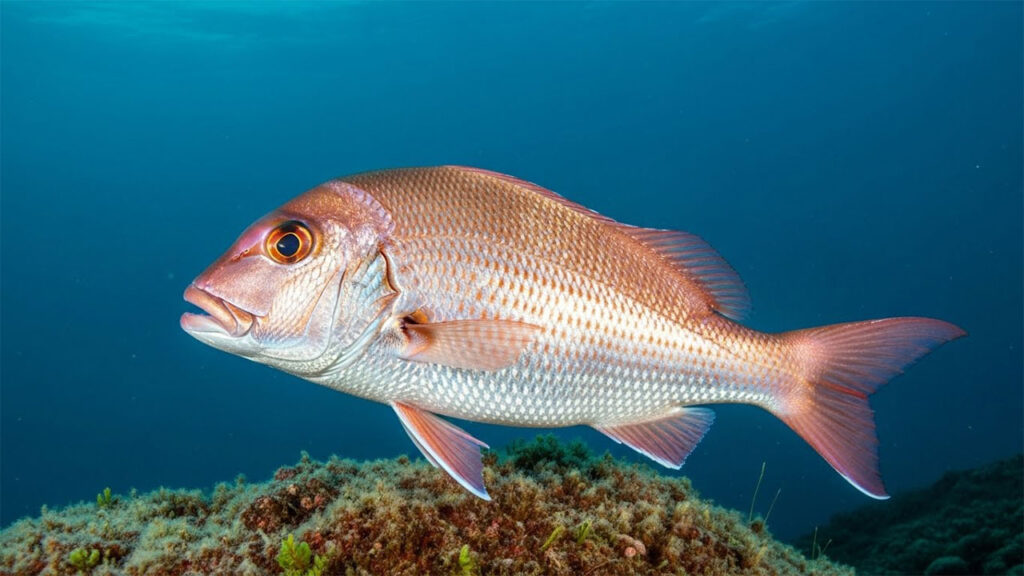
Red snapper are the charismatic citizens of reefs and rigs in the Gulf of Mexico and the western Atlantic. While not the absolute longest‑lived on this list, many have estimated age of 50–60 years, with some older records. That’s still a lot of candles for a fish known on dinner plates.
Longevity links to slow growth and later maturity. Big, old females—again!—produce better eggs. It’s the same quality‑over‑quantity theme we’ve seen with rockfish. Protecting larger fish increases future numbers and maintains a healthy age structure.
Snapper use structure—reefs, wrecks, oil platforms—as both home and hunting ground. Their behaviour is curious, bold, and often photogenic, which is why divers love them, and anglers tell long stories about the one that got away.
Where you see a giant barrel sponge, you see time; it’s the kind of neighborhood where snapper can grow old.
History note: Better management in recent decades has helped rebuild some snapper stocks. When science and patience lead, populations recover, and we all get a longer‑lasting relationship with a beloved species.
9. Longnose Gar
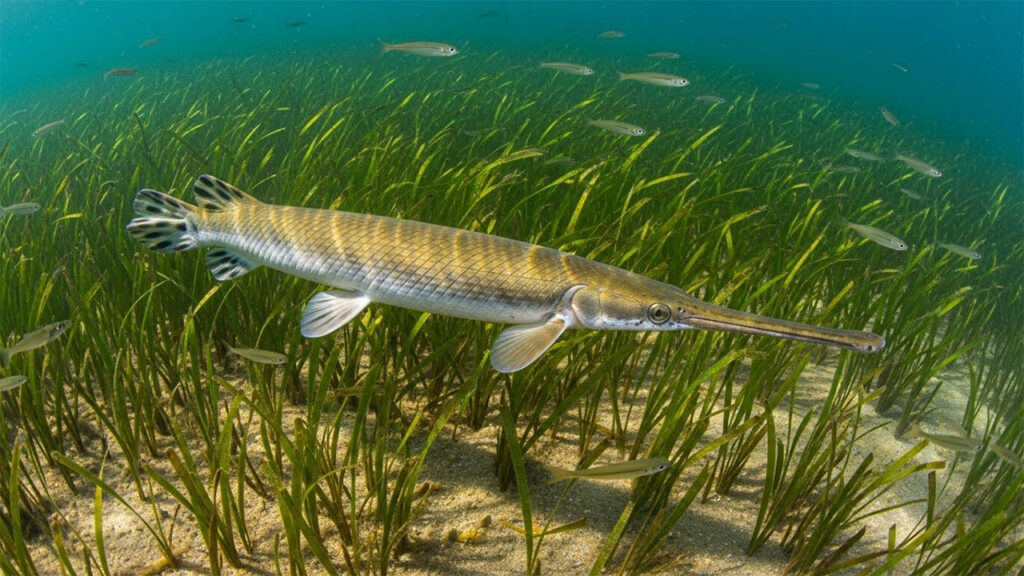
Longnose gar look like living fossils—sleek bodies, armor‑like scales, and a spear of a snout. They commonly live 20–40 years, with reports of individuals living to 50. In fish terms, that’s a solid run, especially for a predator in rivers and backwaters.
Their organs include a vascularized swim bladder that can gulp air, letting them survive in warm, low‑oxygen water where others struggle. Britannica says their adaptability adds years to the clock when droughts or heat waves hit.
Gar spawn in spring, laying sticky eggs on vegetation; the eggs are toxic to mammals and some fish, helping protect the next generation. No fancy courtship display—just timing, location, and lots of eggs to fertilize.
Fun fact: those interlocking ganoid scales are so tough that Indigenous cultures once used gar skin for tools. Today, they primarily impress curious anglers and naturalists who love ancient designs that still work.
Conclusion
Fish with long lifespans are living timelines. Despite their maximum lifespan, they remember cold years, warm years, quiet coasts, and noisy boats. They show how body design, behaviour, and habitat join to build a life that stretches far beyond ours. Biological immortality may be rare, yet these long-lived fish show how nature bends time without breaking the rules. American lobster, Black coral, Red sea urchins, Bowhead whales, Genus leiopathes and Turtles are also some other animals living in the ocean, known for their long lives!
If we want more of these elders around, we need clean water, smart harvest rules, and habitats that let fish live long enough to grow old. From century‑old fish to the ocean quahog’s 400‑year clock, extended life thrives where water stays cold, clean, and stable.
Next time you see a slow, confident fish gliding like time itself, give a quiet nod. Long life in the ocean isn’t luck—it’s careful design, steady choices, and a world that still makes room for old souls with fins.
