




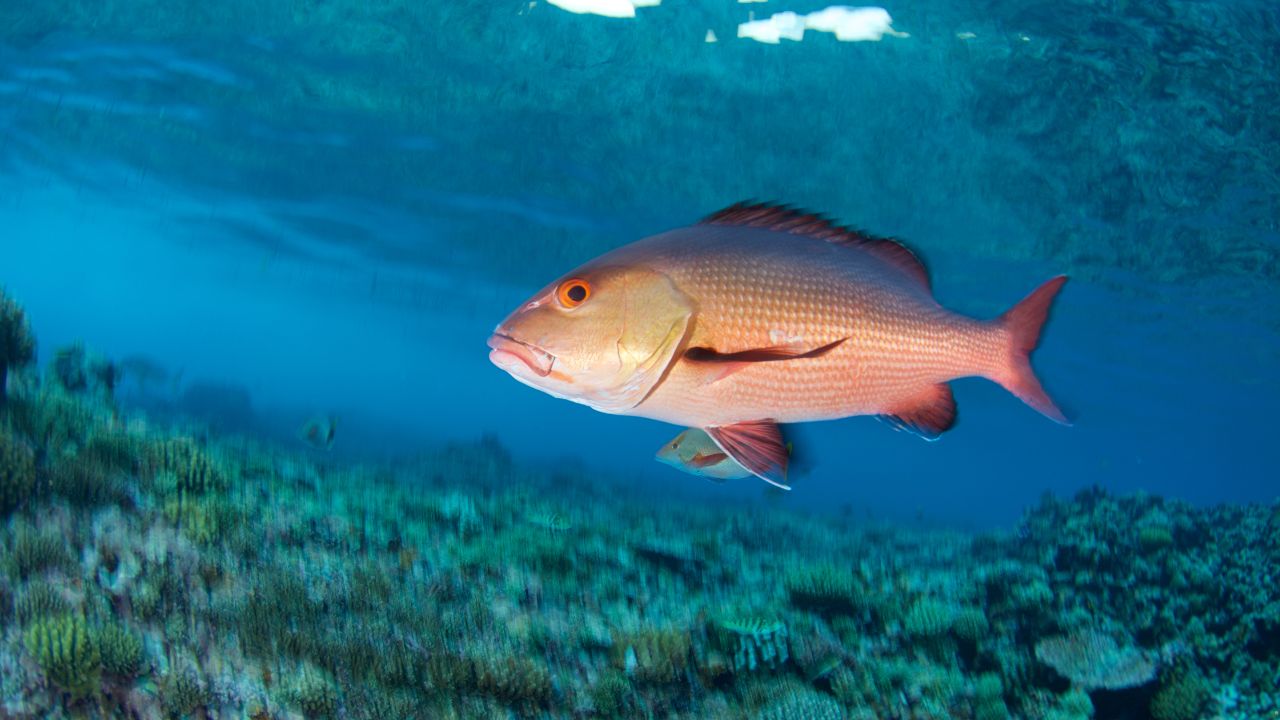
Ever watched a nature documentary and been absolutely mesmerized by thousands—sometimes millions—of fish moving together like they’re in a perfectly choreographed TikTok dance? If you have, welcome to the wild world of schooling fish!
These aquatic animals are the true masters of social life, banding together in jaw-droppingly big groups for protection, food, and the pure thrill of synchronized swimming.
Why do they do it? Well, swimming in a gigantic school isn’t just for show. It’s an essential survival hack that helps fish stay safe from predators, find meals more easily, and even reduce energy use. Plus, let’s be honest, nothing says “squad goals” like moving as one massive, glittering unit through the open ocean.
Whether you’re into community tanks filled with neon tetras and cherry barbs, or you love watching fish school in the wild, schooling conduct is one of nature’s most incredible sights.
So, let’s dive in and meet some fish known for their large schools. Get ready for a tour of the world’s most social swimmers—you might even spot a few that would be perfect for your planted aquarium!
Fish Known for Their Large Schools
1. Pacific Sardine
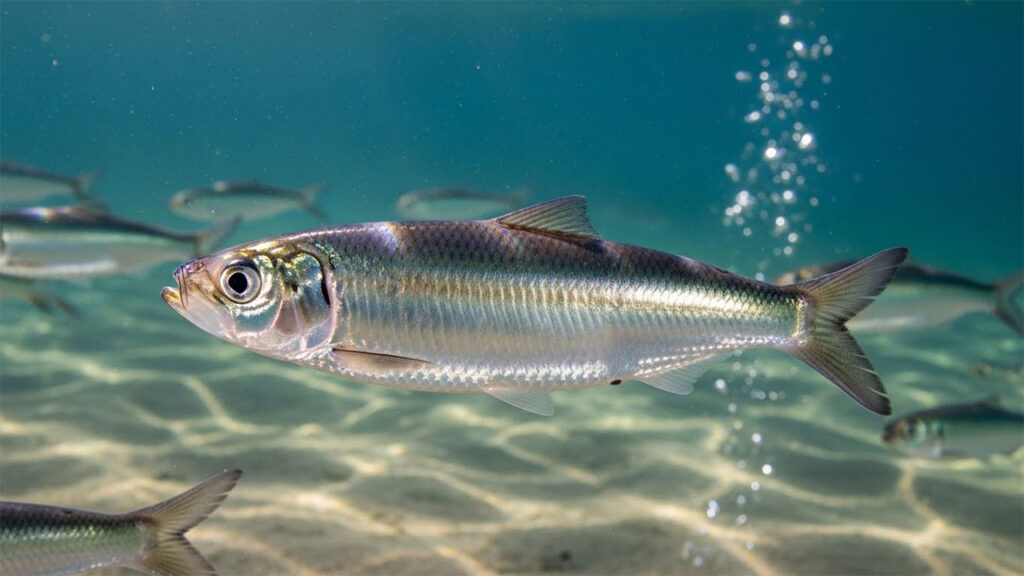
If you’ve ever seen a huge, swirling ball of silver in the Pacific Ocean, chances are you were watching a school of Pacific sardines in action.
These little guys are absolute pros when it comes to schooling, sometimes gathering in numbers that literally block out the sun! We’re talking millions of sardines moving together in one epic, undulating wave.
What’s behind this conduct? Safety, mostly. NOAA states that by sticking close together, sardines make it nearly impossible for vultures to pick out a single fish to eat. It’s the classic “there’s safety in numbers” vibe, and it totally works—unless you’re up against a super hungry dolphin or a squad of seagulls diving from above.
But sardines aren’t just about survival. When it comes time to spawn, they lay their eggs in open water, relying on the sheer size of their school to protect the next generation. The more fish, the more eggs, and the better the odds that some of those tiny babies will make it to adulthood.
And if you’re into aquariums, while Pacific sardines themselves aren’t a fit for your planted tank (unless you live in an aquarium the size of a football field), their behavior is basically the gold standard for what makes shoaling fish so mesmerizing to observe.
2. Pacific Herring
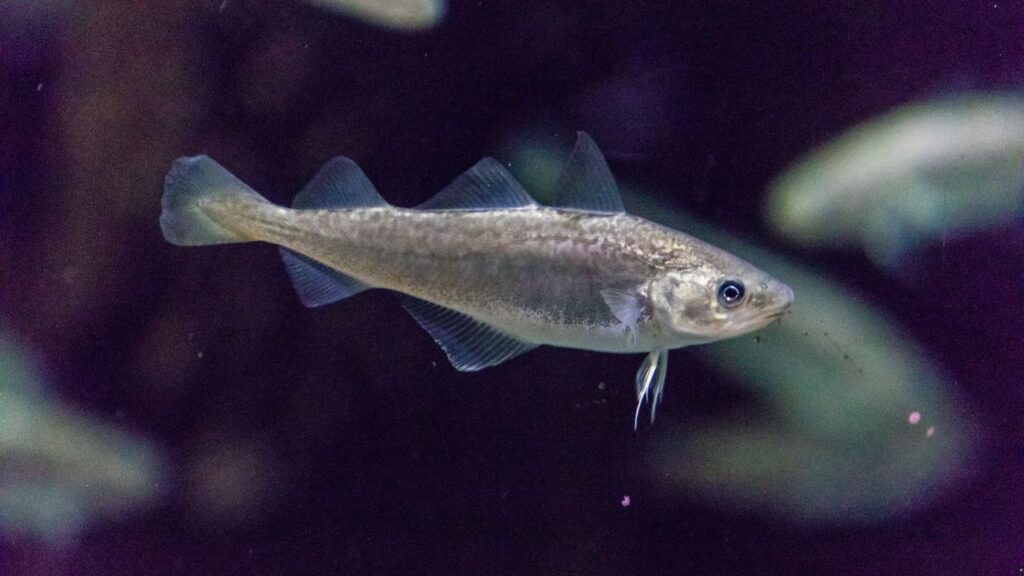
Next up, meet the Pacific herring—the ultimate flash mobbers of the ocean. These small fish are famous for forming gigantic schools that can stretch for miles along the coastlines of North America and Asia.
When herring school, they really go all in, sometimes creating shimmering rivers of silver that move as one.
Why do herring hang in such large groups? It all comes back to protection and efficiency. Schooling helps them dodge predators like salmon and seals, but it also makes it easier to find meals. When one herring spots a delicious patch of plankton, the whole group can turn and feast together, maximizing their vitality and minimizing stress.
Herring are also pretty epic when it comes to spawning. Every year, they gather in massive numbers to lay their eggs on underwater plants, rocks, and driftwood.
If you’re thinking about community tanks, herring’s cousin, the rummy nose tetra, brings a similar sense of movement and cohesion to home aquariums. They may be smaller, but they know how to put on a show!
3. Atlantic Mackerel
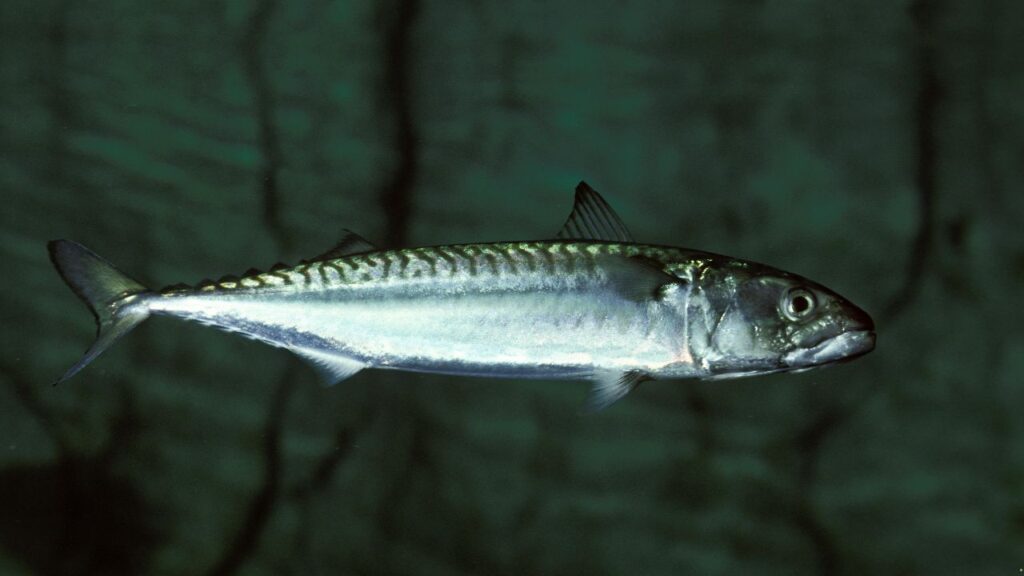
Atlantic mackerel are basically the extroverts of the fish world. You’ll find these beautifully striped swimmers zipping through the Atlantic Ocean in tight, swirling schools that can number in the hundreds of thousands.
Their bright colors and sleek bodies make them stand out, whether they’re in the open sea or on your Instagram feed.
What’s the deal with such big schools? Mackerel use their group’s size and speed to outmaneuver predators and confuse potential predators. They’re also super interactive—constantly changing direction, using their lateral lines to sense movement, and staying in tune with the rest of the school.
GWCT mentions that Atlantic mackerel are well-suited to life on the move, traveling long distances to follow food sources and spawning grounds. Their ability to stay packed and move as a unit is a major factor in their success, both in survival and in maintaining a substantial population.
And a fun fact: mackerel schools aren’t just a sight to see. They’re also an essential link in the food chain, feeding larger fish, seabirds, and even us humans. Talk about an animal that connects the world!
4. Yellowfin Tuna
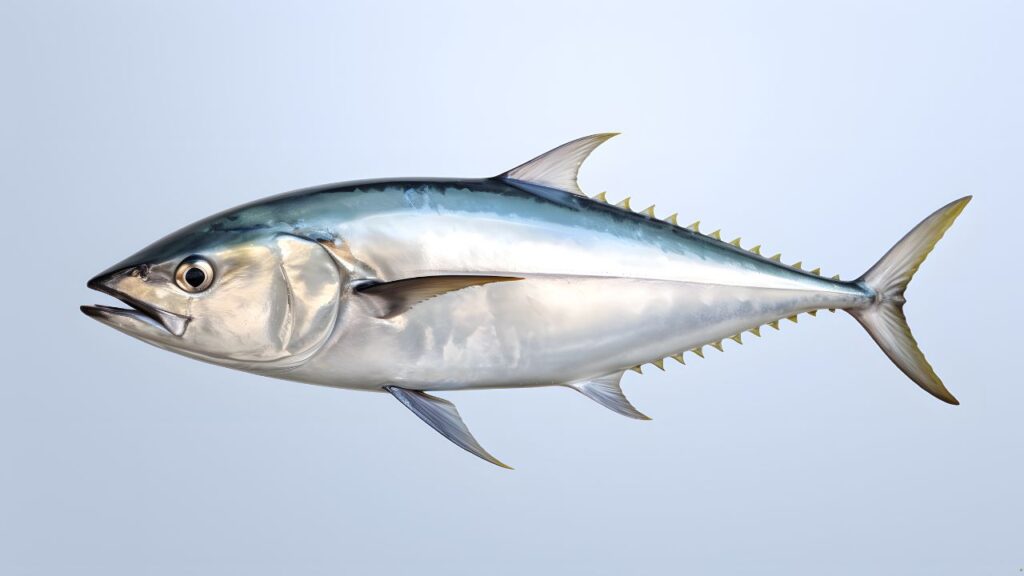
Yellowfin tuna aren’t just known for their speed—they’re also famous for their massive, high-energy schools that cruise through tropical and temperate waters.
These are a little larger fish that love to travel and are often seen in groups that make even the most seasoned anglers do a double-take.
What makes yellowfin tuna so perfect for schooling life? It’s all about social connection and efficiency. By floating close together, they reduce drag, conserve energy, and boost their odds of finding food. If one fish spots a school of bait, the others follow in a blur of powerful fins and tails.
But don’t be fooled—these aren’t shy animals. Yellowfin tuna are active, bold, and always on the move.
If you want to bring a bit of yellowfin energy into your planted aquarium, look for species like zebra danios or harlequin rasboras, which also thrive in larger groups and get that same lively vibe to your tank.
5. Jackfish
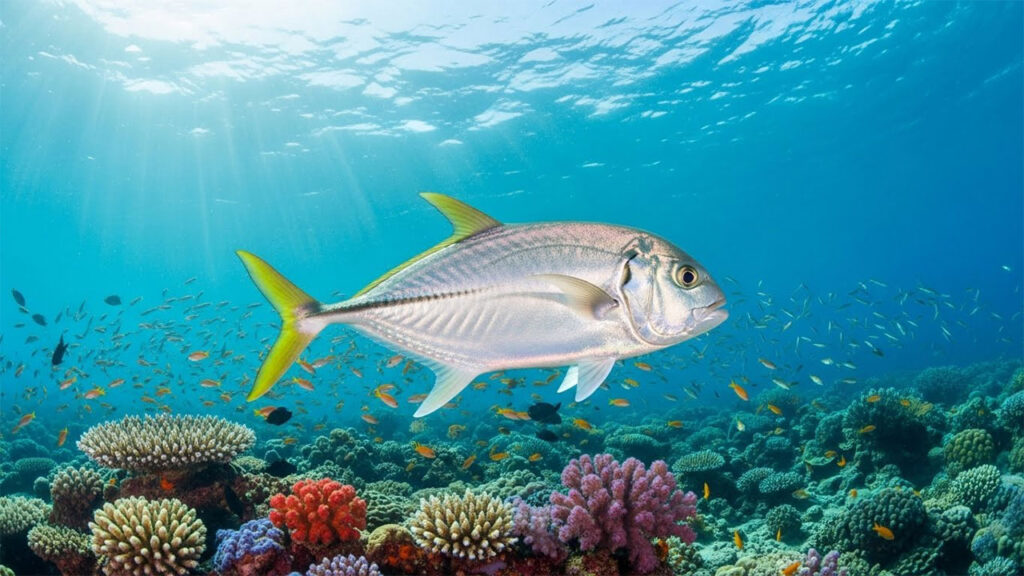
Jackfish, also known as trevally, are the party animals of the Indo-Pacific. When jackfish school, they really go all out, forming swirling, silver tornadoes that are a favorite sight for divers and underwater photographers.
It’s like observing a moving piece of art—totally mesmerizing and a little bit hypnotic.
Why do jackfish hang together? Schooling gives them protection from predators, but it’s also about hunting. These fish are powerful, slightly larger predators, and when they move as a group, they can herd smaller fish and pin them in place for an easy meal.
Their schooling behavior is super interactive and constantly changing. You’ll see jackfish darting, turning, and shifting positions, all while staying close to the group. It’s a perfect example of how fish connect, using sight and the lateral line system to keep in sync.
6. Red Snapper
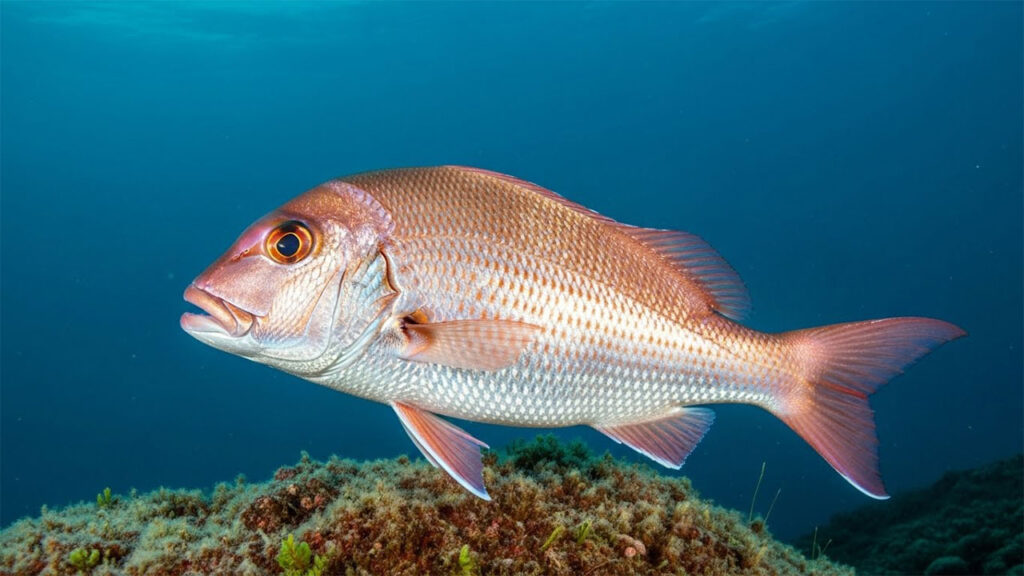
Red snapper are proof that schooling fish aren’t just about the open ocean. These colorful, bottom dwellers are famous for forming enormous schools around reefs, shipwrecks, and rocky outcrops in the Gulf of Mexico and beyond.
LSU points out that their bright red hues and impressive size make them stand out in any underwater crowd.
Why do red snappers form schools? It’s all about safety and sustenance. By sticking together, they can spot predators more quickly and defend their territory. When it’s time to spawn, red snapper gather in massive groups, releasing eggs and sperm into the water—talk about a community event!
Red snapper schools are also essential for the environment. They help control populations of other fish and invertebrates, keeping the reef ecosystem in balance. Plus, they’re a favorite target for both commercial and sport fishers, thanks to their tasty, firm flesh.
7. Gulf Menhaden
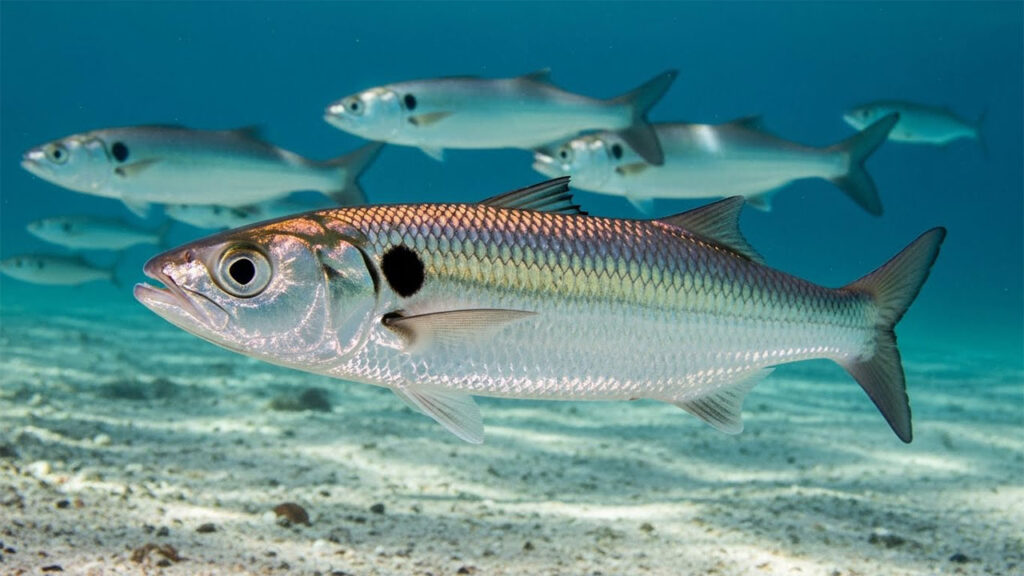
Last but not least, let’s give a shoutout to the Gulf menhaden, one of the most essential schooling fish in the world.
These small fish may not win any beauty contests, but they form some of the biggest schools you’ll ever see—sometimes stretching for miles along the U.S. Gulf Coast.
Menhaden school for all the classic reasons: protection, food, and spawning. They’re filter feeders, using their gaping mouths to strain plankton from the water as they swim in gigantic, tightly packed groups. This makes them an essential food source for larger predators, including dolphins, sharks, and seabirds.
Their behavior also brings huge environmental benefits. By eating plankton, menhaden help control algae blooms and keep the water healthy. They’re basically the unsung heroes of the Gulf’s ecosystem, supporting everything from commercial fisheries to the survival of other species.
Thinking about community tanks? Menhaden aren’t a fit, but their natural behavior is a reminder of why it’s crucial to choose schooling fish like rasboras, tetras, or danios for your planted tanks—they’re happier, healthier, and way more fun to observe when they’re in a group!
Conclusion
Whether you’re marveling at the swirling schools of Pacific sardines, the jet-setting yellowfin tuna, or the bottom-dwelling red snapper, one thing’s clear: schooling fish are the actual squad goals of the animal kingdom. Their interactive, social lives make them essential for the health of oceans (and your favorite community tank).
So, next time you see fish swim together in a massive, moving cloud, remember—you’re witnessing one of nature’s most beautiful and effective survival strategies. Now that’s what we call a perfect group hang!
