





So, you thought small dogs meant small problems? Oh, how adorably mistaken you are. Beneath those button noses and fluffy ears lurks a pint-sized chaos machine with opinions louder than your alarm clock.
You see, “cute and cuddly” often comes with a side of “feisty and feral.” These tiny tyrants can turn your peaceful home into a bark-filled battleground faster than you can say “who’s a good boy?” Spoiler: it’s not them.
Don’t be fooled by their sparkly collars or teacup-sized paws. What they lack in height, they more than make up for in attitude, stubbornness, and sheer drama. Think diva energy meets toddler tantrum.
If you’ve ever dreamed of being outsmarted by a creature that fits in your purse, you’re in the right place. Consider this your official warning label for the world’s smallest troublemakers.
Ready to meet the furballs of fury? Buckle up—chaos comes in miniature form.
Worst Behaved Small Dog Breeds To Stay Away From
1. Chihuahua
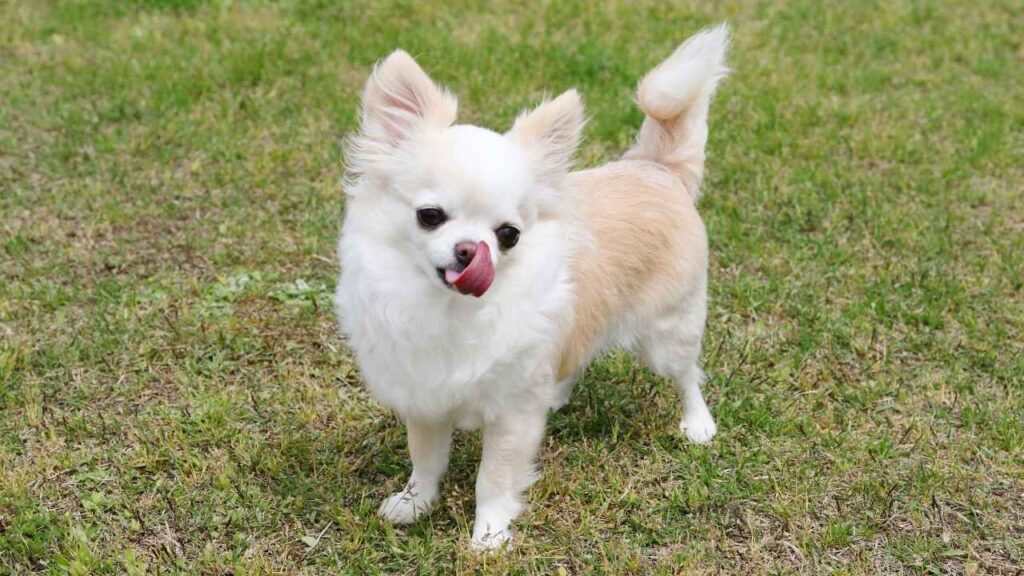
They’re tiny, glamorous, and come with an ego large enough to run its own kingdom. Originally bred for companionship, Chihuahuas have evolved into pocket-sized monarchs who firmly believe the world revolves around them. One minute they’re snuggled on your lap; the next, they’re barking at invisible threats only they can perceive.
Owning a Chihuahua means constant entertainment—and occasional chaos. These dogs are fiercely loyal, wonderfully portable, and endlessly expressive, but training one feels like negotiating with a toddler who skipped nap time.
They adore their humans yet guard them like personal property. Prepare for barking concerts, suspicious glares, and a refusal to walk when it’s raining.
The Good (a.k.a. the Bait):
Devoted and affectionate companion
Compact and easy to carry anywhere
Full of quirky personality and sass
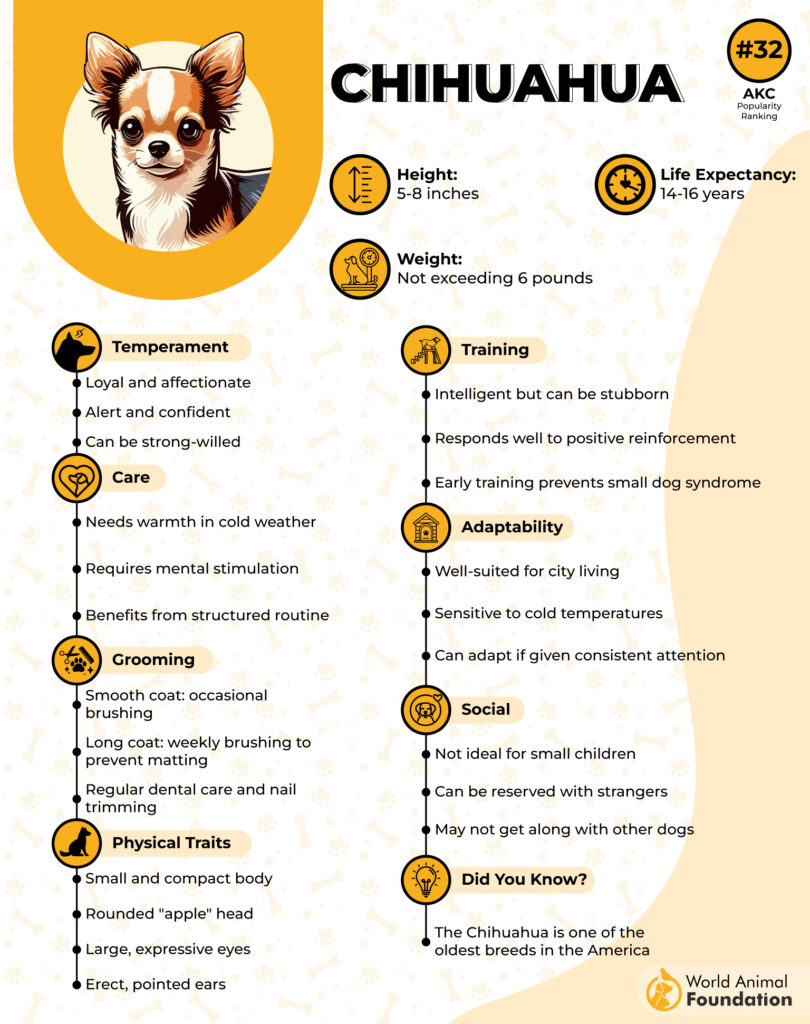
The Bad (a.k.a. the Bite):
Prone to “small dog syndrome” and bossy behavior
Overly vocal—barks at anything that moves or breathes
Can be snappy with strangers or kids
Still, the Chihuahua’s charm is undeniable. With early socialization and consistent training, they transform from pint-sized tyrants into fiercely loyal little watchdogs. They may never obey every command, but they’ll rule your heart—and your household—with unmatched style.
2. Jack Russell Terrier
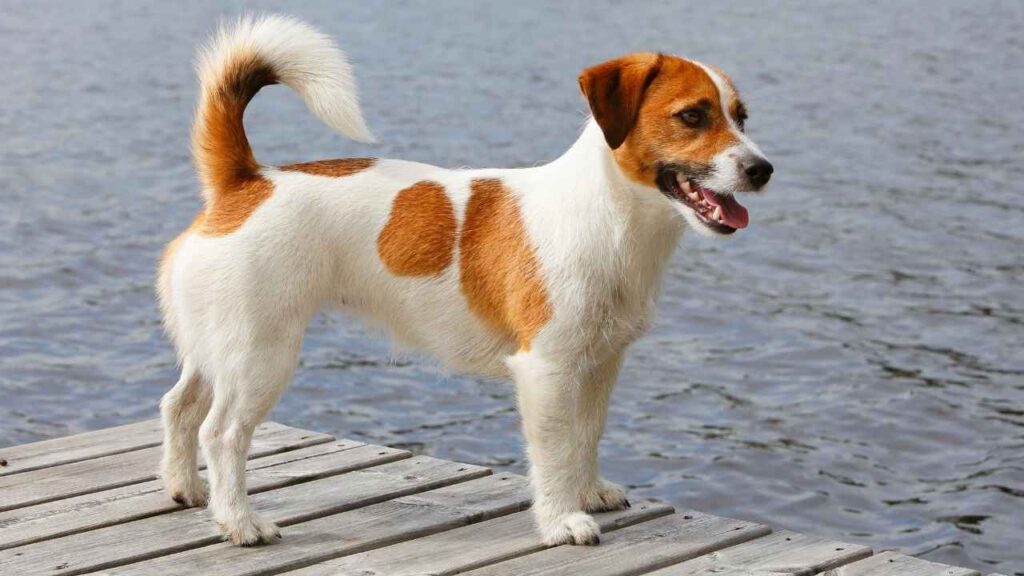
Meet the canine version of a double espresso shot with fur. Bred for hunting foxes, Jack Russell Terriers are all muscle, mischief, and manic enthusiasm. They wake up ready for adventure—and chaos—often before your first cup of coffee.
Living with a Jack Russell is like cohabiting with a personal trainer who never rests. They demand attention, exercise, and stimulation, or they’ll invent their own version of “fun,” usually involving torn cushions and backyard excavation projects. Training requires humor and patience, preferably both in bulk.
The Good (a.k.a. the Bait):
Brilliant and quick to learn commands
Fearless, athletic, and endlessly entertaining
Great for active owners who love outdoor play
The Bad (a.k.a. the Bite):
High energy with a side of destruction
Selective hearing when it comes to obedience
Tends to chase anything smaller—or faster—than itself
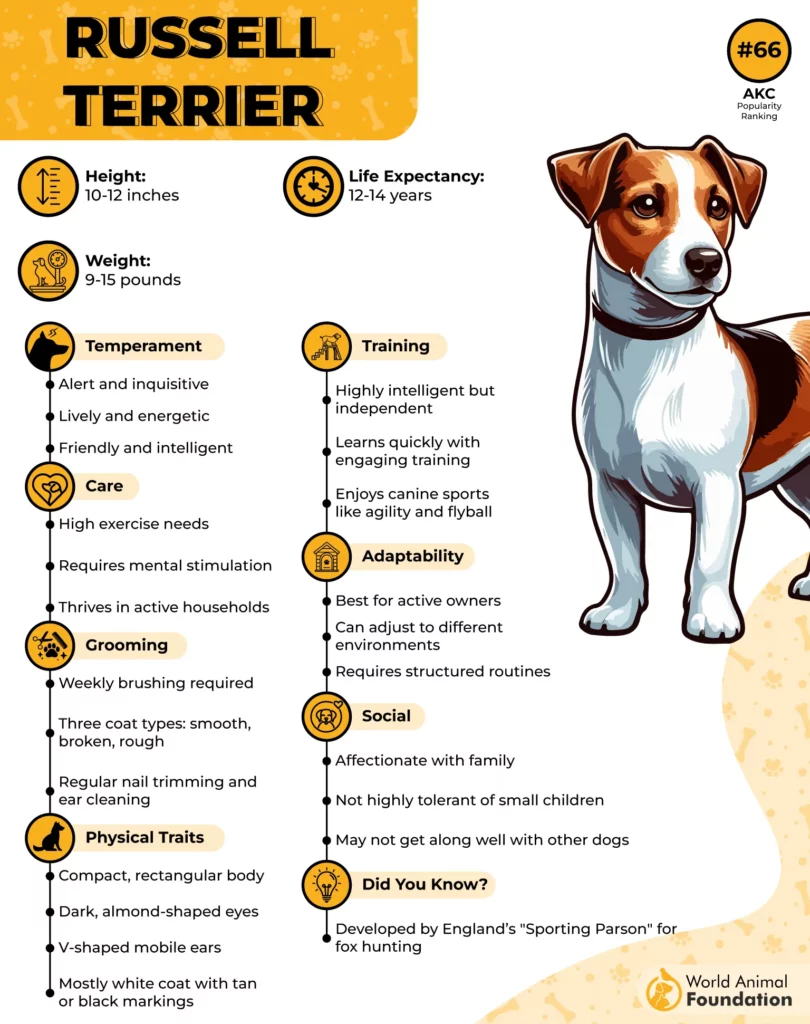
Their saving grace? A Jack Russell with proper structure, training, and boundaries becomes an unstoppable adventure buddy.
They thrive with experienced owners who can match their stamina and humor their endless antics. If chaos had a mascot, it’d definitely wag its tail like this one.
3. Dachshund
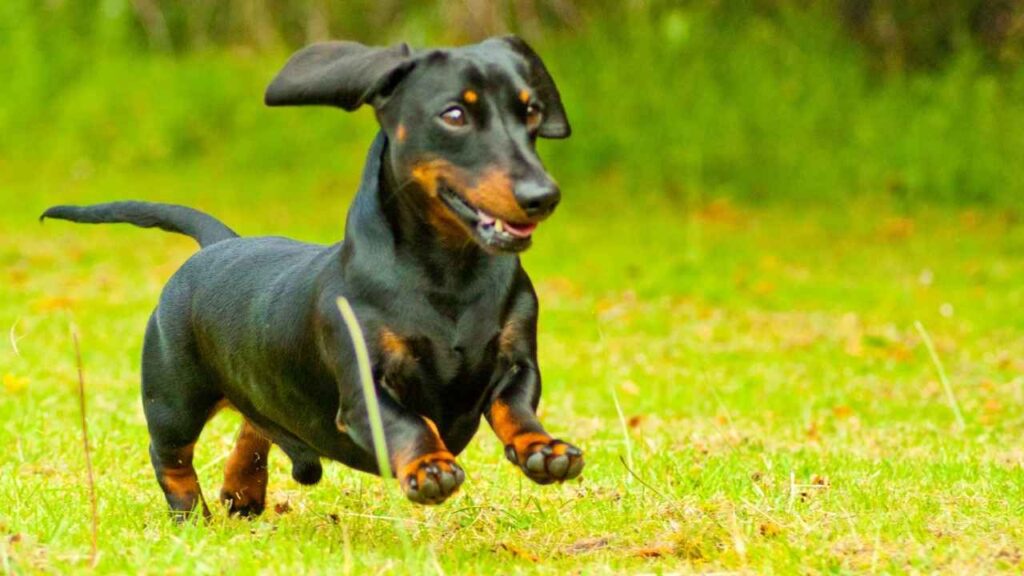
Ah, the Dachshund—half a dog tall, one and a half dogs long, and twice the attitude. Originally bred to hunt badgers, these “hot dogs” come with a brave heart wrapped in sausage form. They’re adorable, hilarious, and completely convinced they’re indestructible.
Living with a Dachshund means navigating a blend of affection and defiance. They love to cuddle under blankets but will also argue about who owns the couch.
Training feels less like teaching and more like diplomacy—expect a side-eye if you dare give an unwanted command.
The Good (a.k.a. the Bait):
Loyal, loving, and attached to their family
Compact yet full of character
Surprisingly fearless watchdogs
The Bad (a.k.a. the Bite):
Stubborn streak that rivals royalty
Barking that can outlast your patience
Back problems from their long build require careful handling

Still, there’s something enchanting about their stubborn courage. With consistency and gentle training, the Dachshund becomes both a comedic companion and a fiercely protective shadow. They might test your limits—but they’ll also melt your heart one silly snuggle at a time.
4. Yorkshire Terrier
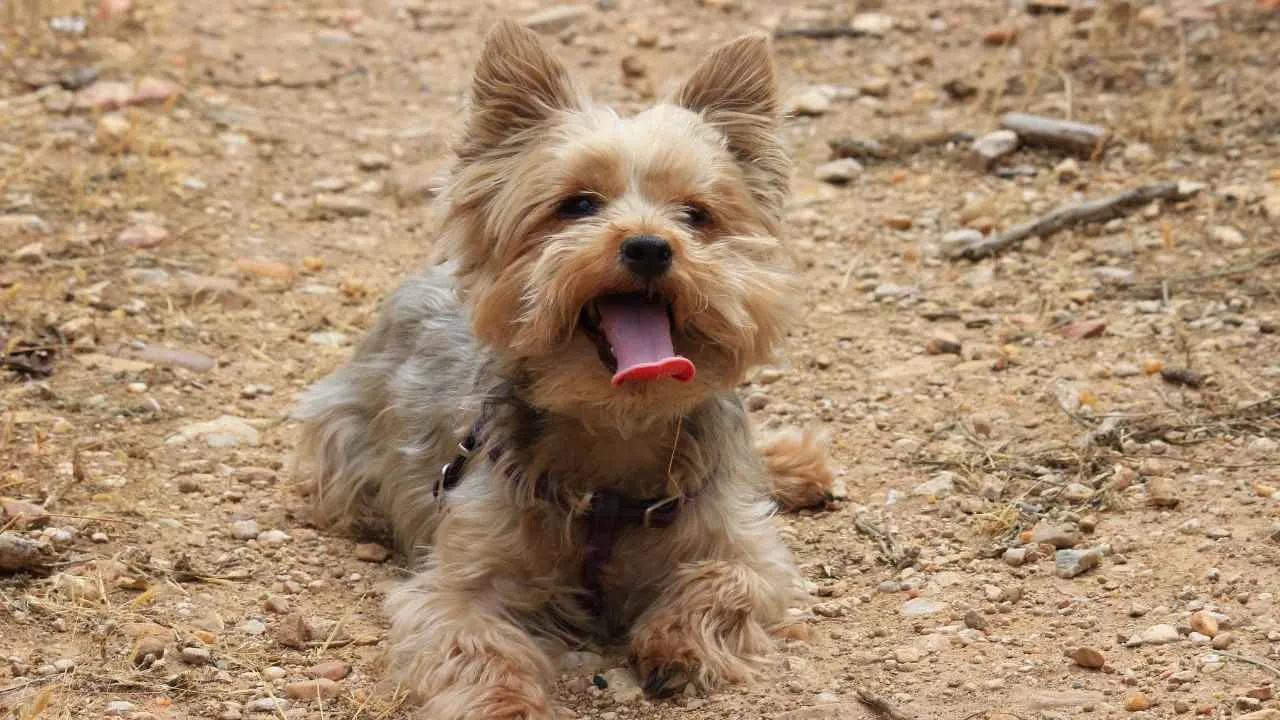
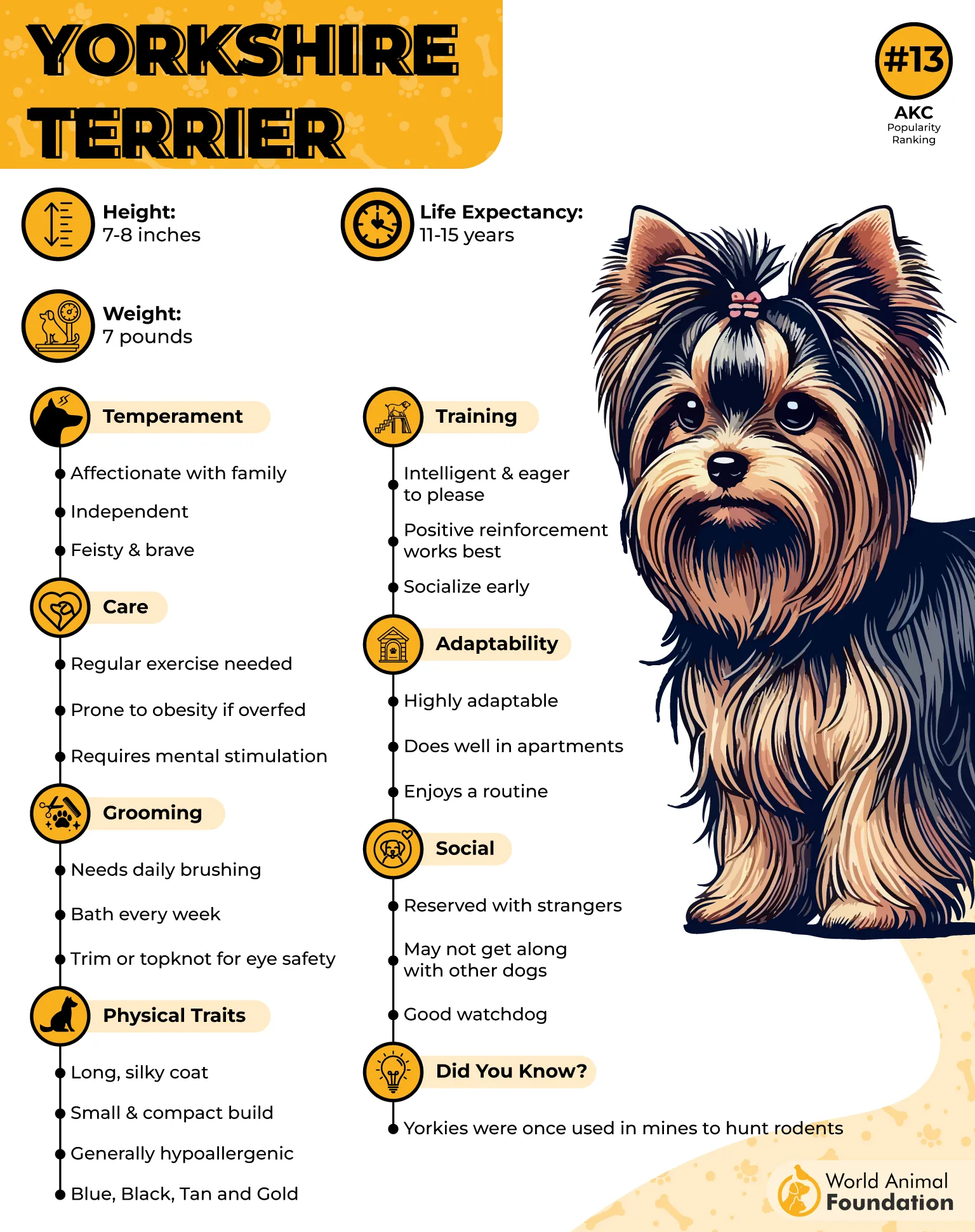
Don’t let the silky coat fool you—Yorkies are sass wrapped in luxury. Originally bred to chase rats in textile mills, they’ve traded dirty floors for designer handbags but kept the attitude of a tiny streetfighter.
Living with a Yorkshire Terrier is like owning a diva who refuses to take direction. Royal Canin warns that they bark with passion, walk with pride, and consider themselves household royalty. You’ll either train them—or they’ll train you. Spoiler alert: they usually win.
The Good (a.k.a. the Bait):
Charming and confident personality
Hypoallergenic coat and portable size
Surprisingly brave and protective
The Bad (a.k.a. the Bite):
Excessive barking—loves to hear their own voice
Easily spoiled and bossy without structure
Needs regular grooming and attention
Yet beneath the glitz lies a fiercely loving heart. Yorkies adore their people and make excellent companions when given firm boundaries. A well-trained one is loyal, funny, and endlessly photogenic—a perfect blend of sparkle and spunk.
5. Scottish Terrier
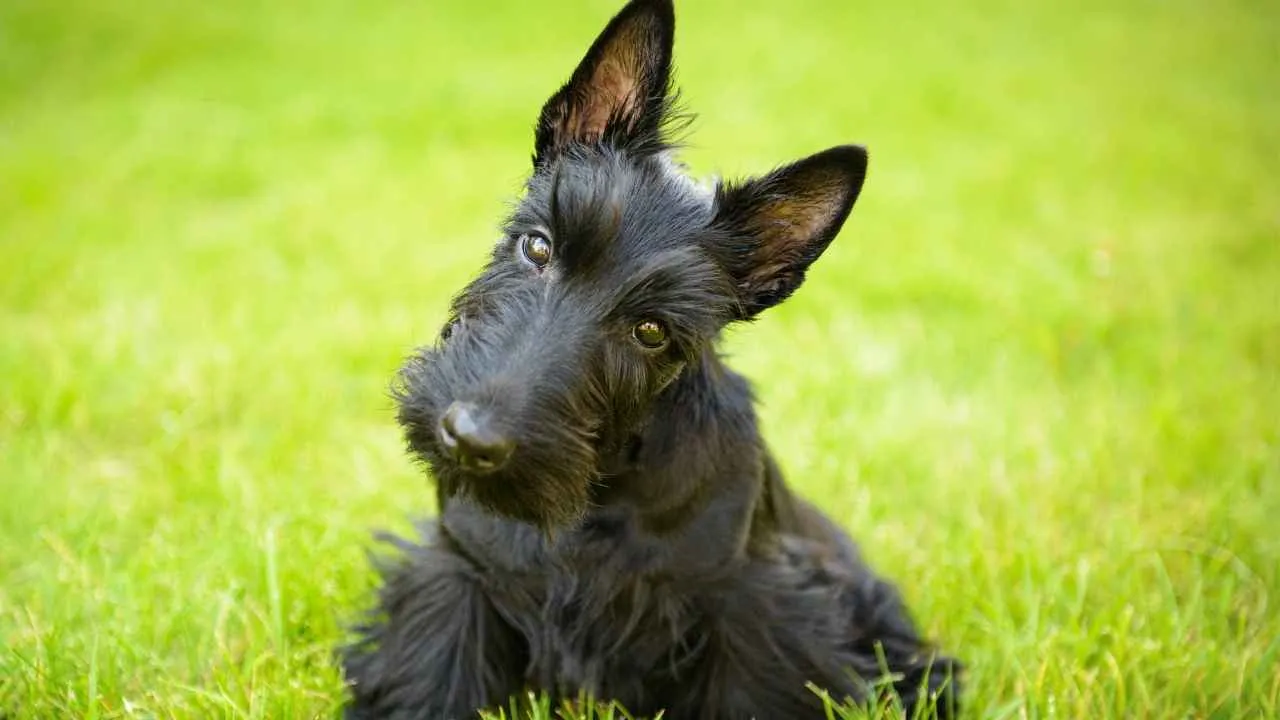
The Scottish Terrier, or “Scottie,” carries itself like a mustachioed gentleman who secretly moonlights as a bouncer. Short, sturdy, and self-assured, this breed was born to dig and dominate. They don’t follow commands—they consider them.
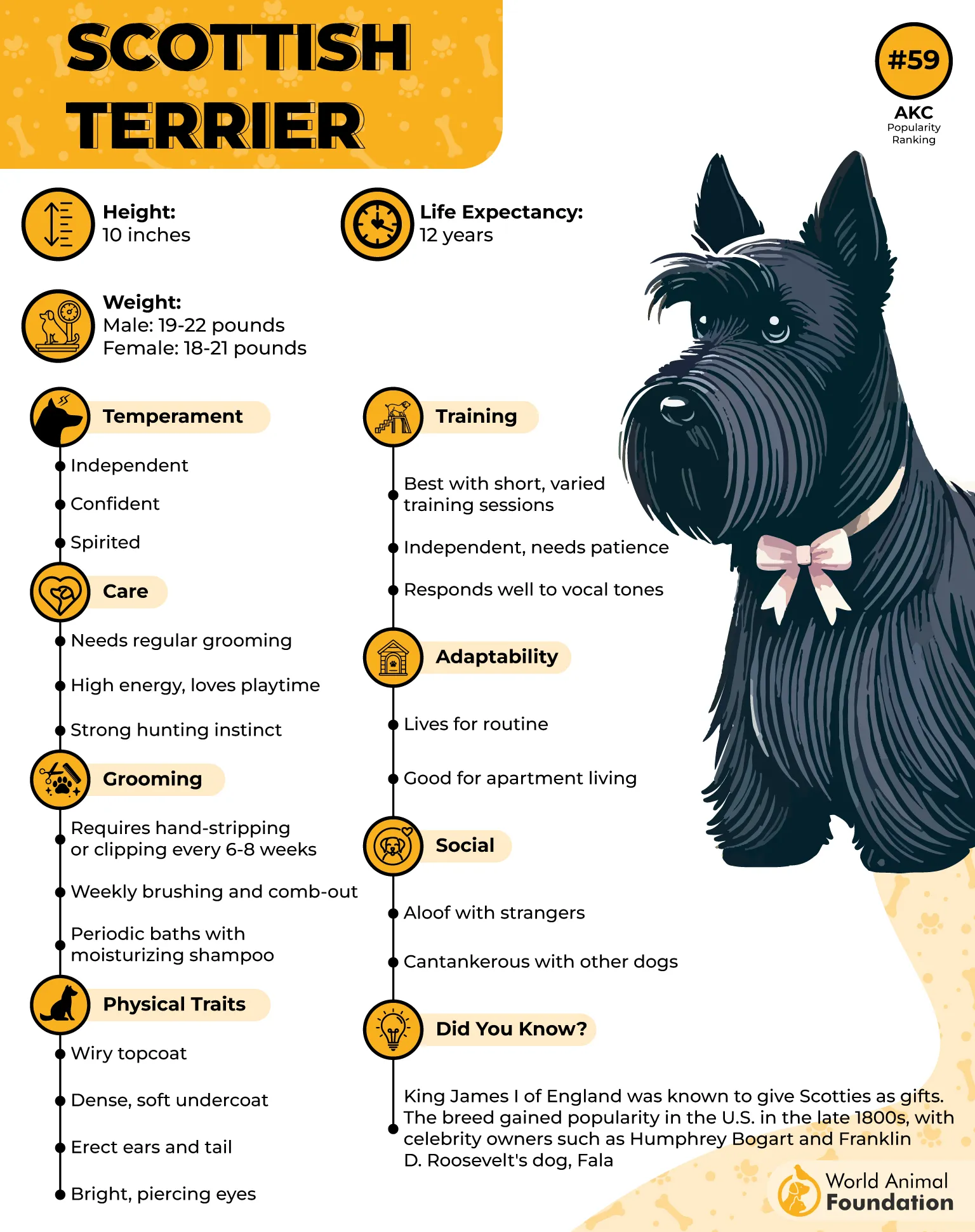
Sharing your home with a Scottie means accepting their rules of engagement. PetMD notes that they’re dignified yet opinionated, sweet yet territorial, and have mastered the art of selective hearing. You’ll know who’s boss—and it’s not you.
The Good (a.k.a. the Bait):
Independent and intelligent thinkers
Loyal companions with strong protective instincts
Distinctive, charming appearance
The Bad (a.k.a. the Bite):
Stubborn to train and resistant to correction
Can be aloof or grumpy with other pets
Needs consistent leadership to prevent dominance issues
Still, few breeds balance confidence and character like the Scottie. With mutual respect (and a few treats), they make loyal family members who stand guard with silent pride. They’re quirky, bold, and entirely unforgettable—just don’t expect obedience to come free.
6. Beagle
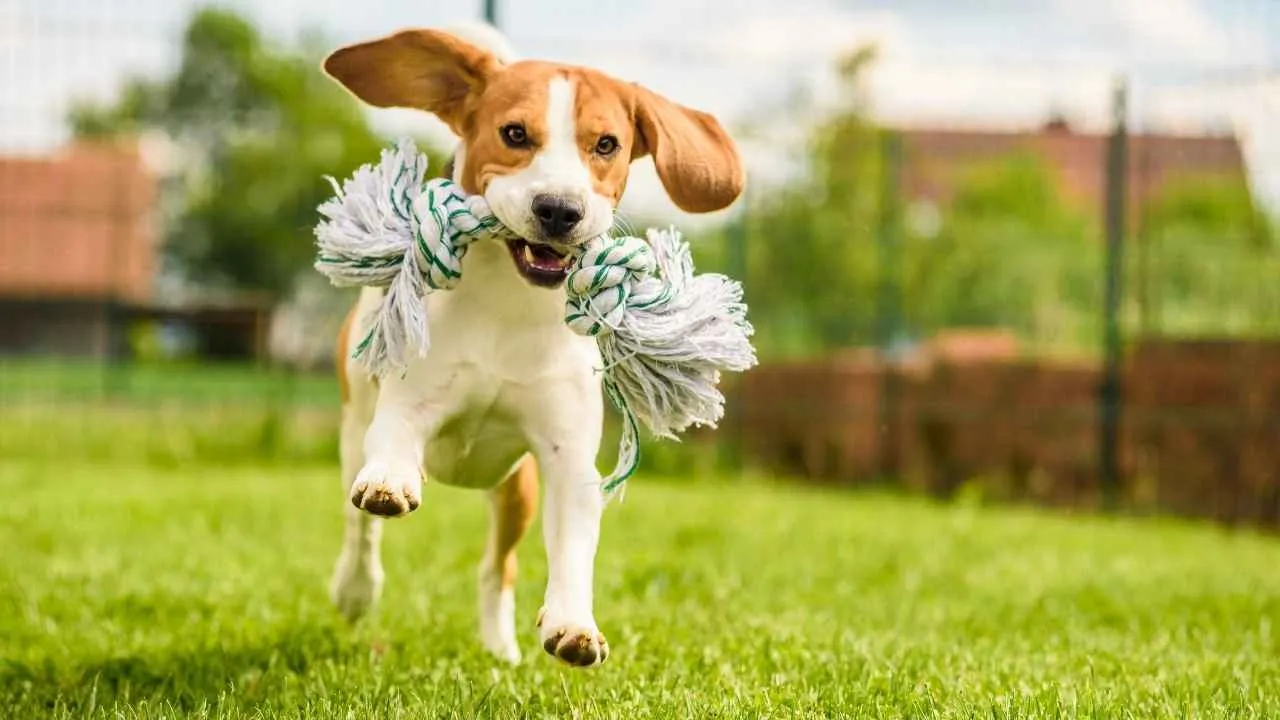
The Beagle is proof that innocence can be misleading. Behind those soulful eyes lies a nose that overrides all logic. Originally bred to hunt in packs, Beagles follow their scent—and ignore your voice—with Olympic-level focus.
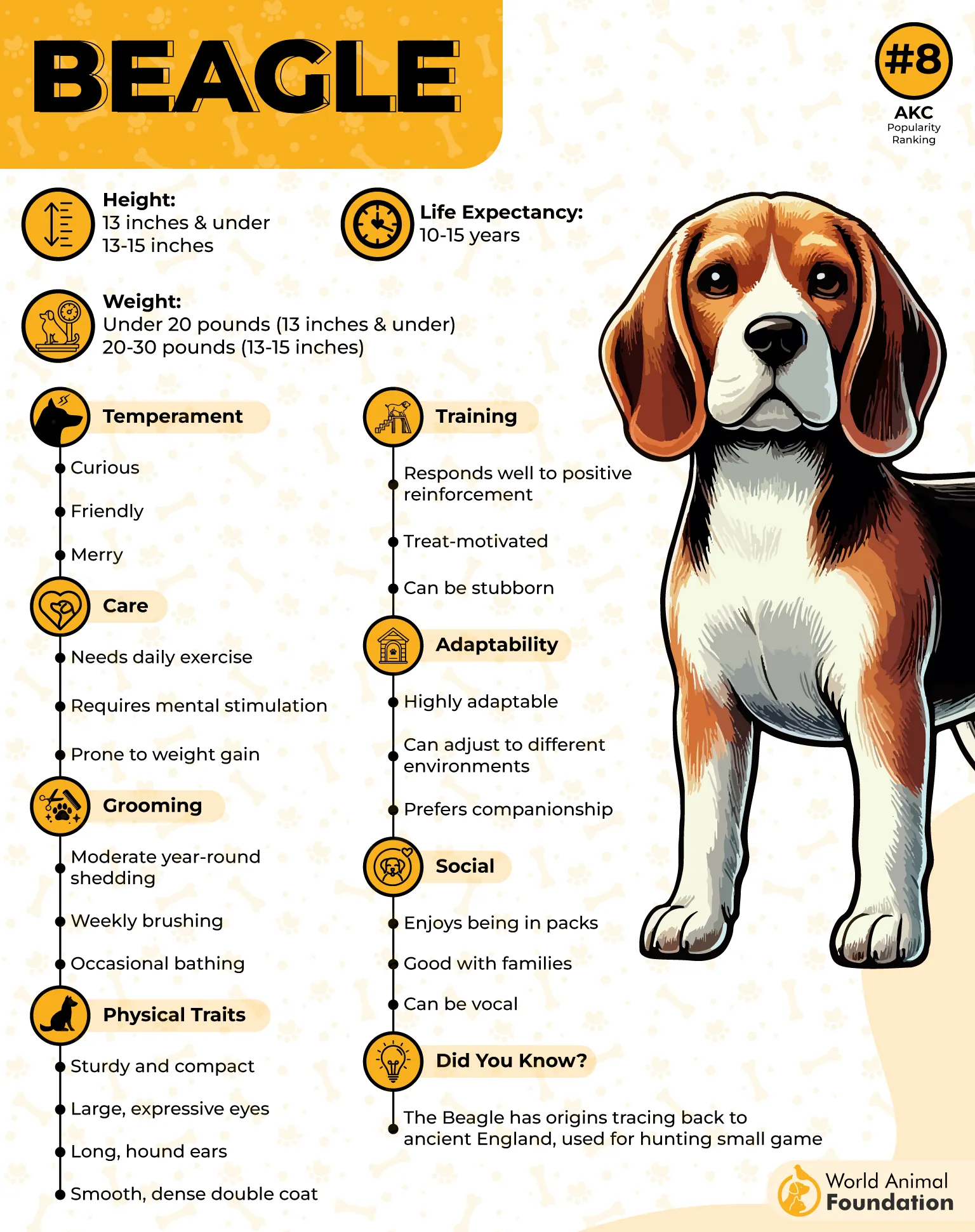
Owning one is like living with a detective whose case file never closes. They’re sweet, social, and full of energy, but their curiosity often leads straight to trouble. Training takes consistency, creativity, and the occasional bribe.
The Good (a.k.a. the Bait):
Friendly, gentle, and great with families
Playful nature and boundless enthusiasm
Compact size perfect for most homes
The Bad (a.k.a. the Bite):
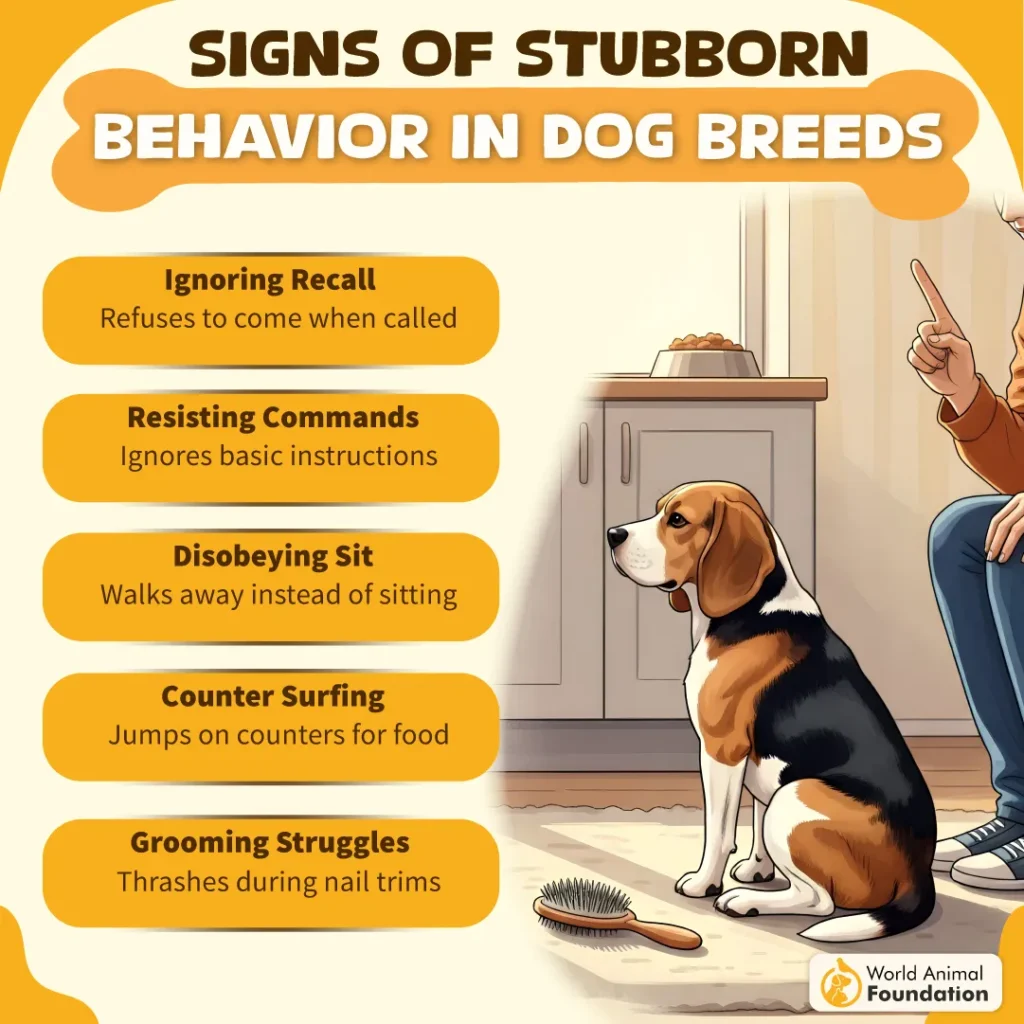
Easily distracted—training can feel endless
Prone to howling and escaping in pursuit of scents
Can become stubborn without routine exercise
Still, few dogs bring joy like a Beagle on a good day. Their optimism and charm are infectious. Give them love, structure, and something to sniff, and you’ll have a loyal companion who lives life with gusto—just never off-leash near a squirrel.
7. Lhasa Apso
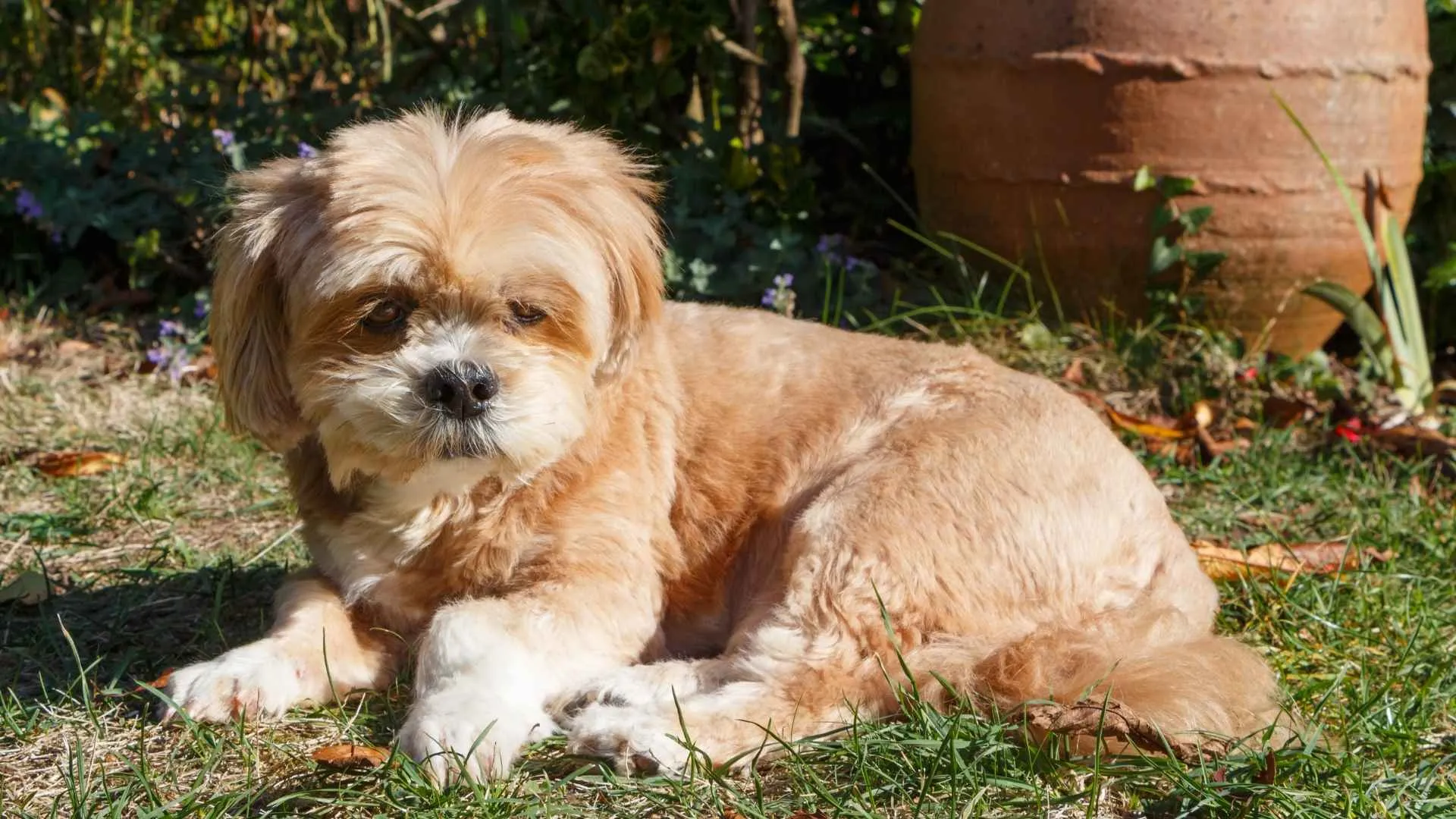
Once the sacred guardian of Tibetan monasteries, the Lhasa Apso still carries itself like a four-legged monk—one with strong opinions. Beneath that flowing coat is a dog that sees, hears, and judges everything.
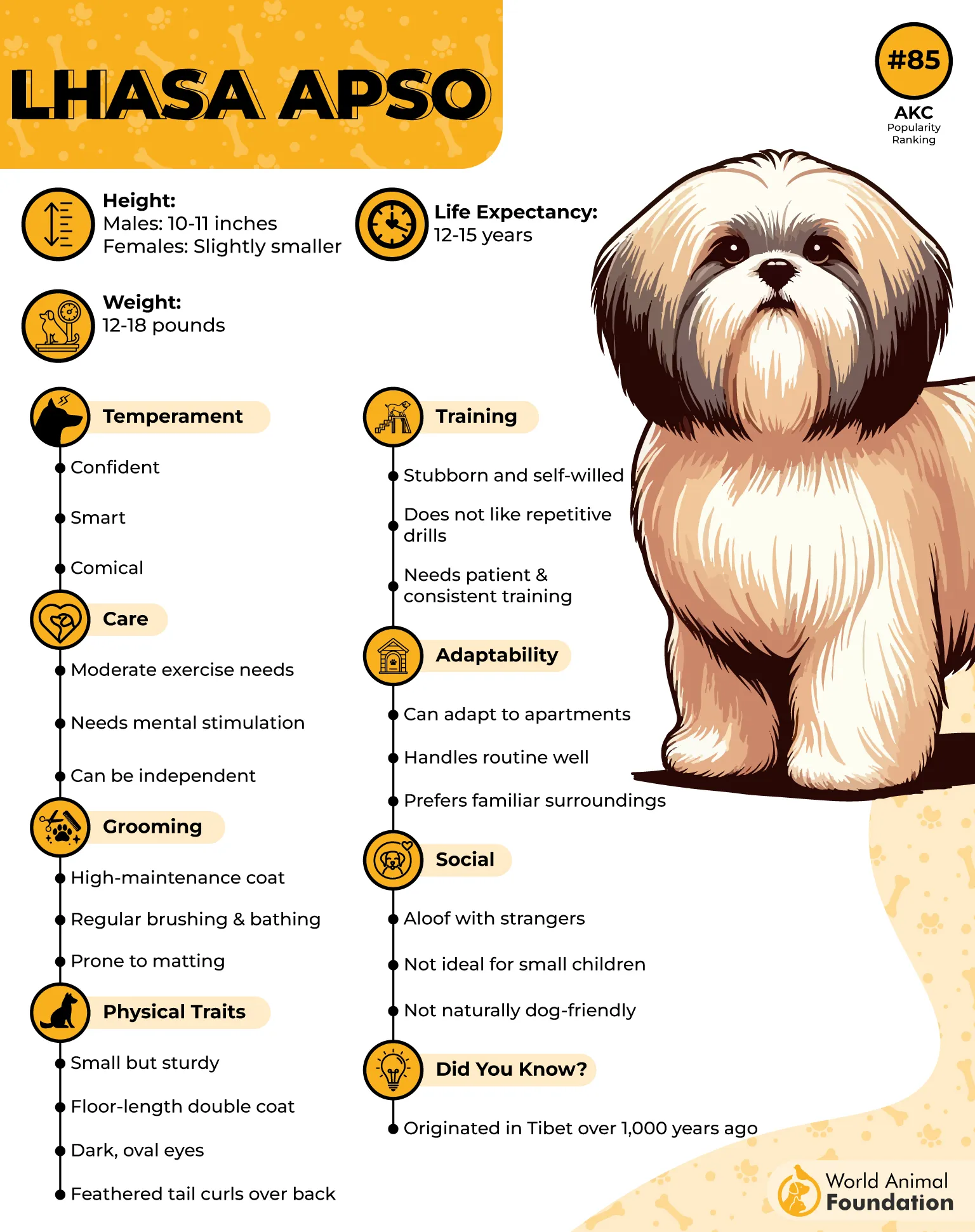
Living with a Lhasa is like housing a royal advisor: wise, watchful, and occasionally bossy. They’re affectionate on their terms and skeptical of strangers, giving side-eye that could rival a reality TV star. Training works best with respect, not repetition.
The Good (a.k.a. the Bait):
Faithful and deeply devoted to family
Elegant, intelligent, and alert watchdog
Low-shedding coat perfect for allergy sufferers
The Bad (a.k.a. the Bite):
Suspicious of new people and pets
Strong-willed and slow to obey commands
Needs regular grooming and early socialization
AKC adds: Handled with care, the Lhasa Apso becomes a delightful mix of sass and serenity. They reward patience with loyalty that runs deep. They’re not the easiest dogs—but for those who earn their trust, few companions are more regal or rewarding.
FAQs
1. Can grooming or handling trigger bad behavior in small dogs?
Yes, absolutely. Many small dogs—like Chihuahuas or Lhasa Apsos—can get defensive during grooming because they feel vulnerable. Rough handling, loud tools, or sudden movements may cause fear-based reactions. The fix? Go slow, stay calm, use treats, and make grooming a positive experience rather than a wrestling match.
2. What’s the best way to handle a misbehaving small dog?
Patience and positive reinforcement work wonders. Reward calm behavior, redirect aggression or barking, and avoid yelling—it only fuels anxiety. Short, fun training sessions and mental stimulation (like puzzle toys) help channel their energy into learning instead of chaos.
3. What small dog breeds are best avoided by first-time dog owners?
First-timers might want to skip breeds known for stubbornness or strong personalities, such as Jack Russell Terriers, Chihuahuas, and Scottish Terriers. These breeds need structure, confidence, and consistent leadership. Beginners are often happier starting with adaptable, calm, and intelligent dogs like Cavaliers or Miniature Poodles.
Conclusion
Even the worst dog breeds can shine with patience, positive reinforcement, and regular exercise. The secret lies in knowing your dog’s traits and giving them the right mental stimulation to channel all that excitement.
For pet parents who love energetic dogs, breeds like German Shepherds, Australian Cattle Dogs, or Belgian Malinois may be challenging—but rewarding. Others, such as Shih Tzus, Pugs, Basset Hounds, and Chow Chows, offer charm with a sprinkle of stubbornness.
If you’re ready to seek your next furry companion, visit an animal rescue or reputable breeders. Choose wisely, raise them with care, and remember—every puppy deserves love, patience, and a primary caregiver who understands their quirks.
