




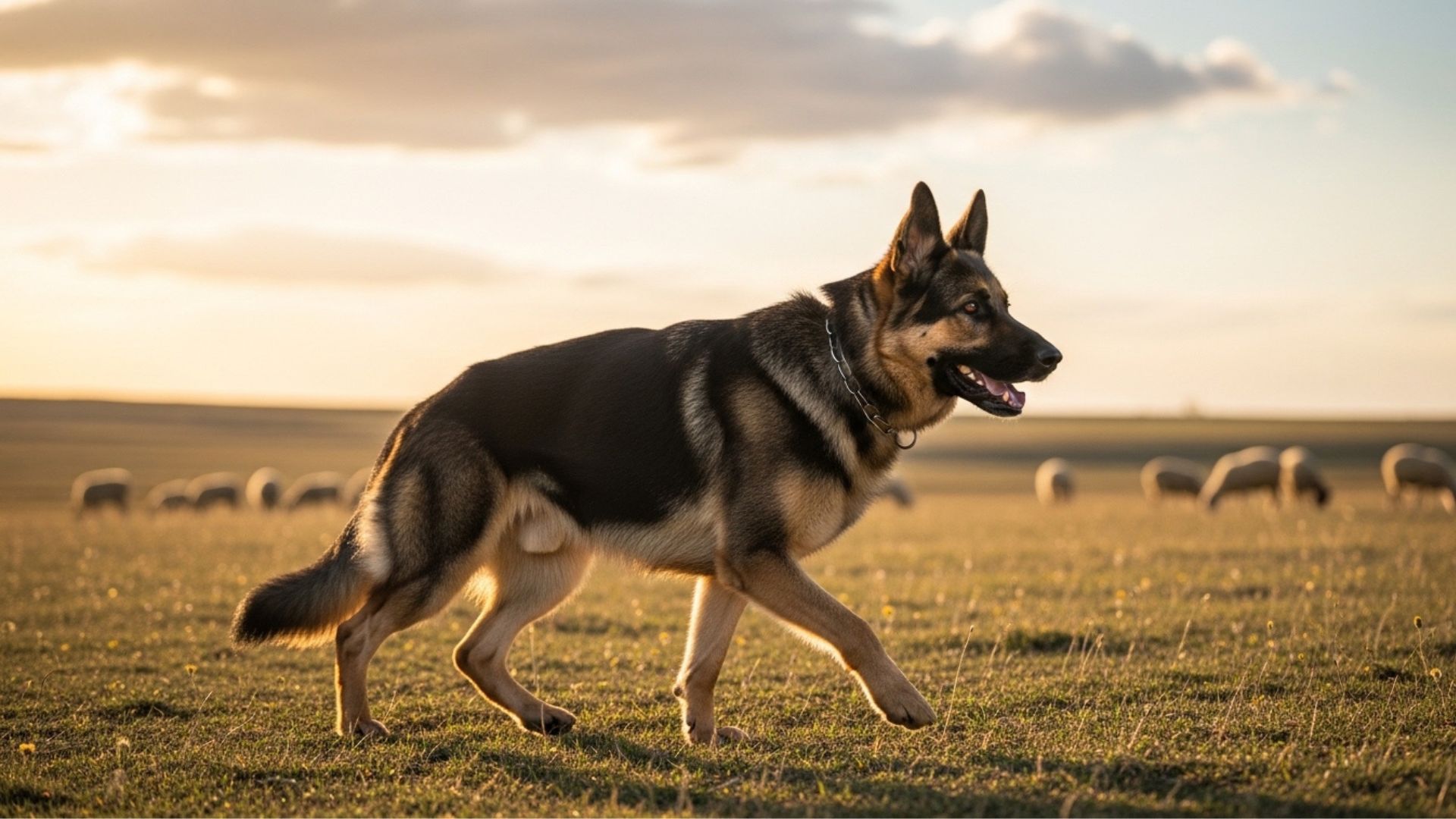
Long before dogs became couch companions and social-media stars, they were workers — serious ones. Herding livestock across vast land, standing guard against predators, and protecting human communities were not side jobs; they were survival roles.
Working dog breeds developed alongside humans for centuries, shaped by geography, climate, and necessity. Herding dogs needed precision, stamina, and cooperation. Protection dogs required courage, loyalty, and sound judgment under pressure. The rare breeds that excel at both herding and protection represent the pinnacle of canine working intelligence.
Today, these dogs are still invaluable — on farms, ranches, police units, and even family homesteads. However, they are not casual pets. They thrive with structure, purpose, and engagement. When matched correctly, they become extraordinary partners who don’t just live with you — they work for and with you.
Below are seven of the world’s most respected working dog breeds for herding and protection, each known for reliability, trainability, and an instinctive drive to guard what matters.
Top Working Dog Breeds for Herding and Protection
1. German Shepherd Dog
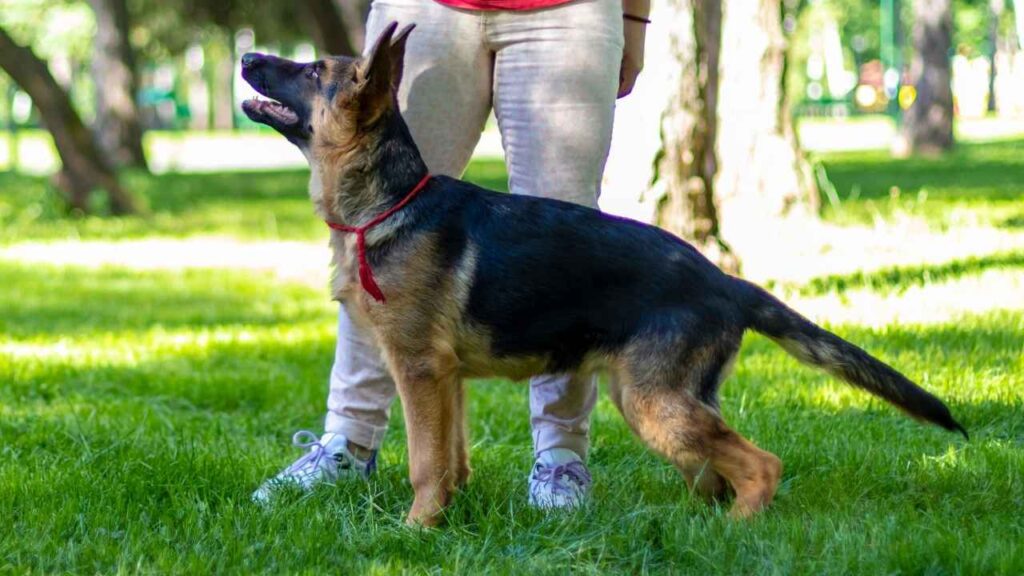
The German Shepherd Dog is often considered the gold standard of working breeds — and for good reason. Developed in late 19th-century Germany for sheep herding, the breed quickly proved exceptional at far more than livestock management. Intelligence, versatility, and courage propelled German Shepherds into military, police, and protection roles worldwide.
Herding remains deeply ingrained in the breed. German Shepherds use controlled movement, body positioning, and intense focus to efficiently guide livestock. Unlike looser herding styles, their approach is deliberate and disciplined, making them excellent for large flocks and structured environments.
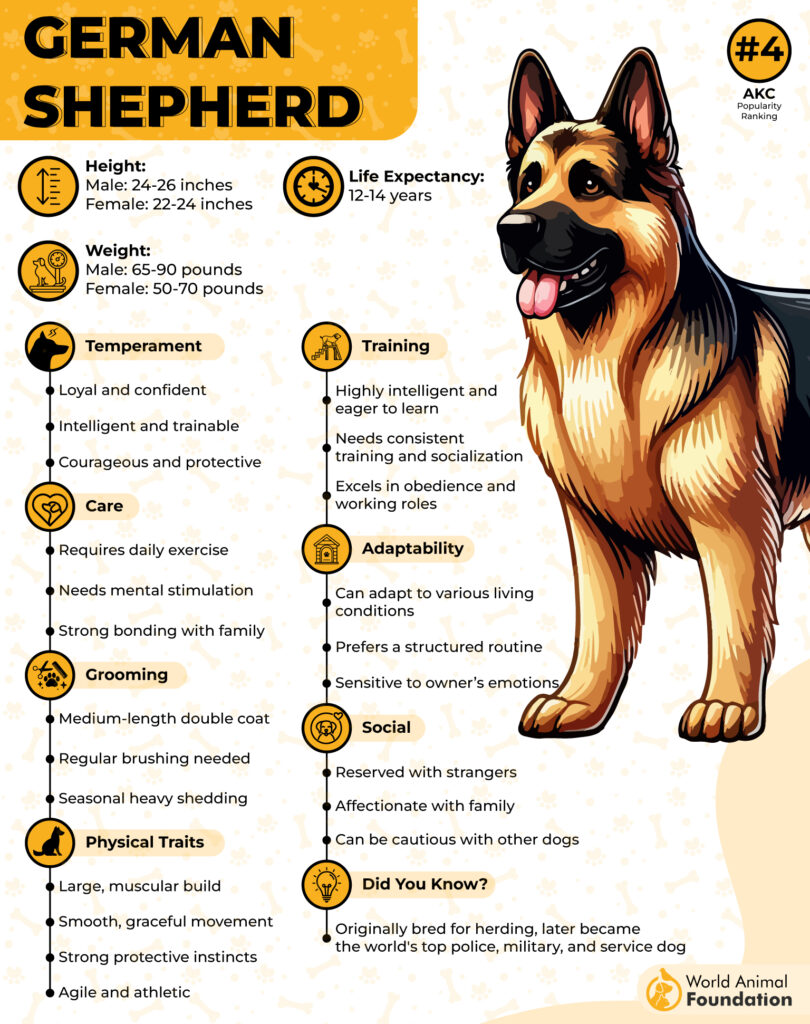
Protection is where they truly shine. According to the American Kennel Club, the breed consistently ranks among the top three dogs used in law enforcement globally. Their ability to distinguish real threats from normal activity is a defining strength, allowing them to protect without unnecessary aggression.
They form strong bonds with their handlers and families. This loyalty enhances both herding reliability and protective instinct, but it also means they require consistent leadership and mental stimulation. Without work, boredom can lead to anxiety or destructive behavior.
For active owners who value structure, training, and partnership, the German Shepherd is a near-perfect blend of herding, guarding, and companionship.
2. Belgian Malinois
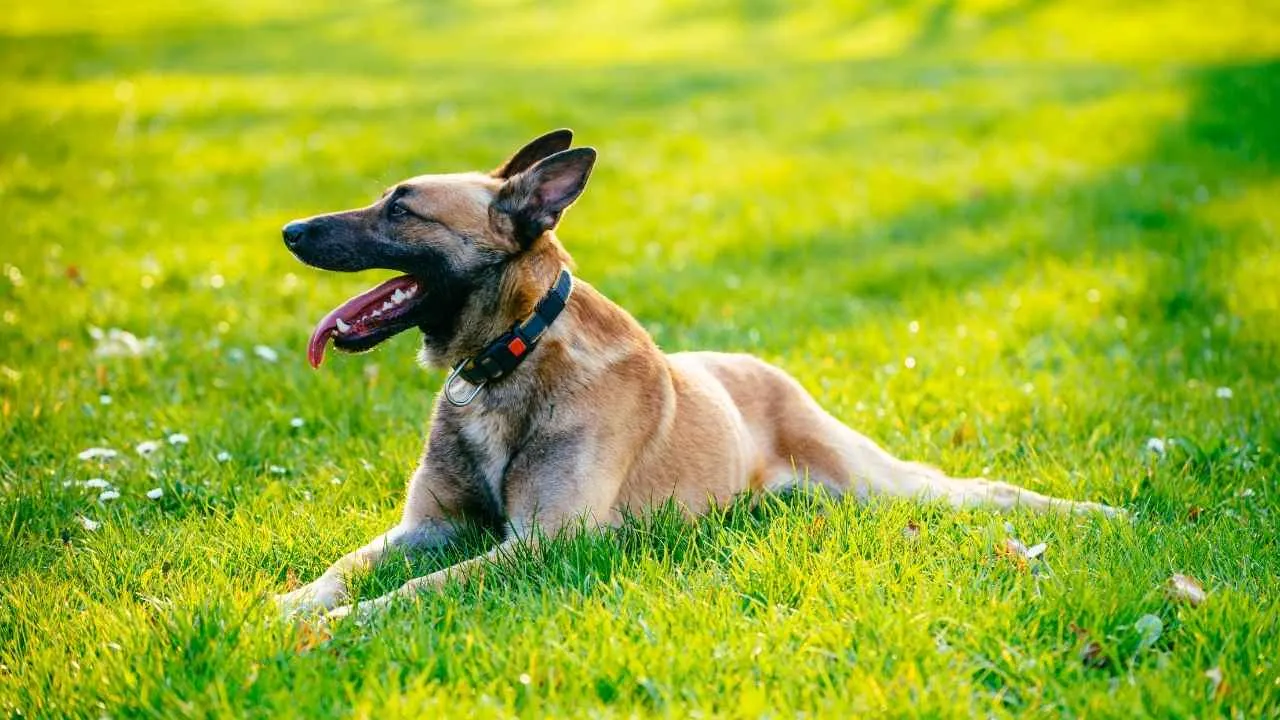
Lean, intense, and endlessly driven, the Belgian Malinois is a hardworking dog in its purest form. Originally bred in Belgium for herding sheep, the breed’s athleticism and laser-sharp focus quickly caught the attention of military and police units worldwide.
As a herding dog, the Malinois is fast, precise, and responsive. It thrives on movement and direction, using eye contact and body pressure to control livestock efficiently. Unlike slower herders, Malinois excel in dynamic environments where quick decisions matter.
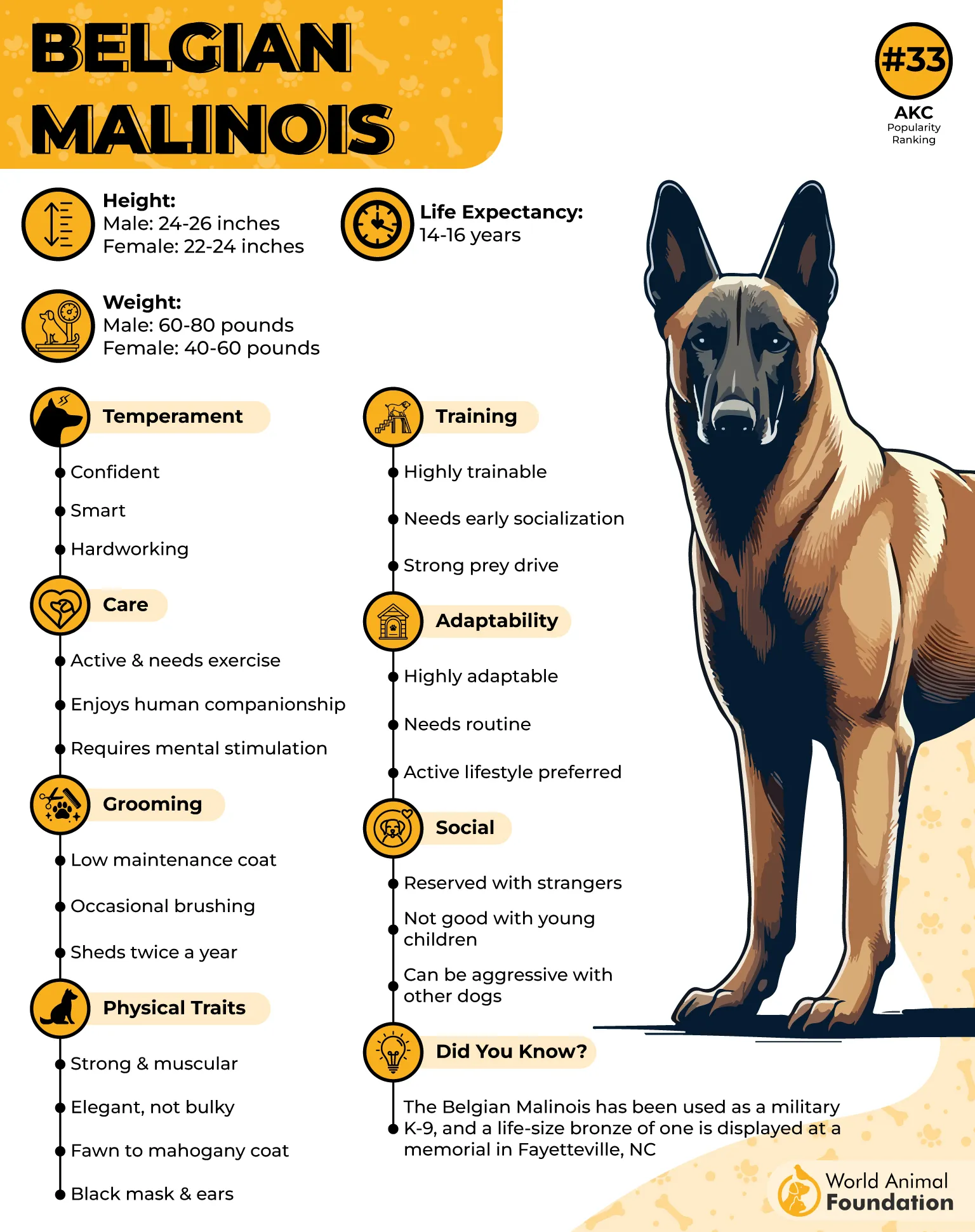
In protection roles, they are elite. Belgian Malinois are now the most commonly used military dogs in NATO forces. Their speed, agility, and fearlessness allow them to operate in high-risk situations where hesitation isn’t an option.
This breed is fiercely loyal but not forgiving of inactivity. Malinois require significant daily exercise and mental stimulation—often 2–3 hours per day. Without it, they can become restless or reactive.
For experienced handlers seeking a high-performance working partner, few breeds match the Belgian Malinois’ intensity and capability.
3. Australian Cattle Dog
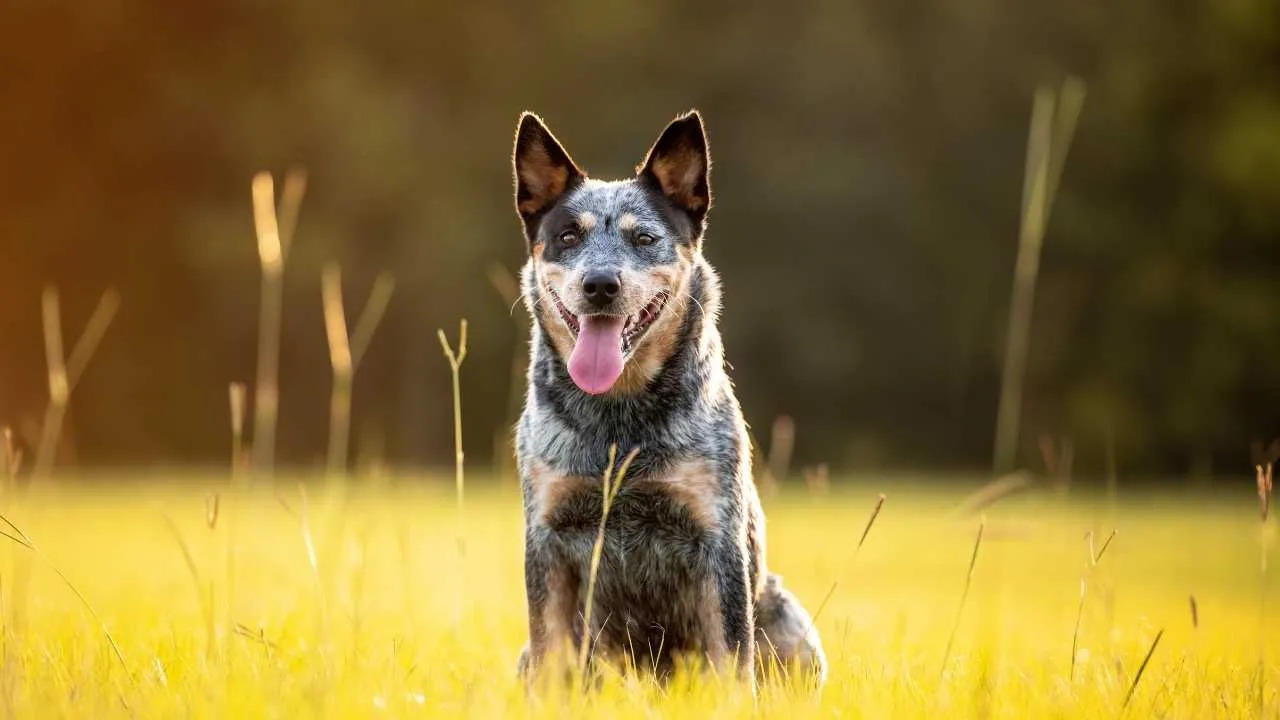
Bred to withstand the brutal conditions of the Australian outback, the Australian Cattle Dog is a master of endurance and control. Designed specifically to move stubborn cattle over long distances, this breed combines toughness with remarkable intelligence.
Herding style sets them apart, according to Britannica. Unlike eye-based herders, Cattle Dogs use controlled nips at the heels to move livestock—a technique that requires courage and precision. This assertive approach makes them especially effective with large, resistant animals.
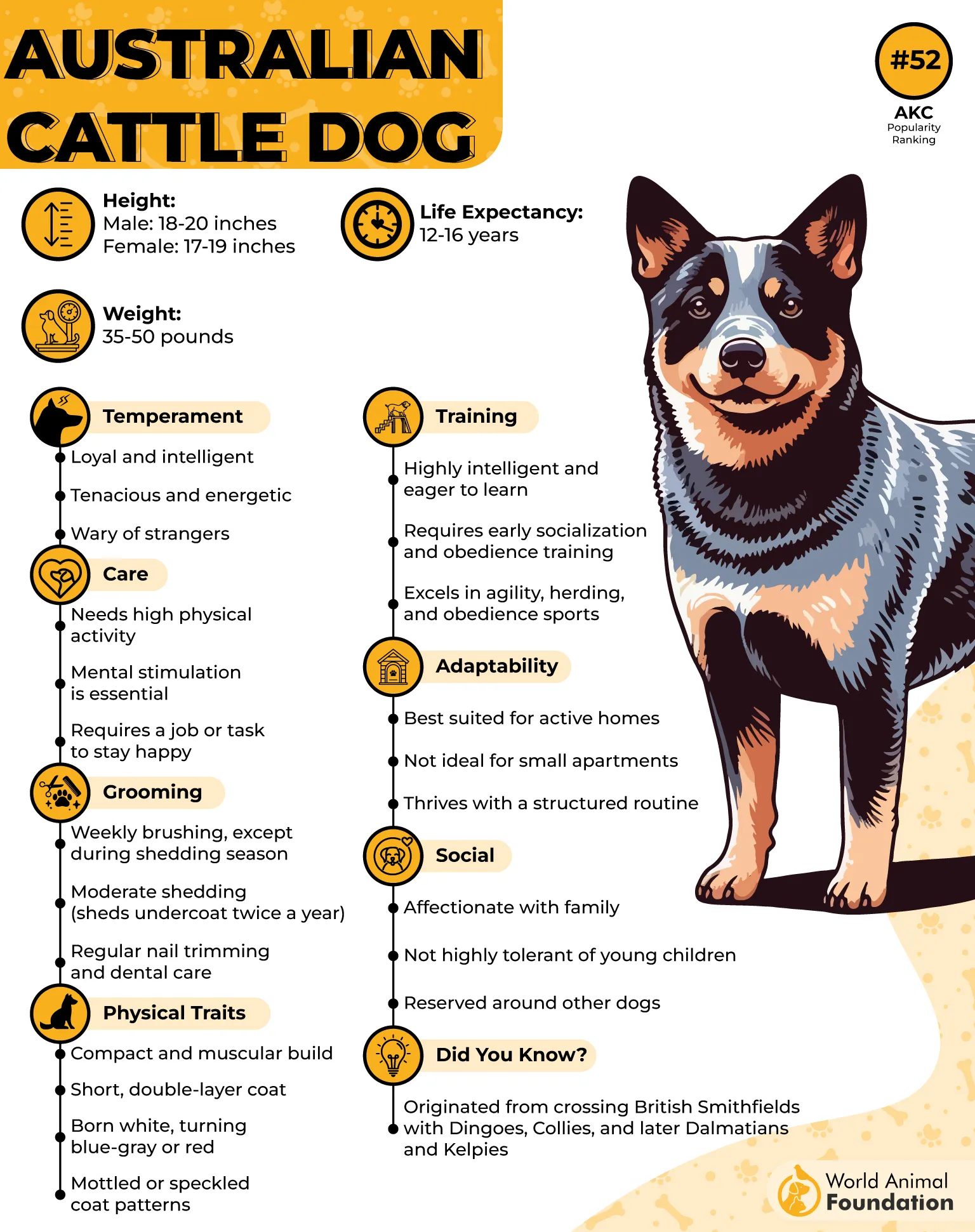
Protection comes naturally. While not aggressive by default, Australian Cattle Dogs are highly territorial and deeply loyal. They are quick to alert owners to unusual activity and will defend their space if threatened.
These dogs bond intensely with their people, often choosing one primary handler. That bond fuels obedience and dedication but requires early socialization to prevent over-protectiveness.
For farms, ranches, and active families with jobs to offer, the Australian Cattle Dog is a tireless and trustworthy worker.
4. Border Collie
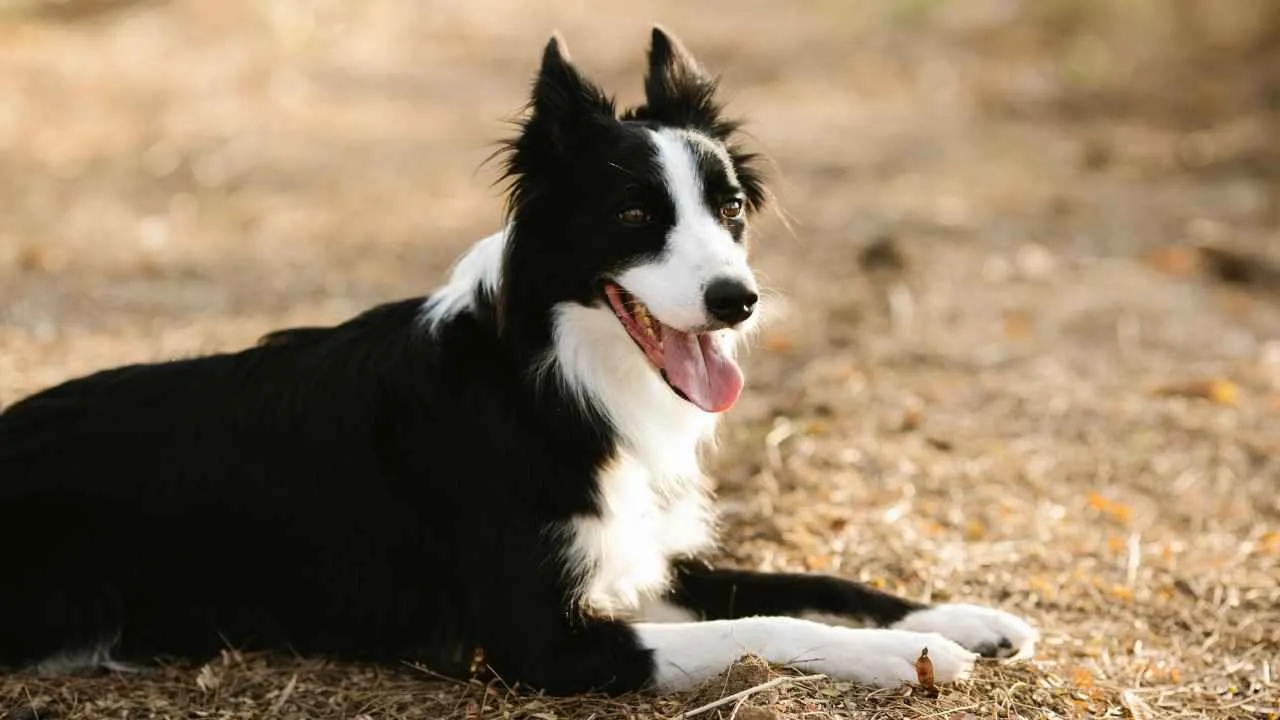
Often cited as the most intelligent breed in the world, the Border Collie is herding excellence personified. Developed along the Scottish-English border, this breed was refined to control livestock with minimal force and maximum efficiency.
Hills Pet says their herding style relies on the famous “strong eye” — an intense stare combined with precise movement that directs sheep almost telepathically. Border Collies can manage large flocks with astonishing accuracy and minimal stress to the animals.
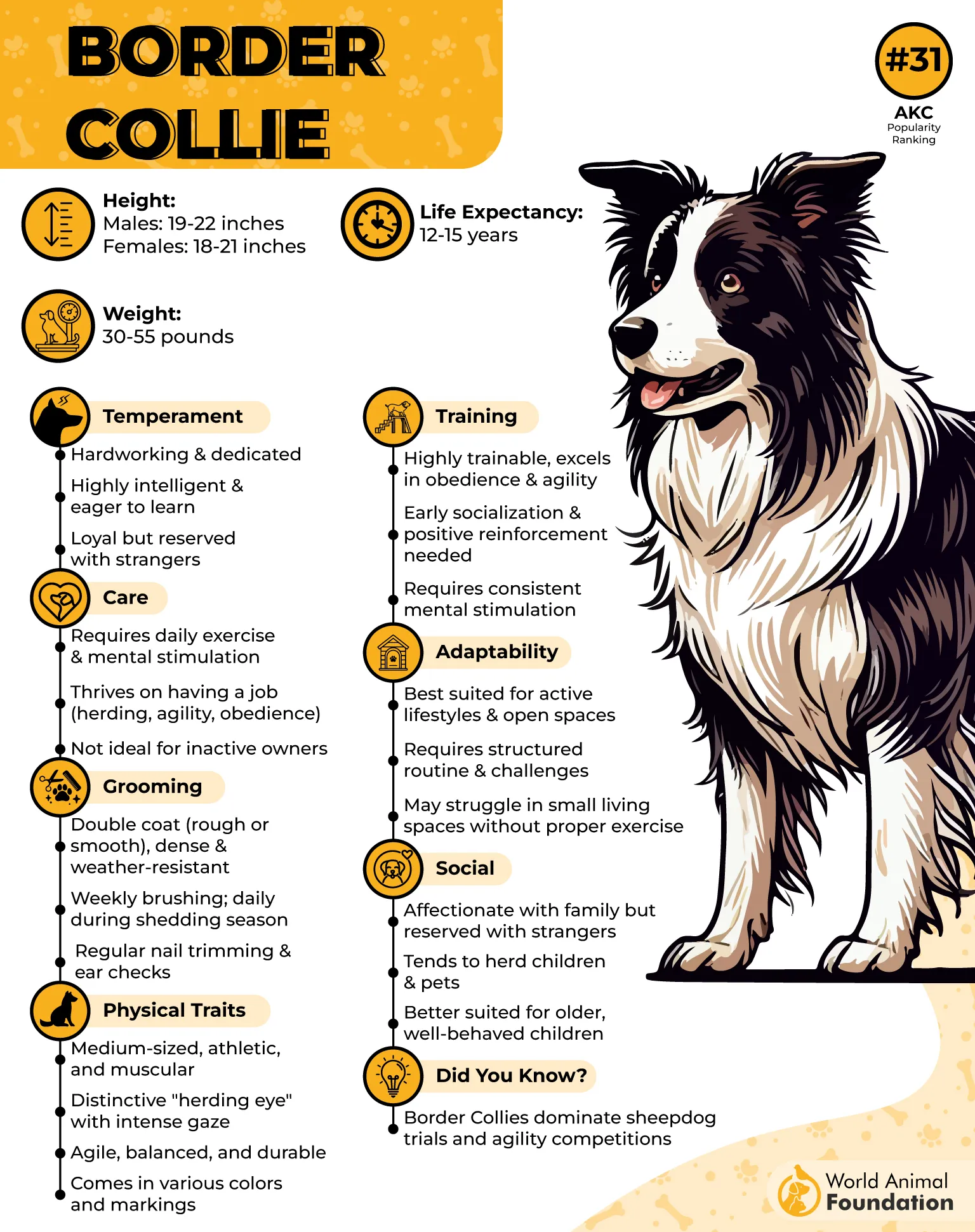
While not traditional guard dogs, Border Collies are naturally alert and protective of their territory. They may not confront intruders physically, but they are excellent early-warning systems and deeply loyal to their families.
Mental stimulation is non-negotiable. Studies show Border Collies require more cognitive engagement than nearly any other breed. Without tasks, they can develop compulsive behaviors.
For handlers focused primarily on herding with secondary protection awareness, the Border Collie remains unmatched.
5. Rottweiler
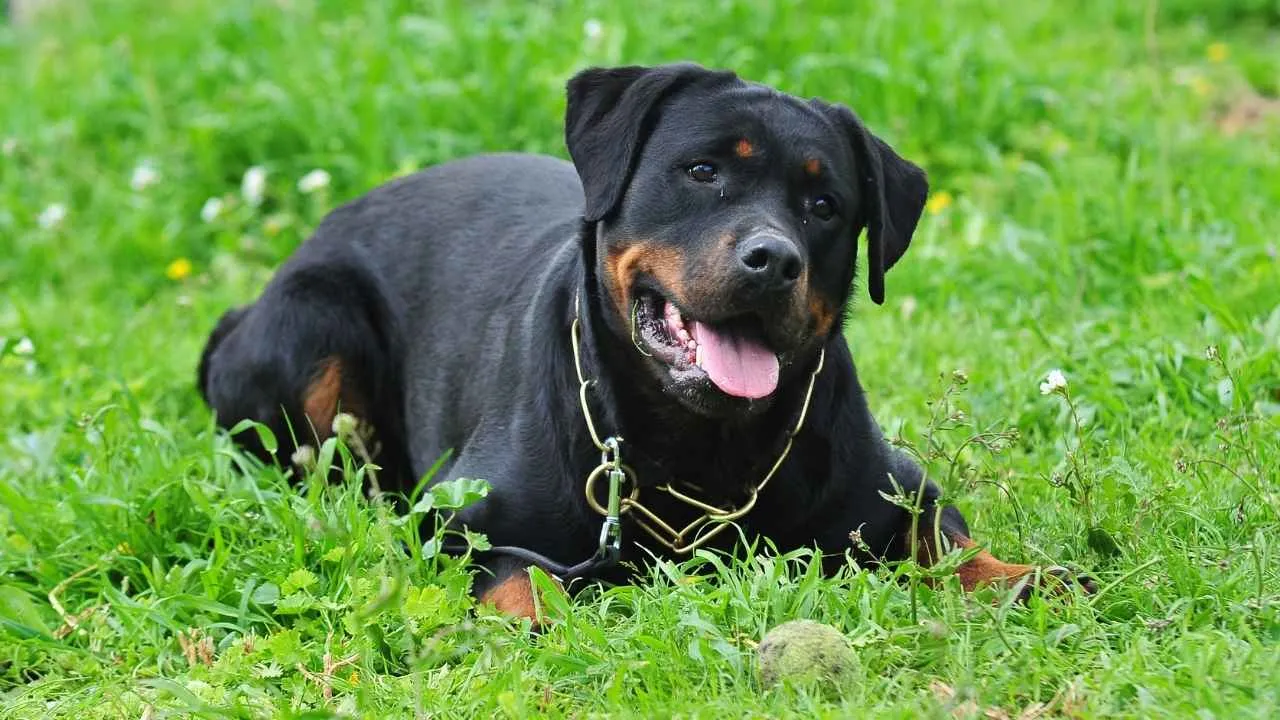
The Rottweiler’s working history dates back to Roman times, where they herded cattle and guarded supply trains. Strength, confidence, and loyalty defined the breed — traits that remain dominant today.
As herders, Rottweilers are powerful and assertive, best suited for driving livestock rather than fine control. Their physical presence alone commands respect from animals and people alike.
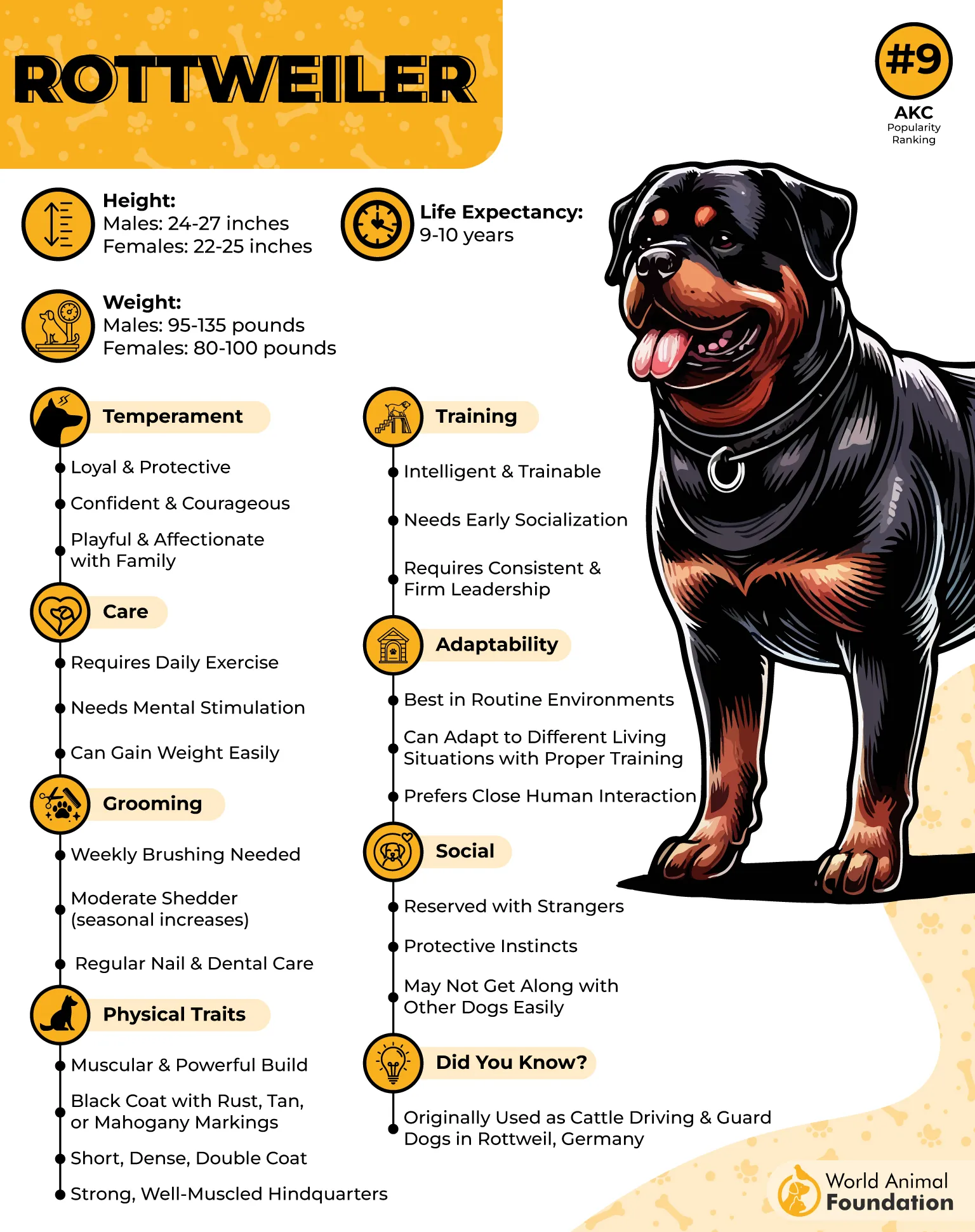
Protection is where they excel. According to Petplan, well-trained Rottweilers are no more aggressive than other breeds, but their deterrent effect is significantly higher due to size and confidence.
They are deeply family-oriented dogs who thrive on structure and leadership. Without guidance, their natural authority can become problematic.
In the right hands, the Rottweiler is a steady, reliable protector with a surprisingly affectionate side.
6. Anatolian Shepherd
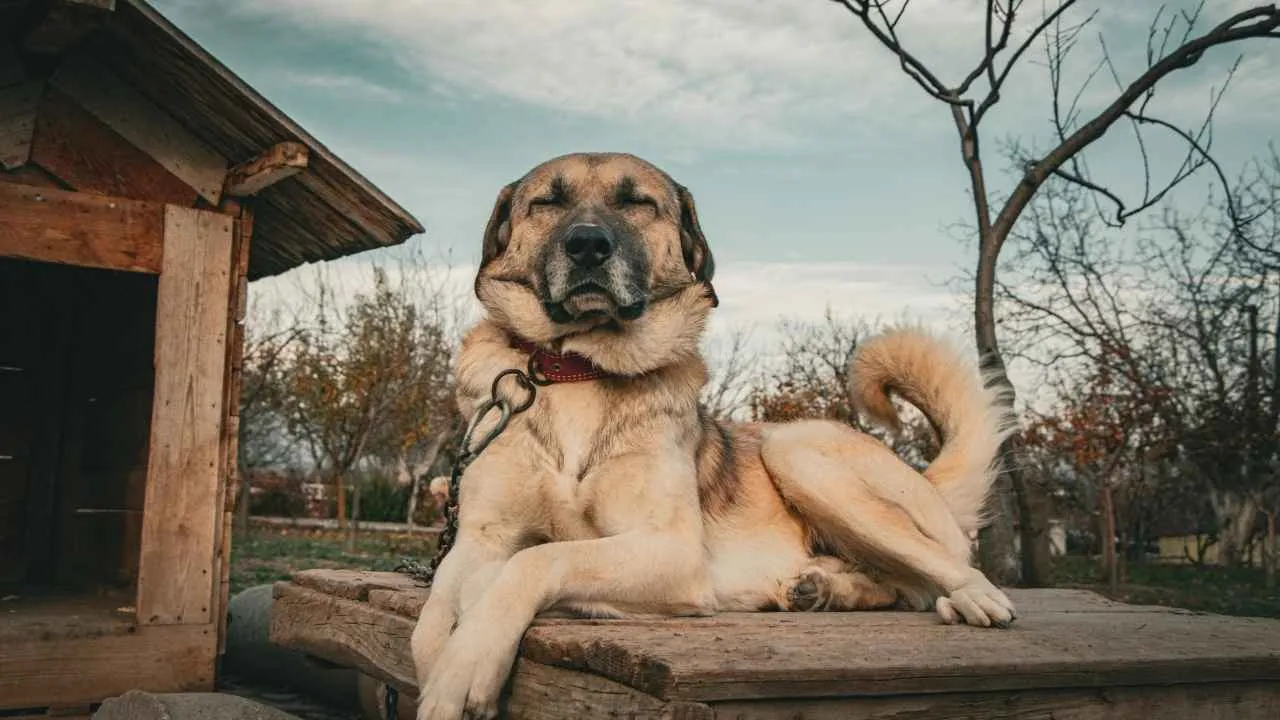
The Anatolian Shepherd is not a herder in the traditional sense — it is a guardian first, developed over thousands of years in Turkey to protect livestock from wolves and bears.
Rather than moving animals, PetMD claims that Anatolians establish territory and deter threats through presence and judgment. Their independence is legendary; they can make life-or-death decisions without human input.
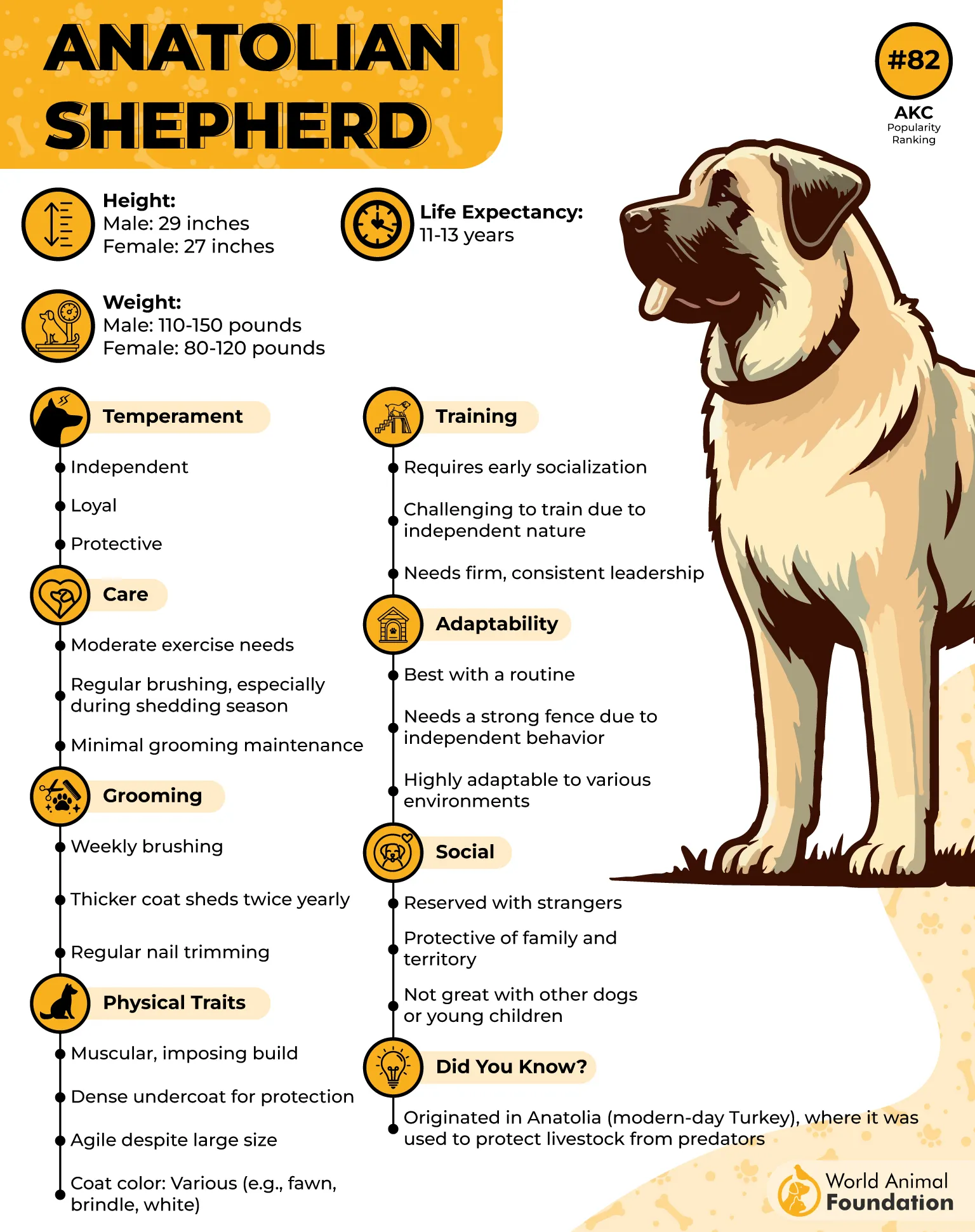
They were developed to guard livestock without human supervision. That bred a dog capable of making independent decisions, assessing threats, and acting appropriately—often miles away from people.
When combined with herding operations, these intelligent dogs often work alongside herding dogs, providing protection while others manage movement. This complementary role is invaluable on large properties.
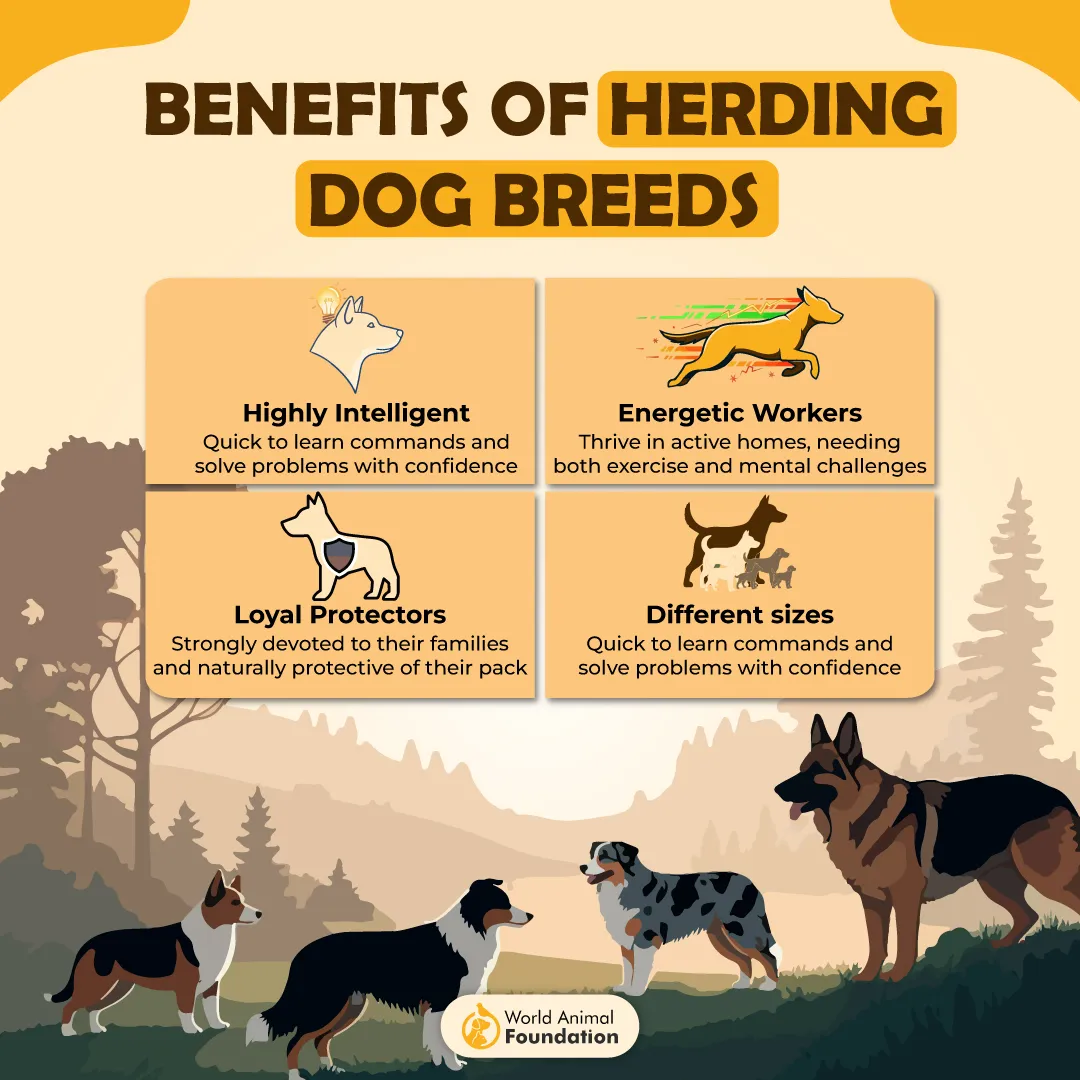
These family pets are calm, stable, and highly discerning. Aggression is controlled and purposeful, not reactive.
Best suited for experienced owners with large properties, Anatolian Shepherds are unmatched in protective reliability.
7. Dutch Shepherd
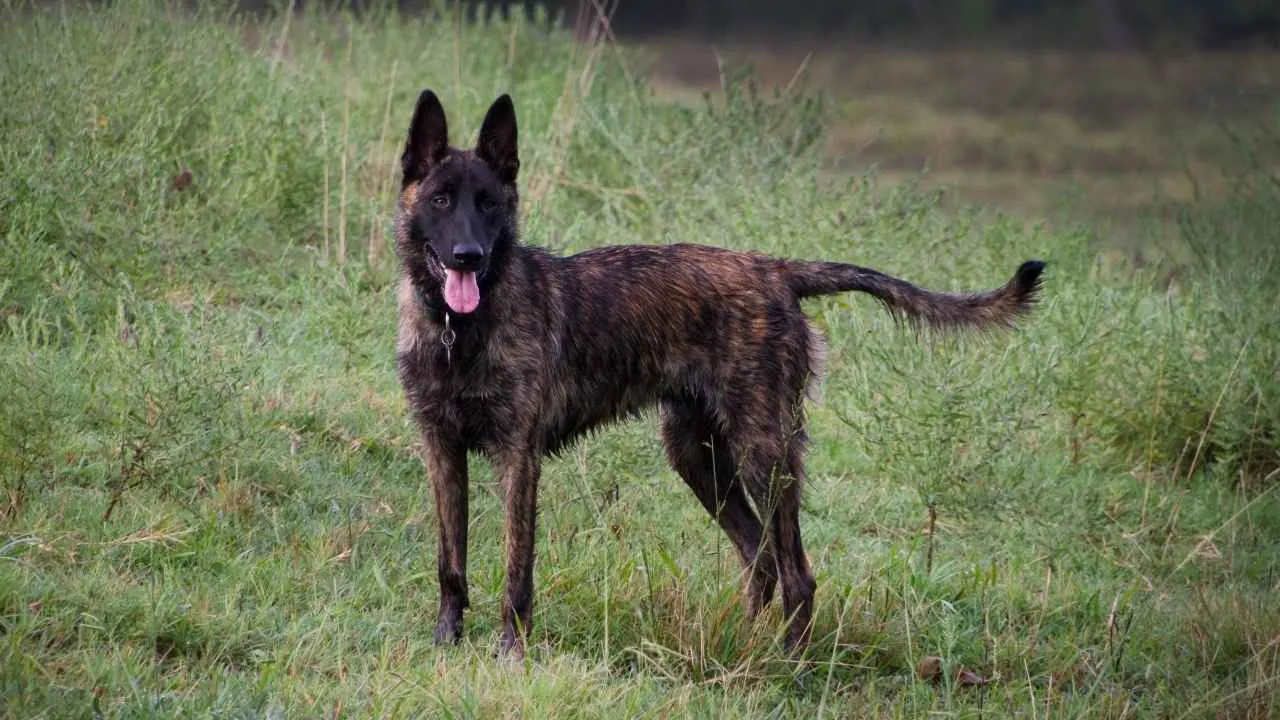
Often overshadowed by its German cousin, the Dutch Shepherd is one of the most versatile working dogs. Originally bred for herding sheep in the Netherlands, the breed evolved into an all-purpose farm dog.
Herding ability remains strong, as per the AKC, marked by adaptability and responsiveness. They adapt their style to livestock and terrain, making them highly flexible workers.
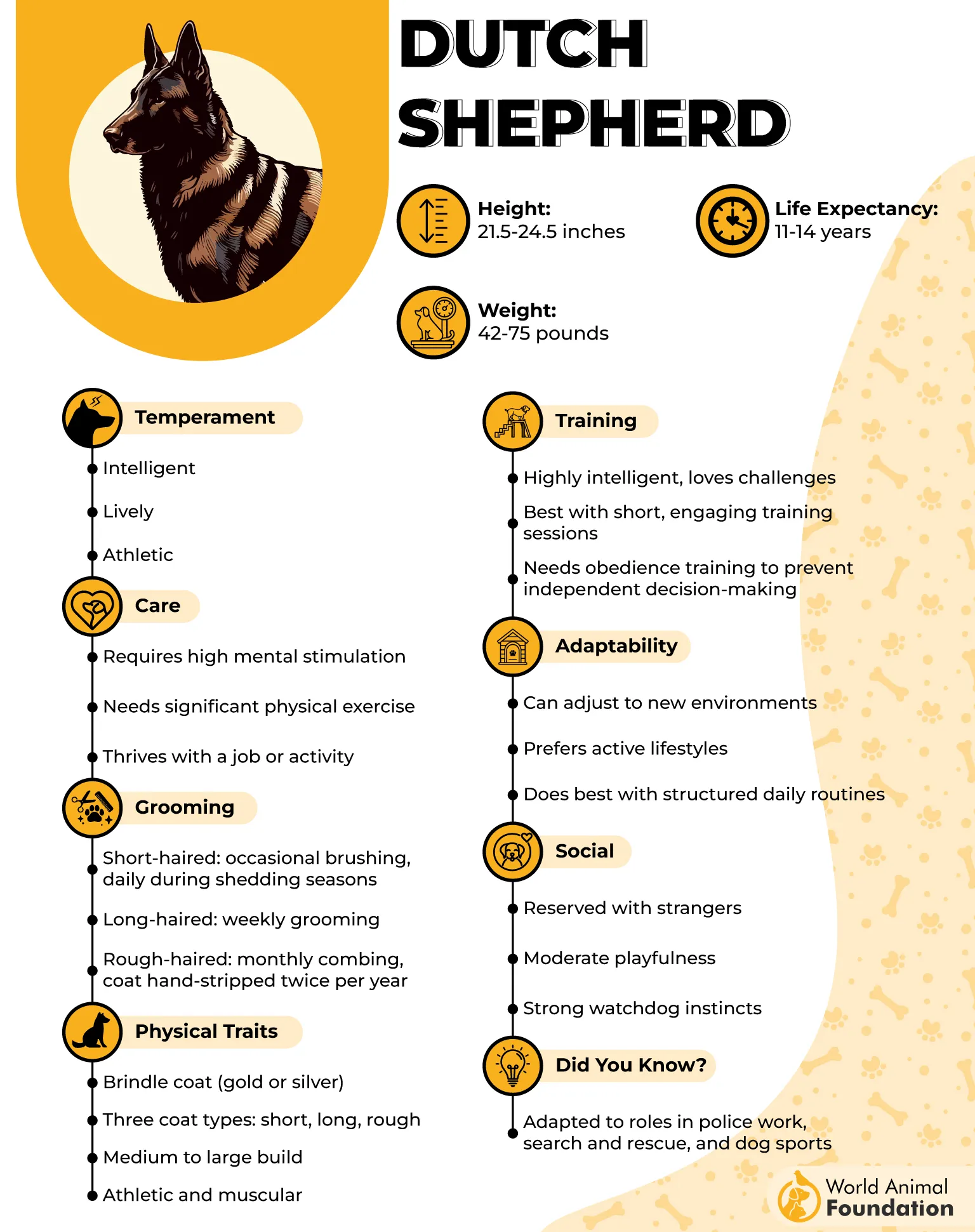
Dutch Shepherds were developed as all-purpose farm dogs. They didn’t just move livestock—they guarded property, pulled carts, and worked independently. That history shaped a dog that is alert, responsive, and always looking for a job.
Herding instincts show up in movement control when they may circle, block paths, or position themselves to guide people, kids, or other animals. They have heel-nipping tendencies, especially toward fast movement (running children, bikes, joggers). Also, they show intense focus by locking onto motion and reacting quickly
They are intelligent, loyal, and slightly more forgiving than Malinois, making them suitable for a broader range of handlers. For those seeking a high-performance working dog with adaptability and heart, the Dutch Shepherd is an outstanding choice.
Conclusion
Working dogs for herding and protection are not accessories — they are partners forged through centuries of purpose. These breeds carry instincts that demand respect, training, and meaningful engagement.
When their needs are met, these herding breeds offer something extraordinary: loyalty without hesitation, intelligence without ego, and protection rooted in judgment rather than fear.
The right working dog doesn’t just guard your land or move your livestock — it becomes the backbone of your operation and the soul of your working life.
