




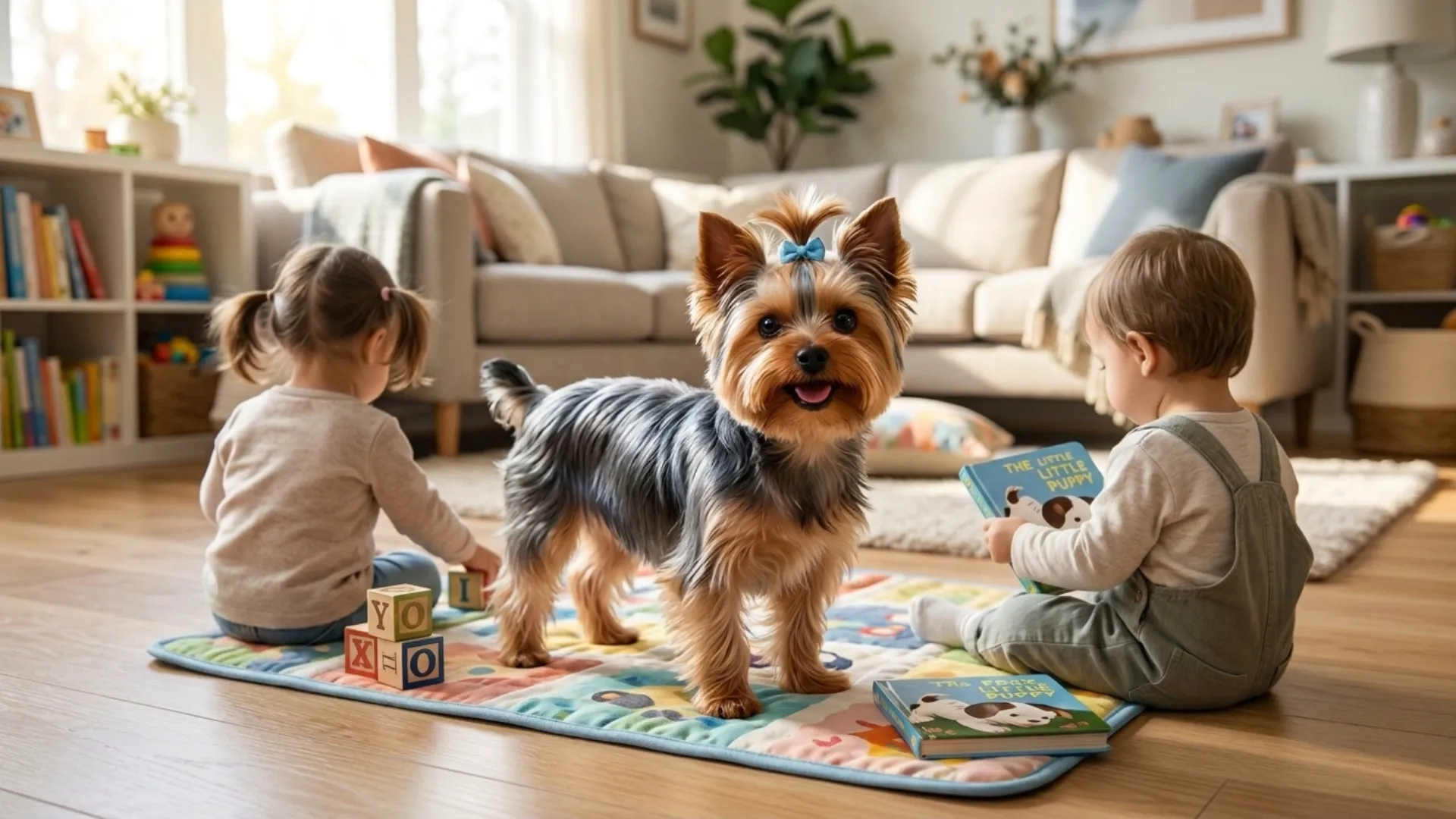
Toy dog breeds are tiny, adorable, and absolutely packed with main-character energy. They may fit in a lap, a stroller, or the comfiest corner of the couch, but their personalities are anything but small. The Toy Group dogs are often affectionate, sociable, adaptable, smart, energetic, and sometimes surprisingly protective.
For families with young children, toy breeds can be wonderful companions when the match is made thoughtfully. The big secret isn’t just picking the cutest face. The real win is choosing a breed whose energy, patience, grooming needs, and sensitivity fit your home.
Below are seven wonderful toy dog breeds that can suit families with young children when adults supervise interactions and teach respectful handling. Each one brings a different vibe, from a butterfly-eared brainiac to a royal couch potato to a curly-coated mini genius. Let’s get into the tiny dog group chat.
Wonderful Toy Dog Breeds for Families with Young Children
1. Papillon
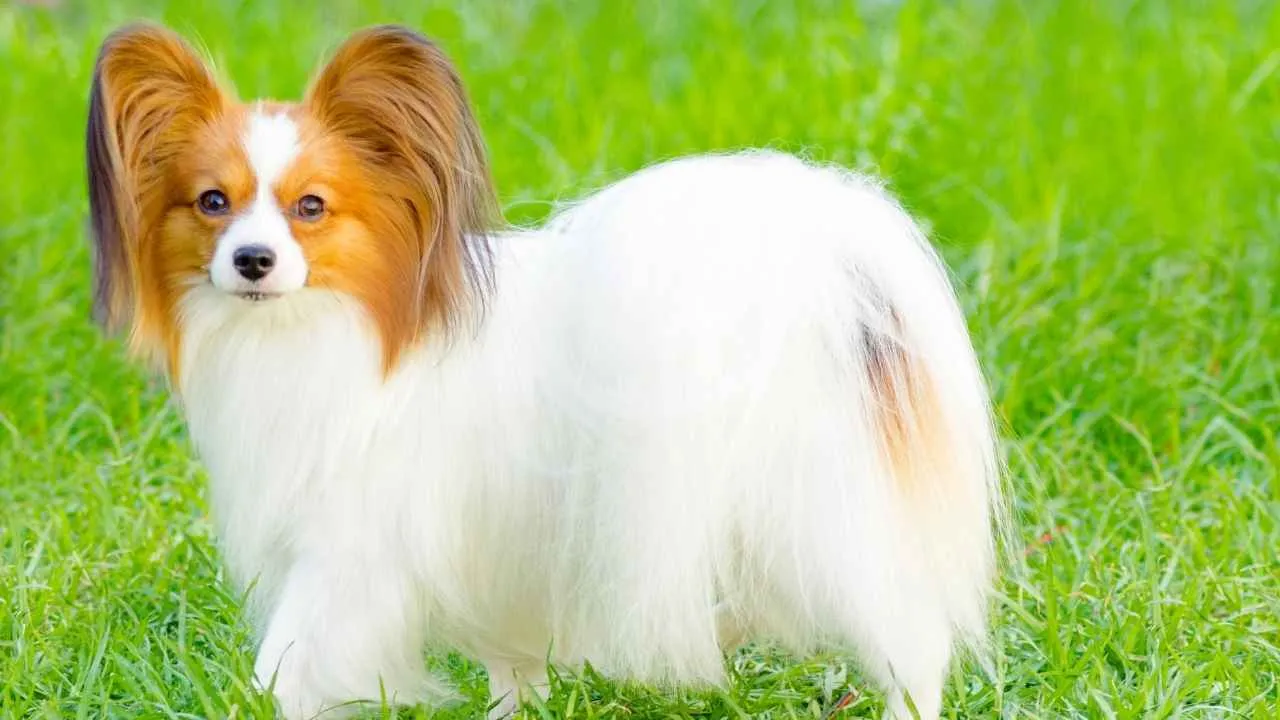
The Papillon is a tiny dog with butterfly-shaped ears and the energy of a kid who just discovered birthday cake. This breed is known for being bright, lively, and eager to learn, which makes it a fun choice for families who enjoy games, tricks, and daily interaction.
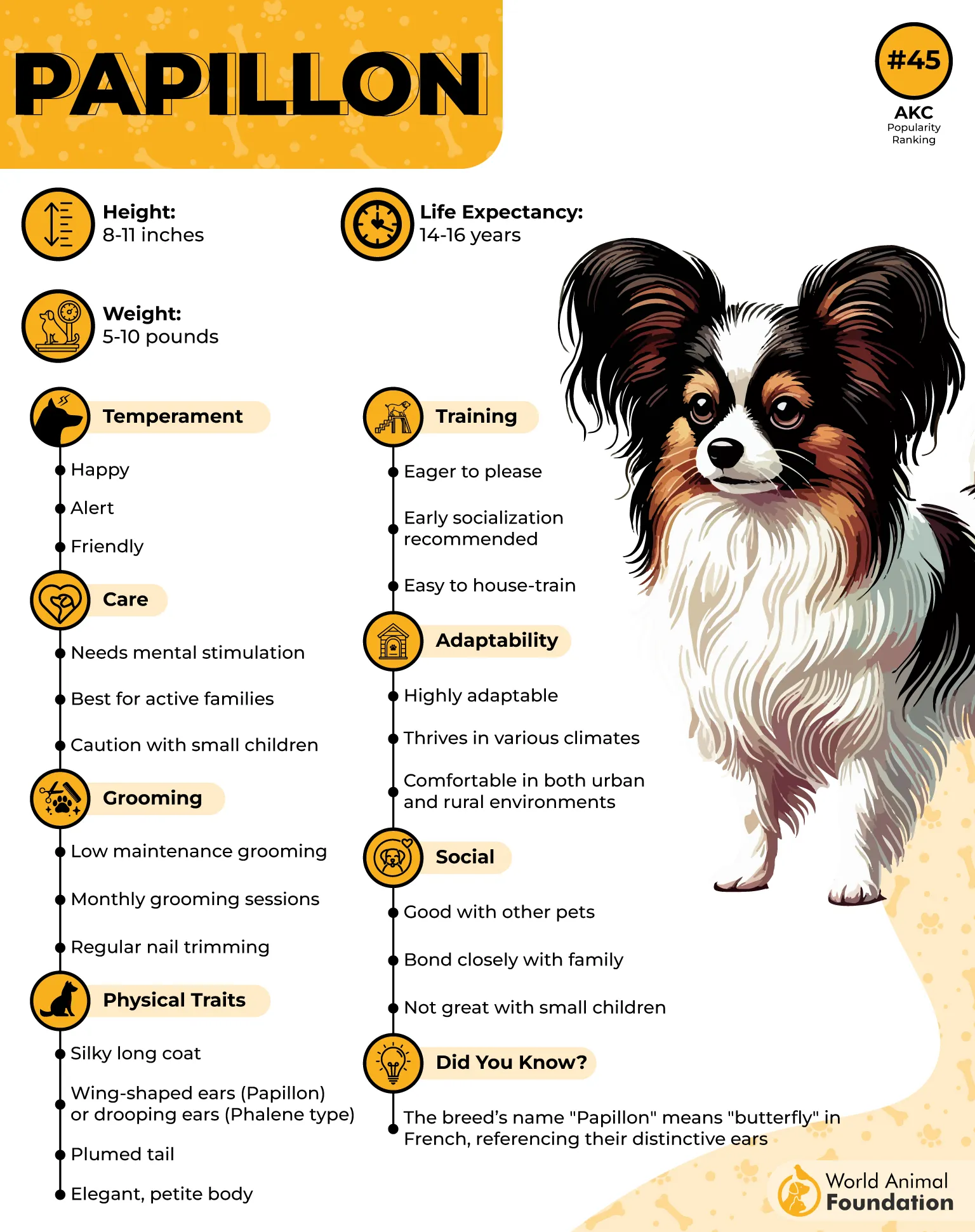
These fiercely loyal dogs are often small in body but huge in curiosity, so they love being part of whatever the family is doing. They are not the type to quietly exist in the background while everyone else has fun.
This breed tends to do well with training because they are sharp, responsive, and quick to notice patterns. The key is using positive reinforcement, short sessions, and lots of praise instead of loud correction.
Because these apartment-living dogs are delicate, their size matters as much as their personality. A small jump from furniture, rough grabbing, or an accidental tumble can be a bigger deal for them than for a medium or large dog.
The Papillon’s coat looks fancy, but it is usually more manageable than that of many long-haired toy breeds. Regular brushing keeps silky hair neat, and routine dental care is especially important because small breeds are prone to dental issues.
2. Yorkshire Terrier
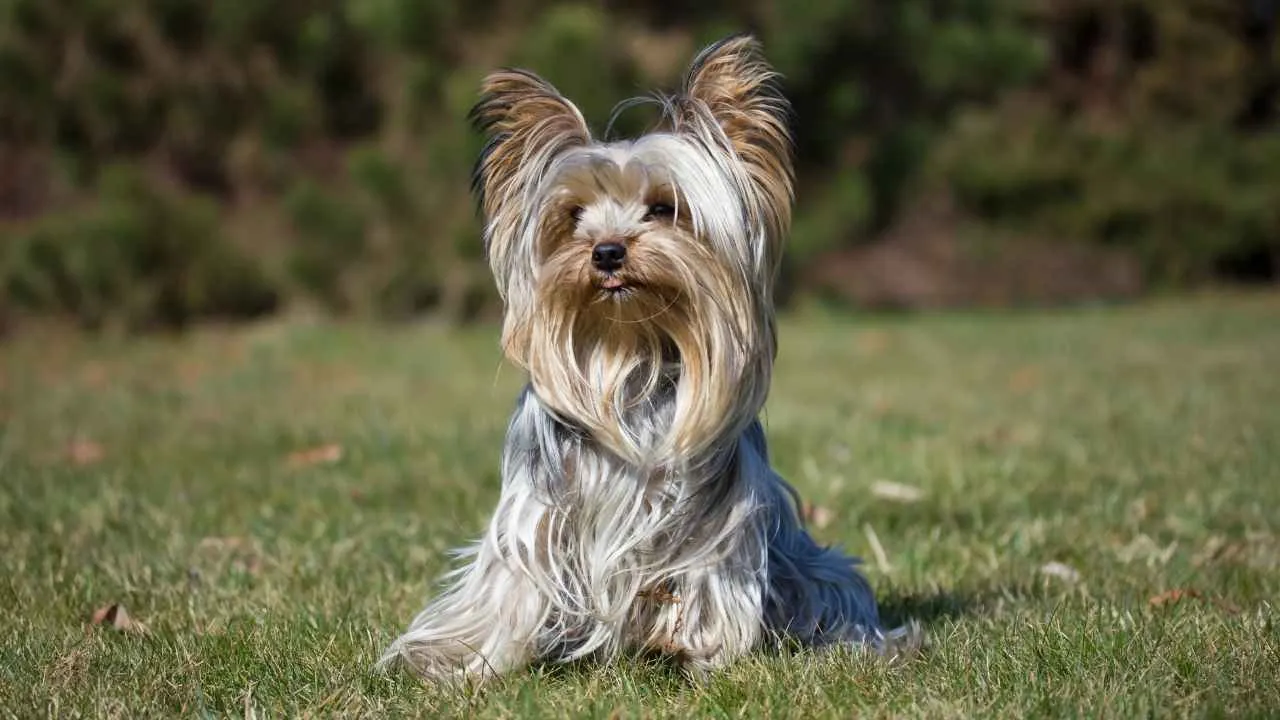
The Yorkshire Terrier is tiny but walks through life like it owns property in three cities. This breed has terrier roots, so families should expect confidence, alertness, and a little bit of sass in a silky little package.
PetMD explains that Yorkies can bond deeply with their families and often enjoy being close to their favorite people. Around young children, they can be affectionate and entertaining, but they usually do best with kids who are taught calm handling.
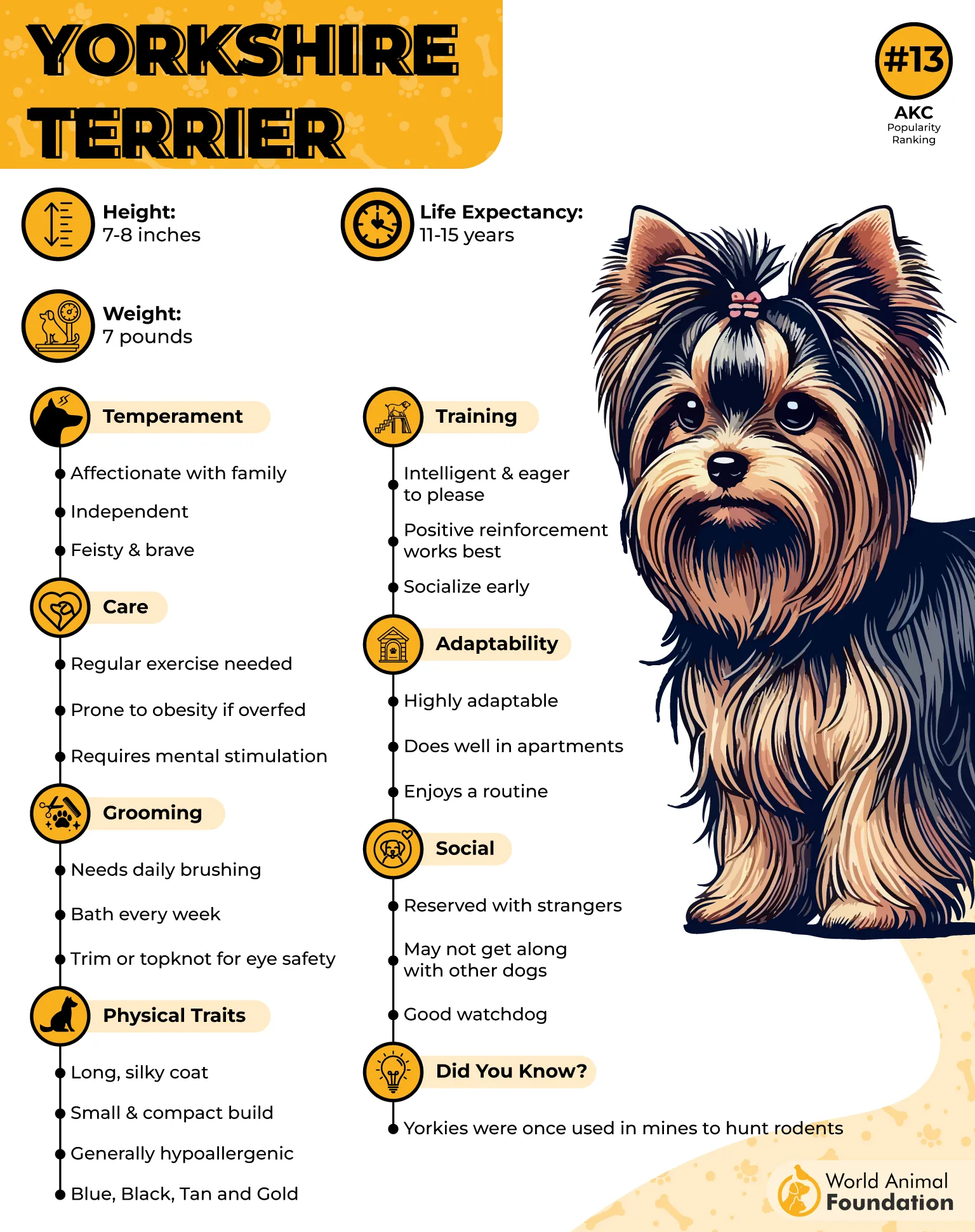
One fun thing about Yorkies is their big-dog attitude in a small-dog body. They may bark to alert the home when someone arrives, which can be useful, but it also requires training so every doorbell does not become a full concert.
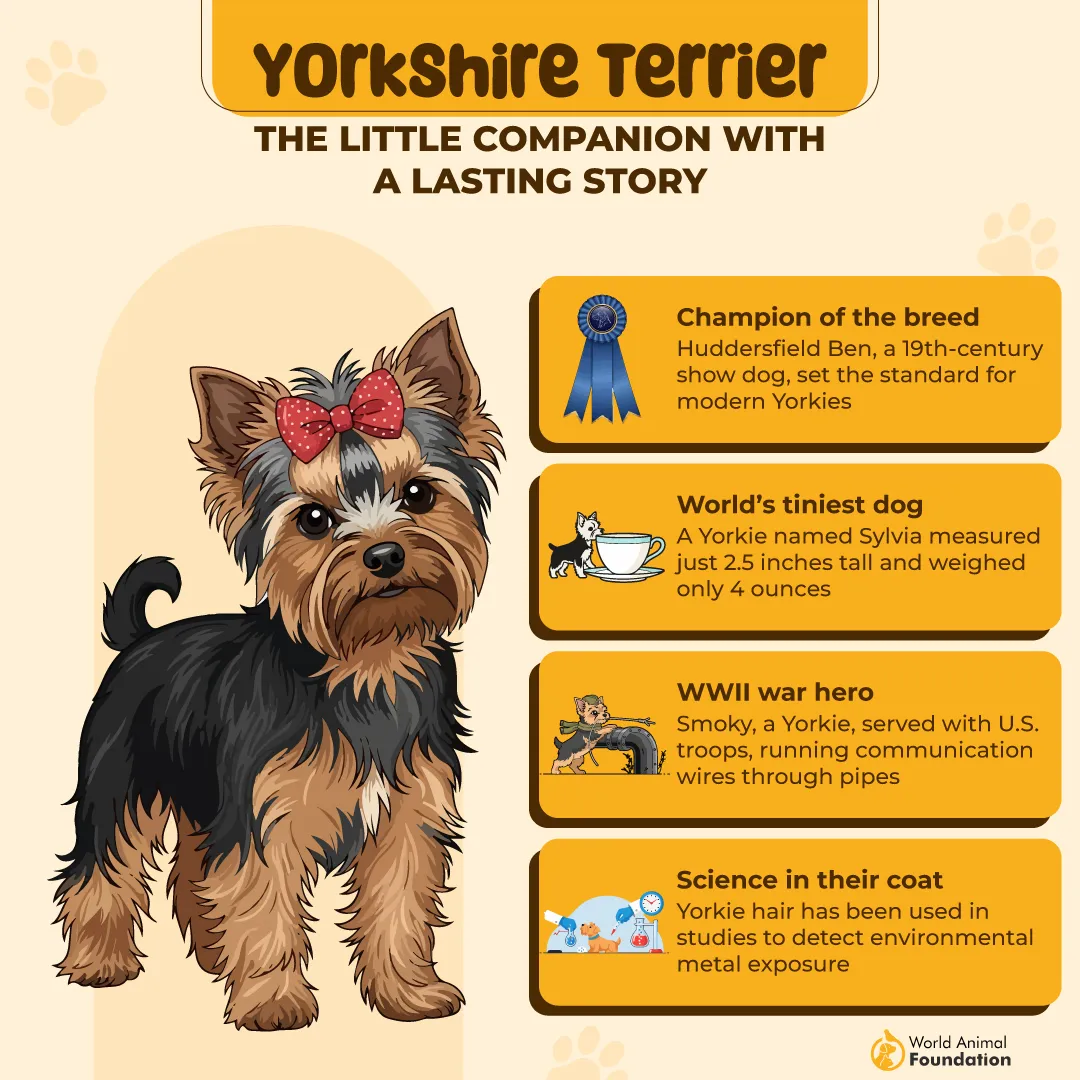
The Yorkie coat is one of its most famous features, and yes, it can be high-maintenance if kept long. Many families choose a shorter “puppy cut” because it is easier to brush, wash, and manage around busy, child-filled routines.
Yorkies are best for families who want a small dog with sparkle, attitude, and loyal companionship. They are not the most rough-and-tumble choice for very young, energetic toddlers, but they can be lovely in homes that respect their size and personality.
3. Cavalier King Charles Spaniel
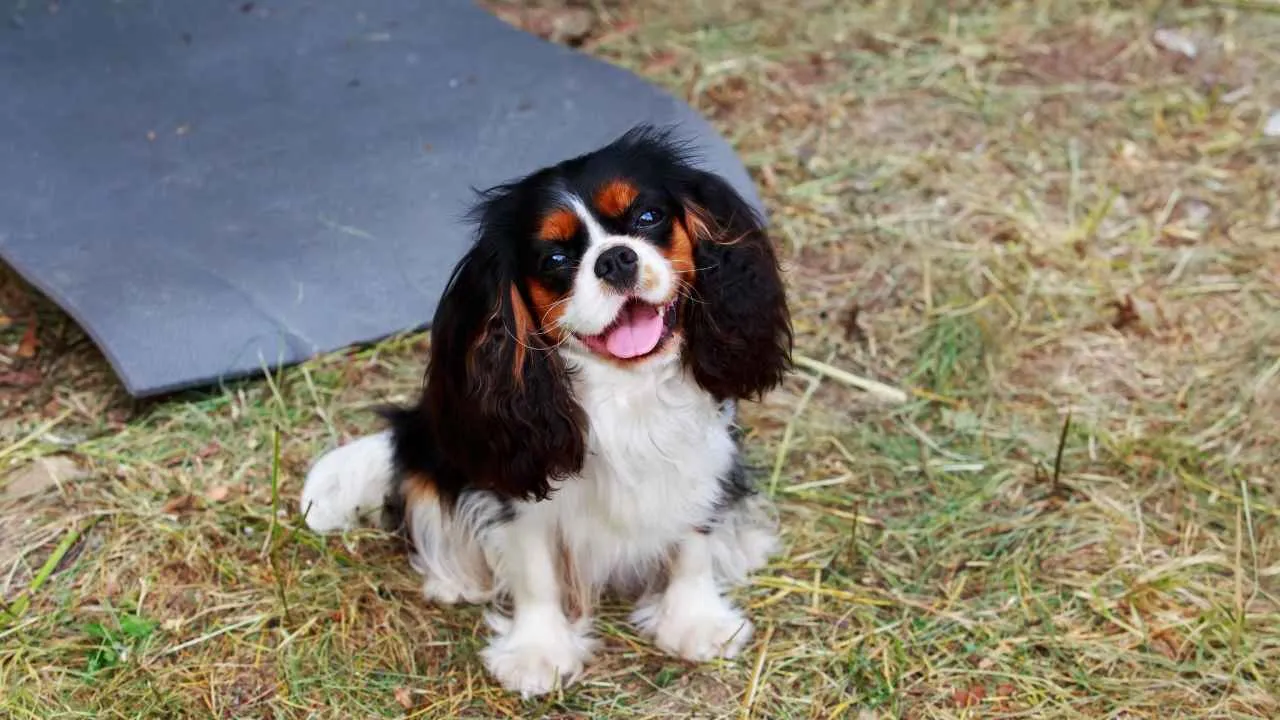
This breed is often a beautiful fit for families because Cavaliers usually enjoy being around people. They tend to like gentle play, cozy naps, and following family members from room to room like a tiny emotional-support shadow.
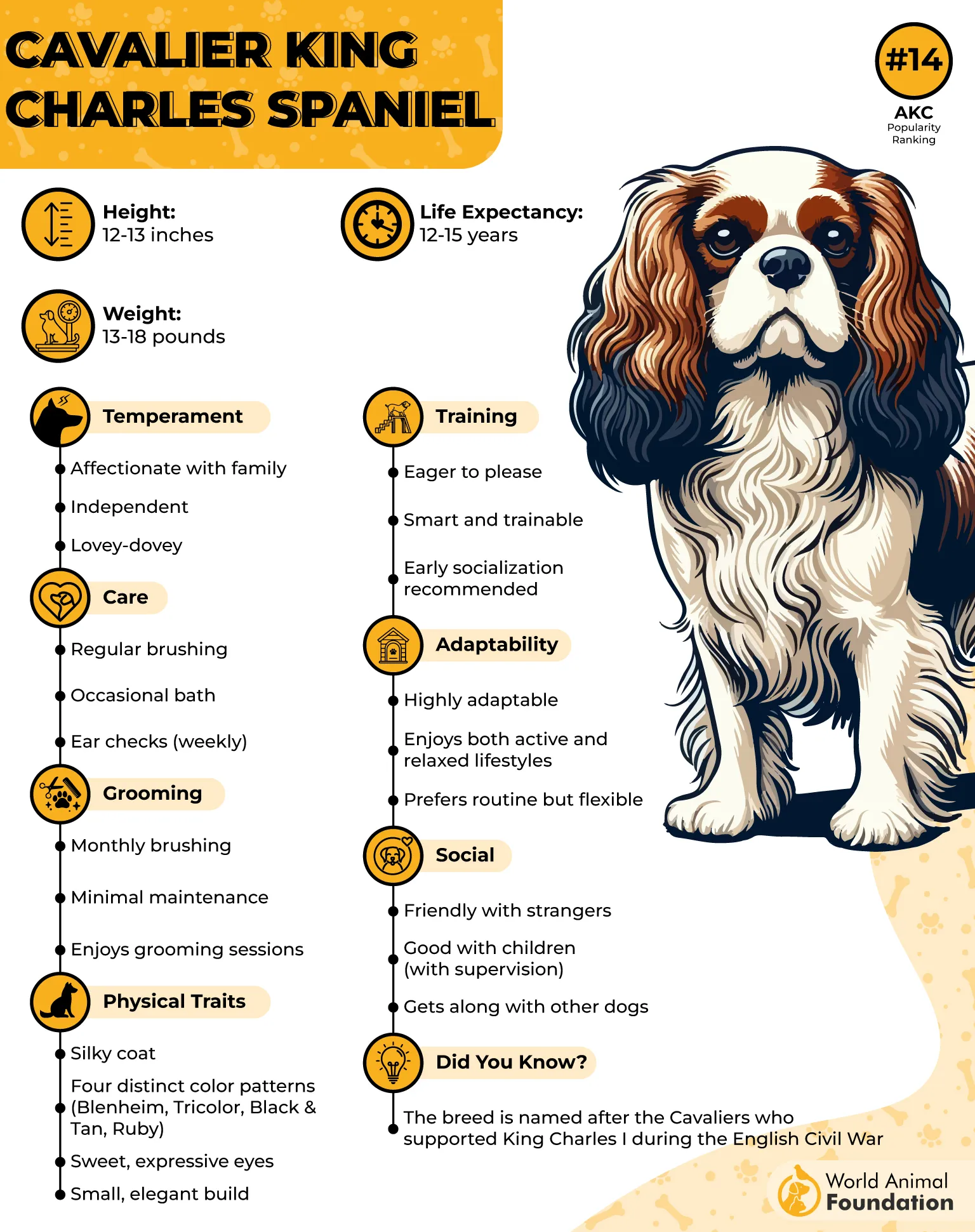
They can be playful without being too intense, which is one reason many families find them easier than more high-drive breeds. They usually enjoy walks, soft toys, and interactive games, but they are also happy to settle near their people. That balance makes them appealing for families who want affection without nonstop turbo mode.
Their silky ears and feathered coat need regular brushing, especially around the ears, chest, and legs. Children can help with gentle grooming rituals, but adults should handle mats, ear checks, and bathing. Turning care into a routine teaches children that love is not just cuddles but also responsibility.
Health matters a lot with Cavaliers, so families should work with responsible breeders or reputable rescues and keep up with veterinary checks. Breed resources commonly mention inherited health concerns, so choosing carefully is not optional.
4. Pug
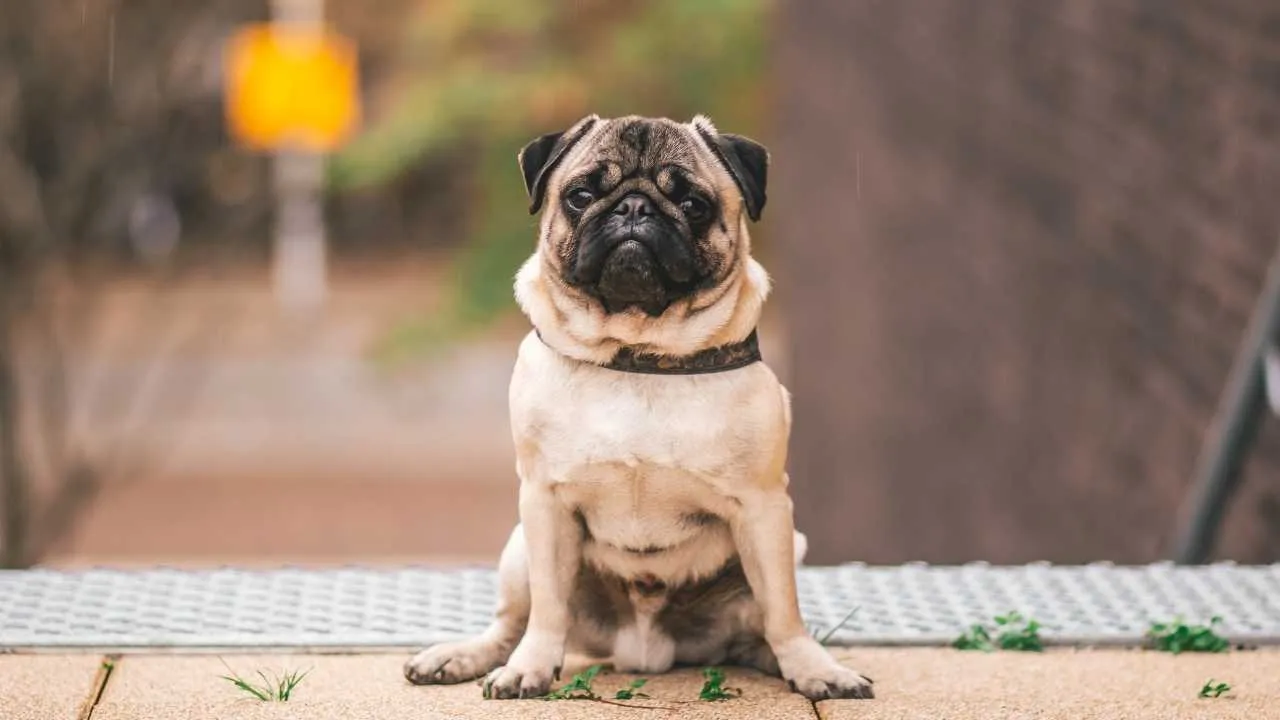
The Pug is a comic legend in dog form, complete with dramatic facial expressions and premium couch energy.
For families with young children, they can be delightful because they often enjoy attention, companionship, and goofy play. They are usually sturdier than more fragile toy breeds, which can help in a family setting. Still, sturdy does not mean indestructible, so kids must learn not to climb, squeeze, or crowd them.
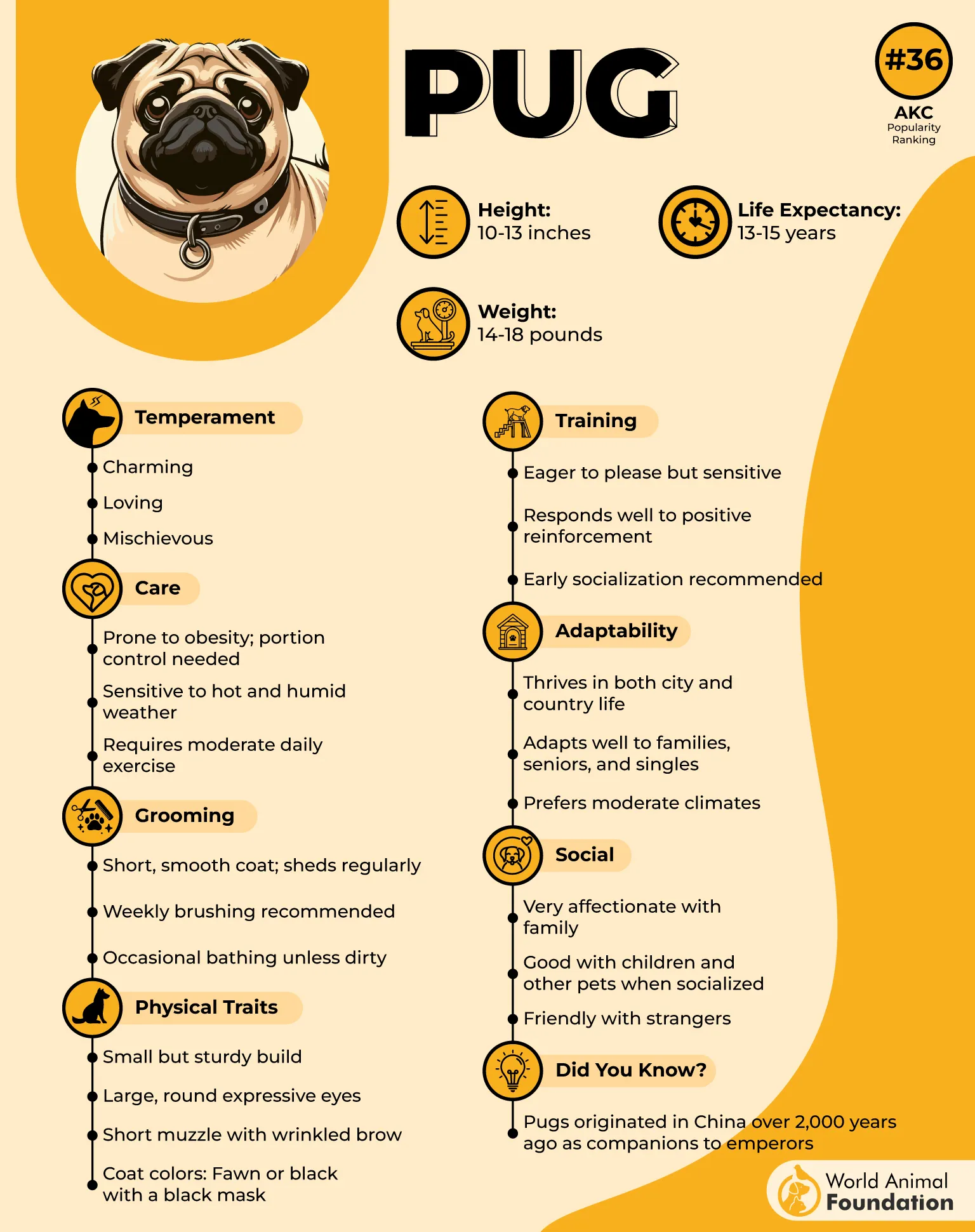
PetPlan explains that Pug’s personality is a big part of the appeal. Many are playful without needing marathon-level exercise, and they can turn ordinary living-room moments into comedy scenes. Their little snorts, head tilts, and “why are you eating without me?” expressions are pure family entertainment.
The biggest responsibility with Pugs is health awareness, especially because they are flat-faced dogs. PDSA explains that brachycephalic breeds can struggle with airflow, heat, and exercise because they cannot always pant efficiently enough to cool themselves.
Families choosing this popular dog breed should be prepared for careful weight management, heat protection, and regular veterinary care.
5. Poodle
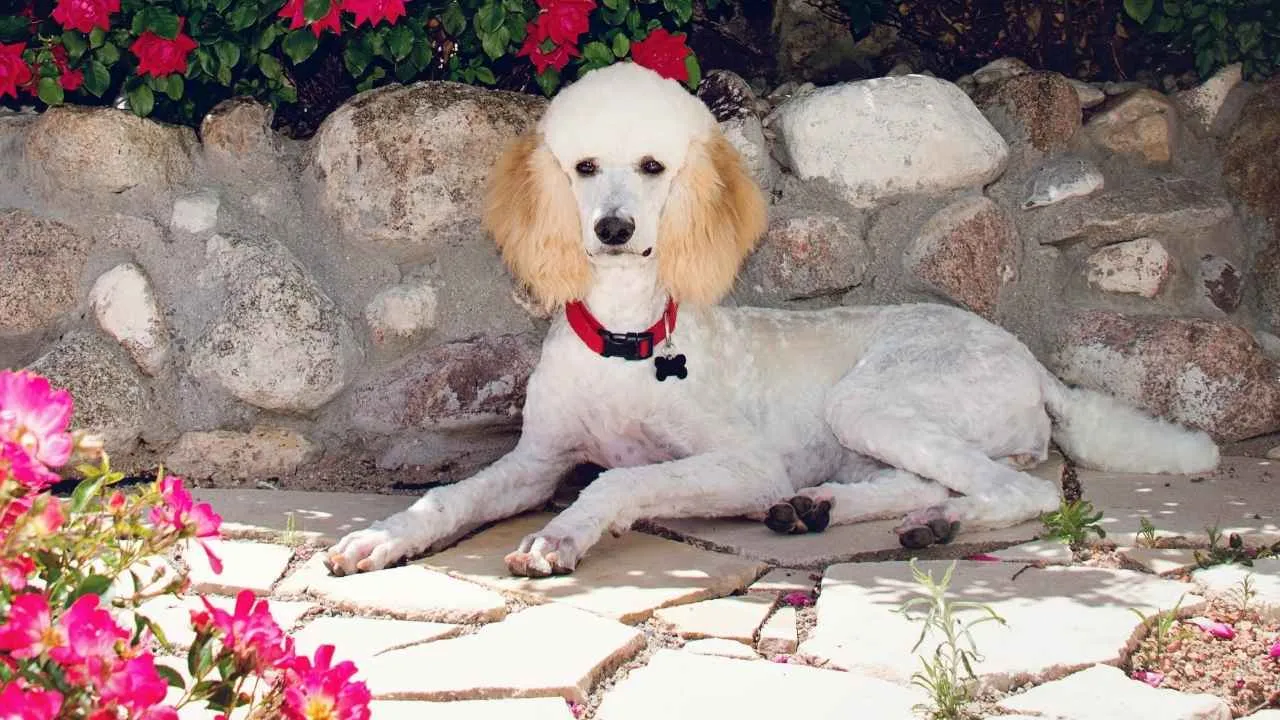
Toy Poodles have superior intelligence and exceptional learning ability, making them exciting companions for families who enjoy training and games.
They can be a great match for children because they are lively, alert, and often very people-focused. They enjoy learning tricks, solving little challenges, and joining family activities as if they had a calendar invite. With kids, they can become playful partners when boundaries are clear and interactions stay gentle.
Their curly coat is a major feature, but it also comes with a maintenance bill in time, effort, or professional grooming. Toy Poodles need regular brushing and trimming because curls can mat if ignored. Families who love the “teddy bear” look should remember that cute hair is still hair that needs care.
Training is where Toy Poodles often shine. When compared to most other pets, they can learn quickly, which is amazing when teaching manners, but it also means they can learn bad habits if the family accidentally rewards them.
Some of the best family dogs out there, they suit people who want a smart, interactive, small dog rather than a low-effort lap ornament. They need mental stimulation, gentle handling, and a consistent routine to be their best selves.
6. Pekingese
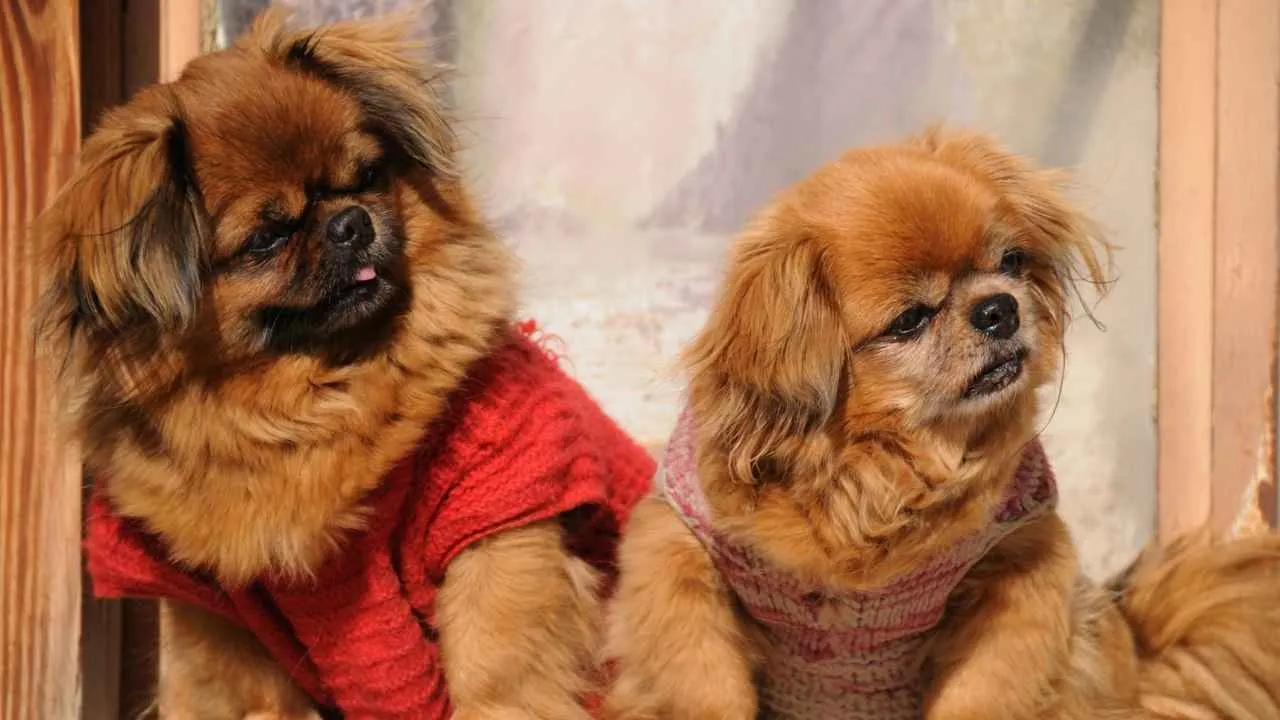
The Pekingese is a small dog with ancient royal energy and a face that says, “I accept your admiration.” As per Britannica, this breed was treasured in imperial China, and the imperial family held the oldest strains.
For families, the Pekingese is affectionate, loyal, and wonderfully characterful, but this is not usually a chaotic playground dog. They often prefer respectful attention over rough-and-rowdy activity. That makes them better for children who can understand “gentle,” “slow,” and “let the dog rest.”
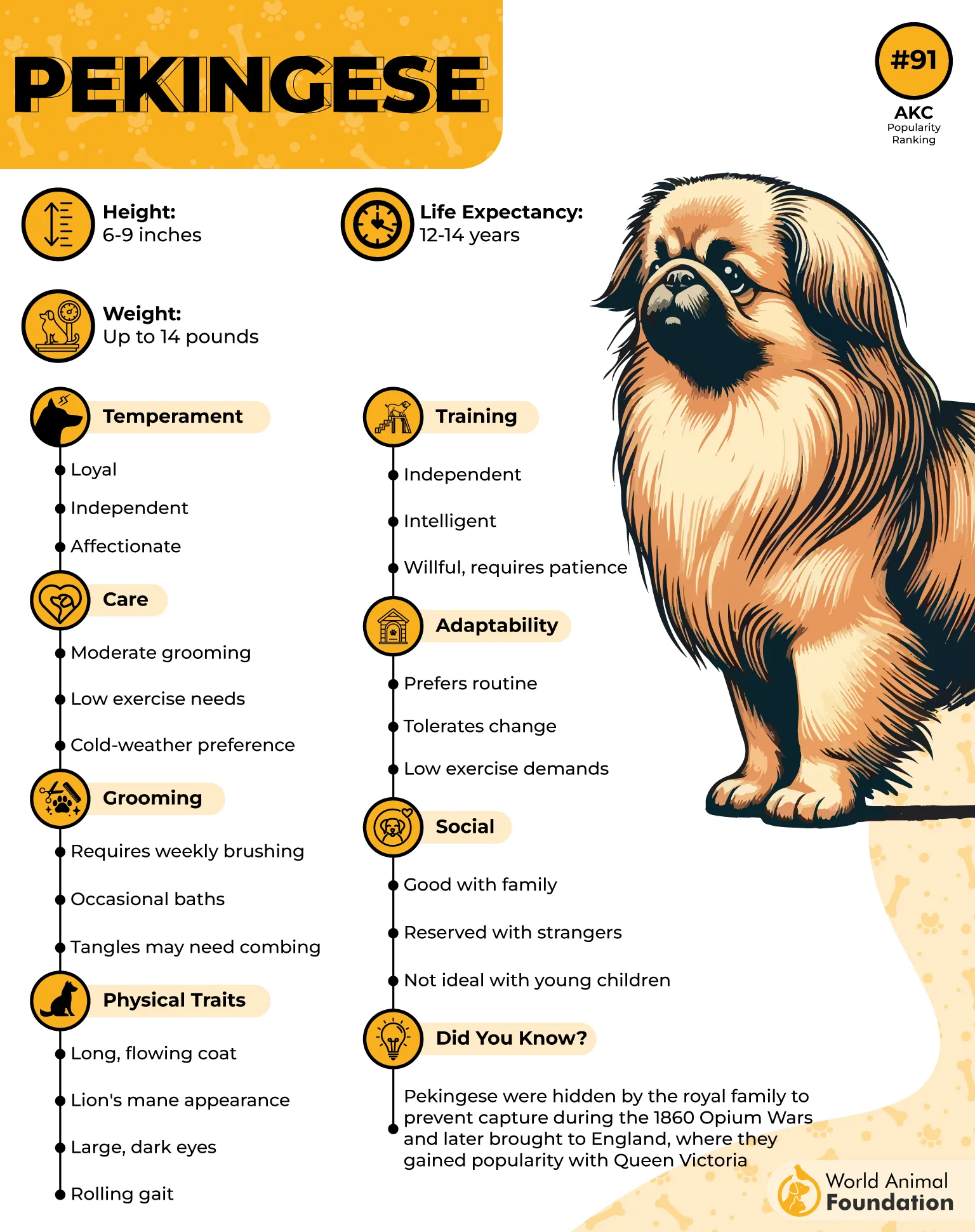
These high-energy dogs are known for independence, which can be hilarious if your family enjoys a pet with opinions. They may love their people deeply, yet still act as if they are doing everyone a favor by joining the room. Training should be patient, positive, and consistent rather than loud or forceful.
Their long coat needs regular grooming, and their face needs thoughtful care. Families should be ready for brushing, eye-area cleanliness, and keeping skin folds comfortable. A neglected coat can quickly become uncomfortable, so this breed is best for homes that enjoy grooming routines.
Health is a major factor in responsibly choosing a Pekingese because they are flat-faced. They can suffer breathing problems, especially if they become too warm or exercise too much.
7. Maltese
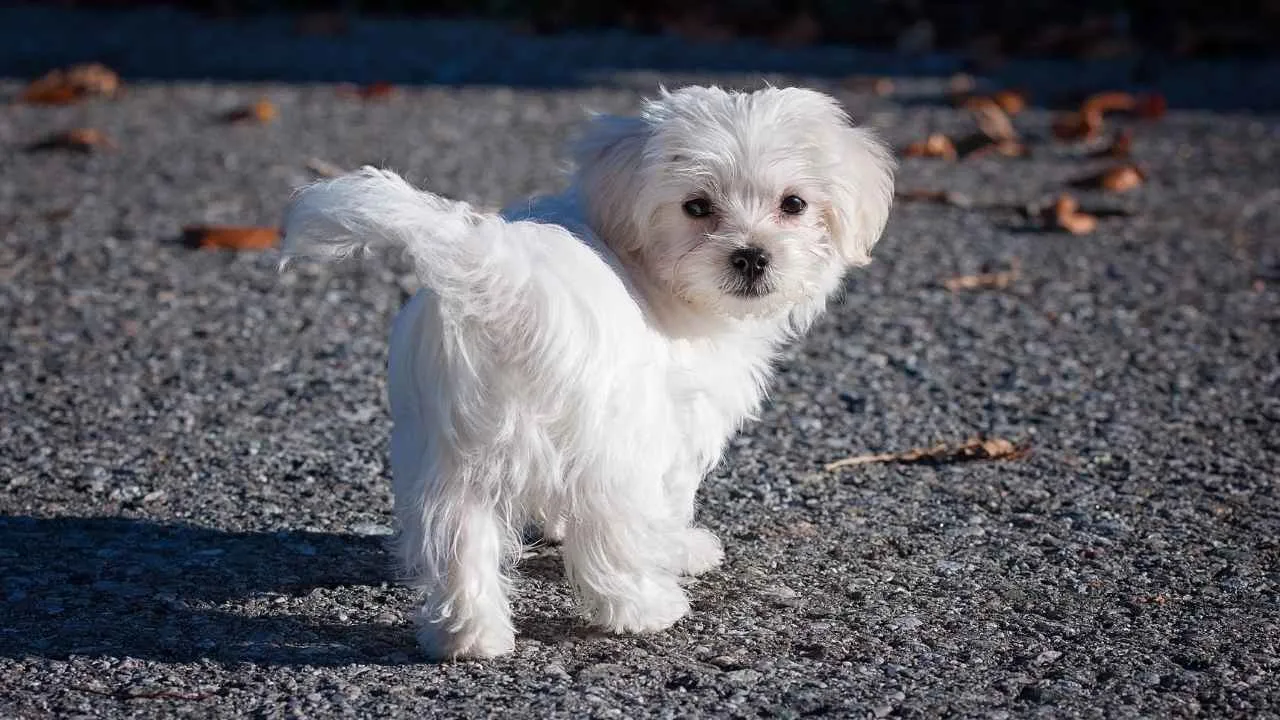
The Maltese looks like a tiny white cloud that somehow learned how to love people. It is a playful, loving, and lively breed, which explains why many families are drawn to its cheerful personality.
This breed can be sweet with children when socialized early and handled respectfully. Maltese dogs are small and delicate, so they usually fit best with families who can teach calm play. They are charming companions, but they should not be tossed into noisy kid chaos without a safe exit plan.
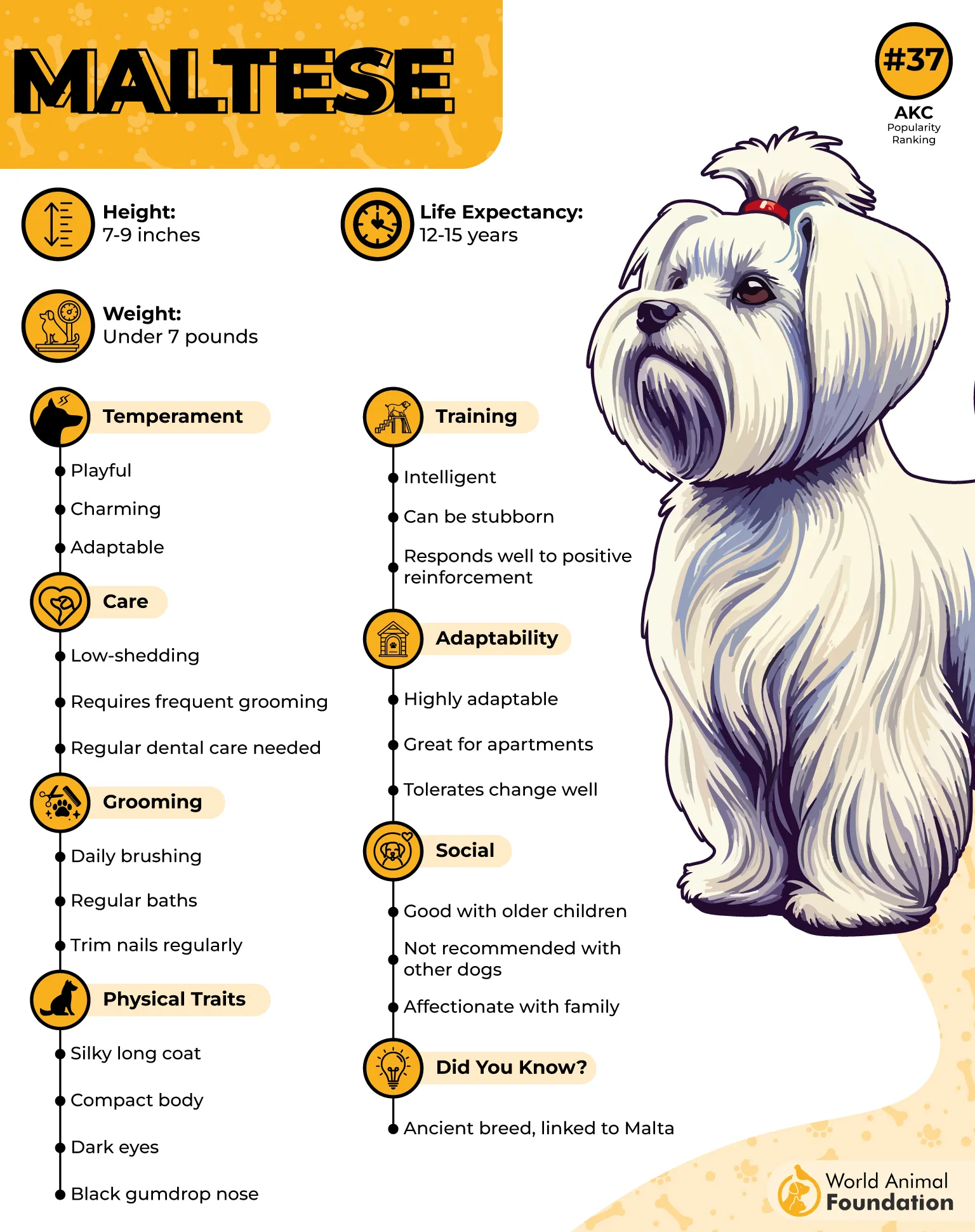
One big appeal of the Maltese is their affectionate nature towards family life. They often enjoy being near their family, curling up in laps, and joining daily life at home like tiny white shadows. For children who want a loving companion rather than a rough sports buddy, the Maltese can be a lovely match.
Their coat is beautiful, but it needs commitment. Long Maltese hair requires frequent brushing, and many families opt for a shorter trim to make life easier. Regular grooming also gives adults a chance to check ears, teeth, paws, and skin.
The Maltese is best for active families who want a gentle, bright, companion-focused dog and are ready to protect its small body. They can bring elegance, humor, and a lot of affection into the home. With patient training and careful handling, they are tiny dogs with a very big family presence.
Conclusion
The best dog breeds are absolutely wonderful for families with young children, but the best choice depends on more than cuteness.
The golden rule is simple: small dog, big responsibility. Children need to learn to use soft hands, speak in a calm voice, play safely, and respect the dog’s space. Adults need to supervise, train, groom, schedule veterinary care, and choose ethical breeders or rescues that prioritize health and temperament.
A toy breed can become a child’s best friend, bedtime buddy, playmate, and first lesson in compassionate care. These dogs may be tiny, but the memories they create can be huge. Pick thoughtfully, love gently, and your family may end up with a little dog who runs the house in the sweetest possible way.
