




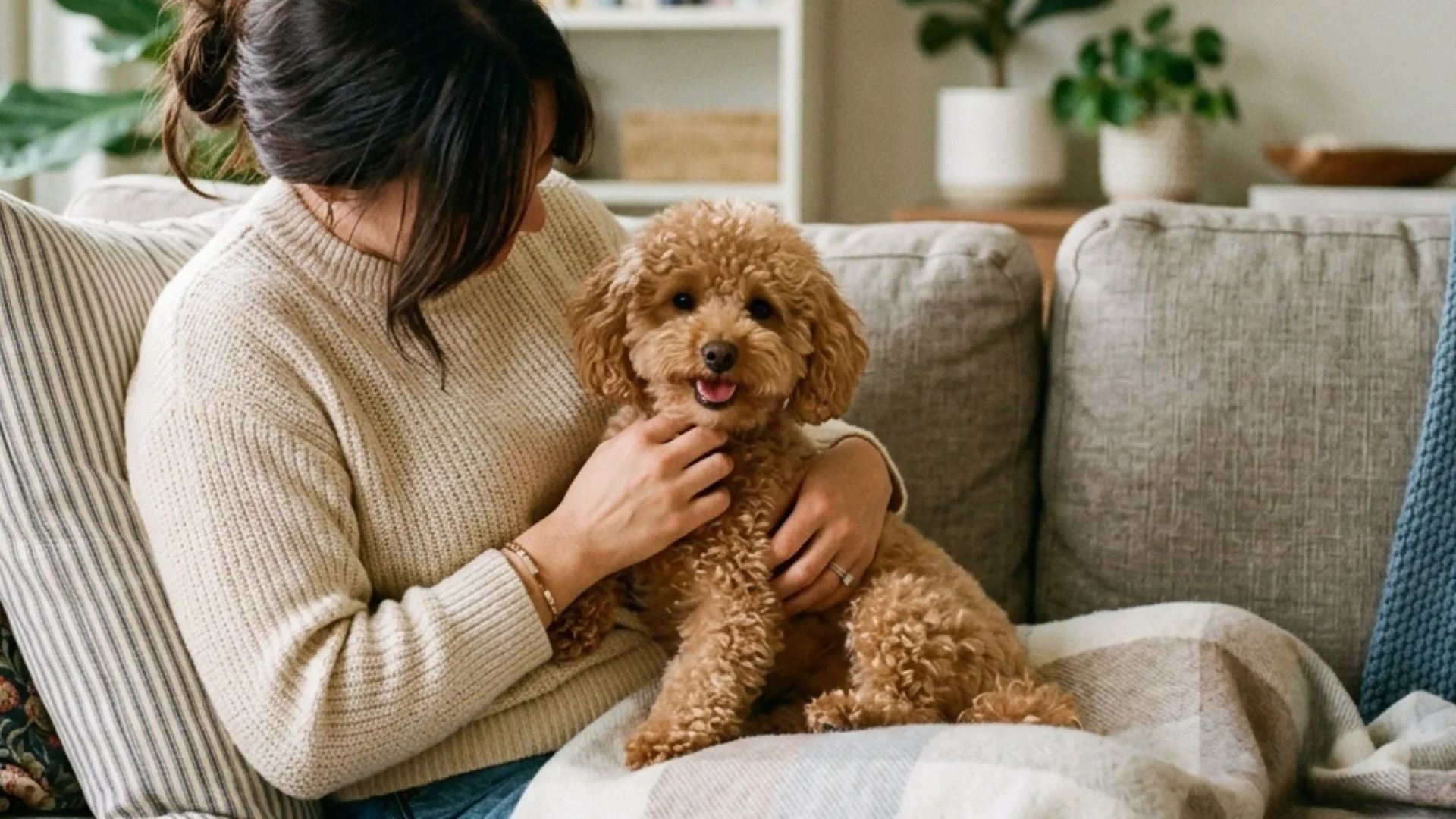
Let’s be real—some dogs are just built differently when it comes to cuddles. You know the type: they don’t just sit near you, they fully attach themselves like emotional WiFi. Toy dog breeds take that energy to another level, turning everyday life into a constant soft-focus bonding moment.
What makes toy breeds so interesting is that they’re tiny in size but massive in personality. Some are clingy little shadow followers, others are calm lap warmers, and a few are straight-up chaotic cuddle machines. Smaller dogs often form stronger attachment bonds with owners due to greater proximity and dependence.
This guide is basically your cheat code to the cutest snuggle companions in the dog world. We’re talking breeds that don’t just tolerate affection—they actively schedule their whole existence around it. From royal lap dogs to pocket-sized comedians, each one brings its own flavor of emotional support chaos.
Wonderful Toy Dog Breeds to Spend Time With
1. Papillon
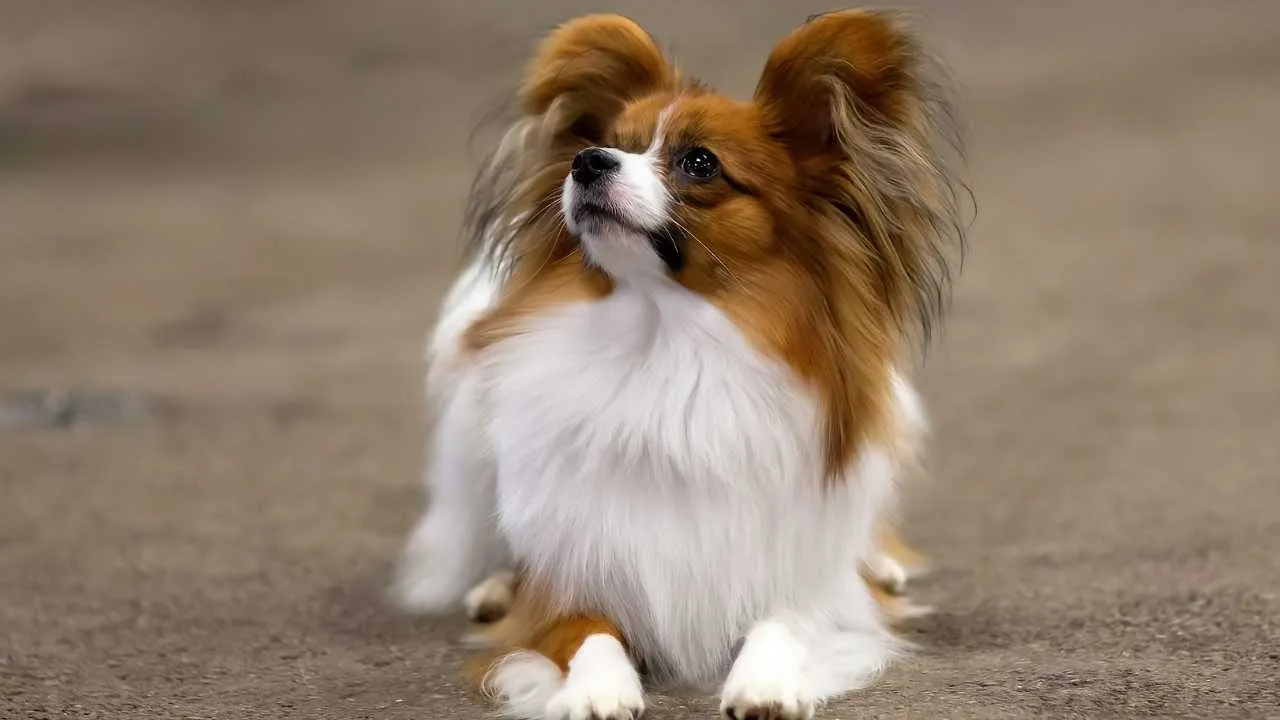
Papillons are basically tiny chaos geniuses wrapped in butterfly ears. They rank among the smartest toy breeds, often compared to Border Collies for their problem-solving energy. They consistently score in the top tier for obedience and adaptive learning.
Despite their size, they carry themselves like they own the room. They love interaction, but only after they’ve burned off their zoomies and mental stimulation quota. Owners often report that a bored Papillon will literally invent games, like rearranging toys or “herding” people around the house.
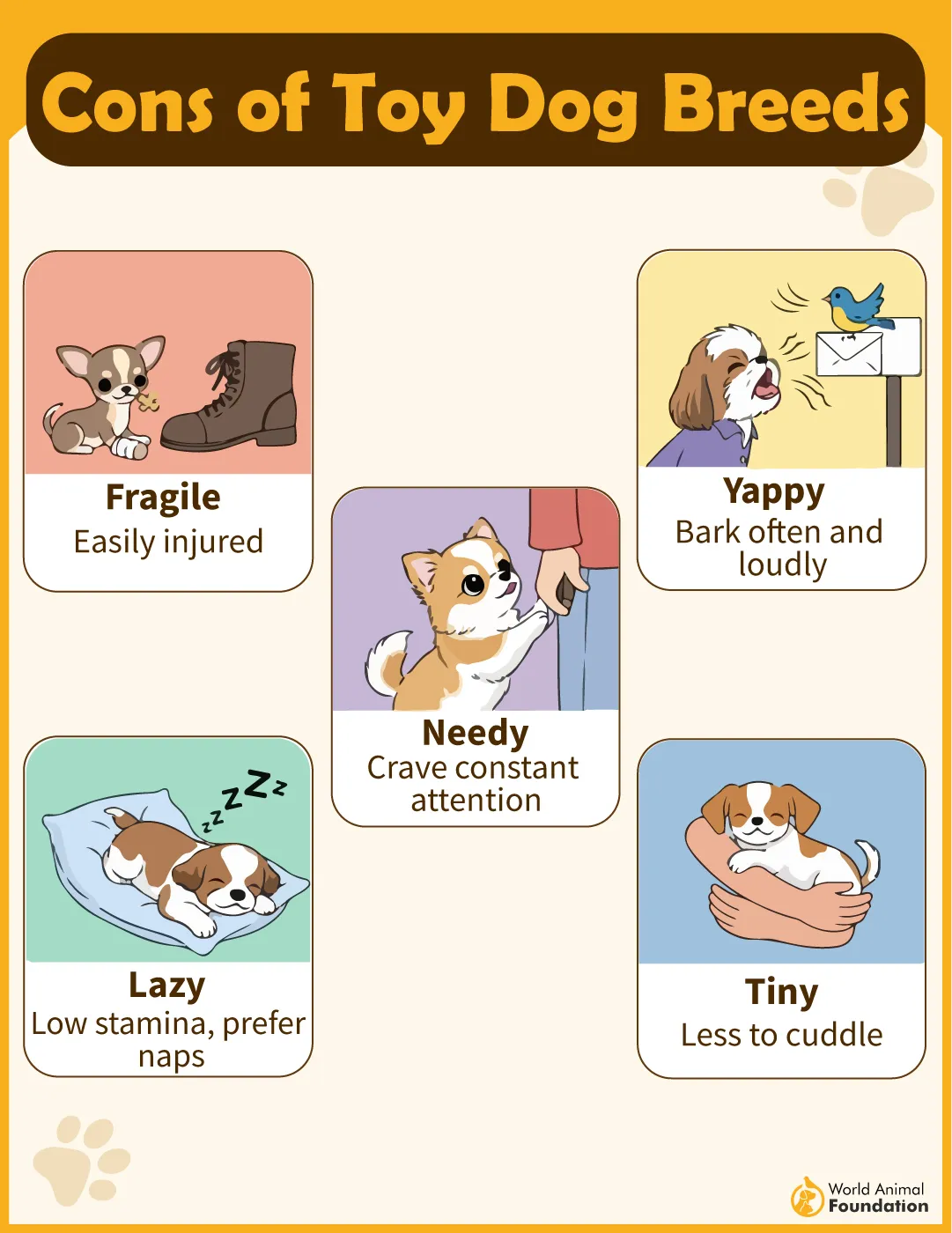
Socially, these lap dogs are surprisingly balanced for such a high-energy toy breed. With proper exposure early on, they can coexist peacefully with children, cats, and other dogs. However, they don’t tolerate emotional neglect and may become clingy if left unattended for too long.
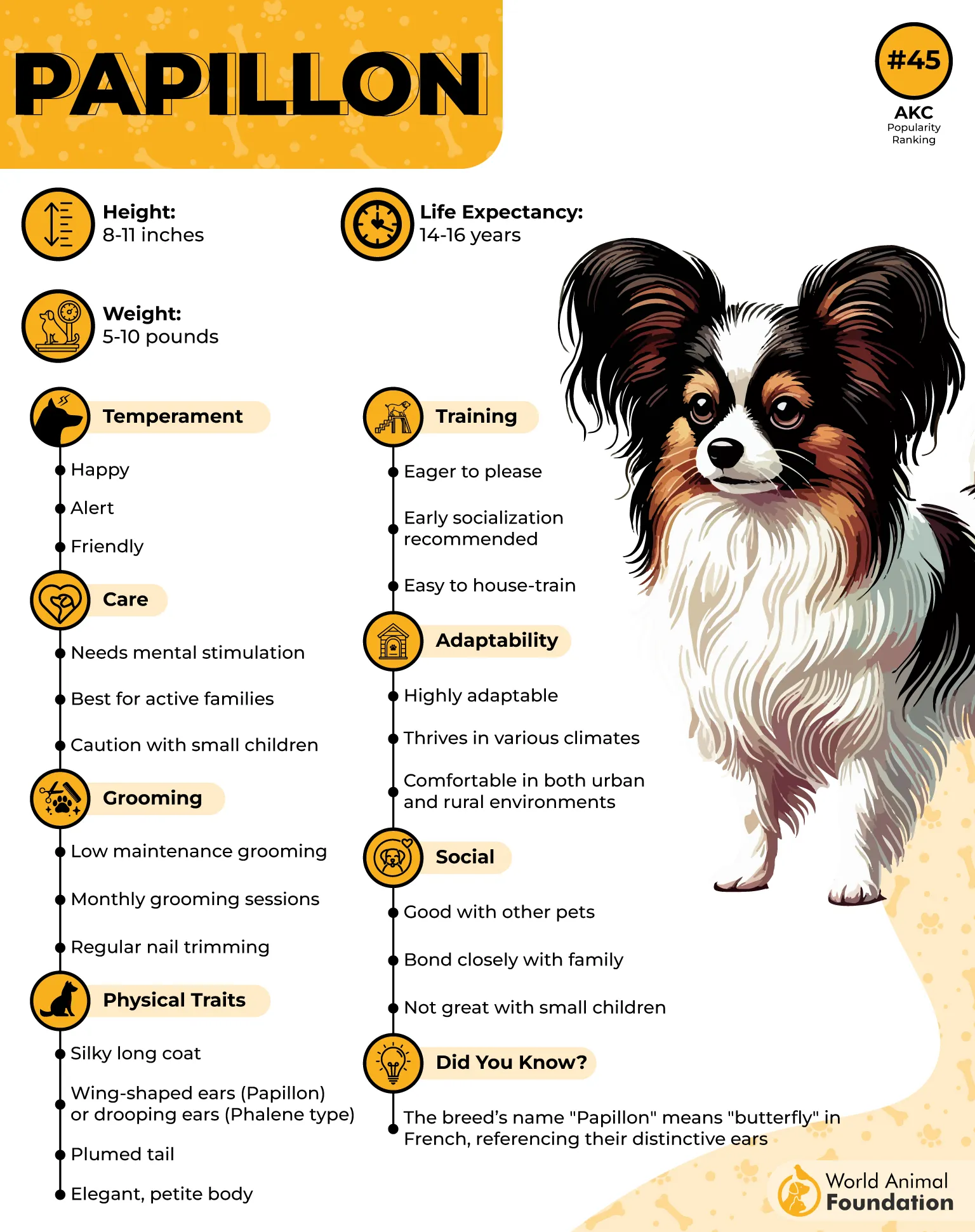
Their snuggle mode activates in “off-duty” hours, usually after play sessions. At that point, they switch from hyperactive strategist to warm lap ornament. Many owners say it feels like a “switch flip” between being an athlete and a cuddle buddy.
In home environments, pet parents claim that Papillons thrive when routines include both stimulation and affection. They bond deeply with one or two favorite humans, often shadowing them like fluffy assistants. Think of them as tiny managers who also enjoy bedtime cuddles.
Their Way To Adjust In A Relaxed Home
They decompress fastest in calm homes with predictable routines and soft voices
Cozy corners near humans help them feel emotionally anchored after bursts of activity
Mental puzzle toys reduce restlessness, making cuddle time more intentional and rewarding
2. Maltese
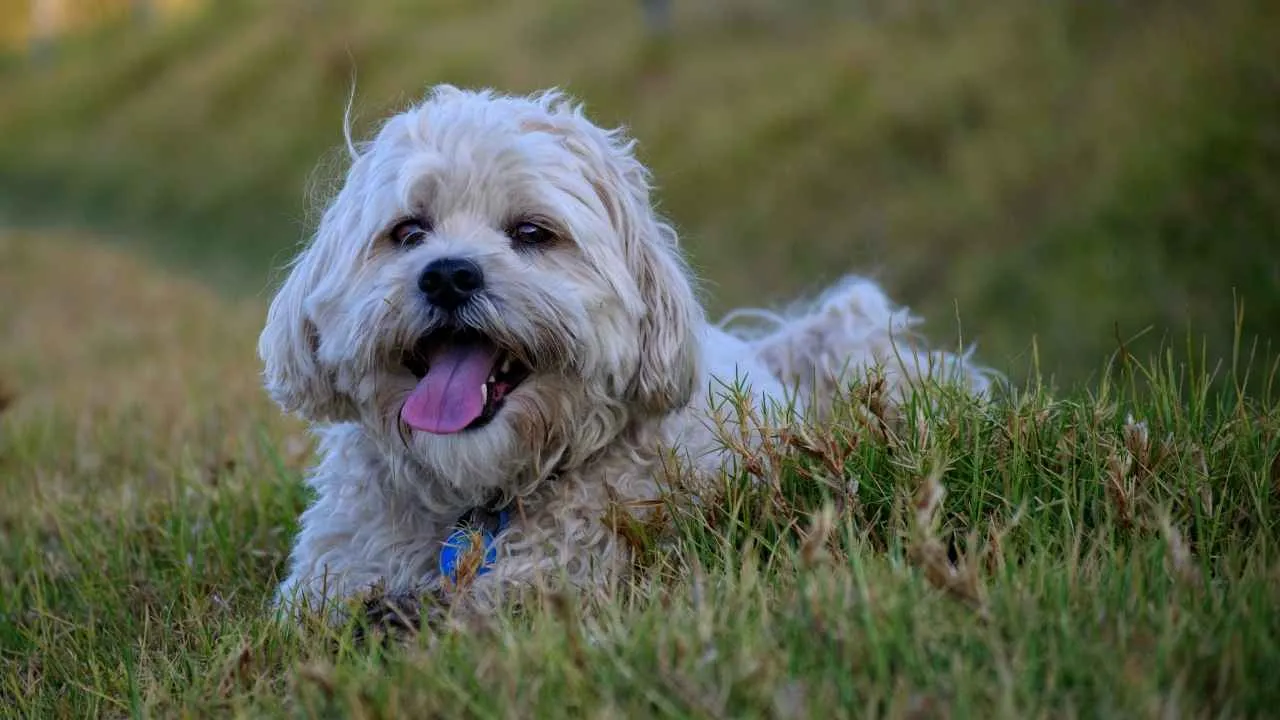
Maltese dogs are basically living plush toys with centuries of royal pampering in their DNA. Originating from Mediterranean aristocratic circles, they were bred specifically for companionship, not work. Ancient Roman nobles even considered them status symbols of luxury.
Their emotional sensitivity is one of their strongest traits. They read human moods almost like emotional WiFi scanners and respond with immediate closeness. Many owners describe them as “therapists in fur coats” because of their intuitive comfort behavior.
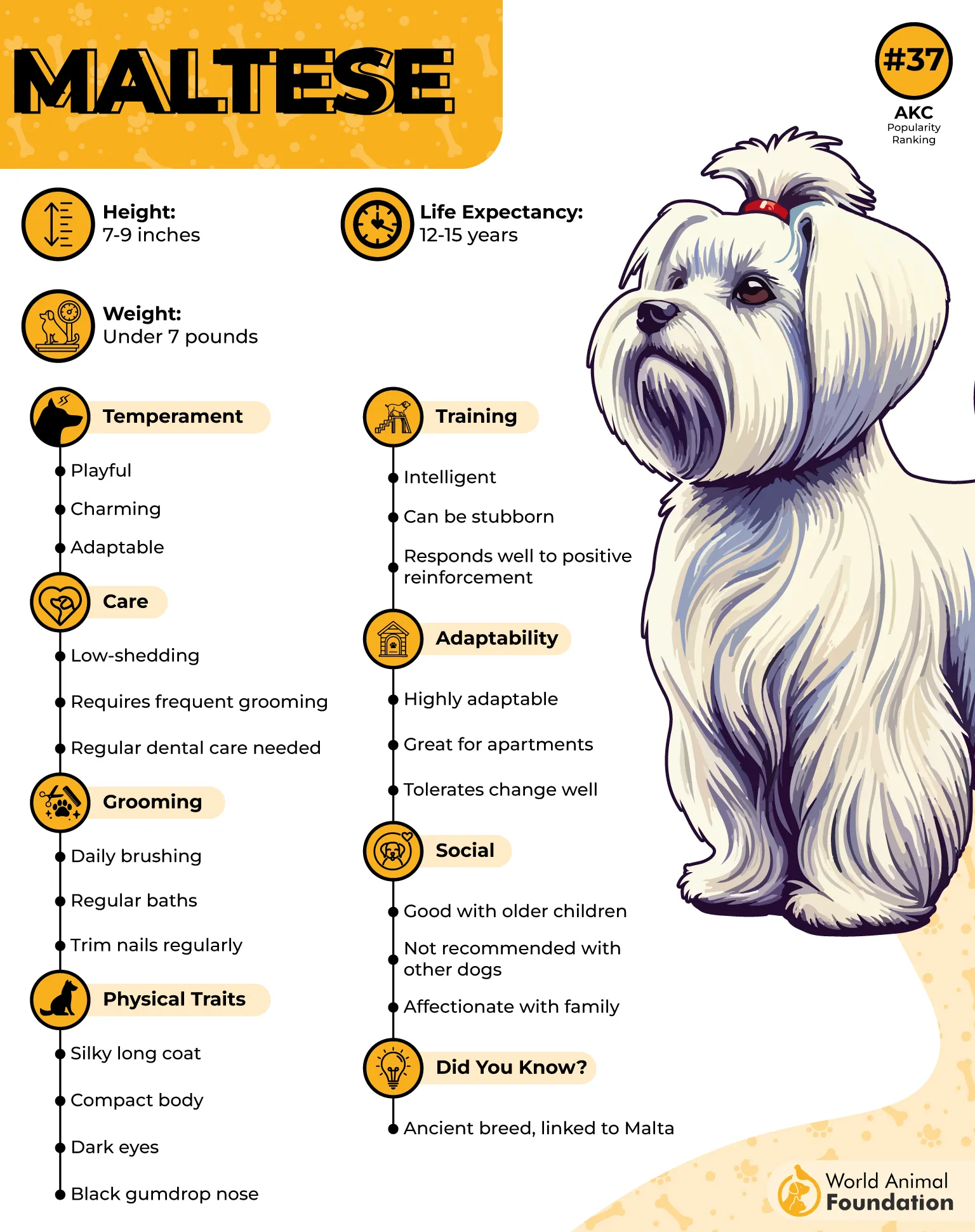
These fiercely loyal dogs don’t just enjoy cuddles—they depend on them for emotional regulation. Extended separation can trigger anxiety, which is why they are often recommended for people who are home frequently.
Veterinary behaviorists note that consistent human contact reduces stress-related barking in this breed.
They are surprisingly adaptable to apartment living, as long as they are not isolated. Even a short cuddle session can dramatically reset their mood. Their attachment style is intense but affectionate rather than demanding or destructive.
Over time, they form a near-constant physical bond with their favorite person. Expect them to follow you from room to room like a soft, silent shadow. It’s less “pet ownership” and more “living with a fluffy emotional support cloud.”
Their Way To Adjust In A Relaxed Home
They settle best when physical closeness is part of a daily routine
Soft blankets and lap access reduce anxiety-driven behaviors
Calm, affectionate households strengthen their emotional stability and trust loops
3. Yorkshire Terrier
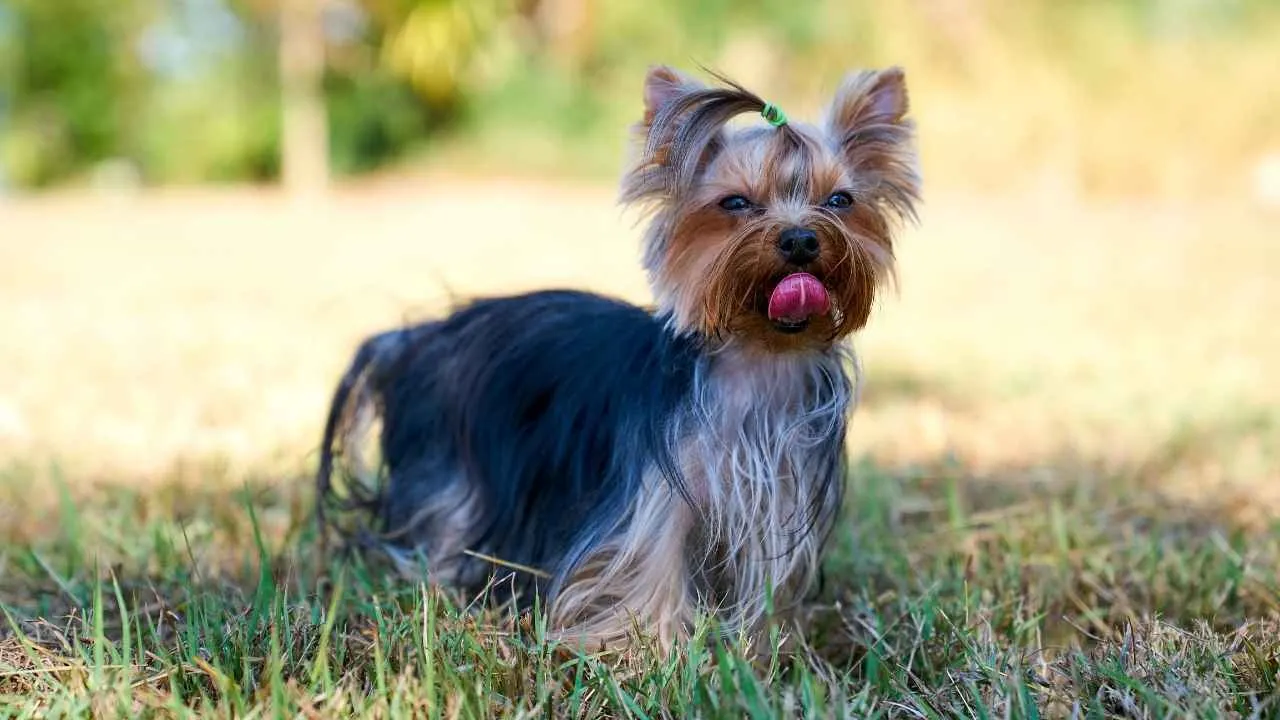
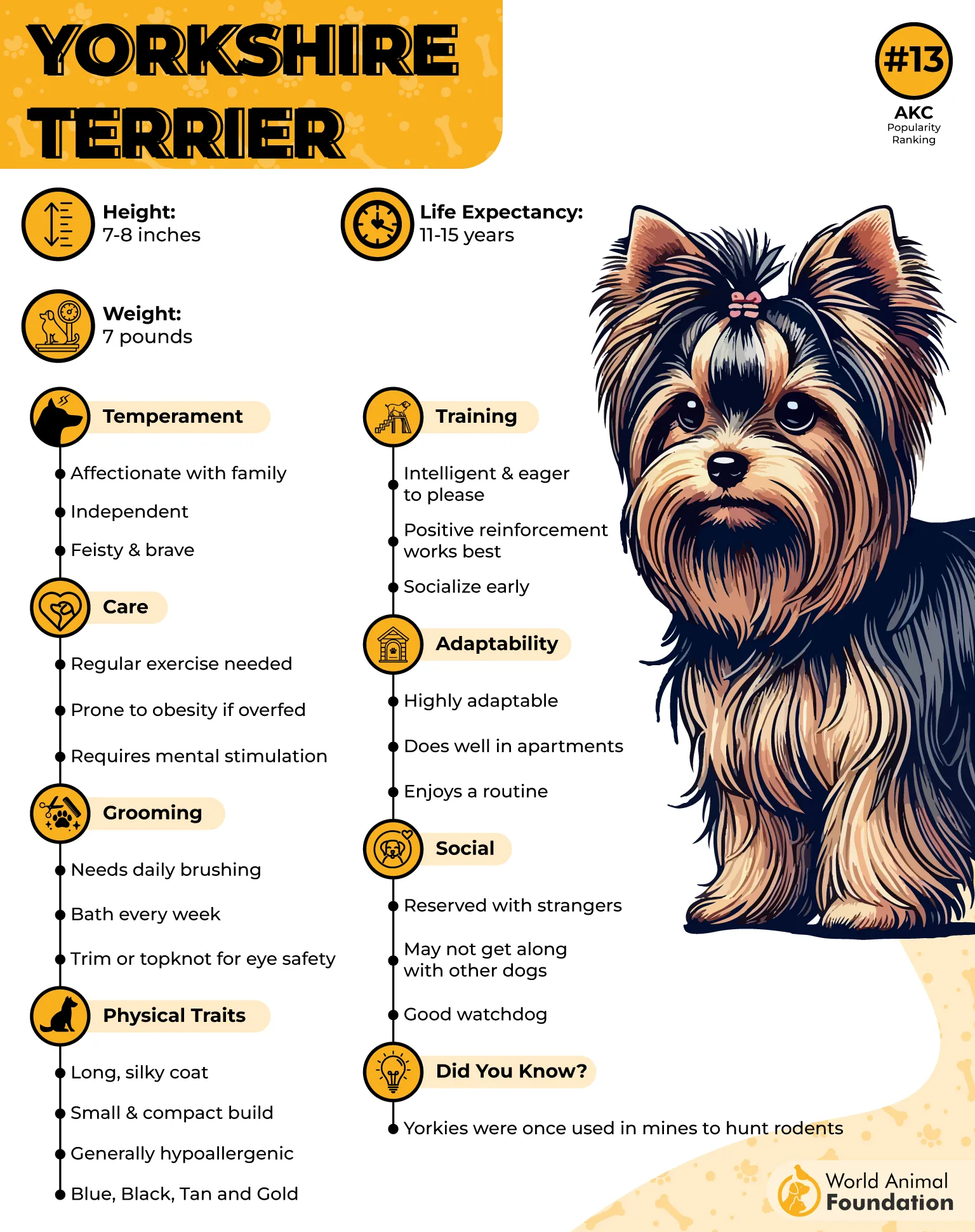
Yorkies are tiny but operate like they have CEO energy. Originally bred in 19th-century England for catching rats in textile mills, they still carry that bold, fearless personality. Despite weighing only a few kilograms, they act like guard dogs with a personal mission.
Their attachment style is famously intense, often referred to as “Velcro dog syndrome” by trainers. They prefer to be physically close at almost all times, even during mundane activities like cooking or scrolling on your phone. This constant proximity fosters strong oxytocin bonding between the dog and the owner.
Scientifically speaking, cuddling Yorkies triggers the release of hormones in both directions, especially oxytocin and dopamine. This is the same bonding chemical pathway seen in parent-child relationships. That’s why Yorkie snuggles feel emotionally grounding rather than just cute.
They alternate between high-energy bursts and extreme clinginess. One moment, they are sprinting across furniture like parkour athletes, and the next, they are glued to your chest like a heated cushion. This contrast is part of their charm.
Owners often say Yorkies “choose one person and never emotionally leave them.” That loyalty can be incredibly comforting, especially in small households. They don’t just want attention—they want access to your entire daily life.
Their Way To Adjust In A Relaxed Home
They thrive when allowed to shadow their favorite human physically
Warm laps and soft seating reduce hyperactivity spikes
Emotional bonding strengthens when they’re included in everyday micro-routines
4. Cavalier King Charles Spaniel
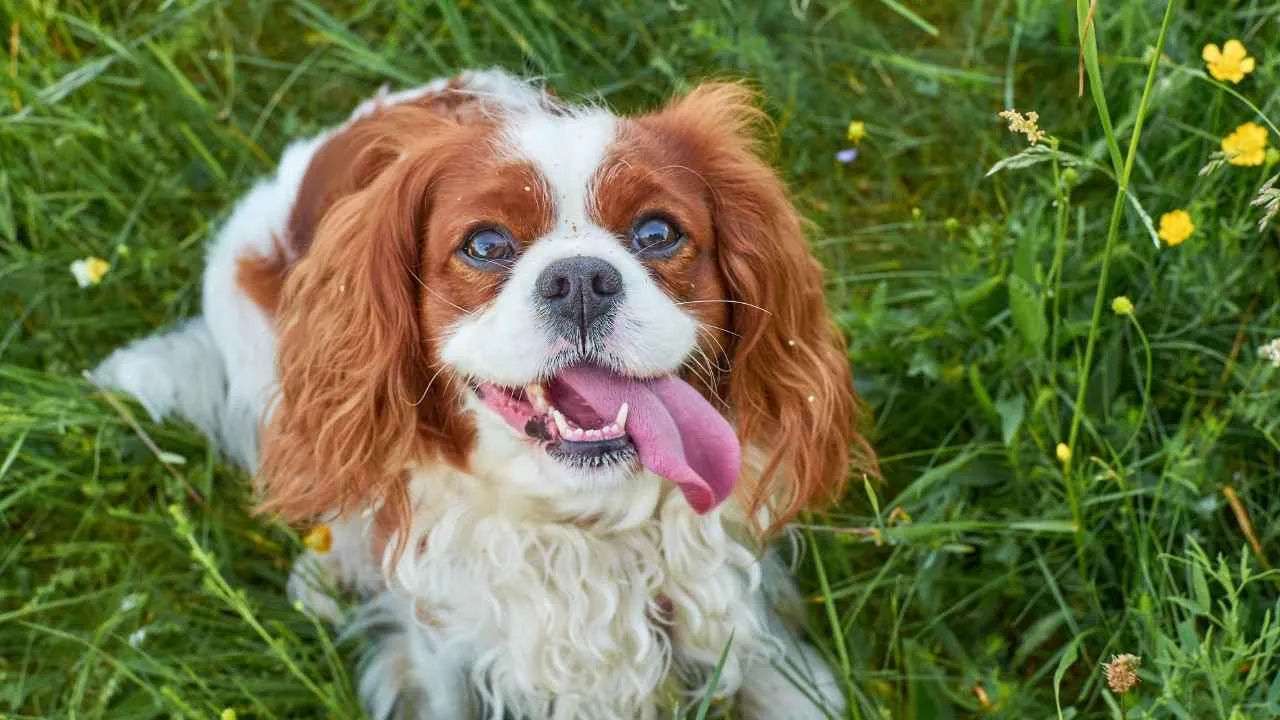
Cavaliers were literally engineered for companionship in royal courts. During the Stuart era, they were used as lap warmers by the nobility, often sitting with them for hours. This historical role shaped their modern identity as elite cuddle specialists.
Their temperament is famously gentle, almost unusually soft for a spaniel breed. Unlike many small dogs, they don’t tend to be reactive or defensive. Instead, they default to friendliness unless provoked.
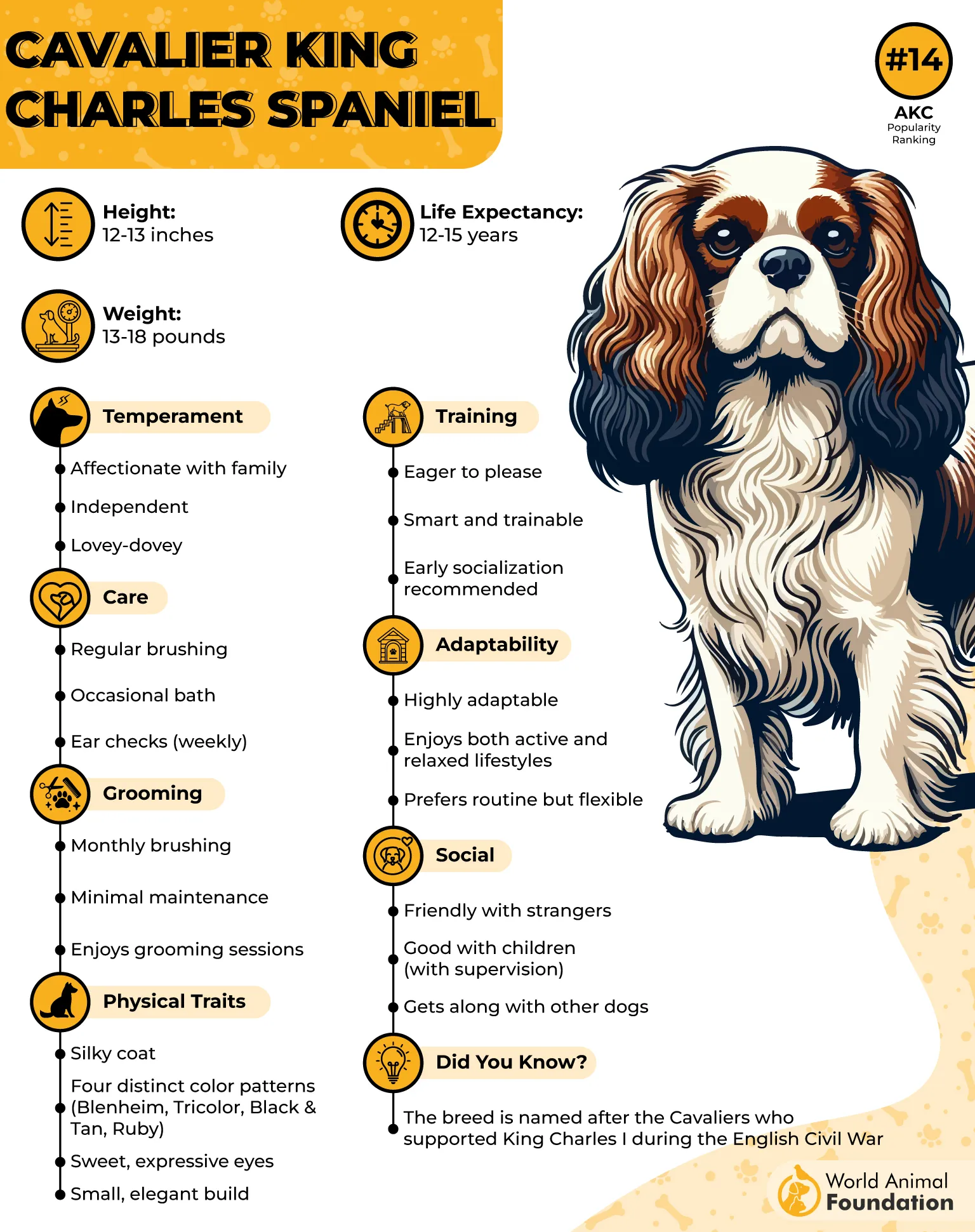
They are highly people-oriented and are more prone to loneliness than many breeds, says PDSA. Studies on companion dogs show Cavaliers score high on social dependency scales. That means they naturally seek physical and emotional proximity.
Cavaliers also integrate easily into multi-pet households, including cats. Their low aggression threshold makes them one of the most cat-compatible toy breeds. Many owners report spontaneous co-sleeping between Cavaliers and felines.
Their cuddle behavior is steady rather than chaotic. They don’t demand attention aggressively—they appear next to you like soft furniture with feelings. That quiet presence is what makes them emotionally soothing companions.
Their Way To Adjust In A Relaxed Home
They integrate smoothly when human contact is consistent and calm
Shared resting spaces with owners enhance emotional security
Gentle routines reduce separation stress and encourage affectionate behavior
5. Brussels Griffon
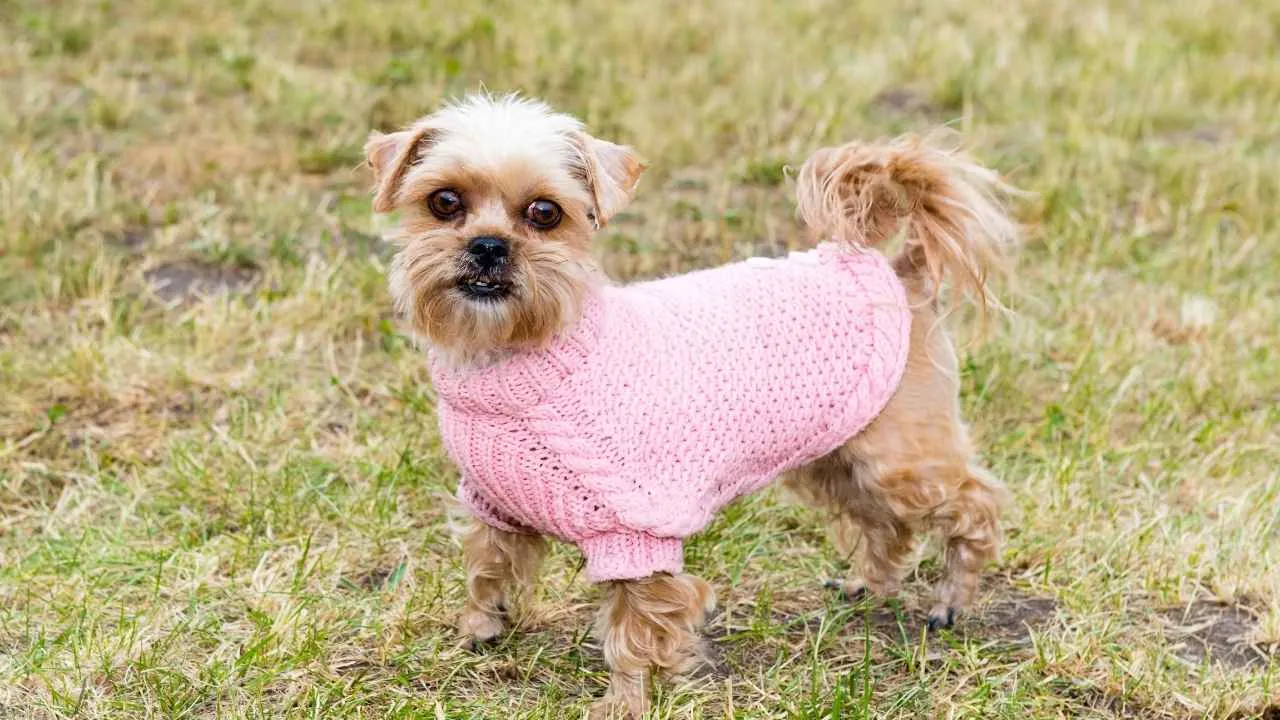
Brussels Griffons look like tiny bearded philosophers with big emotions. Originally from Belgium, they were bred from stable-dog ancestry to hunt rodents but quickly became companion pets. Their expressive faces often make them viral favorites online.
They are extremely emotionally attached and often form one-person bonds. This can make them intense but incredibly loyal companions. Owners frequently describe them as “emotionally transparent” because their moods are easy to read.
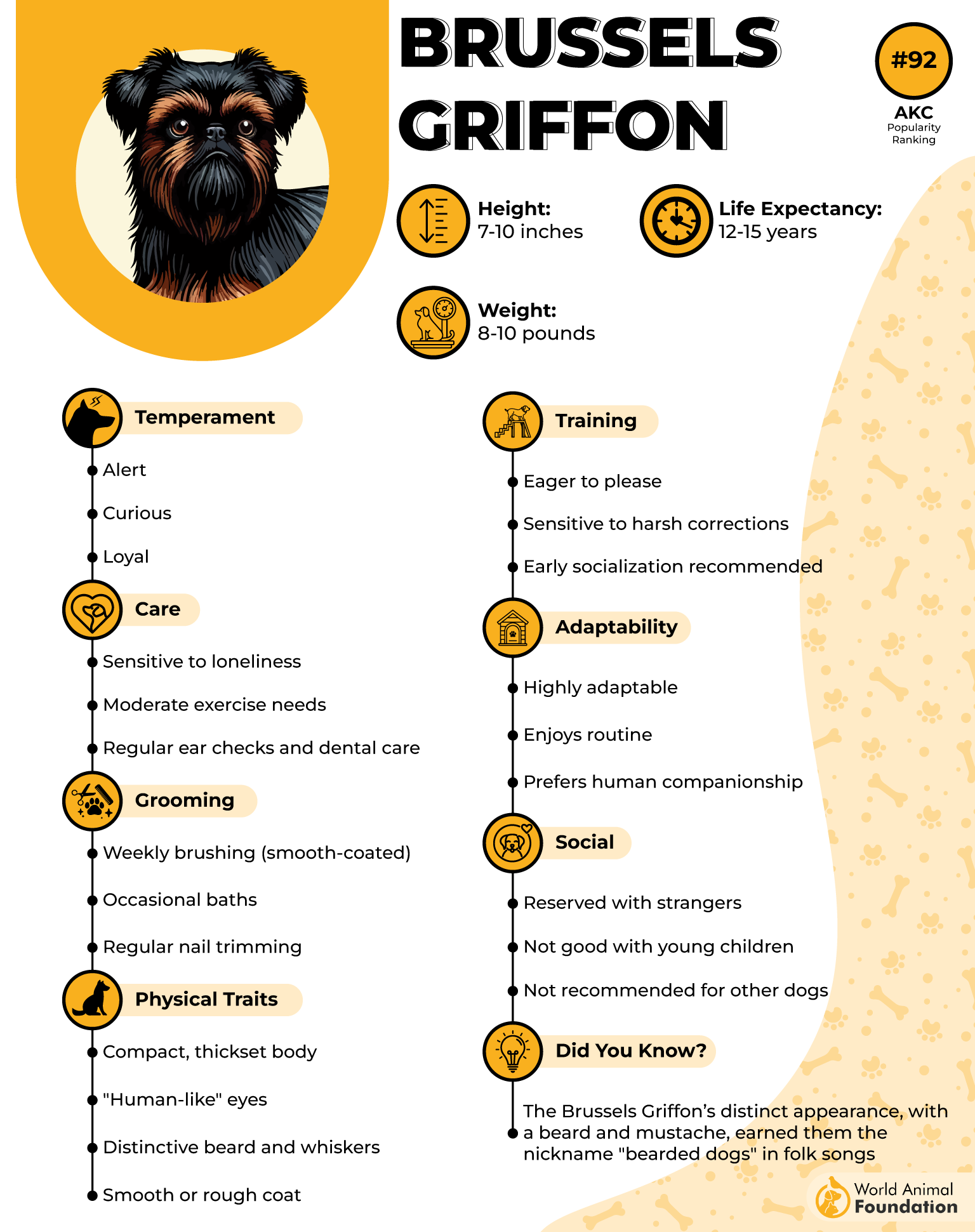
Unlike many toy breeds, PetMD claims they can be sensitive to environmental changes. Loud sounds or unfamiliar people may initially trigger caution. However, early socialization transforms them into confident cuddle companions.
They are famous lap dogs and rarely decline physical closeness once trust is established. Many Griffons actively seek eye contact during cuddling, reinforcing emotional connection. This behavior strengthens attachment on both sides.
Despite their small size, they carry surprising emotional depth. Their personality combines comedy, clinginess, and intelligence in one compact body. Living with them feels like cohabiting with a tiny, expressive roommate.
Their Way To Adjust In A Relaxed Home
They bond fastest in emotionally stable and quiet environments
Consistent lap time builds trust and reduces nervous behaviors
Familiar scents and predictable routines enhance their comfort levels
6. Pug
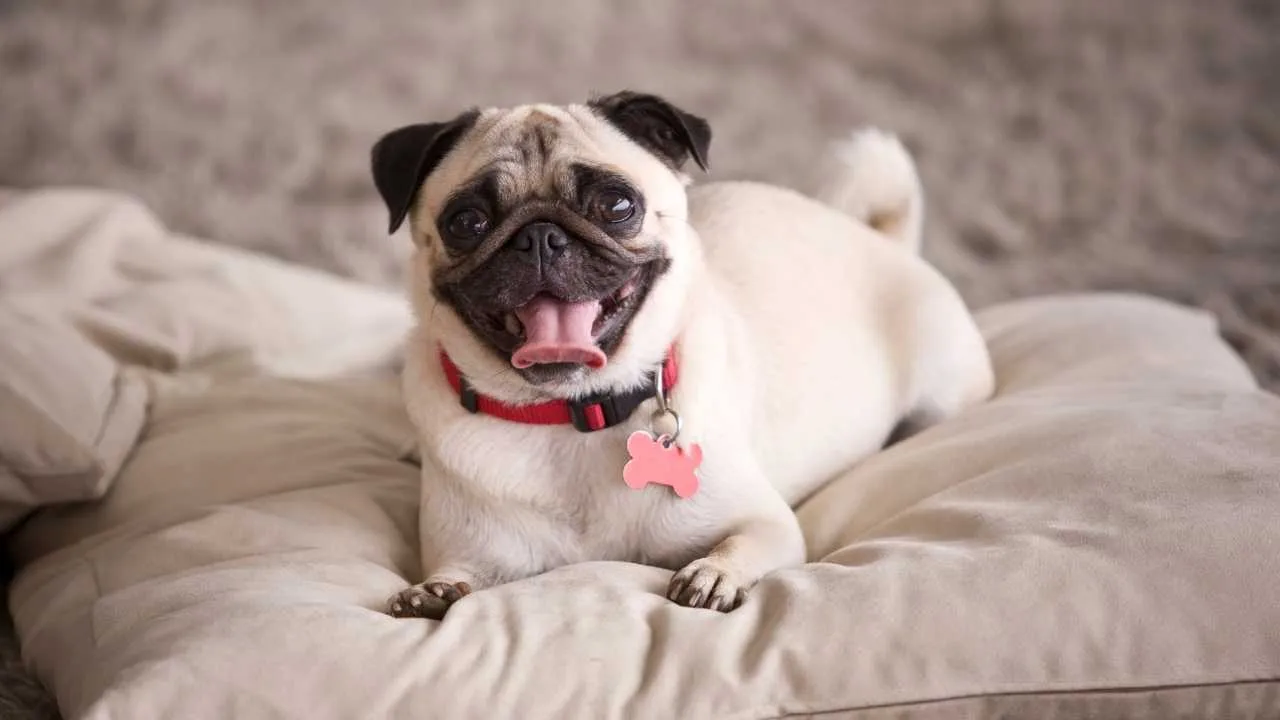
Pugs are the ultimate “do nothing but love you” breed. Originating from ancient China, they were bred specifically for companionship in royal households. Their relaxed lifestyle genetics are still very strong today.
They are low-energy but high-affection dogs, preferring lounging over athletic activity. Veterinary behavior research shows they sleep up to 14 hours daily, similar to feline patterns. That makes them perfect cuddle partners for slow-paced households.
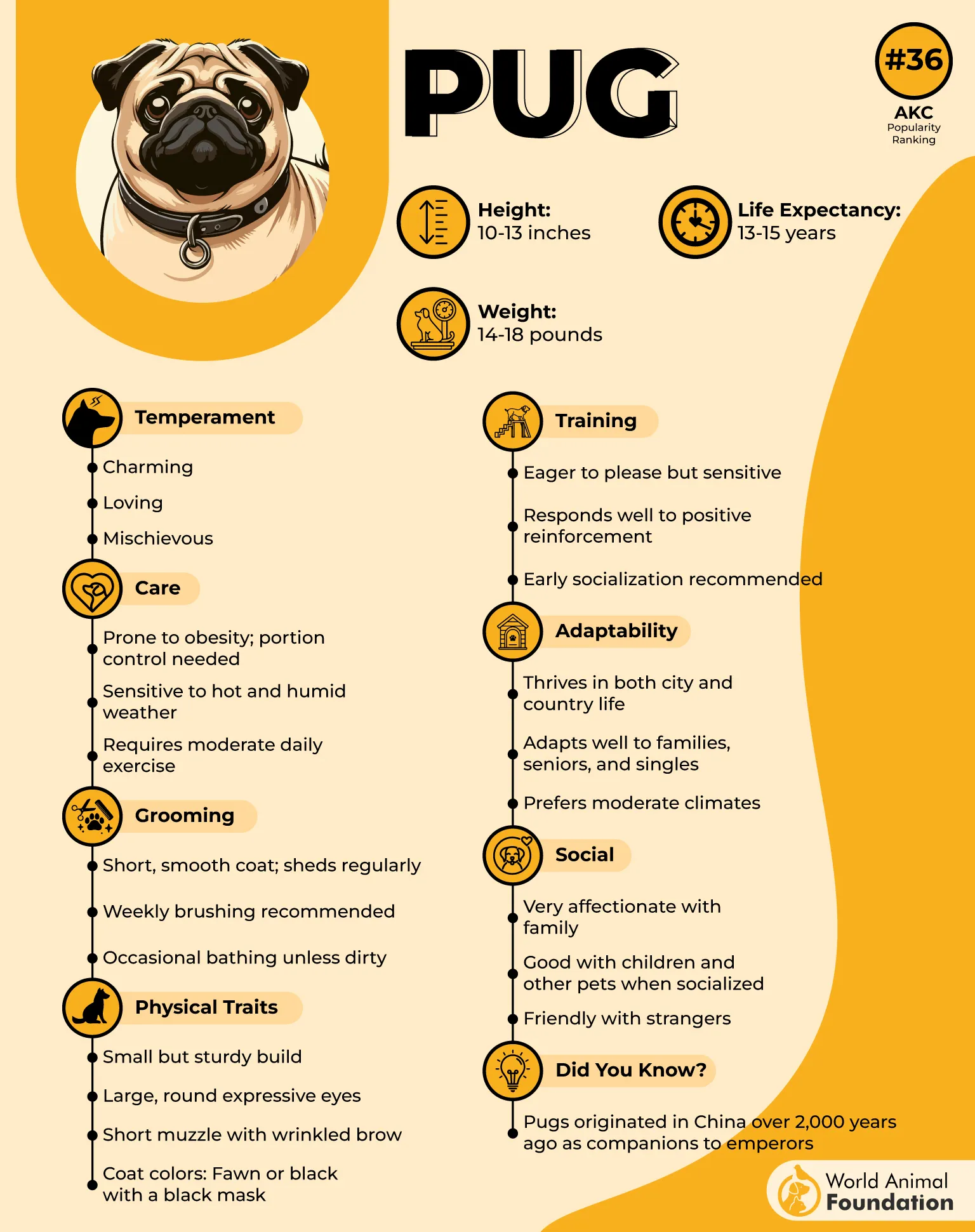
Their breathing quirks and snorting sounds are part of their charm but require care due to brachycephalic anatomy. Despite physical limitations, they remain emotionally expressive and socially enthusiastic. They rarely miss a chance to sit close to their humans.
These good watchdogs are emotionally dependent in a very obvious way. If left alone too long, they may become dramatic or vocal. Their happiness is strongly tied to human proximity rather than independent play.
They often act like comedic companions, adding humor to everyday life. Owners frequently describe them as “living cartoons with feelings.” Their cuddles are heavy, warm, and surprisingly grounding for such small bodies.
Their Way To Adjust In A Relaxed Home
They flourish in low-activity homes with consistent human presence
Couch access increases emotional stability and reduces clinginess and stress
Gentle interaction routines help maintain their calm, affectionate behavior
7. Poodle (Toy)
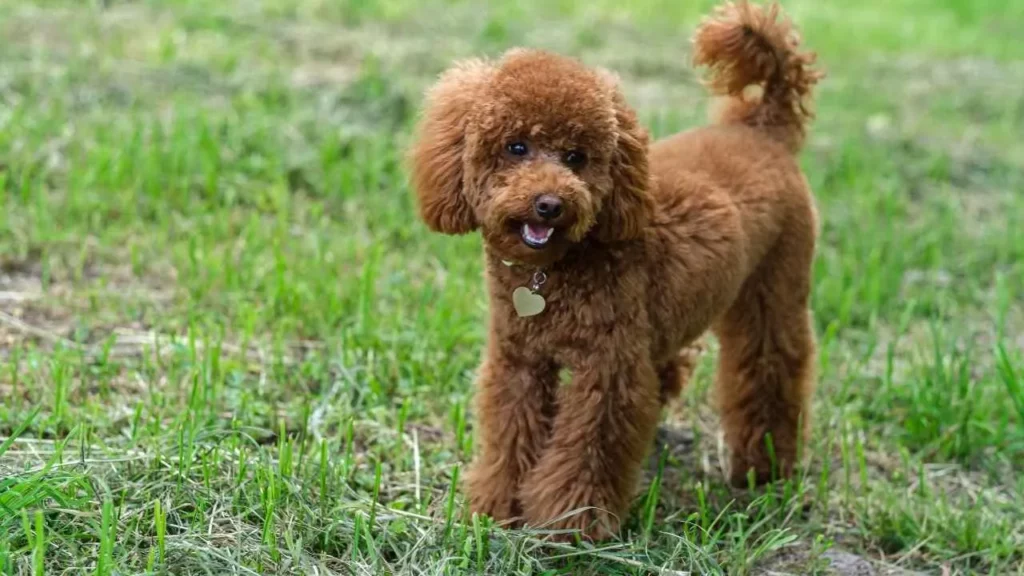
Toy Poodles are miniature intelligence powerhouses wrapped in curly elegance. Originally bred from larger water retrievers, they retain high cognitive ability despite their size. They are consistently ranked among the most trainable dog breeds.
They combine athletic energy with emotional sensitivity, making them adaptable companions. While they enjoy play and learning tricks, they also deeply value close human interaction. This dual nature makes them both entertainers and comfort animals.
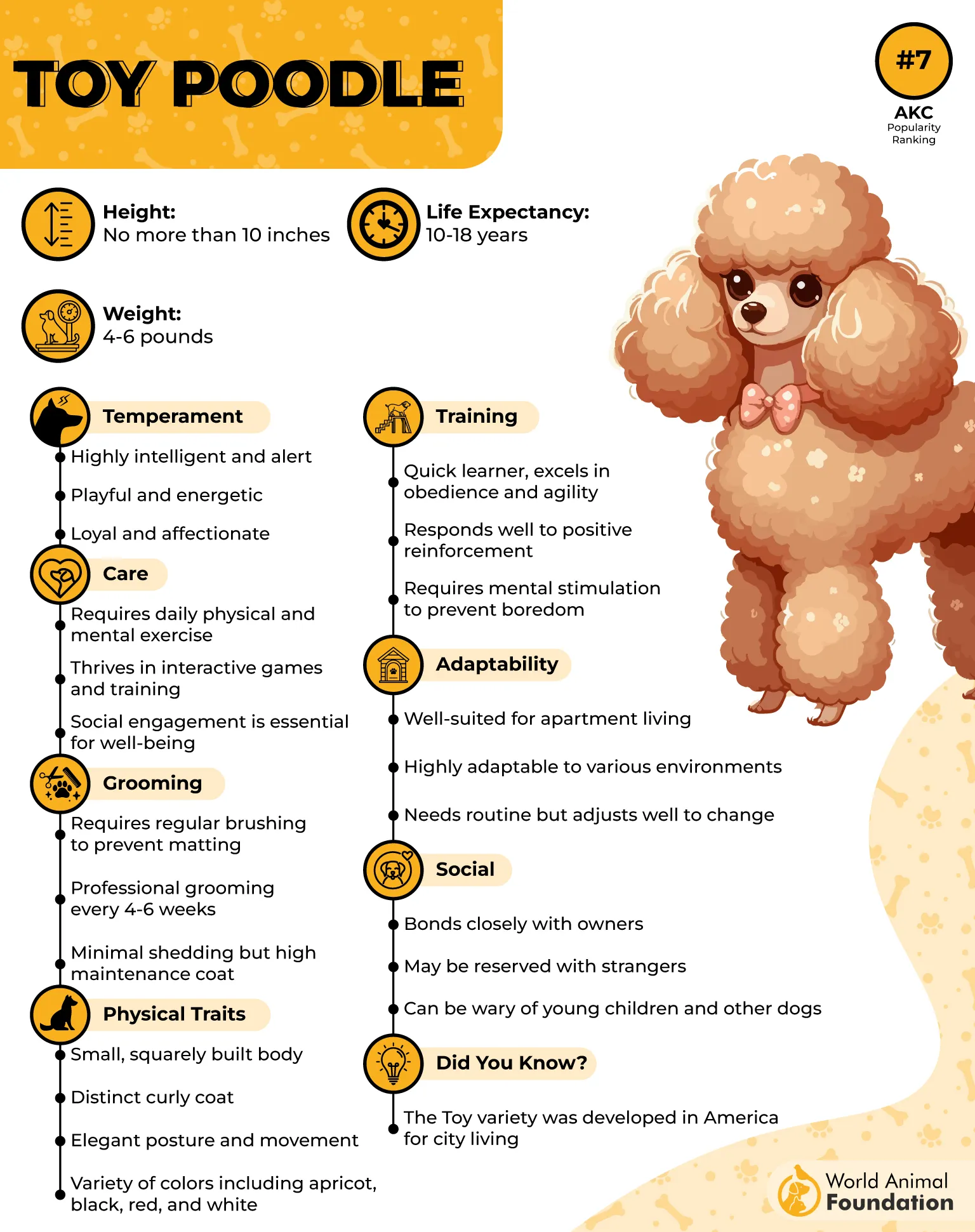
Their emotional intelligence is particularly high compared to many toy breeds. They can detect tone shifts, mood changes, and even subtle behavioral cues. That’s why they often act differently depending on their owner’s emotional state.
When relaxed, Toy Poodles become extremely affectionate and physically close. They often rest against their owners or gently lean into contact rather than full-on climbing. This makes their cuddles feel refined and calm rather than chaotic.
They are also hypoallergenic for many people due to their coat type, increasing their popularity in urban homes. Their adaptability allows them to thrive in apartments, provided they receive mental stimulation. Without stimulation, they may redirect energy into attention-seeking behavior.
Their Way To Adjust In A Relaxed Home
They balance affection with structured mental stimulation routines
Quiet cuddle zones enhance their emotional grounding
Interactive bonding activities deepen their trust and attachment patterns
Conclusion
Toy dog breeds prove that size has absolutely nothing to do with emotional impact. These little companions bring massive personality energy, whether it’s the clingy devotion of Yorkies or the calm affection of Cavaliers. Across cultures and centuries, they’ve evolved specifically to bond with humans in deeply personal ways.
What’s really interesting is how differently each breed expresses love. Some are dramatic shadow-followers, others are quiet lap companions, and a few are intelligent emotional mirrors. This variation stems from both selective breeding and conditioning by human companionship over generations.
Bichon Frise, Golden Retriever, Cocker Spaniel, Italian Greyhound, Cairn Terrier, Lhasa Apso, and Japanese Chin are some other affectionate companions that love to snuggle their owners.
At the end of the day, snuggle-ready toy dogs aren’t just pets—they’re emotional lifestyle upgrades. Whether you want chaos, calm, comedy, or constant cuddles, there’s a tiny dog out there built exactly for your vibe. And honestly, once you’ve experienced that level of loyalty in a small fluffy package, there’s no going back.
