




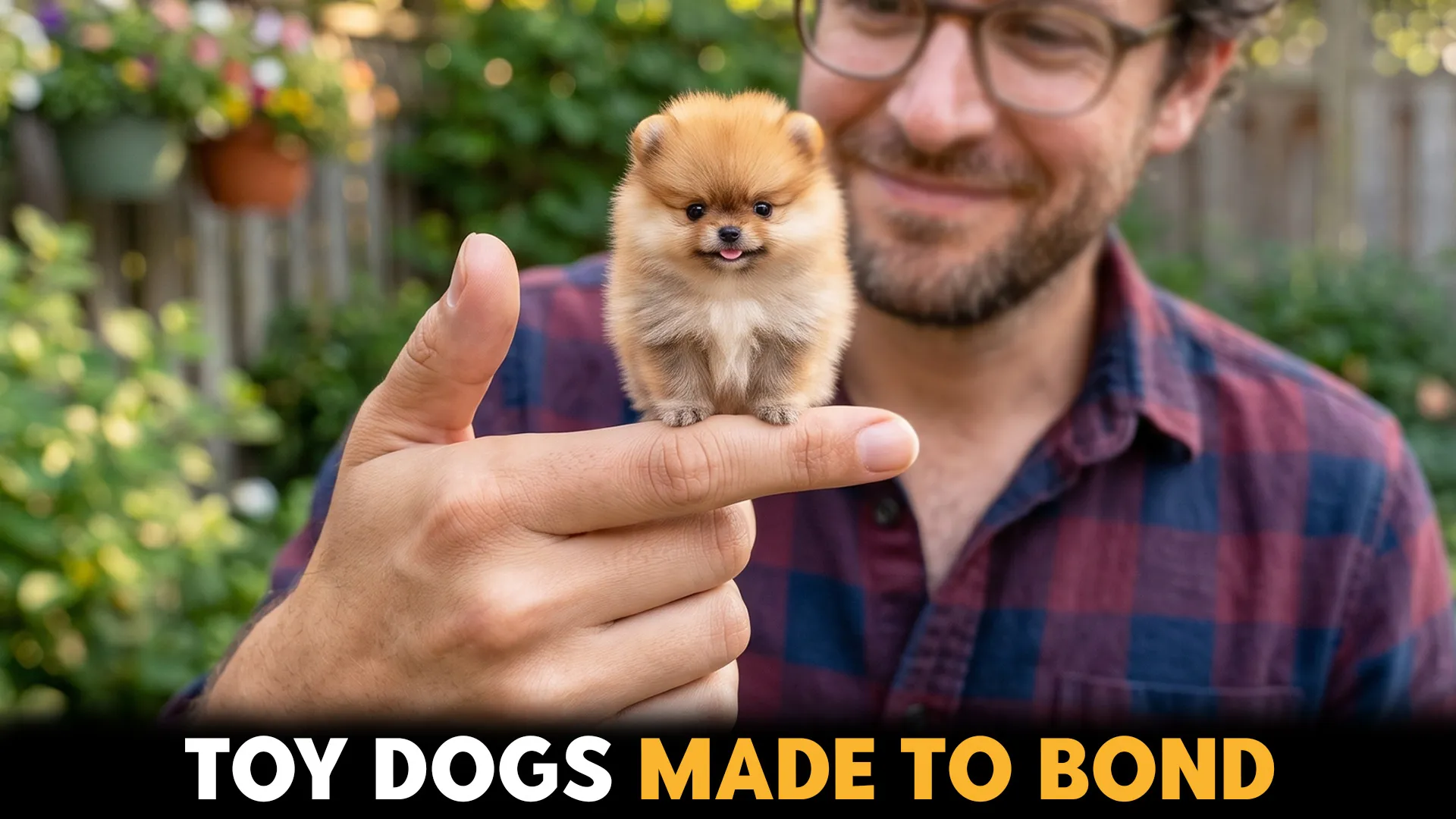
A small dog can change the rhythm of a home. One morning, you are making coffee alone. A few weeks later, there is a furry shadow following you from the bedroom to the kitchen, waiting for you to drop a crumb or simply say hello.
Maybe you want a quiet cuddle partner after work. Maybe you need a playful little athlete that keeps you moving. Or perhaps you just want a dog that greets you like you have returned from a year-long journey, even if you only stepped outside for milk.
From the gentle Pug to the spirited Yorkshire Terrier, each breed below offers its own version of love.
Wonderful Toy Dog Breeds for Every Dog Lover
1. Pug
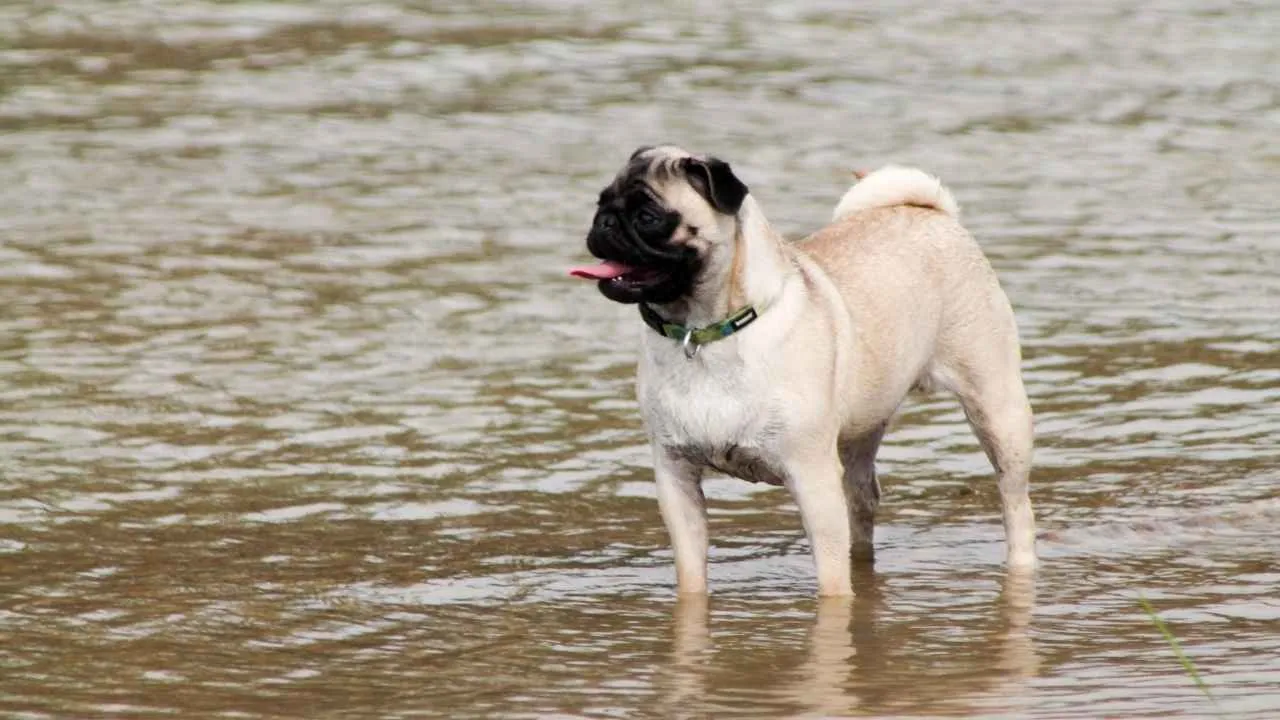
The history of the ancient breed dates back to 700 BCE and was imported from China to Europe in the 16th century. It became a favorite of the French royalty and was famously known for carrying secret messages under its collar, according to Dog’s Australia.
The breed naturally has a low aggression level and is a social butterfly; it makes everyone its friend. It strikes funny poses to amuse the owner. Because of its deep forehead wrinkles, it exhibits various human-like expressions. The breed prefers lounging most of the day once the physical and mental stimulation needs are met.
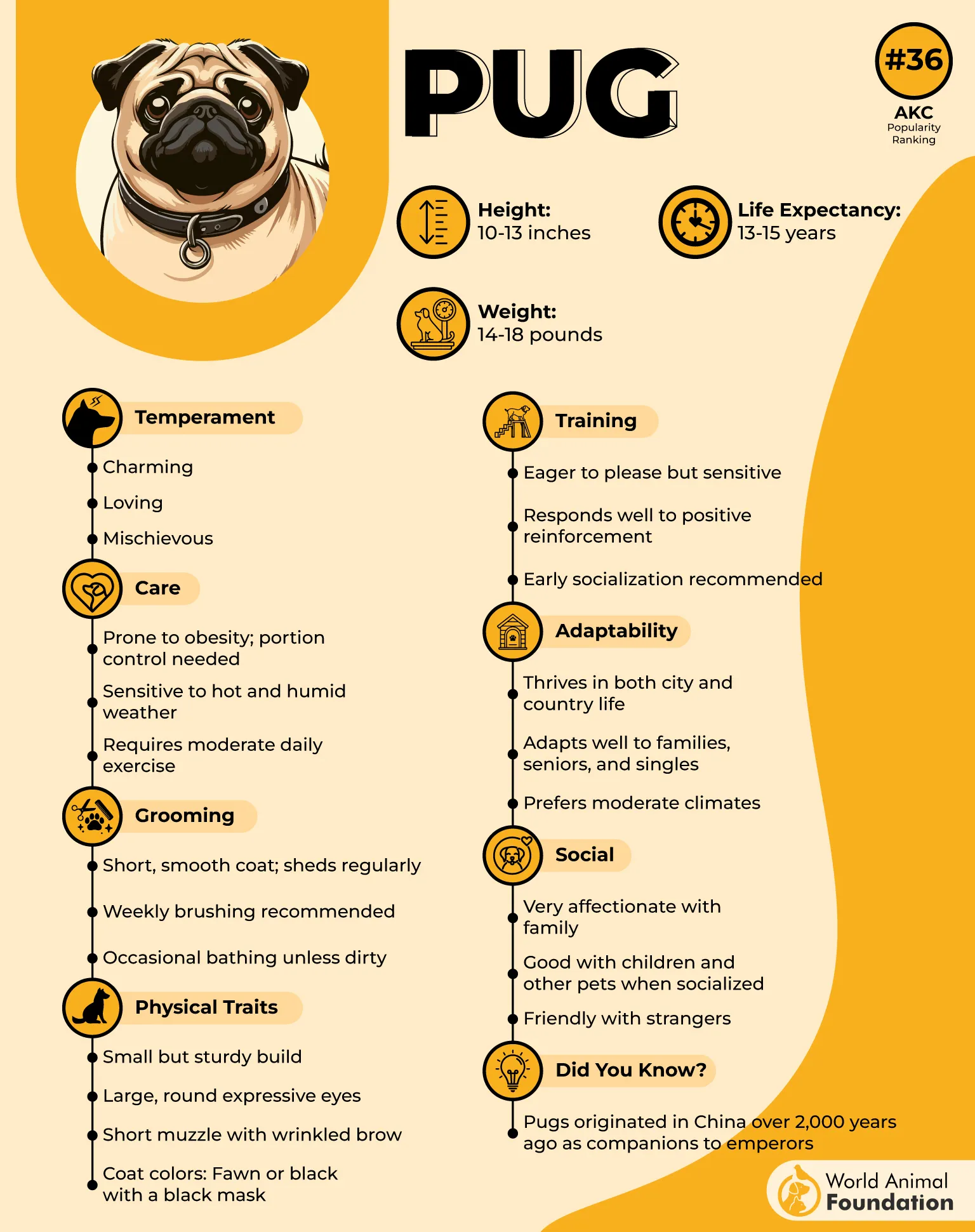
It is highly motivated by food; thus, using treats during training is highly recommended. The breed has a moderate energy level and needs 30-45 minutes of daily exercise.
2. Havanese
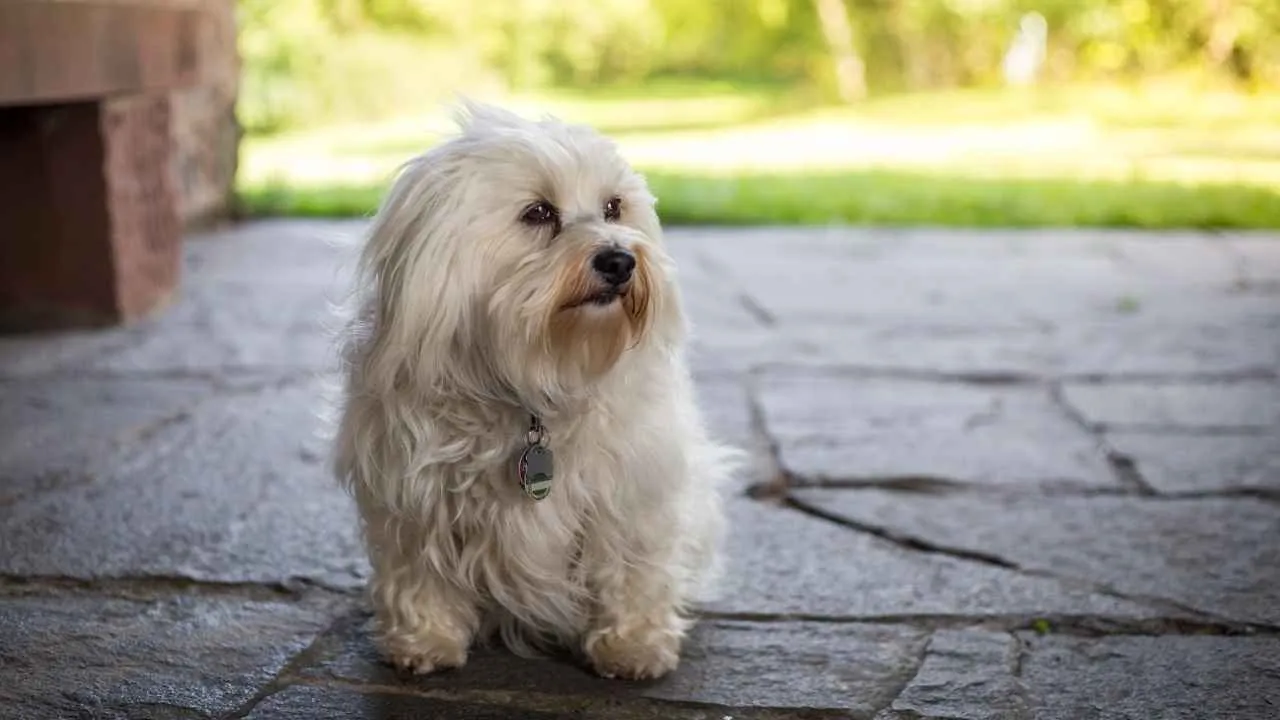
This affectionate dog breed belongs to the Bichon family and is thought to have descended from the Maltese, Bichon Frise, and Bolognese. The lapdog was brought to Cuba from Spain in the 17th century. It entered America in the mid-20th century during the Cuban Revolution.
The Velcro dog uses its powerful hind legs and short front legs to exhibit a ‘springy gait,’ creating a bouncy effect while walking or jumping. While it is not prone to excessive braking, it loves to perch in a high position and keenly looks at its surroundings. It is a natural clown and desires to be the center of attention.
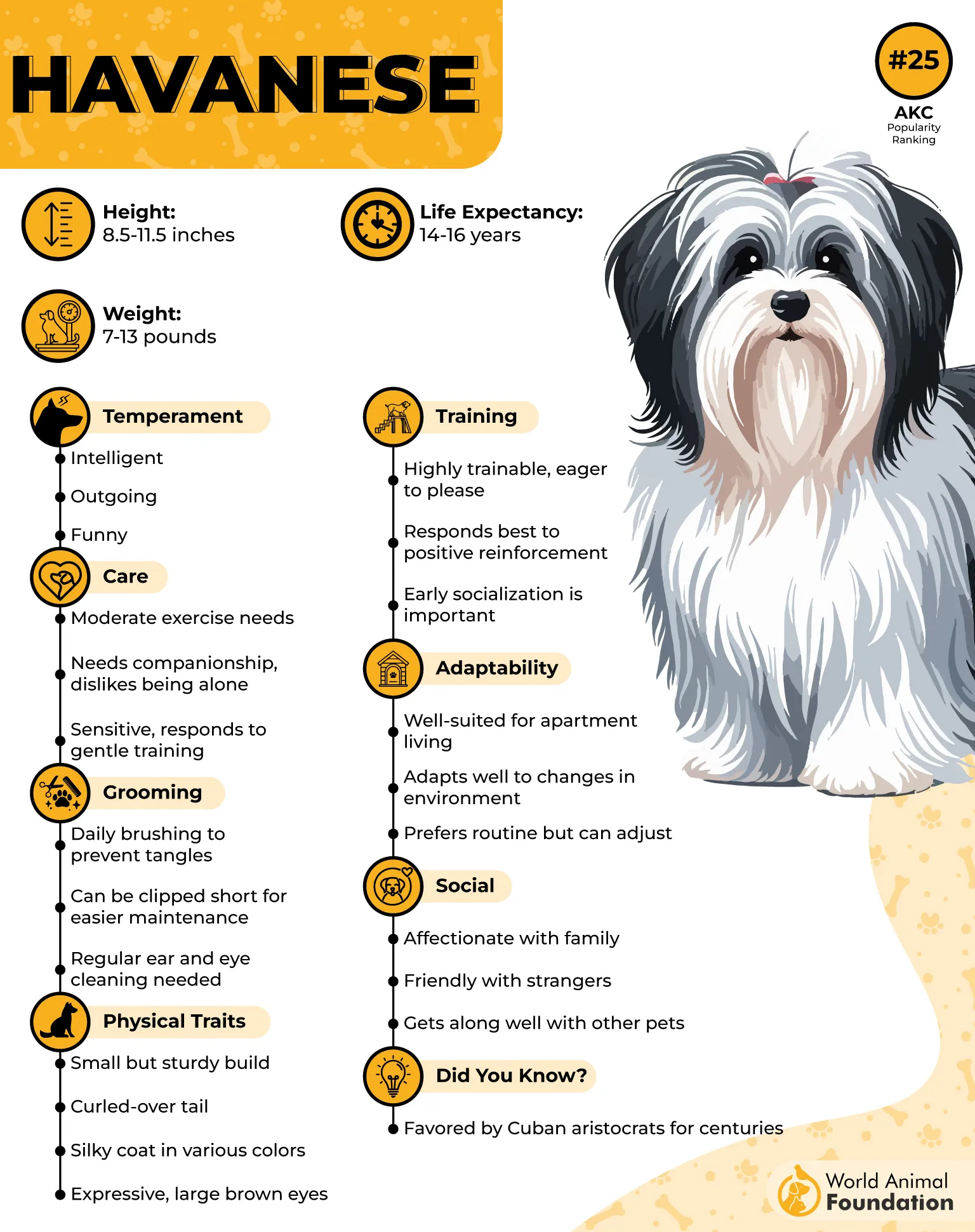
The dog must not be exposed to repetitive and high-impact exercise: 2-3 short walks (15 minutes each), soft fetching, tug-of-war, and interactive puzzle toys are highly recommended.
3. Pomeranian
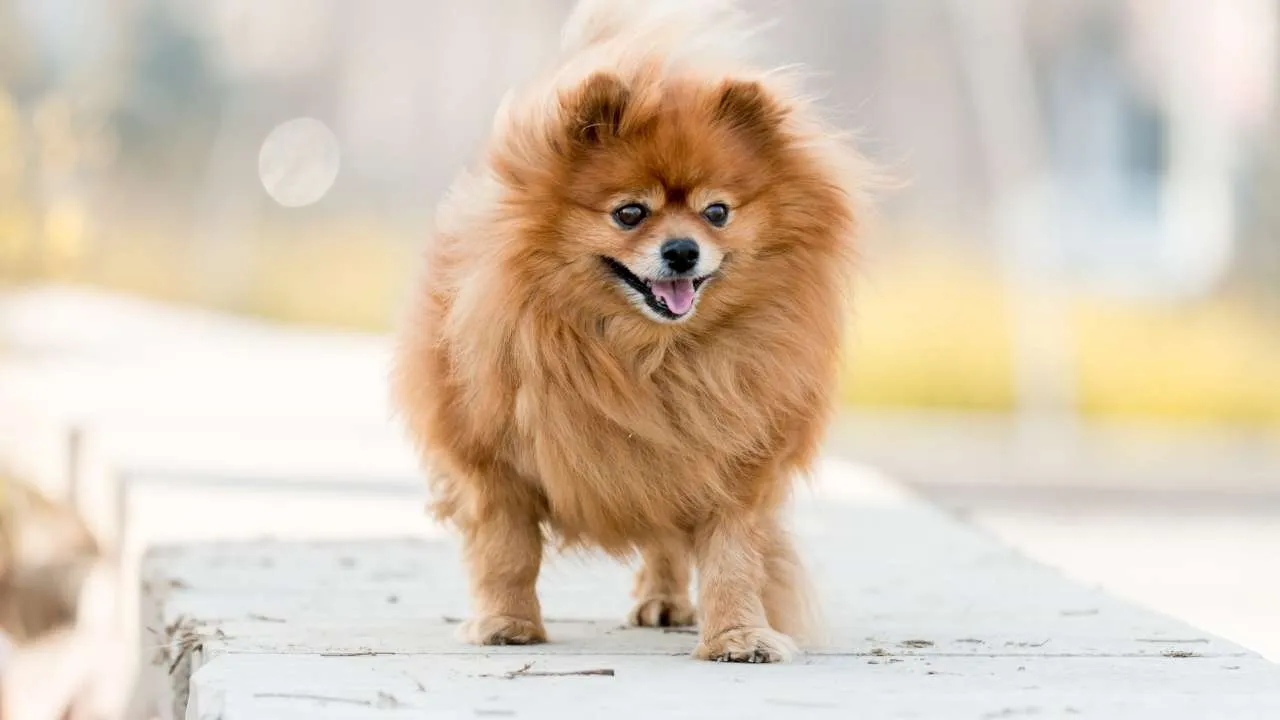
The Spitz-type breed was developed between Poland and Germany and is classified as a toy breed. It gained popularity in the 18th century and went through size reduction during Queen Victoria’s reign. The German Spitz is credited as the ancestor of the small breed, as reported by Wikipedia.

The Pomeranian forms a strong bond with the primary owner, making it a perfect match for apartment living. Known for its ‘palm spin,’ the affectionate companion has a playful energy and moves in tight circles and zooms around the house, followed by a prolonged resting phase.
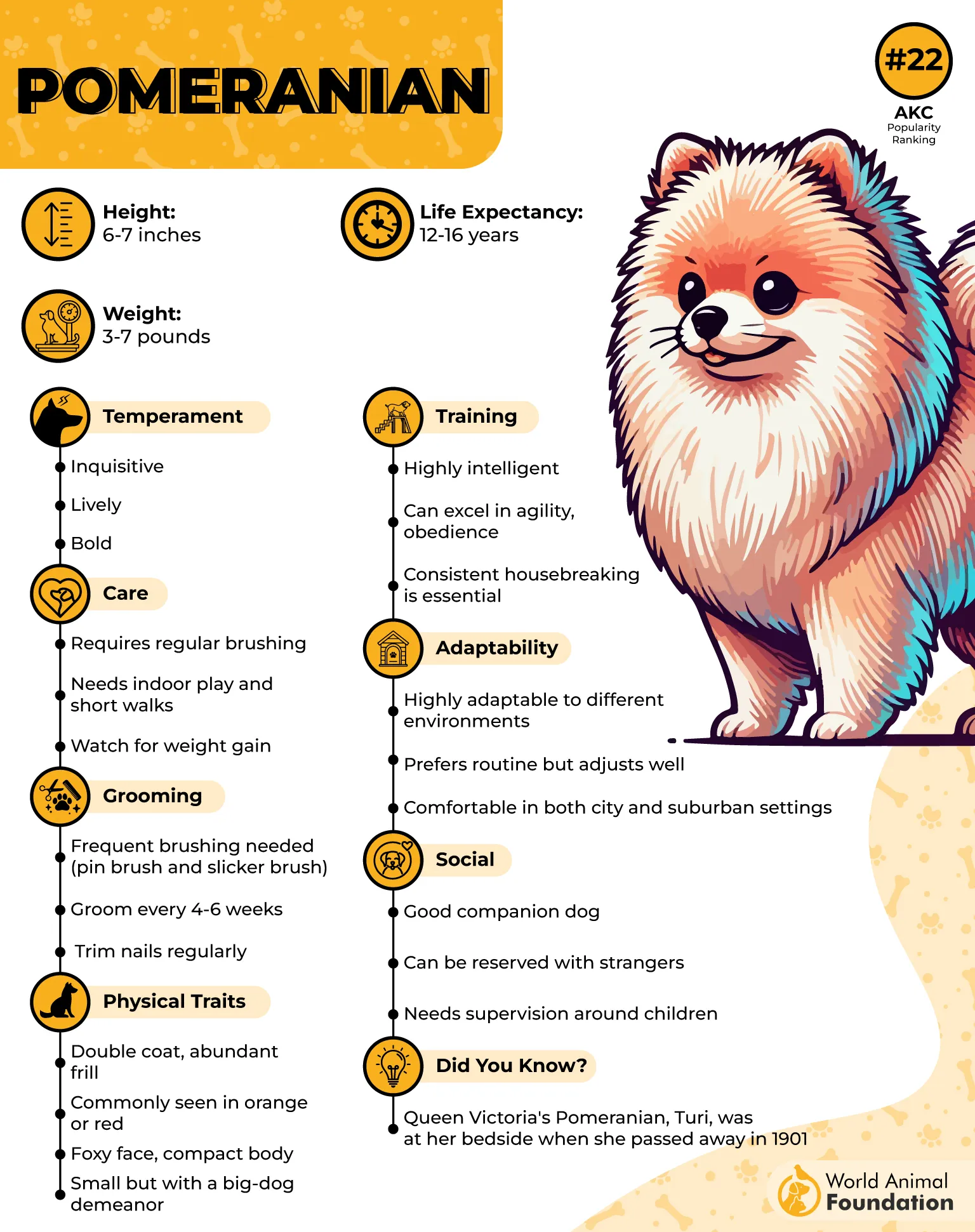
However, the Pomeranian has a stubborn streak because of its independent nature. Thus, obedience training is non-negotiable. It has regular grooming and exercise needs.
4. Toy Poodle
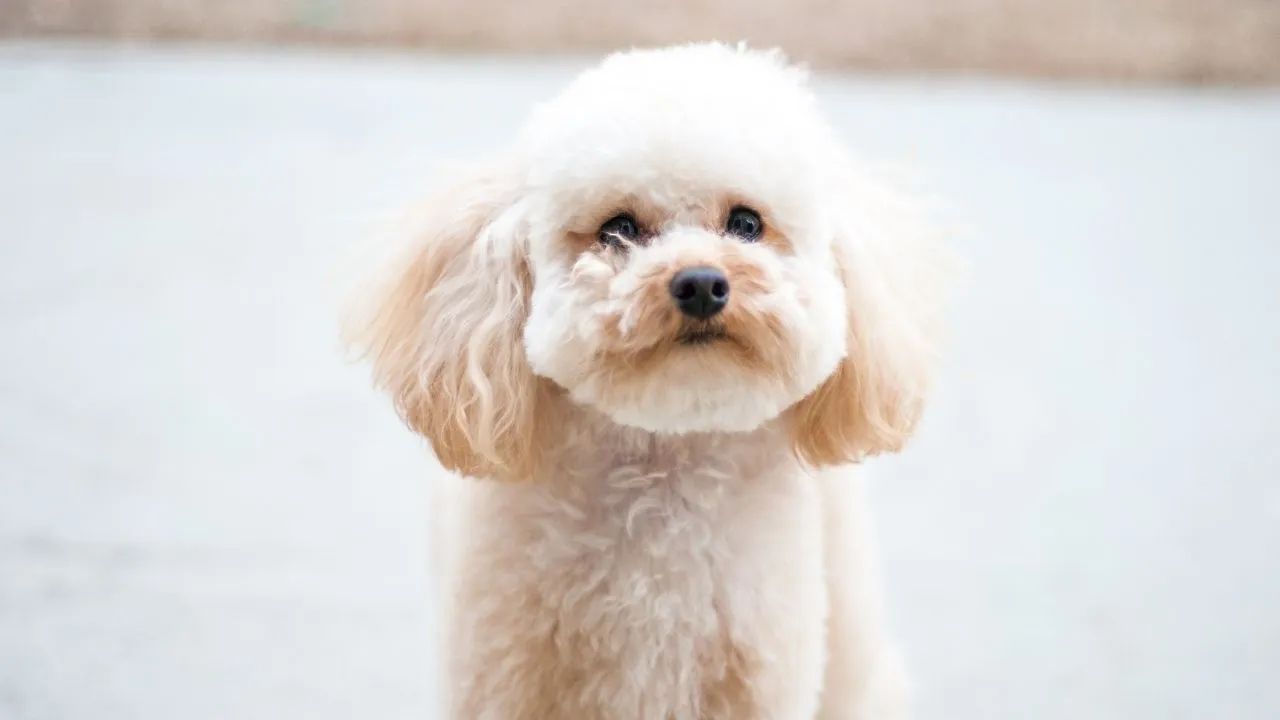
The breed was originally bred from the Standard Poodle, which was developed for duck hunting. Because of the striking appearance and high intelligence, there emerged a desire for having a circus breed. Hence, the Toy Poodle was bred in France for circus performances.
One of the smartest breeds, the Toy Poodle uses toys to interact with the owner by tossing them in the air, catching them, and nudging them against your hand to demand attention. Because of the circus history, the breed frequently shows off performative antics, such as tilting its head, standing on its hind legs, and ‘speaking.’
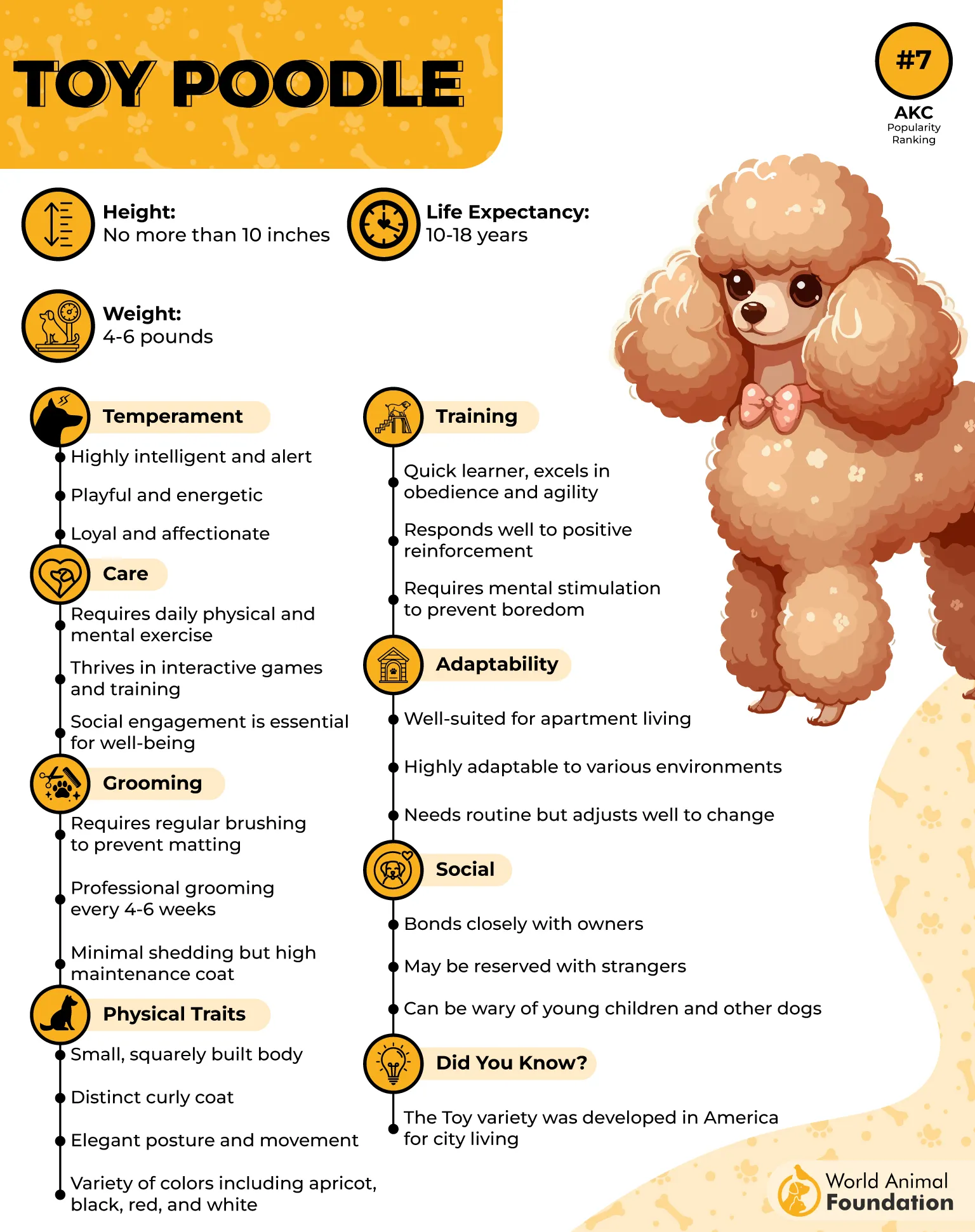
This dog loves to climb up on the chest of the owner and rests its head right under the owner’s chin, mimicking a human hug. It makes intense eye contact with the family members to provide emotional support and read cues.
5. Papillon
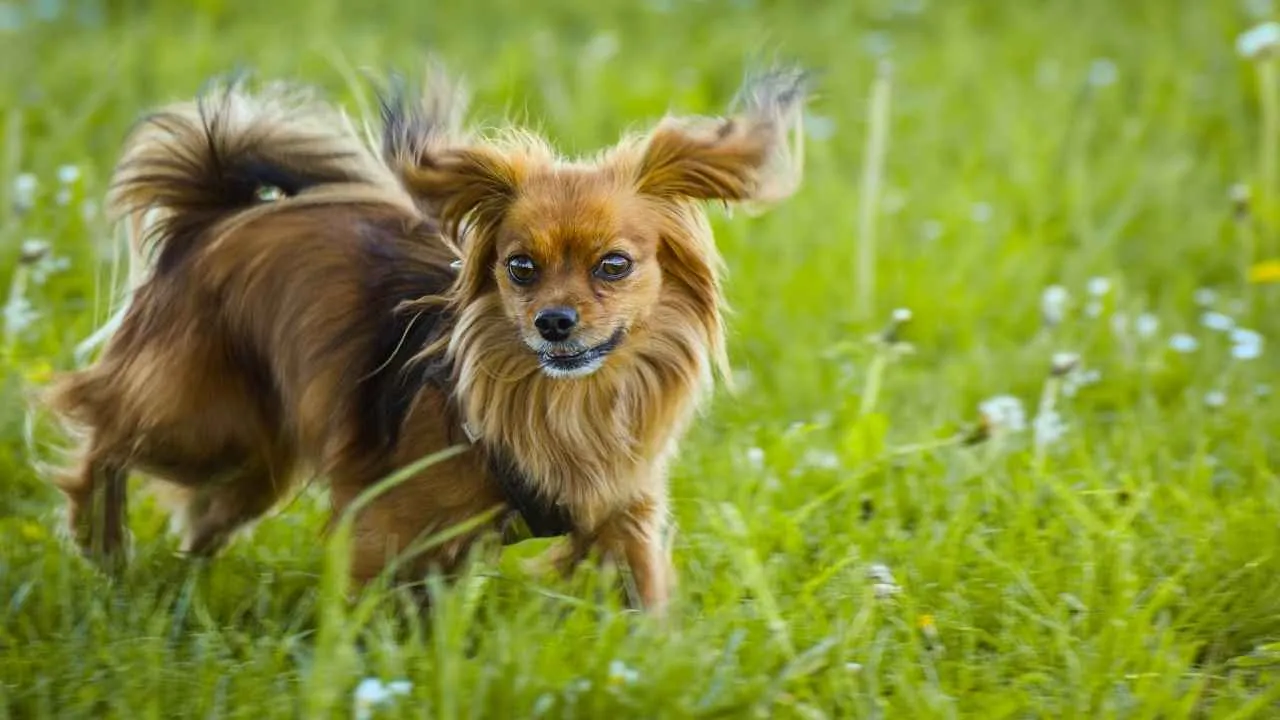
The most affectionate dog breed is closely related to the Toy Spaniel that is still found in the ancient paintings. The dog was originally developed in France and Belgium. The dog was given the name because of its butterfly ears. There is another similar breed, but with droopy ears, says Purina.
Being a natural retriever, the most loyal breed loves fetching small objects: miniature tennis balls or small frisbees. The stunning, long, and silky coat requires minimal grooming. This incredibly affectionate dog has a habit of flying through the air, making it excel in dog sports. The loyal companion bonds closely with the owner and loves to stay close to the family.
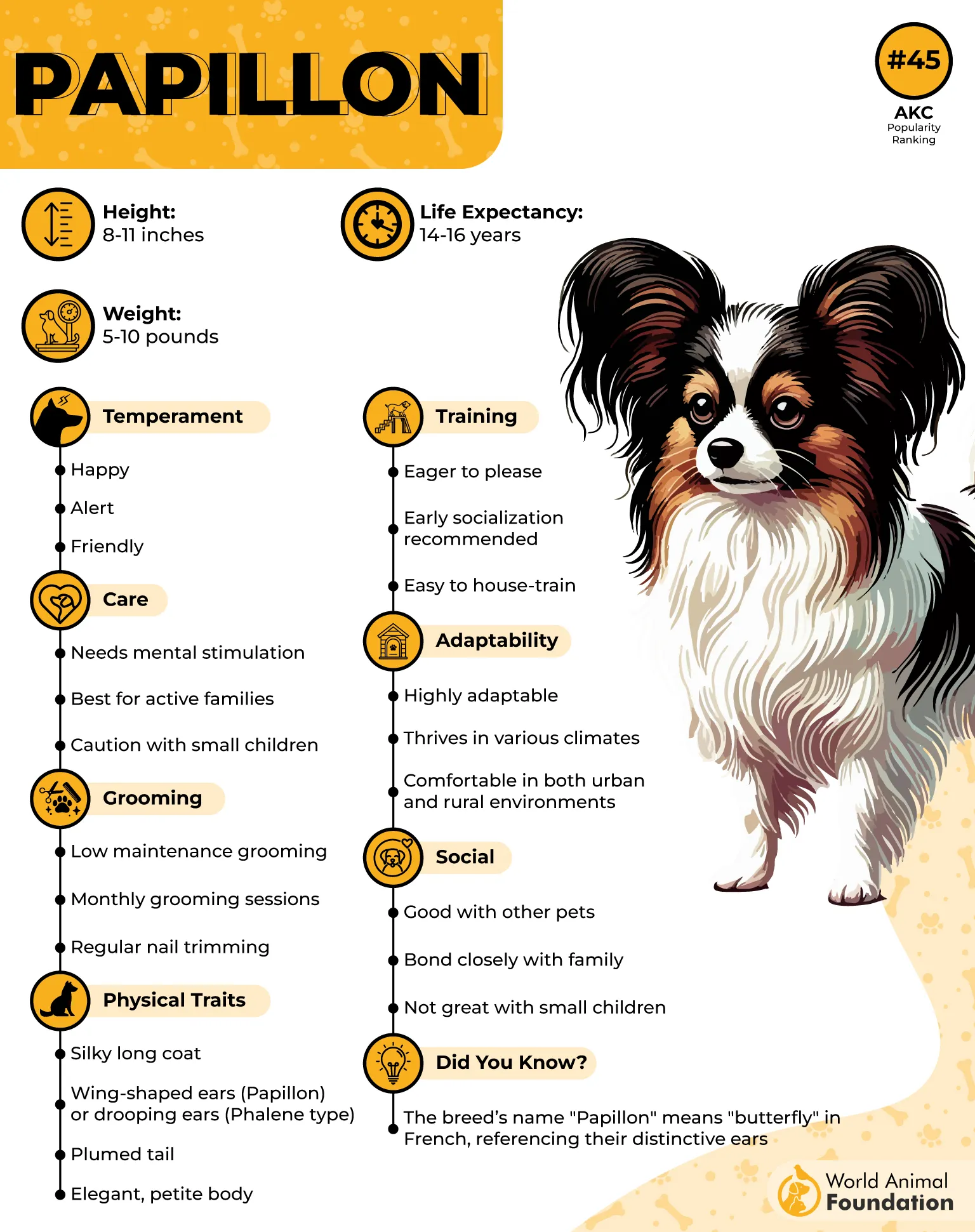
The breed has regular exercise needs (30-60 minutes): brisk walks, scent work, hide-and-seek, agility training, tracking, and obedience training.
6. Maltese
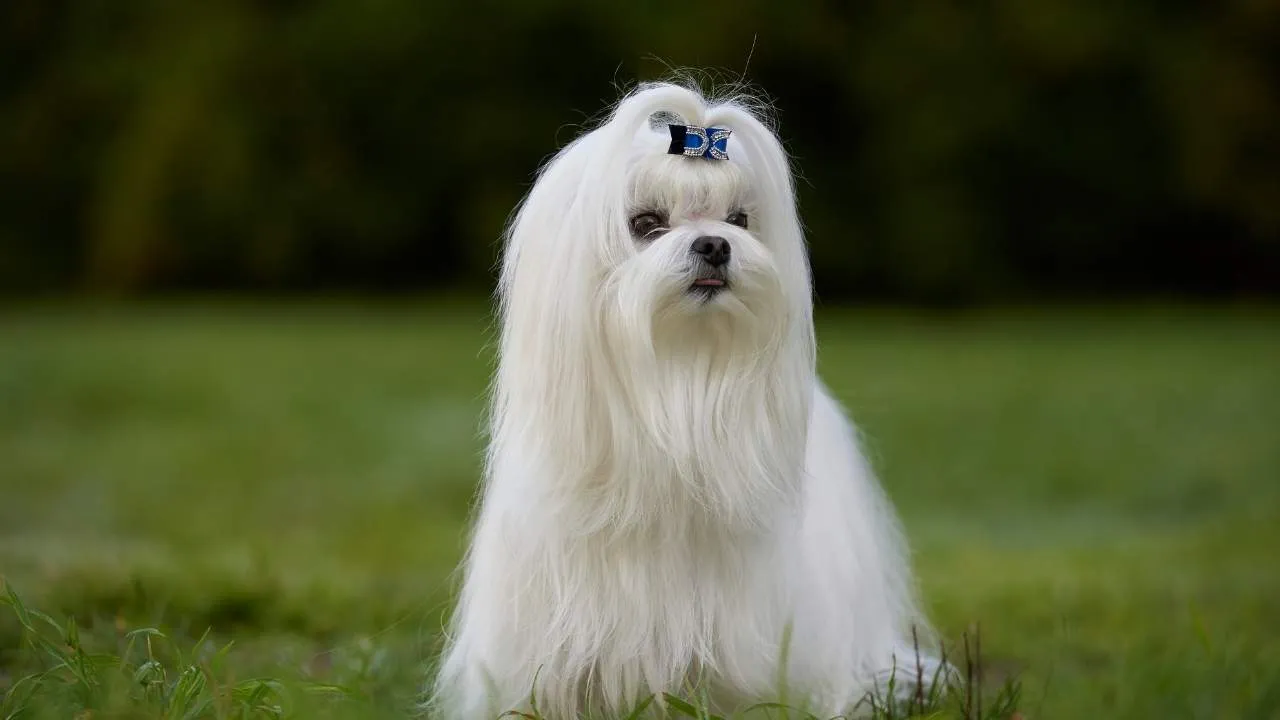
The white dog breed was developed in Malta and is known to have existed for almost 28 centuries. The popular dog breed was famous among Greeks in the 5th century and was also represented in Greek ceramic art. The breed was also carried in the sleeves of the royalty.
Known for its sudden explosive bursts of energy, the best small dog breed loves sprinting in tight circles, mostly right after a bath. It tends to show off new tricks it learns. It has a unique obsession with paper, tissue, or paper towels and likes tearing them apart. The dog exhibits full-body bum-wiggles to show excitement.
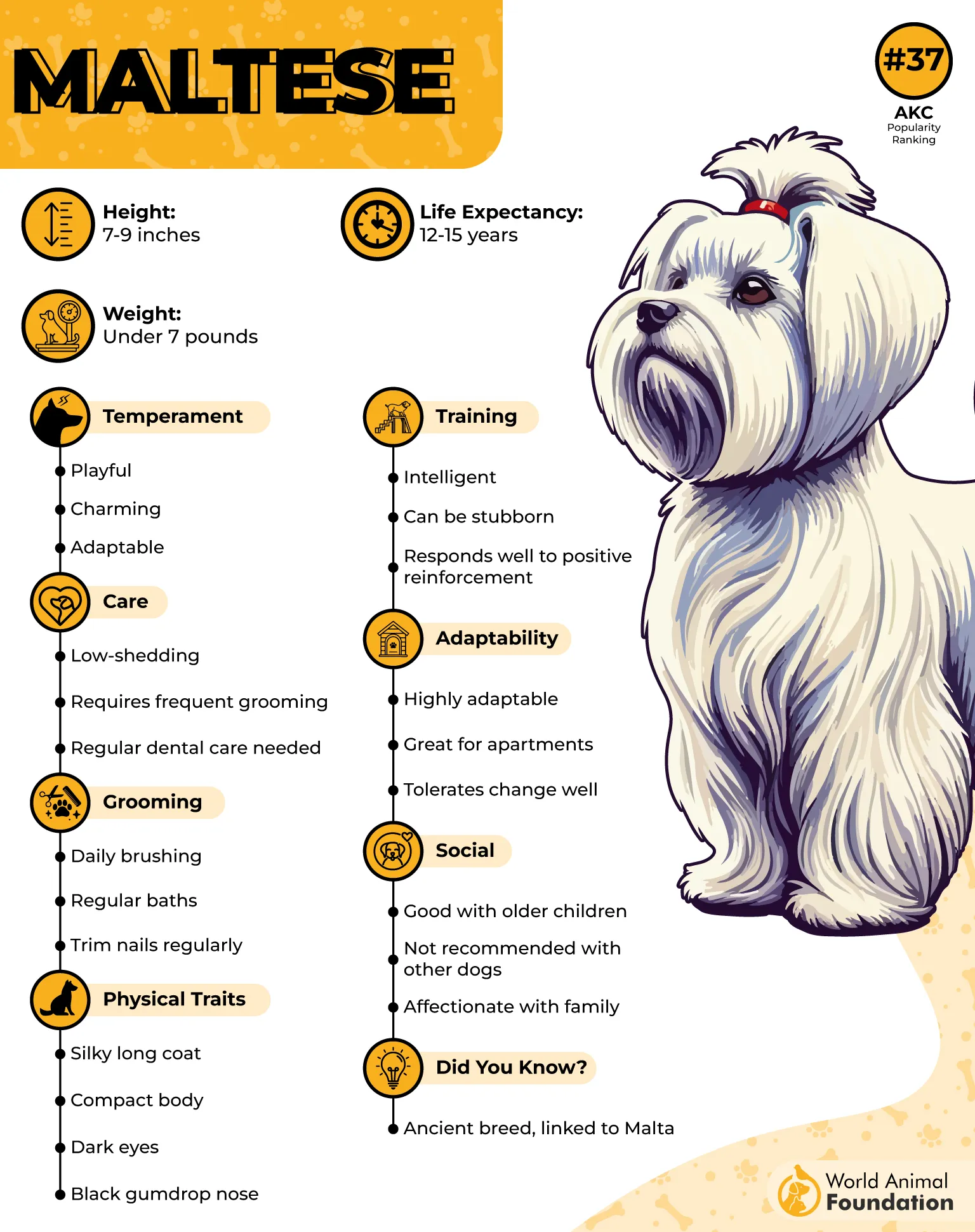
The breed is highly affectionate and attuned to human emotions. The sweet disposition makes it happiest when sitting next to the favorite person. Besides, it also makes a great watchdog and barks to alert the owner of any unusual activity.
7. Yorkshire Terrier
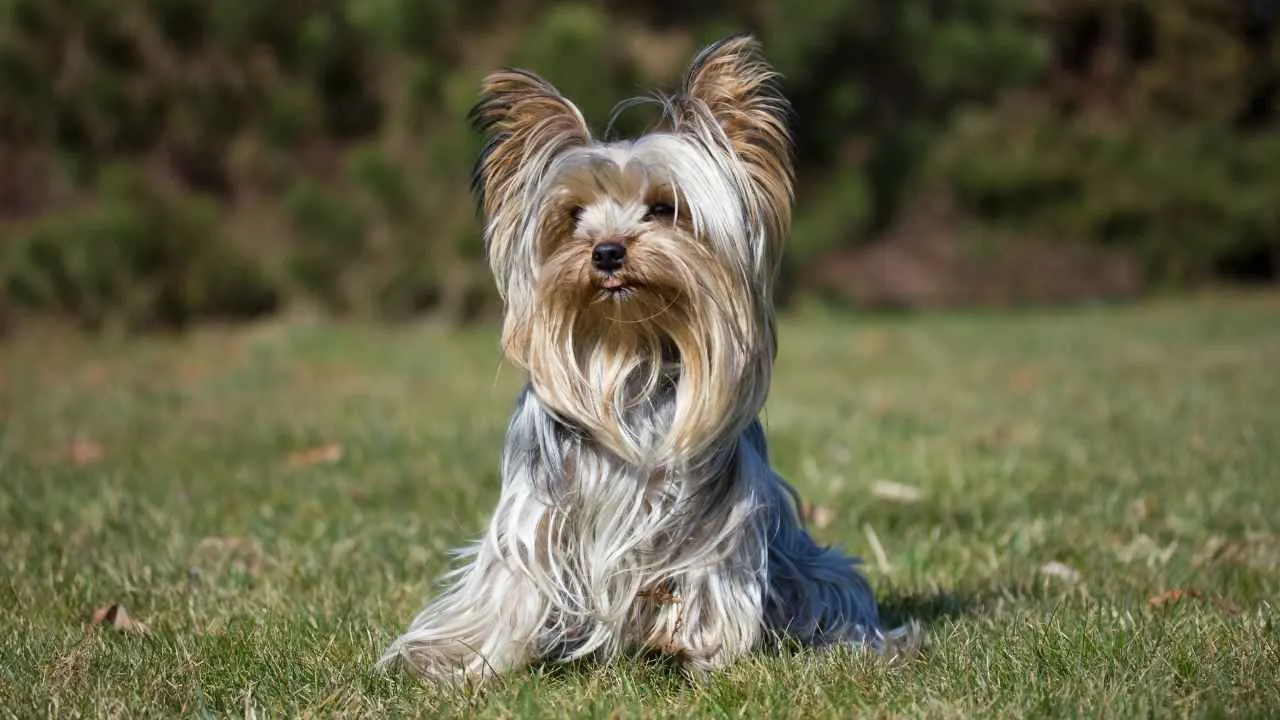
The Scottish weavers brought their small terriers to the city of Yorkshire, and they were interbred with the local dogs during the Industrial Revolution. The breed was originally bred as a ratting dog for the textile and cotton mills. It is thought to have descended from the Skye Terrier, Maltese, etc.
Because of the burrowing instincts, it tends to navigate into tight spaces and is heavily obsessed with squeaky toys. The companion dog is known for stashing its favorite toy somewhere safe as a treat. The breed tends to communicate through vocals: whimpers, groans, and high-pitched “singing” responses.
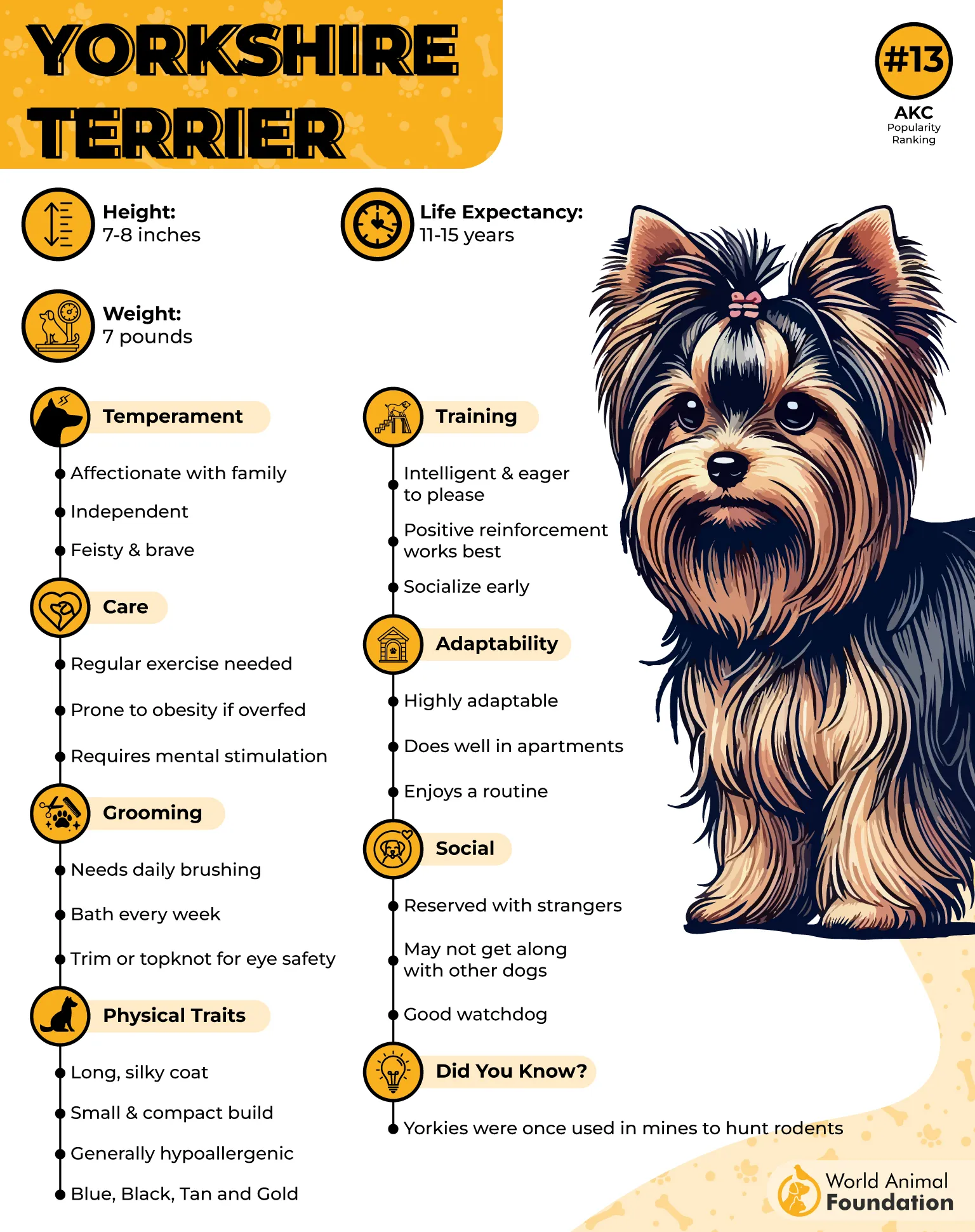
However, the Yorkie has an affectionate nature and may develop separation anxiety when left alone for too long. The breed has moderate exercise requirements, and puppies should not be exposed to high-impact exercise.
Conclusion
Choosing a toy dog is less about finding the cutest face and more about finding the right rhythm for your life. A calm home may suit a Maltese or Pug. A busy household may welcome the social Havanese. An owner who enjoys training may click instantly with a Toy Poodle or Papillon, while a confident Pomeranian or Yorkshire Terrier can bring bold energy to a smaller space.
These dogs may be easy to carry, but they are not low-effort pets. They need safe handling, steady training, regular grooming or veterinary care, and time with their people. In return, they offer loyalty that does not depend on your mood, your schedule, or how your day went.
