




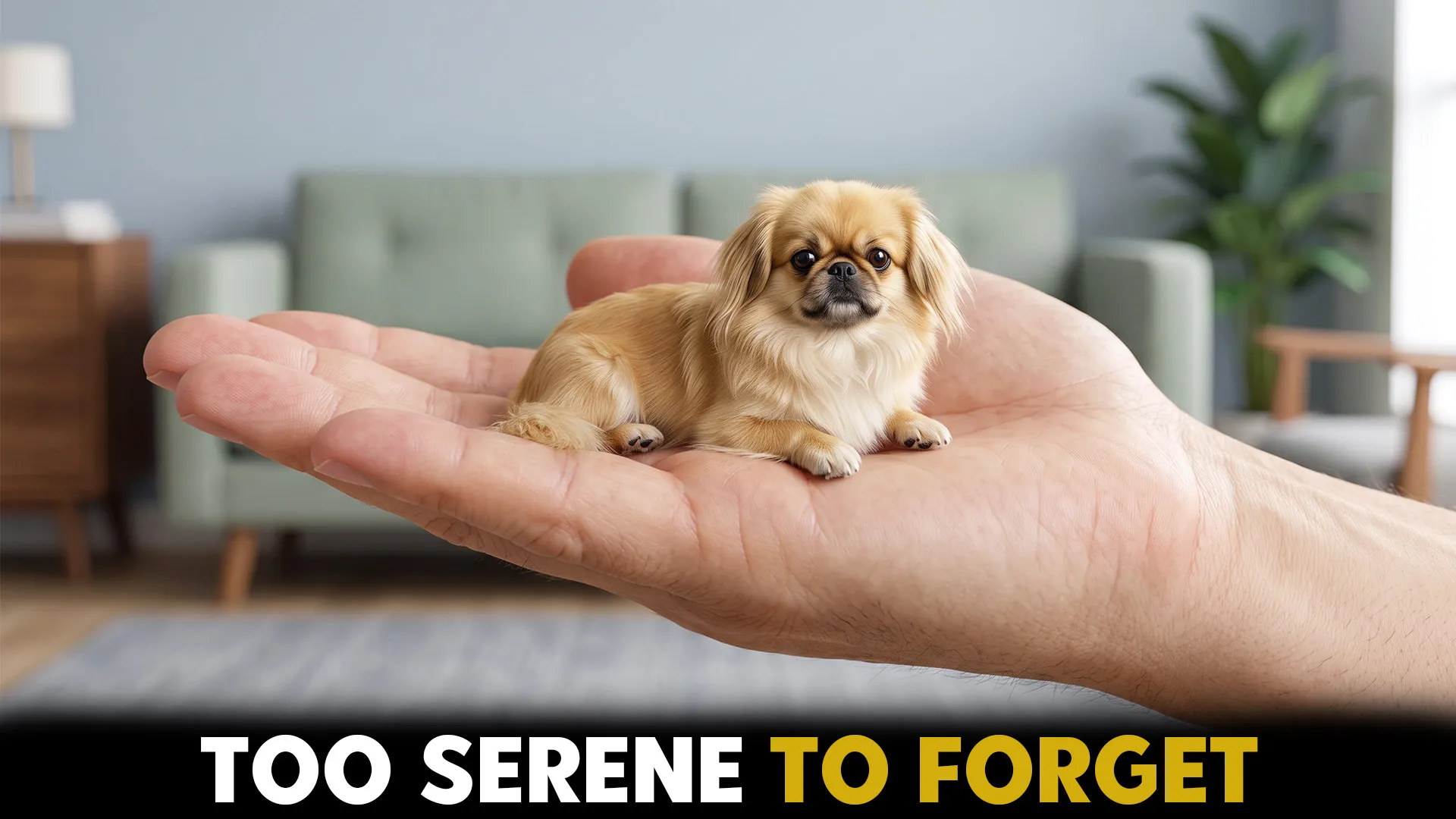
A calm household deserves a dog that appreciates soft sofas, predictable routines, and the sacred importance of an uninterrupted afternoon nap. Toy breeds can fit this vibe beautifully, bringing companionship and comic relief without requiring acres of land. Still, tiny paws do not automatically mean tiny energy or zero barking.
Some toy dogs are naturally mellow, while others need training and mental stimulation before activating their indoor chill mode. Grooming, breathing health, separation tolerance, and sensitivity to noise also affect how peacefully a breed fits into daily life.
These seven dogs offer different versions of cozy companionship, from dignified lap warmers to clever miniature entertainers.
Wonderful Toy Dog Breeds for Calm Households
1. Pomeranian
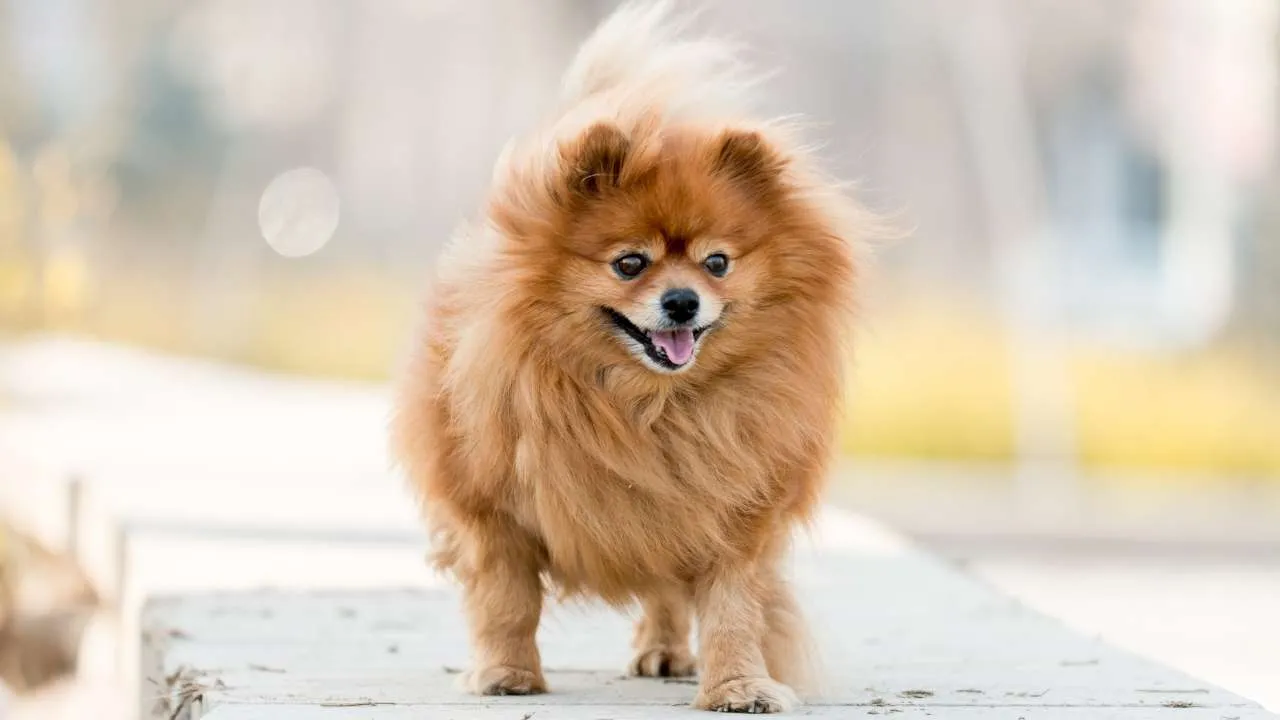
A Pomeranian resembles a smiling puffball, but its personality arrives at full volume and with management-level confidence. Hills Pet calls the Pom an ideal companion whose magnificent coat and vivacious nature have earned worldwide popularity.
These lap dogs can enjoy calm homes because they bond closely with their people and need surprisingly little space. Once exercised and mentally satisfied, many happily curl up beside their owner, monitor household activities, or nap somewhere centrally.
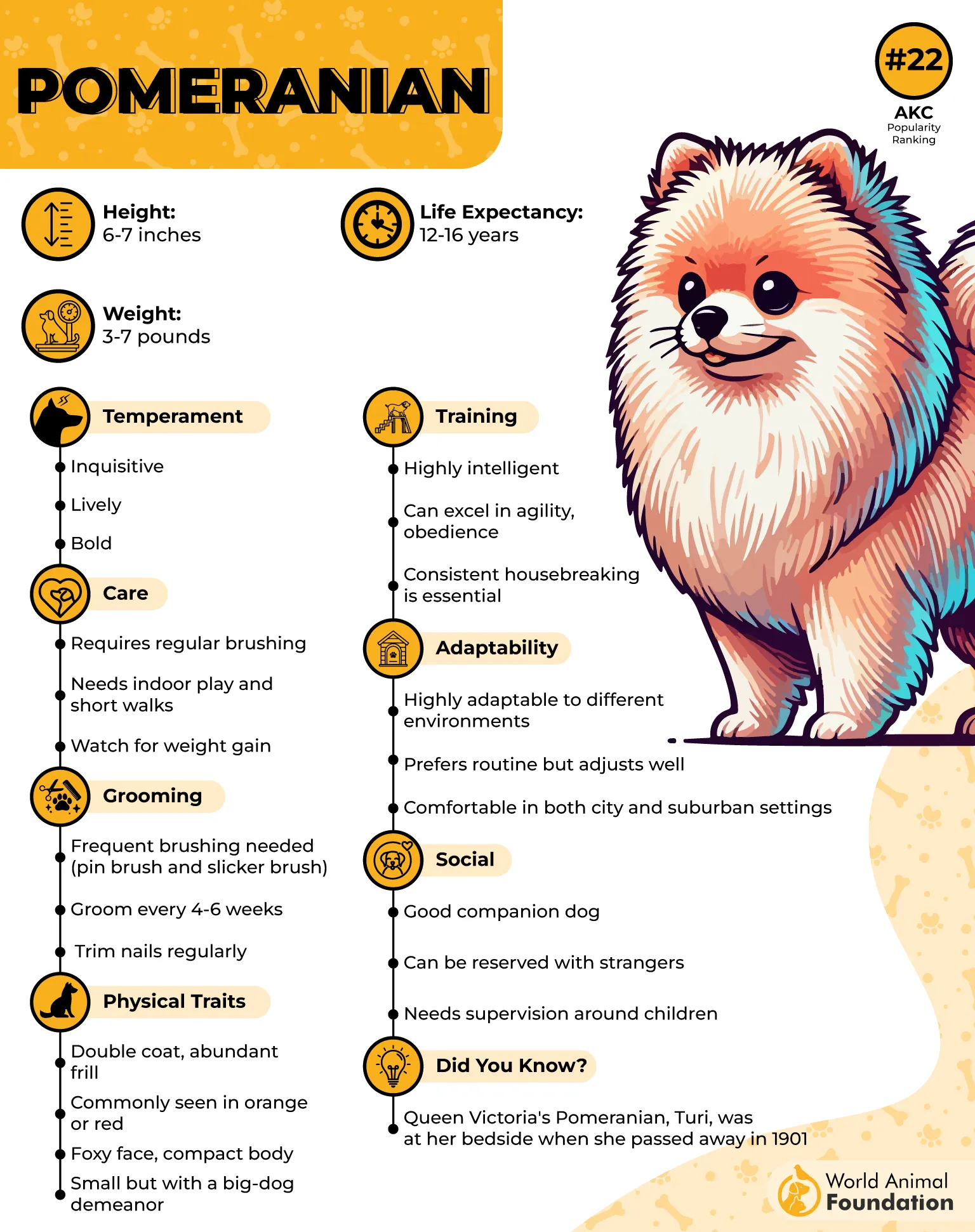
Several short walks, indoor play, and five-minute training games can meet much of an adult Pom’s daily activity requirement. Puzzle feeders, scent searches, and trick practice prevent boredom without bringing chaos into the living room.
Positive reinforcement can teach this small dog to pause after an alert bark, settle on a mat, and greet visitors without hosting a press conference.
How They Calmly Become A Part Of The House
Short walks followed by puzzle games help a Pom exchange restless barking for satisfied sofa time.
Teaching “quiet” and rewarding relaxed behavior keeps its natural watchdog instinct compatible with peaceful living.
2. Yorkshire Terrier

The Yorkshire Terriers become deeply affectionate with one person and enjoy staying close throughout the day. In a quiet adult home, they may divide their schedule between inspecting rooms, requesting attention, and napping in a warm spot.
Purina mentions that this small dog breed needs modest physical exercise but benefits enormously from purposeful mental activity. A couple of short walks, controlled tug games, scent puzzles, and obedience practice can help it relax indoors.
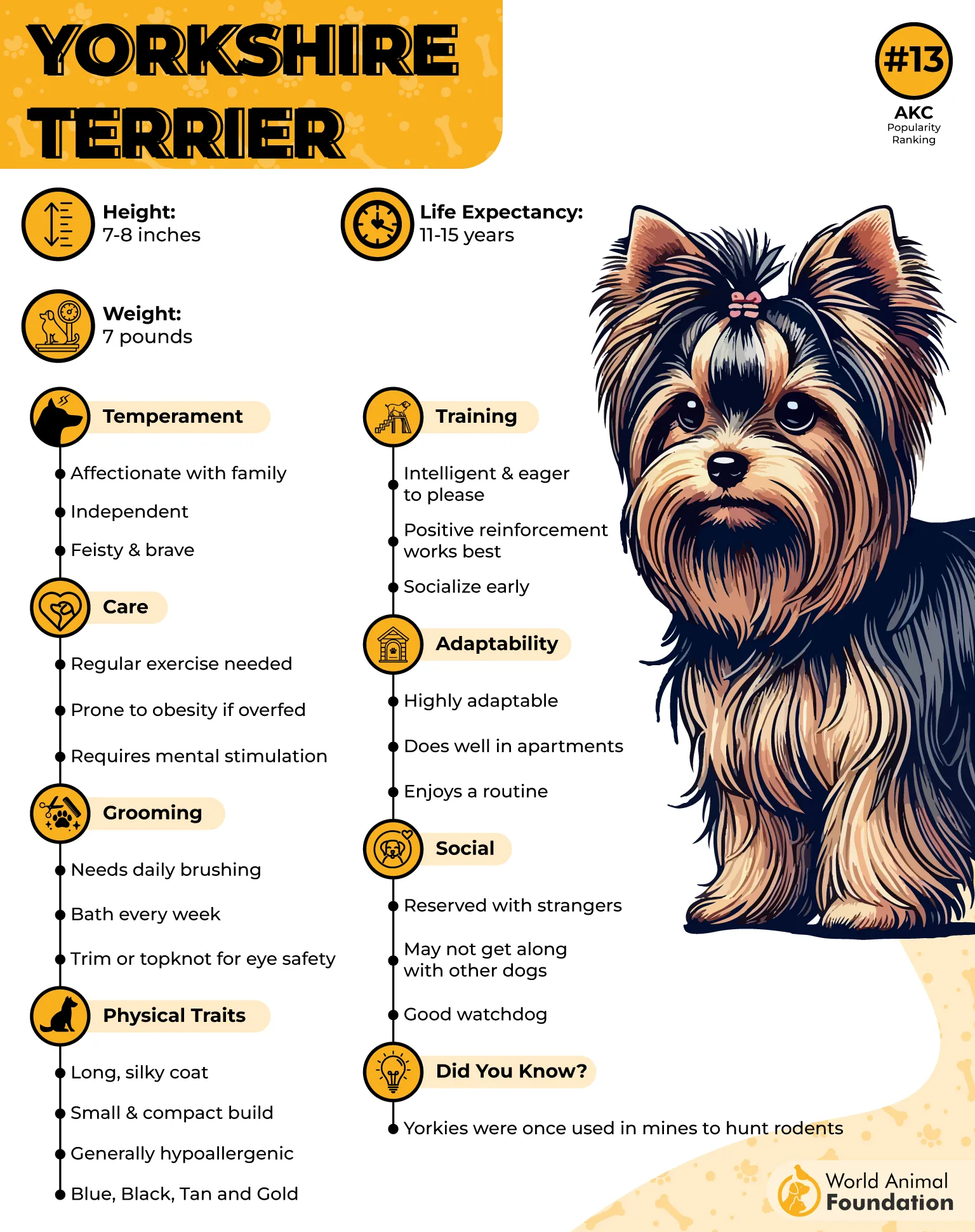
The famous floor-length coat resembles human hair and requires daily brushing, regular bathing, and careful protection from tangles. Most companion Yorkies wear a shorter puppy trim, which makes maintenance easier without eliminating the need for professional grooming.
House-training may require patience because a small bladder leaves very little time between “I might need to go” and “too late.” A regular schedule, indoor supervision, and immediate rewards create clearer habits than punishment ever will.
How They Calmly Become A Part Of The House
A warm bed near their favorite person satisfies the Yorkie’s desire for closeness without constant handling.
Brief scent games provide a quiet outlet for the determined instincts inherited from their working ancestors.
3. Toy Poodle

The Toy Poodle is a compact, intellectual breed that can learn your routine and identify every loophole before breakfast.

A quiet home can suit this sensitive breed extremely well when companionship and mental engagement remain available. They notice changes in voices, schedules, and household tension, often responding closely to their owner’s mood.
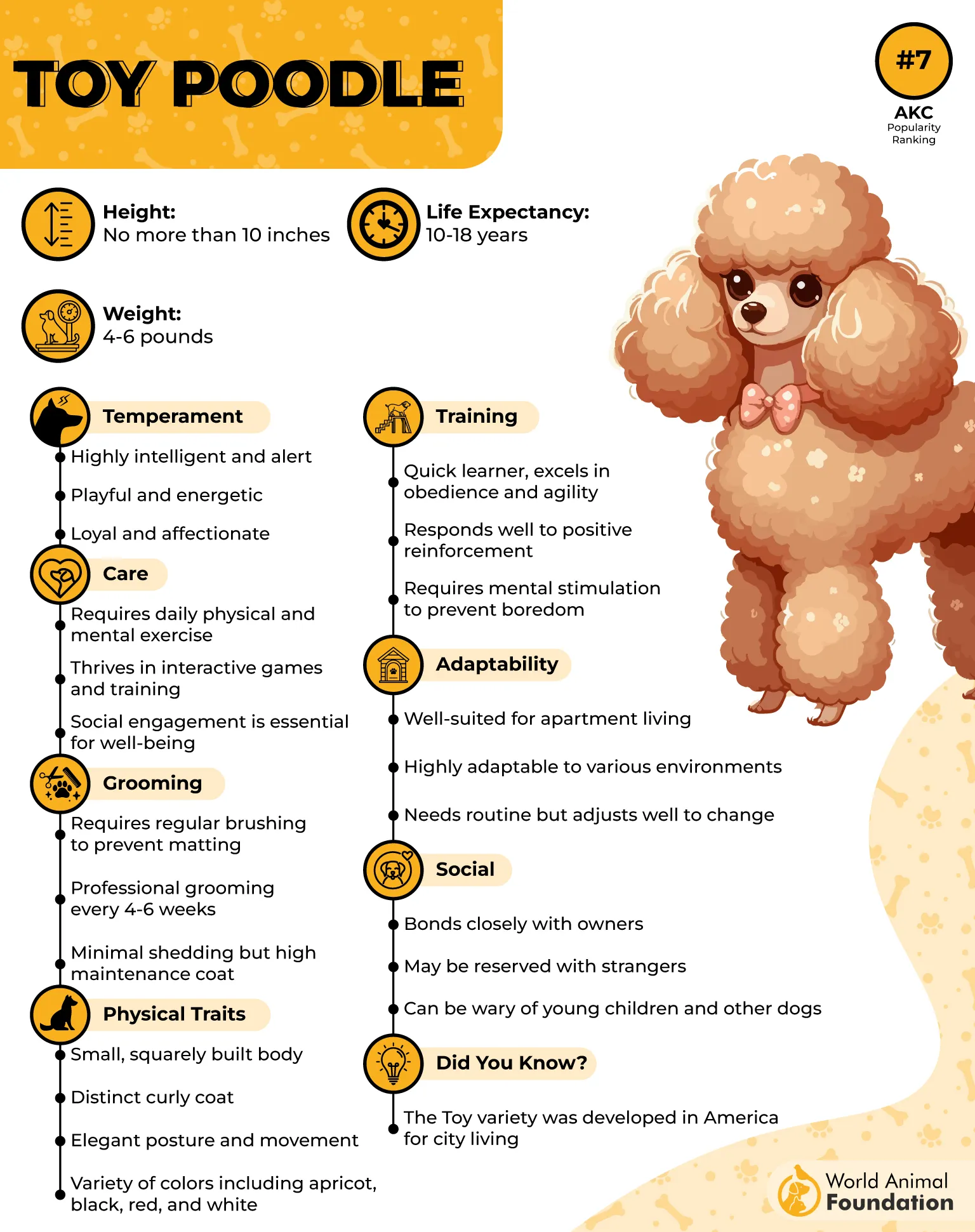
Their bodies may be tiny, but their brains will not accept an empty calendar. Daily walks, food puzzles, hide-and-seek, trick training, and miniature agility exercises help them settle rather than manufacture their own projects.
Loose hair tends to remain trapped within the curls, reducing visible shedding but increasing the risk of mats. Brushing must reach the skin, and professional clipping is generally needed every four to six weeks.
How They Calmly Become A Part Of The House
Brain games tire this clever breed efficiently without filling a peaceful home with frantic physical activity.
Their low-shedding curls reduce floating hair, although regular clipping remains essential for comfortable household life.
4. Pekingese
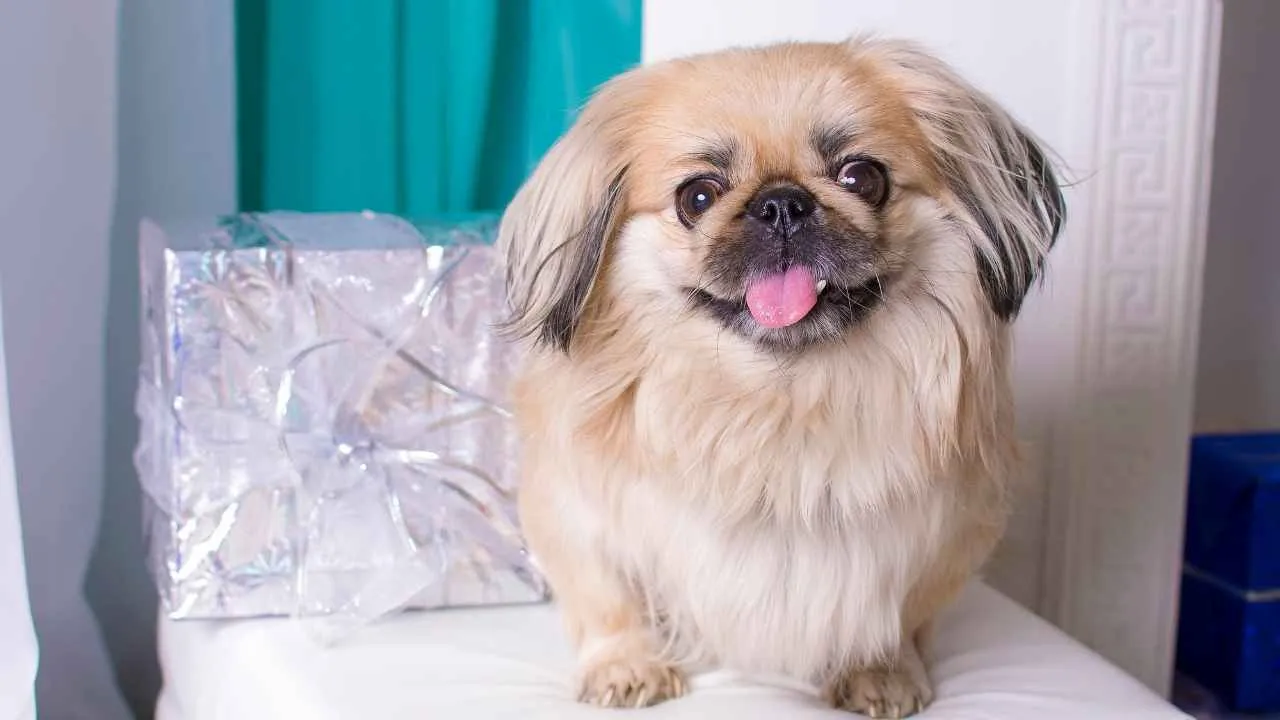
Among these seven breeds, the Pekingese is one of the most naturally compatible with a low-key household. It generally prefers gentle walks, quiet companionship, and a comfortable resting place over relentless games or athletic adventures.
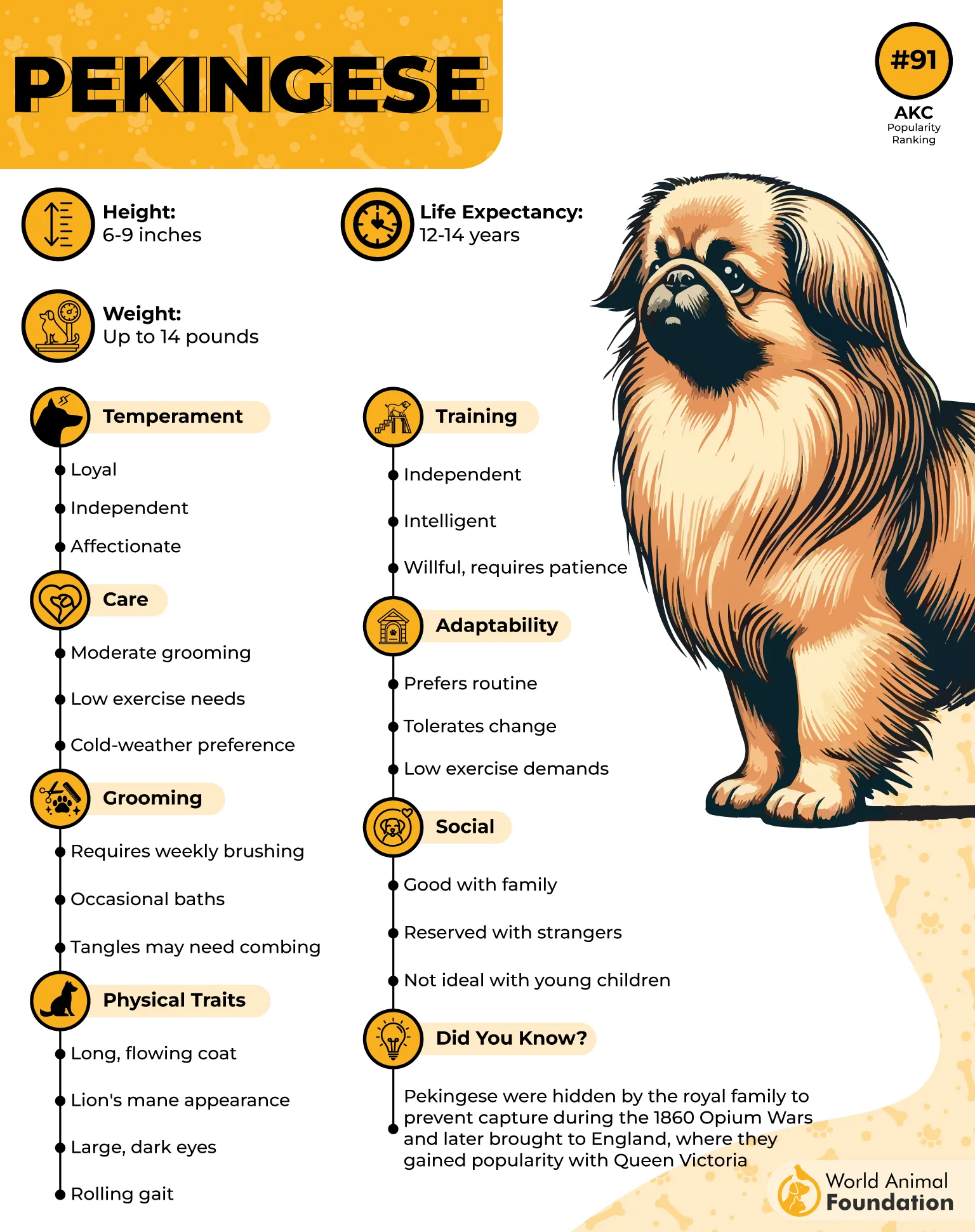
Its independent streak means training needs tact rather than a battle of wills. Short sessions, valuable rewards, and respectful handling usually work better than repetitive drilling or force. Early socialization helps the dog accept visitors, grooming, veterinary care, and ordinary household changes without becoming defensive.
Because of its shortened muzzle, the Pekingese can overheat quickly and should avoid strenuous activity or warm-weather walks. Stairs and high furniture may also challenge its long-backed, front-heavy build, making ramps and non-slip flooring sensible additions.
How They Calmly Become A Part Of The House
A Pekingese naturally appreciates slow routines and can spend long stretches resting near a trusted owner.
Giving it a quiet retreat protects its boundaries when visitors or household activity become overwhelming.
5. Cavalier King Charles Spaniel

The Cavalier King Charles Spaniel combines lapdog tenderness with just enough sporting enthusiasm to keep life interesting. British royalty helped make small spaniels fashionable, while their hunting ancestry left modern Cavaliers fond of walks and outdoor exploration.
This breed’s gentle, sociable temperament often feels made for peaceful family life. Cavaliers usually want to sit close, follow their people between rooms, and greet familiar guests without turning the occasion into a major security incident.
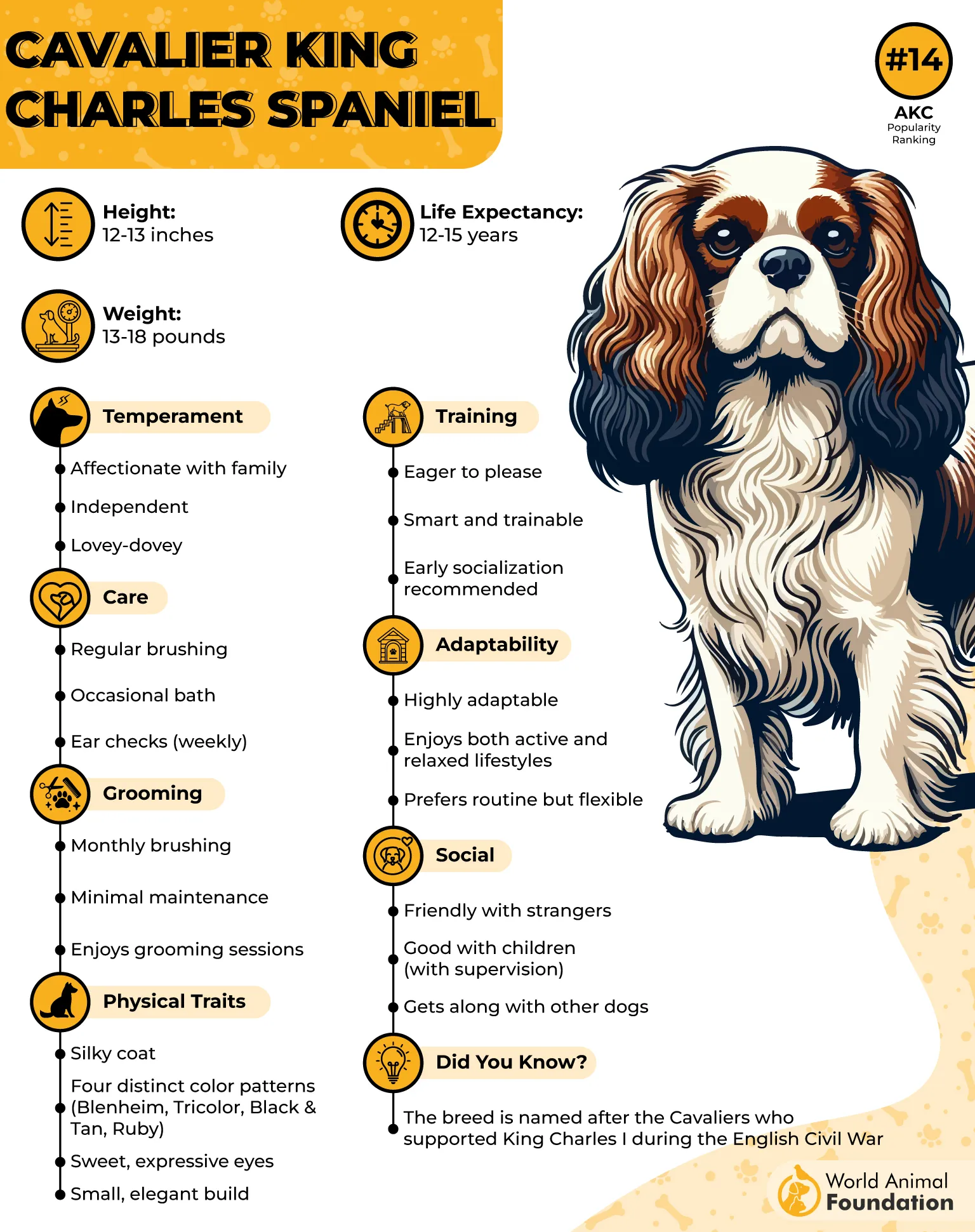
Moderate exercise keeps them healthy without requiring an extreme outdoor lifestyle. A daily walk, gentle fetch, sniffing opportunities, and occasional countryside trips can be followed by hours of contented lounging.
Affection is their superpower, but intense attachment can make prolonged isolation difficult. In a home offering warmth, routine, and responsible healthcare, the Cavalier slips into family life as it has always belonged there.
How They Calmly Become A Part Of The House
Their moderate energy creates a pleasant balance between daily walks and long, affectionate rest periods.
A friendly nature helps many Cavaliers welcome familiar people and compatible pets without creating household tension.
6. Pug
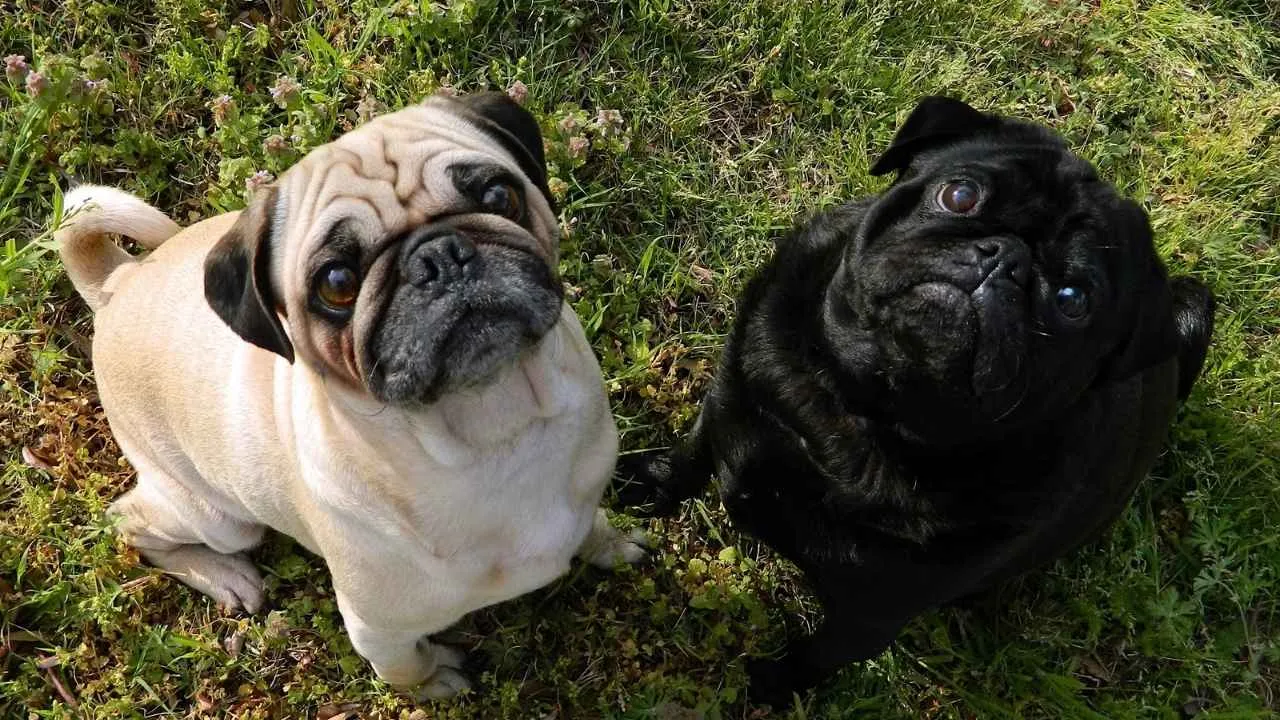
The Pug has the face of a concerned philosopher and the comic timing of someone who knows exactly what it is doing. They live to love and receive love in return.
This calm dog breed typically enjoys peaceful households because human company matters more to them than constant outdoor action. They are often friendly with children, visitors, dogs, and other pets when socialized properly.
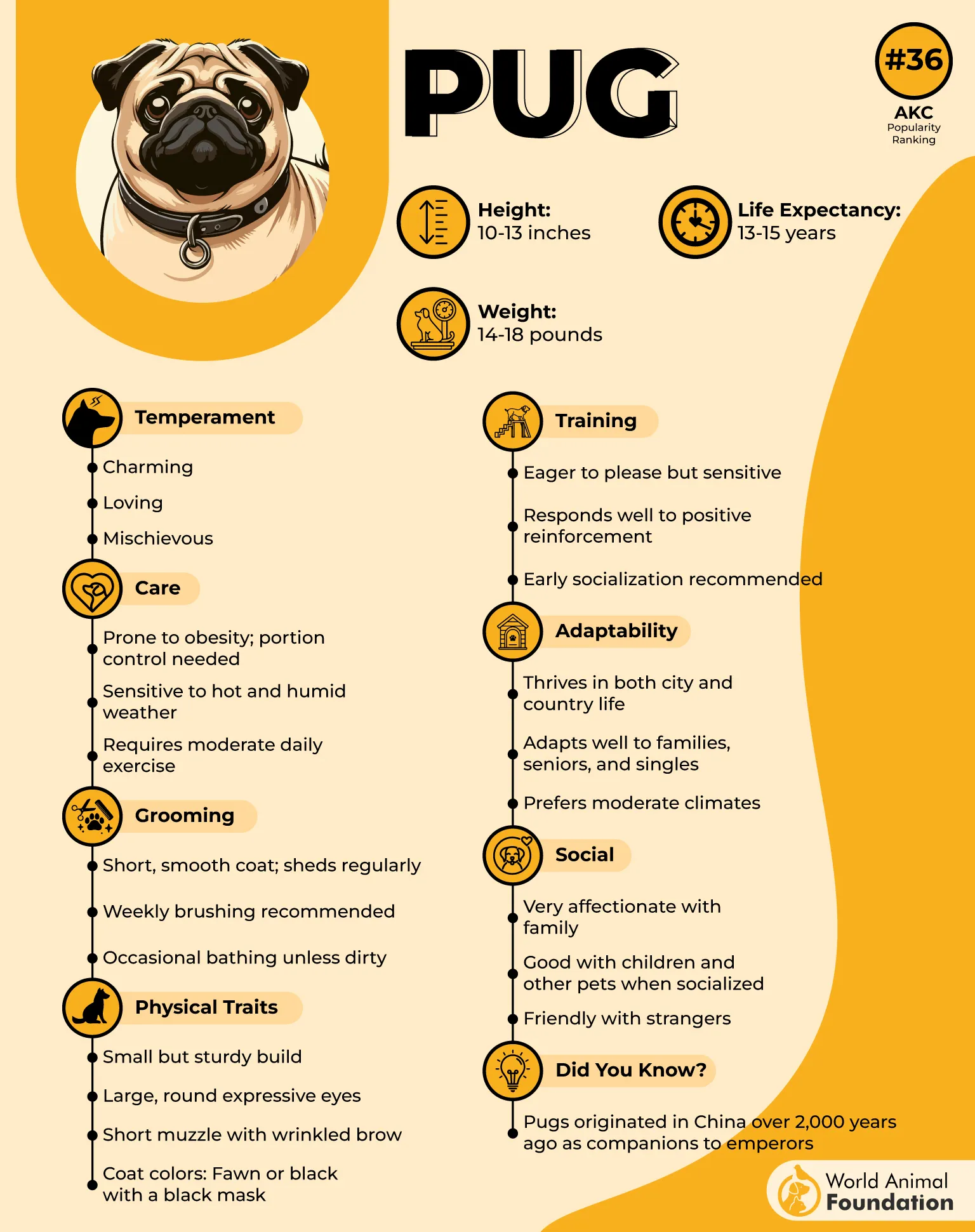
Several short walks of roughly 15–20 minutes can suit many healthy adults better than one strenuous outing. Orvis recommends low-key exercise and notes that Pugs are generally calm couch potatoes between their playful moments.
Food motivation can make training fun, though extra treats can quickly add up to extra pounds. Obesity increases pressure on the joints and can intensify breathing or heat-regulation problems, so portions need to be accurately measured.
How They Calmly Become A Part Of The House
Their favorite form of enrichment often involves companionship, making shared quiet time deeply satisfying.
Several brief walks fit naturally around a relaxed schedule while protecting the breed from overexertion.
7. Shih Tzu
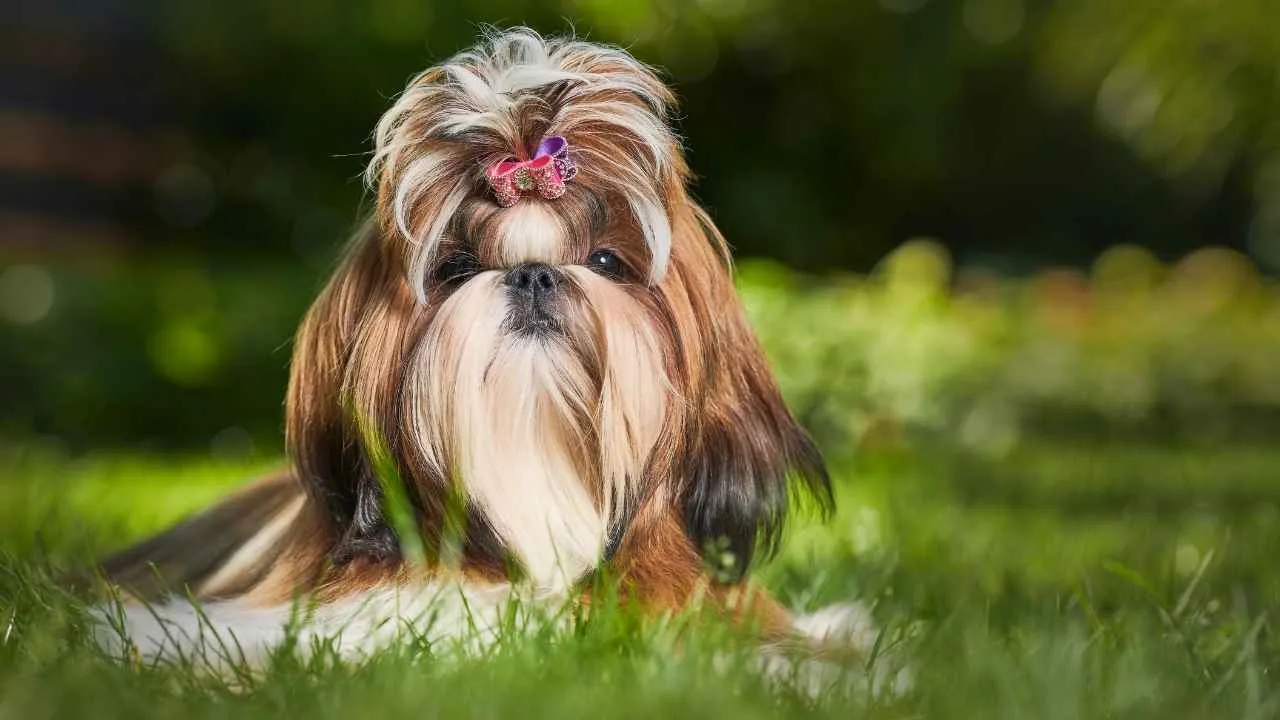
The Shih Tzu was not bred to herd sheep, chase foxes, or pull a sled; its historical assignment was essentially “be delightful near royalty.”
These great family pets are always eager to please their owners and often thrive in peaceful homes, as they enjoy closeness without needing nonstop physical activity. A typical adult may play enthusiastically for a few minutes, patrol the kitchen for developments, and then settle beside its owner.

Their exercise needs are generally modest, but daily movement still supports physical and emotional health. Short walks and gentle indoor games usually provide enough activity for this small dog, particularly when sniffing and exploration are included.
A long show coat demands daily brushing, frequent bathing, careful drying, and regular attention around the eyes. A puppy cut reduces tangling and makes home maintenance far more realistic, though professional grooming is still commonly needed every four to six weeks.
How They Calmly Become A Part Of The House
Gentle indoor play provides entertainment without demanding a noisy yard or an intensely active family routine.
A practical puppy cut keeps grooming manageable and helps the dog remain comfortable during long cuddle sessions.
Conclusion
A calm breed can fit comfortably into a peaceful household, but size alone does not guarantee a peaceful match. Barking tendencies, sensitivity, exercise, grooming, health, and tolerance for solitude matter far more than the amount of floor space a dog occupies.
Basset Hounds, Italian Greyhounds, Bichon Frises, Japanese Chins, Miniature Dachshunds, French Bulldogs, Biewer Terriers, Chinese Crested Dogs, and Saint Bernards are also known to form strong bonds with family members living in a calm household.
Before choosing, meet adult dogs, discuss their temperaments with experienced owners, and review documented health tests from responsible breeders. Compare each breed’s needs with your ordinary weekday rather than your most ambitious weekend.
