




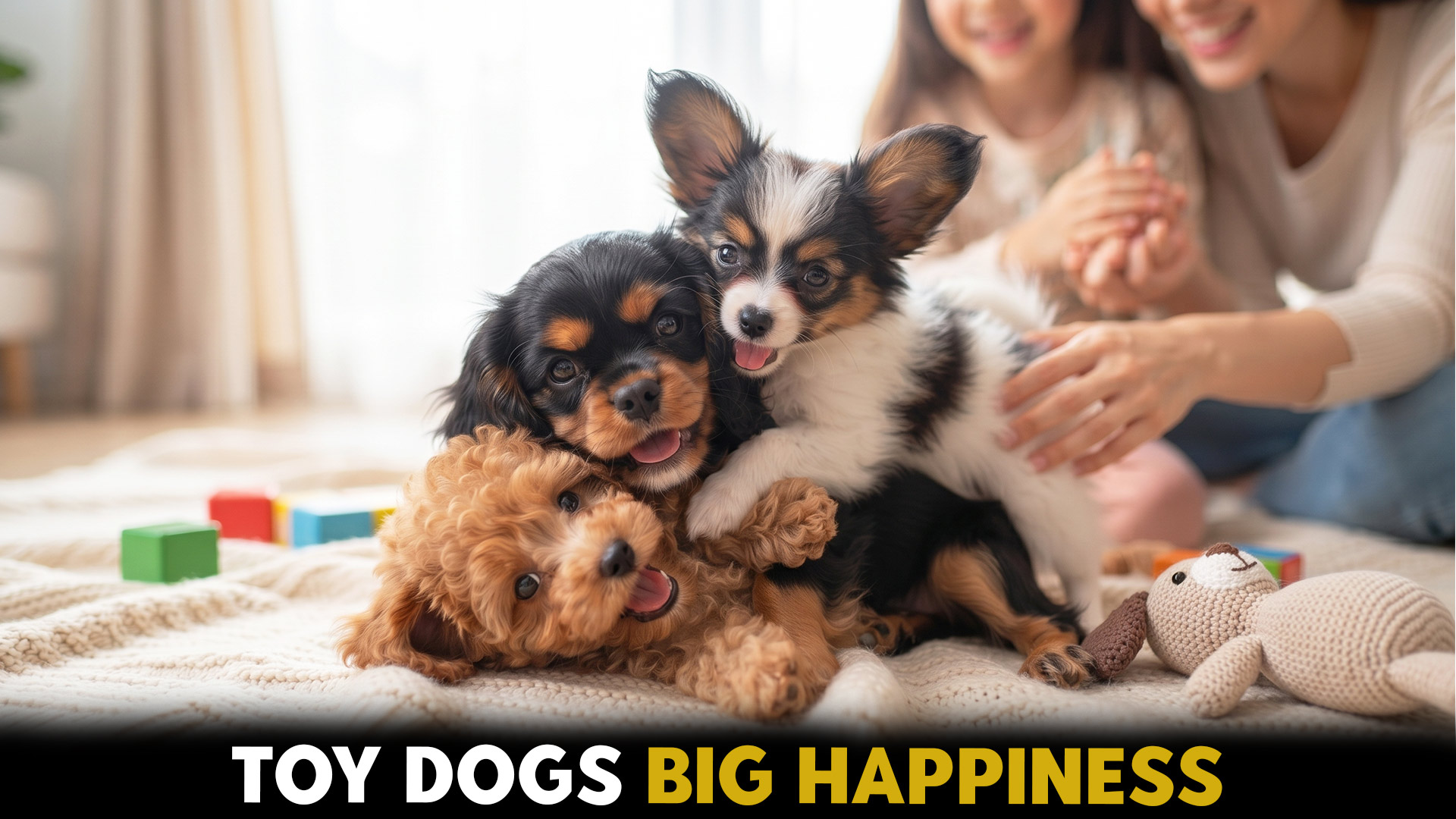
You don’t need a large backyard and a larger breed running around the house to be a happy family. At times, a small toy breed dog can add warmth, laughter, and character to a family.
Many toy dog breeds are particularly attractive, some of which have been bred to be companions, unlike many other pets. They are usually fond of proximity to their family and adaptable to various modes of life due to their portable size. Some of these breeds are recognized by the American Kennel Club in their toy group.
Nothing is boring about these perfect companions. They are clever, playful, watchful, affectionate, and surprisingly athletic dogs. Some like learning tricks, and others prefer brief walks or sitting right next to their owners.
Their needs are different. Picking a breed requires proper research into the dog’s personality to determine if it’s the right fit for your house.
Whether it’s the soft and cuddly Shih Tzu or the incredibly bright Toy Poodle, it will contribute in its own manner to making family life more enjoyable. Here are seven great fits for your household.
Wonderful Toy Dog Breeds for a Happy Household
1. Shih Tzu
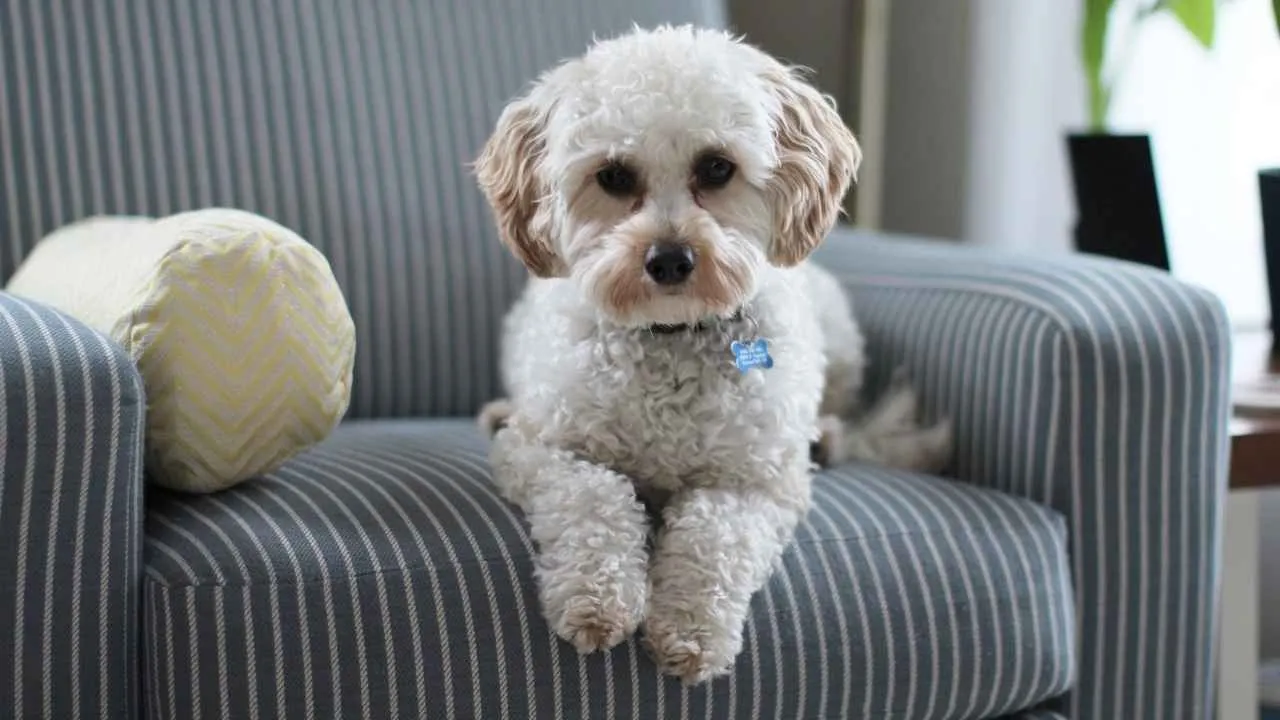
The Shih Tzu was developed with the main purpose of being a dog for companionship. It has been closely associated with the Chinese imperial families, and these small dogs were considered charming and affectionate, as noted by Britannica.
This breed is happiest if it is a part of everyday family life. It does not require hours of intense exercise. Many people can provide this breed with all the activity it needs through short walks and indoor play. This can make the Shih Tzu an attractive option to those who prefer a low-maintenance lifestyle.
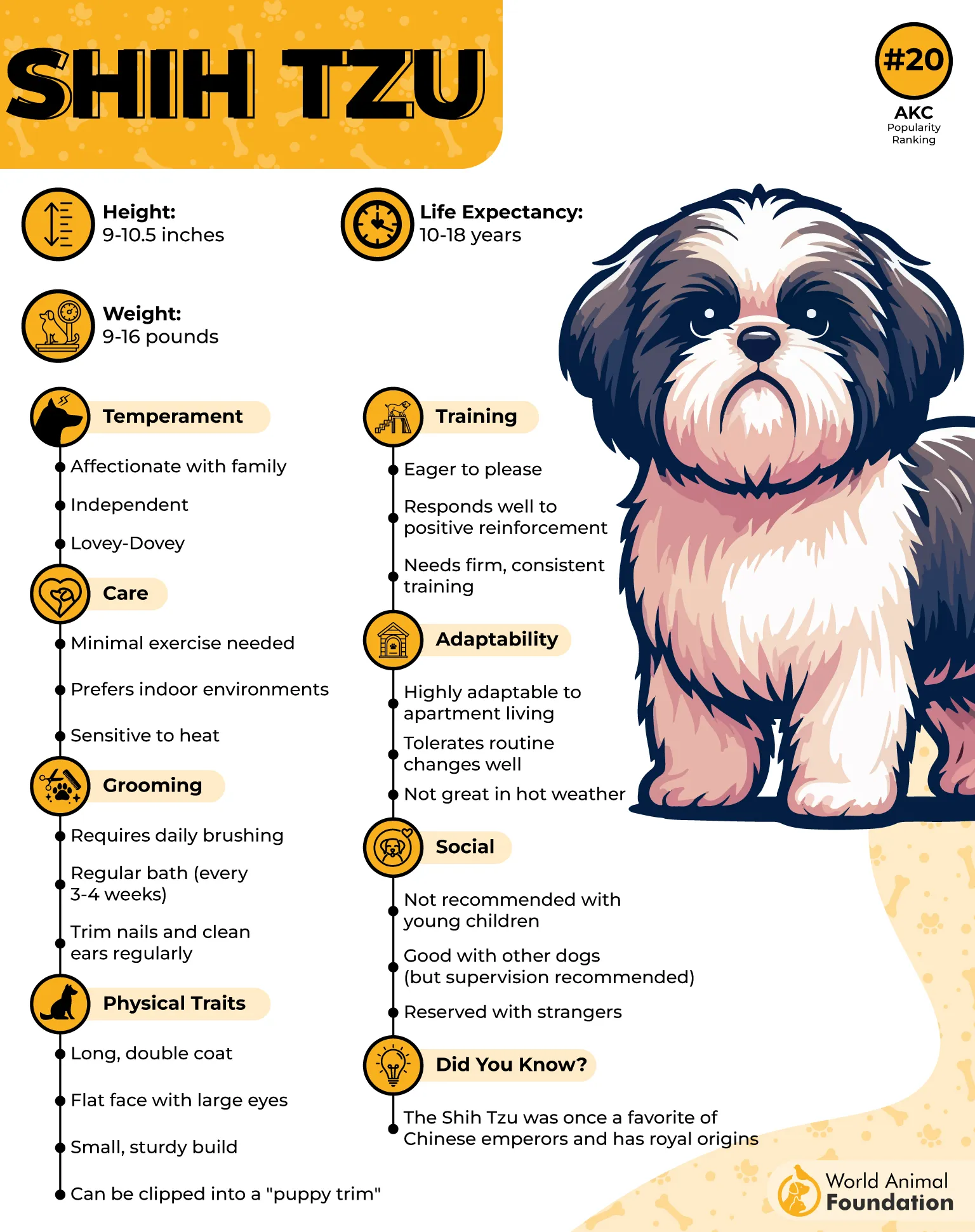
One of the most distinguishable characteristics is its flowing coat. This can get quite long, but owners can decide on a shorter puppy cut for the sake of convenience. It is still necessary to provide the breed with regular brushing as the hair can be prone to tangling.
Shih Tzus also love craving attention. They love to follow home routines and stay around their favorite people. They are loving dogs and may be a wonderful addition to families looking for a dog that prefers companionship over constant action.
2. Havanese
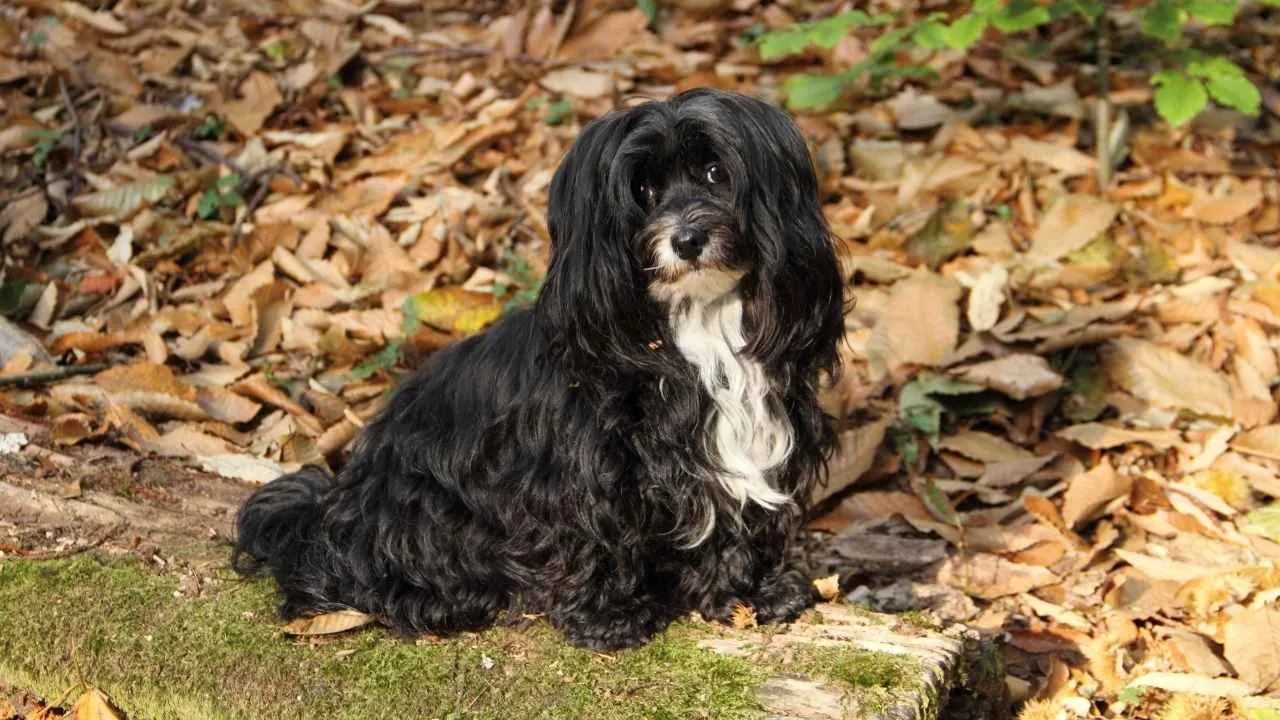
The Havanese is a Cuban dog with a happy temperament. It is the only dog breed that is indigenous to Cuba and traditionally used by rich Cuban families in Havana. Its ancestors came to the island from Europe hundreds of years ago.
This breed is a unique cross of sociable and intelligent traits. Despite appearances, the Havanese coat is heavy and warm, which helps to insulate the dog and give it protection from the sun. It can also be corded with special care.
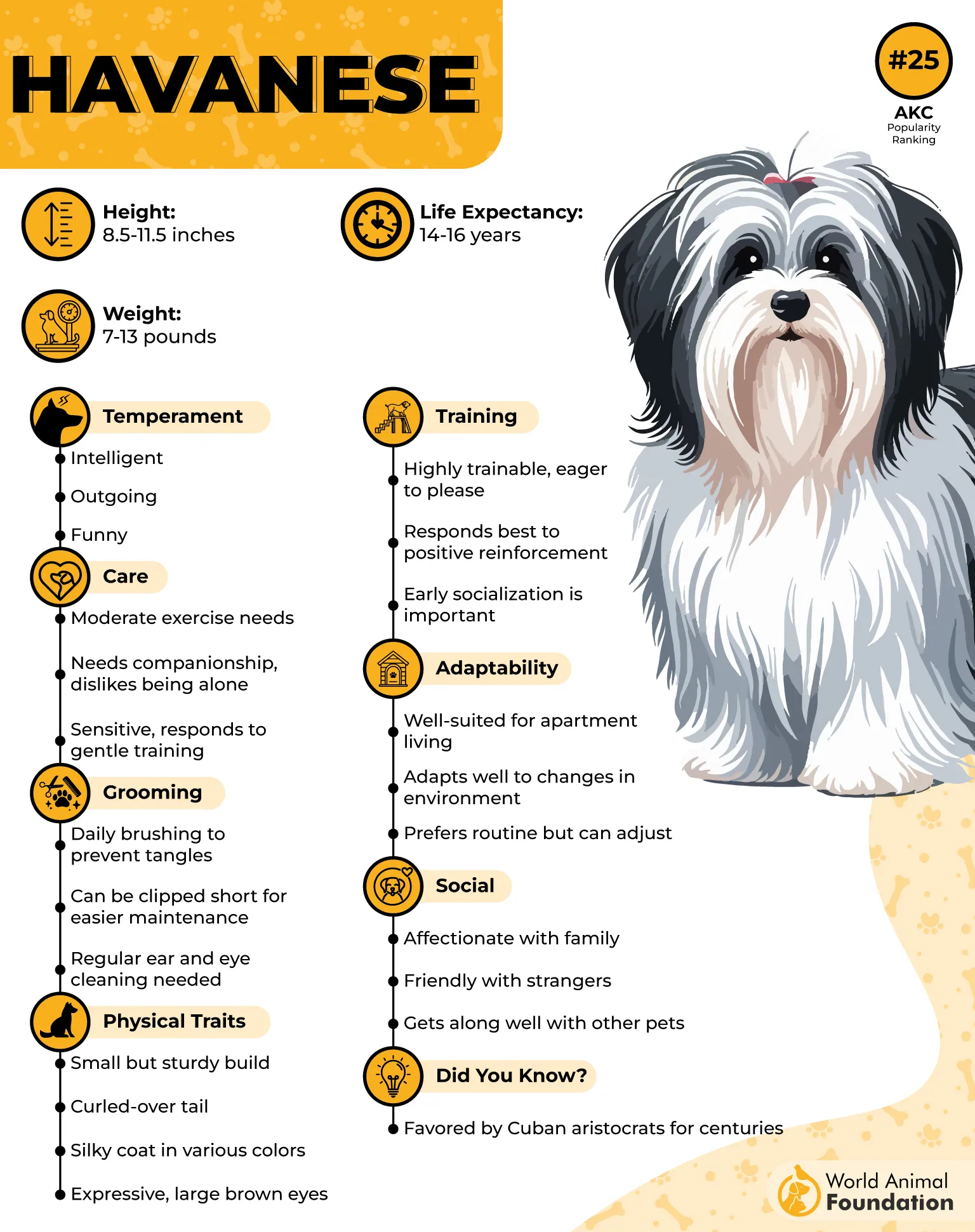
These dogs can adapt well to different environments and be safe to keep around kids as well. These pups are small in size but have big hearts.
With proper daily exercise and companionship, a Havanese is able to live a comfortable city life. This makes the breed particularly well-suited to those who wish to have a highly intelligent companion that doesn’t require much space.
3. Yorkshire Terrier
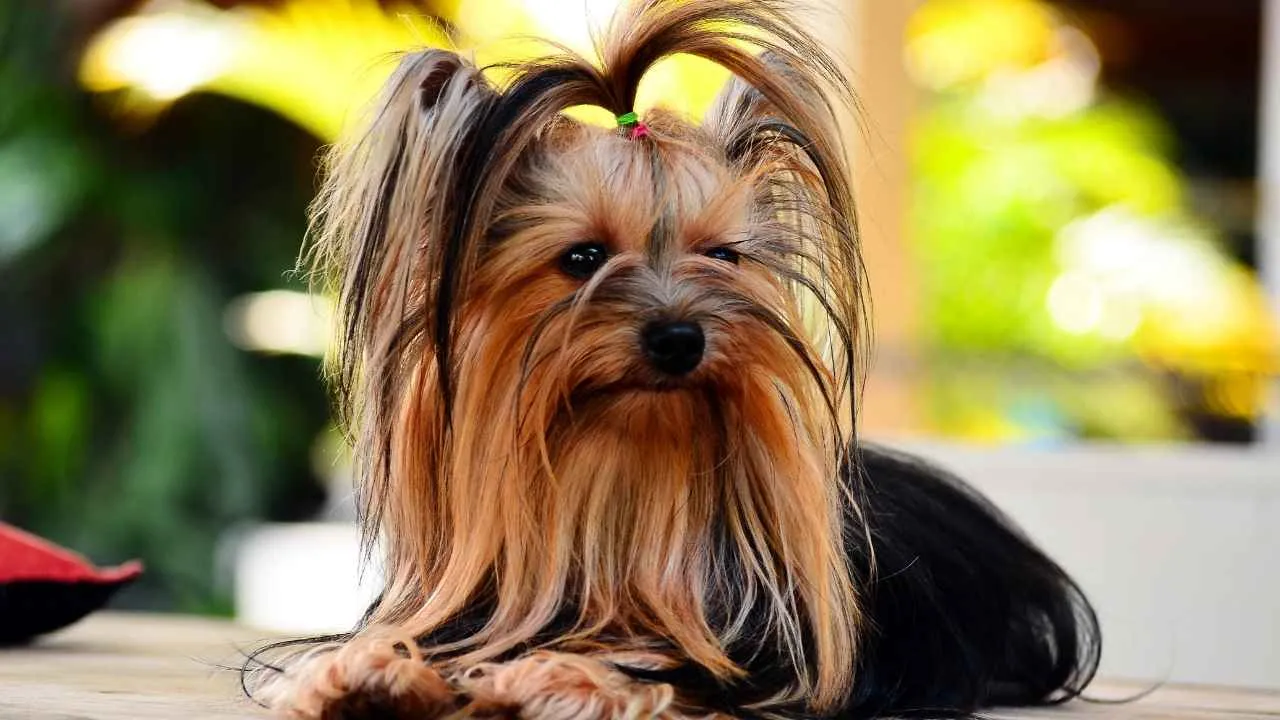
The Yorkie is a totally different dog in the toy dog category. Don’t let its pretty fur get in the way; it’s a dog with true terrier bloodlines. Yorkies are working dogs and carry with them the confidence and spirit of working dogs.
This is why this little breed may appear larger than they are. A Yorkie could be delighted in exploring a strange sound, or perhaps a nuisance in the house, or it may be that it simply needs to be a part of whatever its family members are doing.
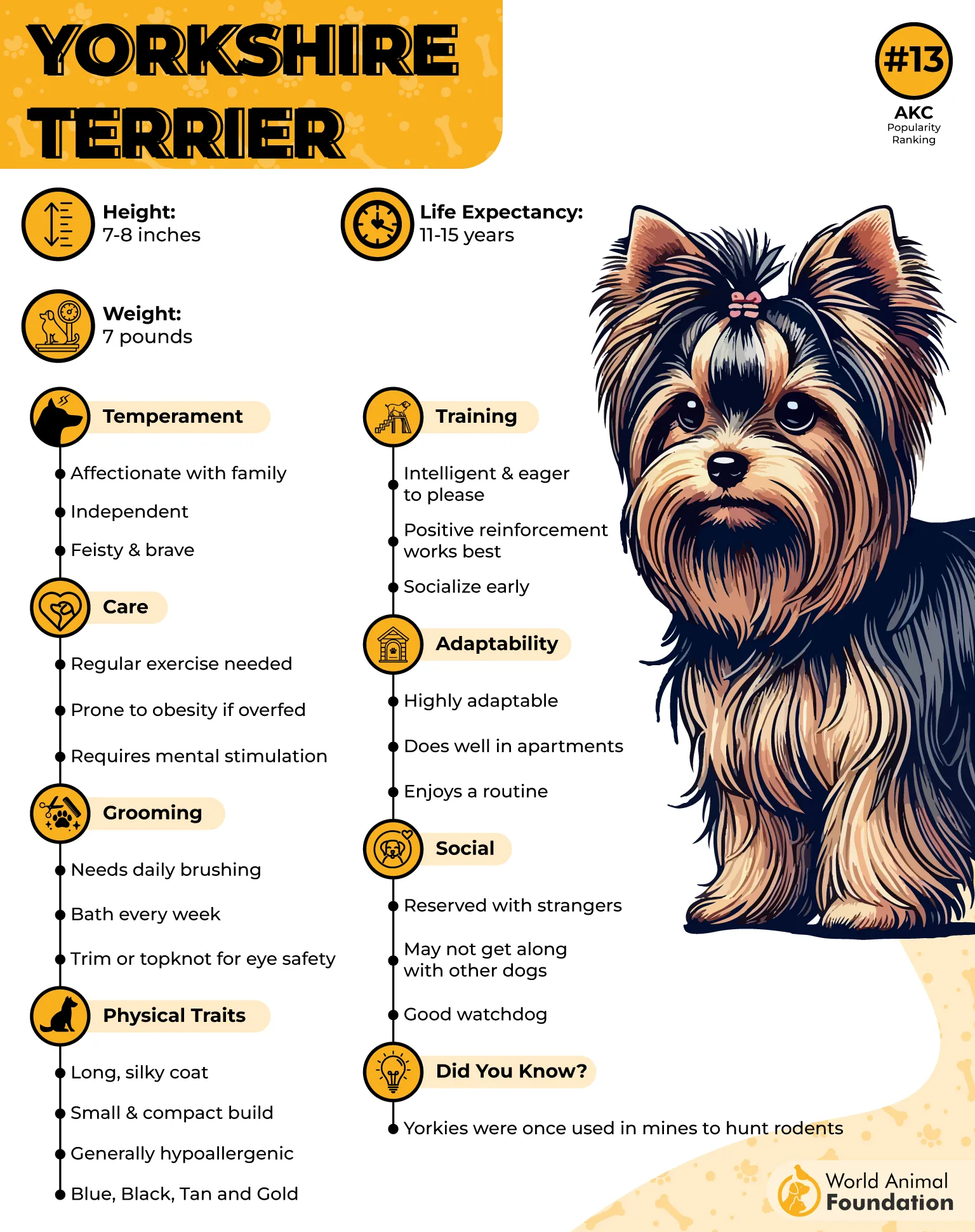
One of its most useful features is its size. A Yorkie does not need a big living space and can be left loose without a leash. Another characteristic feature is the coat. Grooming should still be incorporated into the daily routine of the owners, although it can become easier if their hair is cut shorter.
Purina states that the Yorkie has a big personality. This breed is affectionate, sprightly, and has a confident character.
4. Toy Poodle
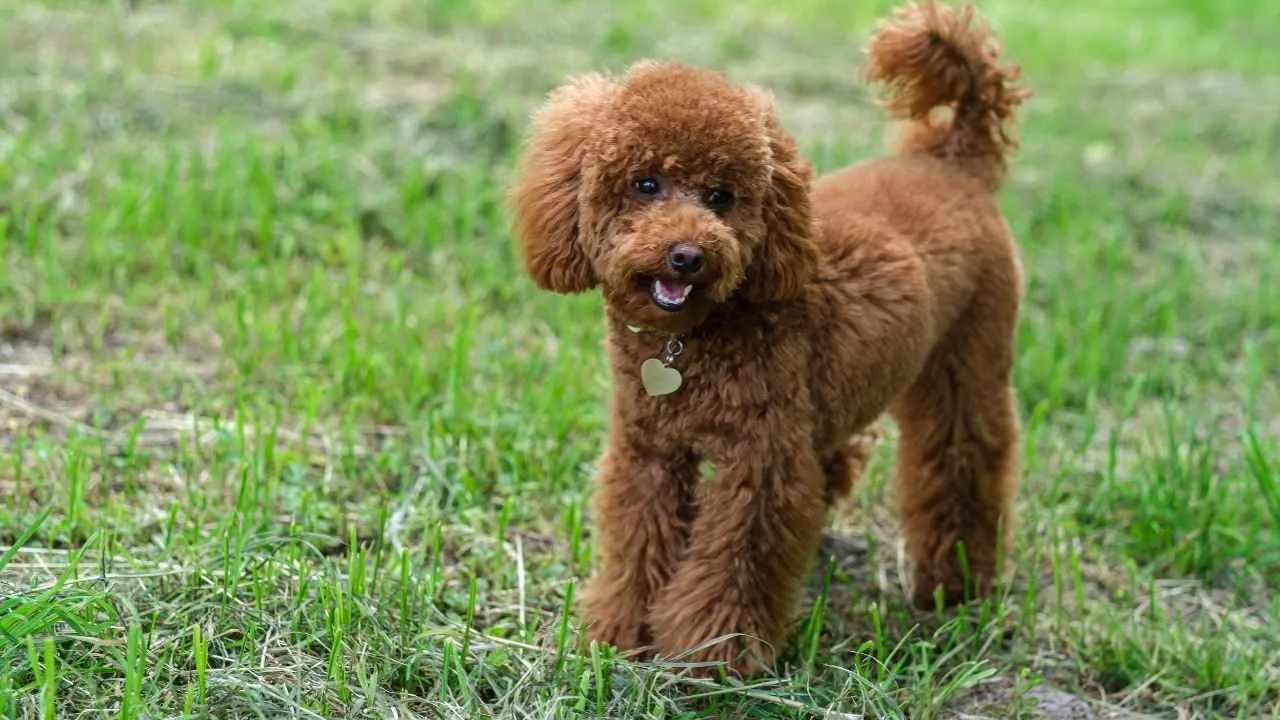
Although the Toy Poodle is a tiny lapdog, it is far from fragile when it comes to intelligence. Like all Poodles, the Toy Poodle is highly intelligent, quick to learn, and eager to please.
Curiously, the bigger Poodle varieties originated from water-retrieving dogs. Smaller Poodles were later bred as companions, known as Toy Poodles. This history may account for why these little dogs like to spend time doing something that involves moving and problem-solving.
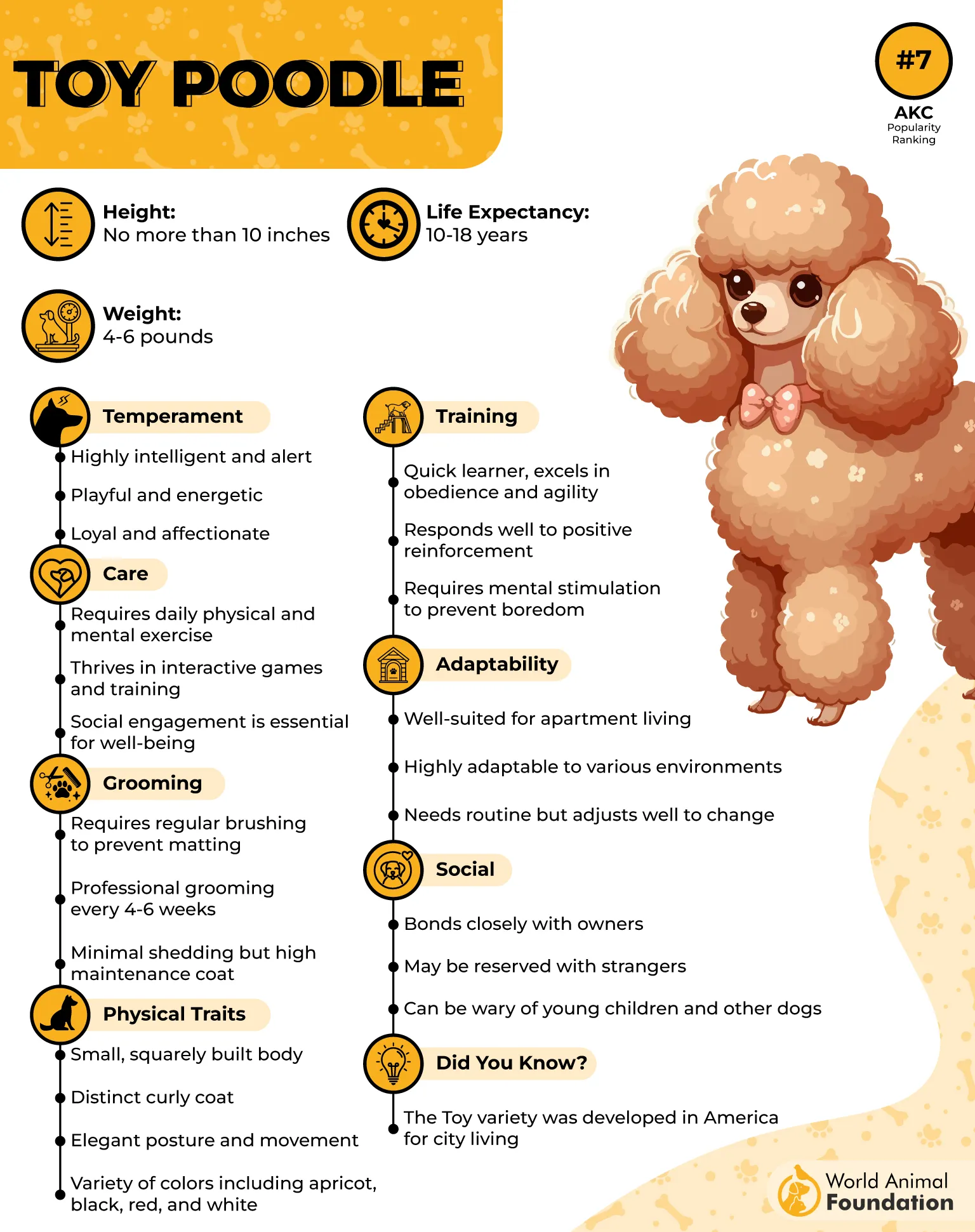
The Toy Poodle can excel in the area of training as it is a highly trainable breed. It requires mental stimulation in the form of tricks, obedience work, puzzle toys, and everyday chores. Mental stimulation is important because, in its absence, Poodles will resort to destructive behavior.

Their coat is another big factor to take into account. It’s not as shedding as many breeds, but it doesn’t mean it’s maintenance-free. Regular exercise, brushing, and professional grooming are required to keep their curly hair free from matting.
5. Papillon
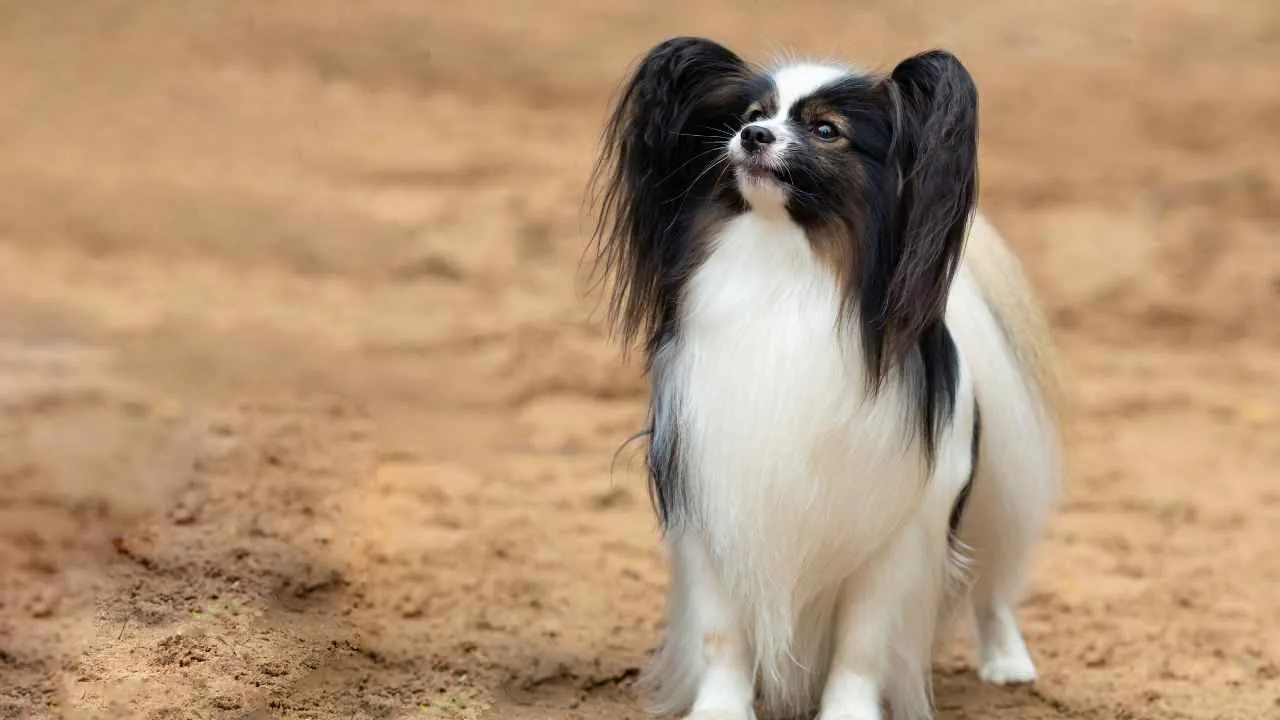
The Papillon is living proof that little dogs can be as energetic as the bigger ones. It is named after the French word for butterfly due to its unique butterfly-like fringed ears.
This is what sets them apart from toy breeds satisfied to be lapdogs. A Papillon can cuddle with the family, but it also desires to have something interesting to do.
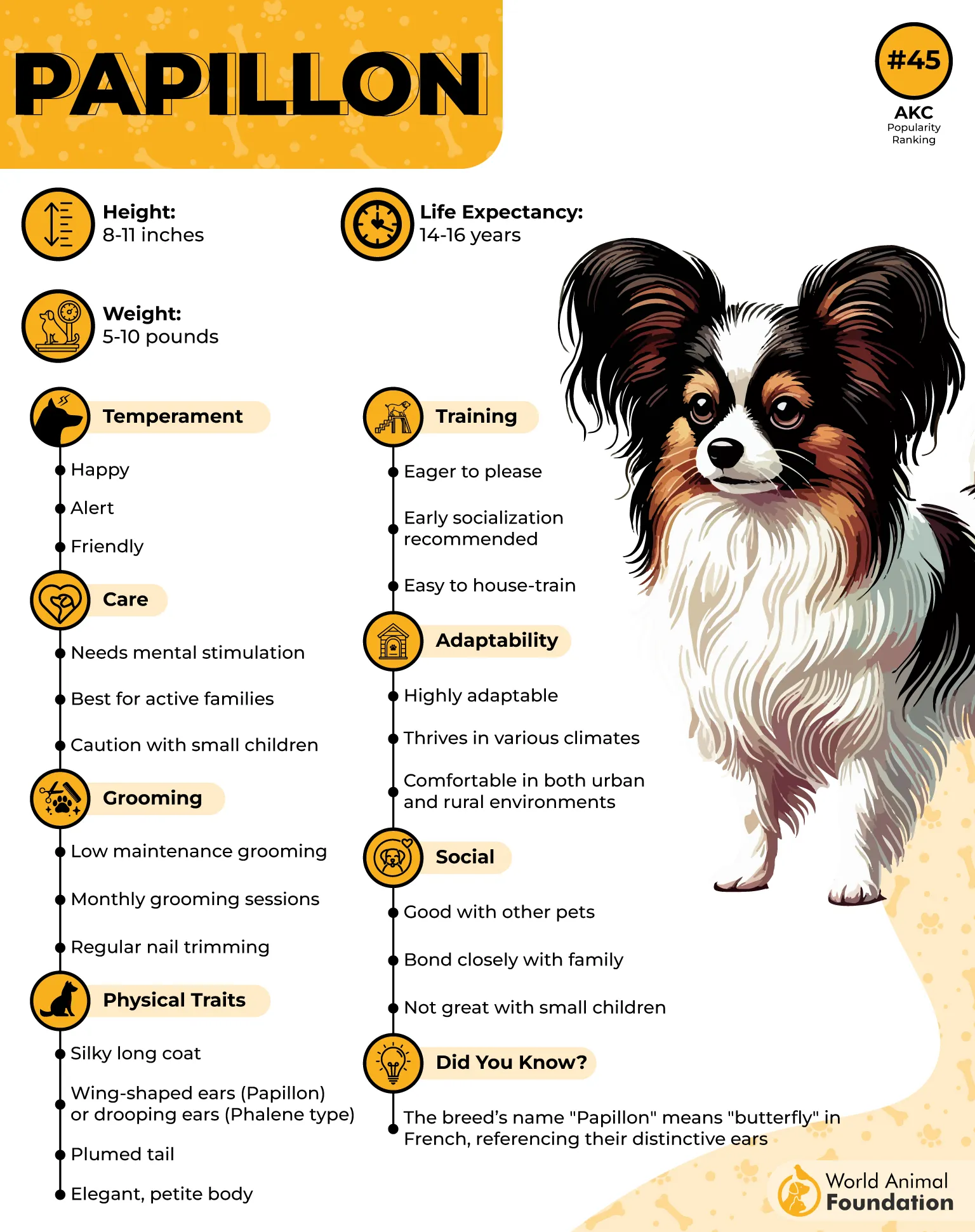
Its compact size suggests it can be kept indoors. A hallway can be its training location, and puzzle toys can keep this one entertained in the evenings. Family time can become a way to mental enrichment when you add short trick sessions.
Papillons are also flexible. They are satisfied with apartment dwellers or bigger houses, provided that their exercise and social needs are satisfied.
6. Cavalier King Charles Spaniel
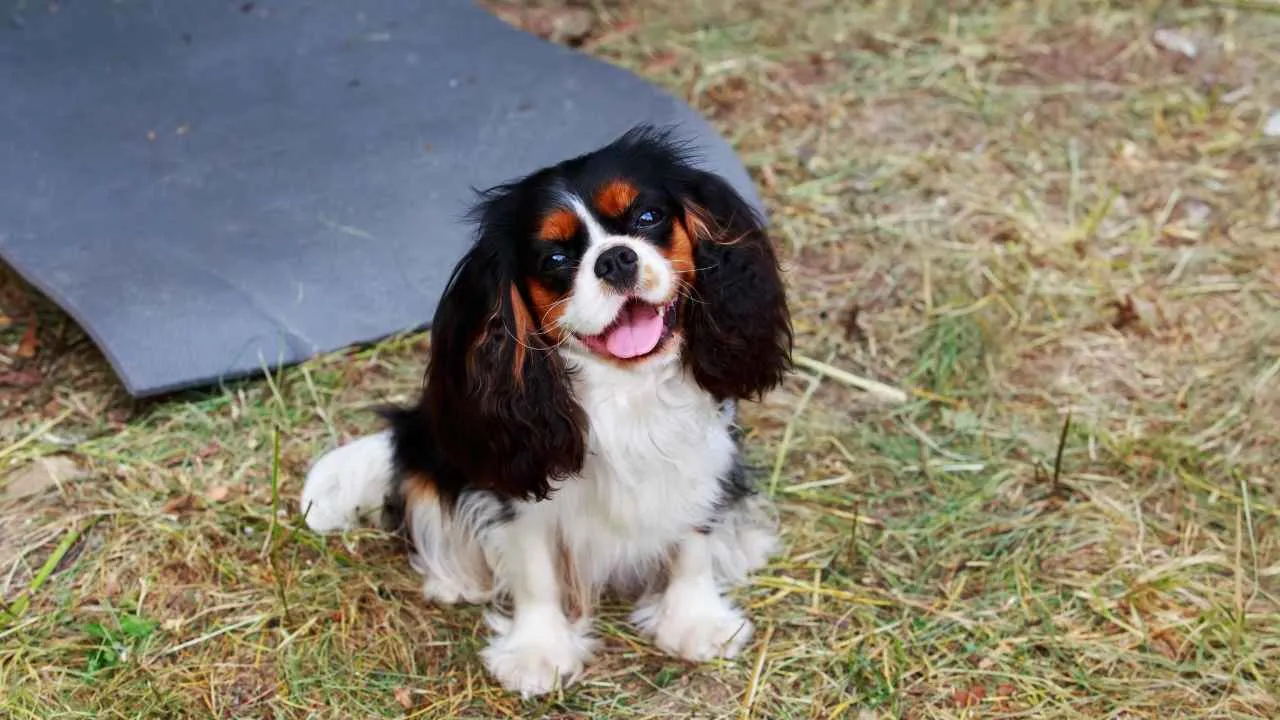
The Cavalier King Charles Spaniel is one of the most popular breeds in the United States. The breed’s history is closely related to the aristocracy, where small Spaniels were kept as comfort and companion dogs.
Cavaliers like being part of activities with their families. They are fun to play with during the day and to cuddle with their owners afterwards.
They’re also more versatile than they sound, given their refined look. Cavaliers can take walks, get games retrieved, do obedience, and even swim. Unlike many decorative lapdogs, they are true dogs of action, due to their Spaniel blood.
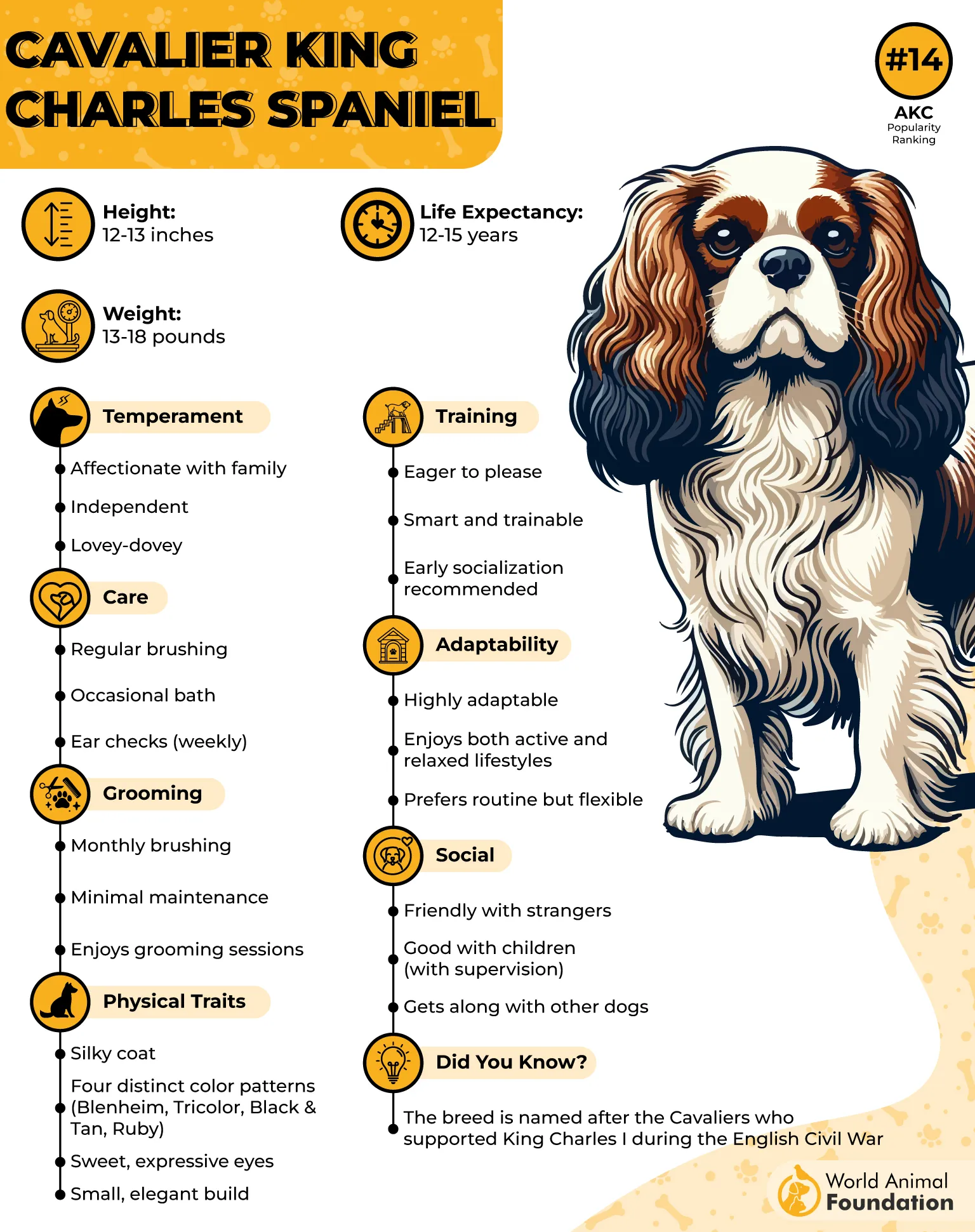
They are a gentle breed and can be great family pets. They tend to be social and are receptive to positive training. They also are known to deepen the bonds of love that they have with their owners, as stated by Orvis.
Companionship, however, is a big need. The Cavalier can have difficulty when it is routinely left alone in the house for extended periods. Its cuddly nature makes it a great pet for families that spend a lot of time at home.
7. Pug
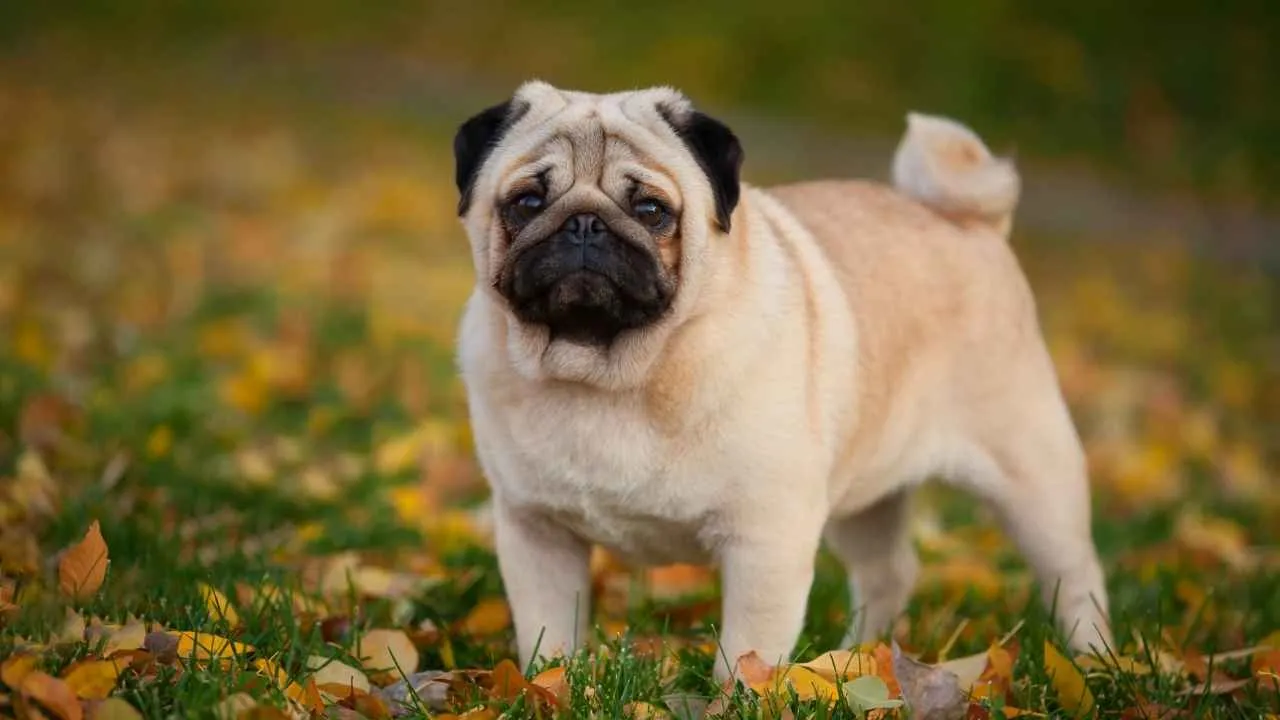
The Pug will add a level of humor to a home that few other dog breeds can. But it’s hard to have a dull day around one, as its expressive face, compact body, and mischievous behavior make it impossible not to have an eventful day with this breed.
The history of this breed is very unusual. More than 2000 years ago, Chinese emperors loved their Pugs, before they became popular in Europe. They were valued more for companionship than as working dogs.
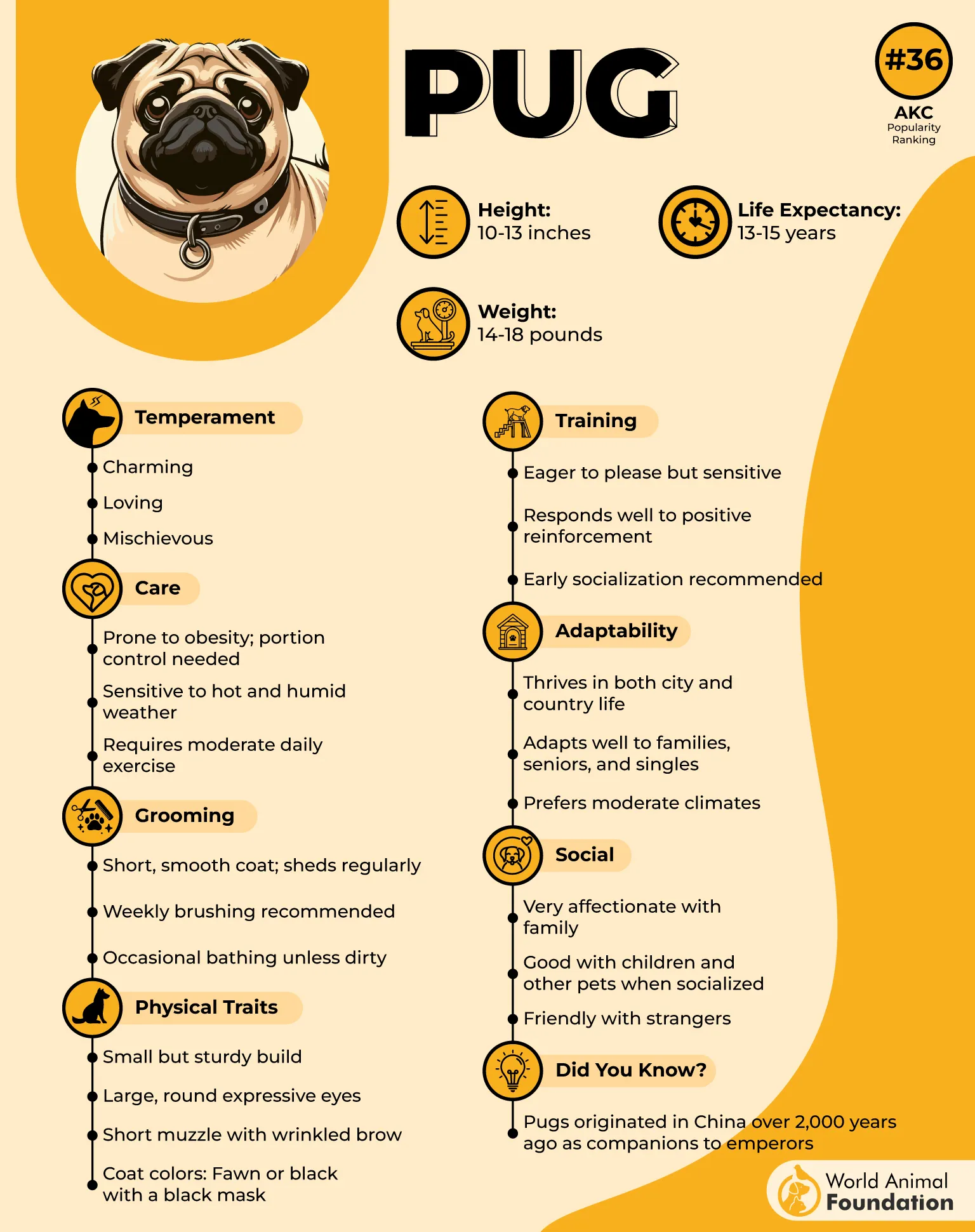
They are still very companion-oriented. Generally, Pugs love to be around people and will contentedly doze on the sofa. When they feel like it, they can also be very playful.
They require moderate exercise. It is important to keep them fit with a daily walk and gentle play, but not vigorous activity, particularly in hot or humid weather.
Because of their short muzzle, heat management may be especially critical. Make sure to follow expert tips and provide this pup with lots of fresh water and shade.
Conclusion
Just because a breed is smaller or cute, it doesn’t mean it’s the best toy dog for a household. It’s the breed whose personality, energy, grooming, and social needs easily integrate into your family’s lifestyle.
Some enjoy mental exercises and training. Others are happiest nearest their favorite people. Some require more frequent coat grooming, and others are a lot easier. Knowing these differences can avoid any surprises and make the transition to dog ownership easier.
