




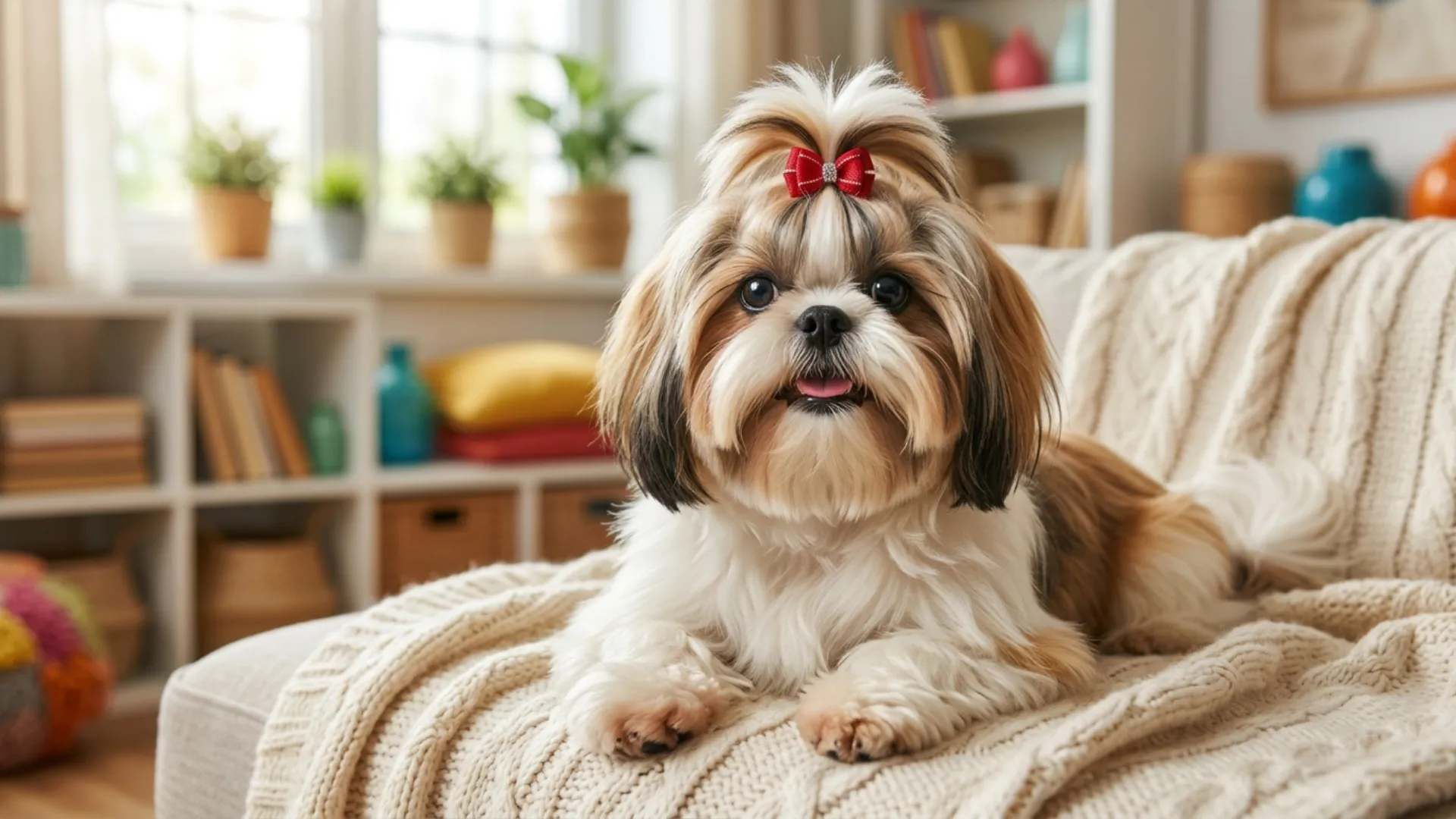
Tiny paws, big personalities, and an impressive talent for stealing the spotlight: toy dogs have a way of making themselves right at home.
These little companions may be small enough to curl up in your lap, but they can bring plenty of energy, affection, and character into everyday life. For many families, their compact size is simply a bonus.
Toy dogs are especially appealing if you live in a smaller home or simply love having a four-legged companion close by. But don’t let their tiny frames fool you. Some are playful and full of energy, while others are happiest snuggled beside you on the sofa.
From lively playmates to devoted lap companions, there’s a lot to discover when it comes to these wonderful toy dog breeds. So what are you waiting for? Let’s take a look!
Wonderful Toy Dog Breeds to Brighten Your Home
1. Cavalier King Charles Spaniel
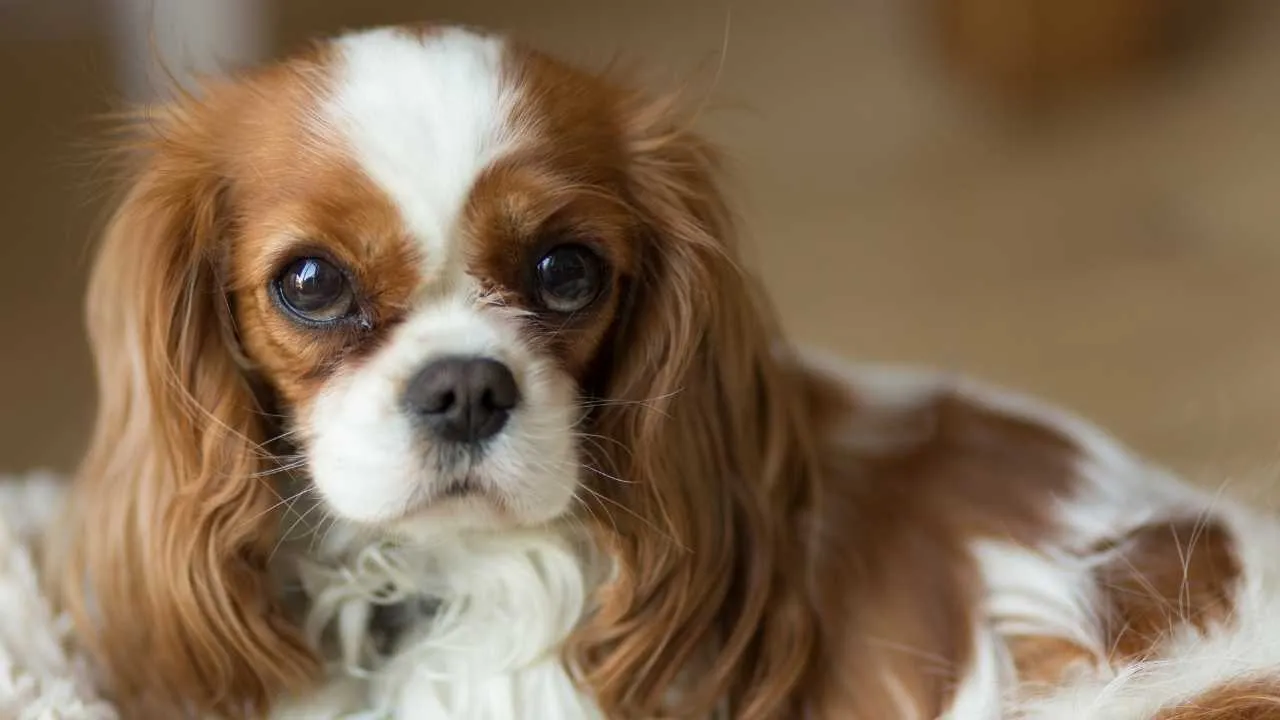
Sweet, affectionate, and always happy to be close to their people, Cavalier King Charles Spaniels bring plenty of warmth into a home.
They got their name from British royalty in the 17th century, as King Charles I and his son Charles II were known for taking their dogs with them everywhere. These companions were also bred to warm laps in chilly castles and during cold carriage rides.
Personality and Traits
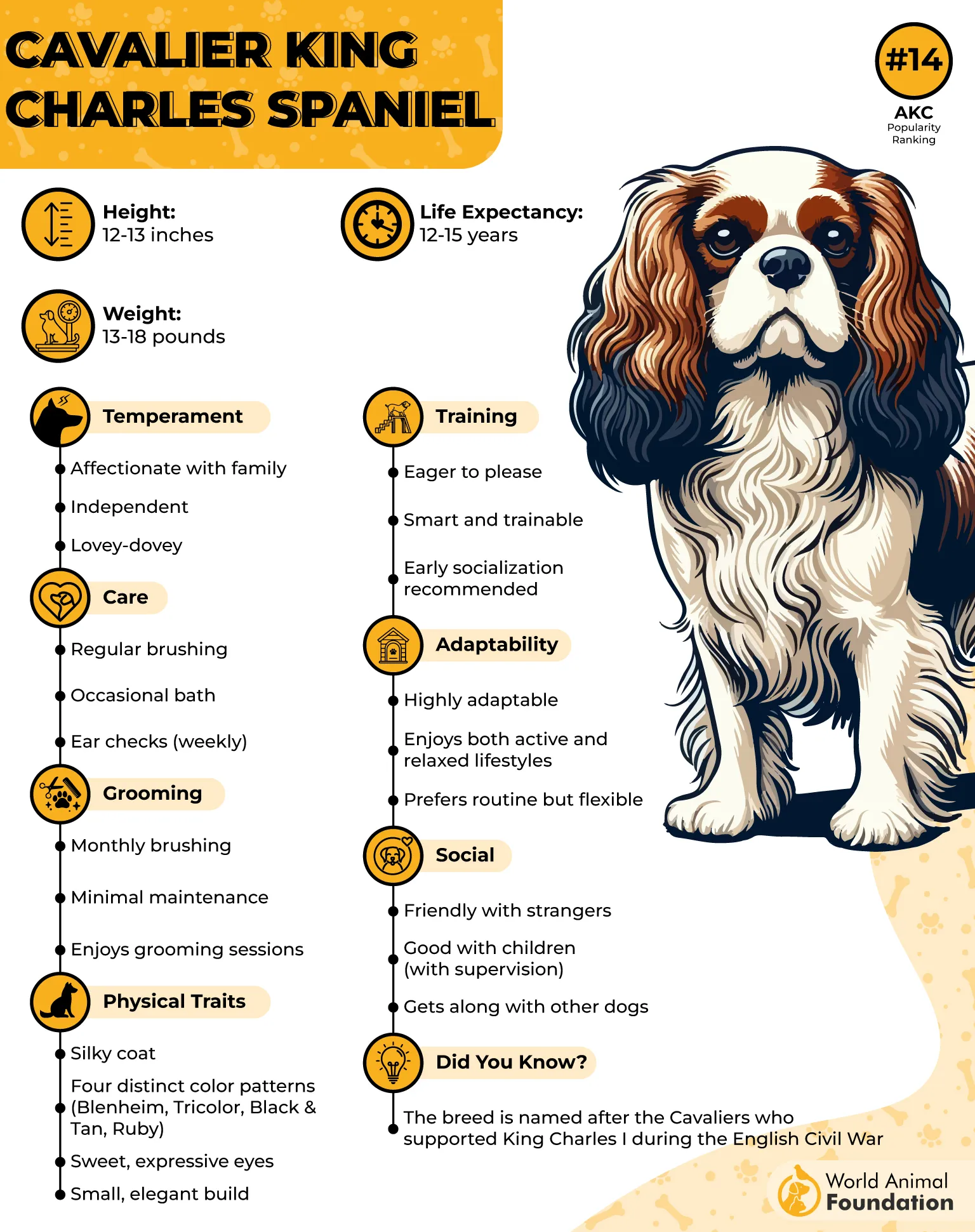
Cavalier King Charles Spaniels are cheerful, gentle, and friendly. They usually get along well with strangers, children, other dogs, and cats. They love human company and are happiest when they can stay close to their families.
Their adaptable nature makes them suitable for both families and seniors. They are not big barkers and are generally not protective dogs, as mentioned by Britannica.
Training and Exercise
Cavaliers are intelligent companions that are eager to please and relatively easy to train. They respond well to positive reinforcement and can excel in obedience, Rally, and agility.
They have moderate exercise needs, with daily walks and playtime helping keep them happy. Although they enjoy outdoor activities, they are also content to relax beside their families once their energy needs are met. They should not be left alone for long periods.
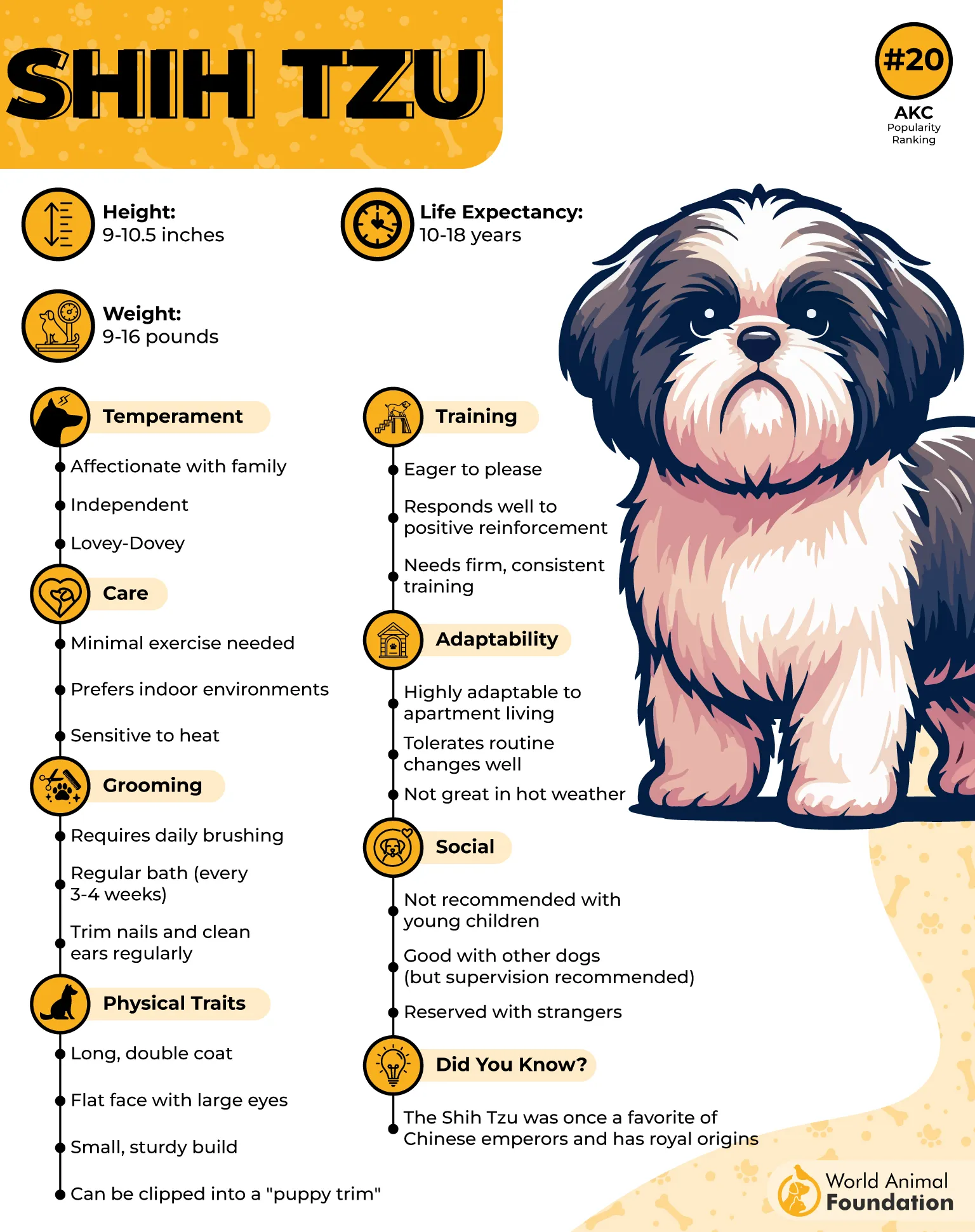
2. Shih Tzu
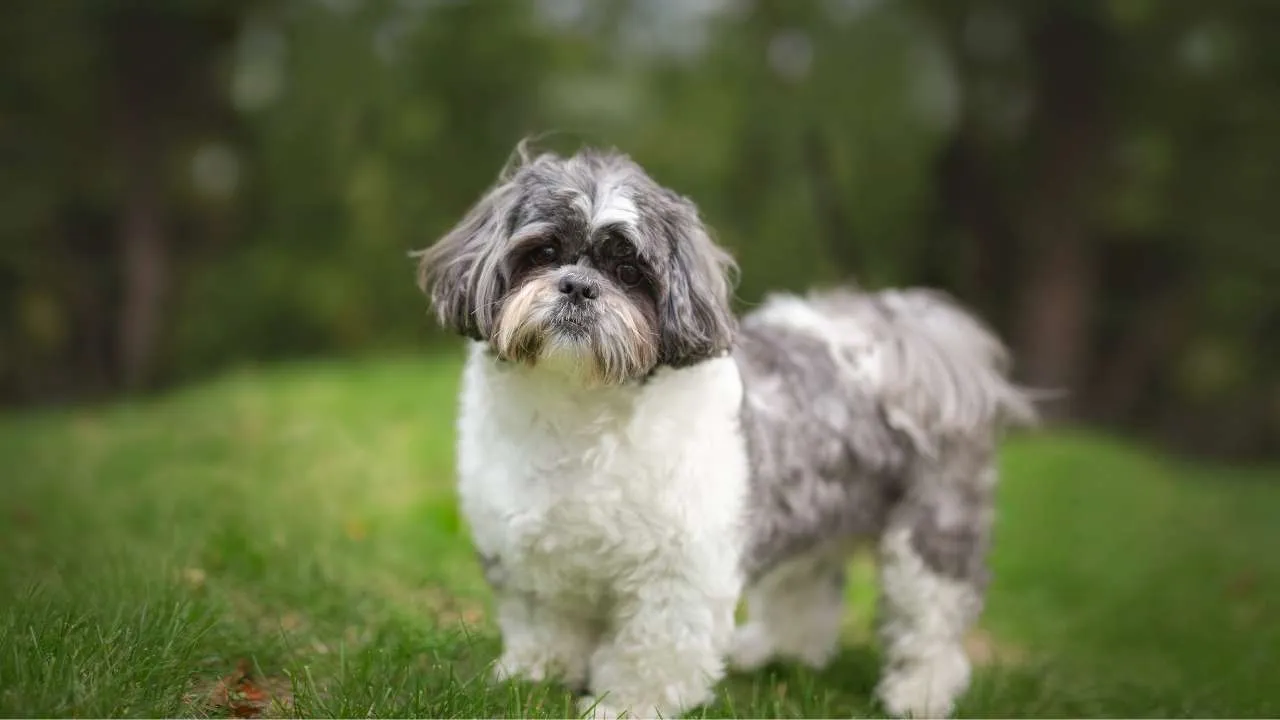
Shih Tzus are tiny companions with big personalities and a proud little attitude. Their name means “lion dog,” and they were associated with Buddhism and imperial rulers in China.
They were originally bred as companion dogs and were later bred with other small breeds as they became more focused on life as household pets.
Personality and Traits
Shih Tzus are friendly, playful, and affectionate dogs that love being around their people. When properly socialized, they usually get along well with people, children, dogs, and other animals.
They can happily cuddle on the sofa or join their families for a walk in the park. They are also alert and will let you know when someone arrives, making them useful watchdogs, though they are not suited to protection work.
Training and Exercise
Shih Tzus are active and energetic but can be happy with a 30-minute walk and some playtime at home. Their smaller stature does not stop them from enjoying outdoor activities.
They are smart and can learn quickly, but they may have a mind of their own and need extra patience during training. Early socialization is important to help prevent unwanted behaviors such as excessive barking.
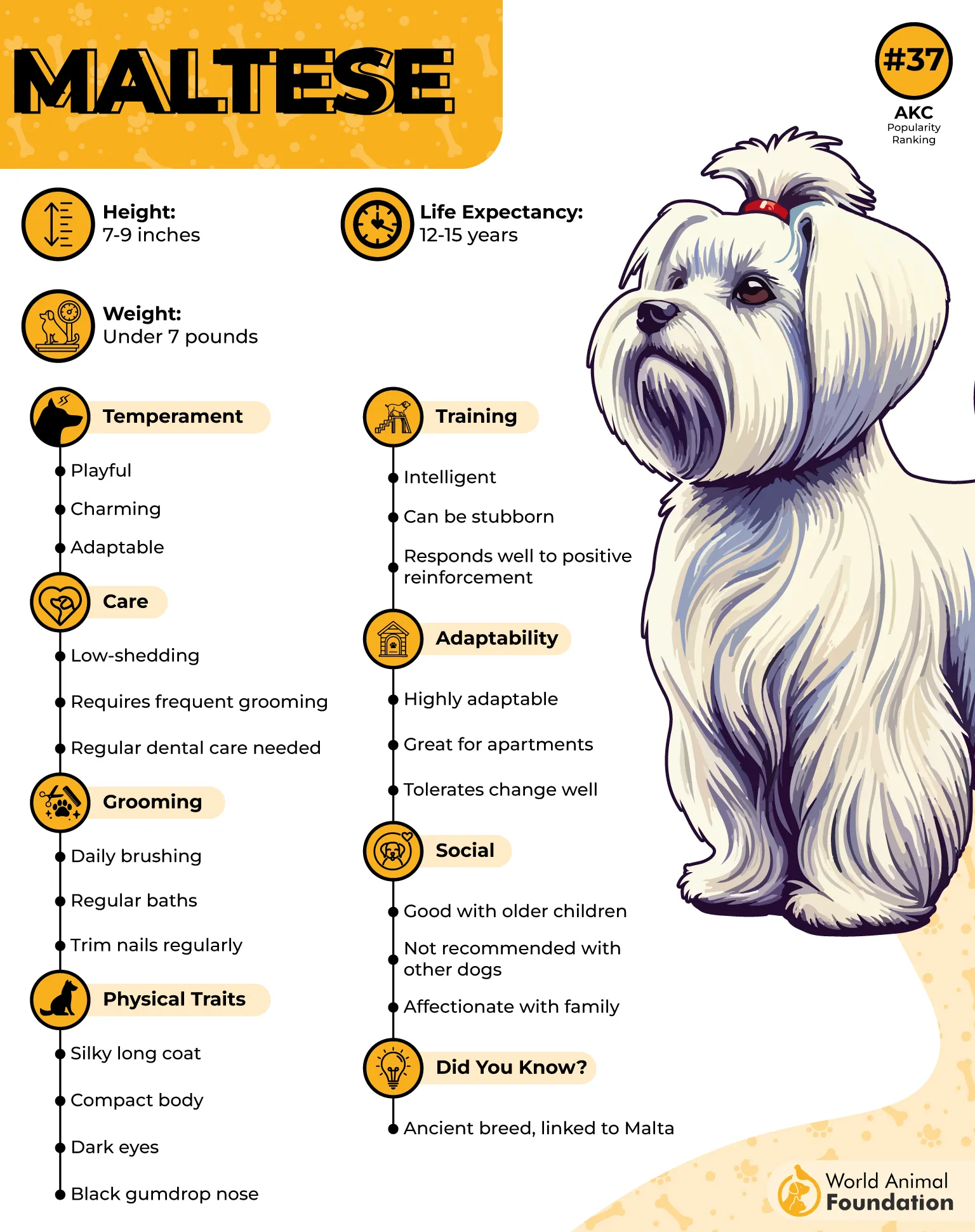
3. Maltese
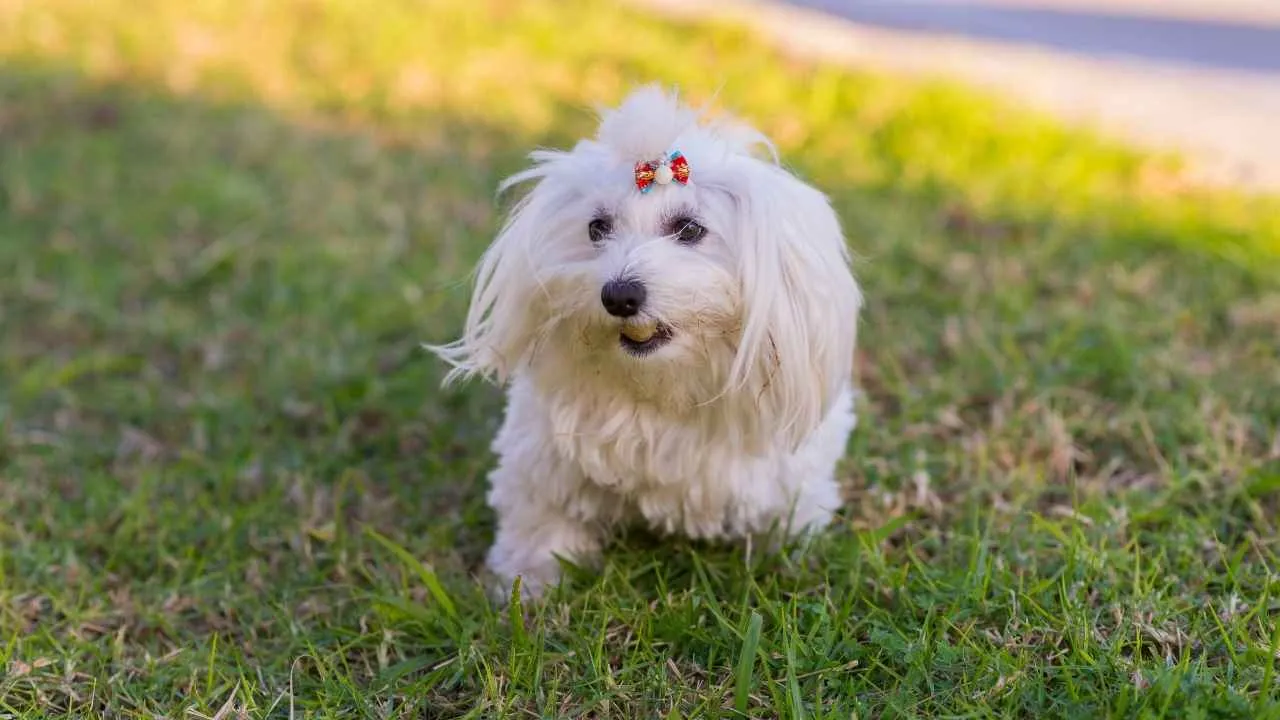
The Maltese may be tiny, but this little dog has plenty of personality. Known for its luxurious white coat and playful nature, the Maltese has been a beloved companion for centuries.
The breed originated on the Mediterranean island of Malta and was even mentioned in Ancient Greek and Roman literature.
Personality and Traits
Maltese are affectionate, lively, and devoted companions who love staying close to their people. They enjoy sitting on laps but are also playful and fearless, sometimes even standing up to much larger dogs.
They can be reserved with strangers but are generally friendly with other pets when properly socialized. Their gentle nature also makes them popular therapy dogs and good companions for older children and seniors.
Training and Exercise
These little white dogs are fairly easy to train and enjoy learning tricks, especially when rewarded.
They need daily exercise, mental stimulation, and playtime to stay happy. Once they have burned off their extra energy, they are usually happy to settle beside their people.
Early training and socialization are important, especially because their small size makes them fragile around young children.
4. Yorkshire Terrier
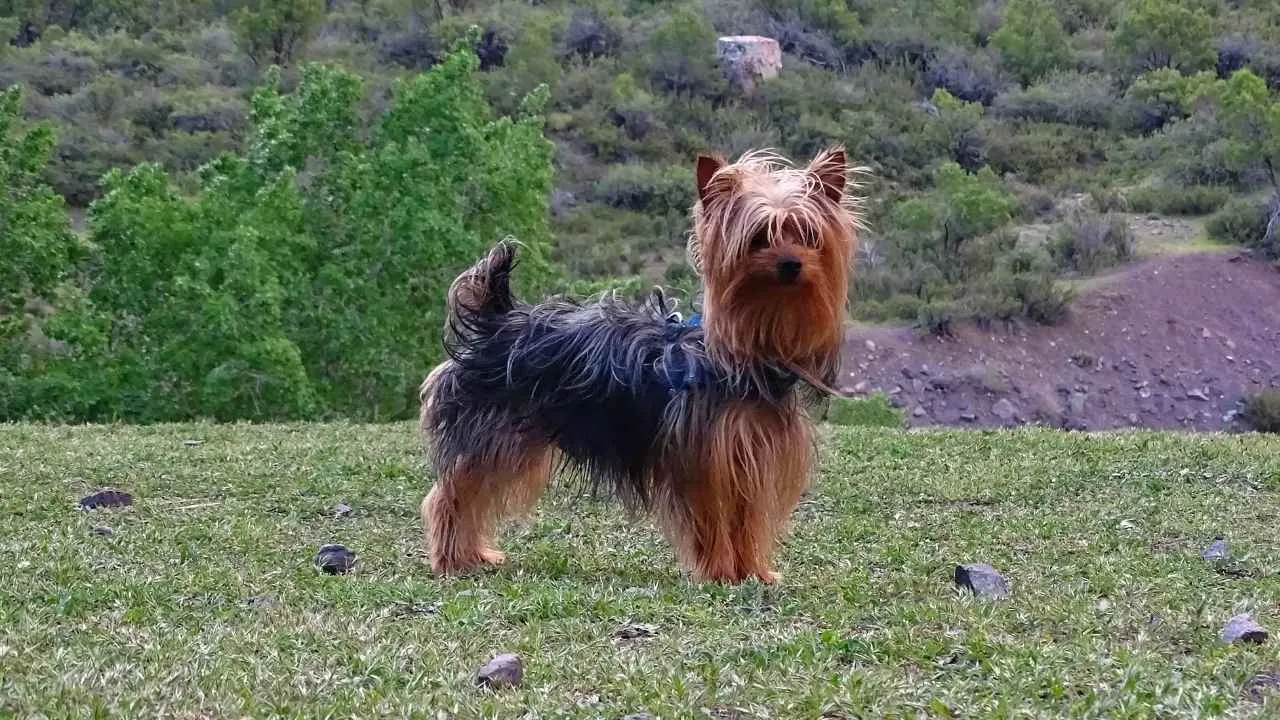
Tiny, lively, and full of attitude, Yorkshire Terriers are much bigger in personality than their size suggests. Often called Yorkies, they were originally bred in the mid-1800s to catch rats in textile mills in Yorkshire, England, according to PetMD.
They later became beloved pets and are now known for their glamorous coats and entertaining personalities.
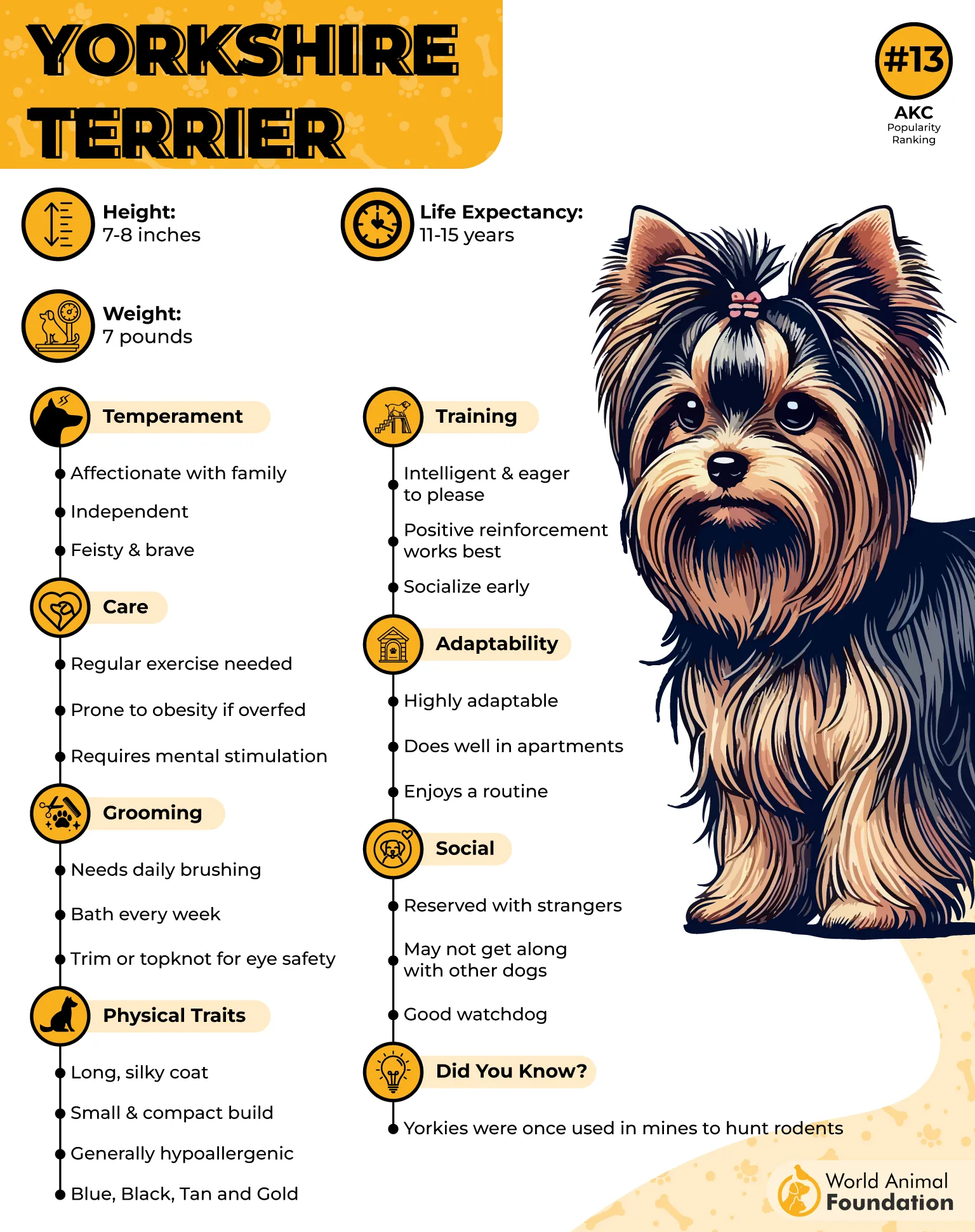
Personality and Traits
Yorkies are affectionate, playful, curious, and sometimes bossy. They can be brave and feisty, especially around unfamiliar dogs, and they love being involved in whatever their families are doing.
They can be good family companions, but their small size means play with young children should always be supervised. They are also alert watchdogs, though they are not suited to protection work.
Training and Exercise
Yorkies have plenty of energy and need both exercise and mental stimulation. Two short walks a day, along with indoor play, can help keep them happy and active.
They can be stubborn at times, but once they decide to cooperate, they can learn quickly. Their long, silky coats also need regular grooming to stay in good condition.
5. Toy Poodle
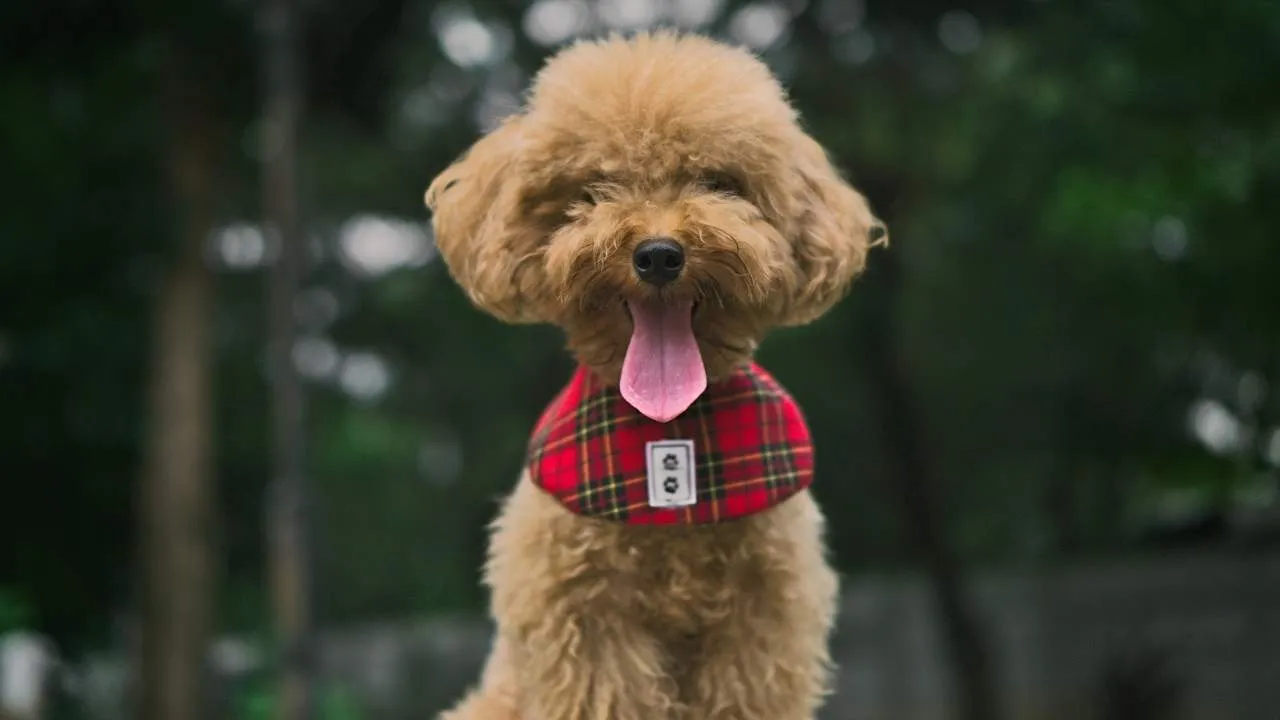
Toy Poodles may be tiny, but they have plenty of energy, intelligence, and personality. Poodles were first developed in Germany, where Standard Poodles were used for duck hunting.
The smaller Toy and Miniature varieties were later bred down from the Standard Poodle. Today, Toy Poodles are loved for their playful nature and impressive intelligence.
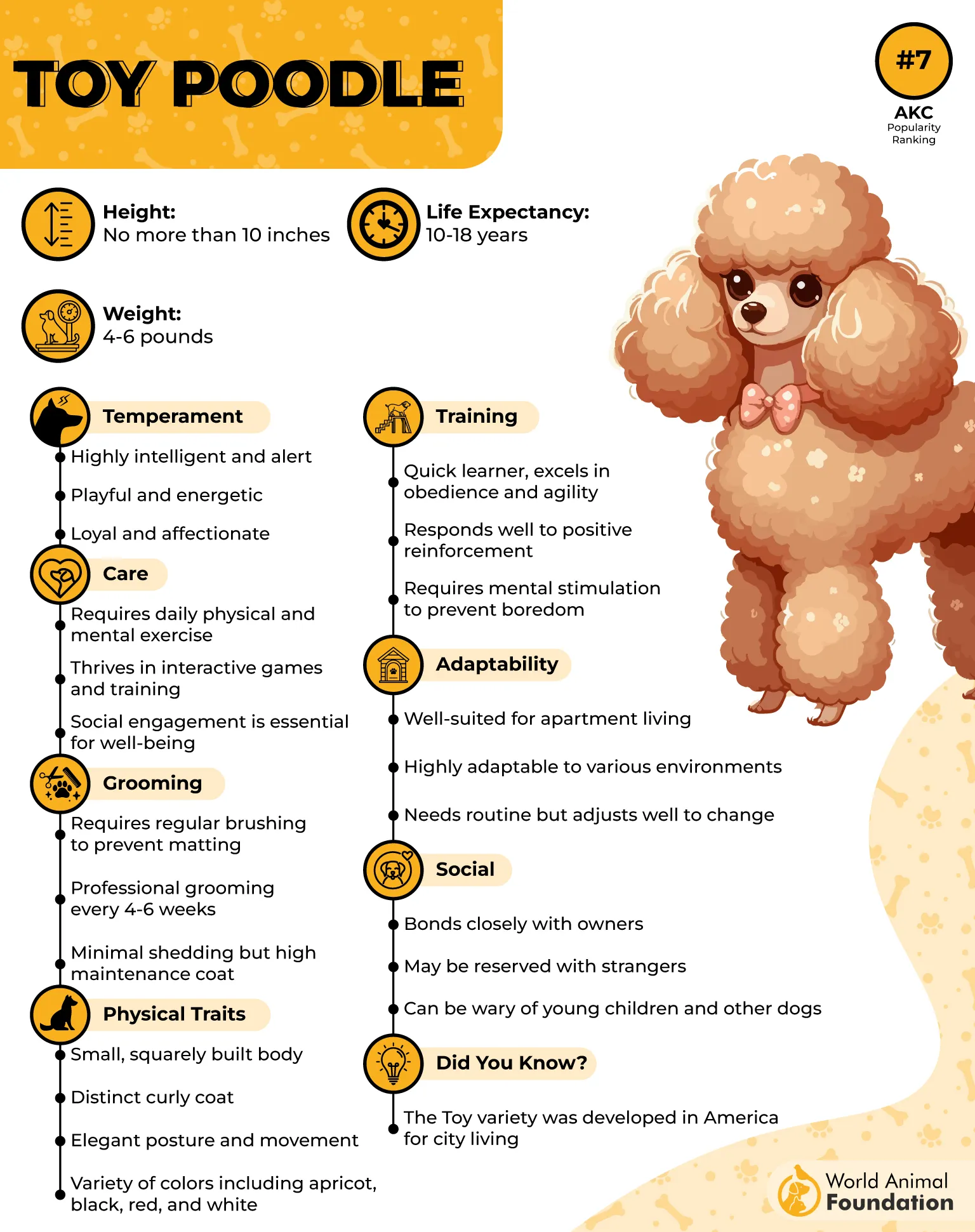
Personality and Traits
Toy Poodles are lively, affectionate, sociable, and eager to be part of family life. They bond closely with their people and do not enjoy being left alone for long periods.
They can get along well with children, other pets, and dogs, but their small size means playtime should be supervised. They are also alert watchdogs and may announce visitors without being aggressive.
Training and Exercise
Toy Poodles are bright and quick to learn, making them easy to train with fun, reward-based methods. They need regular mental stimulation, playtime, and short walks to keep their busy minds occupied.
They can enjoy activities such as agility, obedience, and flyball. Without enough interaction and training, they may become mischievous or try to take charge of the household.
6. Papillon
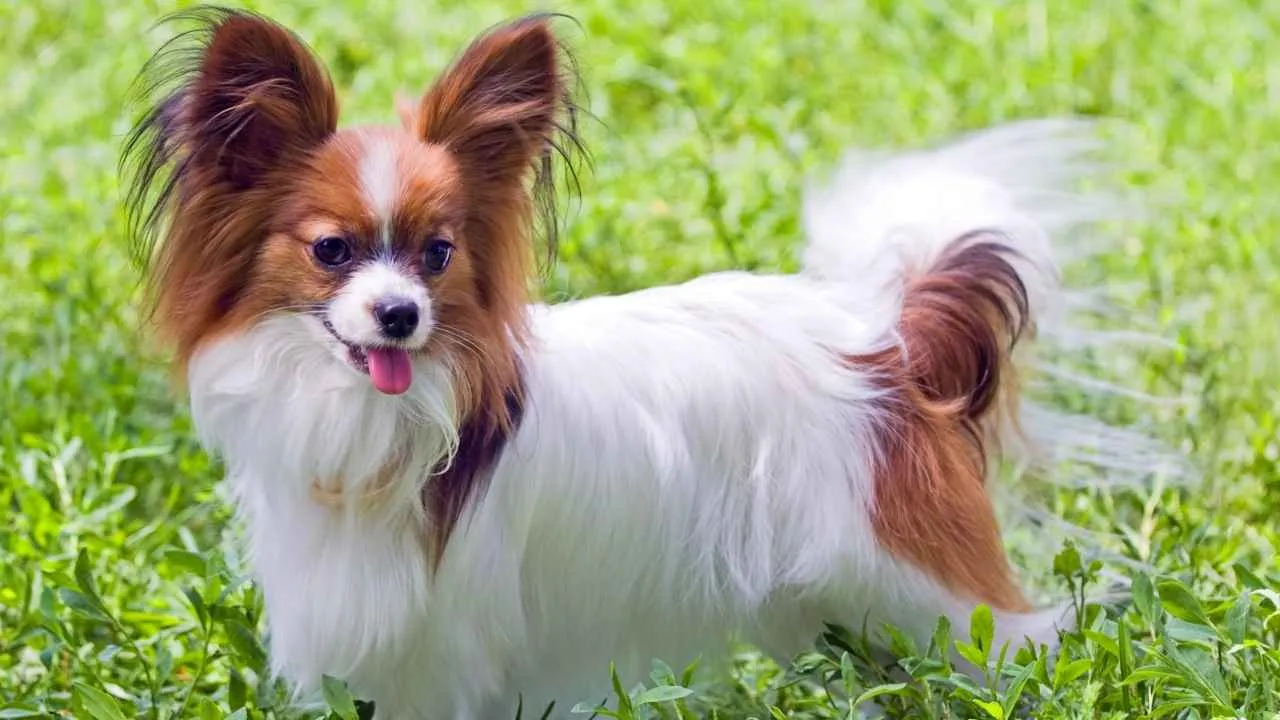
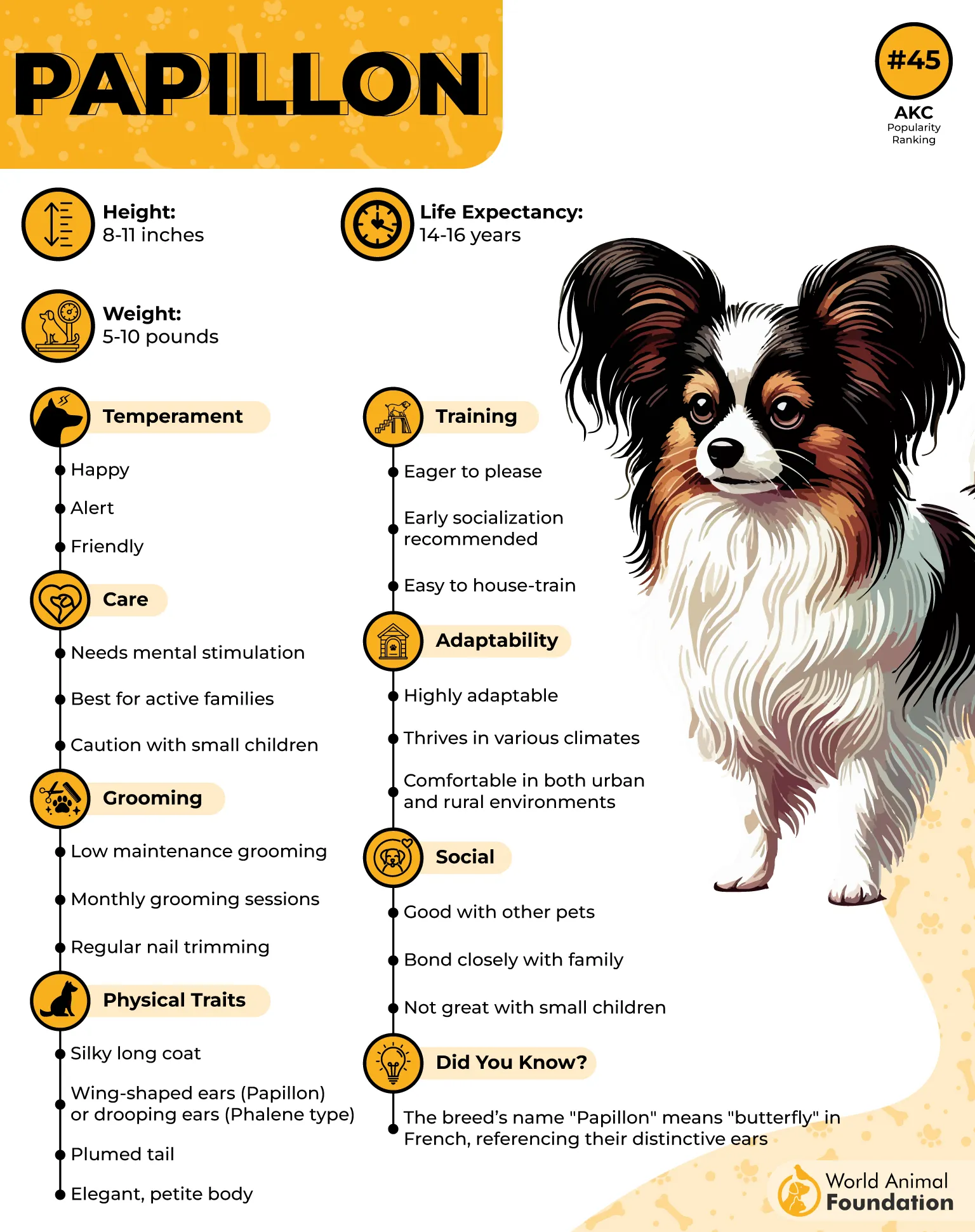
With their large, butterfly-like ears, Papillons are easy to recognize and just as easy to adore. Their name comes from the French word for “butterfly,” and the breed has appeared in Western European artwork since the 16th century.
Despite their elegant looks, these little dogs are lively, athletic, and always ready to join in family activities.
Personality and Traits
Papillons are happy, friendly, affectionate, and alert companions. They enjoy spending time with their people and can happily switch between running around and curling up on a lap.
According to Hill’s Pet, they usually get along well with cats and other dogs, but play with larger animals should be supervised. They can also enjoy children, as long as play stays gentle. Papillons are adaptable and can thrive in both city and country homes.
Training and Exercise
These smart little dogs need plenty of attention, exercise, and mental stimulation. They often enjoy indoor games, walks, and having a safe space to run and play.
Papillons are eager to please and respond well to consistent, positive training. Their talents extend beyond basic training, as they can excel in obedience, agility, tracking, and even therapy work.
7. Pomeranian
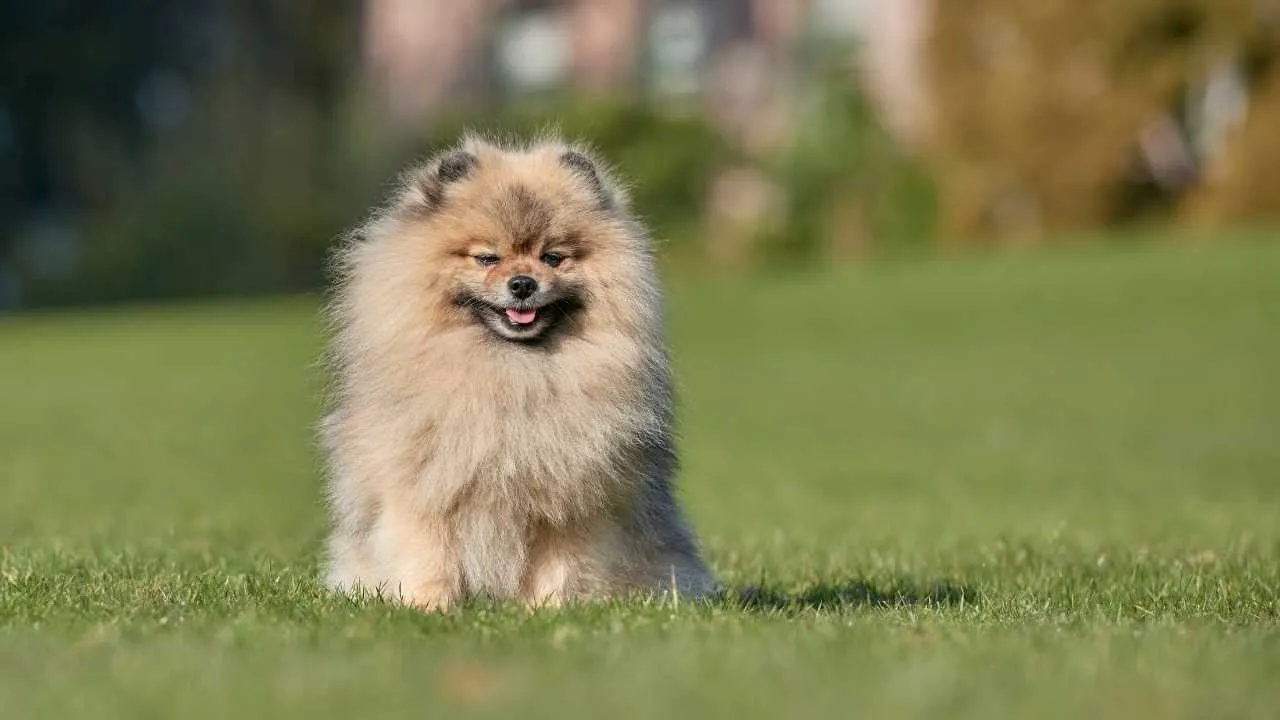
Pomeranians may be tiny, but they carry themselves like much bigger dogs. They are descended from Spitz dog breeds and were originally much larger dogs used for herding.
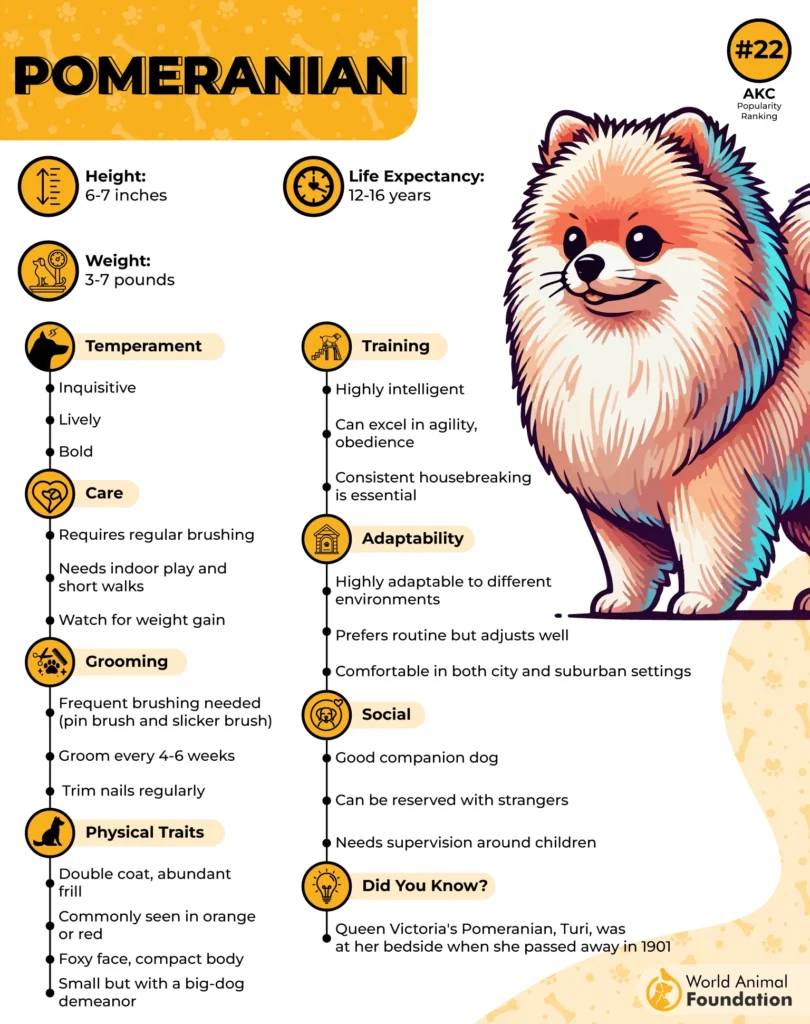
Over time, they were bred down in size and became the small, fluffy companions we know today. Their foxlike faces, thick neck scruffs, and fluffy double coats add to their distinctive look.
Personality and Traits
Pomeranians are cheerful, clever, confident, and full of energy. They enjoy games, adventures, and plenty of attention from their people. They can get along well with other pets and adapt to different lifestyles, but they may be reserved around strangers.
Their bold nature can also lead them to challenge much larger dogs. They make enthusiastic watchdogs and can be prone to excessive barking.
Training and Exercise
Pomeranians are intelligent and generally easy to train, although they can have an independent streak. They enjoy learning tricks and can do well in obedience and agility.
Despite their small size, they need daily exercise, which can be as simple as a walk and some playtime.
Conclusion
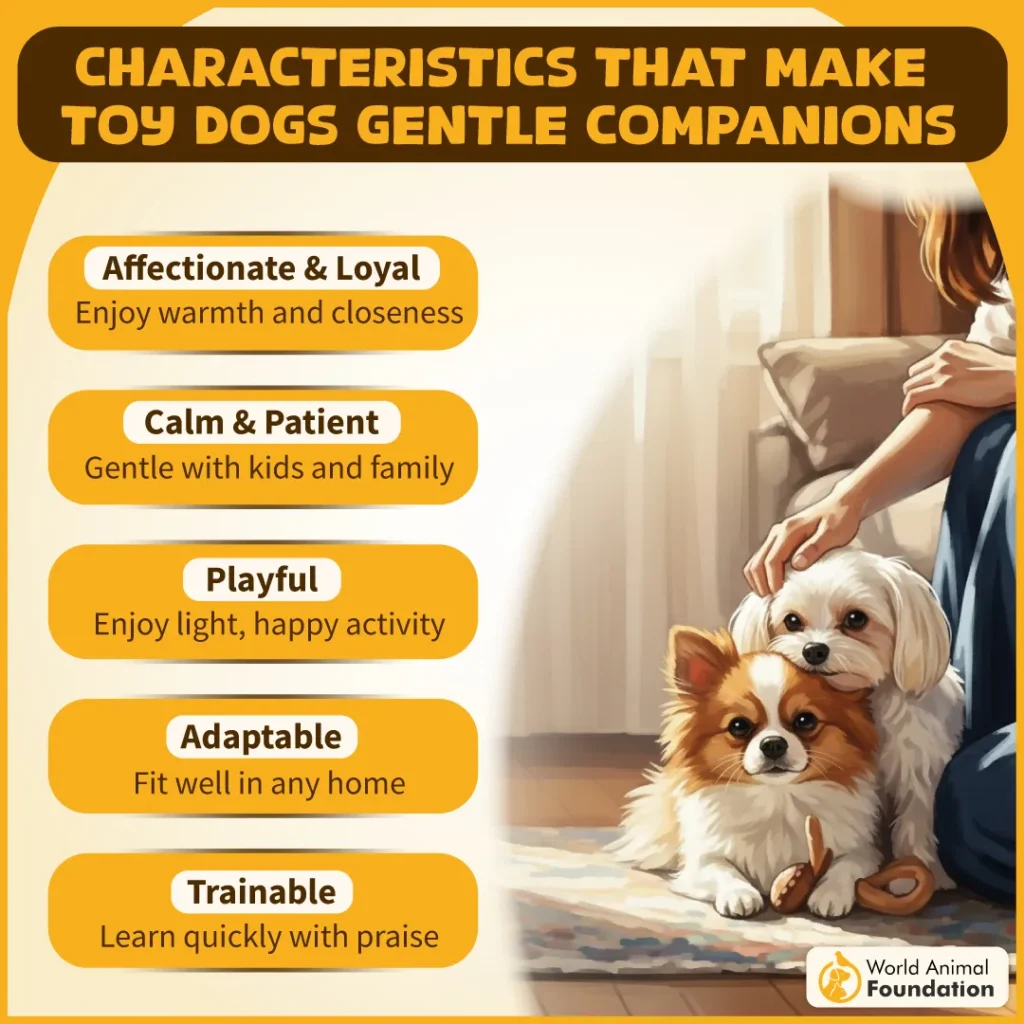
Toy dog breeds may be small, but they bring plenty of personality, energy, and affection into a home. From playful companions to devoted lap dogs, each breed has its own traits, exercise needs, and care requirements.
Their size can make them easy to fit into different homes, but they still need training, attention, socialisation, and daily care.
If one of these little companions has caught your heart, take some time to consider its personality and needs before making a decision. The best match is not simply the smallest or cutest dog, but one whose temperament and lifestyle fit naturally with yours.
After all, sometimes the tiniest paws can leave the biggest mark on a home.
