




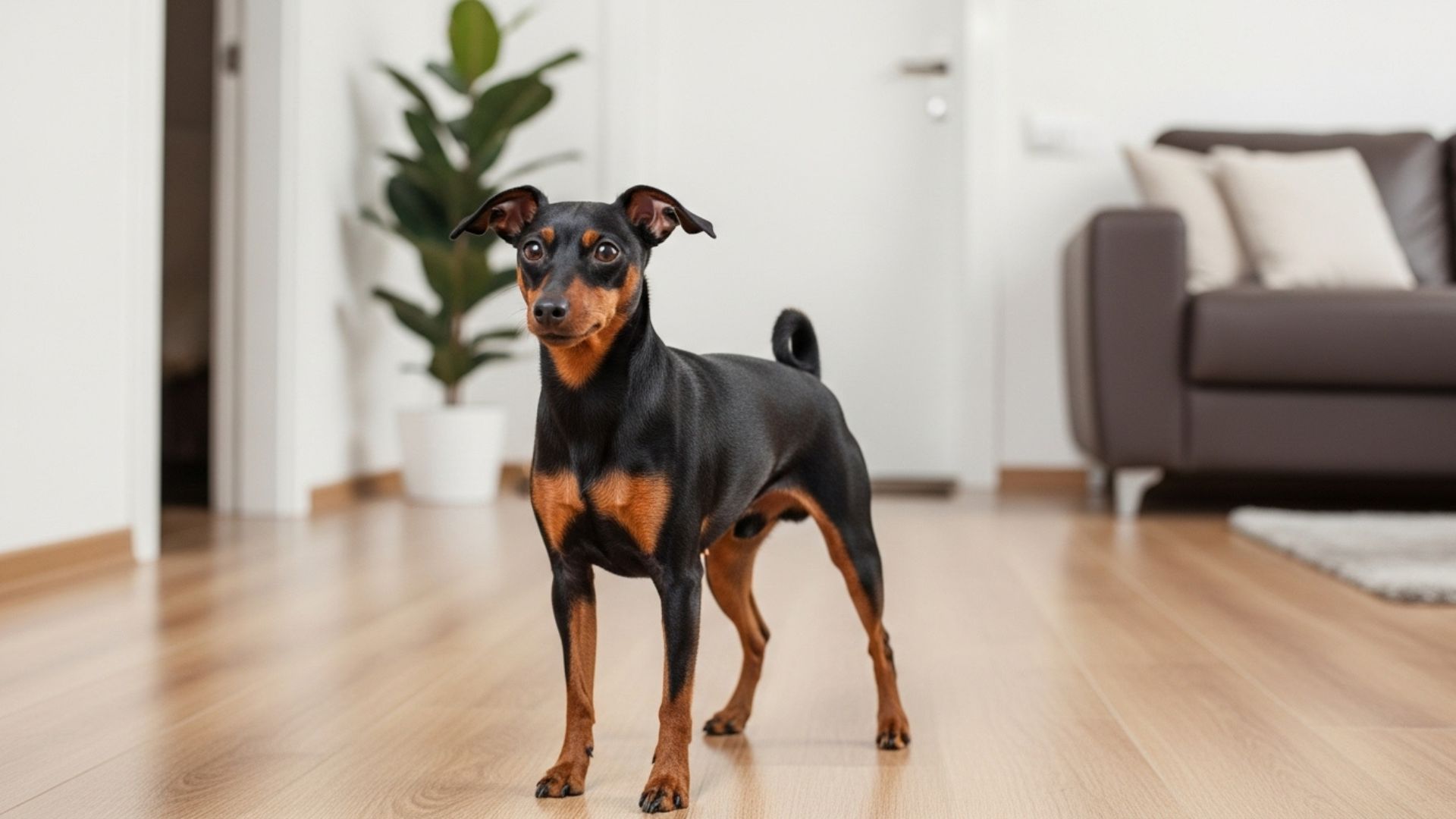
Living small does not mean thinking small when it comes to choosing a dog. Tiny dog breeds can bring huge amounts of personality, affection, and joy into cozy homes and apartments around the world.
The key is finding a pup whose energy level, temperament, and needs fit comfortably with your daily routine and living space. Whether you love quiet nights at home or short strolls around the neighborhood, the right small dog can feel like the perfect roommate.
In this guide, we explore wonderful tiny dog breeds that thrive in close quarters and make everyday life warmer, calmer, and more fun. The right match can turn any space into a true home.
Wonderful Tiny Dog Breeds for Cozy Living
1. Cavalier King Charles Spaniel
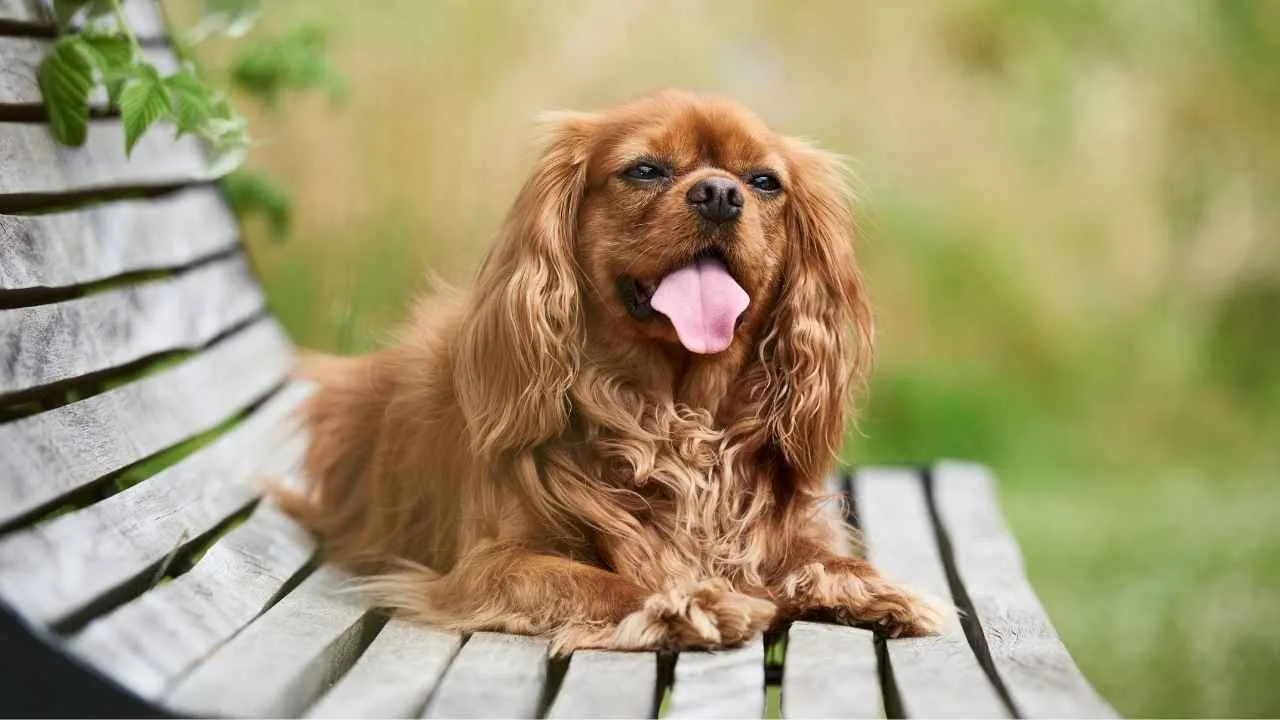
The Cavalier King Charles Spaniel was bred first and foremost to be a companion, and that purpose still shines through today. According to the AKC, these dogs are affectionate, gentle, and happiest when close to their people, whether that means following them from room to room or settling into a lap. Their history with British royalty explains their calm confidence and love of constant company.
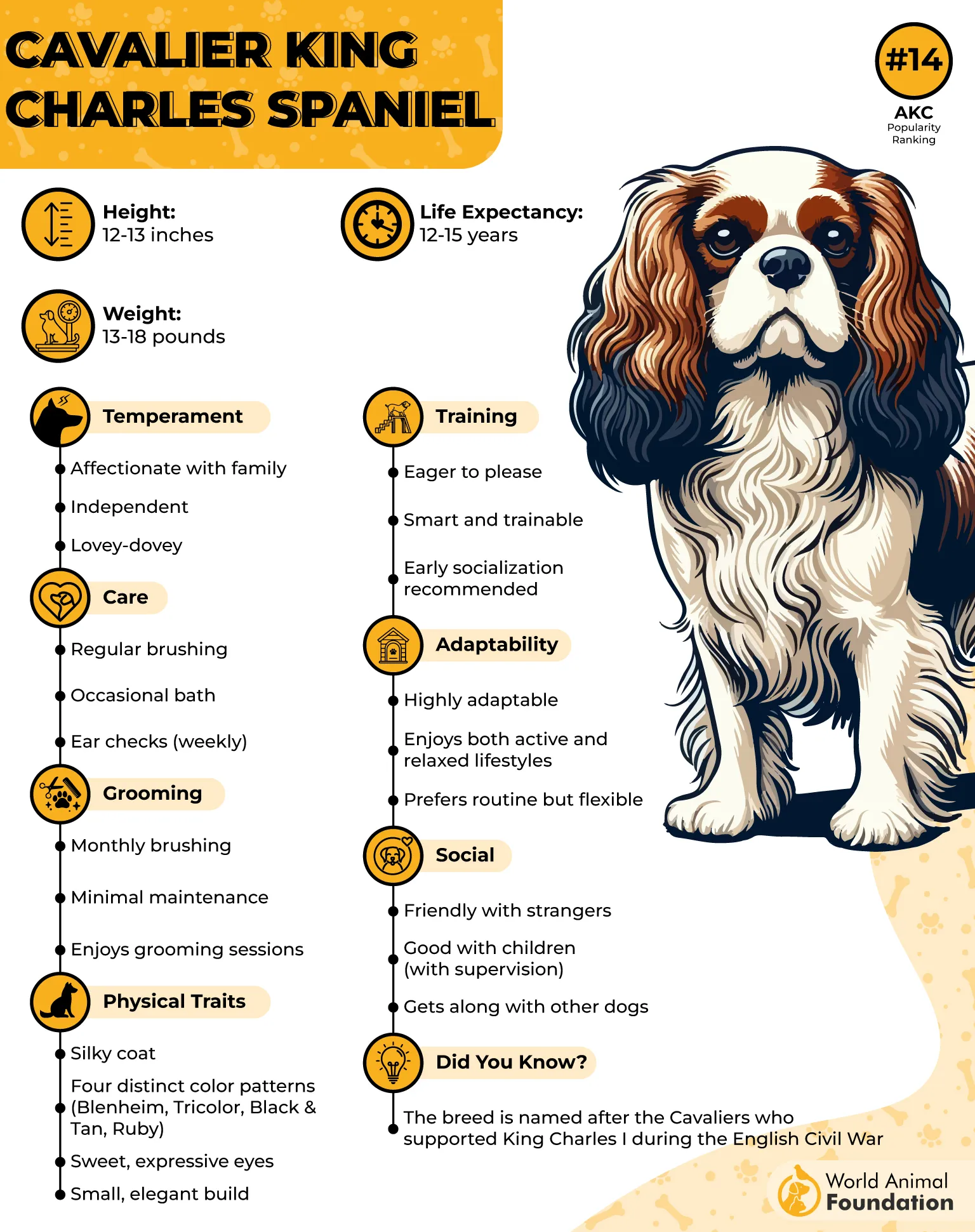
Physically, Cavaliers are small dogs with long backs, floppy ears, and silky coats that come in four distinct color patterns. They do shed, though not heavily, and regular brushing helps keep loose hair under control and coats looking smooth. Grooming also offers a good opportunity to check their ears and eyes, which benefit from routine care.

Cavaliers have moderate exercise needs and enjoy a balance of walks, playtime, and downtime. Two daily walks paired with mental stimulation usually keep them content and relaxed indoors. They are eager to please, respond well to positive training, and tend to get along easily with children, cats, and other dogs.
Why This Breed Is a Good Fit
Thrives on companionship, making them ideal for city life and people who spend lots of time at home
Moderate activity suits smaller living spaces without feeling restrictive
Calm, friendly nature helps them adjust smoothly to shared environments
2. Japanese Chin
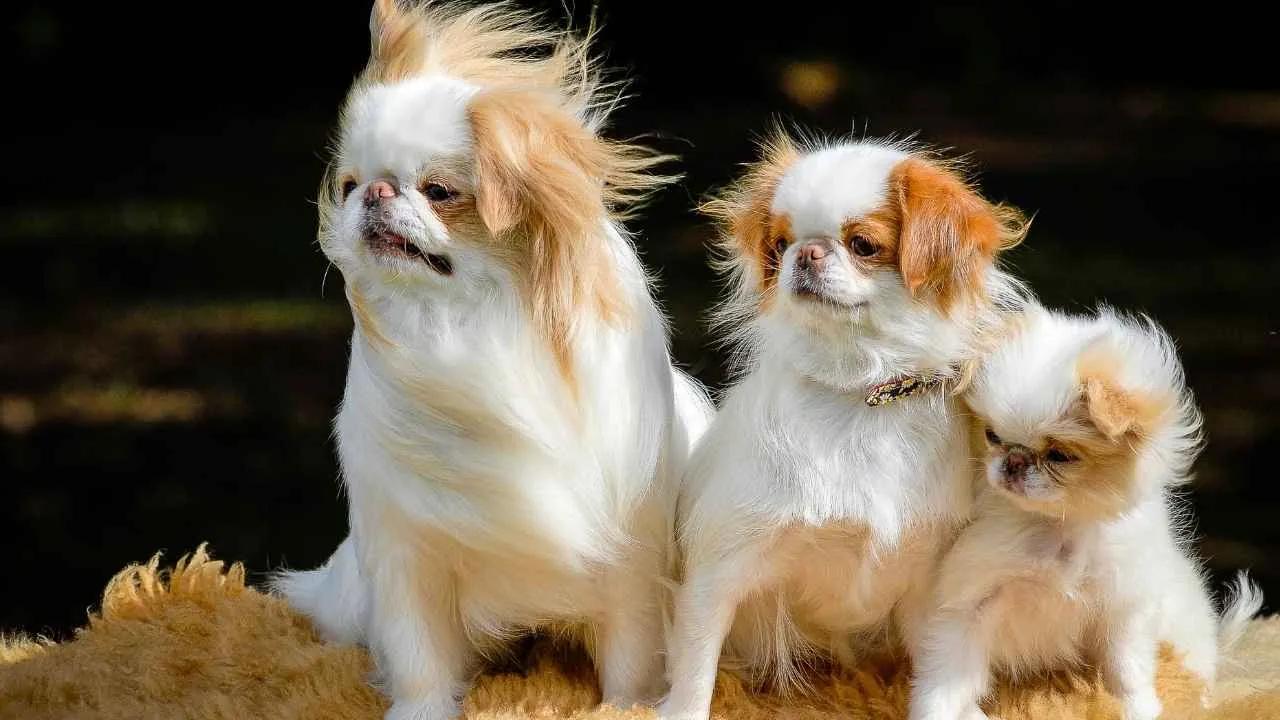
The Japanese Chin is a refined little companion known for its graceful movements and quiet personality. Often described as having a cat-like demeanor, this breed is naturally clean, observant, and content, spending most of its time indoors. Their calm presence and gentle charm make them stand out among toy breeds.
With a short muzzle, large expressive eyes, and a profuse silky coat, the Japanese Chin carries an unmistakably elegant look. The plumed tail arches neatly over the back, adding to their distinctive silhouette. Regular grooming helps maintain their coat, though their overall care needs remain manageable for attentive owners.
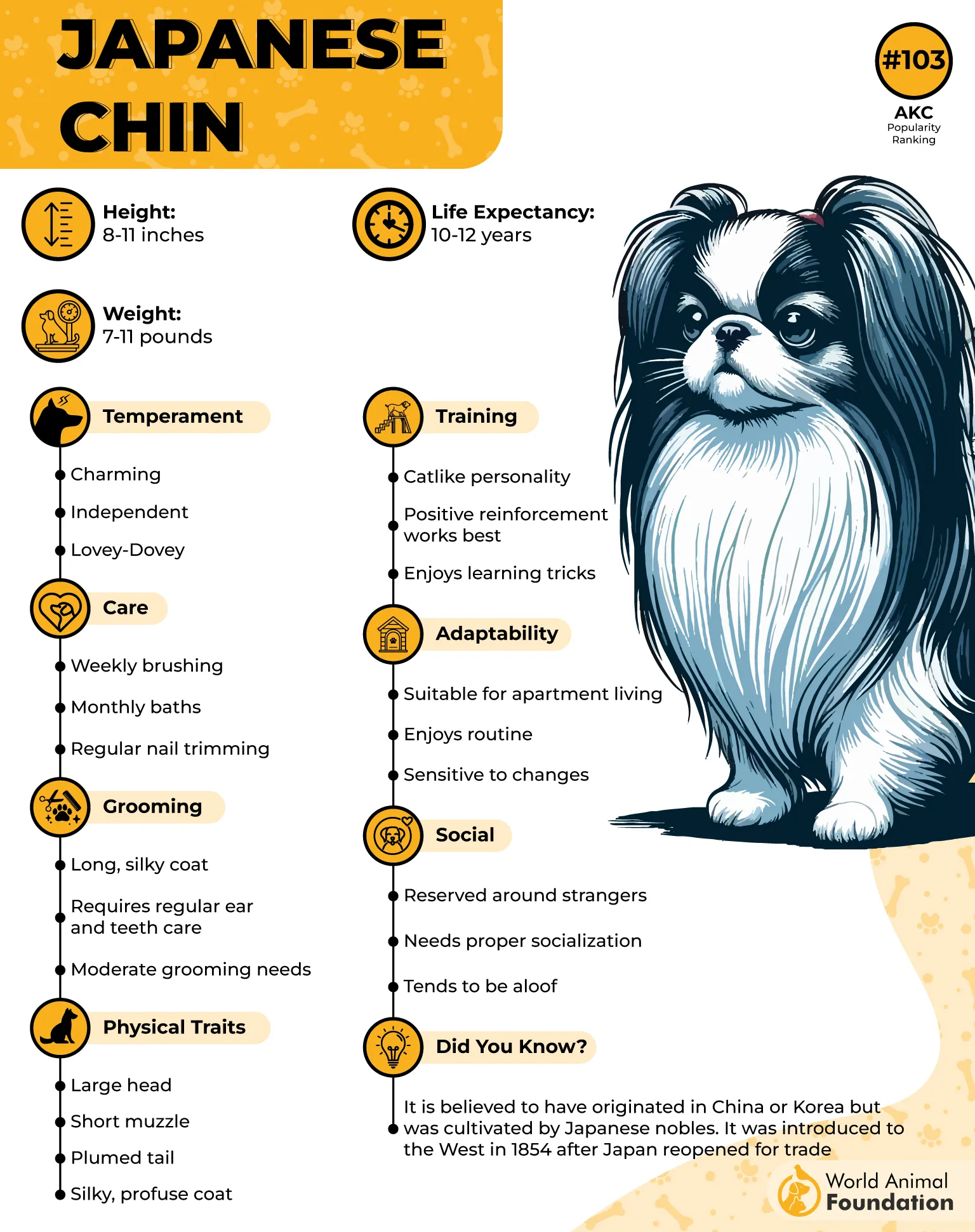
As per Purina, Japanese Chin tend to be affectionate companions without being demanding and enjoy choosing when to interact. They are typically quiet dogs, which can be a welcome trait in close living quarters. While playful in short bursts, they are perfectly happy lounging for long stretches, watching the household activity unfold.
Why This Breed Is a Good Fit
Naturally quiet temperament suits shared living spaces
These dogs thrive with indoor life and short play sessions
Independent streak pairs well with relaxed routines
3. Toy Fox Terrier
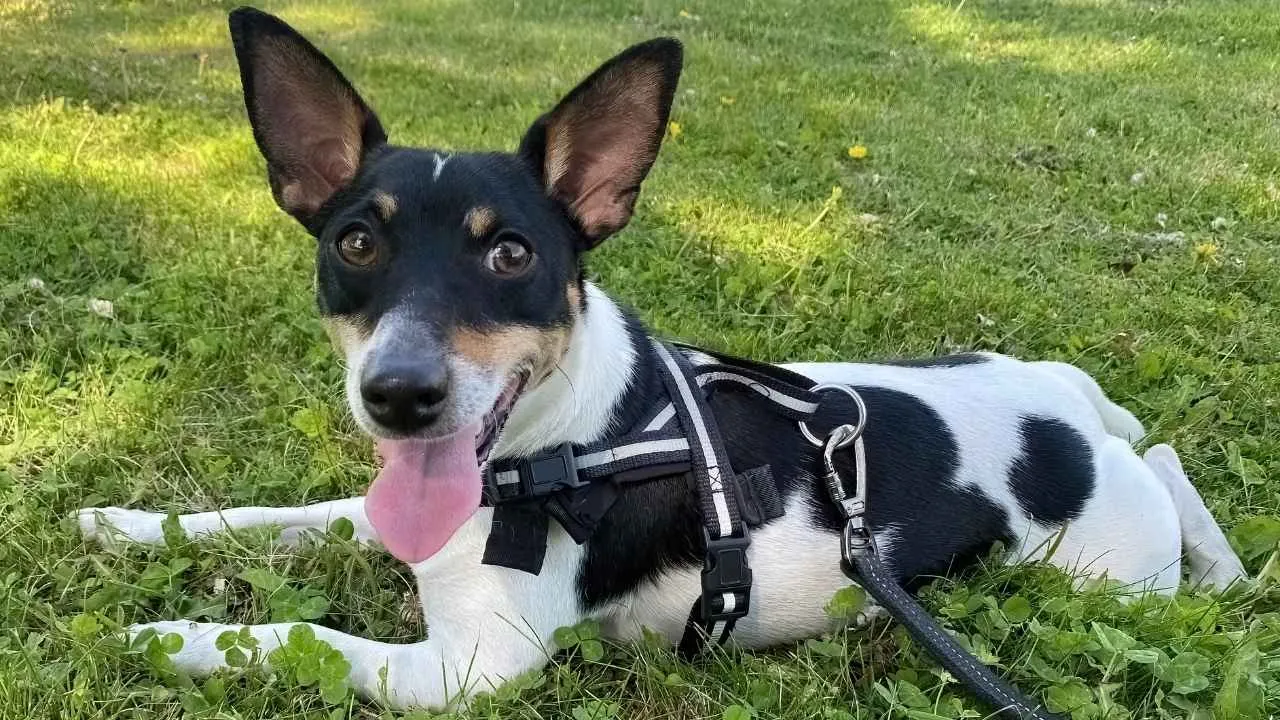
The Toy Fox Terrier may be tiny, but it brings bold energy and curiosity wherever it goes. Originally bred from Smooth Fox Terriers, this American breed retains a strong terrier spirit and a keen interest in everything happening around them. They love attention and prefer being involved rather than left out of the action.
VCA hospitals states that their short, smooth coat is easy to maintain, requiring minimal grooming beyond basic upkeep. Muscular and athletic despite their size, Toy Fox Terriers are always ready to spring into motion when something catches their eye. Cold weather can be uncomfortable for them, so they often need extra warmth outdoors.
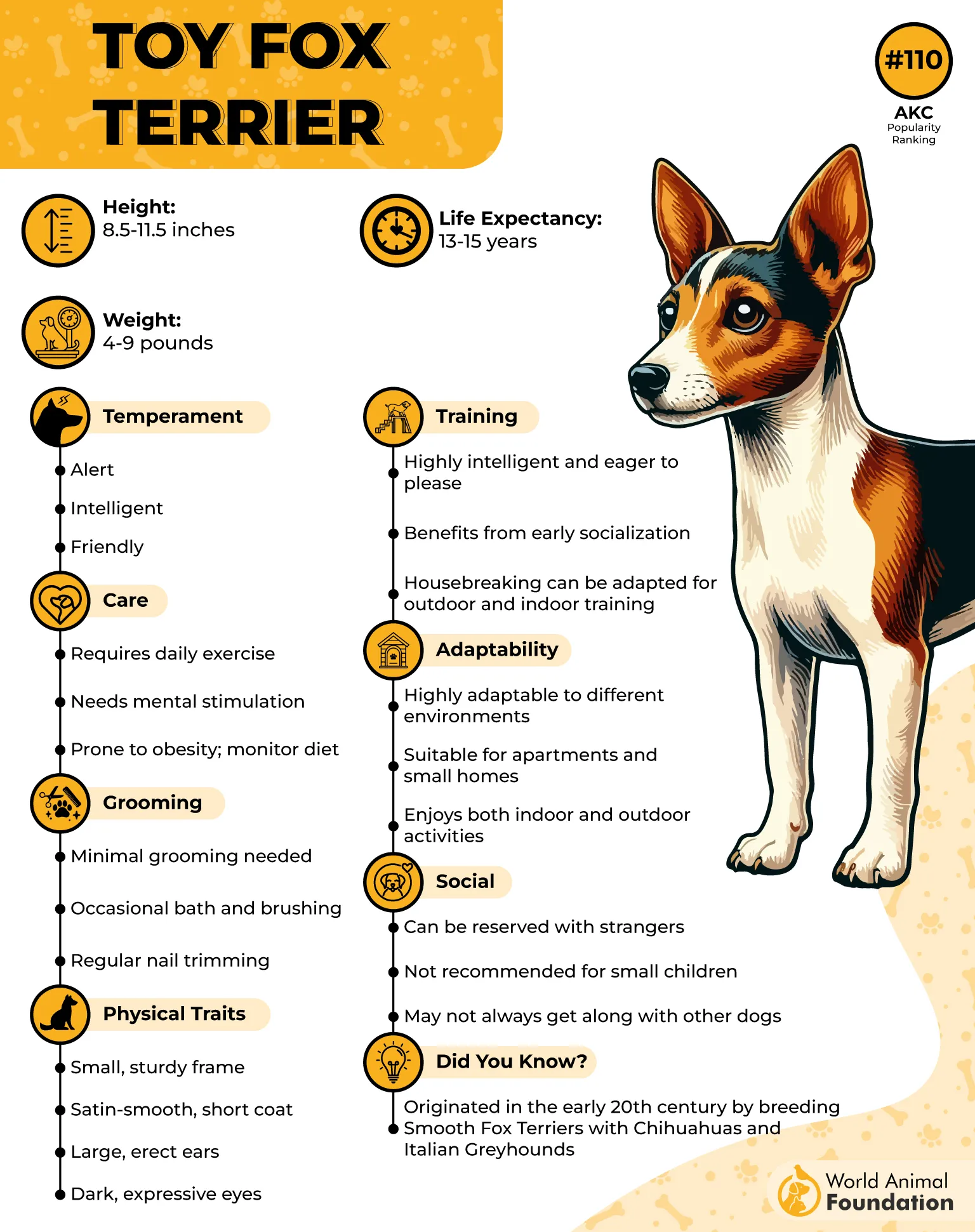
Toy Fox Terriers are intelligent and enthusiastic learners, though they can become bored easily with repetitive training. Daily walks and play are essential to keep their minds and bodies active. Without enough activity, they may bark excessively or develop bossy habits that need consistent guidance.
Why This Breed Is a Good Fit
Compact size with a big personality keeps life entertaining indoors
Enjoys daily activities that can be met with walks and playtime
Minimal grooming needs simplify routine care
4. Russian Toy
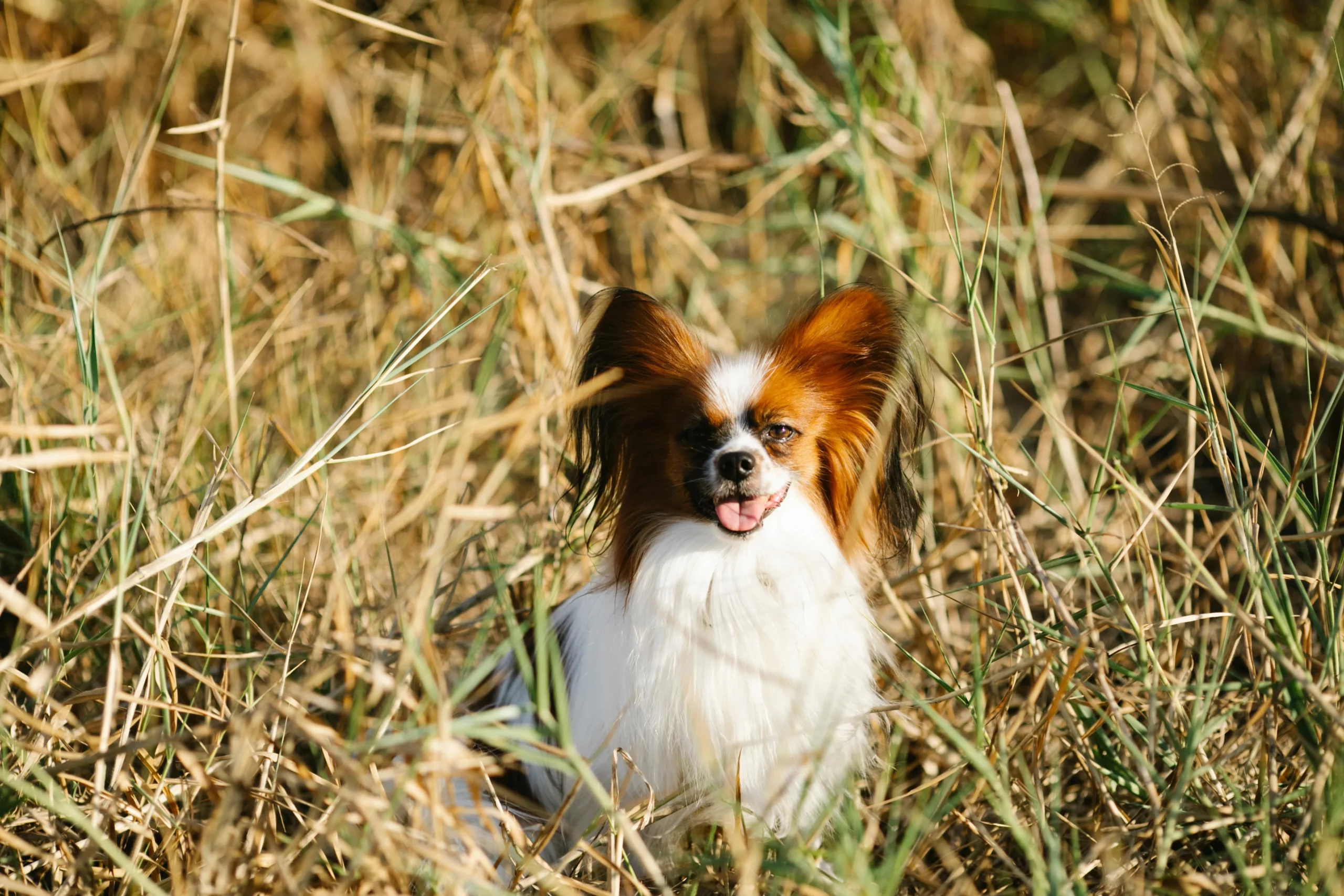
The Russian Toy is one of the smallest dog breeds in the world, yet it carries itself with surprising confidence. Originally bred as a companion for Russian nobility, this dog remains deeply people-oriented and forms strong bonds with its family. It enjoys both lively play and long cuddle sessions.
This breed has long legs, a lean frame, and either a smooth or long coat in several rich color variations. Grooming needs are fairly light, with brushing frequency depending on coat type. Despite their delicate appearance, Russian Toys are agile and quick on their feet.
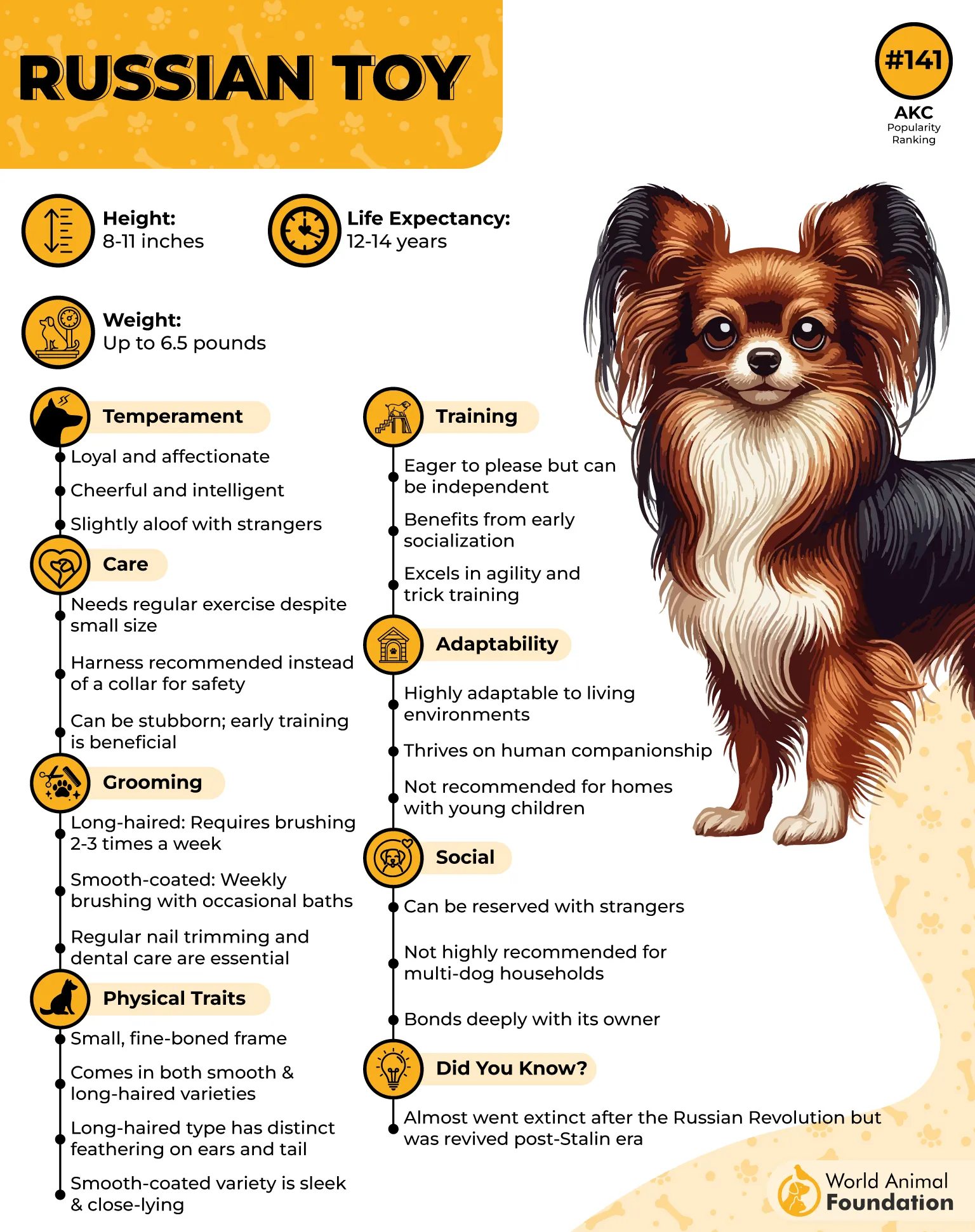
Russian Toys thrive on companionship and do not enjoy being left alone for long periods. They benefit from multiple short walks each day and enjoy structured activities like obedience or agility. Consistent training and early socialization help prevent excessive barking and overconfident behavior.
Why This Breed Is a Good Fit
Small size pairs well with limited living space
Enjoys both playtime and relaxed indoor lounging
Strong attachment to owners suits close-knit households
5. Pug
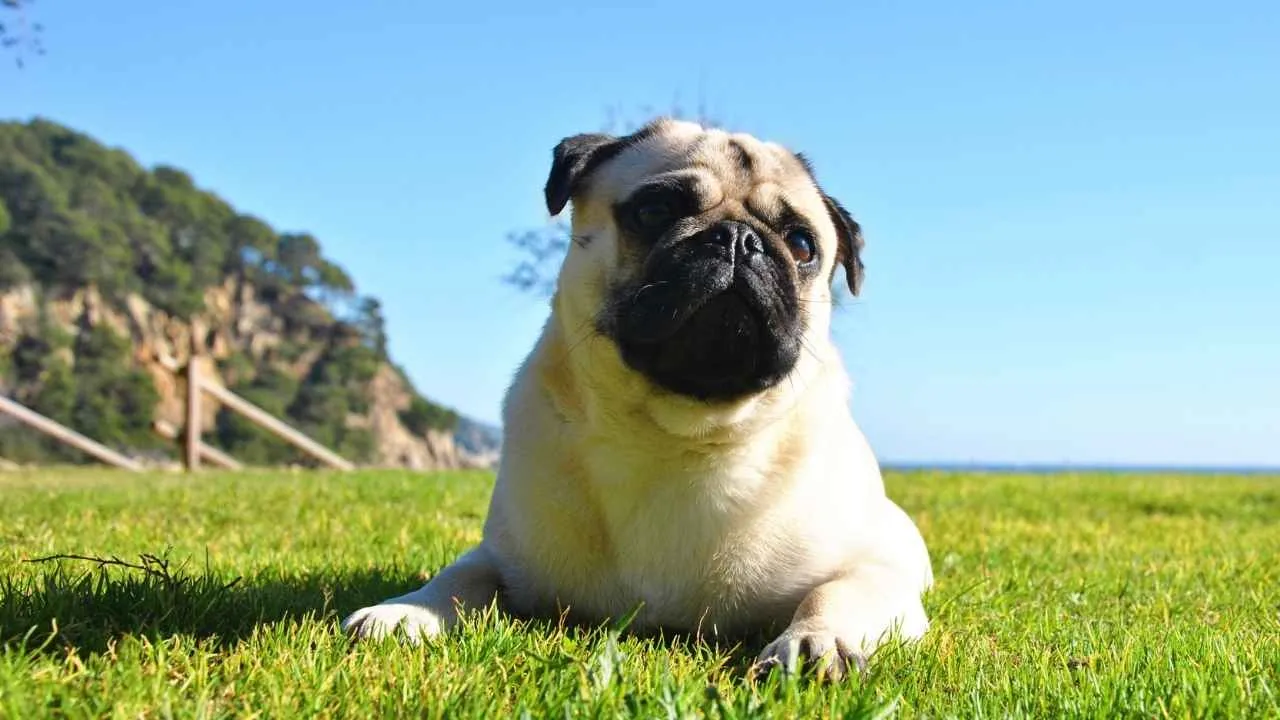
Pugs are affectionate, people-loving dogs that were bred purely for companionship. They thrive on constant company and prefer being involved in everything their humans do, from lounging on the couch to following them from room to room. Being left alone for long periods does not suit their social nature.
Physically, Pugs are small dogs with short coats and flat faces, which gives them their signature look but also requires extra care. Their brachycephalic structure makes them prone to breathing difficulties, especially during exercise or warm weather. Owners need to monitor activity levels closely and learn to recognize signs of breathing strain.
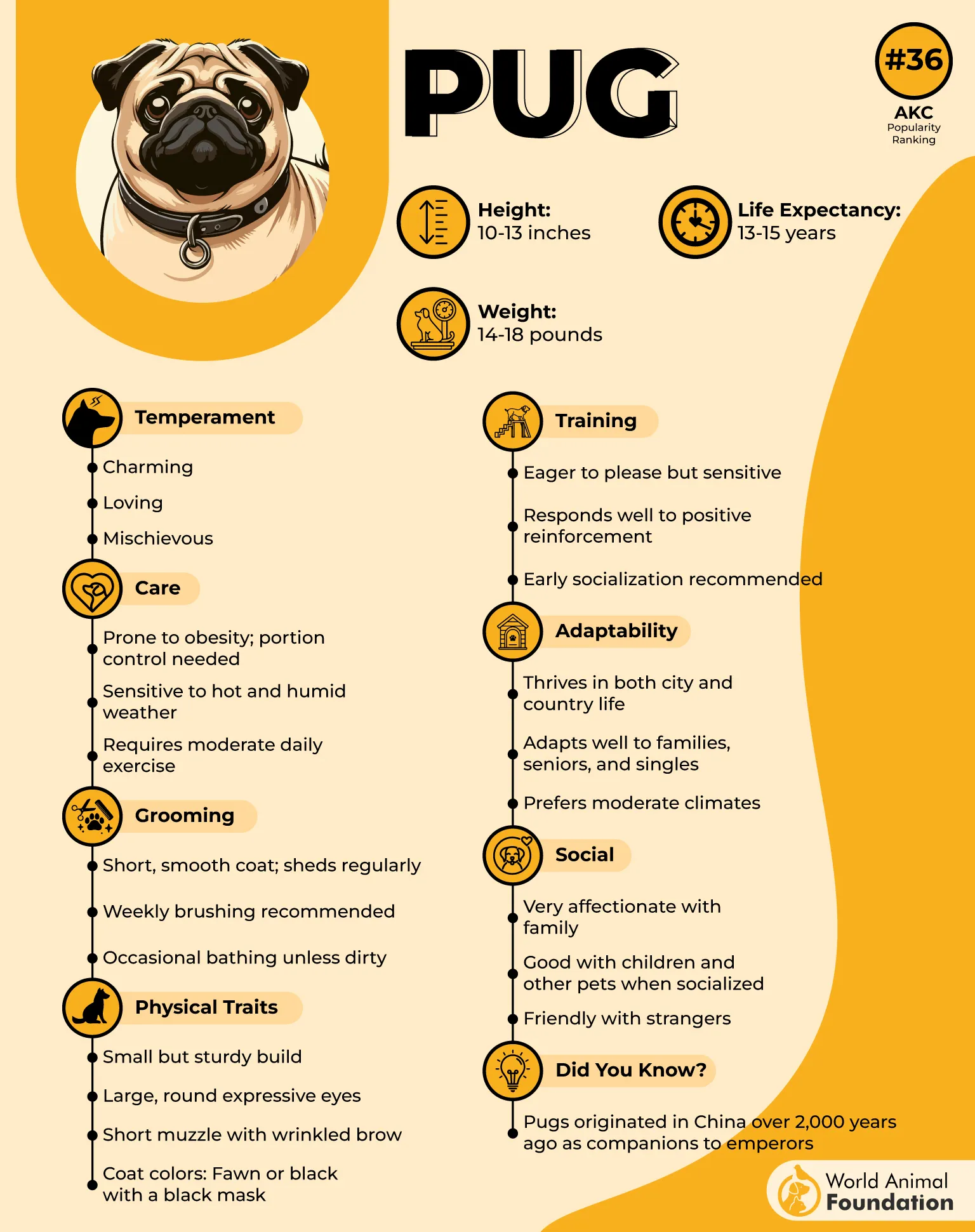
Pugs have playful, clownish personalities and enjoy short walks combined with indoor games and mental stimulation. They can be strong-willed, so training works best when it is consistent, reward-based, and shared by everyone in the household. Regular grooming is important, especially cleaning skin folds to prevent irritation or infection.
Why This Breed Is a Good Fit
Loves constant companionship and close daily interaction
Exercise needs can be met with short, manageable outings
Happy to relax indoors once the activity is finished
6. Miniature Pinscher
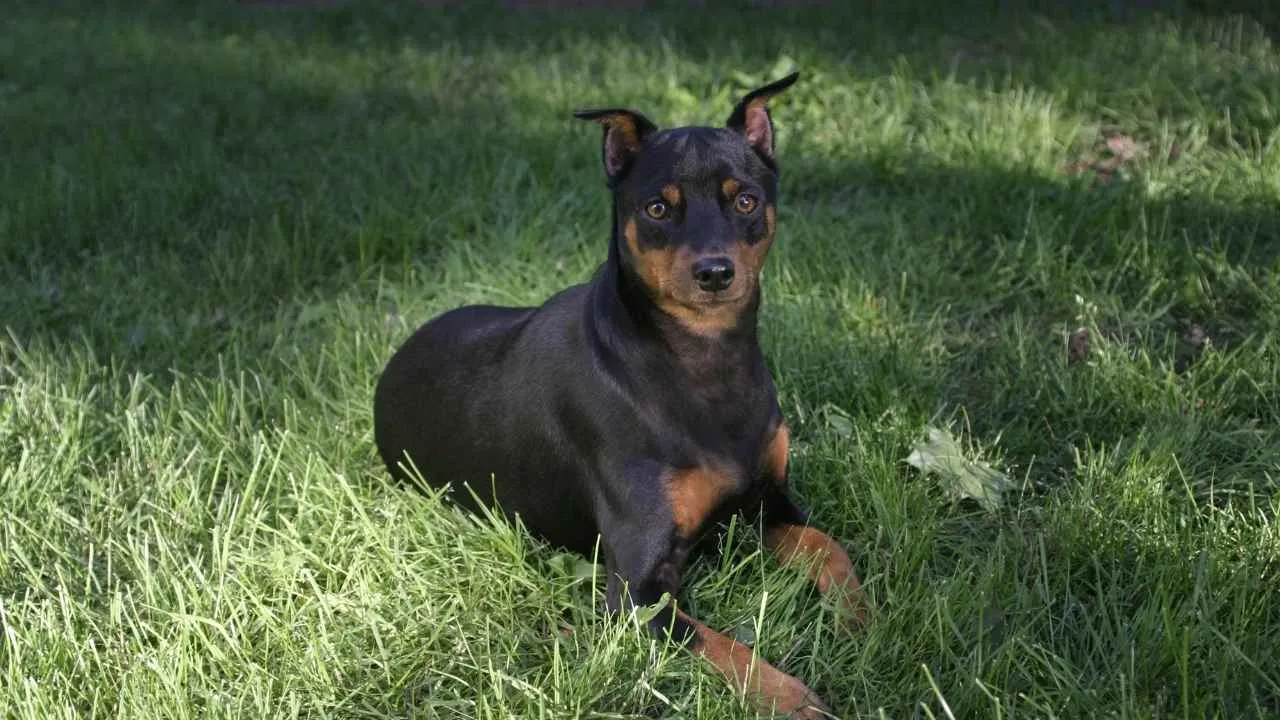
The Miniature Pinscher is a lively and confident toy breed that rarely seems to realize how small it is. Energetic and curious, this dog enjoys exploring its surroundings and staying busy throughout the day. Despite their lap-dog size, they are anything but passive companions.
Miniature Pinschers have short, sleek coats that are easy to maintain with weekly brushing. Grooming needs are minimal, but regular nail trimming and dental care are still important. Their compact build hides a surprising amount of athletic ability and determination.
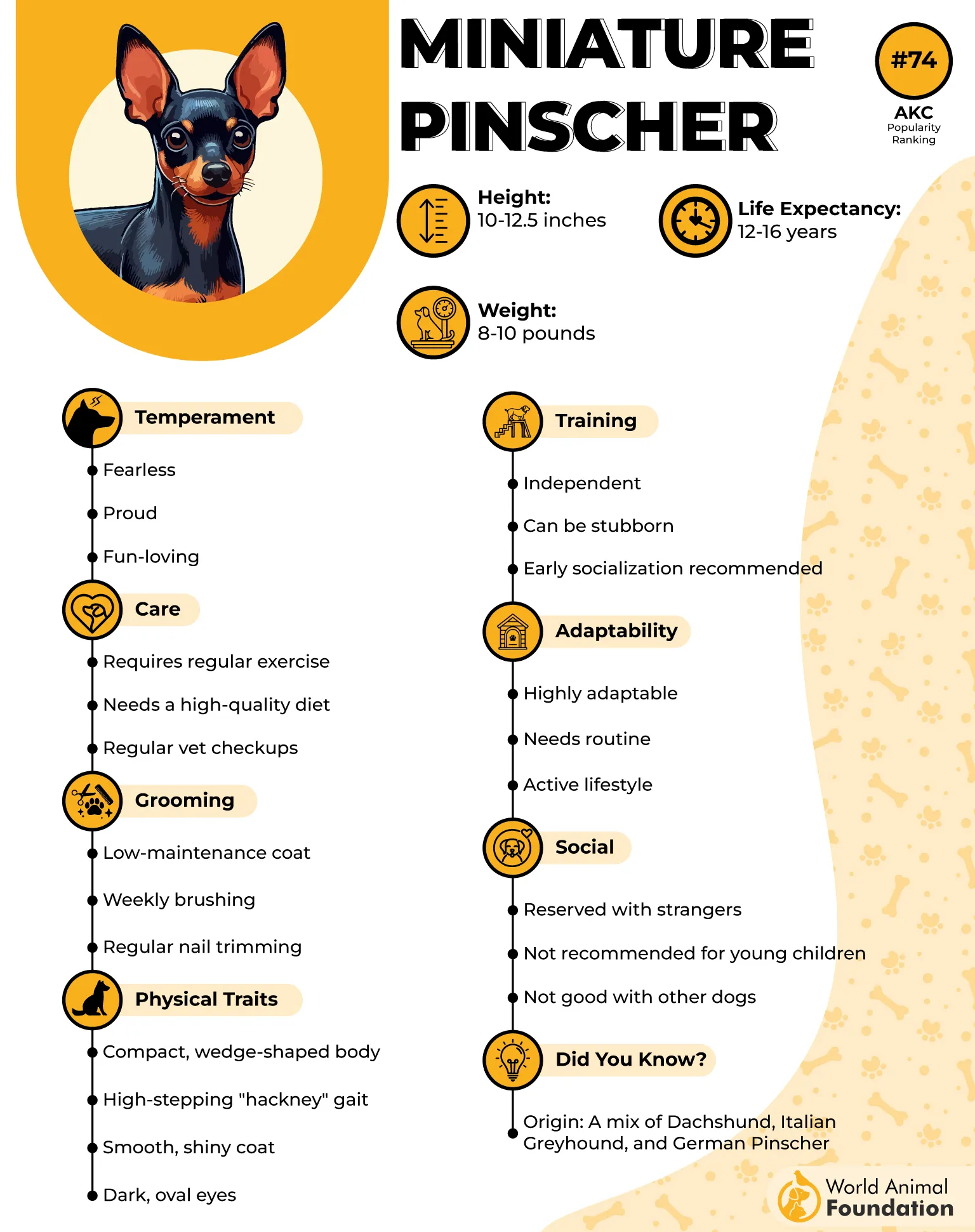
These dogs need up to half an hour of exercise daily and benefit from structured walks and playtime. Training can be challenging due to their independent streak, but patience and consistency usually pay off. Without enough activity or guidance, they may become stubborn or develop unwanted behaviors.
Why This Breed Is a Good Fit
Small size with minimal grooming requirements
Short daily exercise fits easily into busy routines
An alert personality keeps indoor life engaging
7. Papillon
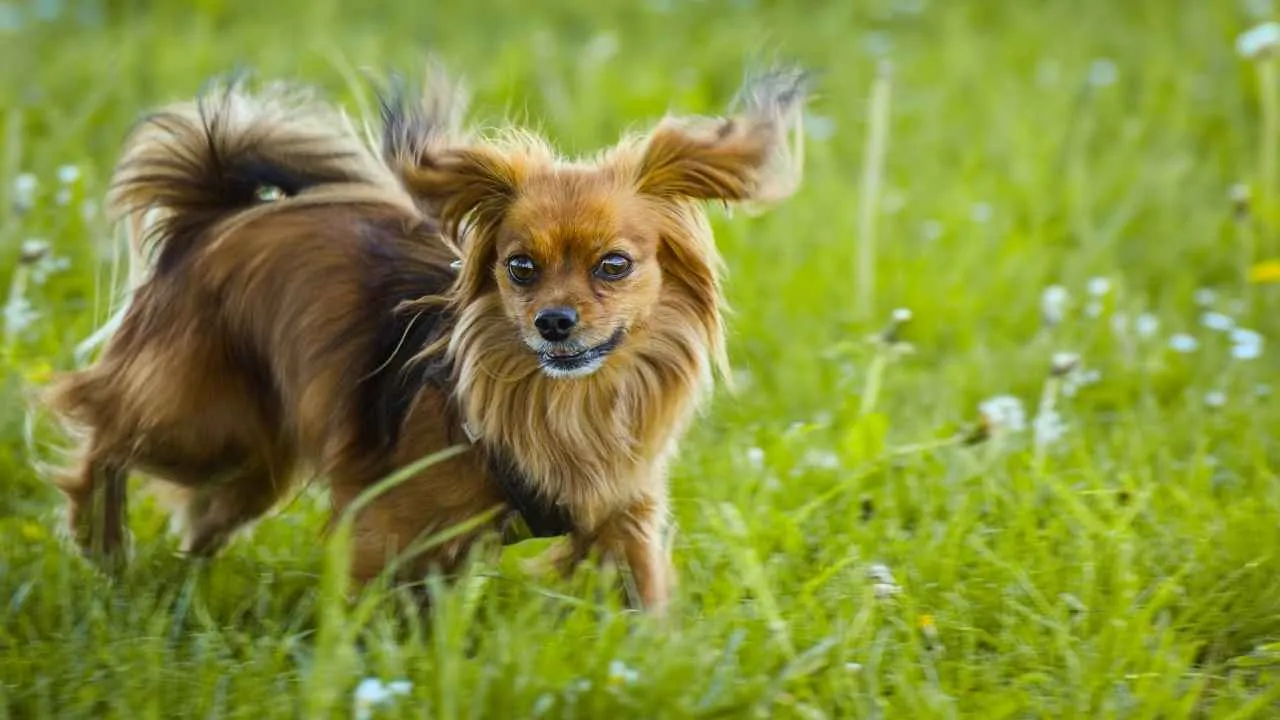
Papillons are elegant little dogs known for their large, butterfly-like ears and bright expressions. Bred for centuries as companion animals, they are friendly, affectionate, and deeply bonded to their people. They enjoy being close to family members and often seek out laps once their energy is spent.
Despite their delicate appearance, Papillons are active and intelligent dogs that need regular mental and physical stimulation. They enjoy walks, indoor play, and structured activities that challenge their quick minds. Their small size makes it easy to meet these needs even without a large outdoor space.
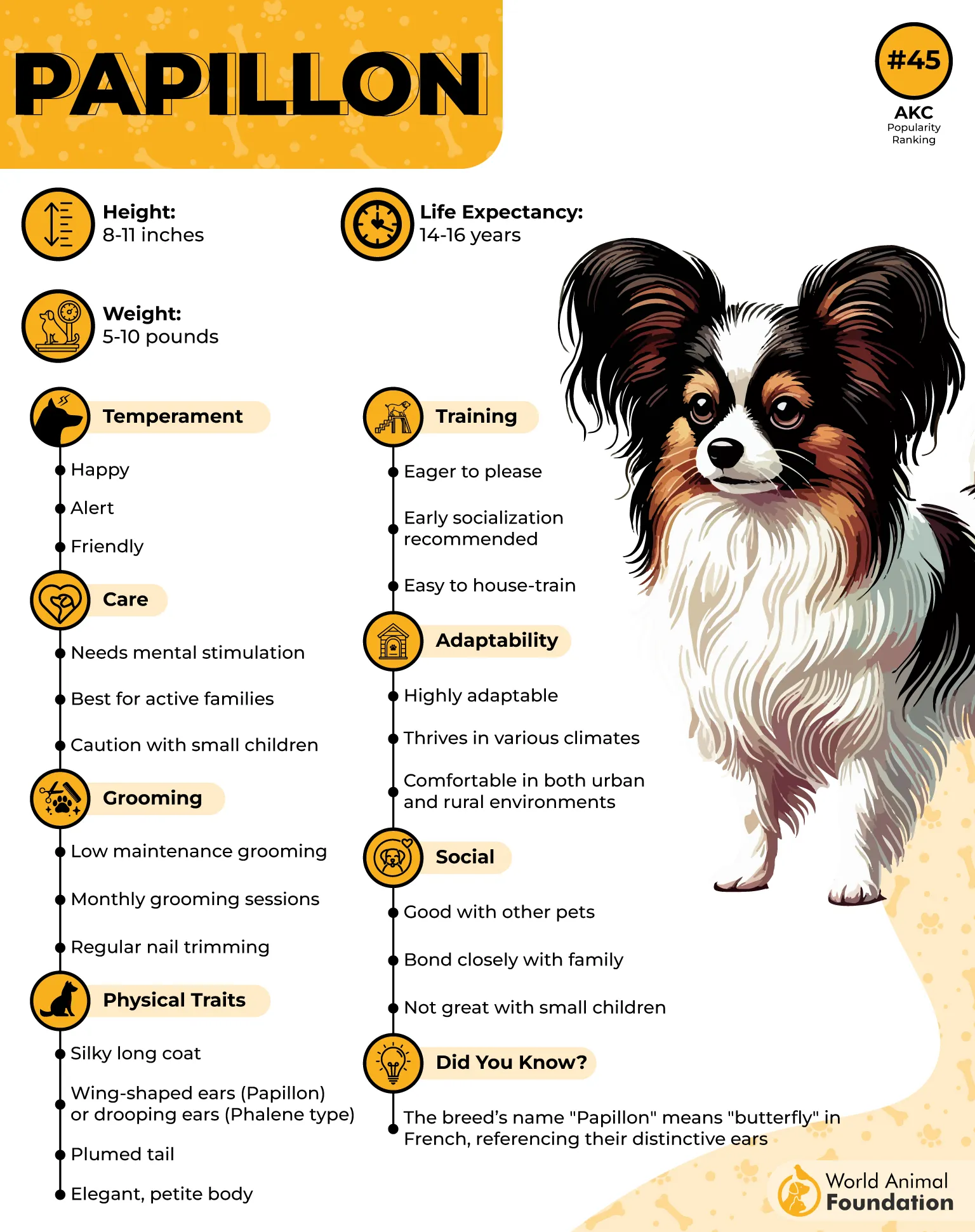
Papillons have long, feathered coats that require brushing a few times a week to prevent tangles. Training is usually enjoyable with this breed since they are eager to please, though consistency is key. Some may develop separation anxiety if left alone too often, making enrichment and routine especially important.
Why This Breed Is a Good Fit
Compact body with adaptable exercise needs
Thrives on interactive play and indoor activities
A strong bond with owners suits close living environments
Conclusion
Choosing the best small dog breed for apartment living is less about size and more about lifestyle, personality, and daily habits. Each breed brings its own mix of energy, affection, and care needs, and the best match is one that fits naturally into your routine.
When those pieces line up, even the smallest space can feel full of life and companionship. Take time to reflect on what you can offer a dog and what you hope to share in return.
Other small breeds such as the Shih Tzu, French bulldog, Toy Poodles, and Miniature poodles are also perfect apartment dwellers with a gentle demeanor that bonds closely with humans, even if you are a first-time dog owner.
Ready to find your perfect pint-sized furry friend? Start researching, take time to understand a breed’s temperament, meet different breeds, and take the first step toward welcoming a loyal companion into your home.
