




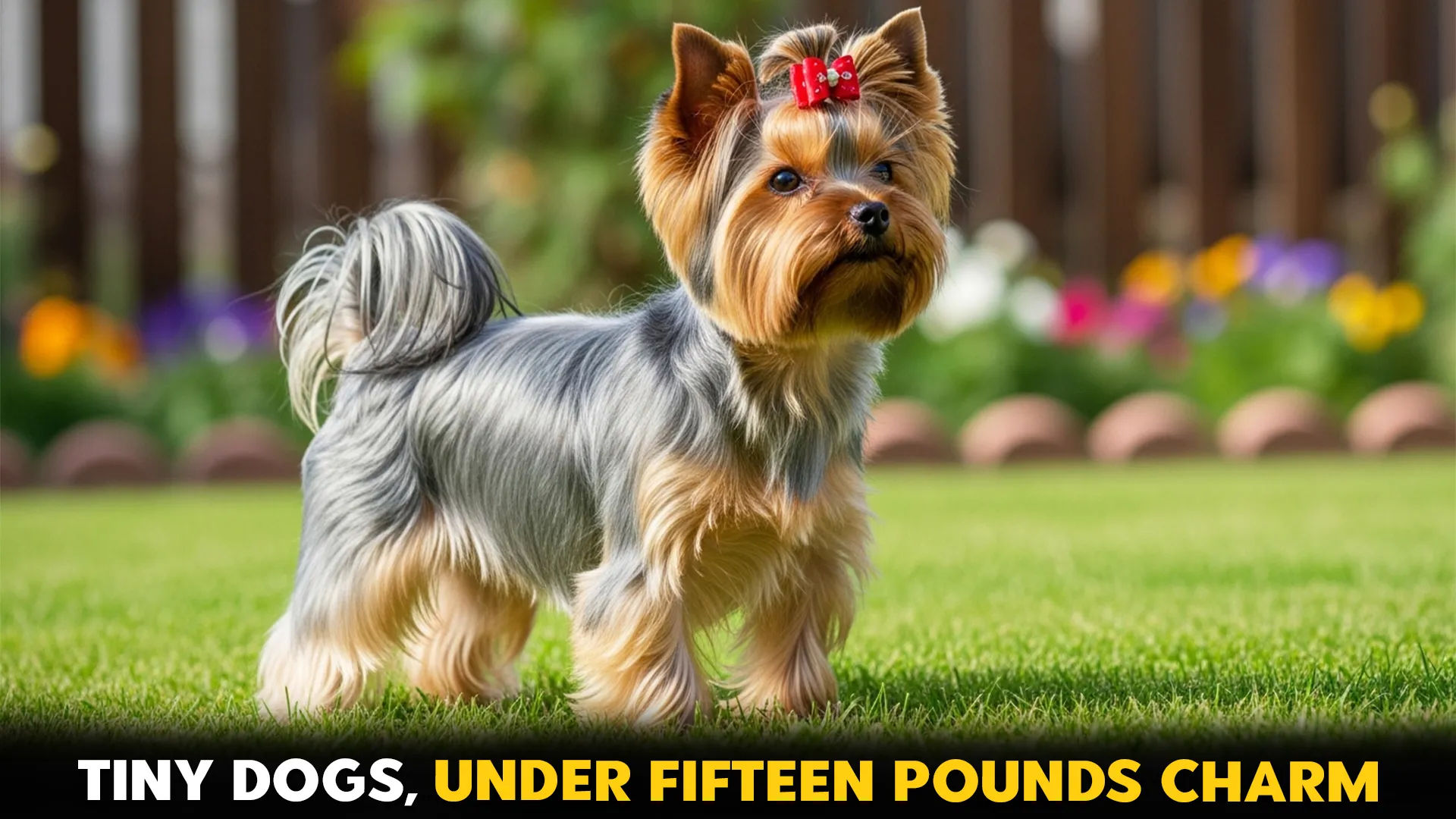
Small dogs under 15 pounds are basically the ultimate life hack—portable, adorable, and packed with personality.
These tiny companions fit into apartments, travel bags, and honestly… your entire emotional support system. But don’t get it twisted—they may be small, but their energy, loyalty, and sass are absolutely elite-tier.
According to the American Kennel Club, smaller breeds tend to live longer (often 12–18 years) and adapt better to urban lifestyles. That means more years of chaos, cuddles, and TikTok-worthy moments.
Let’s break down the most iconic tiny legends.
Wonderful Small Dog Breeds Under 15 Pounds – A Complete Guide
1. Chihuahua

Chihuahuas are the definition of “small but fearless,” weighing under 6 pounds but acting like they own the planet. They’re known for forming deep bonds with one person, often becoming that ride-or-die companion. Owners frequently say their Chihuahua has “main character energy 24/7.”
Despite their size, they’re highly alert and make excellent watchdogs. They’ll bark at anything suspicious, including… literally nothing sometimes. It’s less about danger and more about vibes.
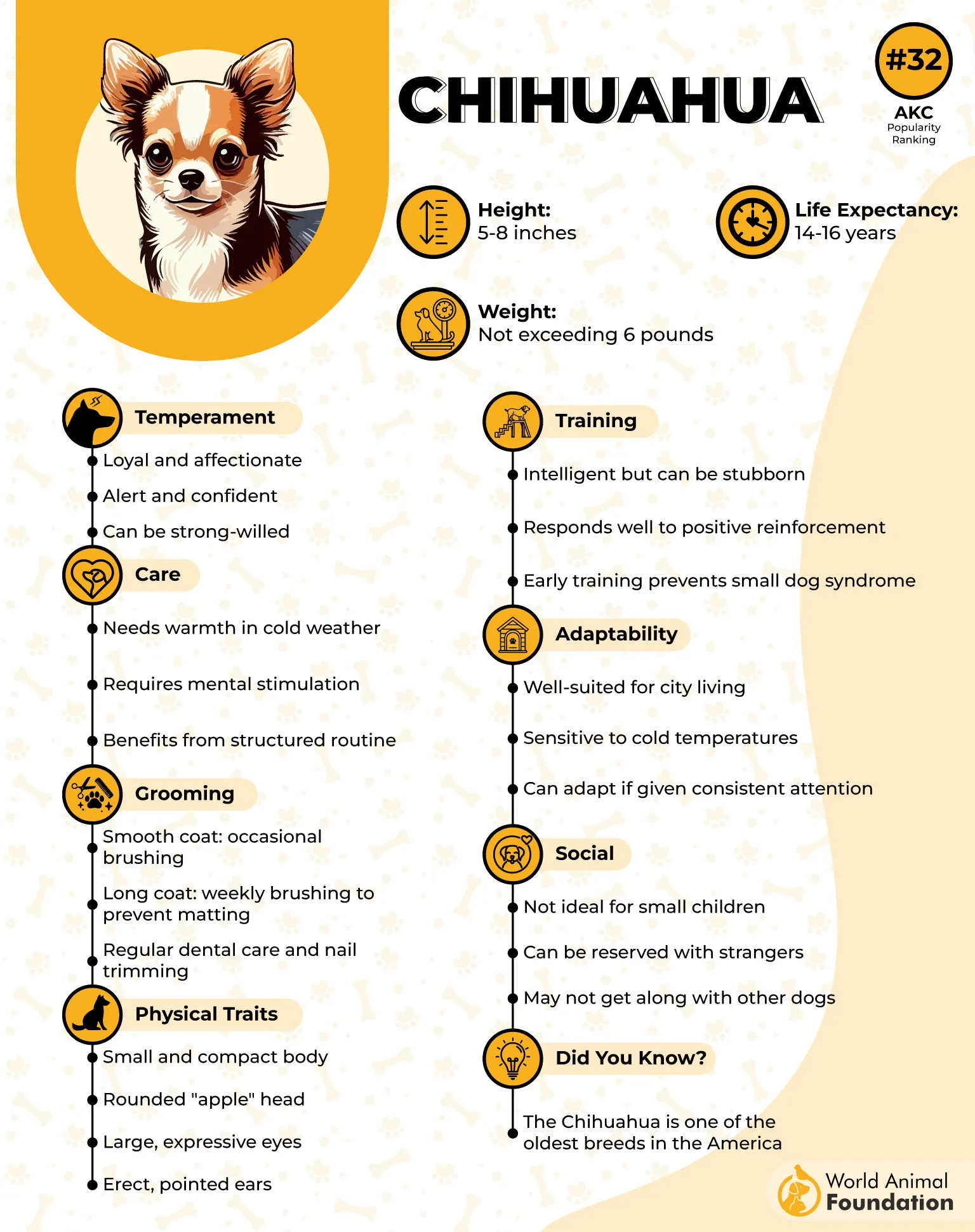
Exercise needs are surprisingly moderate, with short walks and indoor play being enough. However, their mental stimulation is just as important, or they’ll turn into tiny chaos agents. Puzzle toys and interaction go a long way.
They come in two coat types—short and long—, and grooming is relatively easy. The real priority is dental care, as small breeds are prone to dental disease. Vets strongly recommend daily brushing.
Their lifespan can reach up to 16 years or more, making them long-term companions. With proper socialization, they can be loving, confident, and well-balanced. Skip that, and you get a tiny boss with attitude.
Three Best Benefits of Their Small Size
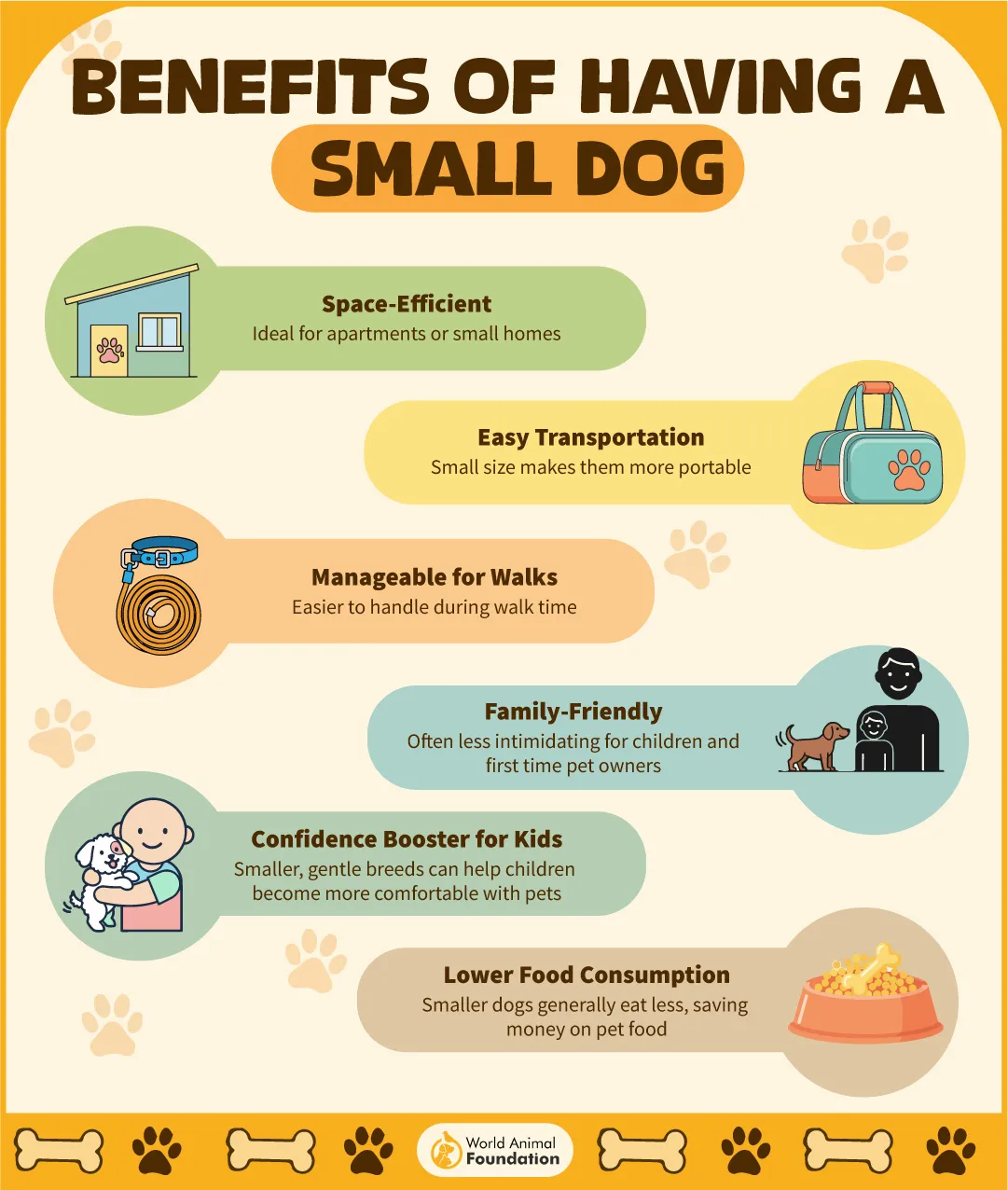
Easily adaptable to compact living spaces without stress
Can be carried during travel or errands with minimal effort
Requires less food and lower overall maintenance costs
2. Yorkshire Terrier
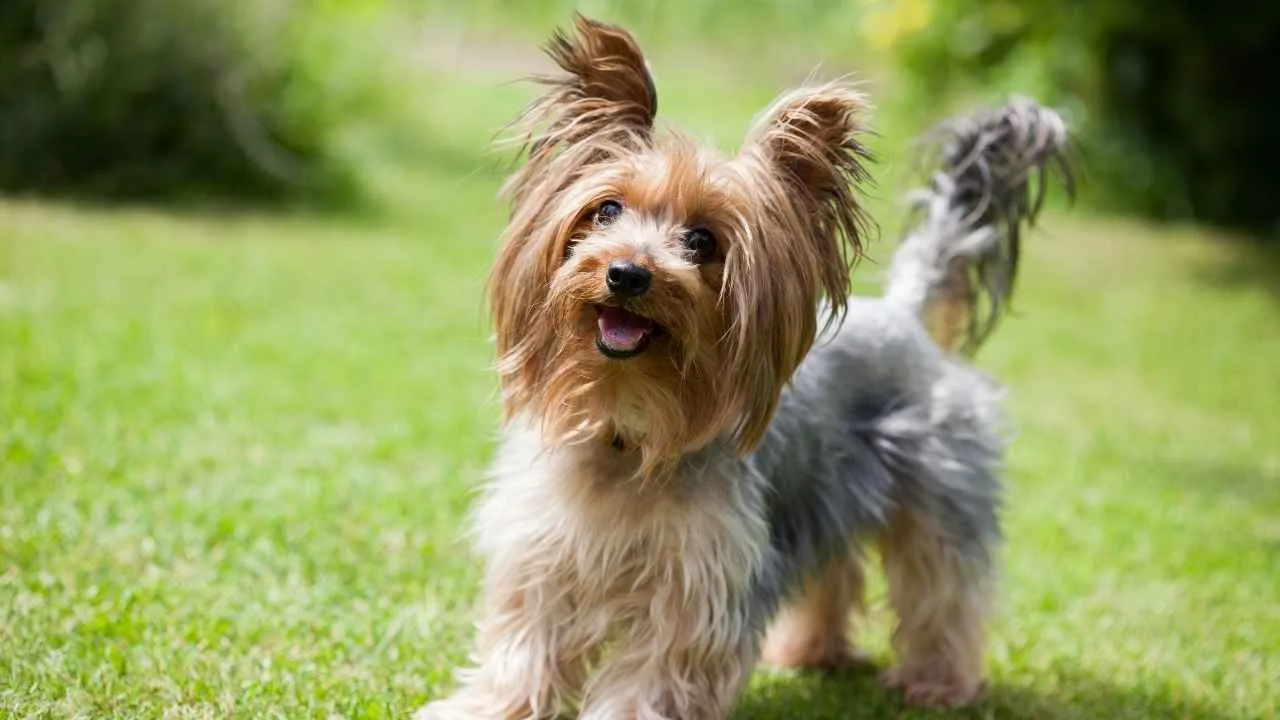
Yorkshire Terriers are tiny dogs with CEO-level confidence. Originally bred for catching rats, they still carry that fearless and determined mindset. It’s giving “small body, big hustle.”
They weigh around 7 pounds but have seemingly unlimited energy. Interactive play and short walks keep them satisfied, but they also love mental stimulation. Many owners use puzzle toys to keep their pets engaged.
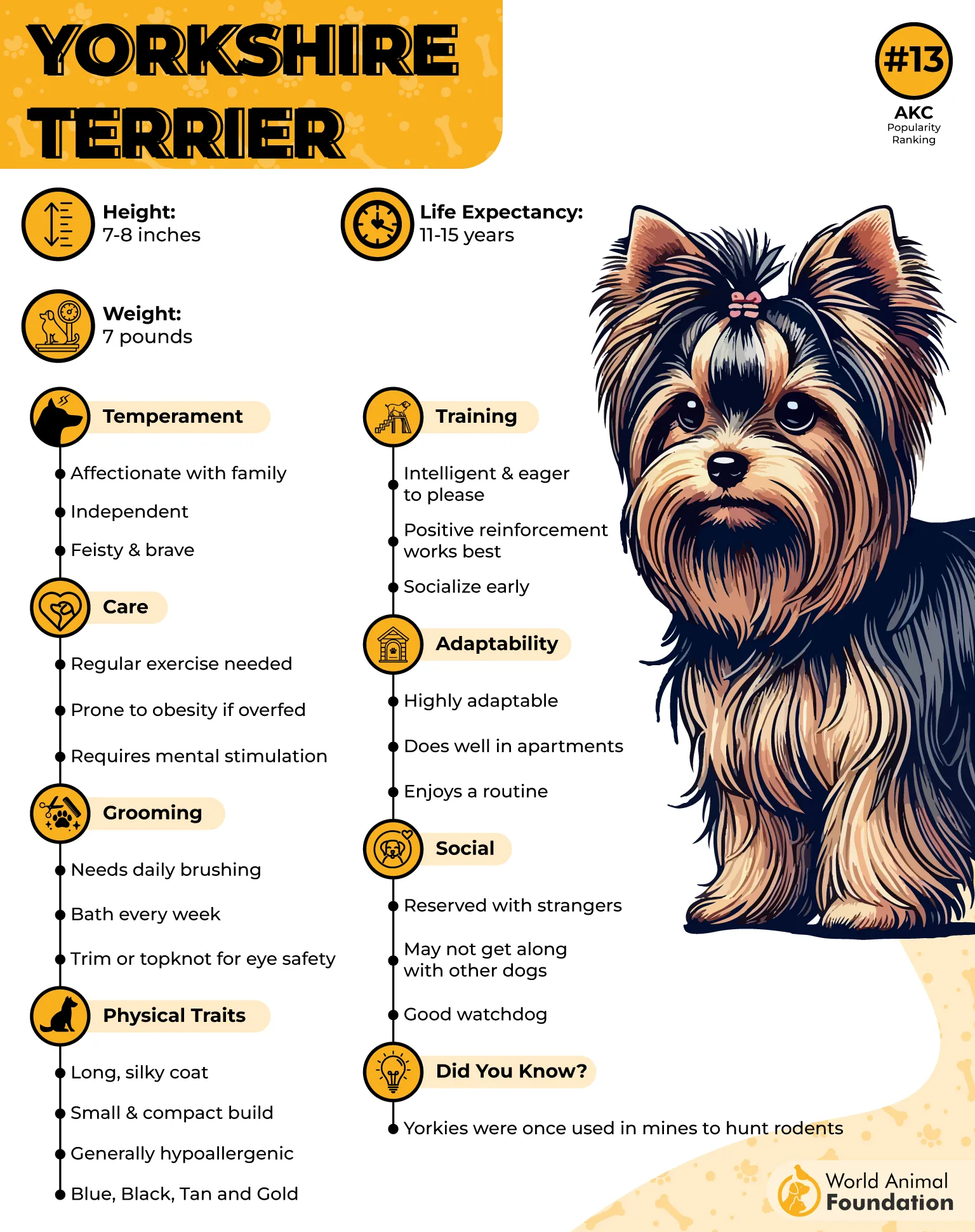
Their long, silky coat is iconic but high-maintenance. Regular grooming is essential to prevent tangles and keep them looking sharp. Some owners opt for shorter cuts to make life easier.
Yorkies are known for being vocal watchdogs, says Purina, often alerting their owners to any unusual sound. Training can help manage excessive barking. Socialization also plays a big role in shaping their behavior.
They’re affectionate and love attention, making them ideal companions for dedicated owners. However, they don’t always tolerate rough handling from young kids. Respect their space, and they’ll be your best friend.
Three Best Benefits of Their Small Size
Perfectly suited for apartment and indoor lifestyles
Easy to manage during travel and outdoor activities
Minimal space required for exercise and play
3. Pomeranian
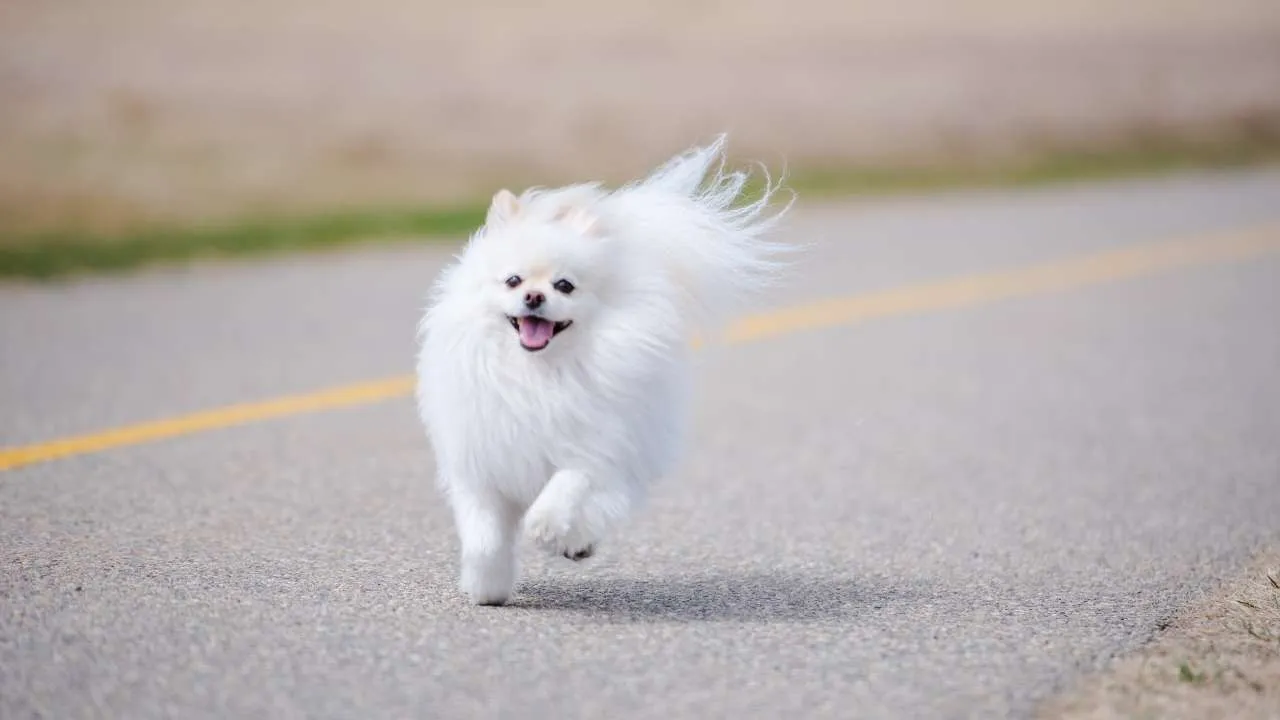
Pomeranians are fluffy little extroverts with massive personalities. Weighing under 6 pounds, they still carry the confidence of their larger sled-dog ancestors—basically, tiny lions with attitude.
They’re highly intelligent and respond well to training, though they can be stubborn. Positive reinforcement works best with this breed. Keep sessions fun, and they’ll thrive.
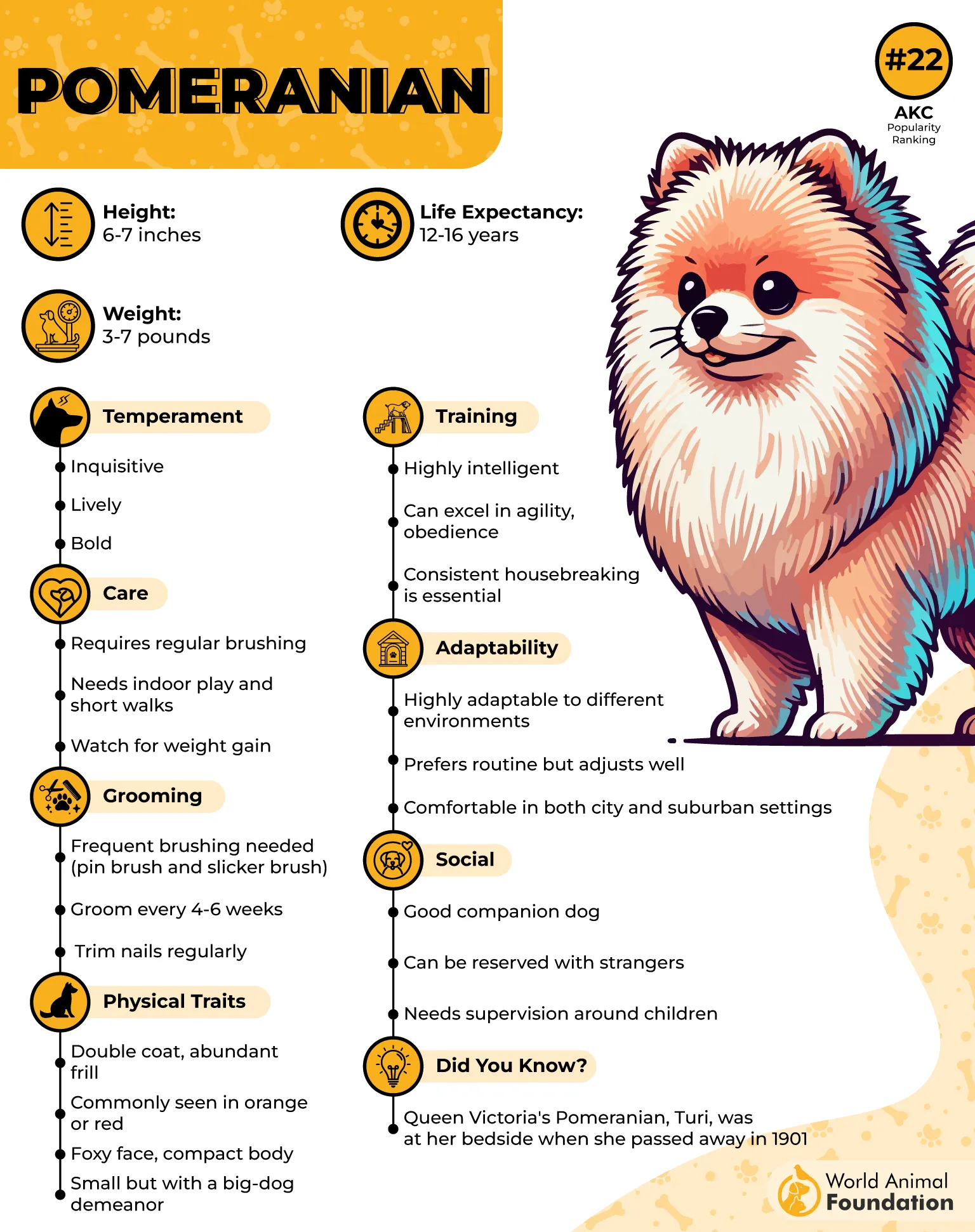
Britannica claims that Poms are naturally alert, making them great little alarm dogs. However, their tendency to bark means training is essential. Otherwise, they’ll narrate your entire life.
Their double coat requires consistent grooming to stay healthy and fluffy. Shedding can be significant, especially during seasonal changes. Regular brushing is non-negotiable.
They’re social and thrive on companionship, often forming strong bonds with their families. Many owners describe them as “attention magnets.” If you want a dog that loves the spotlight, this is it.
Three Best Benefits of Their Small Size
Lightweight body makes handling effortless for most owners
Ideal for small homes without sacrificing personality
Easier to transport compared to larger active breeds
4. Maltese
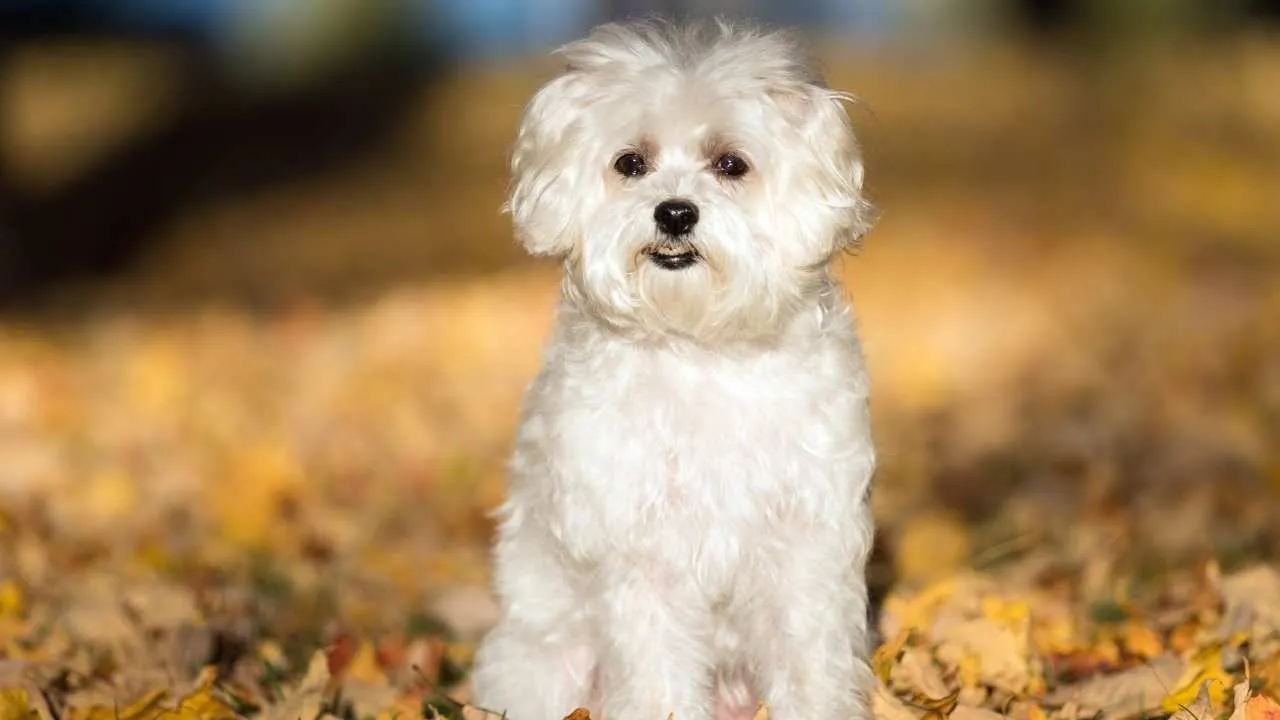
The Maltese is elegance in a tiny package, known for its long, flowing white coat. This breed has been a companion dog for centuries, often associated with royalty. And yes—they still act like it.
They’re affectionate and thrive on human interaction, often following their owners everywhere. Separation anxiety can develop if left alone for too long. They really are “velcro dogs.”
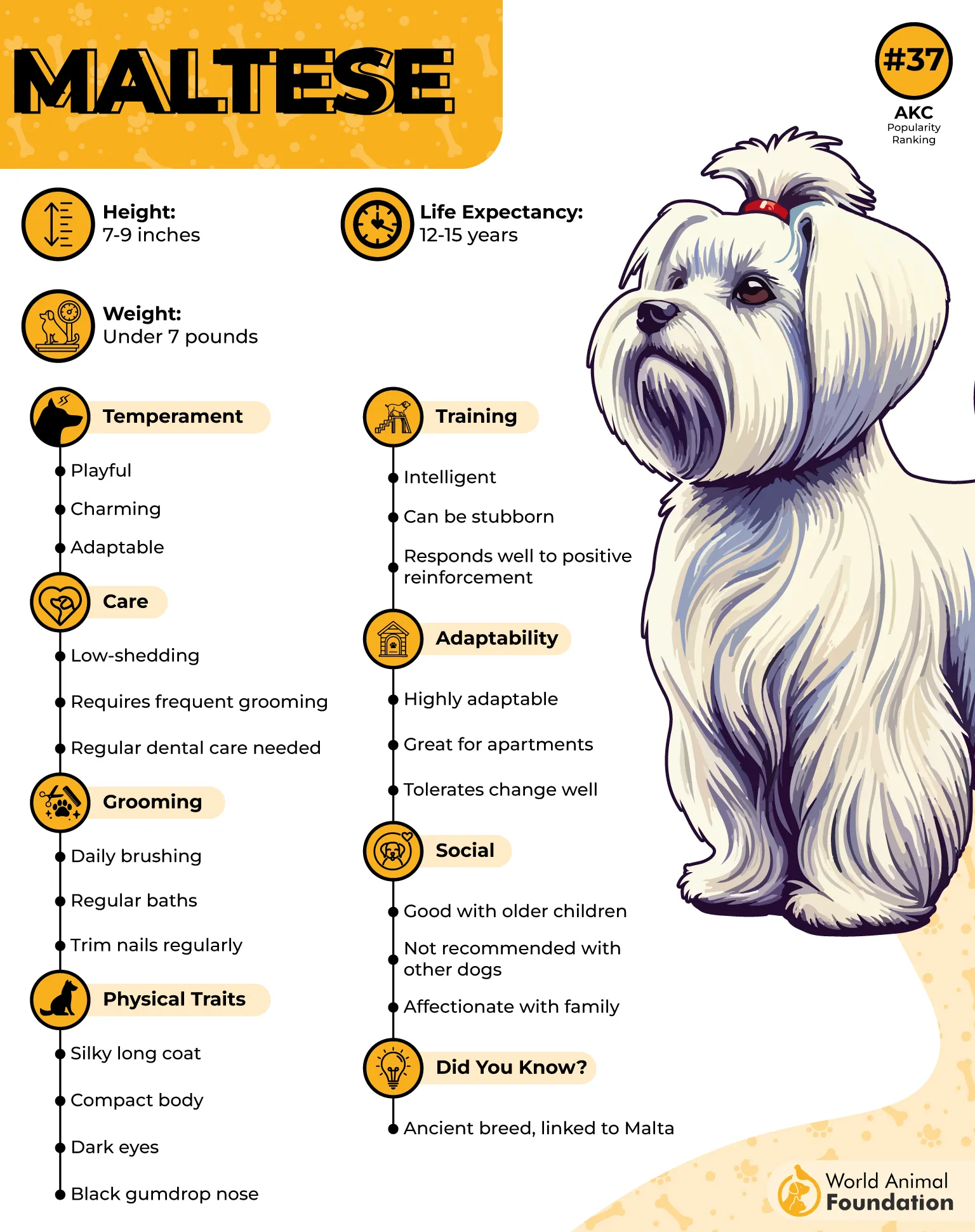
Exercise needs are low to moderate, making them ideal for relaxed households and apartment living. Short walks and indoor play sessions are enough. They’re more about vibes than intense workouts.
Their coat requires daily grooming to maintain its silky appearance. Without proper care, tangles and matting can become an issue. Grooming is basically part of the lifestyle.
These lap dogs are generally healthy but can be prone to low blood sugar as puppies. Feeding small, frequent meals helps manage this. With proper care, they can live up to 15 years or more.
Three Best Benefits of Their Small Size
Comfortable living in apartments and smaller homes
Lower exercise demands compared to larger breeds
Easy to carry and manage during daily routines
5. Toy Poodle
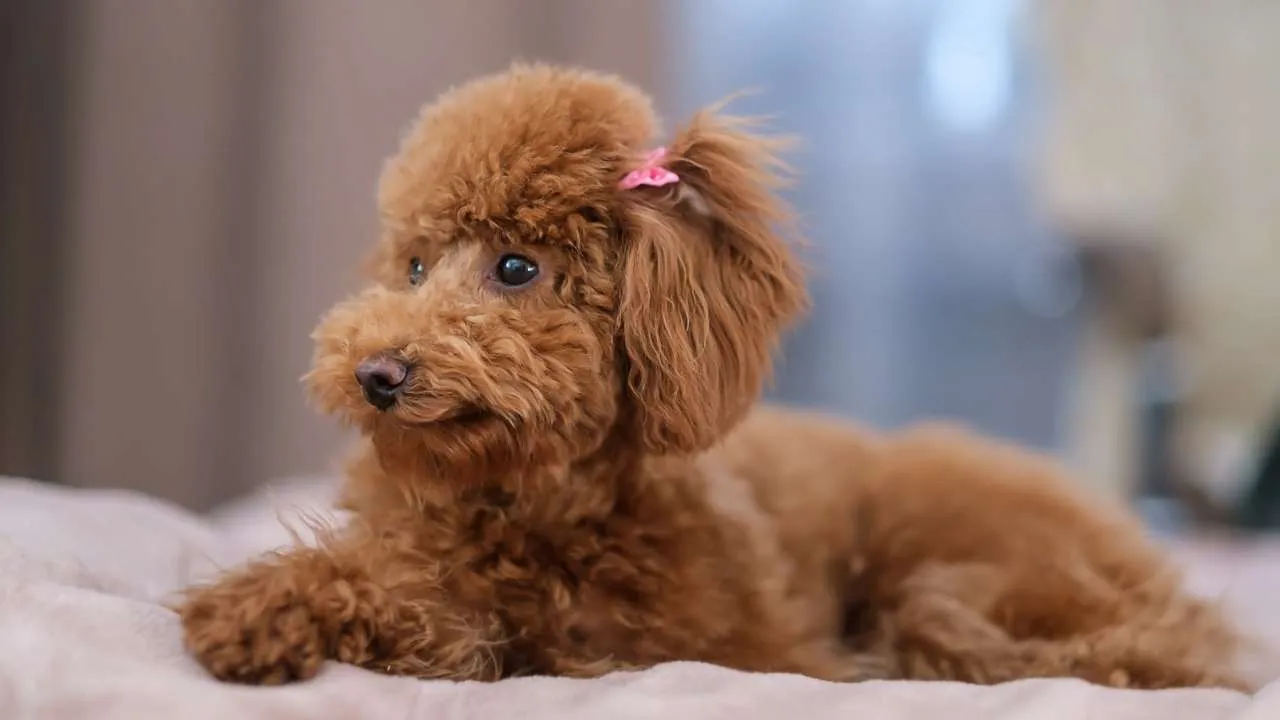
Toy Poodles are tiny geniuses with serious style. Ranking among the most intelligent dog breeds, they learn commands incredibly fast. Training them feels almost unfair.
They’re energetic and require both physical and mental stimulation. Activities like agility games and puzzle toys keep them engaged. Boredom is not an option.
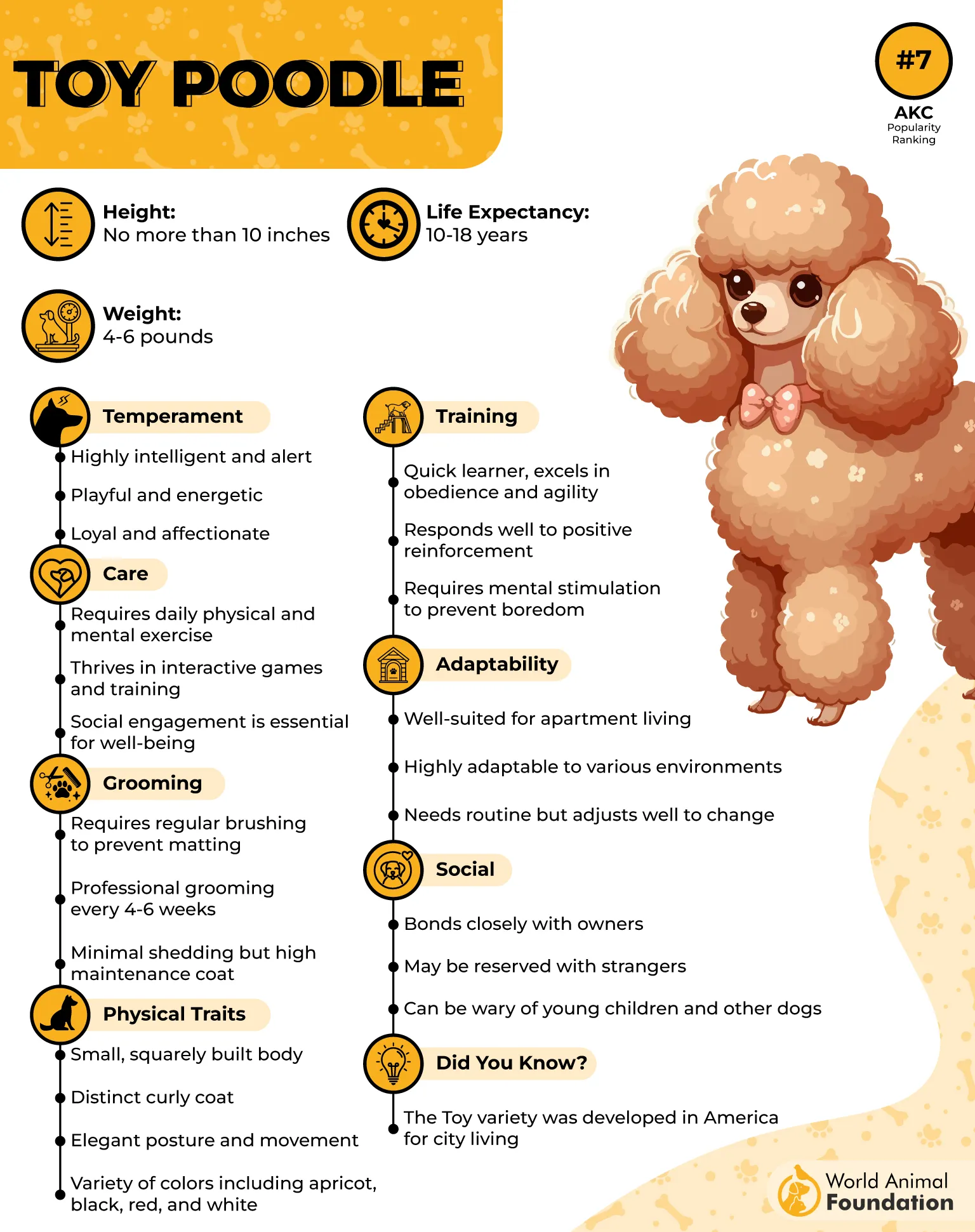
Their curly coat is hypoallergenic but requires regular grooming. Professional trims every 4–6 weeks are recommended. Maintenance is high, but the payoff is worth it.
They’re friendly, adaptable, and great with families when properly socialized. Their gentle nature makes them suitable for various living situations. Just supervise interactions with very young children.
With a lifespan of up to 18 years, they’re one of the longest-living small breeds. Owners often describe these family dogs as “smart, loyal, and slightly dramatic.” Honestly, relatable.
Three Best Benefits of Their Small Size
Fits easily into urban lifestyles and compact homes
Lower feeding costs compared to larger active dogs
Convenient size for travel and daily mobility
6. Papillon
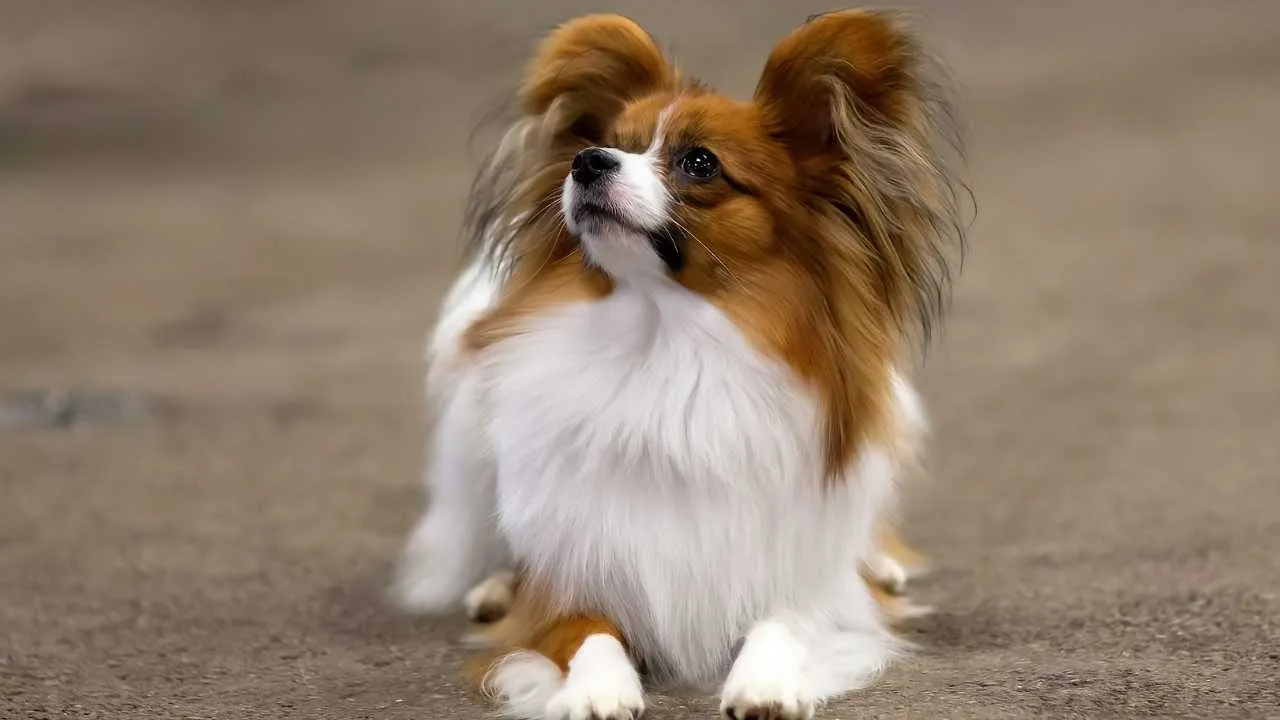
Papillons are tiny dogs with butterfly ears and big brains. They’re among the smartest toy breeds and excel in training and agility. Looks and intelligence? Rare combo.
They’re energetic and require more exercise than many small breeds, say, a daily walk for pet parents. Daily play and walks are essential to keep them happy. Think of them as tiny athletes.
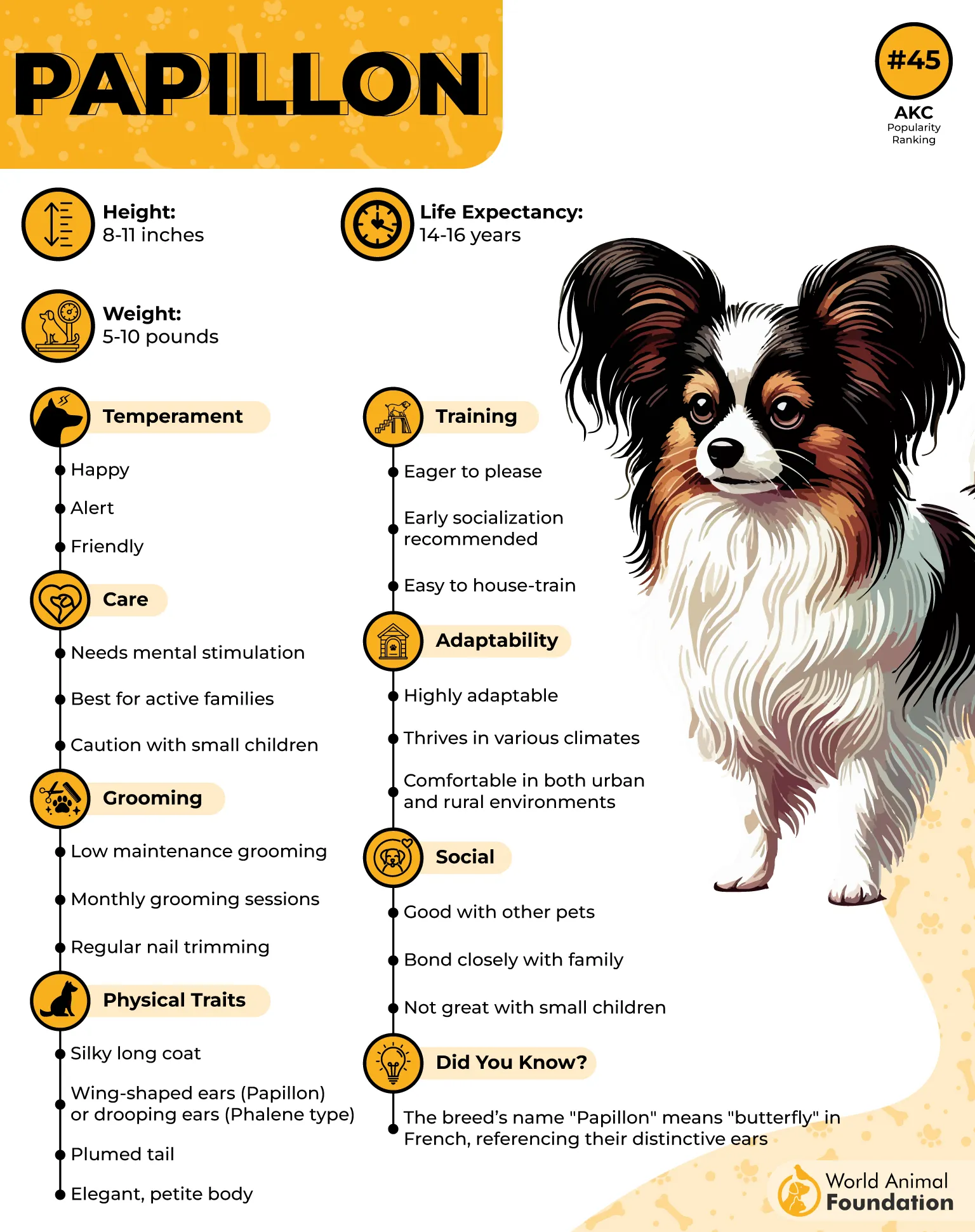
Their lifespan ranges from 14 to 16 years, making them long-term companions. They’re generally healthy but benefit from regular vet checkups. Preventive care is key.
Papillons are social and get along well with other pets when introduced properly. They enjoy being part of family activities. Isolation is not their vibe.
These dogs shed, but it is surely easy to manage.
Despite their delicate appearance, they’re surprisingly resilient when compared to toy dog breeds. Owners often describe them as “small but mighty.” They’re proof that size doesn’t define capability.
Three Best Benefits of Their Small Size
Easily adaptable to indoor and apartment environments
Requires less physical space for activity and rest
Lightweight structure simplifies handling and care
7. Brussels Griffon
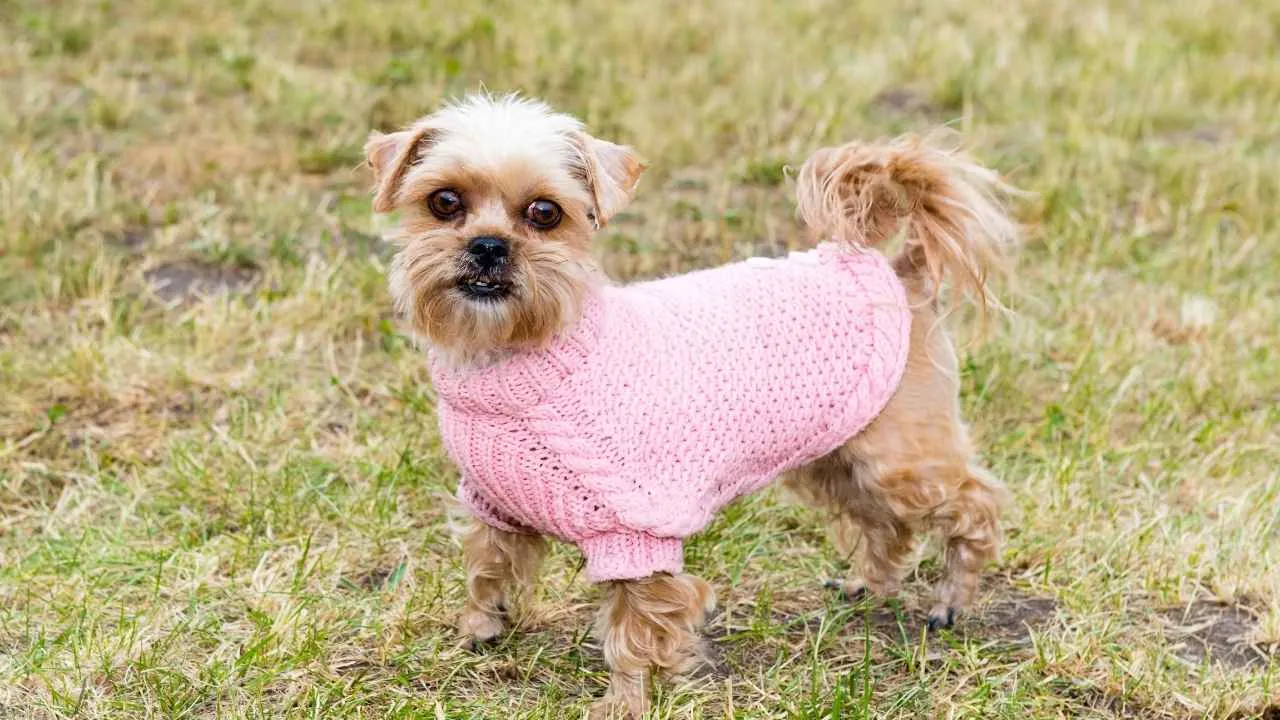
The Brussels Griffon is basically a dog with human expressions—it’s kind of uncanny. Their large eyes and unique faces give them a “tiny philosopher” vibe. Personality-wise, they’re playful and slightly dramatic.
This toy dog breed forms strong attachments to their owners and prefers constant companionship. Leaving them alone for long periods can lead to boredom or anxiety. They’re clingy—but in a cute way.
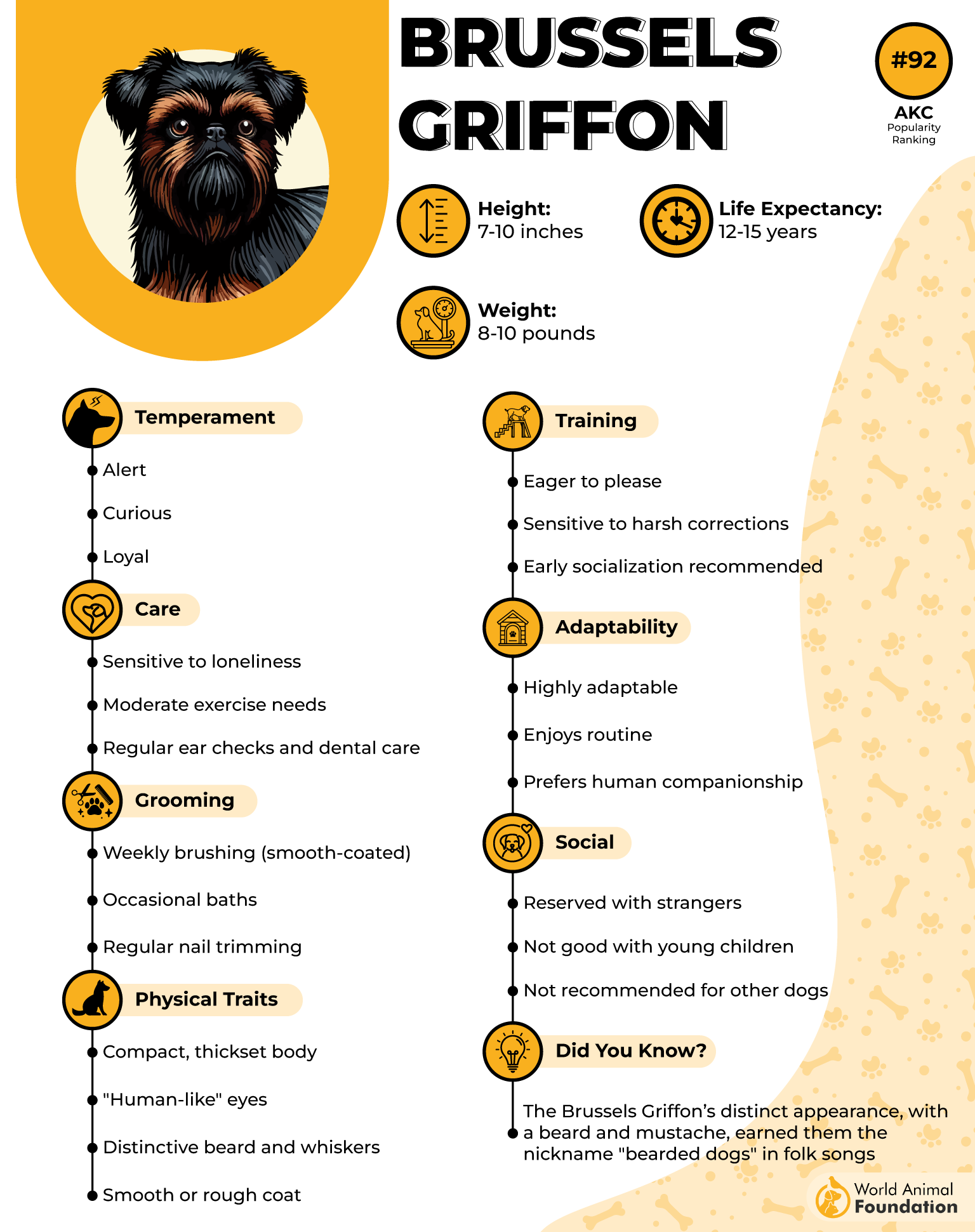
Exercise needs are moderate, with short walks and indoor play being enough. They enjoy interactive activities that involve their humans. Solo play? Not really their thing.
One of the best breed characteristics of this dog is that its coat can be smooth or rough, each requiring different grooming routines. Regular maintenance keeps them comfortable and healthy. Grooming isn’t optional—it’s part of the deal.
They’re best suited for households without very young children due to their small size. With the right environment, they’re incredibly loyal and entertaining companions. Think quirky best friend energy.
Three Best Benefits of Their Small Size
Ideal for close companionship in small living spaces
Easy to manage physically due to compact build
Requires less room for exercise compared to larger breeds
Conclusion
Small dog breeds under 15 pounds are the perfect mix of convenience and personality. They’re easier to manage, live longer, and adapt well to modern lifestyles—but they still bring full-scale energy and emotion. Basically, they’re tiny packages of chaos and love.
Miniature Poodle, Cavalier King Charles Spaniel, Miniature Dachshund, Miniature Schnauzer, Jack Russell Terrier, Miniature Pinscher, Italian Greyhound, Boston Terrier, and Bichon Frise also make affectionate companions for pet owners.
Choosing the right one depends on your lifestyle, patience, and vibe. Whether you want a chill cuddle buddy or a high-energy entertainer, there’s a perfect tiny companion out there.
Just remember—small dogs may be easier to carry, but their personalities? Absolutely heavyweight
