




Choosing a dog is a joyful milestone, but for many people, the dream of pet companionship comes with a practical question: How much time and energy will this require?
Not everyone has the schedule for long daily runs, intensive grooming routines, or constant training sessions. Fortunately, there are wonderful low-maintenance breeds perfectly suited for a relaxed lifestyle.
A low-maintenance dog does not mean low personality. Many calm and easy-going breeds are just as loving and devoted as their high-energy counterparts. For busy individuals, first-time pet owners, or anyone who prefers cozy evenings, simple maintenance breeds can be an ideal match.
These dogs require less grooming, adapt well to smaller living spaces, and are comfortable with moderate exercise routines.
Of course, every dog, regardless of breed, needs love, attention, proper nutrition, and veterinary care. But selecting a breed that naturally aligns with your lifestyle can make pet ownership more enjoyable and sustainable.
In this article, we will explore dog breeds that require minimal maintenance and are ideal for a comfortable lifestyle.
Wonderful Low-Maintenance Dog Breeds for Relaxed Lifestyle
1. French Bulldog
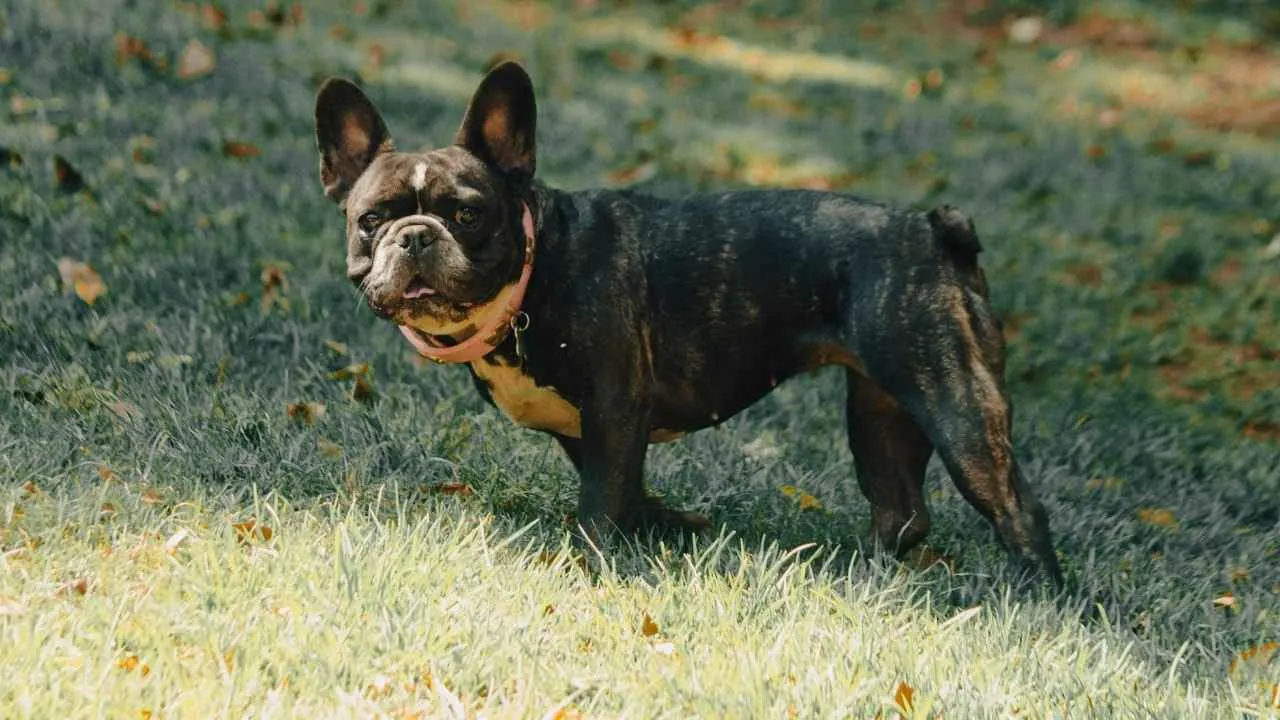
Frenchie is a small dog with a compact build, a short, smooth, and low-shedding coat. It originated in France as a companion dog to provide affection, warmth, emotional support, and companionship in small homes and urban settings.
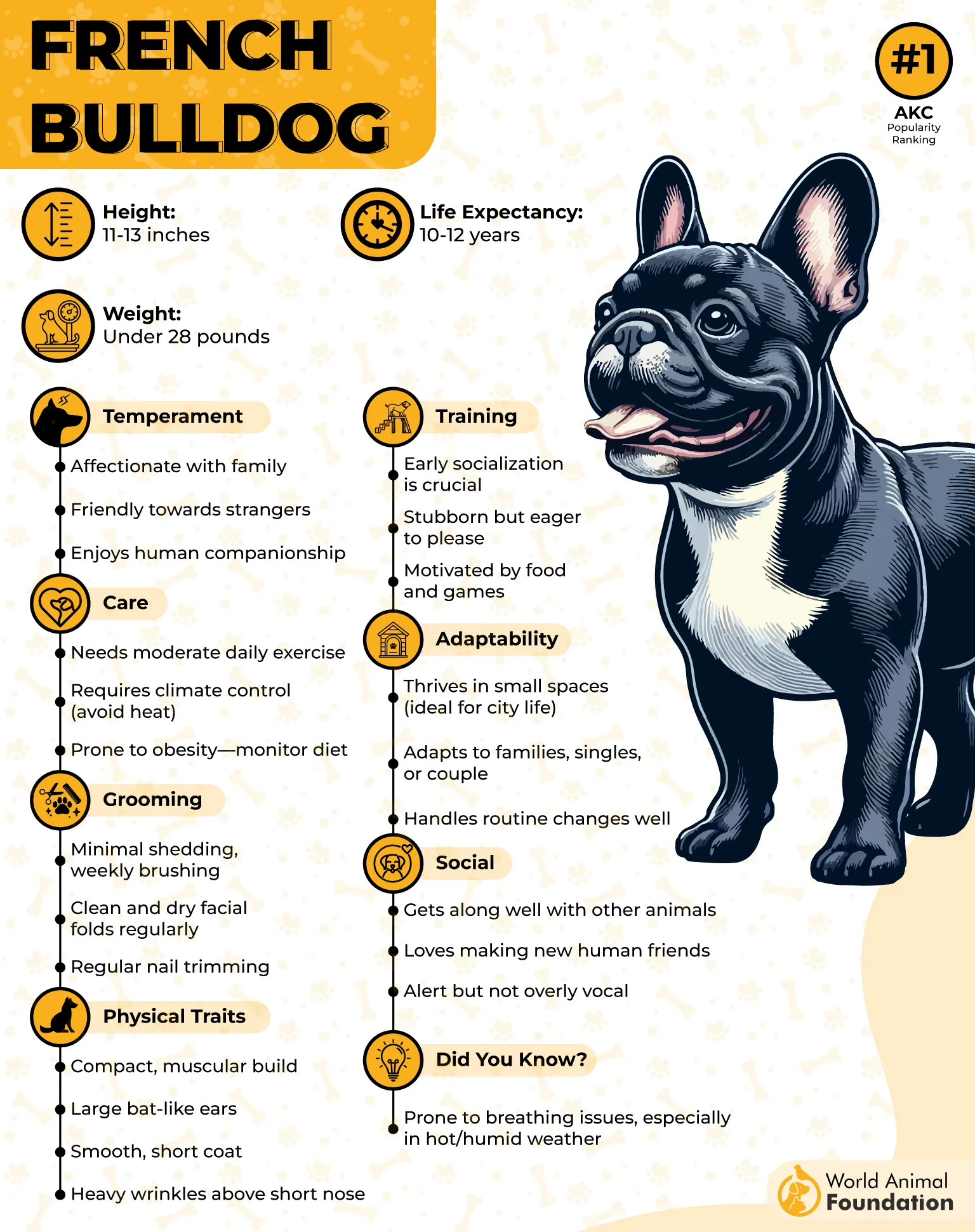
Frenchie is calm, people-oriented, and has an affectionate nature. It is generally quiet, playful, and not hyperactive. It is well-suited to a casual lifestyle as it does not have high exercise needs. It is not built for endurance or high-intensity activity. It actually enjoys being indoors. Being a people dog, it prefers lounging near its owners.
Further, its short coat requires only basic care. Weekly brushing helps manage light shedding. It is not an excessive barker. It remains calm and only vocalizes when necessary. Frenchie’s small size is easy to manage physically, as it does not need much space.
Whether you work from home or maintain a predictable schedule, it adapts easily.
But being a brachycephalic dog, it is sensitive to heat. It can also become slightly stubborn and resistant during training. It may need more vet care than other breeds due to respiratory and breathing problems.
2. Greyhound
The Greyhound is one of the oldest and long-legged dog breeds that is large but slim, has a very short and smooth coat, a narrow head, and a deep chest. It was developed in Europe as a sighthound for hunting. Over time, it also became famous in organized racing.
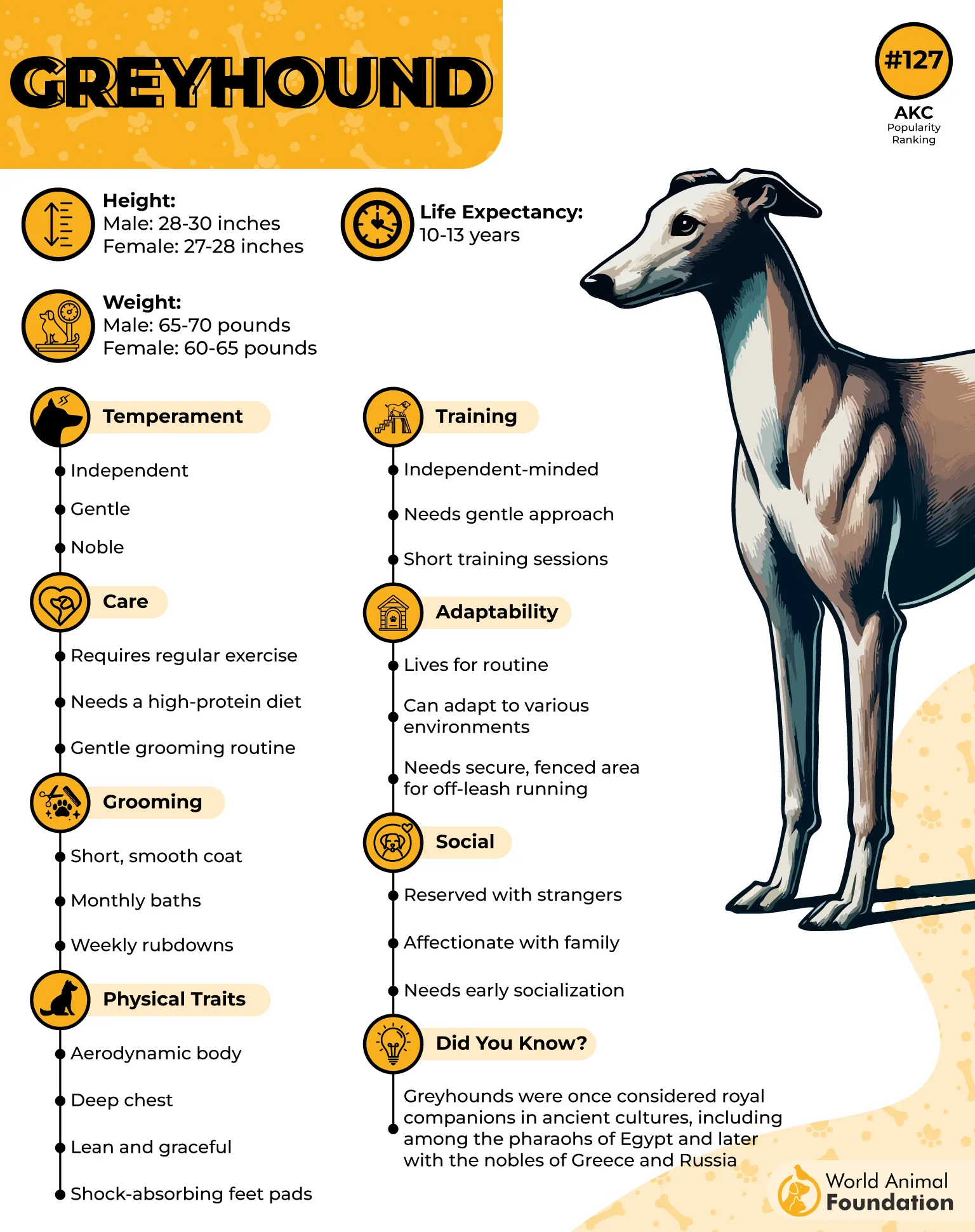
Greyhound is gentle, warm-hearted, and independent yet loyal. It adapts well to an informal lifestyle, as after a short walk or a brief run, it is usually content to nap for hours. It has a little body odor and sheds minimally, making it one of the hassle-free dogs in terms of cleaning. It is also not known for excessive barking.
Besides, it tends to be a peaceful companion who blends smoothly into calm households without creating chaos. Despite its size, it adapts well to apartment dwellers. As long as it receives daily walks and opportunities for long stretches, it is happy in smaller spaces.
However, it has a high prey drive and may chase small animals due to hunting instincts. Its thin coat makes it prone to feeling cold. It also needs an occasional secure space for sprinting. It also becomes uncomfortable in loud, chaotic households.
3. Basset Hound
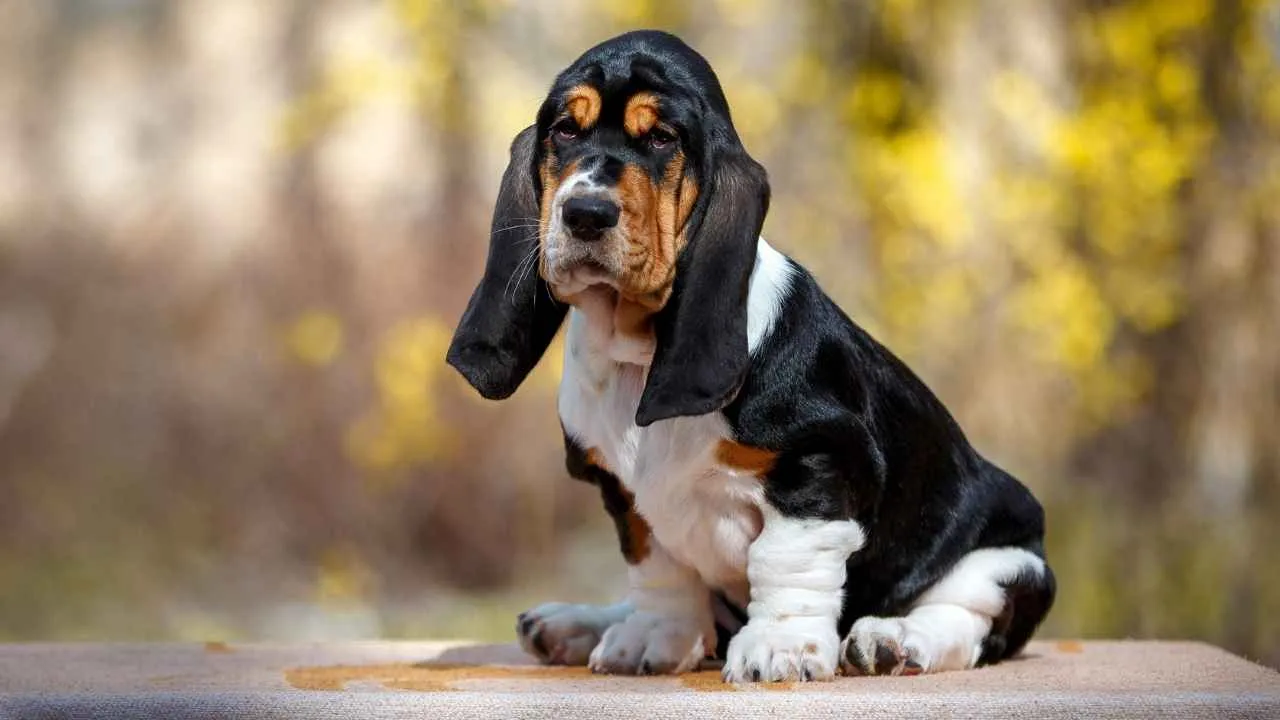
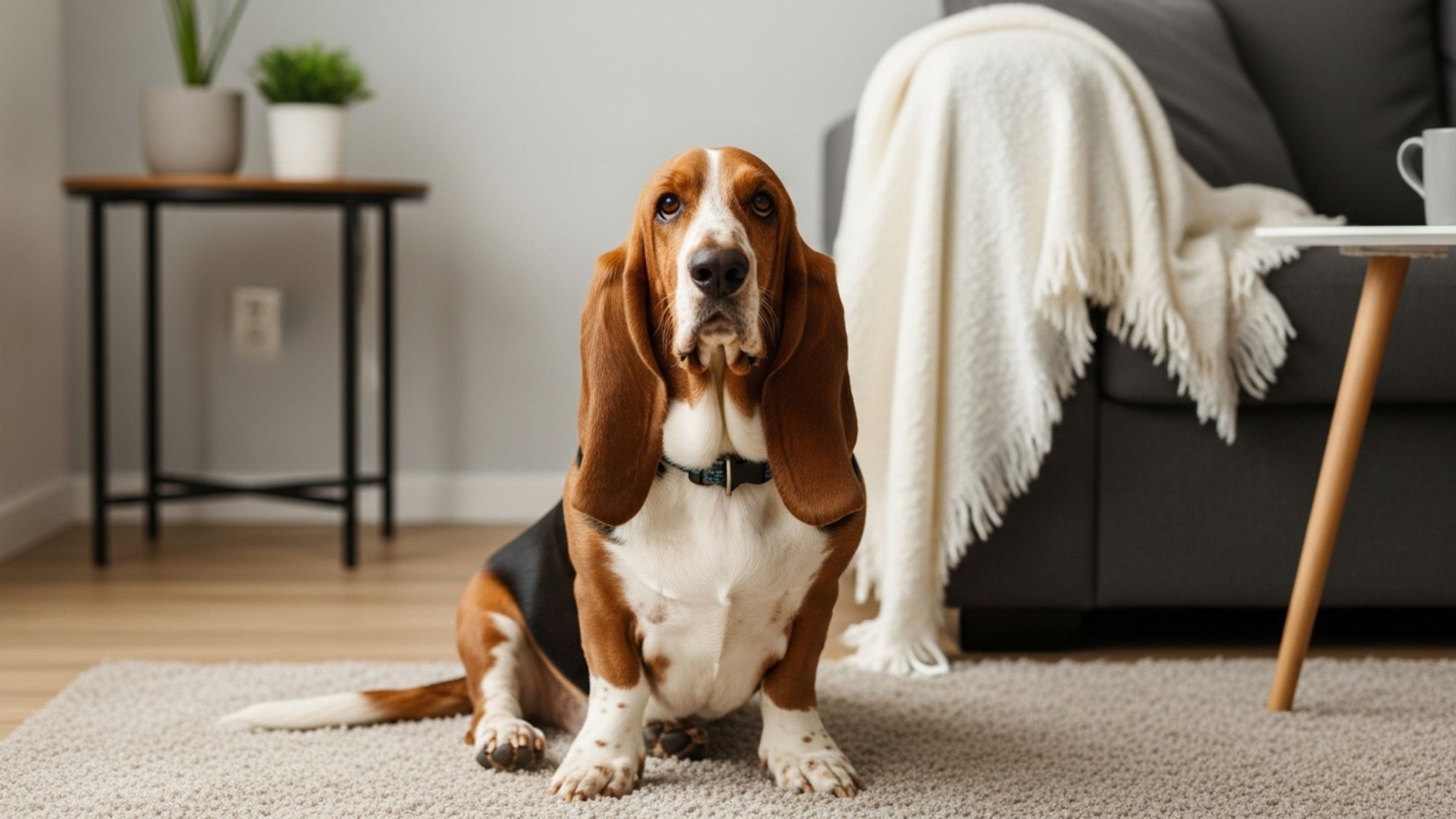
Basset Hound is a medium-sized dog breed, but low to the ground, with a short coat, long droopy ears, soulful eyes, loose skin, and deep bark. Its roots trace back to France, where it was created as a scent hound for hunting small game.
An interesting fact reported by VCA is that its name comes from the French word “bas”, which means dwarf or low thing.
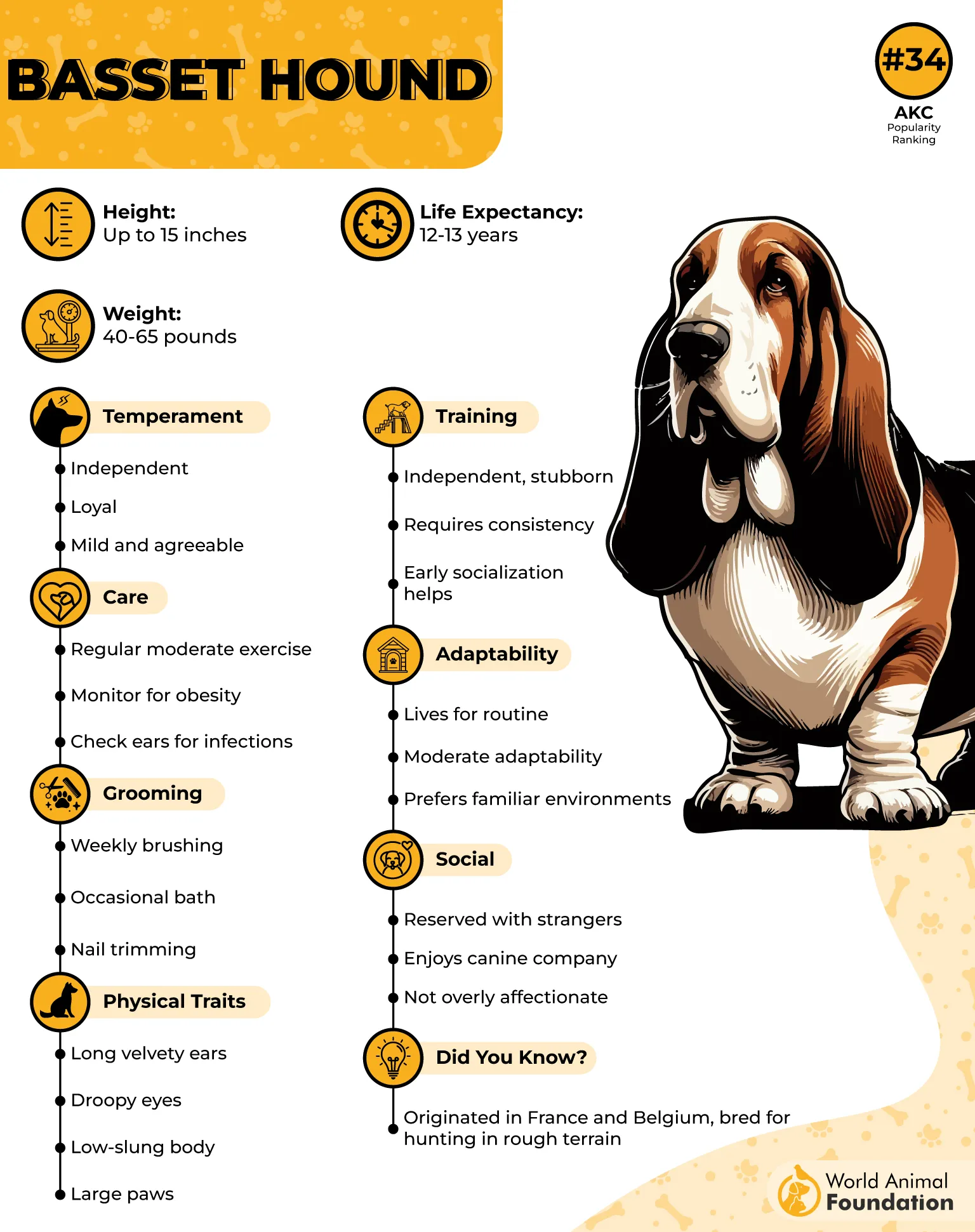
It is kind, soft-hearted, and tolerant. It is friendly with children and other pets. It is an excellent choice for a laid-back lifestyle as it is not built for speed and intense physical exertion. A daily walk and some relaxed outdoor sniffing times are usually enough to satisfy Basset. It is calm and prefers lounging on a soft surface.
Additionally, it loves being around people but is not excessively clingy. It appreciates consistent routines and thrives in stable, predictable environments.
It does well in homes where life moves at a comfortable, steady pace. Due to its patient and tolerant personality, it is suitable for homes with children, seniors, and multiple pets.
Nevertheless, training is needed due to its strong-willed nature. Due to a strong sense of smell, it may wander off if it catches an interesting scent. Its floppy ears are prone to infections and require regular cleaning.
4. Boston Terrier

The Boston Terrier is a small dog with a smooth, fine coat, tuxedo-like markings, expressive, round eyes, and a compact body. It hails from the United States, where it was created to be a companion and lap dog.
Boston Terrier is amiable, social, intelligent, and alert. It is the best choice for a calm lifestyle and small homes without big backyards. It enjoys short play sessions, daily walks, and minimal exercise. After a moderate exercise session, it is happy to curl up and relax indoors.
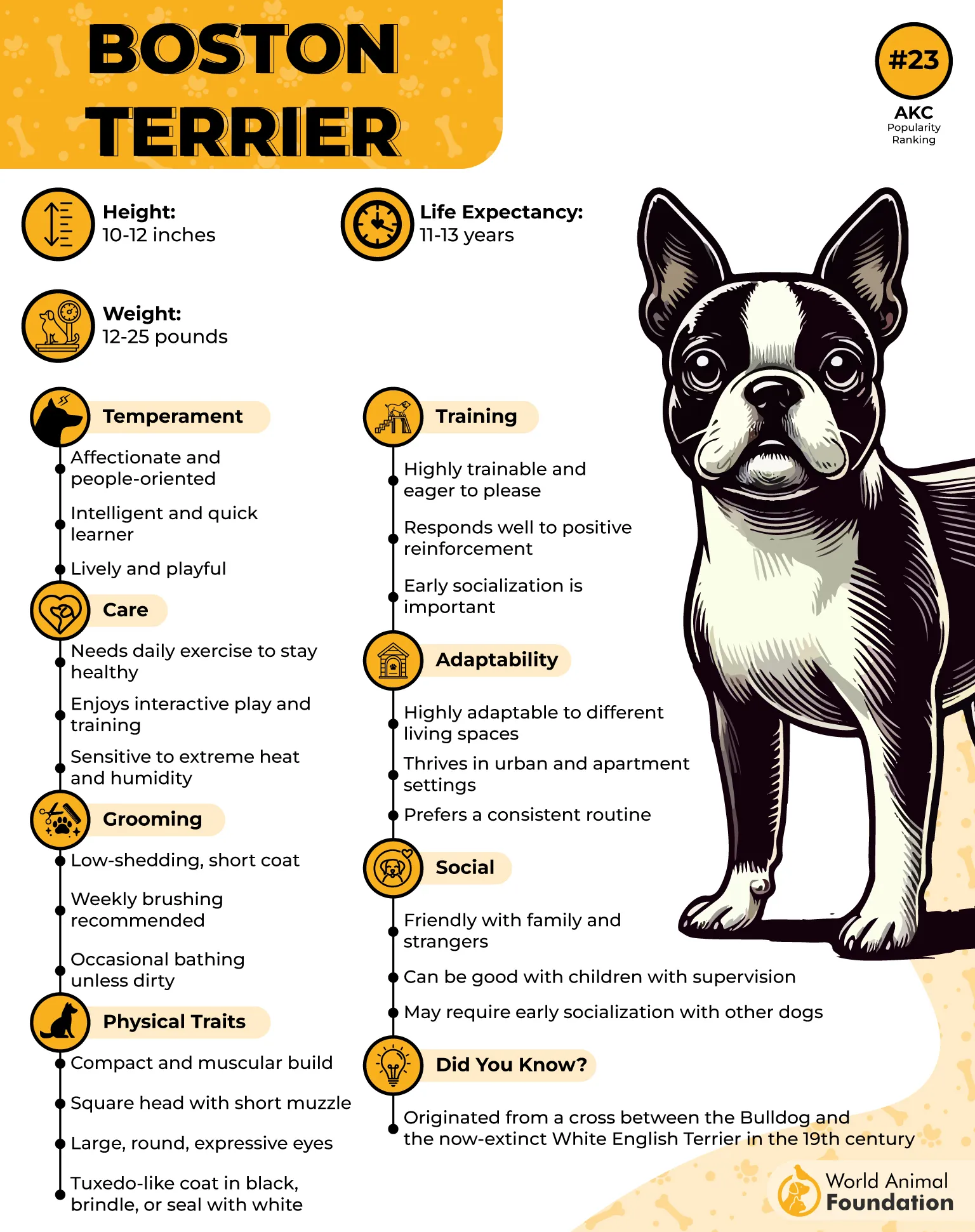
Besides, it’s easy adjustable nature makes it an easy companion in calm households. While alert and watchful, it is not an excessive barker and maintains a peaceful presence inside a home. It enjoys cuddling and companionship, but not overly demanding and clingy.
But its prominent eyes are prone to injury. Being a breed with a short muzzle or a flat face, it can struggle in hot weather, which may lead to breathing issues.
5. Pug
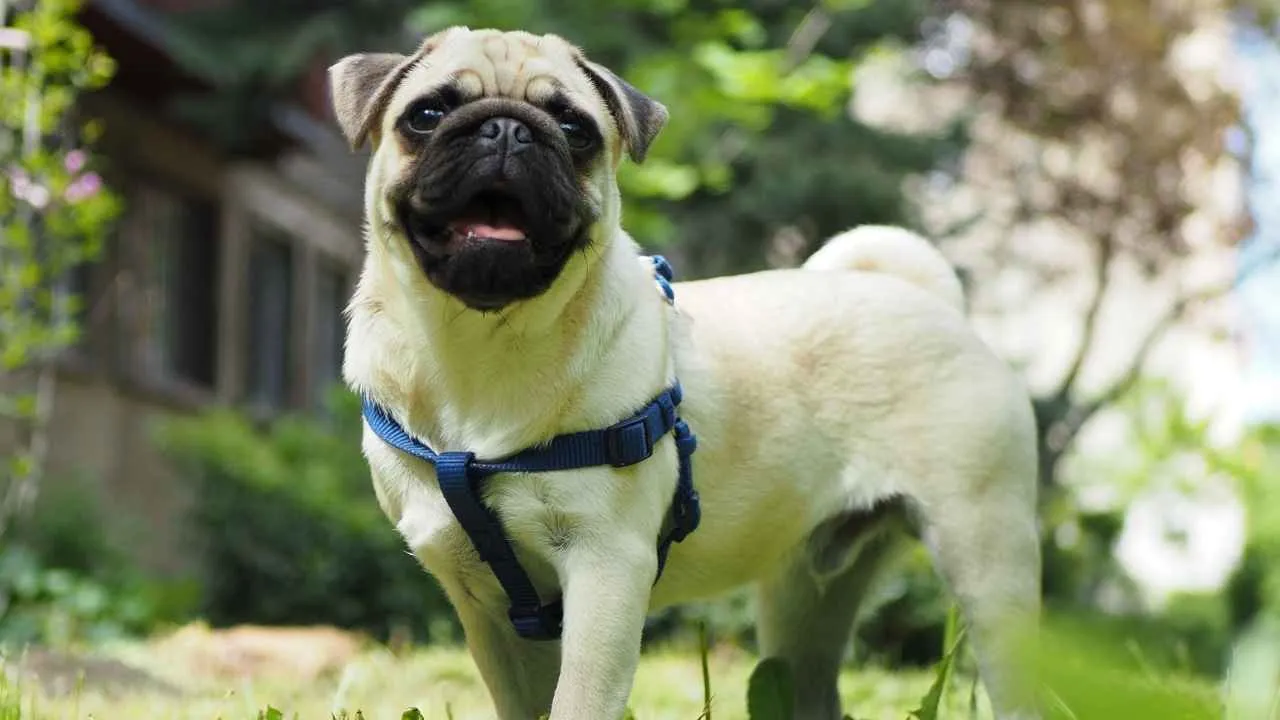
Pug is an ancient Chinese dog that is small in size, has a wrinkled face, curled tail, and large, soulful eyes. It was bred exclusively as a companion dog for Chinese emperors to provide love, affection, and entertainment.
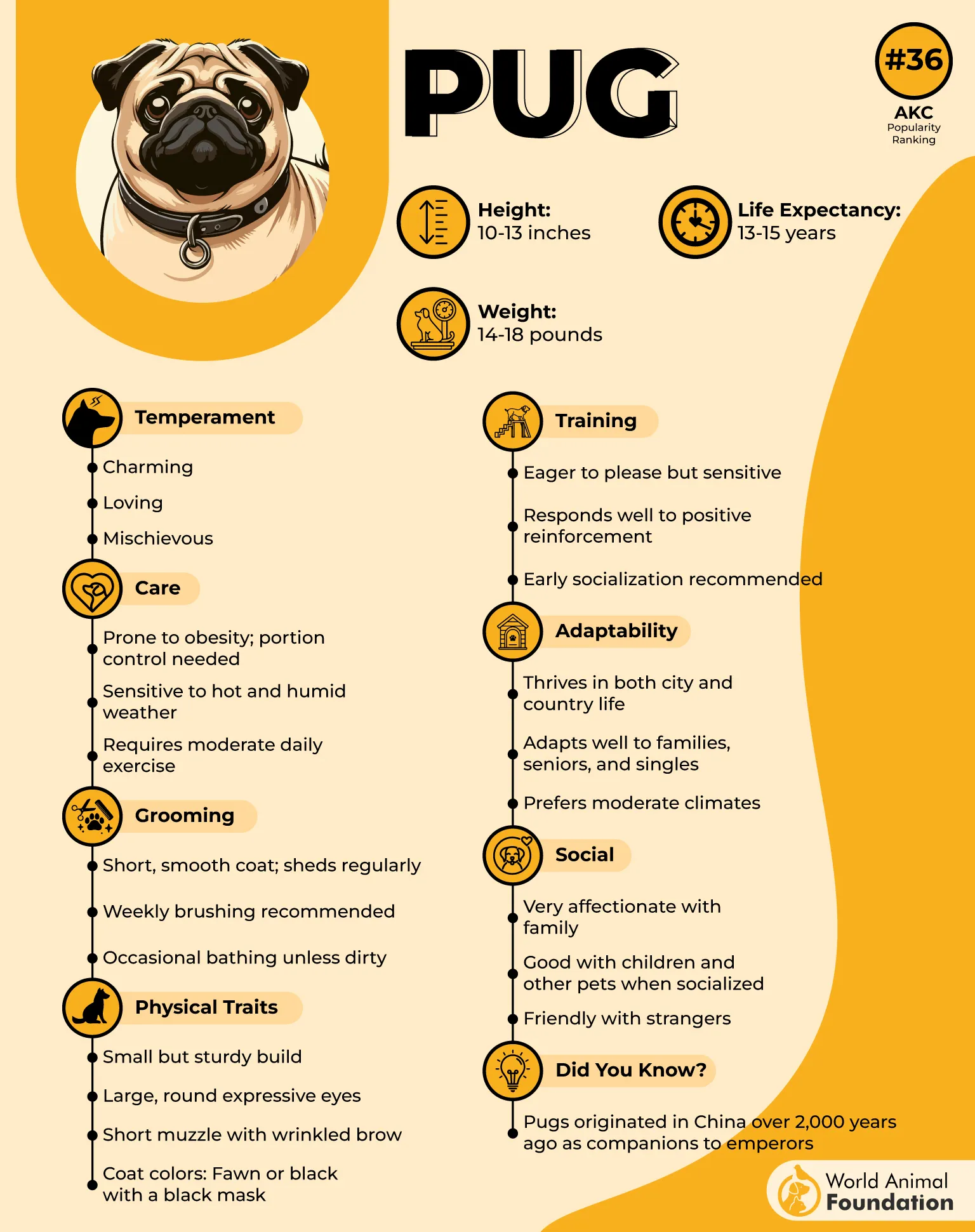
Pugs are one of the most affectionate dog breeds that are calm, playful, people-oriented, and gentle with children. Since it was never bred for work or sport, it naturally prefers lounging and staying close to its owners.
It is the happiest when sitting beside you rather than engaging in strenuous activities. A short regular walk and light indoor play are usually enough for it to stay healthy.
Its small size and moderate activity level make it perfect for an informal type of living. It genuinely thrives in predictable, relaxed environments.
Whether you enjoy quiet evenings, reading, or watching television, a Pug will happily curl up next to you. It is generally warm and welcoming towards guests, making it a pleasant household companion.
Nevertheless, like all flat-faced breeds, it is also vulnerable to respiratory issues. Due to its love for food, it can become obese without proper portion control. It can get eye issues and skin fold infections if not cleaned regularly.
6. Whippet
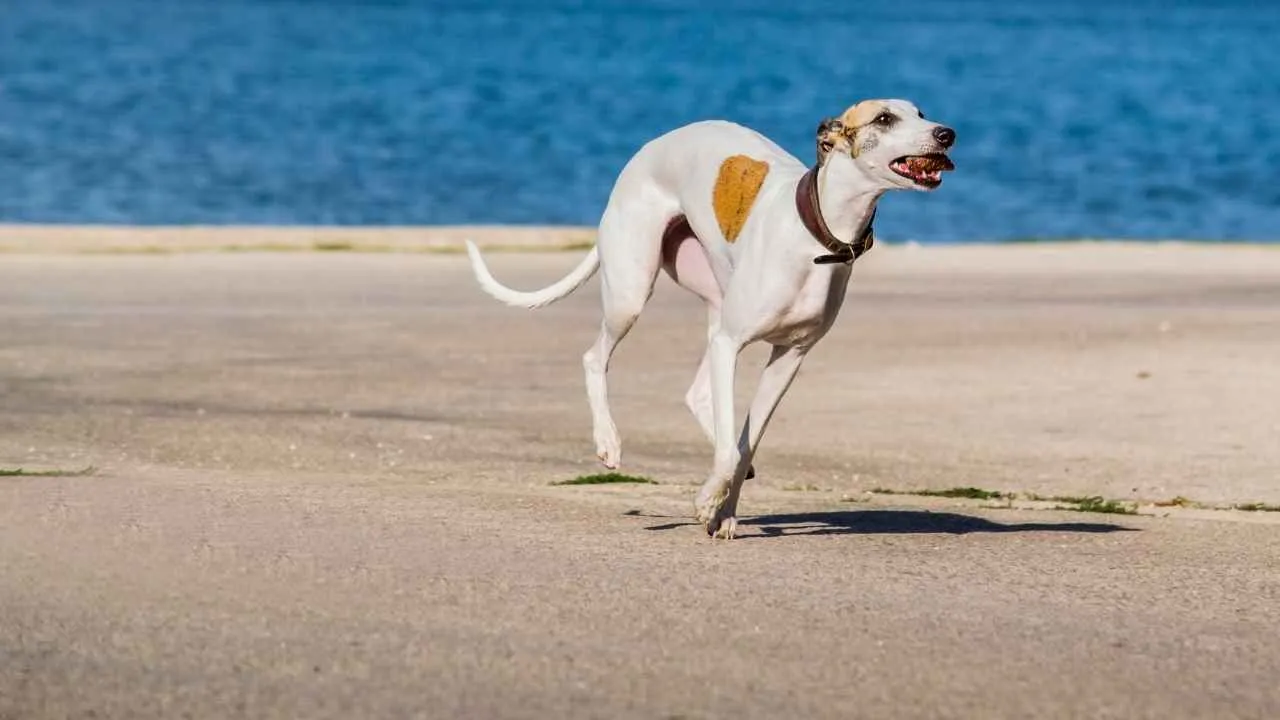
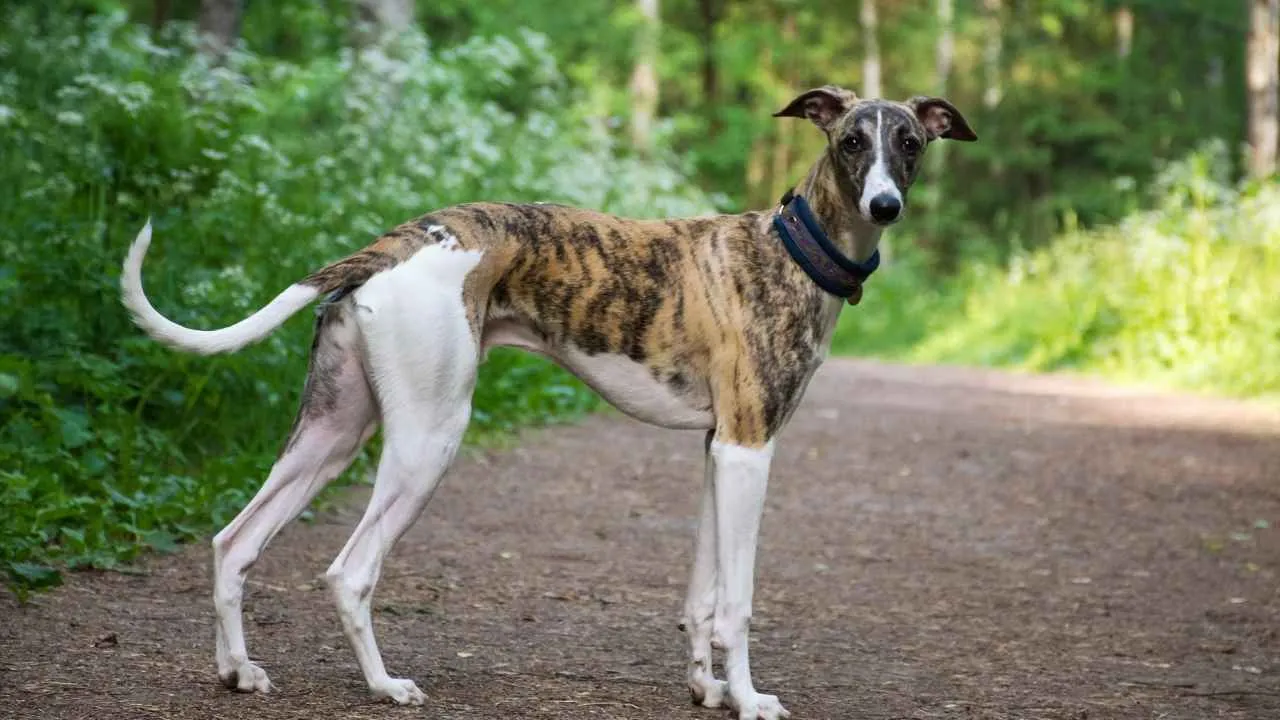
Whippet is a medium-sized canine companion and a dog breed with a long snout, a slim body, a deep chest, long legs, and graceful movement. It hails from England, where it was developed primarily for hunting small game and racing. Its speed, agility, and sharp eyesight make it excellent at chasing rabbits and other fast prey.
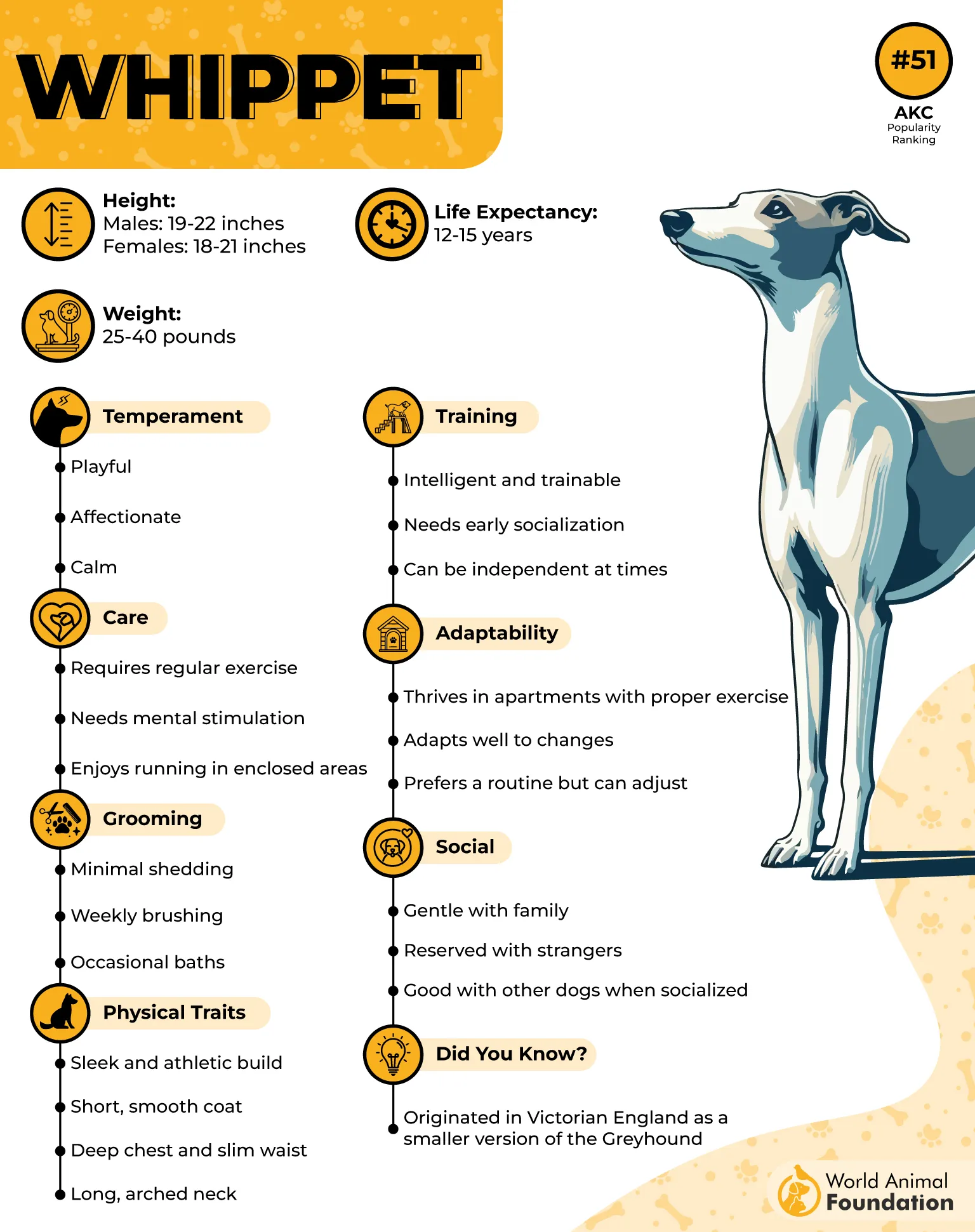
Whippet has a calm nature, soft-centred and good with family members. It is independent but loyal at the same time. After a short burst of activity or a brisk walk, it is typically content to relax for hours and loves to be a couch potato. Further, it is not known for excessive barking, making it an ideal companion for quiet households.
Its short coat sheds lightly and needs only minimal grooming and brushing. It is naturally a clean dog with very little “doggy” smell. This makes it particularly appealing for owners who value a tidy home environment. Despite its athletic build, it adapts surprisingly well to apartment living as long as its basic exercise needs are met.
But it is sensitive to cold weather due to its short coat. It can also develop separation anxiety if left alone for extended periods. Due to its calm temperament, it is shy and uncomfortable in loud, chaotic environments.
7. Dachshund

The Dachshund is a unique German dog with a long body, short legs, and an elongated snout. It was bred as a burrow-hunting dog. Its long body and short legs allow it to enter tunnels. Its small size and manageable activity requirements make it a physically convenient pet.
It is stated by Purina that the Dachshund is also known as the “badger dog” and a national symbol of Germany.
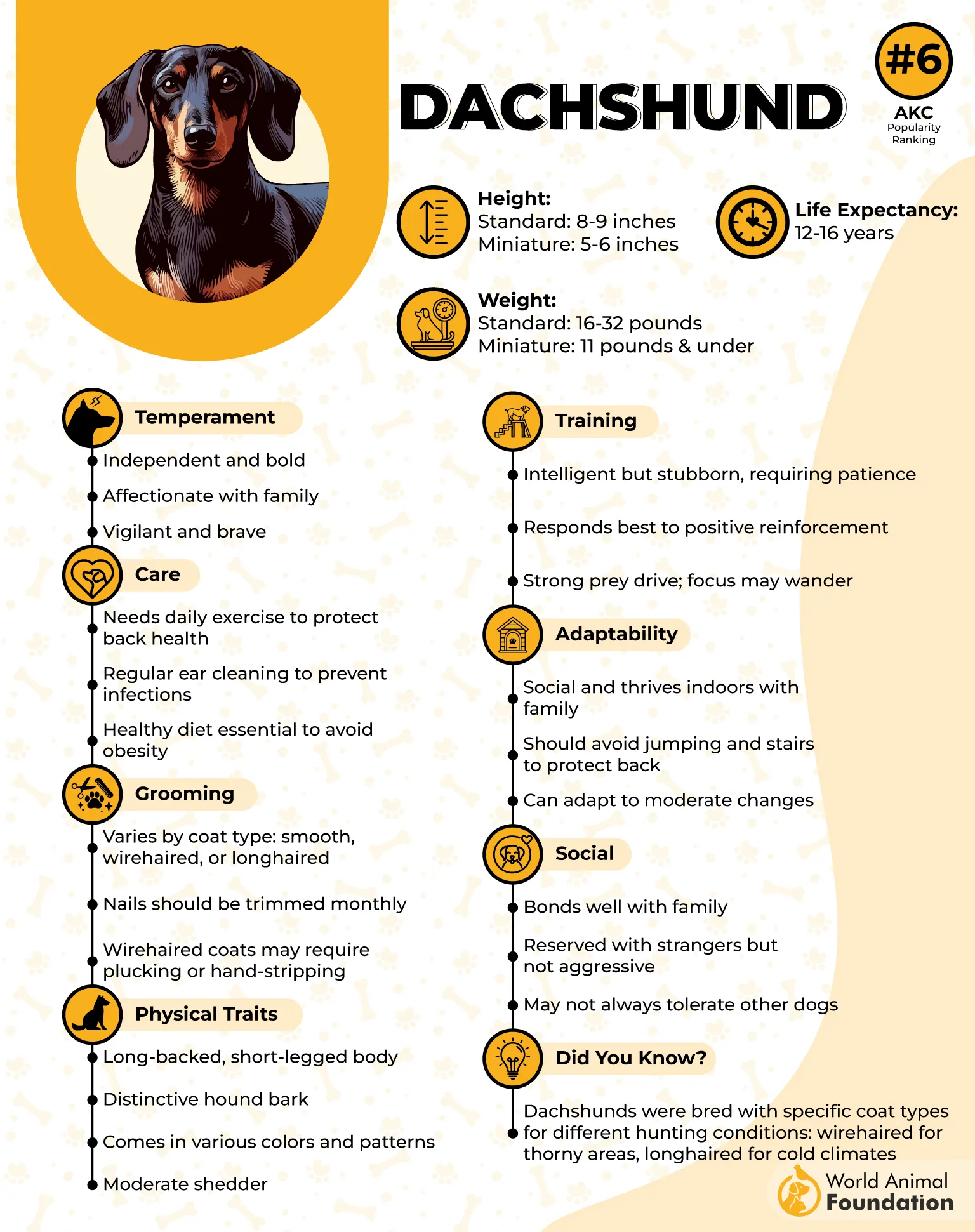
Dachshund is a faithful, devoted, playful, and curious dog. Its compact build makes it easy to manage in smaller living spaces. It does not need large yards and remains contented indoors. After some activity, it is usually happy to curl up and relax with its owners.
It loves being close to its people and often enjoys cuddling under blankets or sitting beside its owners. Its smooth coat needs minimal brushing and is easy to maintain. Moreover, it is playful and sometimes its comical behaviour provides companionship without requiring constant outdoor engagement.
However, due to its long body, it is prone to Intervertebral Disc Diseases. It can be stubborn and may require training patience and consistency. Extra weight can worsen back issues and is also susceptible to separation anxiety.
8. Beagle

The Beagle is a small to medium-sized dog with a short, dense, water-resistant coat, long ears, expressive eyes, and a tri-color coat. It was bred in England as a scent hound. Its main role was to track small game using its exceptional sense of smell.
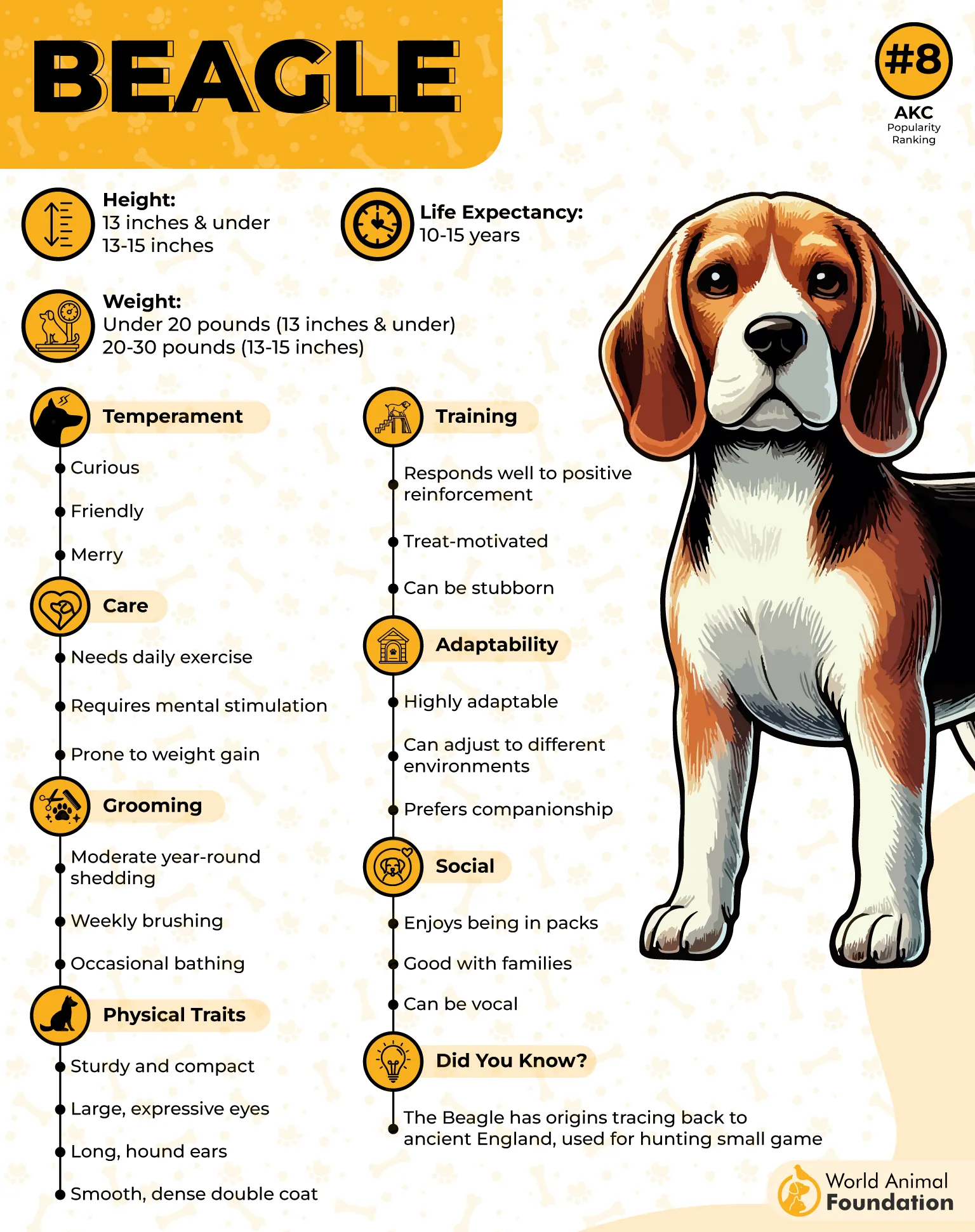
Beagles are friendly, social, playful, and intelligent. It is always loyal and affectionate with the owners. Beagles are naturally sociable and calm indoors. It enjoys spending time with family members without being demanding, making it ideal for relaxed homes.
While it is playful and enjoys sniffing and exploring, it does not require intense or prolonged exercise. It can live comfortably in apartments as long as it has a safe area to explore and interact with its owners. After brief walks or play sessions, it is happy to relax indoors. Its playful curiosity and expressive behaviour add charm and warmth to the household without creating chaos.
But being an escape artist, it may wander if catch an interesting scent, so secure fencing is needed. Sometimes it becomes stubborn and needs patience in training. It may bark or howl, which may be challenging in shared living spaces.
9. Italian Greyhound
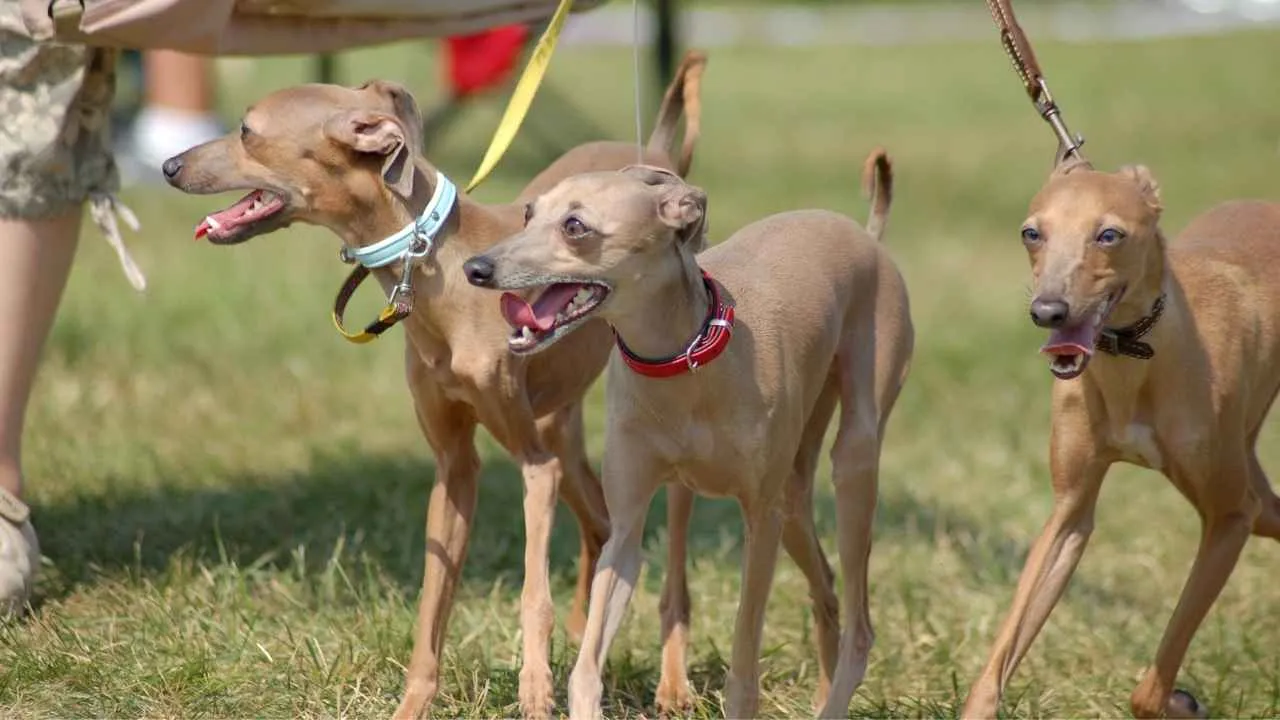
The Italian Greyhound is an ancient breed of Italy that is small, has a slender body, long legs, a narrow head, and fine bones. It was developed as a small hunting dog for rabbits and small game and as a lap companion for the elite.
According to the American Kennel Club, it is a member of the “Toy Group,” but it seems larger than other members.
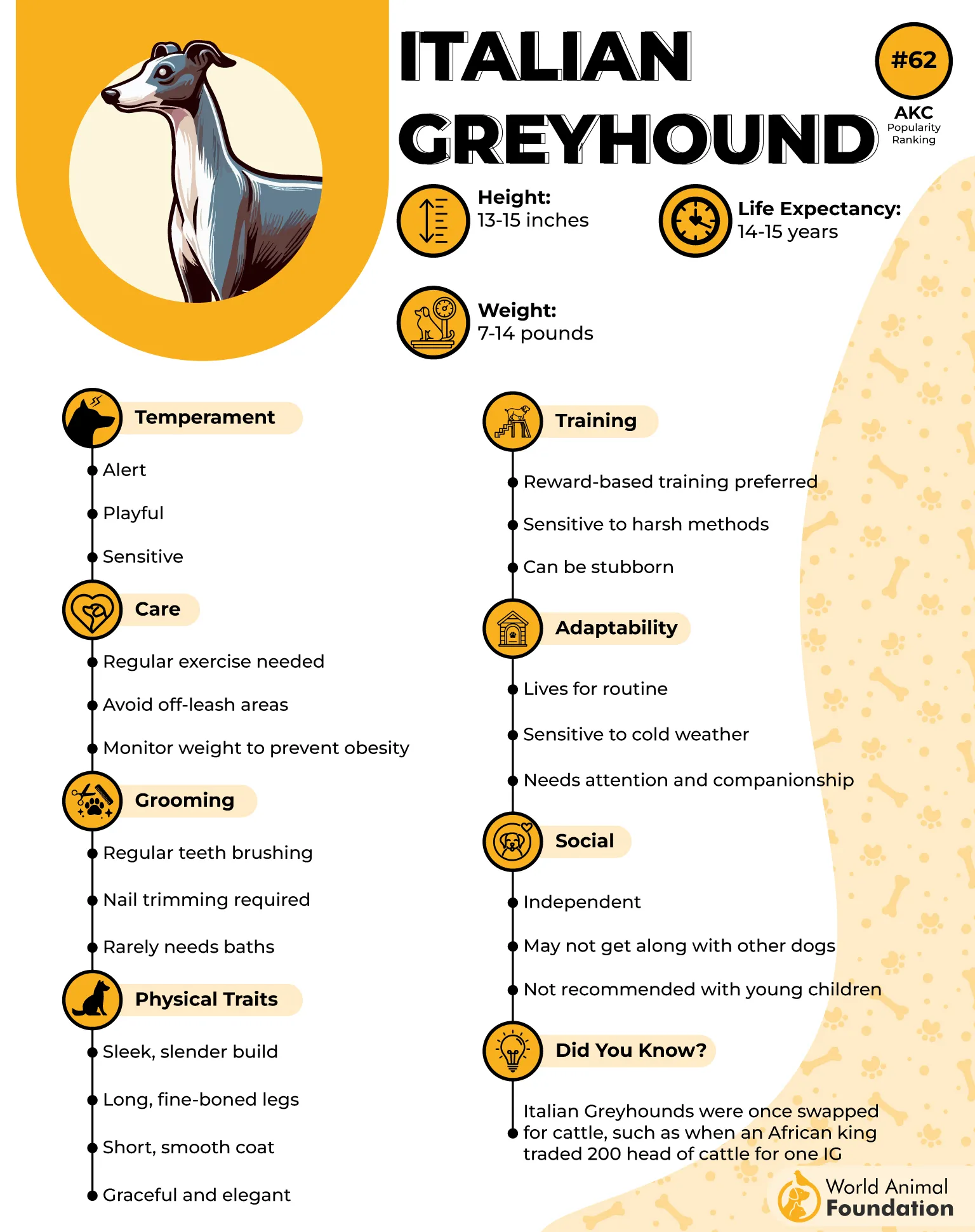
It is gentle, sensitive, affectionate, and loyal. It is playful in short bursts and remains calm indoors. It is indeed a low-maintenance dog that almost needs no grooming beyond occasional brushing. While capable of surprising bursts of speed, it only needs short walks and indoor play.

Being quiet and calm, it prefers resting and being near its owners rather than constant activity or outdoor adventures. Further, it thrives in predictable, low-stress environments. Its calm demeanor allows it to fit seamlessly into relaxed daily routines.
However, its fragile bones make it prone to injuries. It may struggle if left alone for long periods. It can be timid around strangers or in chaotic environments.
Conclusion
All in all, choosing a dog for a relaxed lifestyle does not mean sacrificing companionship, charm, and loyalty. Low-maintenance breeds like French Bulldog, Greyhound, Basset Hound, Boston Terrier, Pug, Whippet, Dachshund, Beagle, and Italian Greyhound prove that calm, affectionate, and easygoing pets exist for owners who prefer a slower, more serene daily routine.
These breeds share common traits that make them ideal for relaxed living, like minimal grooming, manageable exercise needs, adaptability to smaller living spaces, and gentle temperaments. Many are quiet indoors, bond closely with their families, and enjoy lounging and calm interaction.
For apartment dwellers and busy owners, these dogs offer the perfect balance of personality and ease of care.
Of course, they do have their considerations, like some have breathing problems, some have a tendency to be stubborn, or specific health concerns. In essence, selecting a dog that naturally aligns with a relaxed lifestyle ensures a harmonious relationship where both owner and pet can thrive.
