




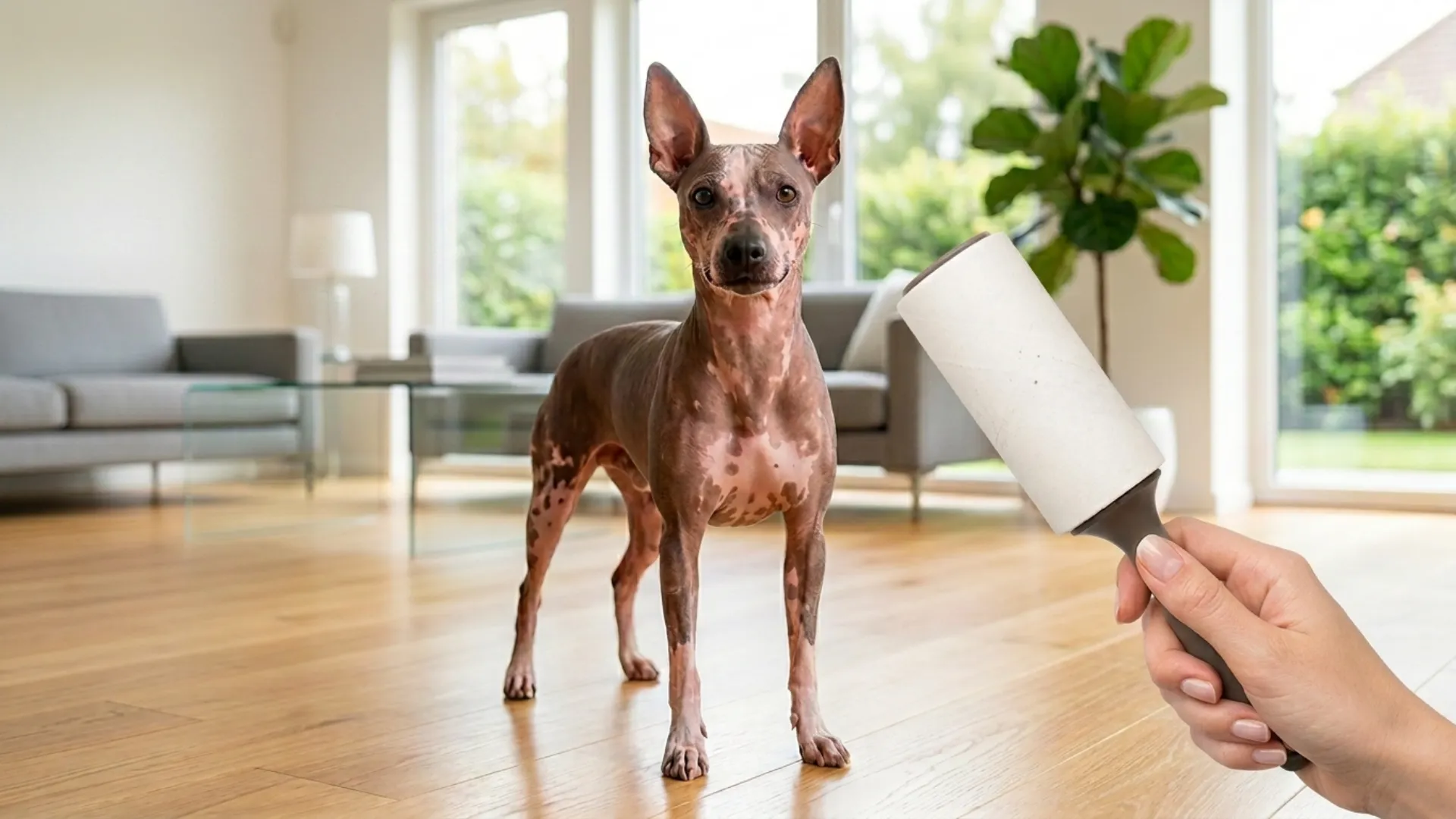
Dog hair has a way of turning up everywhere. It clings to your clothes before work, settles into carpets no matter how often you vacuum, and somehow finds its way onto freshly cleaned furniture within hours.
While shedding is a normal part of owning a dog, not everyone wants to spend their free time chasing loose fur around the house. That is why many people start looking for breeds that leave behind far less hair without giving up the companionship they want.
These dogs can make everyday life feel a little easier, especially for busy households that prefer less cleaning and simpler grooming routines. Of course, a low-shedding coat does mean no maintenance at all, and understanding that difference helps set realistic expectations.
Here, you’ll explore wonderful dog breeds with minimal shedding, learn what makes them different, and find the right companion for a cleaner, more comfortable home.
Key Takeaways
Tired of finding dog hair on your clothes, carpets, and freshly cleaned furniture? Some breeds can make that daily cleanup much easier.
The Bichon Frise has a curly coat that traps loose hairs instead of leaving them scattered around your home.
Then there are hairless breeds like the Xoloitzcuintli and Chinese Crested, which bring their own interesting skin-care needs.
Keep reading to see which low-shedding breeds could fit beautifully into a cleaner, easier home.
Wonderful Dog Breeds with Minimal Shedding
1. American Hairless Terrier
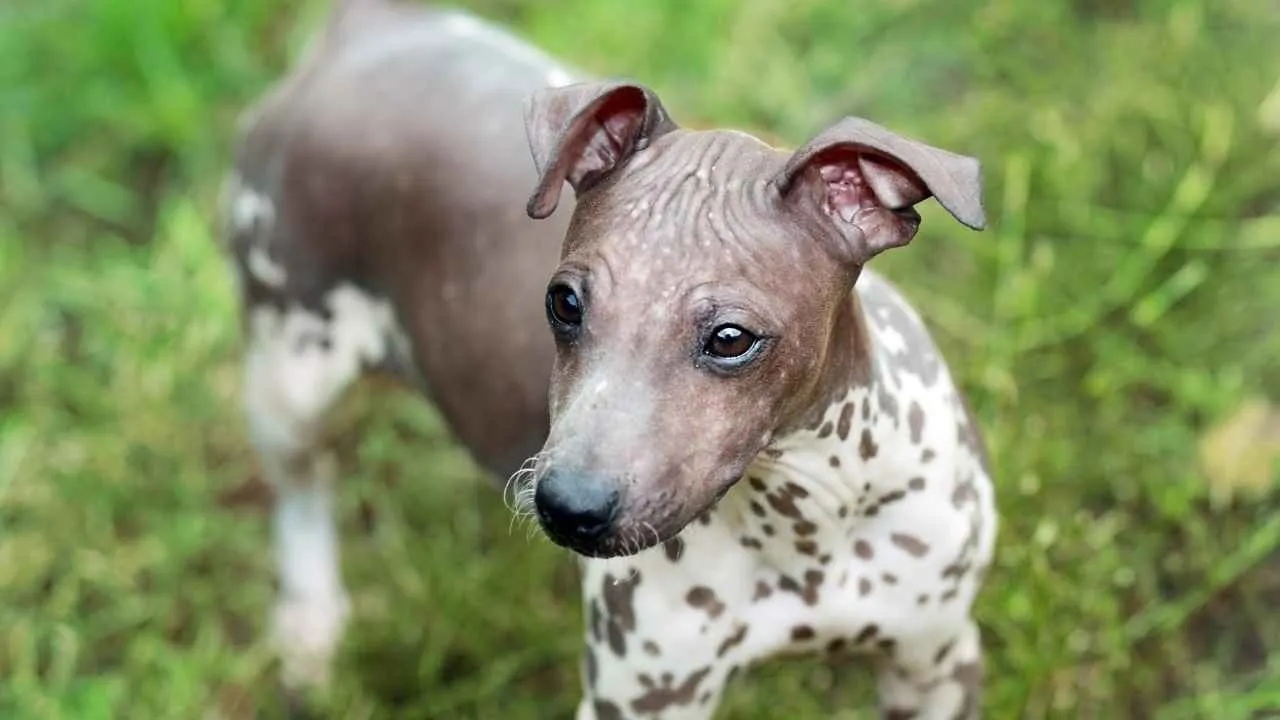
American Hairless Terrier first appeared in the United States during the late twentieth century after a natural mutation occurred in a Rat Terrier litter. That unexpected change eventually led to a separate hairless variety, giving this breed a place of its own among modern dogs.
Less Fur, More Skin Care
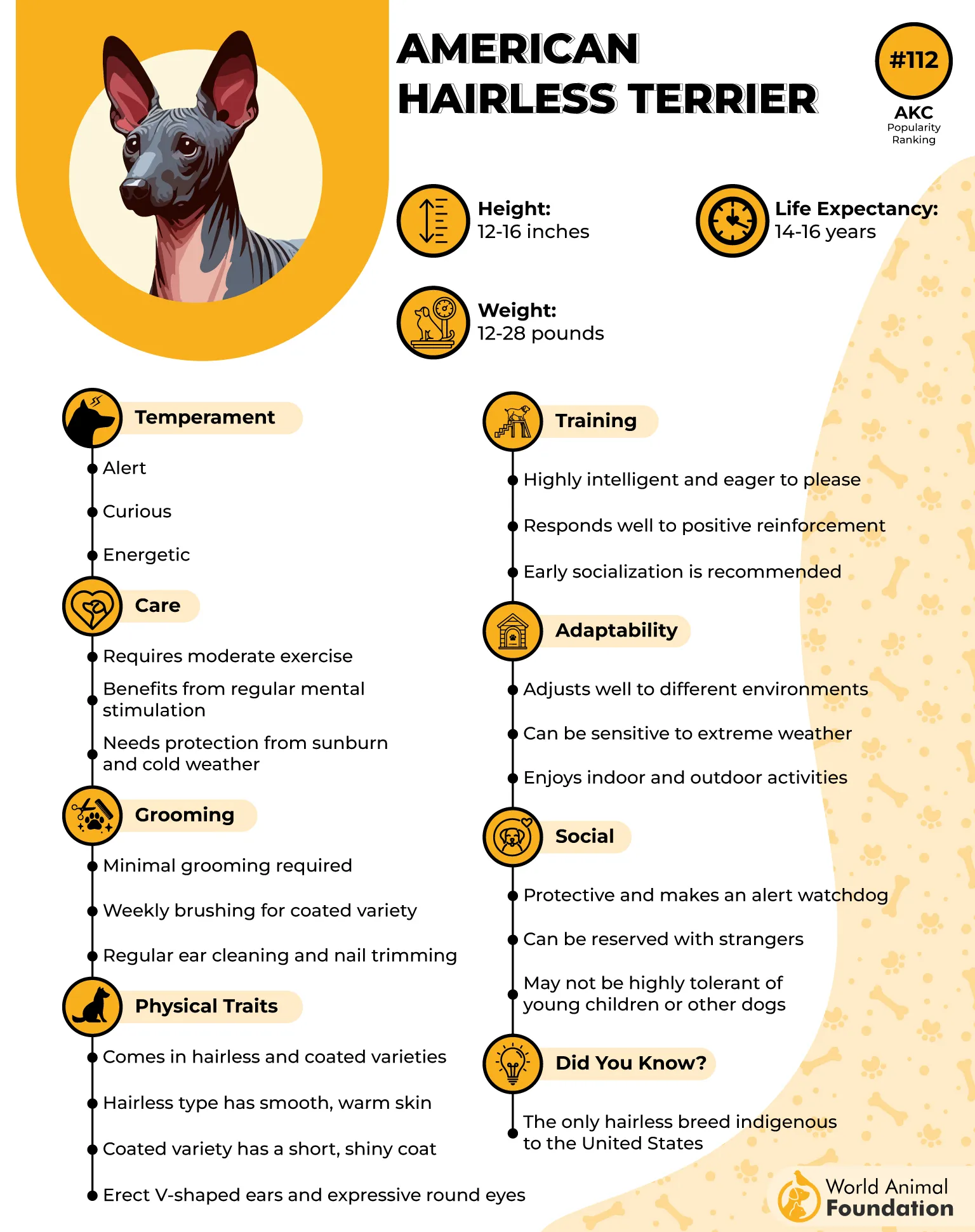
With little to no fur coming off its body, this low-shedding dog breed leaves far less hair around the house than most dogs. The trade-off is its exposed skin, which needs protection from sunburn and irritation during longer periods outside, as Purina claims.
There’s more to this little breed:
Friendly demeanor and adaptable
Some dogs have a short coat
Long back with a tapered muzzle
Always Curious
American Hairless Terrier approaches daily life with plenty of curiosity and enjoys joining family activities whenever something interesting is happening. Its intelligence and eagerness to learn help training progress smoothly, while a protective nature also makes it attentive to unfamiliar sounds.
2. Boston Terrier
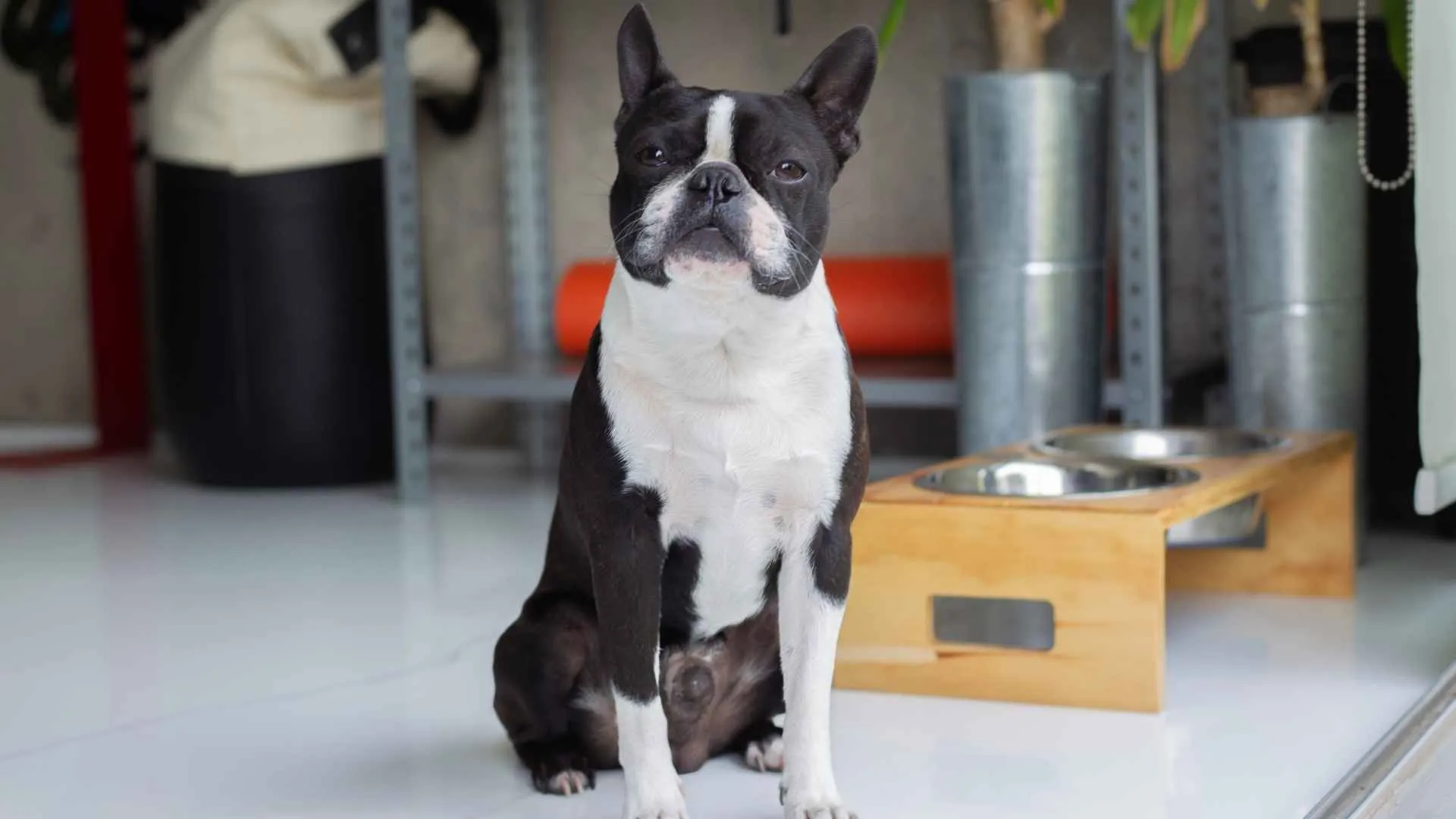
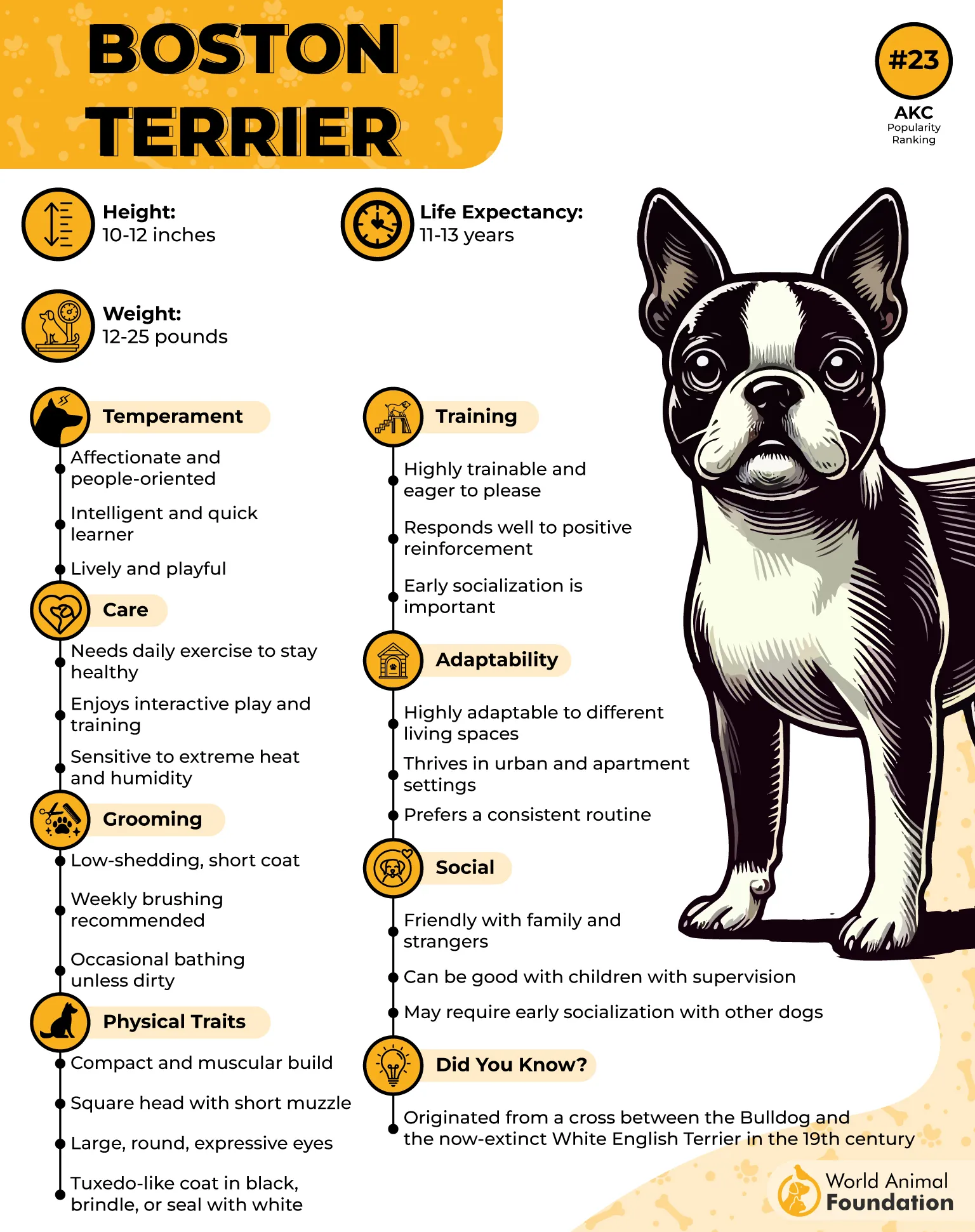
Boston Terrier first took shape in the United States from an English Bulldog and the now-extinct White English Terrier. Its connection with the city of Boston eventually gave the breed its name, and the American Kennel Club officially recognized it in 1893.
Less Fur, Less Cleanup
This low-shedding breed drops only a small amount of hair through most of the year, making routine cleanup much easier than with heavier-coated breeds.
Seasonal shedding can increase a little during spring and fall, but this breed does not shed its coat in large clumps because it lacks an undercoat.

Some other worth-knowing details are listed here:
Not considered hypoallergenic
Dander remains the main allergen source
No seasonal undercoat “blow”
Busy but Adaptable
Boston Terrier enjoys joining everyday family activities and brings plenty of playful energy into the home without demanding endless outings. Short play sessions, games of fetch or Frisbee, and mental challenges fit this breed far better than one long exercise period.
3. Bichon Frise
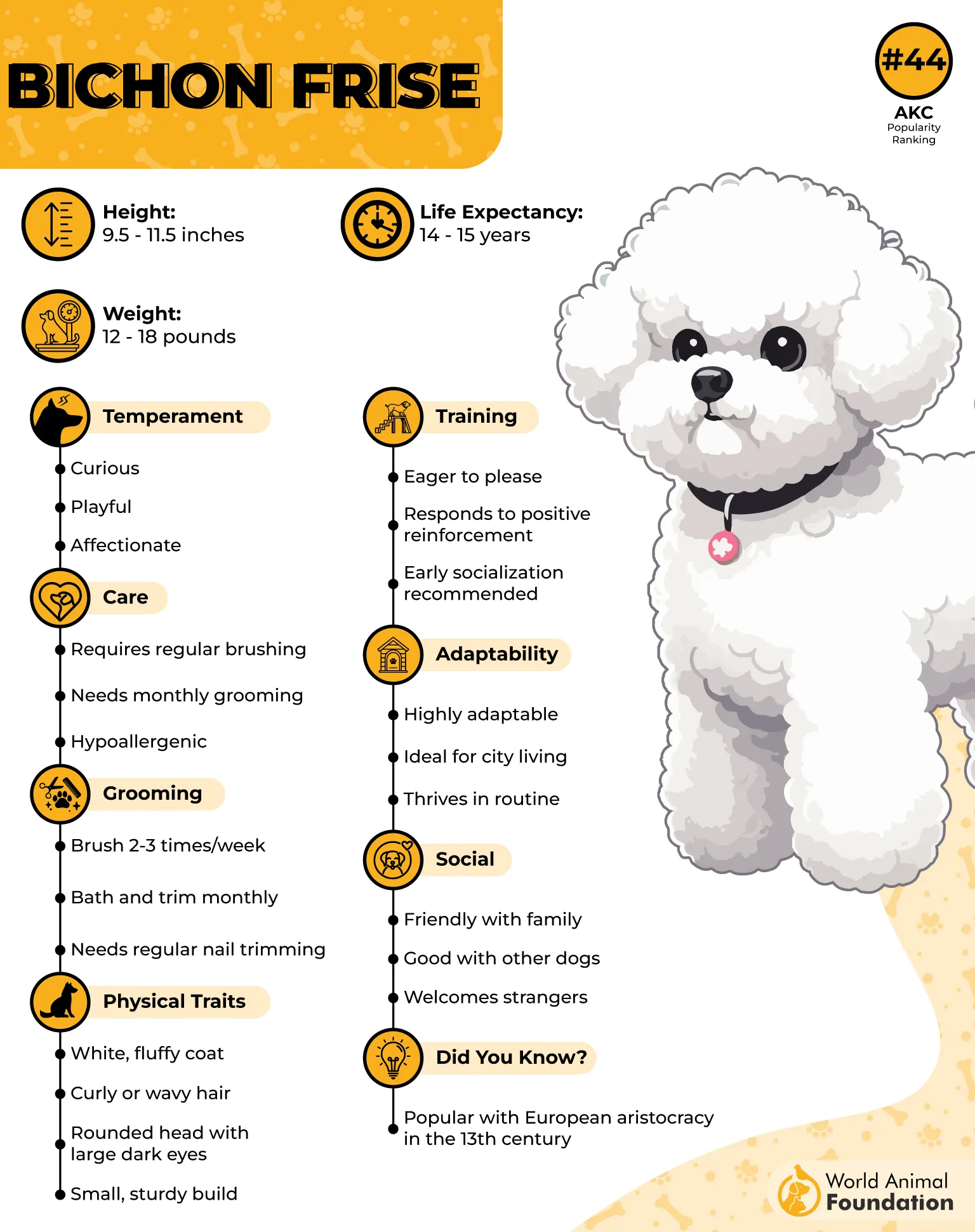
The Bichon Frise has a Mediterranean history, with Tenerife closely associated with its early development before the breed became popular in France and Spain.
Paintings of European royal families from both countries also included these cheerful little dogs, reflecting their place in aristocratic households.
Soft Coat, Less Loose Fur
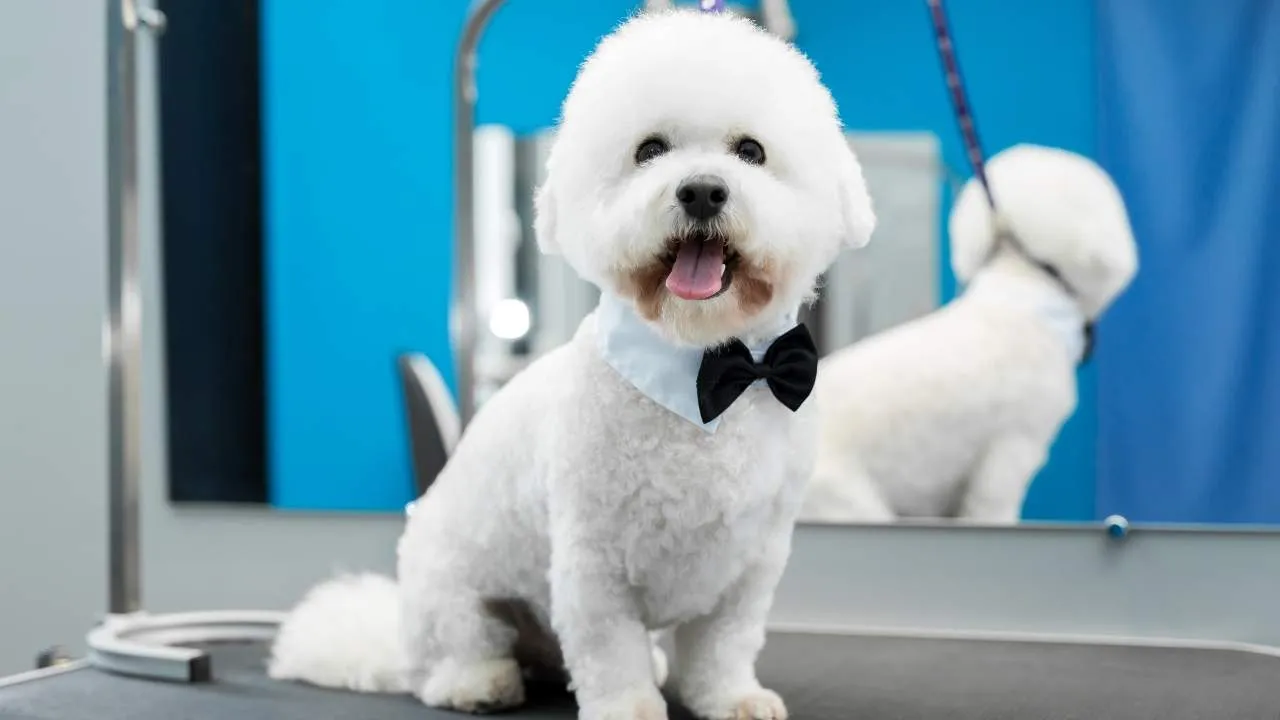
Bichon Frise has soft, cloud-like curls that trap loose undercoat hairs instead of letting them scatter around the home. That coat also keeps more dander within the curls, which can make the breed a suitable choice for some people with mild dog allergies.
More interesting traits stand out below:
Daily grooming helps prevent matting
Bouffant styling is optional, not natural
Professional grooming required after 4-6 weeks
Cheerful Company
This hypoallergenic dog greets familiar faces and first-time visitors with the same cheerful enthusiasm, often ready for another game or a chance to learn a new trick. After playtime, this lively companion is just as happy relaxing beside its family for a quiet evening indoors.
4. Basenji
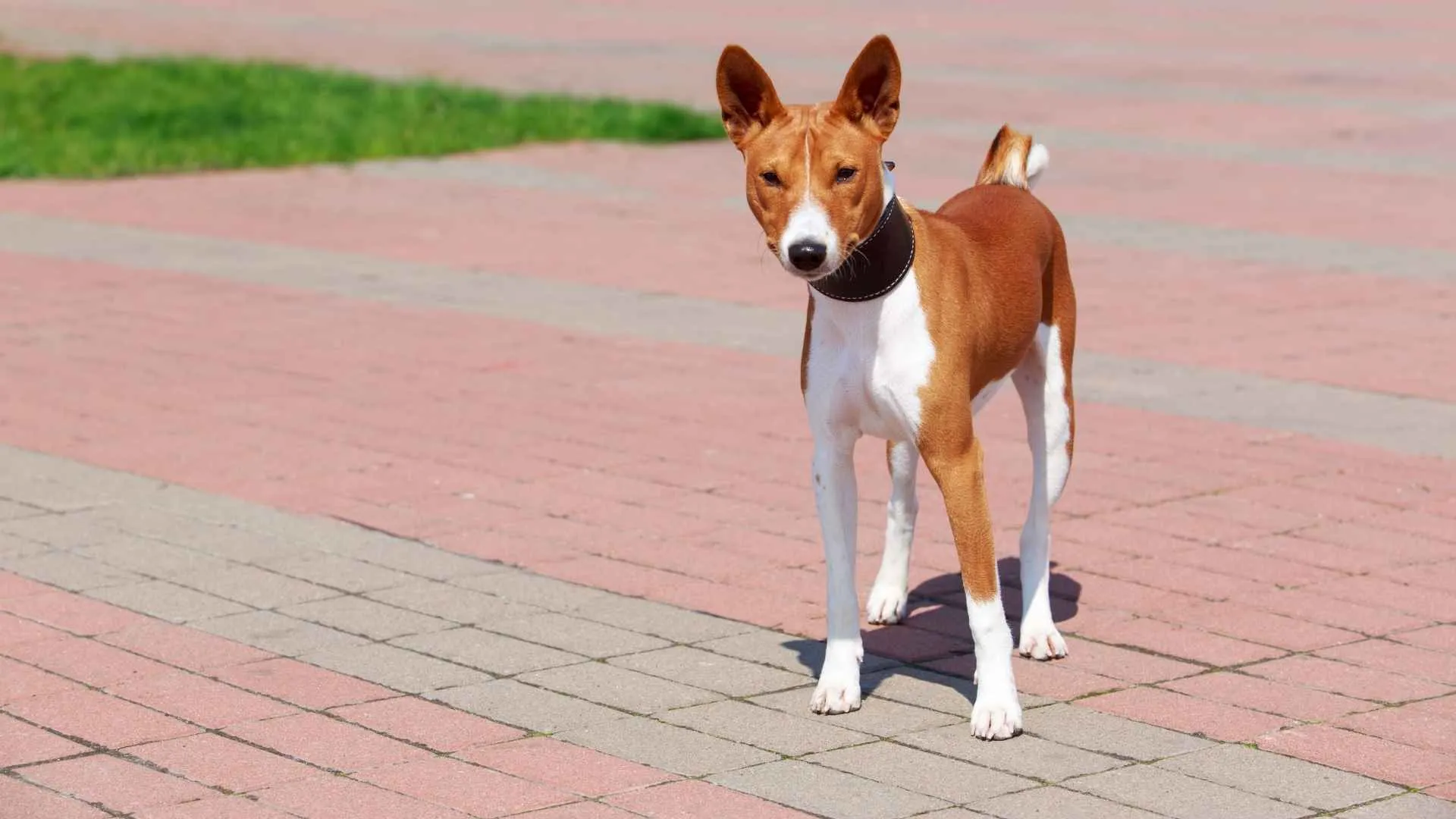
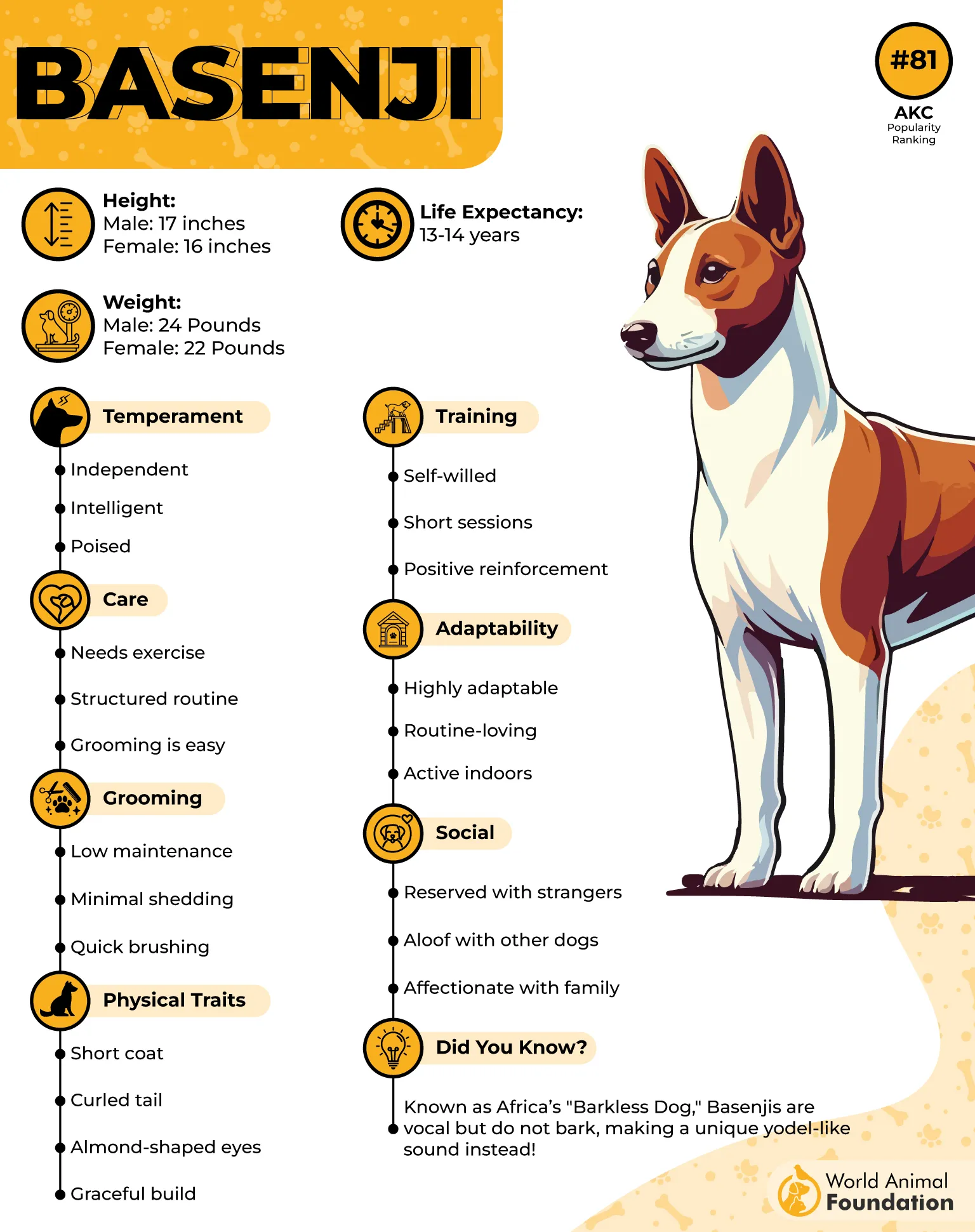
Basenji originated in Central Africa, where it spent generations assisting with small-game hunts across challenging terrain. Long before becoming a household companion, this breed is recognized for its sharp senses, quick reactions, and distinctive yodel-like vocalization instead of a traditional bark.
Light Coat Care
Basenji’s short, fine, single-layer coat releases far less loose hair than many double-coated breeds, making grooming refreshingly simple. Hair loss becomes more noticeable during the spring and fall coat change rather than throughout the entire year.
Some more coat-related details also deserve attention:
Seasonal coat changes twice yearly
Shedding varies with health and diet
Needs brushing once or twice a week
Quiet but Expressive
Basenji communicates in a way that surprises first-time admirers, replacing a typical bark with a yodel-like sound that has become one of its signature characteristics, as Orvis noted.
Reserved behavior around unfamiliar people can appear at first, while familiar faces usually receive a much warmer response.
5. Xoloitzcuintli
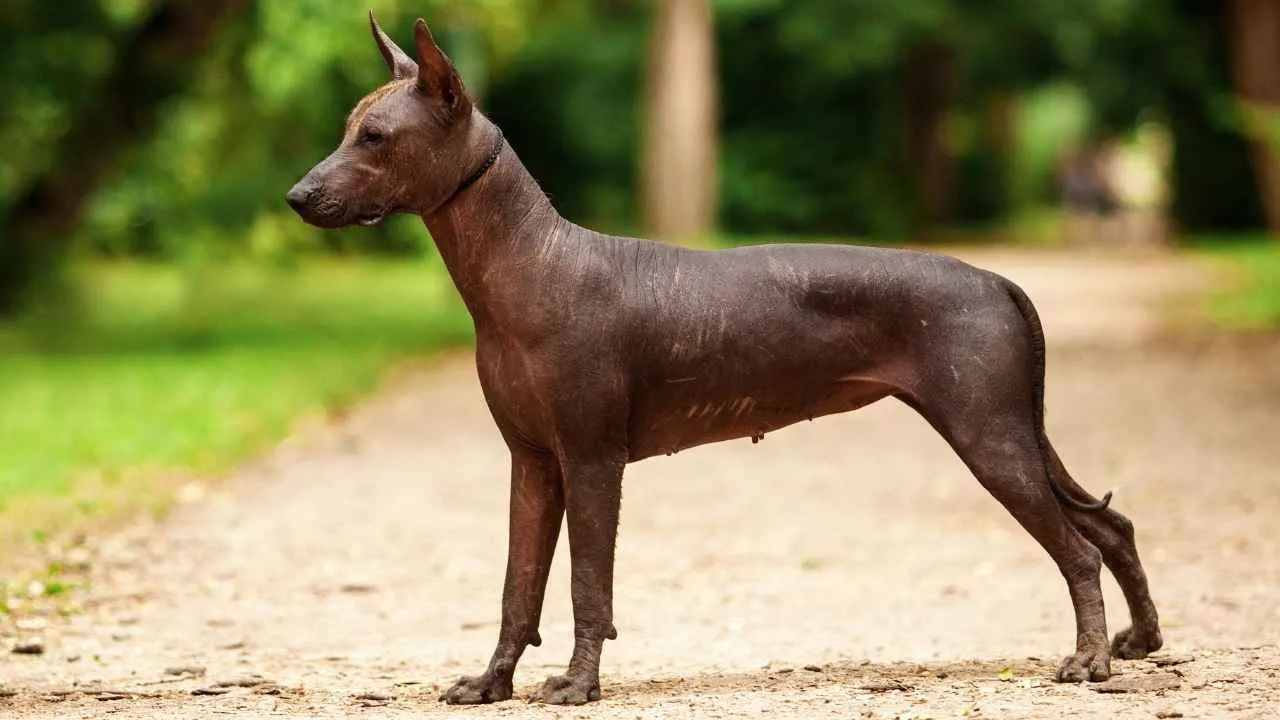
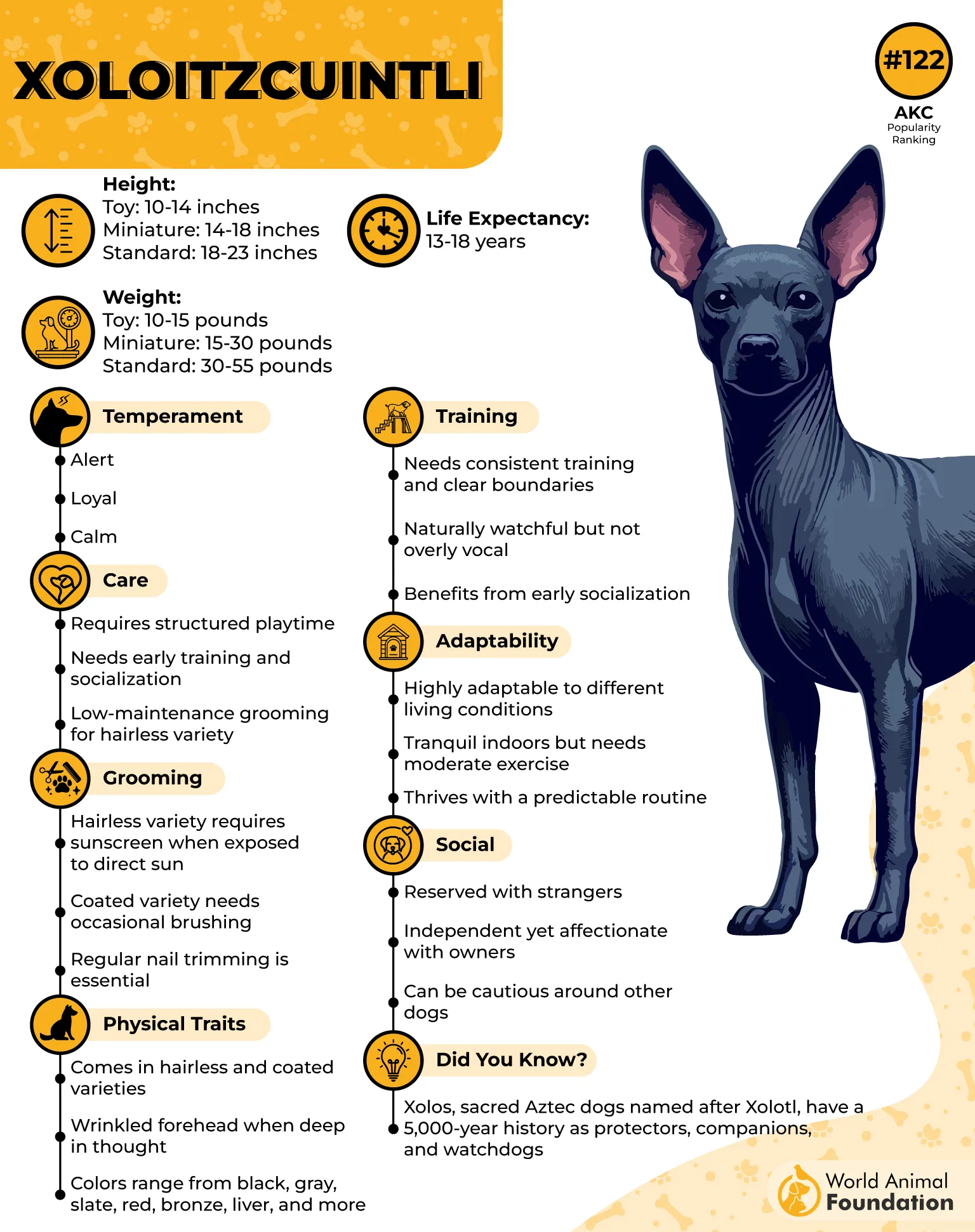
Xoloitzcuintli originated in Mexico and belongs to one of the oldest recognized dog breeds, surviving through centuries before its numbers fell dramatically only a few decades ago.
Interest in this remarkable breed has steadily grown again as more people discover its long-established place among companion dogs.
Bare Skin Advantage
The hairless variety naturally sheds very little, making it appealing for homes where loose fur quickly becomes a nuisance. Even without a full coat, healthy skin depends on regular care, including monthly baths and gentle products that help preserve its natural oils.
These details add another layer:
Powderpuff variety also exists
Lips and muzzle may develop acne during adolescence
Pet-safe sunscreen helps protect exposed skin outdoors
Smart but Consistent
Xoloitzcuintli learns quickly through positive reinforcement, although consistent guidance remains an important part of training from an early age.
Socialization during puppyhood, along with activities such as puzzle toys, fetch, trick training, and hide-and-seek, helps build confidence around unfamiliar people.
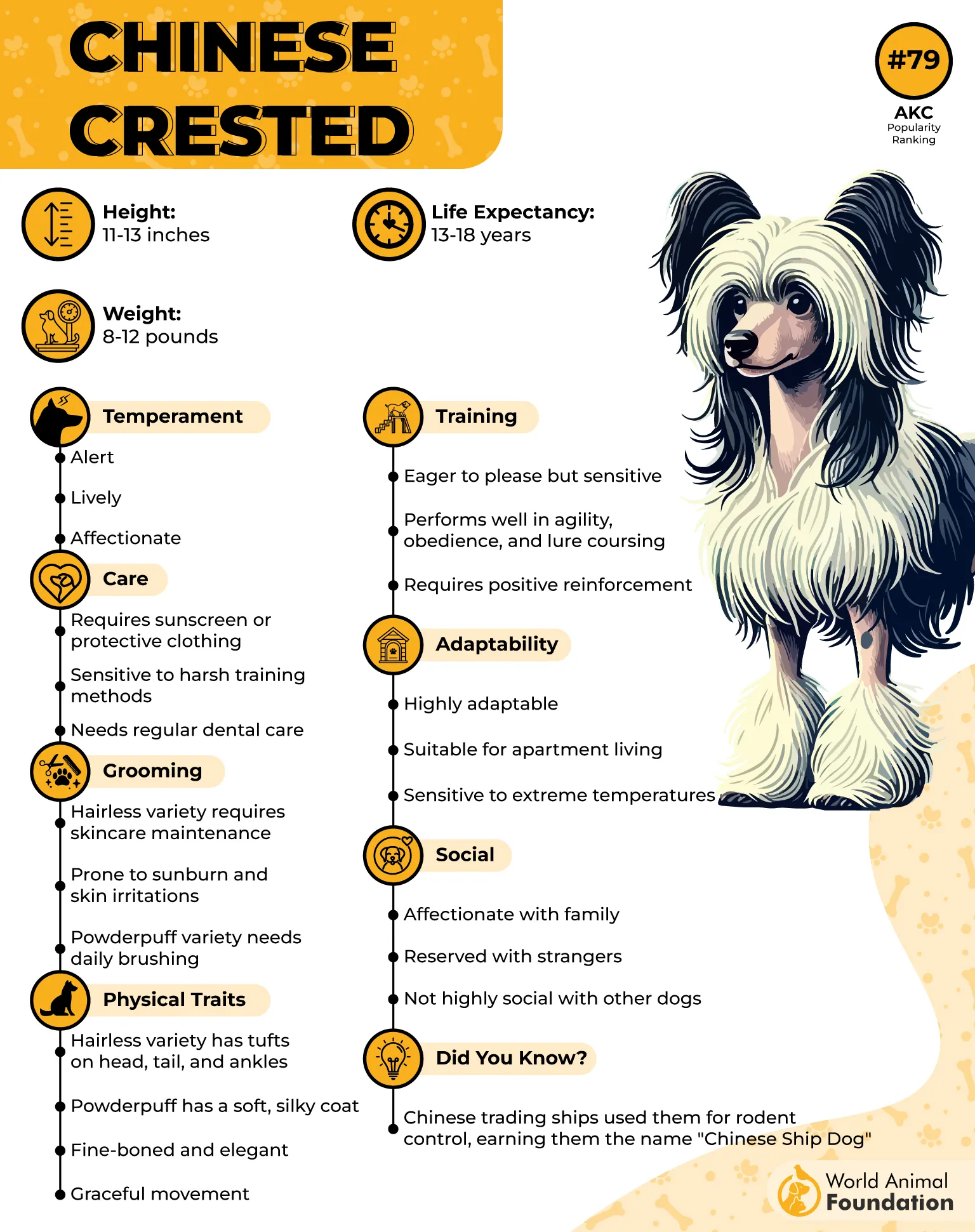
6. Chinese Crested
Chinese Crested likely shares early links with hairless dogs from Africa, while genetic evidence also points toward an ancient relationship with the Mexican Hairless Dog.
After reaching China, the breed became smaller and worked aboard trade ships, where it hunted rodents and became known as the Chinese Ship Dog.
Two Distinct Looks
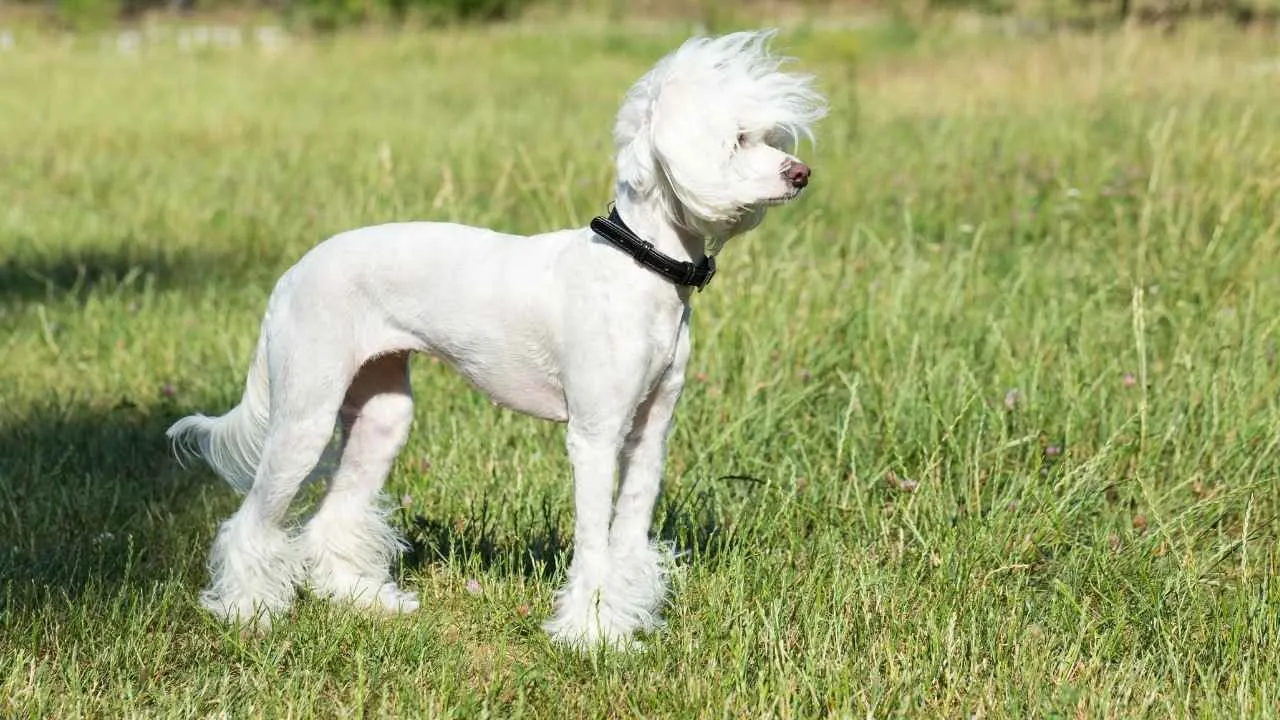
Chinese Crested comes in two varieties born within the same litter, giving this hairless breed an appearance unlike most companion dogs.
The hairless variety leaves very little dead hair around the home, while the powderpuff has a soft double coat that produces less dander than many heavier-coated breeds.
The details below tell more about this dog breed:
Emperors and mariners valued the breed highly
Hairless variety needs extra care in bright sunshine
Powderpuff puppies result from a recessive genetic trait
Gentle by Nature
Chinese Crested pays close attention to the emotions of the people around it and enjoys quiet moments just as much as playful ones. New faces may receive a cautious greeting at first, though confidence often grows once familiarity begins to build through regular interaction.
7. Yorkshire Terrier
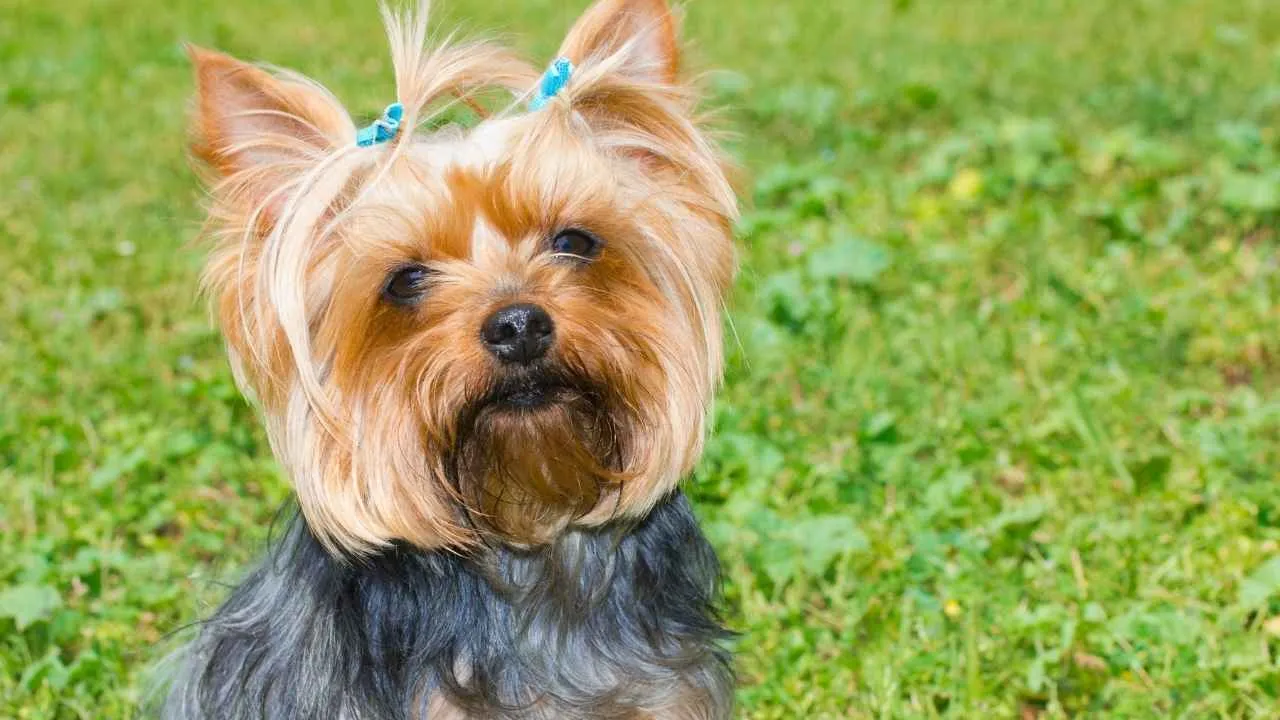
The Yorkshire Terrier has its early roots in mid-1800s Yorkshire, where Scottish mill workers brought small terriers into England. These little dogs spent their early years catching rats in cotton mills before gradually becoming the familiar companion breed recognized today.
Hair Instead of Fur
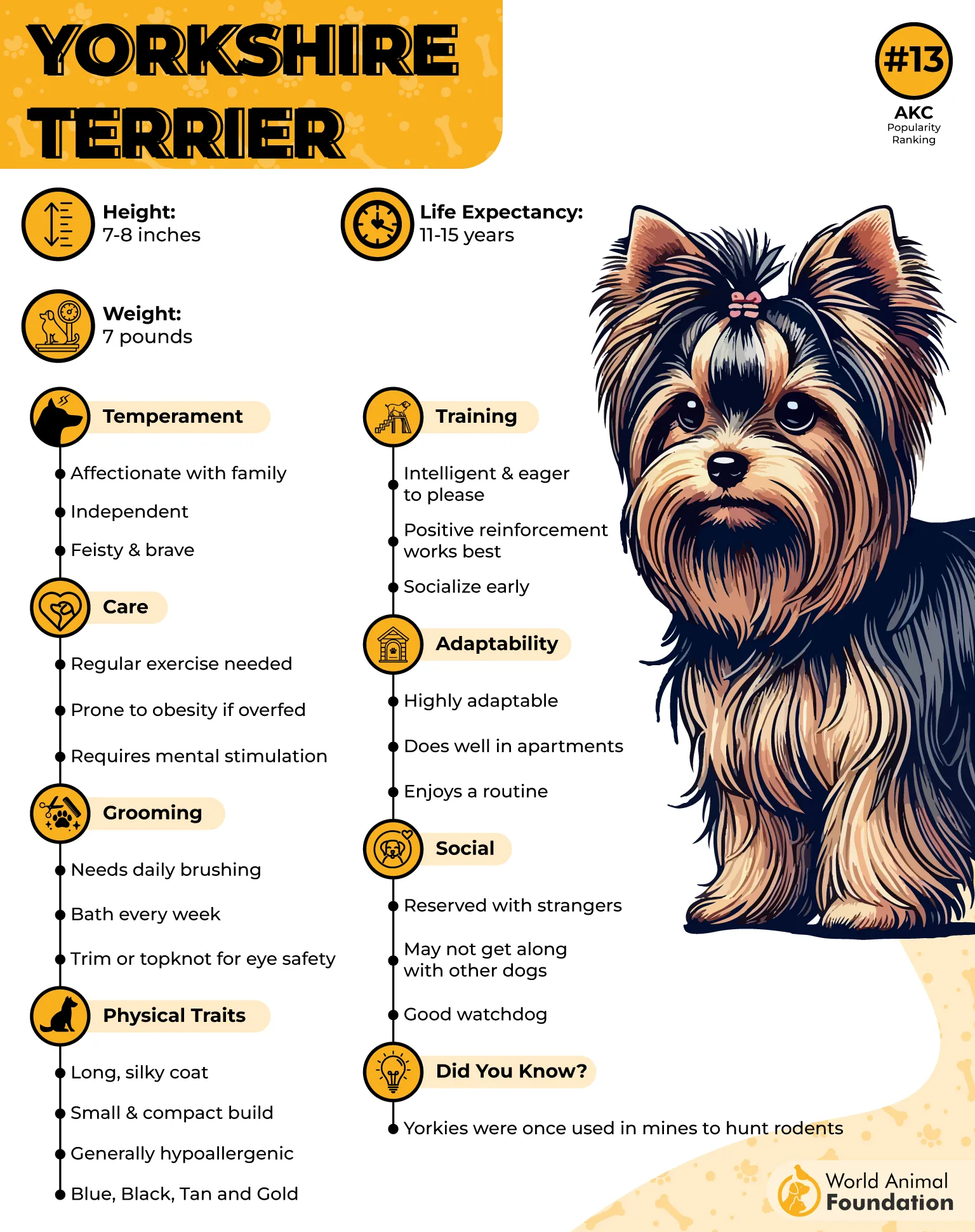
Yorkies have hair rather than traditional dog fur, and it does not have an undercoat, making loose hairs far less noticeable around the home. Its continuously growing coat benefits from daily brushing and regular weekly baths to keep it clean and comfortable.
These fine details make coat care easier to understand:
Hair resembles human hair
Loose hairs often remain caught within the coat
Brushing and bathing reveal only small amounts of hair loss
Small Dog, Big Personality
Yorkshire Terrier fits comfortably into apartments as well as larger homes, provided it receives two short daily walks and indoor playtime, as noted by the AKC. Families with very young children should supervise interactions because this breed’s small size makes rough play a genuine concern.
Conclusion
Every household has different priorities, and for many people, spending less time cleaning is certainly one of them. Low-shedding companions can help make that possible while still bringing all the affection, loyalty, and entertainment people expect from sharing life with a dog. While no breed prevents most dog allergies, regular brushing remains important, especially in allergy-sensitive households.
Selecting thoughtfully creates a better experience for everyone involved while also making grooming and cleaning feel like easier maintenance.
A companion whose personality and needs match your routine often becomes far more valuable than one chosen for appearance alone, bringing years of comfort, enjoyment, and dependable companionship into your everyday life.
