




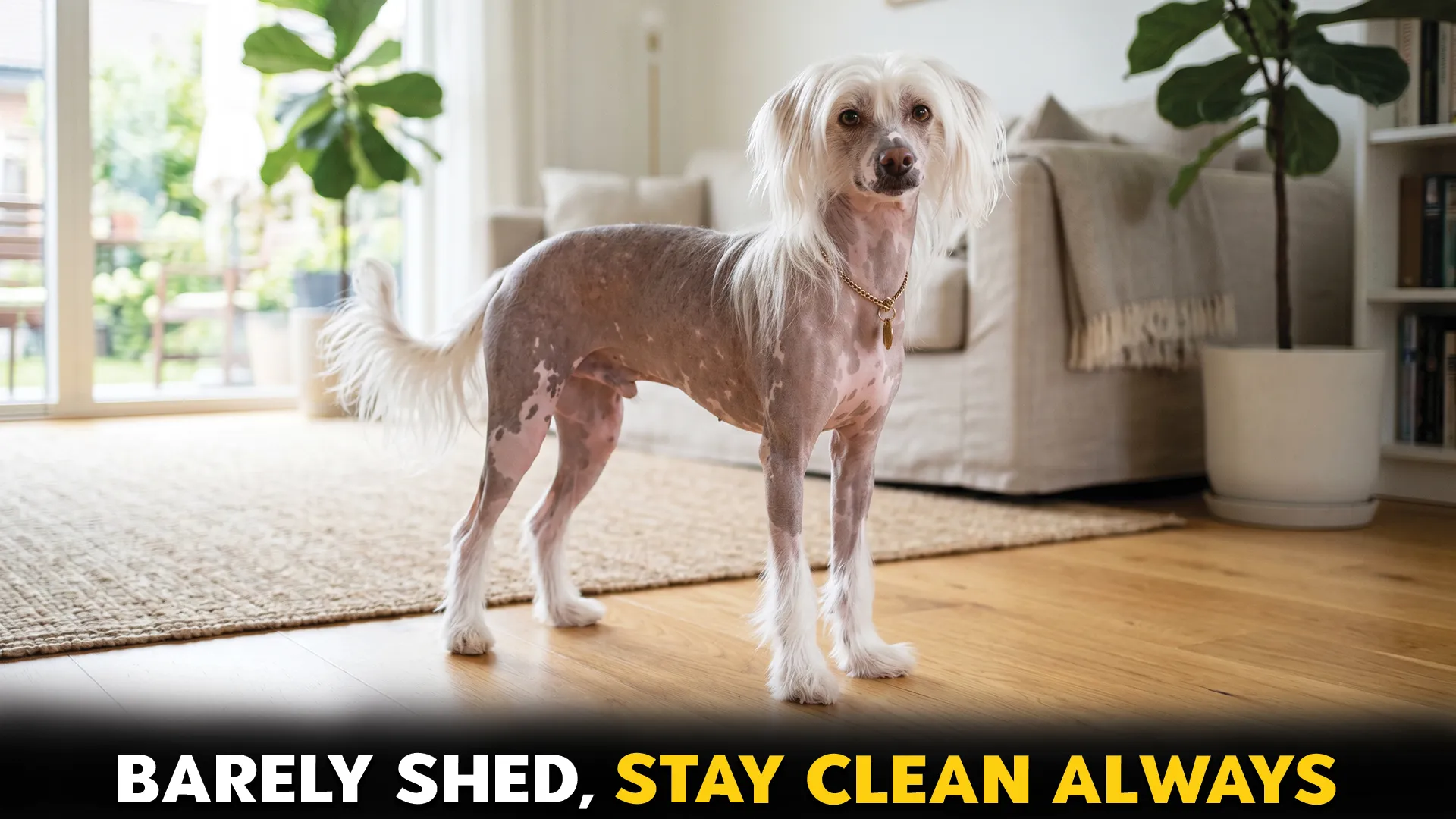
Hair on the couch, hair on your clothes, hair floating through the air when the sunlight hits just right. It builds up faster than you expect, and no matter how often you clean, it keeps coming back.
For many people, shedding becomes the one thing that turns the idea of having a dog into something stressful instead of enjoyable. It is not just about cleaning either. It affects allergies, time, and how comfortable your space feels every day.
This is exactly why low-shedding dogs have become such a practical choice for modern homes. They offer companionship without adding constant maintenance to your routine. The difference feels small at first, but over time, it changes everything about living with a dog.
In this article, you will discover dogs that barely shed, what makes them different, and how they quietly make everyday life easier and cleaner for owners suffering from dog allergies.
Key Takeaways
It starts with a few strands on the couch, then suddenly it is on your clothes, your floors, and everywhere in between, and triggers allergic reactions.
Breeds like the Chinese Crested and Xoloitzcuintli barely leave any dead hair behind, changing how your home feels almost instantly.
The Basenji keeps itself clean like a cat, while the Maltese and Yorkshire Terrier carry hair that behaves very differently from typical shedding coats.
As you move through the list, you start seeing which of these dogs quietly fit into life without adding that constant mess.
Wonderful Dog Breeds That Barely Shed At All
1. Chinese Crested
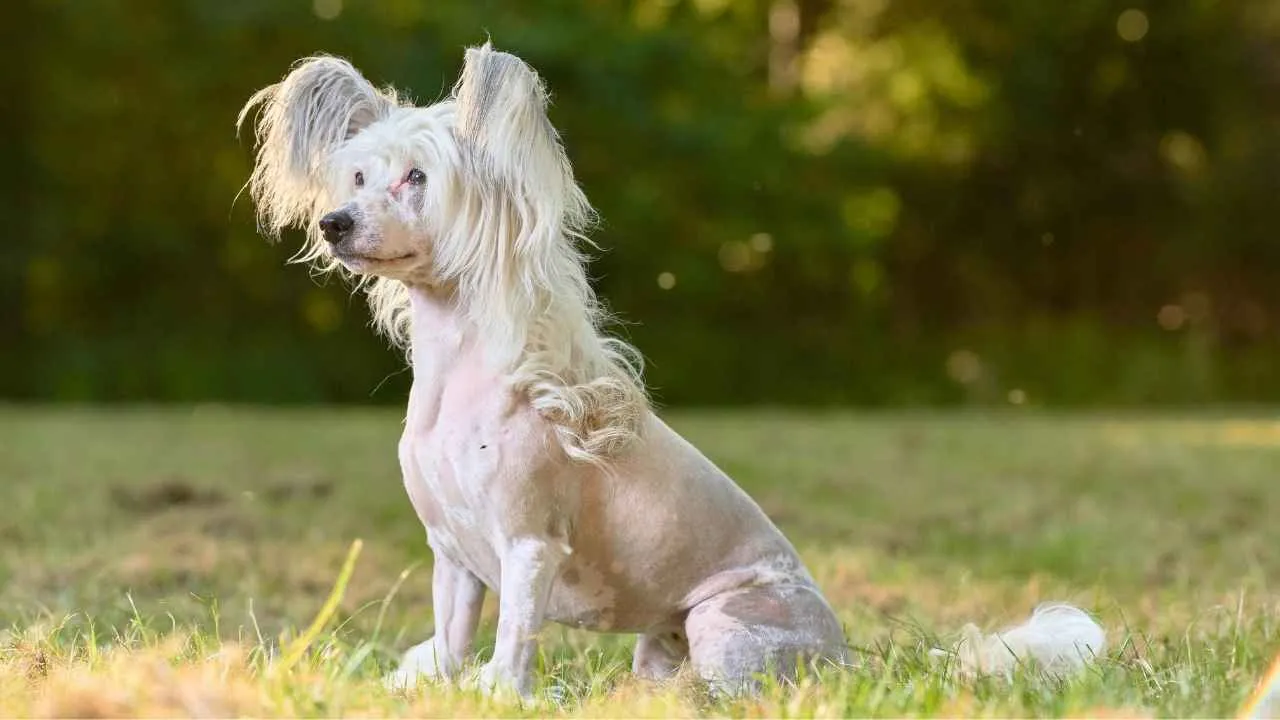
Chinese Crested is recognized through its hairless form, where soft skin contrasts with fine hair on the head, feet, and tail. This distinct appearance reduces loose hair around the home while still keeping a styled outline. Its elegant frame adds to the light, refined look.
Two coat forms in one breed
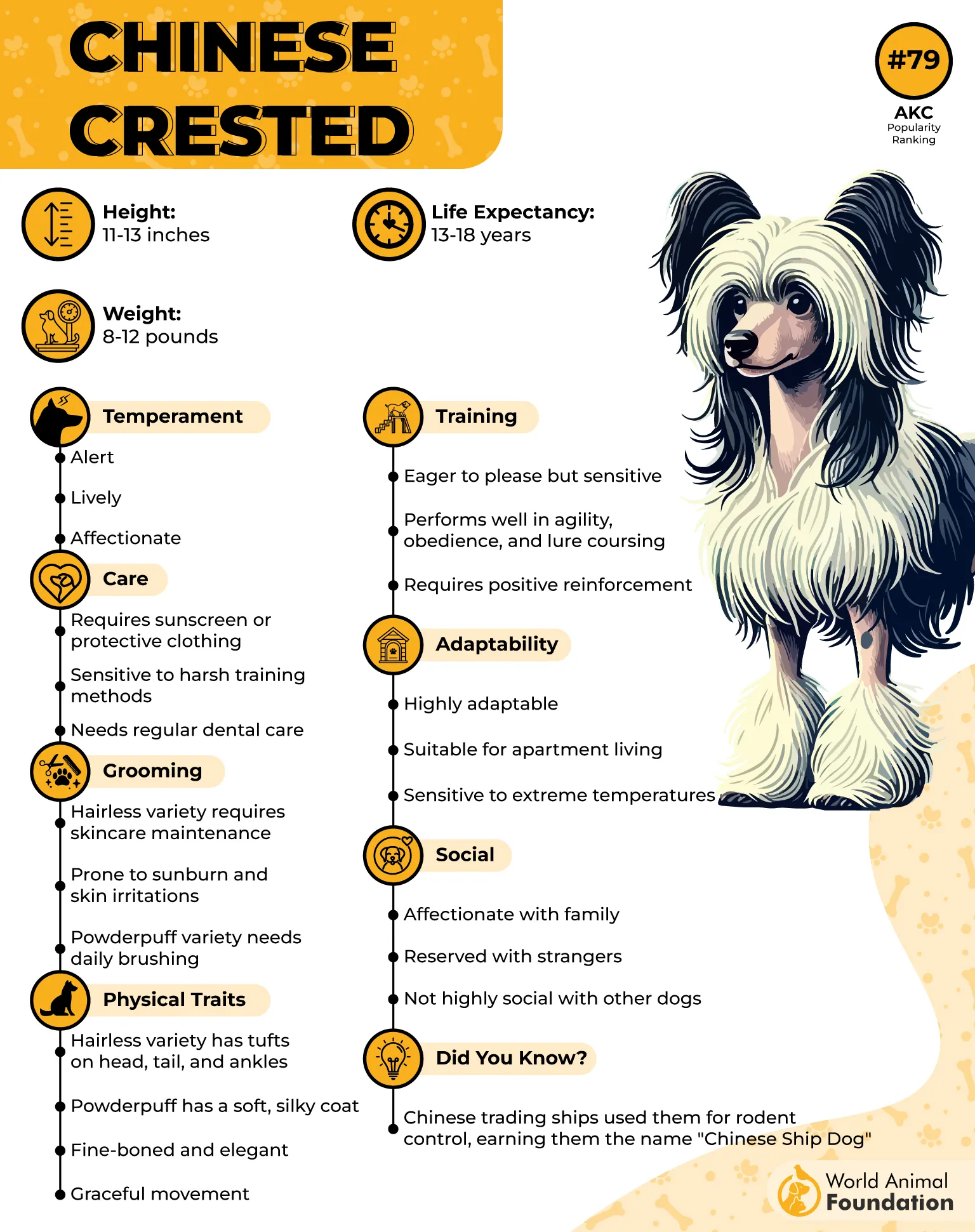
They also exist in a powderpuff form, covered in long, flowing hair that differs completely from the hairless type. Both share the same small, fine-boned build, requiring careful handling in daily interaction, as noted in PetMD.
A closer look highlights the contrast:
Hairless type with exposed smooth skin
Powderpuff type with a full, soft coat
Fine bone structure needing gentle handling
Adaptability in close living spaces
This low-shedding dog breed fits comfortably into apartment living, where its activity level stays moderate and easy to manage indoors. It often prefers lounging or short play sessions over extended outdoor routines. This makes daily care less demanding in compact environments.
2. Basenji
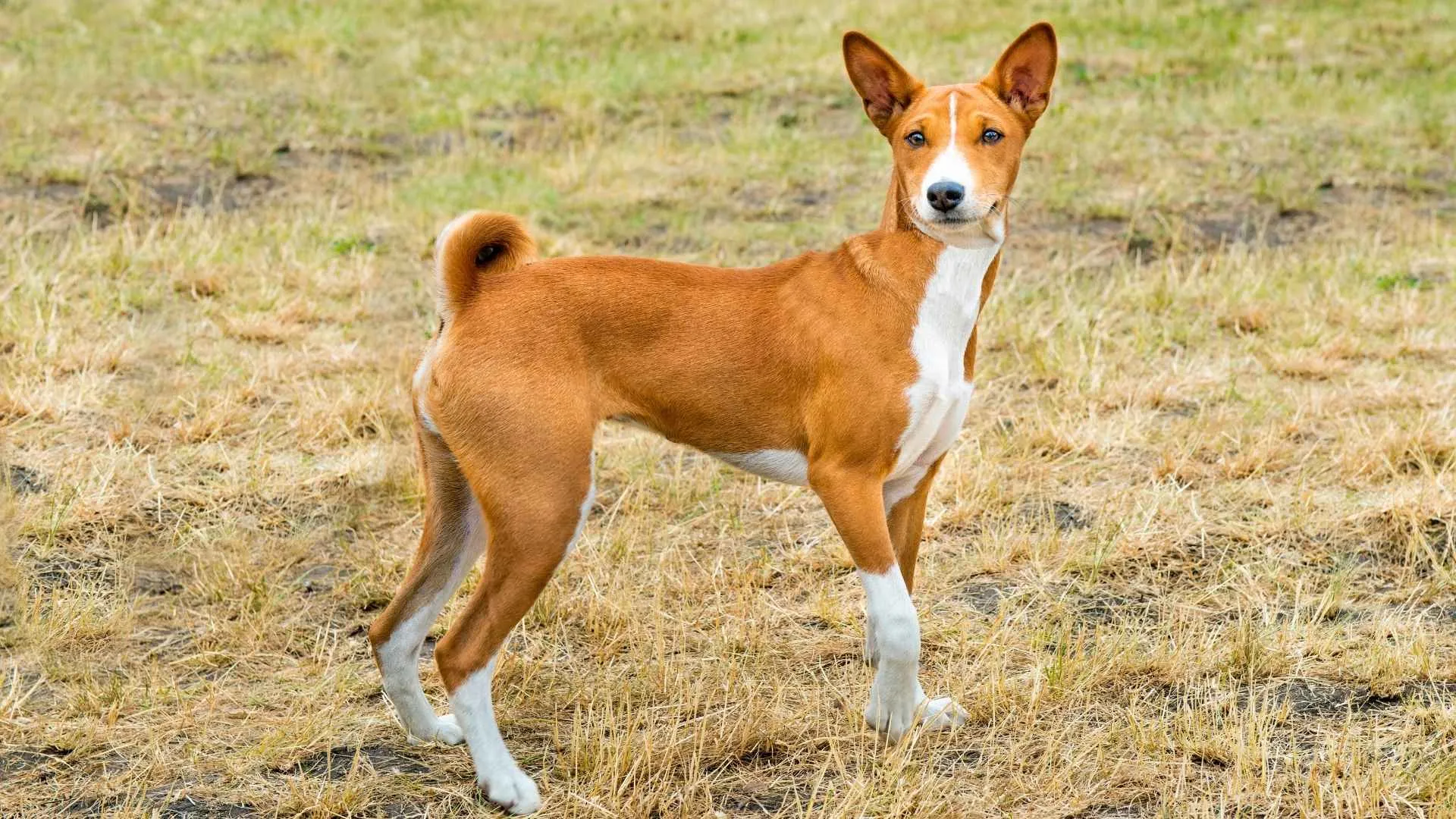
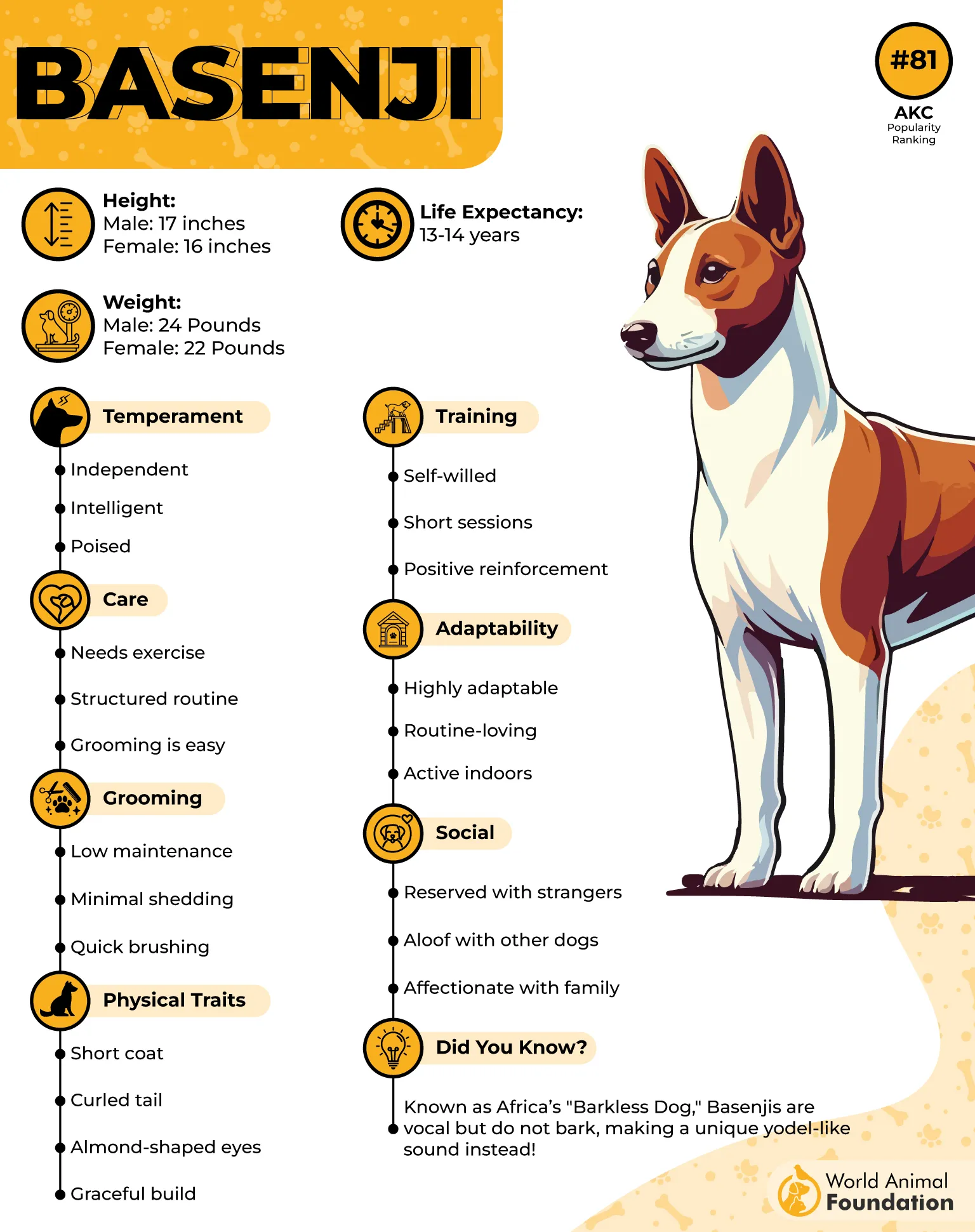
Basenji communicates without barking, using a yodel-like sound that reflects its mood distinctly. Its compact frame, curled tail, and wrinkled forehead give it a constantly expressive appearance. Clean habits resemble a cat, with frequent self-grooming keeping the short coat neat, as per the AKC.
Structure and motion in focus
This hypoallergenic dog combines a light build with an efficient stride, covering ground with smooth, extended movement. Its physical design becomes more noticeable during a fast trot, where balance and rhythm align closely.
That design becomes clearer through key details:
Short, fine coat with minimal loose hair
- Tightly curled tail held over the back
Long, fluid stride during forward motion
Curious mind with constant activity
Basenji remains alert and inquisitive, often exploring surroundings with quick reactions to new stimuli. Its active nature requires regular engagement to prevent restlessness within confined spaces. Long play sessions or controlled outdoor time help channel this energy.
3. Havanese
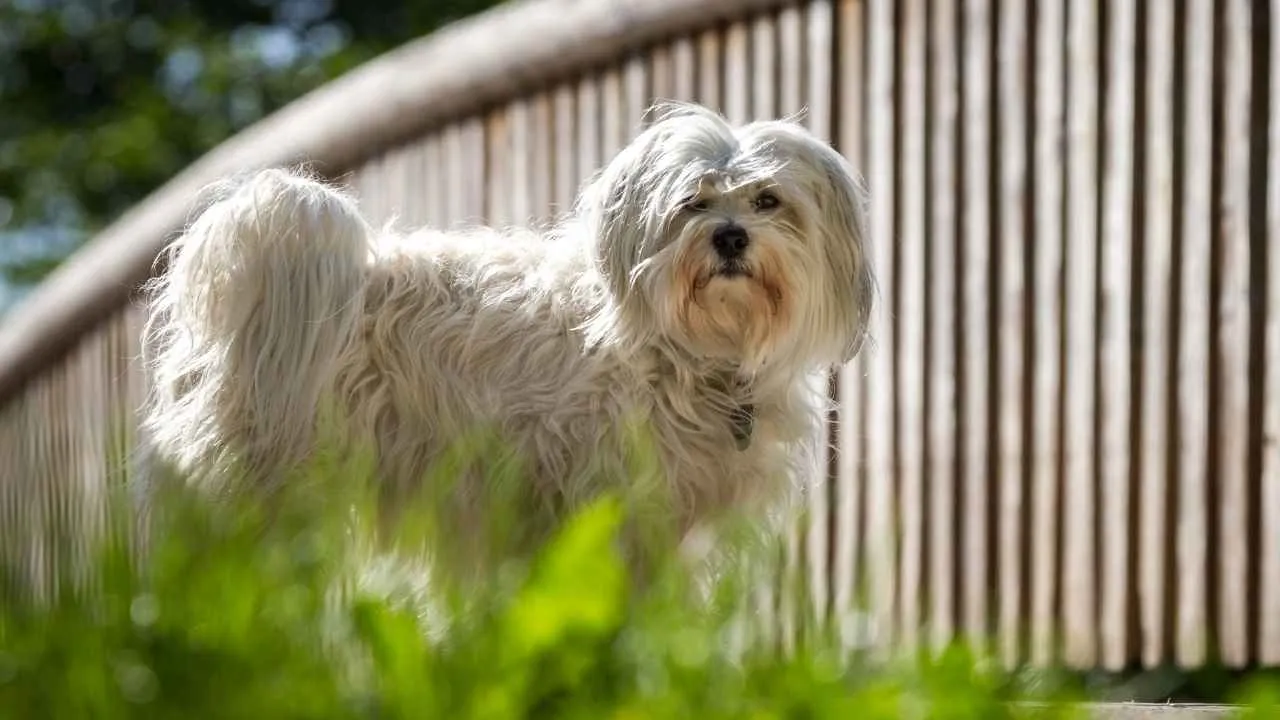
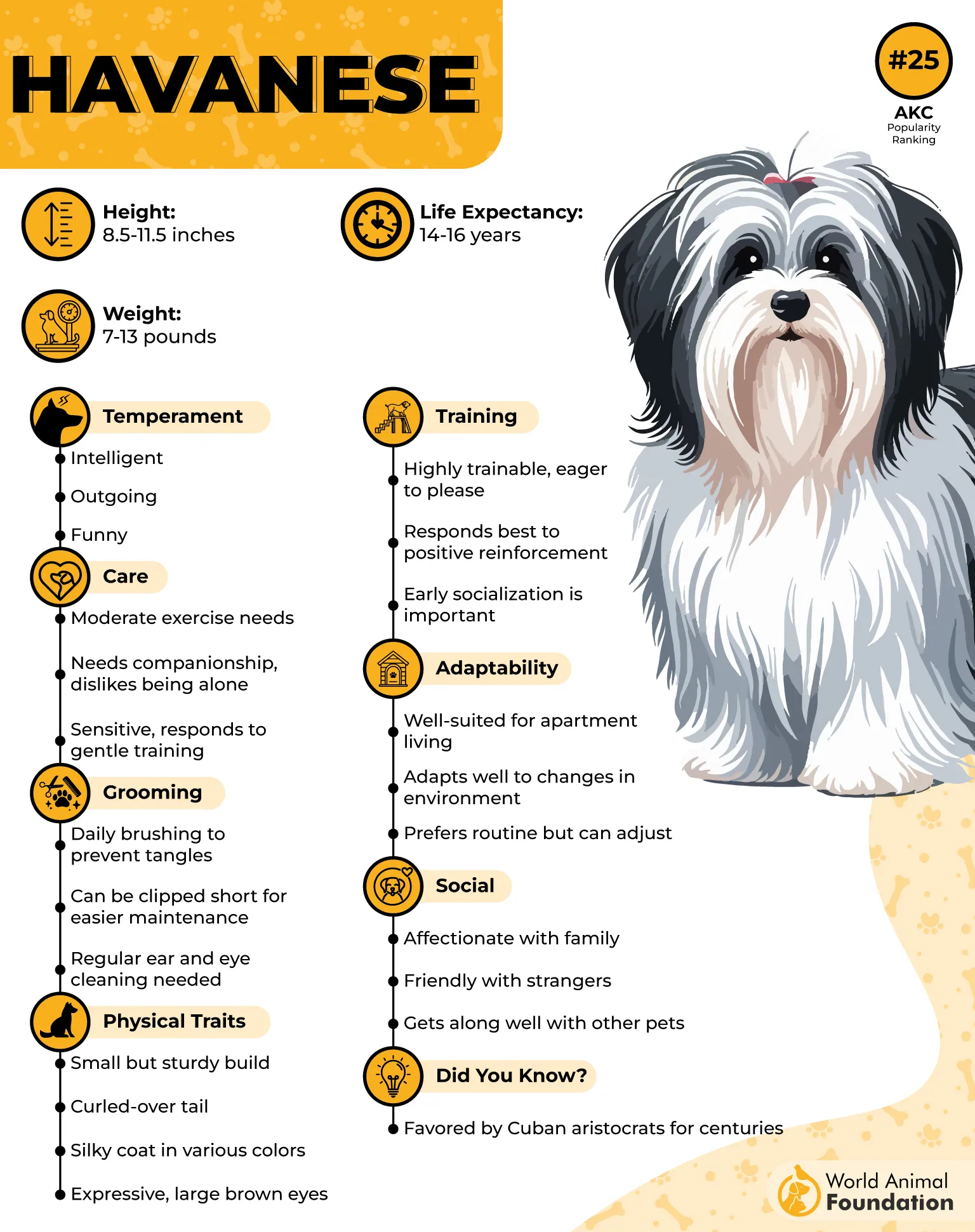
Havanese brings a bright, animated presence shaped in Cuba, reflected in its expressive eyes and light, springy step. Its small yet sturdy frame fits easily into close living spaces without feeling fragile. The breed naturally draws attention through its cheerful and social nature.
Coat texture and low shedding detail
This low-shedding breed features a soft, flexible coat that sheds less compared to many other breeds, making it easier to manage indoors. By professional grooming, its hair adapts to different styles without affecting comfort or function.

That quality becomes clearer through a few key points:
Produces less loose hair in daily life
Generates lower levels of dander
Coat remains adaptable to various trims
Social behavior and interaction style
As an excellent companion, they stay socially tuned in, often moving around the home to stay involved with everyone. Its playful personality includes a natural sense of humor, often expressed through attention-seeking behavior. This tendency keeps it engaged in daily routines rather than staying distant.
4. Maltese
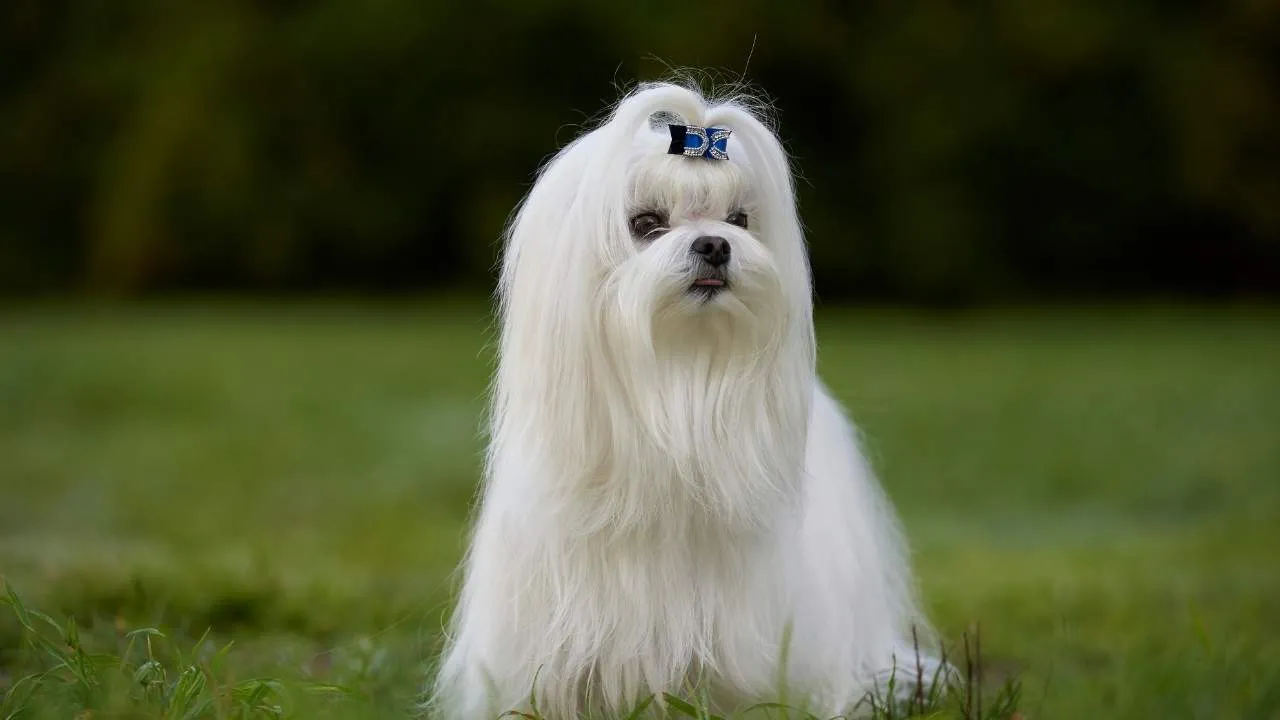
Maltese turns heads with its silky white coat that flows smoothly while shedding very little. The texture feels closer to hair than typical fur, which affects how loose strands behave. This coat links directly to its reputation among those managing allergies.
Grooming defines daily care
They require frequent upkeep to keep that coat healthy and to prevent tangles and the collection of debris, as Pawlicy Advisor stated. The length and texture demand consistency rather than occasional attention.
That routine becomes clear through simple needs:
Near-daily brushing to prevent knots
Regular cleaning around the face area
Scheduled trims to manage coat length
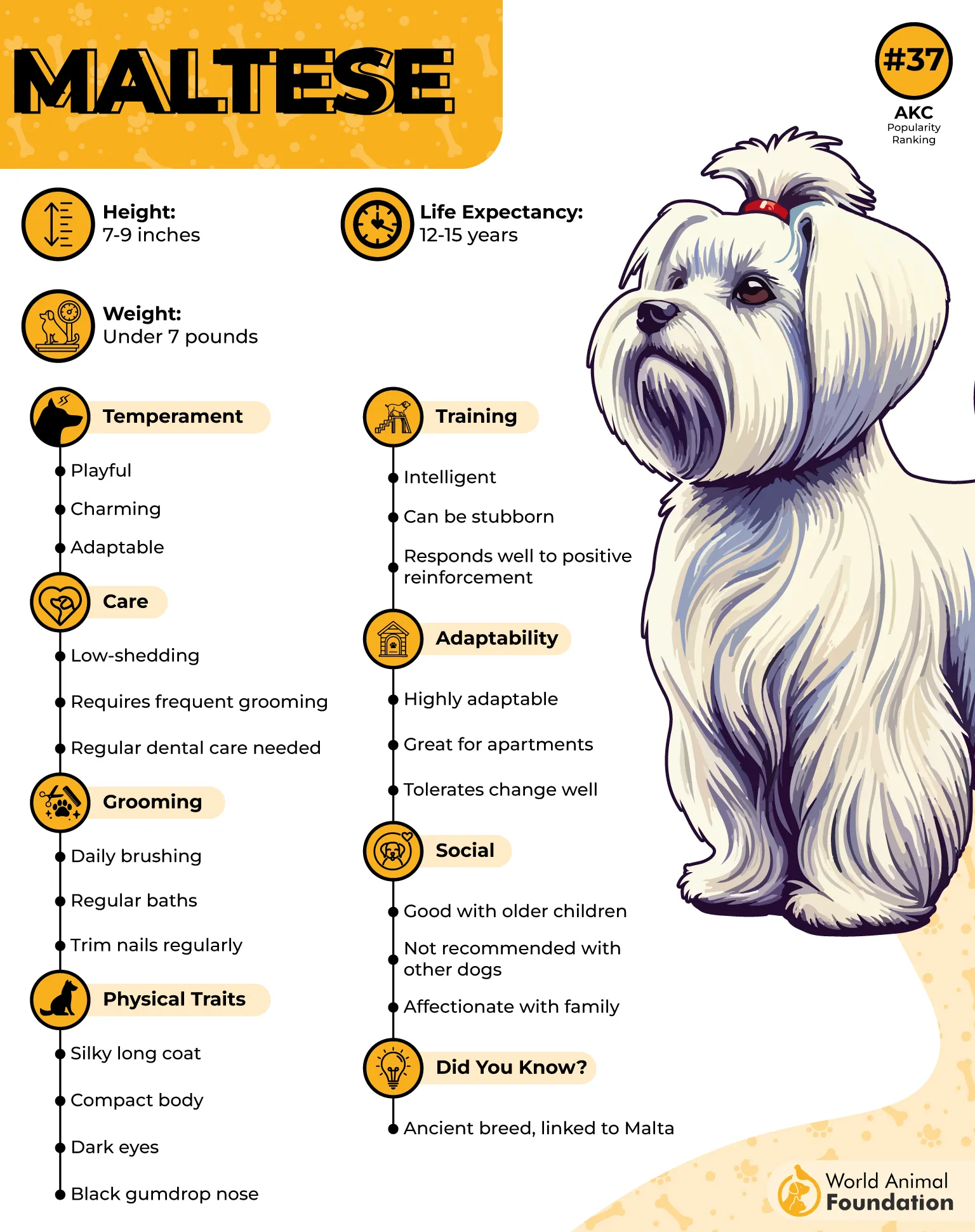
Small size with specific handling needs
Maltese settle better in environments where touch stays light and controlled, especially near children. Its compact build requires awareness during play or daily activity. Training and early social exposure help shape a more balanced temperament.
5. Yorkshire Terrier
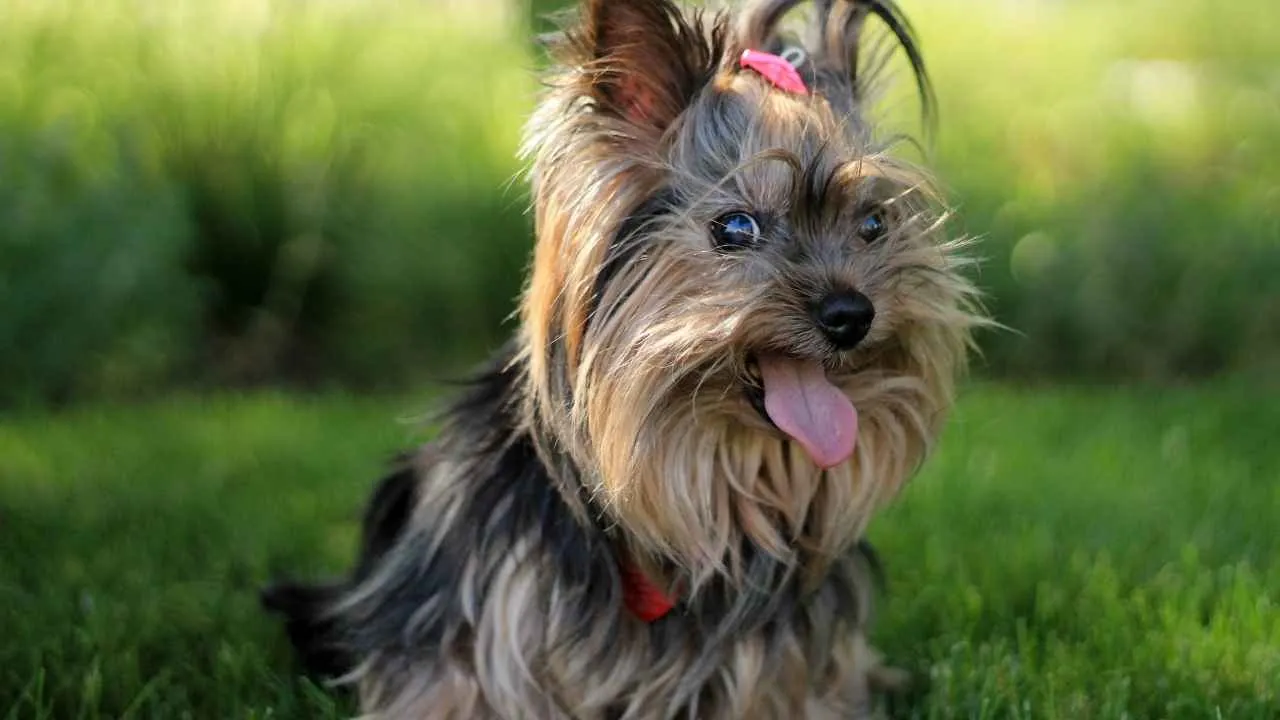
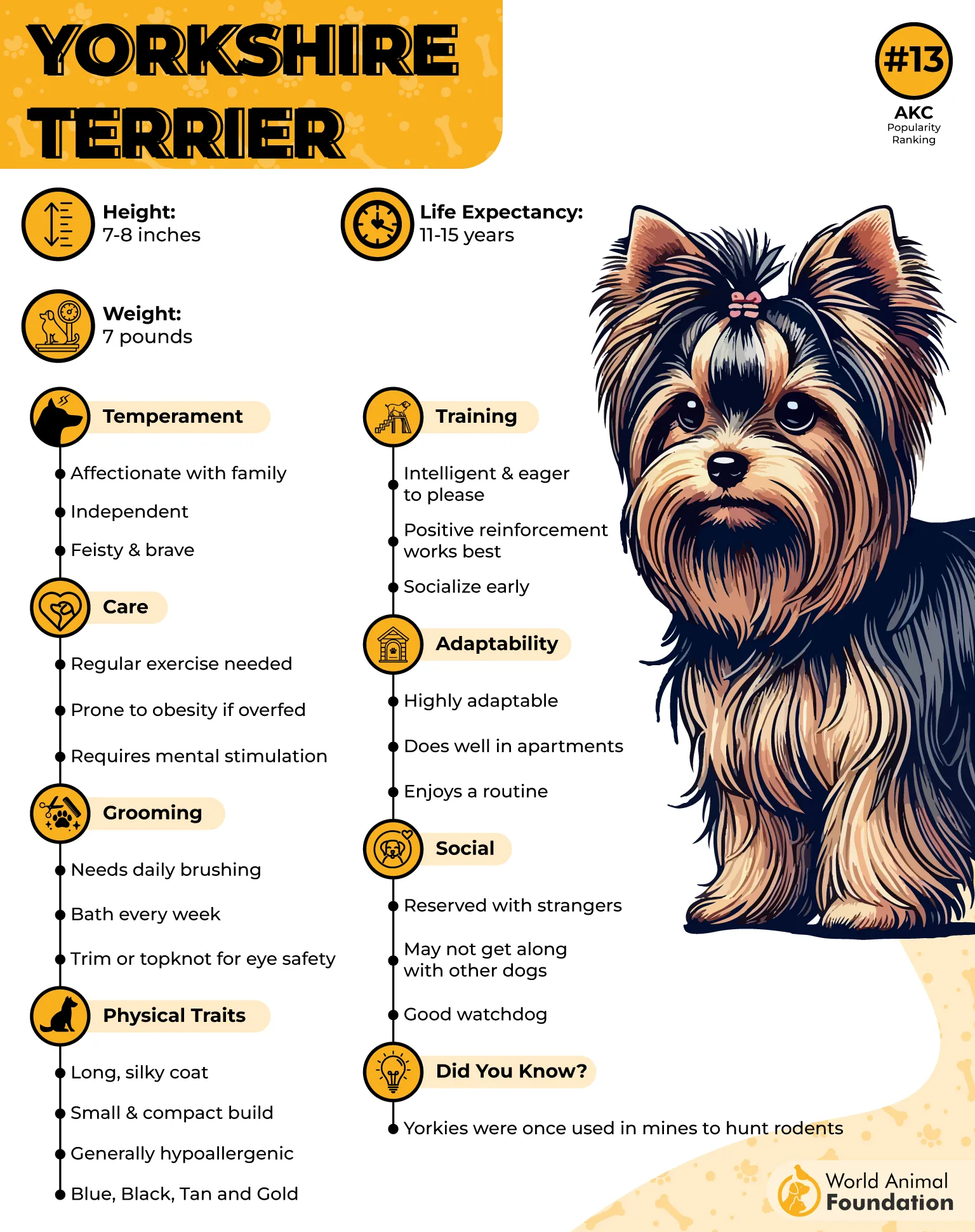
Yorkshire Terrier draws attention through its long, straight, blue and tan hair that feels closer to human texture than typical dog fur. This coat type sheds very little, which is why it often suits people sensitive to loose dog hair. Its appearance often shifts with trims, from flowing length to a neater cut.
Active mind in a compact frame
This hypoallergenic dog breed is extremely loyal and has a cheerful disposition and a curious mind, often engaging quickly with interactive tasks and short activities. Its earlier role around textile mills involved chasing rodents, shaping a sharp and alert working instinct.
That energy finds expression in simple, engaging outlets:
Nose work to follow scent trails
Puzzle games that challenge focus
Quick dog sports or games like fetch or agility drills
Interaction and sensitivity in daily life
They interact gently with children and other pets when handled with care and supervision. Its small structure requires mindful interaction, especially during play. Spending time with the breed beforehand helps in understanding how it fits within allergy-sensitive settings.
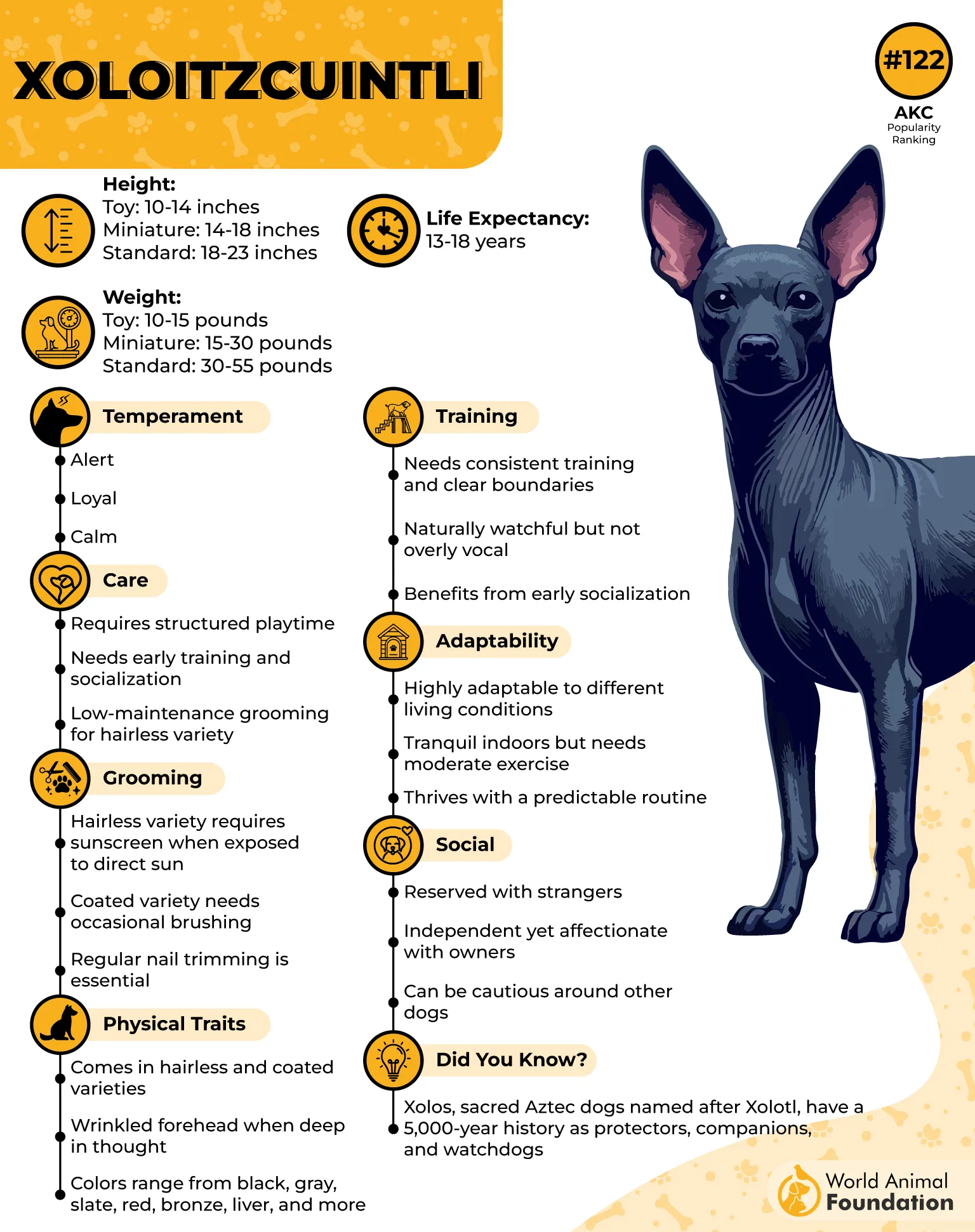
6. Xoloitzcuintli
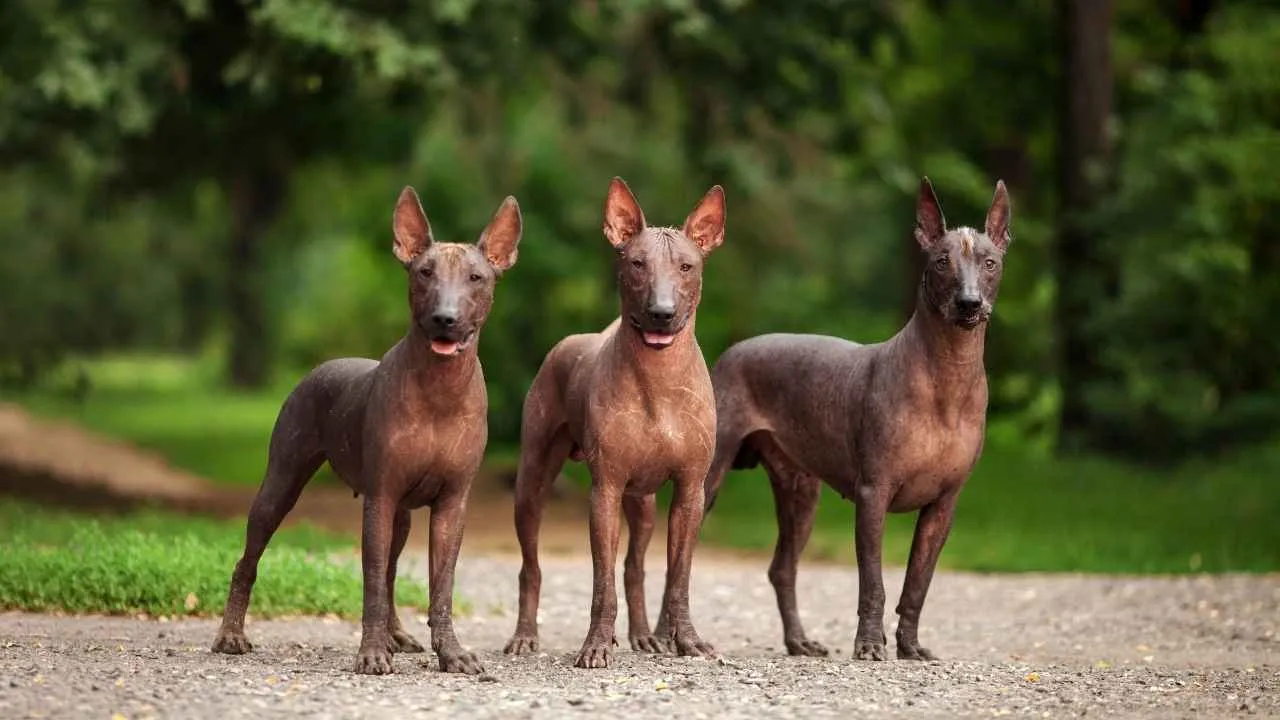
Xoloitzcuintli stands out with its smooth bare skin, framed by large upright ears and a long, refined muzzle. Its almond-shaped eyes and compact frame give it a composed, balanced appearance. This skin type keeps shedding nearly absent due to the lack of a full coat.
Skin traits and coat variation
They may appear fully hairless, though some individuals have coarse hair on the head, feet, or tail tip. This variation still keeps maintenance simple compared to coated breeds, with minimal loose hair around the home.
A closer look highlights these physical details:
Mostly bare skin across the body
Sparse coarse hair on specific points
Smooth surface with minimal shedding impact
Activity level and daily rhythm
Xoloitzcuintli fits well into routines that include moderate outdoor activity, such as walks or light jogging. Around twenty minutes of daily movement keeps it balanced without overwhelming schedules. This level of activity aligns with both new and experienced pet households.
7. Bedlington Terrier
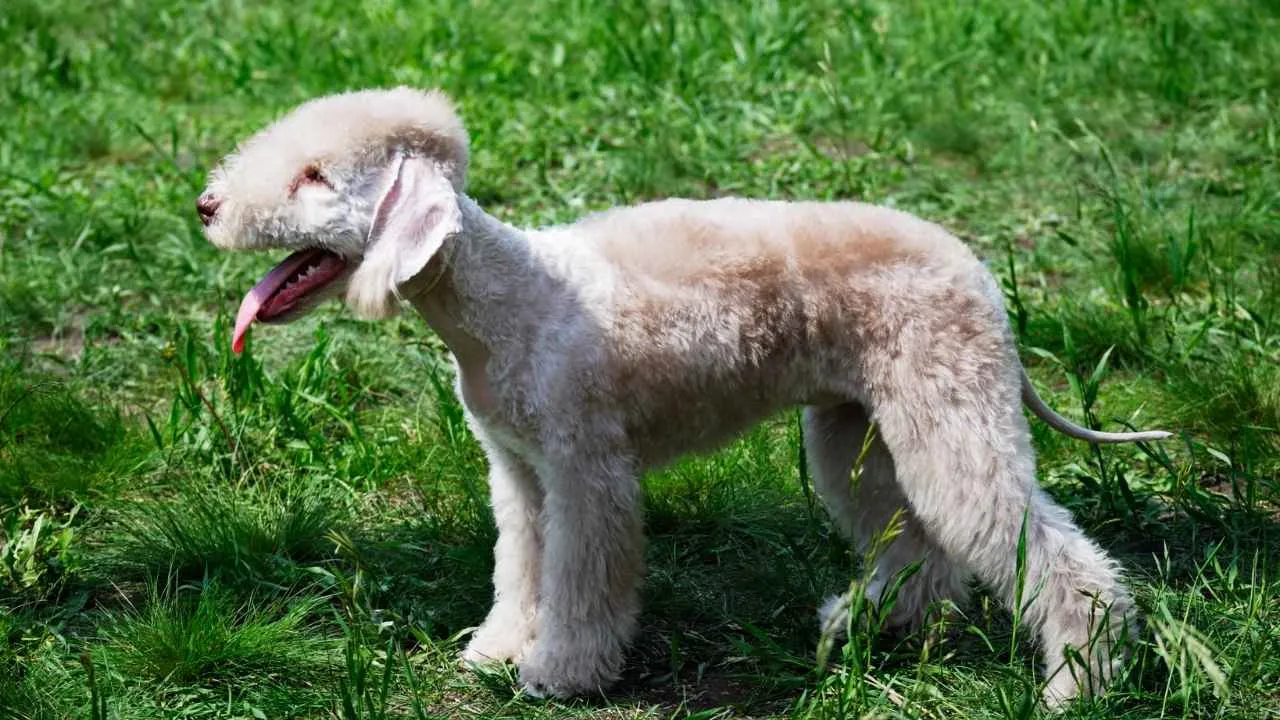
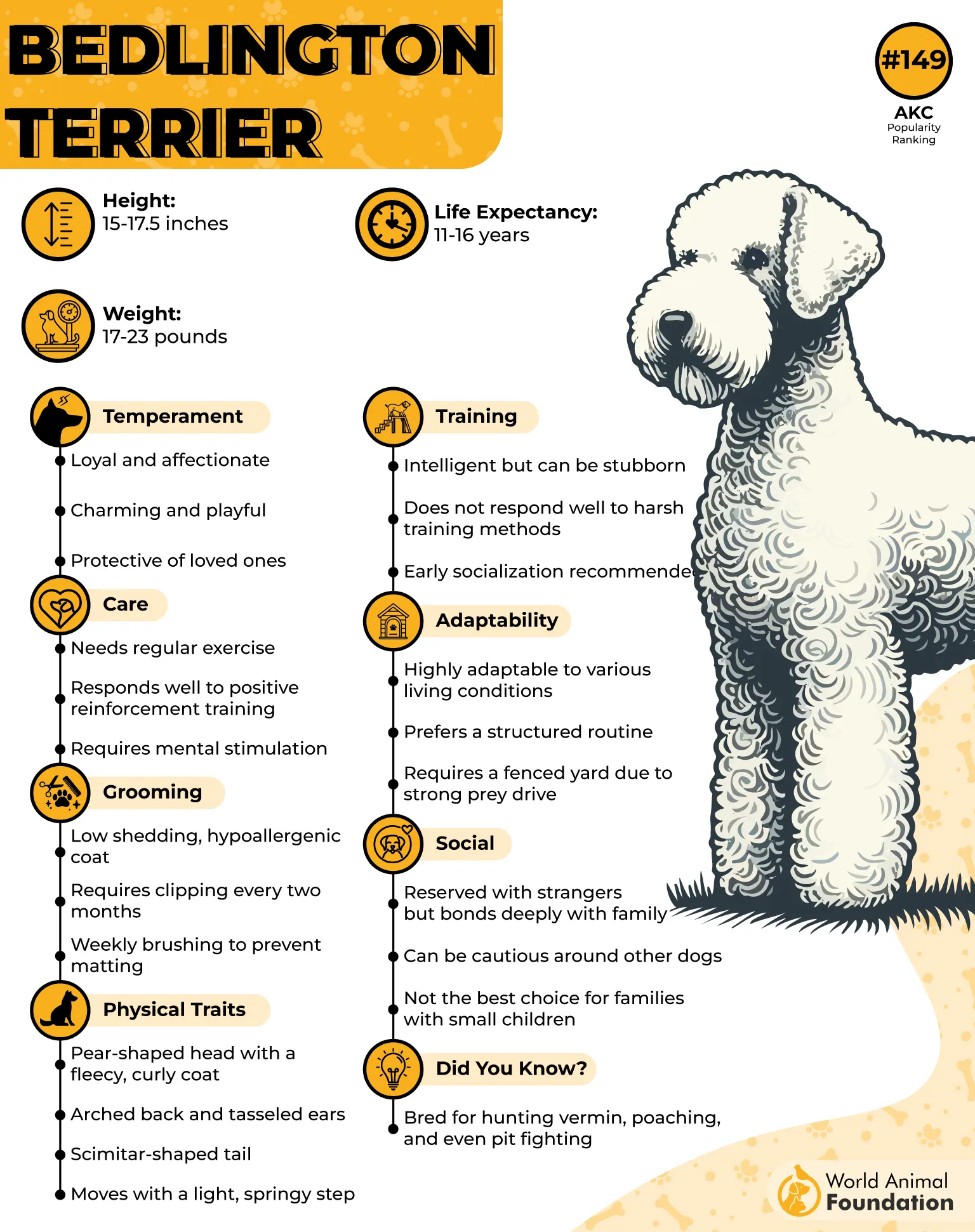
The Bedlington Terrier often gets mistaken for a lamb, shaped by its curly coat, arched back, and fine tail. That soft outline hides a terrier bred for vermin hunting in an English mining town. It’s look feels delicate, yet its purpose was always active and precise.
Coat texture and daily upkeep
These terriers keep shedding to a minimum, making it easier for homes to manage loose hair and allergens. The coat grows continuously and needs regular trimming to keep its defined shape intact.
That routine connects with how the coat behaves:
Low shedding across seasons
Curly texture that holds loose hair
Requires consistent trimming to retain form
Instincts that still surface
They hold onto their digging tendency, a direct link to their early hunting role underground. This behavior can appear suddenly, especially in open spaces or loose soil. Activities like scent-based games or structured tasks help redirect that instinct.
Conclusion
What stands out with these dogs is not what they add, but what they do not leave behind. The usual signs fade into the background, and daily life begins to feel less interrupted by small, constant tasks. It is a shift that happens gradually, almost without noticing when it began.
That change settles into the way the home feels overall. Surfaces stay the same, routines move forward without extra steps, and nothing builds up over time. In the end, the experience becomes less about managing the dog’s shed and more about how quietly everything stays in place without needing attention.
