




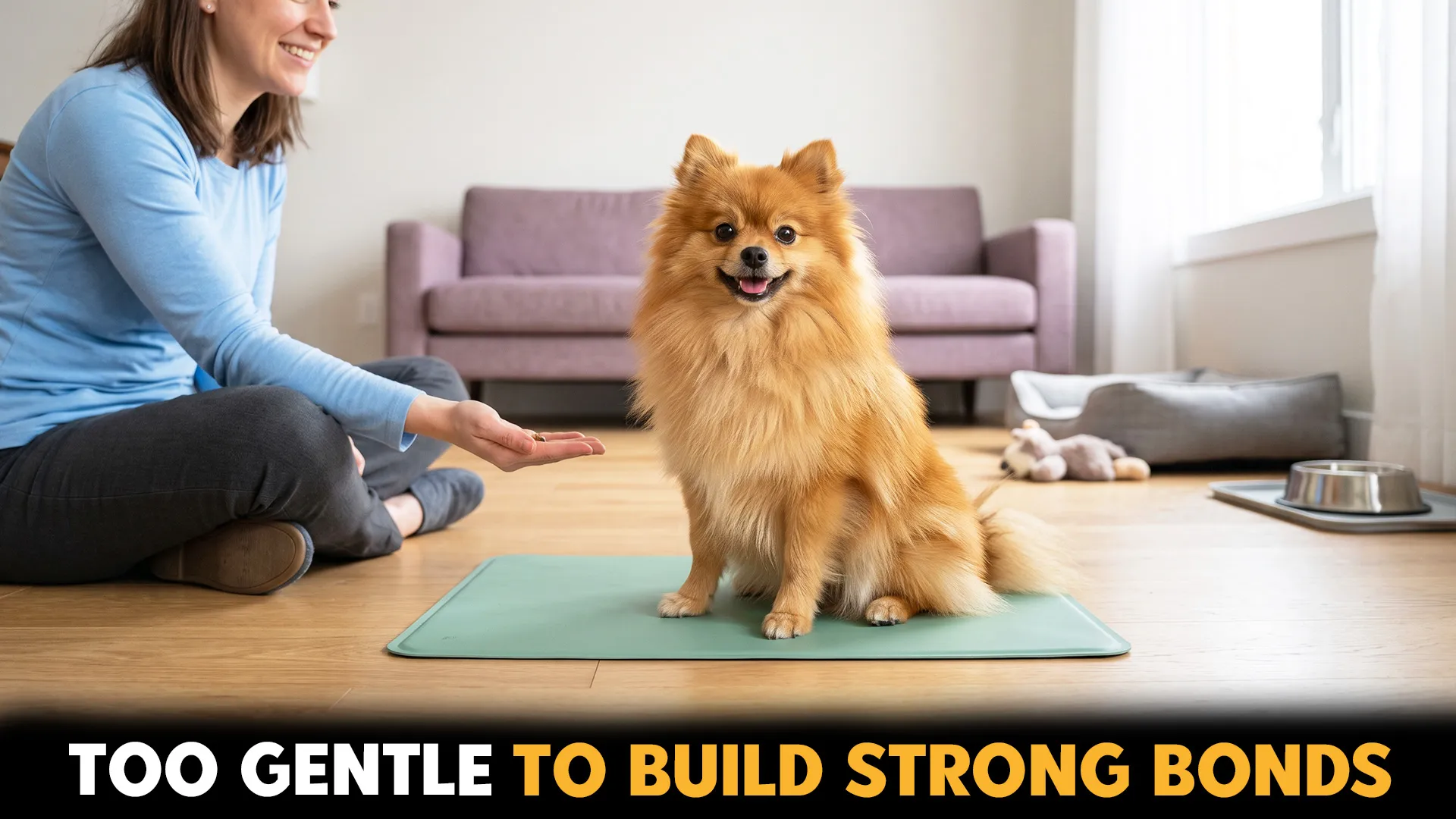
Nearly three in four first-time dog owners say the first few months left them completely overwhelmed. If that number makes you want to get a goldfish instead, stick with us for a minute.
A recent survey found most of that stress comes down to one thing: choosing a breed before understanding what it actually asks of a beginner. Pick the right adorable dog breed, and that steep learning curve turns into a gentle one.
This guide is built for first-time dog owners who want a real companion, not a crash course in chaos. Small breeds with adaptable, forgiving personalities make the best starting point.
Each dog here comes with the one skill it teaches new owners fastest, so you know exactly what you’re signing up for before you start adopting.
Keep scrolling to meet the seven breeds built for exactly that.
Wonderful Dog Breeds Suited to First-Time Dog Parents
1. Havanese
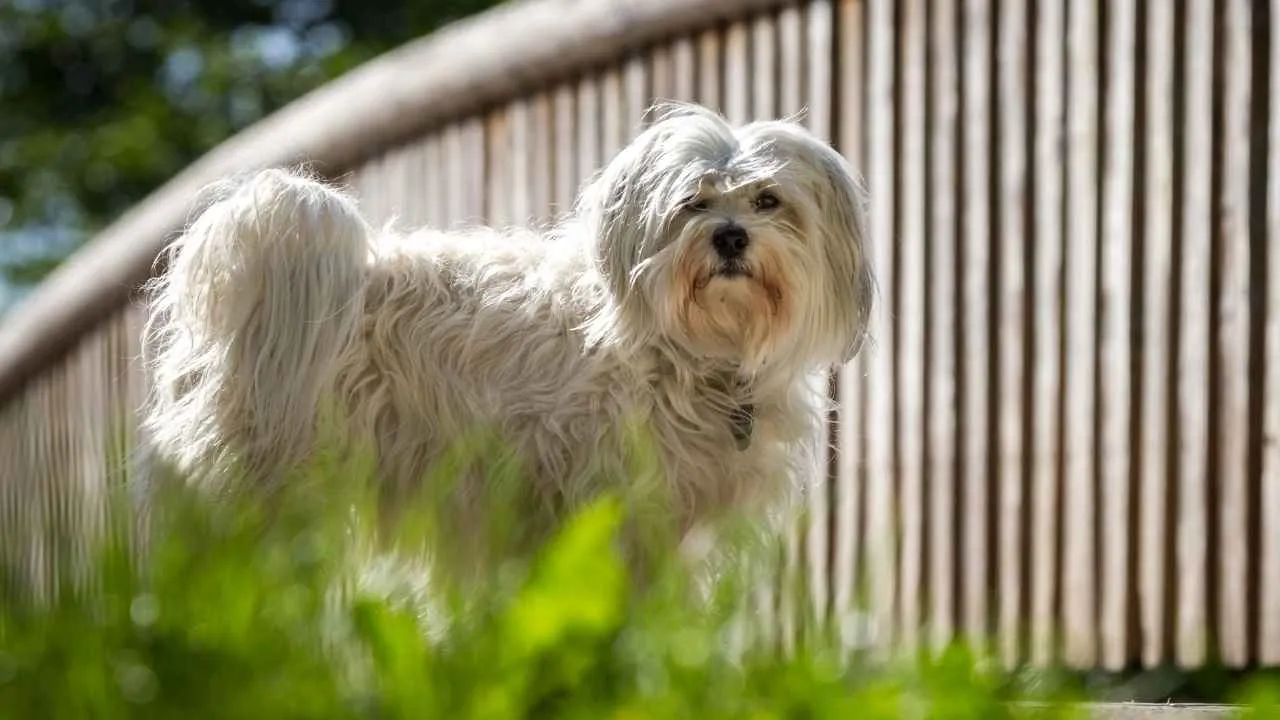
The Havanese was bred as a lapdog for Cuba’s wealthy families, valued for company rather than work. The AKC notes it was once the darling of Cuban high society. Its silky coat actually evolved to beat island heat, not just look pretty.
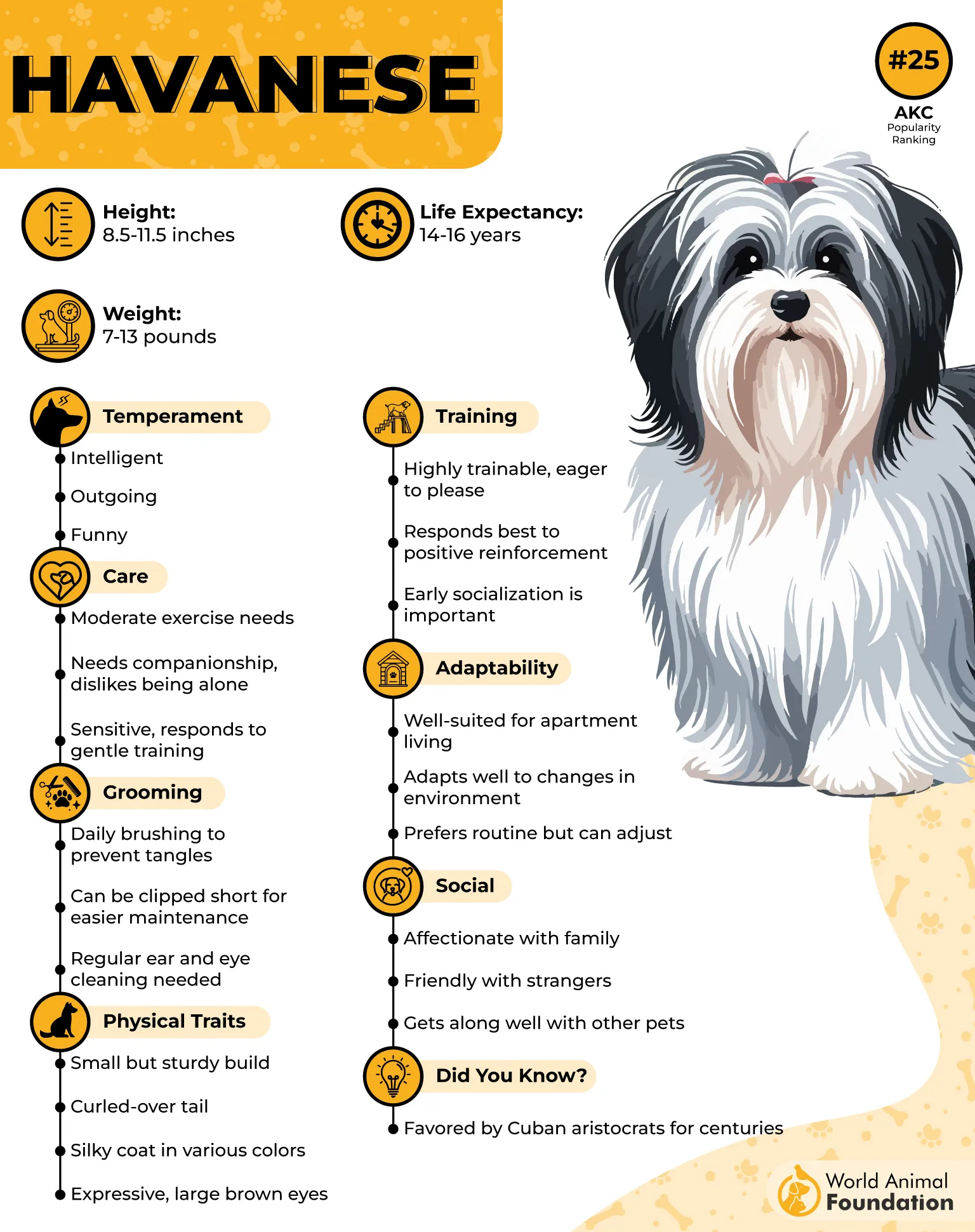
This breed teaches first-time dog parents the skill of routine. Havanese dogs thrive on predictable feeding, walk and cuddle times, and get restless fast when that rhythm slips. Lock in a simple routine early.
Grooming: Comb the double coat every 2 to 3 days, working from the skin out to stop mats behind the ears.
Training: Practise short recall drills in a fenced yard before trusting it off leash near other dogs.
Exercise: Split play into two or three short bursts rather than one long walk.
People assume such a fluffy little dog must be fragile. The Havanese is actually sturdy, playful, and a devoted cuddle buddy that’s great with children.
2. Toy Poodle
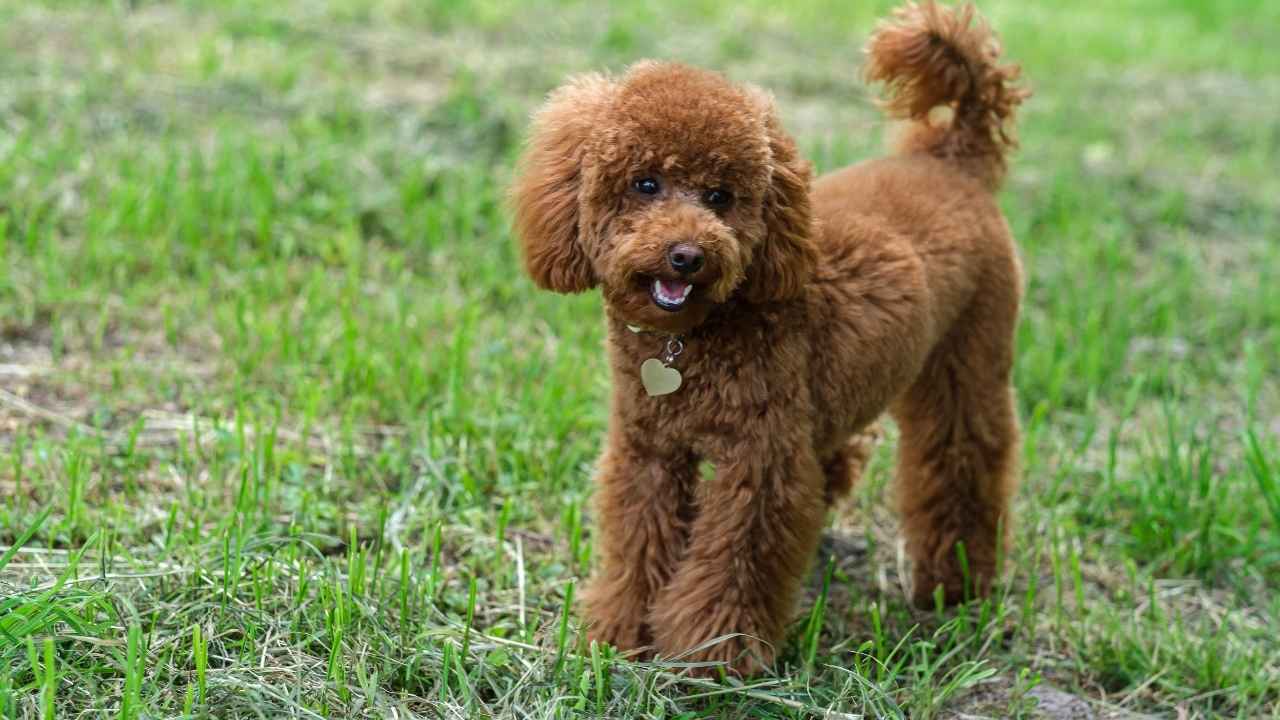
The Toy Poodle was bred down from larger Poodles to be a fashionable companion for European nobility, not a worker. PetMD calls it exceptionally intelligent and eager to please. That same sharp brain can tip into separation anxiety if left alone too often.
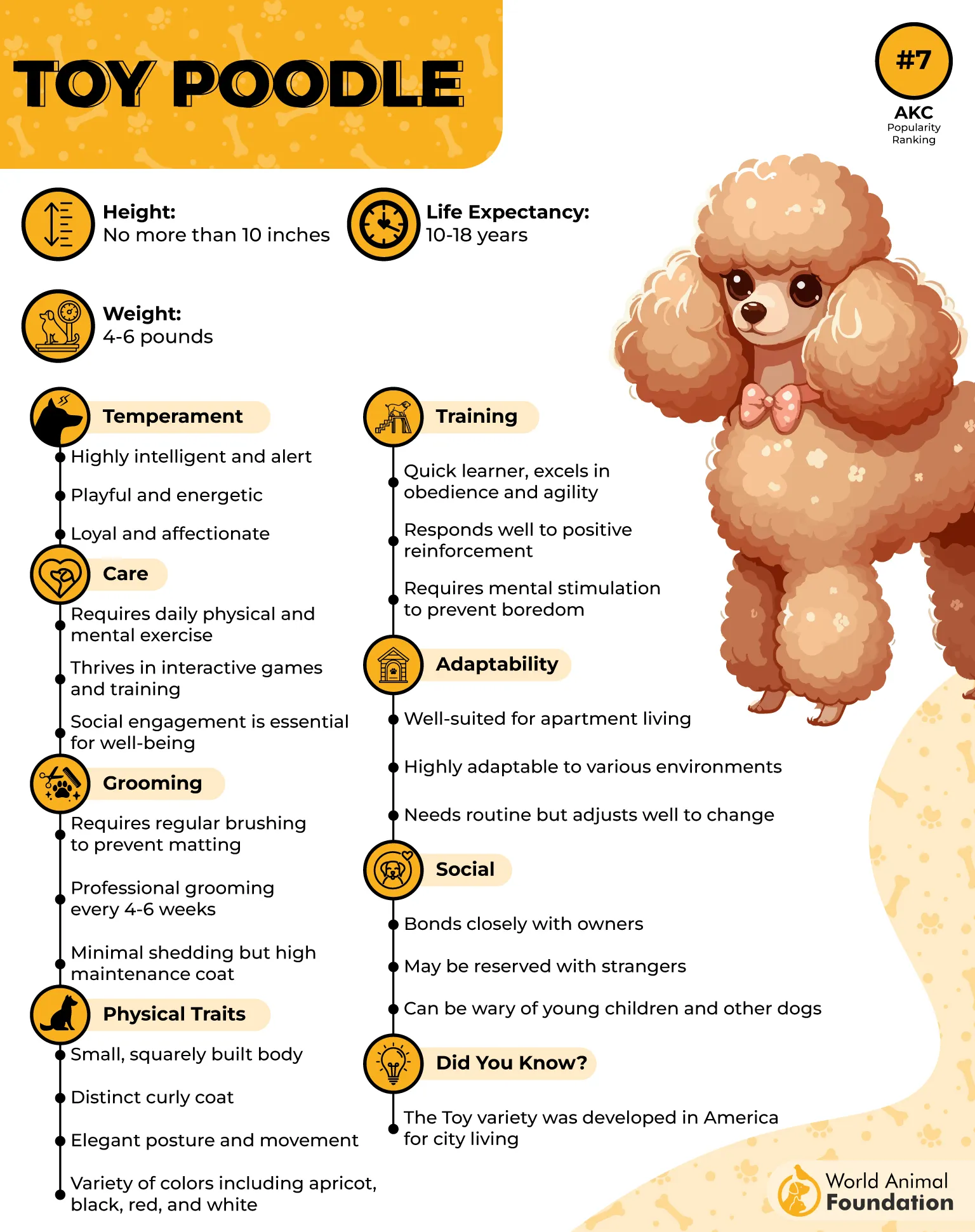
This breed teaches new parents to build in mental stimulation. Its brain needs a job, or it invents its own, usually at your expense.
Training: Teach one new trick a week in 5-minute sessions to match its attention span.
Grooming: Book a professional clip every 4 to 6 weeks so the curly coat doesn’t mat.
Exercise: Pair a daily walk with a puzzle feeder, since its mind tires before its legs do.
People picture it as a pampered lap ornament. It’s actually an athletic, easy-to-train dog that would happily take on agility.
3. Pomeranian
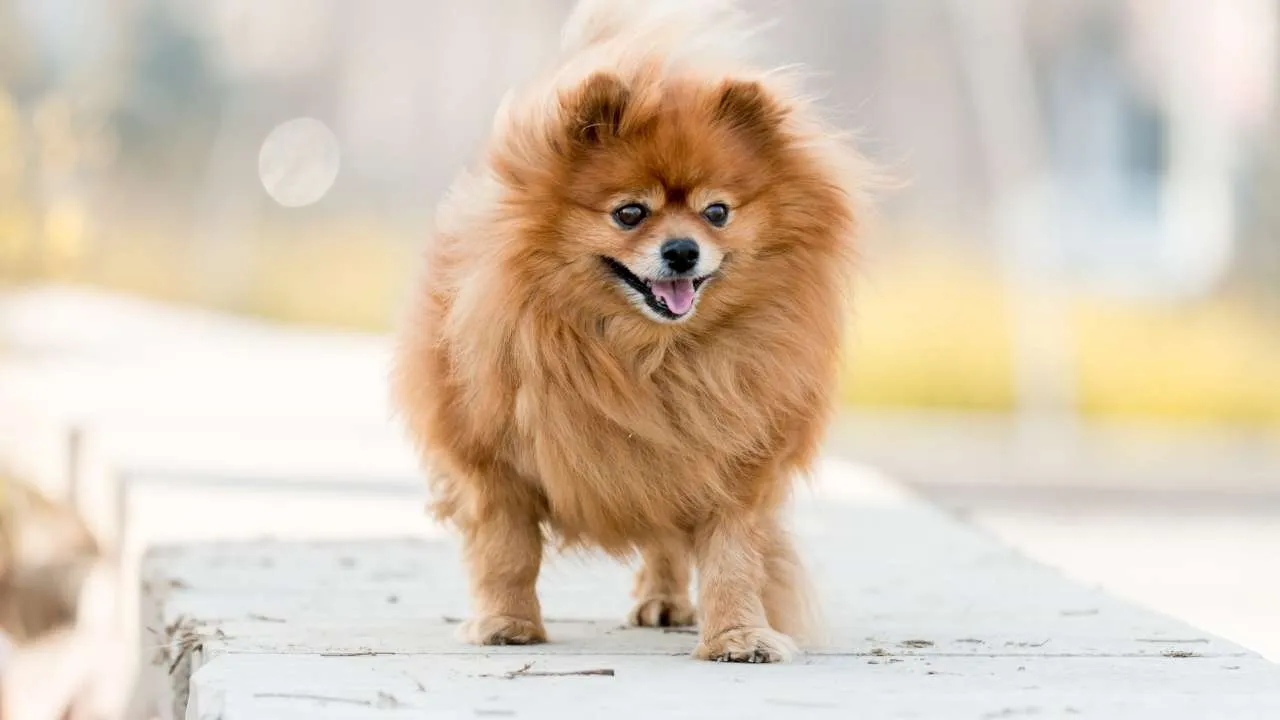
The Pomeranian’s ancestors pulled sleds in the cold north before breeders shrank it down for European royalty. It kept the attitude of a much bigger dog. PDSA notes its thick double coat needs regular brushing.
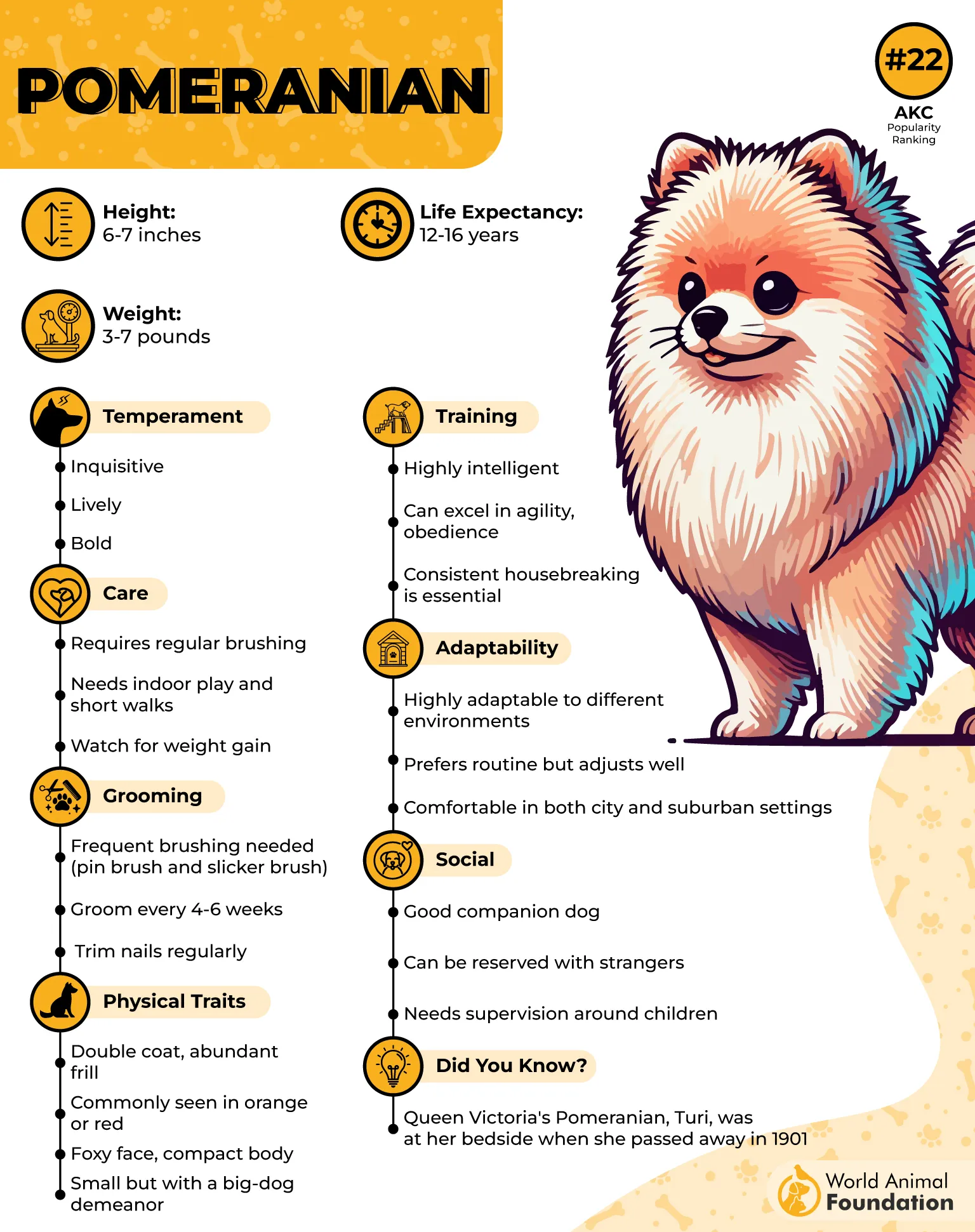
A Pomeranian teaches first-time owners calm leadership. It’s clever enough to test limits early, so consistent rules matter more than its size suggests.
Grooming: Brush the undercoat a few times a week, more during seasonal shedding.
Training: Practise a calm “quiet” cue daily, not just when guests arrive.
Exercise: Favour short, frequent walks over one long outing.
People see the fluff and assume it’s decorative. This breed is actually an alert, confident watchdog.
4. Papillon
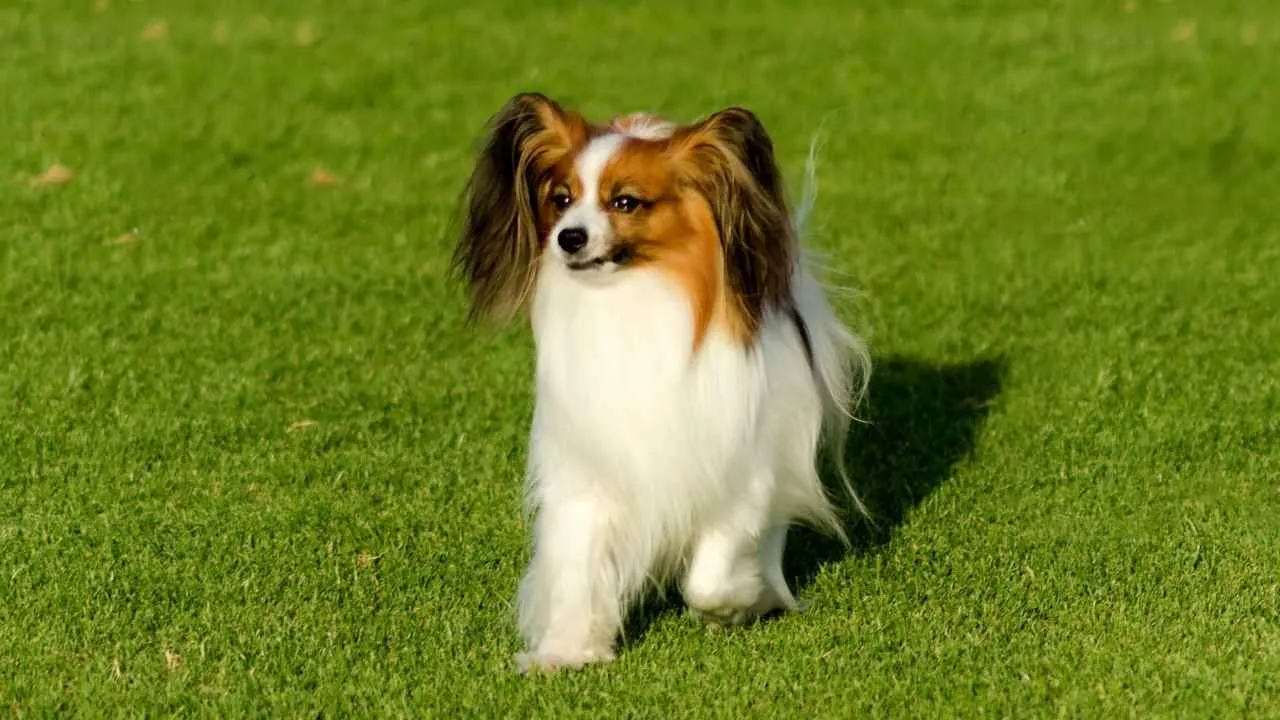
The Papillon spent centuries as a lapdog in French and Spanish royal courts. Its name means butterfly, a nod to its fringed, upright ears, now famous as an impressive ear fringe at dog shows.
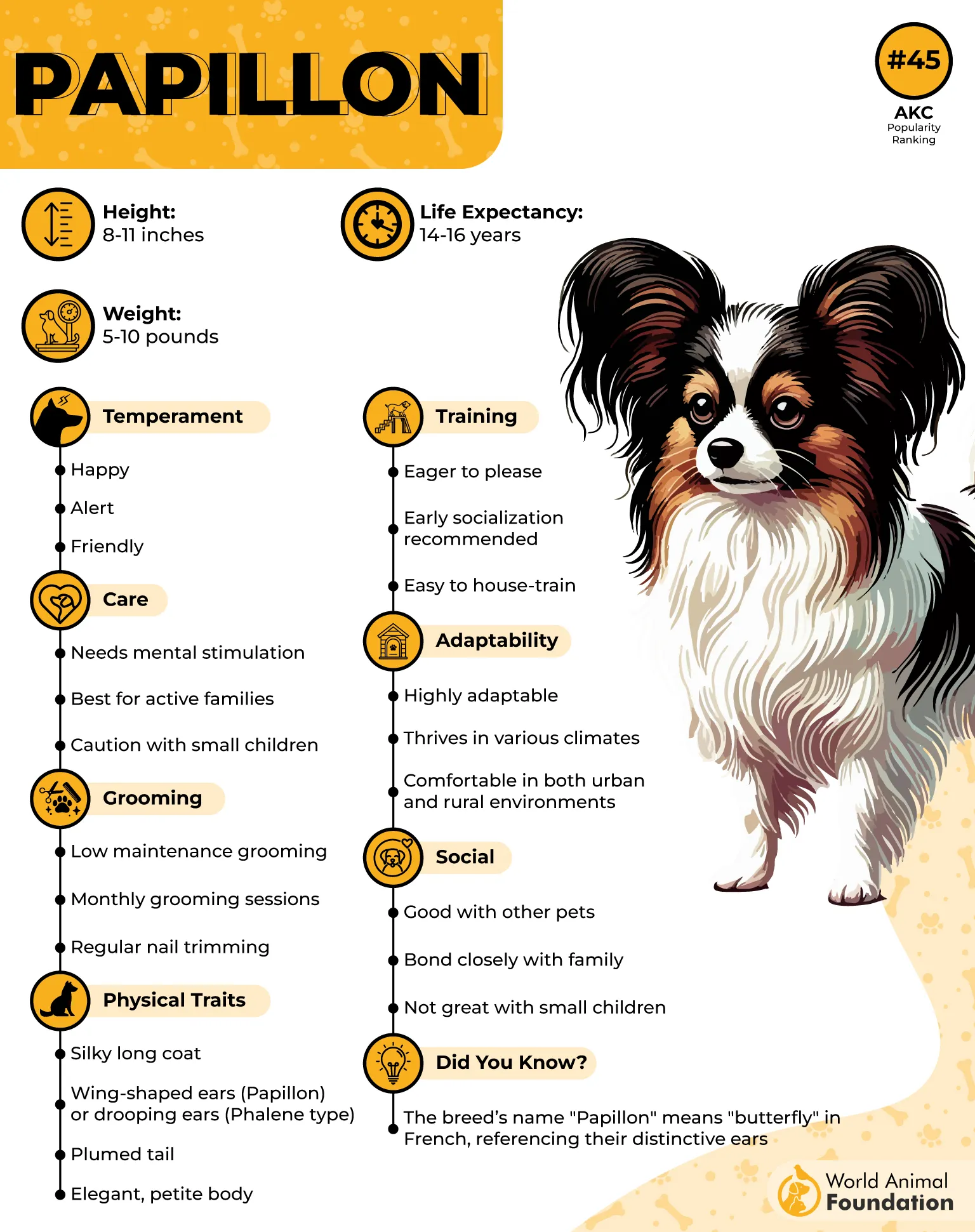
This breed teaches new parents early socialization. A Papillon is naturally curious but can turn wary of strangers without varied puppy outings. Confidence built now pays off for years.
Grooming: Brush the silky coat weekly, with extra care around the ear and tail feathering.
Training: Keep sessions under 5 minutes, since focus fades fast but commands still stick.
Exercise: Offer two short indoor play sessions daily instead of one long walk.
People assume a dog this delicate can’t handle real training. It regularly ranks among the most trainable toy breeds.
5. Yorkshire Terrier
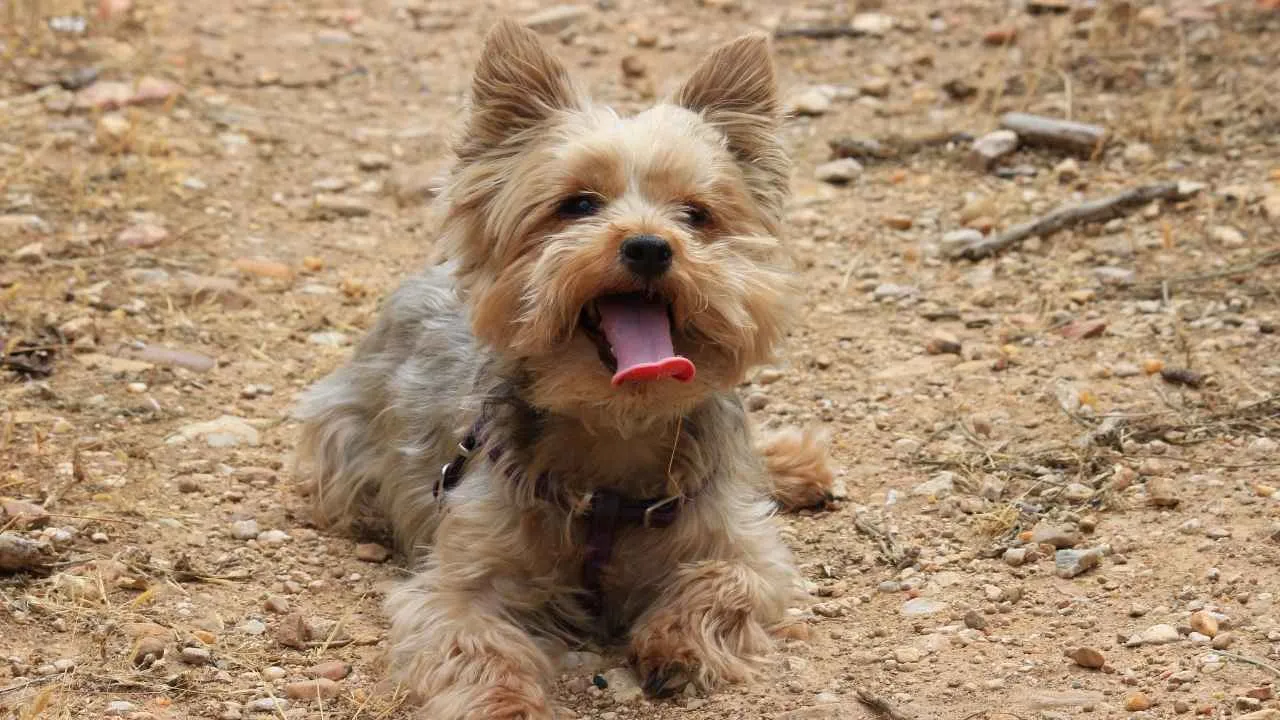
The Yorkshire Terrier was built to hunt rats in Yorkshire’s mills, not to sit on laps. The VCA traces it back to crosses with several working terriers bred purely for ratting, not fashion.
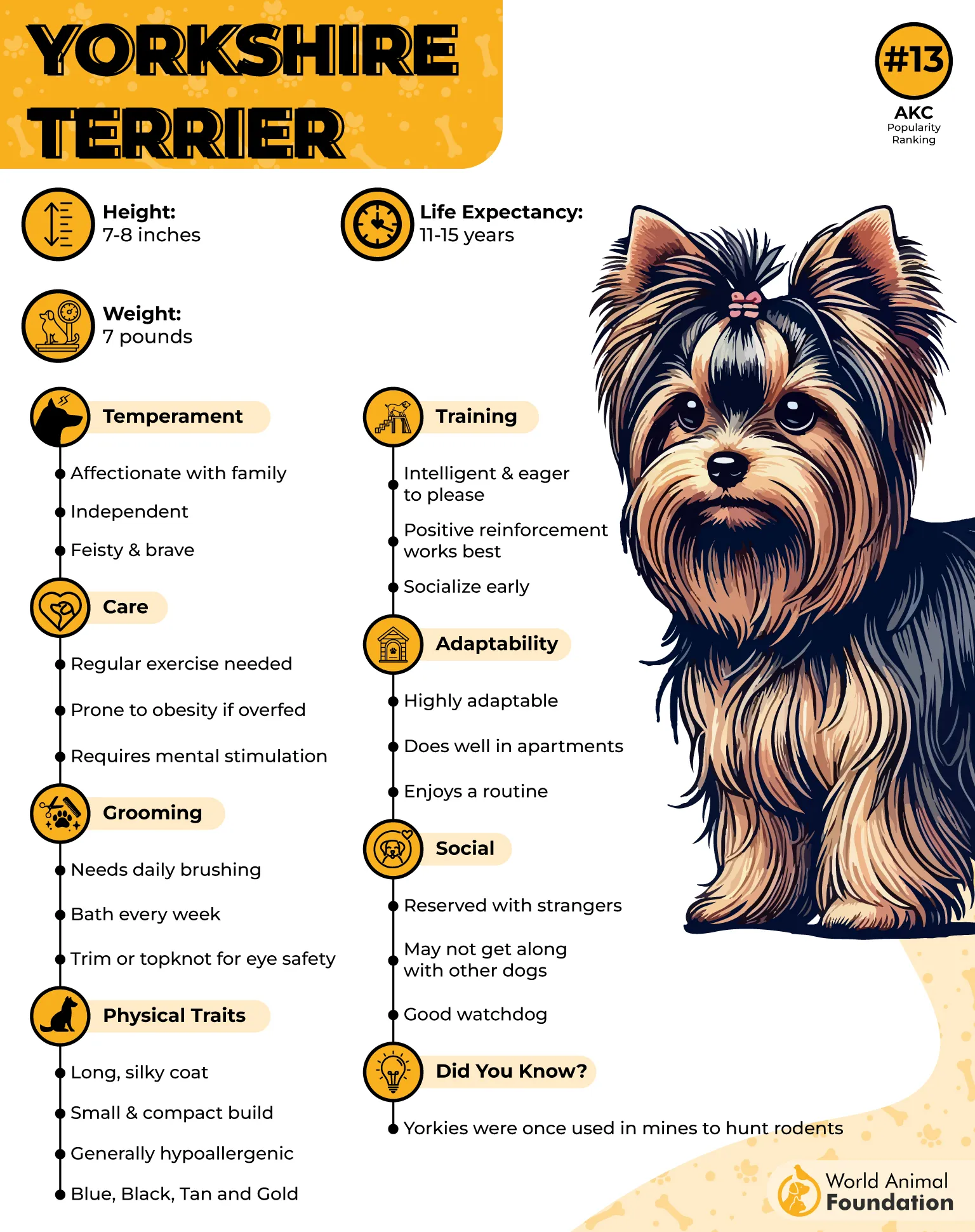
This breed teaches new owners consistent training. Its terrier instincts mean it can be stubborn, so short, repeated sessions work better than long ones.
Grooming: Brush the silky coat daily to stop tangles around the legs and chest.
Training: Use the same cue every time for “leave it,” since mixed wording confuses it.
Exercise: Two brisk short walks beat one long outing for this energetic little dog.
People see the bow and assume it’s ornamental. Underneath is still a confident, scrappy, adaptable terrier.
6. Shih Tzu
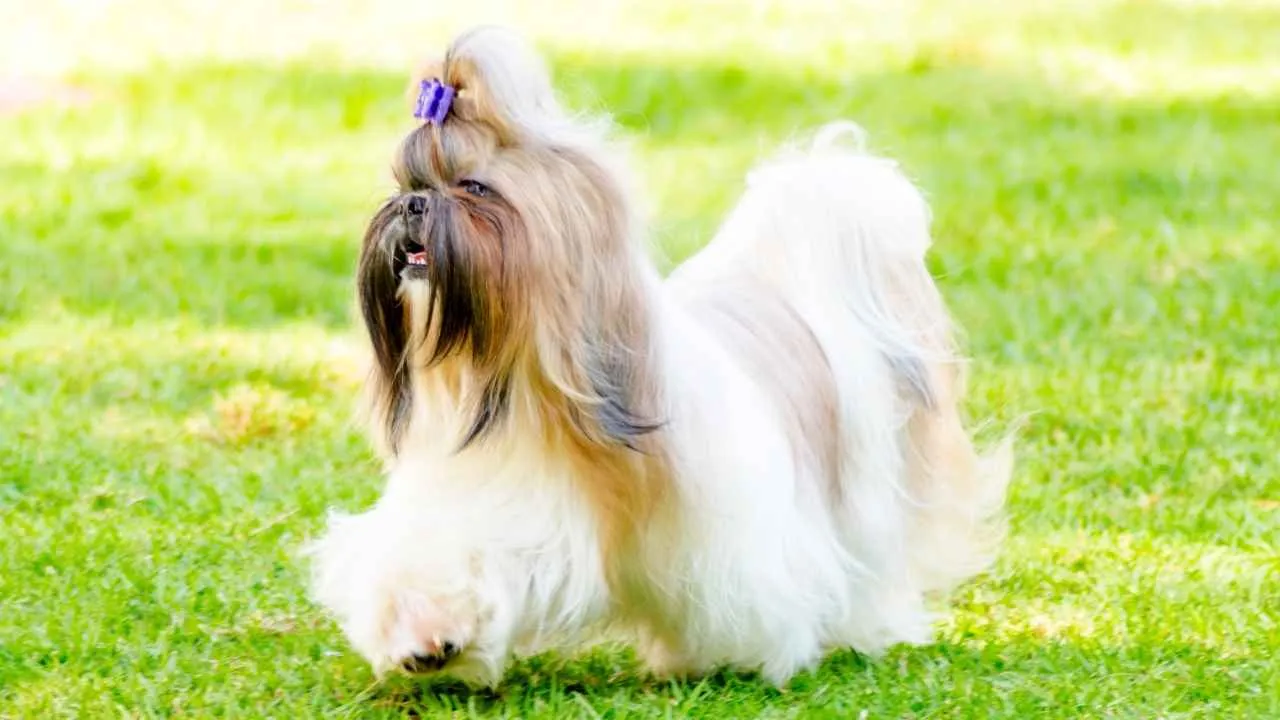
The Shih Tzu was kept purely as a palace companion dog for Chinese royalty. WebMD notes it was bred to be an indoor dog, needing little outdoor exercise.
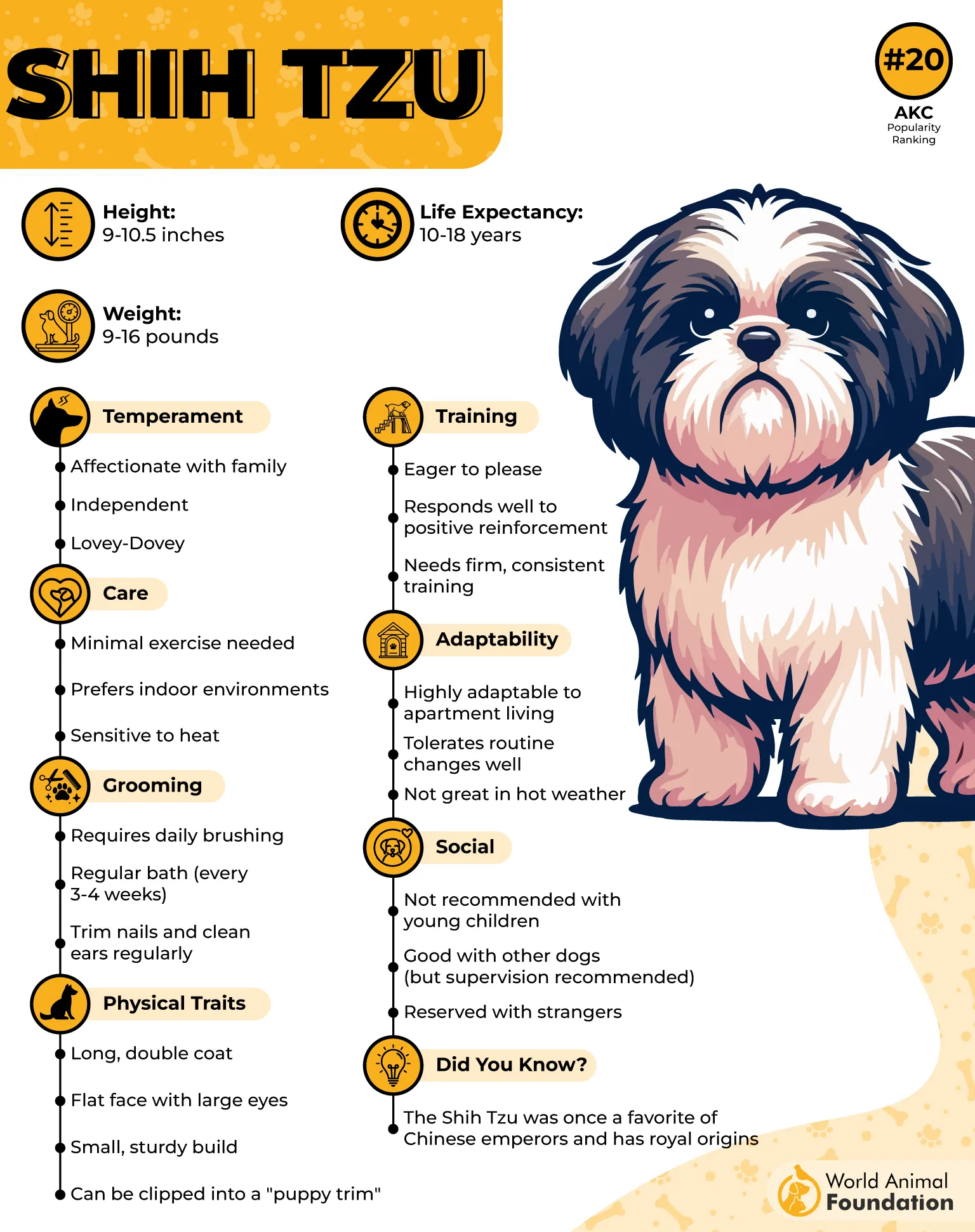
This breed teaches first-time dog parents grooming discipline above all else. Its coat grows continuously, and mats form quickly without daily care. Build that habit early.
Grooming: Comb the full coat daily, including the face folds, to stop mats and tear stains.
Training: Keep sessions positive and short, since a harsh tone shuts it down fast.
Exercise: One 20 to 30 minute walk a day is plenty for this low-energy, fun-loving companion.
People assume a dog this pampered-looking is high-maintenance in every way. Its exercise needs are actually among the lowest around.
7. Maltese
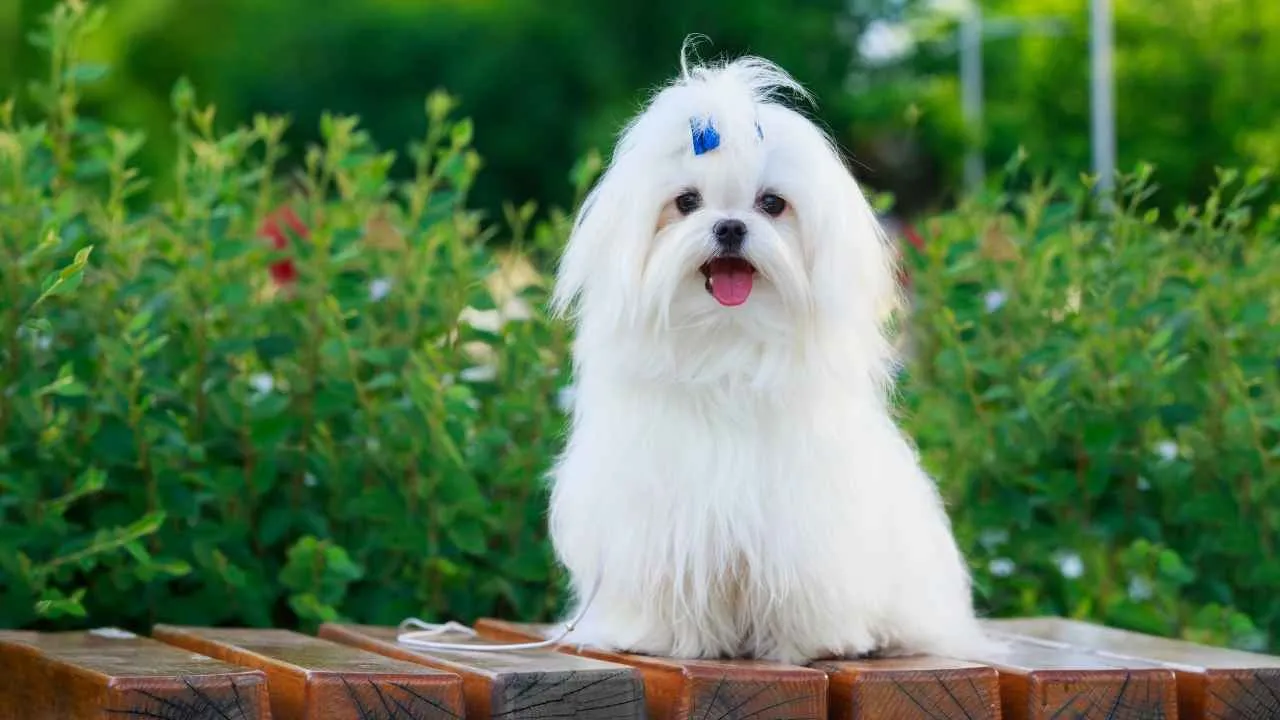
The Maltese has been a pure companion dog for thousands of years, with no working role in its past. Ancient Greek and Roman art already shows small white lapdogs that closely resemble it.
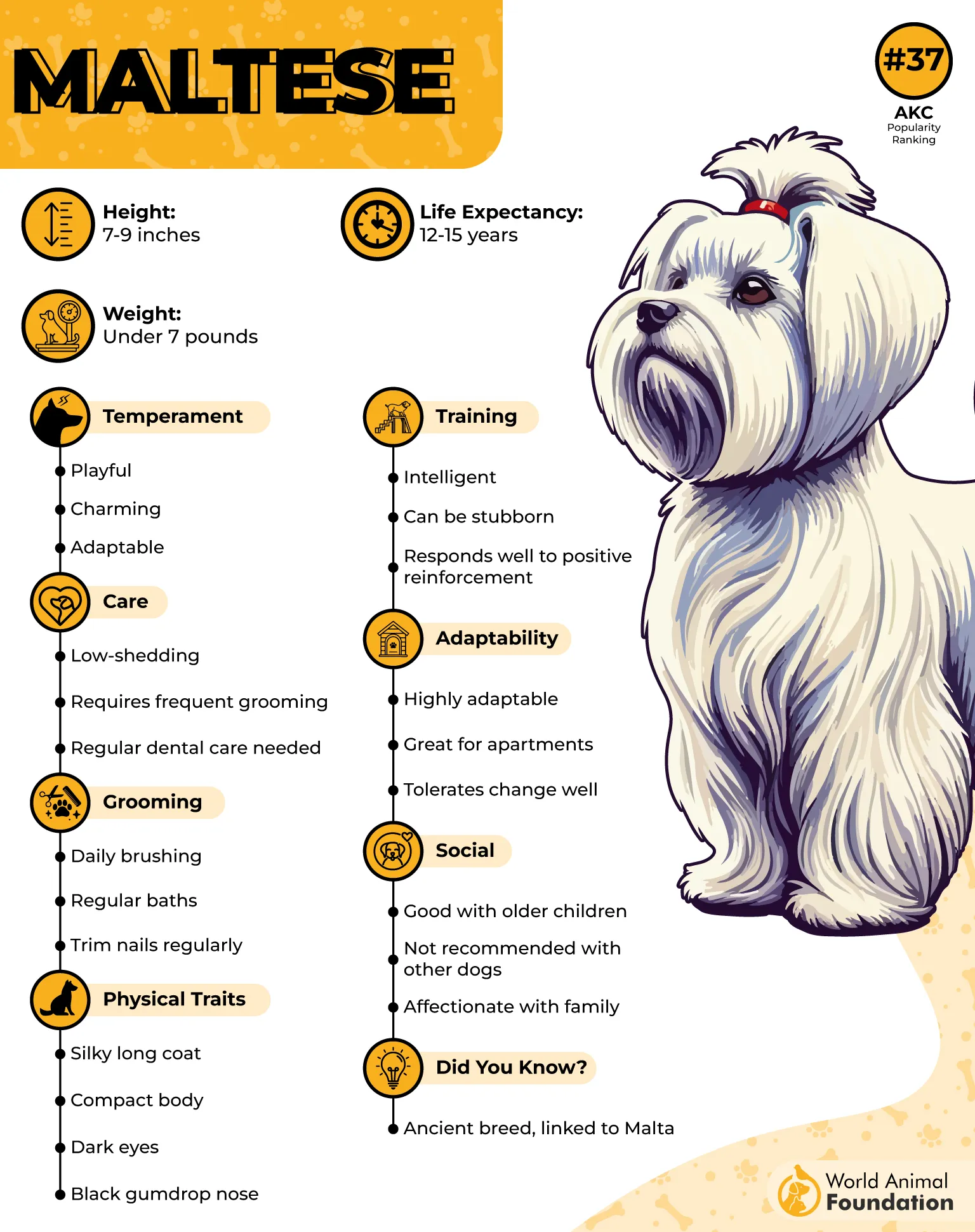
This breed teaches new parents gentle handling. Its tiny frame bruises easily around boisterous kids or bigger pets, so clear house rules matter from day one.
Grooming: Wipe the eye area daily to stop tear staining on its white coat.
Training: Use a harness instead of a collar, since its neck is delicate.
Exercise: Stick to supervised indoor play and short strolls over rough outdoor games.
People assume this tiny dog is too fragile for an active household. It’s actually playful and sturdy once past puppyhood.
Conclusion
Here’s the truth: Any of these seven breeds can be excellent companions for a first-time dog parent, as long as you pick based on the skill you’re actually willing to build, not just the cutest face in the window.
Match your lifestyle to the right starter skill, and that famously steep first-dog learning curve turns into something far more manageable.
Before you bring anyone home, meet a few dogs in person and ask reputable adoption organisations or breeders what year one really looks like for that breed. Found your perfect family dog?
Go bring that cuddle buddy home and keep on learning together.
