




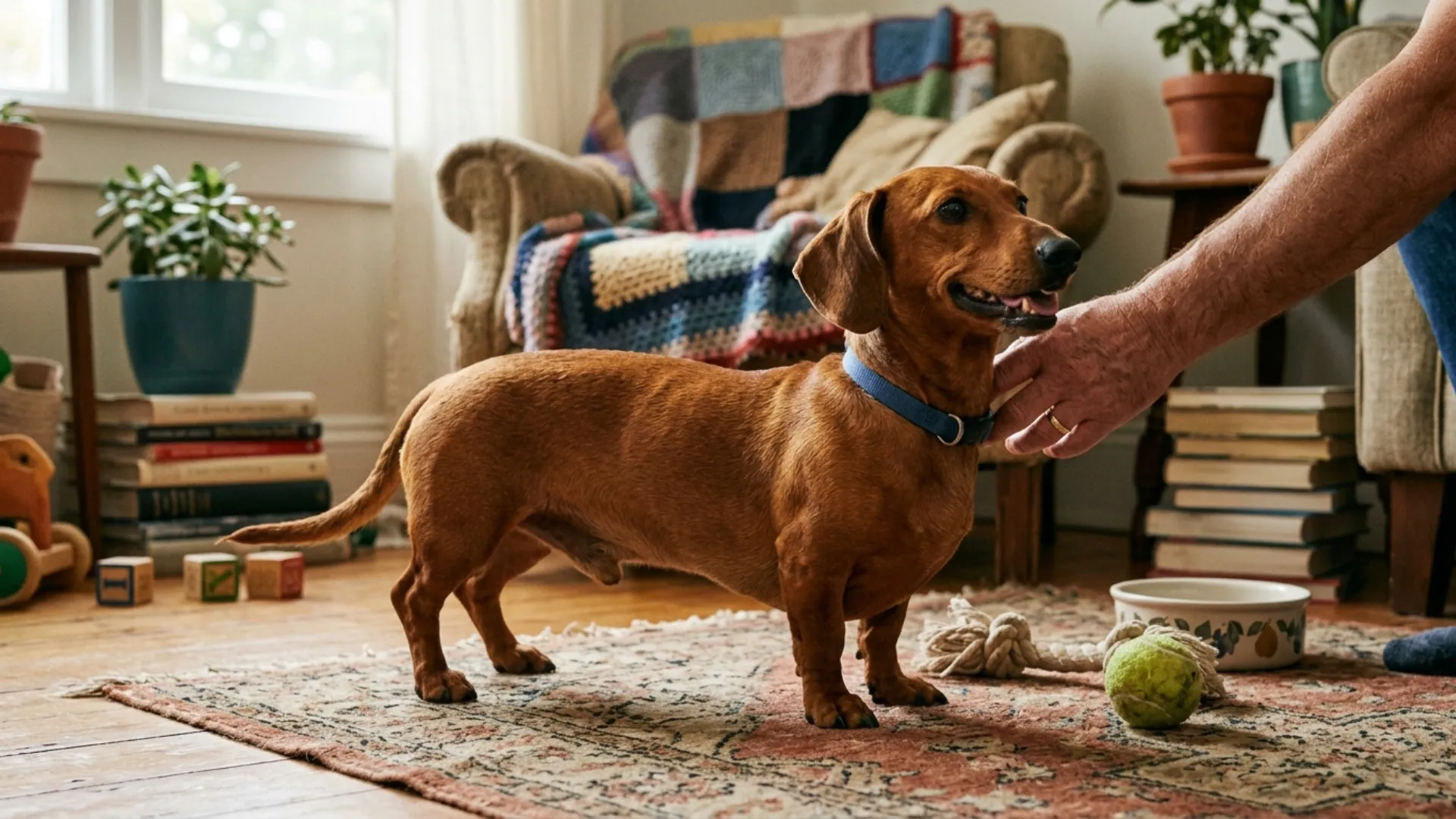
Owning a dog and setting it into your family life can feel a bit like subscribing to every streaming platform at once — exciting at first, until the monthly costs start stacking up. Food, grooming, toys, vet bills, and training can turn “cute puppy energy” into “why is my wallet crying?” pretty quickly. That’s why many families look for dog breeds that are loving, fun, and long-term budget-friendly.
The good news? Affordable dogs absolutely exist. Some breeds naturally cost less because they eat smaller portions, need minimal grooming, or are generally healthier than high-maintenance breeds. Others are adaptable family companions that don’t require luxury-level care to stay happy.
That said, “budget-friendly” doesn’t mean “zero effort.” Every dog still needs proper food, exercise, healthcare, and attention. Think of these breeds like low-maintenance game characters — easier to manage, but still needing regular upgrades and care to perform at their best.
Another smart money-saving move is adoption. According to many shelters and rescue groups, adoption fees are often much lower than breeder prices and usually include vaccinations, microchipping, and spaying or neutering. For families trying to balance love for pets with rising living costs, that’s a huge win.
Below are some of the best dog breeds for thrifty families — pups that bring big personality, loyalty, and companionship without demanding celebrity-level budgets.
Wonderful Dog Breeds for Thrifty Families
1. Chihuahua

Chihuahuas may be small enough to fit into a tote bag, but their personalities are phenomenal. These tiny dogs usually weigh under six pounds, meaning they eat far less food than larger breeds. A bag of quality dog food can last surprisingly long compared to feeding a Labrador-sized vacuum cleaner.
Because they’re so compact, everyday expenses stay lower too. Smaller beds, smaller toys, smaller medication doses, and even smaller sweaters all help reduce long-term costs. Many owners claim they are among the lowest-maintenance breeds out there!
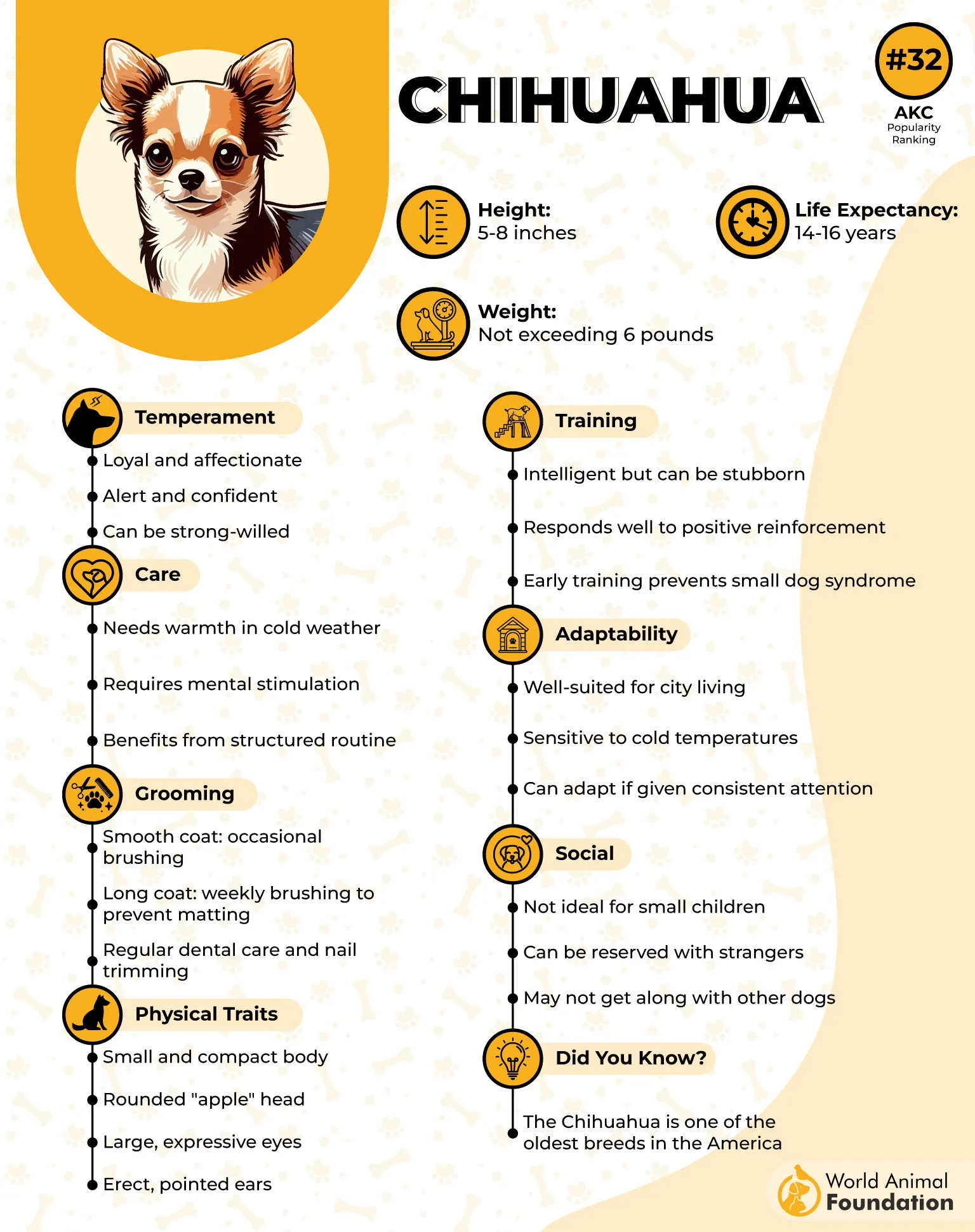
Smooth-coated Chihuahuas are one of the easiest breeds to groom, with no need to ensure extensive regular grooming. Weekly brushing and occasional baths are usually enough to keep them clean and healthy. Long-haired Chihuahuas need slightly more brushing, but overall grooming costs stay manageable.
Professional grooming often costs far less than grooming larger, fluffy breeds. Many owners handle grooming at home using a basic brush, dog shampoo, and nail clippers.
Chihuahuas are clever little dogs that quickly learn routines and household habits. They love attention and can become deeply attached to one person in the family. Think of them as the clingy best friend who always wants to sit beside you during movie night.
However, they can also become bossy if not trained properly. Early socialization matters because some Chihuahuas develop “main character syndrome” and act much bigger than they are.
For busy families or people living in cities, this breed fits into daily life almost as easily as adding another throw pillow to the couch.
This calm-tempered dog comes with the expense of buying endless blankets, as these tiny dogs are obsessed with staying warm. If there’s a heated blanket in the house, your Chihuahua will absolutely claim it as personal property.
2. Dachshund

Dachshunds may look like stretched-out cartoons, but they’re actually one of the most low-maintenance breeds for practical families. Their small size keeps food and supply costs fairly low, while their adaptable personalities make them easy household companions.
Adoption fees are often more affordable than buying from premium breeders. Many rescue organizations also include vaccinations and neuter procedures in adoption packages, which helps families save early on.
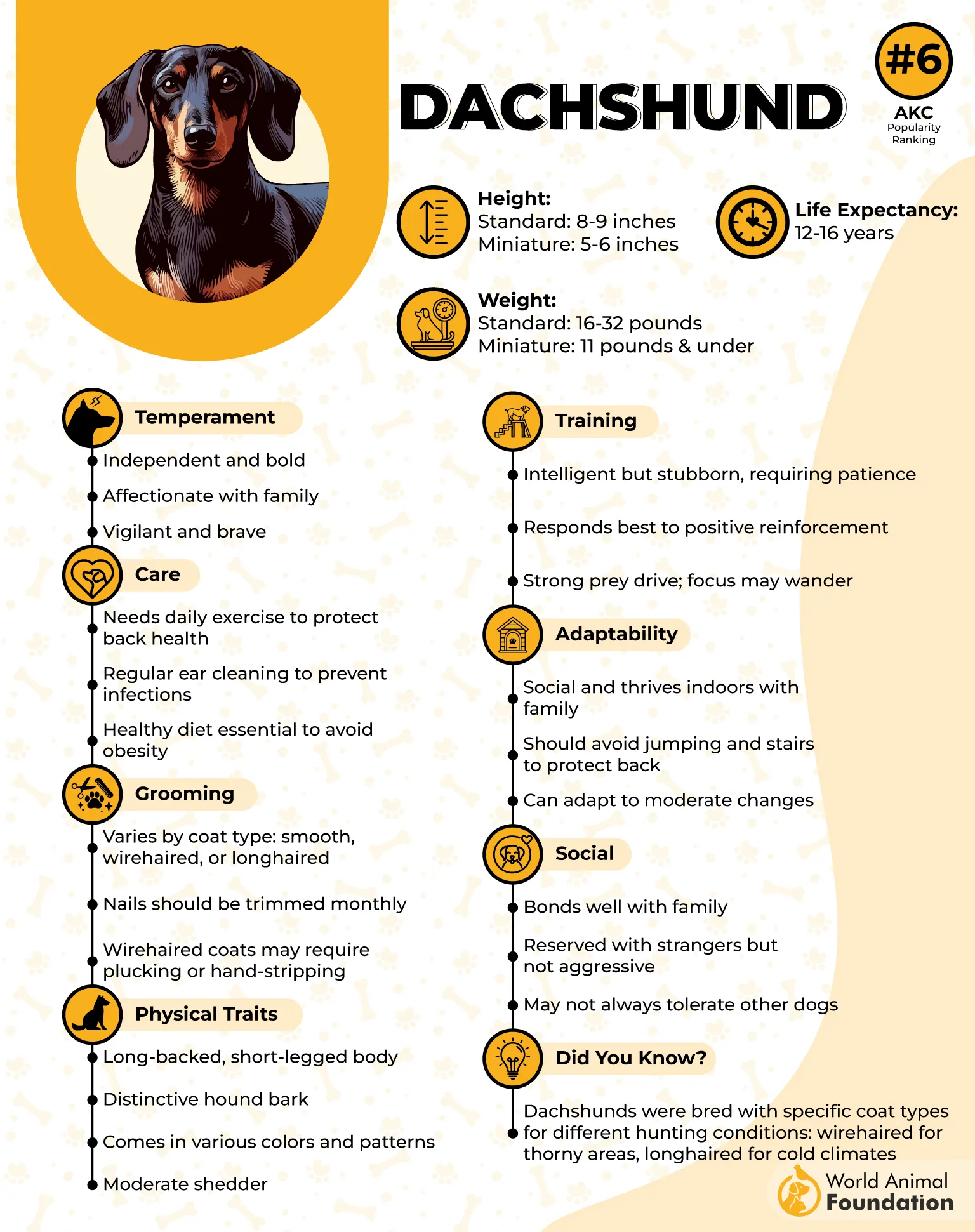
Smooth-coated Dachshunds are incredibly low-maintenance. A quick wipe-down and weekly brushing are often enough to keep them looking polished. Long-haired and wirehaired varieties need more brushing, but they remain manageable compared to heavy-shedding breeds.
Even their grooming needs feel customizable, almost like choosing difficulty settings in a game. Smooth coats are “easy mode,” while wirehaired coats add a few extra maintenance tasks.
These medium-sized dogs have huge personalities packed into tiny bodies. They’re stubborn, dramatic, curious, and often hilariously fearless. Many owners compare them to tiny security guards patrolling the house, as if they’re protecting an entire kingdom.
Their playful nature makes them entertaining family pets, says the AKC, but they also enjoy relaxing indoors. They’re happy balancing short adventures with long naps under blankets.
One of the breed’s biggest concerns is spinal health when compared to other dogs. Because of their long backs and short legs, Dachshunds are prone to back injuries and intervertebral disc disease (IVDD).
3. Jack Russell Terrier

Jack Russells are proof that small dogs can contain unlimited battery life. These energetic terriers are smart, athletic, and endlessly entertaining. Families looking for an affordable dog often love them because grooming costs stay low and food expenses remain manageable.
But don’t confuse “affordable” with “lazy.” A bored Jack Russell can turn your living room into a demolition challenge faster than a viral TikTok speed run.
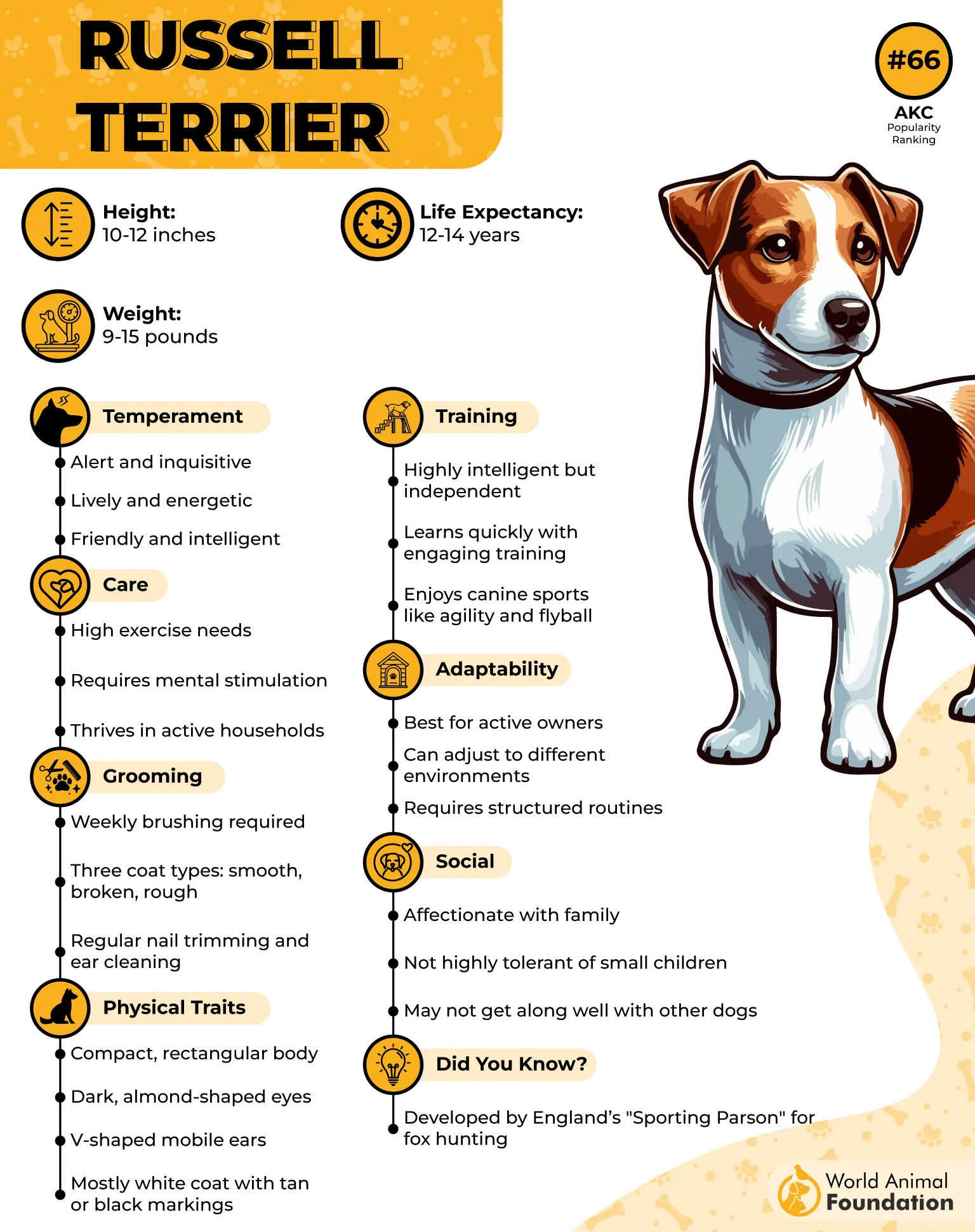
Their short coats are easy to maintain with regular brushing and occasional baths. Many owners handle grooming completely at home without professional help.
Compared to fluffy designer breeds needing salon visits every month, Jack Russells with a calm temperament are refreshingly simple. These dogs were bred for hunting and working, so they need daily mental and physical activity along with moderate exercise. Puzzle toys, games, training sessions, and walks help prevent boredom.
Without stimulation, they can become destructive. Think of them like toddlers who discovered energy drinks.
Because Jack Russells are so smart, proper training early on can help prevent costly behavioral problems. Group obedience classes are often worth the investment because they help improve manners and socialization.
Many owners say consistent training makes the difference between “fun adventure buddy” and “tiny household terrorist.”
4. Pug

Pugs are one of the most recognizable dog breeds thanks to their wrinkled faces and hilarious expressions. They’re affectionate, adaptable, and generally low-energy, which helps reduce exercise-related costs.
For families seeking a relaxed companion rather than a marathon training partner, Pugs can be a solid fit.
Most Pugs are perfectly happy with short walks and indoor playtime. They’re basically the dog version of someone binge-watching an entire series while wrapped in a blanket.
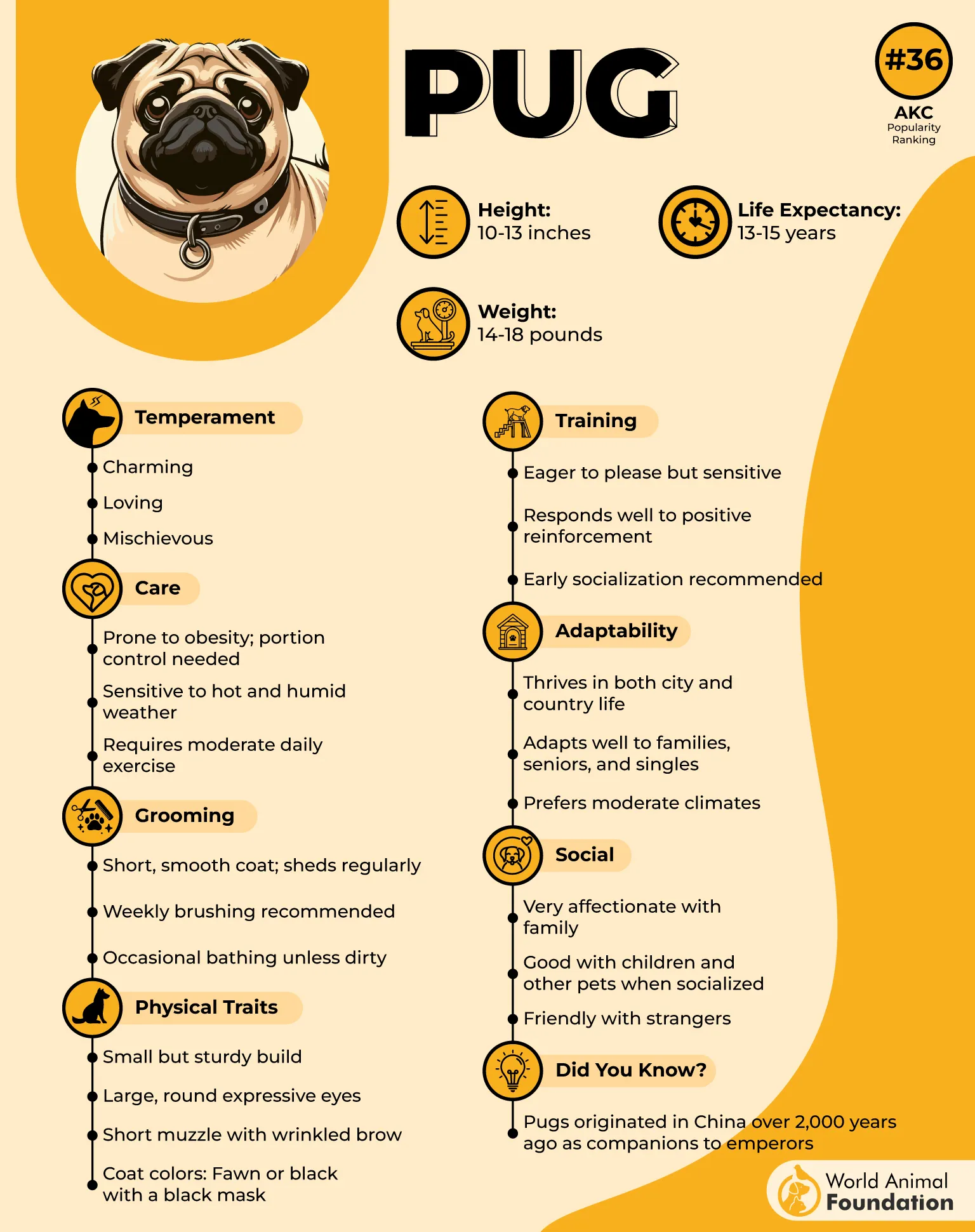
This lower activity level means fewer expensive outdoor adventures and less pressure for constant stimulation.
PDSA claims that their short coats are easy to brush, though they do shed quite a bit. Regularly cleaning facial wrinkles is important to prevent infections. Many owners manage grooming themselves, helping keep maintenance costs reasonable.
Flat-faced breeds like Pugs can develop breathing problems and overheating issues. Responsible breeders and regular vet care are very important for this breed.
Families should budget for possible health-related expenses over time, especially if buying from poor breeding situations.
They are usually friendly with kids and enjoy being around people. Their easygoing personalities make them adaptable companions for apartments, condos, and smaller homes.
They don’t need huge yards or endless outdoor activities to stay content.
5. Whippet

Whippets look fancy enough to belong in luxury perfume ads, but they’re actually pretty affordable dogs to own. Their short coats require minimal grooming, and they generally stay clean with little effort.
They also eat less than many medium-sized breeds because of their lean build.
Whippets are famous for sprinting at incredible speeds outdoors and then immediately transforming into couch potatoes indoors. They’re basically the canine version of gamers going hard in ranked matches and then sleeping all afternoon.
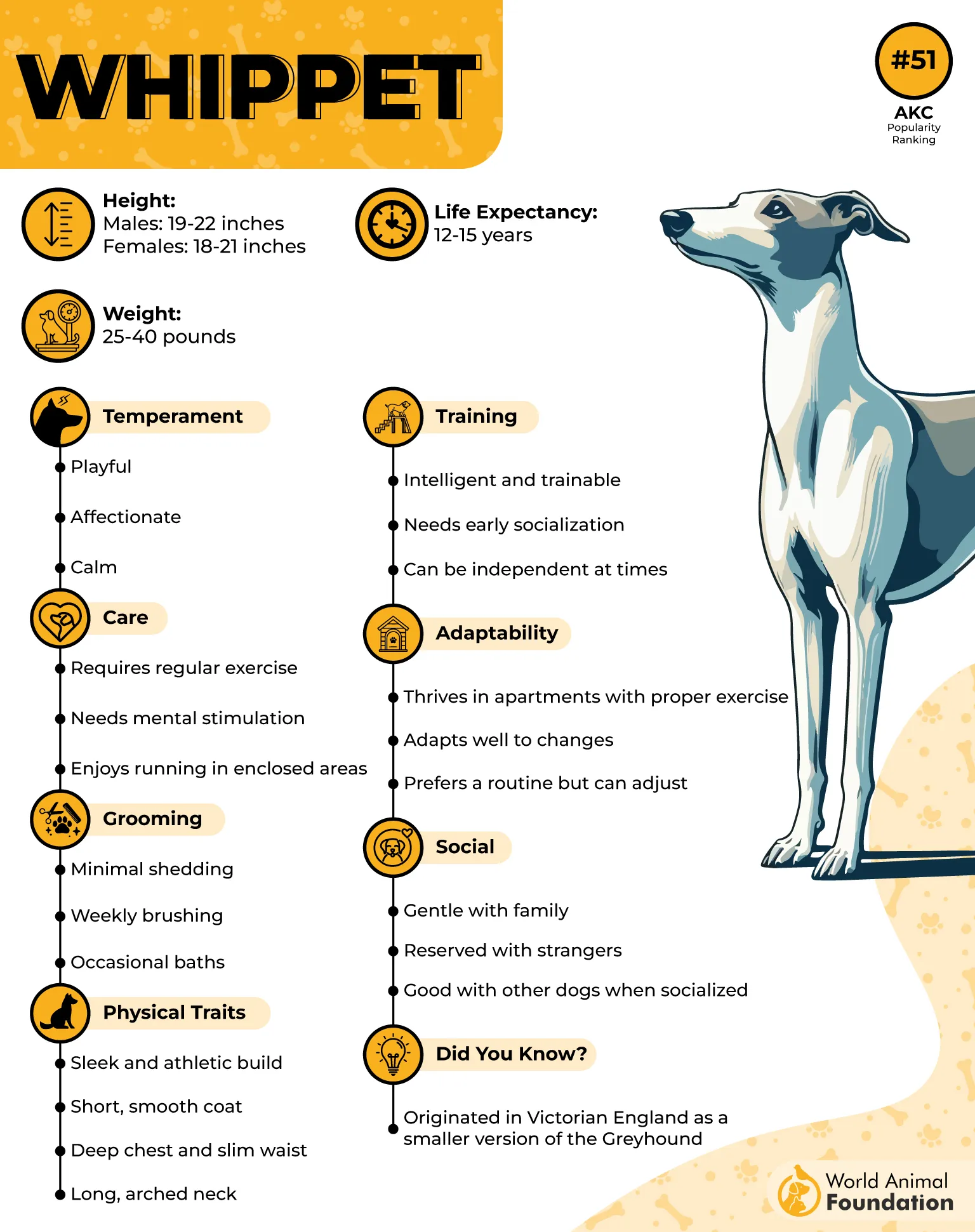
This balance makes them easier to manage than constantly hyperactive breeds.
Weekly brushing and occasional baths are usually enough for Whippets. Their coats barely trap dirt, and many owners describe them as naturally clean dogs.
Because they’re low-shedding and low-odor, they’re easier to maintain than fluffier breeds.
Whippets have very little body fat, which means they get cold easily. Sweaters, blankets, and warm beds are basically part of the starter pack for owning one.
Thankfully, their overall food and grooming costs still help offset those extra-cozy expenses.
Whippets are usually calm, affectionate, and quiet around the house. They do well in apartments as long as they get chances to run safely outdoors.
Their gentle personalities make them the right dog for families seeking a peaceful dog rather than a nonstop chaos machine.
6. Beagle

Beagles are one of the most popular family dogs for good reason. They’re friendly, social, playful, and usually less expensive than many trendy designer breeds.
Adoption costs are often reasonable, and their medium size keeps food expenses manageable.
Beagles love activity and outdoor adventures. Their hunting instincts make them curious explorers who enjoy sniffing absolutely everything.
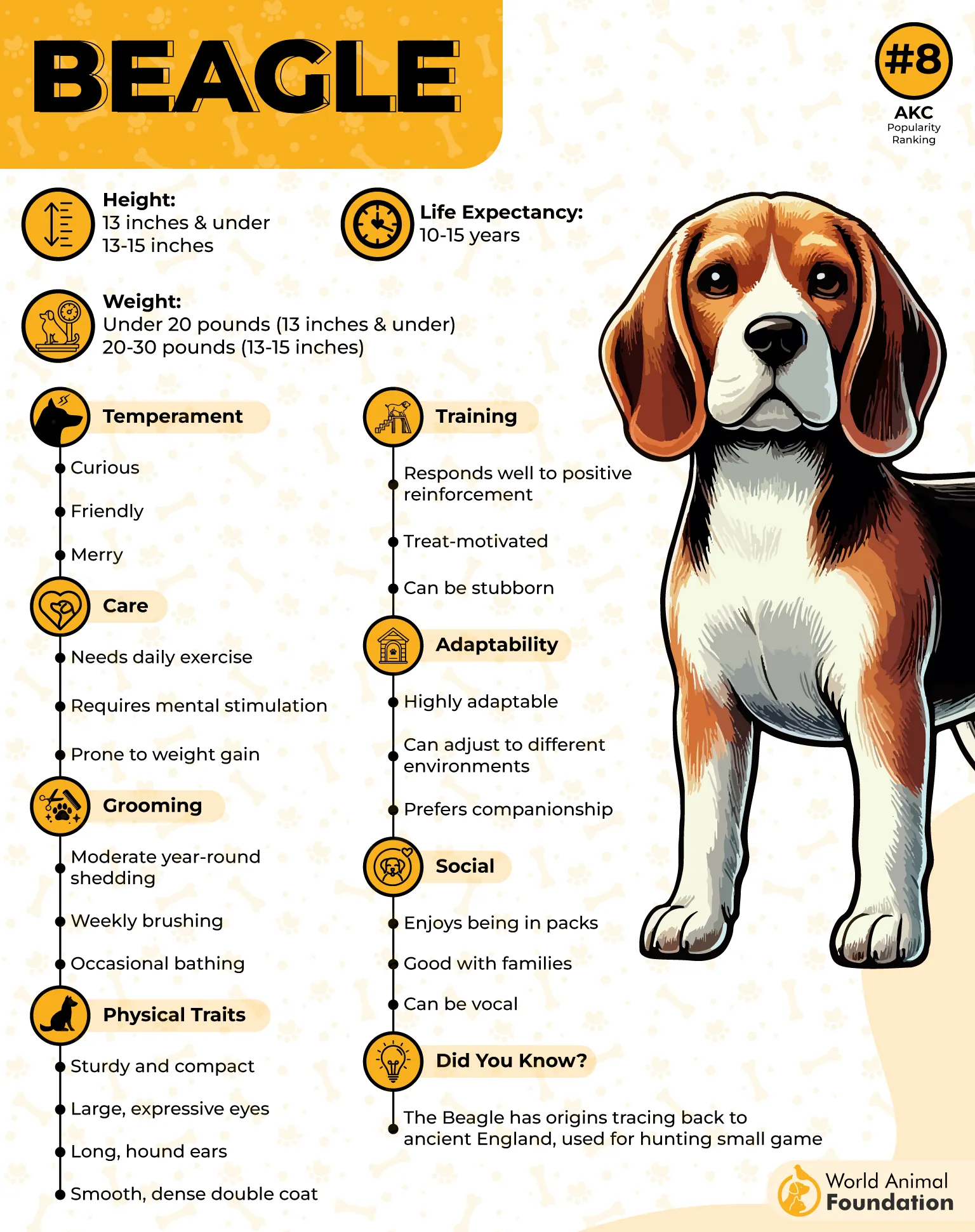
A walk with Beagles can feel less like a casual stroll and more like following a detective solving a mystery.
Their short coats are easy to care for with weekly brushing. Ear cleaning is especially important because floppy ears can trap moisture and bacteria.
Many families handle grooming themselves rather than using professional groomers.
Beagles love food a little too much, as per The Royal Kennel Club. Obesity is common if portions aren’t monitored carefully.
High-quality food and controlled treats help prevent future health problems and reduce the need for expensive vet visits later.
Training Beagles sometimes feel like trying to text someone who keeps leaving you on read because they found snacks. They’re intelligent, but their noses often override their listening skills.
Many Beagle owners say their dogs operate entirely through scent mode. If there’s food hidden somewhere in the house, your Beagle already knows about it before you do.
7. Bichon Frise
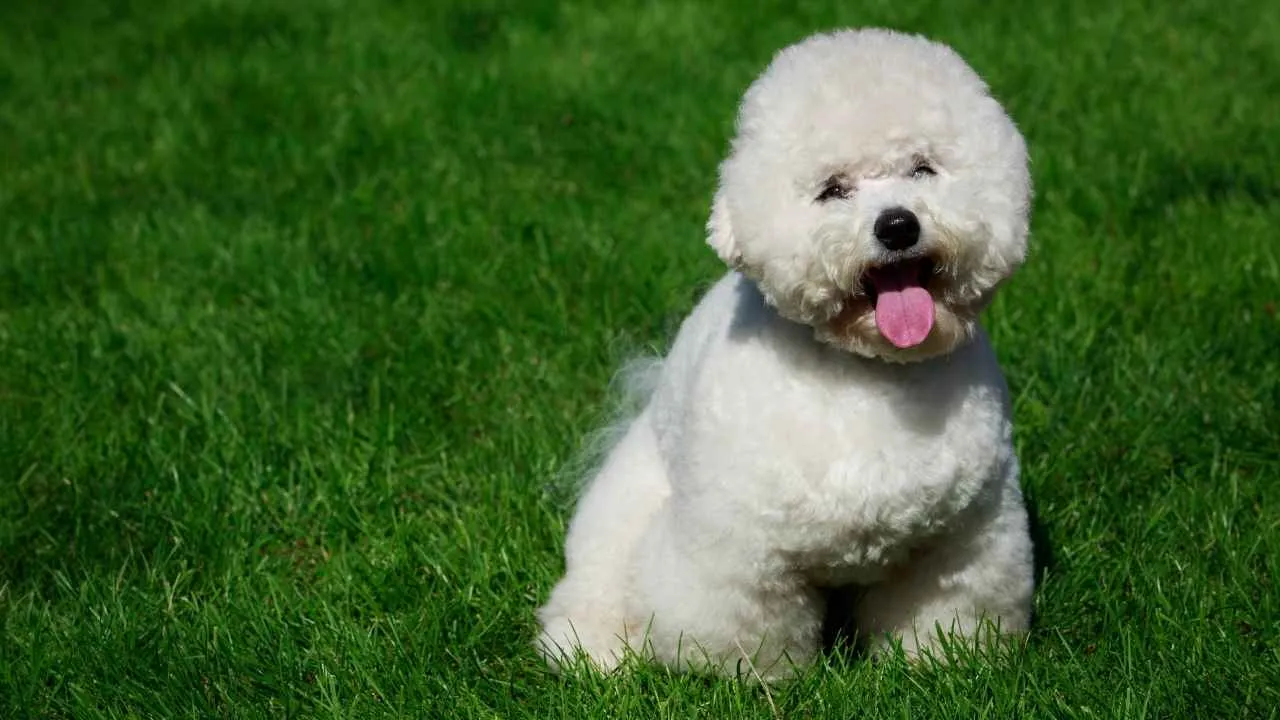
The Bichon Frise is generally not considered a low-cost dog breed, even though it’s small and doesn’t eat much.
The biggest reason is grooming. Its fluffy white coat needs regular brushing and professional grooming every 4–6 weeks to prevent mats and tangles. Professional grooming alone can cost $60–$100 per session, adding up to $700–$1,200+ per year.
A thrifty owner can keep a Bichon Frise on a budget, but it usually means learning to handle most grooming at home instead of relying on professional salons every month.
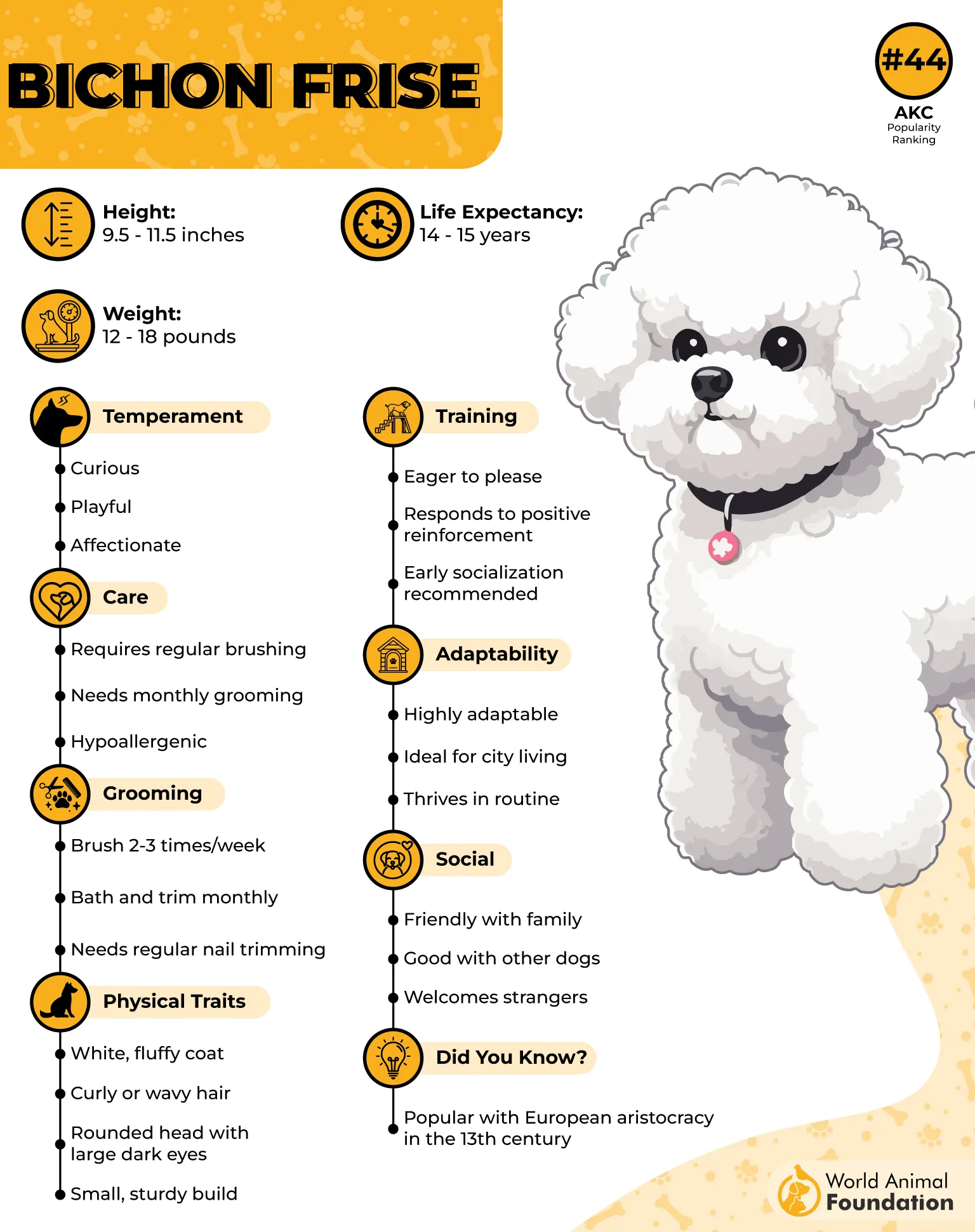
A lot of budget-conscious owners describe their routine like this:
Brush 2–3 times a week
Quick face cleaning daily
Full trim every 6–8 weeks at home
Occasional professional groom only for difficult shaping
That can reduce yearly grooming costs by hundreds of dollars.
Food costs are naturally lower because Bichons are small dogs and usually eat around ½ to 1 cup of quality food daily. Compared to large breeds, that’s a huge savings over time. Their exercise needs are also moderate, so you don’t need expensive outdoor gear, giant yards, or dog sports memberships to keep them happy.
They can develop dental problems and skin issues if neglected, and treating those later is far more expensive than basic upkeep now. Think of it like maintaining a phone battery before it completely dies.
Many thrifty owners also adopt adult Bichons from rescues instead of buying puppies from breeders. Adoption fees are usually much lower, and the dog may already be vaccinated, microchipped, or spayed/neutered.
Conclusion
Finding a dog that fits your budget doesn’t mean settling for a boring companion. Many affordable breeds are packed with personality, loyalty, and charm while still being manageable for families trying to keep expenses realistic.
Smaller breeds like Chihuahuas and Dachshunds help reduce food and supply costs, while easy-grooming breeds like Whippets and Beagles keep maintenance simpler. Meanwhile, adaptable companions like Pugs and Jack Russells bring endless entertainment without requiring luxury-level spending.
Cavalier King Charles Spaniel, Boston Terrier, Golden Retriever, Irish Setter, French Bulldog, Shih Tzu, Basset Hound, and Poodle are also some great furry friends that turn into phenomenally loyal companions.
The biggest secret to saving money with any dog is prevention. Good food, careful consideration, regular exercise, early training, grooming at home, and routine vet care often cost far less than dealing with major health or behavior issues later.
At the end of the day, the “best” affordable dog isn’t just the cheapest breed — it’s the one that matches your lifestyle. A well-matched dog becomes part of the family, turning ordinary days into something warmer and funnier in the best possible way.
