





Here’s a fact that surprises most first-time owners. The most beginner-friendly breed on paper can still wreck your first year if the fit is wrong.
If you are staring down this decision, the nerves are normal. The real challenge is choosing a breed whose characteristics fit your daily life, not proving yourself capable.
Some breeds tend to forgive rookie mistakes more than others. Certain breeds bounce back from an inconsistent routine, while other breeds hold a grudge over one skipped walk.
Not every good fit means a giant, athletic companion built for active families with moderate energy levels. Generally, the right dog has less to do with popularity and more to do with compatibility.
Curious which breeds actually earn that beginner-friendly label? Keep reading, because your future as a confident pup parent depends on getting this part right.
Wonderful Dog Breeds for New Owners: A Beginner’s Guide
1. Labrador Retriever
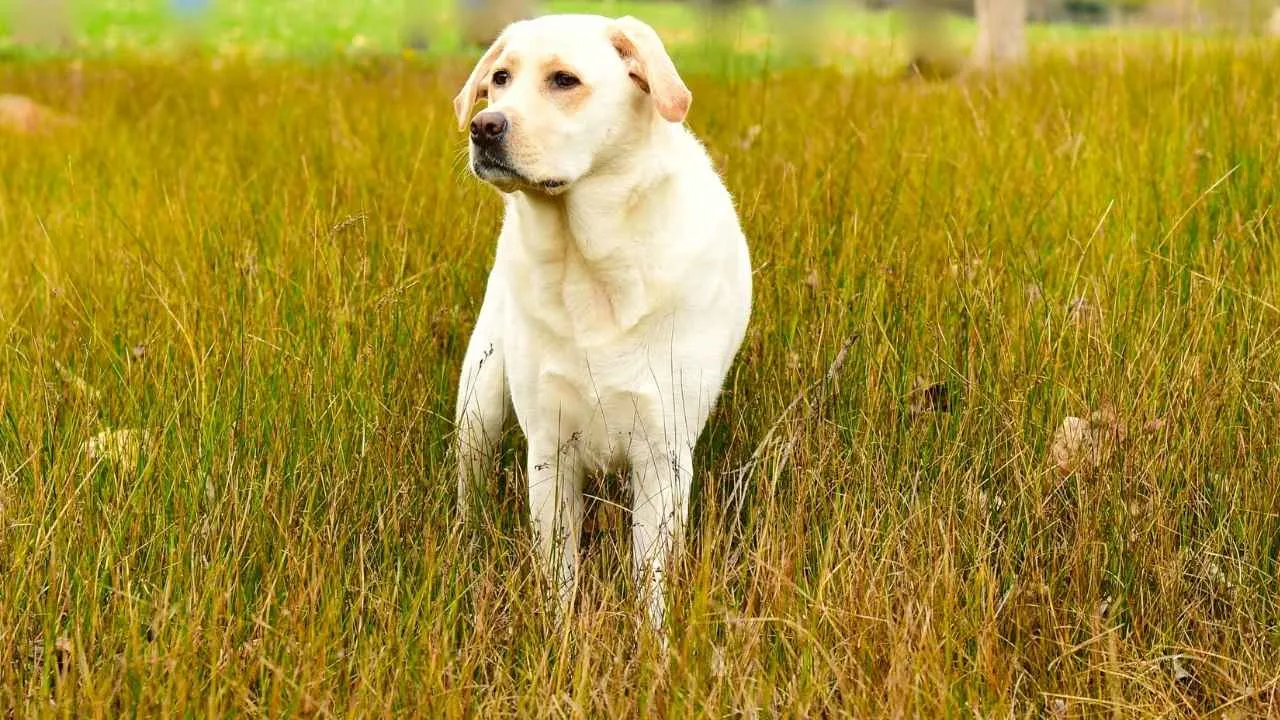
The Labrador Retriever consistently ranks among the best dog breeds for first-time dog owners, and the reason has nothing to do with looks. This breed was bred to work alongside people, so a new dog parent’s uncertain routine feels like teamwork rather than chaos. According to the AKC, Labradors have held the title of most popular dog breed for years running.
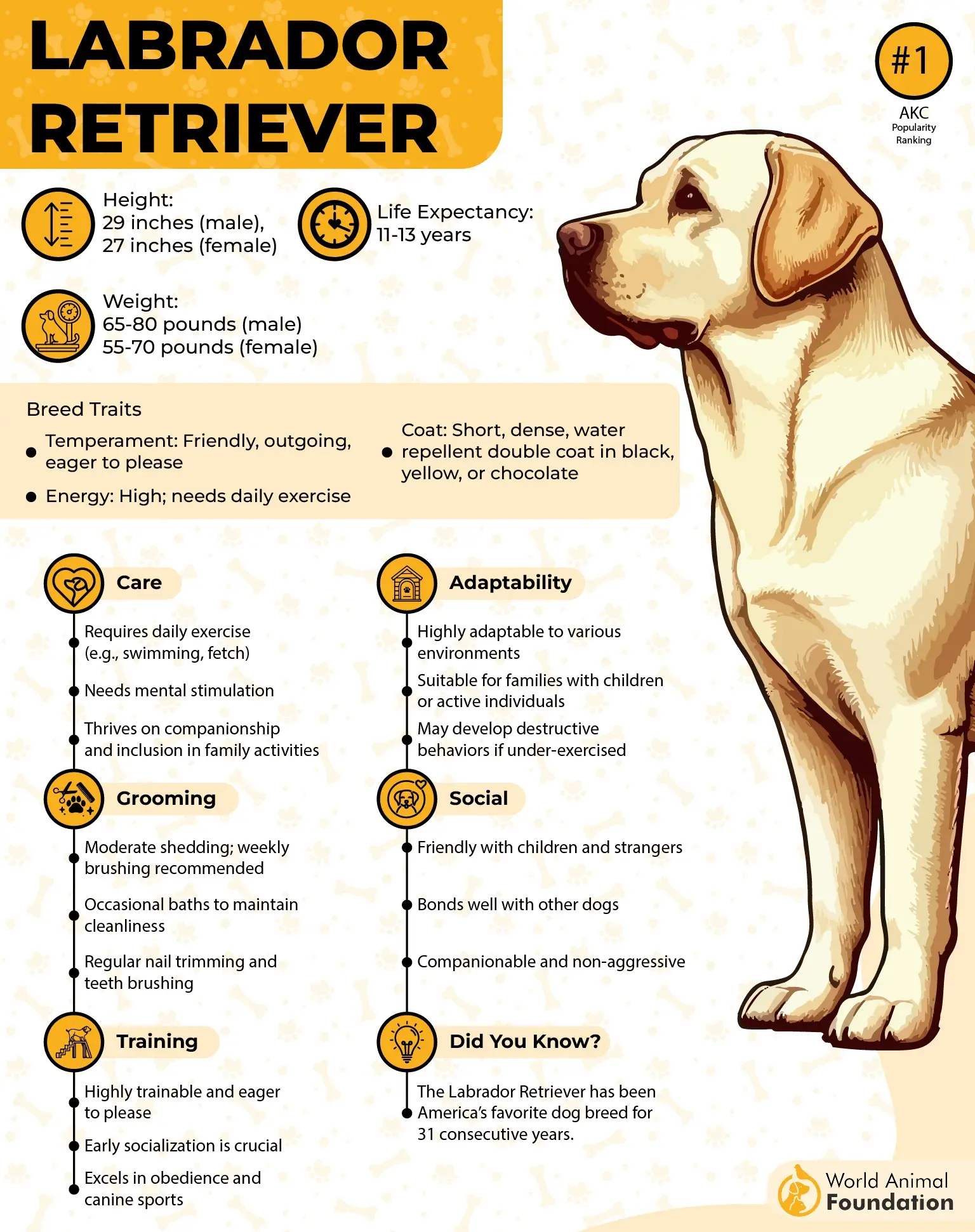
At home, this dog breed is goofy, food-motivated, and endlessly patient with kids underfoot. A Labrador Retriever settles into family life fast and rarely holds a grudge over a forgotten walk. This gentle temperament makes early mistakes feel low-stakes for a nervous new dog owner.
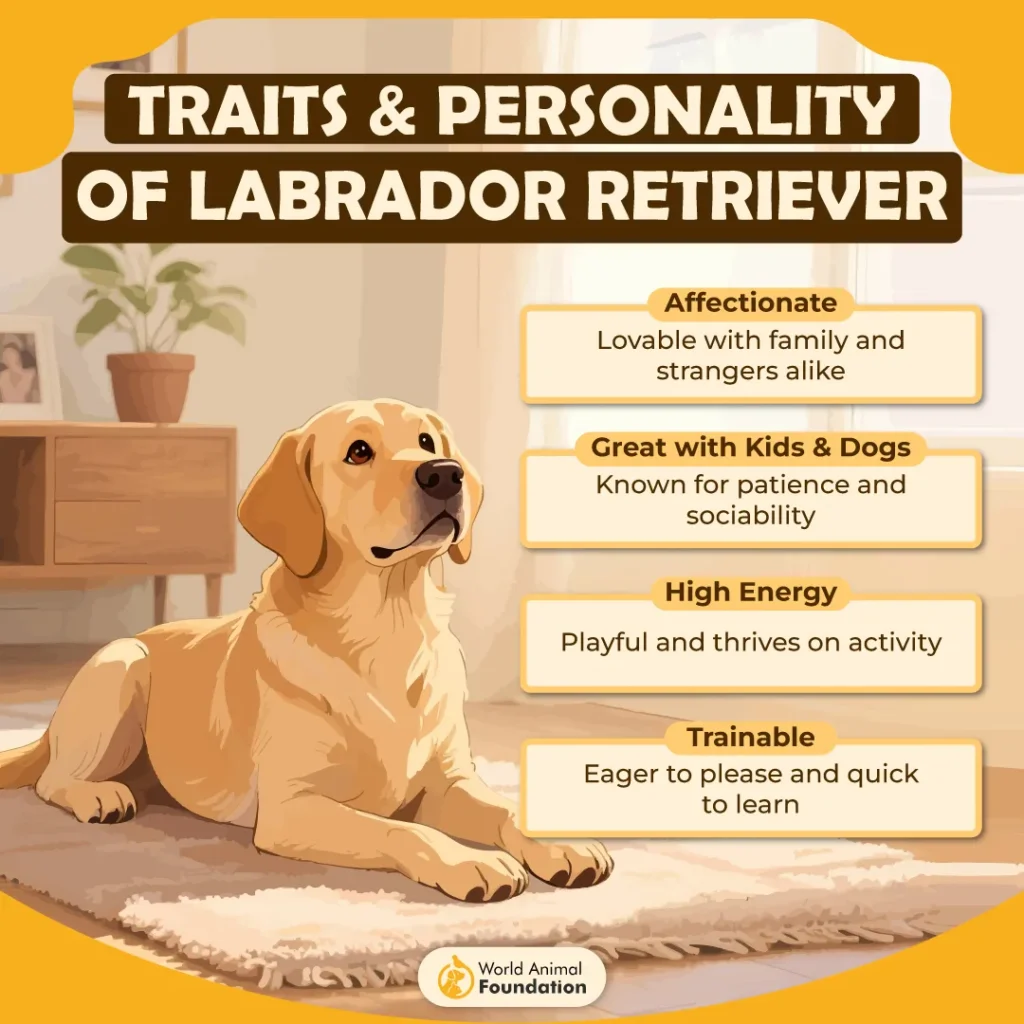
Trainability: Labradors respond well to reward-based training and often master basic commands within the first few weeks of consistent practice.
Exercise and grooming: This breed needs regular exercise every day plus weekly brushing to manage seasonal shedding.
The classic rookie mistake is underestimating the appetite. A Labrador Retriever will happily overeat if you let it, and that extra weight strains joints over time. Measure meals carefully and skip the free feeding to keep this dog breed lean and healthy.
2. Golden Retriever
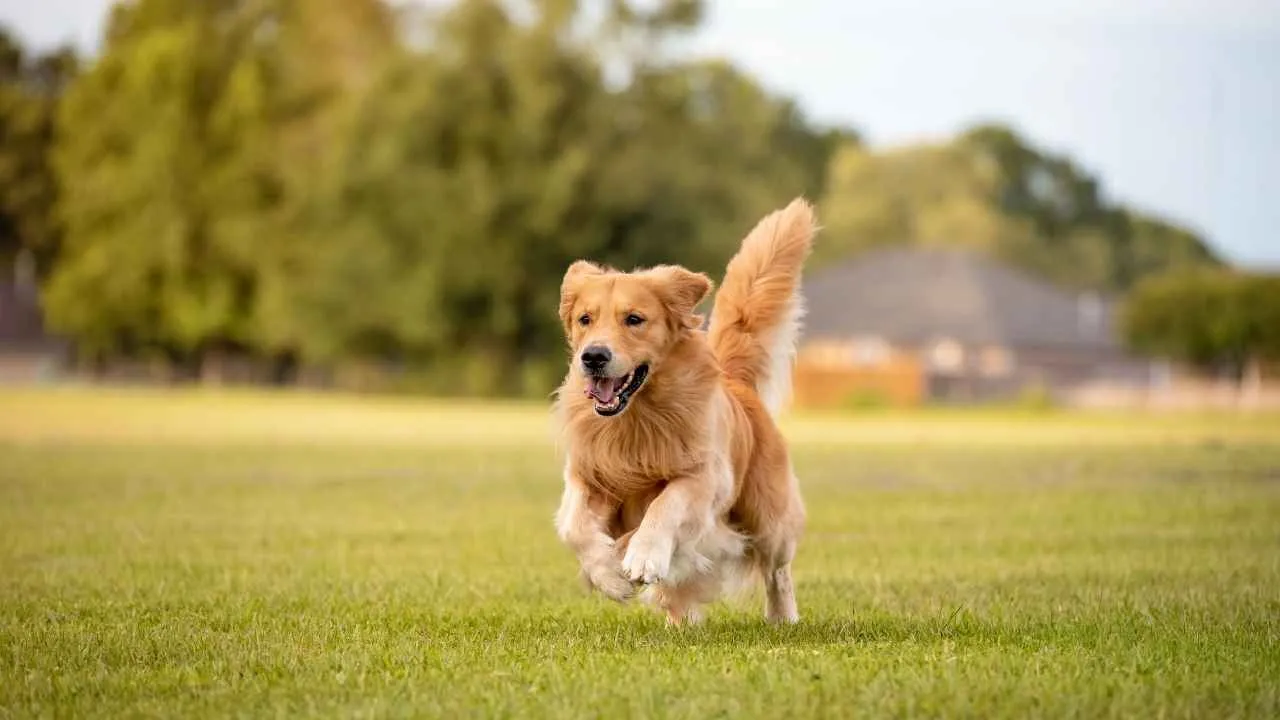
Golden Retriever earns its spot on almost every first-dog owner’s list because trainability comes standard. This breed was built to retrieve game for hunters, so following instructions is basically wired into its brain. A new dog owner does not need years of experience to get a Golden Retriever to listen.
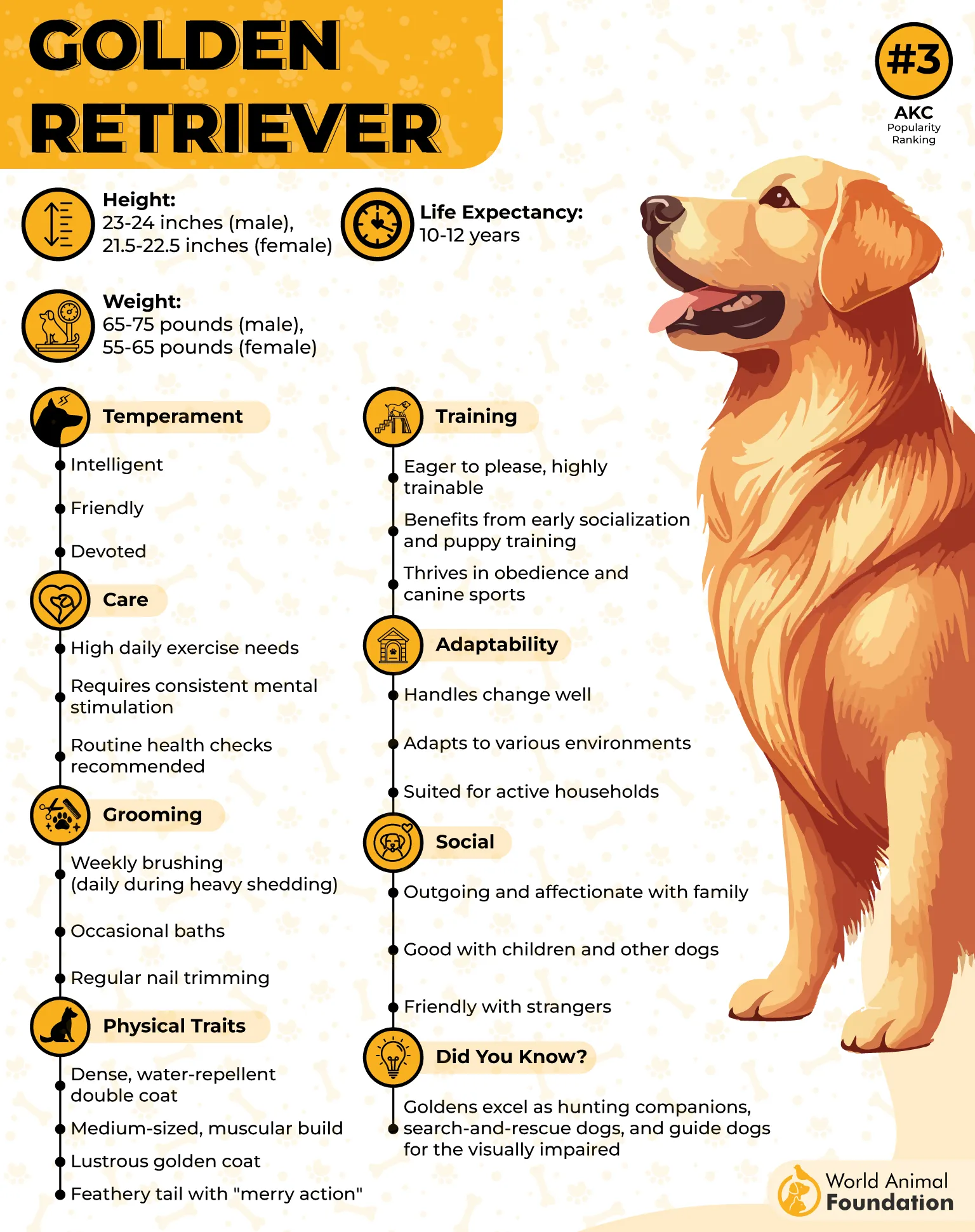
A Golden Retriever brings warmth to family life the moment it walks through the door. Around children and other pets, this breed shows a sweet temperament that rarely wavers. It thrives on companionship and struggles when left alone too long.
Trainability: According to PetMD, Golden Retrievers rank among the most intelligent breeds and pick up house training quickly with consistency.
Exercise and grooming: This dog needs regular exercise daily and thorough brushing several times a week to manage a thick double coat.
New dog parents often assume a friendly face means no boundaries are needed. A Golden Retriever left without structure can develop anxiety fast. Build a routine early, and this breed becomes the easiest family dog you will ever own.
3. Cavalier King Charles Spaniel

Cavalier King Charles Spaniel might be the most forgiving breed on this entire list for first-time pet parents. This dog breed was bred purely for companionship, not work, which explains its easygoing nature. It wants nothing more than to be near you, taking the guesswork out of bonding.
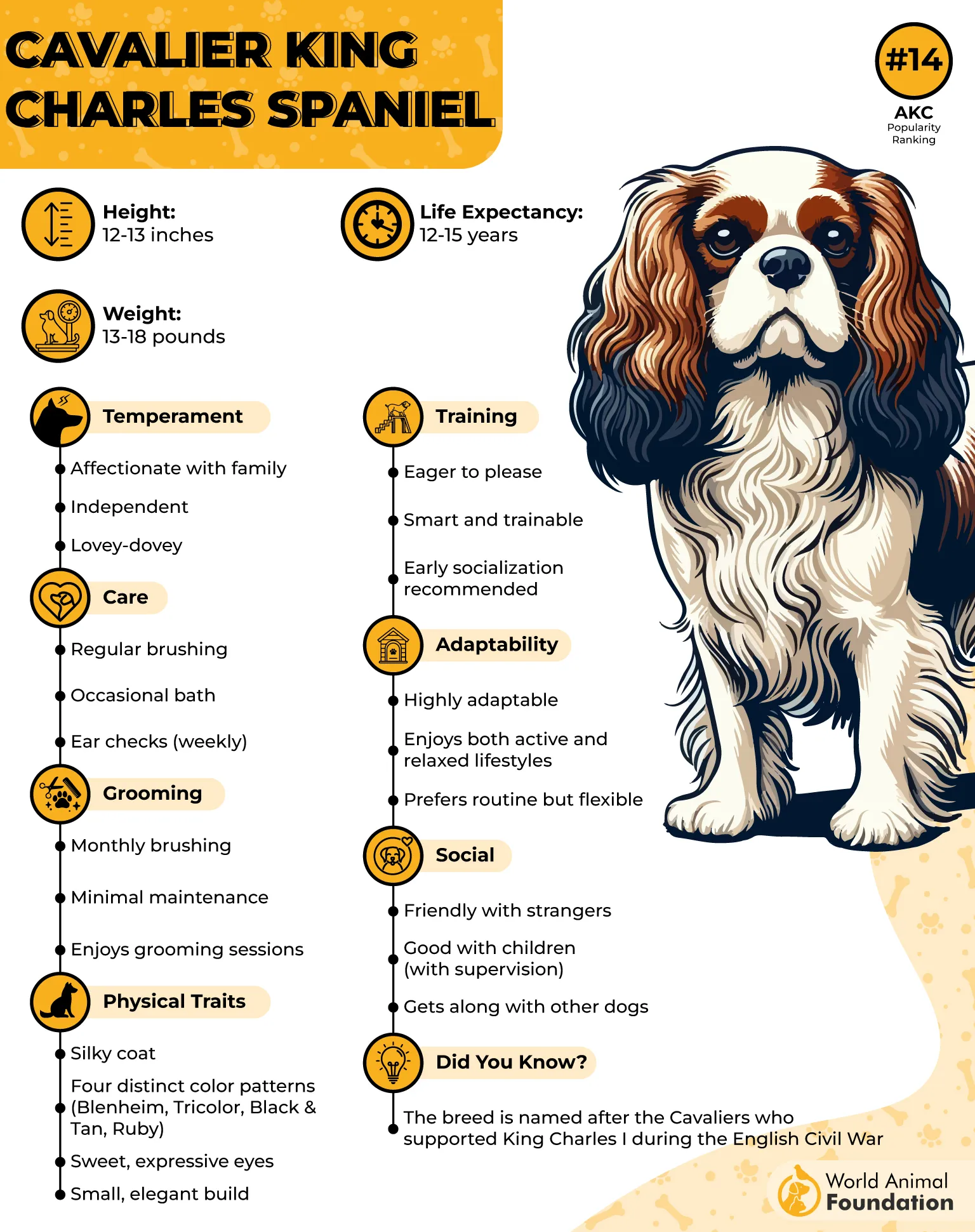
Indoors, a Cavalier King Charles Spaniel behaves like a tiny shadow, following you room to room with quiet devotion. This breed shows a calm demeanor around guests, other pets, and noisy households alike. Its affectionate nature makes it a natural fit for apartment living.
Trainability: Cavaliers are eager to please and typically pick up basic commands within a short training window.
Exercise and grooming: This breed needs moderate exercise and regular grooming to keep its silky coat free of tangles.
First-time owners sometimes skip early socialization because Cavaliers seem naturally friendly. Without exposure to new places and faces at an early age, this dog breed can develop clinginess. Enroll in a puppy class early and set healthy boundaries from day one.
4. Havanese
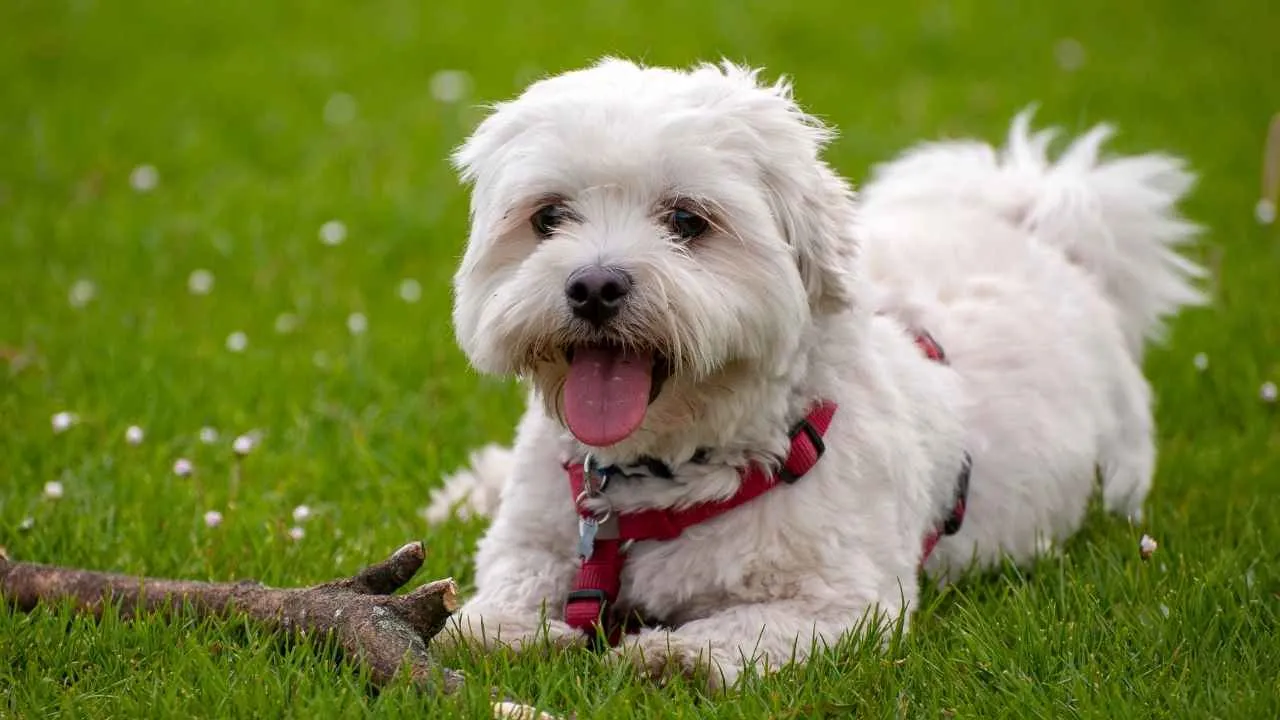
Havanese is a small dog with a big reputation among first-time dog owners, and it earns that reputation honestly. This breed was raised as a lapdog for centuries, so needing constant attention is not a personality flaw; it is the whole point. A Havanese thrives on human company more than almost any other breed.
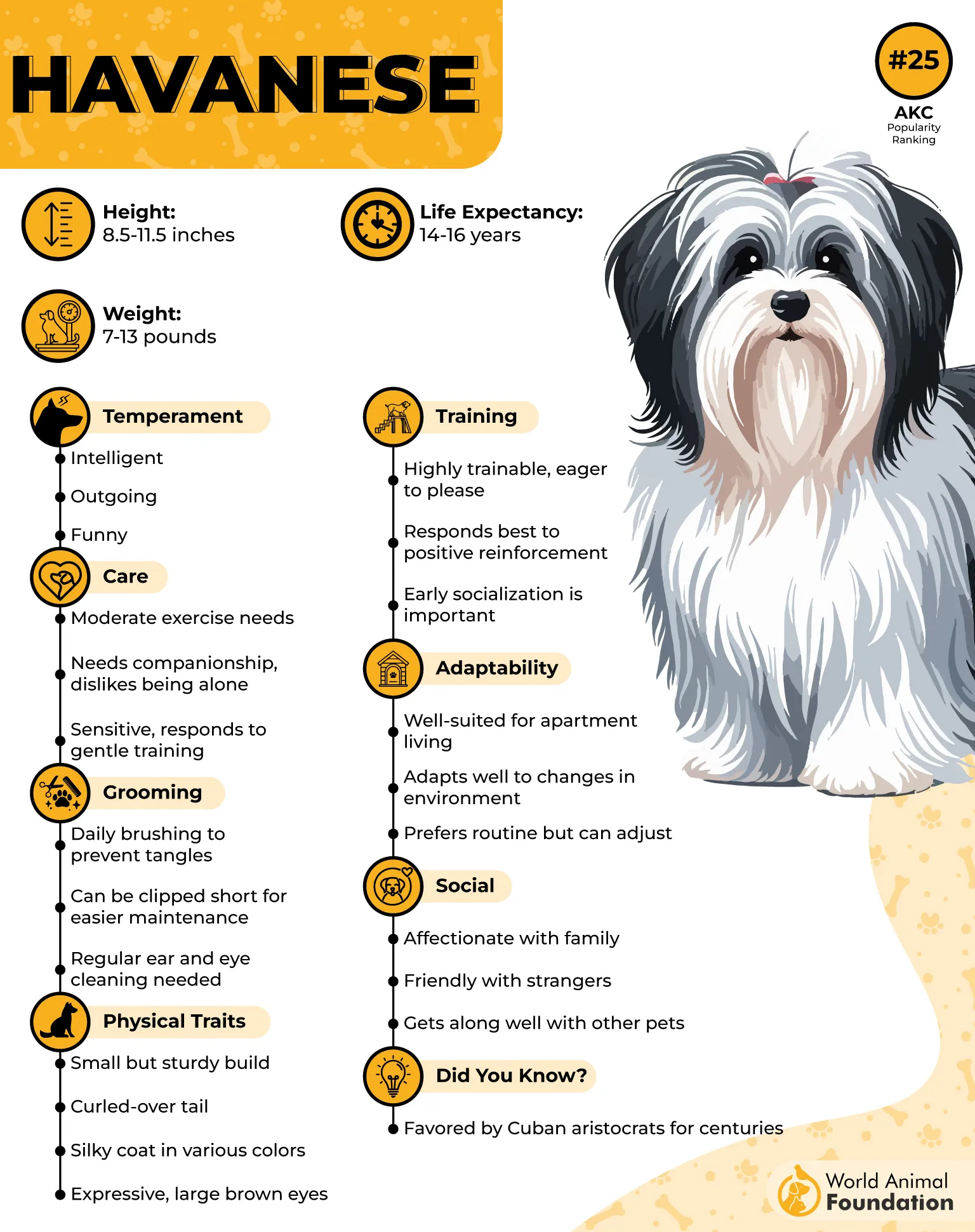
This dog breed brings a playful, clownish energy to family life without ever turning destructive. A Havanese reads a room well and adjusts its energy to match yours. Its gentle temperament makes it easy around children and other pets.
Trainability: According to VCA Animal Hospitals, Havanese are highly intelligent and respond well to positive reinforcement, making house training fairly quick.
Exercise and grooming: This breed needs moderate exercise indoors or out, plus regular grooming to prevent its long coat from matting.
New dog owners often underestimate how much a Havanese depends on togetherness. Left alone too long, this breed can become anxious and vocal. Build in short alone time gradually so your Havanese learns independence without stress.
5. Bichon Frise
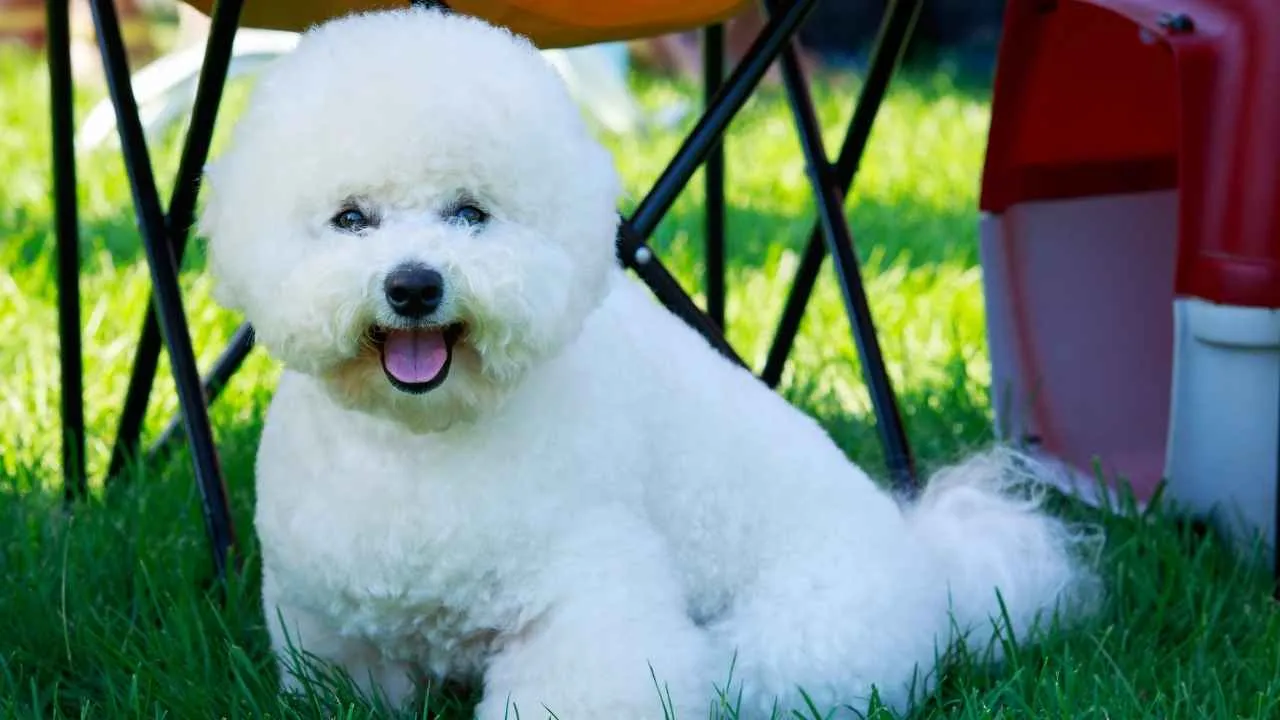
Bichon Frise is proof that a great choice for first-time pet owners does not have to be a large dog breed. This breed carries a naturally cheerful attitude that makes daily routines feel less like a chore. A Bichon Frise adapts well to different living situations, from a small apartment to a busy family home.
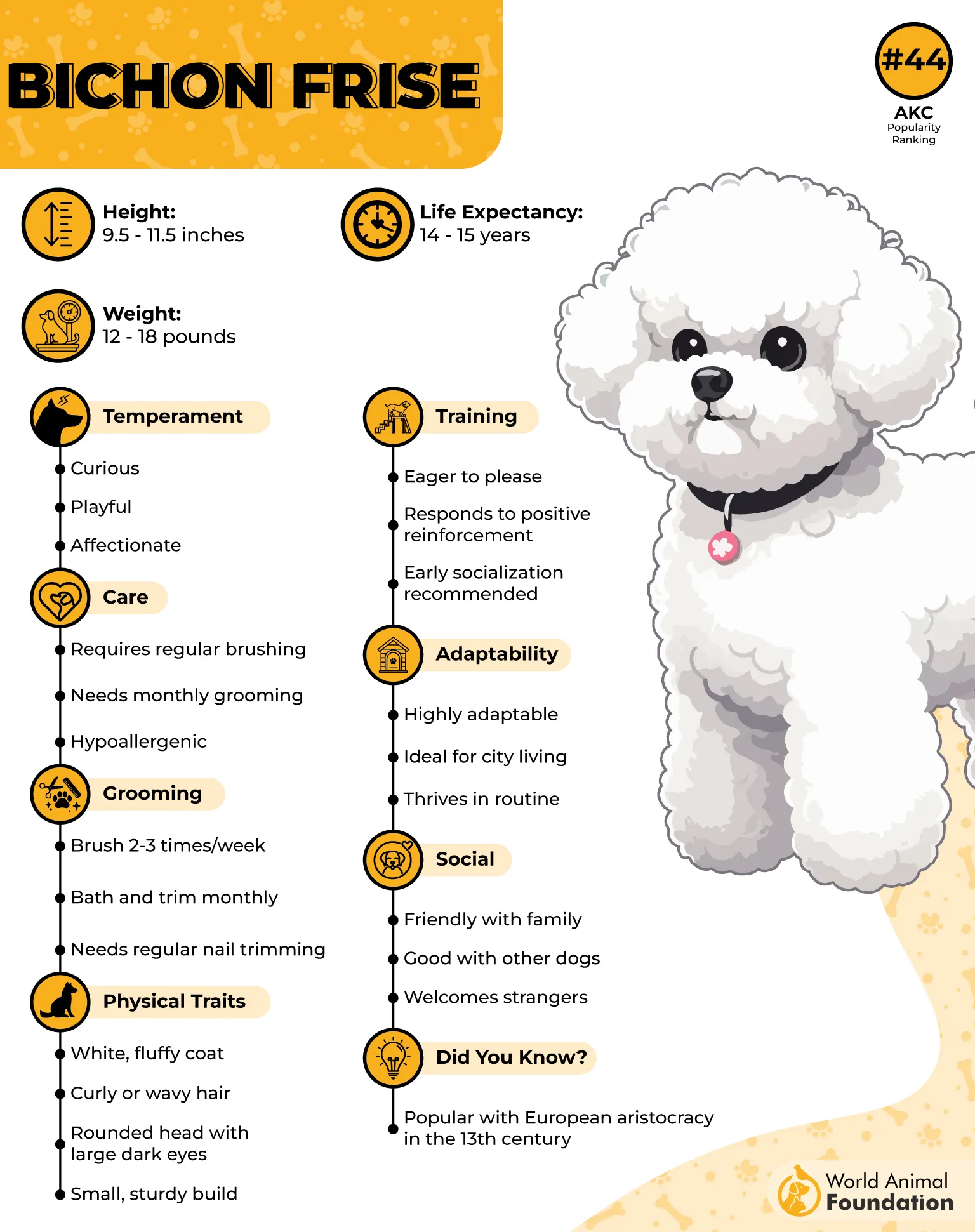
This dog breed greets nearly everyone with the same enthusiasm, at the door or at the dog park. A Bichon Frise rarely shows aggression toward strangers or other animals. Its friendly personality makes early mistakes easy to recover from.
Trainability: Bichon Frises are intelligent and eager to please, so consistent practice brings quick progress on basic commands.
Exercise and grooming: According to Britannica, this breed has a hypoallergenic coat that needs frequent brushing and professional grooming to stay tangle-free.
A common mistake is assuming the fluffy coat needs less care than it does. Skipping regular grooming leads to painful matting close to the skin. Book a grooming appointment every few weeks and brush between visits to keep this dog breed comfortable.
6. Toy Poodle
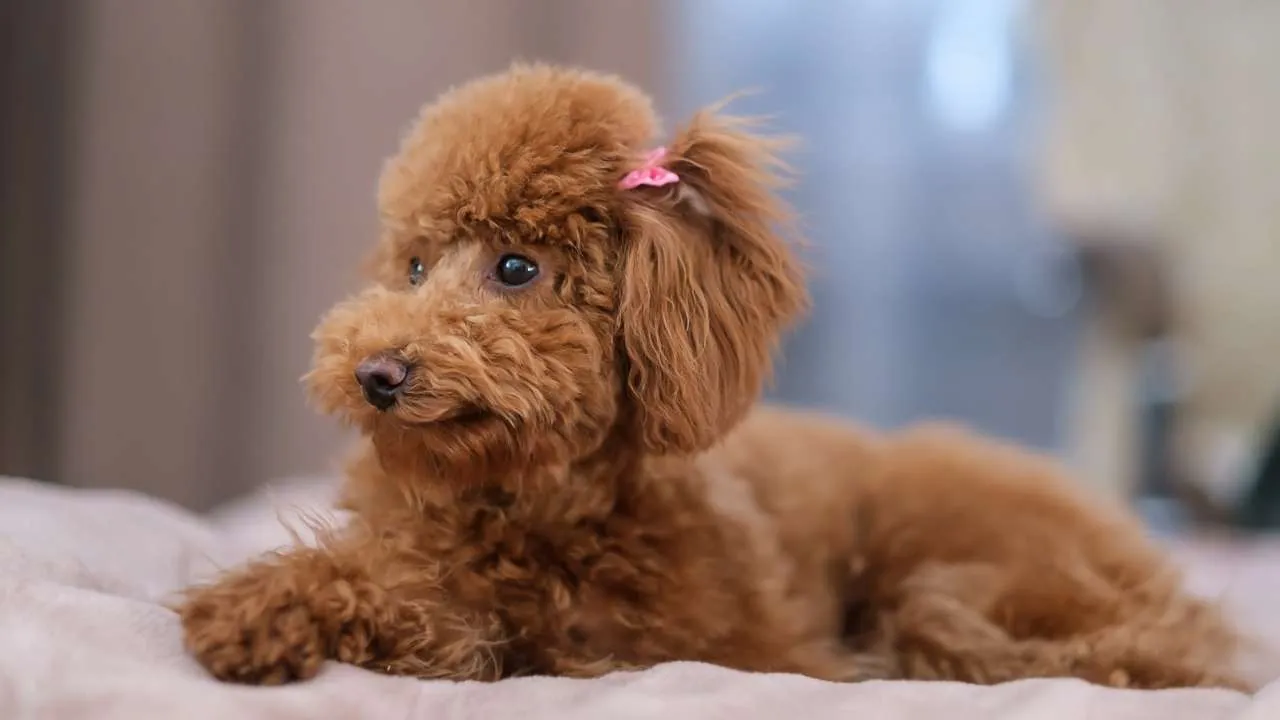
Toy Poodle surprises a lot of first-time dog owners who assume small dog breeds are all style and no substance. This breed ranks among the most intelligent dogs around, which makes daily training feel like a game instead of a battle. A Toy Poodle picks up new routines faster than most owners expect.
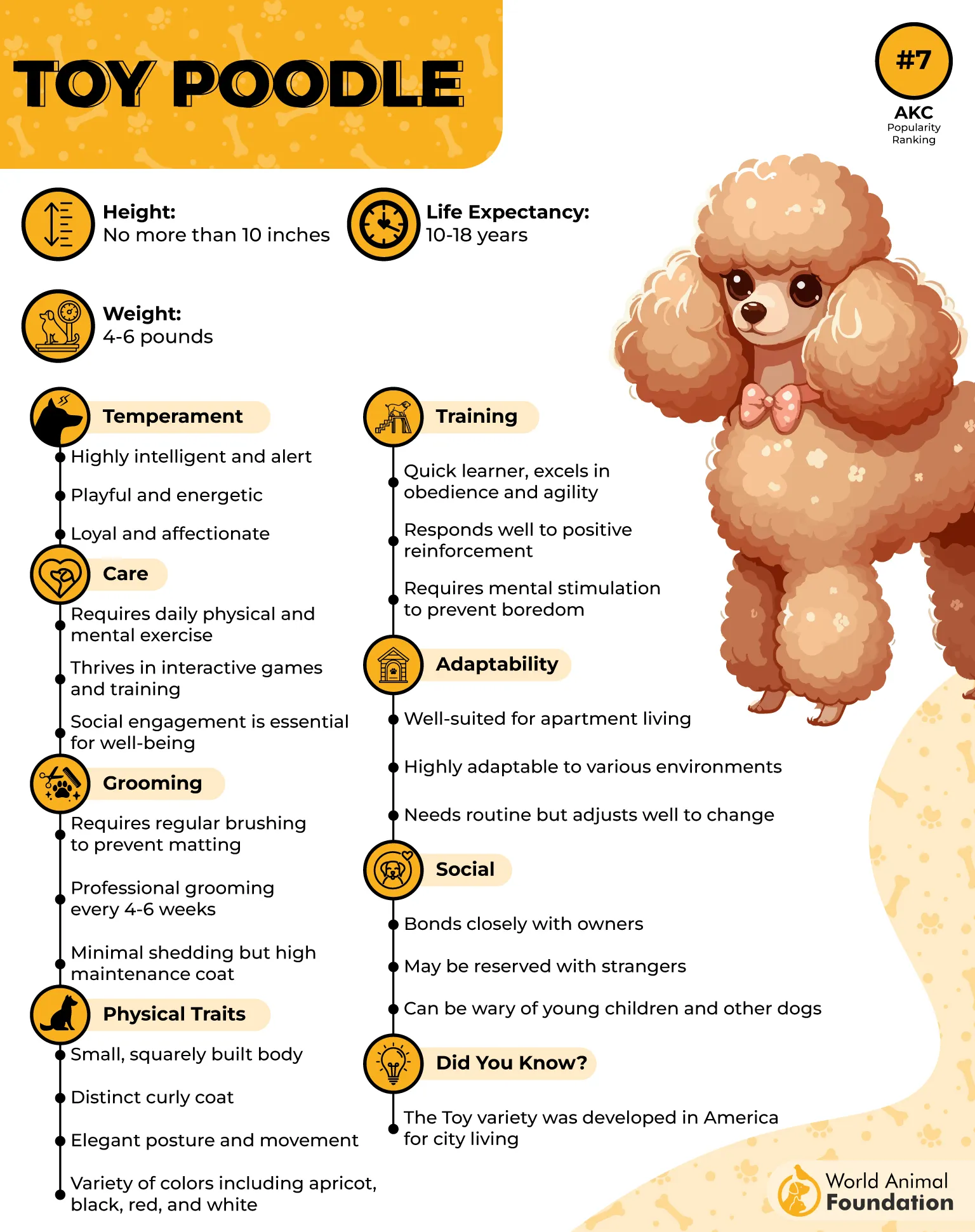
Day-to-day, this dog breed is alert, playful, and deeply loyal to its people. A Toy Poodle bonds closely with 1 or 2 family members but stays polite with everyone else. Its adaptable nature suits apartment living just as well as a larger home.
Trainability: Toy Poodles master obedience work quickly and enjoy dog sports that add mental stimulation to the routine.
Exercise and grooming: This breed needs moderate exercise daily and regular grooming since its coat keeps growing instead of shedding out.
New dog parents sometimes forget how much this breed craves mental stimulation. A bored Toy Poodle can turn destructive out of sheer restlessness. Rotate puzzle toys and short training sessions to keep that sharp mind satisfied.
7. Coton de Tulear
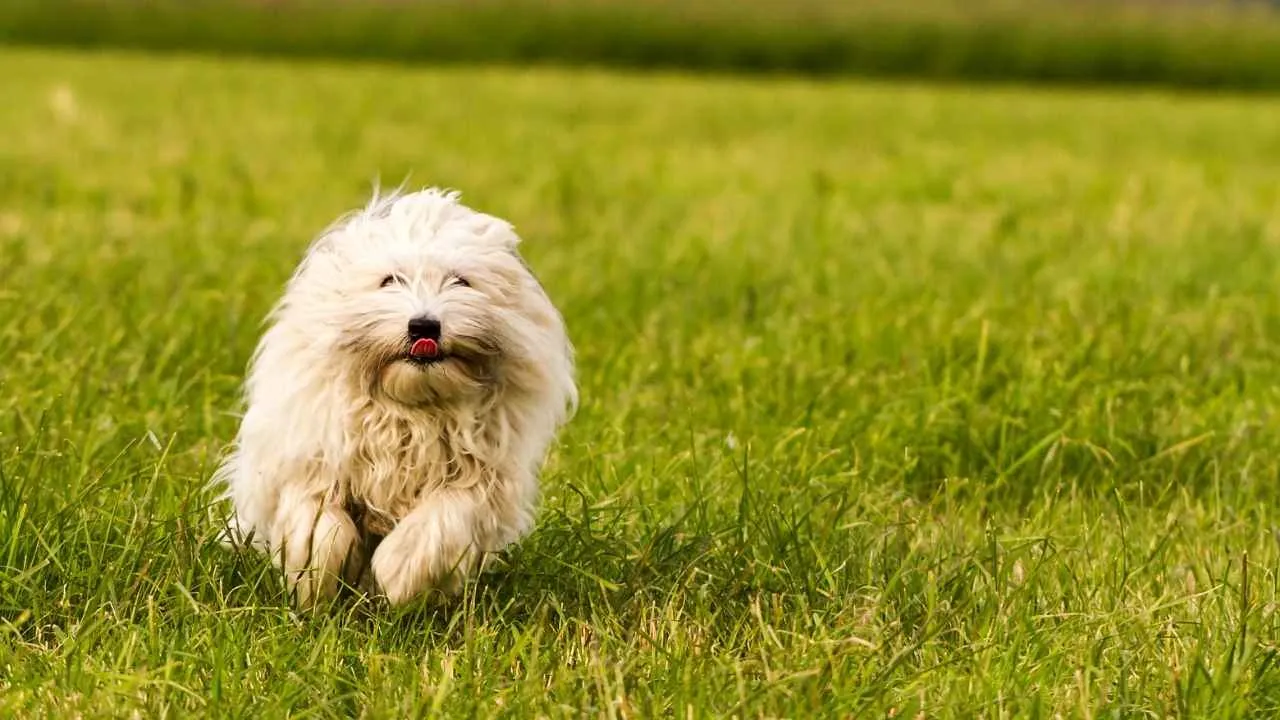
The Coton de Tulear is not exactly a household name, which is exactly why it deserves a spot on this list. This breed brings a sweet temperament and low-drama personality that suits nervous first-time pet parents perfectly. A Coton de Tulear rarely startles, barks excessively, or acts unpredictably around new people.
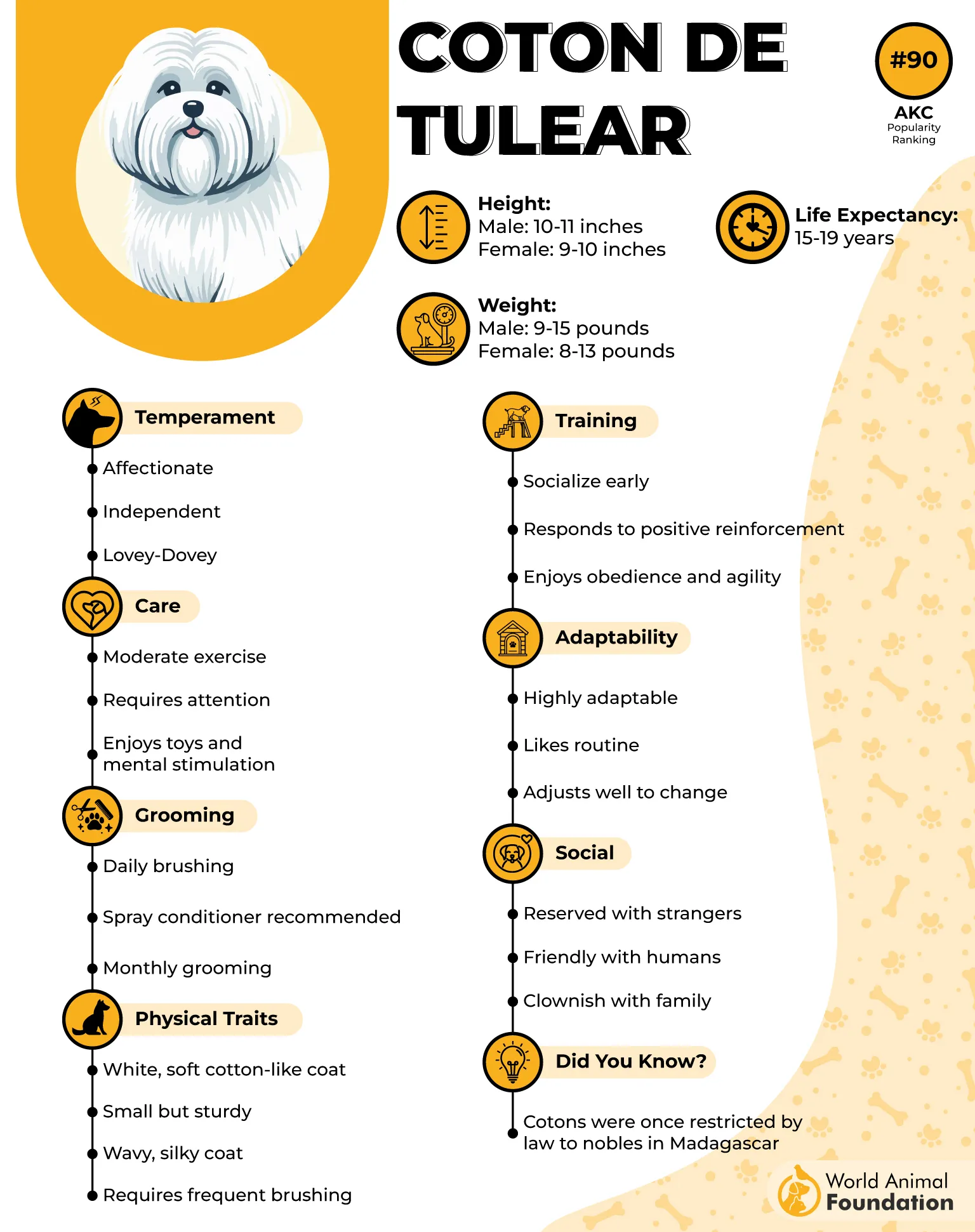
This dog breed moves through family life with a relaxed, easygoing attitude that few small dog breeds match. A Coton de Tulear gets along well with children and other pets without much supervision needed. Its calm temperament makes it forgiving of a new owner’s early missteps.
Trainability: This breed is highly intelligent and responds well to gentle, consistent training methods from an early age.
Exercise and grooming: A Coton de Tulear needs only moderate exercise but regular grooming to keep its cotton-like coat soft and clean.
Because this breed is so rare, new dog owners sometimes struggle to find a responsible breeder nearby. Rushing the search can lead to health or temperament surprises down the road. Take the extra time to find a reputable source, and this dog breed will reward your patience.
Conclusion
Choosing the right breed is not about finding the cutest face in the litter; it is about finding a good fit for your space, your schedule, and your patience level right now. Not all dogs suit a first-timer, but every breed on this list is proof that bringing home the right match makes all the difference between a stressful year and a rewarding one.
So, take stock of your life before you fall for a photo, then pick the pup that fits it best. Ready to start owning your first dog the right way? Talk to a responsible breeder or your local shelter and bring home the companion built for your next chapter.
