




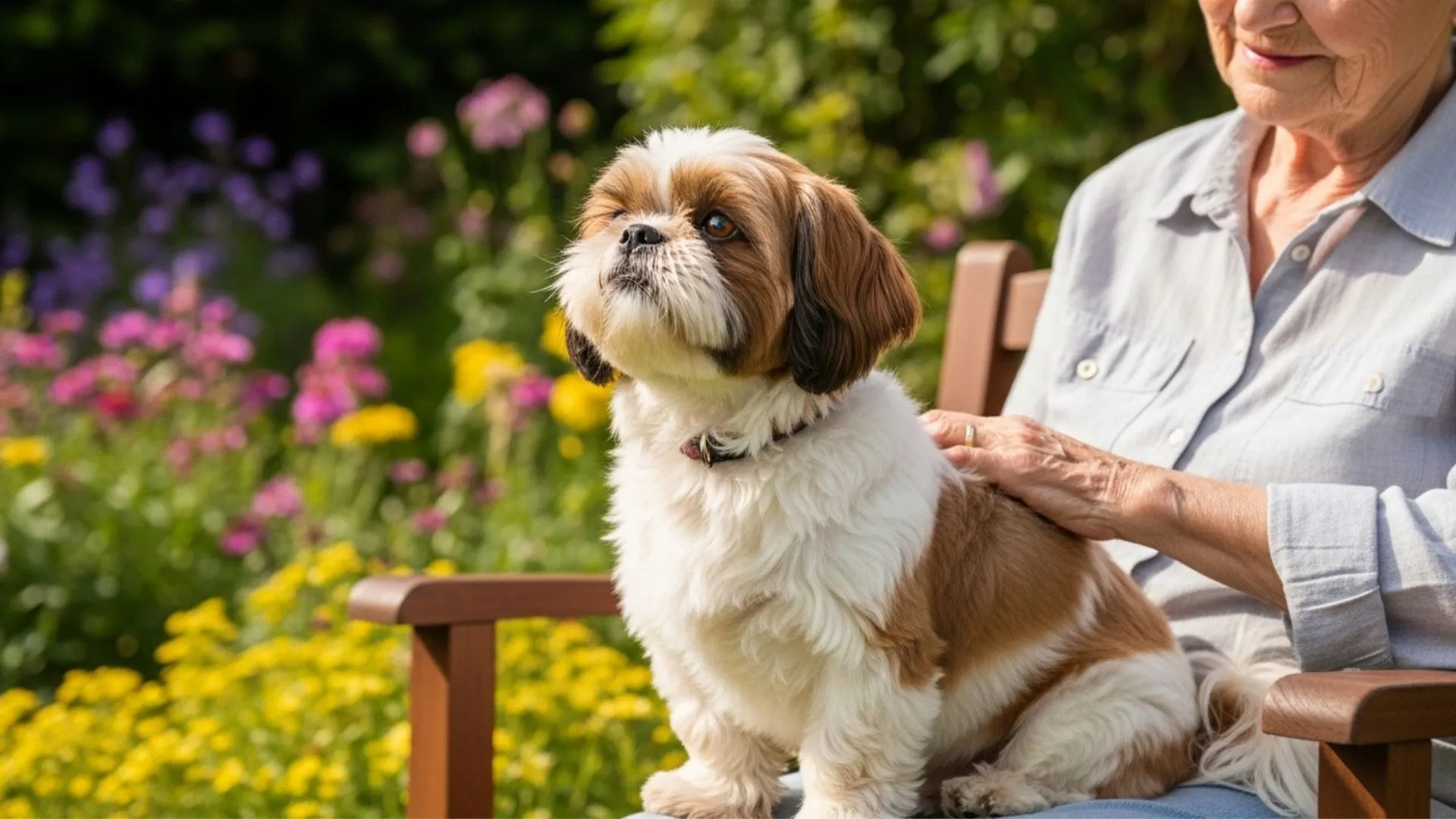
Life tends to slow down in a good way as you grow older, but not every dog fits into that pace. A pet that needs constant activity, long outdoor time, or high energy can quietly turn daily life into something exhausting instead of comforting.
Many seniors look for companionship, not extra pressure. They want a dog that can sit beside them, adjust to calm routines, and bring presence without creating demands that feel difficult to meet. The difference becomes clear after a few weeks of living together.
Some dogs settle into your rhythm, while others expect you to match theirs. That gap can shape the entire experience of ownership. Selecting the right dog breed that naturally fits a relaxed lifestyle is less about compromise and more about comfort.
The sections ahead explore dogs that match this pace, making companionship feel steady, gentle, and genuinely enjoyable.
Key Takeaways
A relaxed senior lifestyle often depends on choosing a companion that brings comfort without turning daily life into constant activity.
French Bulldogs and Maltese settle easily into quiet homes, staying close to their people and turning simple indoor moments into steady companionship.
Bichon Frise and Havanese bring soft social energy that feels present but never overwhelming, blending interaction with comfort in shared spaces.
By the end, you will notice how each of these breeds shapes companionship in a way that feels steady, gentle, and surprisingly personal.
Wonderful Dog Breeds for a Relaxed Senior Lifestyle
1. Bichon Frise
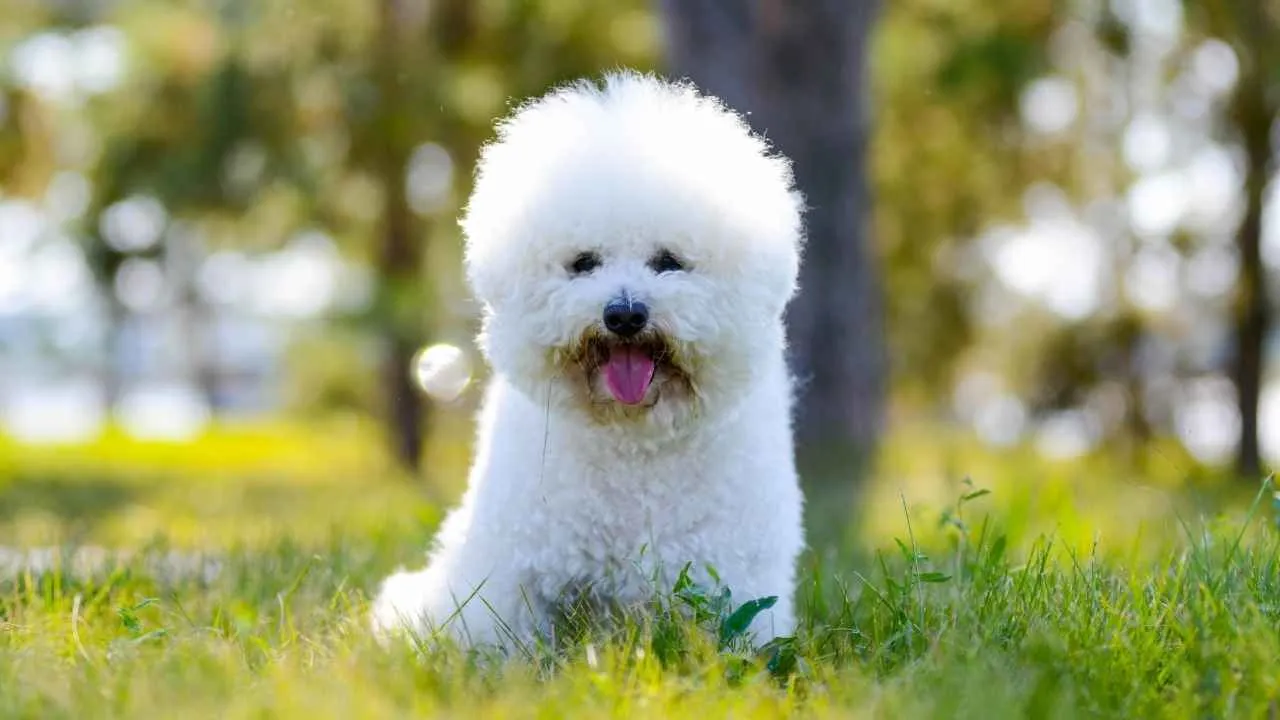
Bichon Frise grew from Mediterranean lines shaped by crossing small white dogs with water-type breeds, later forming a group known for companionship and charm. Over time, it became closely tied to entertainers who valued its quick learning and engaging presence.
Easy Connection in Daily Living
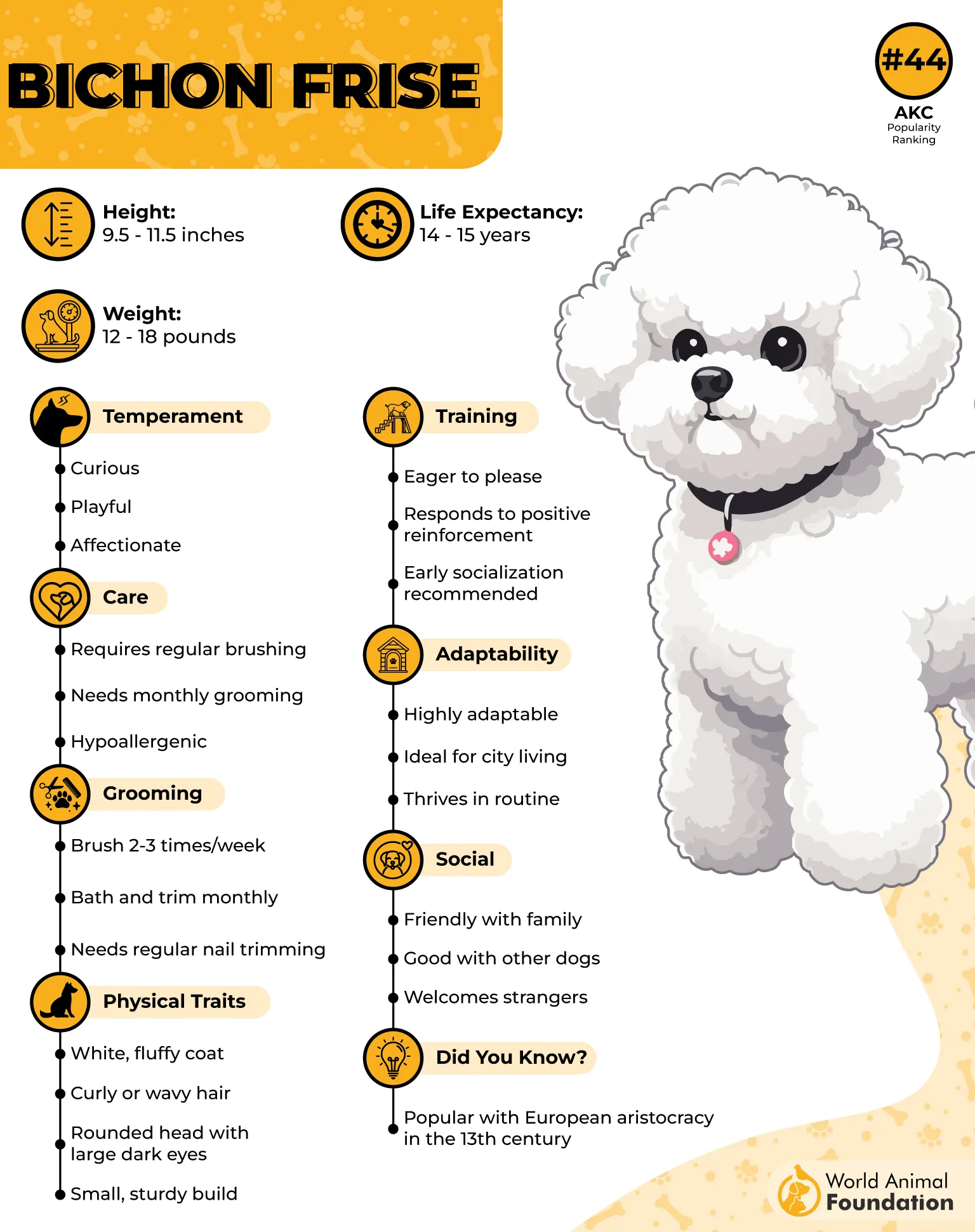
They fit into a relaxed senior lifestyle through their strong preference for human company and steady engagement indoors. Its behavior stays centered around interaction, which keeps the home atmosphere lively without physical strain.

A simple look at this connection shows:
Enjoys the constant presence of people nearby
Learns quickly through repeated interaction
Responds to mood changes in the home environment
Social Rhythm Indoors
These affectionate dogs move through daily routines with a need for attention and shared space, often staying close to family members throughout the day. As per the AKC, it tends to express itself through alert reactions to sounds, which adds a sense of activity indoors.
2. French Bulldog
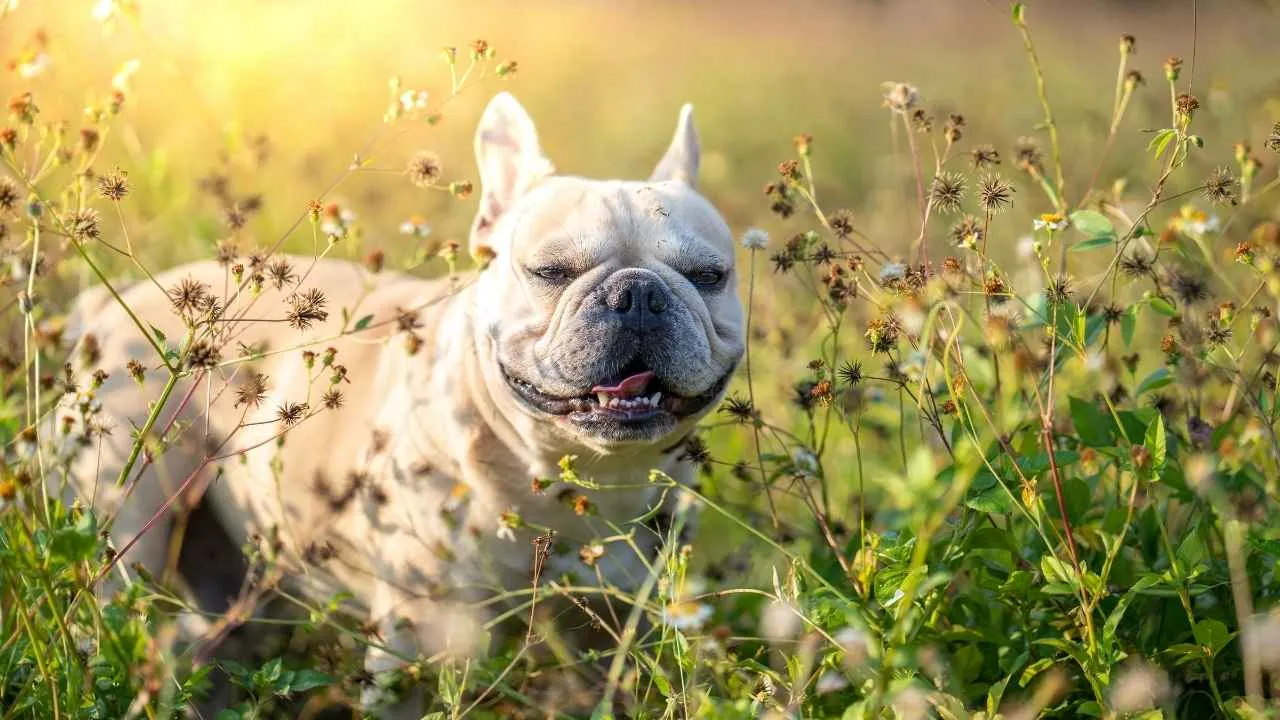
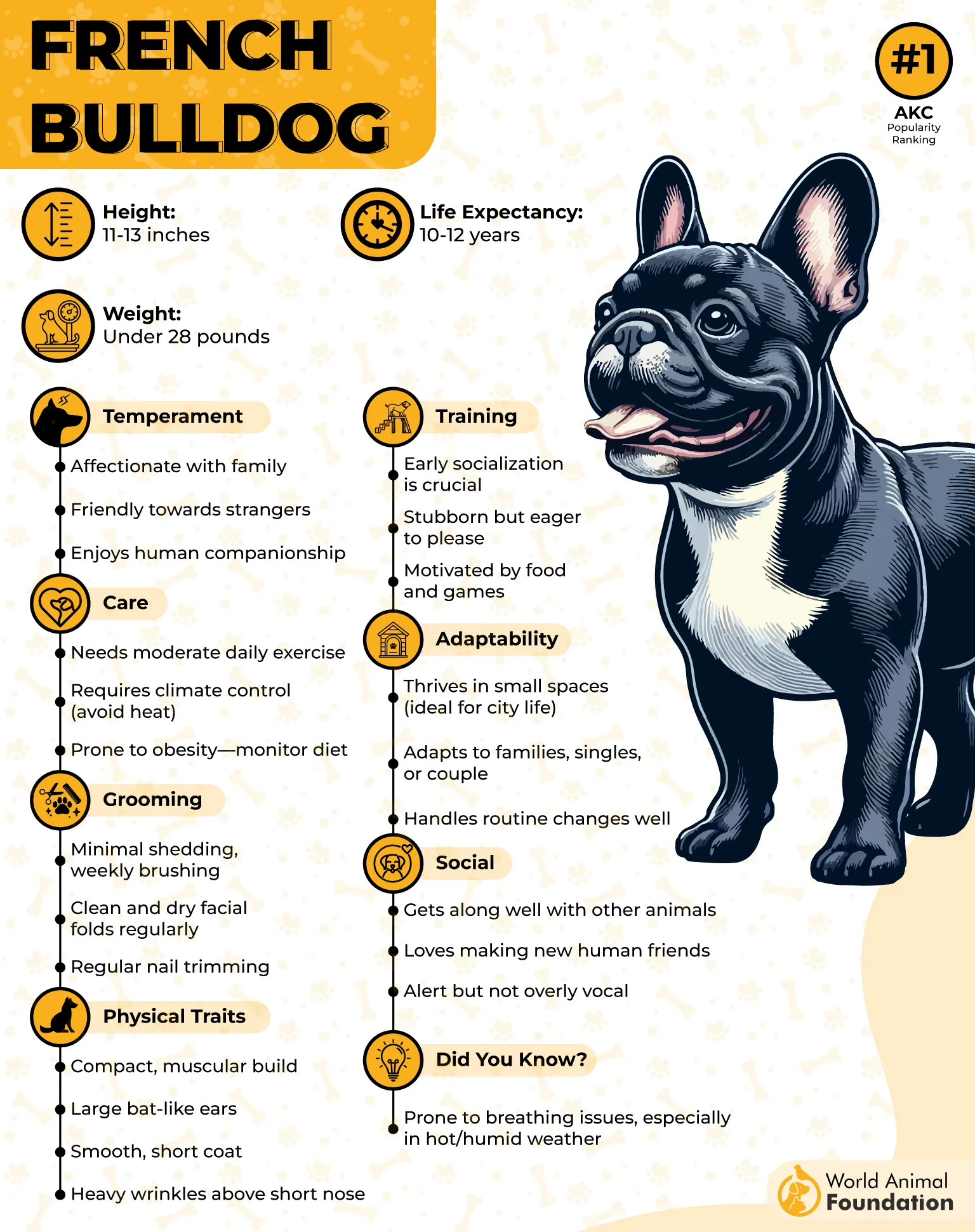
French Bulldog has roots linked to English lace workers who moved to France in the 1800s, bringing small Bulldogs that later became a distinct companion breed. Its compact form and expressive bat-like ears quickly shaped its identity around close human interaction.
Comfort Built Around Companionship
Frenchies are curious and playful, and naturally build their day around human presence, often responding well to shared routines inside the home, as stated in Petplan. This makes everyday interaction simple and steady, especially around older adults.
A closer look at its companionship style shows:
Prefers staying within close physical distance
Engages through gentle attention rather than demand
Adapts easily to quiet indoor routines
Gentle Rhythm in Daily Living
French Bulldog moves through the day with a relaxed indoor pace, showing interest in short daily walks and short bursts of play. Its behavior stays consistent in calm surroundings, making it easy to fit into unhurried lifestyles. It tends to remain nearby rather than seeking separate spaces.
3. Havanese
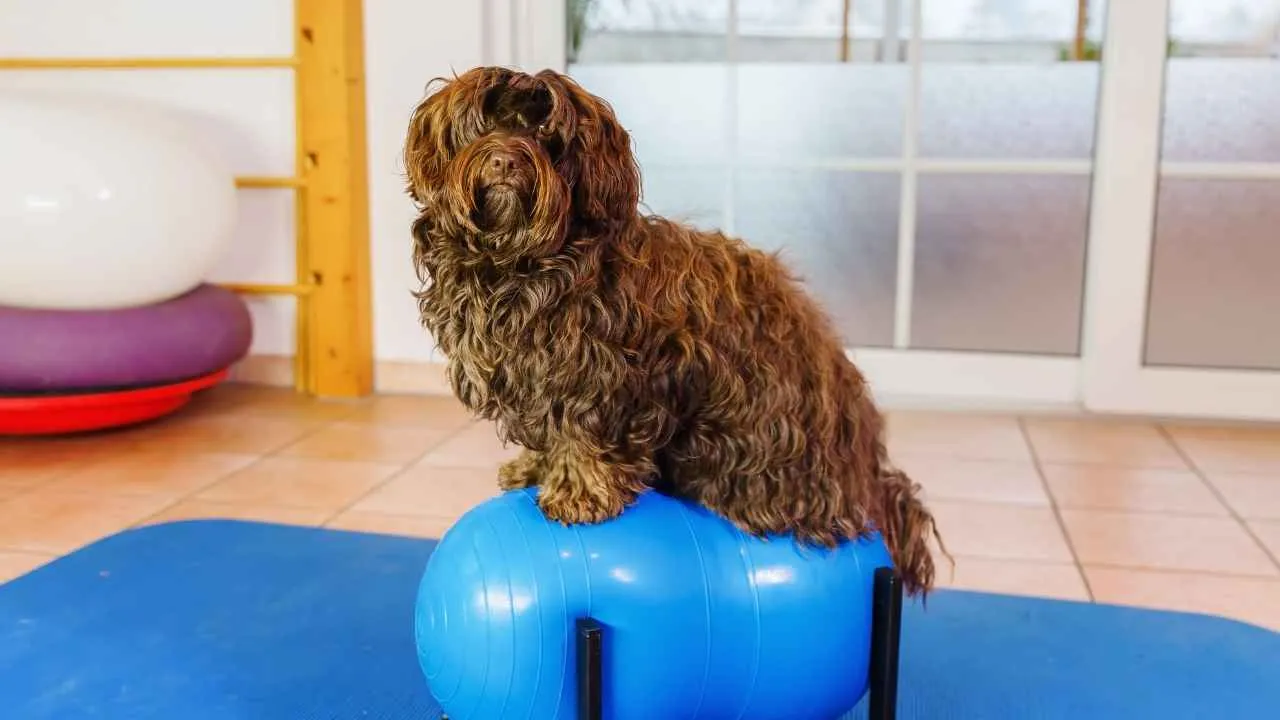
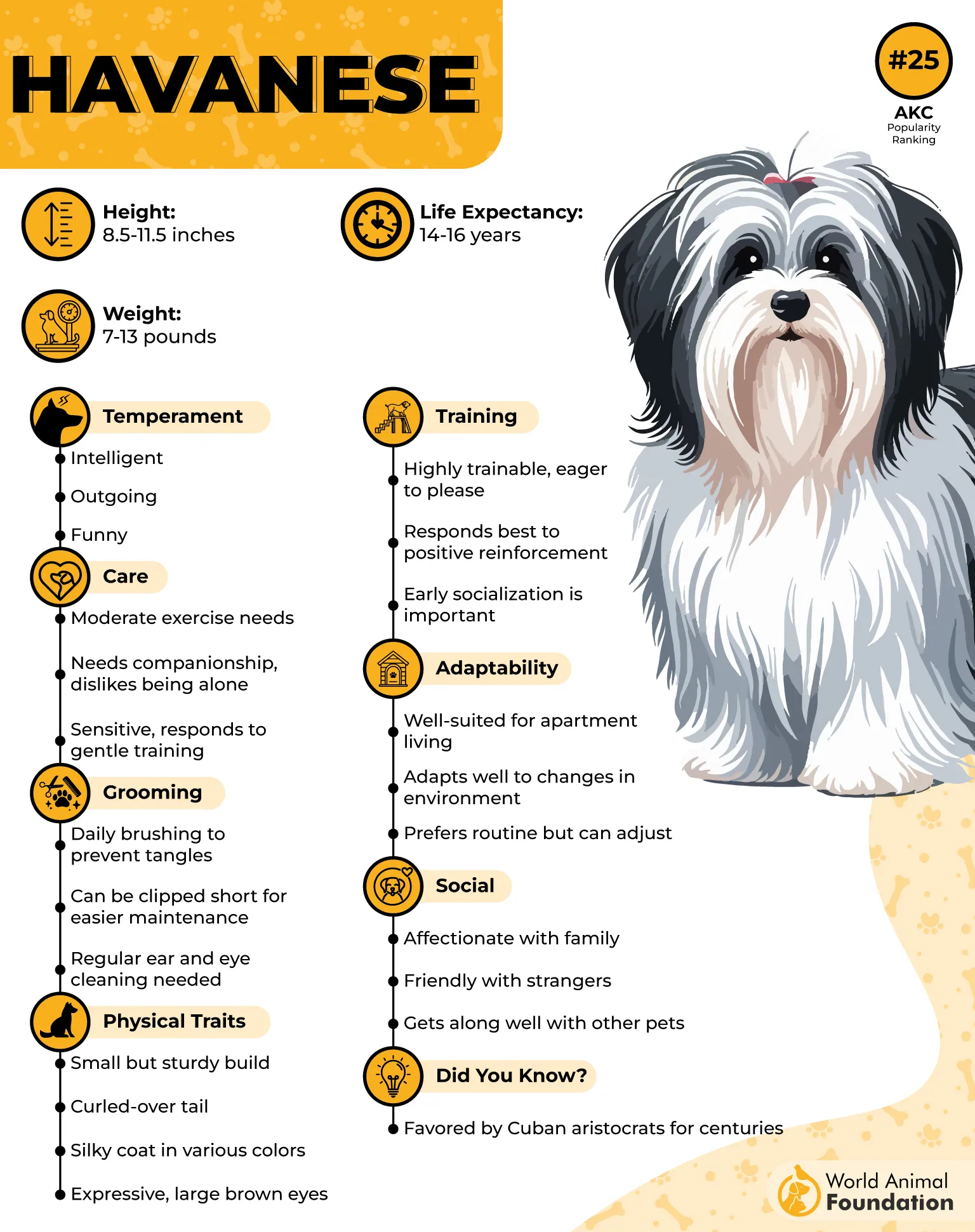
Havanese comes from the Bichon family, with roots traced back to the Mediterranean before Spanish traders carried it to Cuba during trade exchanges. Over time, it became closely tied to wealthy households where constant human presence shaped its behavior.
Attention-Driven Social Behavior
They process their environment through constant interaction, often focusing on human activity and seeking involvement in whatever is happening nearby. This steady rhythm strengthens connections within shared living spaces.
These points explain their interaction style:
Stays closely oriented toward human movement indoors
Reacts strongly when ignored for long periods
Builds comfort through continuous social engagement
Learning Ability Shaped by Interaction
This furry friend responds quickly to structured guidance, picking up new behaviors through repetition and engagement rather than isolation-based training, as Omlet noted. Its intelligence is shown through responsiveness, especially when training includes consistency and interaction.
4. Maltese
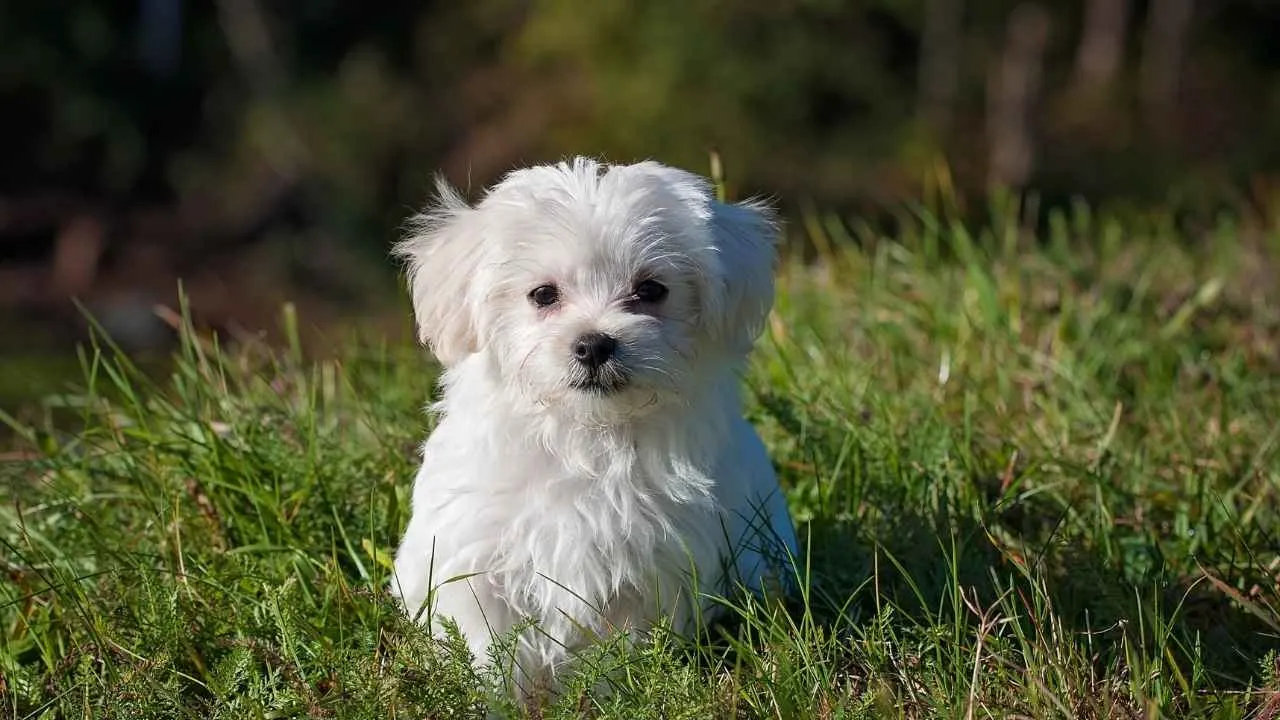
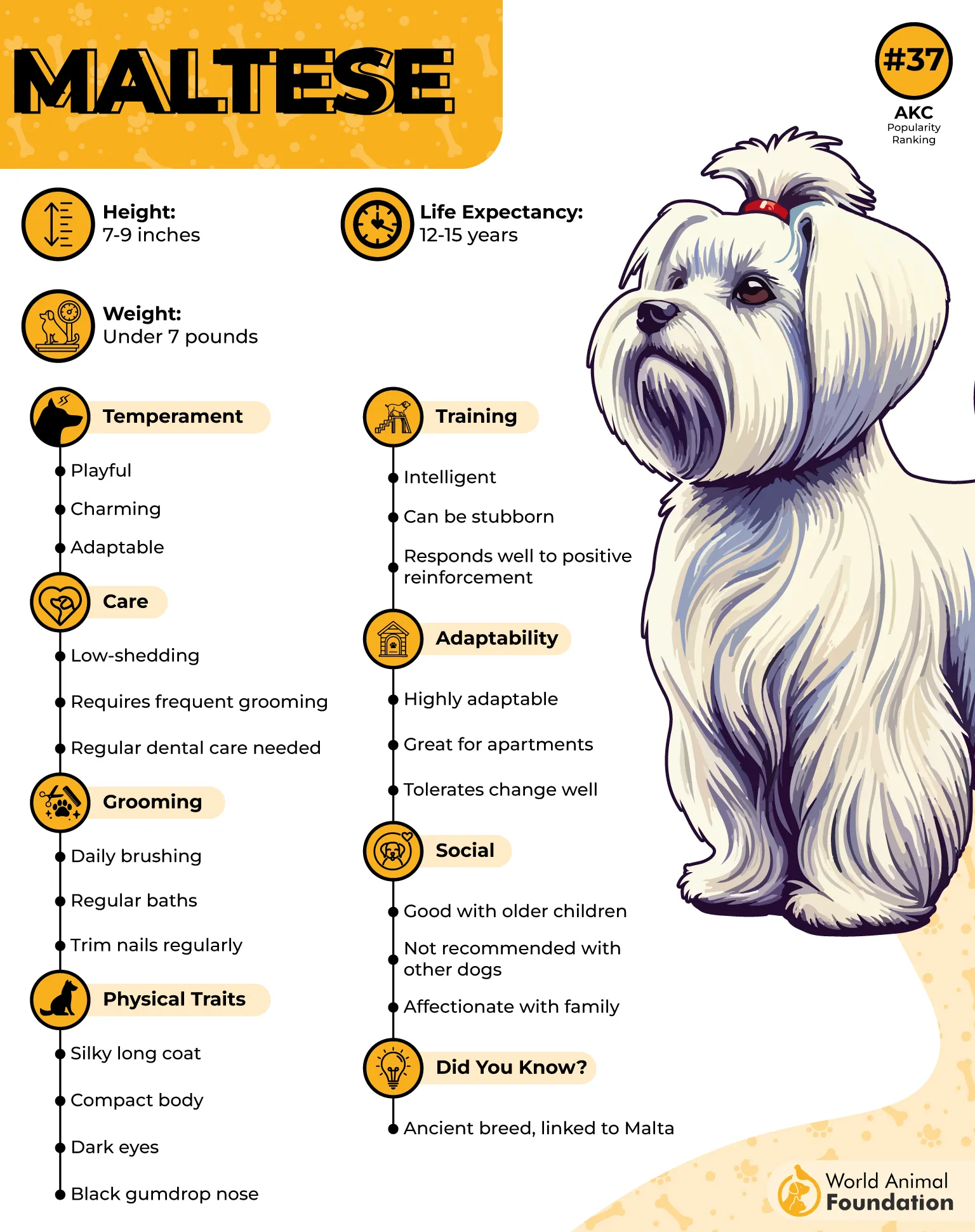
Maltese often draws attention through its calm presence indoors, shaped by a long history that links Central Europe and Asia through early trade routes.
Records reaching back to 300 BC suggest a breed that stayed close to human life across generations. That closeness is still visible in how it responds to everyday surroundings.
People-Focused Daily Rhythm
This small dog refers to close contact and shared space rather than distance. Its reactions are built around presence, making interaction feel continuous throughout the day.
These points reflect their behavior in daily living patterns:
Seeks constant proximity to familiar faces in the home
Reacts quickly to new sounds or door movement
Prefers lap-level resting spots during quiet hours
Learning Response and Emotional Dependence
They pick up cues quickly during training, especially when interaction is consistent and clear. Early social exposure shapes how it handles separation, as long gaps alone can lead to unsettled behavior patterns.
Its emotional alignment stays closely tied to companionship, often showing affection through constant presence and small interactive habits.
5. Pug

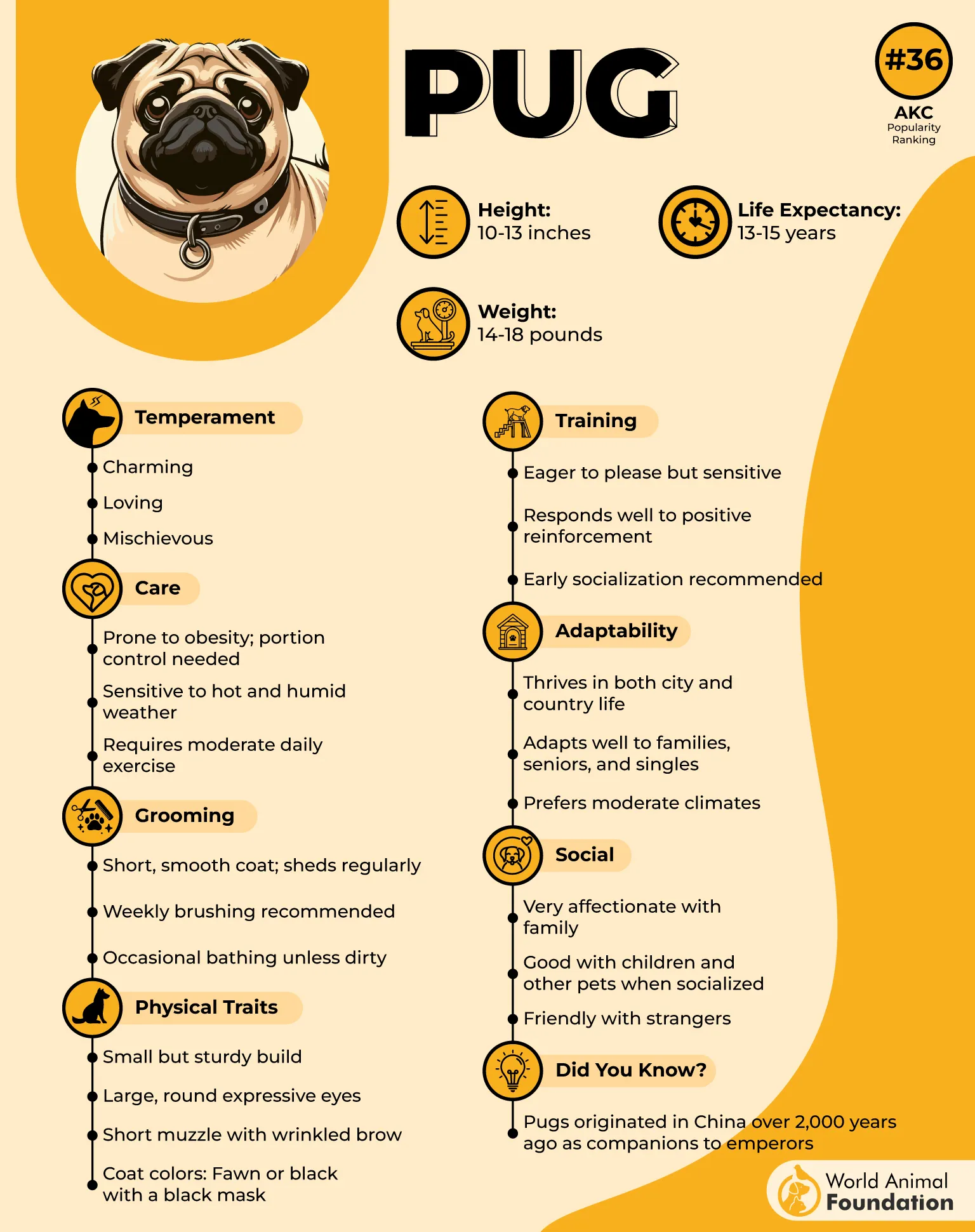
Pugs trace back to early mastiff ancestry, with roots believed to be in the Orient centuries ago, later seen in Tibetan monasteries, and it later moved from China to Europe through East India Company routes in the 1700s, shaping its place as a companion breed.
Playful nature in daily rhythm
This best dog breed is known for a bright, comedic personality that often turns ordinary moments into attention-seeking antics around the home. In contrast, its friendly response to people, other dogs, and unfamiliar faces keeps interactions easy in calm living spaces.
Daily behavior shows a few clear patterns:
Draws attention through playful clown-like actions
Stays relaxed around strangers and other pets
Learns slowly but responds with patient guidance
Living close to people
They often stay physically close to their surroundings, moving from room to room and settling wherever they find comfort, with lap spaces, sofas, and beds becoming familiar resting points that reflect their strong preference for human proximity.
6. Shih Tzu
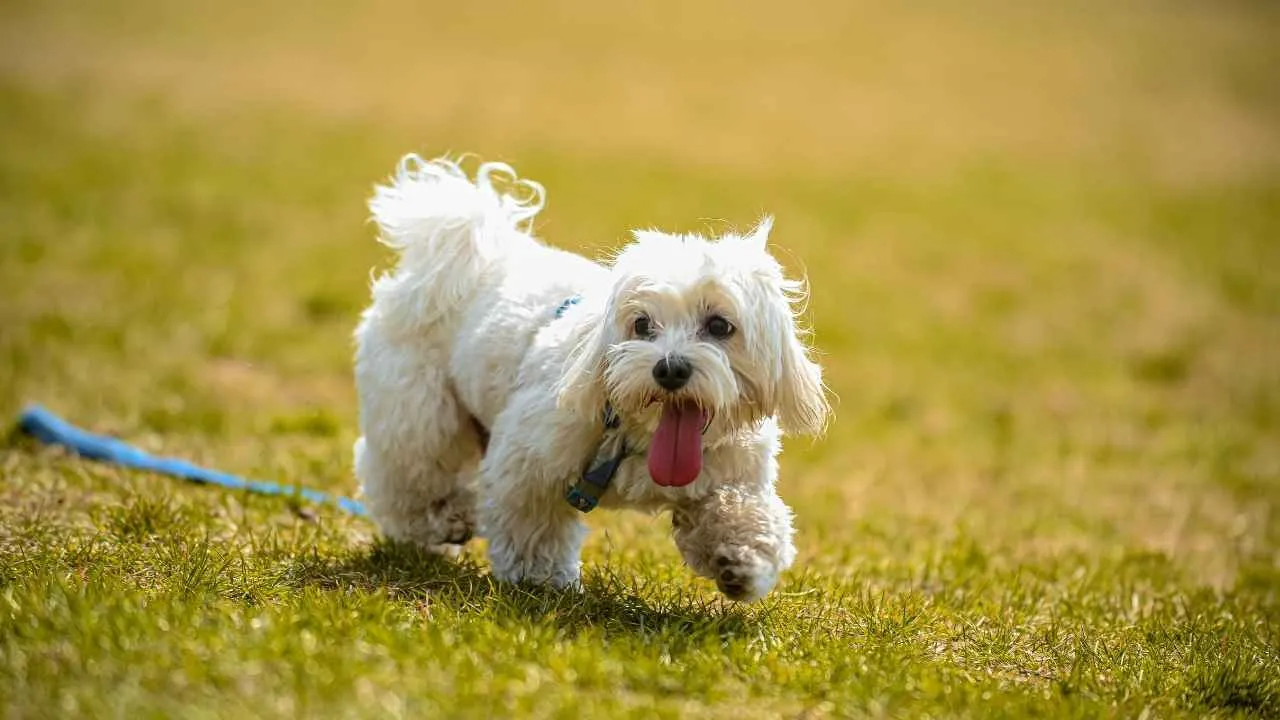
Shih Tzu traces back to imperial China, where it was kept close within palace life and valued as a companion linked with Buddhist tradition. Its early identity was formed through selective breeding that emphasized presence over utility, later connected with Tibetan-type influences.
Behavior shaped by attention patterns
This smaller breed responds more to interaction than instruction, often adjusting its mood based on how much engagement it receives in the home. Its behavior feels less structured and more people-reactive, especially in shared living spaces.
That pattern reflects itself in simple but consistent actions:
Moves toward voices and nearby activity
Prefers soft resting areas over open spaces
Learns routines slowly with gradual repetition
Movement through comfort-based choices
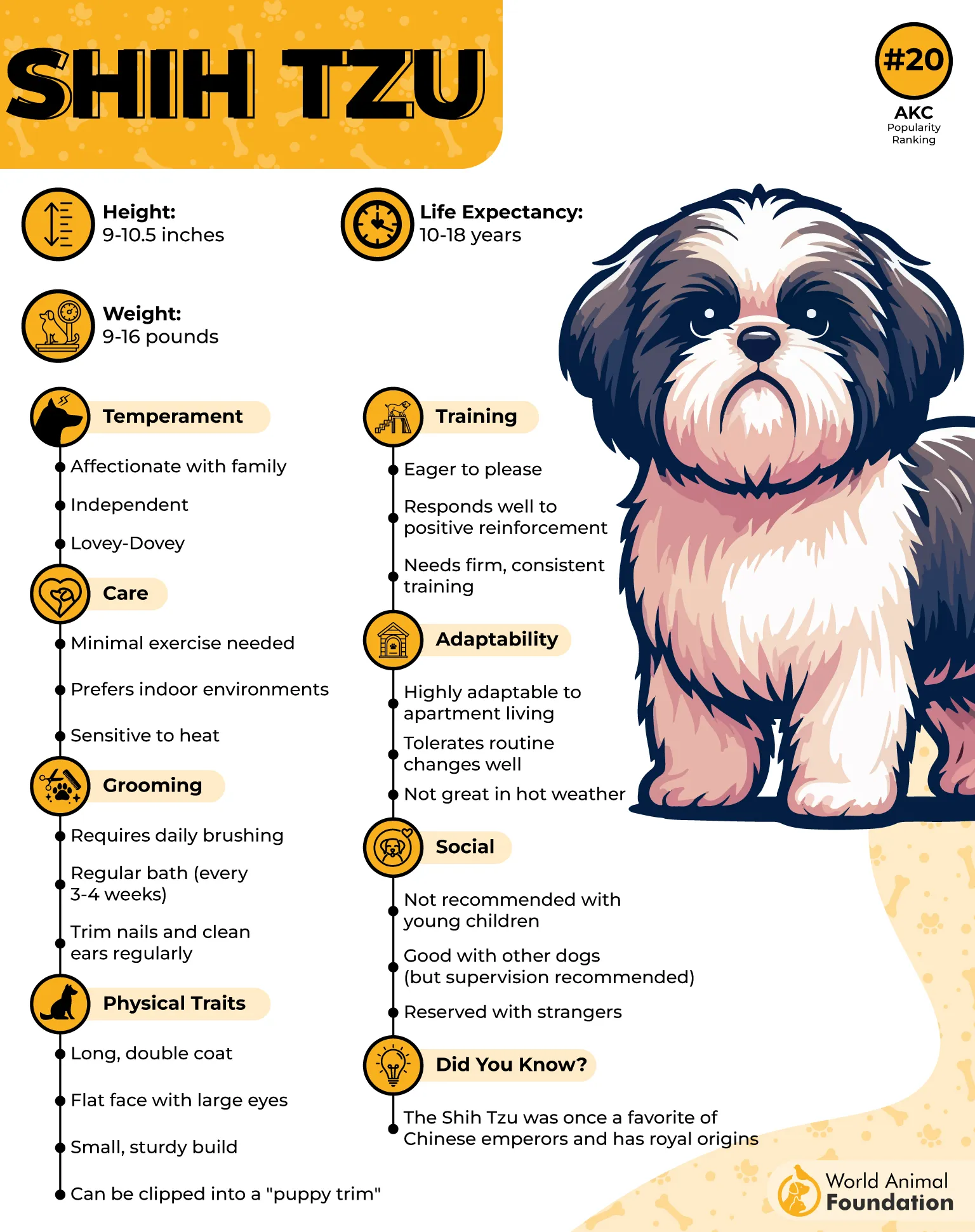
They shift between short indoor movement and long resting phases, often choosing familiar spots without exploring much beyond them.
Its pace stays light, making it suitable as a pet-friendly senior living household where constant activity is not expected. Training progress depends more on patience than repetition or strict timing.
7. Basset Hound
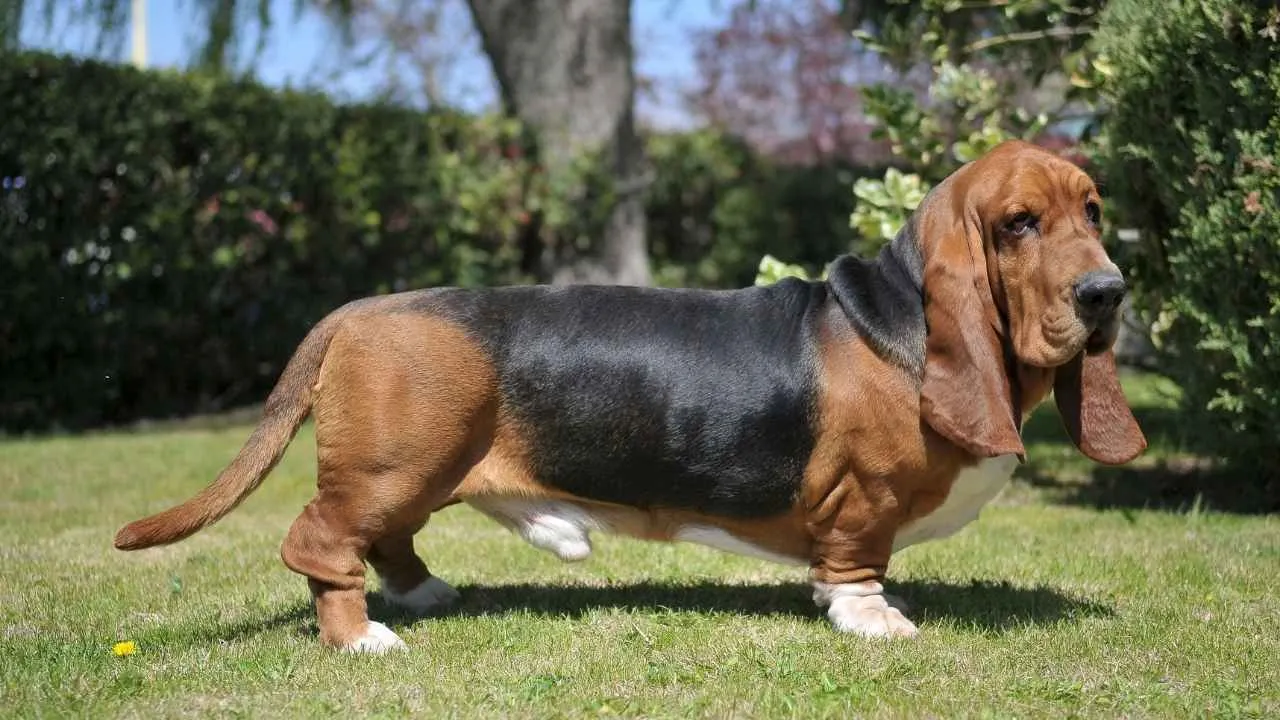
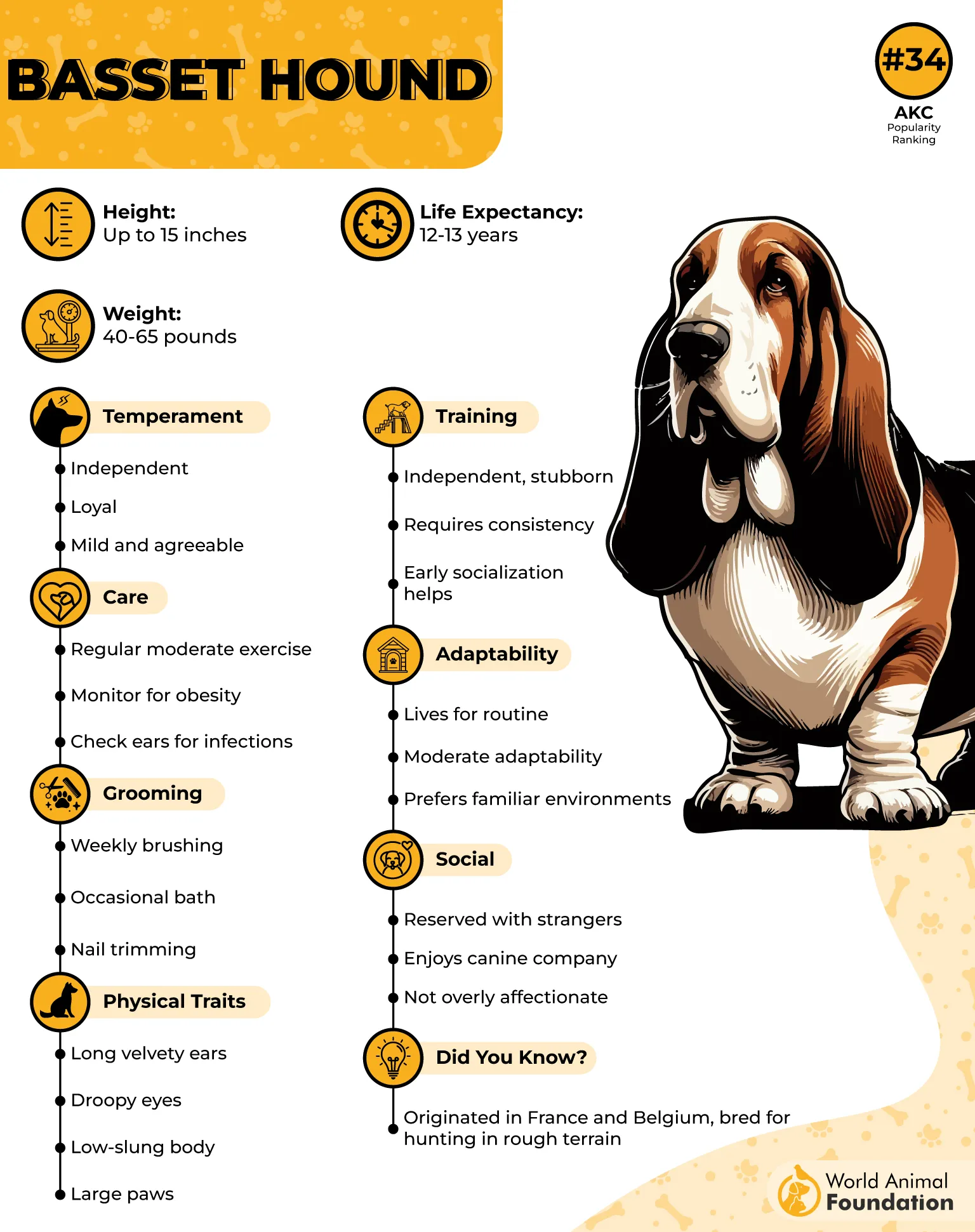
Basset Hound stands out through a low-set frame and deliberate movement, originally shaped as a scent hound with remarkable tracking ability across long distances. Its build carries heavy bone and strong paws, giving it steady endurance despite a slow pace.
Strong Scent Focus
This four-legged friend shows a relaxed indoor playtime while remaining highly focused when following scent-driven interest, which can shift its attention quickly. Its expressive face, long ears, and steady vocal tone often reflect mood rather than urgency.
These qualities appear in its daily actions:
Moves with slow but purposeful steps
Follows scent cues with strong focus
Shows calm behavior in familiar indoor spaces
Steady companionship
This great companion tends to stay close to ground-level activity in the house, observing surroundings with a quiet, steady presence rather than constant movement.
Its loyalty appears in consistent proximity rather than active engagement or demand for attention. Training progress can feel gradual due to its independent response style.
Conclusion
A relaxed lifestyle becomes easier to maintain when the dog beside you understands a slower, steadier pace.
The above-mentioned dog breeds for seniors show how temperament and daily behavior shape that experience over time. Some stay close and attentive without needing constant activity, while others bring light interaction that never feels overwhelming.
What matters most is how naturally the dog fits into everyday routines without adding pressure. When that balance is right, dog ownership feels simple and reassuring. Over time, this connection grows into something dependable, where each day carries a quiet sense of comfort and familiar presence.
