




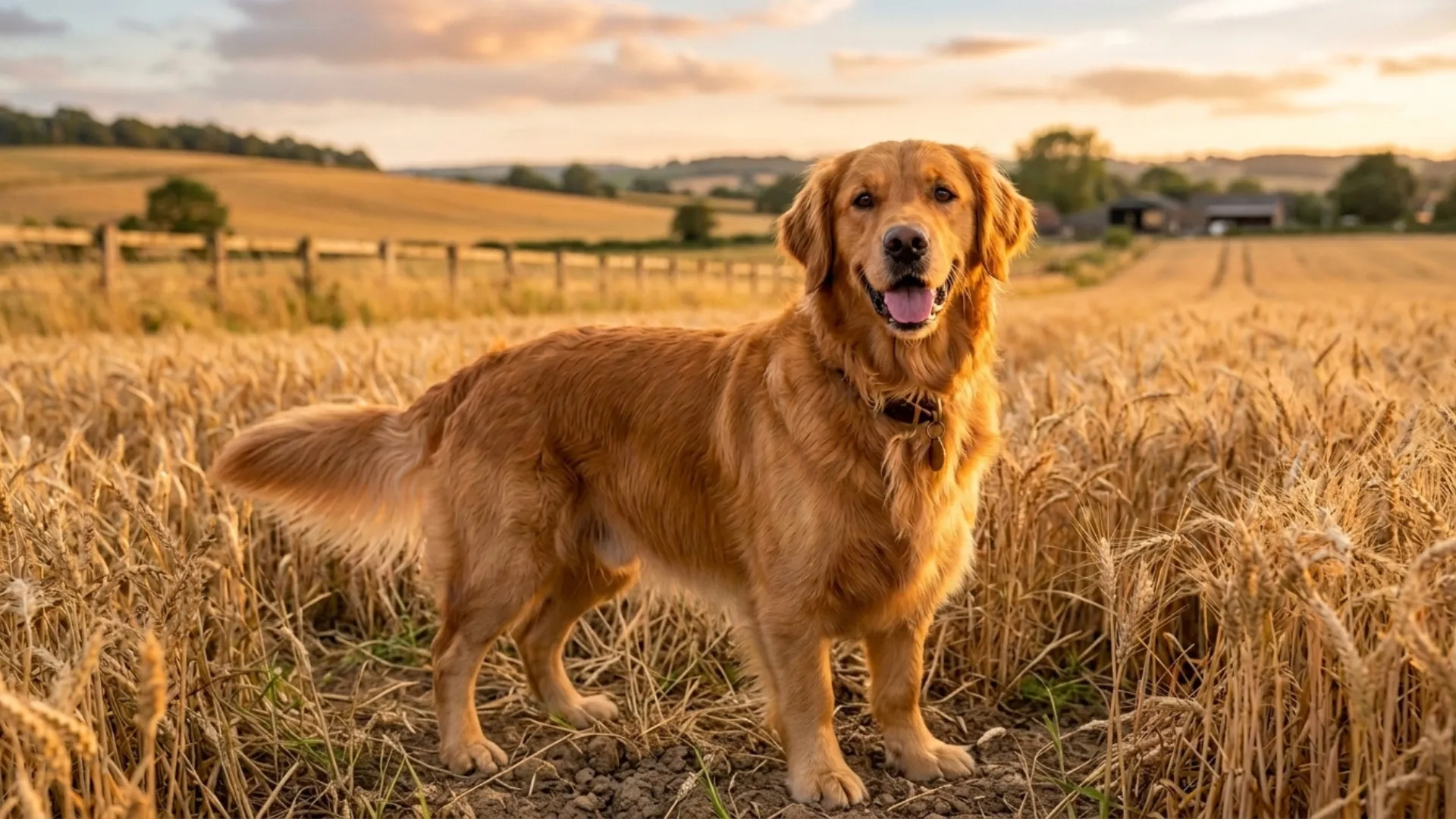
There is just something about a dog with a golden coat that instantly brightens the day. Maybe it is the warm honey glow, the soft cream shades, or those rich golden tones that seem to catch the sunlight perfectly. Whatever the reason, these dogs have a way of turning heads before they even wag their tails.
Of course, a beautiful coat is only part of the story. Temperament, grooming needs, activity level, and how well a breed fits your lifestyle all matter just as much. So, if you’re ready to meet some truly gorgeous golden-coated companions, let’s dive into the breeds that wear these sunny shades so well.
Did you know?
Many people think dogs see the world only in black and white, but they can actually see blue and yellow. Their vision also works especially well in dim light, so while they may not admire a golden coat quite the way we do, they can still recognize its beautiful yellow tones.
Wonderful Dog Breeds Featuring Golden Coat Shades
1. Golden Retriever
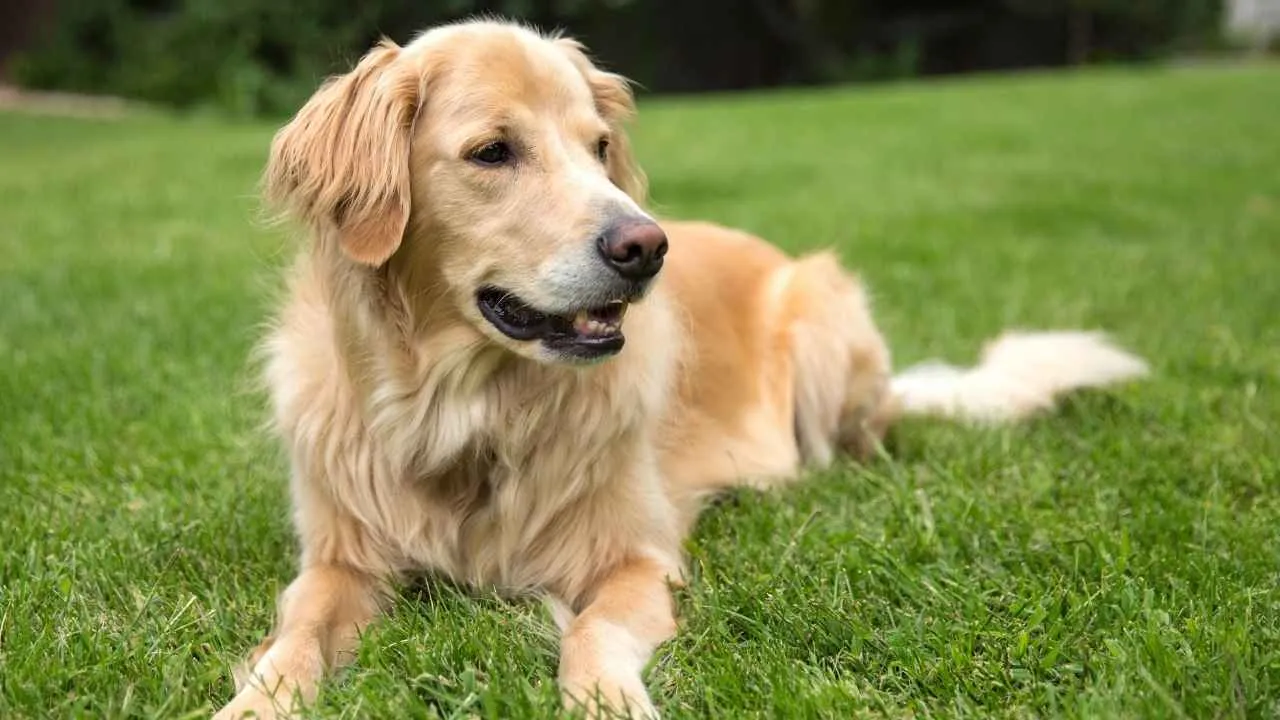
A Golden Retriever wears its famous coat like sunshine decided to become a dog. The breed’s name comes from its lustrous golden coat, which appears in various shades ranging from pale cream to more intense colors, such as deep reddish gold, all while keeping that unmistakable Golden Retriever charm.
Originally developed in Scotland as a gundog, this golden breed was bred to retrieve waterfowl and work closely with people. Its intelligence, dependable nature, and willingness to cooperate made it an outstanding working companion in the field.
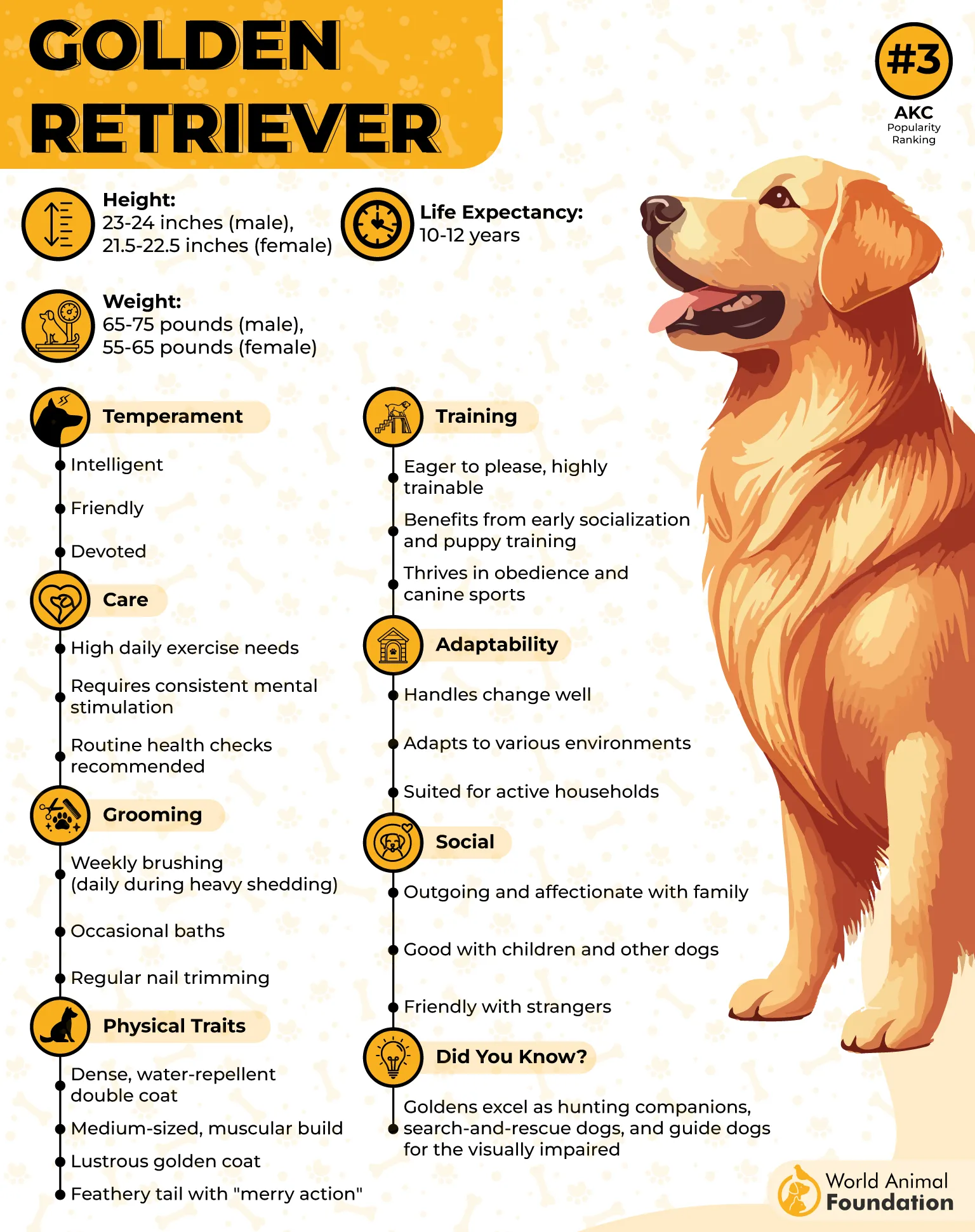
The coat may earn the first compliment, but the personality is most people’s favorite thing about them. Goldens are outgoing, trustworthy, playful, affectionate, and eager to please, which explains why many people remember their warm behavior long after admiring their fur.

Coat Care Tips for This Breed
Use a slicker brush, preferably once or twice weekly, to capture dead hair before it reaches the furniture.
Switch to daily brushing when the thick double coat enters a heavier shedding period.
2. English Cocker Spaniel
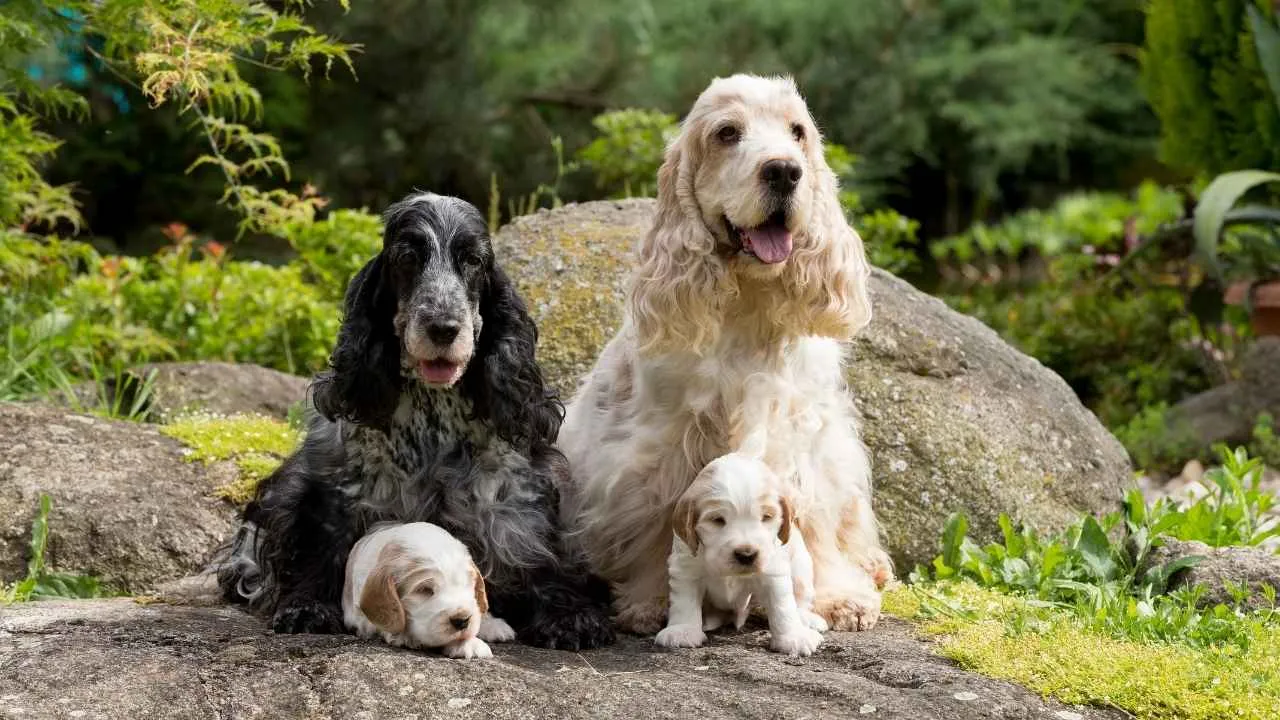
Golden English Cocker Spaniels look as though someone polished a sunset and added floppy ears. Their silky, medium-length coats bring plenty of elegance, while their cheerful expression keeps the whole appearance friendly rather than overly fancy or precious.
These dark golden dogs are cheerful, affectionate, playful, and happiest when included in household activities. They can live comfortably with children, other dogs, and familiar cats, making them charming companions who would rather join the fun than observe it from another room.
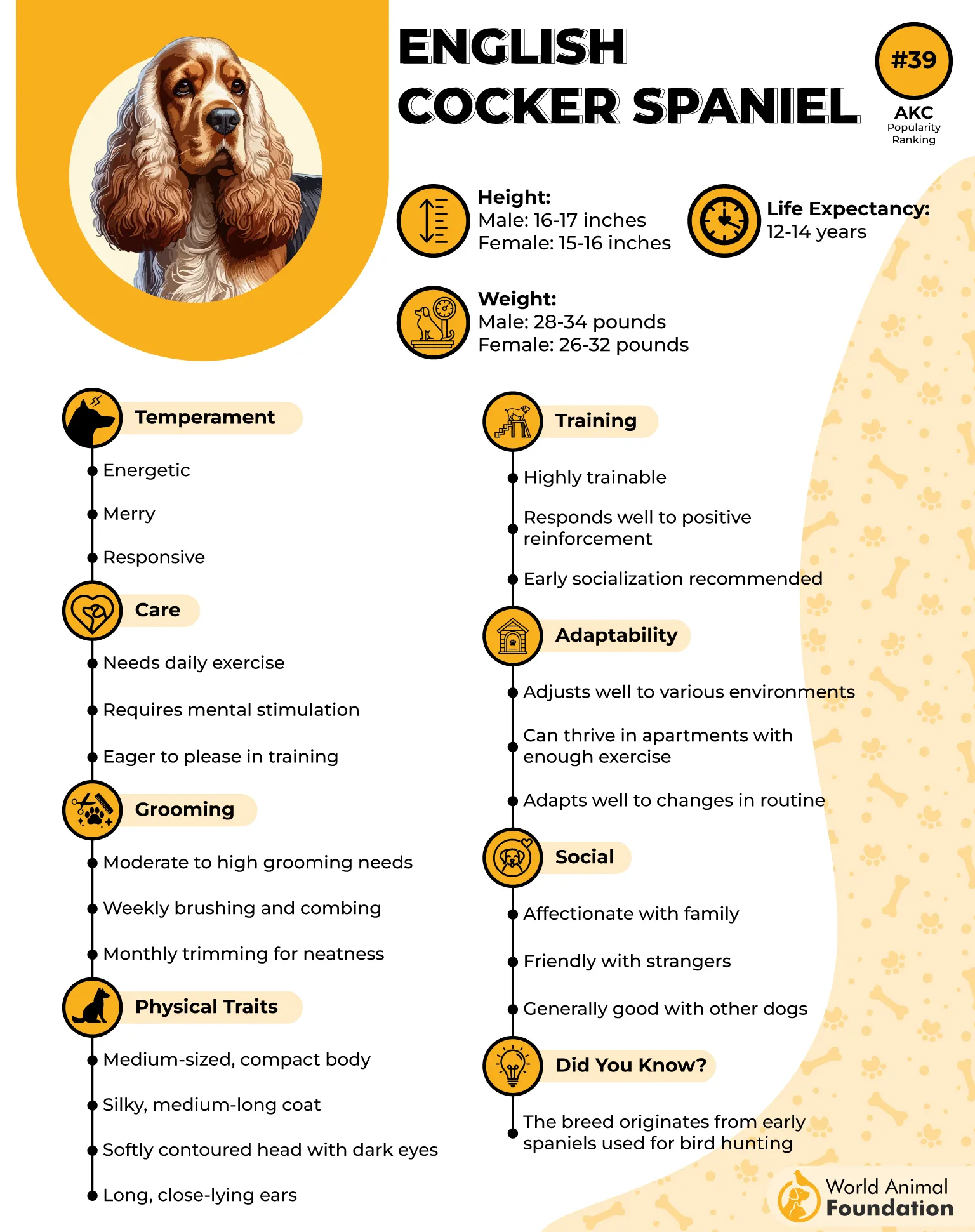
As noted by PetMD, the English Cocker Spaniel’s long coat can mat when neglected, and those tangles may invite skin infections. Frequent brushing helps, while thorough rinsing and complete low-heat drying prevent irritating residue and moisture from lingering.
Coat Care Tips for This Breed
Work through the profuse adult coat thoroughly with both a brush and a comb, preferably at least once a week.
Neaten the feet, face, neck, ear undersides, and tail area approximately every month.
3. Nova Scotia Duck Tolling Retriever
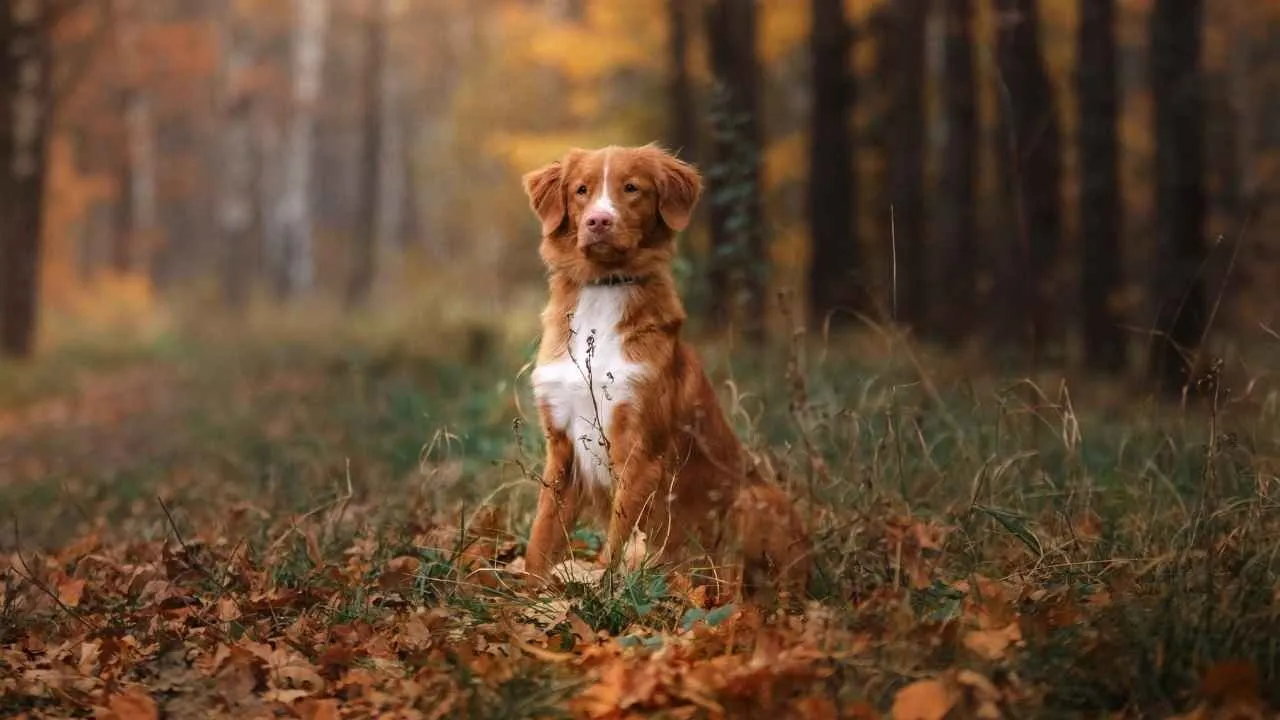
The Nova Scotia Duck Tolling Retriever arrives wearing coppery drama without acting remotely delicate. Its red-gold coat, white markings, alert expression, and athletic outline create a lively look that feels perfectly suited to a dog always ready for action.
Hunters in Nova Scotia developed this breed to lure ducks with playful shoreline movements, then retrieve fallen waterfowl. That unusual job explains the word “tolling,” and it also reveals why these energetic dogs combine quick thinking with serious retrieving enthusiasm.
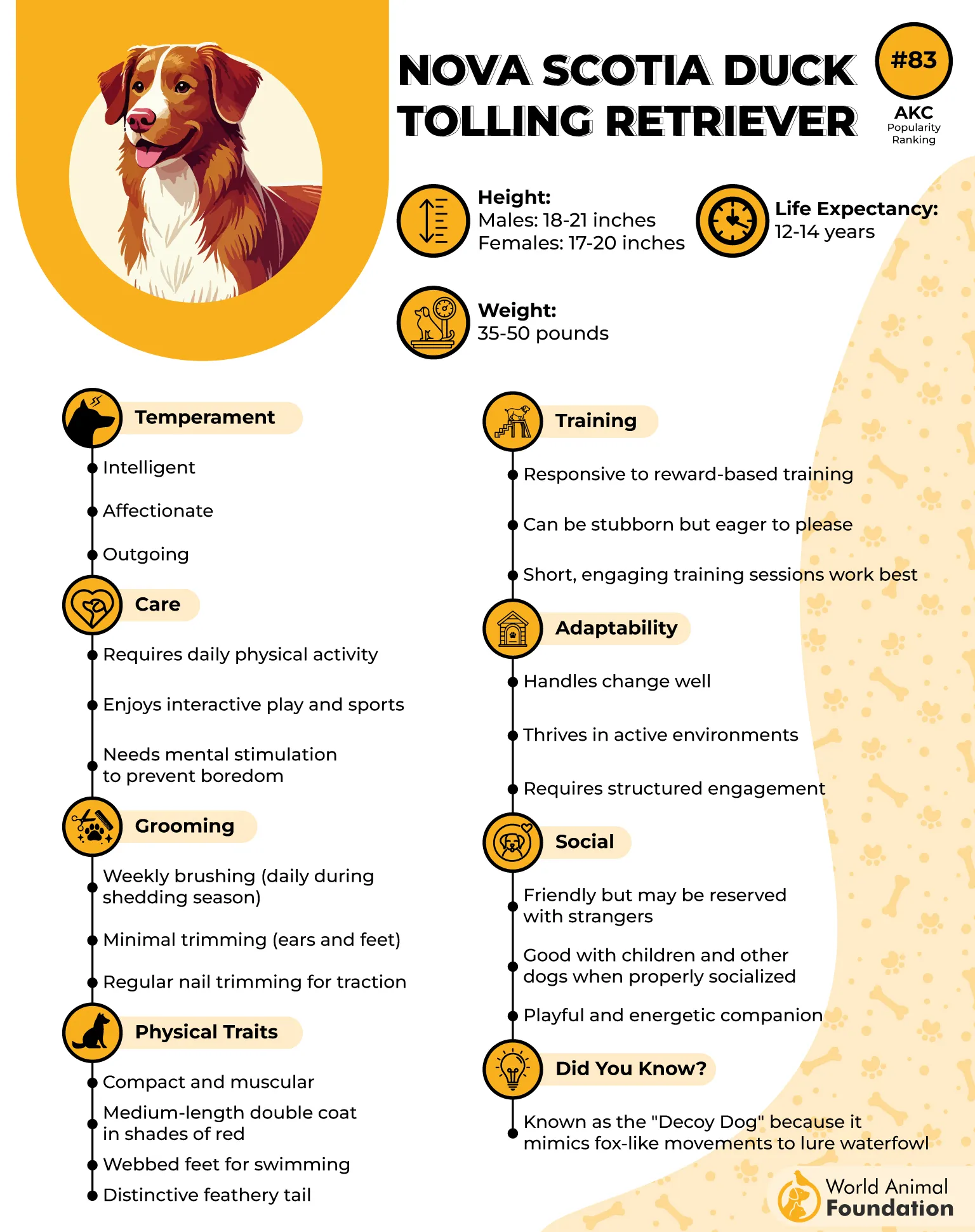
Toller coats can appear red, golden, or buff, often finished with white patches. The buff color inheritance in this dog is due to a recessive trait that lightens the usual red coloring, while the richer accepted shades can range from dark yellow to rich copper.
Coat Care Tips for This Breed
Concentrate weekly brushing around and beneath the ears, where finer hair can knot more easily.
Increase coat attention during seasonal shedding, when the loose undercoat requires much more frequent removal.
4. Goldendoodle
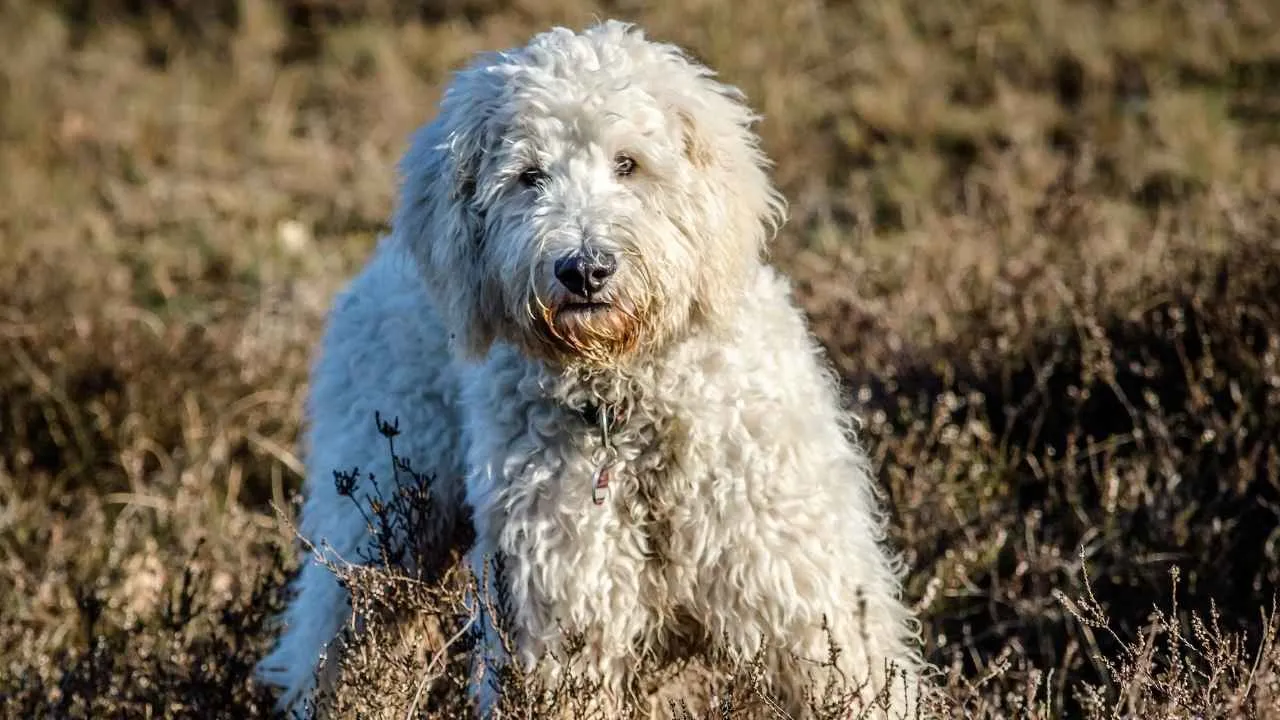
A Goldendoodle can resemble a cheerful teddy bear who accidentally booked a very glamorous salon appointment. Its coat may be curly, shaggy, cream, honey, or deep gold, giving this pup plenty of visual variety and undeniable cuddle appeal.
This dog was created by cross-breeding the Poodle and Golden Retriever. Those honey or dark yellow coat colors often reflect the Golden Retriever side, while the coat texture may resemble either parent. As a result, individual Goldendoodles can vary considerably in both coat color and curl.
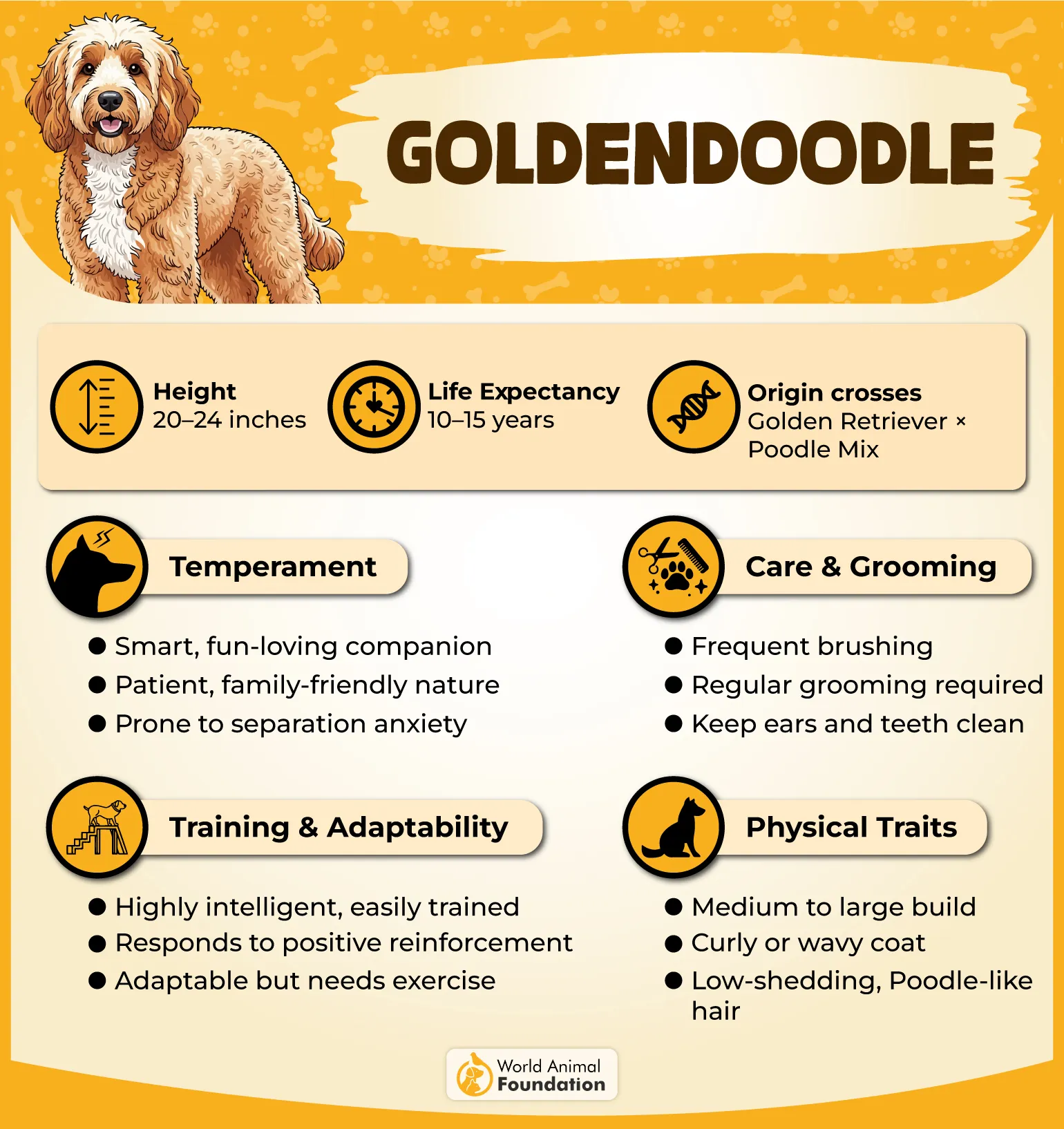
Goldendoodles are affectionate, playful, intelligent, and eager to join family adventures. They can make good pets as they do well with children and other animals, and their adaptable nature allows them to thrive in lively households or with a single devoted owner.
Coat Care Tips for This Breed
Remove trapped dead hair regularly so the coat doesn’t quietly turn into a mat collection.
Carefully shorten hair growing over the eyes or between the toes whenever those areas become overgrown.
5. Chow Chow
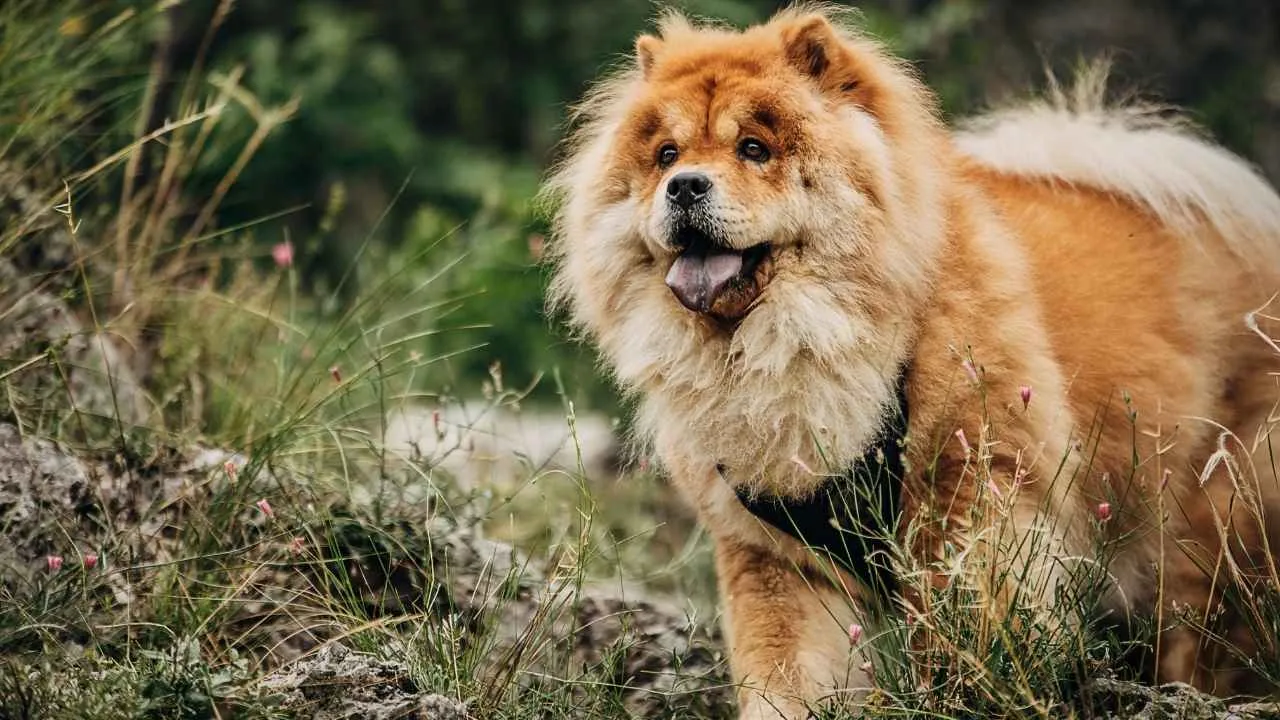
The Chow Chow has been serving regal, lion-like looks for centuries, and its cream or cinnamon coat fits this golden gathering beautifully. The AKC officially recognized the breed in 1903, giving this dignified original a well-earned place in canine history.
What makes this breed special goes beyond the impressive mane and blue-black tongue. Chow Chows are quiet, independent, deeply loyal, and naturally protective, forming strong bonds while showing affection in their own reserved, almost cat-like way.
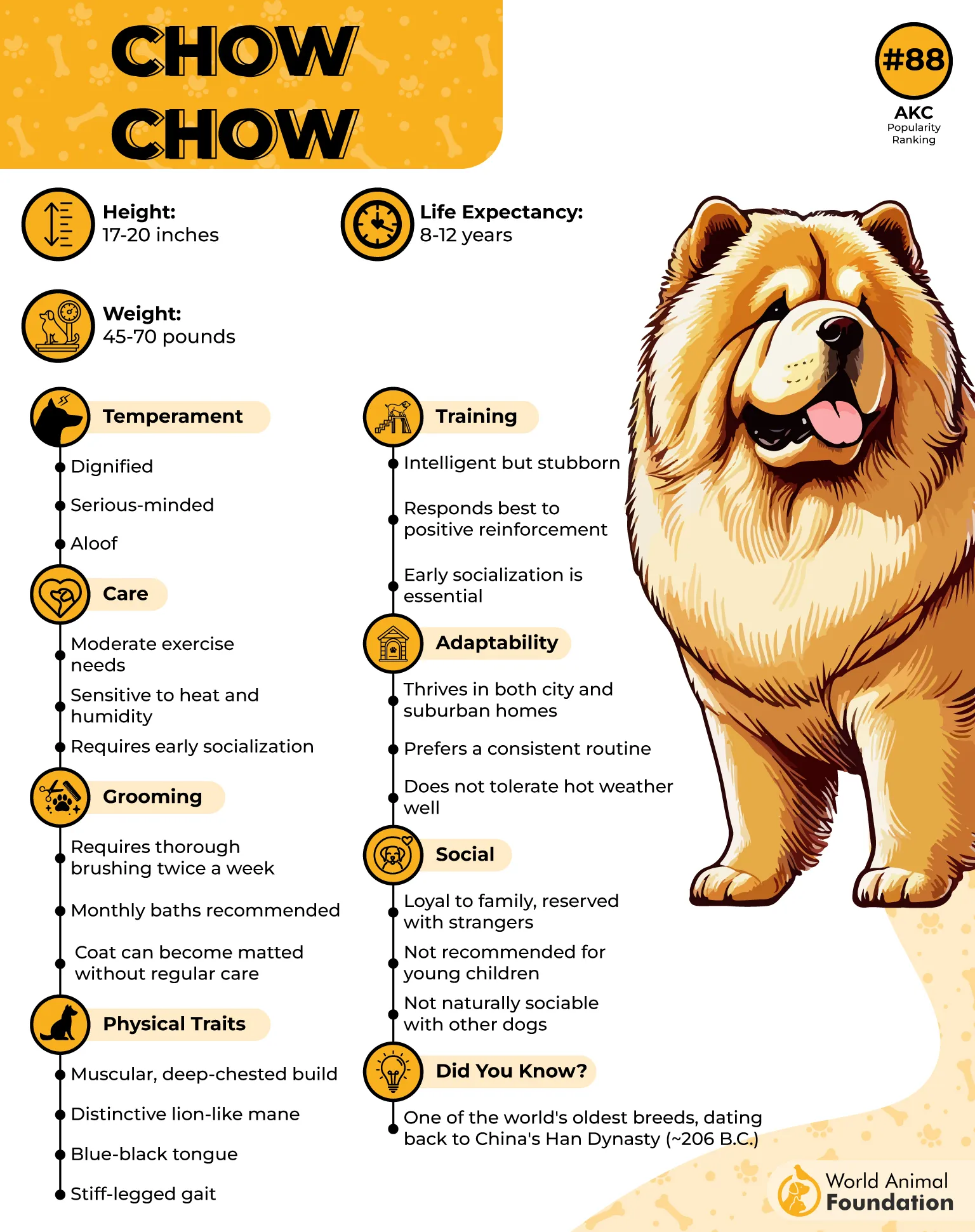
This dog can make a good pet for experienced owners who appreciate calm companionship and personal boundaries. A patient, confident household with older children, steady routines, early socialization, and time for consistent care can understand this strong-willed dog without demanding nonstop cuddles.
Coat Care Tips for This Breed
Brush down to the skin past the outer coat so hidden tangles cannot develop inside the soft, dense undercoat.
Keep the double coat intact rather than clipping it, using only light scissoring when shaping is needed.
6. Vizsla
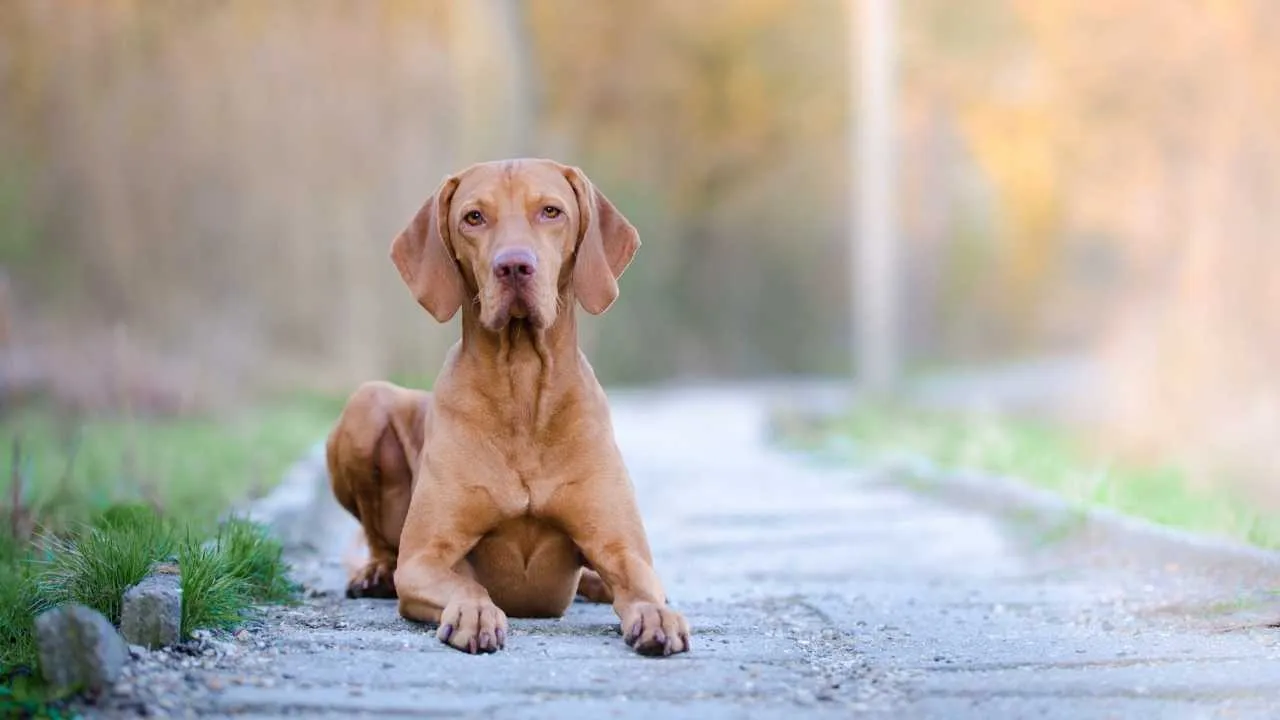
The Vizsla looks like polished copper learned how to sprint. Its sleek rusty yellow coat, matching features, graceful movement, and athletic outline create an elegant appearance, while its affectionate nature keeps all that visual drama feeling wonderfully warm and approachable.
The signature shades range from deep to lighter colors, creating the breed’s distinctive monochromatic beauty. The smooth coat sits close to the body, allowing its rust-yellow pigmentation, sculpted shape, and agile movement to take center stage.
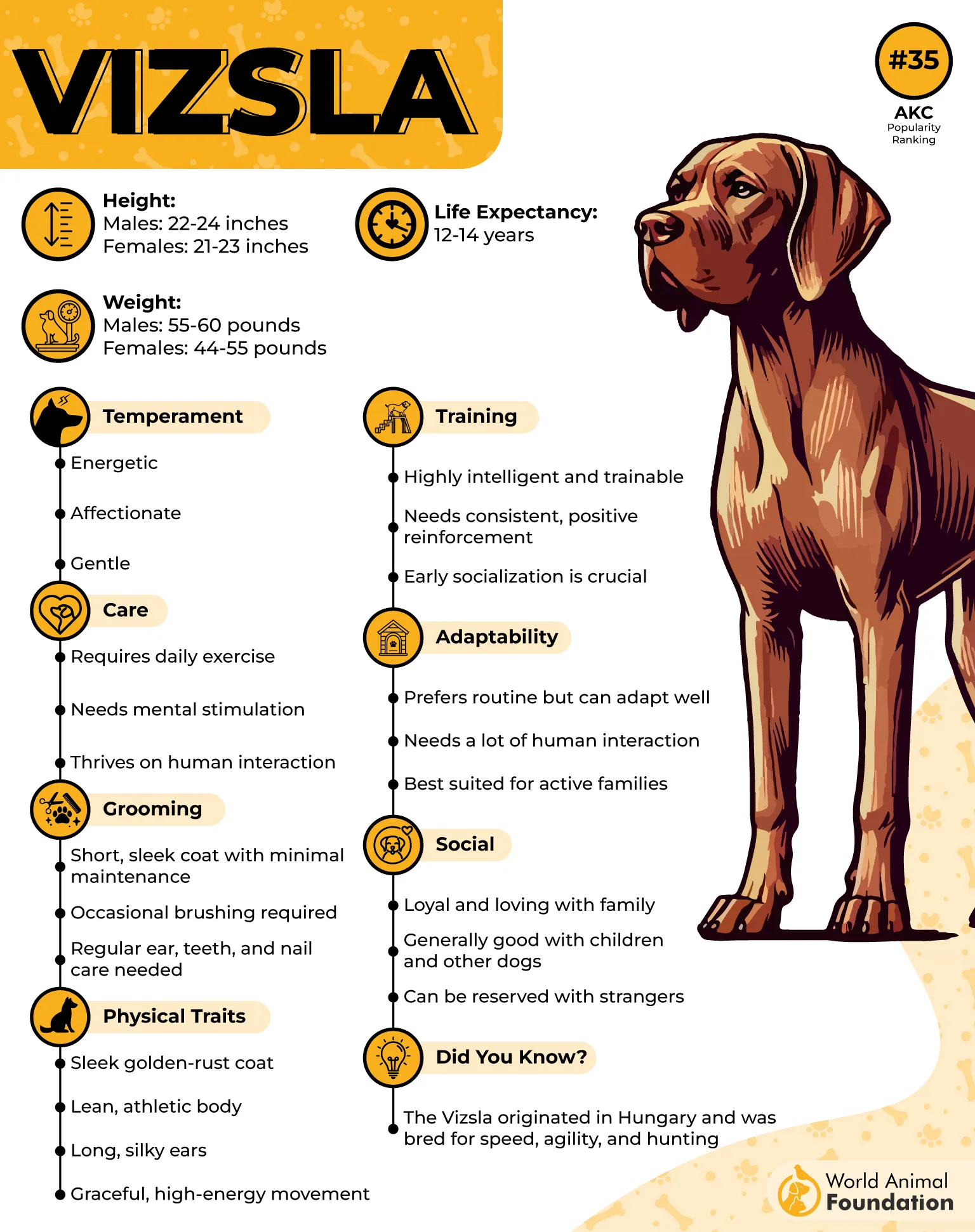
As mentioned by WebMD, Vizslas are intelligent, curious, sensitive, and quick learners. Positive, consistent training should begin during puppyhood, with clear communication, patience, affection, and engaging activities helping their busy minds develop good behavior instead of inventing household mischief.
Coat Care Tips for This Breed
Give the short, undercoat-free fur an occasional brushing to remove shed hair without complicating the routine.
Use lukewarm water, quality dog soap, and a thorough rinse whenever dirt or an unpleasant smell calls for a bath.
7. Saluki
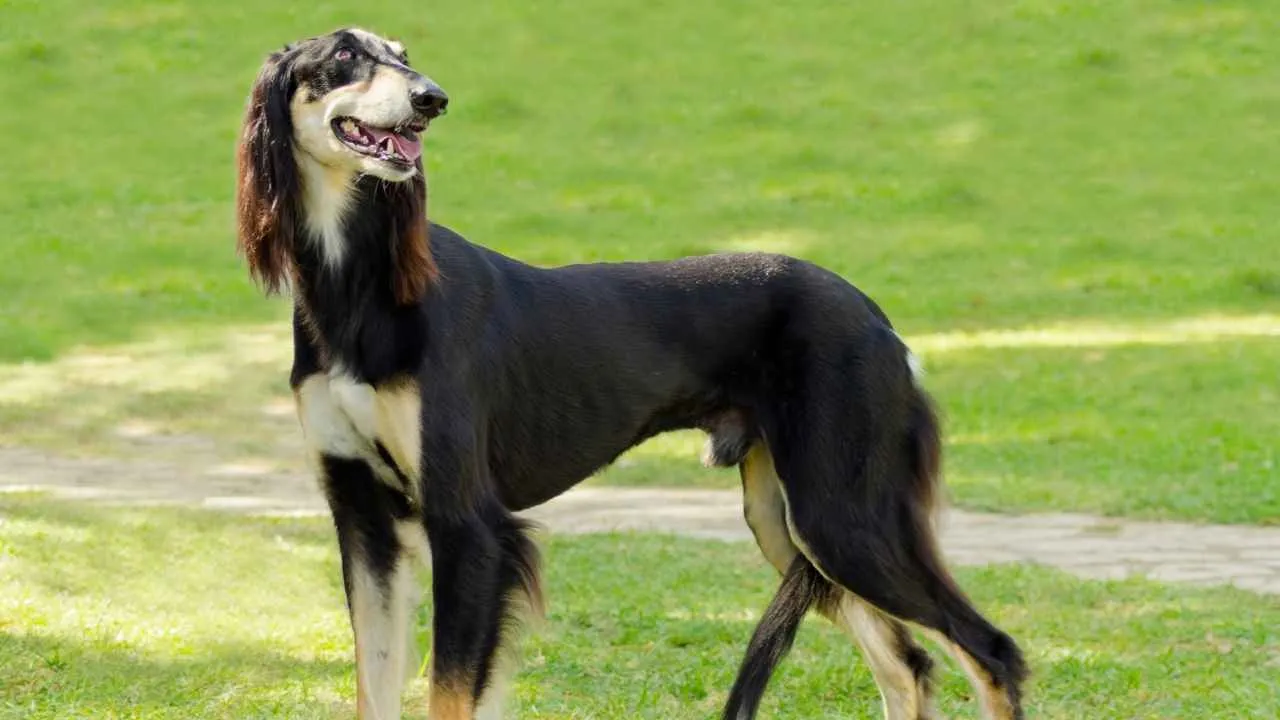
Few dogs carry golden shades with the quiet elegance of a Saluki. Its dark or light-colored coat shades, sleek outline, warm, intelligent eyes, and flowing feathering give it the refined presence of an athlete who somehow wandered into a royal portrait and improved it.
For thousands of years, Salukis served as hunting hounds for kings and nomadic people, pursuing fast prey through sight and speed. Their swift, agile bodies were shaped for the chase, yet indoors they can become calm, gentle companions.
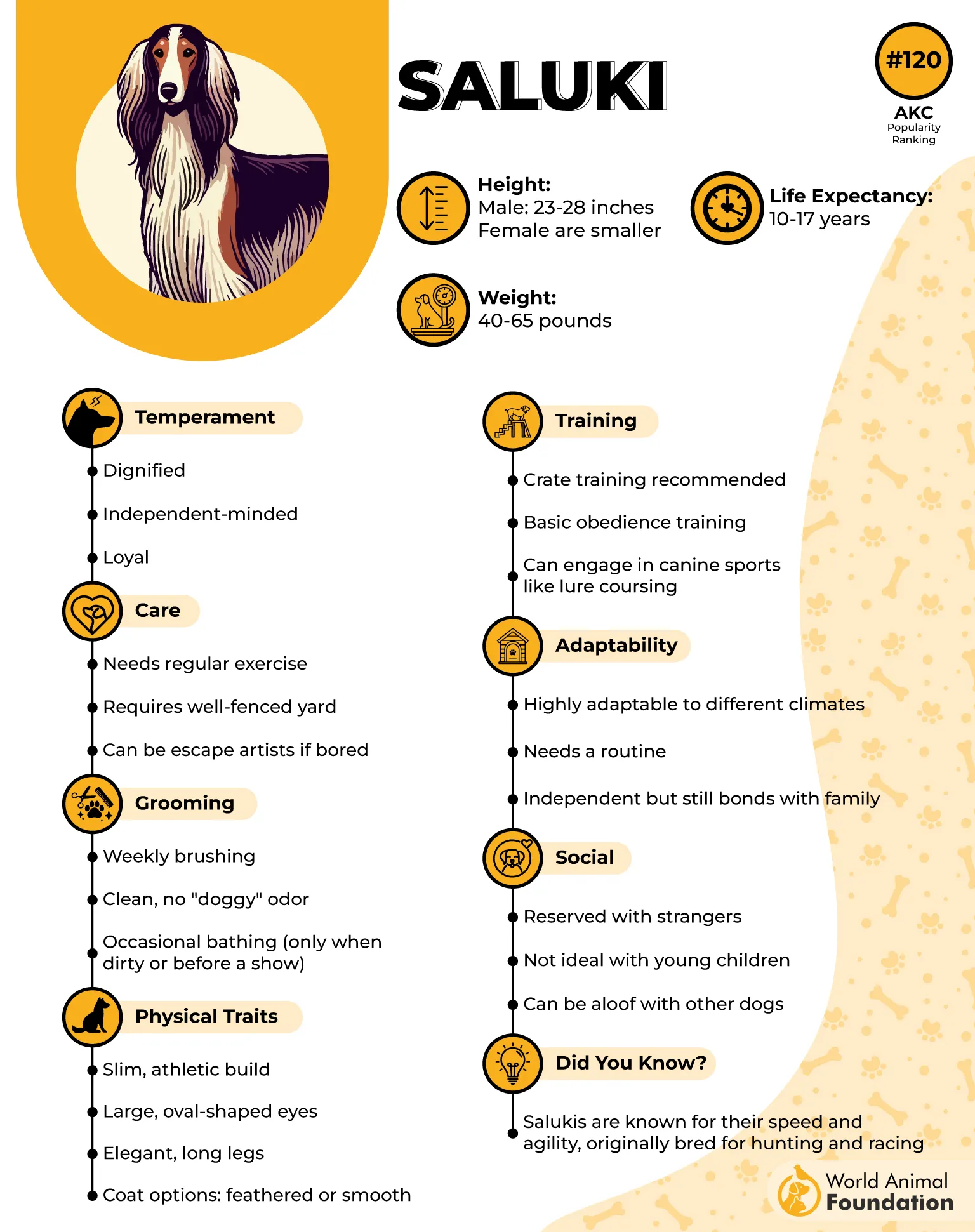
Salukis come in several beautiful standard colors, including cream, golden, and fawn, across both smooth and feathered coats, with silky ears and tails adding extra elegance. These sensitive, independent dogs suit peaceful, experienced households that provide companionship, secure running space, and respect for their personal boundaries.
Coat Care Tips for This Breed
Pass a soft brush or hound glove over a smooth Saluki’s body weekly to collect loose hairs.
Comb the silky ear, leg, and tail feathering carefully, paying extra attention behind the ears where knots may form.
Conclusion
Beautiful coats might catch your eye first, but living with a dog is about so much more than appearance. The happiest match comes from choosing a breed whose personality, grooming routine, and daily needs fit naturally into your lifestyle, making every day together a little more rewarding.
Every one of these wonderful dogs brings something memorable to the table, from striking golden shades to lovable personalities that leave lasting impressions. Take your time, gather enough dog breed information, follow your heart, and choose the companion that feels like the perfect fit for your home and your future.
