




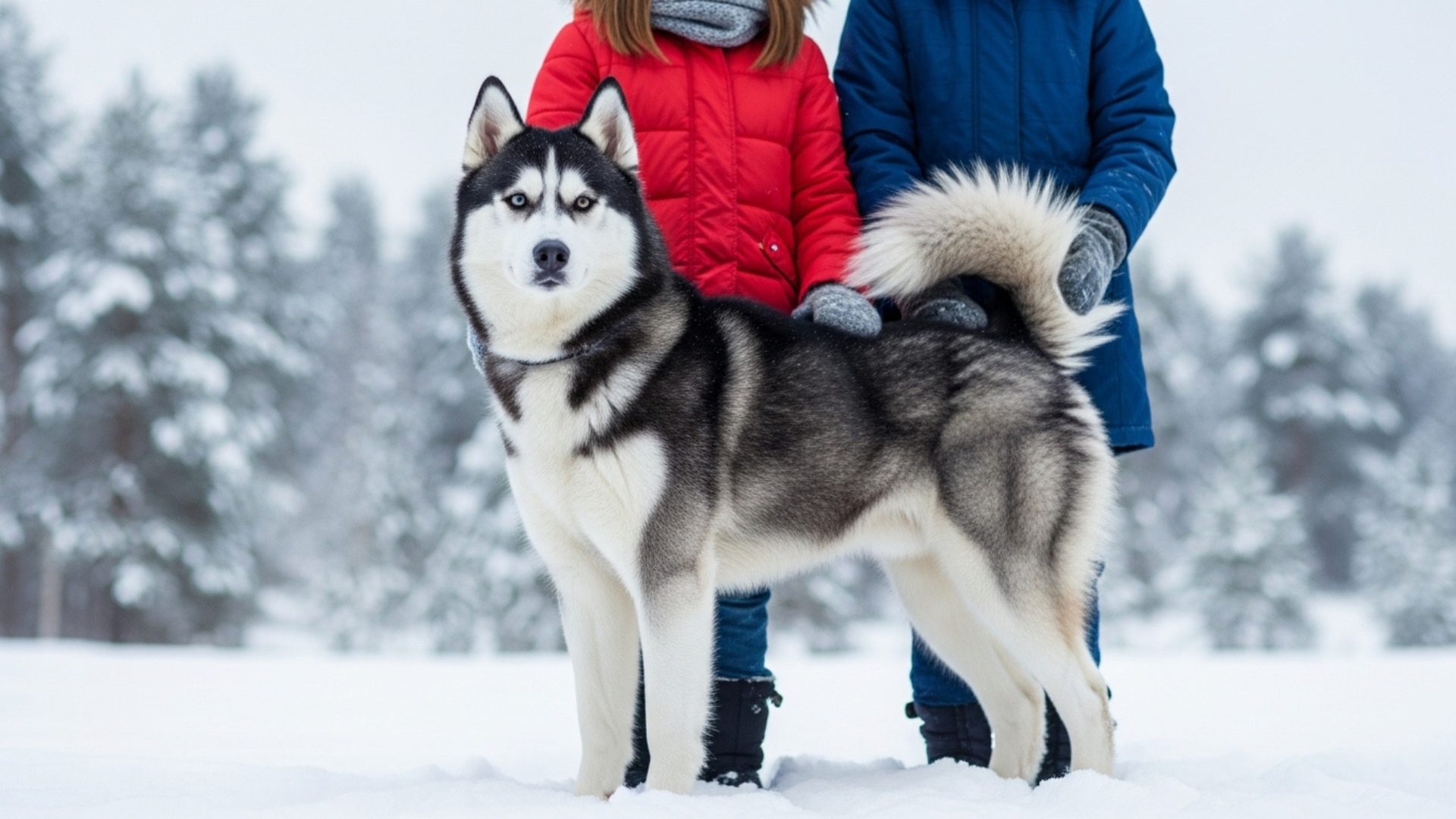
When the weather turns colder and the snow covers the environment, some dog breeds come to life. Breeds that are winter-ready are not only tolerant of cold climates, but they are also constructed to withstand it. They have thick double coats, a good skeletal framework, and an impressive endurance as snow dogs.
The American Kennel Club states that several breeds of dogs that prefer the freezing temperatures were initially created in the Arctic, alpine, and mountainous areas where they were enduring and resilient to survive.
These are cold-weather dogs that tend to be physically tough, loyal, and smart, making for wonderful family pets that love outdoor adventures.
The following are the top ten cold-weather dogs that are winter-ready and thrive in cold climates, as well as fitting quite well into family life as perfect family dogs.
Top Winter-Ready Dog Breeds for Active Families
1. Siberian Husky
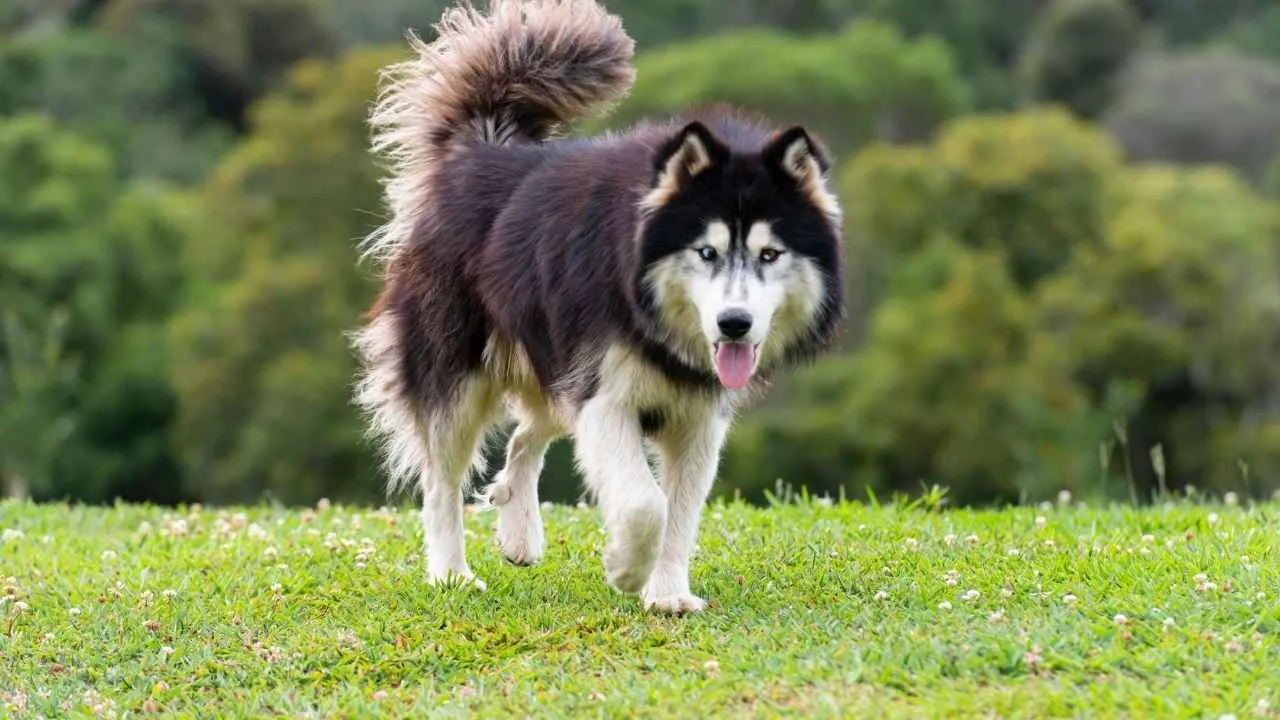
One of the most well-known snow dog breeds in the world is the Siberian Husky. Bred by the Chukchi people of Siberia, it was a breed that was developed with the aim of pulling sleds over long distances as a sled dog with a considerable degree of efficiency.
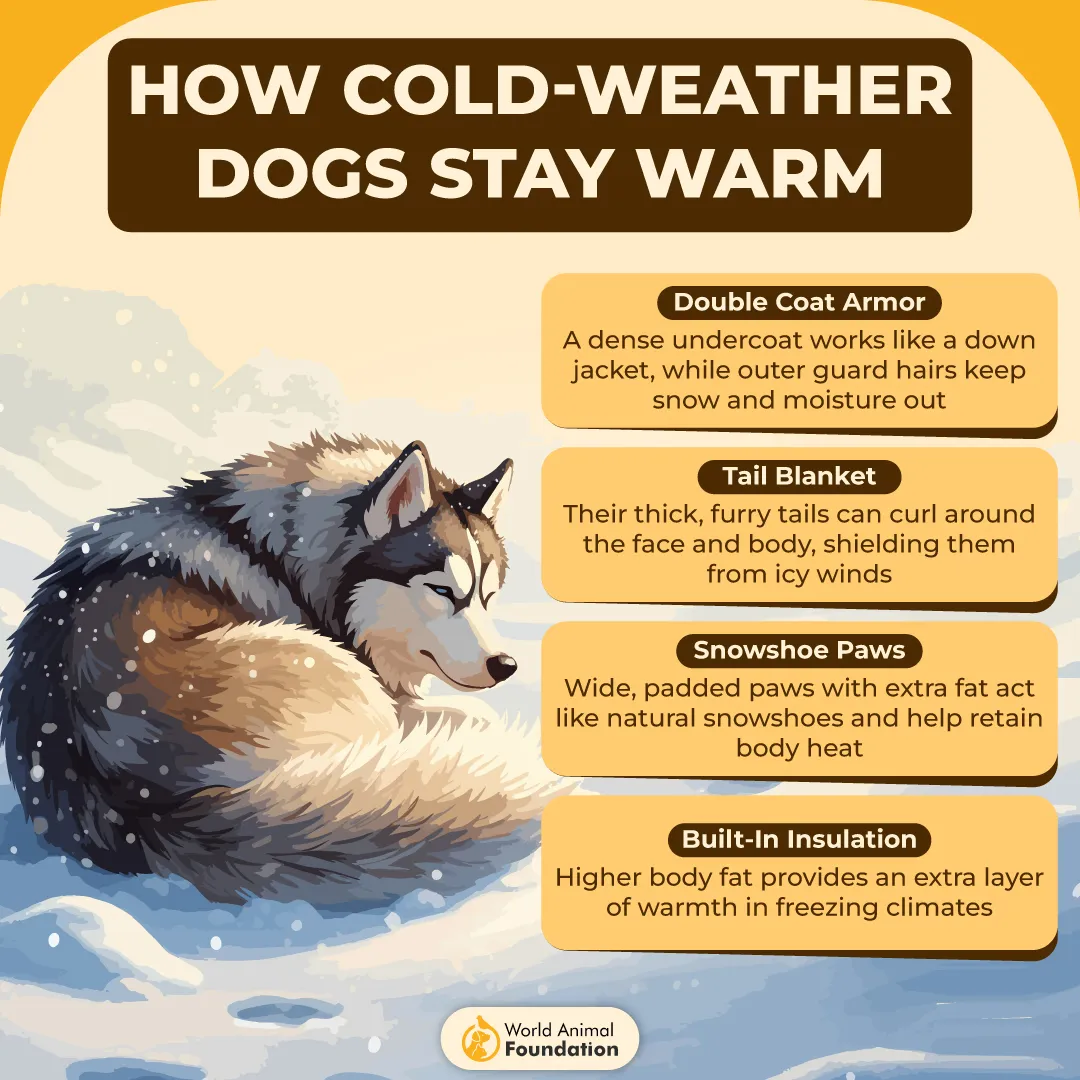
Huskies have thick double coats that keep them warm in very low temperatures. Their undercoat is an insulator, and their exterior fur keeps out snow and precipitation. Not even the bushy tail of this furry friend is useless – they roll it over their face when they are asleep to save heat.
Huskies are active, playful, and social. They like running, hiking, and engaging in winter sports such as skiing. Nevertheless, they must maintain a lot of daily physical exercise throughout the year. They will dig, chew, or escape without proper outlets for their energy.
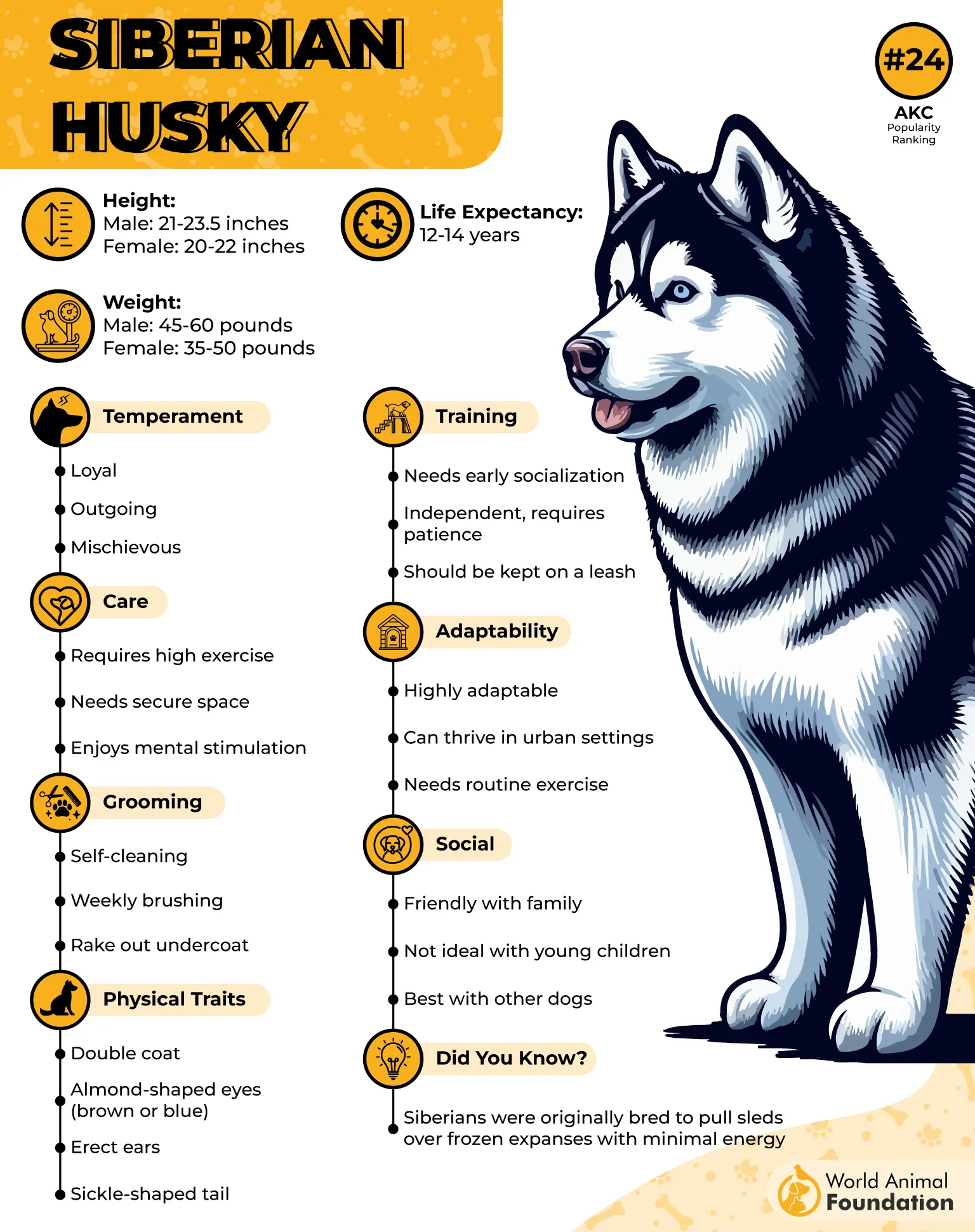
This snow dog breed also sheds a lot during the changing of coat seasons and requires regular brushing. PetMD suggests regular exercise and diet control to maintain this snow dog in good health.
2. Alaskan Malamute
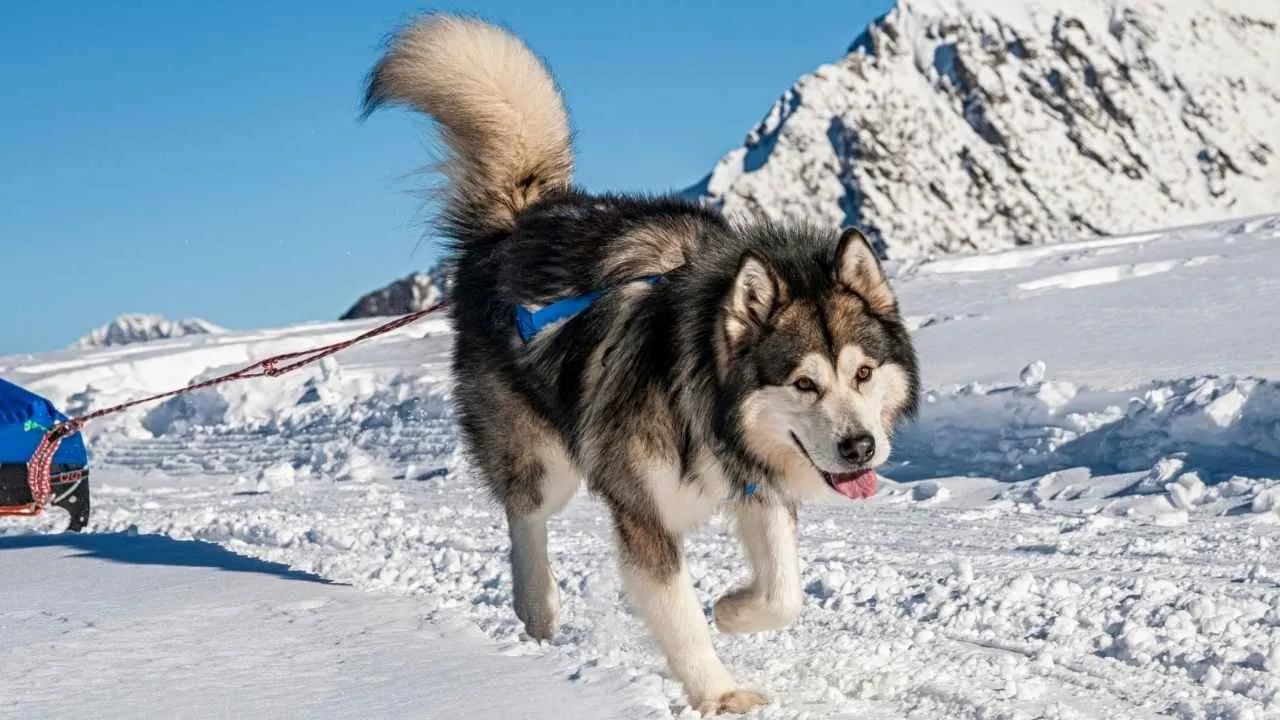
The Alaskan Malamute is stronger and larger compared to the Siberian Husky. This cold-weather dog breed is a blend of strength and endurance, as it was originally bred to carry heavy freight over the arctic conditions.
Their coarse, thick coat makes them exceptionally insulated, as well as the undercoat made of wool. Malamutes are able to endure cold conditions without any difficulty and usually seem to enjoy snow the most.
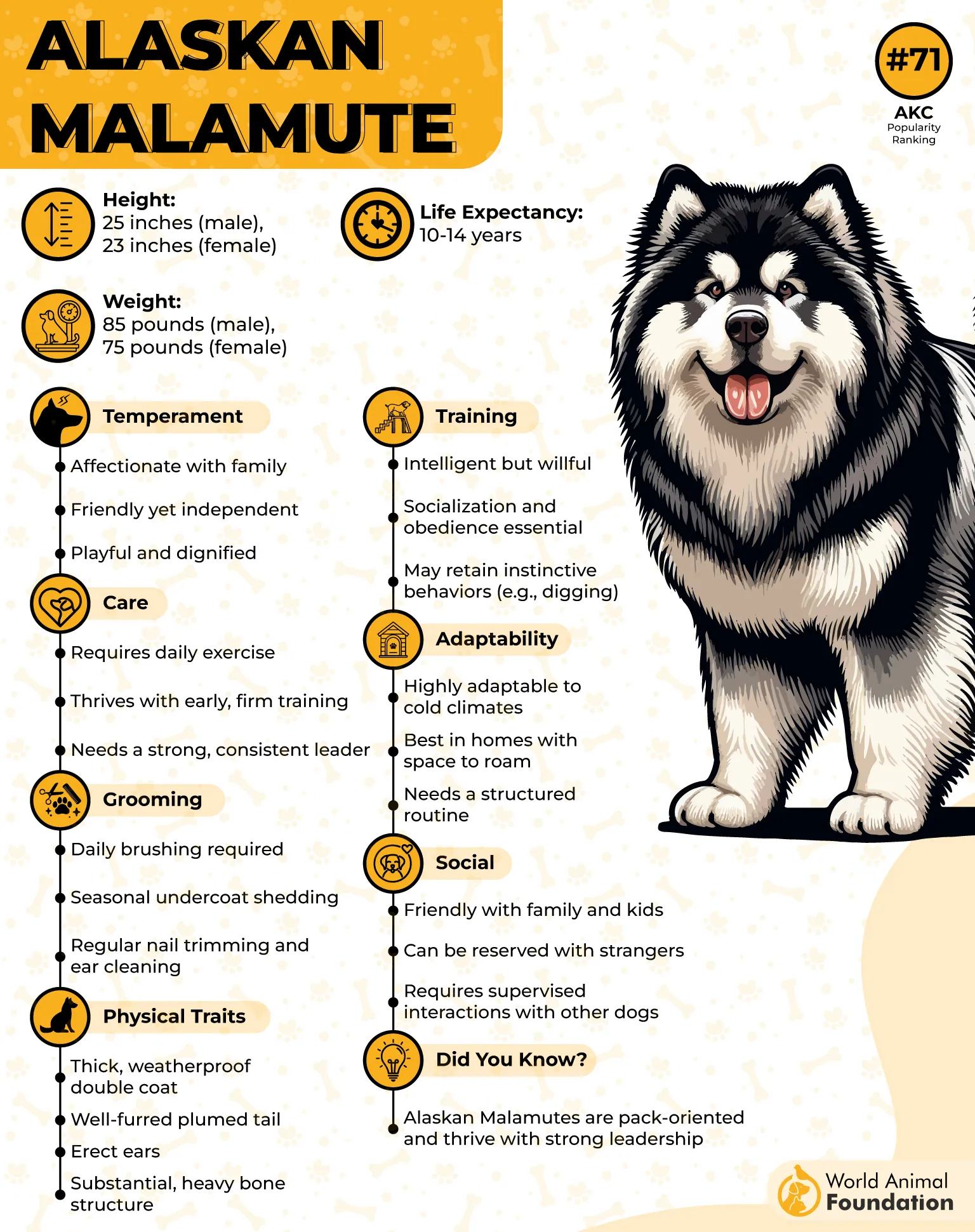
They are loving and loyal, yet must have strong leadership in a family setup. They are not dependent and may be strong-willed, so they should be taught obedience at an early age. They are the most suitable size and strength when it comes to families able to handle a powerful dog breed.
Malamutes require much exercise, such as walks, hiking, or pulling. Shedding seasons are characterized by intensive grooming, according to Royal Canin.
3. Bernese Mountain Dog
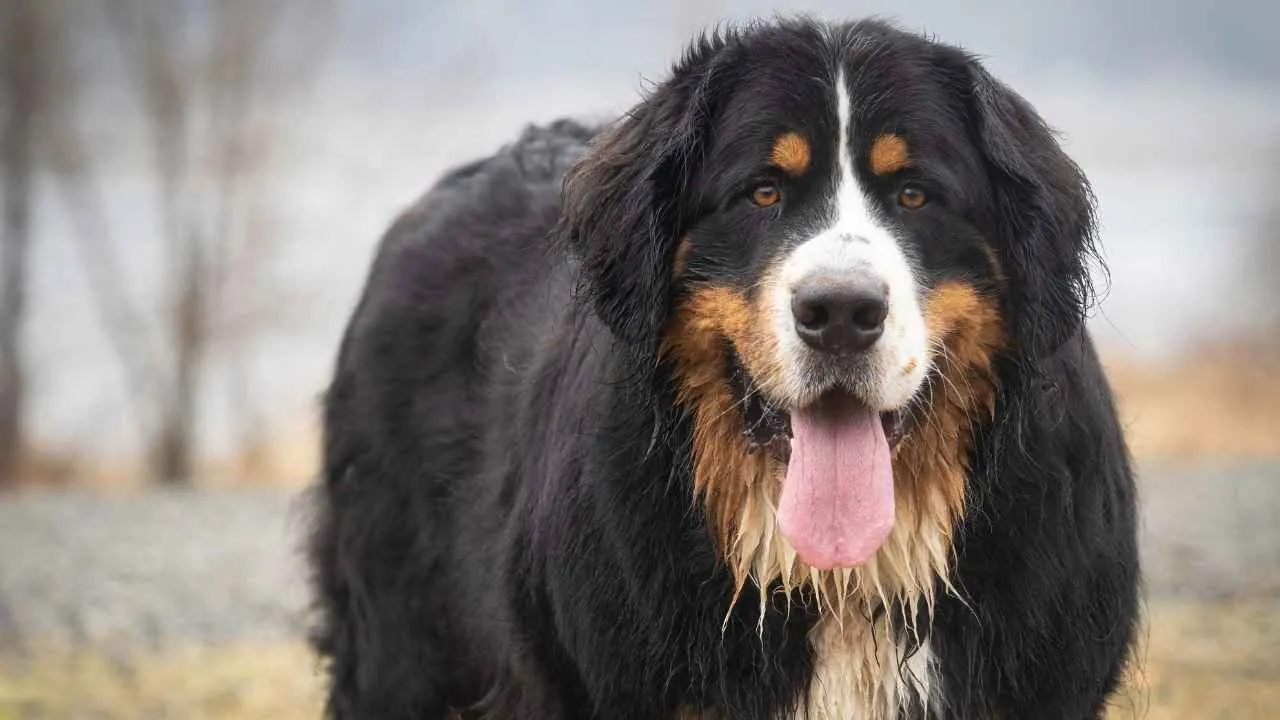
The Bernese Mountain Dog, which originated in the Swiss alps was originally bred to be used in farms as cart pullers and protectors of animals in snowy mountainous areas.
This mountain dog has a tricolor coat, which naturally provides insulation, and therefore, snowy weather does not bother them. They like winter hikes and outdoor games, but are not as hyperactive compared to other cold-weather dog breeds.
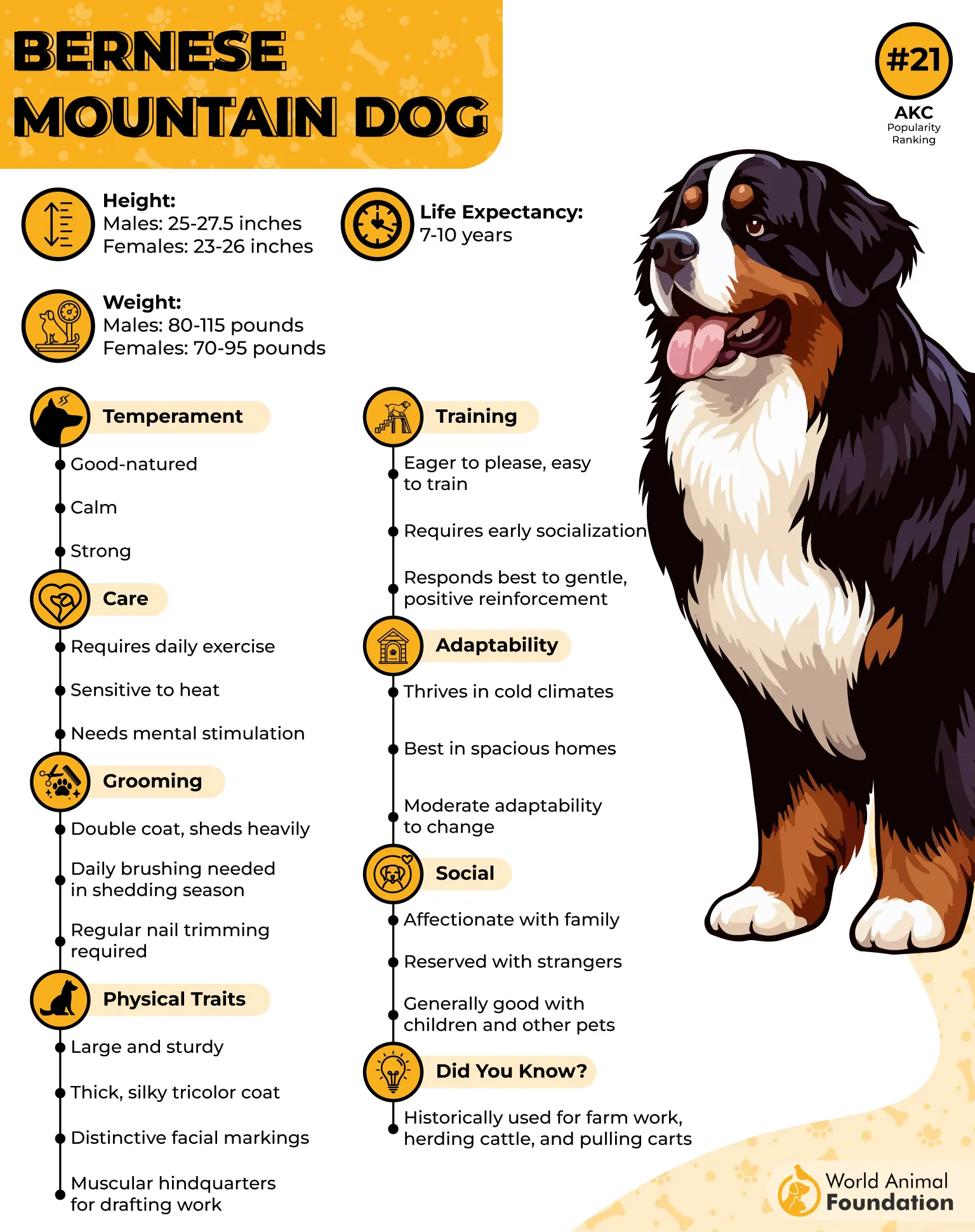
The Bernese Mountain Dogs are friendly mammals that have loving and tolerant personalities. They are generally family-loving, and they do well in those family setups. They are also easy to handle because they are calm, unlike some high-energy snow dog breeds in the north.
They are big, and hence they need space and moderate daily exercise. Shedding is controlled through regular grooming. Purina stresses that this gentle giant is prone to health issues such as hip and elbow dysplasia and that proper care must be taken to ensure this breed remains healthy.
4. Tibetan Mastiff
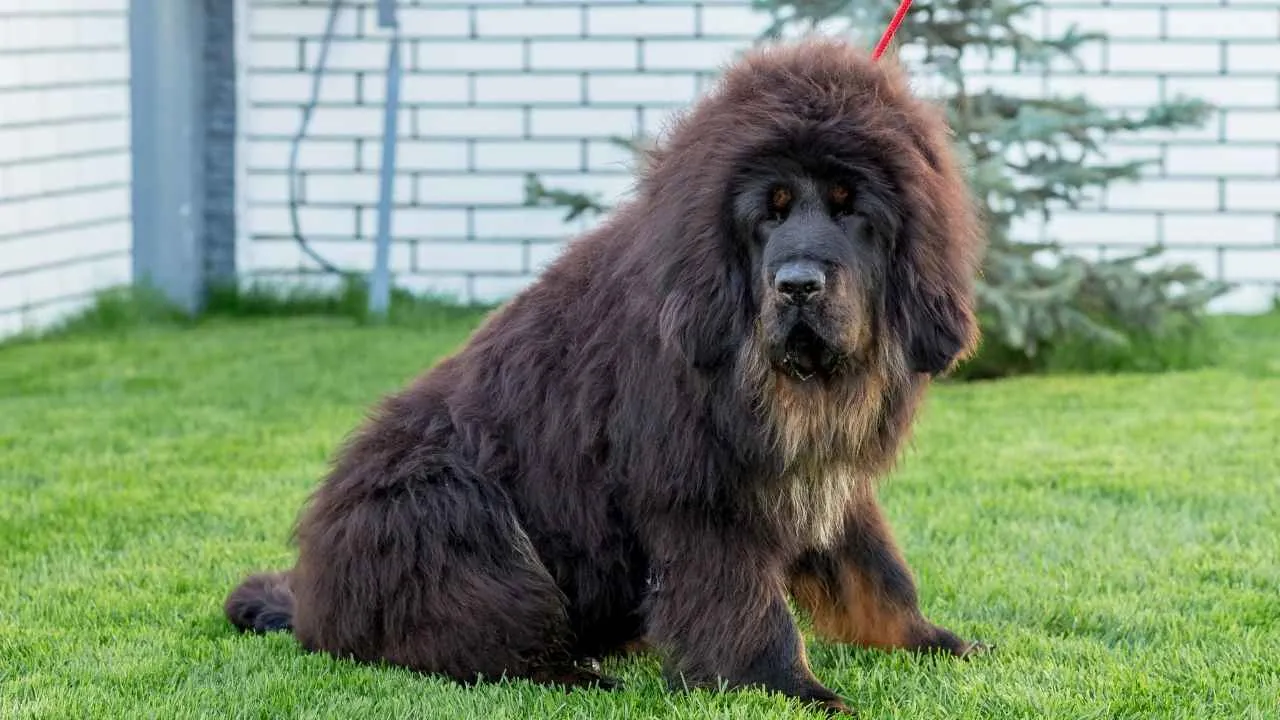
The Tibetan Mastiff originated in the Himalayan mountains and was used to protect livestock against predator attacks in the frozen environment.
It has a dense double coat, which keeps it warm in hard environments in the alps and it is a natural fit in cold climates. Because of that, unlike the sled dogs, Tibetan Mastiffs are not constructed as endurance sport dogs but as guarding and watchdogs.
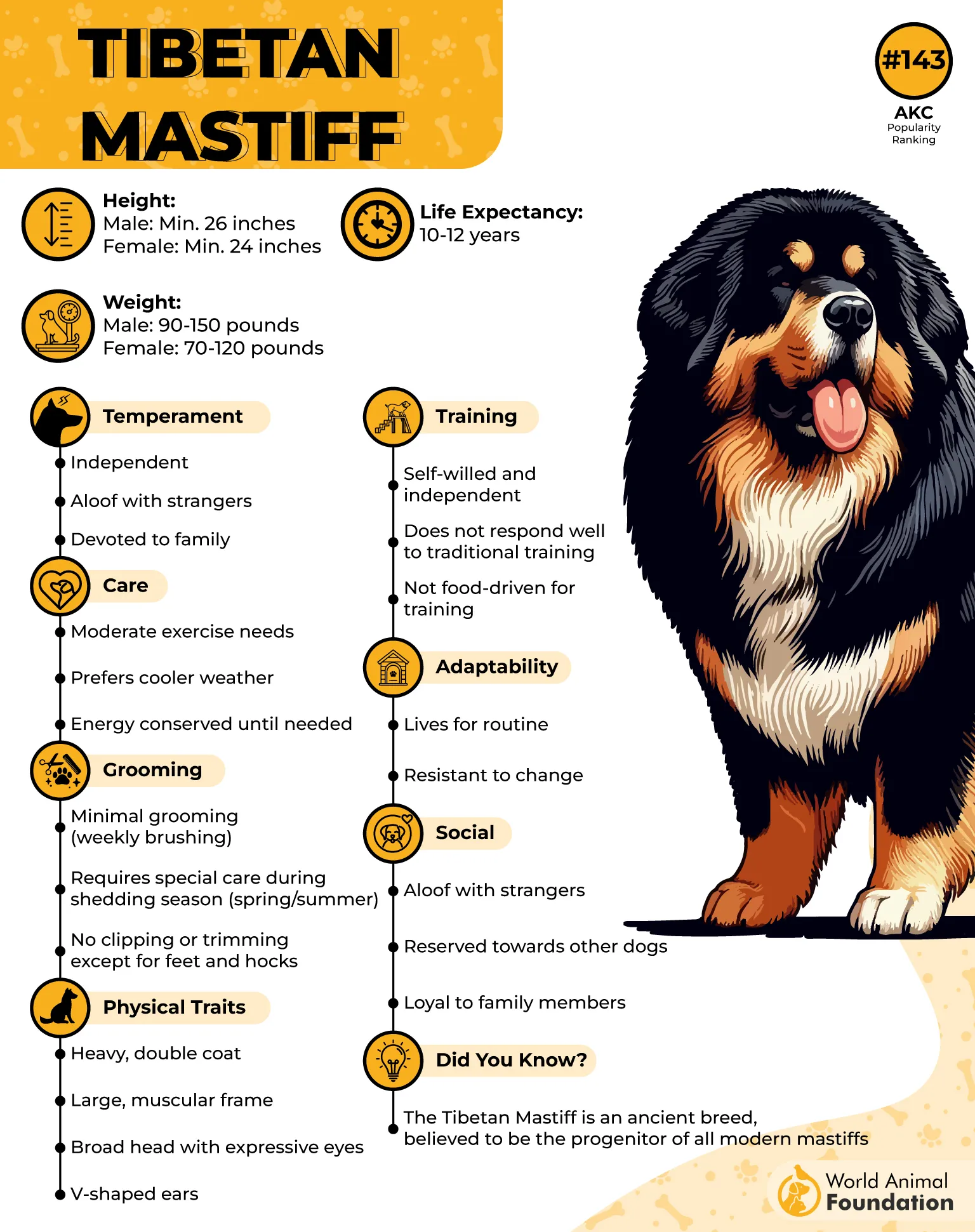
They are self-sufficient, smart, and they guard their family. This cold-weather dog breed is very bonded and can be isolated towards strangers. Early socialization must be achieved to have balanced behavior.
They need fencing and regular training. The grooming is moderate except during the season shedding, whereby coat blow may be considerable.
5. Akita
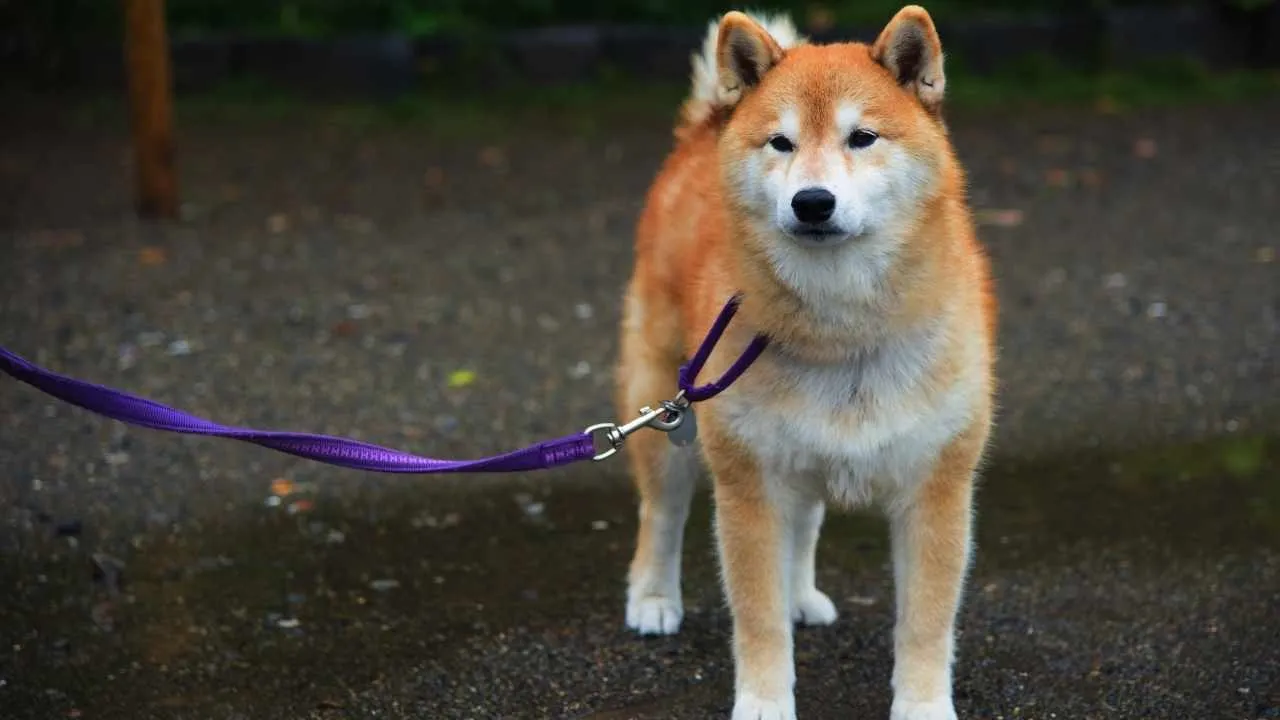
The Akita was born in the mountainous areas of Japan, and the extreme cold weather influenced its hardiness and bulky coat.
Akitas are plush, double-coated, which keeps them warm during snowy and cold temperatures. They are robust and muscular dogs. They have the dignity and confidence of nature.
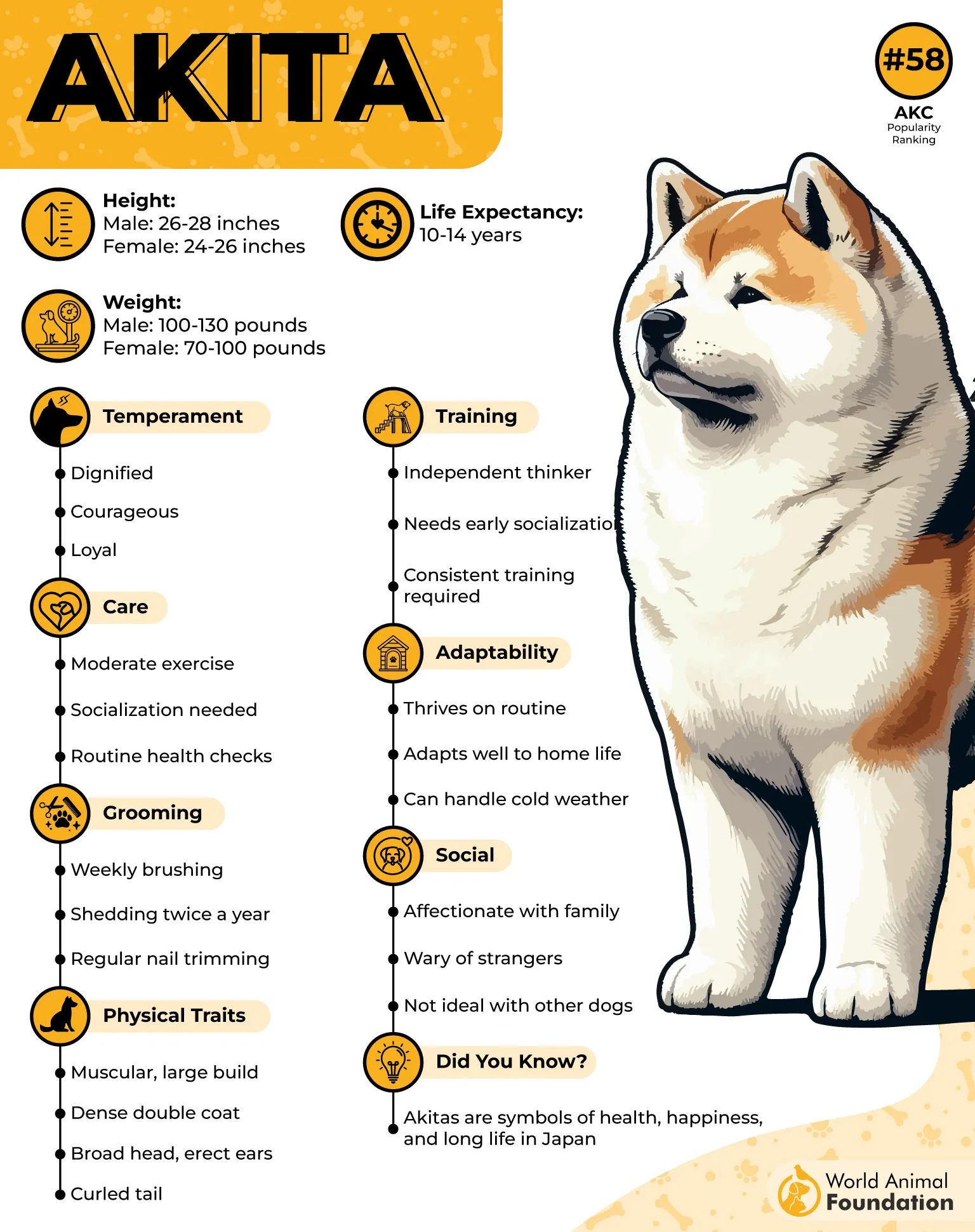
Akitas are loyal and protective in the family setup. They are very likely to attach themselves strongly to their close home environment, but not close to strangers. Domination problems should be avoided through proper training and early socialization.
Akitas need to be physically and mentally stimulated on a daily basis. During shedding, grooming requirements also rise, and regular visits to the veterinarian help in the long-term health of this animal.
6. Keeshond
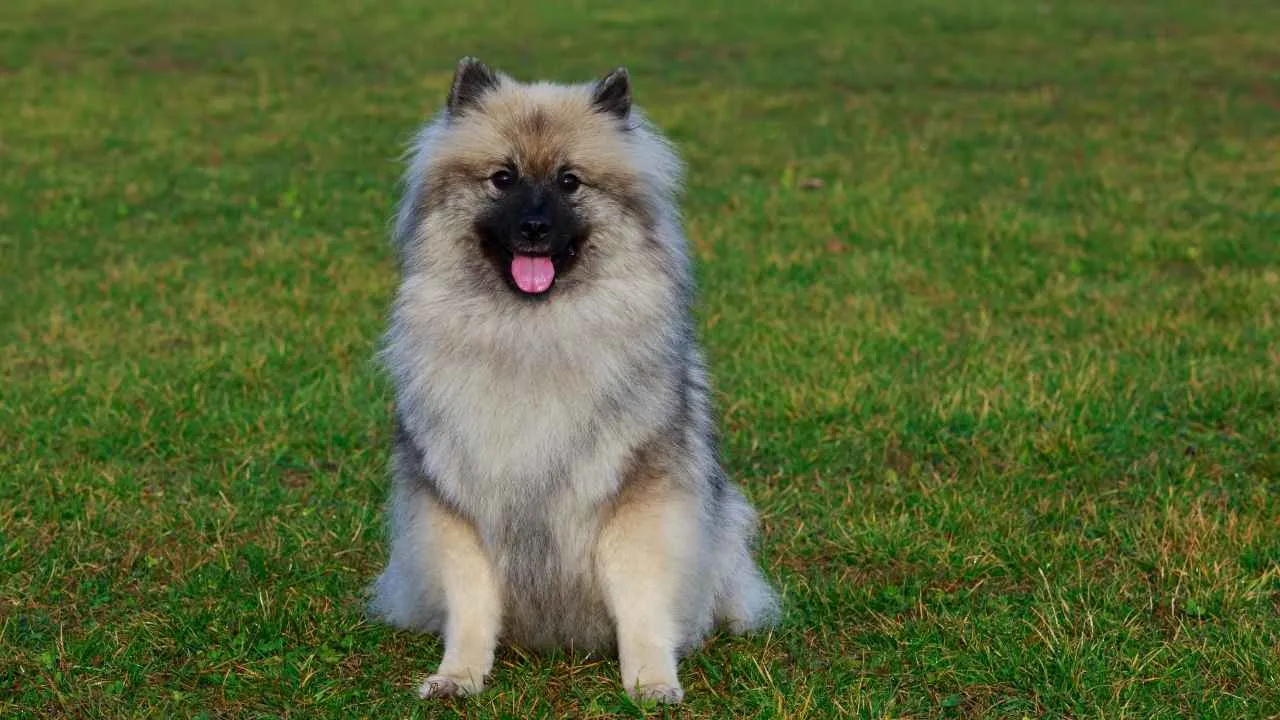
The Keeshond or the Smiling Dutchman is a medium-sized breed with a thick and plush coat that is a cold-weather-resistant coat.
Their thick fur gives them good insulation capability, enabling them to cope with those chilly weather conditions. Contrary to other breeds that are found in the north, Keeshonds are very people-oriented and able to live with their families indoors.
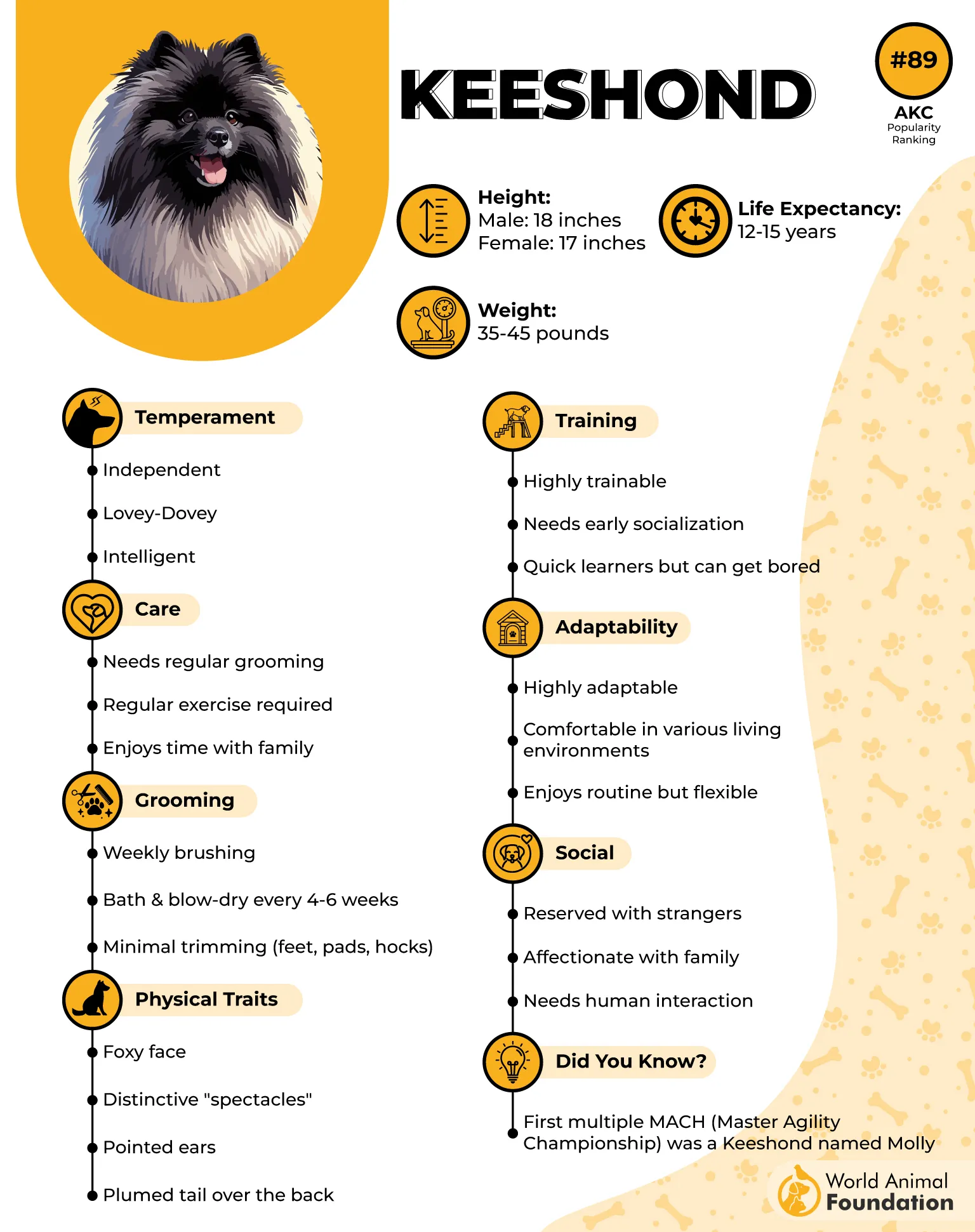
They are cordial, vigilant, and a good watchdog that is not too pushy. Their average energy capacity is appropriate for families who are fond of walking outside, playing in the snow, and appreciating relaxation inside. Their thick coat is not matted by regular brushing.
7. Great Pyrenees
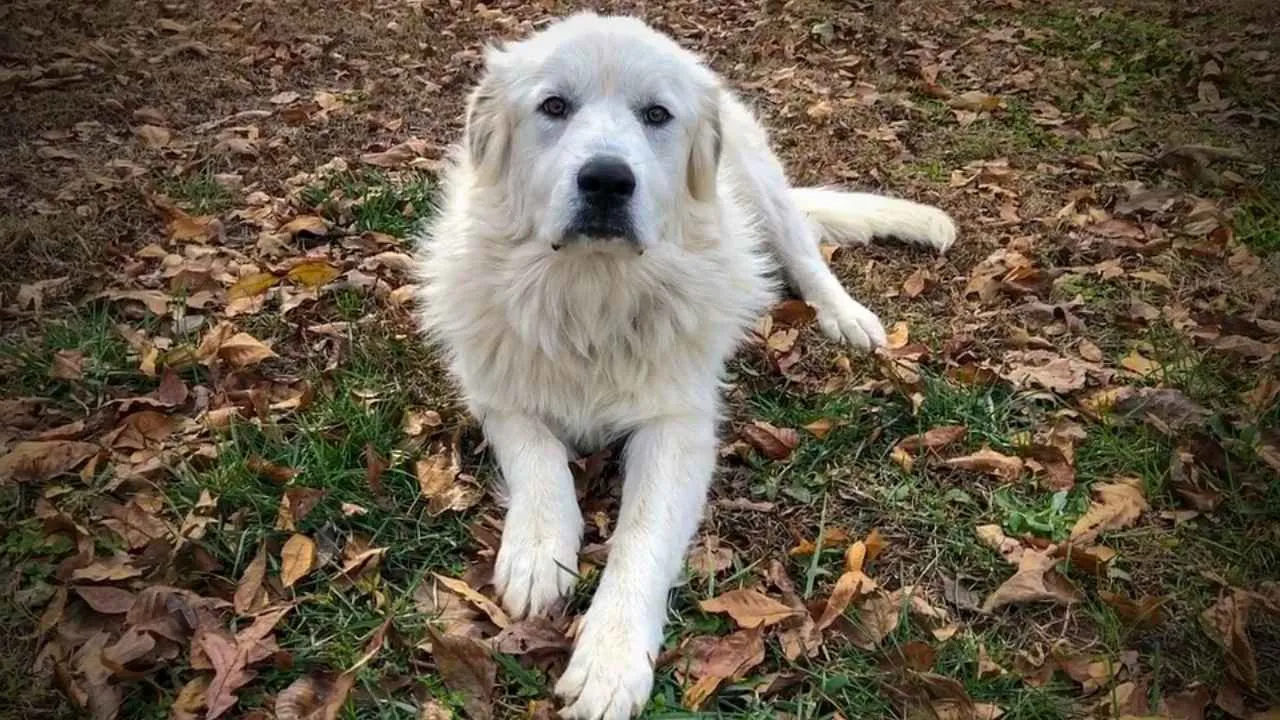
The Great Pyrenees was reared to protect sheep in the snowy mountains of the Pyrenees, which are located between France and Spain.
Their heavy weather-proof coat and huge build make them very resistant to cold environments. They feel at home outside during the winter season and inside at home with the family.
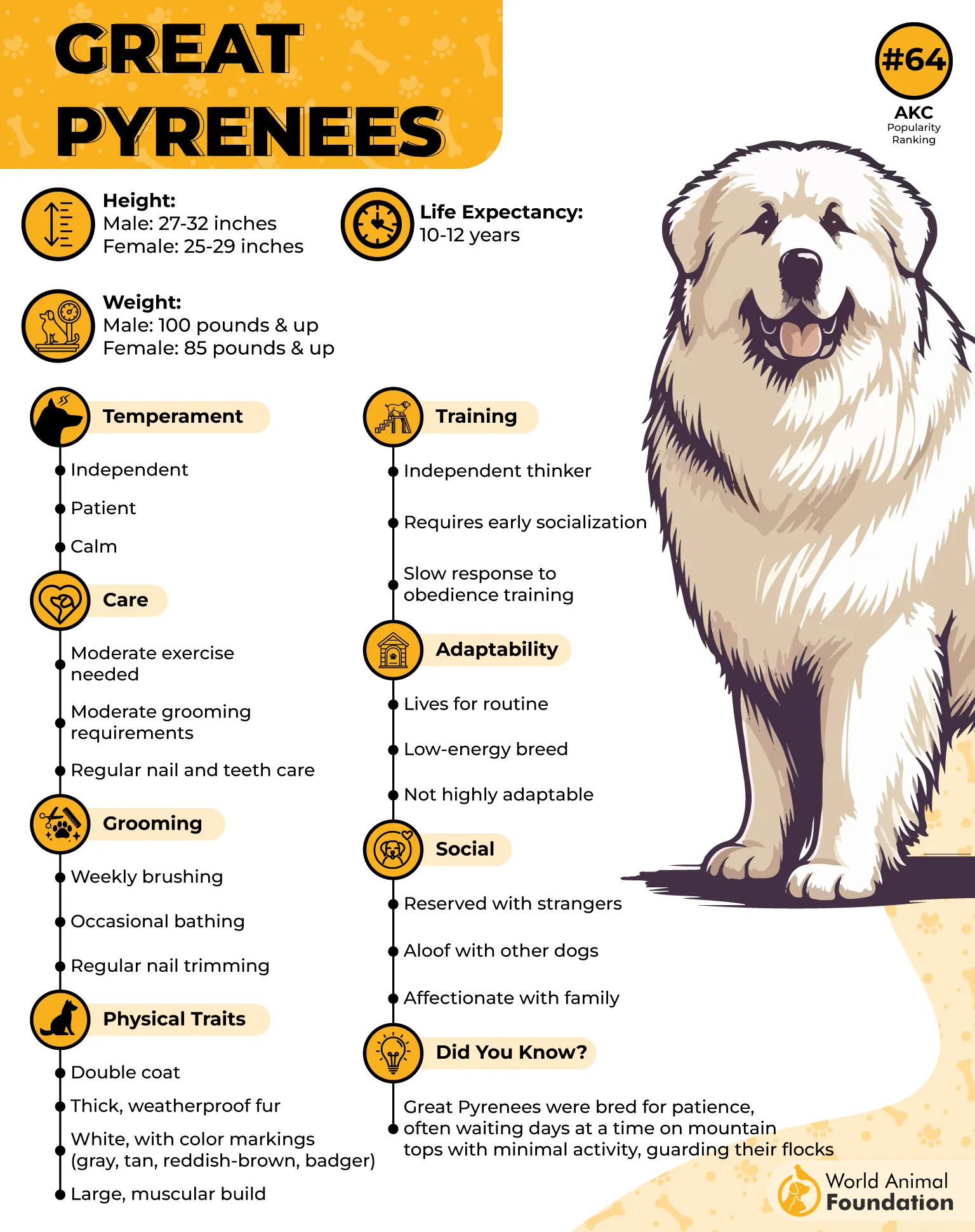
Relaxed, gentle, and protective, they treat children particularly well. Nonetheless, they are critical minds and do not react immediately to commands.
They need moderate physical activities and fencing. Their thick coat requires frequent brushing and particularly seasonal shedding.
8. Samoyed
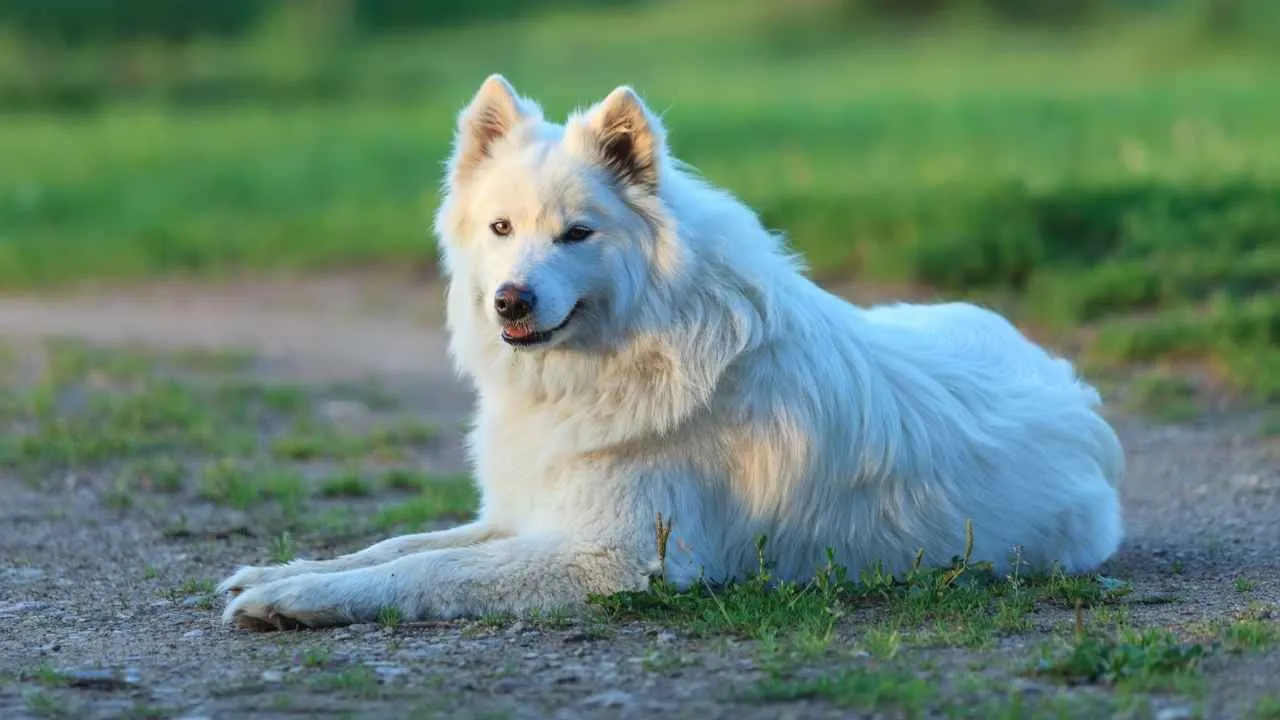
The Samoyed is instantly recognizable for its dazzling white, cloud-like coat and the famous “Sammy smile” that gives the breed its cheerful expression. Originating in Siberia, this hardy snow dog was bred by the Samoyedic people to herd reindeer and pull sleds across freezing landscapes.
Built to thrive in harsh winter conditions, the Samoyed combines strength, endurance, and a naturally friendly spirit. Their thick fur gives them great thermal protection, and they are very active. They are adapted to work in snowy weather and like to take part in active outdoor games.
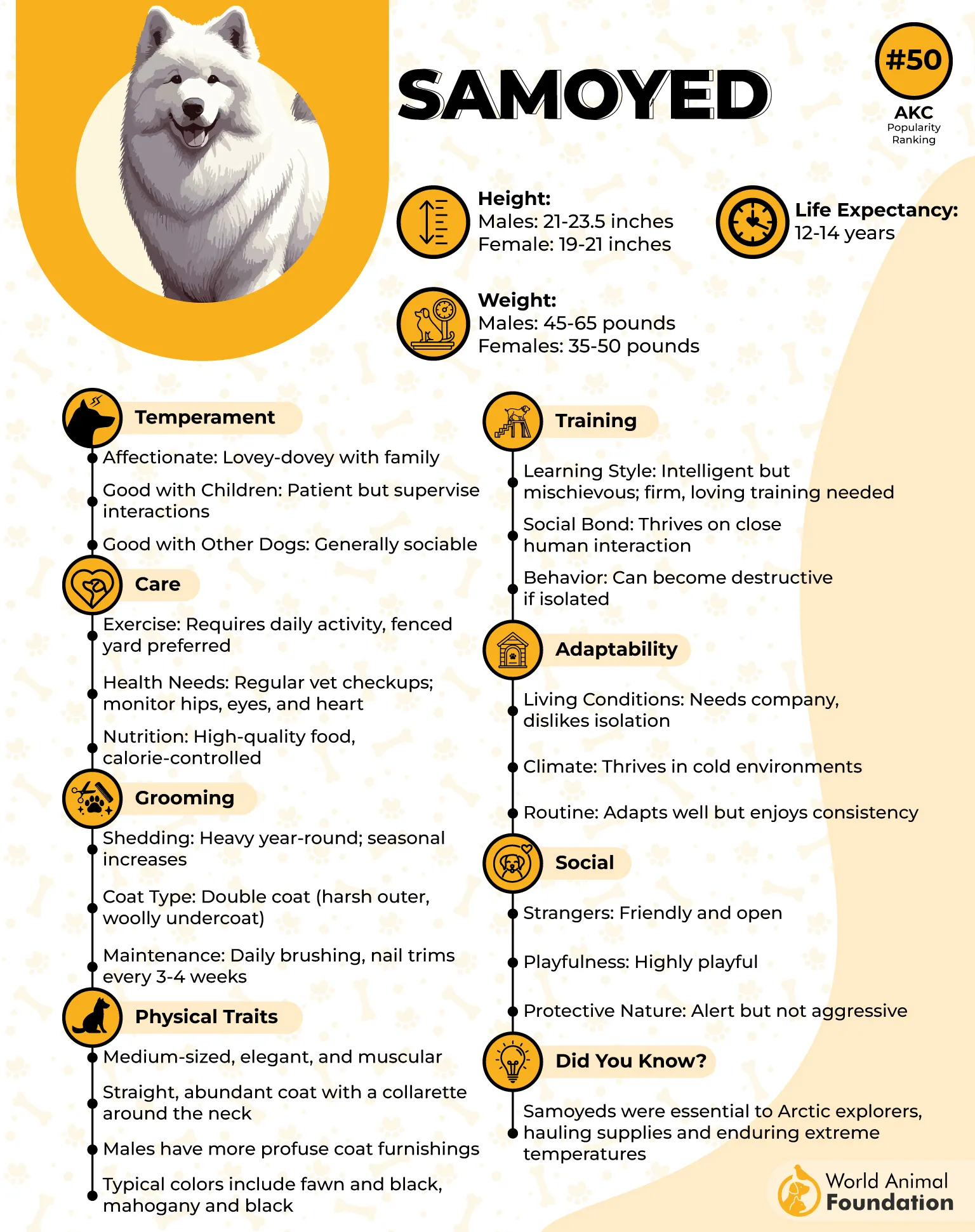
Samoyeds are outgoing, people-oriented, and loving to families. They have a jubilant temper, but they must exercise on a daily basis.
They shed a lot of fur, and it is necessary to groom them very often. Regular brushing impedes matting and upholds the quality of insulation.
9. Norwegian Elkhound
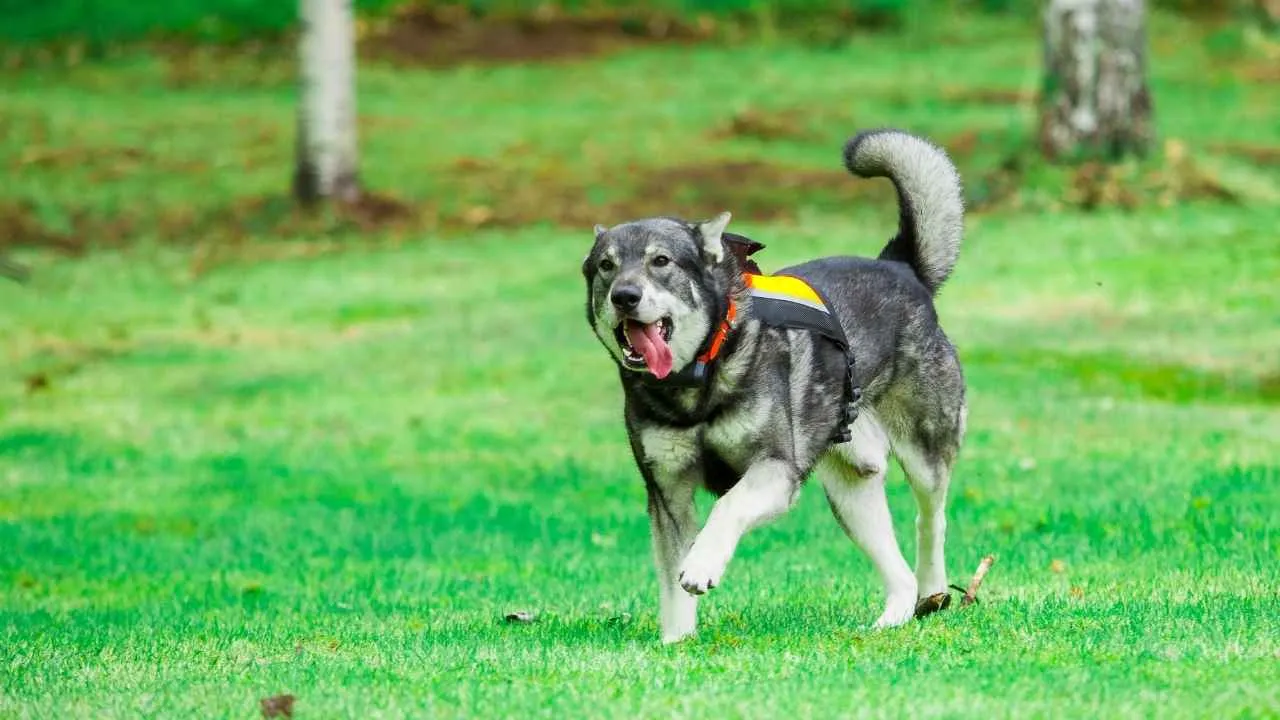
The Norwegian Elkhound was used for hunting big game in snow-covered forests.
It has a double coat that is thick to block the cold weather and moisture. This is a small but strong cold-weather breed that traverses cold grounds easily.
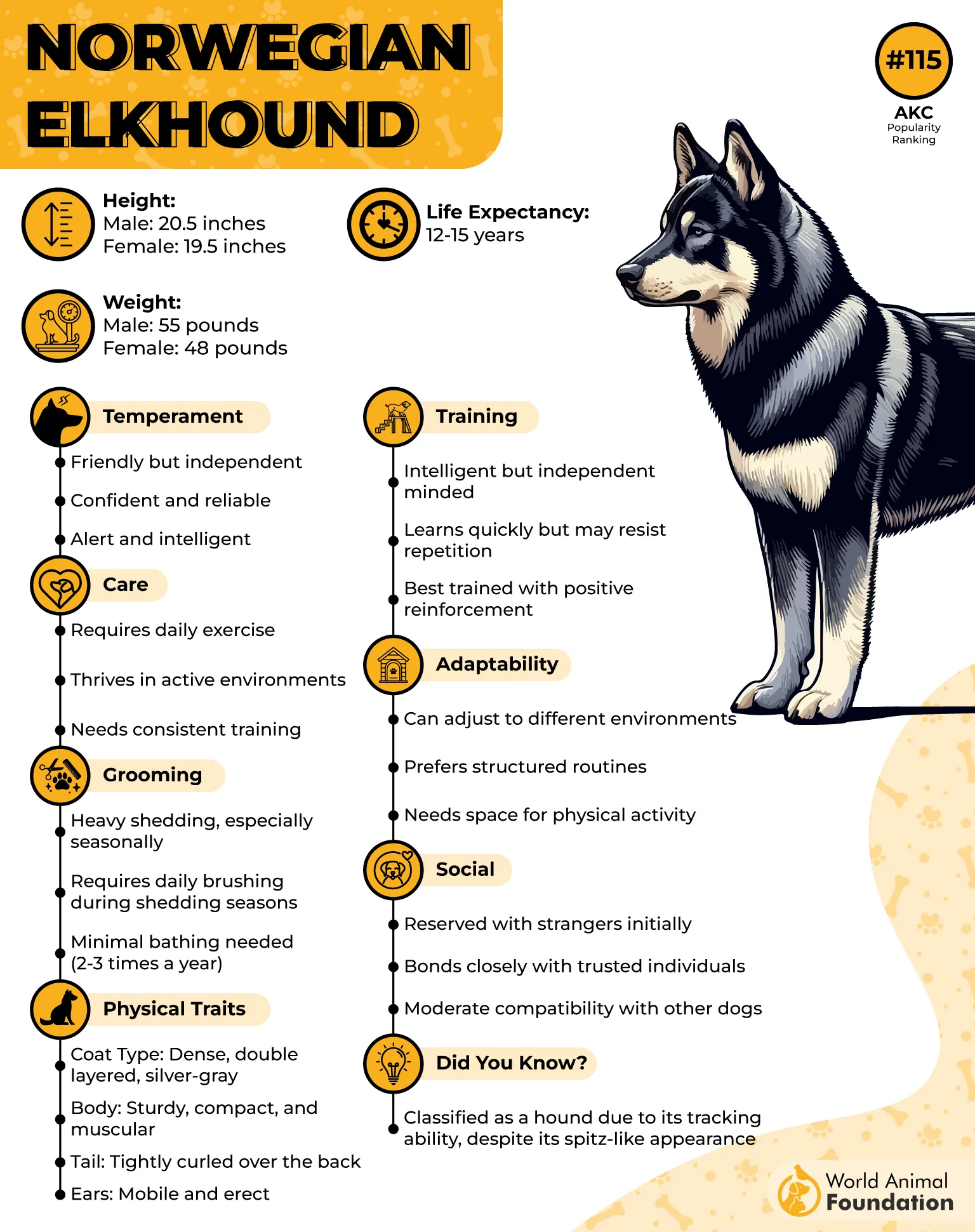
Elkhounds are faithful, brave, and vigilant. They attach themselves to families and, at the same time, have an independent streak. They need to exercise daily and like winter hikes.
Grooming is usual, but is enhanced during shedding seasons. At an early age, training is a guarantee of balanced behavior.
10. Saint Bernard
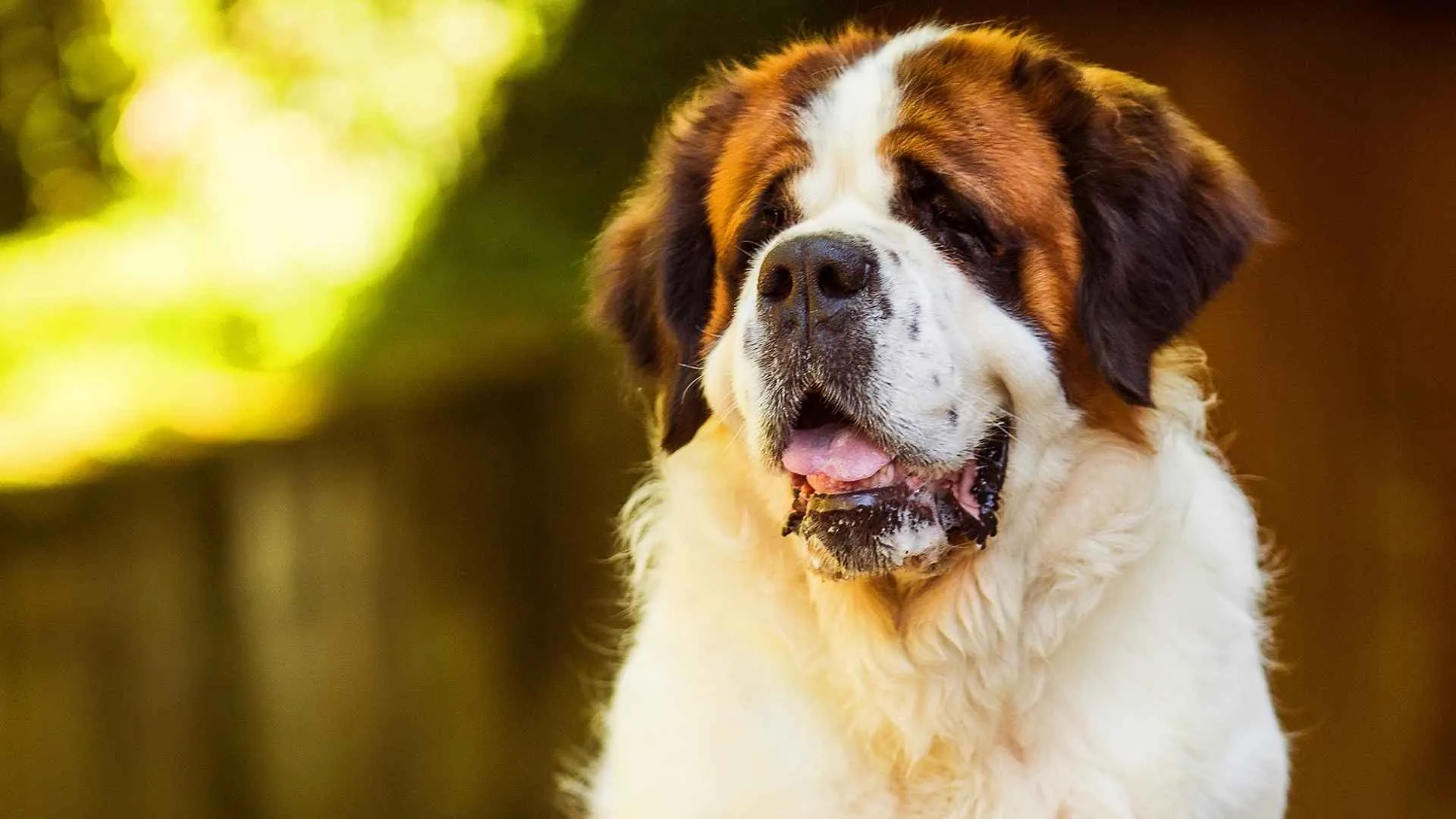
The Saint Bernard is traditionally known as a rescue dog in the Swiss Alps.
The heavy coat and huge physique enable it to withstand heavy snow, but it is not as equipped to engage in extreme endurance exercise as sled breeds.
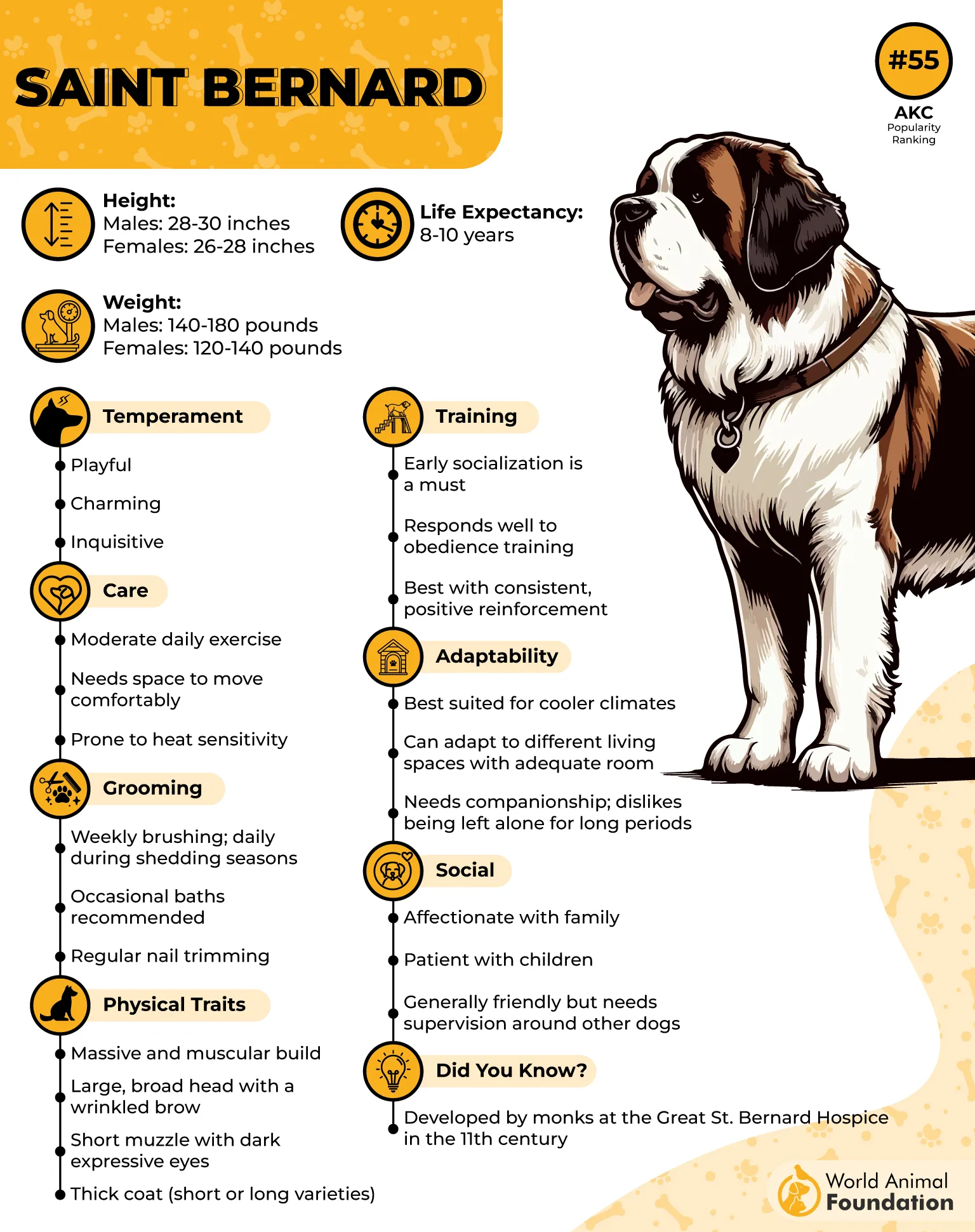
The Saint Bernard can be a wonderful match for active families who have the space and time to care for a giant companion. Despite their impressive size, these gentle giants are incredibly tender, patient, and especially loving toward children.
Their calm and easygoing nature balances their powerful build, making them dependable and affectionate family members who enjoy being part of everyday activities—whether it’s outdoor fun or relaxed time at home.
These dogs demand moderate exercise and space from their pet parents. Care includes important components such as regular grooming, drool control, and joint management.
Conclusion
Snow companions that are winter-ready bring vitality, stamina, and faithfulness to those families that welcome the snowy conditions. Whether it is the Siberian Husky or the loving and gentle temperament of the Saint Bernard, these are great family dogs that are perfectly suited to winter adventures.
The factors to consider before selecting a winter weather breed are the activity level, space, grooming requirements, and training experience. Further instructions on breed standards and responsible ownership can be offered by organizations such as the American Kennel Club.
The appropriate cold-weather dog that loves winter can turn the deep snow and the cold temperatures into a memorable experience for active families that enjoy the icy terrain and cold winter air.
