




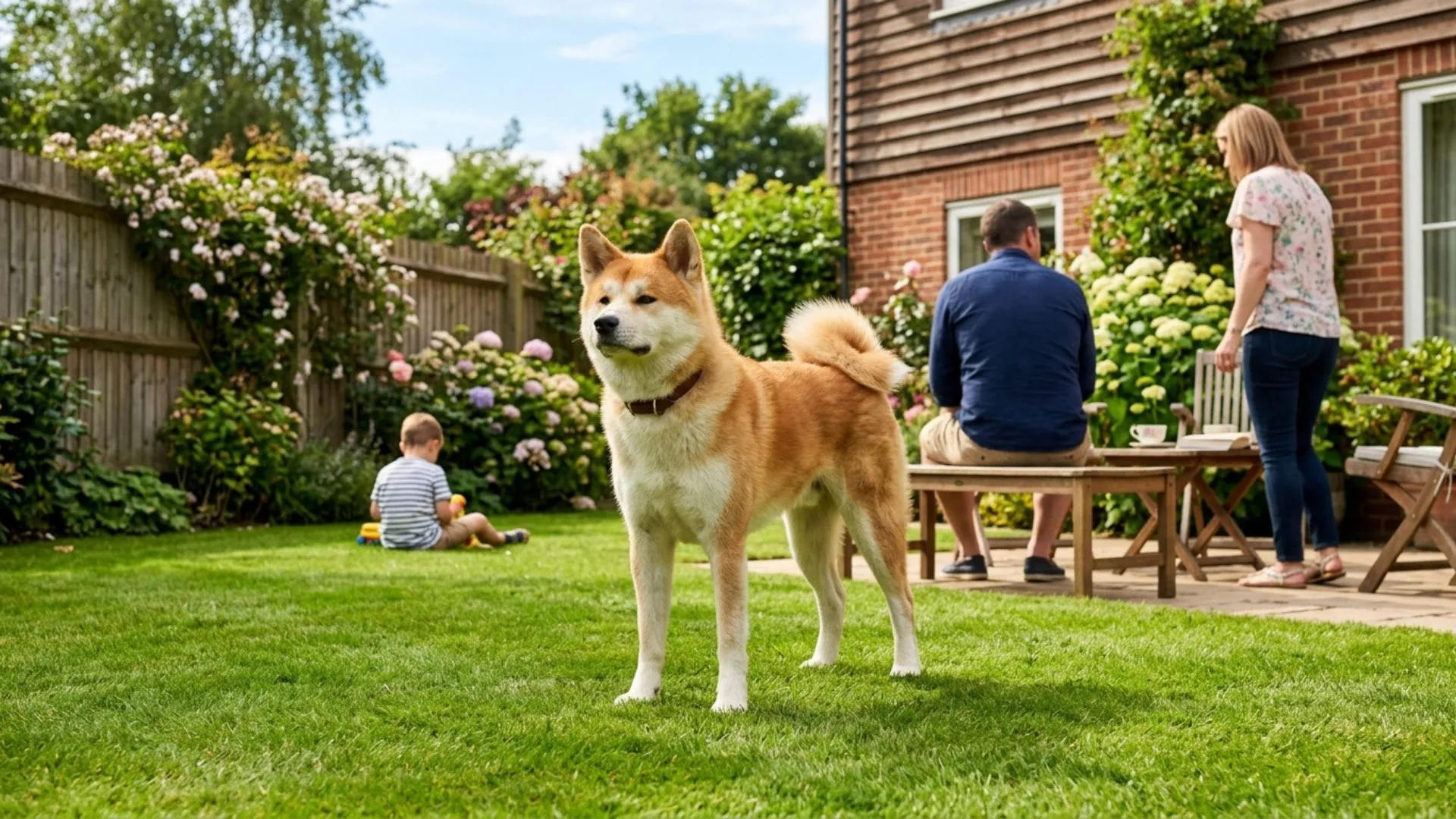
Some dogs nap through chaos. But some are quite the opposite. They clock everything.
Watchful breeds are basically the “security system + emotional support + chaos detector” combo pack of the dog world. They’re not just about size or strength—they’re about awareness, timing, and that uncanny ability to notice when something feels off before humans even register it.
Many guardian breeds were selectively bred for centuries to observe livestock, detect intruders, and make independent decisions under pressure. That means their “protective instinct” isn’t random—it’s literally encoded in their genetics through their evolutionary history.
But here’s the real talk: these dogs aren’t just bodyguards. In family homes, they become deeply bonded companions that read routines, notice strangers, and quietly position themselves between “normal” and “not normal.”
Let’s get into the most watchful dog breeds for family safety and peace of mind.
Most Watchful Dog Breeds for Family Safety and Peace of Mind
1. German Shepherd
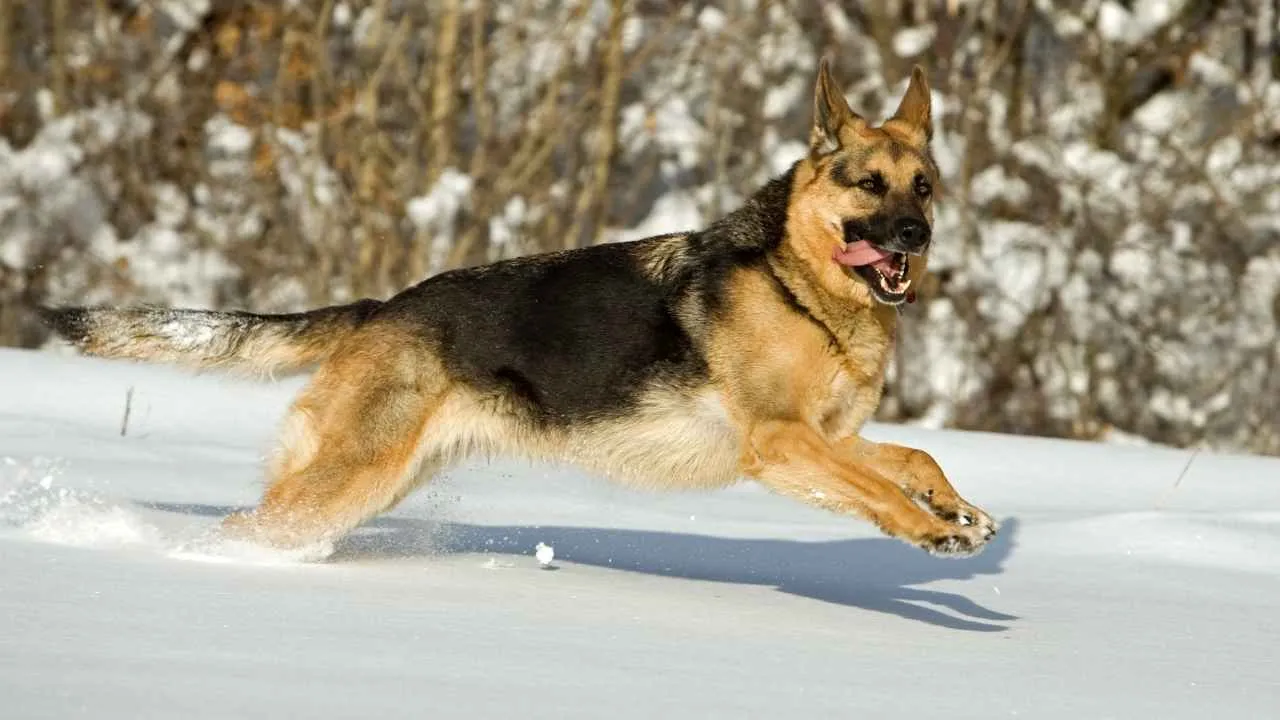
The German Shepherd is basically the gold standard of watchful dog breeds, and honestly, it knows it. This breed is constantly scanning its environment like it’s on permanent security duty. Nothing escapes their attention—not footsteps, not tone changes, not unfamiliar scents.
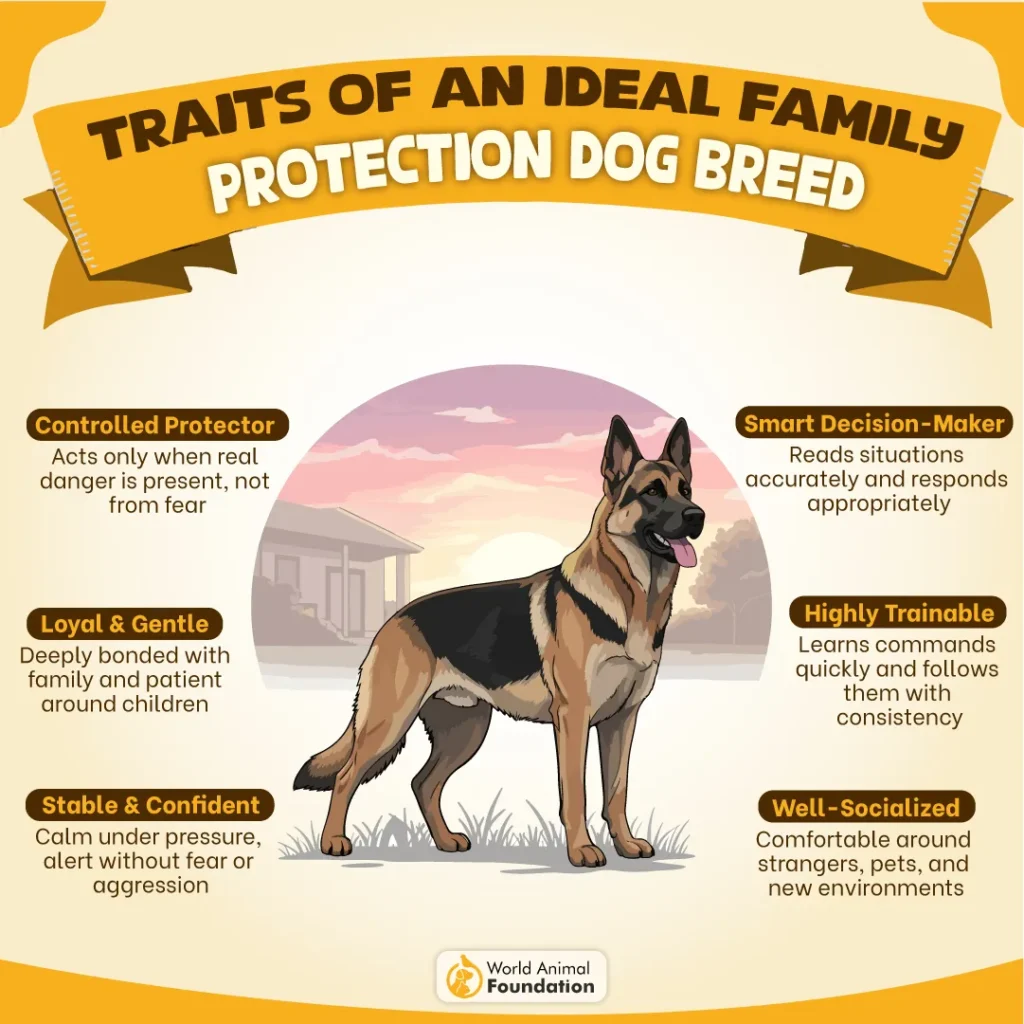
What makes this guard dog breed especially effective is its combination of intelligence and emotional control.
These dogs don’t just react—they assess, which is why they’re widely used in police, military, and search-and-rescue roles worldwide. This ability to think before acting is what makes them so reliable in family environments, too.
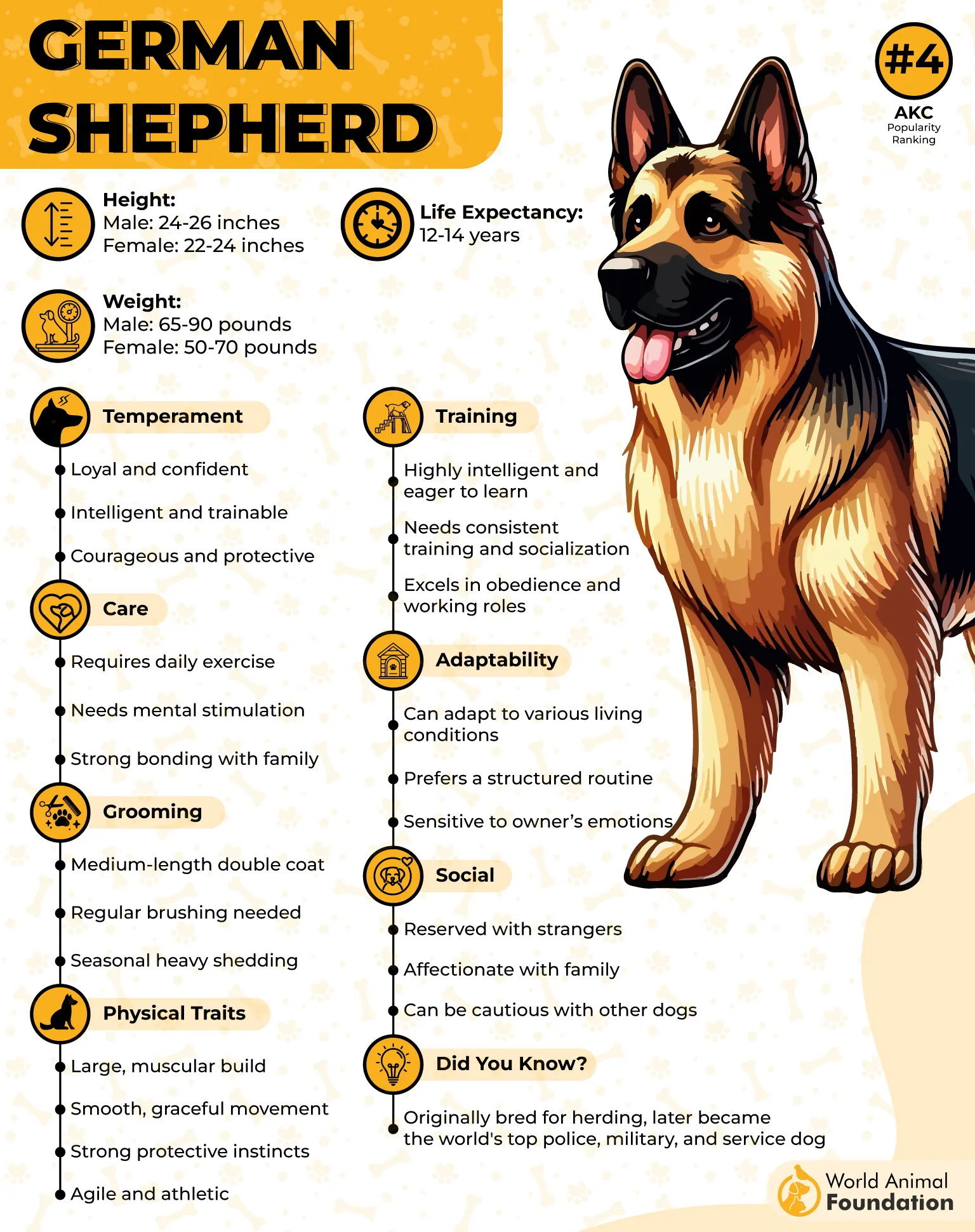
You will mostly see them observing entrances and family members. Many owners report that their dogs “check rooms” or patrol the house without being trained to do so. It’s instinct, not instruction.
They also form extremely strong bonds with their family group, which amplifies their protective instincts. If they sense tension or unfamiliar behavior, they shift from relaxed companion to alert guardian in seconds.
Despite their serious reputation, German Shepherds are deeply affectionate with their people. That dual personality—gentle at home, sharp in awareness—is exactly why they rank so high on watchfulness lists.
2. Cane Corso
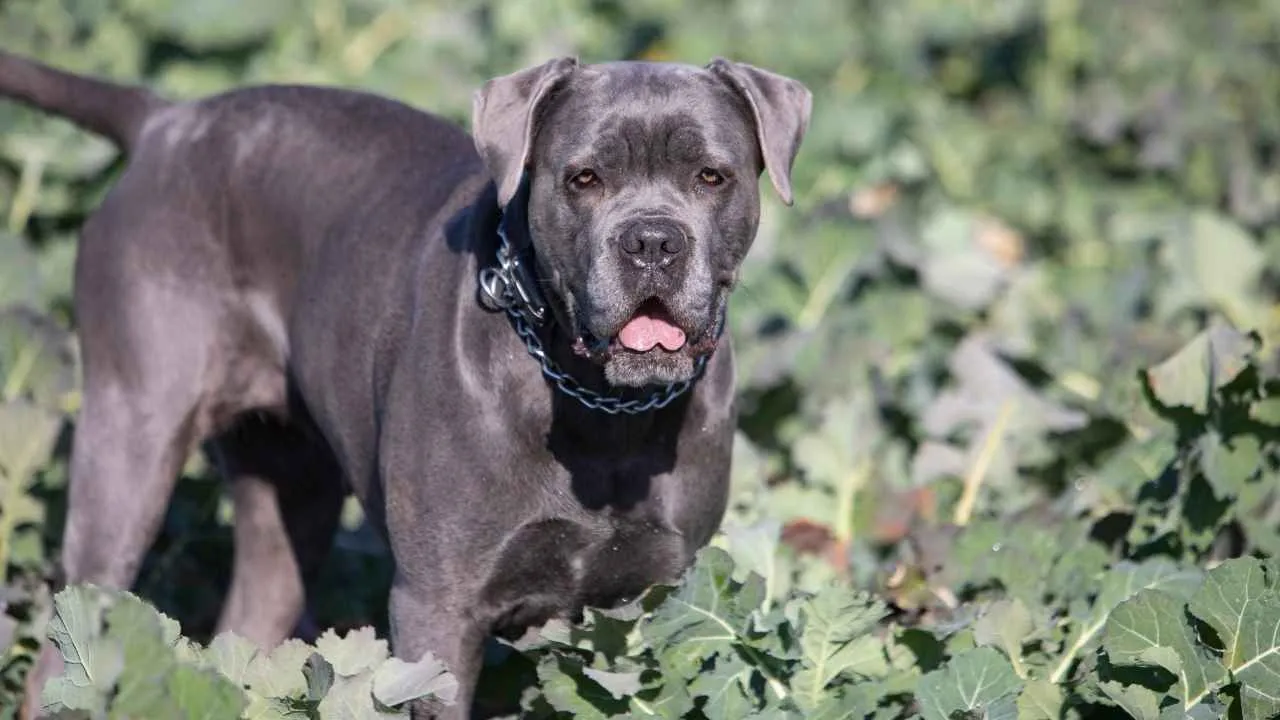
The Cane Corso doesn’t “look watchful”—it radiates it. This Italian mastiff breed carries a calm, composed presence that makes strangers think twice before approaching. It’s not nervous energy; it’s controlled awareness.
Historically, it was used as a guard dog on farms and for property protection in ancient Rome, thanks to its natural protective instincts. That legacy shows up today in their quiet confidence and tendency to evaluate situations before reacting. They don’t waste energy—they observe first, act second.
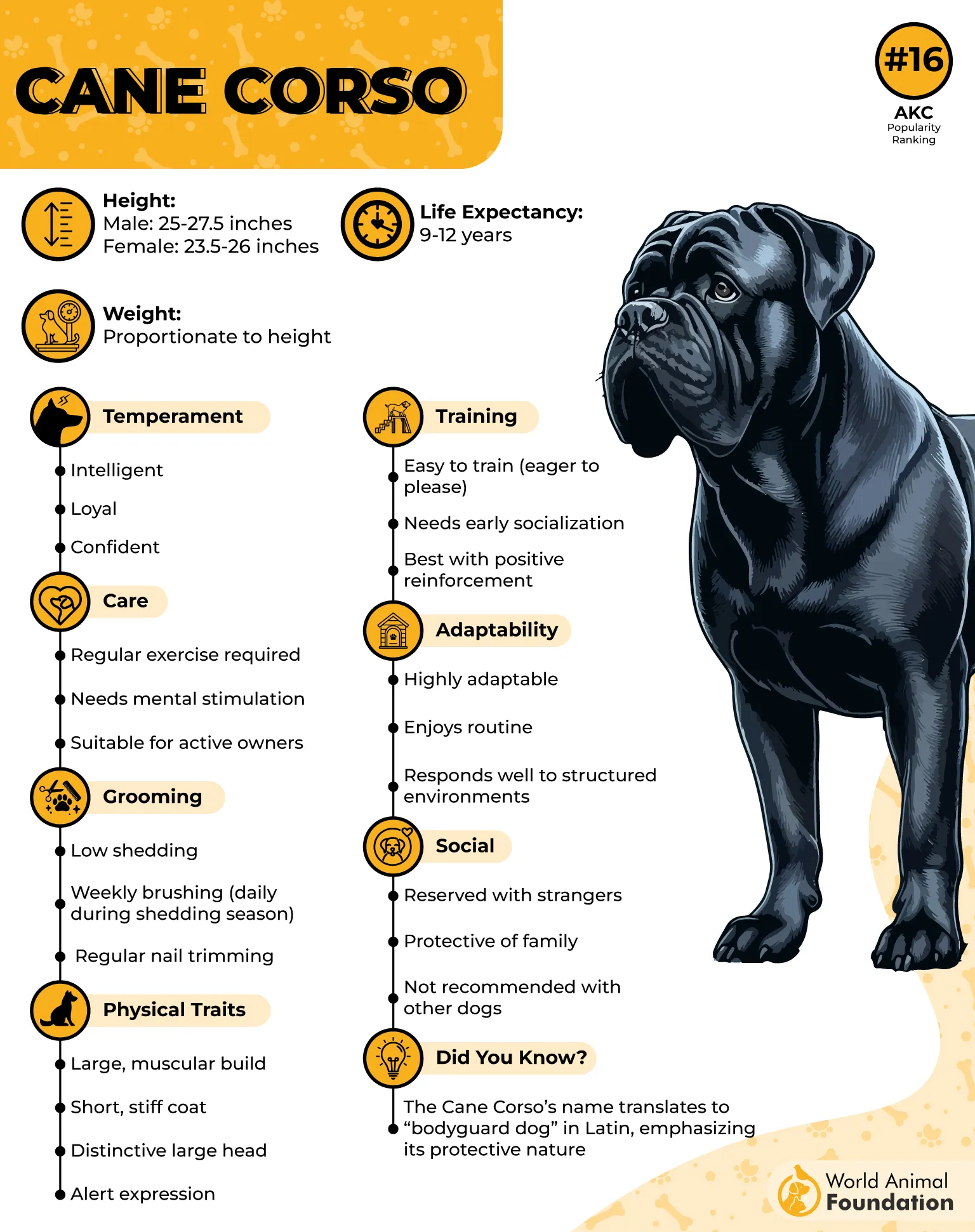
In a home, they tend to place themselves strategically between family members and unfamiliar visitors. Many owners describe it as “silent positioning,” where the dog appears nearby when something feels off. It’s subtle but intentional behavior.
These excellent guard dogs are not excessive barkers, which makes their alerts even more meaningful. When a Cane Corso vocalizes, families tend to take it seriously because it usually signals a genuine trigger.
Their loyalty is intense and deeply rooted, making them highly focused on their household unit. They don’t just protect space—they protect people.
3. Appenzeller Sennenhund
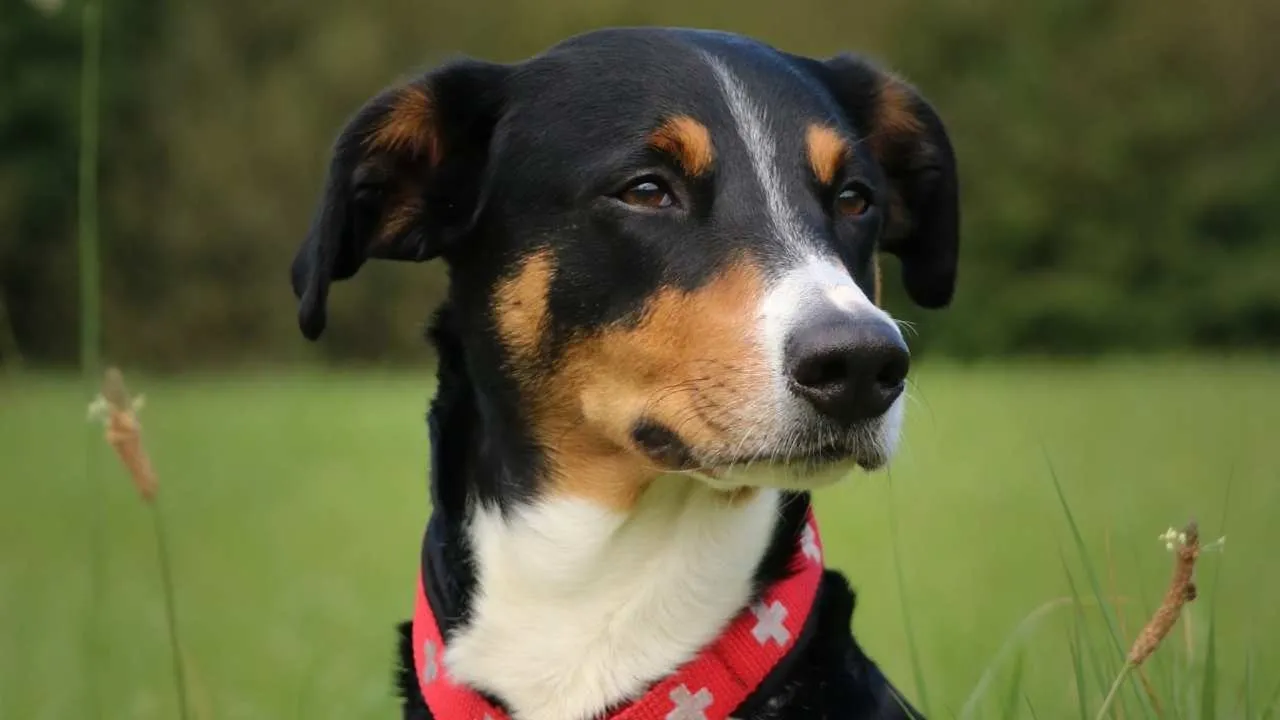
The Appenzeller Sennenhund is the underrated athlete of watchful breeds. Medium-sized and incredibly agile, this Swiss farm dog was originally bred to herd cattle and guard mountain properties. That history built a dog that never stops observing movement patterns.
Unlike heavier guard breeds, Appenzellers rely on speed and intelligence rather than intimidation. They constantly track their surroundings, making mental notes of what belongs and what doesn’t. Think of them as the “motion sensors” of the dog world.
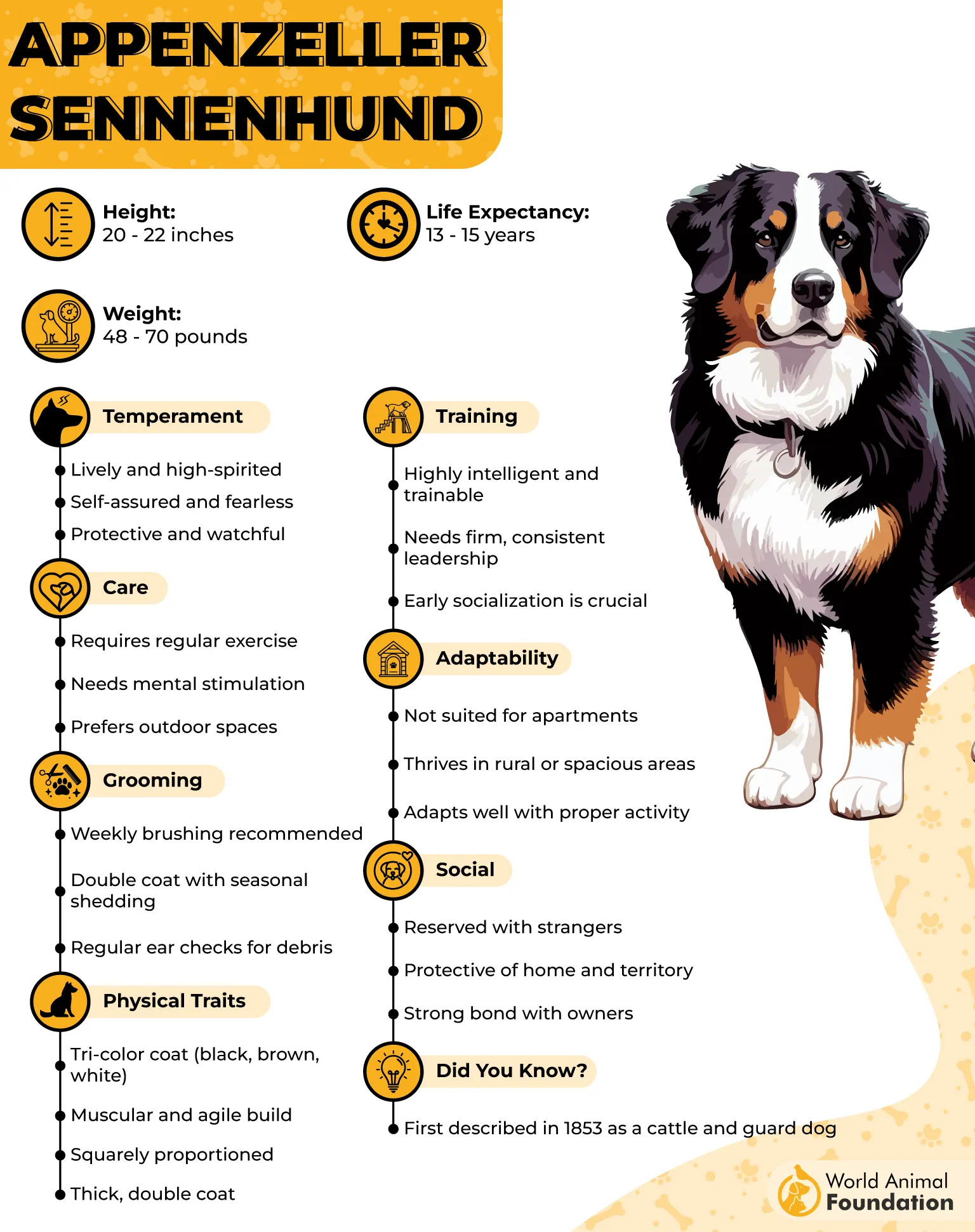
These intelligent dogs are highly energetic and require both physical and mental stimulation to stay balanced. Without enough activity, they can become restless because their brains are always looking for “tasks” to solve. Watching over a household is naturally one of those tasks.
In family environments, they often stay near entryways or windows to monitor activity. They’re quick to alert but also quick to reset once they confirm things are safe.
Their loyalty is strong, but they’re also independent thinkers, meaning they don’t rely entirely on commands to make decisions. That makes them especially reliable in dynamic environments.
4. Akita
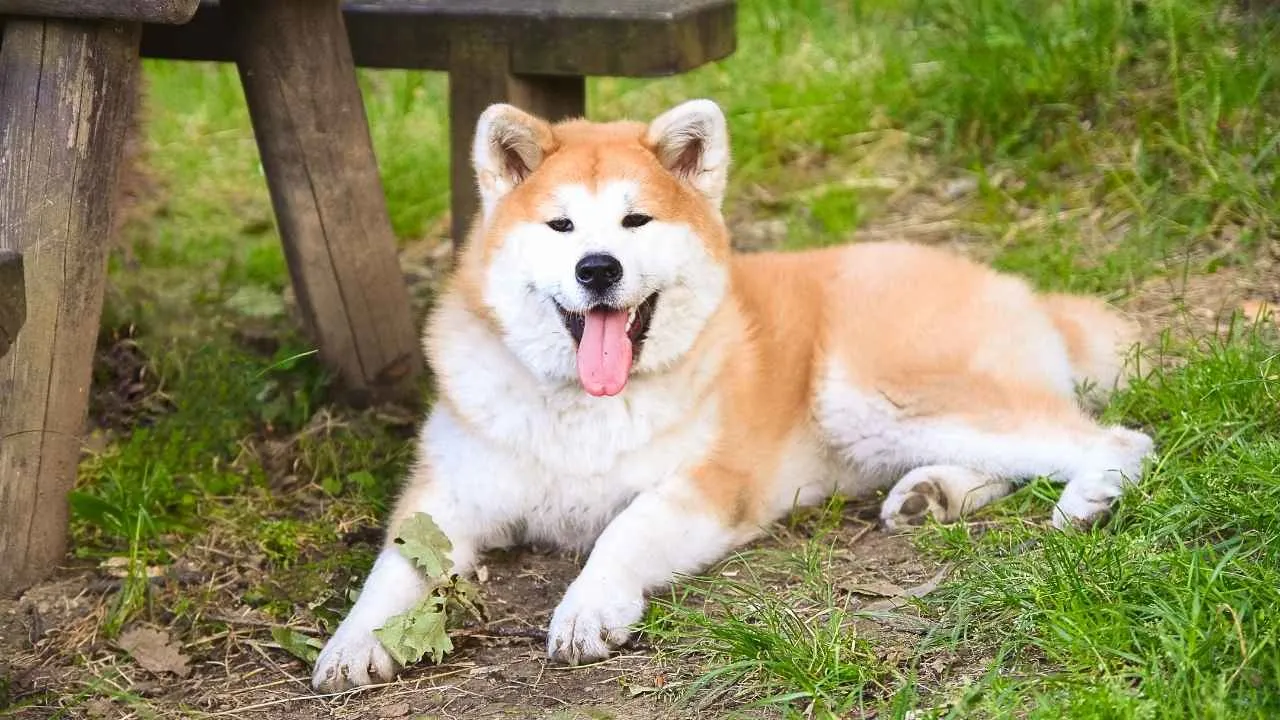
The Akita brings a very different vibe—quiet, dignified, and intensely observant. Originating in Japan, this large spitz-type breed often weighs 70–130 pounds and carries itself like it’s always on formal duty. It doesn’t react quickly—it watches deeply.
These muscular dogs were historically used to guard royalty and nobility, which shaped their reserved and independent personality. They are not overly social with strangers, and that selective trust becomes a key part of their watchful nature.
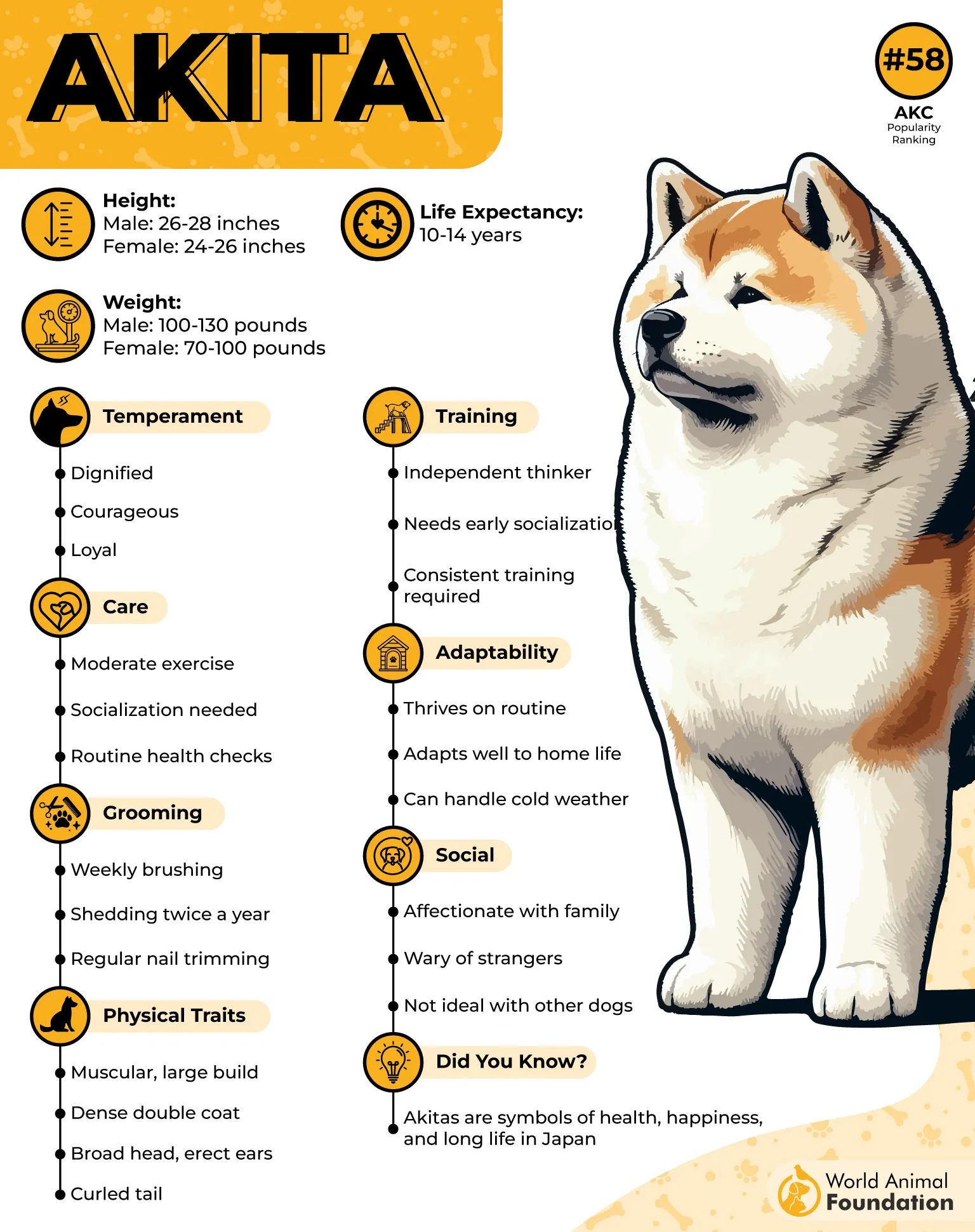
PetMD claims that they often sit at elevated or central points where they can observe everyone without moving much. They prefer to assess situations silently rather than engage immediately.
Their protective instincts are highly family-focused, meaning they clearly differentiate between the “inside group” and the “outside world.” Once bonded, they become extremely loyal guardians.
Because they are naturally calm but alert, their presence alone can discourage unwanted attention. They don’t need to act aggressively to be effective—they need to exist nearby.
5. Kuvasz
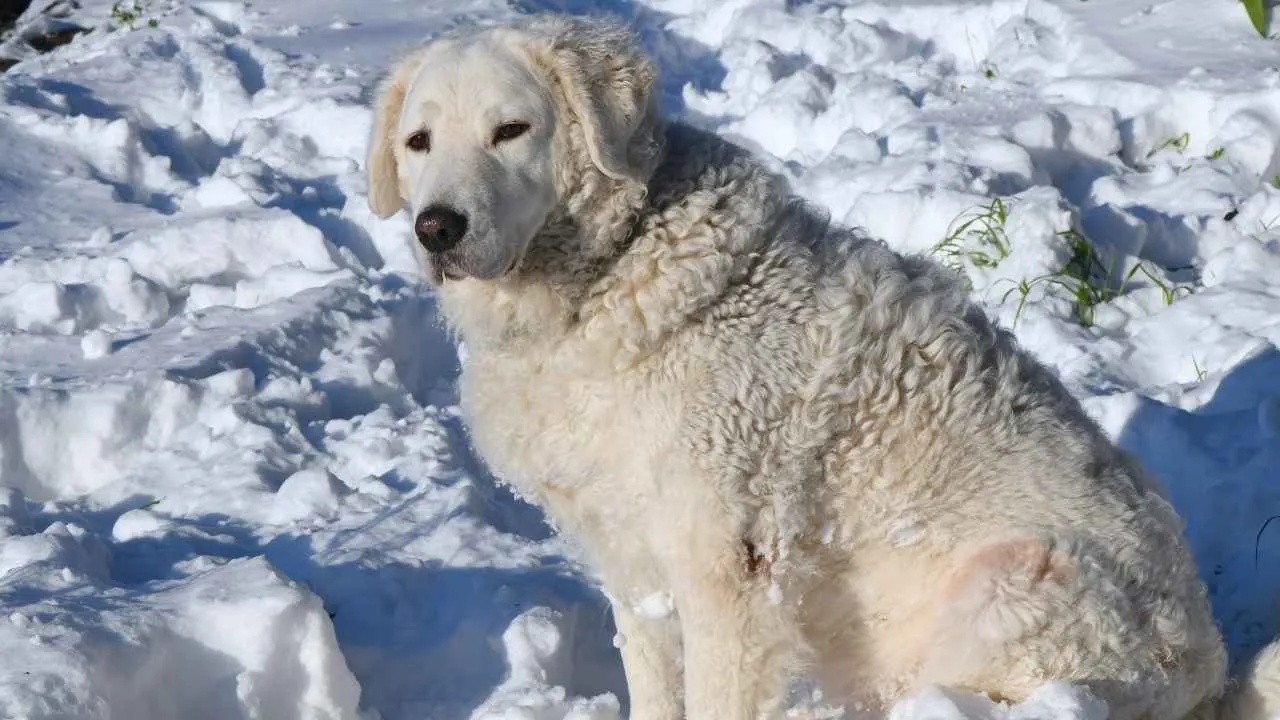
The Kuvasz is basically the “silent mountain guardian” energy in dog form. This Hungarian livestock guardian carries a thick white coat that blends into snowy or rural landscapes. But don’t let the fluffy appearance fool you—this breed is all business when it comes to watchfulness.
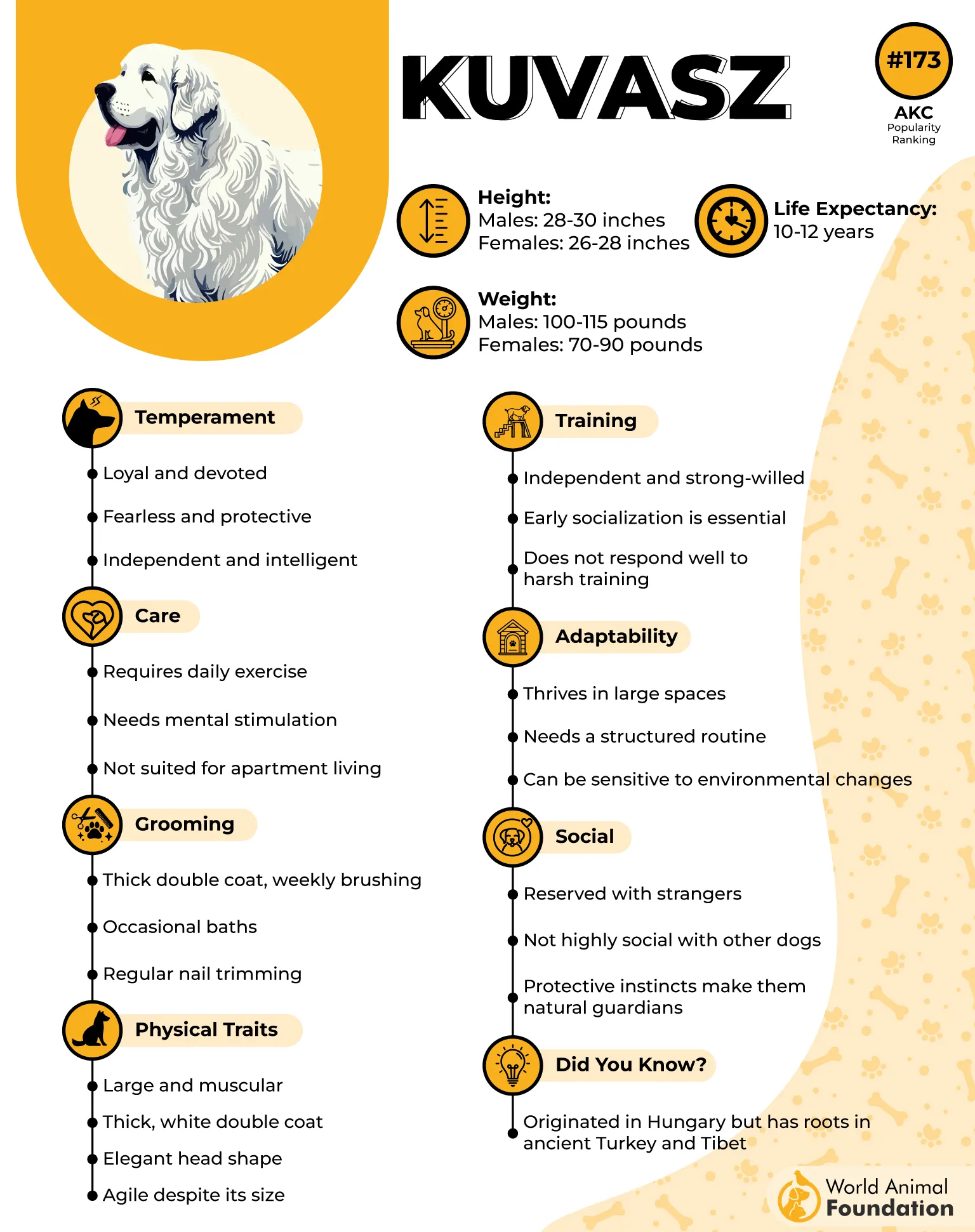
Historically, Kuvasz dogs protected royal estates and livestock from wolves and intruders without human direction. That independent decision-making is still deeply embedded in their behavior today, making them some of the best guard dog breeds out there. They don’t wait for instructions—they evaluate situations on their own terms.
These dogs tend to position themselves at elevated or strategic spots where they can observe everything at once. They often remain calm and still, giving the impression they’re relaxed, but internally they are constantly assessing movement and sound patterns.
Their loyalty is extremely selective, which is actually what makes them such strong guardians. Once they bond with a family, they become deeply committed to protecting that group and its boundaries.
Because they are independent thinkers, they require experienced handling and clear structure. But in the right environment, they are one of the most naturally alert guardian breeds in existence.
6. Rottweiler
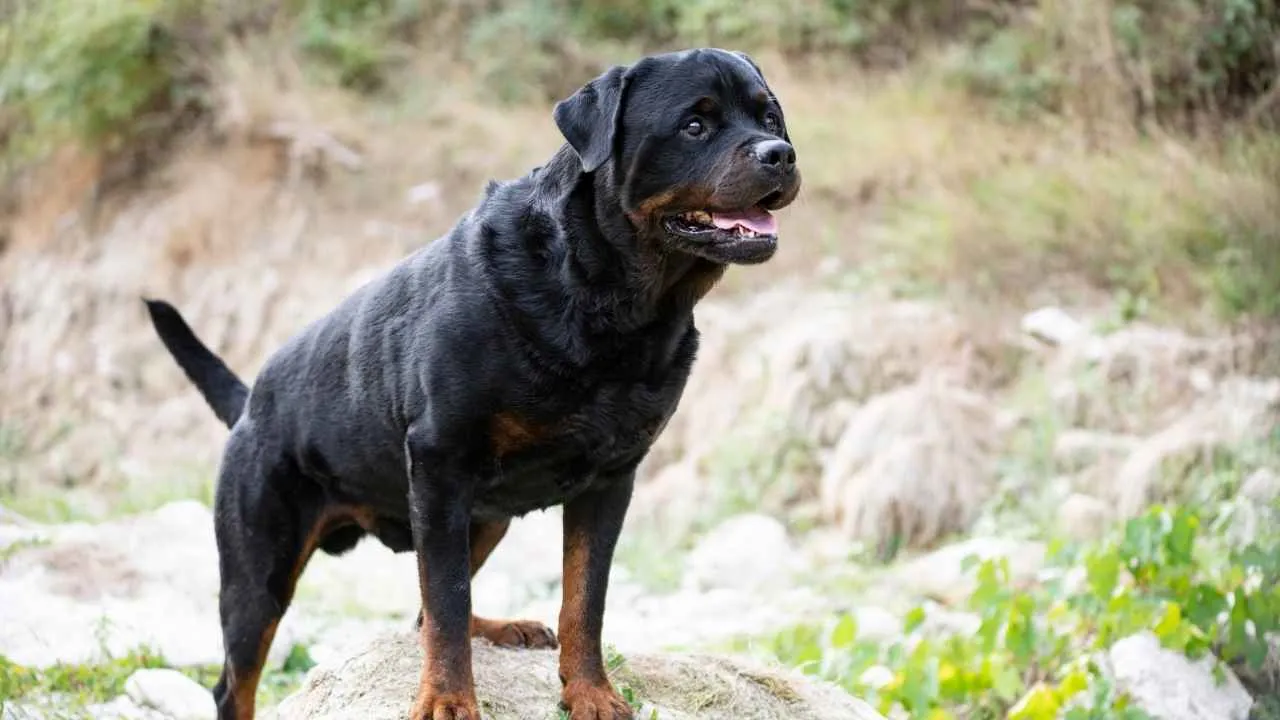
The Rottweiler is often misunderstood, but in reality, it’s one of the most controlled and dependable watchful breeds out there. This muscular breed carries itself with calm confidence rather than chaos. Its presence alone communicates authority.
Originally used as cattle-driving and cart-pulling dogs in ancient Roman regions, Rottweilers developed both intelligence and situational awareness. They had to constantly monitor livestock, roads, and human activity—all while making quick decisions.
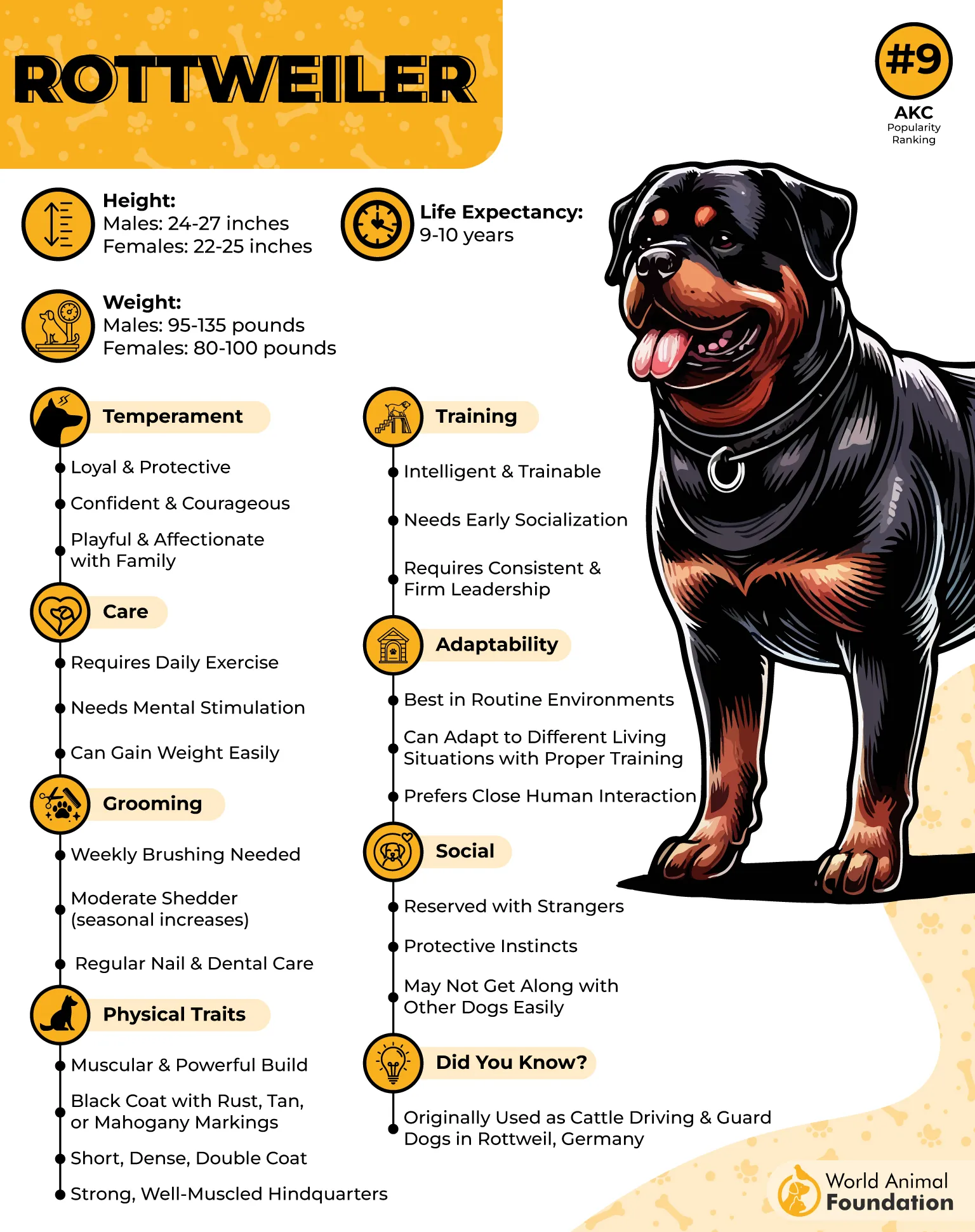
In modern homes, Rottweilers are known for their “quiet observation mode.” They often sit or lie in areas where they can see all entry points, silently tracking movement and changes in tone or behavior.
Hills Pet claims that they are not reactive barkers, which actually makes their alerts more meaningful. When a Rottweiler decides something is wrong, families tend to take it seriously because it usually comes after careful evaluation.
Their loyalty is extremely strong, and they form deep emotional bonds with their household. That attachment fuels their protective instincts without making them overly anxious or unpredictable.
7. Giant Schnauzer
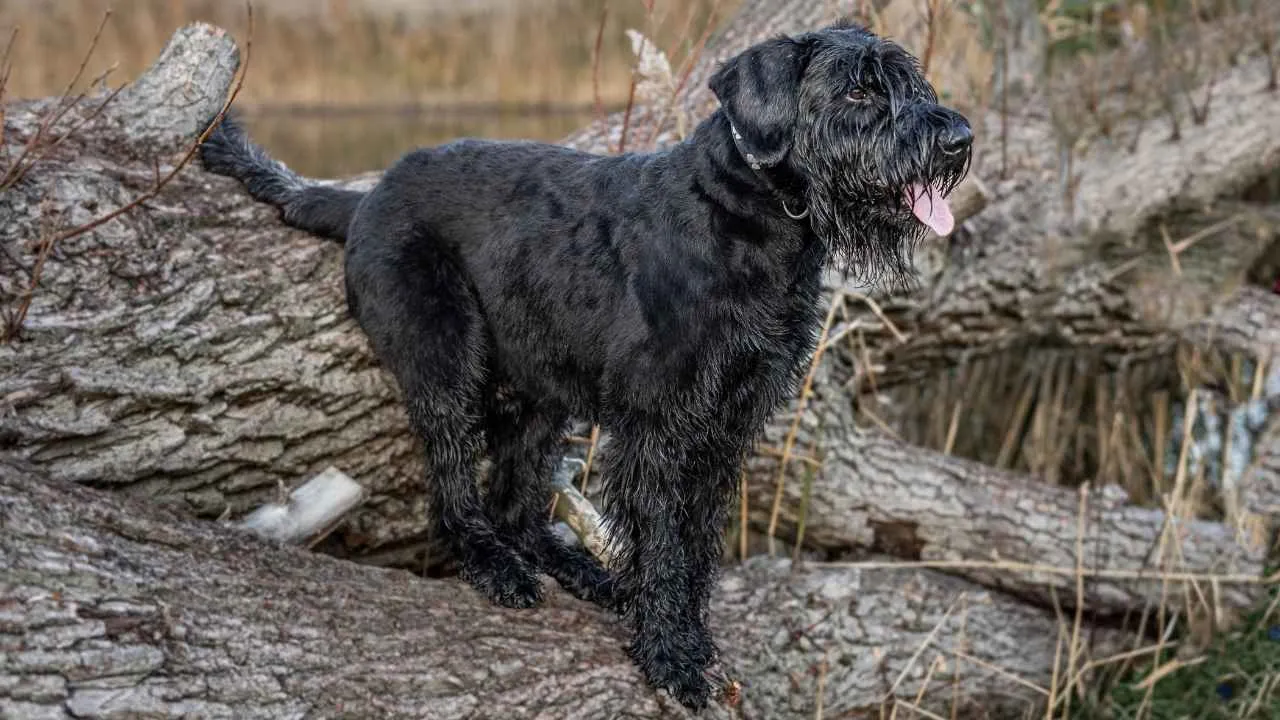
The Giant Schnauzer is basically a watchdog with espresso-level intensity. This powerful working breed combines intelligence with high alertness. Its wiry coat and intense gaze give it a permanent “on duty” expression.
Originally bred in Germany for driving livestock and guarding property, this breed developed exceptional environmental awareness. They are constantly scanning for irregular patterns in movement, sound, and human behavior.
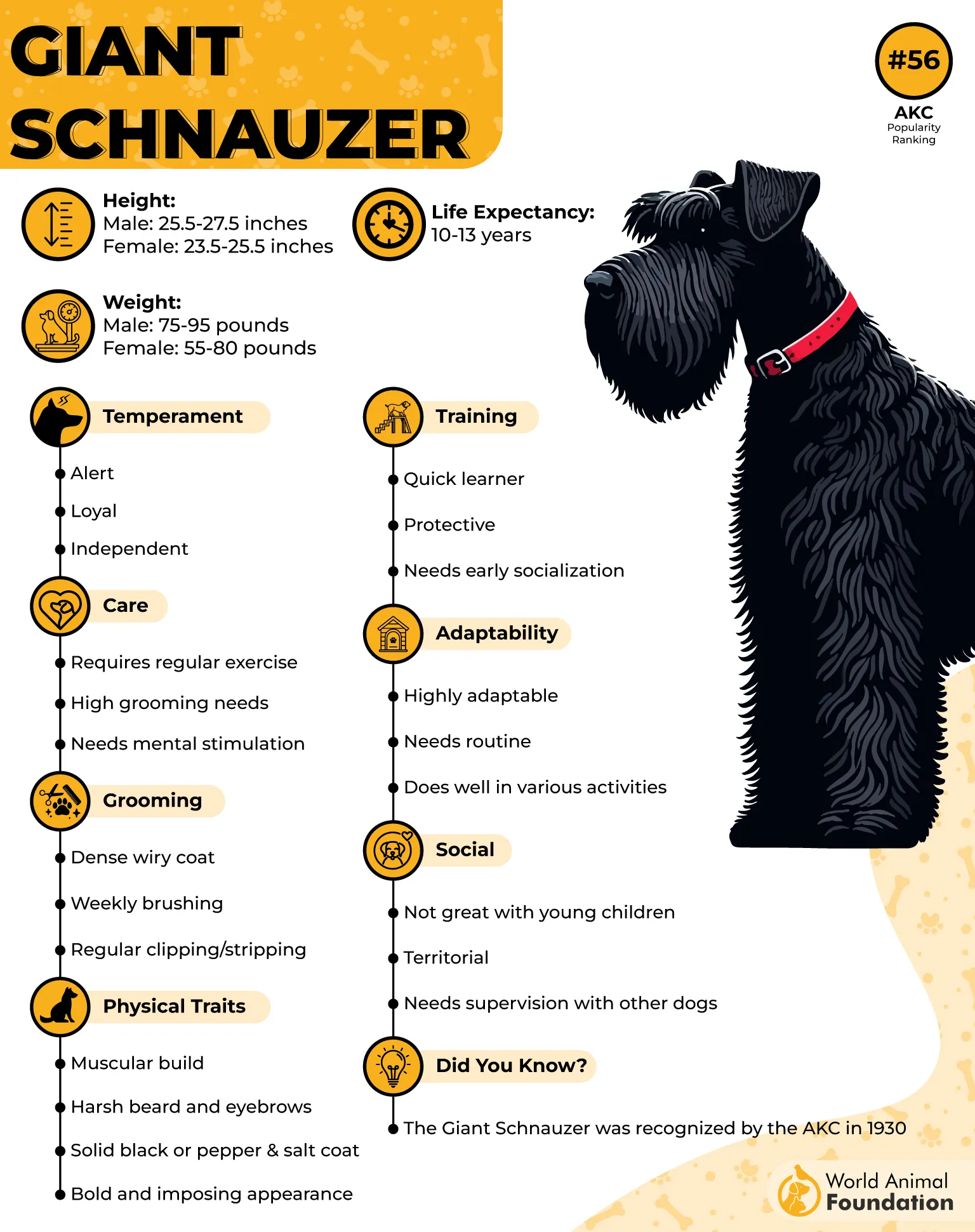
They often act like living perimeter alarms. WebMD mentions that they patrol spaces, check windows, and mentally map who belongs where. Even when resting, they maintain a surprising level of situational awareness.
They are highly trainable but require structure because their intelligence can turn into stubborn independence if left unmanaged. When trained properly, they become extremely reliable family guardians.
Their protective instinct is balanced by strong loyalty, making them deeply committed to their household and among the best guard dogs. They don’t just watch—they actively interpret what they see.
8. Rhodesian Ridgeback
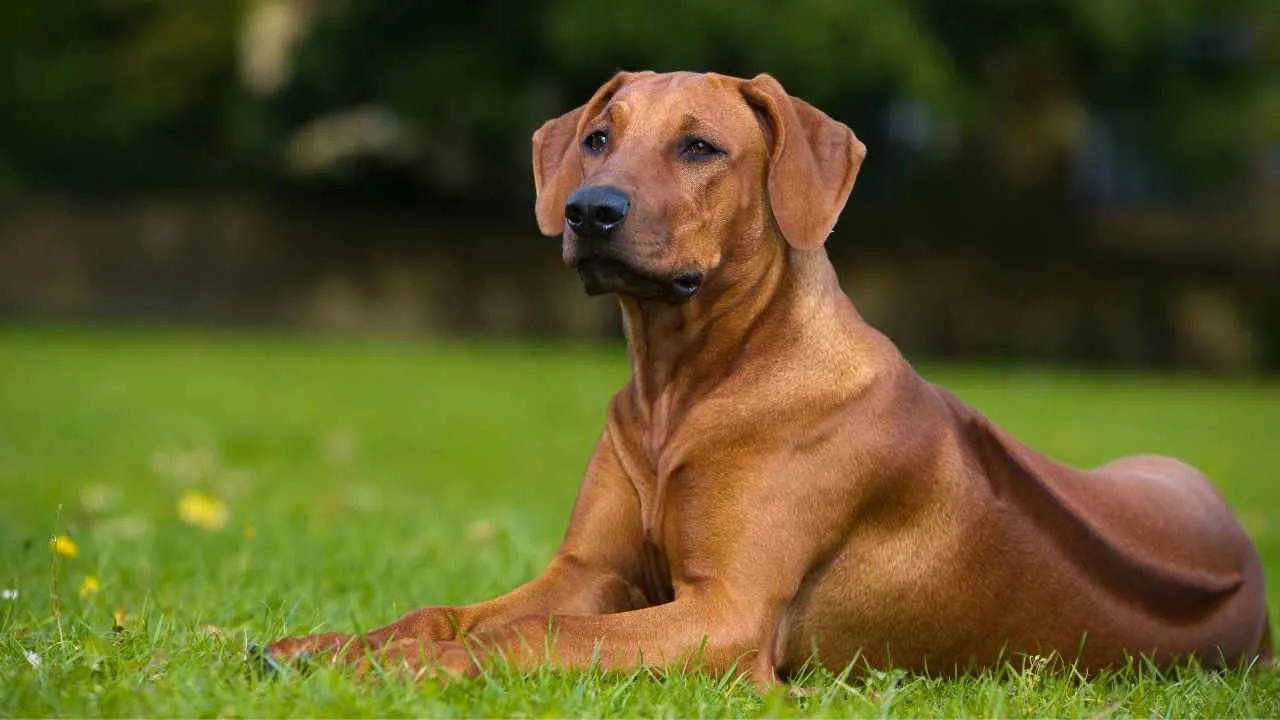
The Rhodesian Ridgeback brings a calm but powerful kind of watchfulness. Originally bred in Southern Africa to track lions, this breed has an athletic build and an unmistakable ridge of hair along its back. It’s not flashy—it’s focused.
Unlike hyper-reactive watchdogs, they are thoughtful observers. They don’t waste energy barking at every small sound; instead, they evaluate whether something actually matters before reacting.
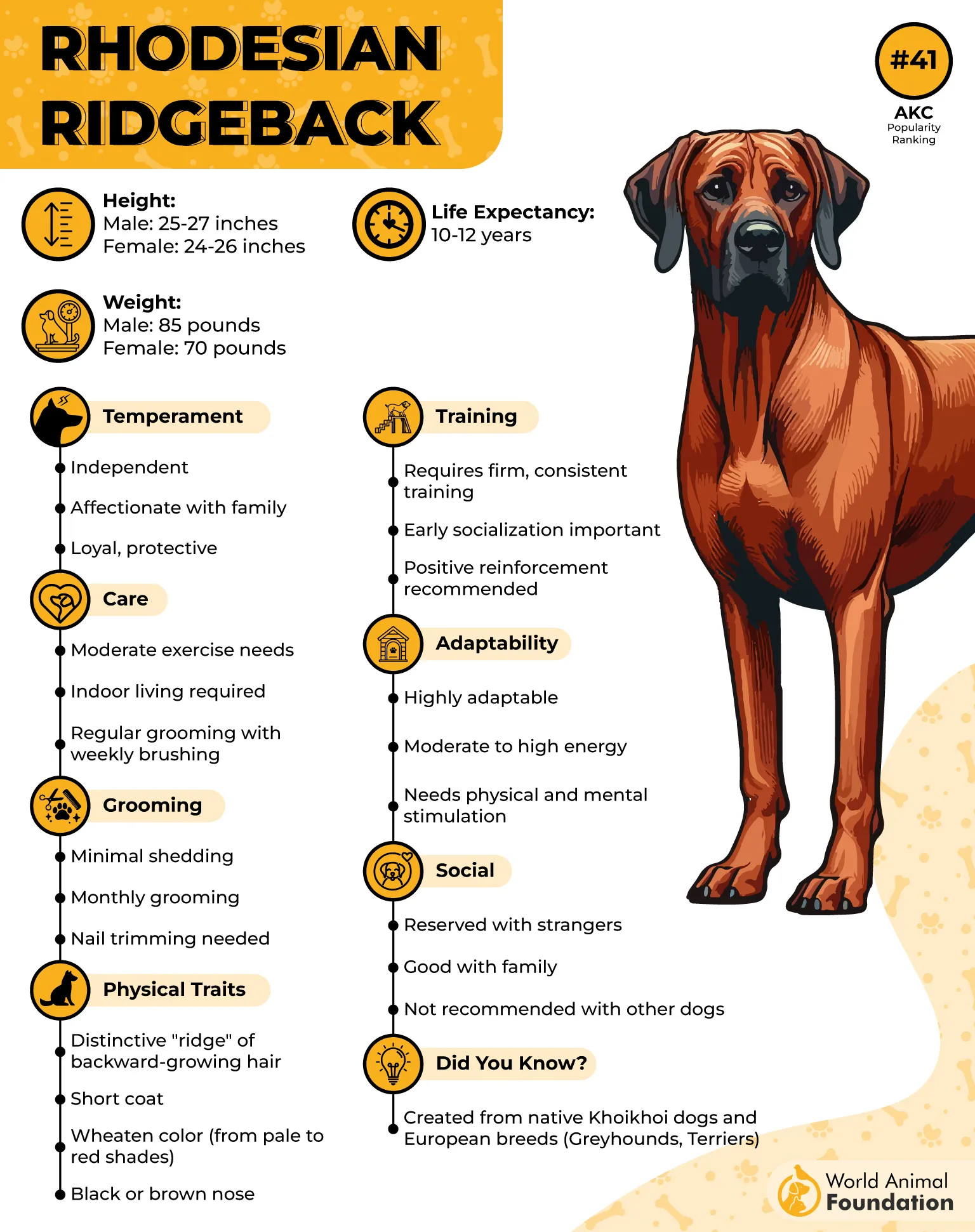
Many owners describe this great guard dog as “a quiet guardian,” always aware but rarely noisy.
Their independence is a key part of their protective nature. They were bred to work without constant human guidance, which means they trust their own judgment in unfamiliar situations.
When they do decide to act, it is usually calm, controlled, and deliberate. That restraint makes them especially reliable in family environments where stability matters.
9. Doberman Pinscher
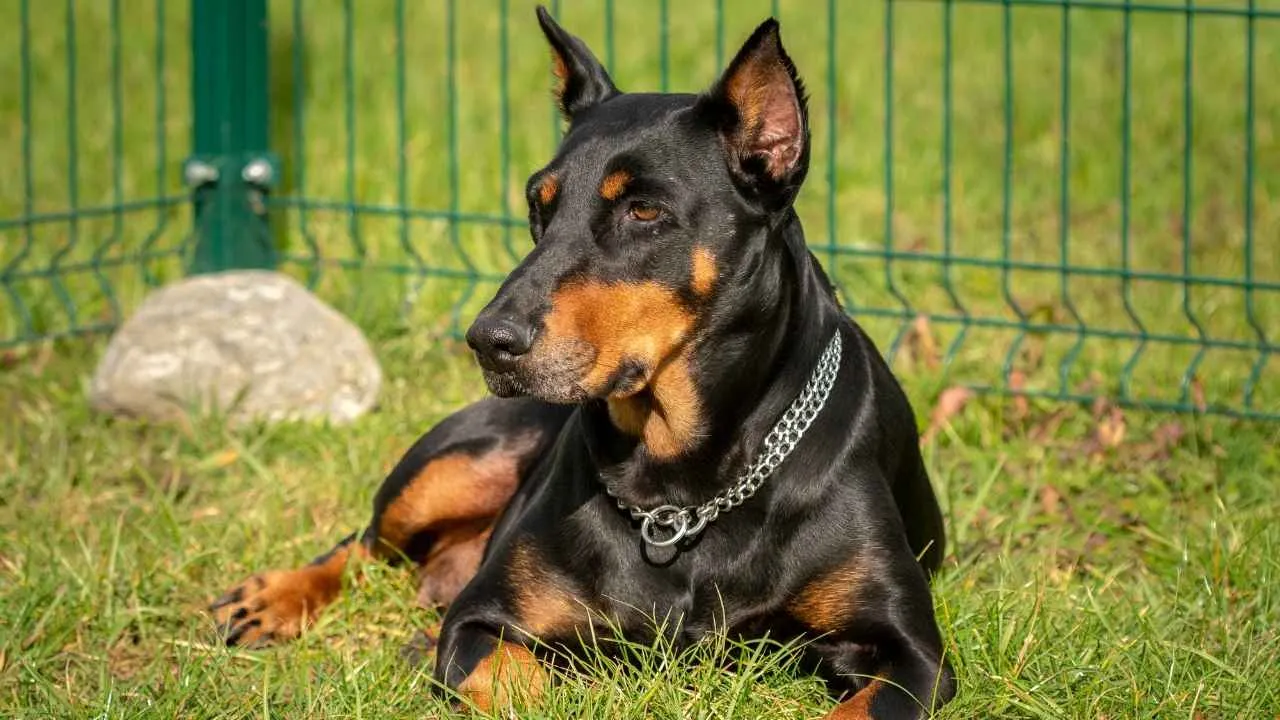
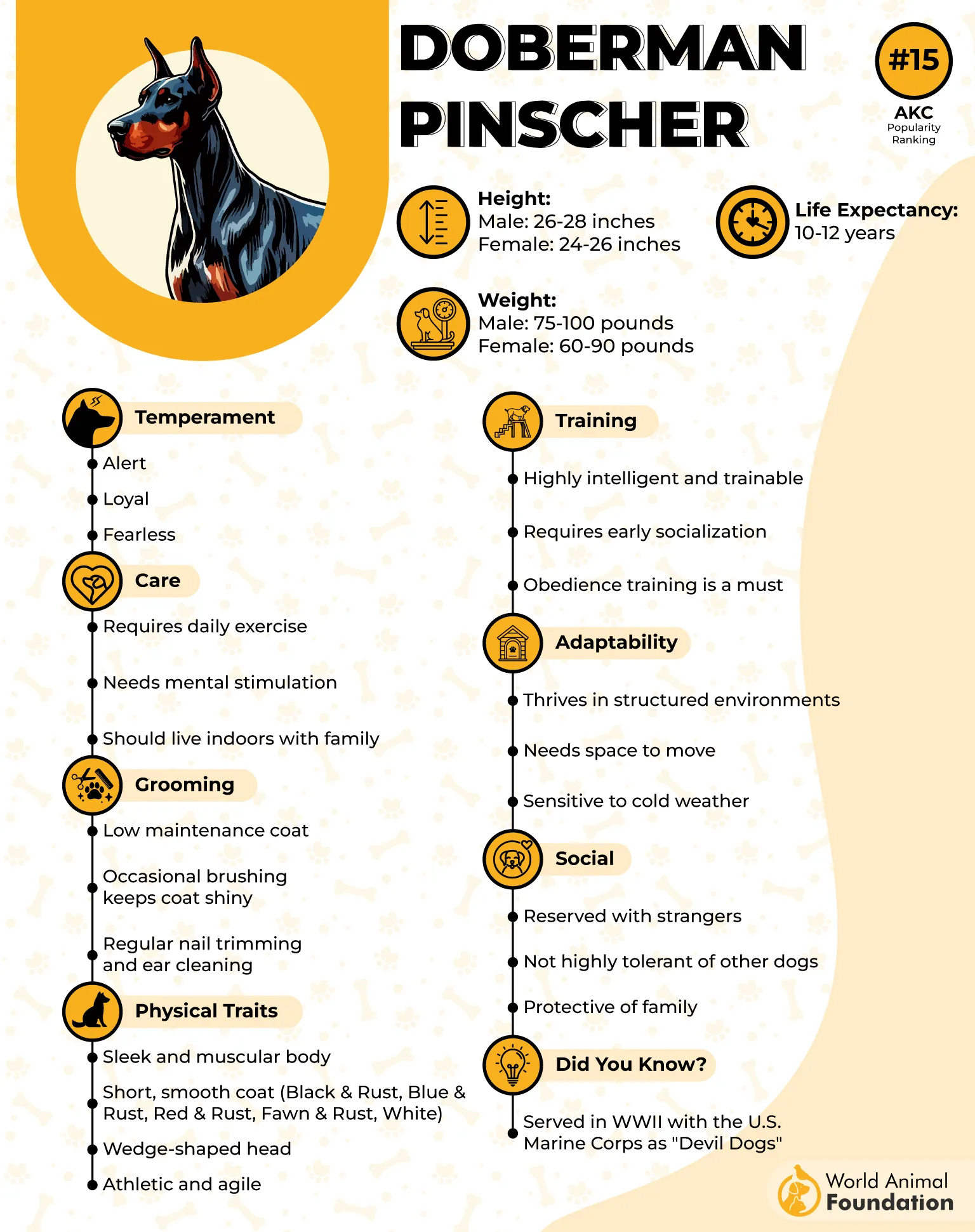
The Doberman Pinscher is basically the “sleek security system” of the dog world. This athletic breed combines elegance with serious alertness, giving off a vibe that says it notices everything—and forgets nothing. It’s not just speed or muscle; it’s pure awareness wrapped in a streamlined body.
As a personal protection dog, these large dogs were literally bred to stay close to humans while assessing threats in real time. That’s why modern Dobermans are famously “velcro dogs”—they stick near their family while quietly monitoring the environment. Their loyalty isn’t casual; it’s full-commitment mode.
While living in a house, they position themselves where they can see doors, hallways, or the main family area all at once. They don’t just lie down anywhere—they choose vantage points. That strategic behavior makes them feel like they’re always one step ahead of anything unusual.
Despite their intimidating reputation, well-socialized Dobermans are incredibly affectionate and emotionally tuned in. They often mirror their owner’s mood and become more alert if they sense stress or discomfort. That emotional intelligence adds another layer to their watchfulness.
Their reaction speed is one of their standout traits. When something is off, they don’t hesitate—they assess and respond almost instantly, which is why they’ve historically been trusted in security and police roles worldwide.
Conclusion
Watchful dog breeds aren’t just about guarding spaces—they’re about reading energy, noticing patterns, and quietly staying one step ahead of chaos. Staffordshire Bull Terrier, Australian Shepherd, Bernese Mountain Dog, and Tibetan Mastiff are other protective dog breeds that make phenomenal family guard dogs.
What makes these dogs special isn’t aggression—it’s awareness. These breeds, which were developed for guarding roles, tend to show heightened environmental sensitivity, meaning they naturally track changes in sound, movement, and routine long before humans notice anything unusual. That’s the real superpower.
But here’s the reality check: these dogs aren’t just home security upgrades. They’re emotional anchors, routine enforcers, and loyal companions who treat your home like their responsibility. With proper training, socialization, and respect, they don’t just watch over your family—they become part of it.
