




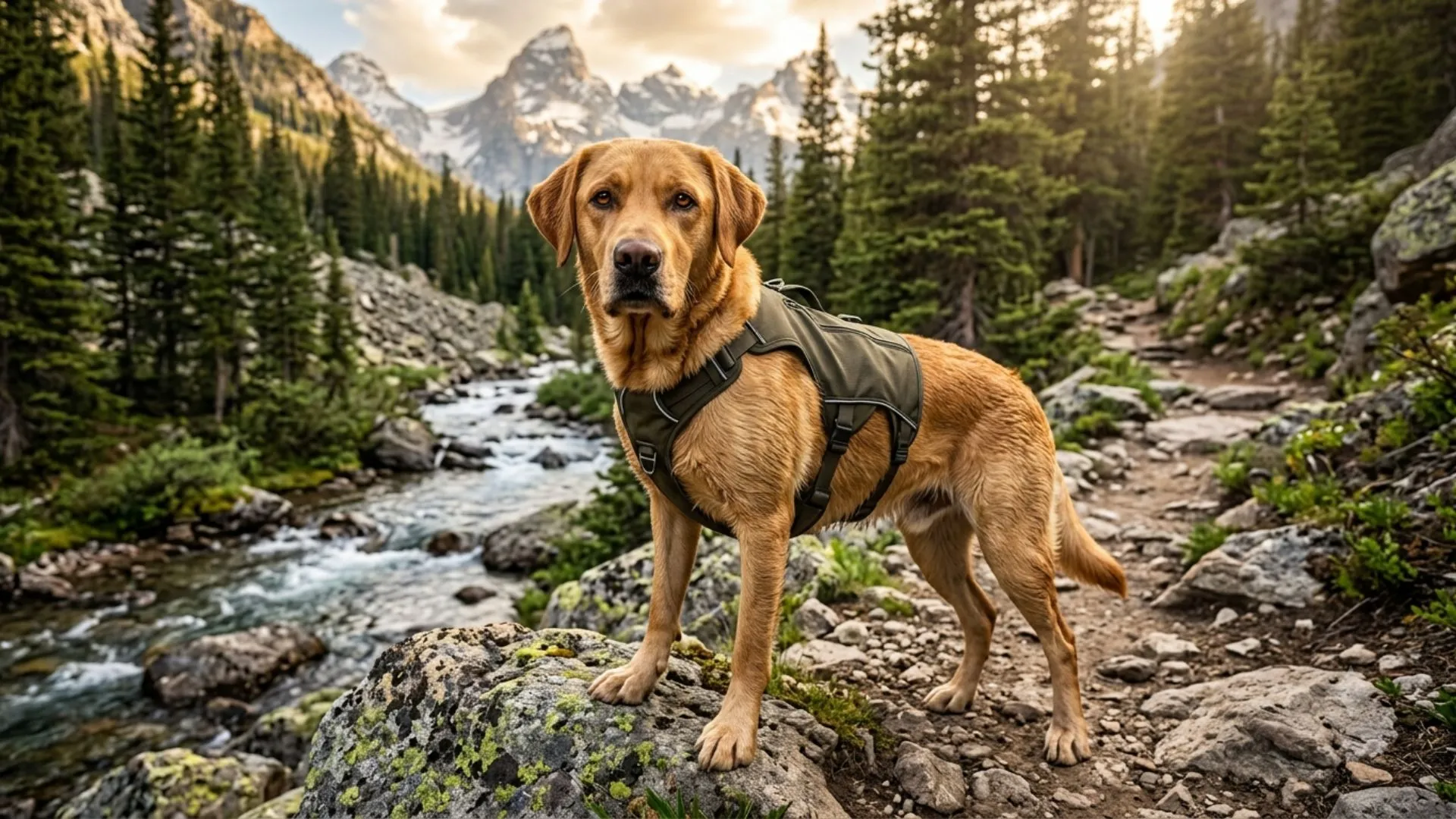
Wilderness training is where a dog’s instincts, focus, and bond with its handler truly come alive. It is not just about running through forests or following commands in open spaces; it is about trust, patience, and learning to work together when distractions, scents, terrain, and weather all come into play.
The best wilderness dogs are not only strong and energetic, but also eager to learn, responsive to guidance, and motivated by praise, play, or rewards. Many breeds can succeed in outdoor training when lessons are kept short, positive, consistent, and fun.
From search and rescue work to tracking, hiking, and field exercises, these dogs use their noses, minds, and natural drive to handle real-world challenges. With the right training and a strong human connection, wilderness-ready breeds become more than outdoor companions; they become loyal partners in every adventure.
Key Takeaways
Wilderness training requires dogs with stamina, focus, confidence, and a strong working drive.
Versatile breeds thrive when outdoor activity is paired with clear structure and consistent training.
Intelligent dogs learn quickly, but they still need patience, boundaries, and regular mental challenges.
Breeds with hunting, herding, guarding, or retrieving backgrounds often adapt well to rugged environments.
Daily exercise is essential because under-stimulated working dogs may become restless or destructive.
Versatile Dog Breeds That Excel in Wilderness Training
1. German Shepherd
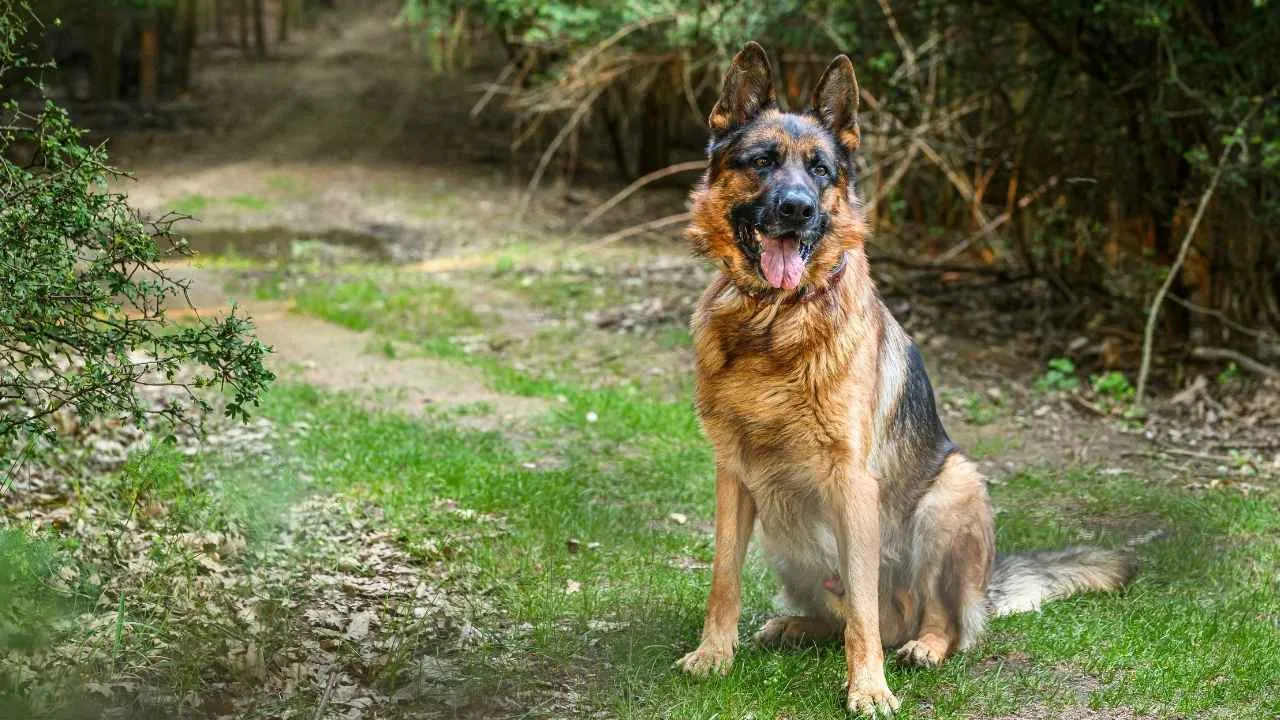
Wilderness training demands more from a German Shepherd than basic obedience. This breed is known for its loyalty, confidence, intelligence, and remarkable ability to stay focused even in highly distracting environments.
German Shepherds excel as outdoor companions because they are not only energetic but also highly responsive, eager to work, and capable of handling unfamiliar terrain, shifting weather, and challenging situations alongside their handler.
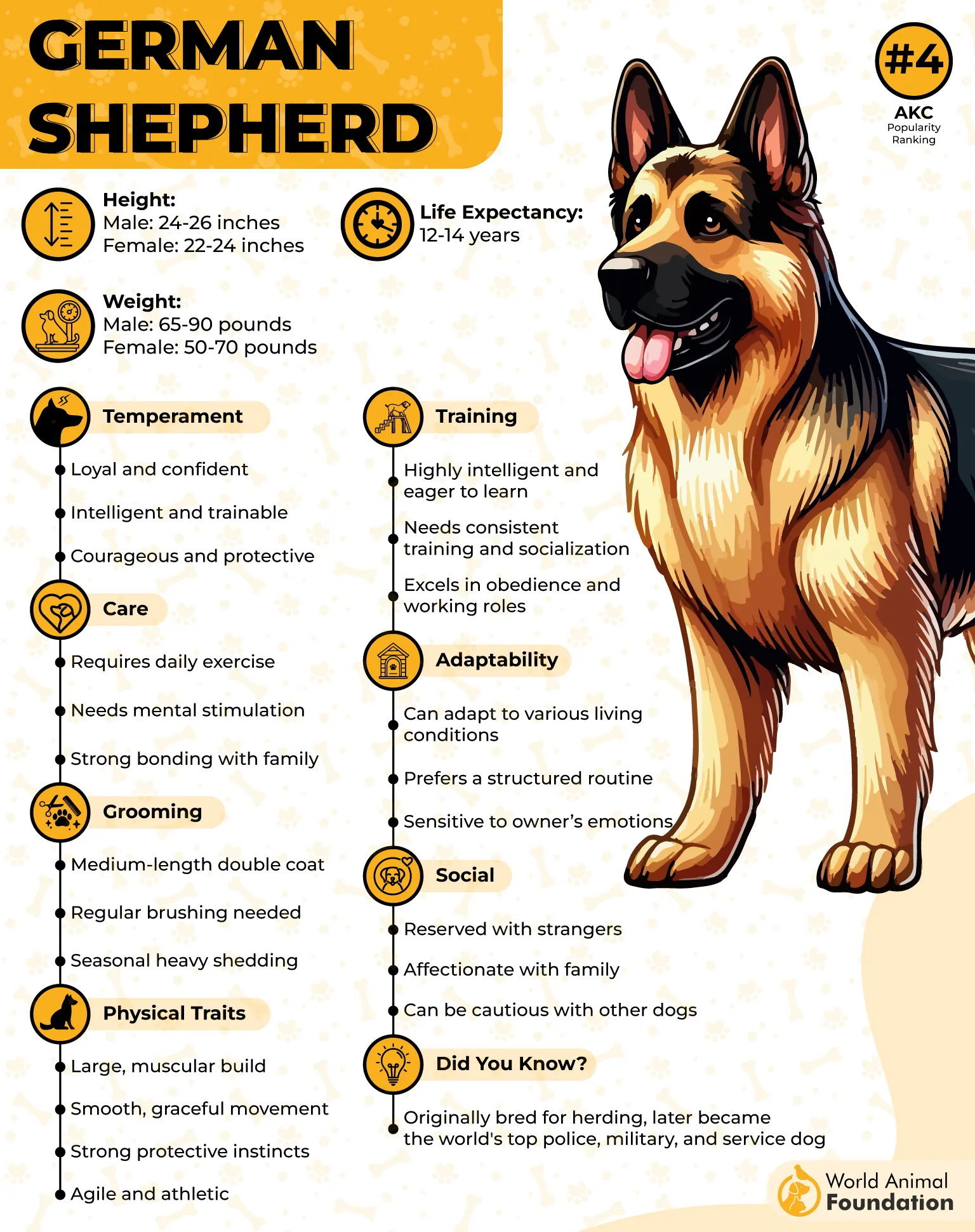
Their natural drive to have a purpose and their strong bond with their owner make them especially suited for this role, according to Best Mate Dog Training.
However, their versatility does not mean they are easy to manage. German Shepherds require clear leadership, consistent training, and a structured environment to become dependable partners.
With proper guidance, patience, and plenty of mental and physical stimulation, they thrive in demanding settings. For active owners, a well-trained German Shepherd can transform every outdoor adventure into a rewarding shared experience.
2. Labrador Retriever
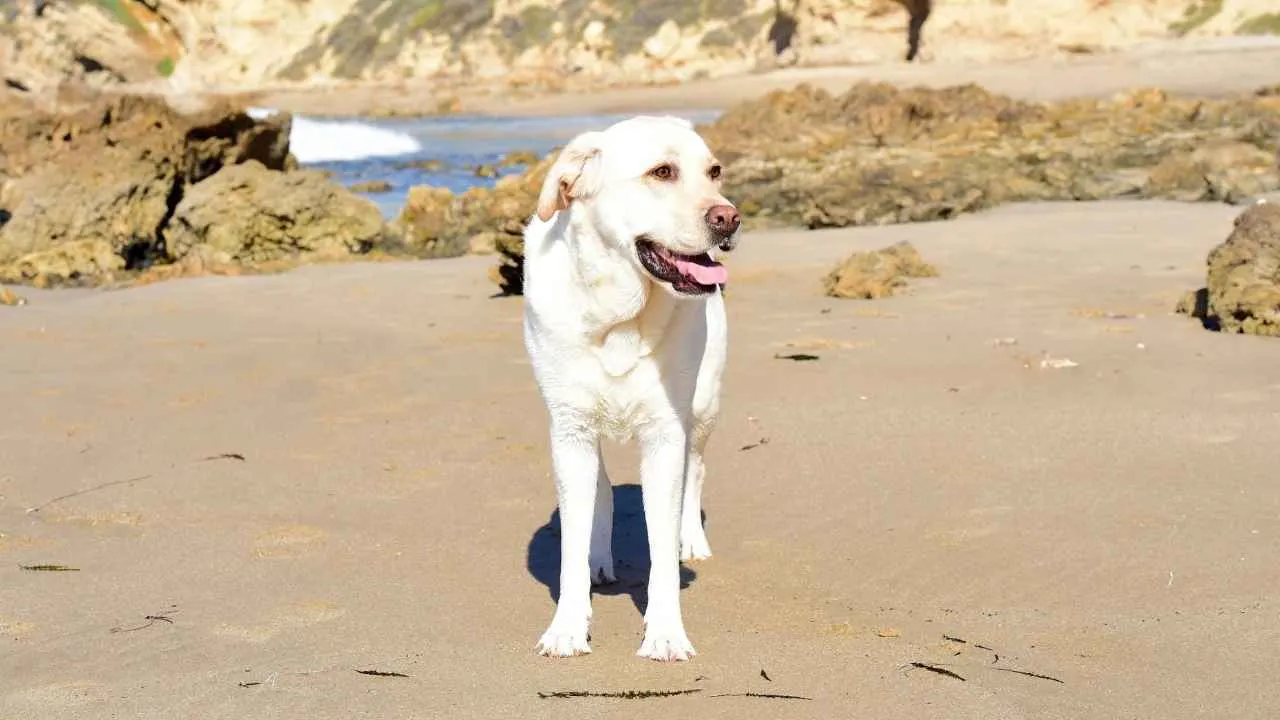
The Labrador Retriever brings heart, energy, and enthusiasm to wilderness training. Originally valued for work around water and retrieving, this athletic breed has a natural love for movement, swimming, fetching, and outdoor adventure.
Labs are friendly, loyal, and eager to please, which makes them highly trainable and enjoyable partners for active owners.
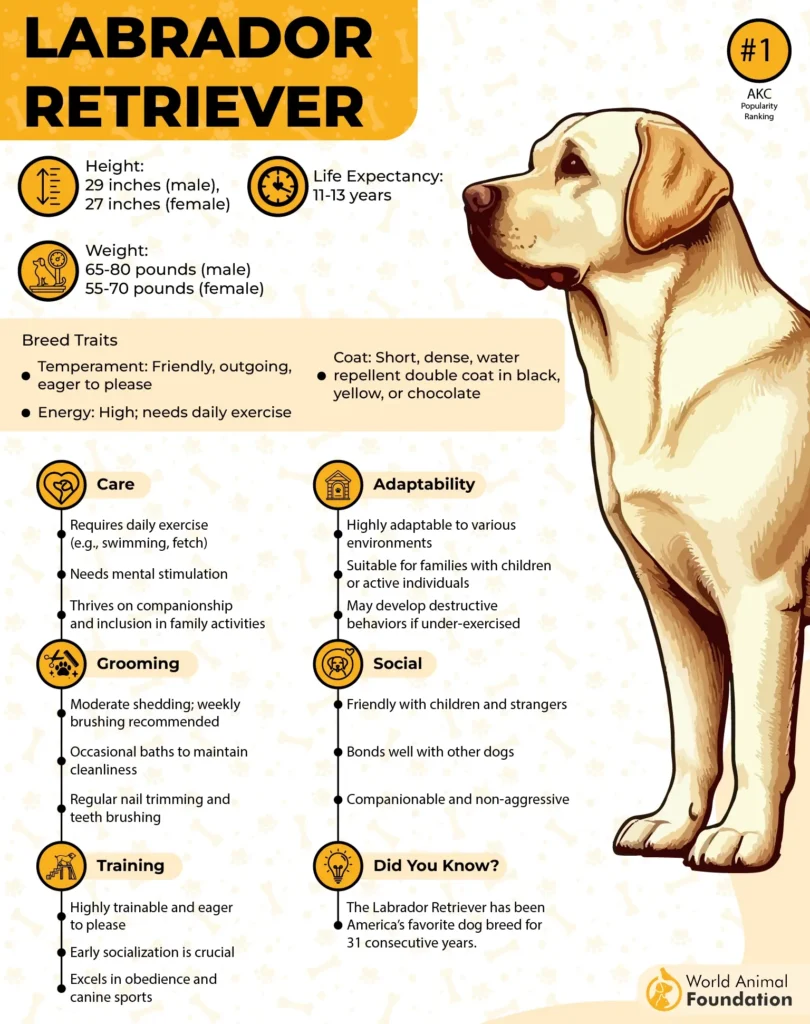
Their intelligence and steady nature have helped them succeed in important roles such as search and rescue, guide work, and therapy support.
On the trail, they are cheerful companions who can handle hiking, water play, tracking games, and long sessions of physical activity.
However, their joyful spirit comes with real needs. Labradors require plenty of daily exercise, mental stimulation, early socialization, and consistent training to stay well-mannered, as stated by Pooch and Mutt. Without enough activity, they may become bored and destructive.
With the right guidance, a Labrador can turn outdoor training into a fun, loyal, and deeply rewarding experience.
3. Belgian Malinois
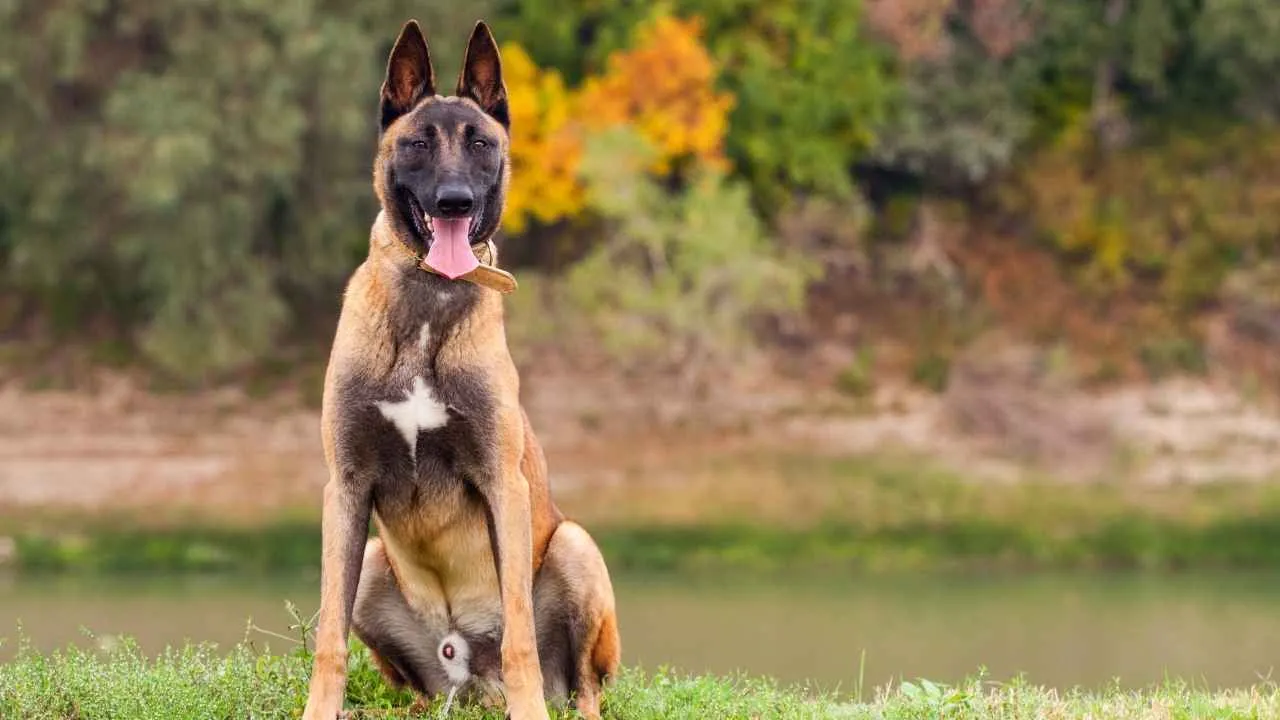
The Belgian Malinois is built for people who live life in motion. Originally developed as a hardworking sheepdog in Belgium, this alert and athletic breed later earned a strong reputation in police, military, search, rescue, and detection work.
In wilderness training, that same sharp focus, stamina, and confidence make the Malinois a powerful partner for active handlers.
They are quick learners, deeply loyal, and always ready for a task, whether that means tracking, hiking, running, or practicing advanced obedience in rugged outdoor settings.
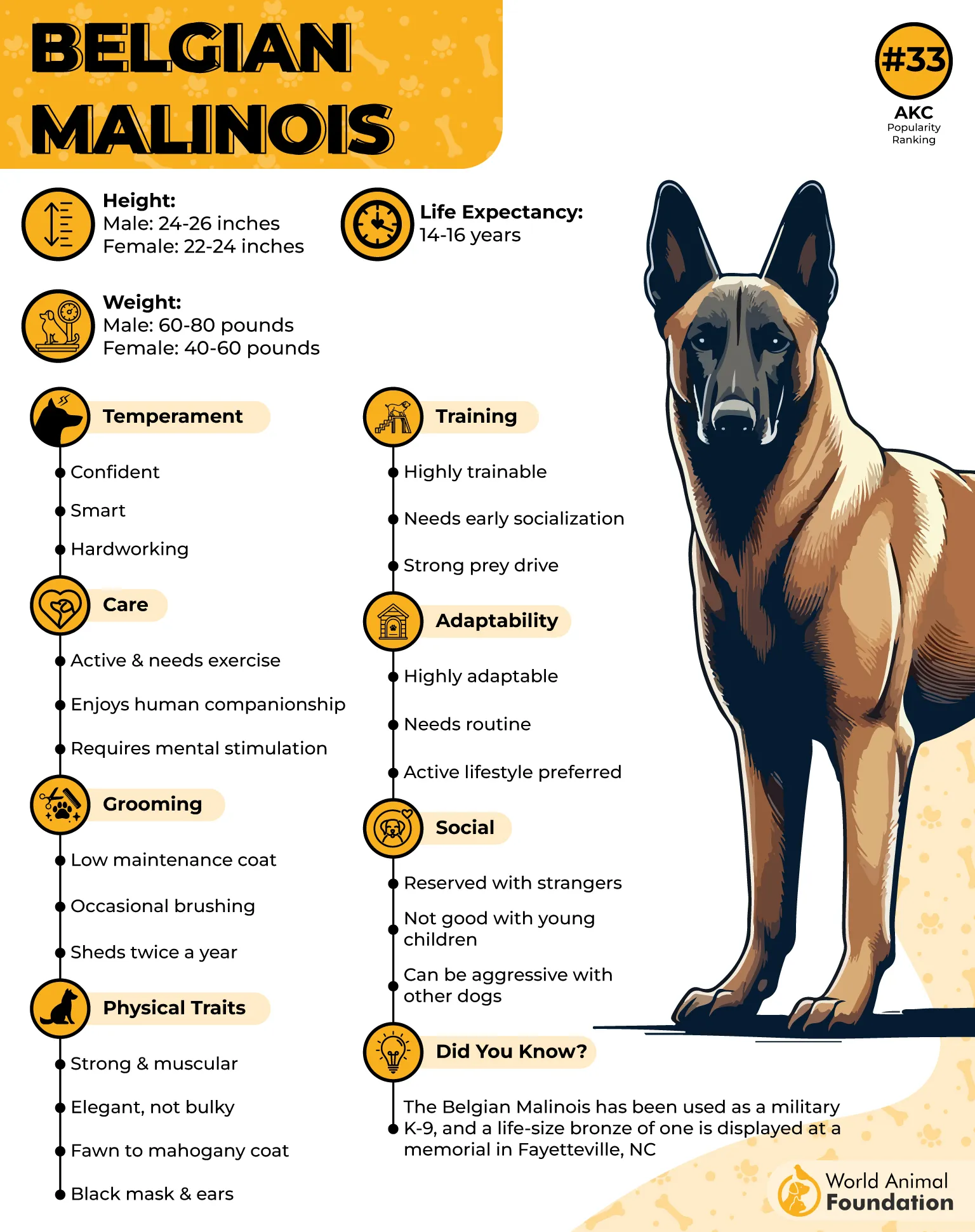
Their short, weather-resistant coat and muscular build help them handle demanding conditions, while their endless energy keeps them moving long after most owners are tired.
Still, this is not a casual companion. Belgian Malinois need serious exercise, early socialization, firm guidance, and constant mental engagement.
With the right owner, they become fearless, responsive, and remarkably versatile outdoor teammates.
4. Rhodesian Ridgeback
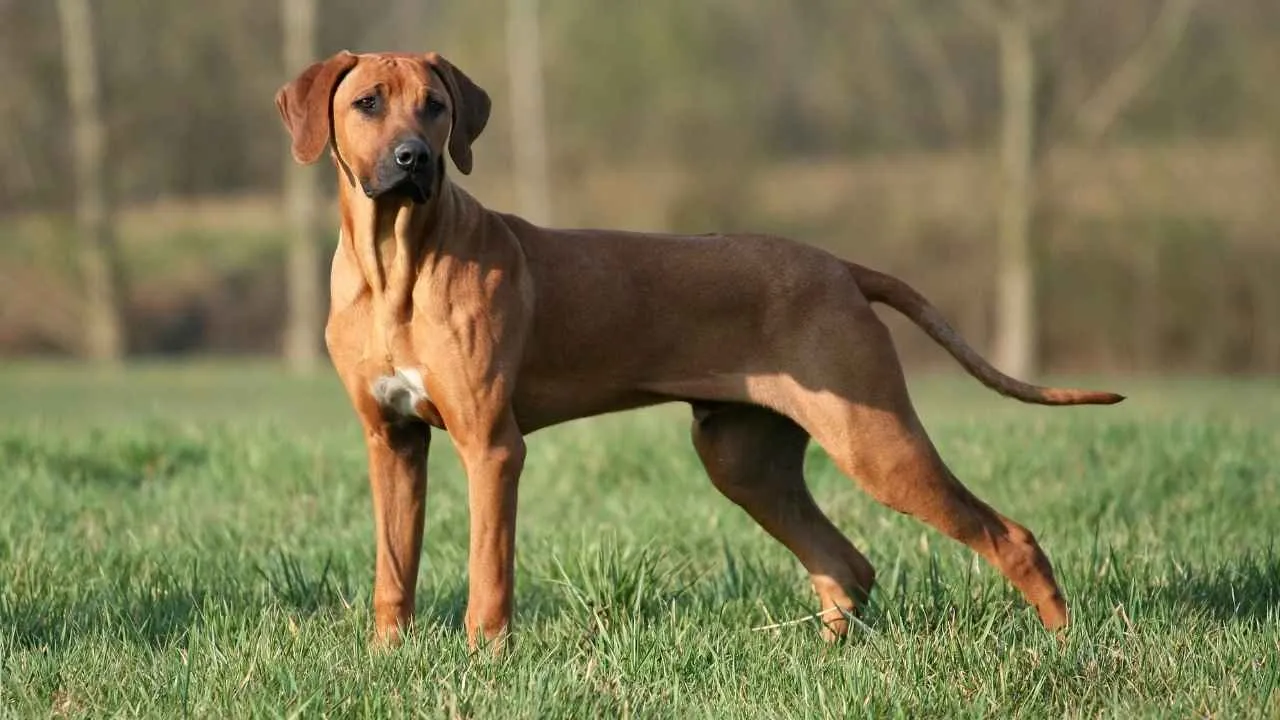
The Rhodesian Ridgeback brings strength, elegance, and quiet confidence to wilderness training.
Originally developed in southern Africa as a hunting and guarding dog, this athletic breed was built for endurance, awareness, and purposeful movement.
Its muscular frame, speed, and agility make it well suited for active outdoor work, from long hikes and jogging to tracking, scent games, and structured training in open spaces.
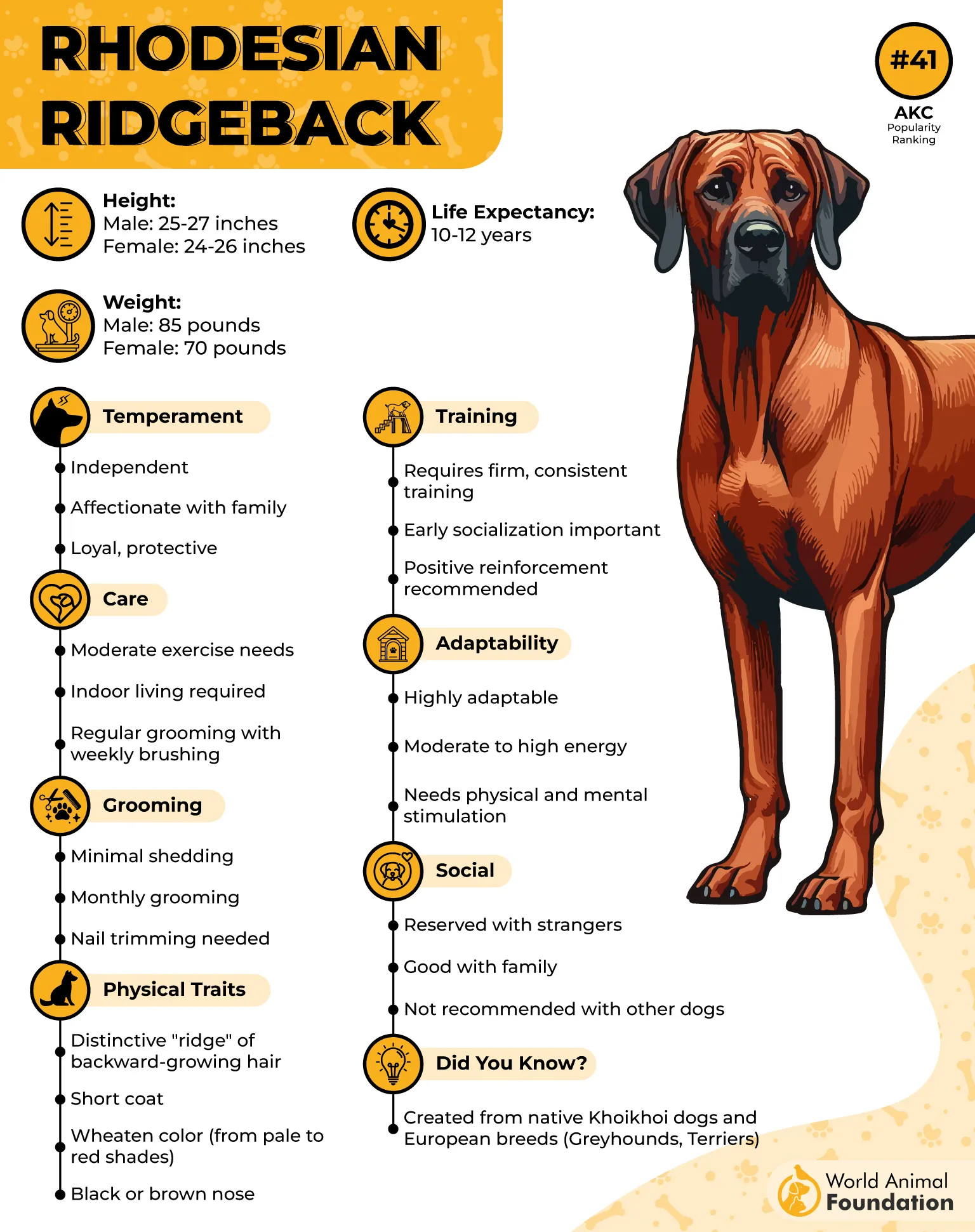
Ridgebacks are loyal and deeply attached to their families, yet they often remain reserved around strangers, giving them a calm but watchful presence on the trail.
Their intelligence is impressive, but so is their independence, which means they need experienced handling, patience, and consistent, positive training.
This is not a breed for a casual or inactive owner. With enough exercise, space, and clear guidance, the Rhodesian Ridgeback becomes a devoted wilderness companion—proud, capable, and always ready to move forward beside the person it trusts.
5. Australian Shepherd
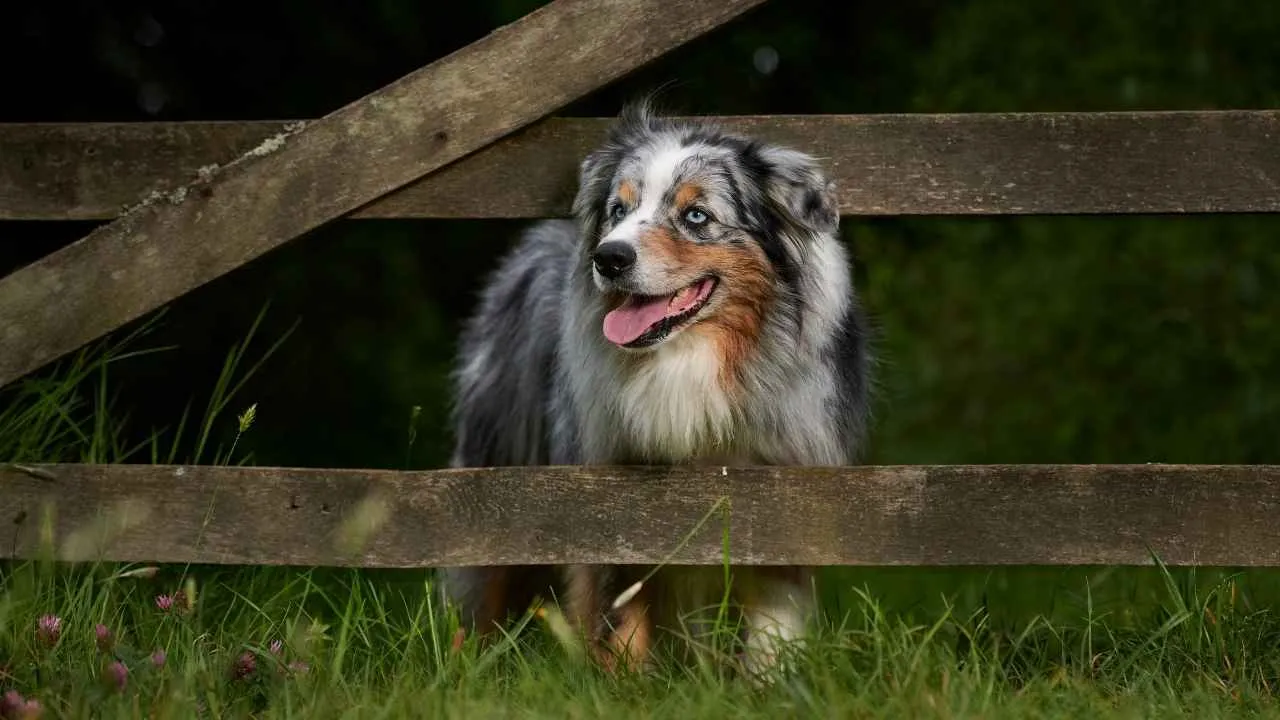
The Australian Shepherd is a lively, intelligent breed that fits beautifully into wilderness training.
Though its name suggests Australia, this hardworking herding dog has English roots and became known for managing livestock with focus, energy, and quick thinking.
Aussies are natural learners that enjoy having a job, making them excellent candidates for trail work, agility, obedience, and outdoor skill-building.
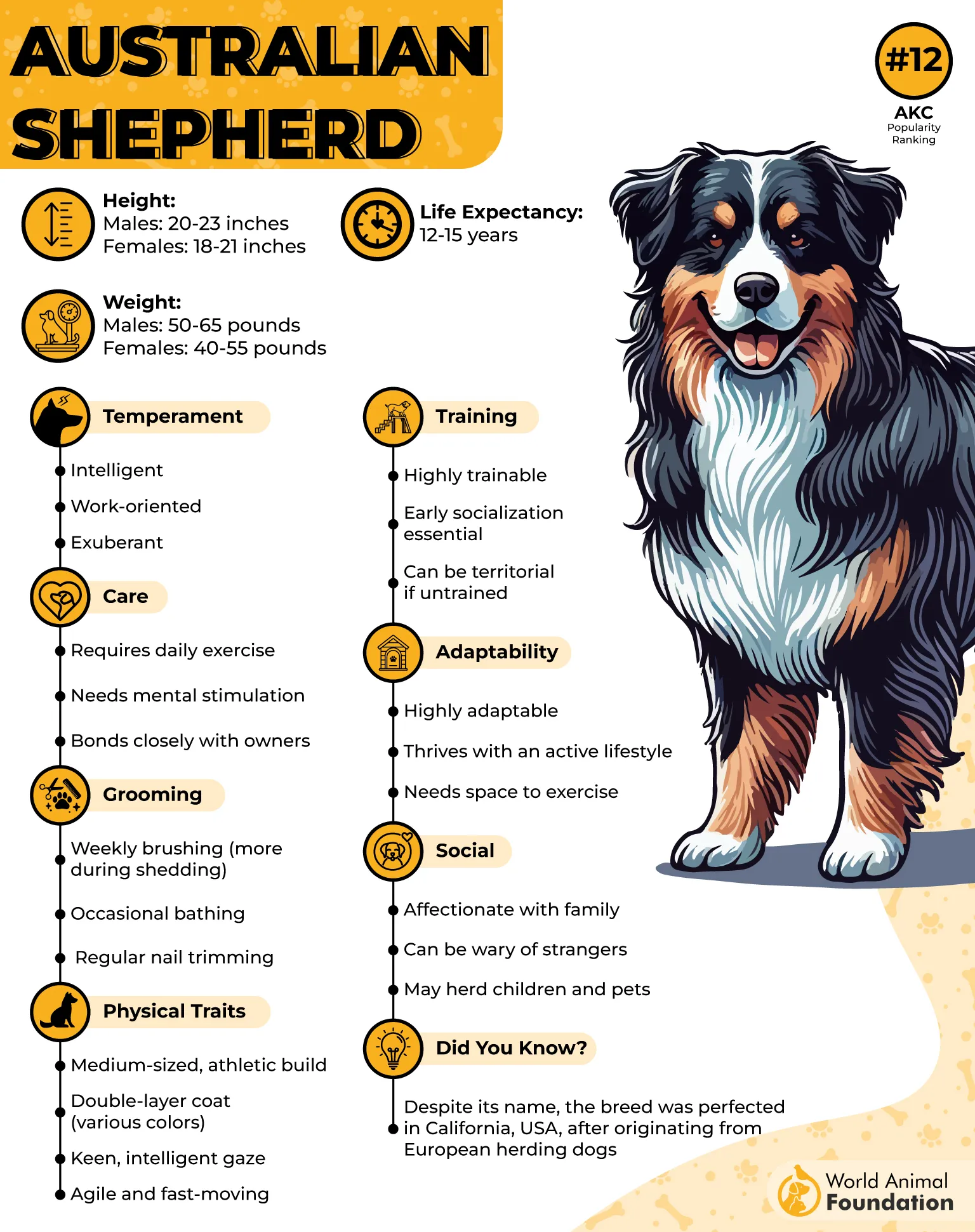
Their strong bond with people helps them stay engaged with their handlers, while their protective instincts and alert nature add confidence in open spaces, according to Greencross Vets.
However, this is not a breed that thrives on boredom or long hours alone. Australian Shepherds need daily exercise, mental challenges, and room to run, or they may become restless and destructive.
With positive training, structure, and plenty of activity, an Aussie can become a joyful wilderness partner, bright-eyed, loyal, and always ready for the next adventure.
6. Norwegian Elkhound
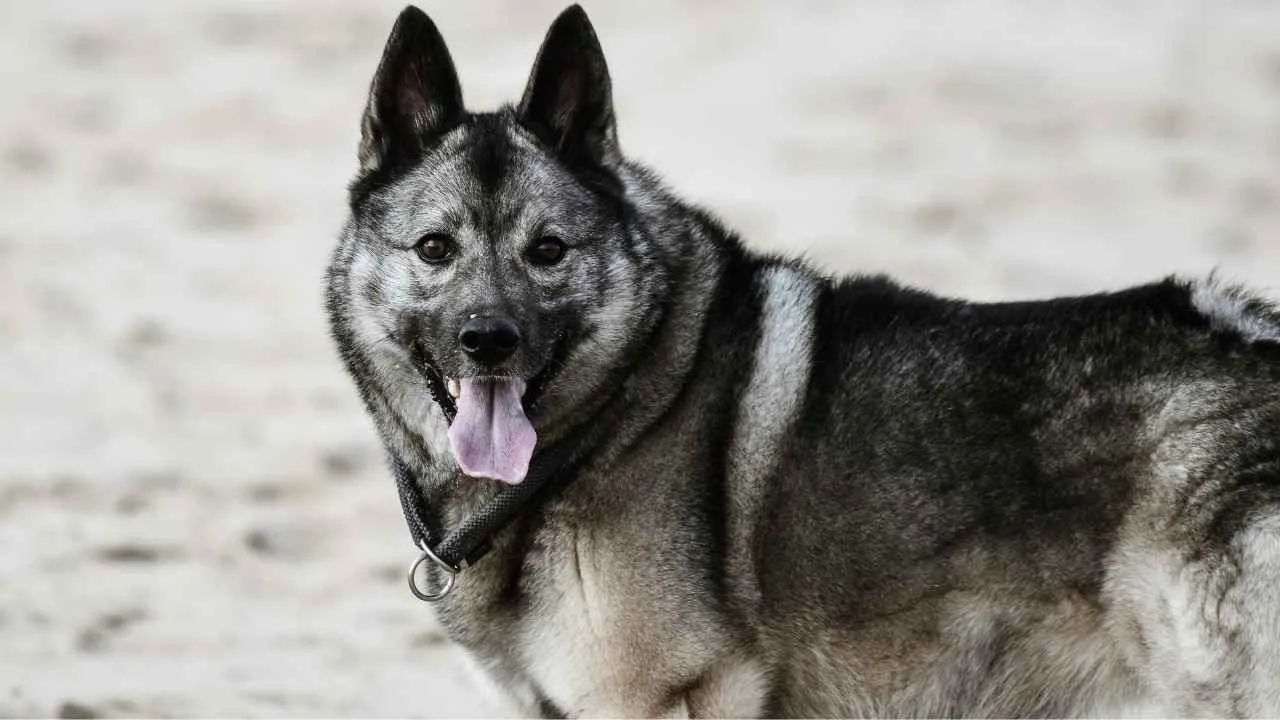
The Norwegian Elkhound brings a rugged, old-world spirit to wilderness training.
Bred to track big game across rough northern terrain, this strong and dependable hound is built for long days outdoors, harsh weather, and steady work beside humans.
With alert ears, a hardy double coat, and a bold personality, the Elkhound is more than a charming companion; it is a confident explorer with a deep instinct to follow scents, protect its people, and stay engaged in demanding surroundings.
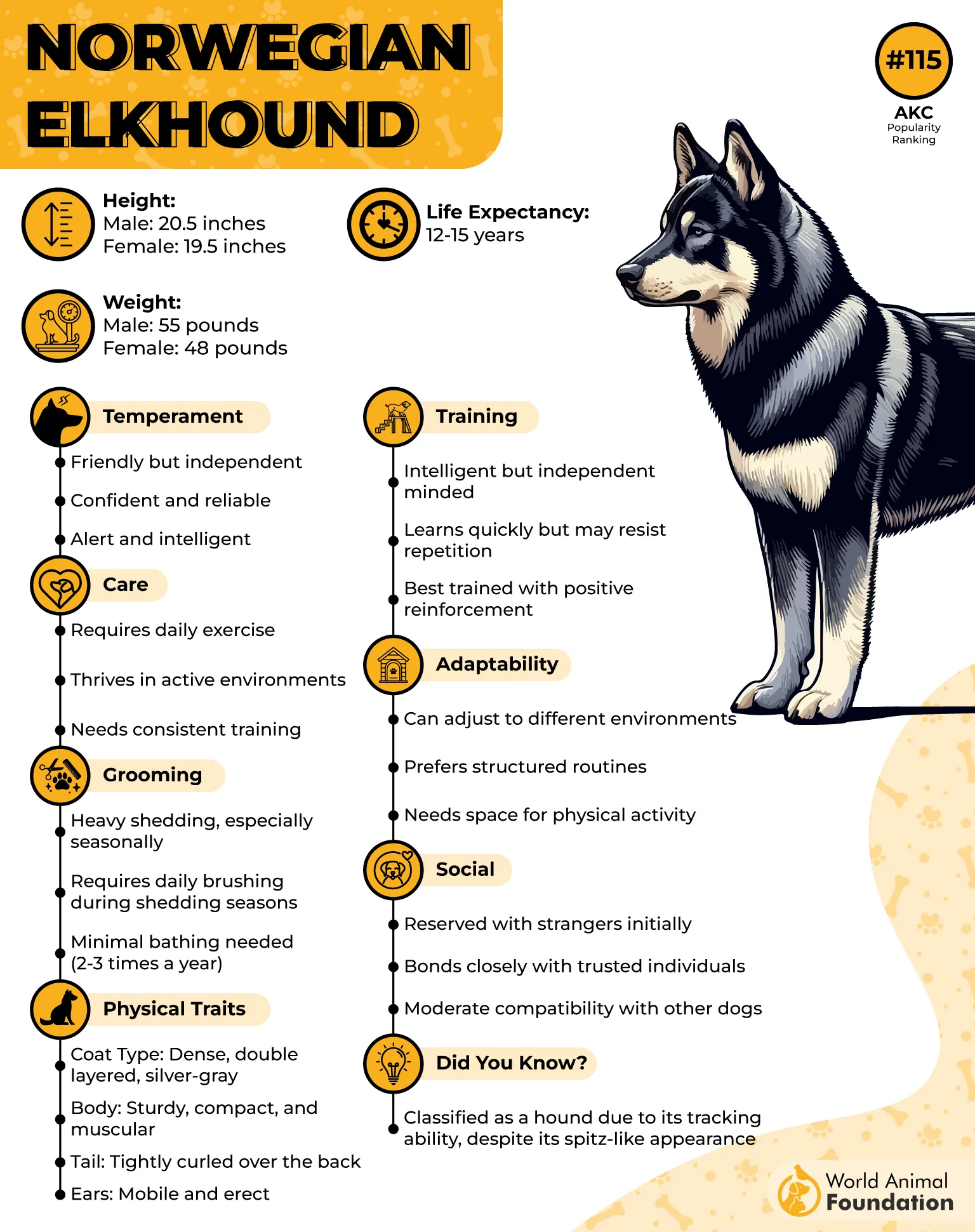
This breed enjoys long walks, woodland hikes, swimming, agility, and games that challenge both body and mind.
However, its independent nature means training should be consistent, patient, and secure, especially since Elkhounds love to roam and should not be trusted off-leash in open areas.
With enough exercise, mental stimulation, and guidance, the Norwegian Elkhound becomes a spirited wilderness partner with loyalty, endurance, and ancient working strength.
7. Vizsla
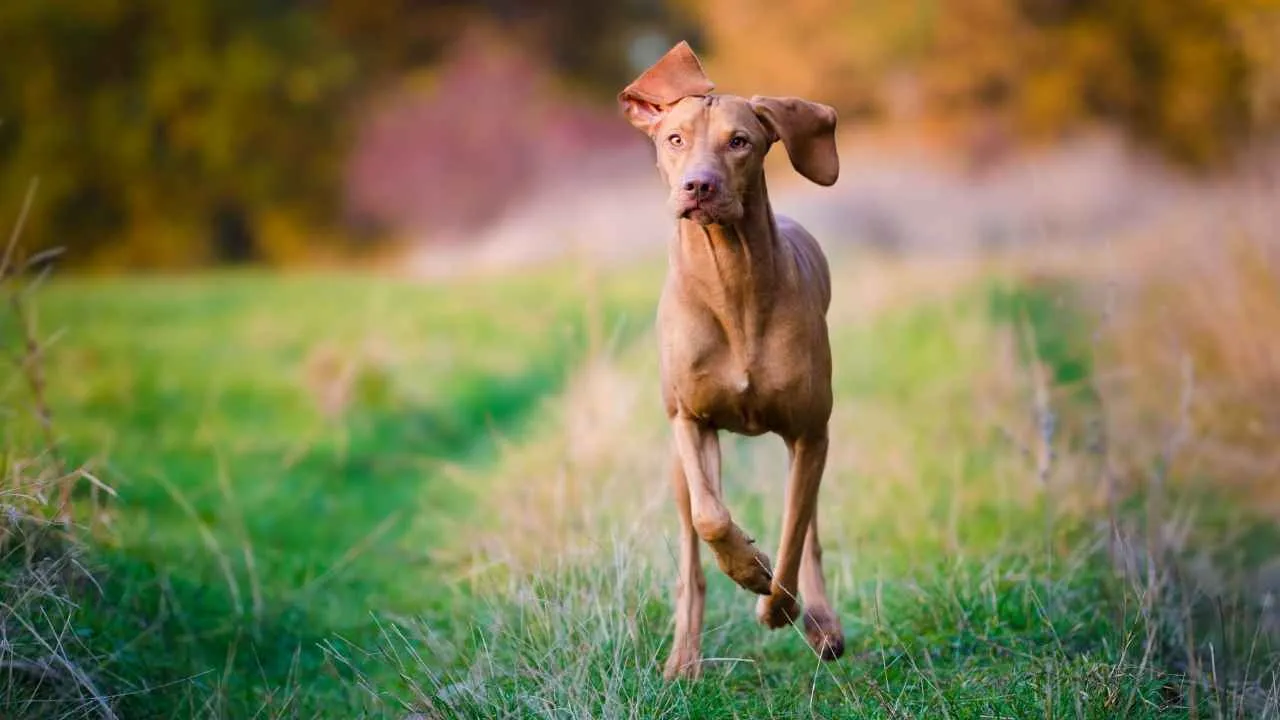
The Vizsla is a natural fit for wilderness training, bringing speed, stamina, and deep devotion into every outdoor challenge.
Originally bred in Hungary as a hunting and retrieving dog, this sleek, golden-rust breed was made for movement across land and water.
Vizslas are often called “Velcro dogs” because they form such close bonds with their owners, and that loyalty makes them eager, attentive partners in the field.
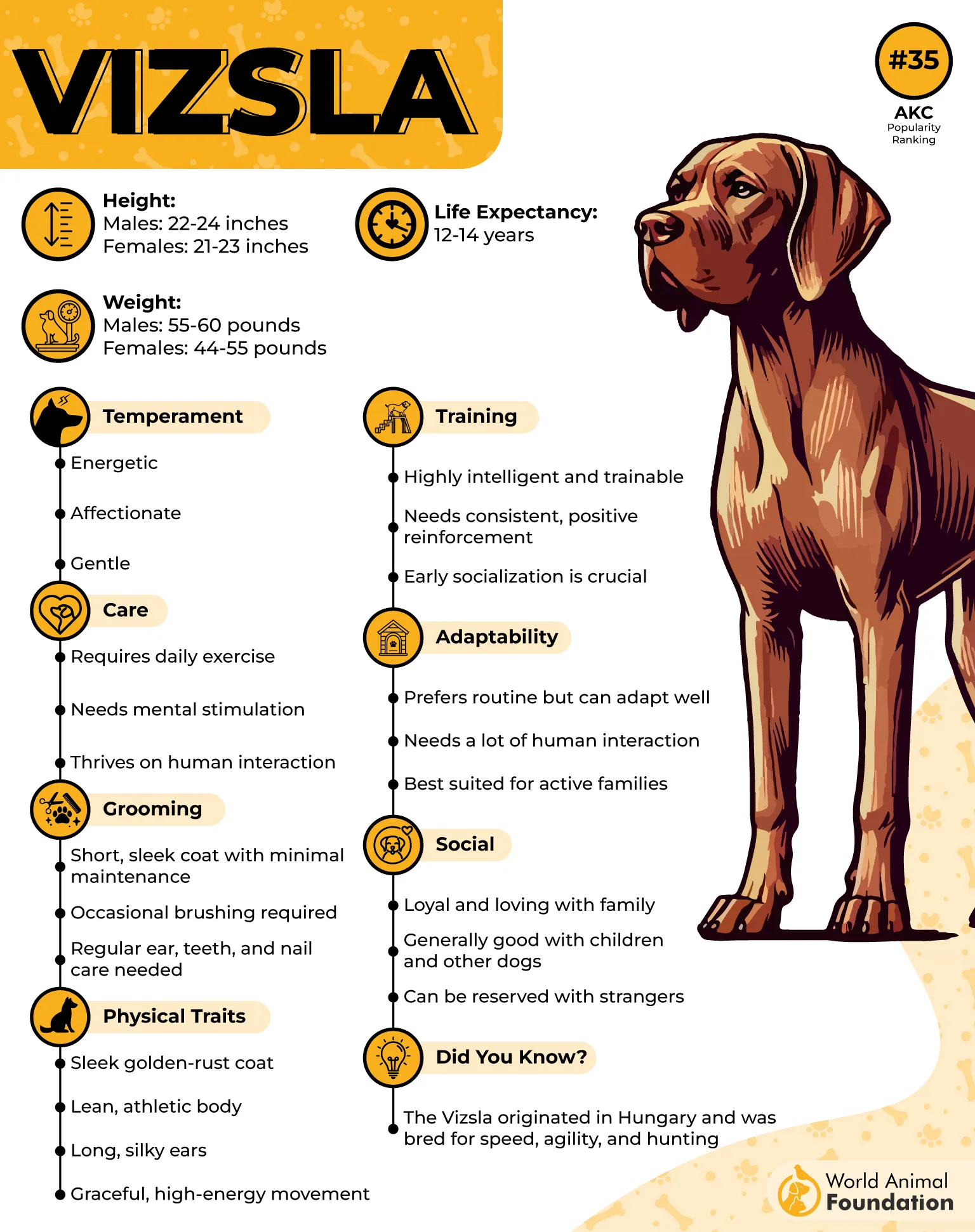
Their athletic frame, sharp nose, and love for running, hiking, scent work, and agility give them the versatility active handlers need.
Still, their energy is matched by sensitivity, so they respond best to calm, positive, and consistent training.
A bored Vizsla may become restless or destructive, which means daily exercise and mental stimulation are essential.
With patience, structure, and plenty of shared adventure, the Vizsla becomes a graceful, affectionate wilderness companion with a heart fully committed to the journey.
Conclusion
Wilderness training is more than testing a dog’s strength; it reveals their heart, patience, focus, and partnership with humans.
The most versatile breeds bring something special to the trail, whether it is stamina, intelligence, courage, scenting ability, or a deep desire to work beside their owner.
From rugged trackers to loyal retrievers and agile outdoor athletes, these dogs thrive when given purpose, structure, and room to move. Still, every breed needs more than natural talent to succeed.
Proper training, early socialization, mental stimulation, and responsible handling shape raw ability into reliable companionship. For active owners, choosing the right wilderness partner means understanding both the breed’s gifts and its needs.
When that balance is met, outdoor training becomes more than exercise. It becomes trust, teamwork, and adventure shared step by step, turning every wild path into a meaningful journey between dog and handler.
