




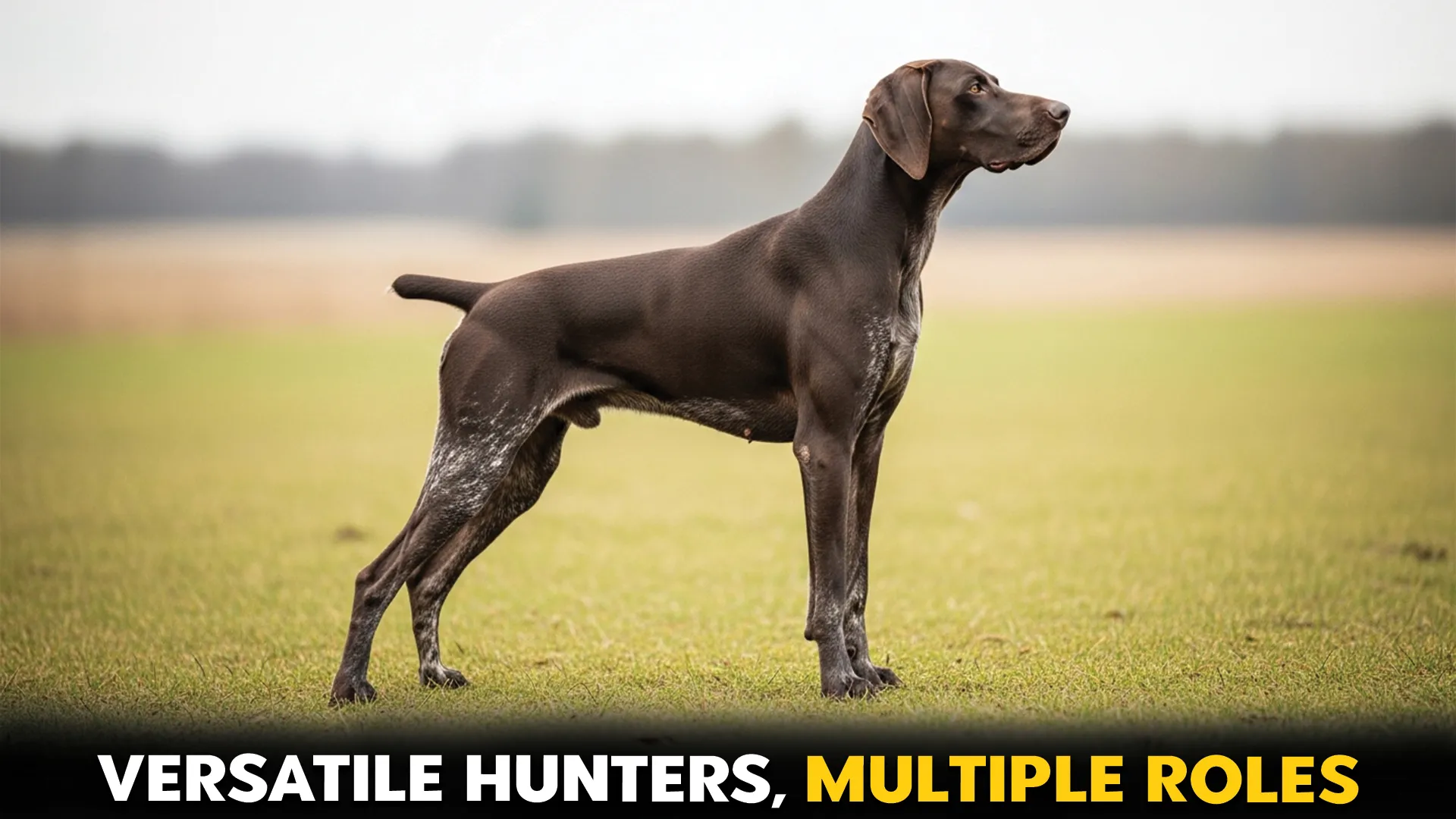
Step into the boots of a hunter—or simply walk in the muddy pawprints trailing through fields and forests—and you’ll quickly realize that not all hunting dogs are created equal.
Some breeds are single-minded specialists, true, but others? They’re Swiss Army knives with a tail and a heck of a nose. These versatile gun dogs can switch from flushing birds to tracking game faster than you can whistle for them.
If you’re looking for a four-legged companion who does it all—and looks fabulous while doing it—you’re in the right place.
From duck-filled wetlands to brushy uplands and dense southern woodlands, the right dog makes all the difference. So let’s check the nine rockstar breeds that bring versatility, brains, and a dash of canine swagger to every hunt.
Versatile Dog Breeds That Excel in Various Hunting Roles
1. Irish Water Spaniel
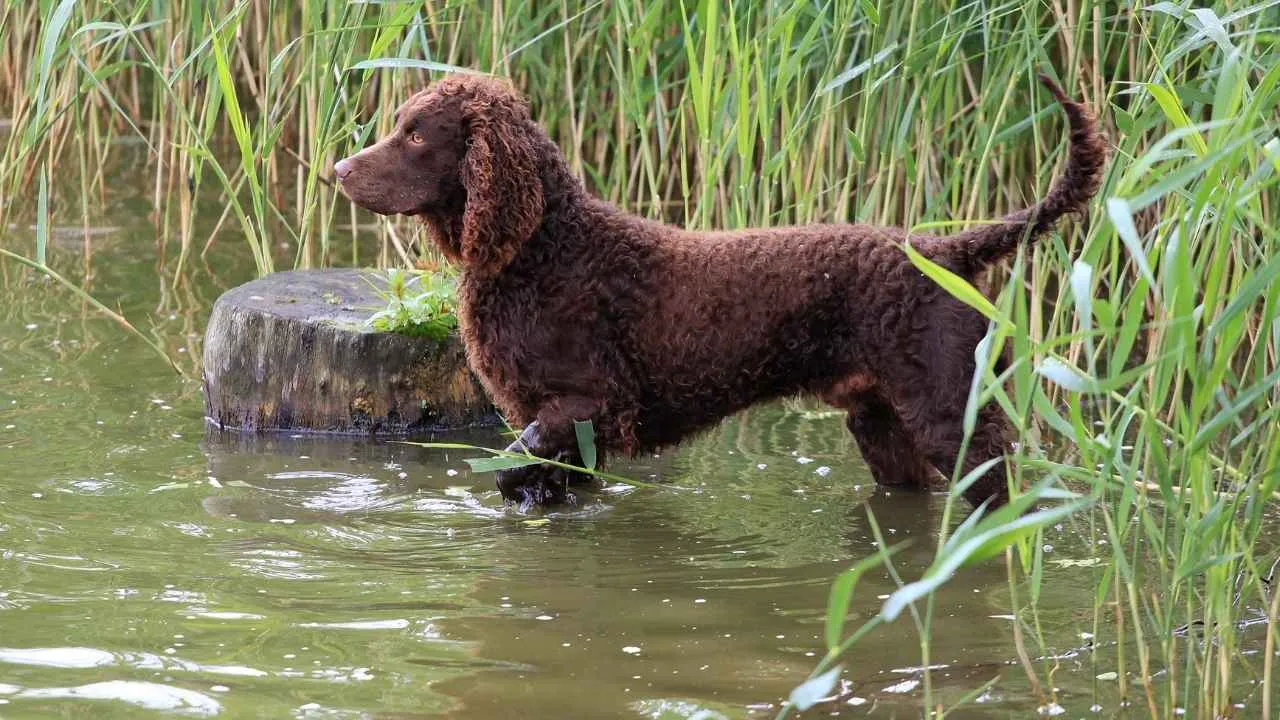
Meet the Shirley Temple of the sporting world—cocktail curls, infectious energy, and skill in spades. The Irish Water Spaniel (IWS) isn’t just a pretty face, either. Originally hailing from the Emerald Isle, this breed was sculpted for amphibious action and is considered the “clown” of the spaniel group (and trust us, they earn the giggles).
The most iconic trait? That waterproof, tight ringlet coat. It’s more than stylish—historically, it allowed IWS to fetch ducks from icy lakes without batting an eye. In fact, their namesake role as waterfowl retrievers is legendary across Irish and British hunting circles.
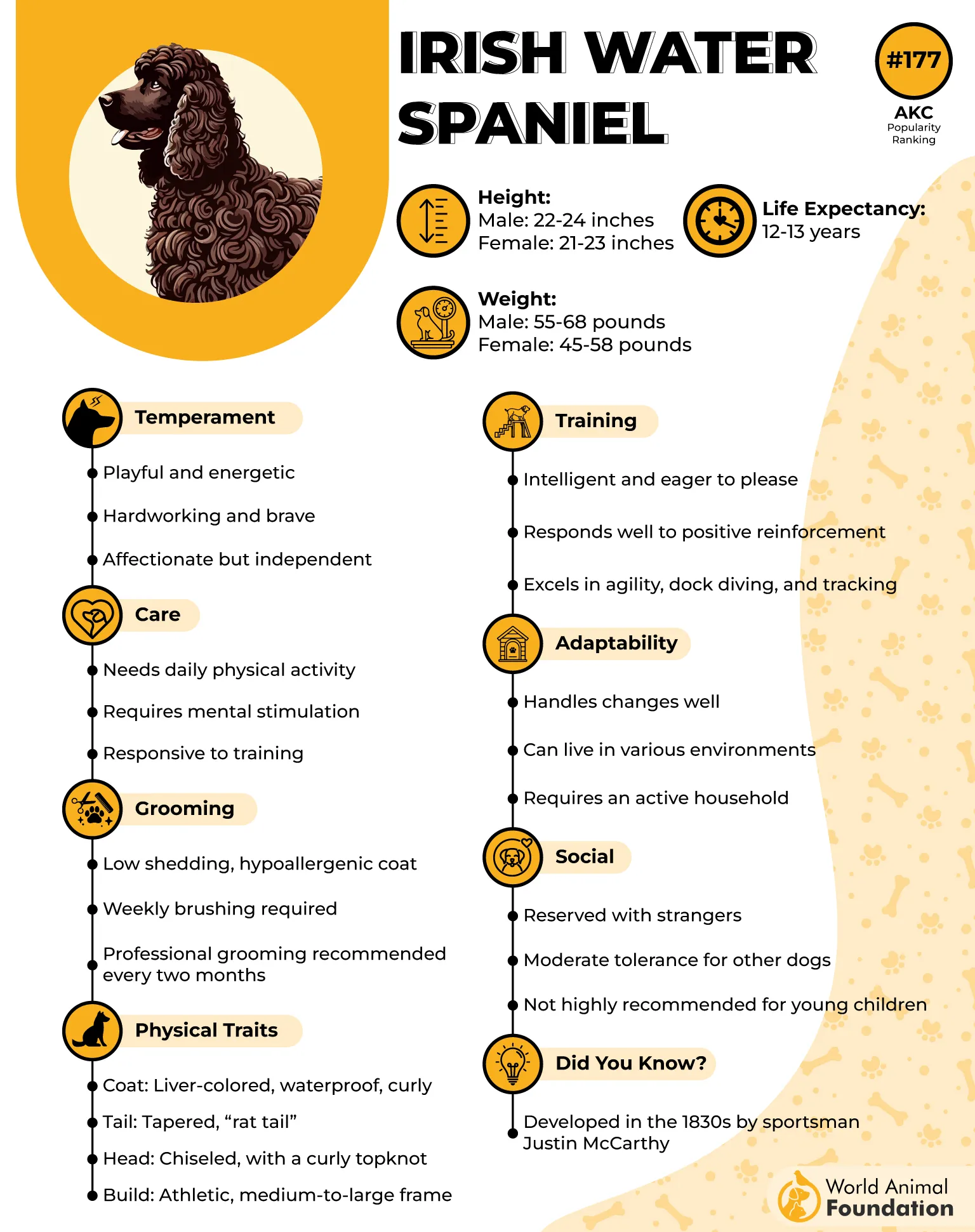
Unlike some spaniels, IWS dogs aren’t limited to the blind or reed bed. With sharp noses and athletic builds, they’re adept at upland flushing and tracking small game through brambles. Their stamina means they’ll follow you from wetland to woodland, tail wagging all the way.
These Spaniels are known for waterfowl hunting and blend high intelligence with a playful attitude, making them easy to train but occasionally mischievous (think Houdini-level escape artistry). Studies from the AKC show that, with consistent positive reinforcement, IWS quickly master new commands and complex tasks.
Fun Fact: Only about 2,000-3,000 Irish Water Spaniels exist worldwide. Their rarity gives you bragging rights, but their affable nature and performance on any duck day are what you’ll love most.
2. Rhodesian Ridgeback
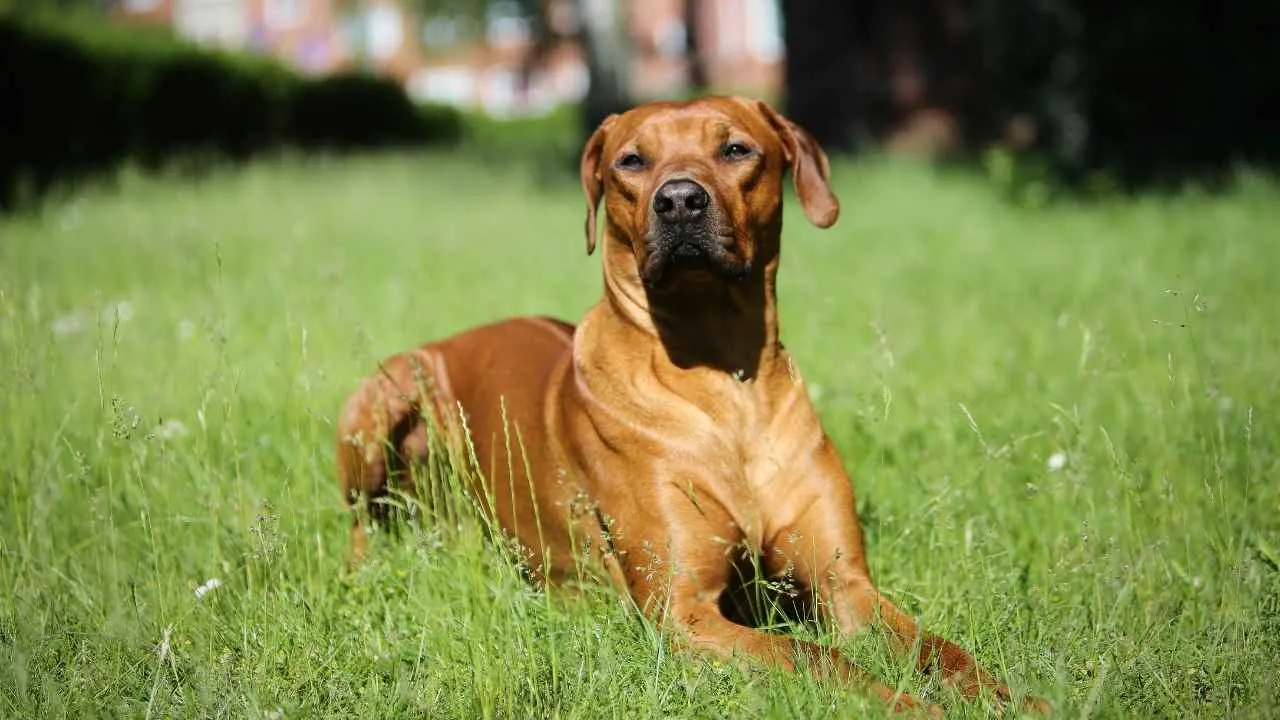
Don’t be fooled by that signature “ridge” of backwards-growing hair—these dogs bring more than fashion sense to the party. Rhodesian Ridgebacks have serious street cred, historically bred in southern Africa to track—and even hold at bay—lions. But their versatility stretches far beyond the savannah.
Ridgebacks have a natural talent for scent work and can follow cold trails across unforgiving terrain. Modern hunters in Africa and the U.S. use these dogs to track big game—from deer to wild boar—using their unerring noses.
Breed historians and rescue organizations note that Rhodesian Ridgebacks were developed as versatile hunting dogs and continue to participate in multiple working activities today, including tracking, flushing game, and occasionally retrieving, depending on individual training and lines.
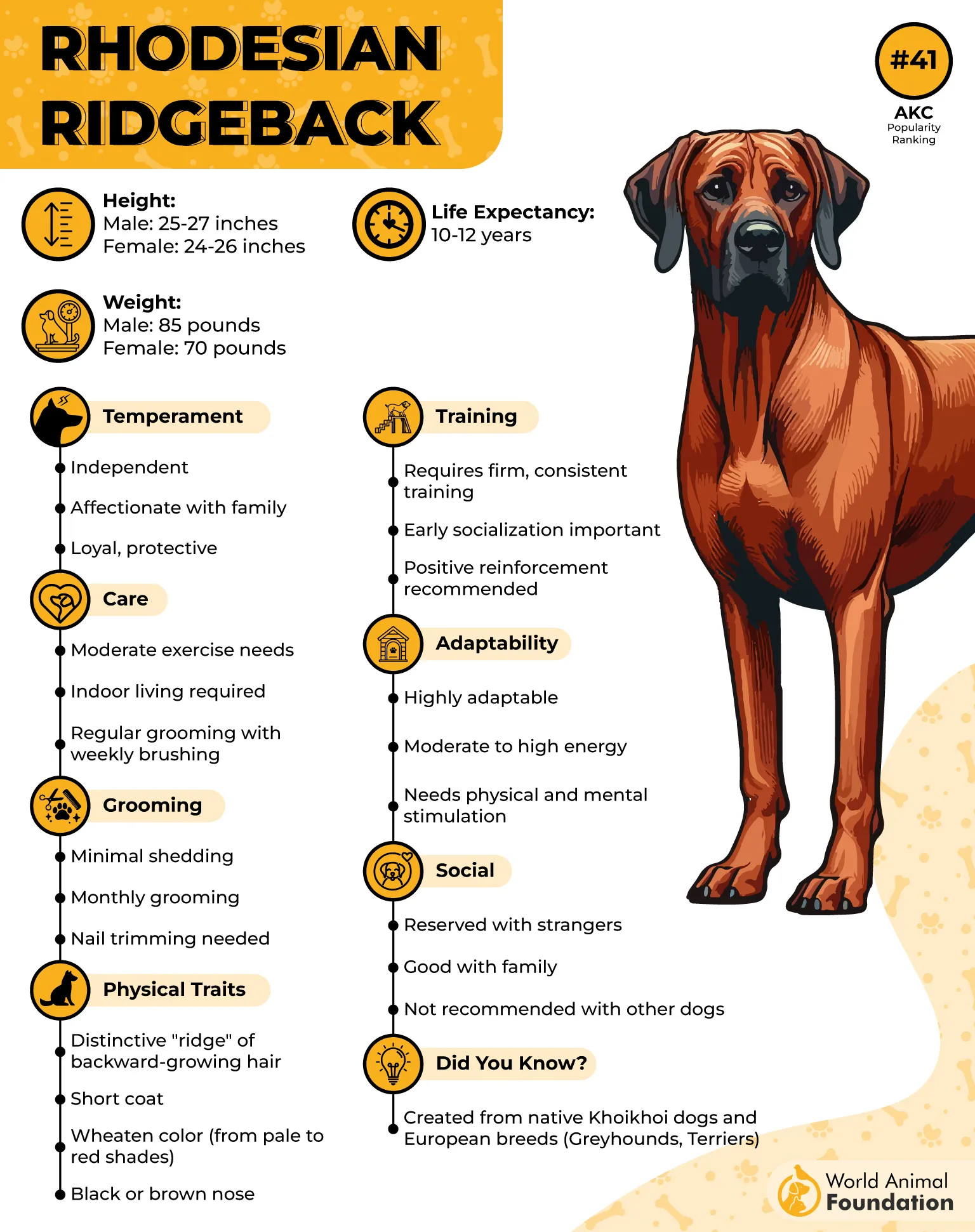
Their adaptability and problem-solving skills make them well-suited to a range of hunting and working roles.
These successful hunting dogs are highly intelligent and fiercely loyal. Though novice hunters may find their independent streak a tad challenging. However, with positive reinforcement and clear leadership, Ridgebacks become reliable teammates and devoted companions.
In hunting trials, they are among the top five most successful large-game tracking dogs in southern Africa, and they sport a lifespan of up to 12 years—plenty of seasons to make memories.
3. Irish Setter
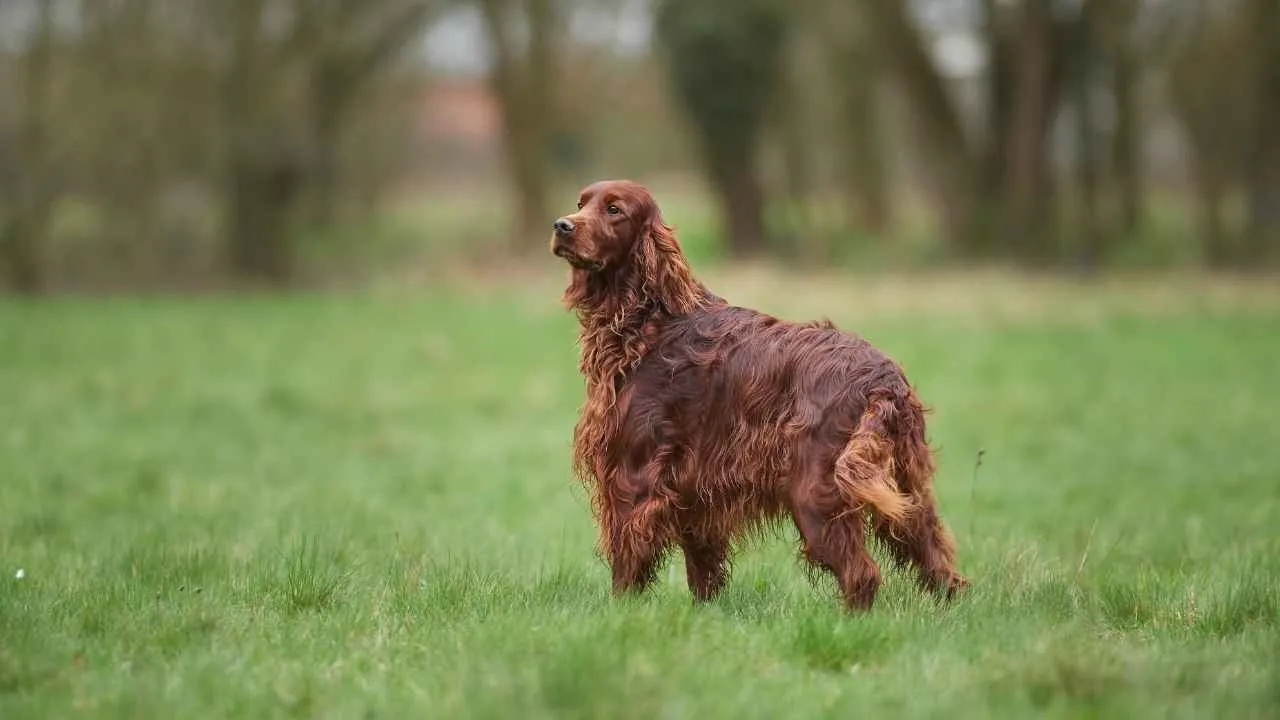
The Irish Setter isn’t just a pampered show dog with glorious red tresses—this breed boasts world-class versatility in the field. Behind those good looks is a heart (and drive) that beats for adventure, and a nose that finds upland birds with laser accuracy.
Setters are synonymous with bird hunting, excelling at pointing, flushing, and retrieving. The red setter’s ability to “set” (freeze and point) gives the hunter time to ready a shot, making them invaluable on pheasant, grouse, or quail.
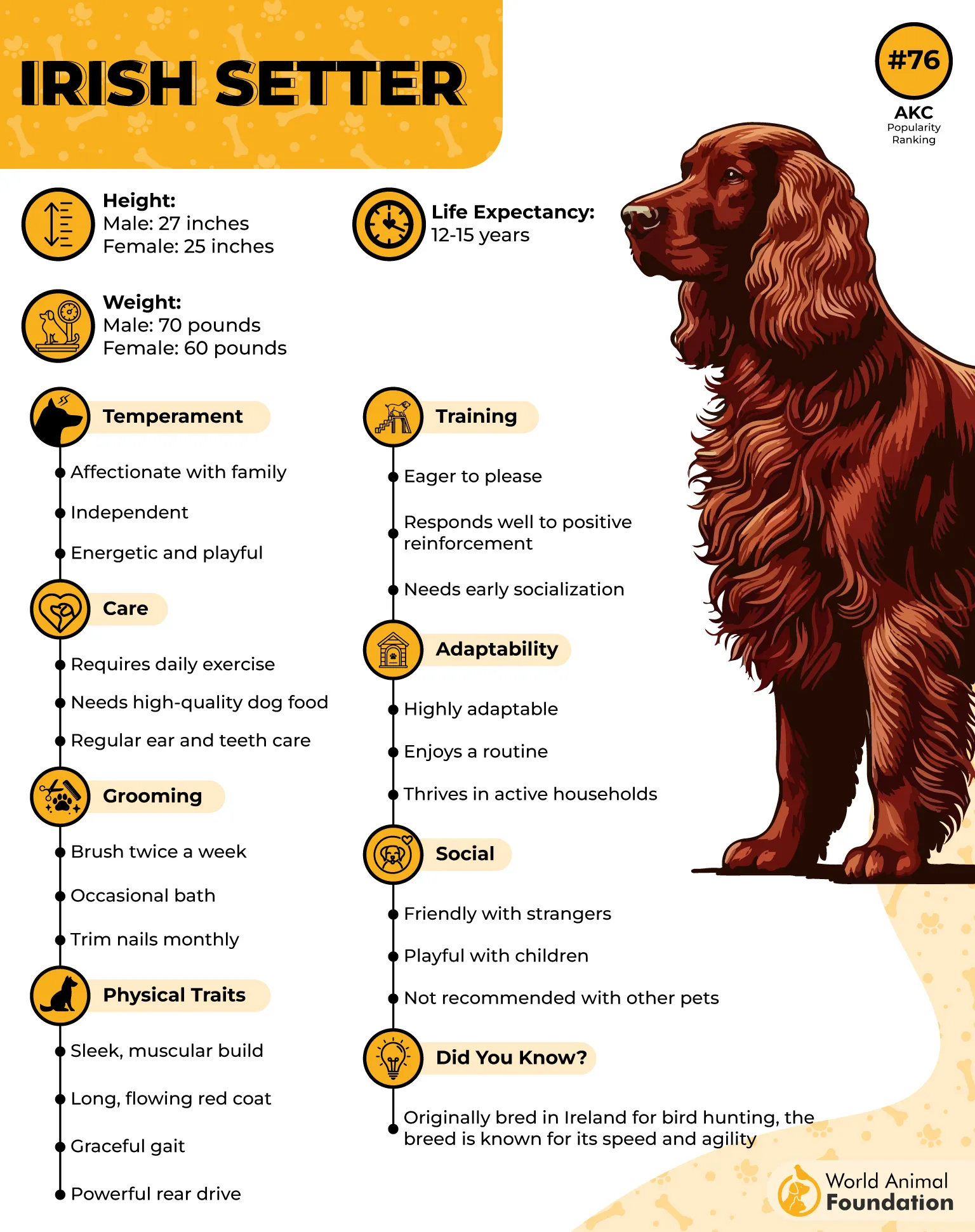
Known for hunting upland game, they are famously social, often becoming the heart of their human “pack.” Irish Setters usually bark only when there’s a reason, but they can develop chewing or other destructive behaviors if left alone for extended periods.
This breed thrives on companionship and has abundant energy to release. Without enough interaction, exercise, and mental stimulation, they may create their own — often unwanted — ways to stay occupied.
“Rocky,” the Irish Setter who won the 2016 National Open Gun Dog Championship, could both win hearts and stack up quails—proof that looks and function can indeed go paw-in-paw.
4. Pharaoh Hound
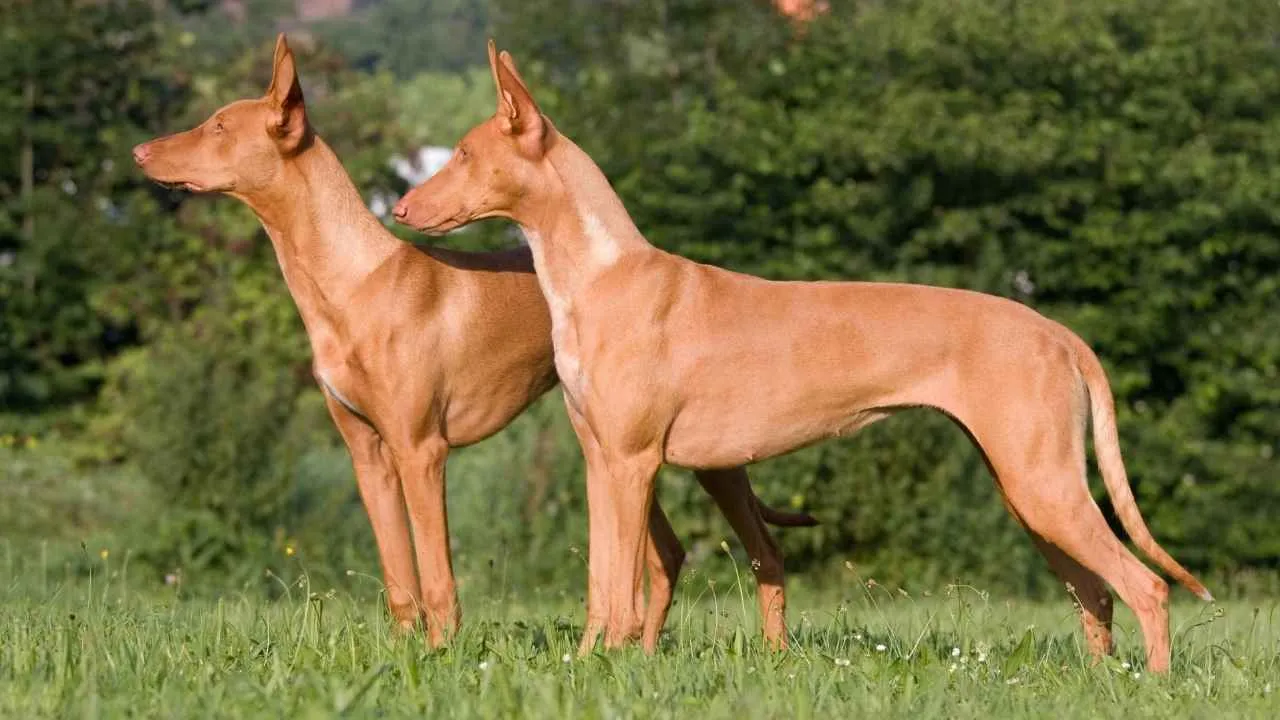
The Pharaoh Hound looks like it wandered out of an Egyptian fresco—and that’s not far from the truth. This breed’s roots trace to antiquity, where they hunted rabbits and other small game in rocky Mediterranean terrain. But ancient looks aside, Pharaoh Hounds bring versatility and charm to modern field sports.
Pharaoh Hounds are sighthounds built for speed and agility—able to clock 35 mph and navigate rough ground with feline grace. Hills Pet says they’re used for coursing and can even flush small game from dense cover.
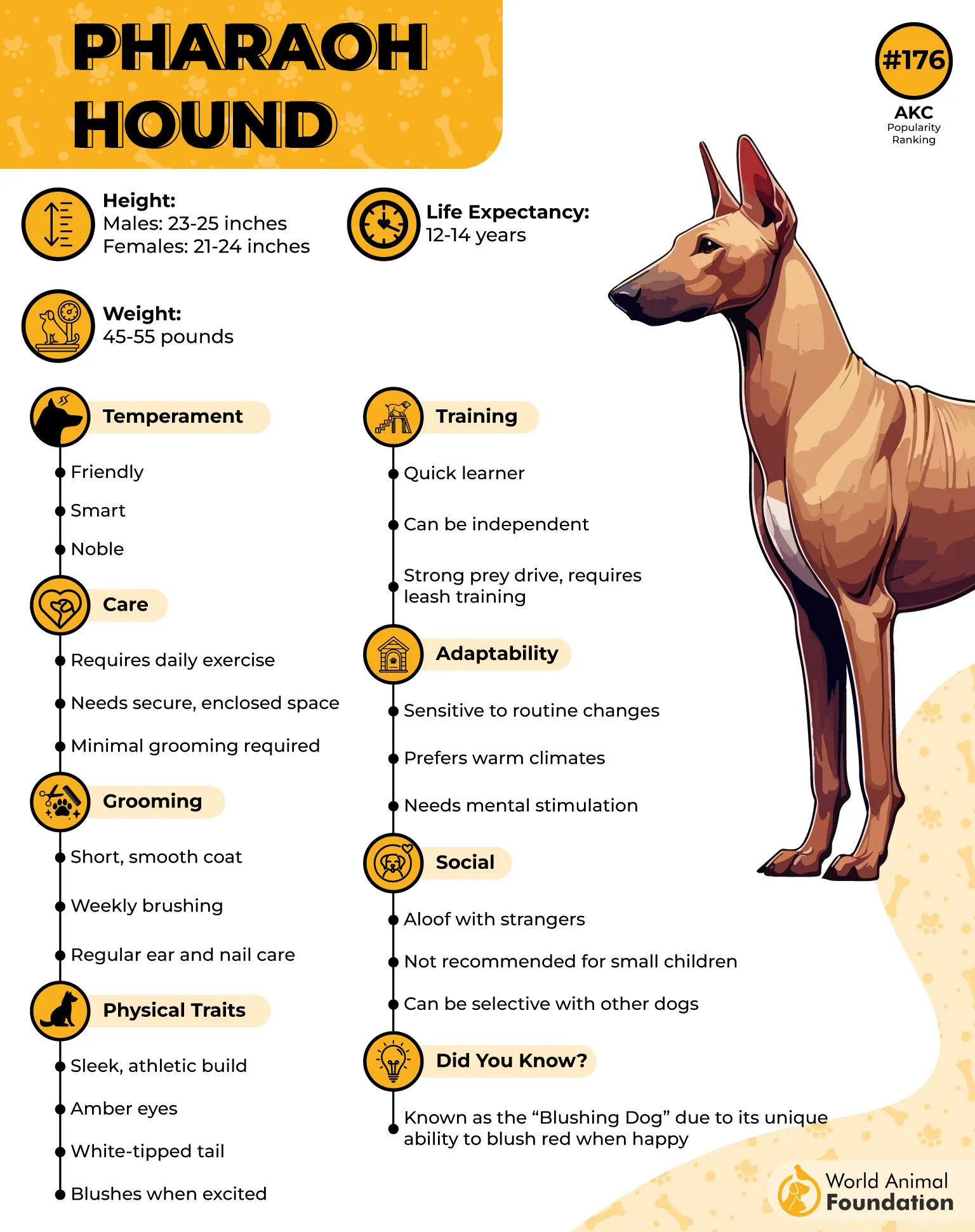
Despite their ancient lineage, they are known for hunting small game and thrive in a variety of conditions—from open country to woodland. In modern Malta, hunters use these dogs, known locally as “Kelb-tal-Fenek,” to lead complex multi-dog chases of rabbit and small game.
At home, these loyal hunting companions are playful and affectionate, famously “blushing” (their noses and ears turn pink!) when happy or excited. This dual temperament makes them fantastic family additions.
They aren’t just relics—they’re active competitors in worldwide lure coursing and performance events, with top dogs consistently placing in international meets.
5. Treeing Walker Coonhound
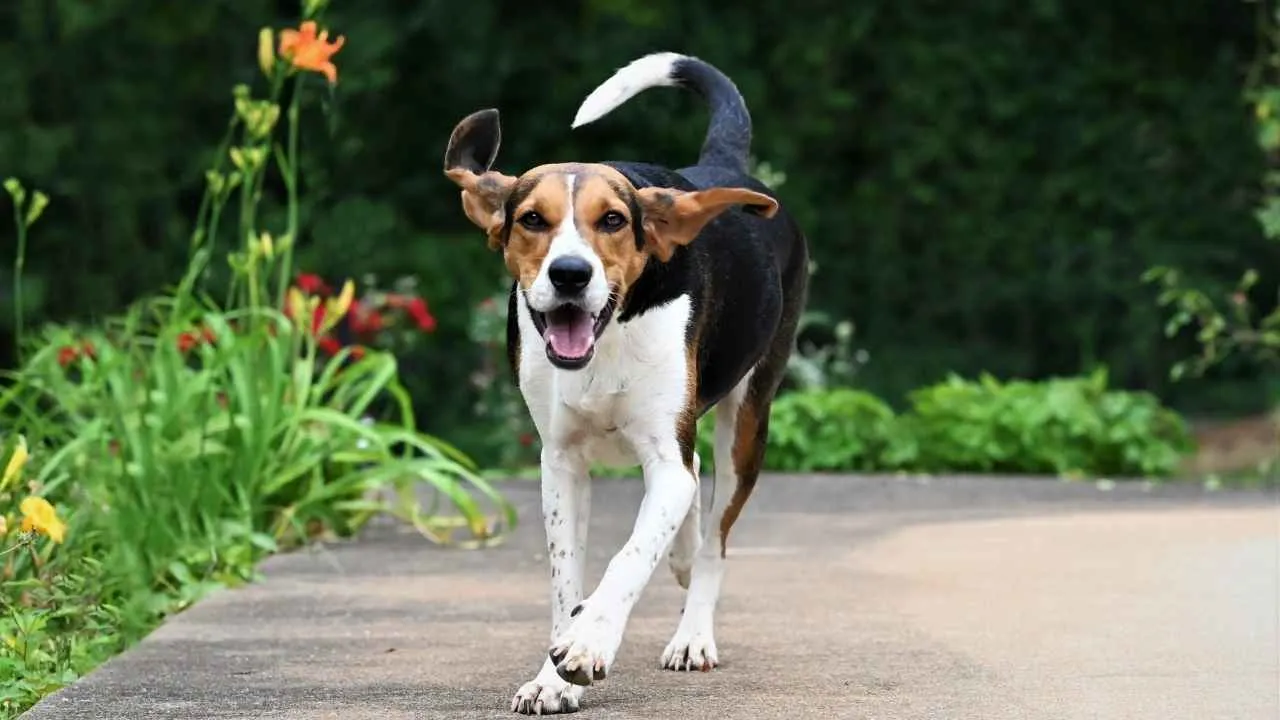
If you’re hunting tree-living mammals in North America, you know the song: long-legged, fast, loud, and relentless—the Treeing Walker Coonhound is a legend in pursuit.
Developed from Foxhounds, these loyal companions earned their name by trailing raccoons, opossums, and even mountain lions. The “treeing” part refers to their unique style: driving quarry up a tree and keeping it there with a signature bay.
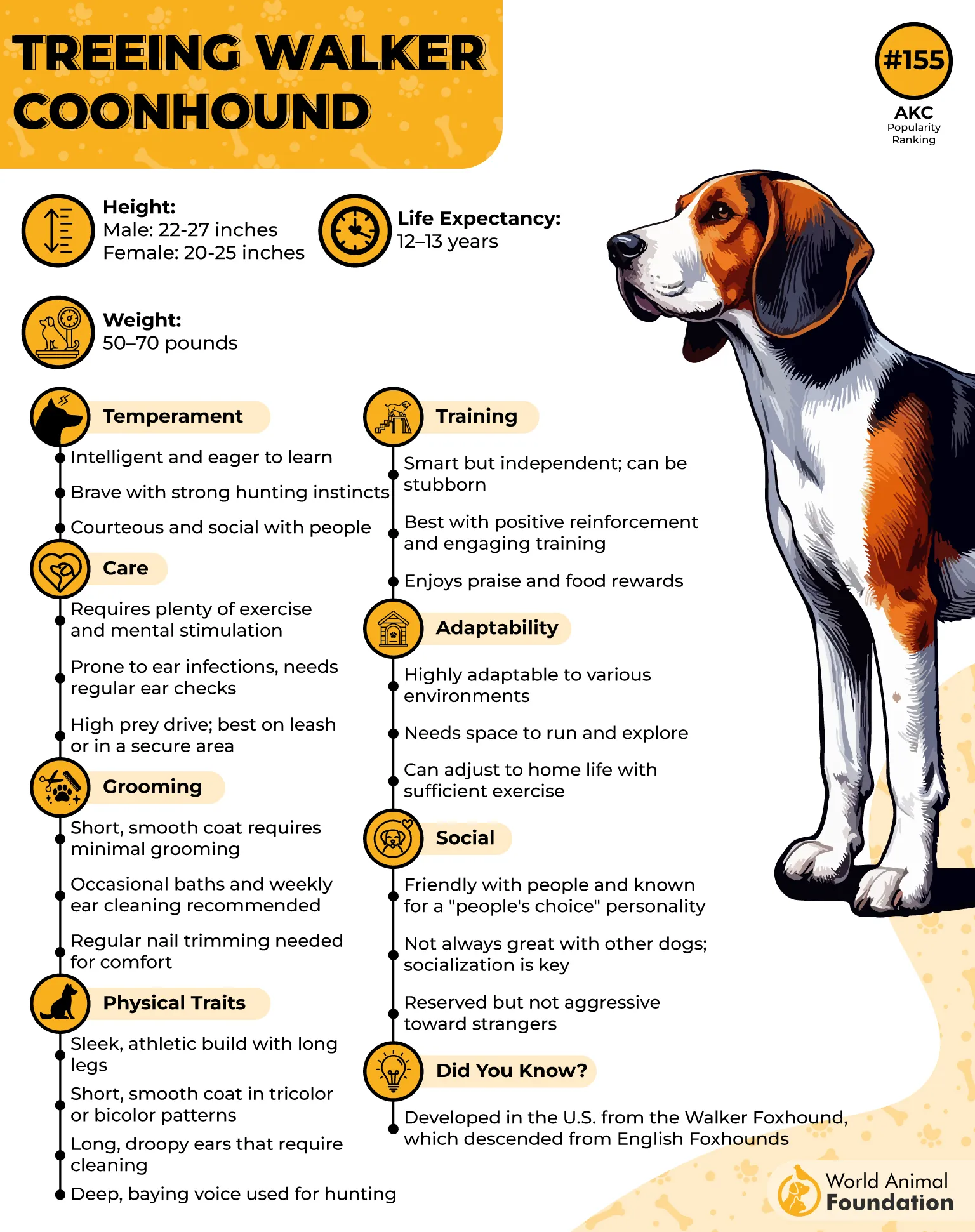
You’ll find “Walkers” running well beyond coon hunts. Many hunt deer, bear, or bobcat—whatever the season demands.
What sets them apart? That unmistakable, melodic “chop” bark, which hunters can distinguish from miles away. It’s not just music to the ears—it’s a GPS with fur and teeth.
6. Nova Scotia Duck Tolling Retriever
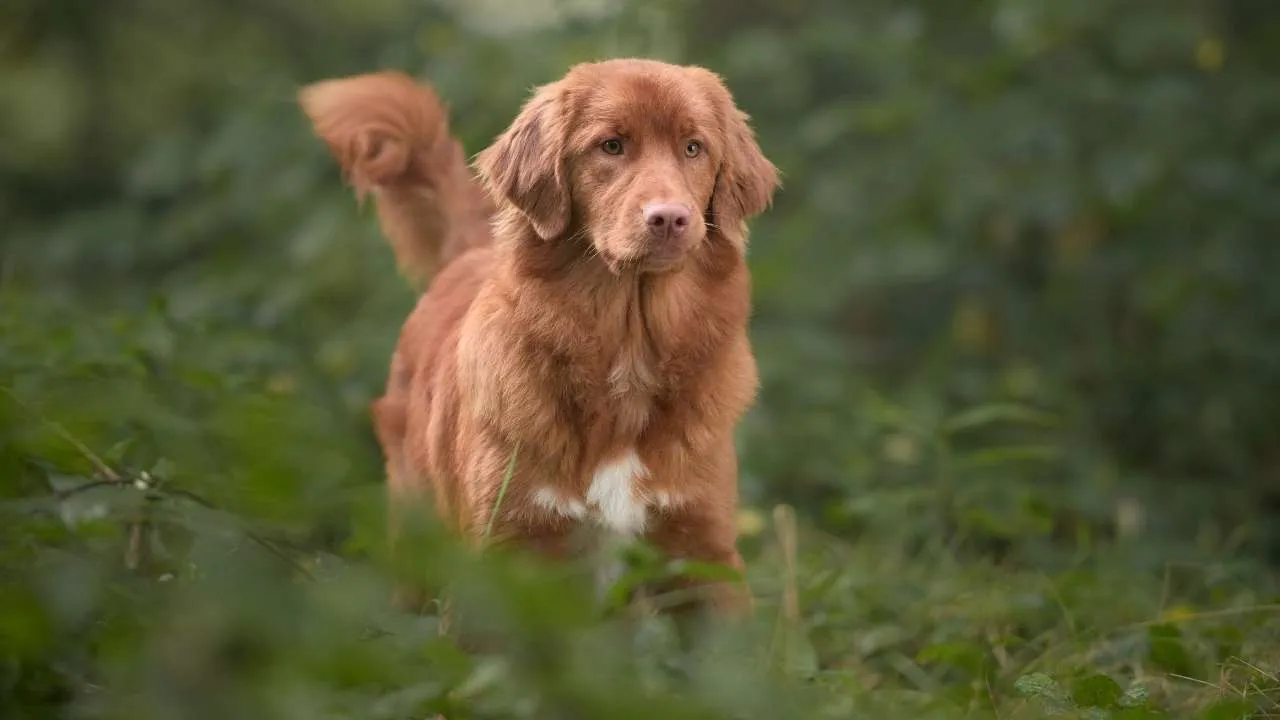
With a name like a Victorian novel and looks to match, the Nova Scotia Duck Tolling Retriever (Toller for short) is Canada’s best-kept secret in the sporting dog world. Don’t let their size fool you—these fiery red dynamos are built for action.
“Tolling” means luring ducks within shooting range by playing along the shoreline—a Toller specialty. Their fox-like appearance and playful antics are perfect for catching the eye of curious waterfowl.
These versatile hunting companions are web-footed and weather-resistant, retrieving fallen birds through icy ponds without missing a beat. Their double-layered coat protects them in cold Atlantic climates, and their stamina is nearly unlimited.
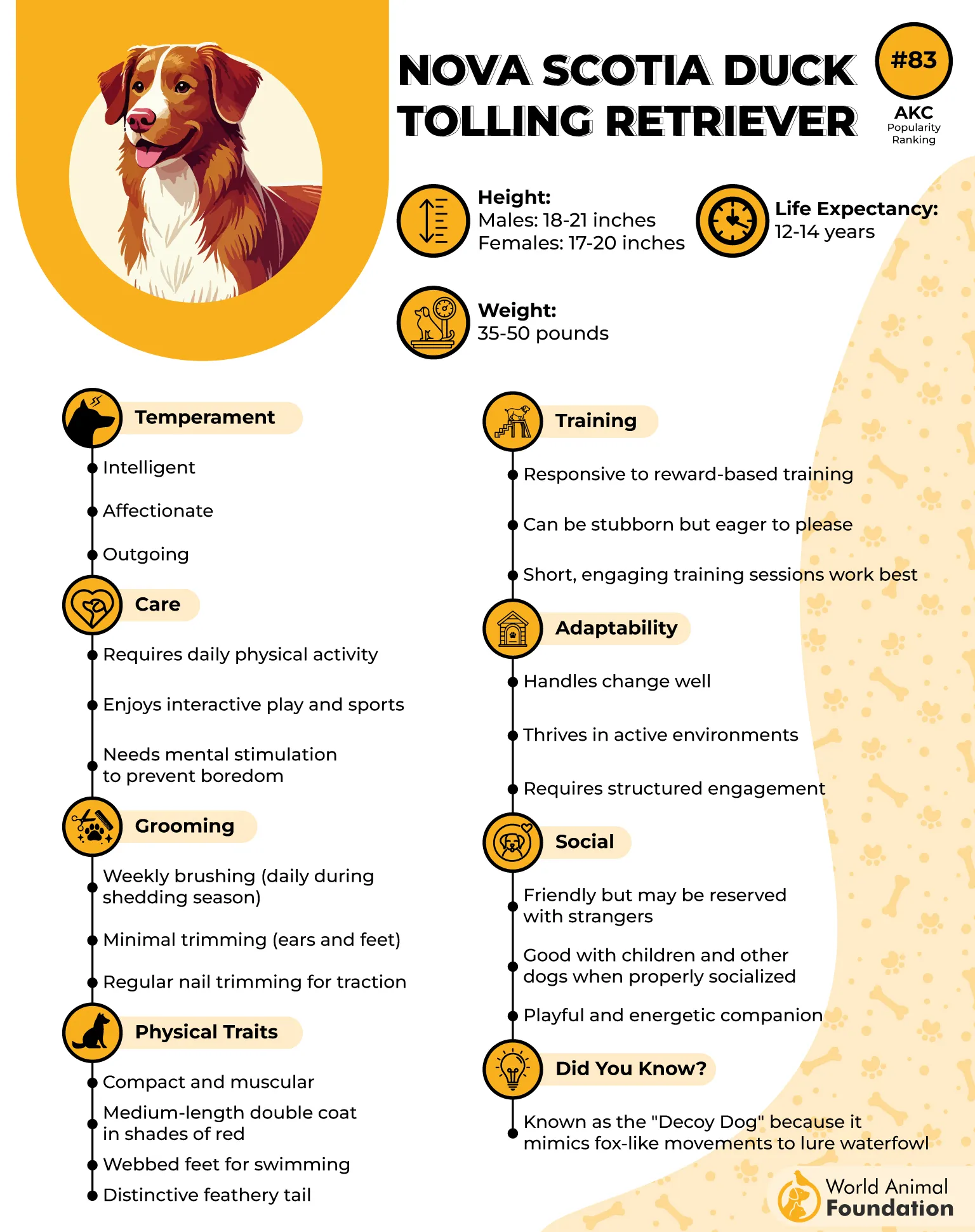
Tollers are among the fastest learners in the Retriever group. The Canadian Kennel Club notes that Tollers score in the 95th percentile in obedience competitions nationwide.
Beyond hunting, Tollers dominate in agility and flyball, underscoring their energy and versatility. They’re equally skilled at upland bird work when given the chance.
Tollers weigh just 35-50 pounds, making them nimble in boats and blinds.
7. German Wirehaired Pointer
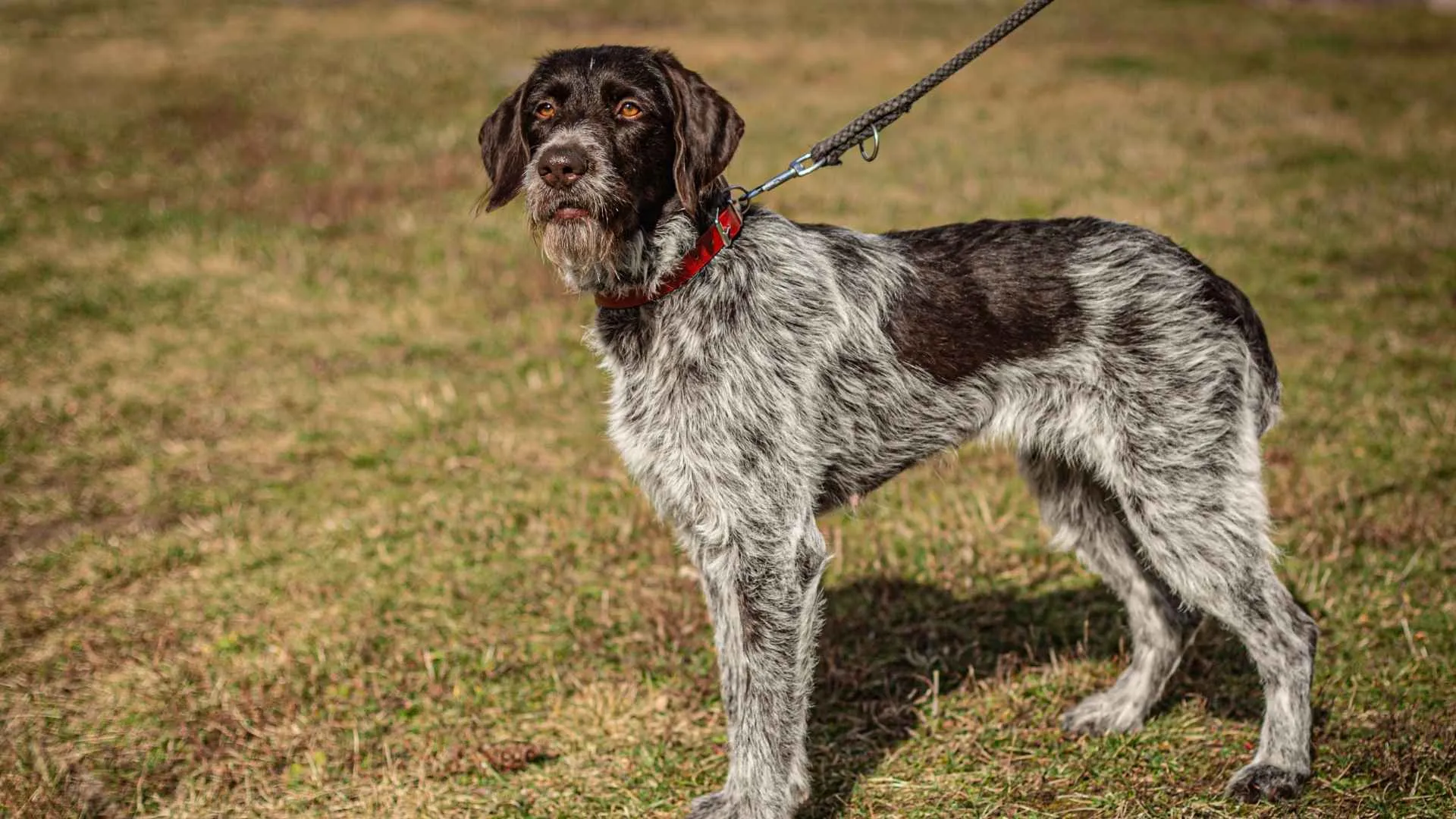
If Indiana Jones had a dog, odds are it’d look a lot like the German Wirehaired Pointer (GWP). Tough, resourceful, and utterly tireless, GWPs are Germany’s answer to an all-in-one field machine.
Built for dense forests, marshes, and open fields alike, GWPs have a wiry, weather-resistant coat and thick underlayer that shrugs off brambles and rain. Their rugged build lets them retrieve ducks, flush pheasants, or track deer with equal ease.
German Wirehaired Pointers consistently place at the top of NAVHDA (North American Versatile Hunting Dog Association) tests, earning accolades in obedience, game recovery, and water retrieves.
GWPs are deeply loyal and form strong bonds with their humans. Pointers are eager to please and respond best to consistent, positive training, though their energy demands daily exercise.
At the 2019 NAVHDA Invitational, multiple dogs achieved the maximum score of 200 points, reflecting high performance across field, water, and tracking phases of the test — a rare and respected achievement in this premier versatile hunting dog competition.
8. English Springer Spaniel
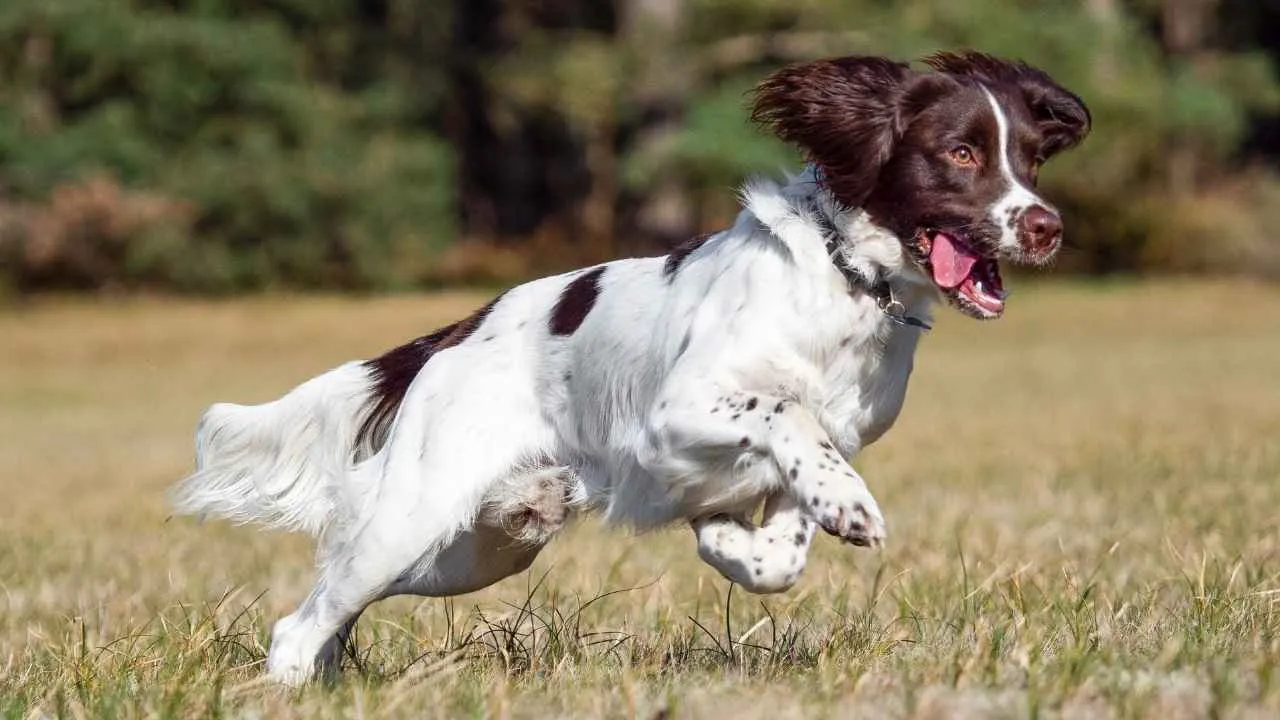
A classic choice with both royalty and roughnecks, the English Springer Spaniel is famous for its boundless energy and “let me at it!” enthusiasm. But don’t mistake exuberance for lack of skill—these dogs are field-tested and family-approved.
“Springer” comes from their original job: “springing” or flushing game birds from cover, driving them skyward for the gun. Today, they’re trusted go-tos for pheasant and woodcock hunters.
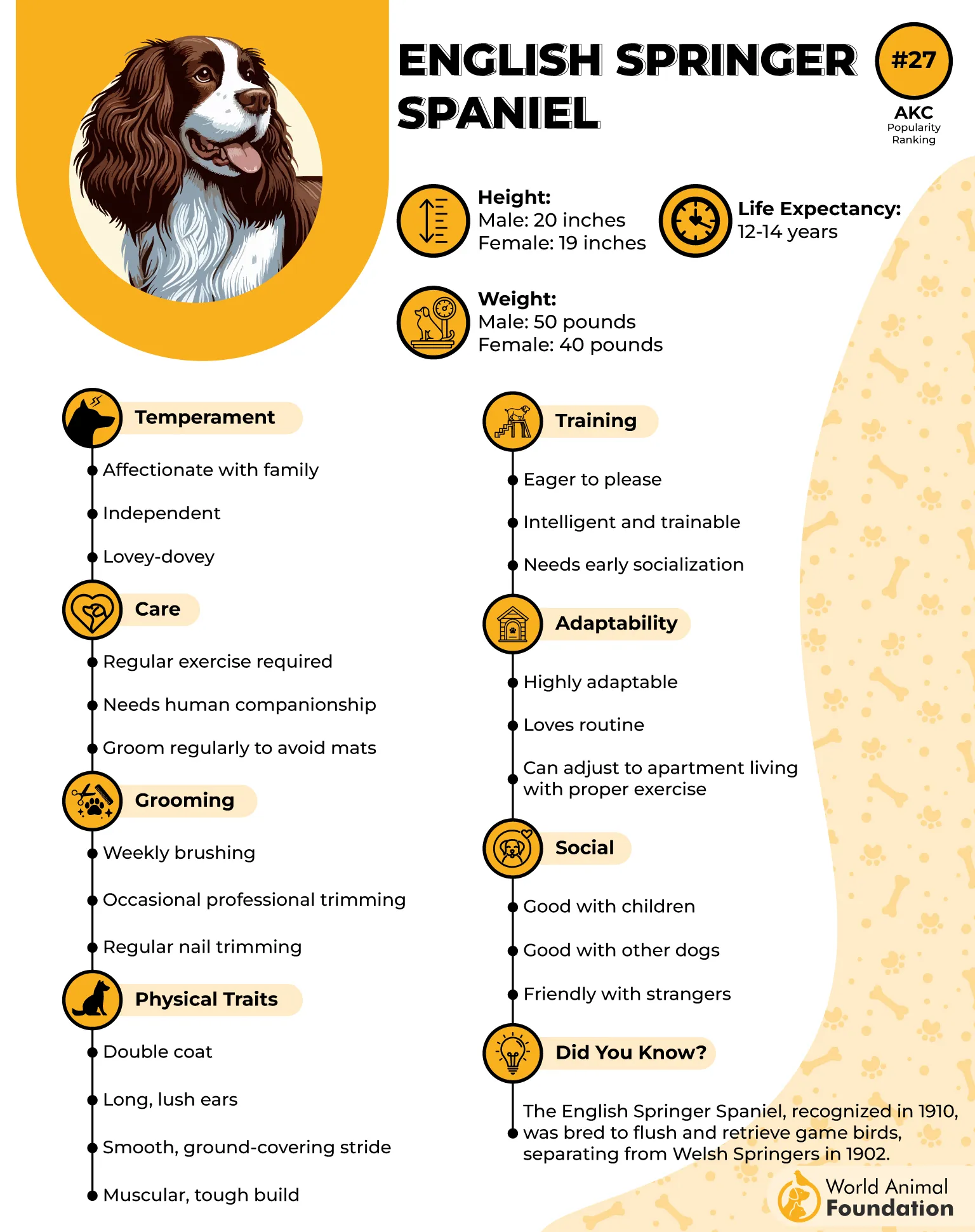
Great hunting partners, PetMD mentions that they transition smoothly across landscapes, retrieving in marshes before switching gears to quarter a stubble field or thick undergrowth. They’re reliable in rain, sleet, or snow.
They have a reputation for learning quickly and being highly trainable—perfect for novice hunters or families looking to compete in obedience or agility.
9. Vizsla
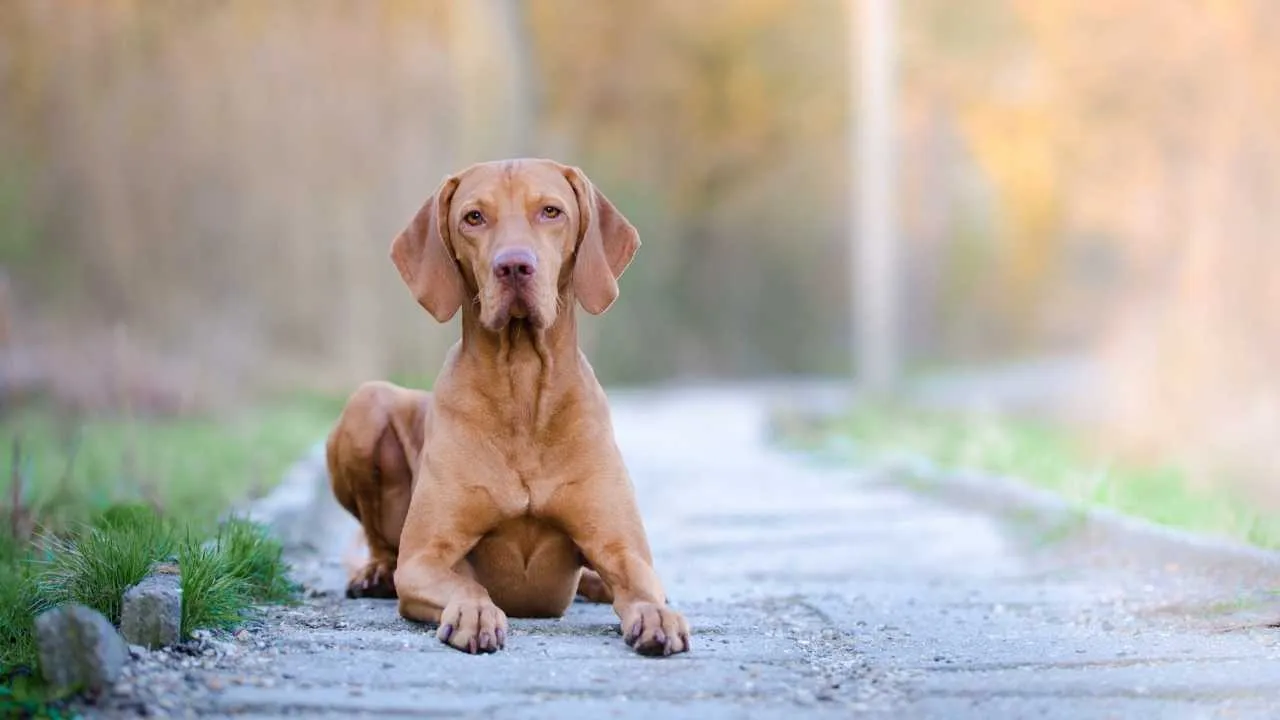
Gorgeous, devoted, and endlessly energetic, the Vizsla might just be the ultimate “velcro dog”—always at your side and eager for whatever comes next, especially when that next thing involves hunting.
The Vizsla started as a noble’s hunting companion in Hungary, prized for pointing, retrieving, and tracking. Their versatility extends from feathered quarry to upland game and sometimes even fur.
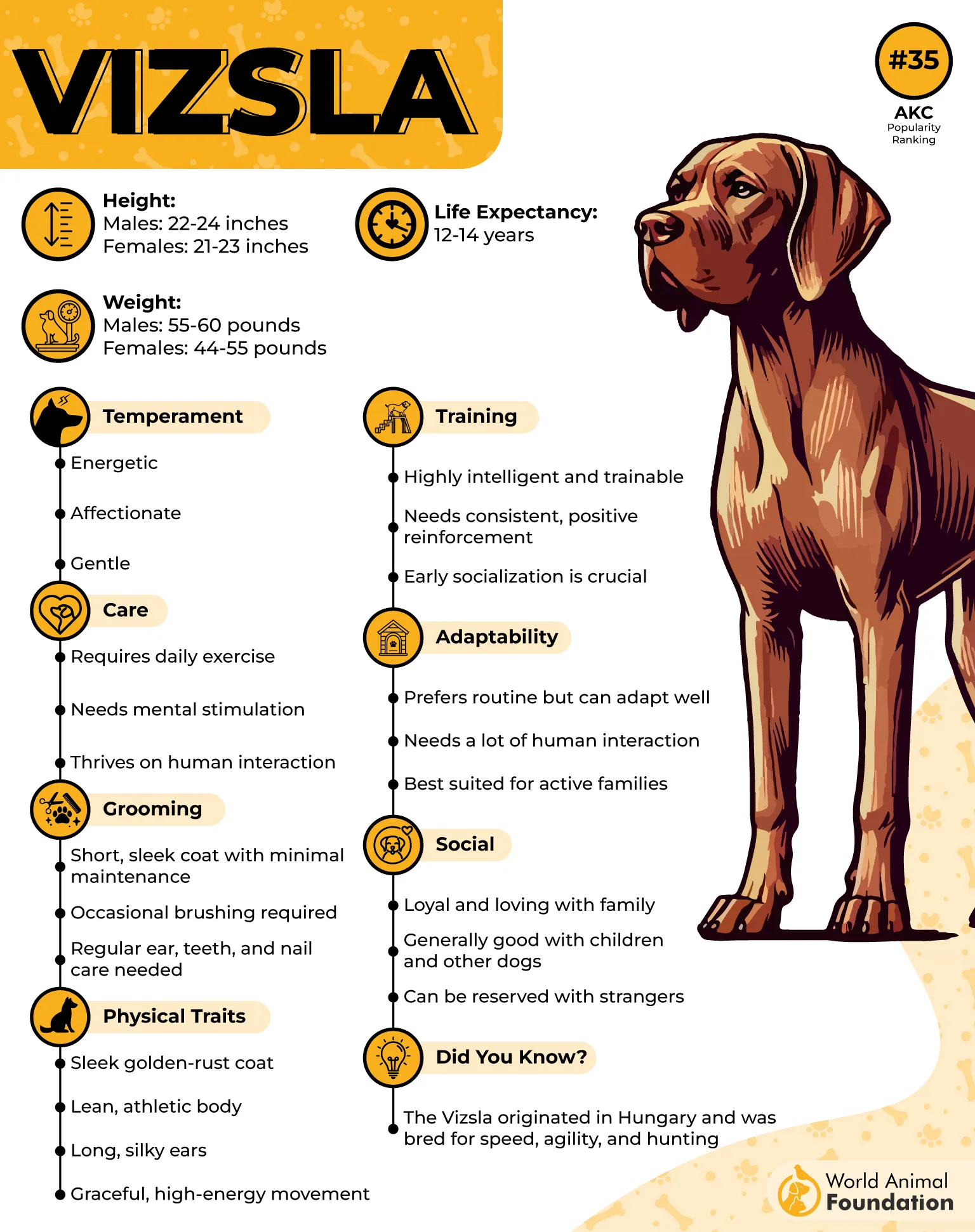
They are built like thoroughbreds—lean, muscular, capable of covering huge tracts of land at impressive speed. In competitive field trials, AKC says they consistently clock broad-ranging hunts with style to spare.
These are intuitive, gentle dogs, deeply connected to their handlers. They thrive on positive reinforcement, and their keen sense of mood makes them excellent family members and gun dogs.
Conclusion
There you have it: the world of versatile hunting dogs is as wide and wild as the landscapes they roam. From the acrobatic Irish Water Spaniel to the unstoppable German Wirehaired Pointer and the aristocratic Vizsla, each breed brings unique skills, boundless energy, and an eagerness to tackle whatever the hunt demands.
If you’re searching for a canine companion who can work sunrise to sunset and double as a family clown, you don’t need to choose between beauty and brains—these superstars deliver it all, paws down.
Labrador Retriever, Golden Retriever, German Shorthaired Pointer, Wirehaired Pointing Griffon, Brittany Spaniel, and Chesapeake Bay Retriever are also popular hunting dog breeds known for their bravery and skill, each with a distinct hunting style.
So whether you’re hunting ducks at dawn, chasing quail through golden fields, or simply craving an adventure companion for life, there’s a breed on this list ready to steal your heart—and maybe your spot on the couch, too.
