




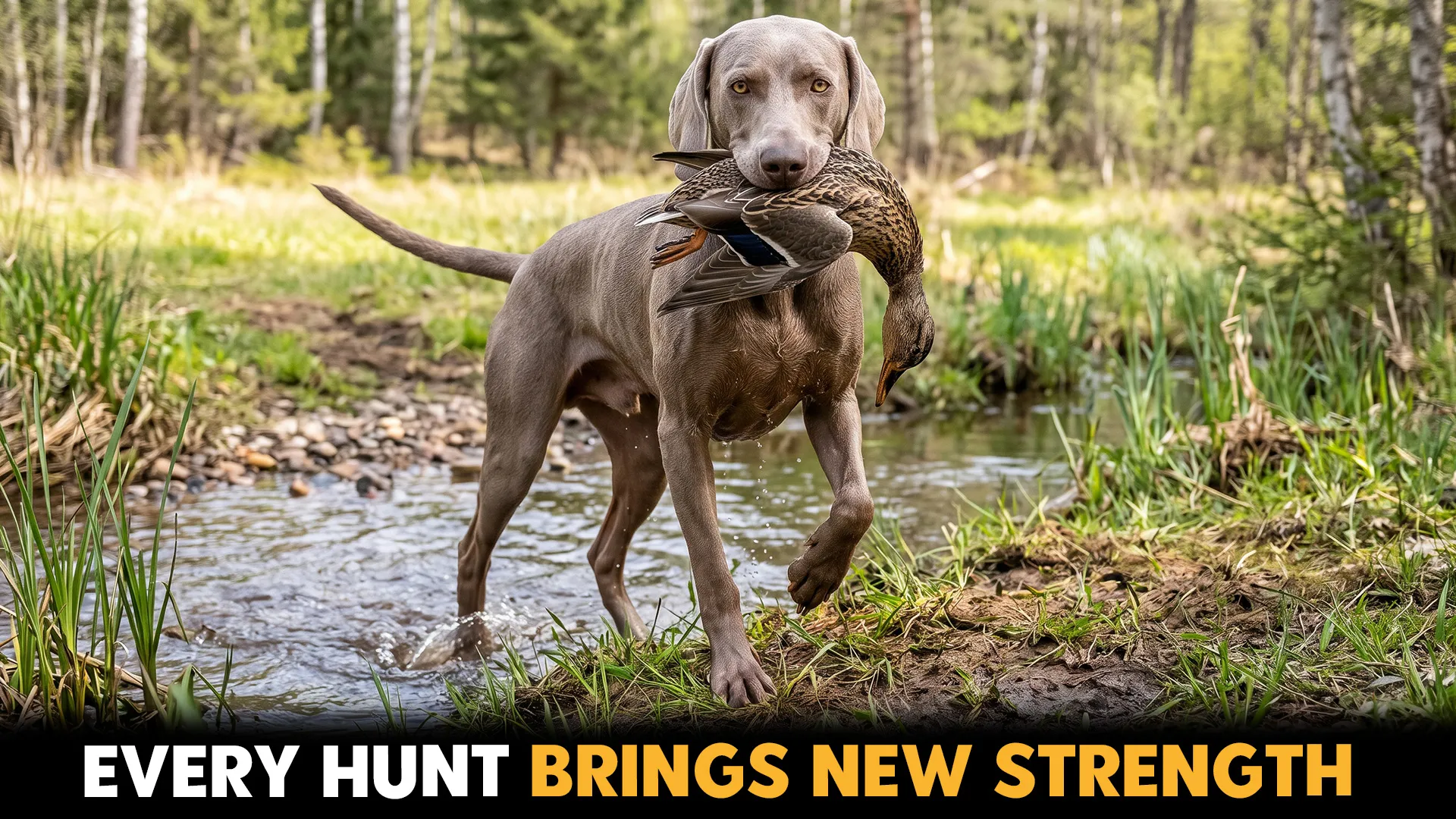
Ever wondered which dog can handle different hunting adventures?
Some dogs excel in open fields, while others thrive in water. Versatile hunting breeds can do both. They help hunters track, point, flush, and retrieve game. Waterfowl hunting takes place on lakes, rivers, marshes, and in cold water.
Meanwhile, upland bird hunting often happens in grasslands, thick brush, and woodland edges. Each setting demands different skills and instincts. Strong scenting abilities help dogs locate hidden game.
Their prey drive, intelligence, and athleticism also support fieldwork. Some breeds move with ease between land and water. However, the best choice depends on your hunting style.
Game type and local surroundings matter, too. This guide explores nine versatile hunting dog breeds. Each brings unique strengths to different outdoor challenges.
Let’s discover which breed suits your next adventure!
Versatile Dog Breeds That Excel in Diverse Hunting Scenarios
1. German Shorthaired Pointer
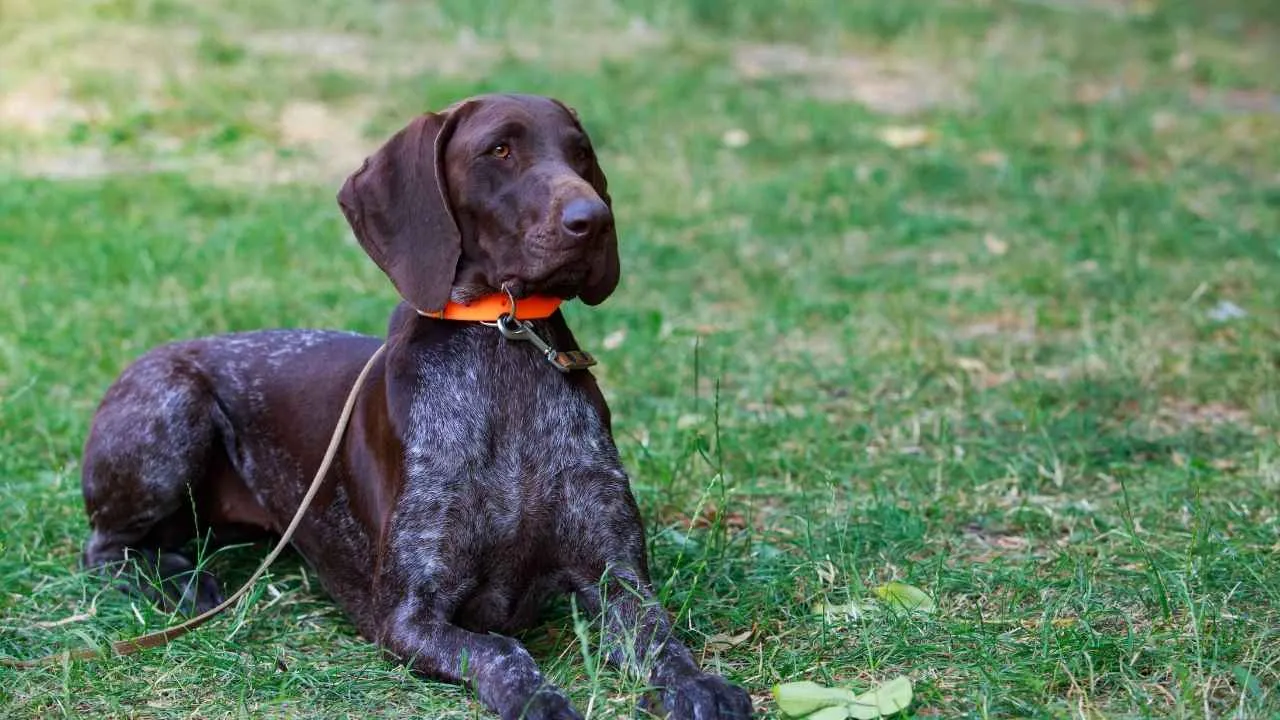
The German Shorthaired Pointer comes from Germany. Breeders developed it for several demanding hunting tasks. This hunting dog can locate, point, and retrieve game. It performs well across diverse terrain and changing conditions.
According to PetMD, these dogs have noble, aristocratic looks. They also possess impressive speed, agility, and endurance. Unlike many bird dogs, they have a distinct pointing style. German Shorthaired Pointers stop when they catch a bird’s scent. Then, they aim their noses toward its hiding place.
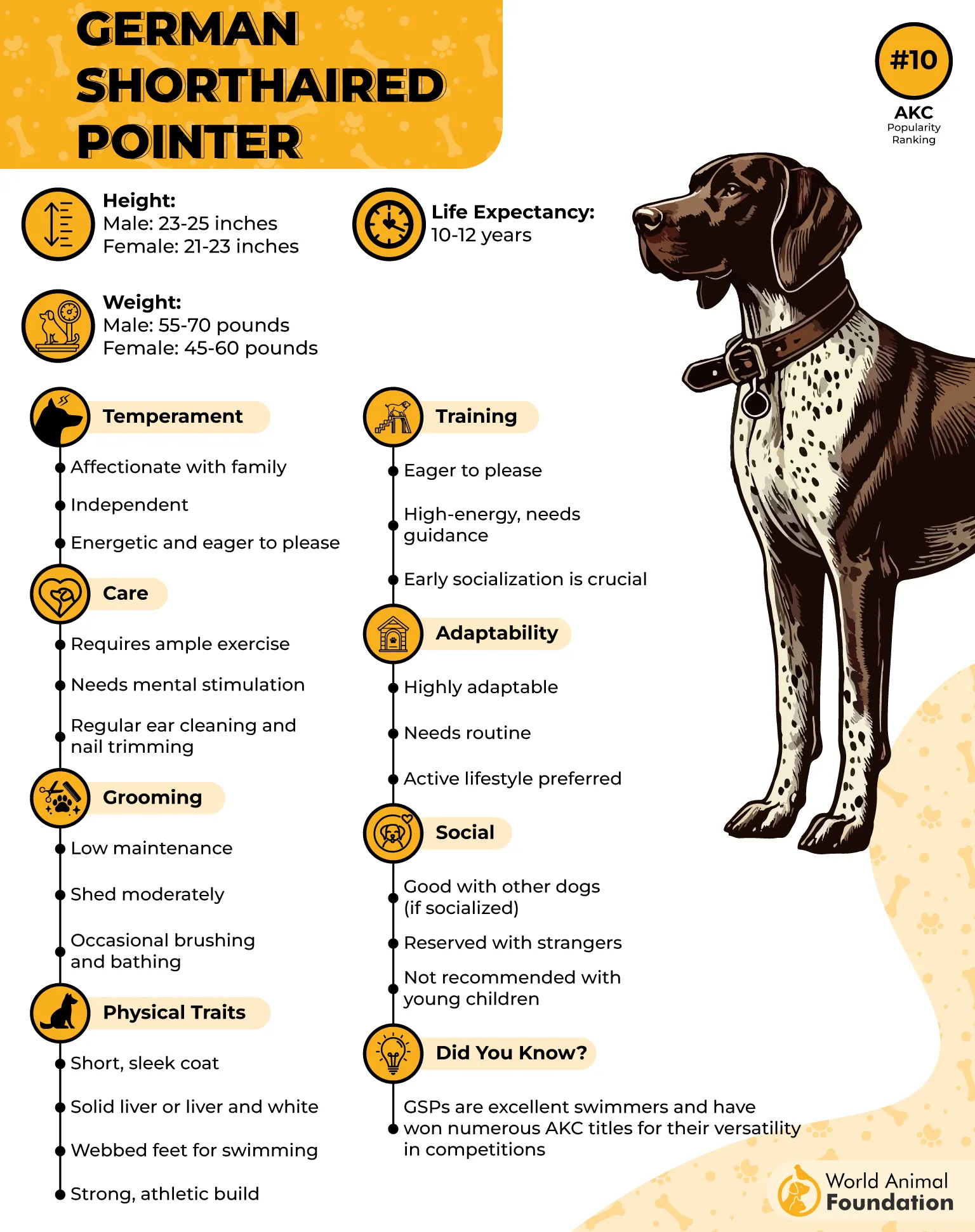
German Shorthaired Pointers hold this position until hunters give a signal. This allows hunters to flush out the upland game. Their strong hunting drive also supports focused fieldwork. Moreover, they can retrieve birds from land and water.
They can even help hunters recover wounded game. However, early training helps control their natural instincts. Regular practice also builds focus and reliable responses.
2. Labrador Retriever
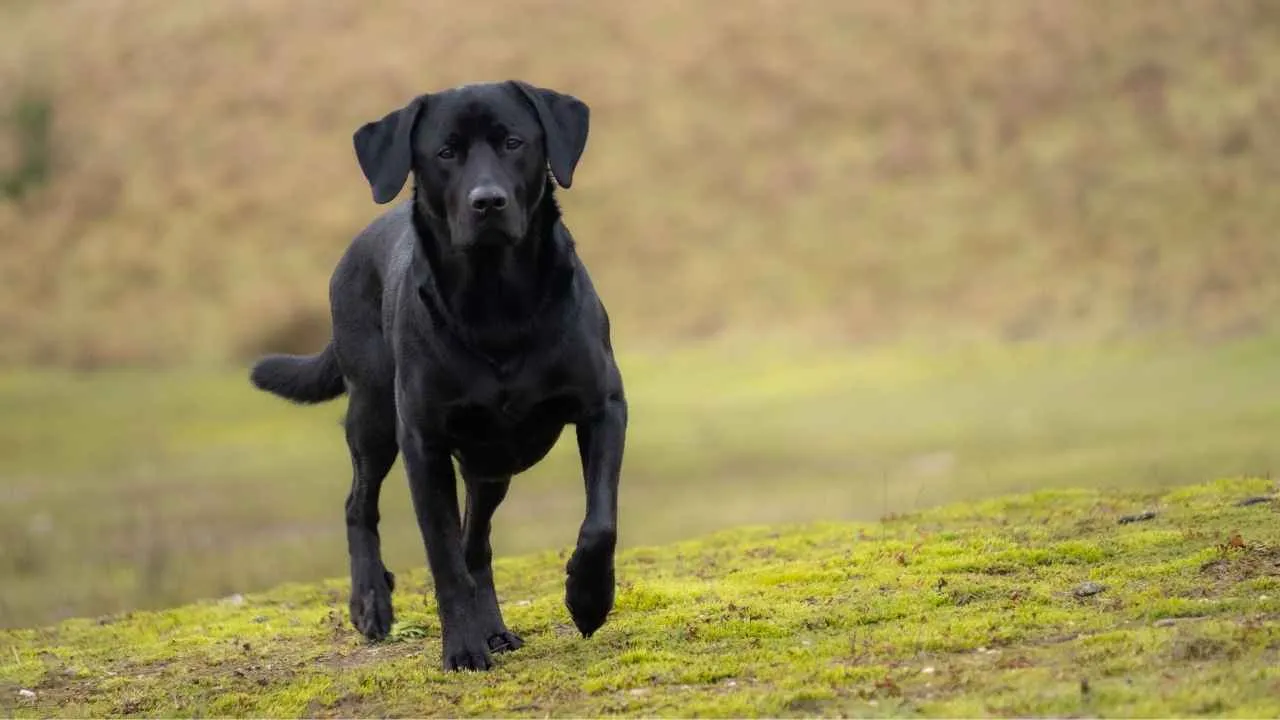
Labradors trace their roots to Newfoundland’s fishing communities. These dogs helped fishermen retrieve nets and catch fish. Today, they remain a versatile hunting dog. Their strong swimming abilities make water retrieval easy.
Their water-resistant coat also helps in cold conditions. Labradors work well in marshlands, lakes, and varied terrain. Their soft mouth allows them to carry birds gently. They can also retrieve small game across open fields.
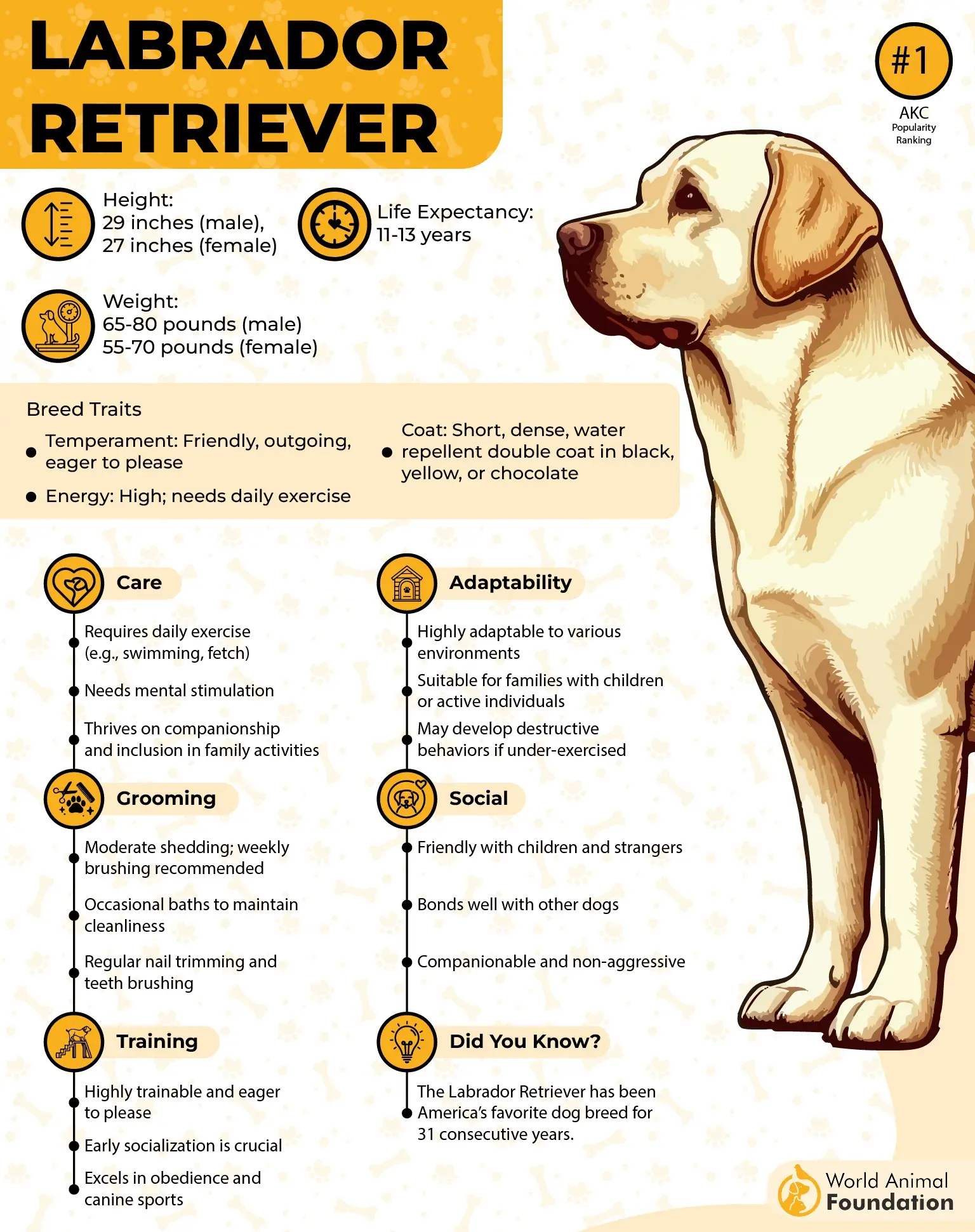
Enthusiastic hunters value their focus and willingness to work. According to PDSA, Labradors are devoted, affectionate, and eager to please. Reward-based training keeps their learning fun and effective.
Their skills also support search and rescue missions. With proper socialisation, they make a great family pet. Their affectionate disposition helps them bond with children and other pets. They are well suited to active homes.
3. Vizsla
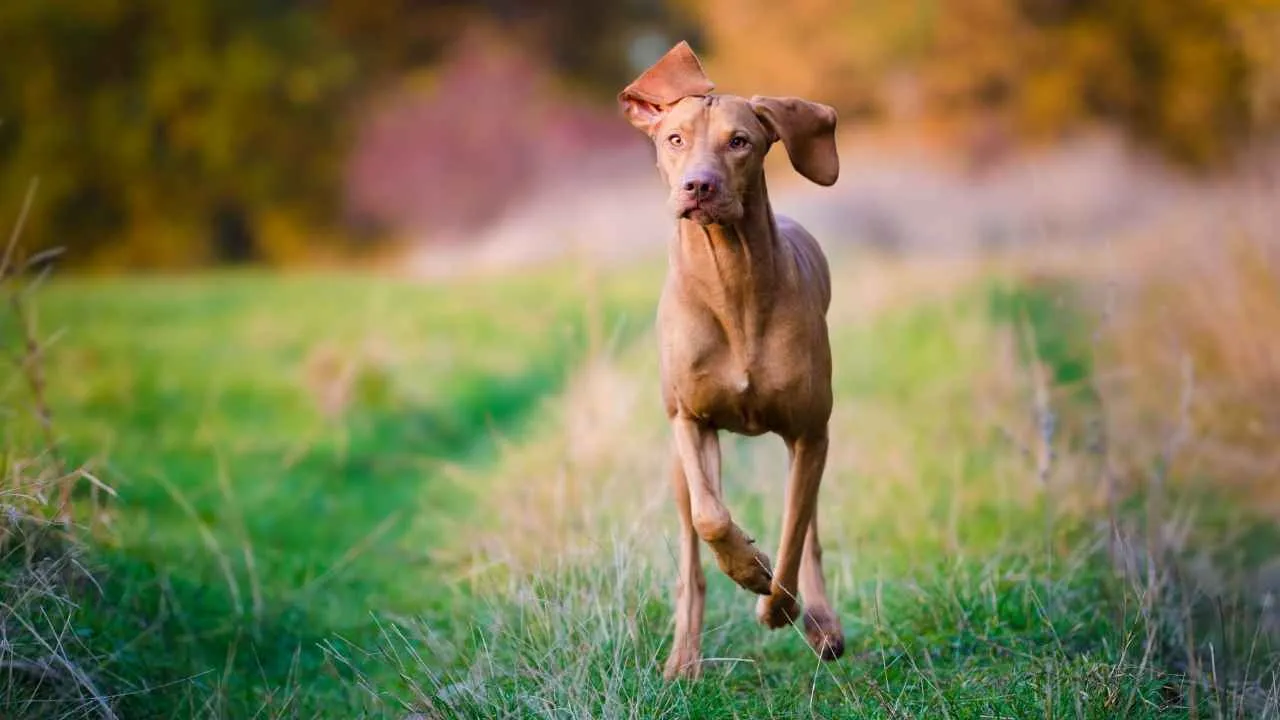
The Vizsla is a medium-sized dog breed from Hungary. It was originally bred as a hunting dog. Hunters valued its ability to locate and point game. This breed can find upland game birds in open fields.
It also works well along wooded edges and rough terrain. Its flexibility makes it useful in many hunting environments. Beyond its field skills, the Vizsla has an outgoing nature.
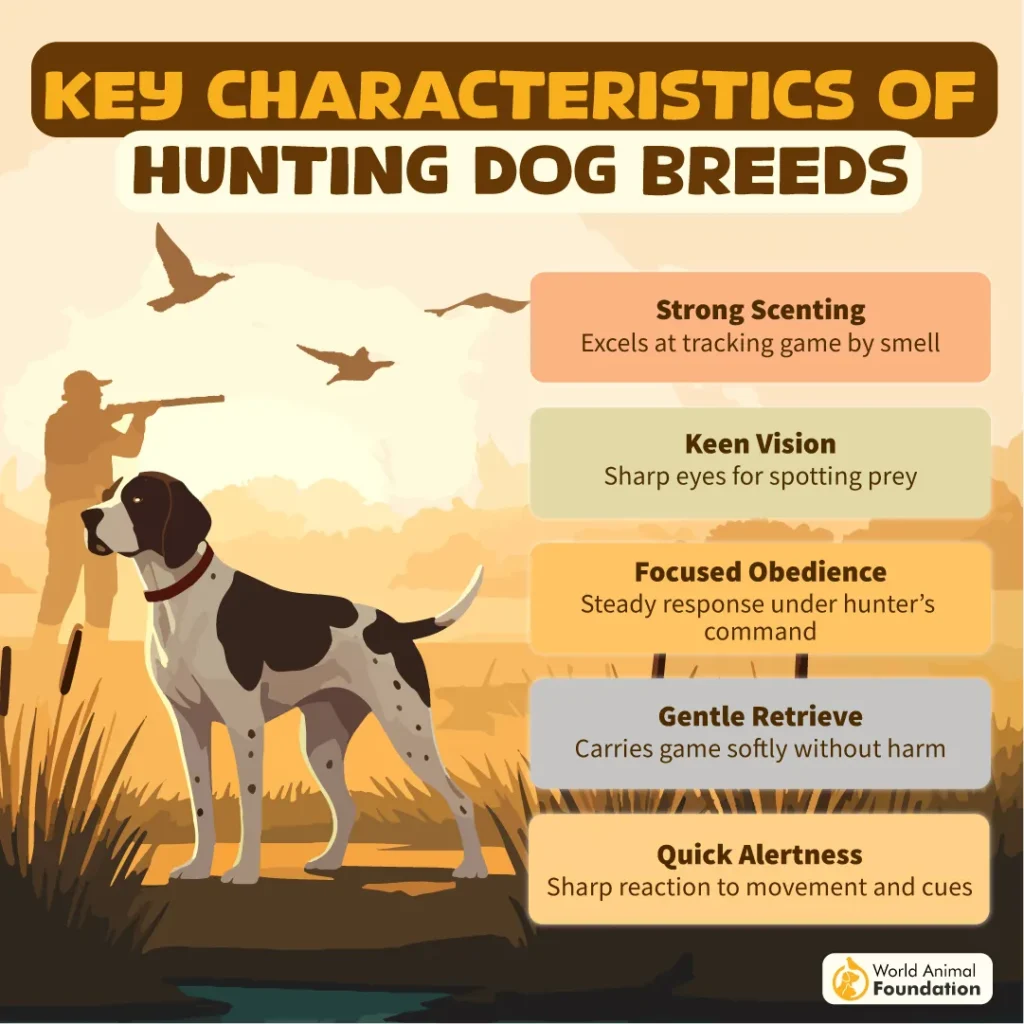
According to Purina, this loving dog enjoys learning new things. Its boundless energy makes outdoor activities especially rewarding. Vizslas also form close bonds with their owners. They respond best to fun, positive training sessions.
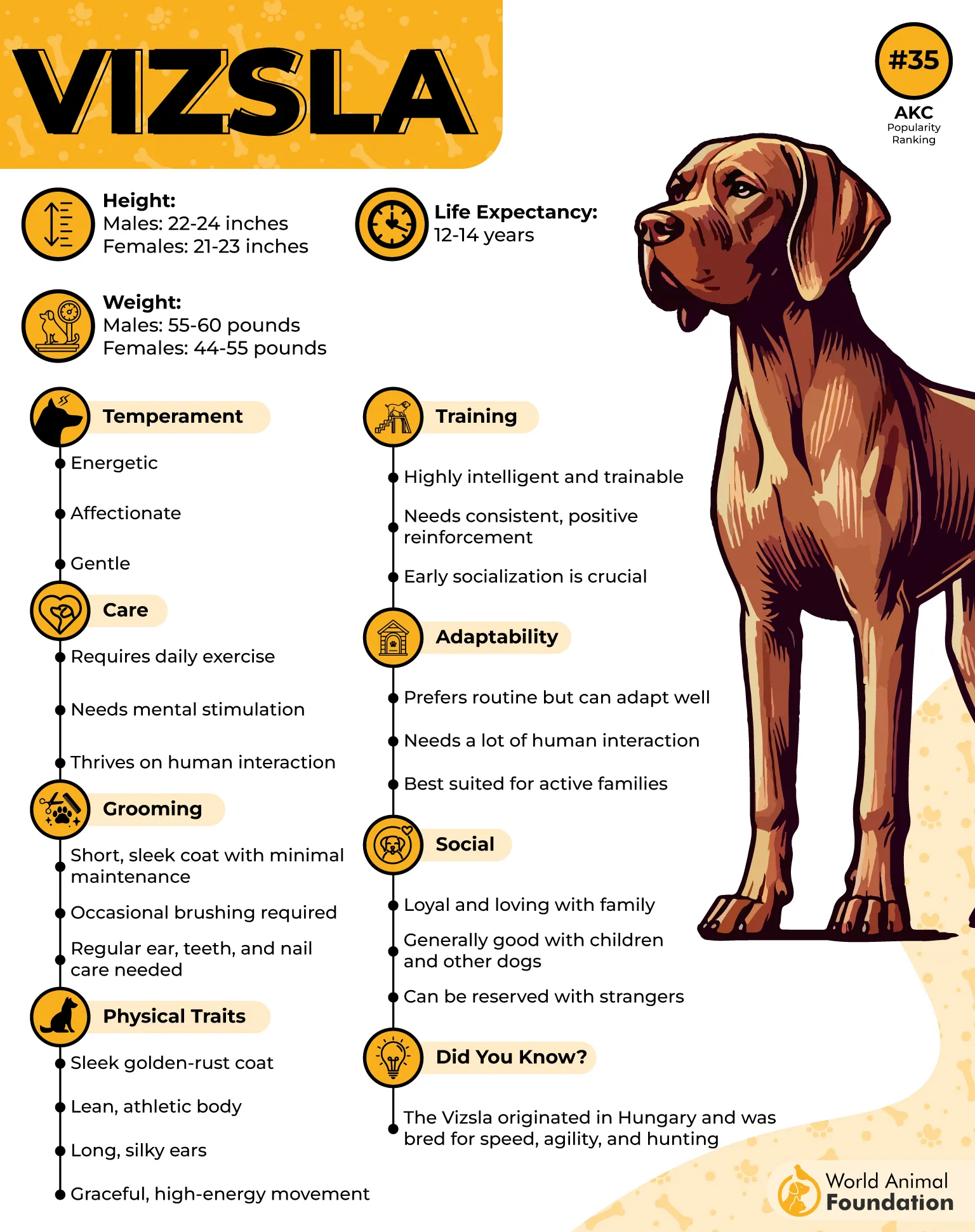
Consistent practice helps maintain focus during long outings. Their loyalty makes them a reliable partner outdoors. However, they suit active individuals who enjoy daily exercise. They also need plenty of attention and companionship.
4. Wirehaired Pointing Griffon
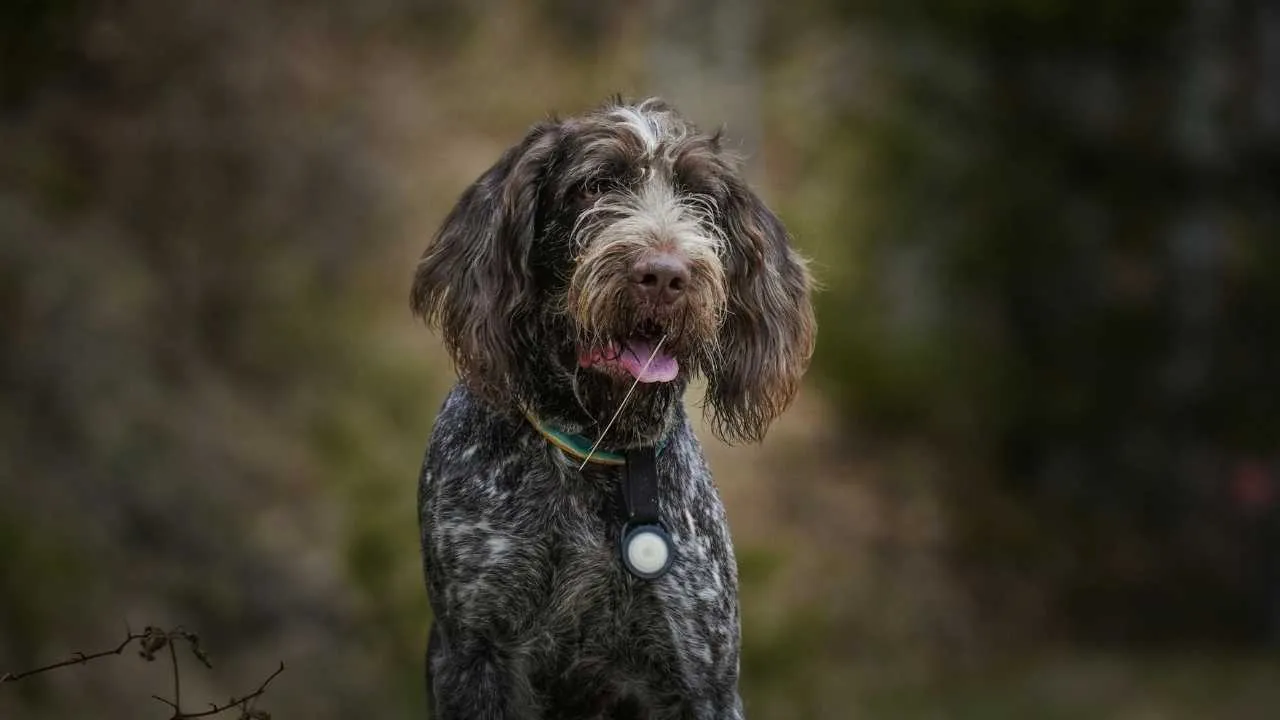
The Wirehaired Pointing Griffon has European hunting roots. Breeders developed it to handle demanding outdoor work. Its wiry coat offers protection against rough brush. According to WebMD, this coat suits harsh environments.
It also gives the breed a rugged, tousled appearance. Beneath that rough look lies a friendly dog breed. Its keen sense of smell helps it follow scent trails. This skill allows it to locate hidden game.
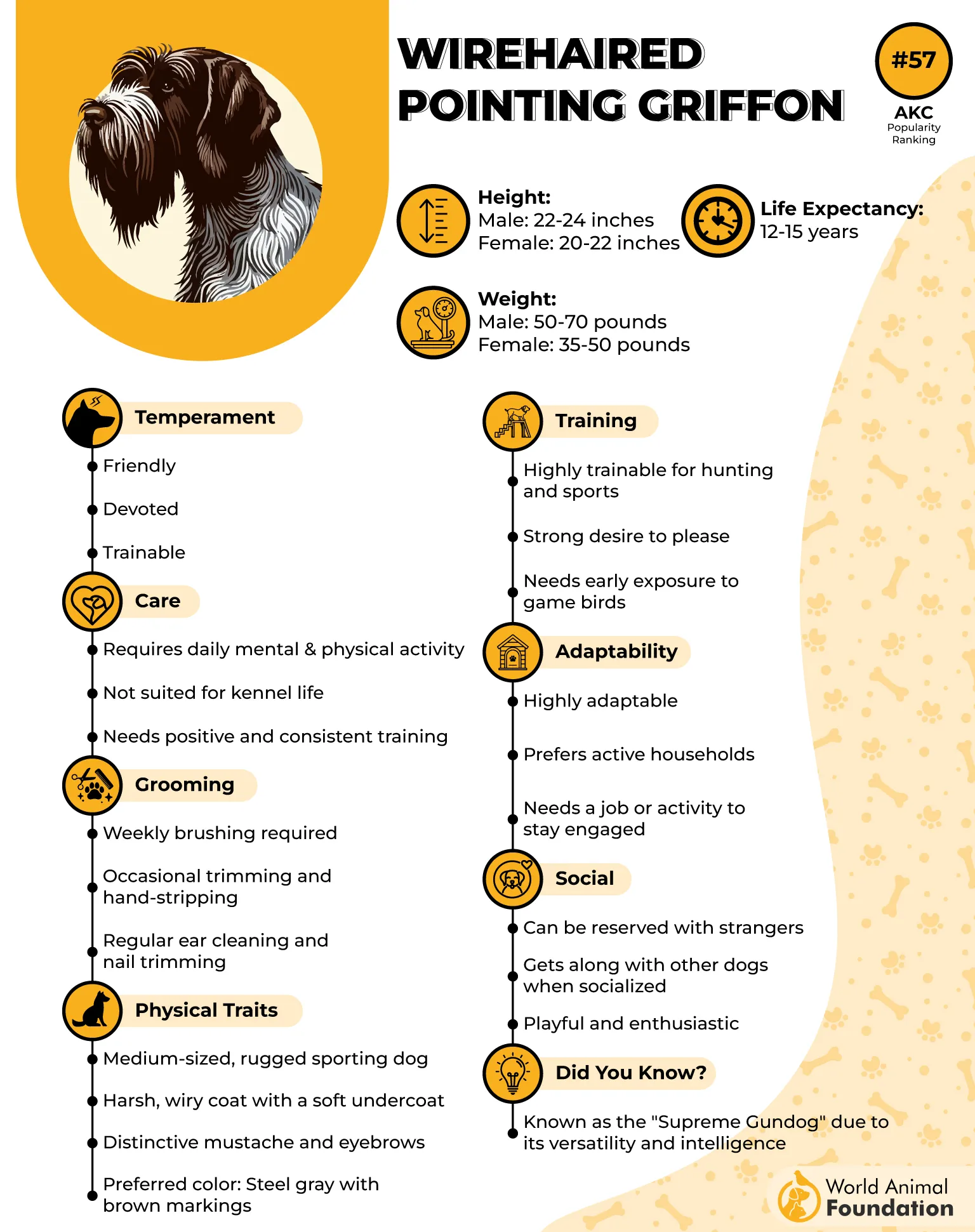
The dog can then point and wait until the hunter arrives. It can also retrieve birds from marshes and dense vegetation. Its working skills support different hunting style needs. However, regular brushing helps remove dirt and loose hair.
Owners should also check its coat after outdoor trips. For hunters seeking a hardy, adaptable companion, this breed could be a perfect match.
5. German Wirehaired Pointer
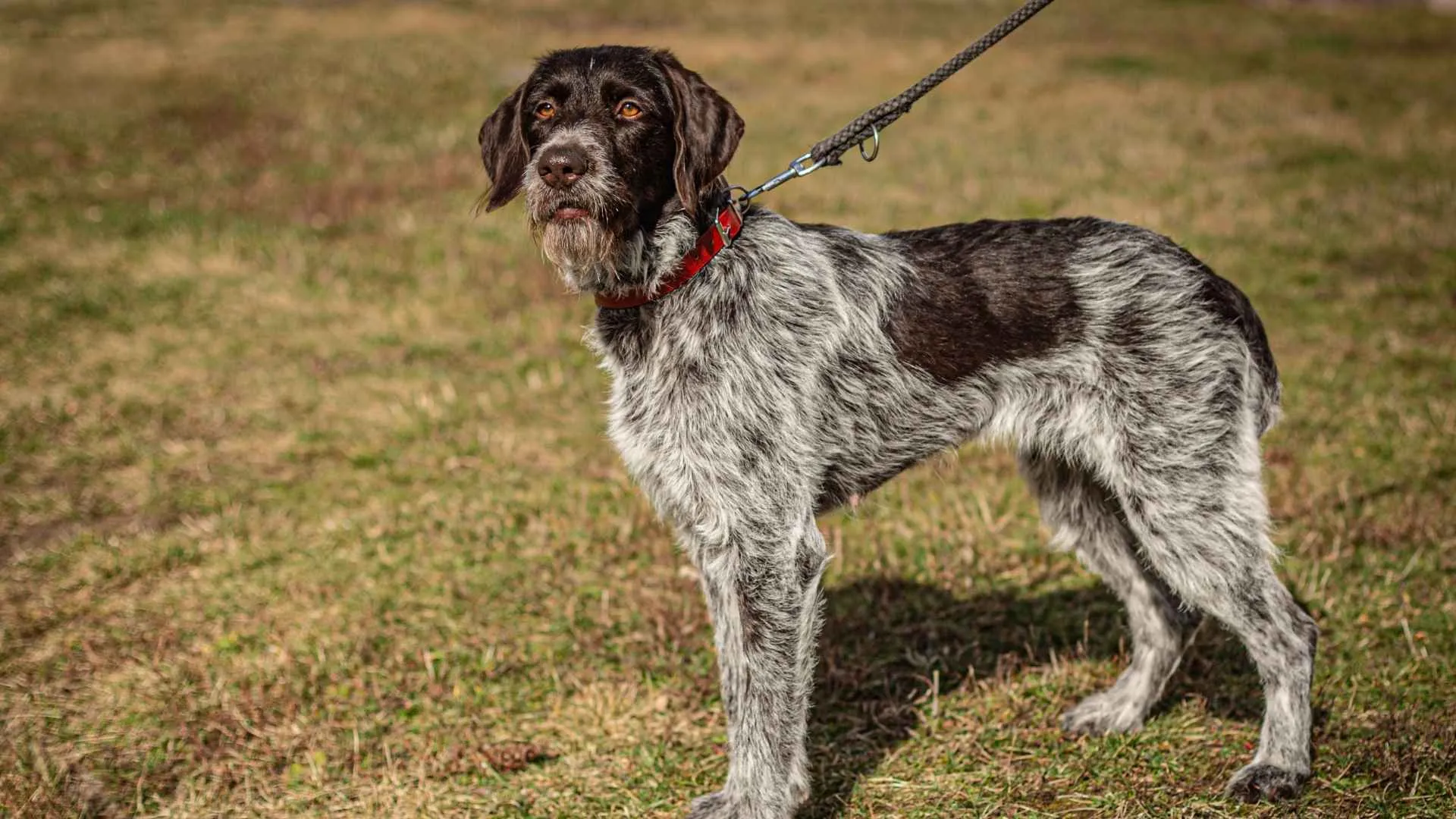
The German Wirehaired Pointer originated in Germany in the late 1800s. Hunters developed this hunting dog breed for demanding fieldwork. According to Omlet, breeders crossed it with Griffons, Pudelpointers, and German Shorthaired Pointers.
They wanted a medium-sized dog with protective, wiry fur. This coat helps it move through dense undergrowth. Its sharp instincts and acute sense of smell support tracking. It can follow scent trails through thick cover.
Moreover, this breed can point, retrieve, and flush birds. Its skills make it useful on land and water. Hunters also value its ability to learn commands. Structured field training helps direct its natural drive.
Clear instructions also improve its response during hunts. Despite its rugged working ability, coat care stays fairly simple. Regular brushing keeps this low-maintenance breed looking tidy.
6. Pudelpointer
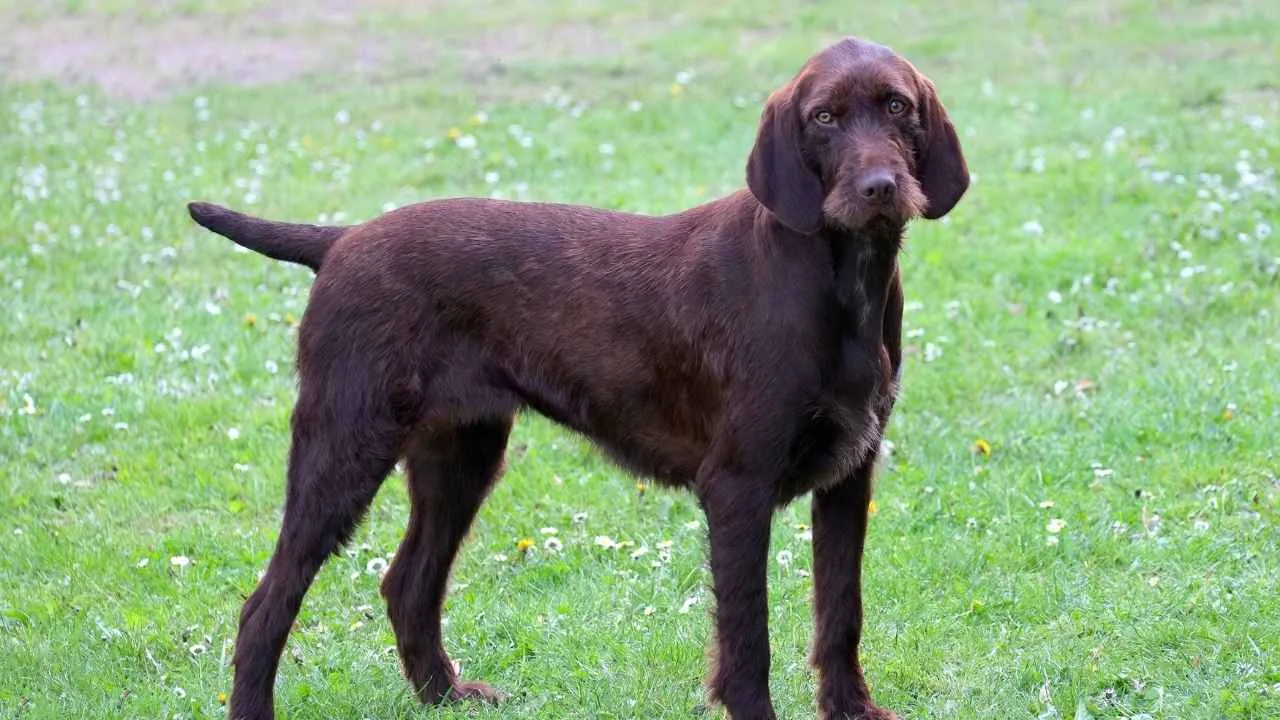
The Pudelpointer is a versatile hunting dog breed from Germany. According to Wikipedia, it developed through Poodle and Pointer ancestry. Breeders combined these dogs to create a capable hunter.
Its muscular frame supports demanding work across different settings. This hunting dog performs well on land and water. It can retrieve downed birds from lakes and marshes.
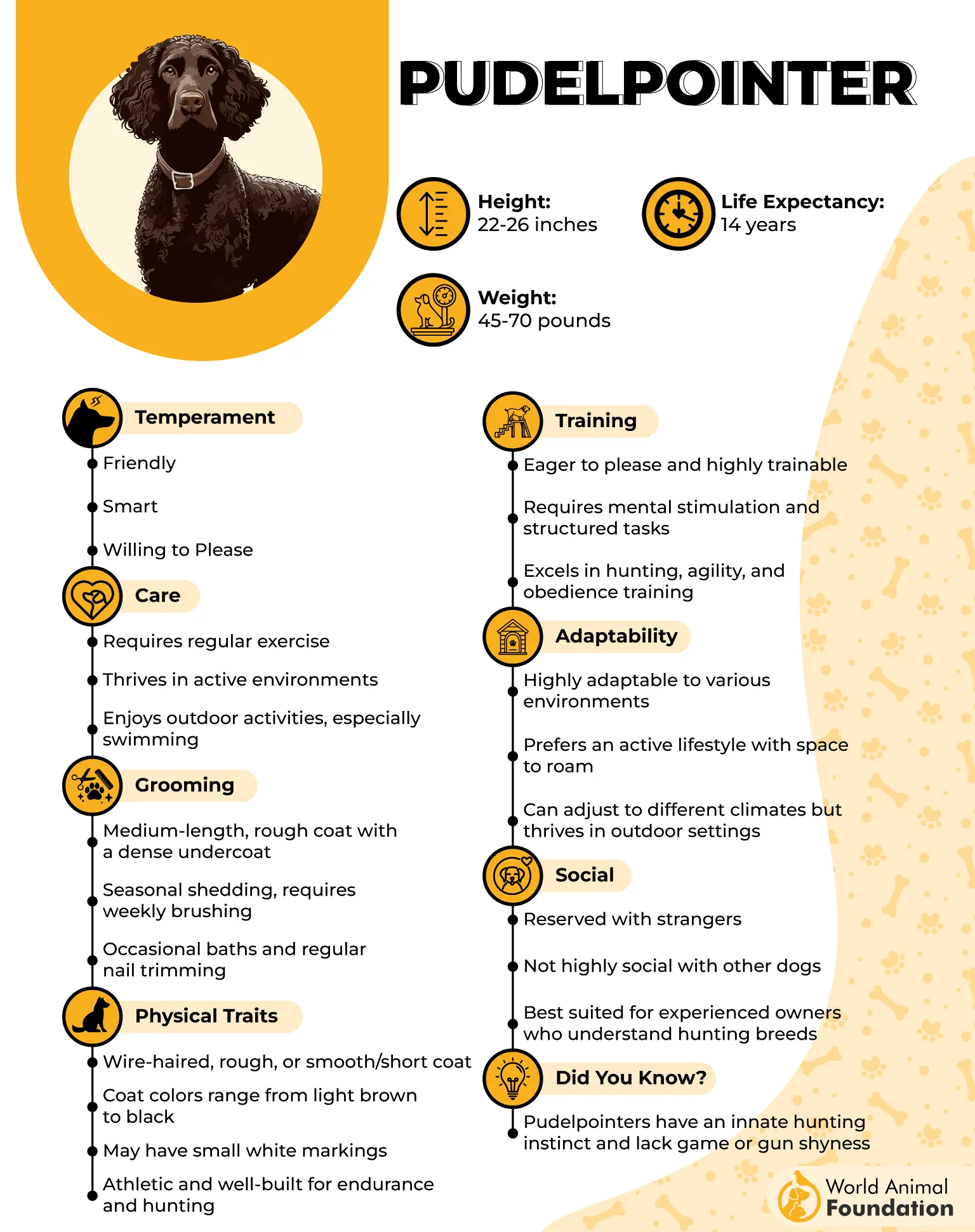
Its natural abilities also help locate and point game. Moreover, its intelligence makes training complex tasks easier. Hunters can teach it to follow commands and track scents. Its sturdy build helps it handle harsh conditions outdoors.
Beyond bird hunting, it can also assist with big game. This range of skills makes it a versatile hunting dog. It suits hunters who want one reliable companion. With proper training, it can handle several field duties.
7. Brittany
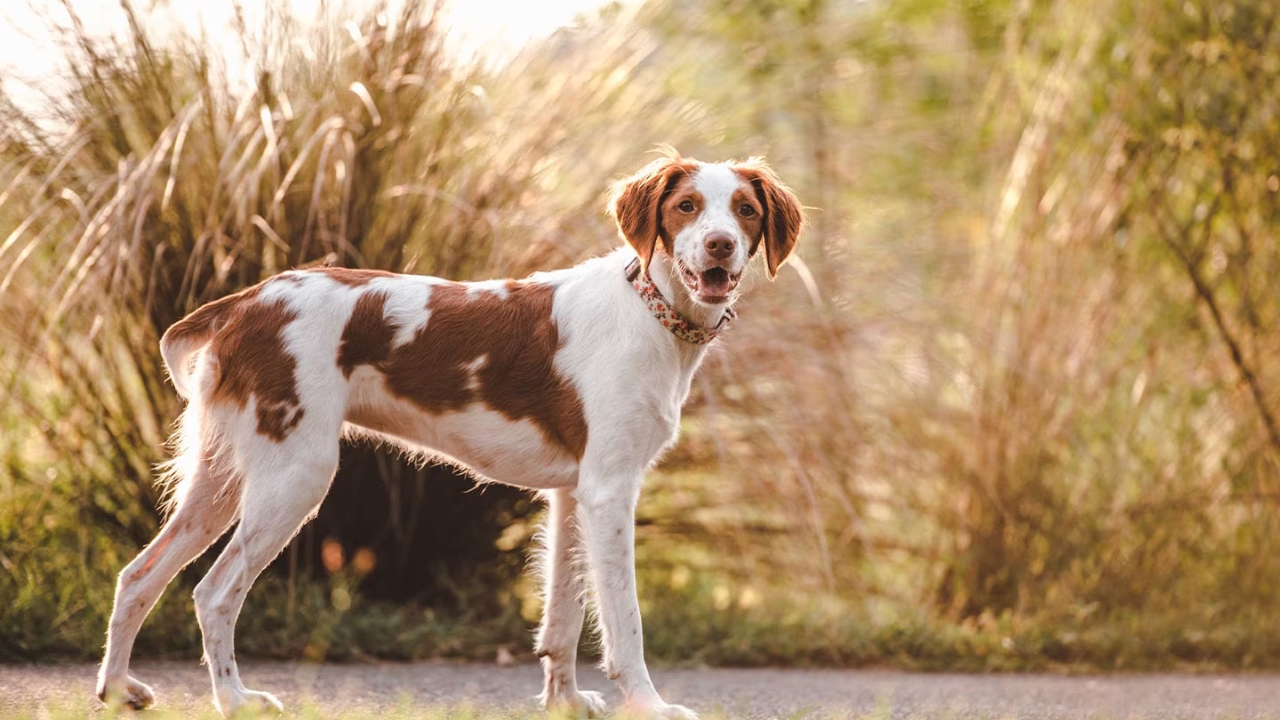
The Brittany originated in France, where hunters valued its bird-finding skills. This hunting dog has a long history of upland work. Its strong nose helps locate hidden upland game. Brittany Spaniels also have natural pointing instincts.
They search grasslands, brush, and woodland edges with ease. Their quick movements help cover large areas efficiently. This makes them useful during an active hunting experience. Beyond fieldwork, the Brittany is an affectionate dog breed.
However, Hill’s Pet notes that some may bark excessively. They may also roam when boredom sets in. Early obedience and socialisation help manage these habits.
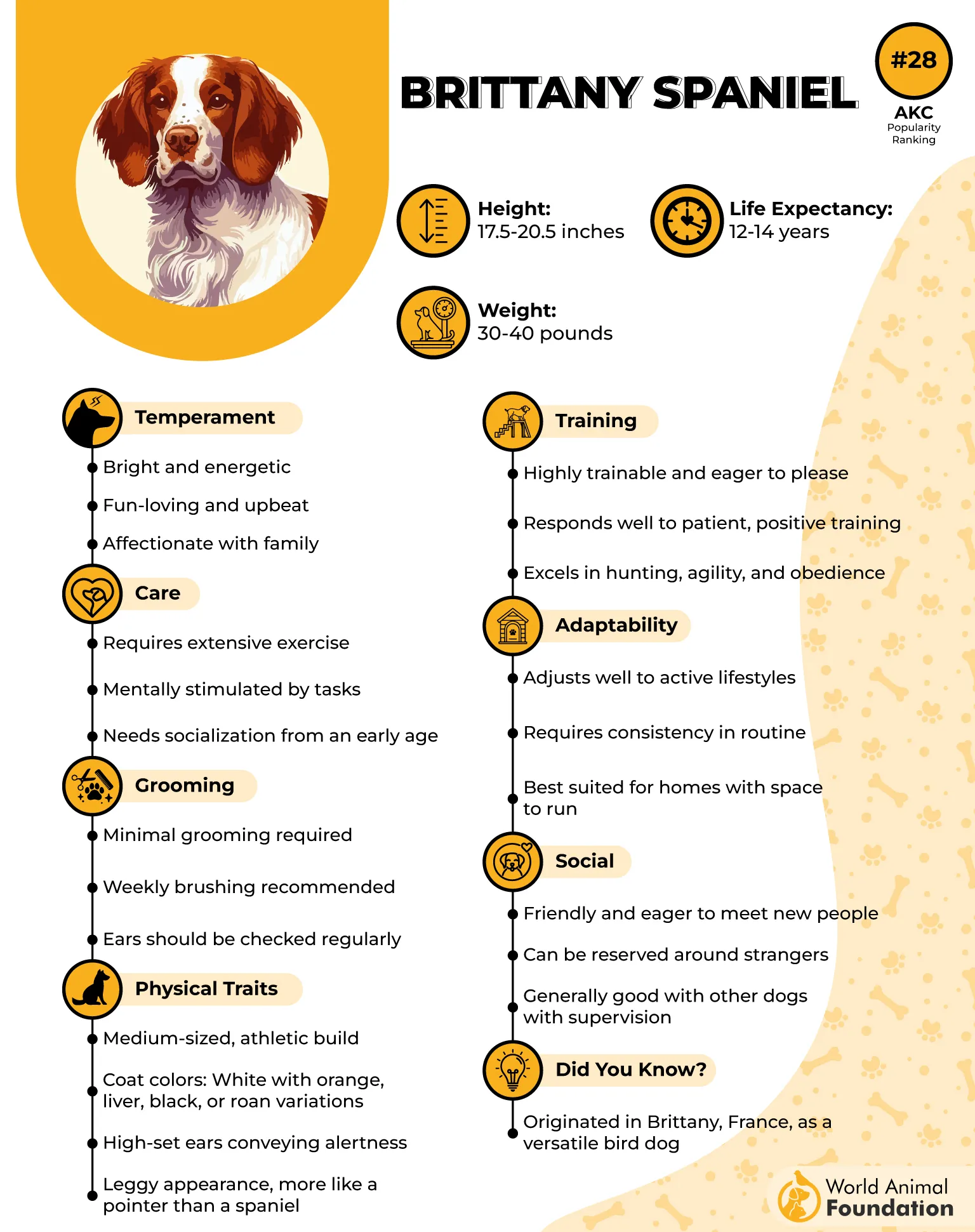
Daily exercise keeps their energy under control. Regular field practice also sharpens their hunting skills. For active owners, this breed can become an ideal companion. It thrives with purpose, attention, and outdoor activities.
8. Chesapeake Bay Retriever
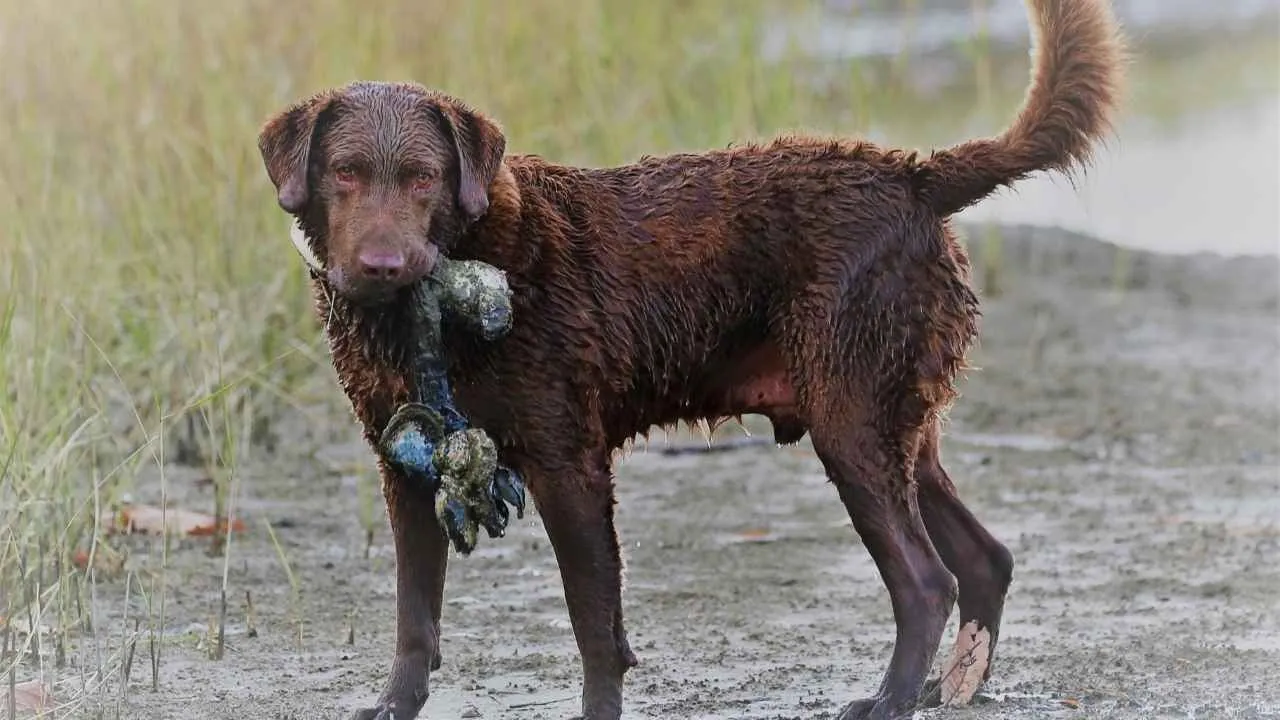
The Chesapeake Bay Retriever developed around Maryland’s Chesapeake Bay. Hunters bred this powerful hunting dog for demanding waterfowl work. Its dense, oily coat helps protect it in icy water.
Strong muscles support repeated swims and long retrieves. Its strong nose also helps locate wounded game. According to Orvis, people call it the most rugged retriever. This breed shows courage when facing rough water.
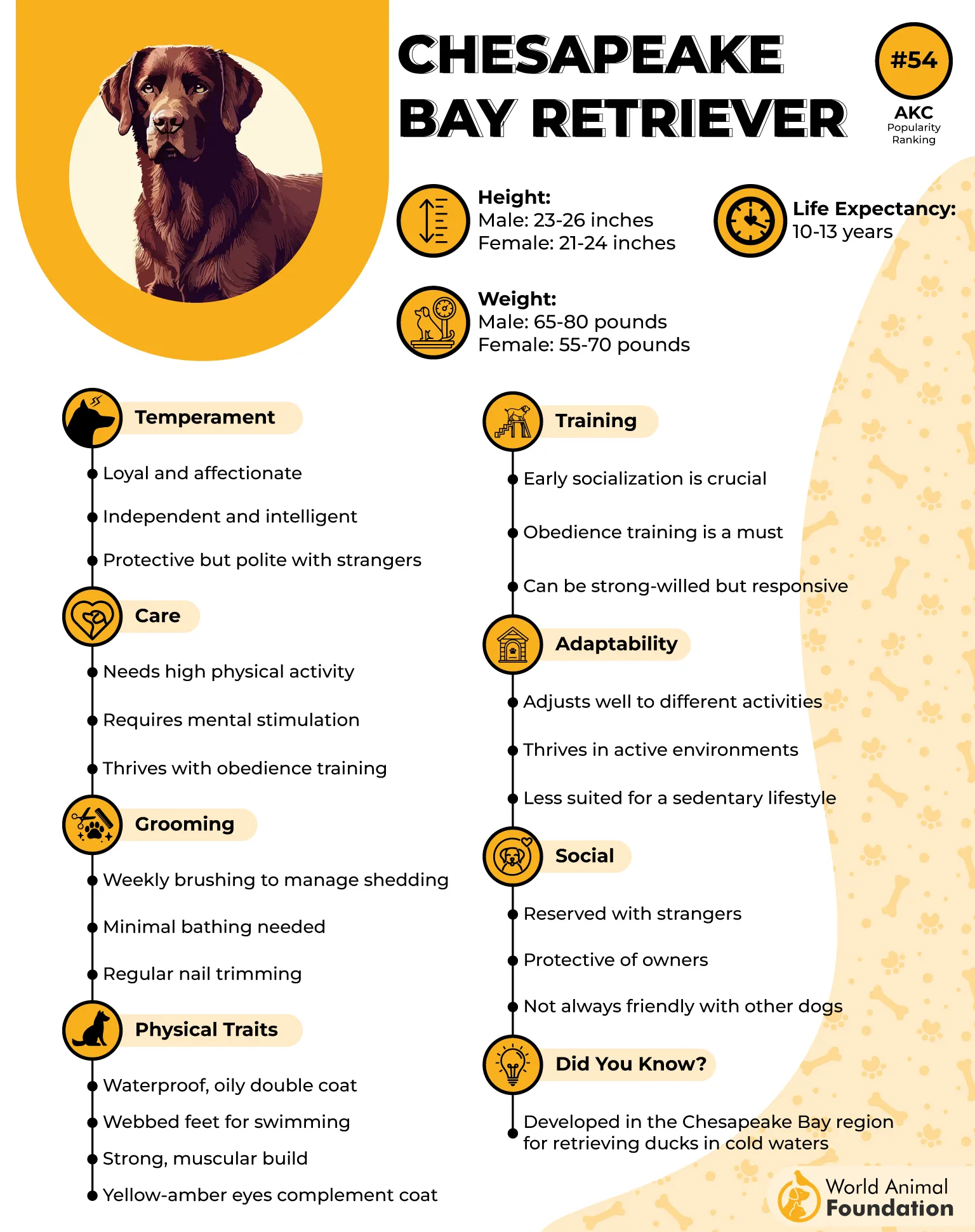
It also has a protective instinct toward its family. Despite its working strength, it has a bright disposition. Its intelligence often earns comparisons with the smartest dog breed. However, it needs regular mental stimulation and physical activity.
Early training helps direct its natural working abilities. With proper socialisation, it can become a highly adaptable companion. Safe water access and good conditioning remain essential for this breed.
9. English Springer Spaniel
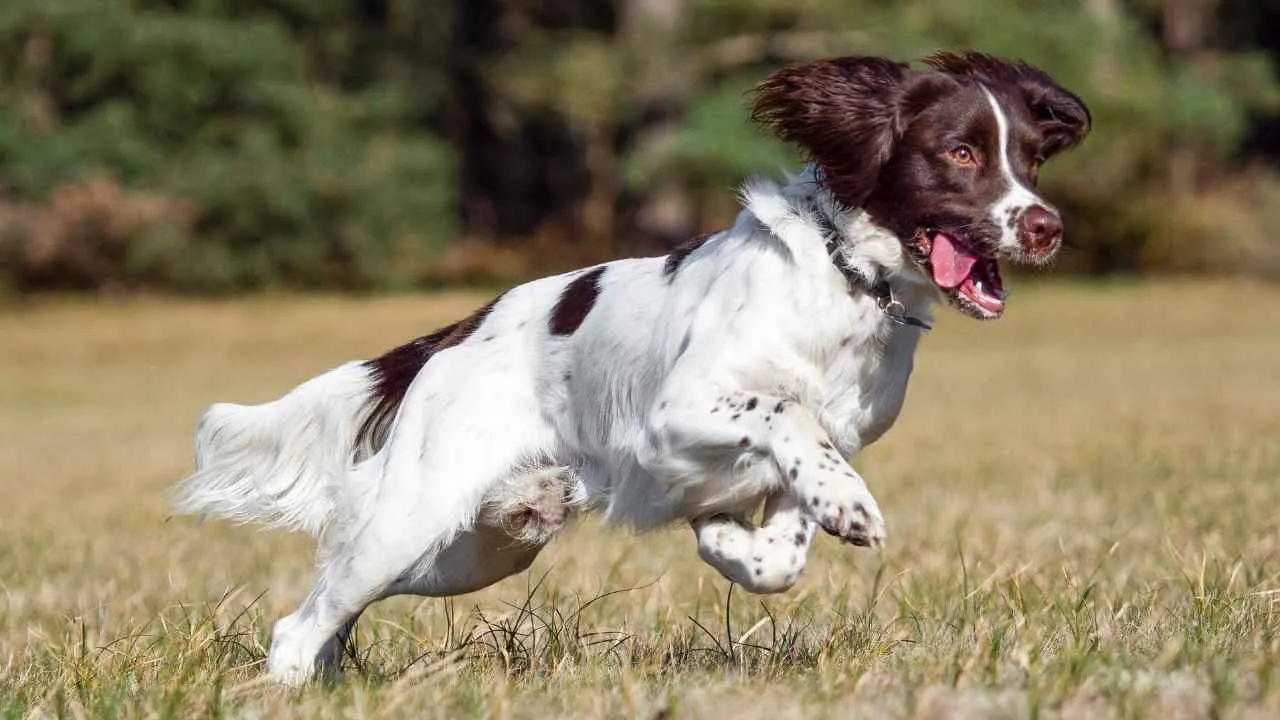
The English Springer Spaniel has a long history as a flushing dog. Hunters rely on it to find birds in dense cover. Its sharp nose helps detect hidden game through grass. It can flush upland birds into flight for hunters.
This breed can also retrieve small game after a successful hunt. According to the American Kennel Club, Springers have great stamina and intelligence. Their physical characteristics support long distances in the field.
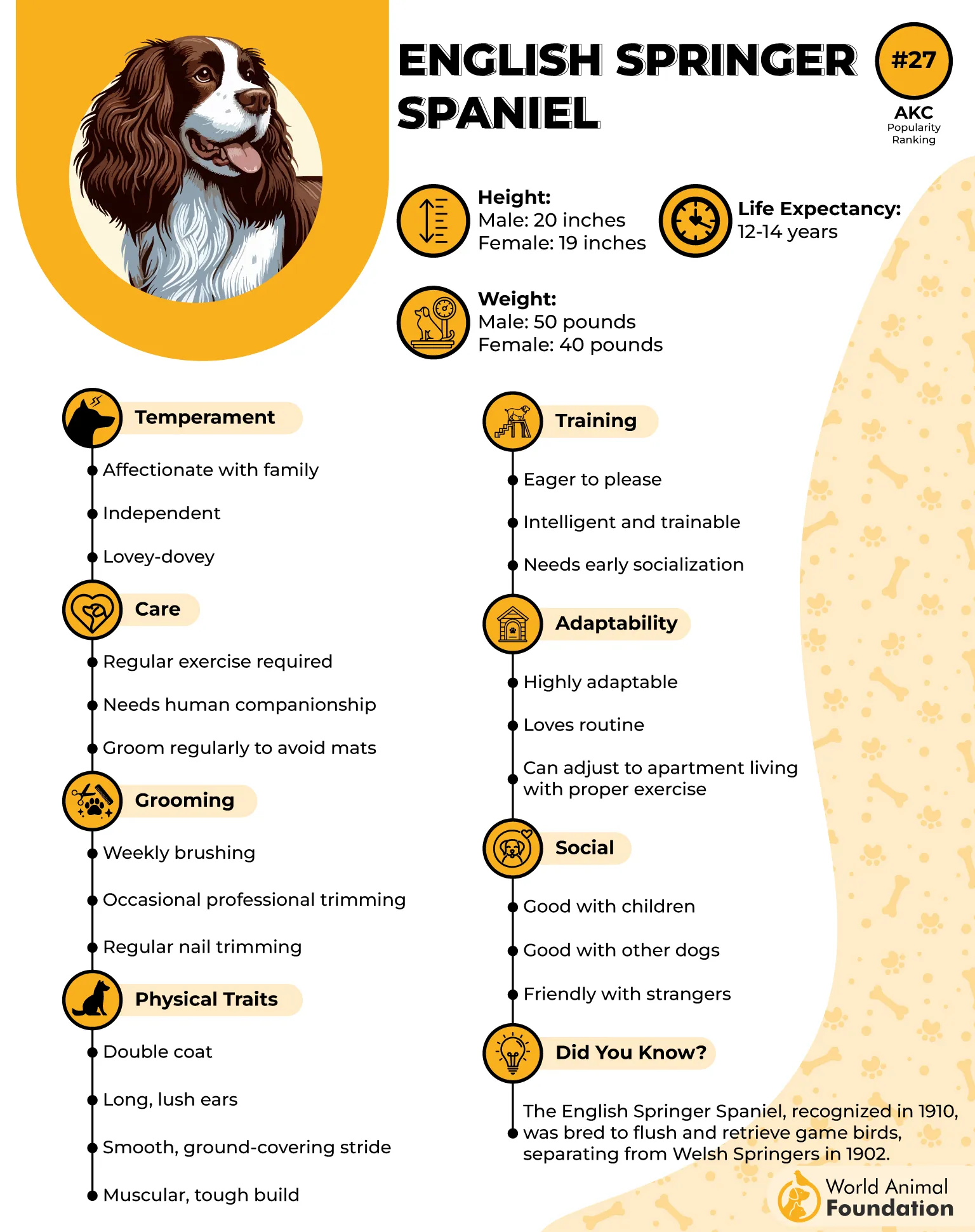
English Springer Spaniels also have a strong desire to work closely with people. Their friendly demeanor makes them welcome family companions. Moreover, they are highly trainable and eager to please.
Scent work helps sharpen their natural hunting abilities. Obedience practice also improves their response to commands. These skills make them useful partners during demanding hunts. However, they need company, activity, and regular attention.
Conclusion
Choosing the right hunting dog takes careful consideration. Each breed brings different skills to outdoor adventures. Some retrieve waterfowl, while others locate upland birds. Certain dogs can also help hunters pursue big game. Their scenting skills, intelligence, and natural instincts matter.
Physical characteristics also affect their working abilities. Coat type, stamina, and compact size suit different conditions. Some breeds remain equally effective across land and water.
These qualities make versatile hunting dogs highly valued partners. However, strong prey drive requires proper training and control. Regular exercise and mental challenges also keep them focused.
Consider your hunting style, lifestyle, and local terrain. The right hunting dog can make every outdoor adventure more rewarding.
