




Choosing a dog when you spend long hours away from home requires more than finding a breed that is simply calm. Some dogs crave constant attention, while others are naturally more independent, making them better suited to quieter routines and predictable schedules.
The best breeds for busy owners balance affection with confidence, allowing them to relax on their own without becoming overly stressed. With proper training, mental enrichment, and a consistent routine, these dogs can adapt well to reasonable periods of alone time while remaining loving, loyal companions when you’re home.
In this guide, you’ll discover nine versatile dog breeds that handle independence better than most, along with what makes each one a practical choice for professionals, families, and anyone with a busy lifestyle.
Versatile Dog Breeds for Long Hours Alone
1. Great Dane
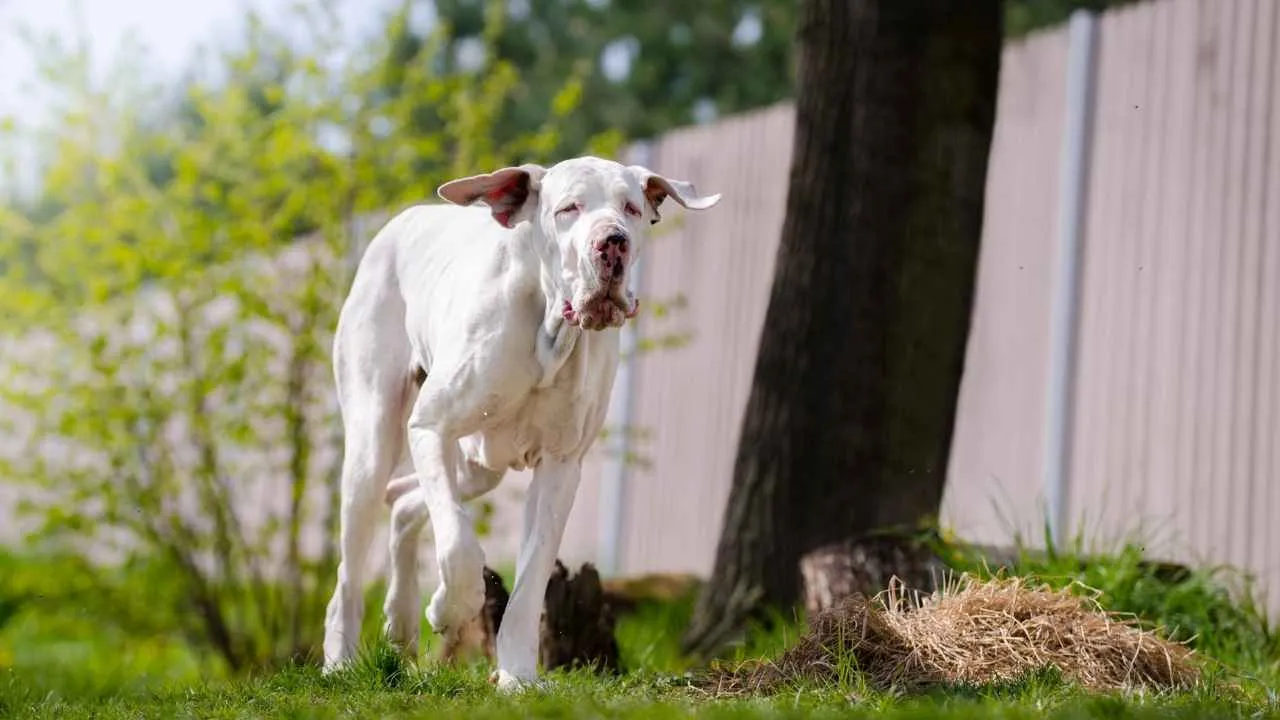
The Great Dane proves that being enormous doesn’t always mean being demanding. According to Purina, Great Danes are gentle giants known for their affectionate, people-loving nature.
Originally developed in Germany for hunting and guarding, this breed has evolved into a calm, family-focused companion that enjoys quiet routines. For owners who spend long hours away, a well-trained adult Great Dane is often content relaxing indoors after a proper walk and some quality attention.
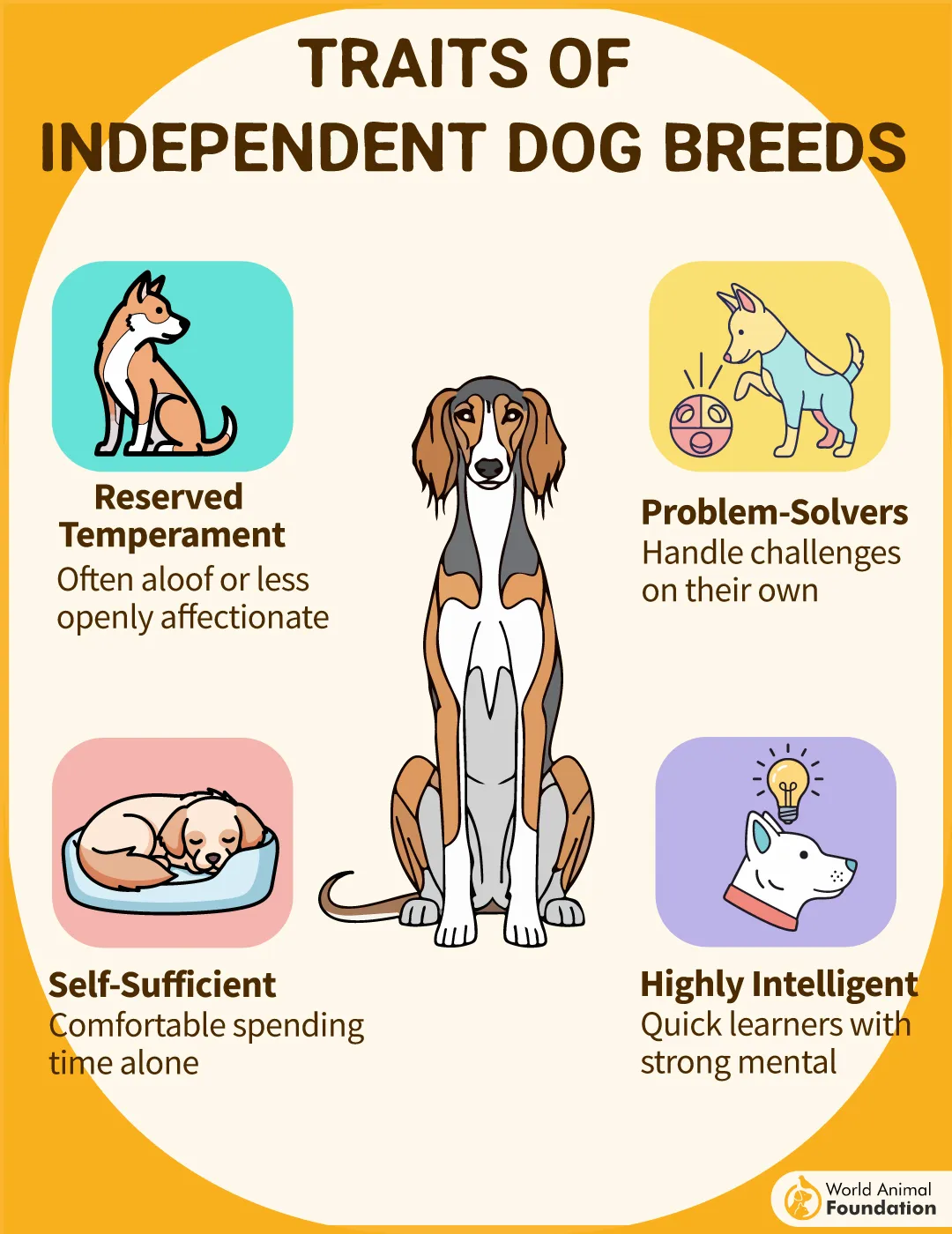
Their peaceful temperament is one of their greatest strengths. Great Danes are eager to please and naturally patient with family members, often choosing to lounge rather than stay constantly active.
They can be protective without being overly aggressive, and early socialization helps them grow into confident, dependable companions. Because of their size, consistent obedience training is essential from puppyhood.
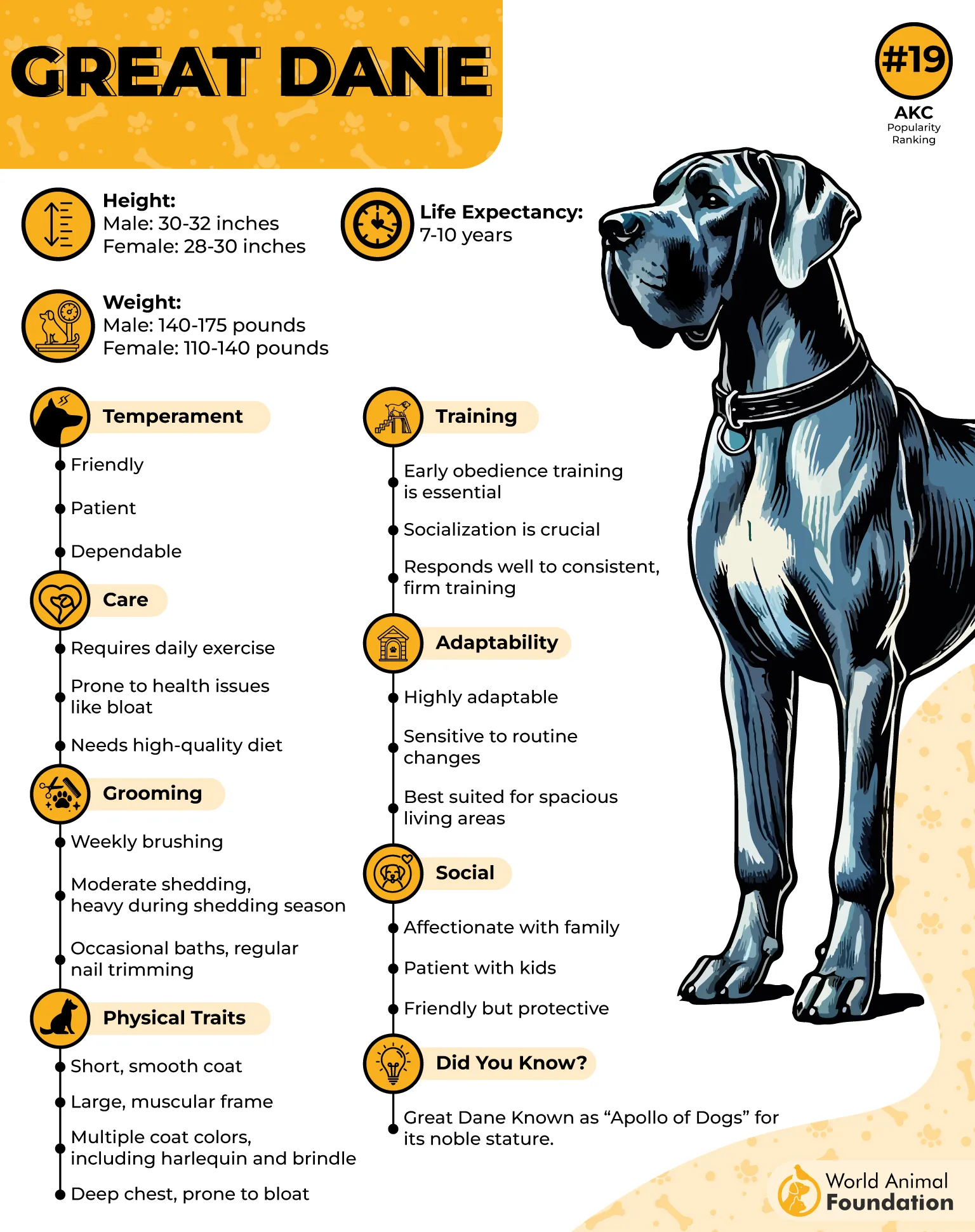
Although they appreciate daily exercise, Great Danes generally have moderate energy levels and enjoy restful downtime. Weekly brushing, routine nail care, ear cleaning, and regular dental hygiene keep their short coat and overall health in excellent condition while they quietly wait for their favorite people to return home.
2. Alaskan Malamute
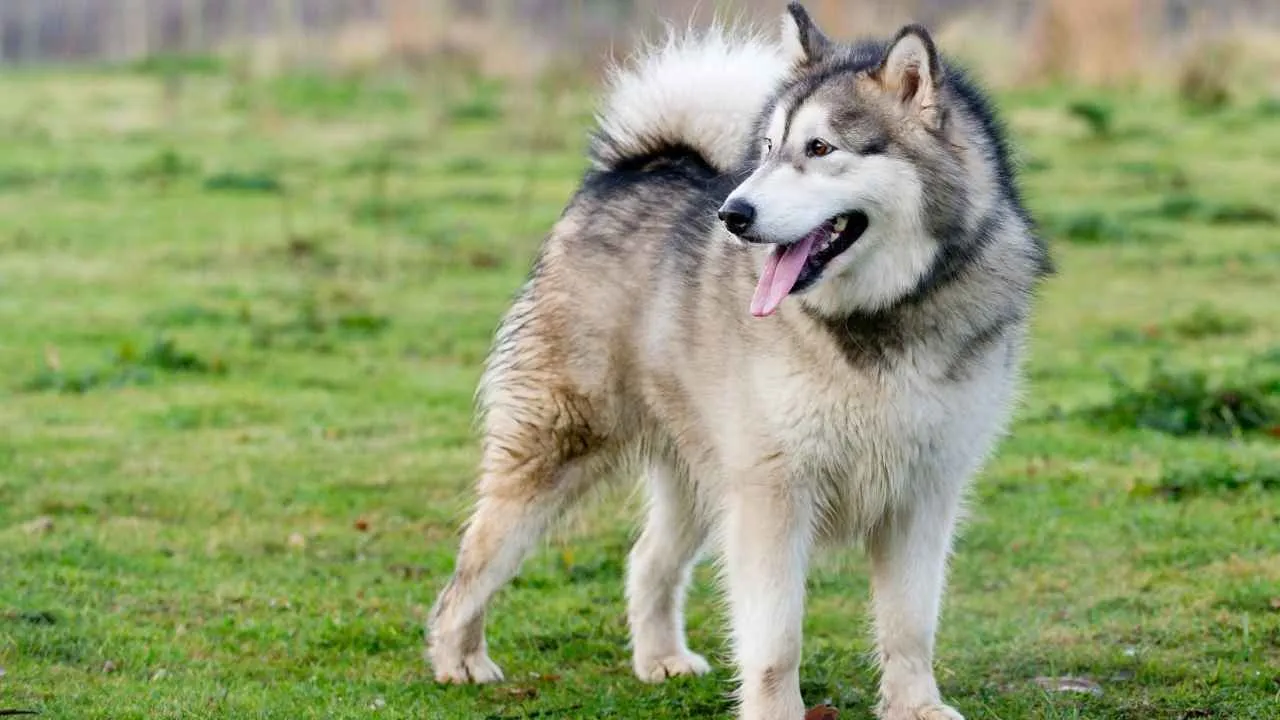
Built for Arctic expeditions, the Alaskan Malamute spent centuries hauling heavy sleds, carrying supplies, and assisting hunters across frozen landscapes. According to PetMD, Alaskan Malamutes have a long history as hardworking companions to Alaska’s Mahlemut people.
That history shaped an intelligent, resilient breed that still craves adventure and purposeful activity. Unlike speed-focused sled dogs, Malamutes were bred for endurance, making them dependable partners on long journeys.
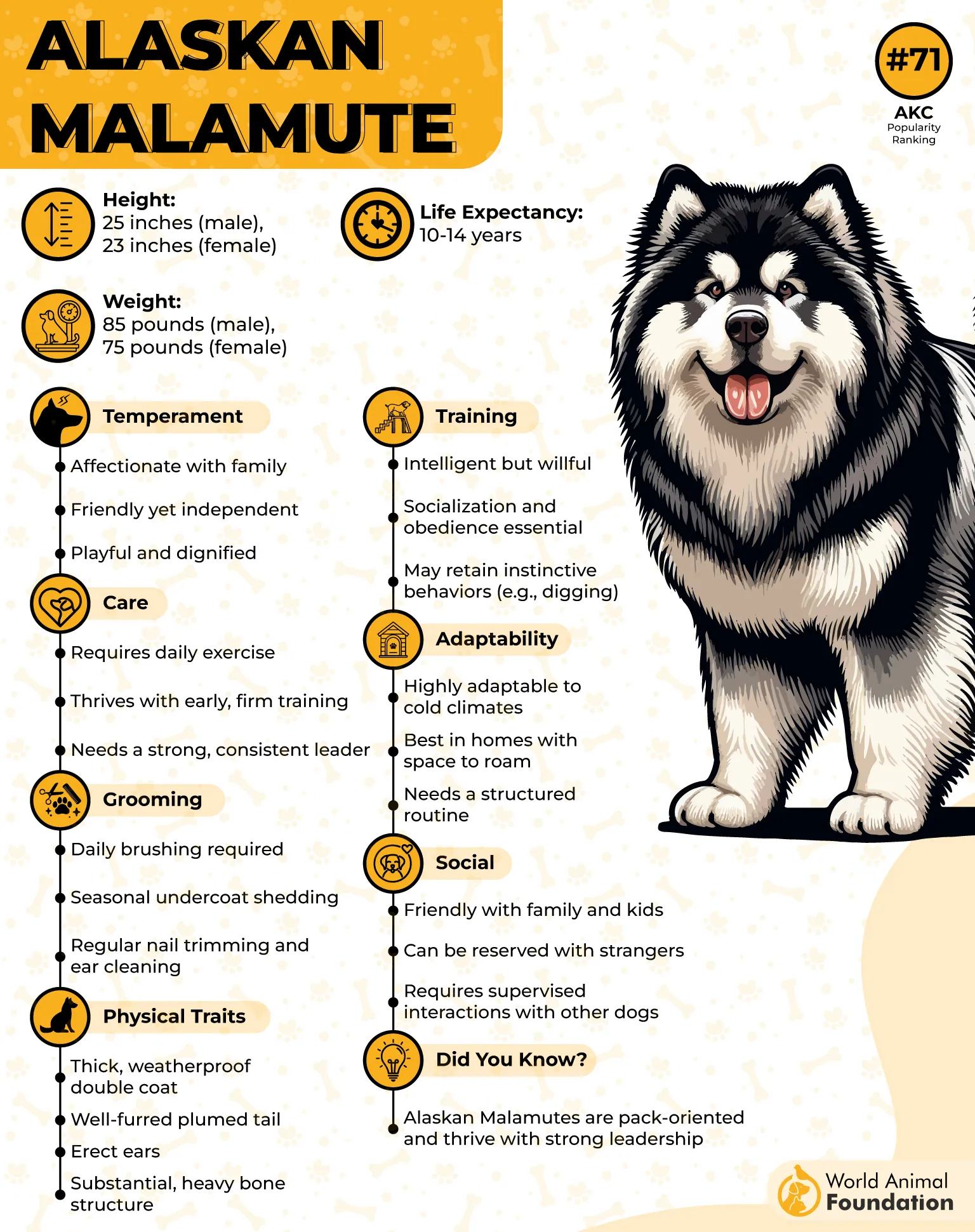
Their independent nature means they can handle quiet time better than many people expect, but only when their physical and mental needs are consistently met. Long hikes, backpacking, weight-pulling, or other demanding activities help satisfy their working instincts, reducing the boredom that often leads to destructive behaviors.
Experienced owners who provide structure and daily challenges will see this breed at its best.
Despite their wolf-like appearance, Malamutes are remarkably affectionate and often greet strangers like old friends instead of guarding the home. They thrive with confident leadership, plenty of exercise, and enough space to explore, making them better suited to active households than sedentary lifestyles.
3. Romanian Carpathian Shepherd
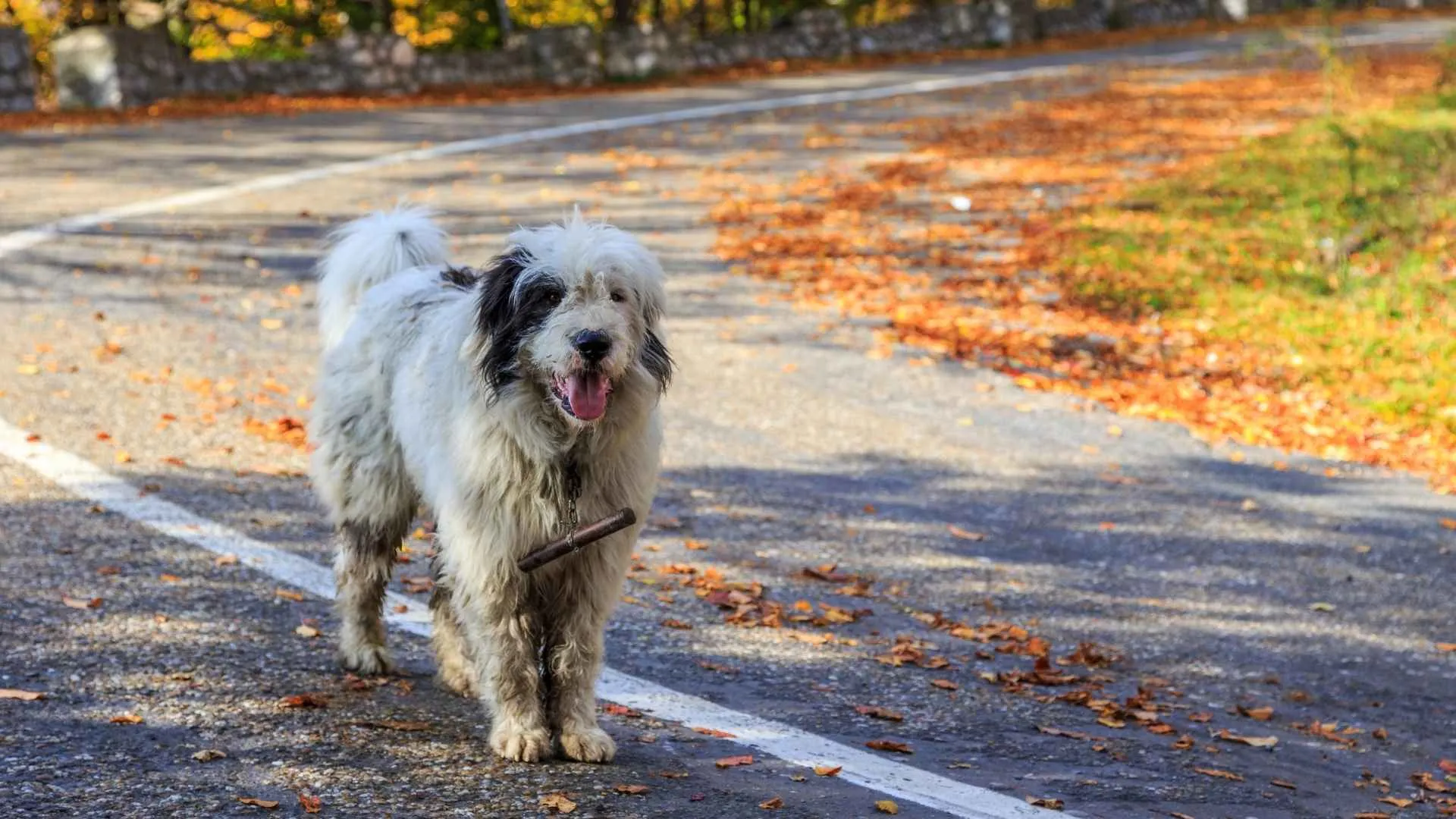
For centuries, the Romanian Carpathian Shepherd has quietly watched over flocks in the rugged Carpathian Mountains, standing firm against wolves and bears without constant human direction. That same calm confidence makes this breed surprisingly comfortable spending time alone, provided it has space, purpose, and a territory to oversee.
Its independence comes from generations of working as a livestock dog, not from being distant. According to Royal Canin, Carpathian Shepherds are large, agile guardians with a powerful yet balanced build.
Deeply devoted to its family, this intelligent breed forms strong bonds while remaining thoughtful rather than clingy. Early socialization and patient, positive training help channel its protective instincts into a dependable companion that stays composed around familiar people.
Life with this mountain guardian suits owners who can offer a large fenced property, daily exercise, and meaningful mental stimulation. Long walks, patrolling the yard, or outdoor tasks satisfy its working nature, while its dense double coat and naturally hardy build make it a resilient breed with relatively few inherited health concerns beyond joint issues and bloat.
4. Pyrenean Mastiff
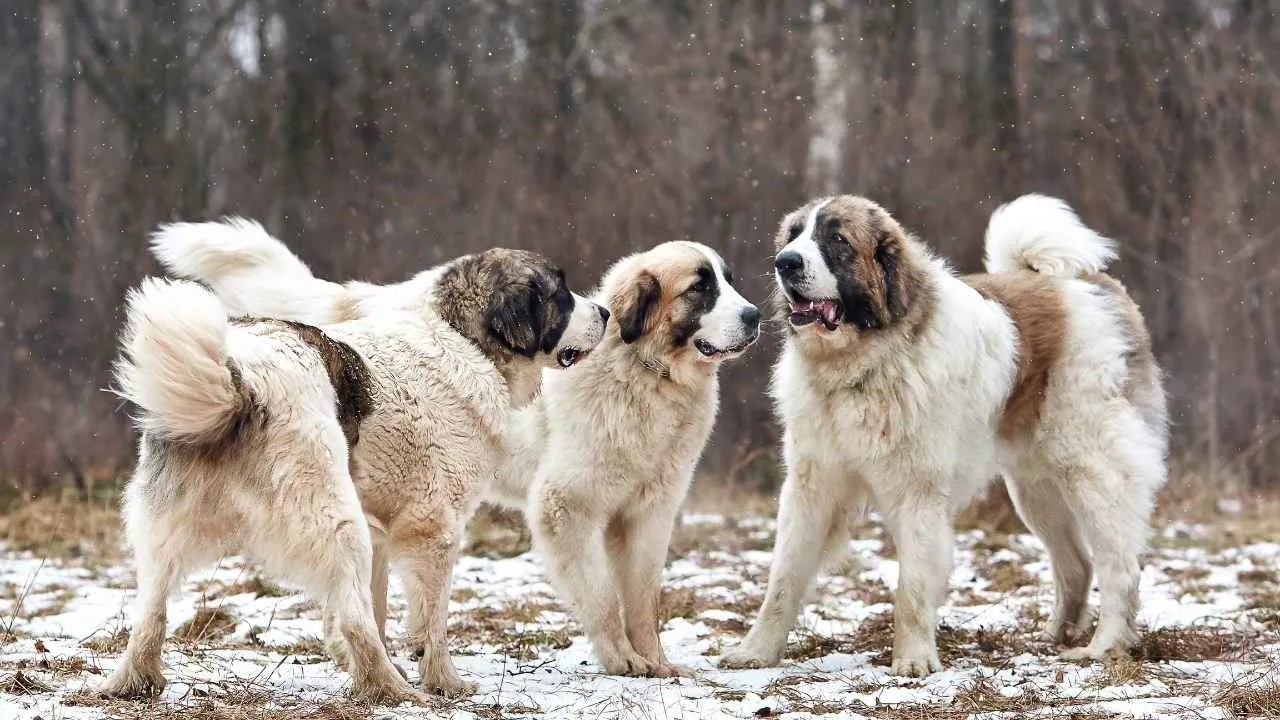
The Pyrenean Mastiff may be a giant, but its heart is even bigger. Originally developed in the Spanish Pyrenees to guard livestock, this calm and watchful breed is devoted to its family and especially gentle with children and other household pets. While naturally cautious around unfamiliar people, early socialization helps it distinguish everyday visitors from genuine threats.
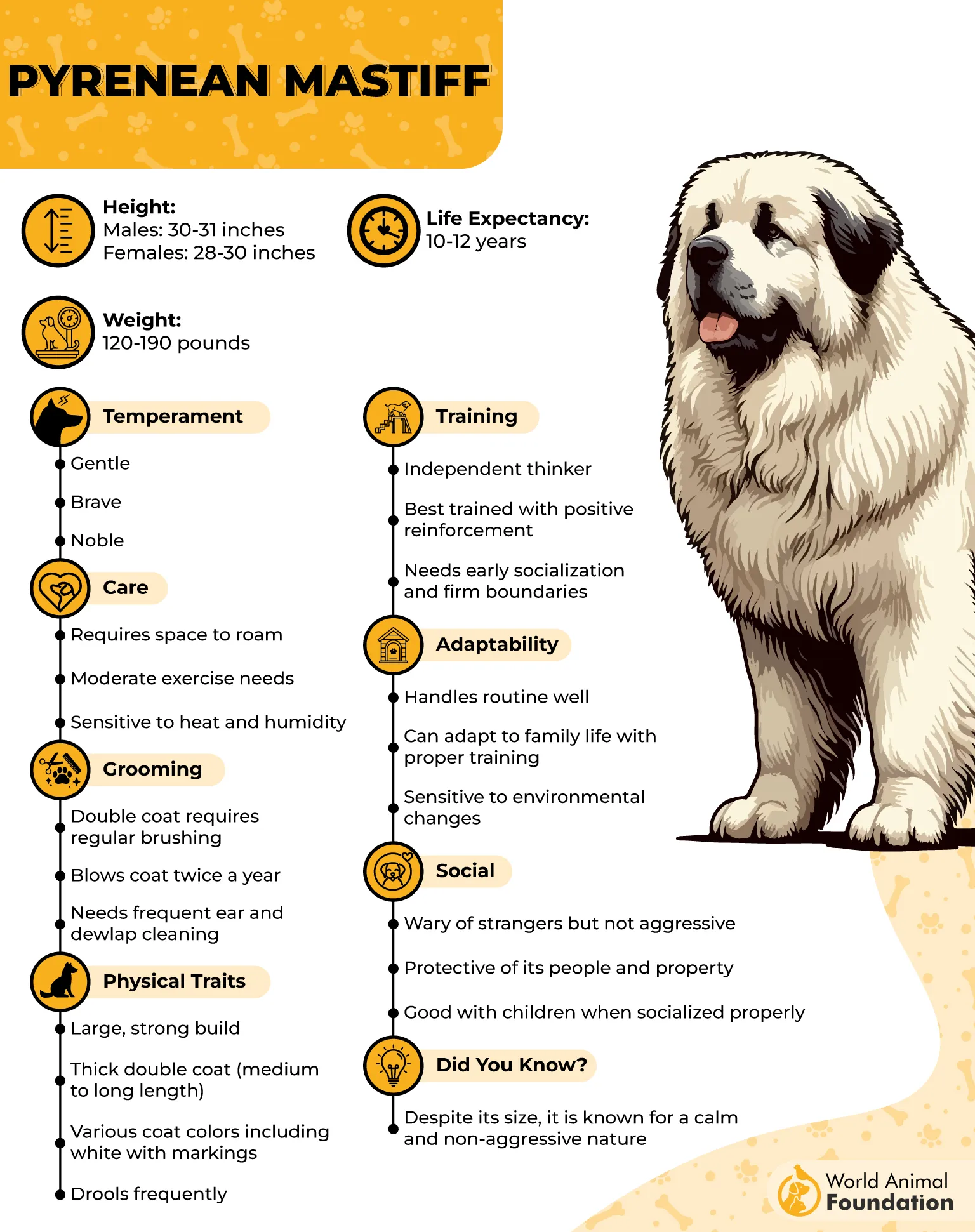
Despite its guardian heritage, this breed has moderate exercise needs and is content with regular walks and plenty of time to relax at home. Although it can gradually learn to handle short periods alone, owners should build this habit from puppyhood, as long absences without preparation may lead to boredom or separation anxiety. Consistent training and rewarding calm behavior work especially well.
Its thick double coat requires frequent brushing to manage heavy shedding, and routine eye and ear care is important. A balanced diet, sensible exercise, and attention to joint, eye, and digestive health help this patient protector remain a loyal, dependable companion for years.
5. Akita
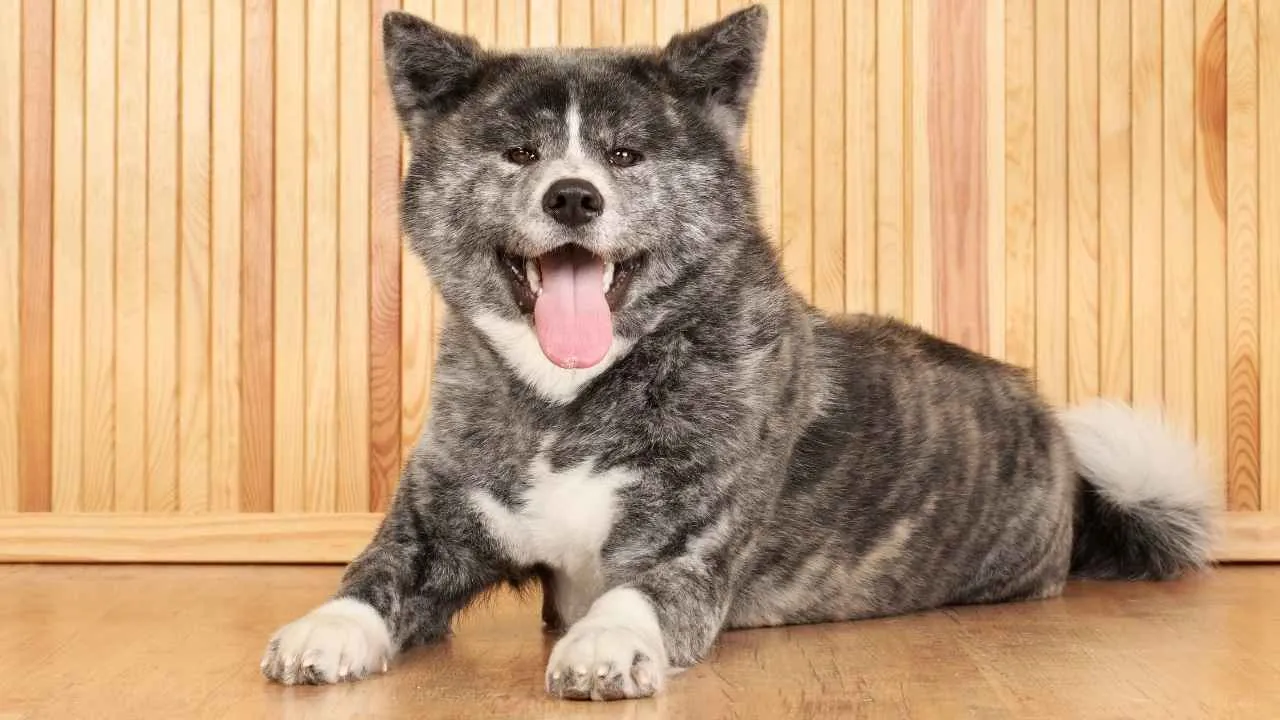
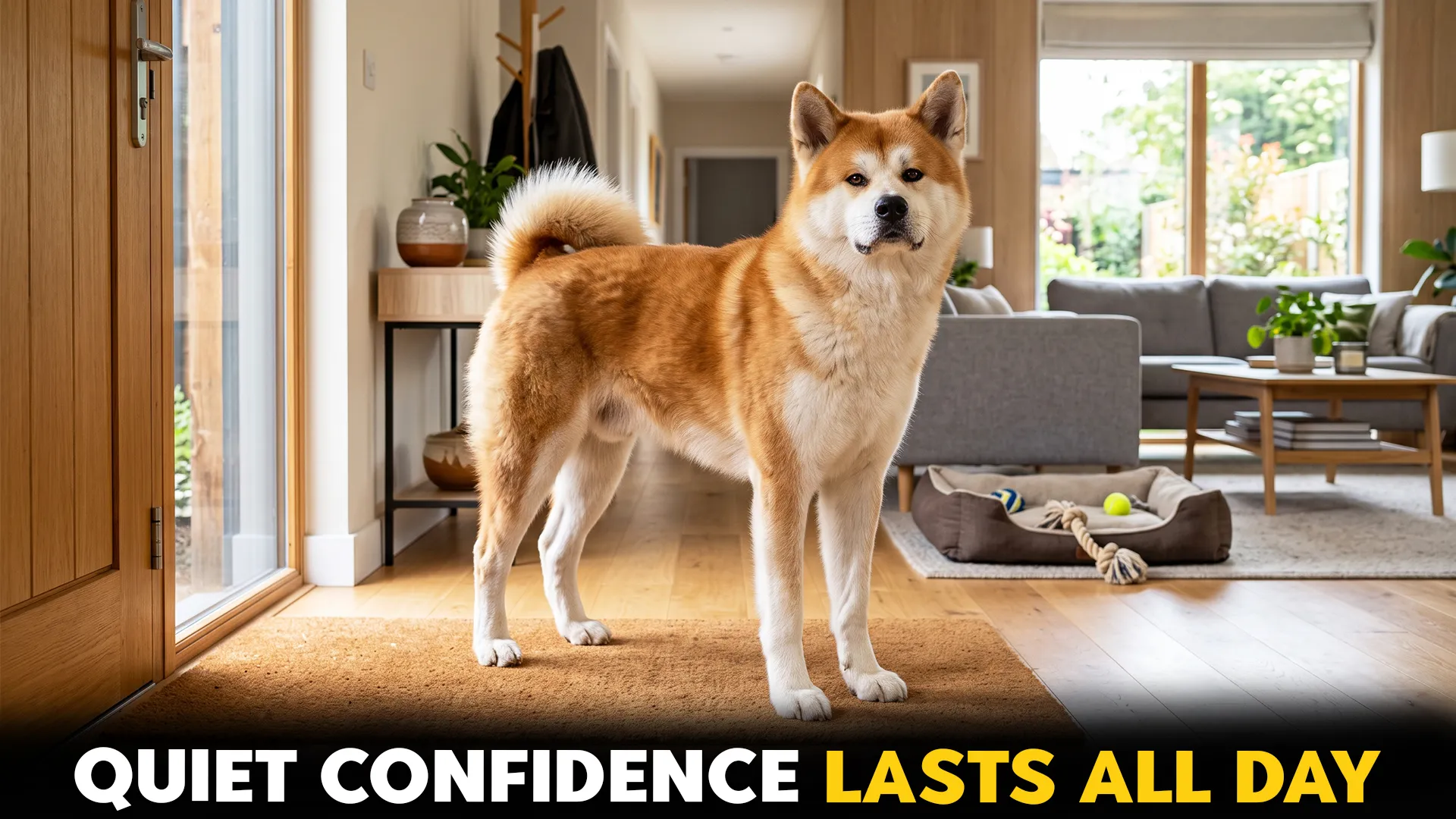
The Akita carries a quiet confidence shaped by centuries of hunting and guarding in Japan. Rather than craving constant attention, this intelligent breed prefers meaningful bonds with its family and is often content spending time independently, making it a suitable choice for owners who are away for part of the day, provided its exercise and emotional needs are met.
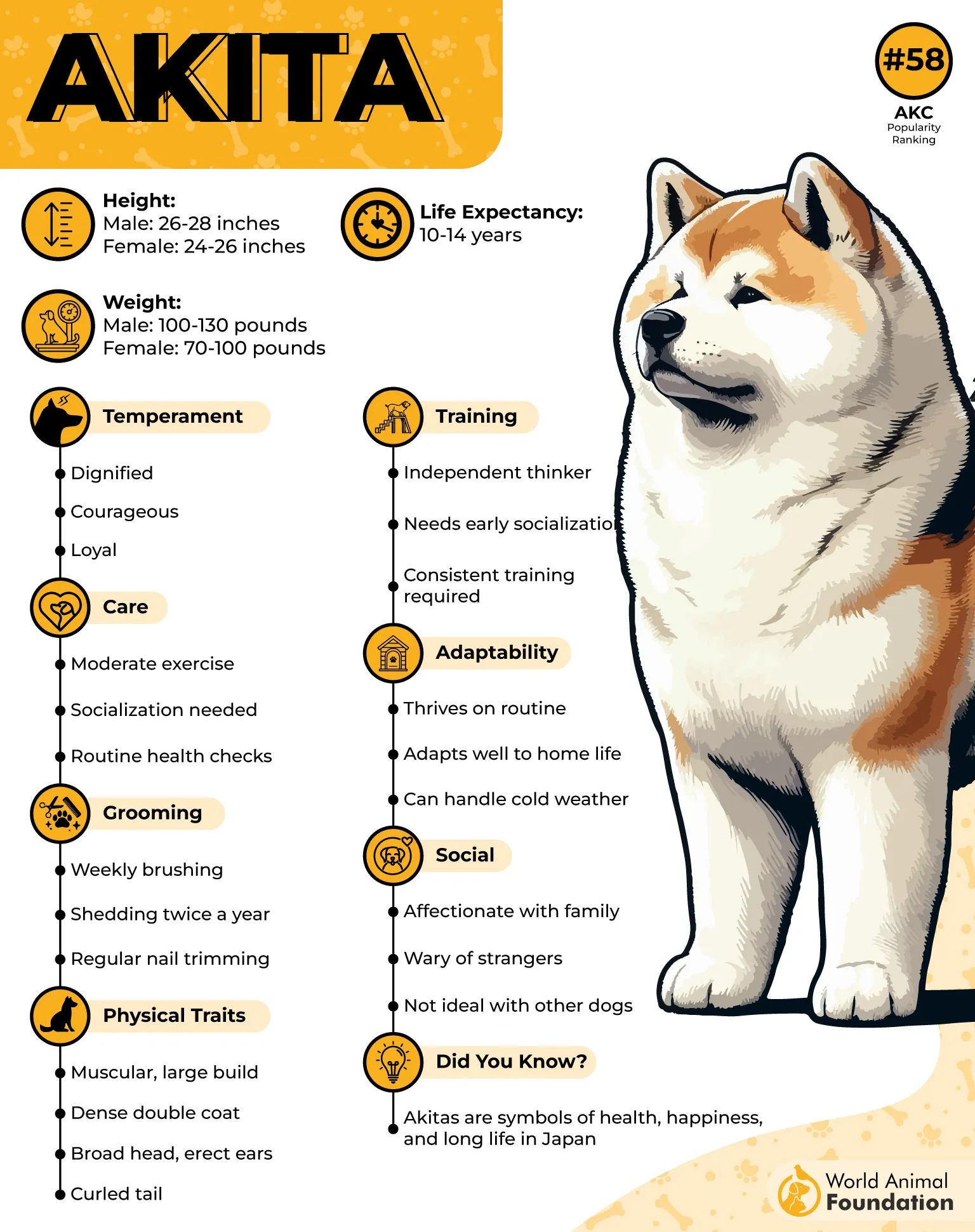
Behind that calm exterior is a powerful, loyal companion that usually forms an especially close connection with one favorite person. Akitas are naturally reserved around strangers and other dogs, so early socialization and consistent, positive training are essential. Mental enrichment, puzzle toys, and daily walks also help prevent boredom and destructive behaviors when left alone.
Despite their independent streak, Akitas are not low-maintenance pets. Their thick double coat sheds heavily, especially during seasonal coat changes, requiring regular brushing. With structure, routine, and an experienced owner, this quiet individualist rewards trust with remarkable devotion and unwavering loyalty.
6. Great Pyrenees
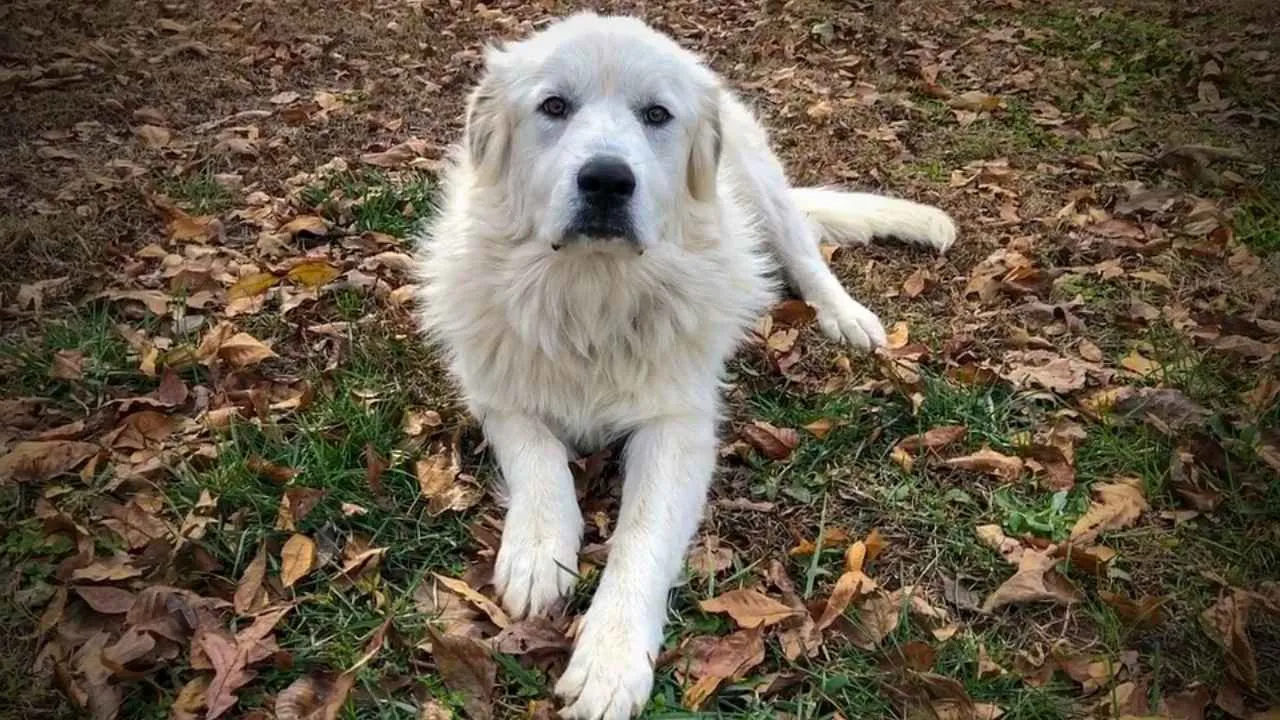
The Great Pyrenees was bred to guard livestock across remote mountain landscapes, often working for long periods without direct human guidance. That history shaped a calm, independent dog that is comfortable spending time alone, making it a practical choice for owners with predictable daily routines rather than those who can provide constant attention.
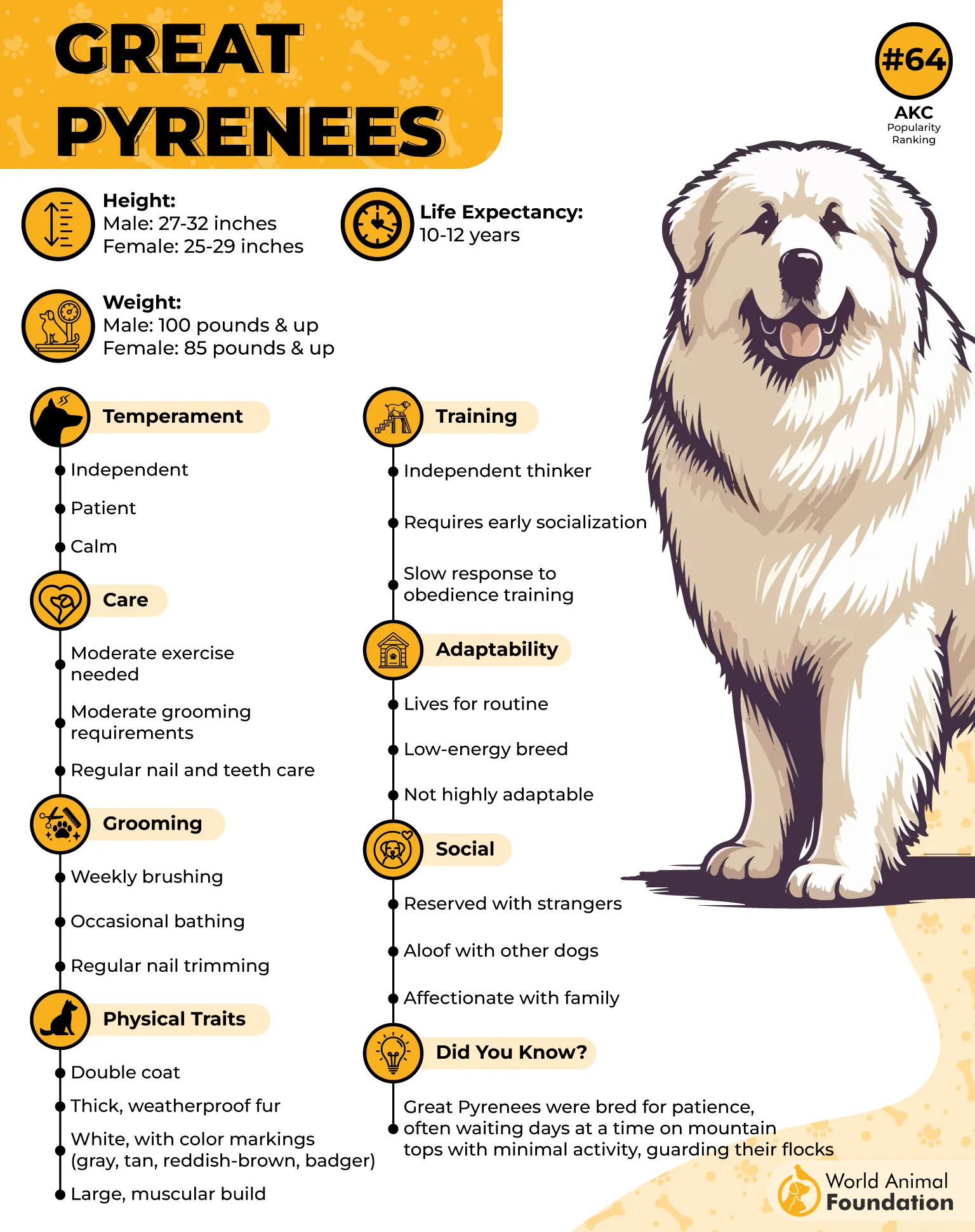
At home, this gentle giant is quiet, affectionate, and naturally protective, preferring to watch over its family with patient confidence instead of demanding nonstop interaction. Its instinct to patrol, especially after dark, means it may bark when it senses unfamiliar activity, so a securely fenced yard and consistent environment suit it best.
Despite its relaxed nature, the breed still benefits from daily walks and purposeful mental engagement. Weekly brushing keeps its thick coat healthy, while early socialization helps balance its natural wariness of strangers.
For experienced owners seeking a loyal companion that values both independence and responsibility, the Great Pyrenees offers a reassuring presence without becoming overly clingy.
7. Anatolian Shepherd Dog
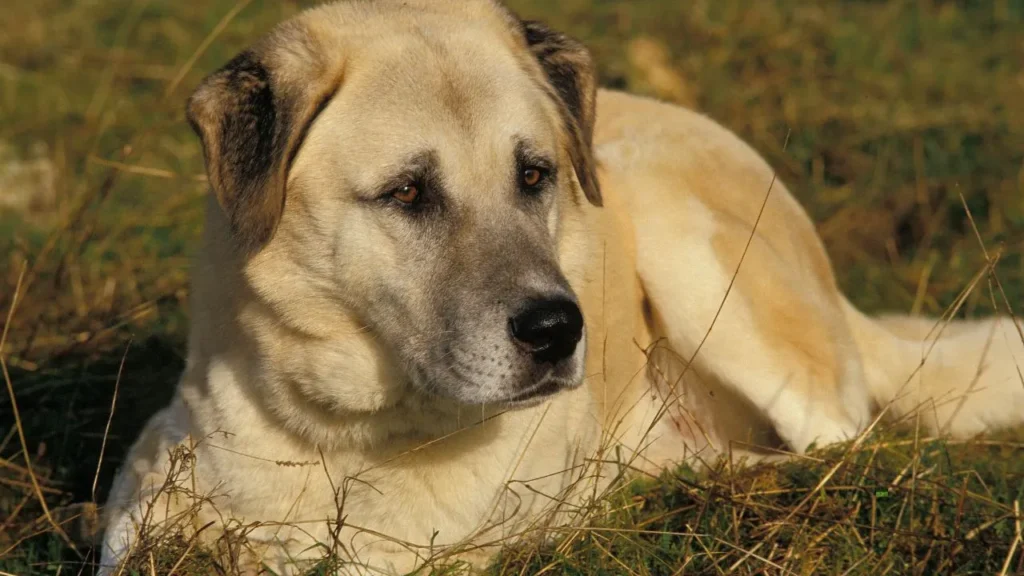
The Anatolian Shepherd Dog has protected livestock across Turkey since ancient times, often working alone over vast landscapes. That history shaped a calm, self-reliant guardian capable of making sound decisions without constant direction, making the breed well-suited to spending long periods independently.
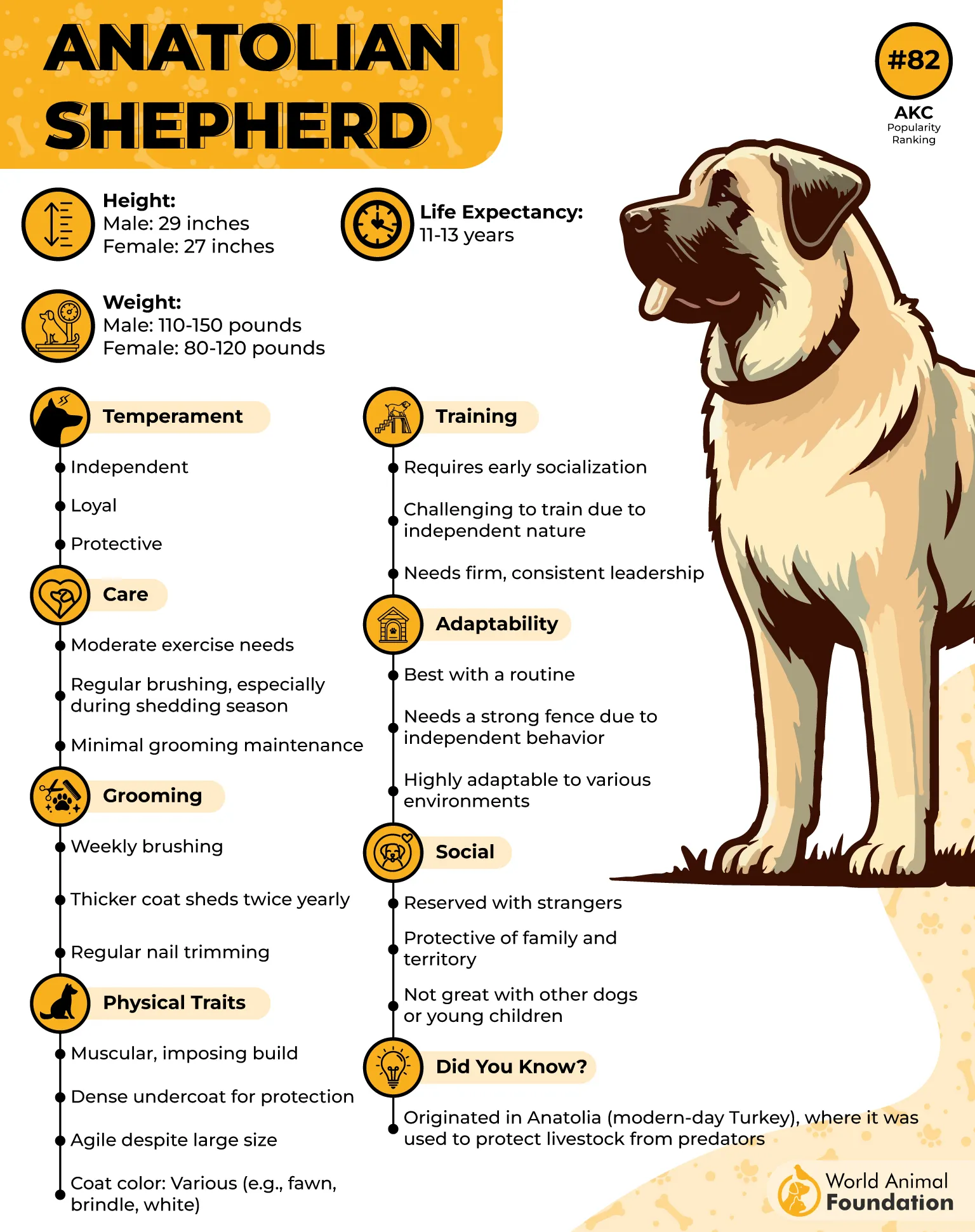
Unlike dogs that crave continual attention, Anatolians are comfortable patrolling their surroundings or quietly watching over their territory. Their confidence and intelligence allow them to assess situations on their own, though they still form deep, loyal bonds with their families.
Early socialization and patient, positive training are essential because this breed naturally questions commands instead of following them automatically.
For experienced owners with plenty of secure outdoor space, the Anatolian Shepherd offers a practical balance of independence and devotion. Regular exercise and mental stimulation keep them fulfilled, while their strong protective instincts remain firmly rooted in the working heritage that has defined the breed for centuries.
8. Tibetan Mastiff
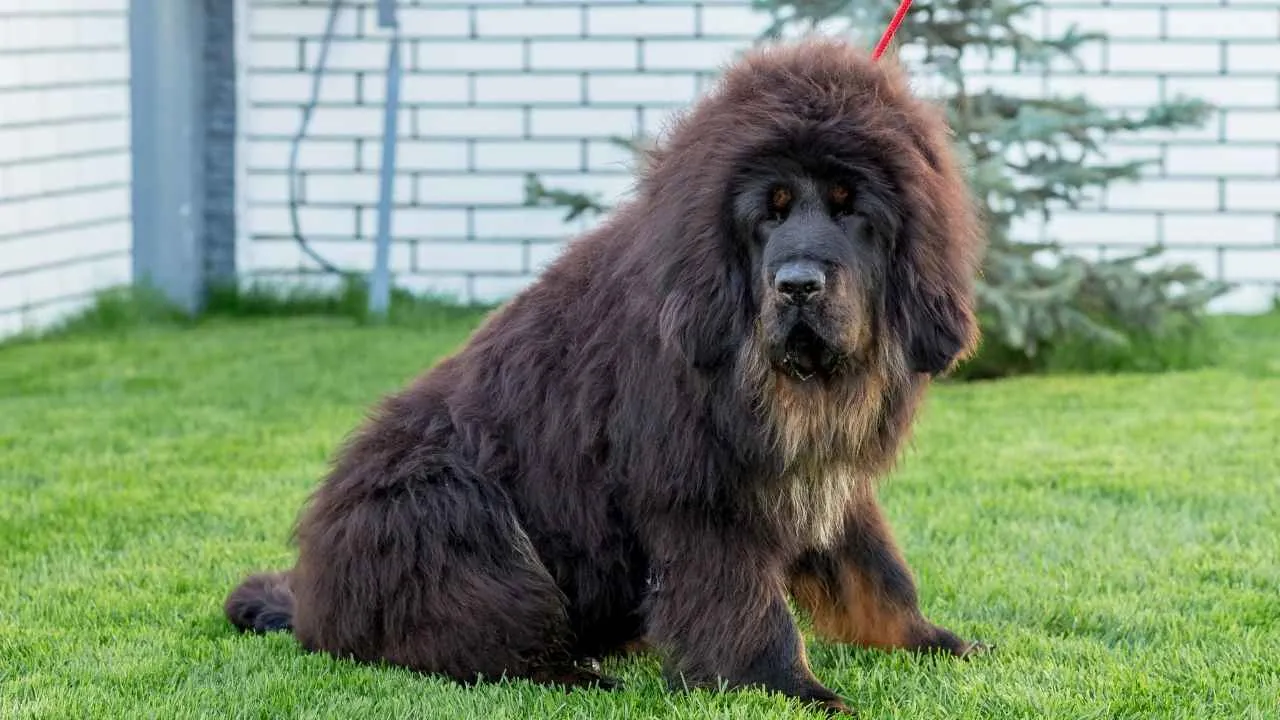
The Tibetan Mastiff carries centuries of history as a guardian of Himalayan villages and monasteries, where independent decision-making was essential. That heritage makes this majestic breed well-suited to experienced owners who spend long hours away, as it is naturally comfortable watching over its territory without constant supervision.
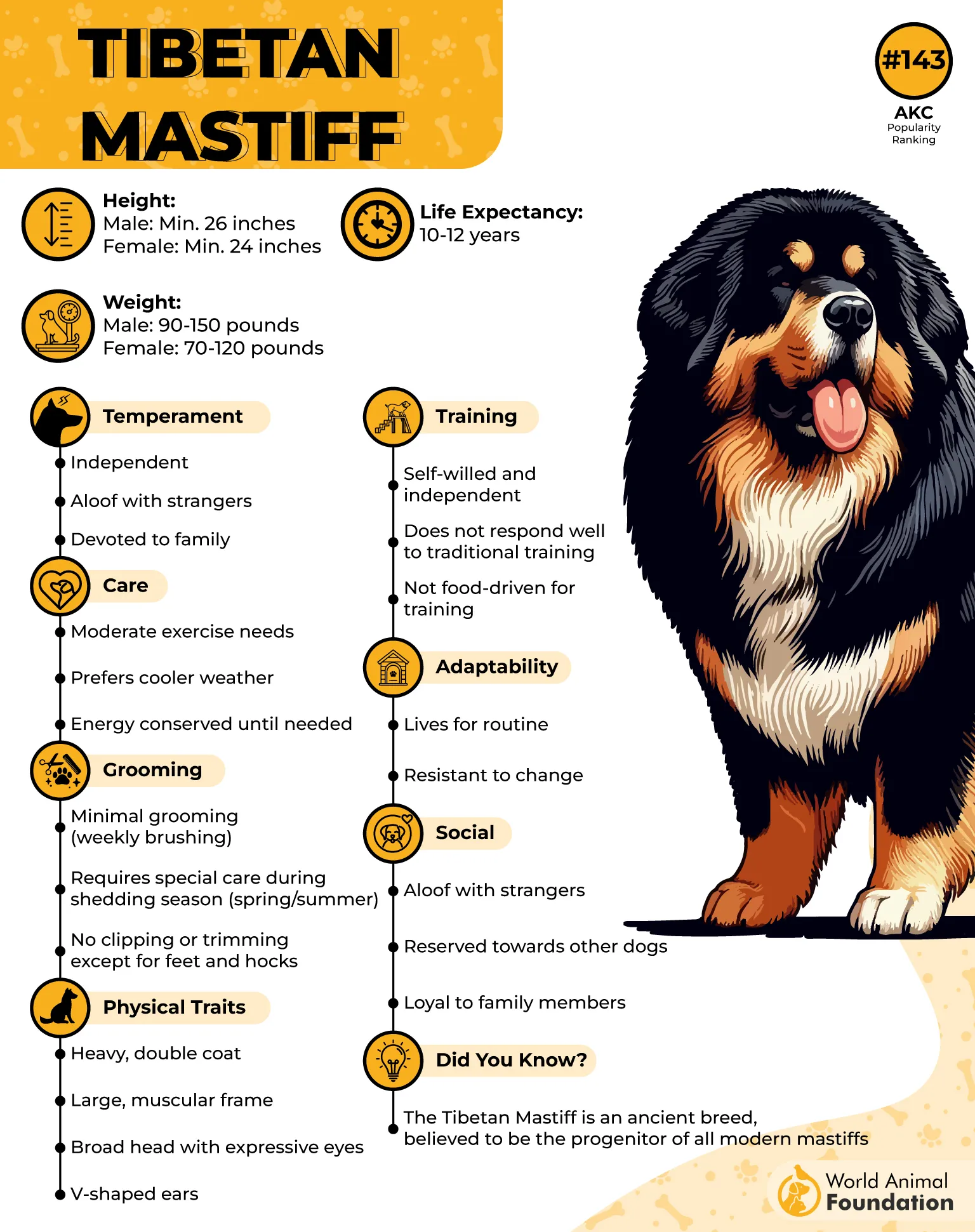
The Tibetan Mastiff is calm during the day and prefers quietly observing its surroundings. It forms deep bonds with its family but isn’t overly clingy, making alone time easier to handle when paired with early socialization, consistent routines, and a securely fenced yard. Their watchful instincts often become stronger after sunset, reflecting their traditional role as nighttime protectors.
Despite their luxurious lion-like coat and noble appearance, grooming is surprisingly manageable outside seasonal shedding. Weekly brushing, moderate daily walks, and mentally engaging activities help keep this intelligent but independent breed content, while patient, experienced handling is essential to earn the trust of this ancient guardian.
9. Komondor
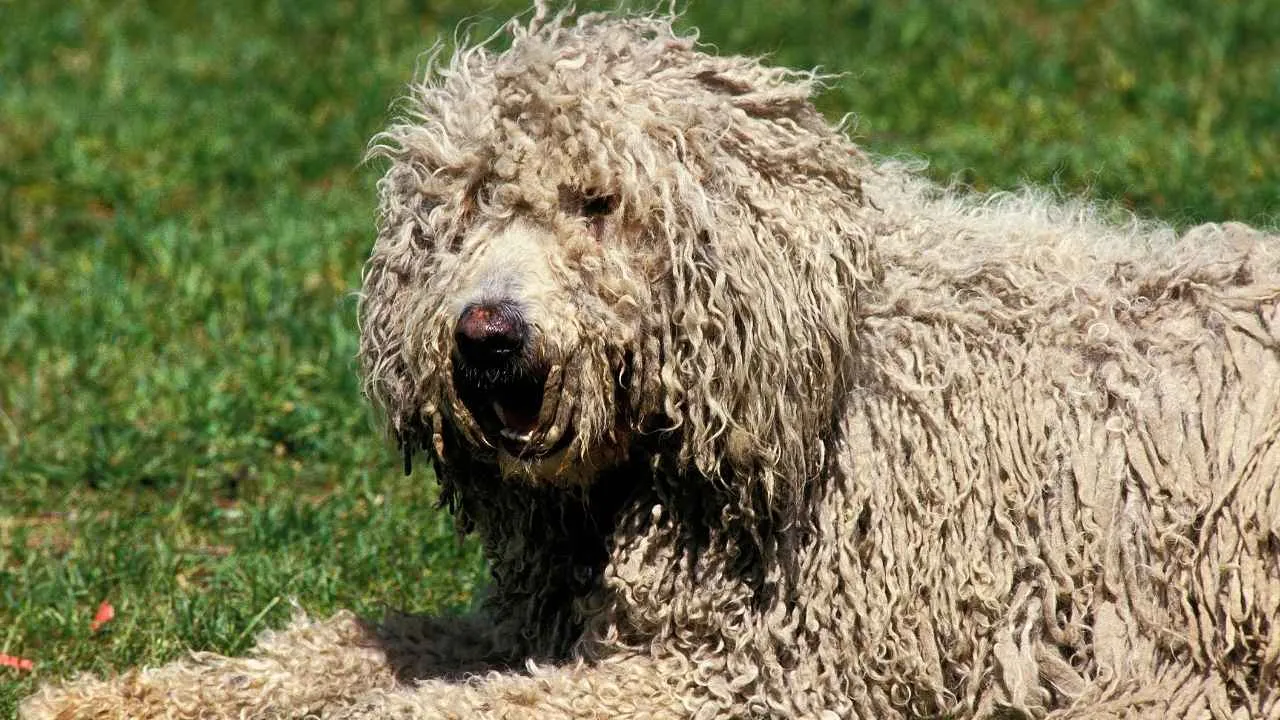
The Komondor’s story begins on the Hungarian plains, where this remarkable guardian blended into flocks with its naturally corded white coat before silently stepping in to confront predators. That independent heritage still shapes the breed today, making it confident enough to spend long stretches calmly watching over its surroundings without constantly seeking attention.
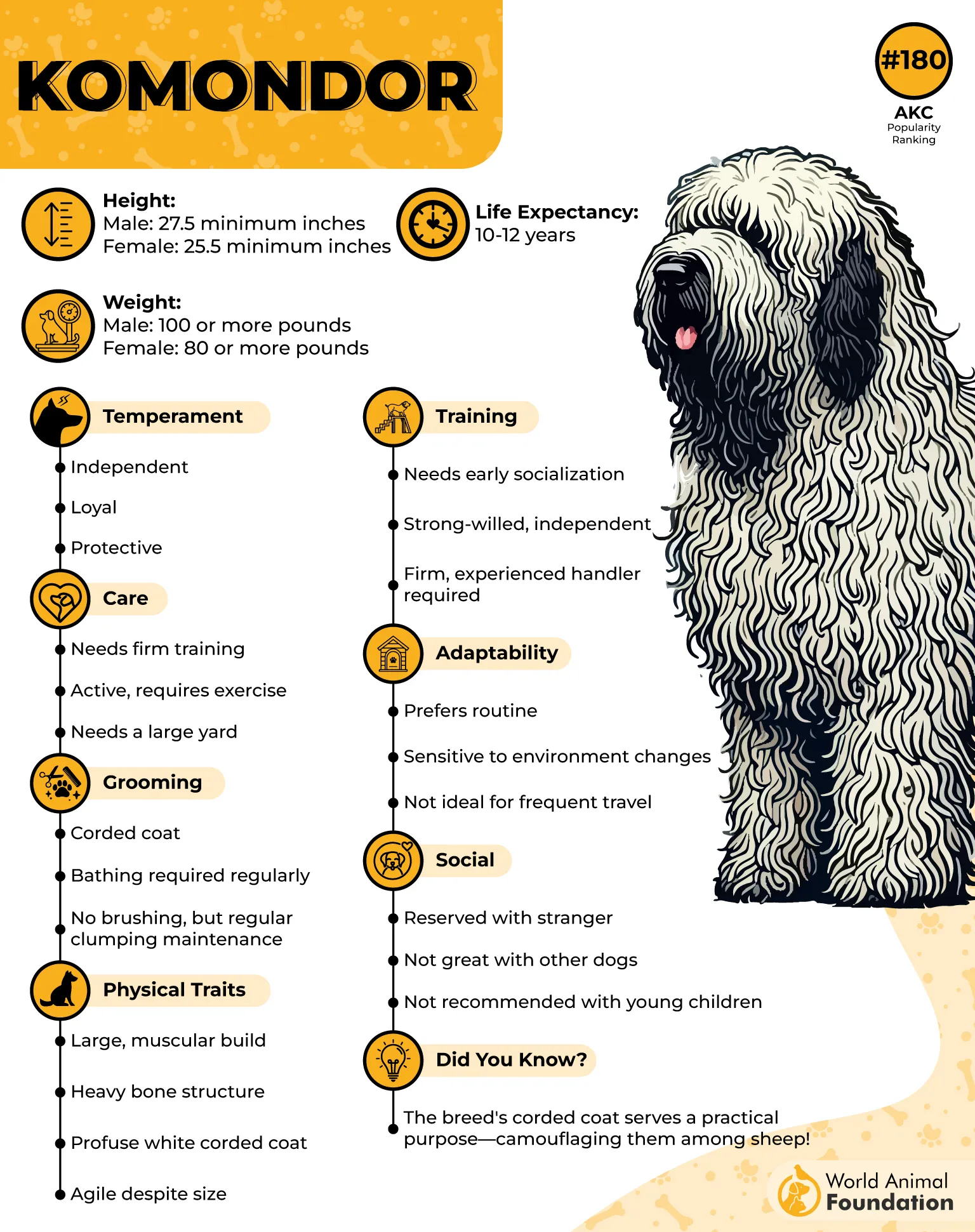
Unlike companion breeds that crave continuous interaction, the Komondor is comfortable making decisions on its own. It typically rests while quietly monitoring its territory during the day and becomes more alert after dark. Early socialization and patient, consistent training are essential because its protective instincts can make it naturally suspicious of unfamiliar people.
Living with a Komondor also means embracing its unique coat care routine. The cords must be separated by hand, checked for trapped debris, and dried thoroughly after bathing to prevent odors. With daily exercise, firm leadership, and proper grooming, this intelligent flock protector settles into a loyal, self-reliant household companion.
Conclusion
Finding a dog that can handle time alone is about more than independence. The best companions balance confidence with loyalty, staying calm while you’re away and happily reconnecting when you return.
The breeds in this guide were developed for different jobs, but many share the ability to think independently and remain composed without constant attention. Even so, they still thrive on daily exercise, mental enrichment, and quality time with their families.
No dog should be left alone for excessive periods without proper care, training, and a predictable routine. Meeting their physical and emotional needs helps prevent boredom and encourages well-balanced behavior.
Whether you prefer a devoted guardian, a hardworking herding breed, or a relaxed companion, choosing the right match for your lifestyle will create a happier home and a stronger bond for years to come.
