




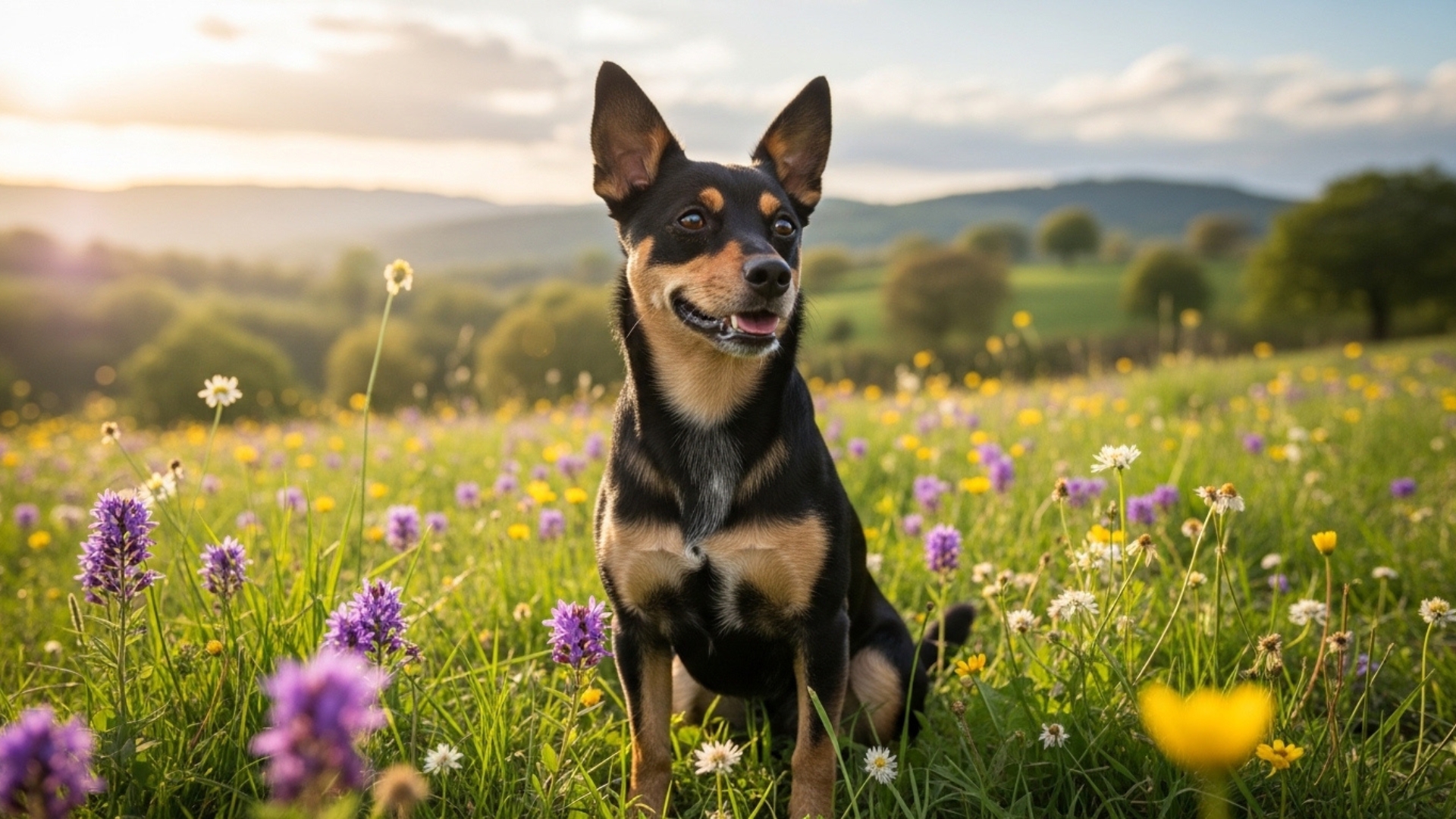
Some dogs are famous for their looks. Others are famous for their jobs. But the real flex? Sticking around for a long, happy life while still being fun, healthy, and full of personality.
While many people immediately think “small dog = long life,” that’s only part of the story. Genetics, responsible breeding, diet, activity level, and preventive vet care all matter—sometimes more than size. That’s why this list is packed with under-the-radar breeds that don’t always dominate Instagram… but can quietly deliver a decade-plus of loyalty, laughs, and low-drama companionship.
Let’s meet the seven longest living dog breeds, and talk about what makes each one special (and how to help them stay their healthiest).
Unsung Dog Breeds With Remarkably Long Lifespans
1. Cesky Terrier
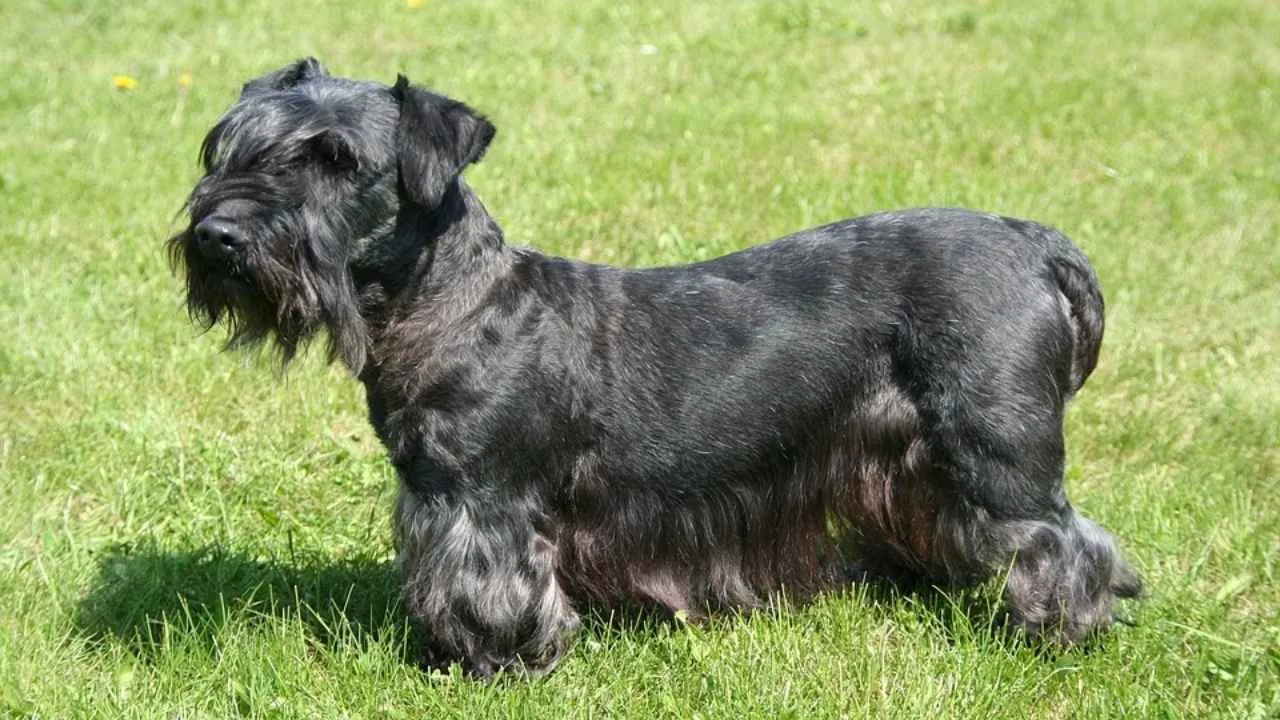
The Cesky Terrier is basically the terrier world’s “polite professional.” Unlike some terriers that wake up choosing chaos, the Cesky is often calmer and more even-tempered, making daily life much smoother.
The Royal Kennel Club calls them the national dog of the Czech Republic, and highlights their more laid-back, tractable vibe compared with many terriers.
Longevity is part of the Cesky’s charm, too. Many pet parents estimate their pet’s typical lifespan at 12–15 years, which is excellent for a sturdy little dog. If you’re the kind of person who wants a long-term sidekick who doesn’t require Olympic-level daily exercise, you’re already nodding along.
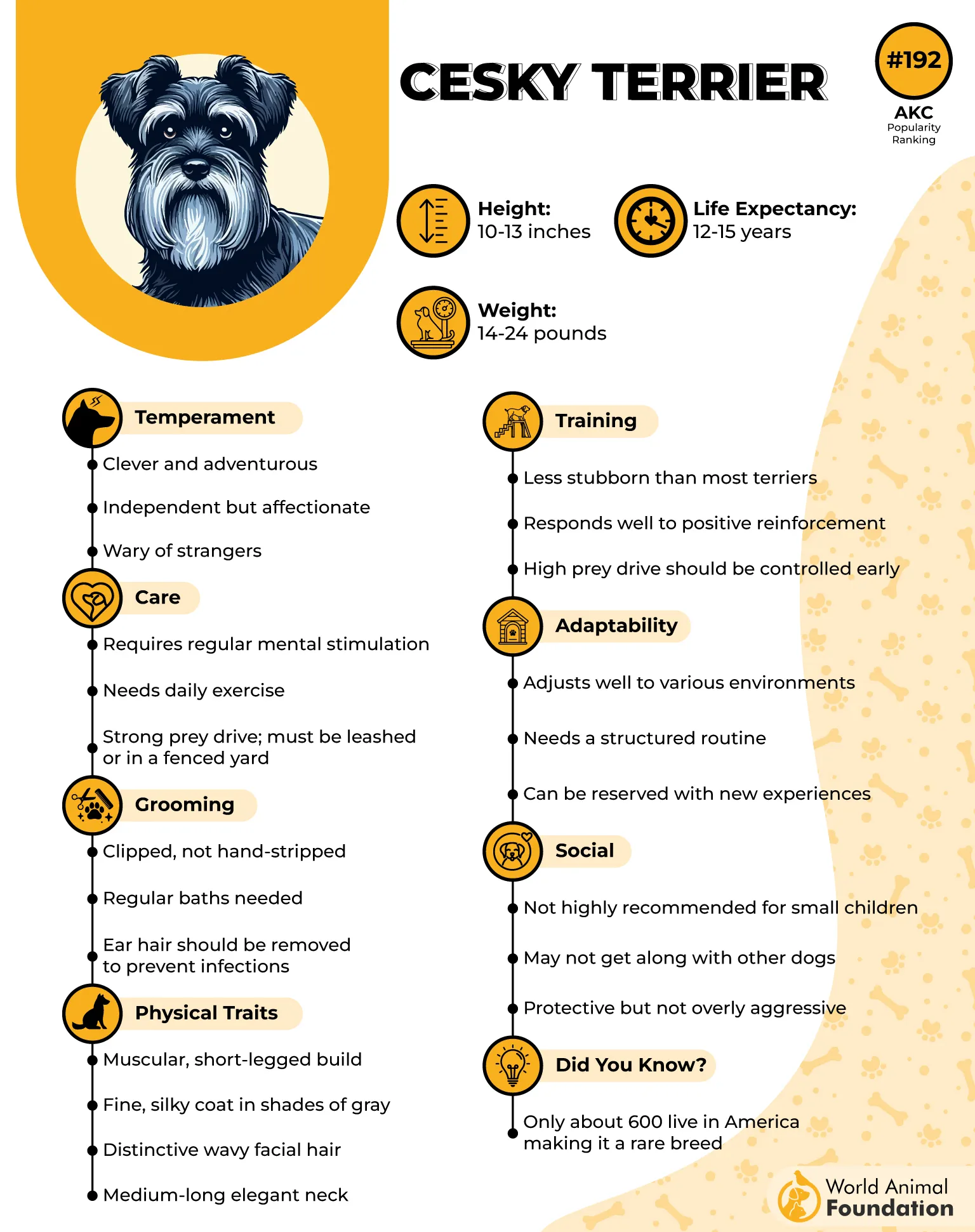
Historically, this small dog breed was developed in what’s now the Czech Republic as a hunting terrier with a more manageable temperament. That blend—working instincts without constant “terrier intensity”—is why they can be such a great fit for families who love terriers but prefer fewer daily fireworks.
They still enjoy games and walks, but they’re often easier to live with than their more reactive cousins.
Cesky’s long life is supported by consistent basics, such as routine veterinary care.
Keep them lean (small dogs can pack on weight fast), keep their teeth clean (tiny mouths, big dental consequences), and don’t skip regular checkups. Think of it like maintaining a reliable car: you don’t wait for the engine light—you handle small things before they become big things.
2. Finnish Lapphund
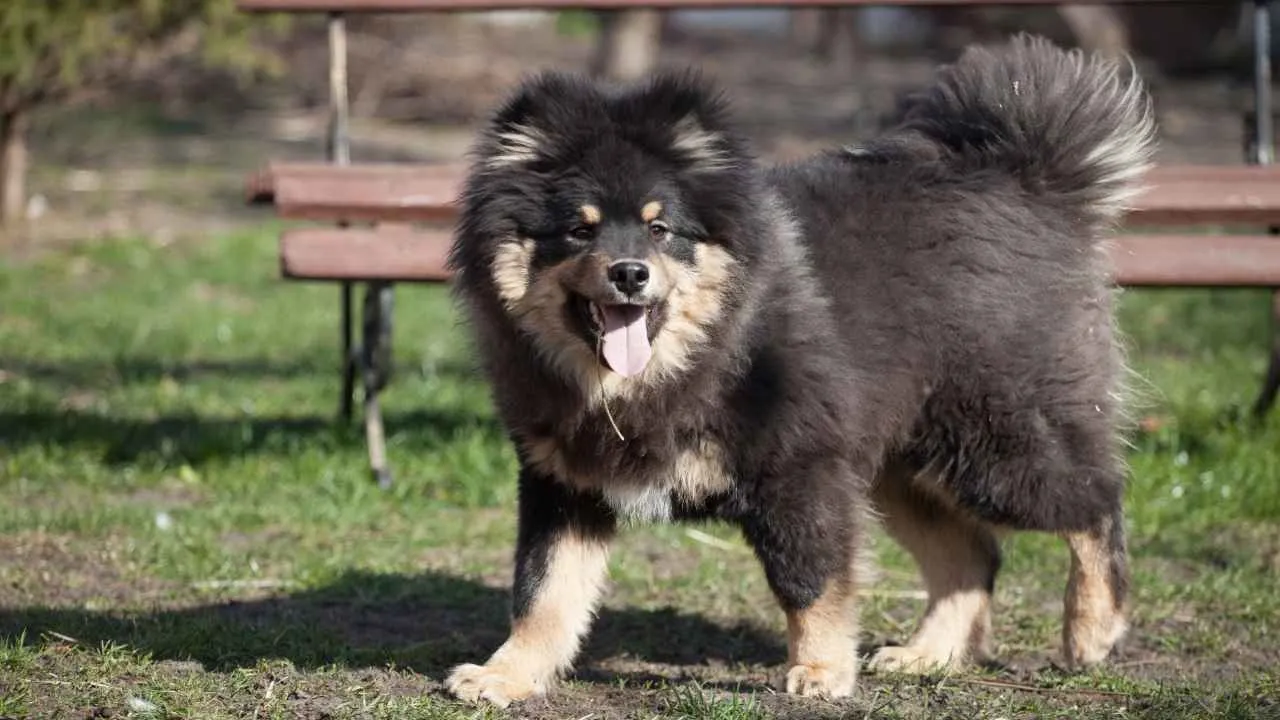
Finnish Lapphunds are also among the longest-living breeds, historically used for herding reindeer in Lapland. That heritage matters because breeds built for real-world work often come with durable bodies and resilient temperaments.
They’re also impressive in the lifespan department, Zooplus says. These long-lived dogs have a life expectancy of around 12–15 years. For a medium dog with a thick coat and working roots, that’s a very strong showing.
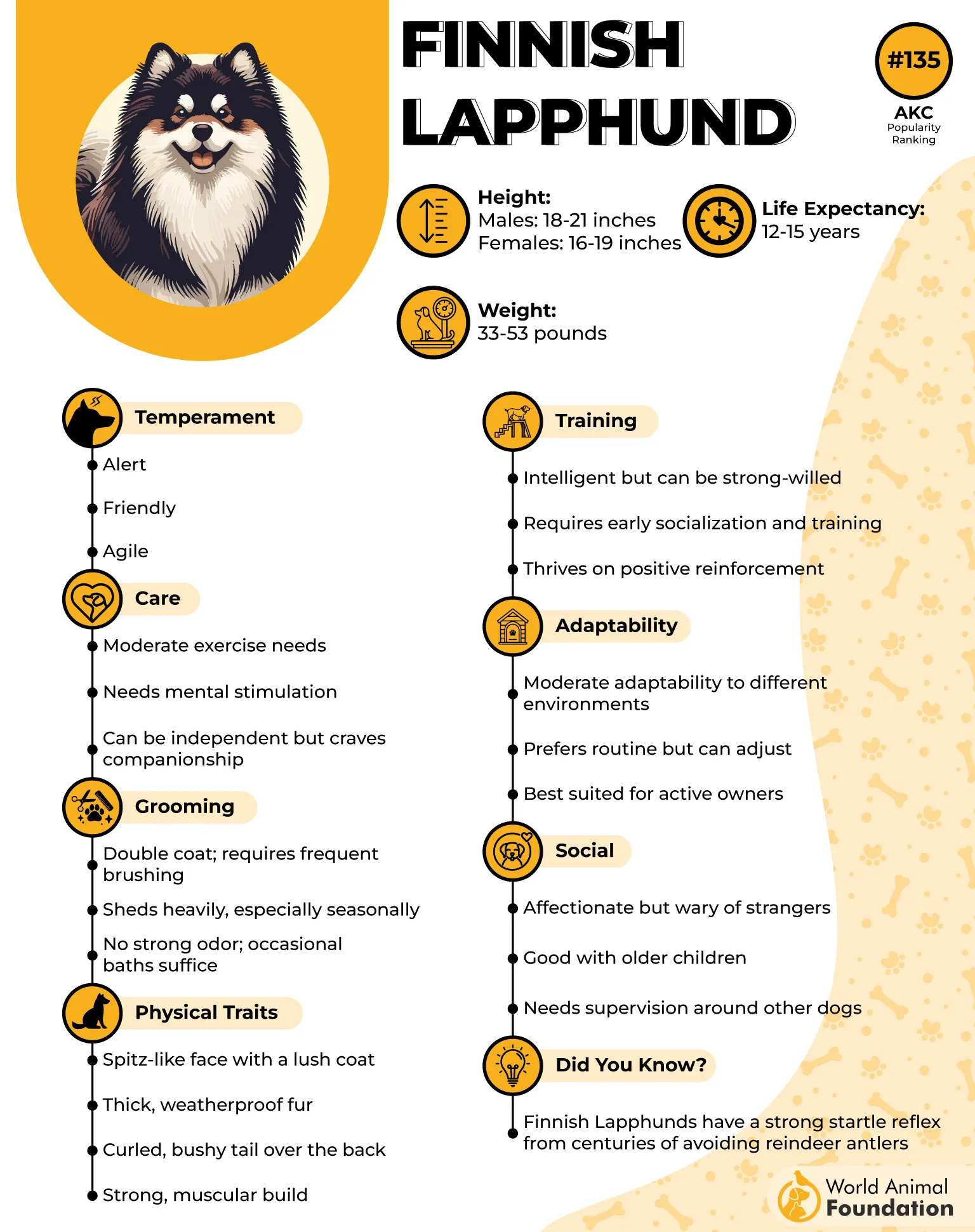
These medium-sized dogs are famously friendly and emotionally tuned-in—AKC even calls them remarkably empathetic (and yes, the reindeer-rustler joke is real). In a family setting, that often translates into a dog who wants to be part of everything without being pushy about it.
To support a long, healthy life and avoid health problems, you’ll want to respect both sides of the breed: the cuddly companion and the worker. They benefit from daily walks, training games, and tasks that make them feel useful. Herding breeds often thrive when their brains are engaged, not just their legs.
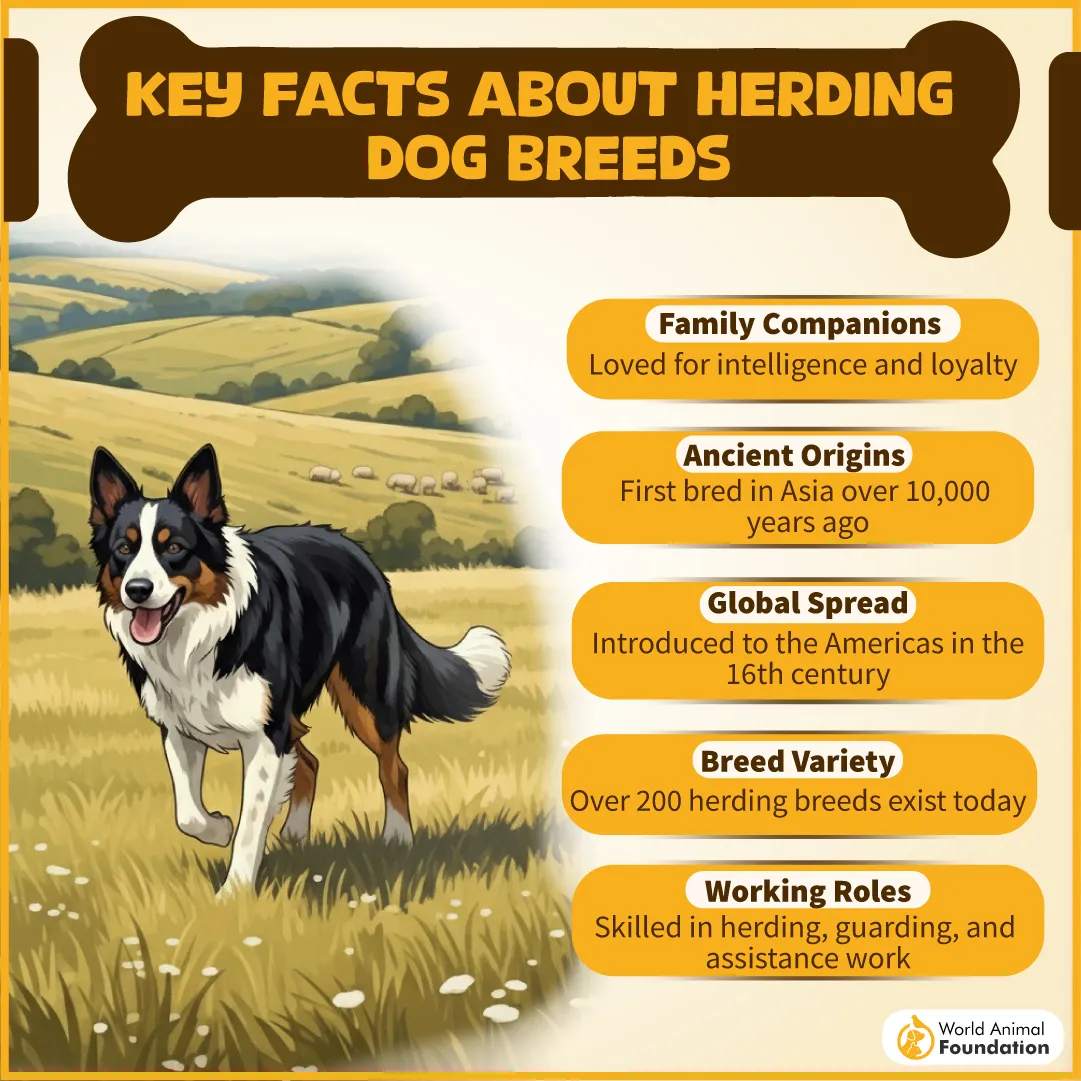
Grooming is less about “fashion” and more about health. That plush double coat needs consistent brushing so the undercoat doesn’t turn into a compacted mess—especially around seasonal shedding. Keep an eye on skin and coat quality, because nutrition shows up there first.
This dog looks like a snow-country teddy bear but lives like a smart, steady family teammate.
3. Lancashire Heeler
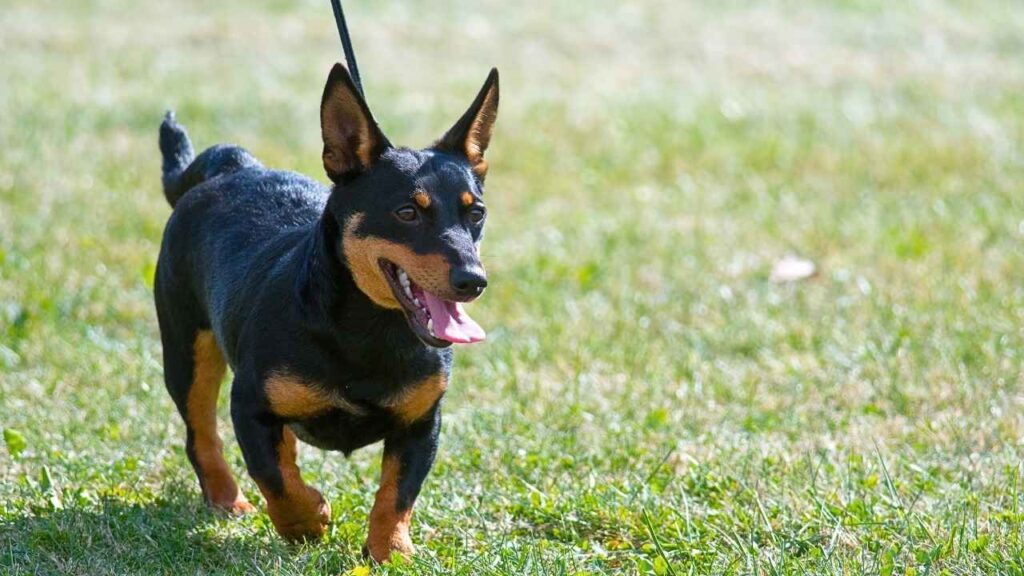
Lancashire Heelers are the kind of dogs that make you say, “How is this breed not famous?”
They’re small, sharp, and historically tied to practical farm work—herding cattle and helping control vermin. They’re compact, confident, and typically not the kind of dog who melts into helplessness.
Their lifespan is one of their biggest bragging rights. Purina lists 12–15 years. On top of that, a widely reported UK study on dog life expectancy singled out the Lancashire Heeler as having one of the highest expected lifespans in the dataset—15.4 years—which is honestly incredible.
They’re bright and busy, and that’s both a perk and a responsibility. You get a dog who notices everything, learns quickly, and stays engaged. But you also need to provide structure, because a clever dog with no direction will happily invent their own hobbies (and you may not like them).
Exercise doesn’t need to be extreme, but it should be consistent. Short walks, interactive play, and training sessions work well—especially anything that taps into focus and impulse control. Heelers often love games that feel like “work,” even if the “job” is just learning a new trick and showing off.
Long-lived breeds need preventive care to stay long-lived. Keep their weight stable, protect their joints with sensible activity, and stay ahead of dental care. When you do the basics well, you’re giving this already-longevity-friendly breed the best possible shot at reaching the upper end of its lifespan.
4. Jagdterrier (German Hunting Terrier)
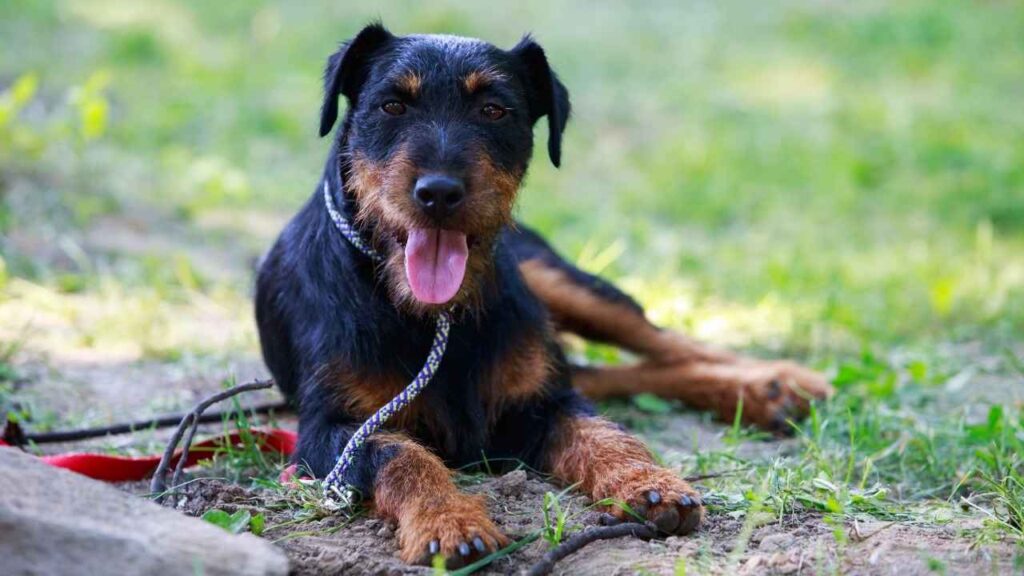
The Jagdterrier is not here to play… unless “play” means working like a determined little athlete with a mission. Originally bred in Germany for serious hunting, they’re compact, intense, and extremely capable.
When it comes to this dog’s lifespan, you’ll see slightly different ranges depending on the source. PetMD notes an average lifespan of 10–12 years, while another detailed breed reference lists 12–14 years.

In practice, individual longevity depends heavily on lifestyle, regular exercise, conditioning, and preventive care—especially because this breed can be so driven that they’ll happily ignore fatigue if something exciting is happening.
Their biggest “health tool” is smart management.
Though they have very few health issues, they benefit from structured exercise that uses both mind and body: brisk walks, scent work, agility foundations, and reward-based obedience. Mental enrichment isn’t optional—it’s a sanity strategy, for both of you.
Because they’re tenacious and high-drive, training should start early and stay consistent. You’re building a teammate, not trying to “dominate” a dog. Short sessions, clear rules, and a lot of reinforcement go a long way with a dog who’s naturally confident and independent.
Grooming is generally straightforward, and their coat can be relatively low-maintenance. The bigger “maintenance” is behavior and energy management—give them appropriate outlets, and you’ll see the affectionate, loyal companion side shine at home.
This one is a dog with grit, brains, and a strong bond.
5. Thai Ridgeback
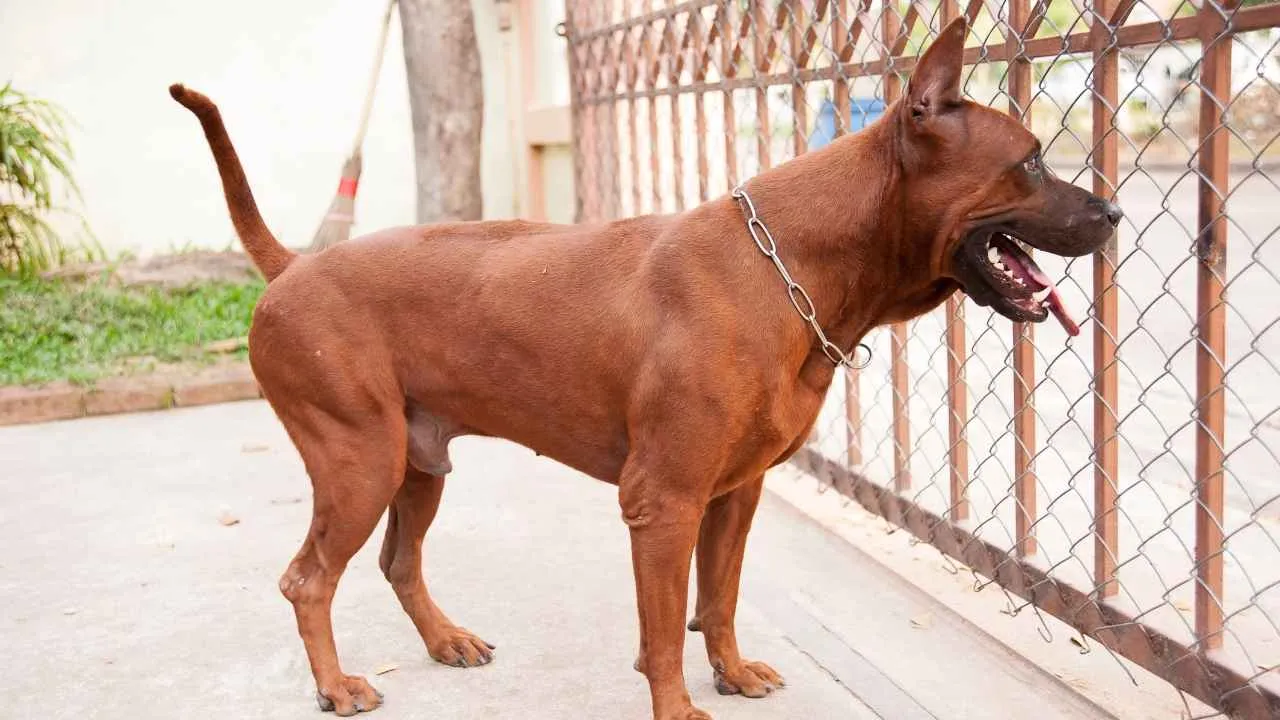
The Thai Ridgeback is one of those rare breeds that look like they walked out of an ancient legend—and then politely judge your entire schedule. It’s known for the distinctive ridge of hair along its back and is often described as loyal, independent, and protective.
They’re also solid in the longevity department. These dogs live for 12–15 years. The takeaway is that Thai Ridgebacks can be long-lived for their size when properly cared for—especially with good breeding and consistent preventive healthcare.
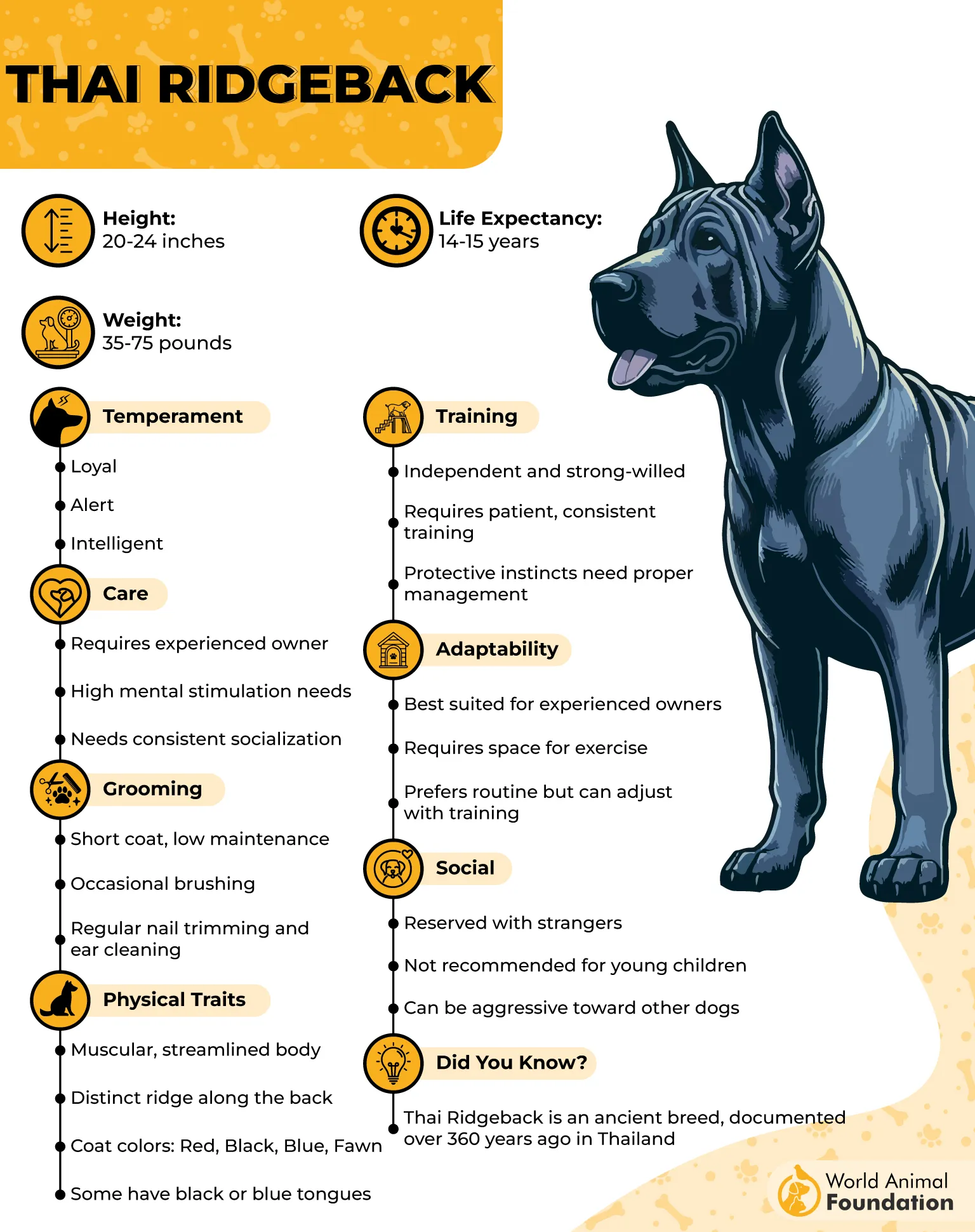
Historically, they’ve been used as watchdogs, hunters, and general-purpose working dogs in Thailand, which helps explain their combination of athleticism and self-direction. They’re not typically “everyone’s best friend” right away, but they can be deeply devoted to their family.
To keep these loyal breed dogs thriving, training and socialization are essential. Early exposure to different people, environments, and polite routines helps prevent over-guarding behaviors. This isn’t about making them “friendly to everyone”—it’s about making them stable, confident, and safe.
Exercise needs are real for these generally healthy dogs, but they’re not always hyper. They often do best with purposeful activity: structured walks, controlled off-leash time (where safe), and skill-building. A bored Ridgeback can become a creative home renovator, so keep life interesting.
6. Basset Fauve de Bretagne
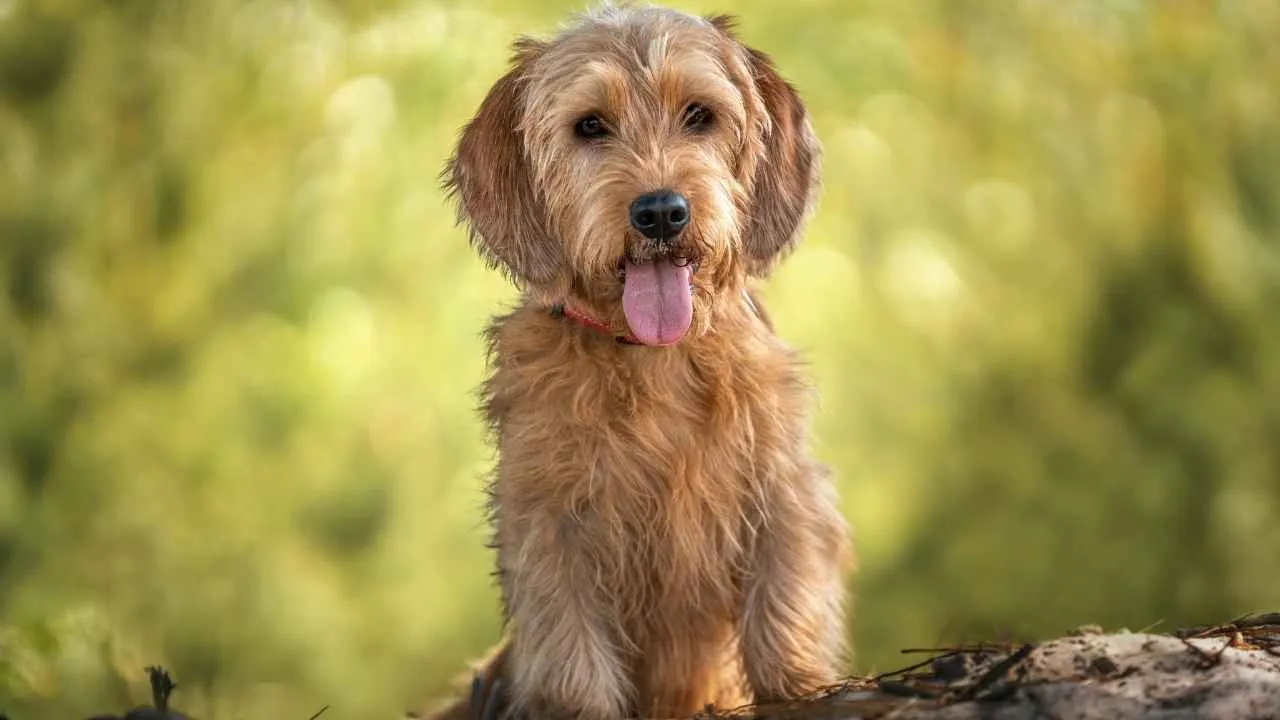
The Basset Fauve de Bretagne (aka the Brittany Basset) is a small-to-medium hound with a big personality packed into a low-to-the-ground frame. They were developed in France for hunting small game like rabbits, which explains their cheerful determination and “nose-first” worldview.
Their lifespan is one of the reasons they make this list. A reputable breed overview notes a typical life expectancy of 13–16 years, which is excellent—especially for a dog that’s not ultra-tiny. This is the kind of longevity that makes you feel like you’re getting a whole extra era of life with your dog.
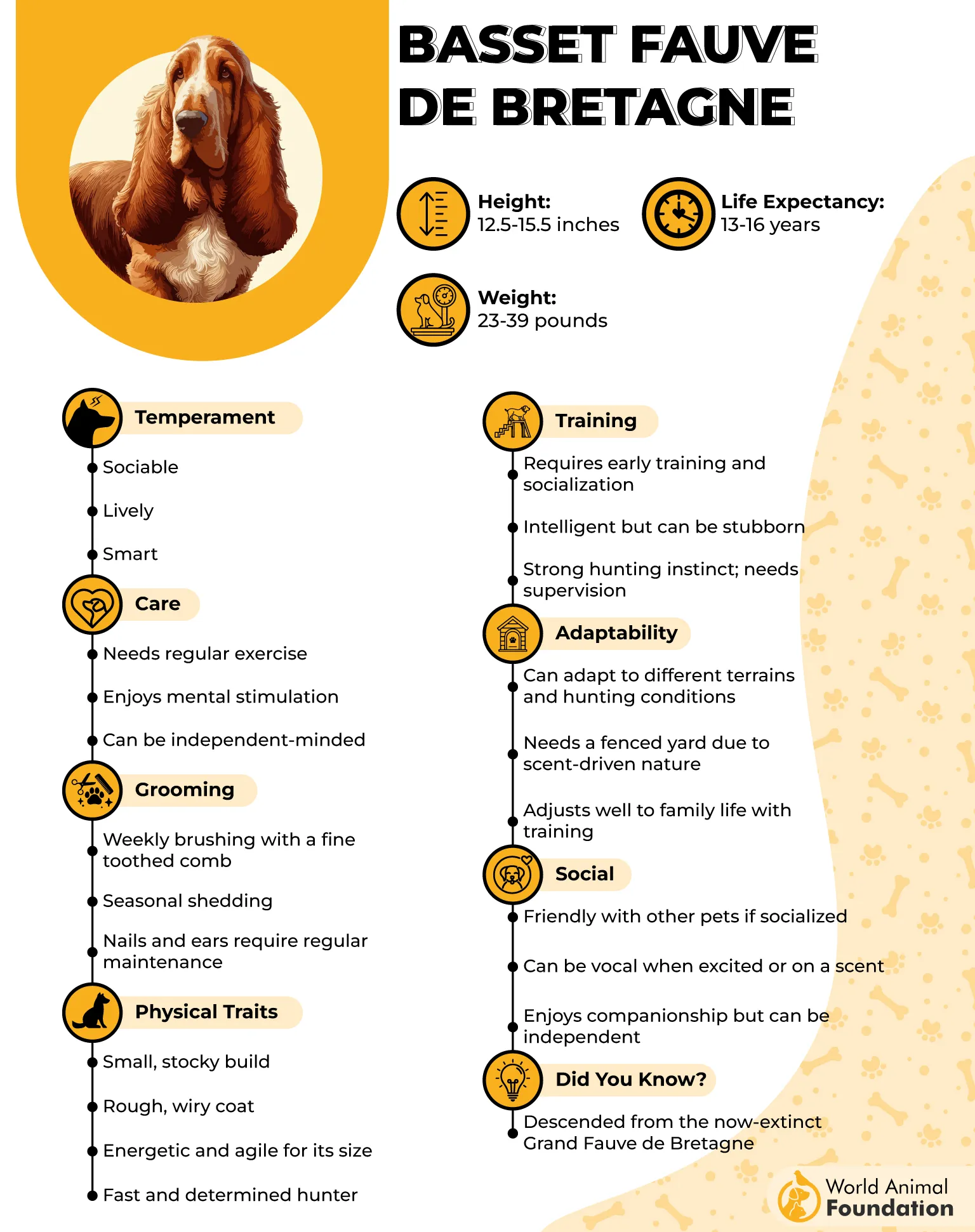
When compared to other dogs, they’re often friendly and upbeat, but they’re still hounds. That means scent can override common sense, and recall training is something you build deliberately, not something you assume will magically happen. They can absolutely do well in apartments, but only if you provide enough daily activity and enrichment.
Their grooming is usually manageable: the wiry coat tends not to be as high-maintenance as long, silky breeds, though routine brushing and basic hygiene still matter. The bigger daily need is movement—walks, sniff time, and maybe a little “find it” game that lets them use their strongest skill.
If you want a compact hound with humor, pep, and staying power, this breed is a hidden gem.
7. Cirneco dell’Etna
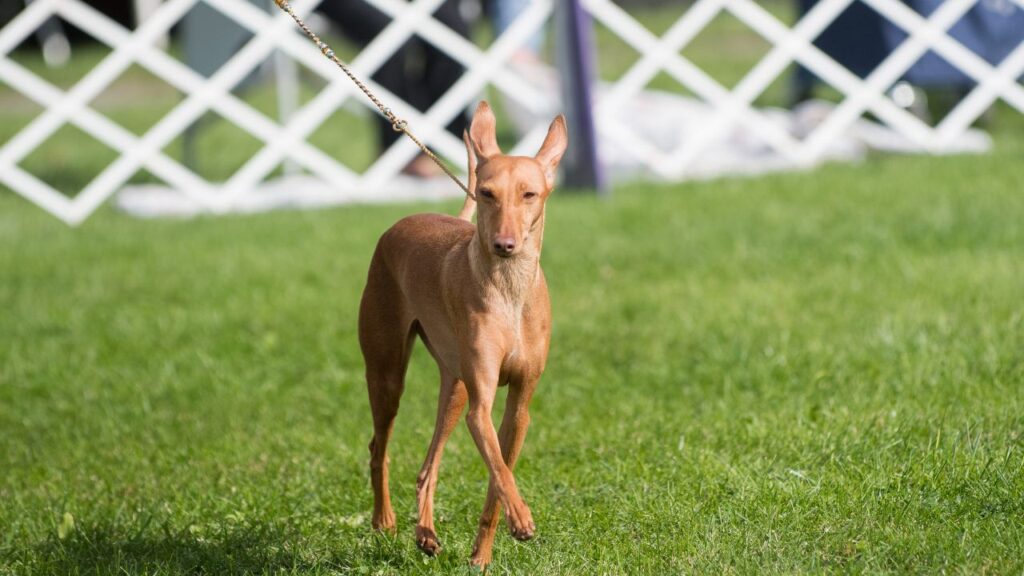
The Cirneco dell’Etna is sleek, athletic, and ancient enough to sound mythical. The AKC notes the breed takes its name from Mount Etna in Sicily, and the “dell’Etna” part was added when the first breed standard was accepted by the Italian Kennel Club in 1939.
Longevity is another point in the Cirneco’s favor. Many sources list a typical lifespan of 12–14 years, with some references listing 12–15. For a lean, active sighthound-type and also one of the oldest dogs, that’s a strong, confidence-inspiring range.
What surprises many people is how these canine companions behave at home. Despite being athletic and built for bursts of speed, these ancient breed dogs are often described as mild, loyal companions indoors, especially once their daily exercise needs are met.
They can be low-maintenance in grooming, too, thanks to their short coat—just don’t confuse “low grooming” with “no enrichment.”
To support a long life, focus on joint-friendly conditioning and routine preventive care. Keep them lean, feed quality food, and make sure they get enough movement to stay fit without overdoing it. Add mental stimulation—training games, scent puzzles, and structured play—and you’ll have a dog who feels satisfied rather than restless.
Want a wonderful family pet that feels like a rare work of art and is extremely loyal? The Cirneco is absolutely worth knowing.
Conclusion
Longevity isn’t just about luck—it’s about the match between breed traits and real-life care. These seven dogs tend to come with genetics and histories that support longer lives, but they still rely on the same fundamentals: healthy weight, strong preventive care, good nutrition, and a lifestyle that keeps their minds and bodies engaged.
Sometimes the best dogs are the ones nobody in your neighborhood has heard of yet—until you’re out there together, year after year, proving why they deserve more attention.
Australian Cattle Dog, Jack Russell Terrier, Wiener dogs, Toy Poodle, Cavalier King Charles Spaniel, Miniature Schnauzer, Bichon Frise, Shih Tzu, Shiba Inu, Australian Shepherd, Chinese Crested dogs, and Yorkshire Terrier are also some healthy breeds that make great family pets.
And if you’re choosing between two of these breeds, here’s the simplest rule: pick the one whose daily needs you’ll genuinely enjoy meeting. That’s the secret ingredient to a long, happy life—for both of you.
