




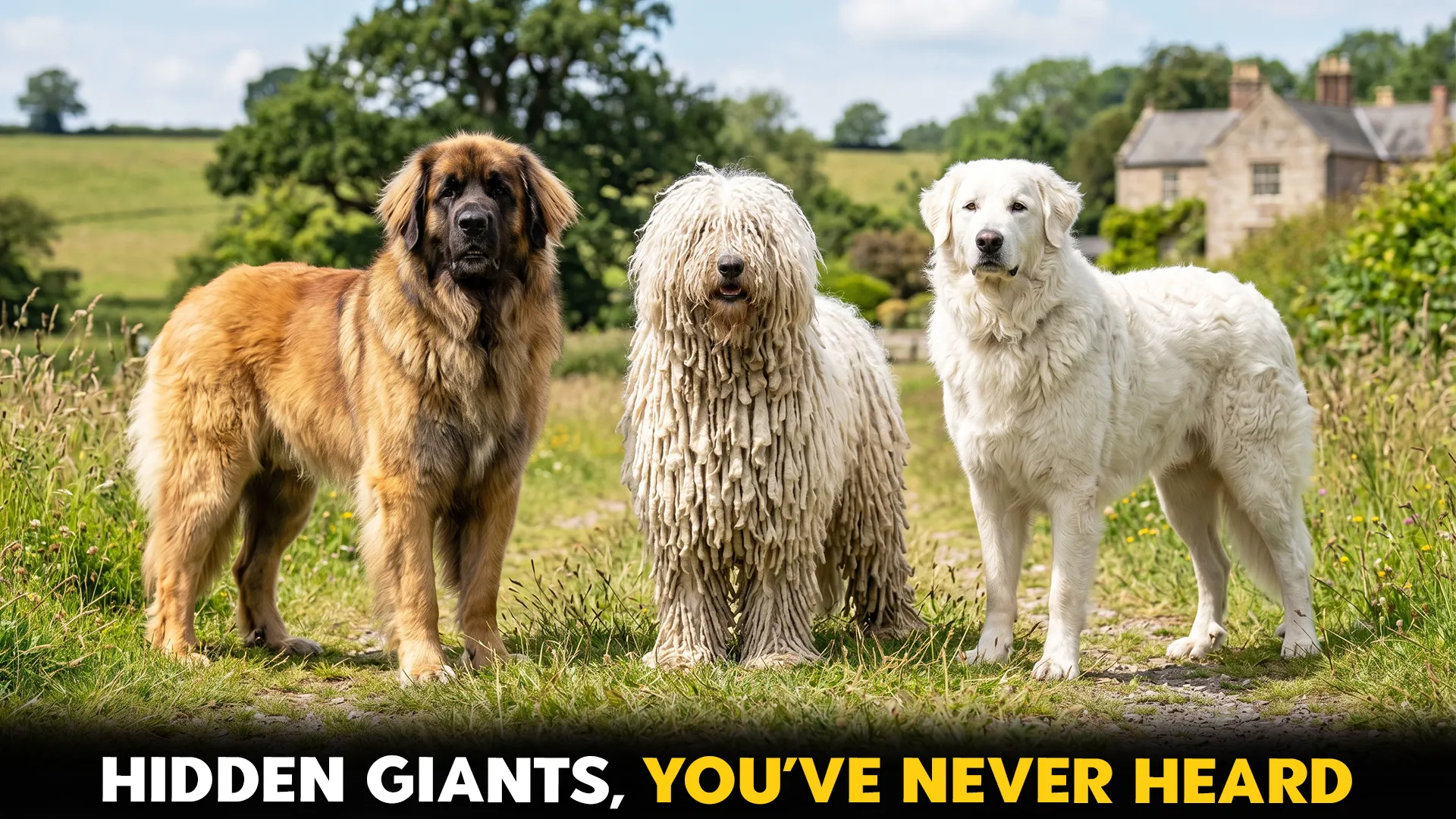
Most people believe that if a large dog breed is not widely known, there must be a reason for it. The assumption is that popularity reflects quality, making lesser-known breeds seem like a risk.
But that idea does not always hold up when you look closer. Many large dog breeds remain under the radar simply because they are not heavily marketed or commonly discussed in mainstream spaces. It has nothing to do with their capability or suitability as companions.
In fact, some of these breeds offer traits that are more balanced and practical than those found in popular choices. They may be easier to manage, more adaptable, or better suited to specific living situations. The lack of attention creates a gap in awareness rather than a flaw in the breed itself.
This article focuses on large dog breeds that are often overlooked and what makes them quietly stand out.
Key Takeaways
A few large breeds carry features that instantly make you stop and look twice.
Leonberger carries that rare mix of massive build and gentle presence, while Komondor stands out with its rope-like coat shaped for guarding flocks.
Estrela Mountain Dog and Kuvasz bring mountain strength and field awareness, built for purpose rather than show.
As you move through the list, each breed reveals a side most people never get to see in everyday life.
Unique Large Dog Breeds You Probably Haven’t Heard Of
1. Leonberger
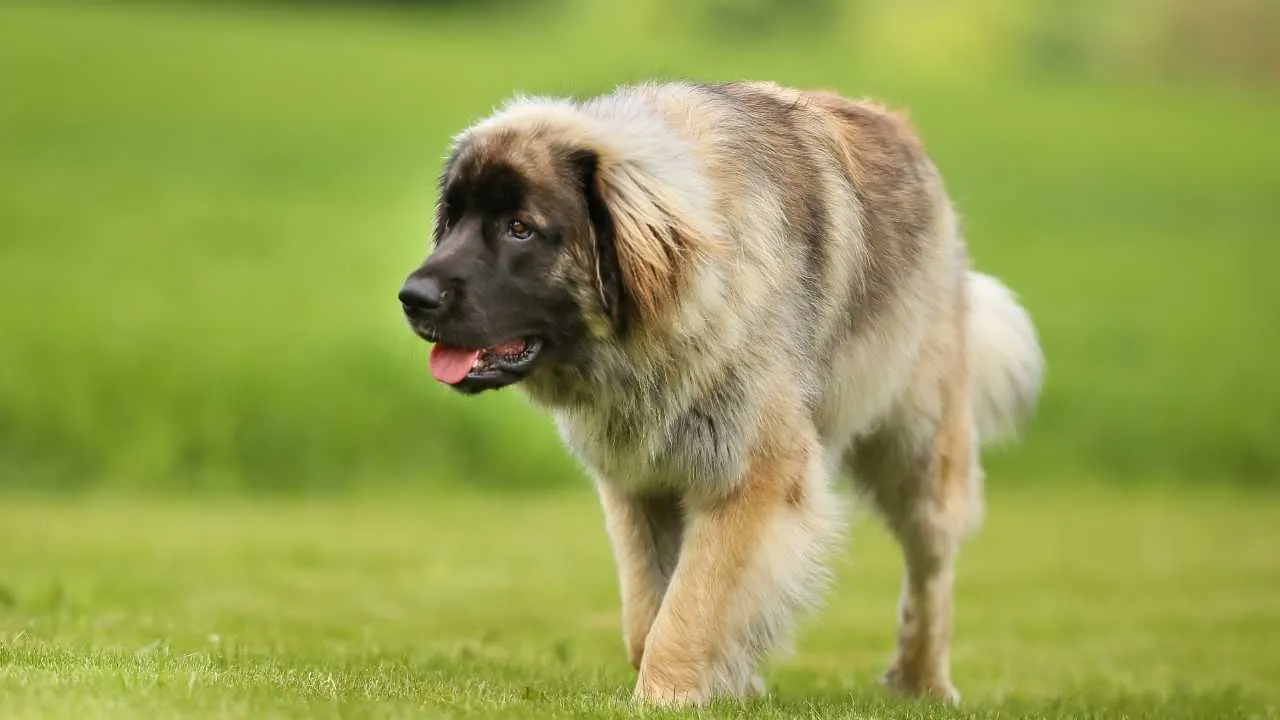
The Leonberger takes its name from Leonberg, Germany, linked to a reddish-gold appearance once associated with lion-like symbolism. Early crossing of large breeds shaped its massive frame and long coat. Its size is balanced by a calm presence that fits close human environments.
Structure built for strength and balance
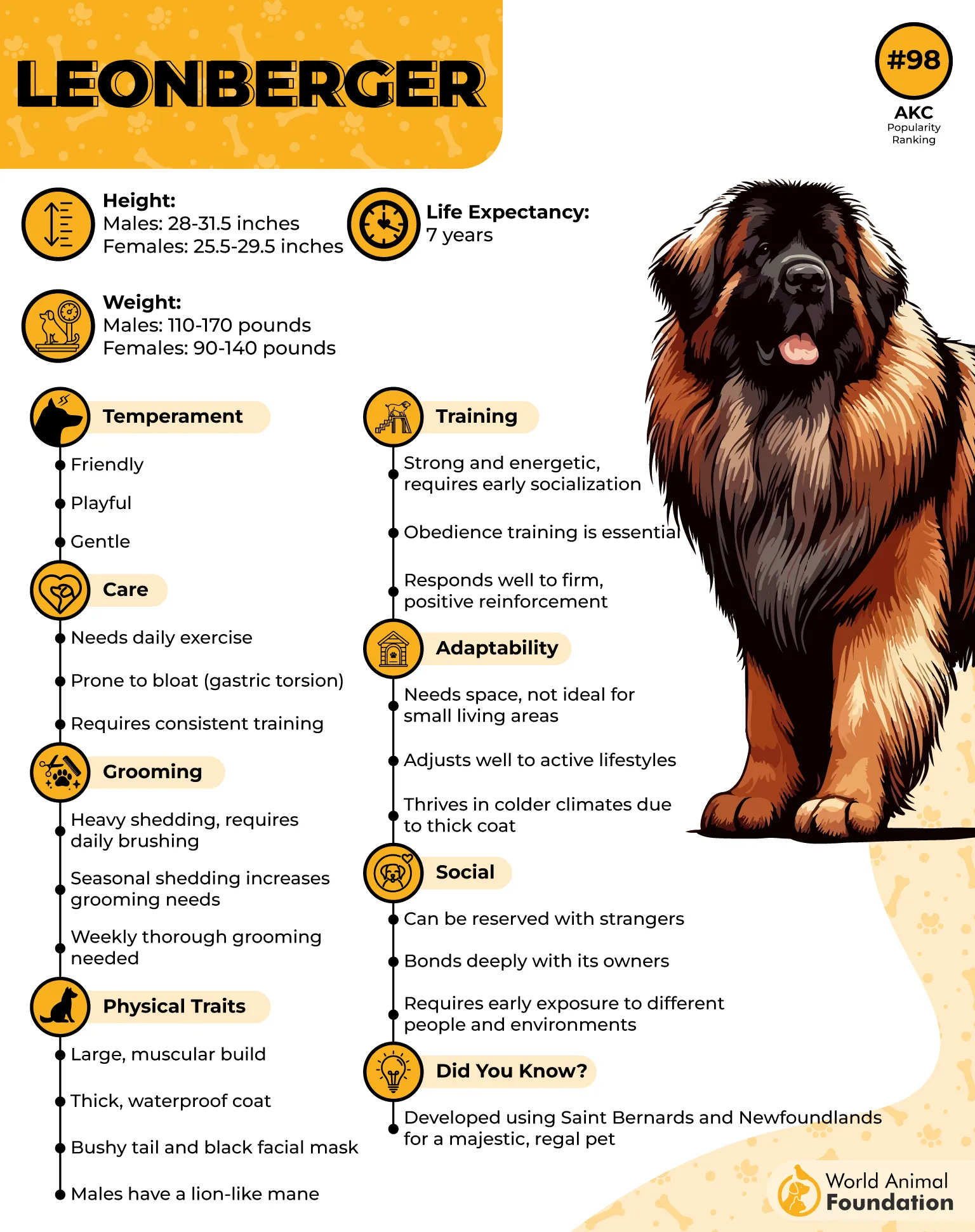
This rare dog breed combines heavy musculature with a broad chest and a thick coat that requires regular grooming attention. Males often appear more powerful with a mane-like neck outline, while females carry a lighter, more graceful frame, as the AKC noted.
This physical range appears clearly in key traits:
Dense long coat requiring consistent care
Sexual differences in body shape and build
Strong frame suited for demanding tasks
Temperament centered on calm interaction
They behave with patience inside the home, often staying relaxed around children and familiar people. Its interaction style leans toward steady companionship rather than high-intensity behavior. This calmness remains stable when it receives regular human contact.
2. Komondor
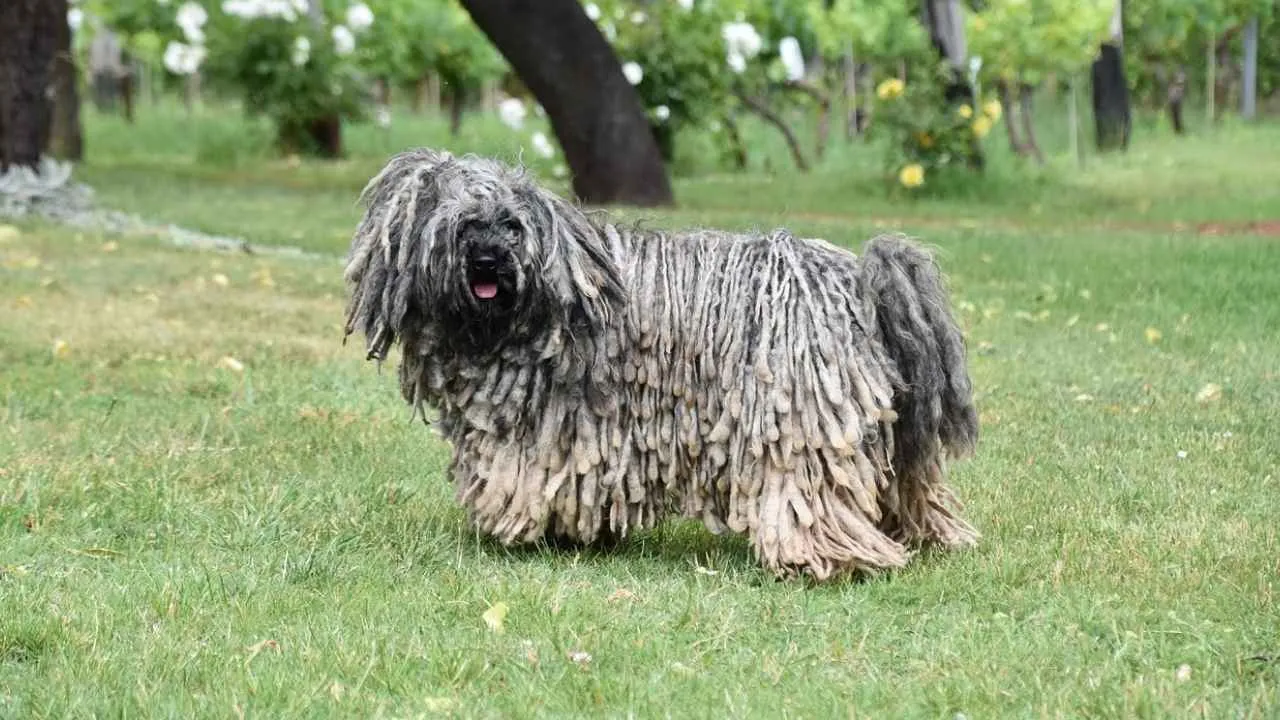
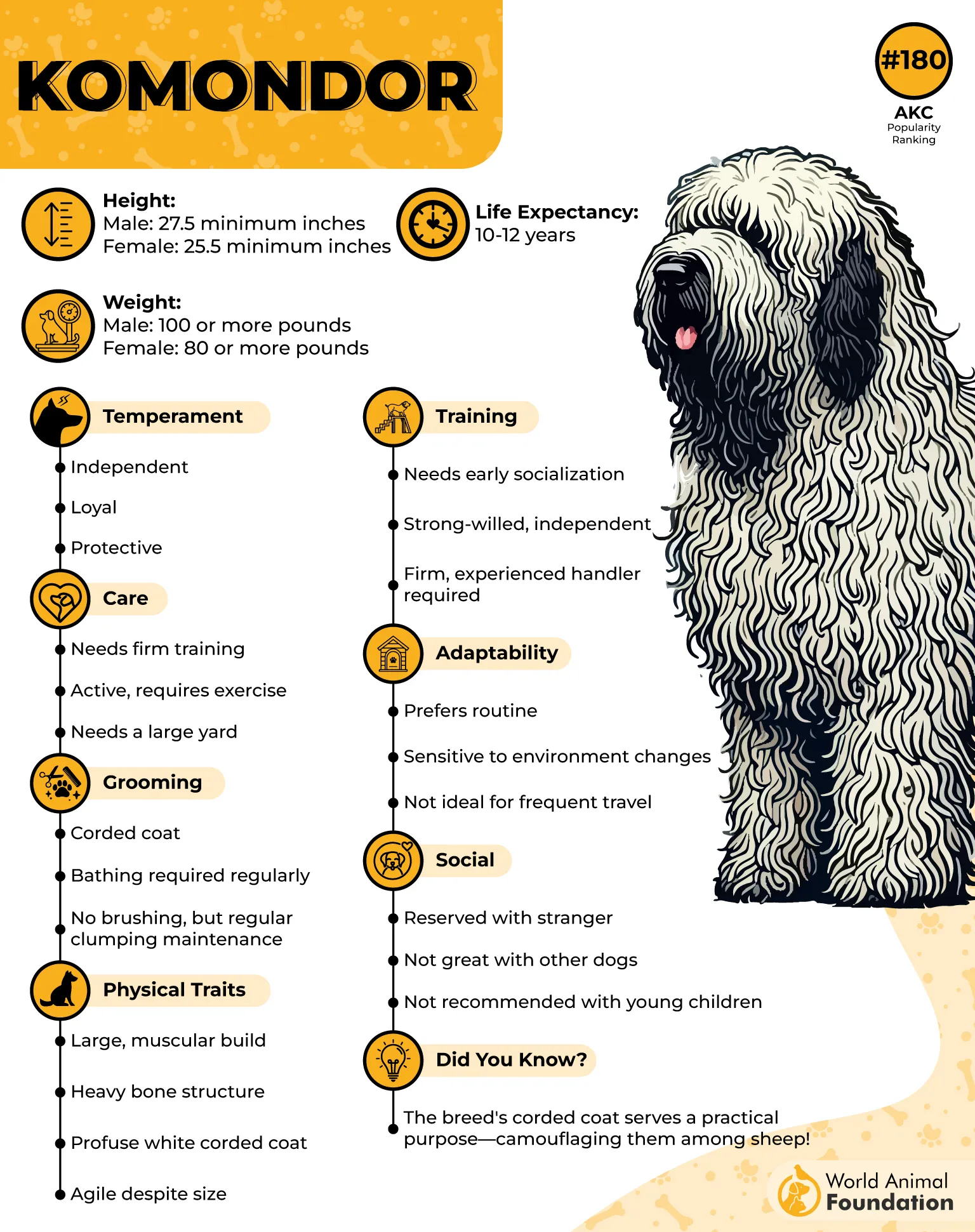
Komondor is instantly defined by its heavy, white, corded coat that forms rope-like strands across the body. This structure once helped it merge visually among sheep during livestock guarding roles. The overall appearance carries both weight and purpose in its texture as a unique and rare breed.
Working behavior in open terrain
This ancient breed responds to movement across land with controlled attention, often placing itself where livestock protection is needed. Its actions are deliberate rather than fast, relying on position and awareness instead of chase behavior.
This working style appears through clear patterns:
Positions itself near grazing livestock boundaries
Reacts calmly before engaging any threat
Uses wide area awareness instead of close tracking
Interaction within familiar space
They shift into a calmer, more settled state around familiar people, often showing a steady and composed presence indoors, as Omlet notes.
It can form close bonds, especially when social exposure is handled early in life. This balance between independence and attachment shapes its daily behavior.
3. Estrela Mountain Dog
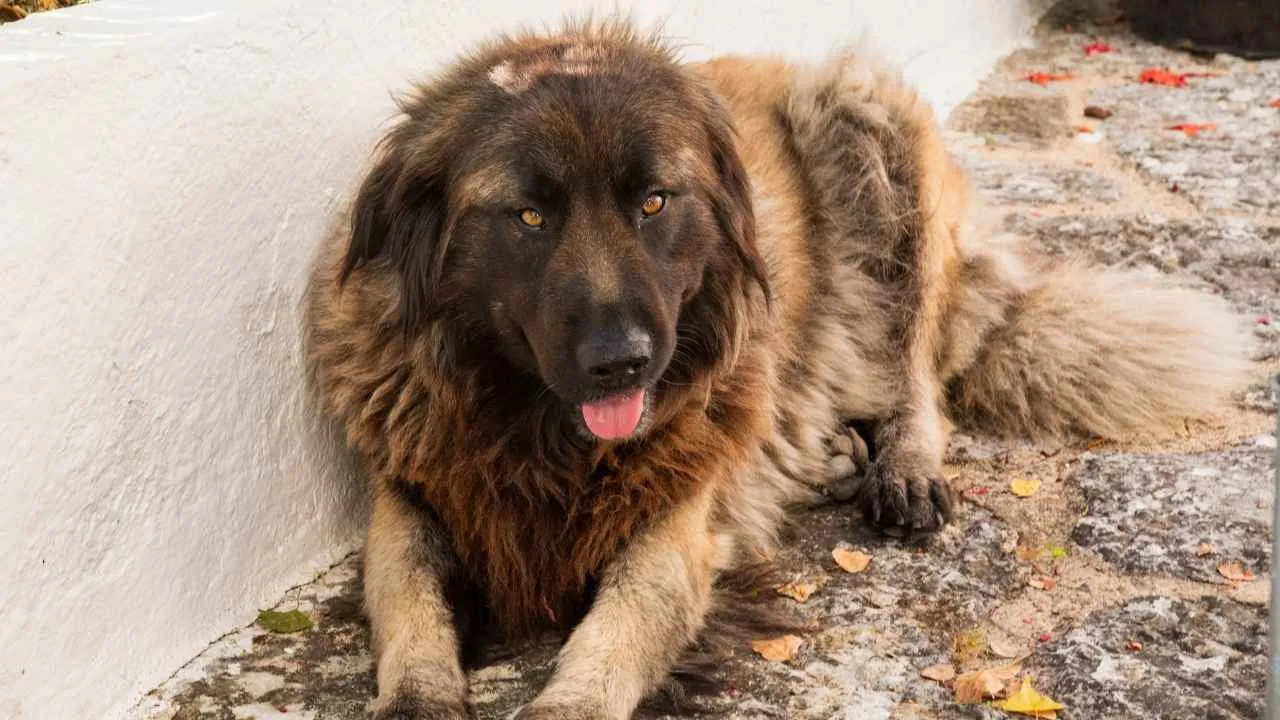
The Estrela Mountain Dog is one of the rare mastiff-type breeds from Portugal, shaped for guarding flocks and families across rugged terrain.
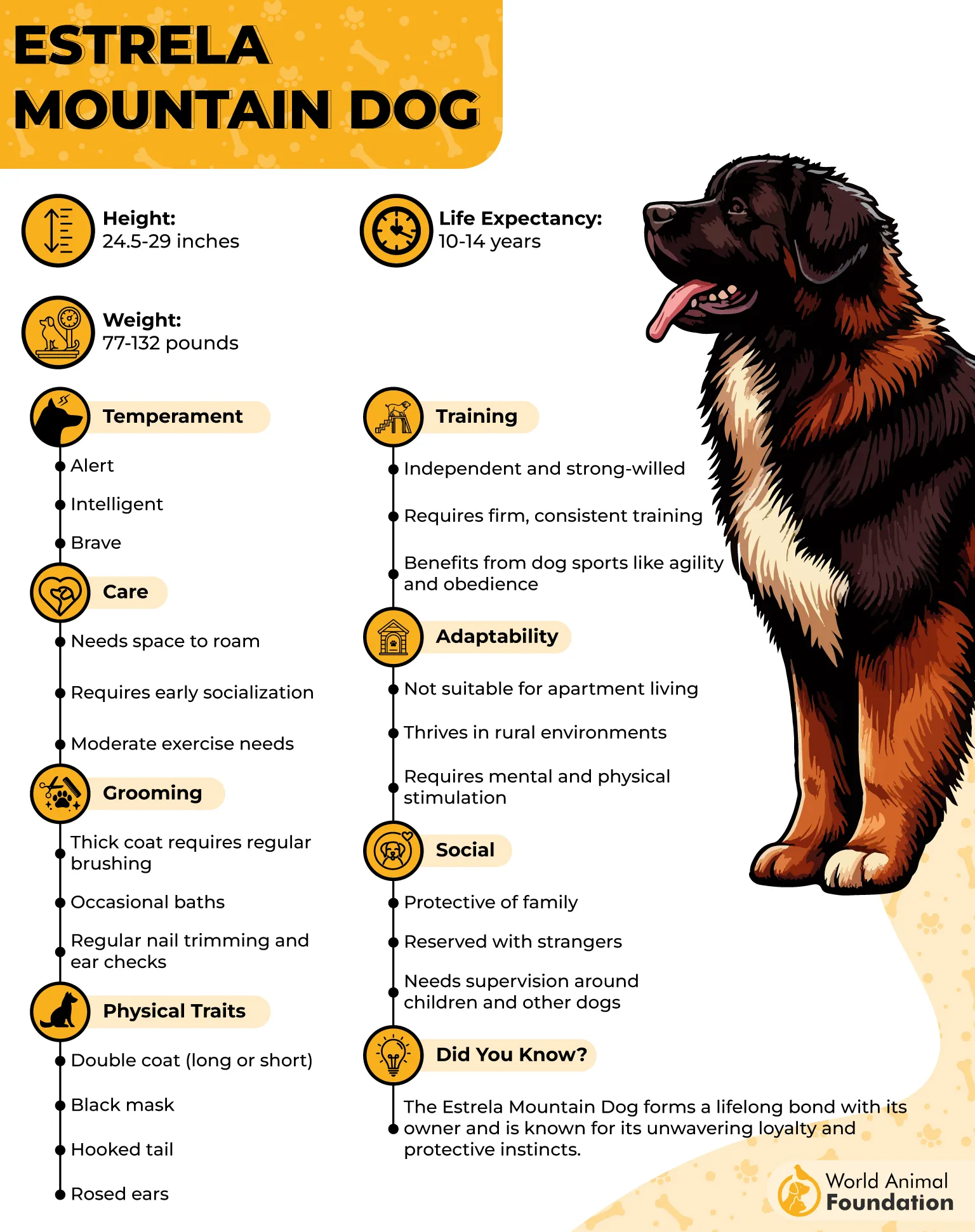
Its structure reflects endurance work, built to handle uneven mountain landscapes with steady control. The coat varies in length (long or short), designed for harsh outdoor conditions.
Physical traits tied to function
They carry distinct features that link directly to their working role, from facial markings to tail structure. Its appearance is not ornamental but tied to survival and outdoor guarding tasks.
These details define its working form clearly:
Black facial mask marking on the face
Hooked tail shape for structural balance
Rose-shaped ears that fold backward naturally
Activity tied to terrain work
This mountain dog excels in dog sports and in structured outdoor routines such as walking, hiking, and skill-based activities, as PetMD noted.
Its behavior connects closely with purposeful movement rather than idle activity. Exposure to varied environments helps align its natural guarding instinct with daily living needs.
4. Kuvasz
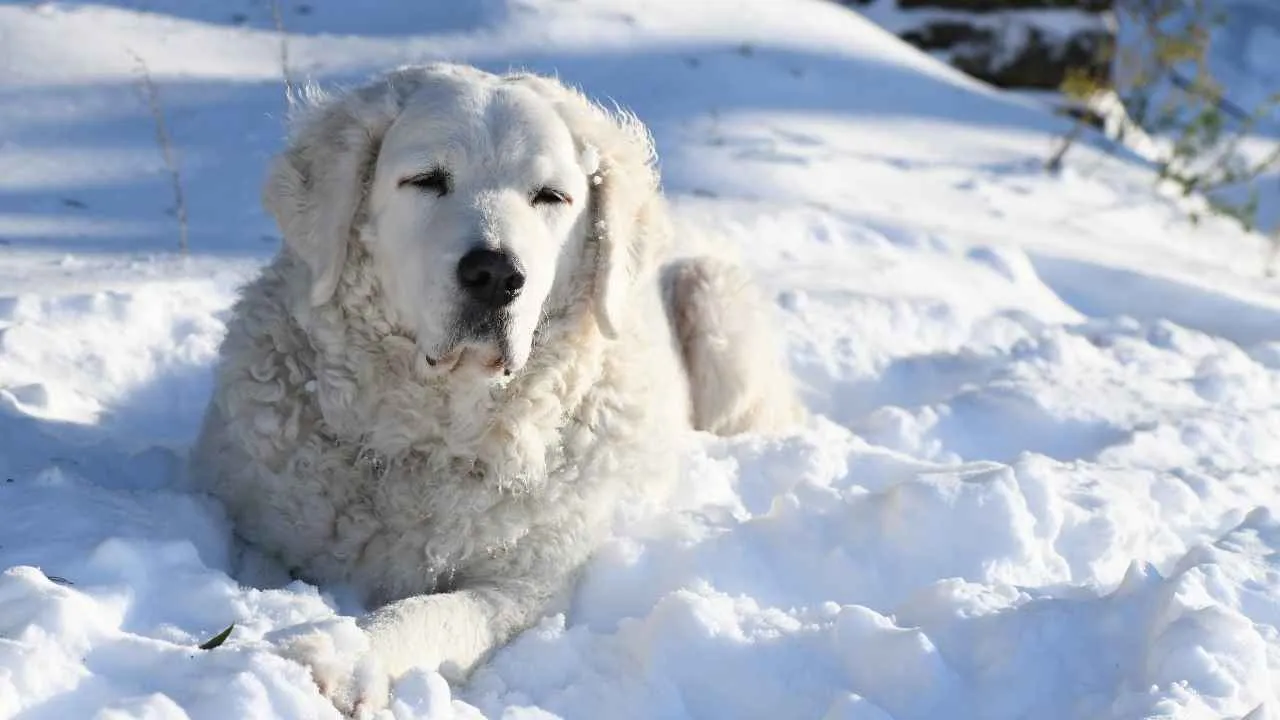
Kuvasz comes from old Hungarian lines, later connected to migrations from the Ural region into present-day Hungary. Large-boned structure and a thick white coat suited it for guarding livestock across open land. Its role centered on protection while staying close to herds in wide rural spaces.
Working patterns and field behavior
This unique breed operates with steady guarding awareness, often positioning itself around livestock and responding when boundaries are disturbed. Its instincts extend into hunting tasks and structured field activity when directed.
These working traits appear in practical form:
Guards livestock across open terrain independently
Engages in hunting and nose-based tracking work
Responds to structured agility exercises and direction
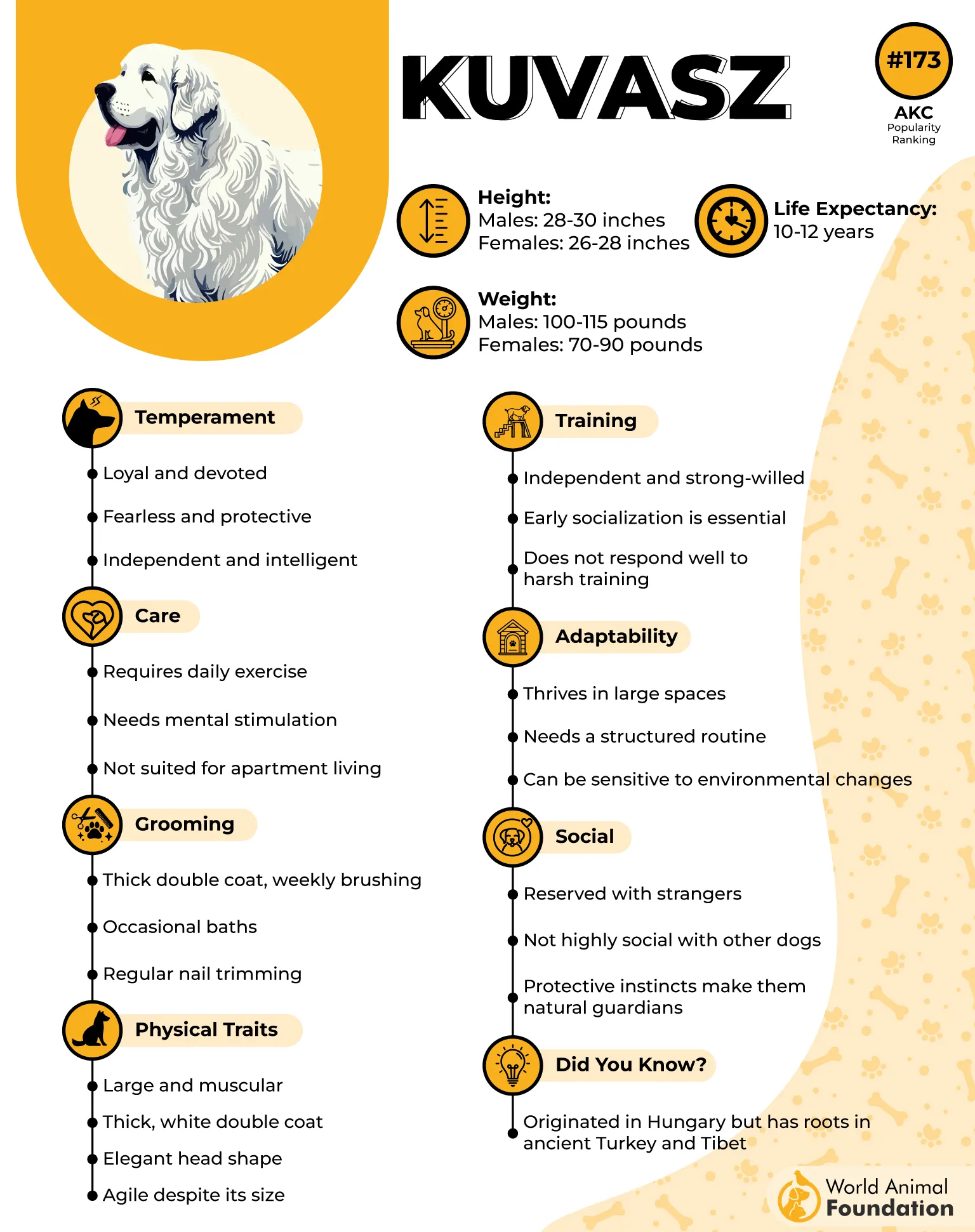
Temperament around family and animals
They combine their calm demeanor with natural tolerance toward children and other animals when properly socialized. Its behavior reflects a balance between protective response and controlled interaction within familiar surroundings. This creates a steady presence rather than a reactive one.
5. Boerboel
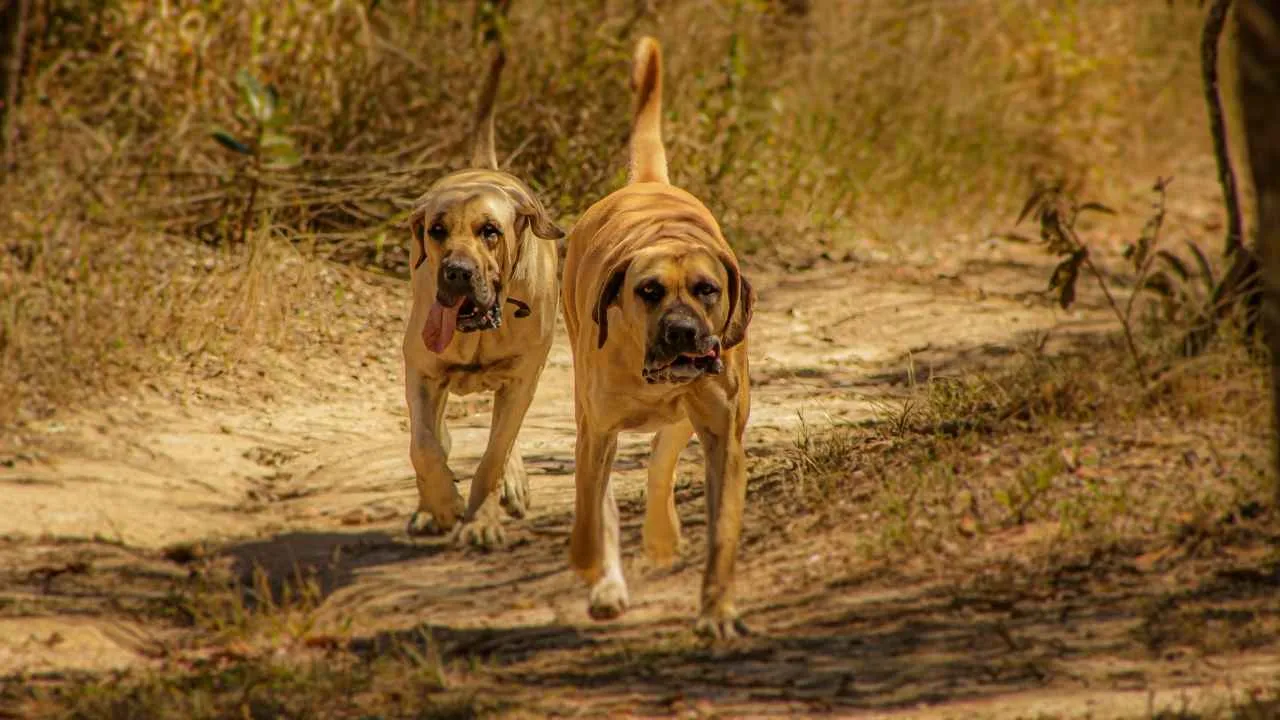
The Boerboel takes shape as a massive farm guardian from South Africa, built to face predators as large as lions. Its physical strength reflects a role tied to real threats rather than display. This origin influences how it reads its surroundings with steady confidence.
Guardian instinct in daily life
Although they have a gentle nature, they approach unfamiliar presence with caution, forming clear boundaries around their space and people. Its guarding instincts connect closely with awareness of movement and intent near the home.
That instinct becomes clearer through a few defining traits:
- Responds firmly to unfamiliar individuals
- Observes changes in surroundings with focus
- Maintains distance before accepting new presence
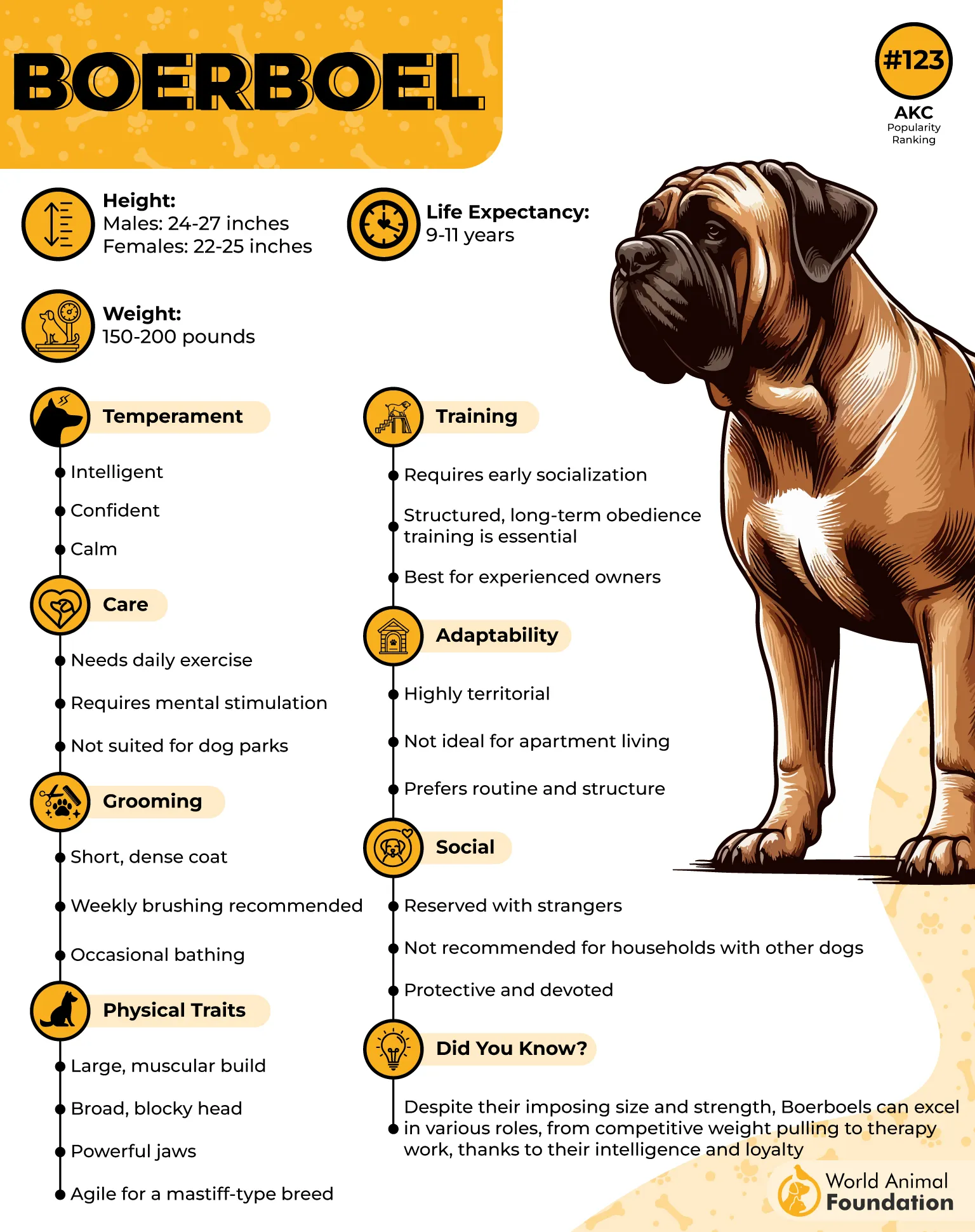
Handling, training, and social exposure
They are an intelligent breed that learns effectively with consistent direction, though their independent thinking requires experienced handling.
Early social exposure influences how it reacts to other dogs and new environments. Its minimal grooming needs may seem simple, yet its size and confidence demand steady guidance.
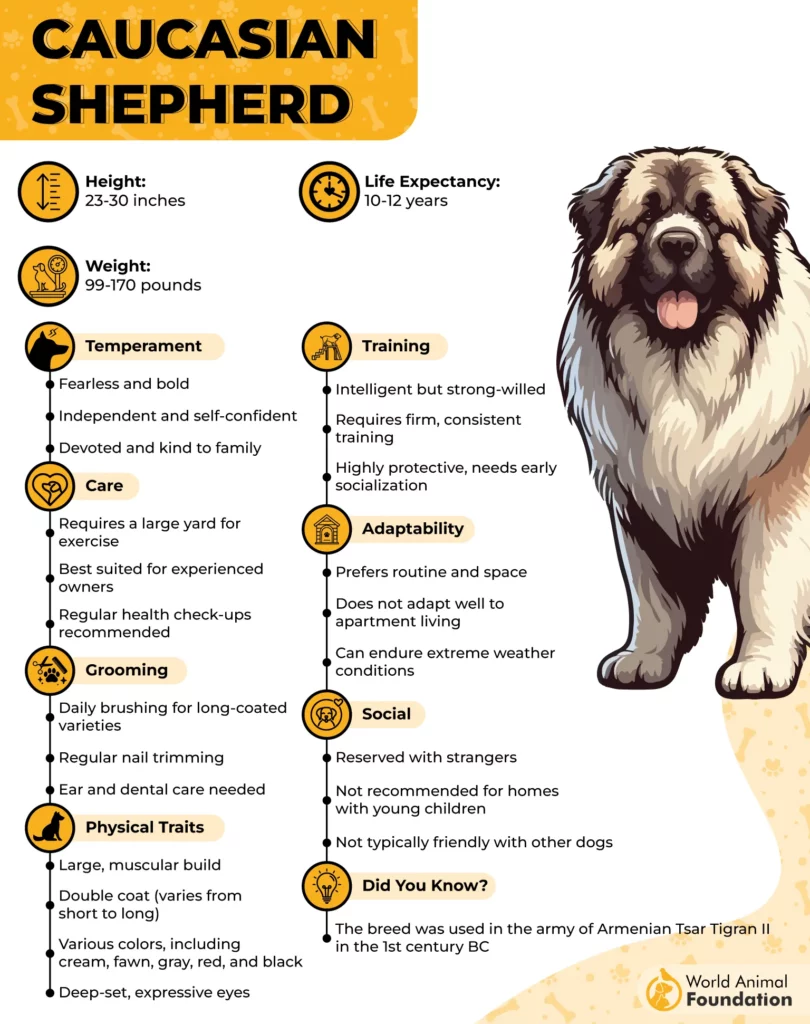
6. Caucasian Shepherd Dog
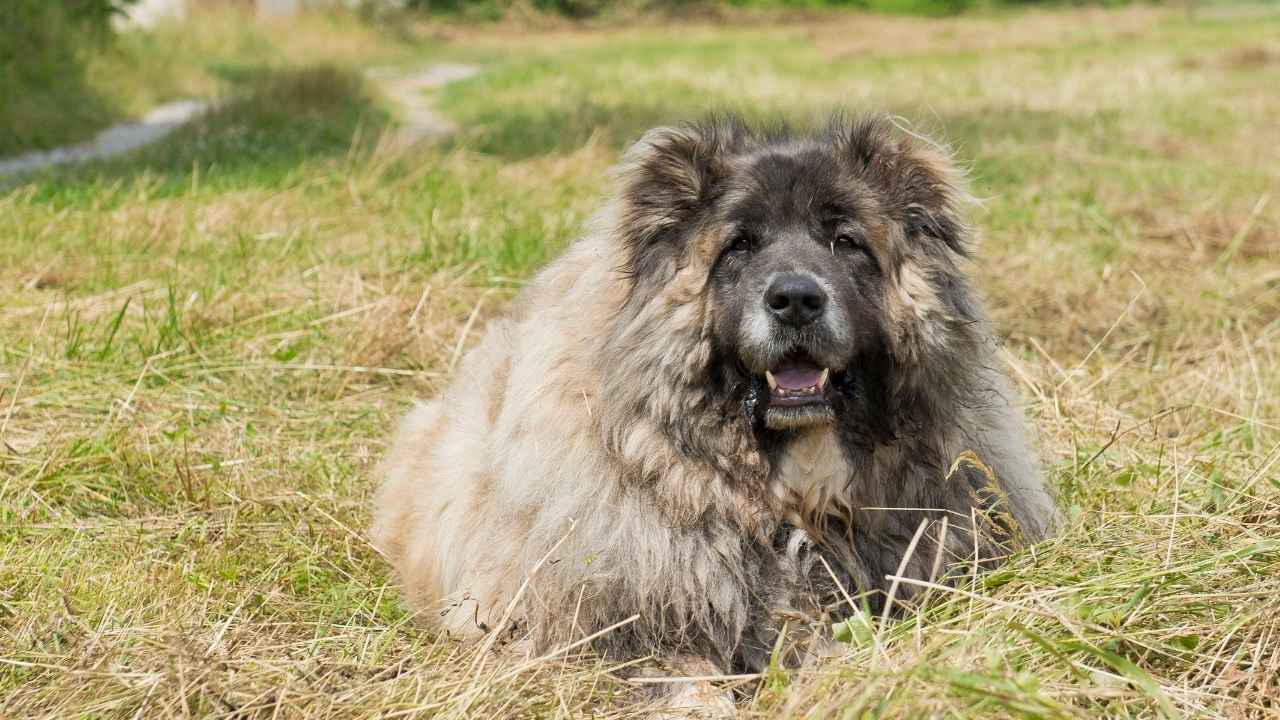
The Caucasian Shepherd Dog comes from the Caucasus region, where harsh terrain shaped a powerful and self-reliant guardian.
It was originally bred to protect livestock and property from large predators across isolated mountain ranges. This origin influences a temperament that reacts independently rather than waiting for direction.
Size and control from early stages
They grow rapidly from a small puppy into a massive adult, requiring early obedience work using reward-based methods. Handling such a scale without preparation can become difficult in daily life.
That early phase calls for focused direction:
Responds best to structured positive reinforcement
Requires consistent boundaries from a young age
Needs controlled introductions to people and spaces
Longevity and practical expectations
This loyal companion remains relatively healthy overall, though its large size influences a shorter life expectancy. Most individuals live around 10 to 12 years, which shapes long-term planning for care. Its independent nature continues into adulthood, requiring confident and consistent handling.
7. Black Russian Terrier The
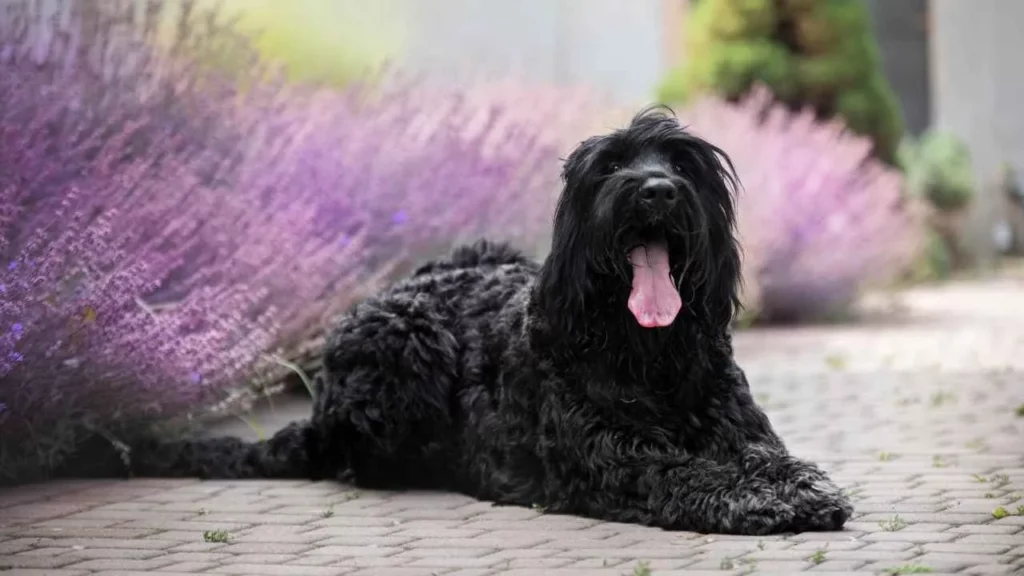
The Black Russian Terrier emerged in mid-20th century Russia through planned crossings of large working breeds to create a versatile, task-focused dog.
Its size and structure reflect that intention, combining strength with a controlled, thinking approach. Though rare, this dog is developed for multiple tasks instead of one fixed role.
Physical build and coat management
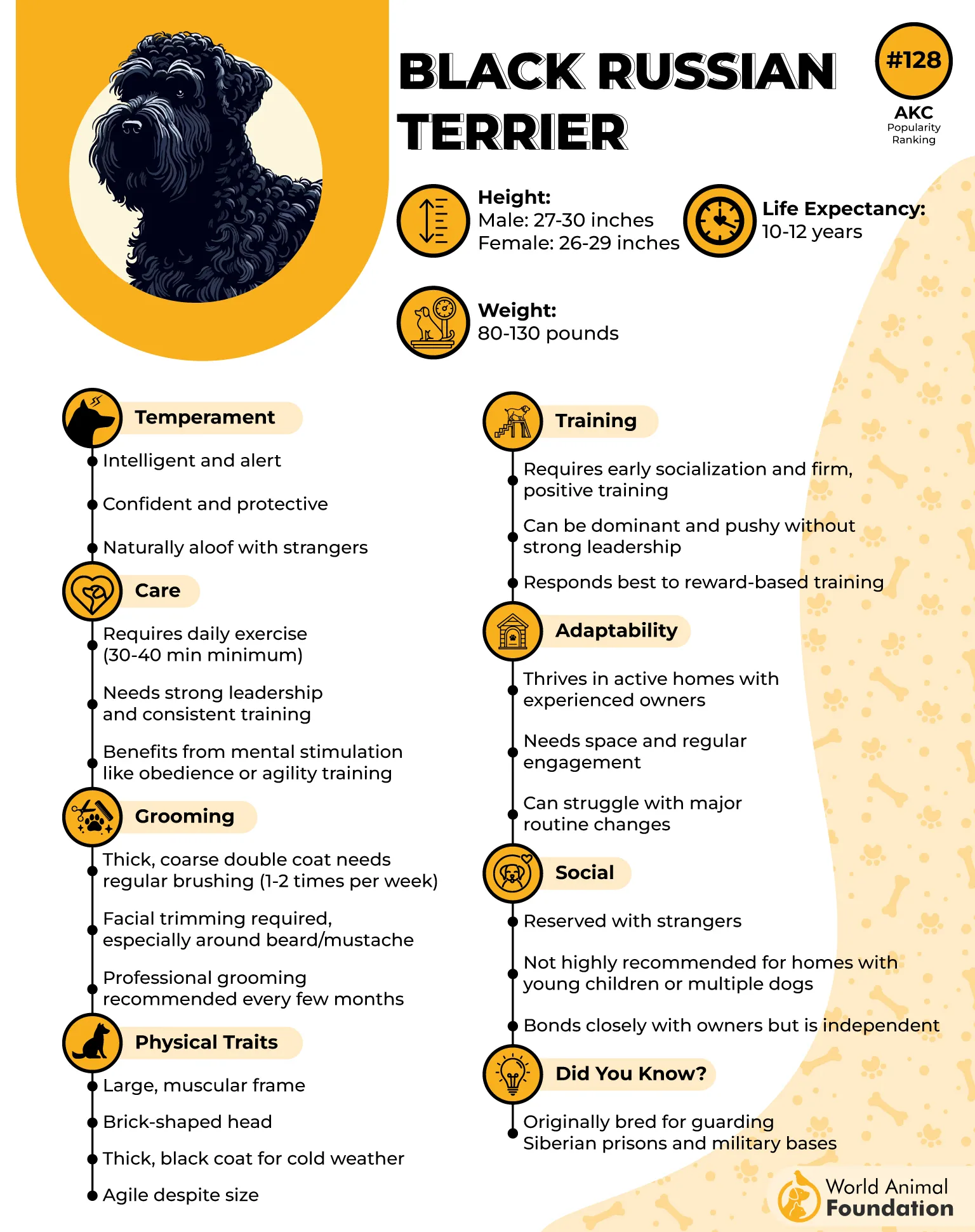
This terrier has a dense double coat that requires regular upkeep to prevent matting and maintain condition. Grooming extends beyond brushing, including trimming around specific areas to keep the coat functional.
A closer look at coat and structure details:
A dense double layer requires consistent brushing
Hair around the ears, beard, and paws needs trimming
Coat remains low-shedding despite thickness
Temperament within close circles
With their gentle temperament, they form strong attachments with familiar people, often engaging closely with their household. Around unfamiliar individuals, its reserved nature becomes more noticeable, reflecting a measured approach to new interactions.
Conclusion
Large and the world’s rarest dog breed often reveal more once you spend time understanding how they live and respond. Their size may stand out first, but their behavior brings a steadier and more balanced experience into focus. Strength shows through control, awareness, and how naturally they fit into daily routines, something many dog lovers begin to appreciate over time.
As familiarity grows, that balance becomes easier to recognize in small, everyday moments. Their presence feels consistent, and their actions remain measured across different situations. In the end, these breeds show how dogs carry a quiet depth, making them excellent pets whose distinct appearance reflects more than just rarity.
