




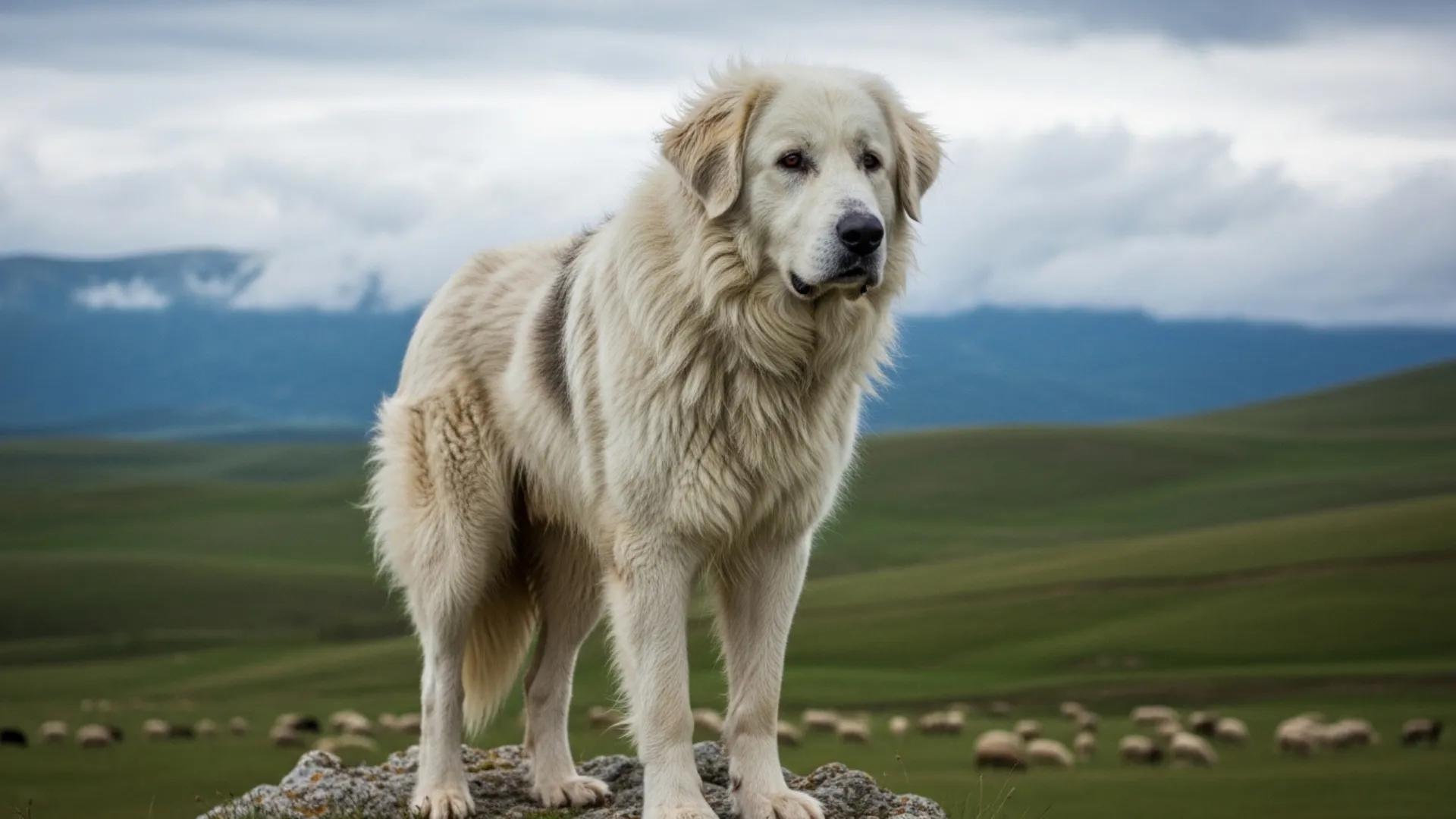
Giant dog breeds are fascinating for their size, strength, and presence, but they also come with unique challenges that potential owners should be aware of.
Recent research from the Royal Veterinary College found that some giant breeds face a dramatically higher risk of developing osteosarcoma, a rare form of bone cancer, compared to crossbreeds.
This highlights the importance of understanding both the health and lifestyle needs of these extraordinary dogs.
Unlike wild big cats, which evolved for ambush hunting, large dog breeds are human creations, bred for endurance, work, or companionship.
Their personalities range from gentle family guardians to active working partners, and their size does not always correlate with aggression.
Whether calm giants like Newfoundlands or alert protectors like Rottweilers, each breed brings unique traits, care requirements, and considerations for those ready to take on the responsibility of a giant companion.
Key Takeaways
Giant dog breeds are prone to specific health issues, such as osteosarcoma, making regular veterinary care essential.
Large dog breeds generally have shorter lifespans than smaller breeds, but proper care can improve longevity.
Most giant breeds require daily exercise, mental stimulation, and engagement to stay healthy and balanced.
Despite their size, many giant dogs have calm, gentle, and affectionate temperaments, making them ideal for families when properly trained.
Early socialisation and obedience training are critical, especially for breeds with guarding instincts.
Unique Giant Dog Breeds You Probably Haven’t Heard Of
1. Romanian Mioritic Shepherd
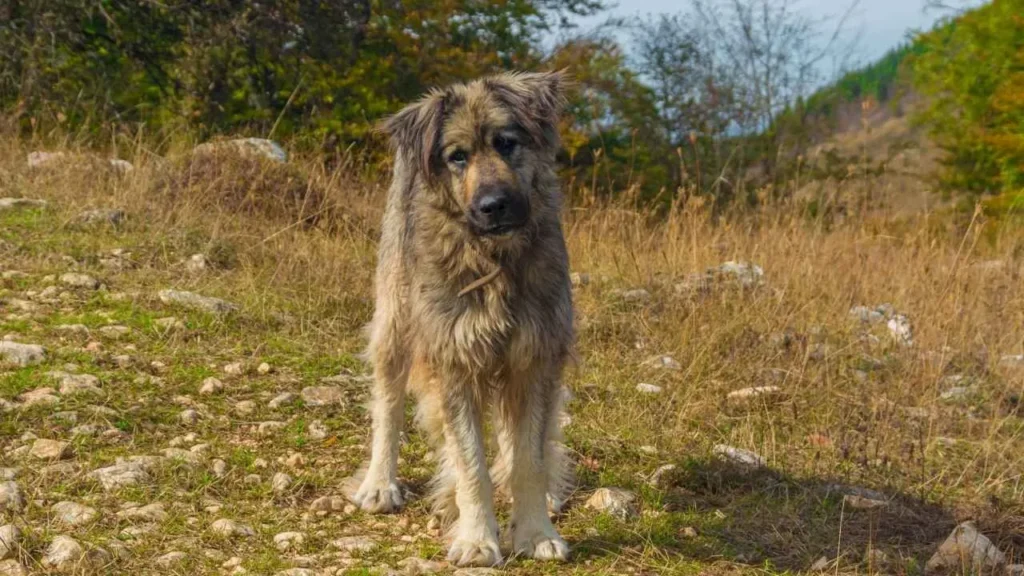
Originating near the rugged Carpathian Mountains, the Romanian Mioritic Shepherd Dog is a giant breed with a powerful presence and a deeply loyal heart.
For centuries, this impressive livestock guardian protected flocks across Romania’s countryside. Naturally independent and fearless, the Mioritic forms strong bonds with its family while remaining wary of strangers.
Despite its massive size and thick coat, this breed is surprisingly low-maintenance.
Regular weekly grooming is usually enough, as dirt easily brushes out once the coat dries. As puppies, Mioritics stay close to the “pack” that accepts them, whether people, dogs, or even other animals, and they thrive on that sense of belonging.
They are territorial and alert, carefully watching over anything within sight of their chosen lookout point. Though energetic as pups, adults are calmer and satisfied with daily walks.
With proper care, some healthy Mioritics are known to live up to 14 years, an impressive lifespan for such a large guardian.
2. Broholmer
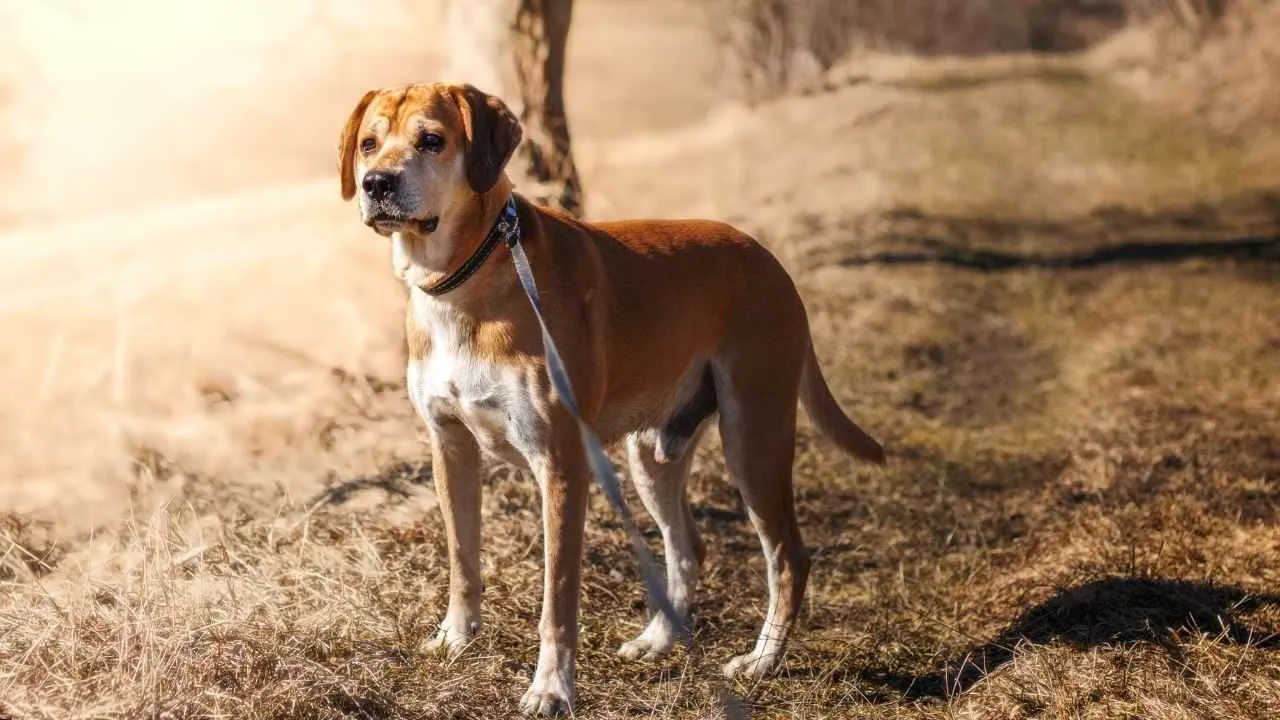
The Broholmer, a rare dog breed from Denmark, is one of those unique giant dog breeds many dog lovers have never heard of.
With a massive frame, muscular build, and gentle giant personality, Broholmers may look imposing, but they are calm, affectionate, and excellent companions for families.
Despite their size, these giant breeds are well-suited to homes with children and other pets.
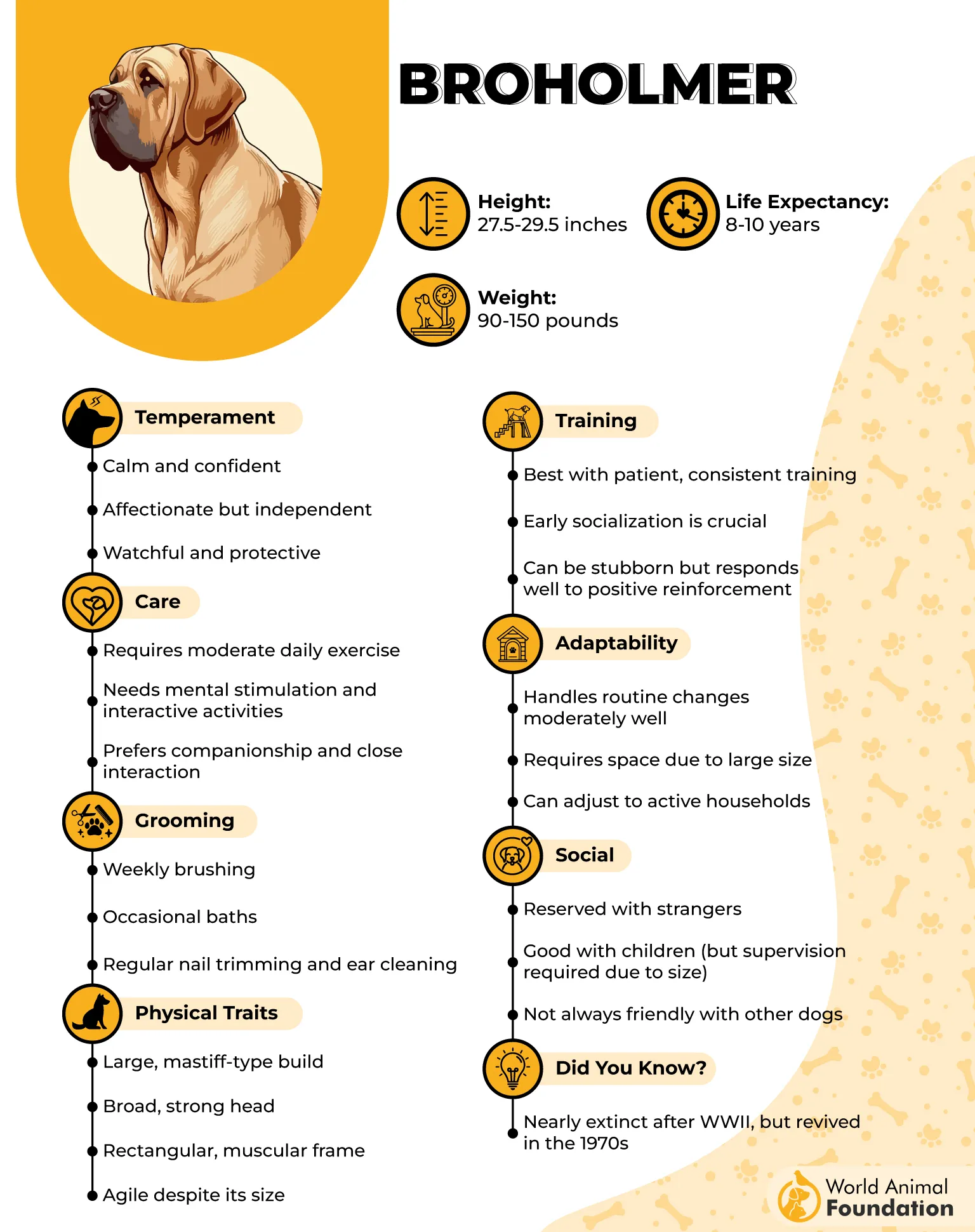
Their even temperament and loyal nature make them good family dogs, while their playful moments and love for gentle exercise showcase a heart as big as their stature.
Originally bred as watchdogs and protectors in noble courts centuries ago, the Broholmer combines ancient heritage with modern charm. Historically nearly extinct, dedicated enthusiasts carefully revived the breed.
Today, this rare giant dog stands out in the canine world for its calm demeanor, devotion, and timeless presence.
3. Karakachan
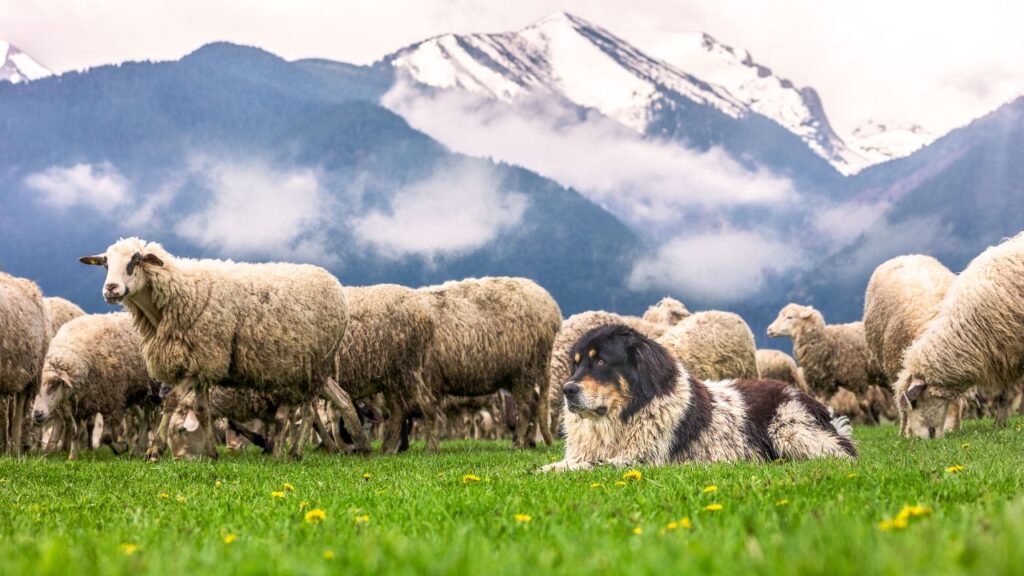
The Karakachan Dog, also known as the Bulgarian Shepherd, is considered one of Europe’s oldest livestock guardian breeds.
Its roots stretch back thousands of years, forming a living link between modern domestic dogs and their ancient breeds.
Historically bred to protect flocks, this powerful guardian was trusted to confront formidable predators, including wolves and even bears, when danger threatened its flock or owner.
The breed takes its name from the Karakachani, nomadic shepherds of Thracian origin who carefully preserved several ancient animal breeds, including the Karakachan sheep, horse, and dog.
Over centuries, these dogs accompanied shepherds through the Balkan mountains, particularly in regions such as Rila, Pirin, the Rhodopes, and Stara Planina.
Strong, muscular, and deeply vigilant, the Karakachan is known for its independence and courage, as stated by Karakachan USA. While intensely loyal to its master and protective of children, it is not suited to idle life. This is a true working guardian, most fulfilled when protecting land, livestock, and family.
4. Rafeiro do Alentejo
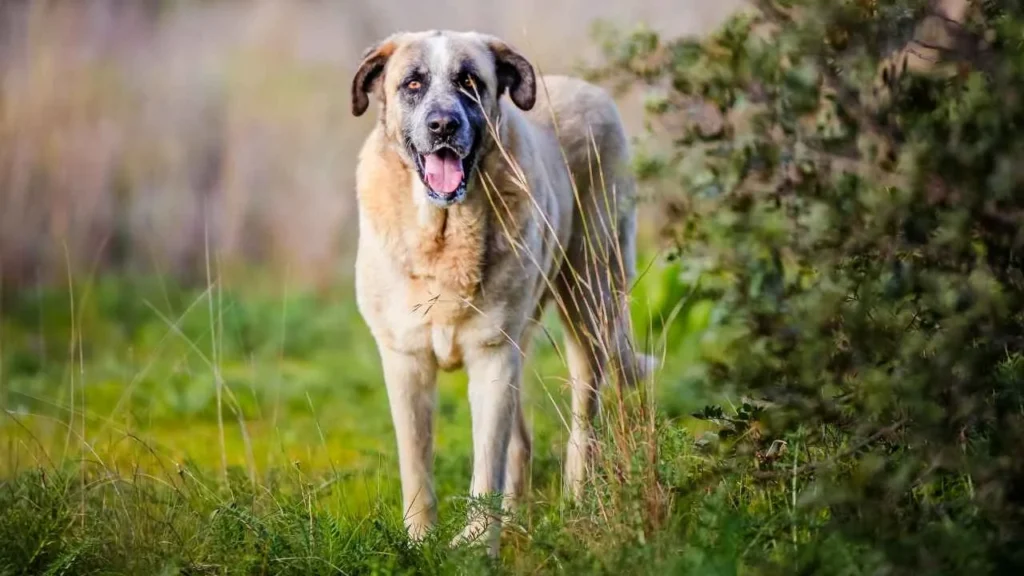
The Rafeiro do Alentejo, also known as the Portuguese Mastiff, is one of those rare giant dog breeds that dog lovers rarely encounter.
This ancient breed, originally bred in Portugal’s Alentejo region, was developed to protect livestock and estates, making it a gentle giant with a strong sense of duty.
With a massive, muscular build, broad head, and calm, affectionate temperament, the Rafeiro combines strength and loyalty.
Despite its size, this giant dog is known for being calm around children, other pets, and even strangers when properly socialized. Their short, dense coat is low maintenance, and with regular exercise, mental stimulation, and early training, these loyal companions thrive in spacious homes.
Historically, they worked tirelessly through the night guarding flocks of sheep and cattle, a testament to their courage and endurance. Today, this rare breed stands in the canine world as a symbol of vigilance, loyalty, and devotion, a perfect match for families seeking a calm, steady giant.
5. Romanian Carpathian Shepherd
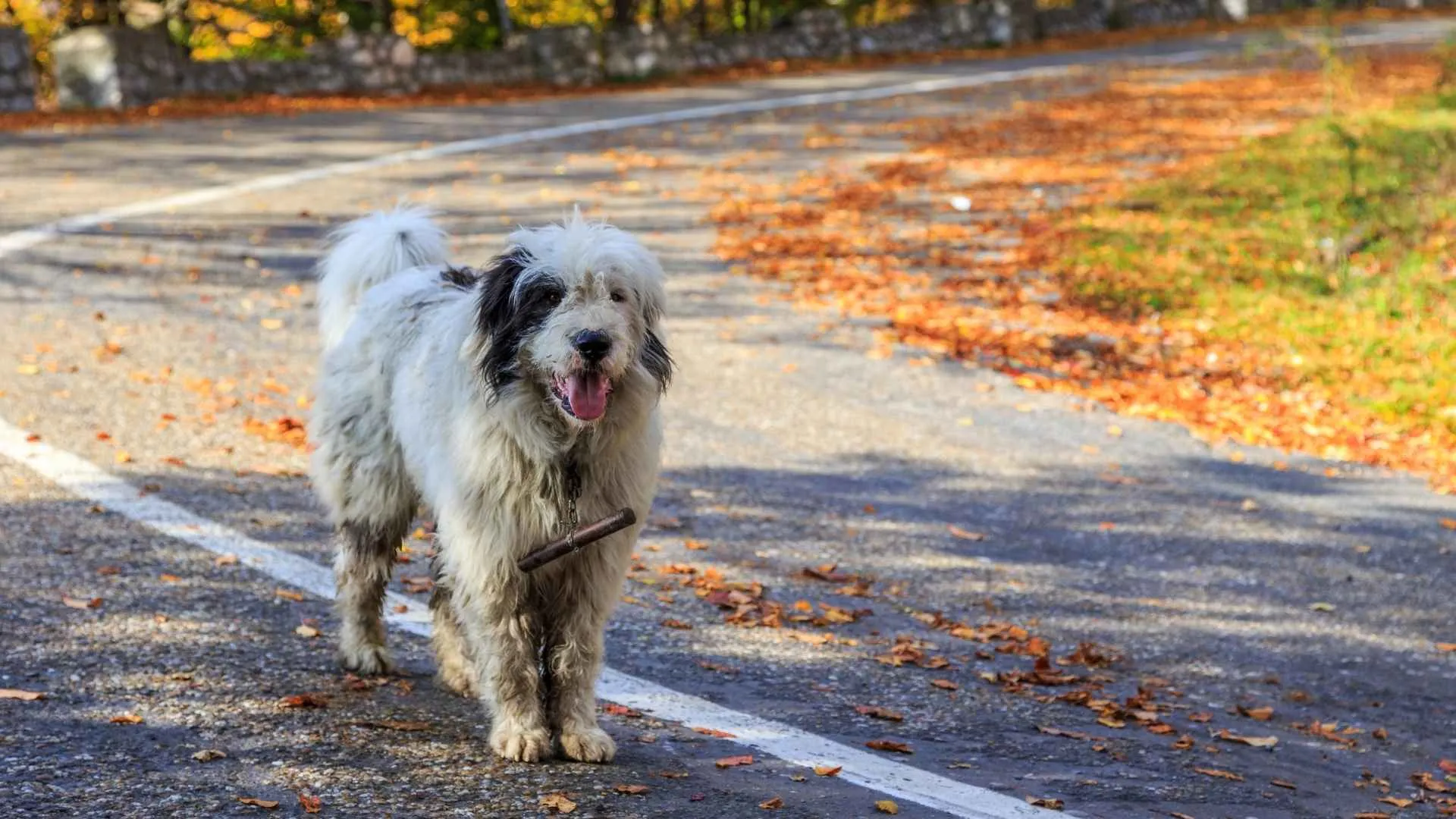
The Romanian Carpathian Shepherd Dog is a powerful yet agile guardian that has protected livestock in the rugged Carpathian Mountains for centuries.
Bred by Romanian shepherds to defend flocks and camps, this breed developed a reputation for courage, loyalty, and unwavering dedication to its herd and master. Early breeding focused on working ability rather than appearance, until an official breed standard was established in 1934.
Large and rectangular in build, the Carpathian Shepherd gives the impression of strength without heaviness.
Males are typically taller and more robust, while females are slightly smaller but equally capable. Their wolf-like head, dense double coat, and strong frame reflect a dog designed for endurance and outdoor life.
Known for their calm and balanced temperament, these dogs are both dignified and fiercely protective, as explained by the United Kennel Club.
They form deep bonds with their families and remain naturally alert, making them excellent watchdogs. With minimal grooming needs and a life expectancy of 12–14 years, this rare guardian remains a remarkable working companion.
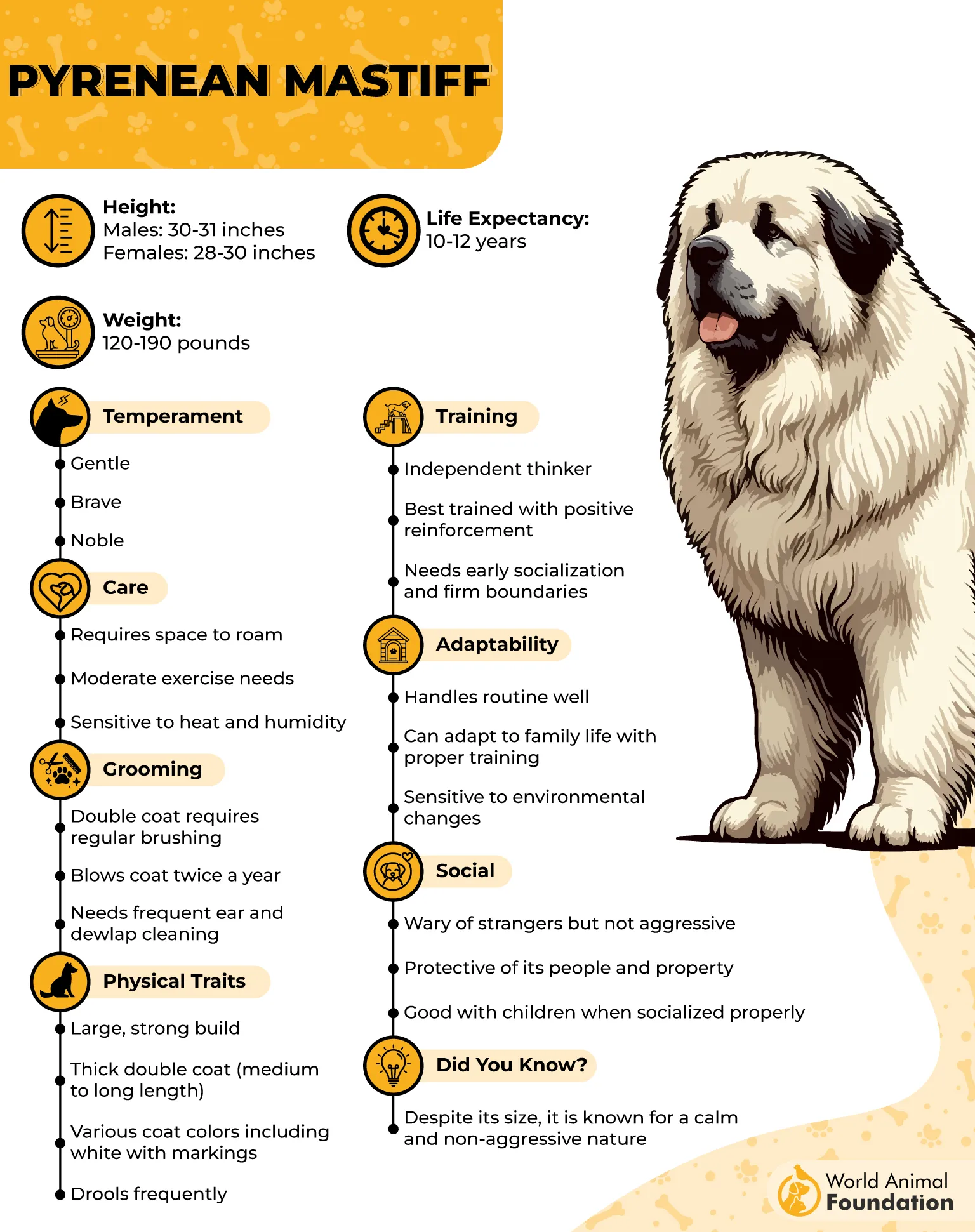
6. Pyrenean Mastiff
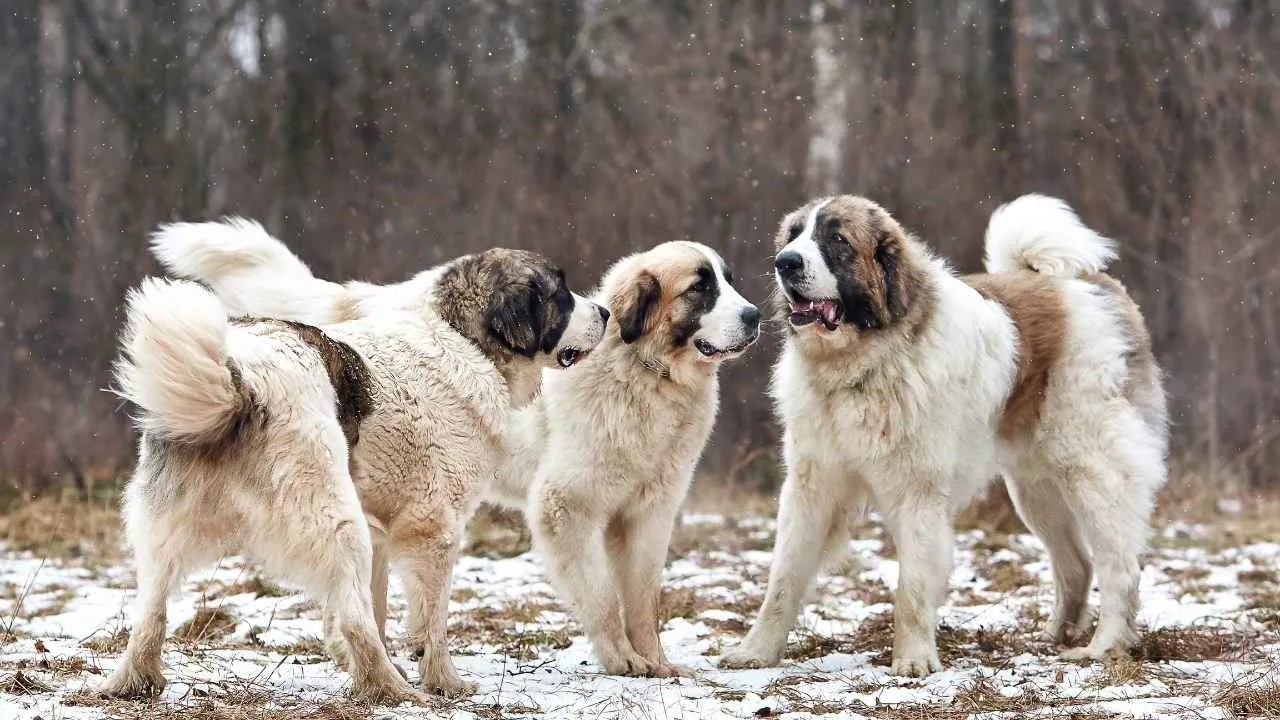
Among the lesser-known giant guardians of Europe, the Pyrenean Mastiff carries a history as vast as the mountains it comes from.
For centuries, this imposing yet noble dog walked beside shepherds along the migratory routes of the Aragonese and Navarrese Pyrenees, protecting flocks from wolves, bears, and thieves.
Its size and strength made it a fearless defender, but those same qualities nearly led to its disappearance. After the Spanish Civil War, the cost of feeding such a large dog became difficult for many farmers, and the breed declined.
Thankfully, passionate enthusiasts stepped in during the 1970s, carefully rebuilding the population from the remaining rural dogs that still carried the traditional traits of the ancient mastiff.
Their dedication saved the breed and led to official recognition by the Fédération Cynologique Internationale in 1982.
Today, the Pyrenean Mastiff stands as a majestic giant, powerful yet balanced, muscular dog without appearing heavy, and wrapped in a dense white coat marked by a distinctive mask.
7. Akbash
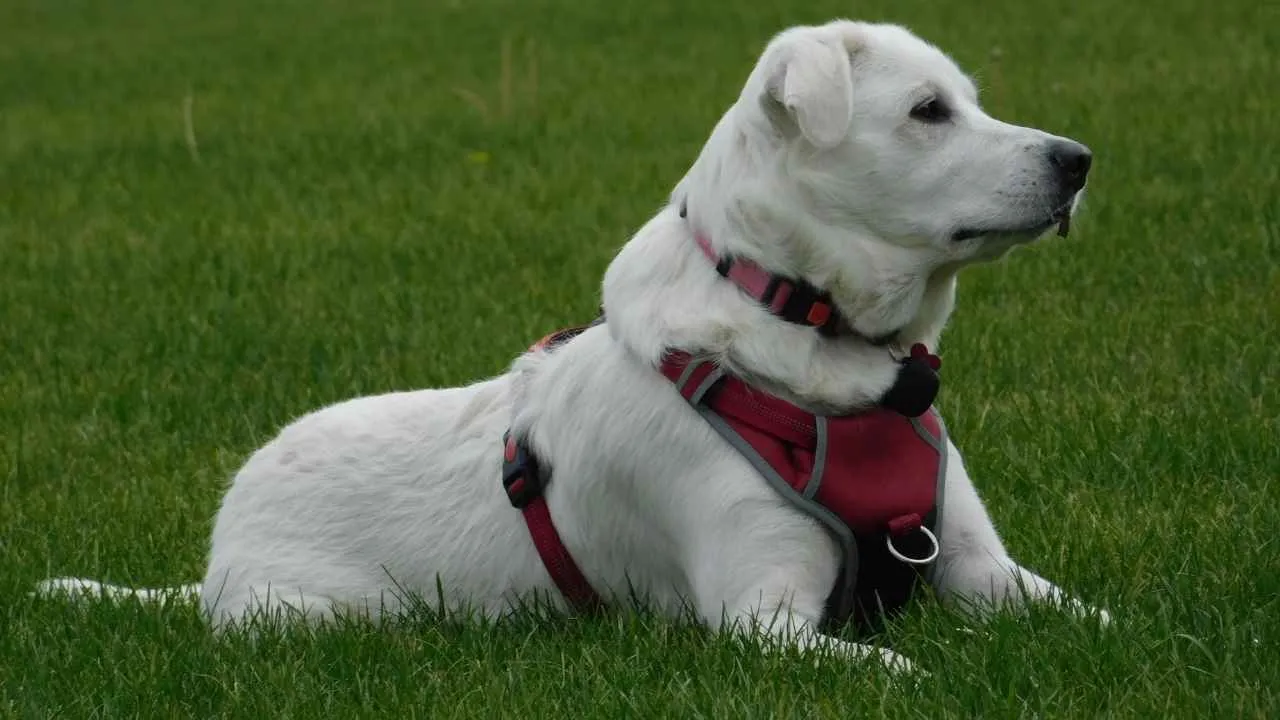
Quietly standing guard on the hillsides of Turkey for centuries, the Akbash is one of the world’s lesser-known giant livestock guardians.
Akbash dogs are tall, powerful, and surprisingly agile. Despite their impressive size, these dogs move with remarkable speed and balance.
The Akbash is easily recognized by its mostly white coat, sometimes touched with soft biscuit or gray tones, and natural floppy ears.
This pale coloring wasn’t chosen by chance; shepherds favored white guardian dogs so they could easily distinguish them from predators in the dark.
Beneath that coat is a thick double layer that sheds regularly and needs consistent grooming, as advised by Hills Pet.
Independent and intelligent, the Akbash was bred to think for itself while protecting flocks. That instinct remains strong today. Loyal and deeply protective of family or livestock, this calm but watchful giant forms powerful bonds with those it guards.
8. Scottish Deerhound
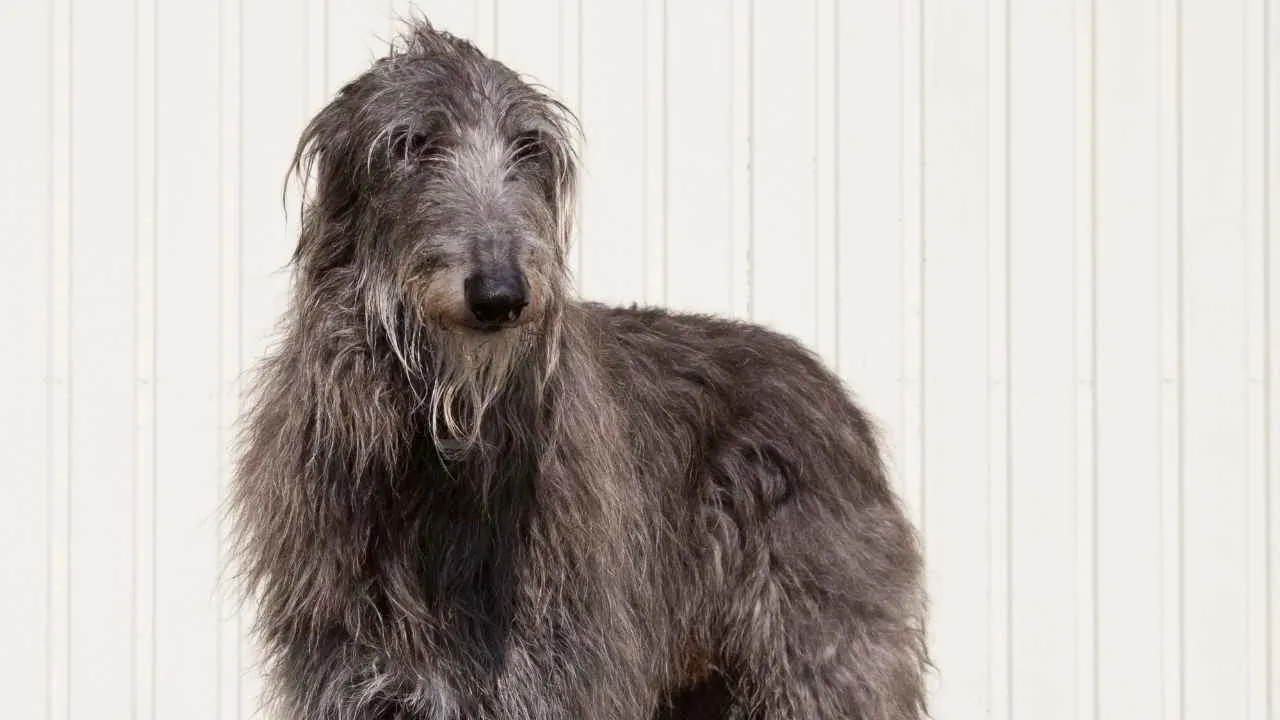
Few dogs carry the quiet elegance of the Scottish Deerhound, a giant sighthound once described by Sir Walter Scott as “the most perfect creature of heaven.”
Bred to hunt deer across the rugged Scottish Highlands, this tall, athletic dog combines speed, grace, and remarkable gentleness.
The Deerhound has the classic sighthound build, deep chest, narrow waist, and long legs made for powerful strides.
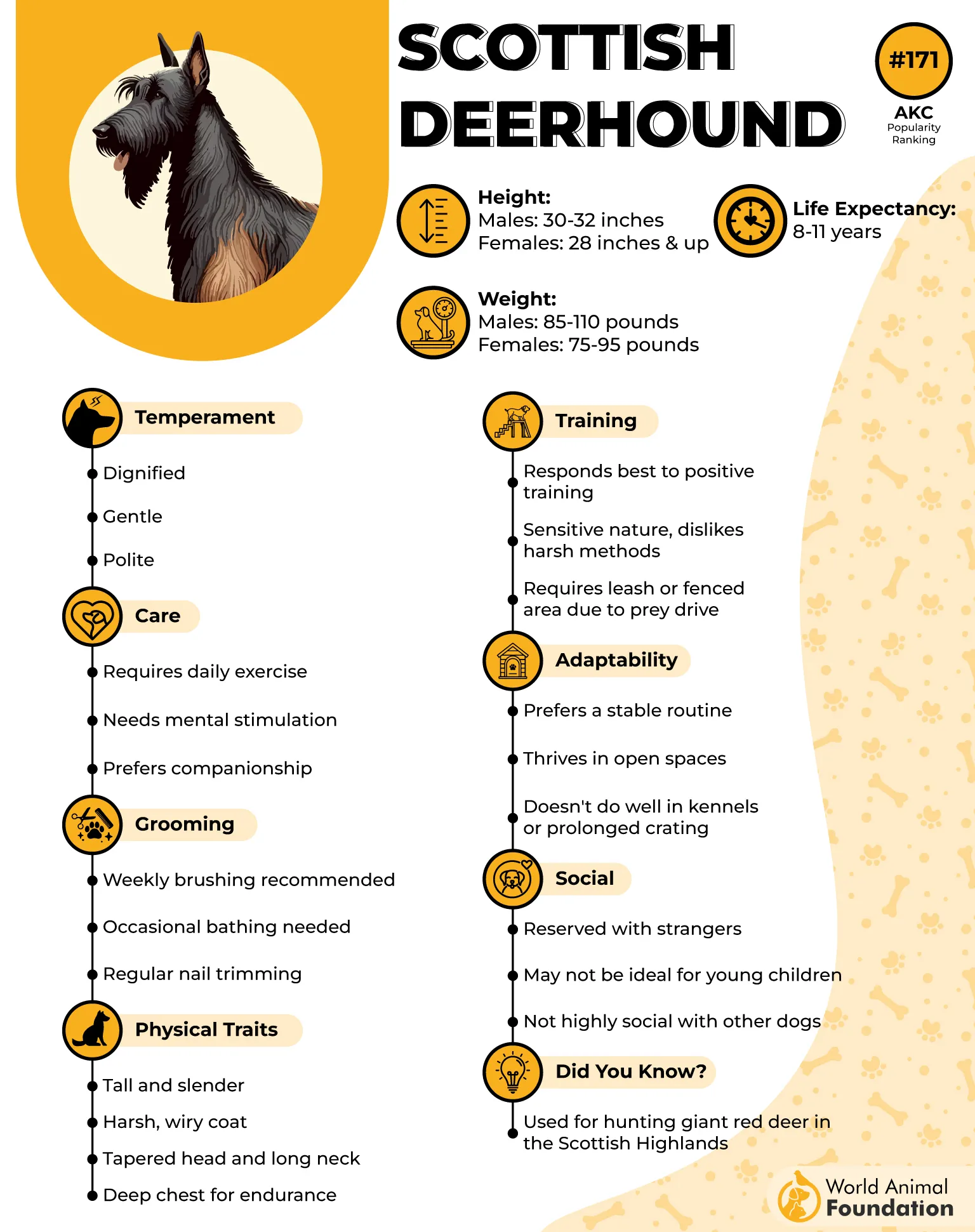
The Scottish Deerhound is slightly lighter and less muscular, usually seen in shades of gray, blue-gray, or brindle with a wiry coat.
Despite its hunting heritage, the Deerhound is famously calm and affectionate at home. These dignified giants form deep bonds with their families and are known for their quiet, easygoing nature.
While they enjoy a good run outdoors, they are surprisingly calm indoors, often happiest when curled up nearby, simply enjoying the company of their humans.
9. Black Russian Terrier
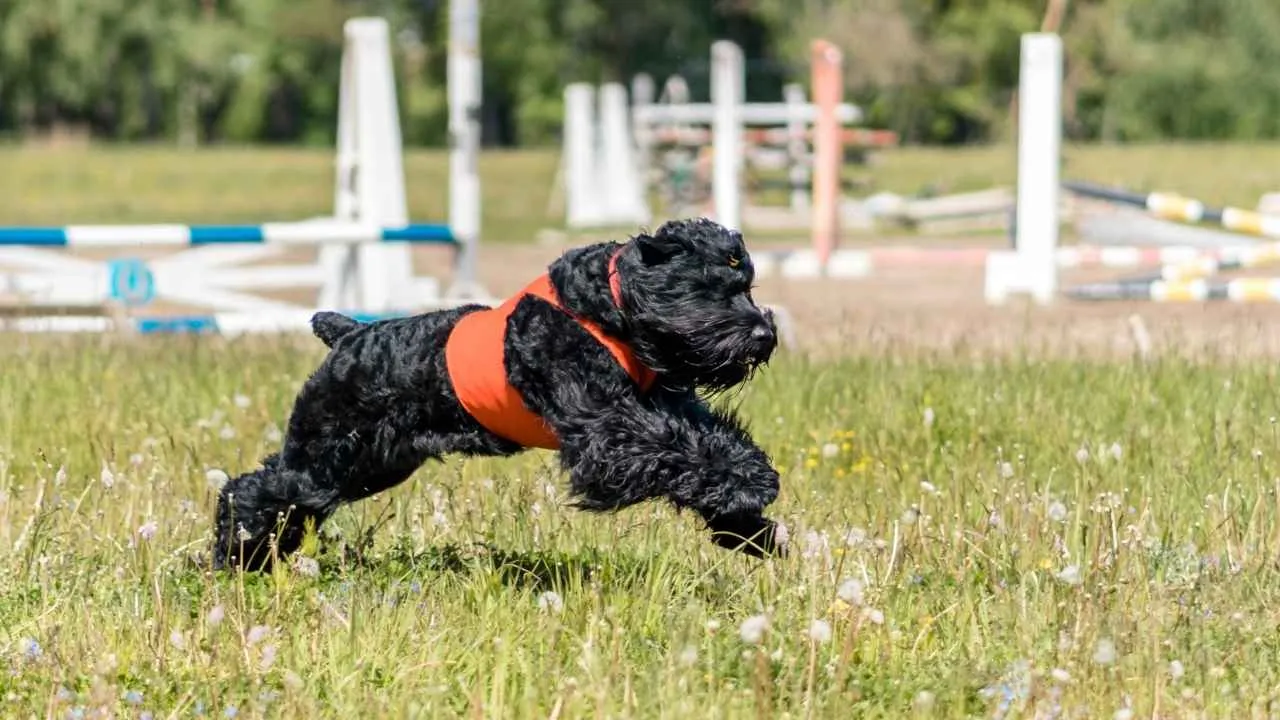
The Black Russian Terrier is a powerful and imposing giant with a history rooted in hard work and discipline. Developed in the Soviet Union during the mid-20th century, this breed was created for demanding military and service roles.
Breeders combined several strong working dogs, including the Giant Schnauzer, Airedale Terrier, Rottweiler, Newfoundland, and Caucasian Shepherd, to produce a resilient, intelligent guardian.
Physically, the Russian Black Terrier is large, squarely built, and heavily boned, with a dense, weather-resistant black coat.
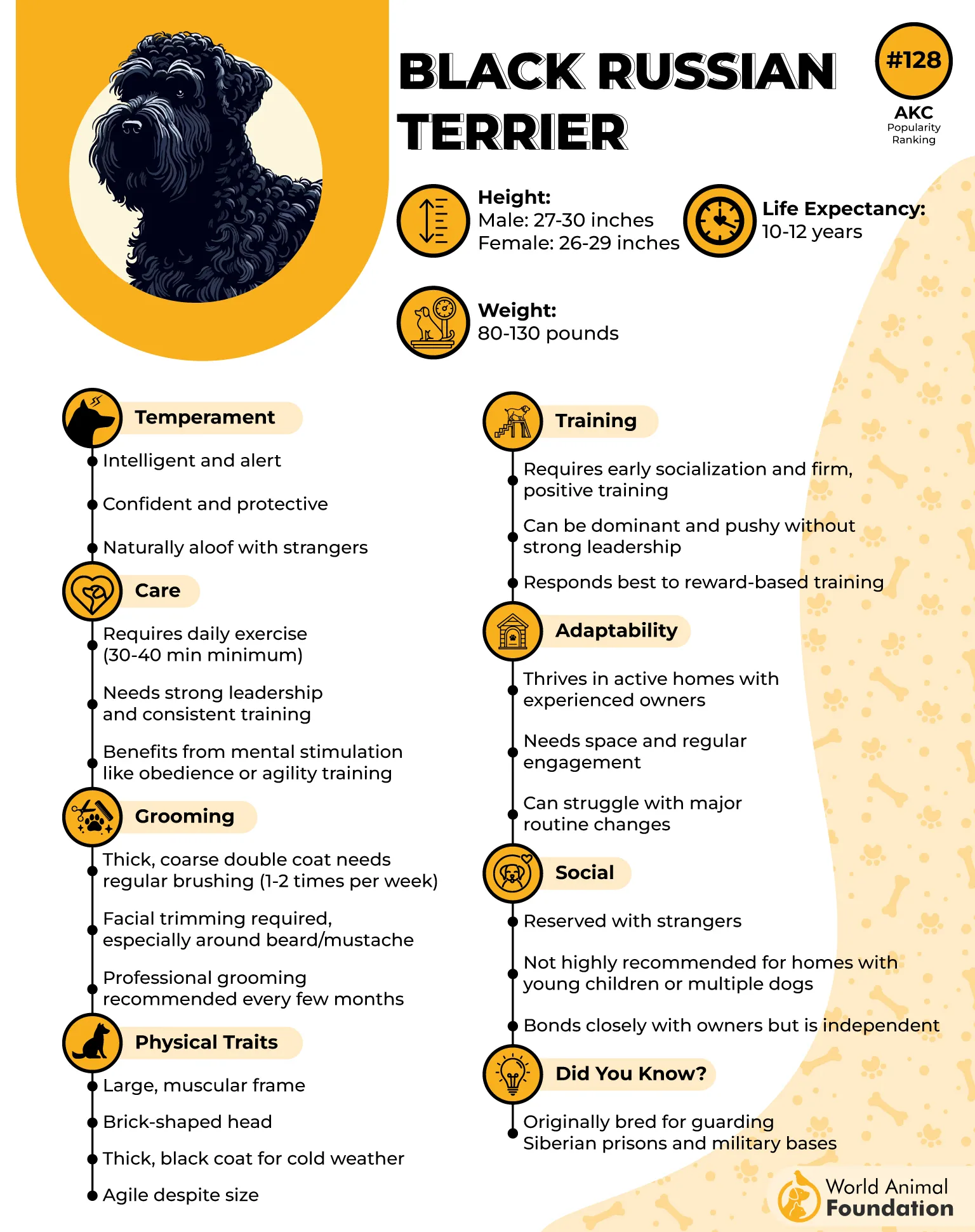
The body is typically trimmed short while the beard, eyebrows, and leg hair remain long and full, giving the breed its distinctive, commanding look. Males can reach 68–77 cm in height and weigh up to 68 kg.
Confident, courageous, and deeply loyal, this dog takes its responsibilities seriously, according to Purina. Naturally wary of strangers, it requires experienced handling, early socialization, and plenty of exercise and training.
With the right guidance, however, the Russian Black Terrier becomes a devoted and capable companion.
Conclusion
Giant dog breeds are remarkable not only for their massive size and distinct appearance but also for their gentle temperament and loyal, affectionate nature.
These rare breeds, from gentle giants like the Irish Wolfhound to ancient breeds like the Bergamasco Sheepdog, each carry a rich heritage, unique history, and specific needs that set them apart from common breeds.
While their impressive stature may catch the eye, it is their playful personality, loyalty to family, and calm demeanor around children and other pets that make them true canine companions.
Prospective owners must commit to early training, regular exercise, and proper grooming for their thick double coat or unique features like the webbed feet of the Norwegian Lundehund.
Understanding breed-specific traits and health considerations ensures these rare dogs thrive, forming deep, lasting bonds with dedicated enthusiasts. Giant breeds demand care, space, and patience—but the rewards of loyal companionship and enduring affection are unmatched in the canine world.
