




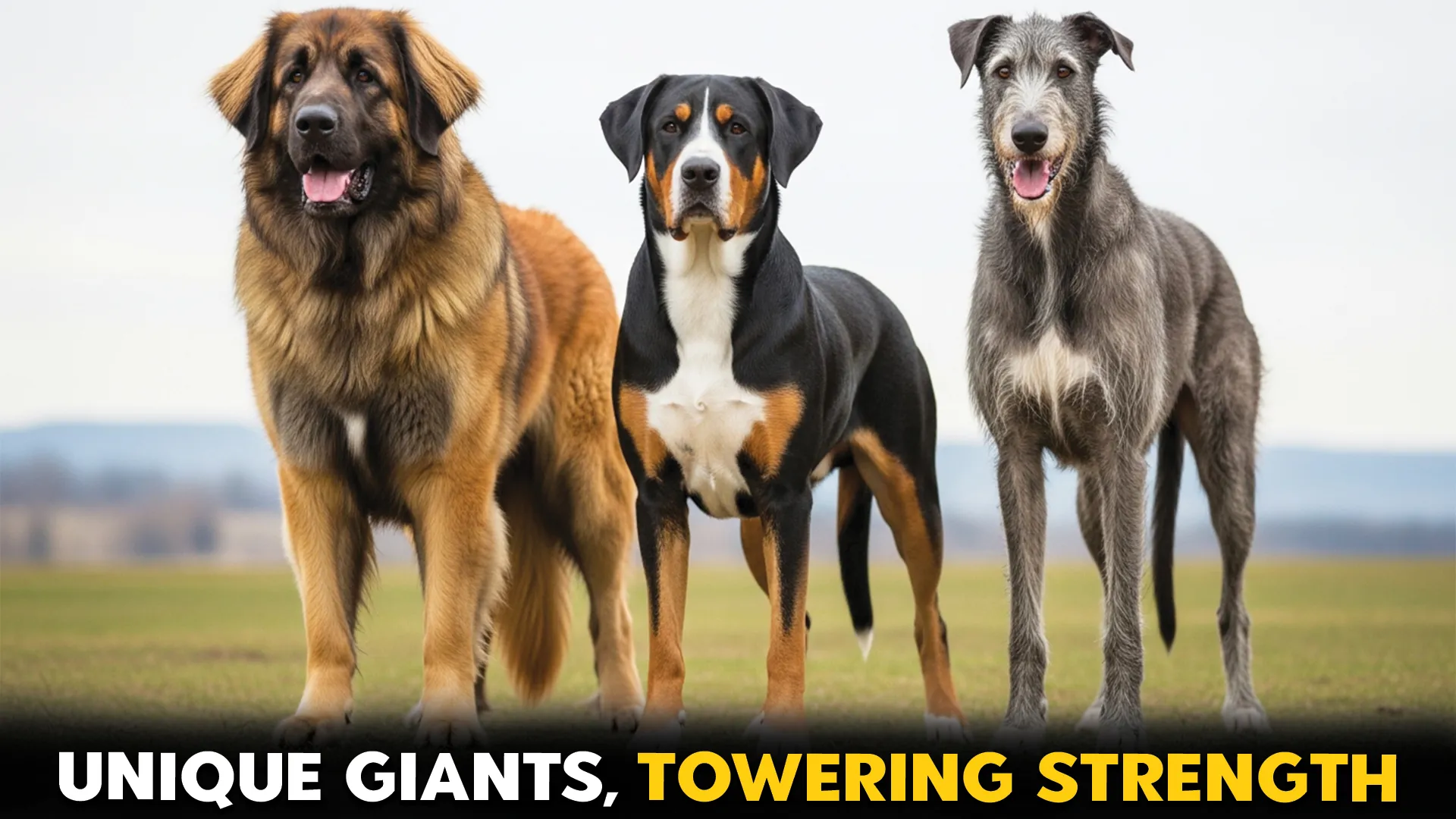
Some dogs are big. And then some dogs truly stop you in your tracks.
If you’ve ever been fascinated by towering canines with powerful builds, gentle eyes, and larger-than-life personalities, you’re in for a treat.
Big dogs have a way of filling a room and a heart. And here’s the best part! Some of the biggest dog breeds are still rare, even today.
Some were originally bred for hard work, tough weather, and serious jobs. Others carry history that stretches back for centuries, like an ancient breed with a proud past. Sounds crazy, right?
These extraordinary dogs aren’t just impressive because of their size. Many come with rich histories, unusual traits, and deep-rooted purposes—ranging from livestock guardians in remote mountains to loyal protectors of ancient estates. They combine strength with loyalty, independence with devotion, and in many cases, a surprisingly gentle nature.
But why bother with that? Because big dogs tend to come with big needs. And yes, more love.
This blog will keep it simple and helpful, so picking a rare dog breed feels exciting, not stressful.
Unique and Rare Giant Dog Breeds to Explore
1. Leonberger
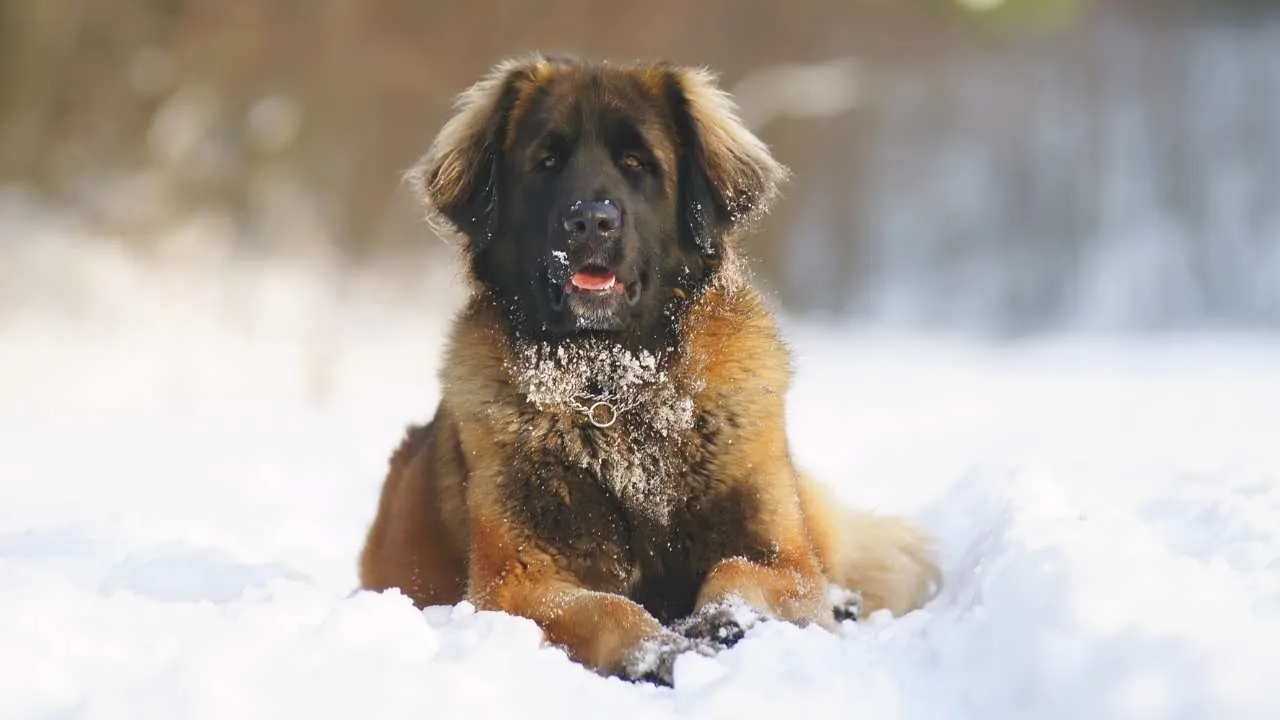
The Leonberger is a giant dog with a soft heart and a grand look. That thick curly coat and black face mask make this dog breed hard to forget. The body is strong and wide, but the vibe is gentle. Many families describe Leonbergers as patient, steady, and oddly polite around the house.
There is a warm, safe feeling when one of these big dogs chooses to lie near loved ones, like a living, breathing comfort blanket.
According to PetMD, the Leonberger was originally bred in Germany, and it shows in the confident build and working mindset. A waterproof coat helps with rough weather, and a big tail and strong frame make outdoor life easier.
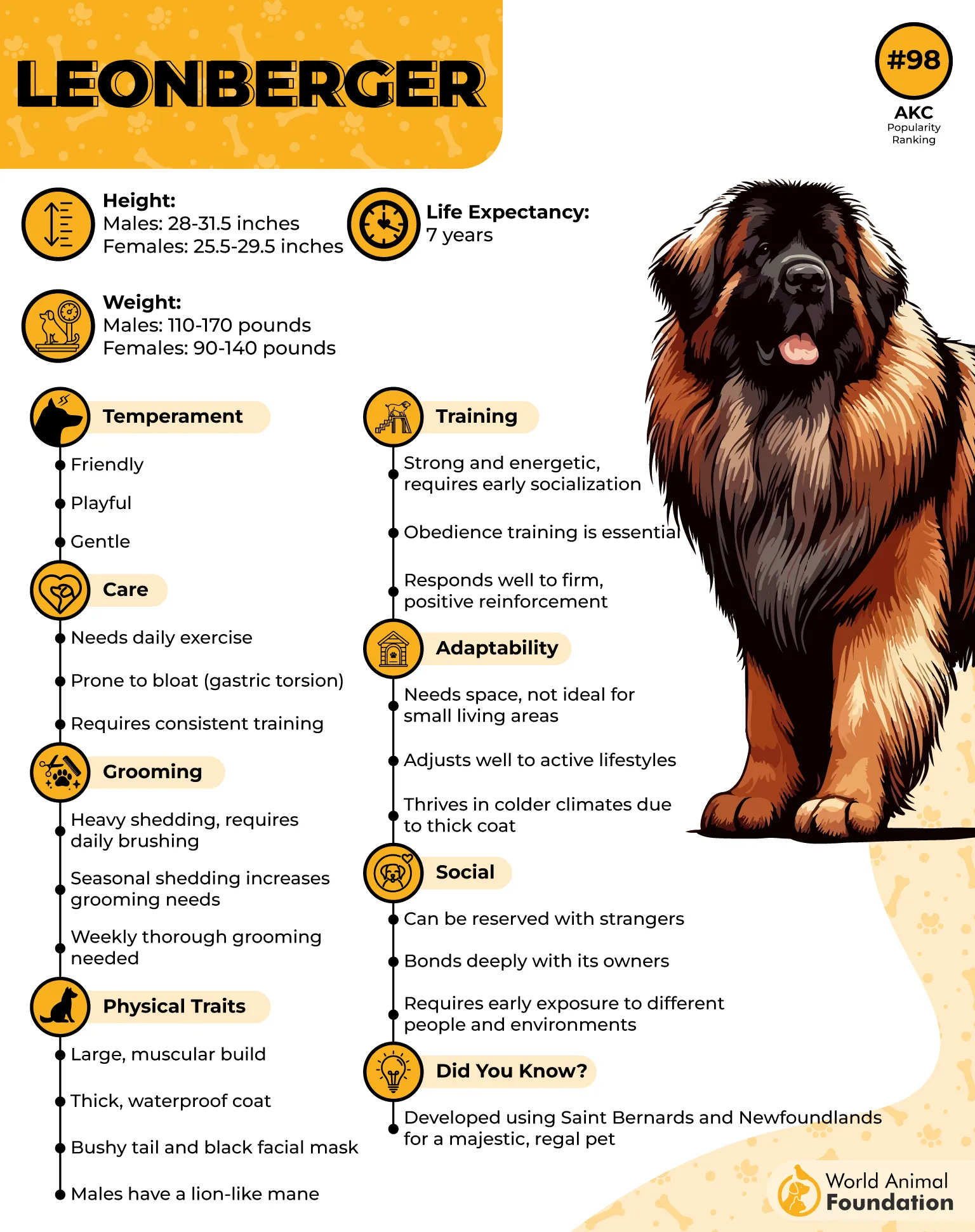
Leos can be friendly with strangers, but they do not act silly or carelessly. They watch. They think. They often seem even-tempered, like they are quietly checking if everything is okay.
Grooming is the real deal here. That lush coat needs regular care, or it gets even worse, though, with tangles and heavy shedding. Daily exercise matters too, but it does not need to be extreme.
A good walk, room to move, and consistent training keep this giant steady and sweet. Life expectancy is something to think about with large dog breeds, so vet checks and smart routines are part of responsible breeding and good care.
Daily exercise: Steady walks and safe play time
Grooming: Frequent brushing to manage the heavy coat
Training: Calm rules and clear habits work best
Health note: Watch joints for hip dysplasia as life goes on
2. Komondor
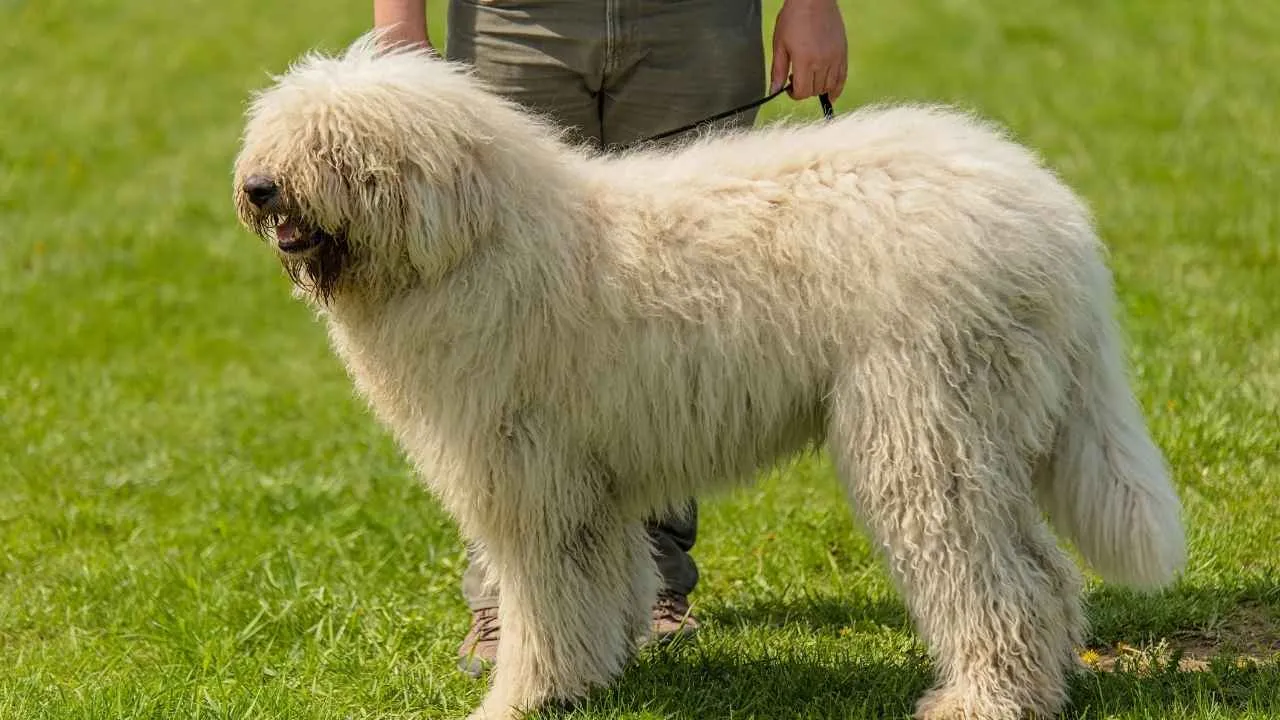
The Komondor is one of those limited breeds that makes people stop mid-sentence, notes the American Kennel Club. White cords cover the whole body, head to tail, and the look is truly one of a kind.
But wait, there’s more! Under that coat is a powerful flock guardian with a serious brain. This dog breed is protective, bold, and not easily impressed, which is why socialization is so important early on.
Komondorok were built to guard, not to charm. Other dogs tend to lean on their people for comfort, but this one often keeps a bit of an independent streak. That does not mean cold or distant. It means the mind is always working.
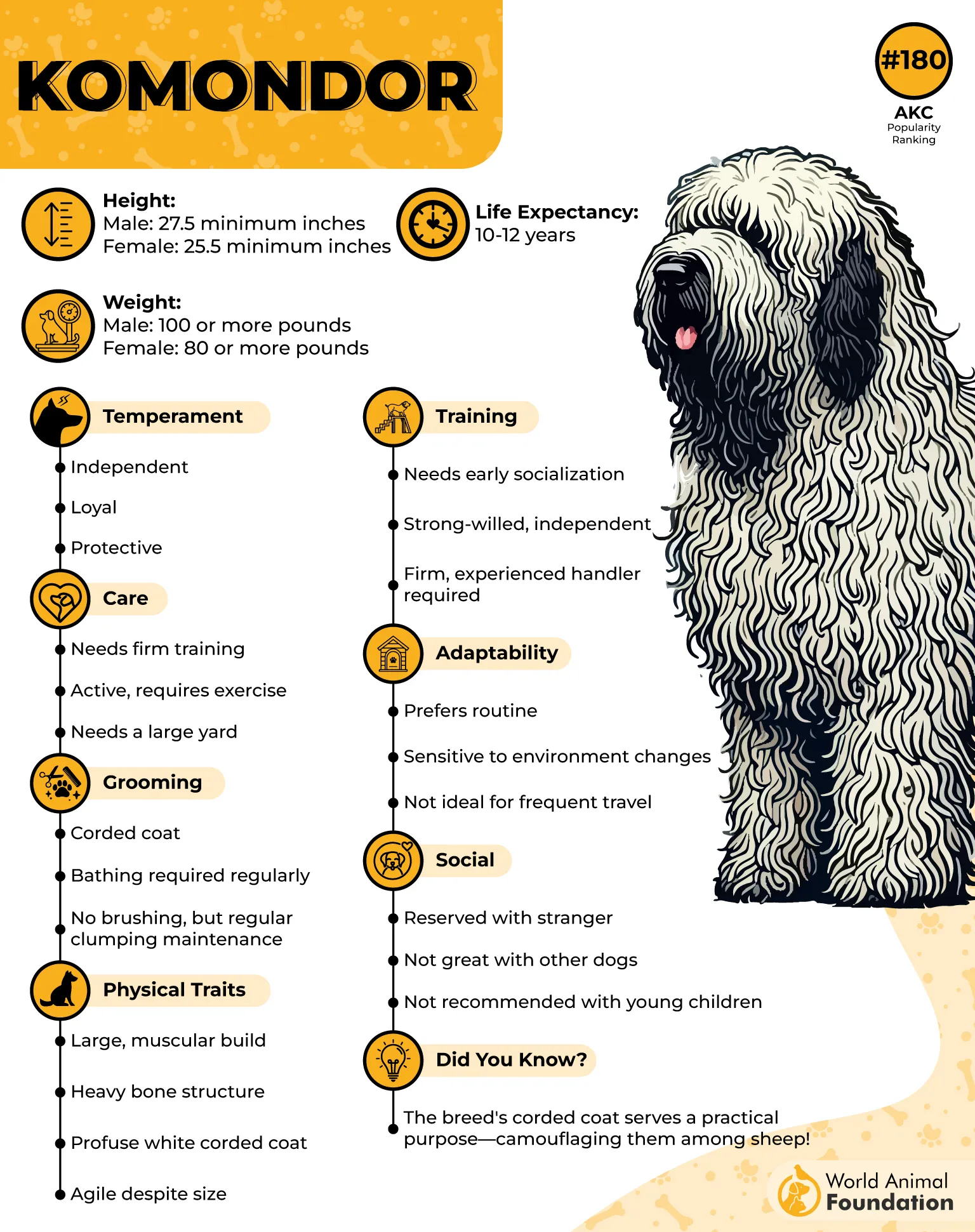
The Kom can be affectionate with family, loyal, and deeply bonded, yet wary when strangers show up. This is not a “let everyone hug me” type of big dog.
The cords are famous, and also a lot of work. Grooming is not about brushing a fluffy coat. It is about keeping cords clean, dry, and healthy. Wet cords can smell and trap dirt fast, and that can lead to skin trouble. Training should be firm, fair, and steady.
A Komondor can be stubborn, so consistent training is the difference between “great guardian” and “chaos with cords.” Life expectancy depends on care, good food habits, and smart movement, because giant bodies need joint support.
Grooming: Cord care, cleaning, and careful drying
Training: Confident handling and clear boundaries
Socialization: Steady exposure to people and place
Protective trait: Natural guarding without being taught “bad habits.”
3. Irish Wolfhound
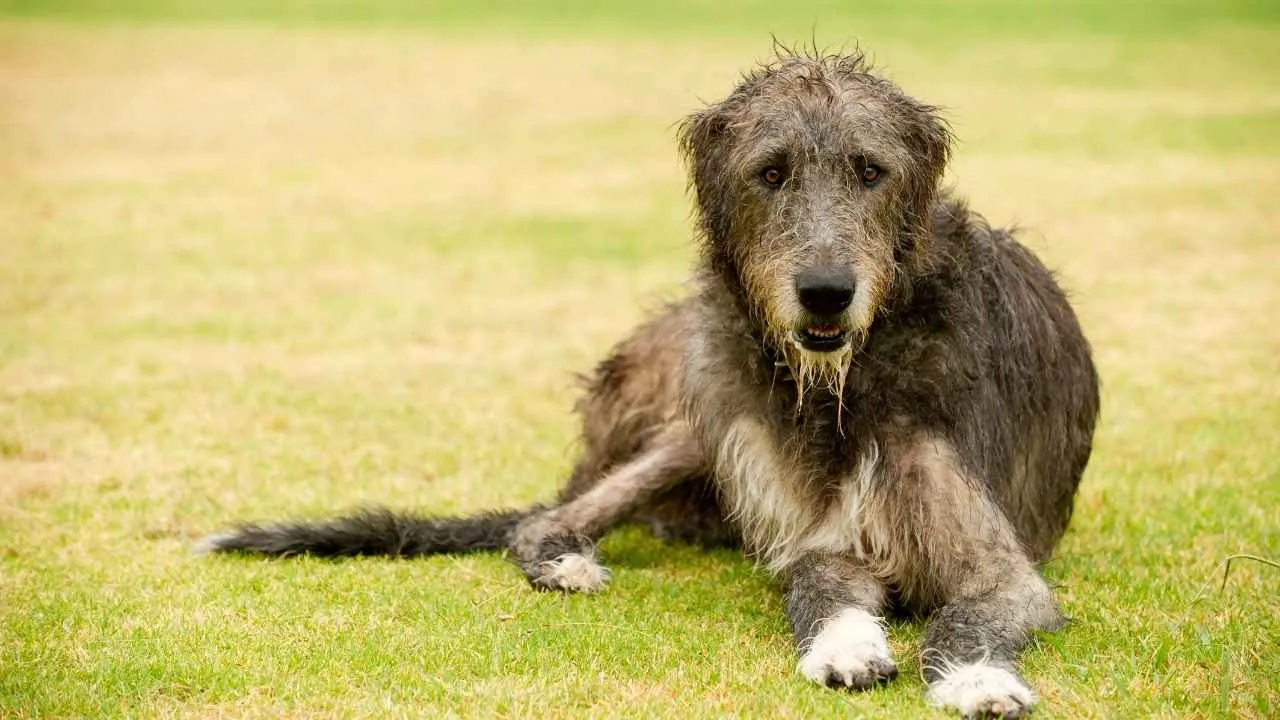
The Irish Wolfhound is famous for its height, but the surprise is its personality. This is a giant that often acts sweet, soft, and calm at home, as per Hill’s Pet.
The body is huge, yet the mood can be gentle and kind, like a quiet friend who never rushes anything. Many dog owners say the bond feels deep because the Wolfhound is affectionate in a calm, steady way, not in a jumpy way.
History matters here. This breed was originally bred for serious hunting work, and the past still shows in the strong frame and long stride. The body is made for speed when needed, but modern life is usually slow and peaceful.
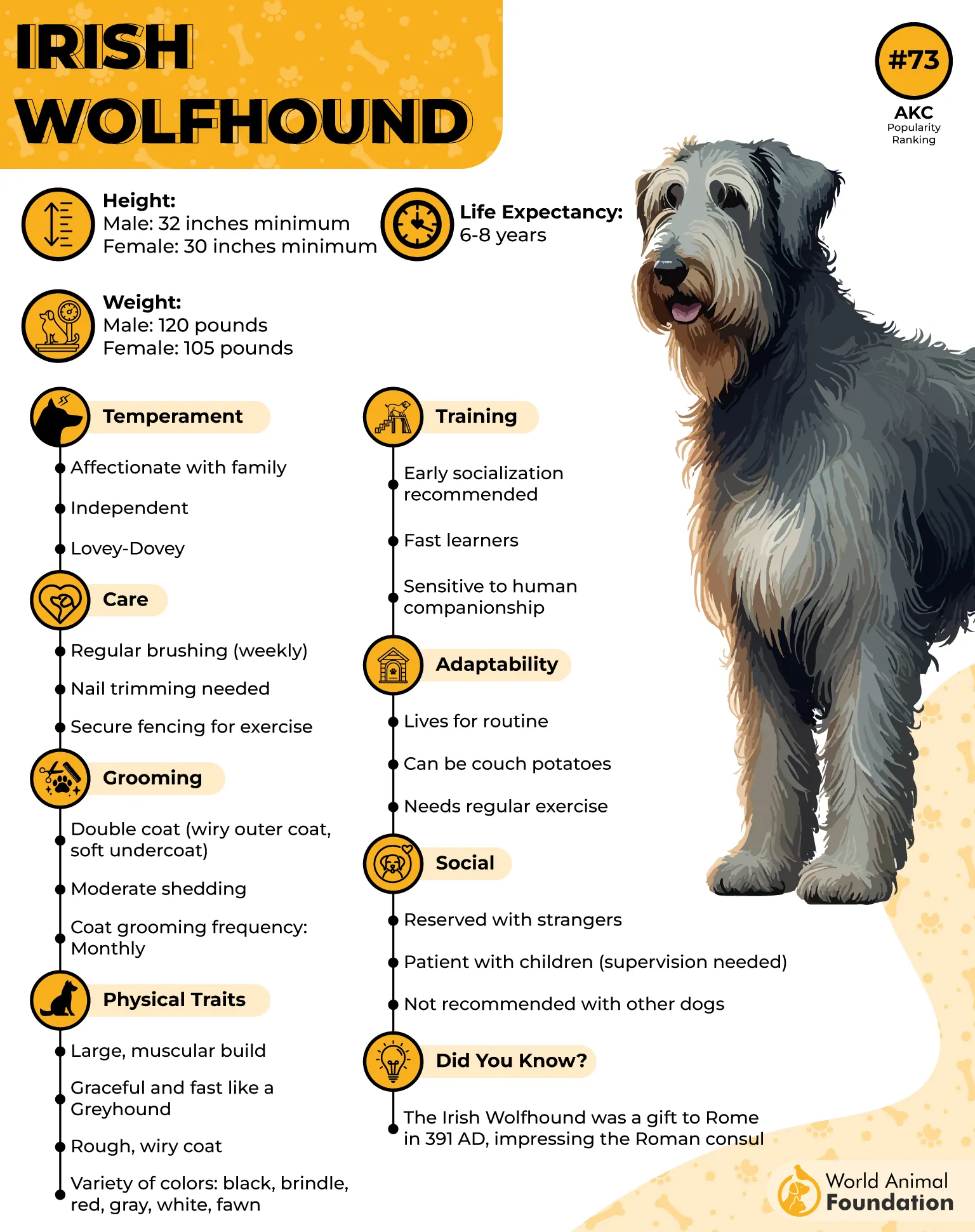
The coat is rough and hard, and it comes in many shades. The look is noble, and the presence alone can make strangers pause. Here’s the good part: this dog does not need to act tough to feel protective. The size does the talking.
Too much rough play can cause trouble later. Training should start early, with polite leash habits and calm greetings. Life expectancy is a key topic with big breeds, so health planning is not optional.
Joint care matters, and heart disease is something vets often watch in giant dogs. With good routines and love, life with an Irish Wolfhound can feel peaceful and special.
Children: Patient with kids, but supervision is smart due to size
Training: Early manners help a lot with a giant body
Exercise: Steady walks, avoid harsh impact when young
Health note: Life expectancy varies, so regular vet care matters
4. Neapolitan Mastiff
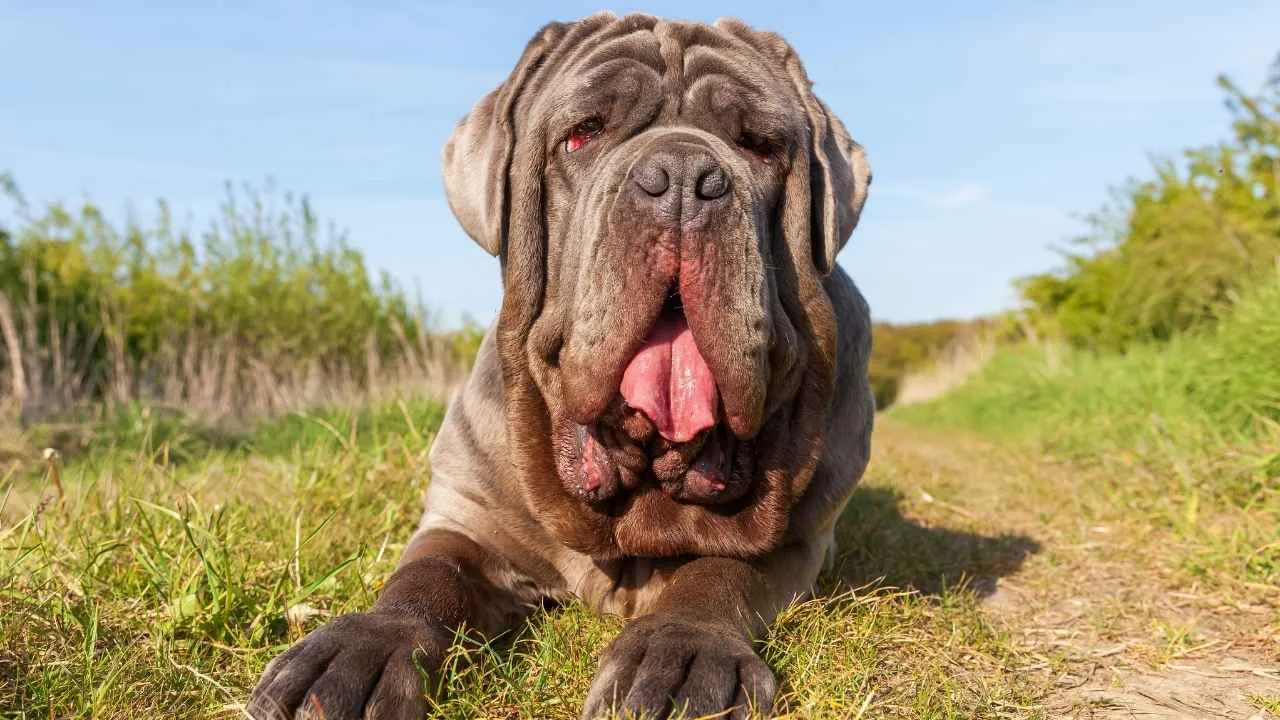
The Neapolitan Mastiff looks like a living fortress. Heavy wrinkles, big folds, and a powerful frame give this dog breed a wild, ancient look. Sounds crazy, right? But inside that serious face is often a sweet, steady companion with family.
Around loved ones, many Mastinos are calm and placid. Around strangers, they can be wary, which is exactly why early socialization matters. This is a guardian type, and the protective instinct is not a joke.
The breed carries history tied to ancient Rome, and that “do not mess with my people” energy is still there. The Mastino tends to watch first and react second, which can be a good thing when training is done right.
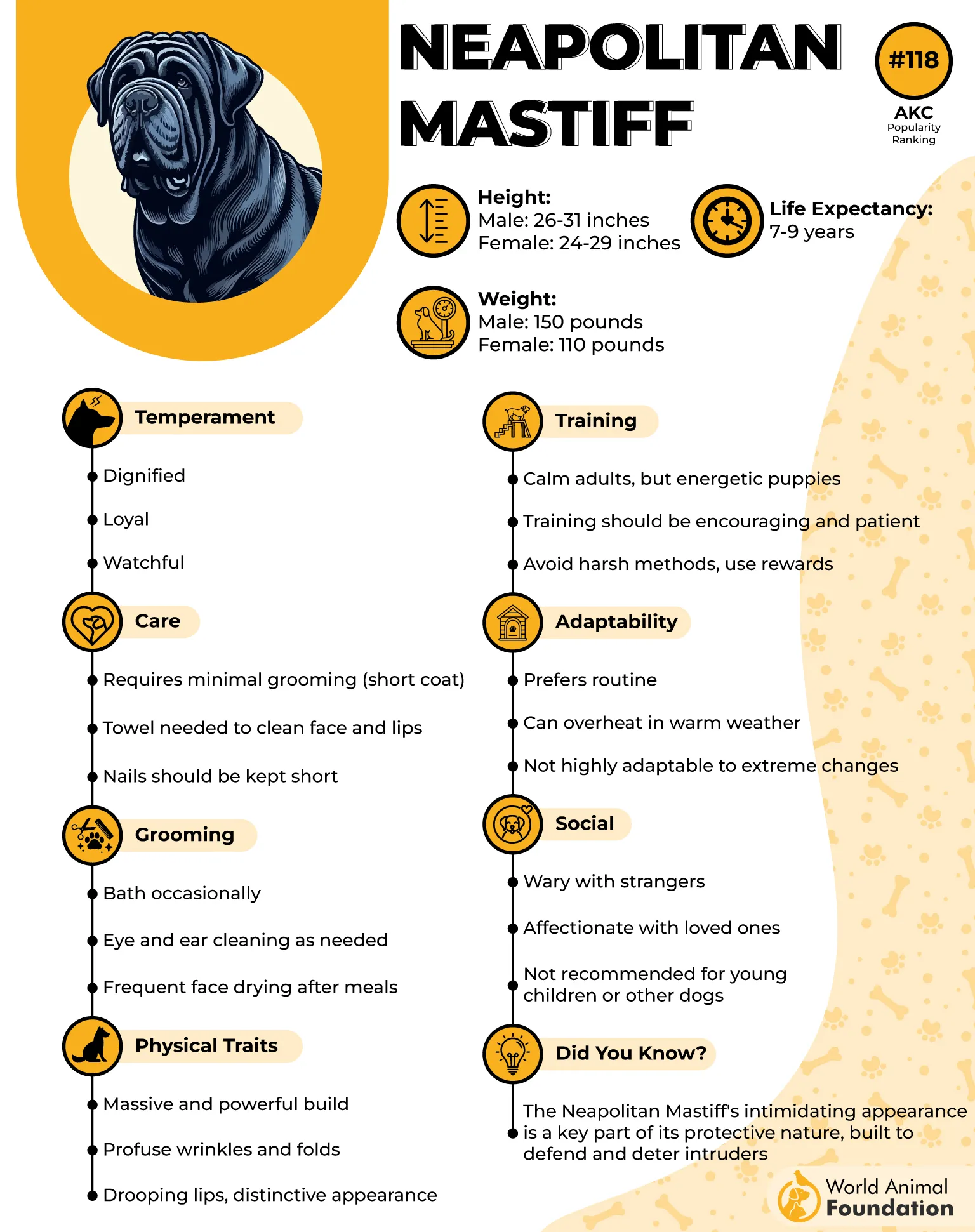
But why bother with that? Because without structure, a giant with strong opinions can become hard to manage quickly. Grooming is different here. The coat itself is not the hard part. The skin is. Those folds need regular cleaning and drying, or irritation can build up.
Training should be calm, patient, and steady. A harsh approach can backfire. Daily exercise should be low-impact but consistent, because big dogs need movement for joints and mood.
Life expectancy for this giant can be affected by weight, heart health, and joint issues, including hip dysplasia, so smart food control is part of responsible breeding and real-life care.
Grooming: Clean and dry skin folds to avoid irritation
Socialization: Calm exposure reduces over-guarding
Exercise: Short walks, steady routine, avoid overheating
Protective trait: Naturally watchful, best with clear rules
5. Scottish Deerhound
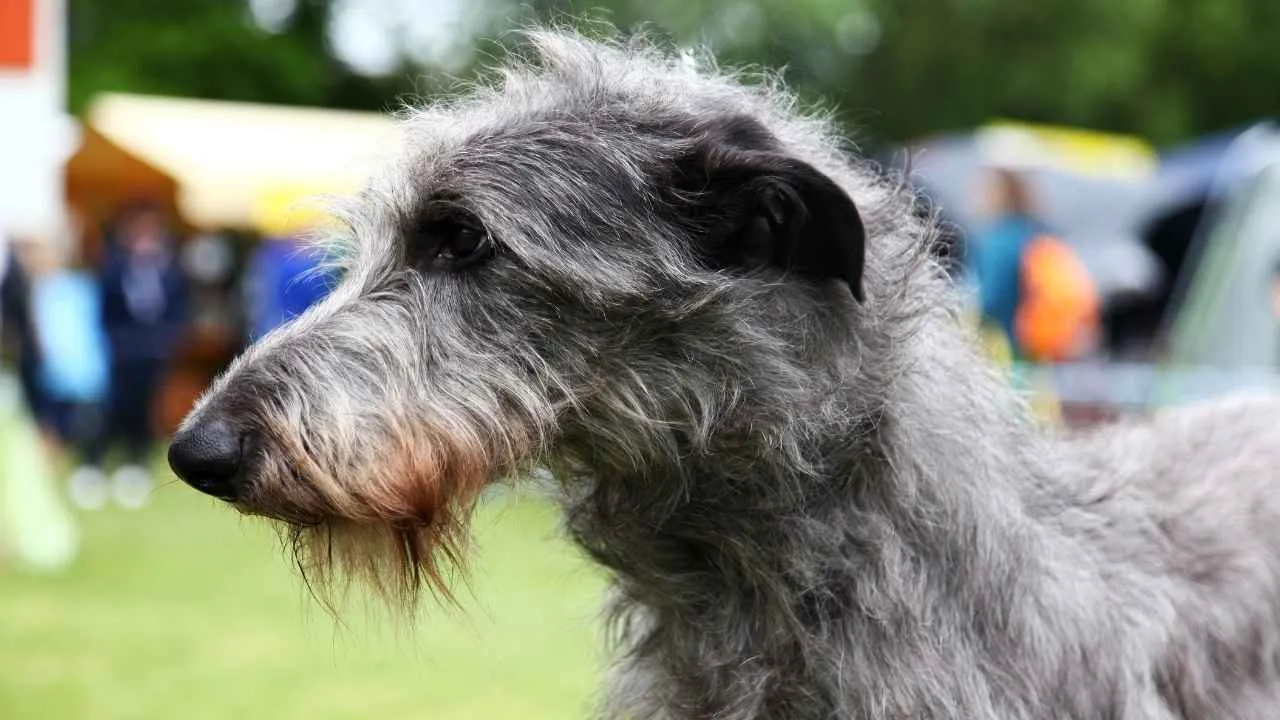
The Scottish Deerhound carries an ancient breed feel. The body is tall, the neck is long, and the stance looks proud without trying. This dog breed was bred to hunt large game, and that past explains the strong legs and smooth movement.
The coat is crisp, and many people love the soft, “wind-proof” look. It is a rare dog breed in many places, which makes meeting one feel like spotting a hidden gem.
At home, Deerhounds often come across as gentle and calm, not loud or pushy. They can be affectionate with family in a quiet way. They often enjoy space to stretch out, because giant bodies do not fold into tiny corners easily.
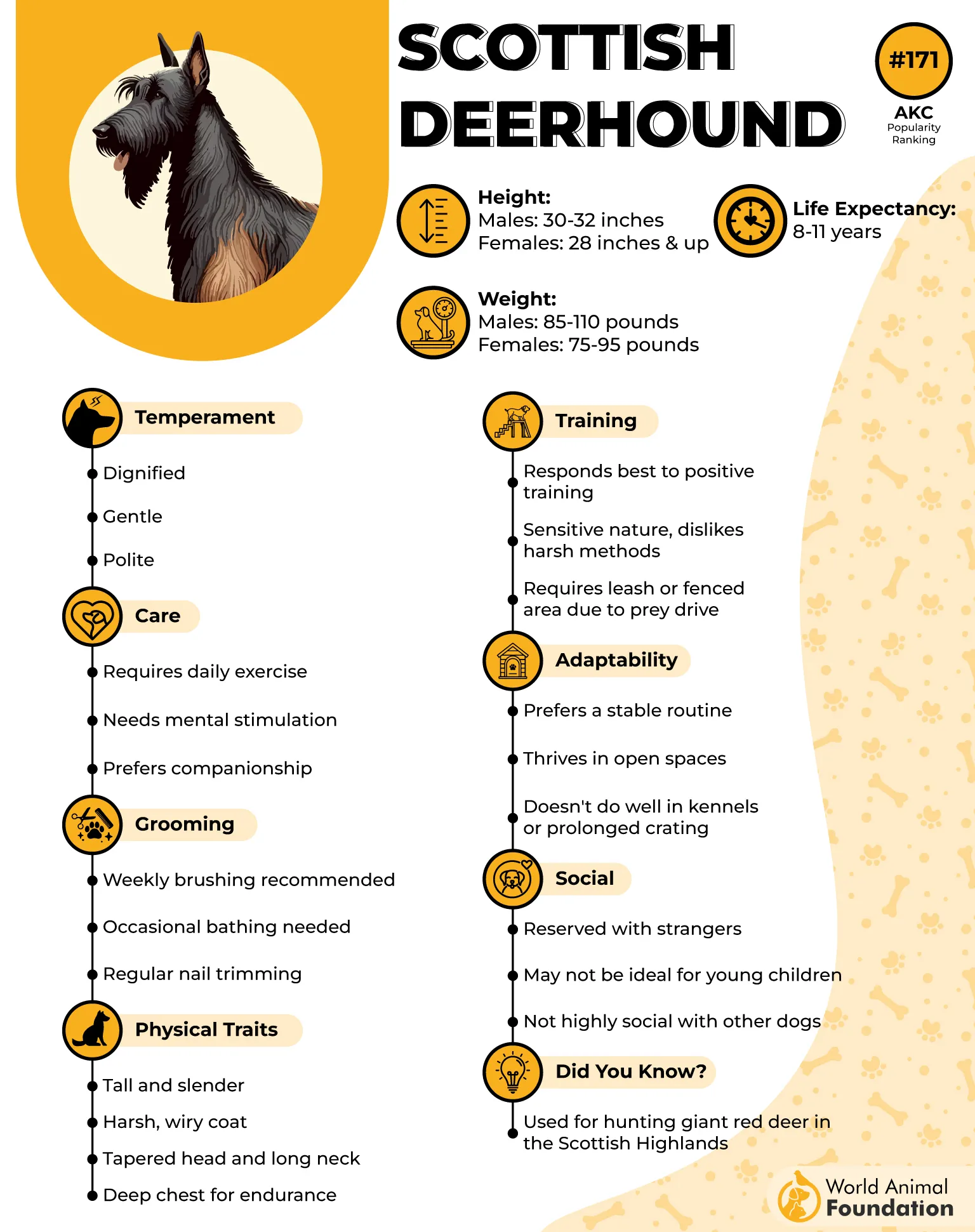
If the home is small, planning matters. A tall dog that needs room can feel cramped fast, and that can impact mood and health. Training should focus on recall, leash manners, and calm routines.
Deerhounds can have a bit of an independent streak, so training works best when it feels fair and steady. Daily exercise matters, and a safe area to run is a big win. Grooming is moderate, but regular brushing helps keep the coat clean.
Life expectancy is still a real topic with giant dogs, so joint care, weight control, and calm growth plans for puppies help protect the body for the long life it can have.
Space: Needs room to stretch and relax
Exercise: Steady walks plus safe running time
Grooming: Regular brushing for a clean, crisp coat
Temperament: Calm, gentle, and quietly loyal with family
6. Greater Swiss Mountain Dog
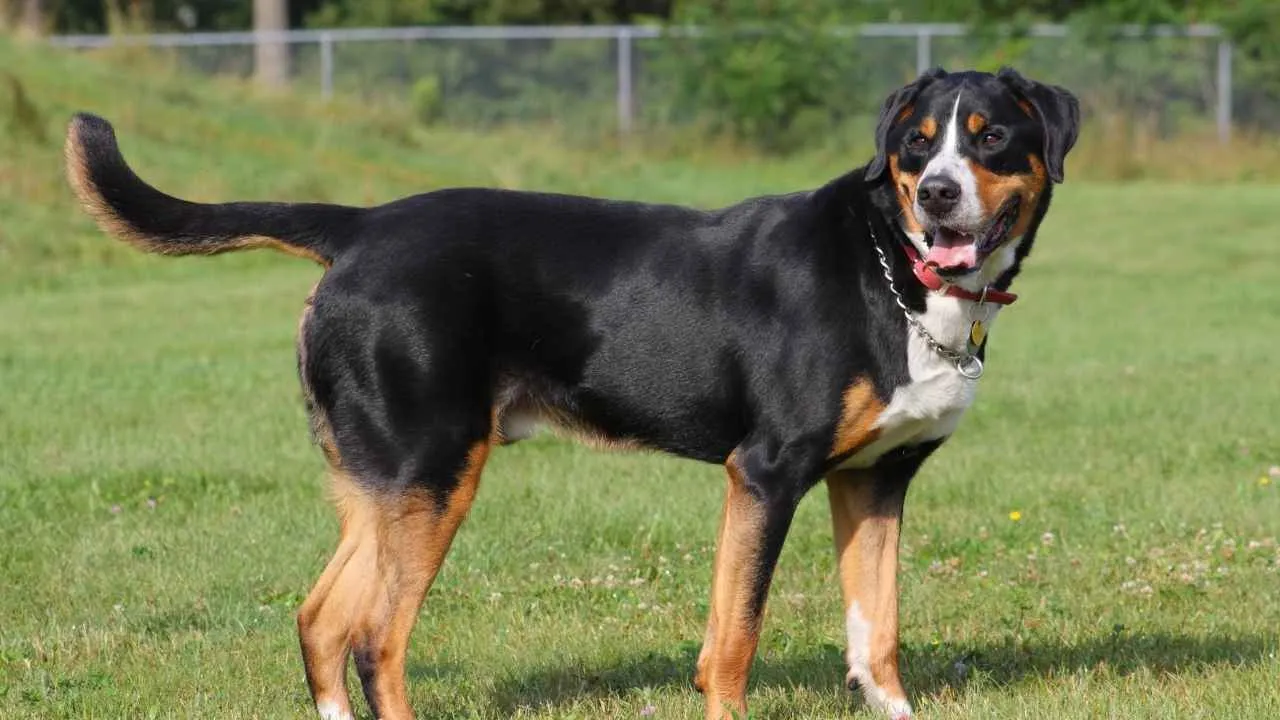
The Greater Swiss Mountain Dog is a mountain dog built like a tank, but the expression is often sweet. The coat is short and dense with bold markings, and the body is wide and strong.
This dog breed was originally bred for work, like herding and pulling, so the mindset is “get the job done.” Many Swissies are dependable, loyal, and playful in short bursts, then happy to relax near the family.
Herding energy can show up as watchful behavior and a desire to stay involved. This is not the type to ignore what is happening. Strangers may get a careful look at first, but a well-raised Swiss can learn polite greetings.
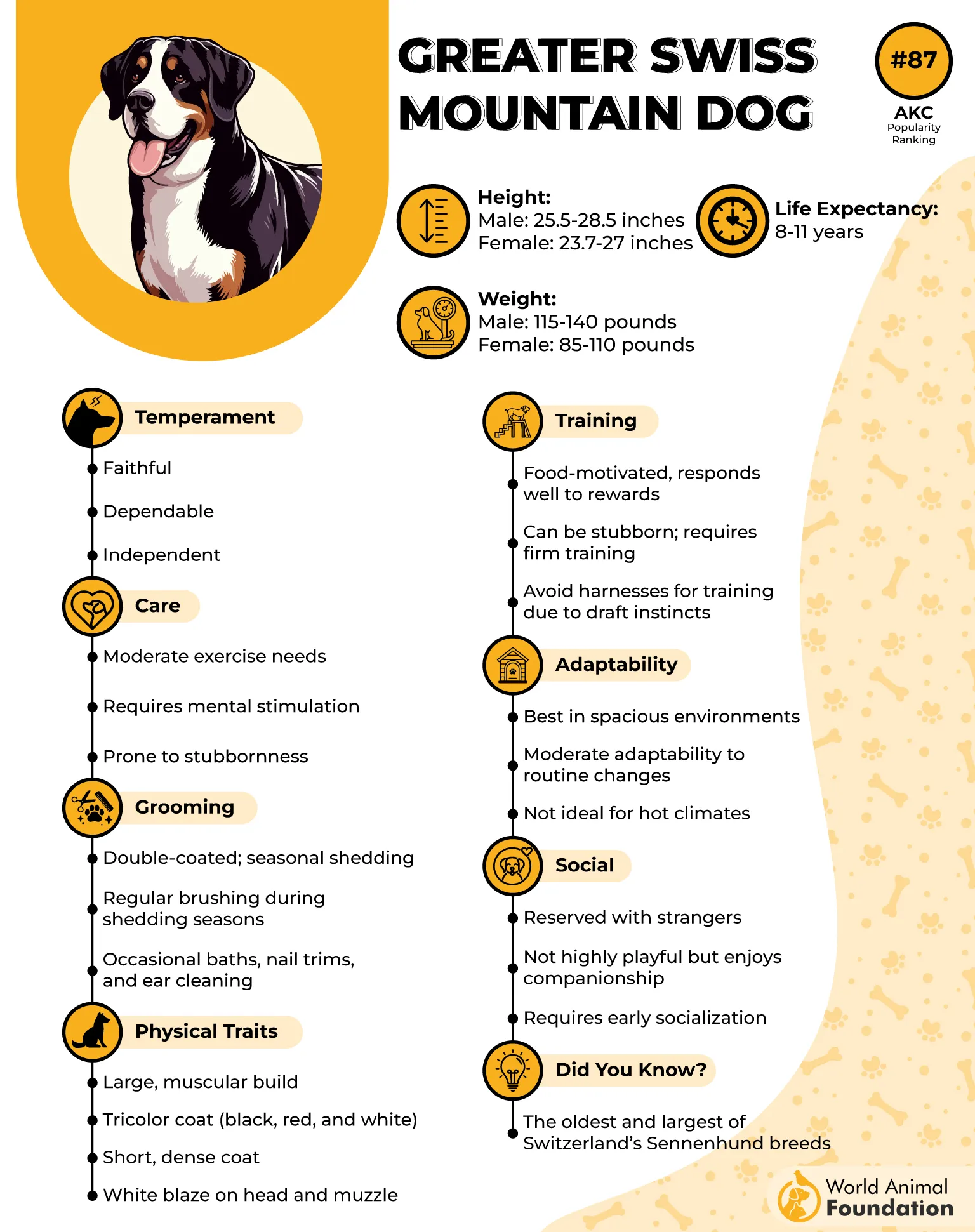
Here’s the good part: with structure, this breed can be a rock-solid home companion, the kind that makes people feel safe without being dramatic.
Training should start early, because breeds grow fast and habits stick. Consistent training helps prevent pulling, jumping, and rude greetings. Daily exercise should be steady, not wild, and mental tasks help too.
Grooming is easier than that of many large dog breeds, but shedding still happens. Life expectancy can be supported with a healthy weight, joint care, and heart checks, since giant frames can put stress on the body. A Swissie thrives when the family treats routines like teamwork.
Work style: Loves tasks and clear routines
Training: Early manners make life smoother
Grooming: Simple coat care, expect shedding
Health note: Watch joints and overall weight as life goes on
7. Estrela Mountain Dog
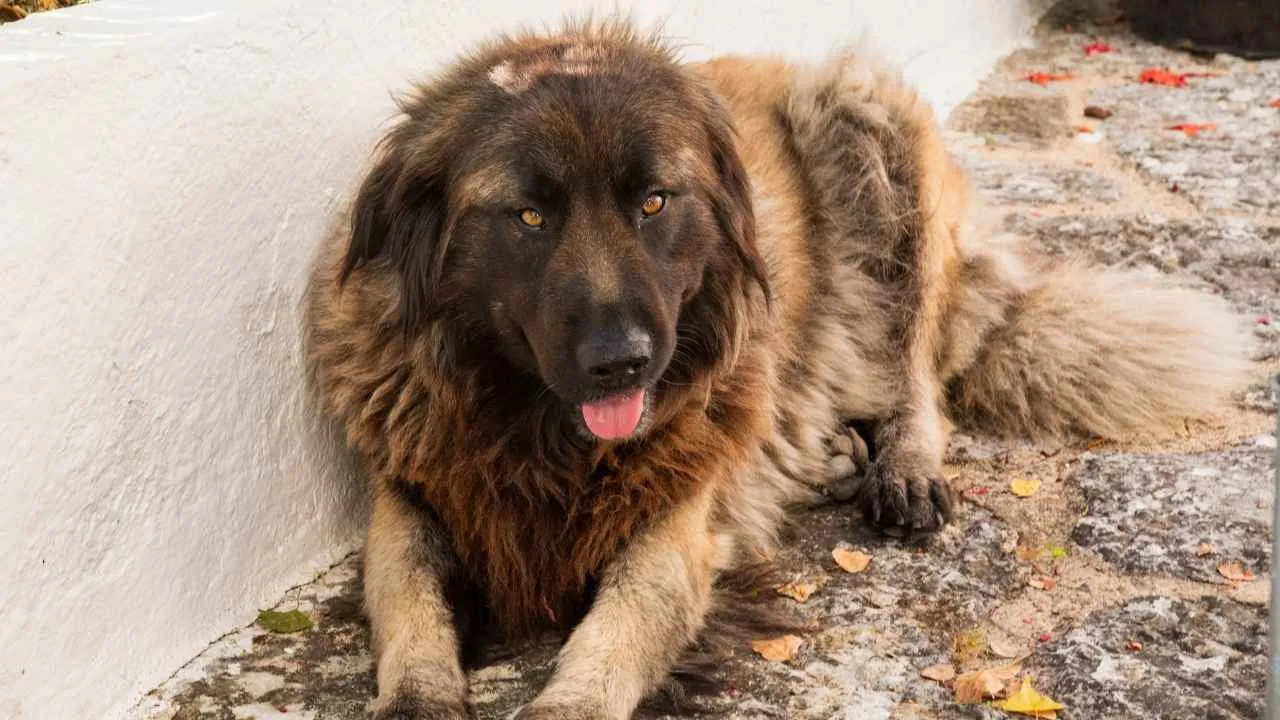
The Estrela Mountain Dog comes from Portugal and is tied to the Estrela Mountains, with a deep history and a proud working past. This dog breed is known for guarding livestock and protecting a flock with real courage.
The look is striking, with a black mask, special ear shape, and a tail tip that hooks at the end. It is a rare breed in many parts of the world, and it carries a strong sense of purpose.
Here’s where it gets emotional. Many Estrelas bond with the whole family, but they often choose one special person, too. That kind of loyal connection can feel intense in a good way. This is a protective dog that watches strangers closely.
Wary behavior is normal for the role it was bred to do. Socialization is key, so the dog learns what normal life is and what is true danger.
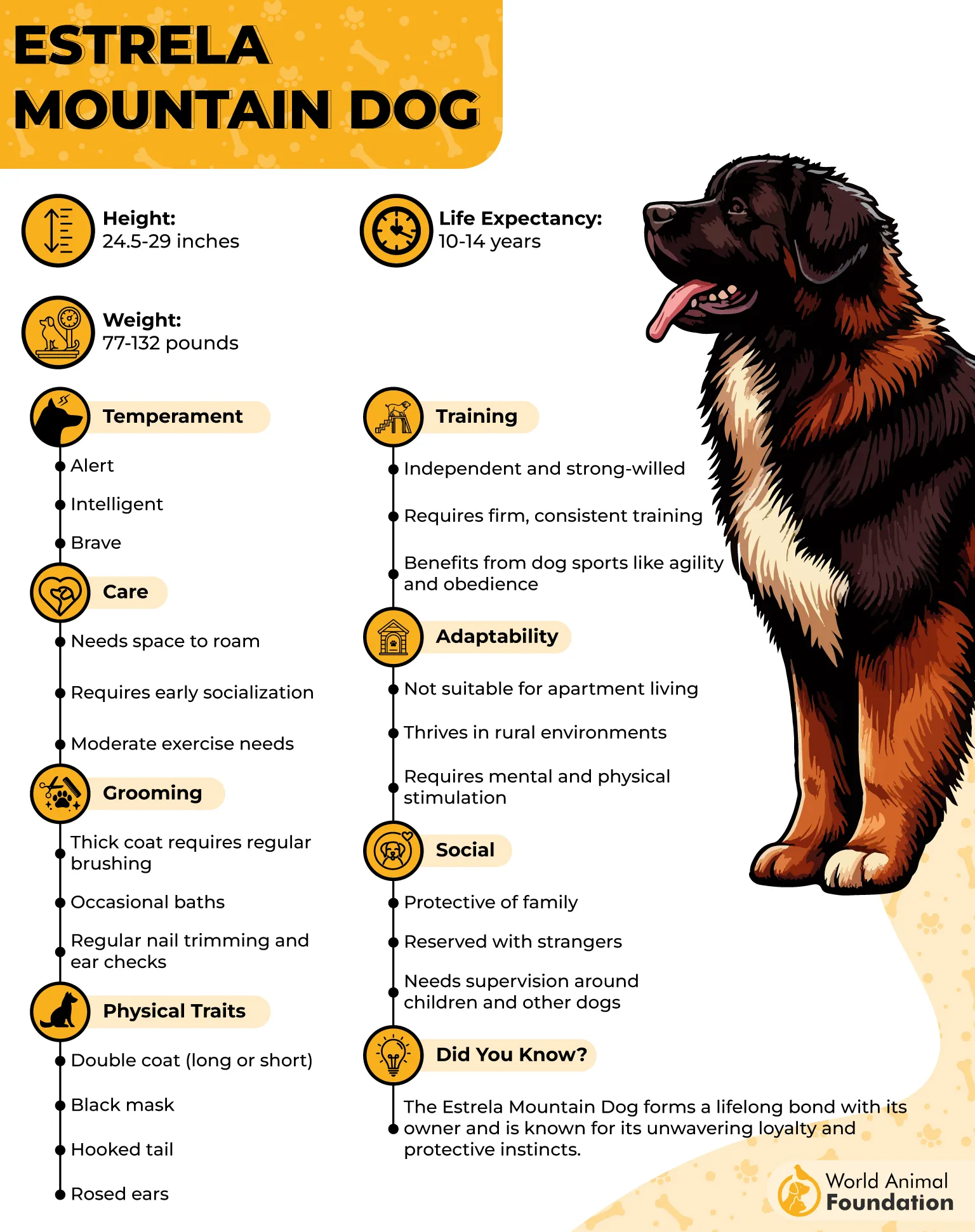
Training must start early, because dominance traits can become a problem if ignored. But wait, there’s more! When training is calm and steady, this breed can be affectionate, sweet, and deeply lovable at home.
Grooming depends on coat type, but regular care keeps the dog clean and comfortable. Daily exercise should be consistent, with room to move.
Life expectancy is shaped by weight, joint health, and smart care, because big dogs carry big bodies through life. A well-raised Estrela can be the kind of companion that makes a home feel protected and full.
Socialization: Essential to keep a balance
Training: Steady rules to prevent stubborn habits
Family bond: Loyal, affectionate, and deeply protective
Health note: Watch joints and growth in puppies
Conclusion
Unique and rare giant dog breeds bring a special kind of magic. They are big dogs, yes, but they are also stories with fur. Each dog breed here comes with real needs, like training, grooming, daily exercise, and careful health planning.
Life expectancy matters with the biggest dog breeds, so routines and vet care are part of the deal, not an extra. But why bother with that? Because when the match is right, these gentle giants can become the safest, sweetest part of family life.
They can be protective without being wild, affectionate without being needy, and loyal in a way that sticks for life. If a rare dog breed is calling, start slow, learn the breed, support responsible breeding, and bring that giant home with confidence.
