




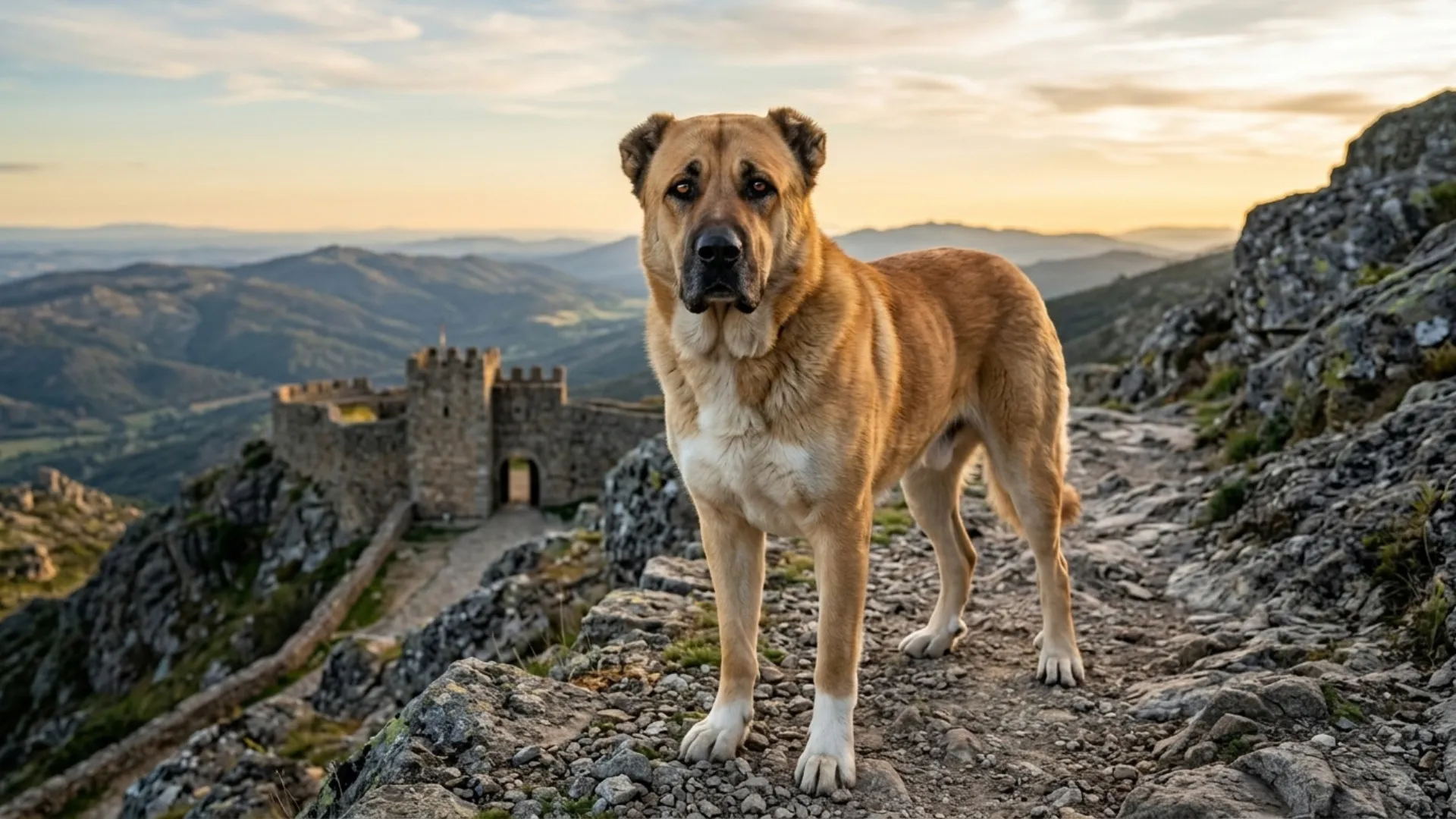
Picture a dog making life-or-death decisions all on its own, with no human around to give a single command. That’s exactly the job some giant guardian breeds have handled for centuries.
Long before modern fencing or tracking collars, shepherds in remote mountain regions bred dogs to patrol flocks independently, trusting their instincts over human direction.
Most giant breed roundups circle back to the same familiar names, but there’s an entire world of these imposing, thick-coated protectors still waiting to be discovered.
Some have softened into gentle, loyal family companions, while others still carry the rugged, independent streak bred into their ancestors.
Ready to meet the giants most lists leave out? Keep reading to see which ones could fit right into your life.
Unique and Impressive Giant Dog Breeds to Meet
1. Black Russian Terrier
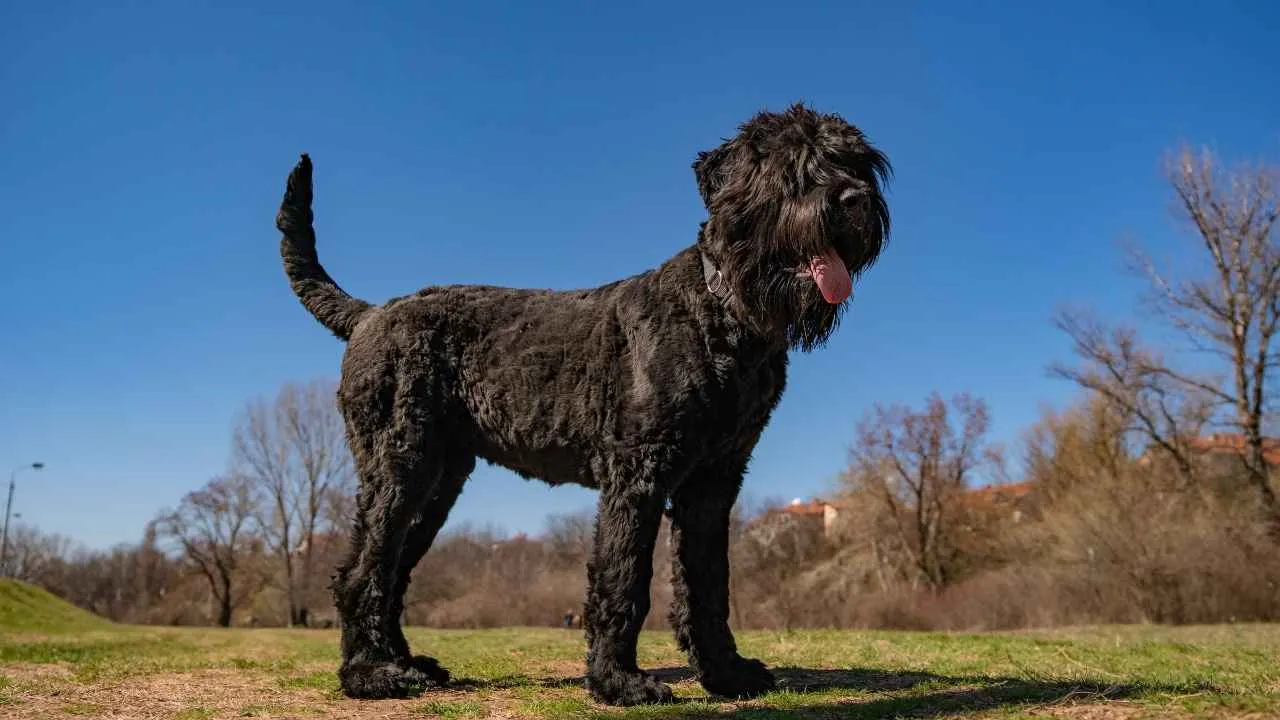
This giant breed didn’t start out guarding sheep. According to the AKC, the Black Russian Terrier was originally bred in Soviet military kennels during the 1940s and 50s to patrol borders and guard prison camps. It’s one of the few giant breeds built entirely for human-directed work rather than independent guarding instinct.
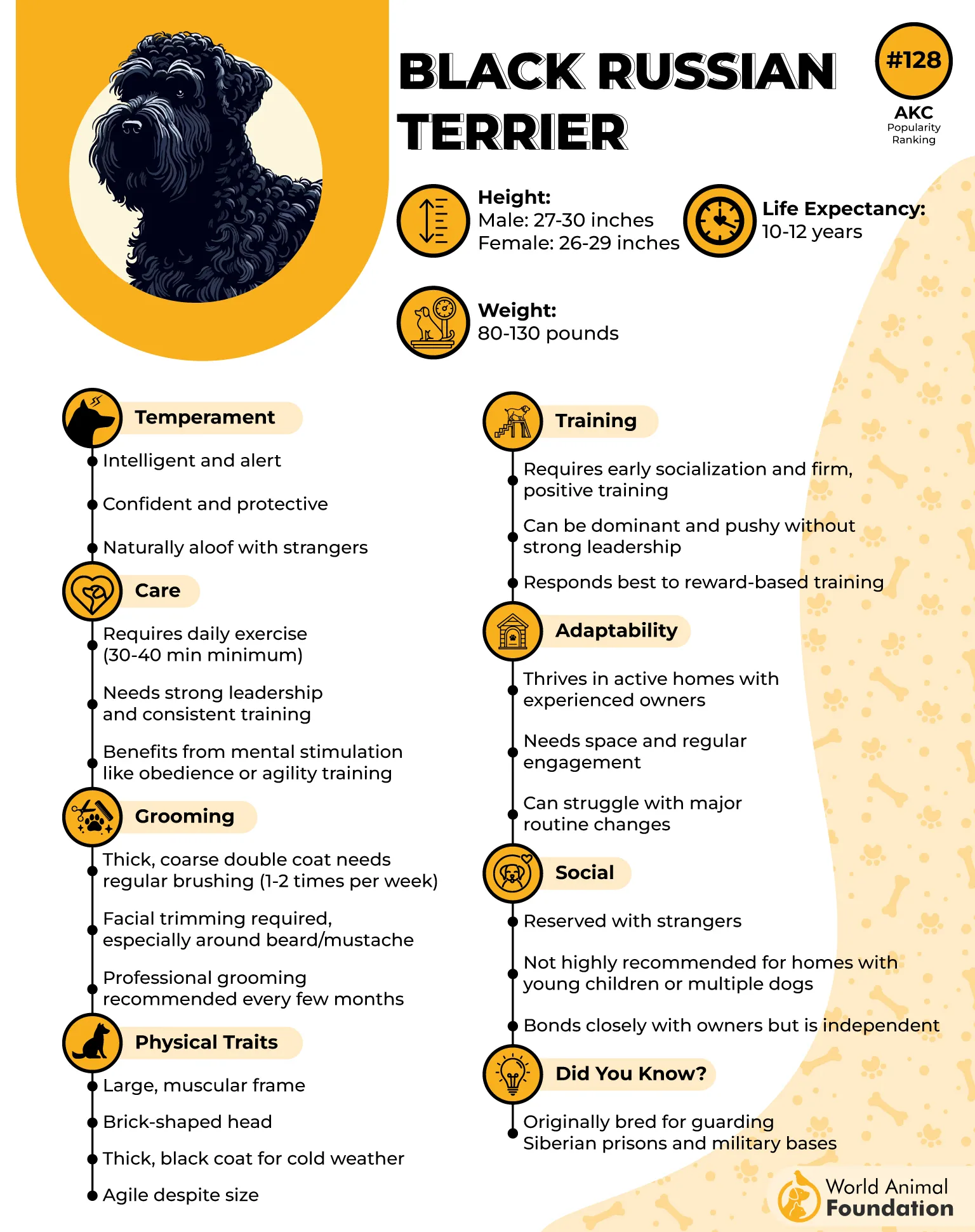
This dog is not a beginner’s breed. Daily walks and consistent training are essential, and owners need to be physically strong enough to match its imposing stature. A house with a yard suits it far better than an apartment.
Coat: Thick, wiry double coat that needs trimming every few months.
Shedding and upkeep: A low shedder for a giant breed, but grooming still takes effort.
Drooling: A minimal drooler, unlike many mastiff-type giants.
At home, the Black Russian Terrier is a loyal, affectionate companion that adores its family. It tends to be wary of strangers and other dogs until properly socialized. With children, it’s gentle, though its sheer size means supervision matters.
2. Rafeiro do Alentejo
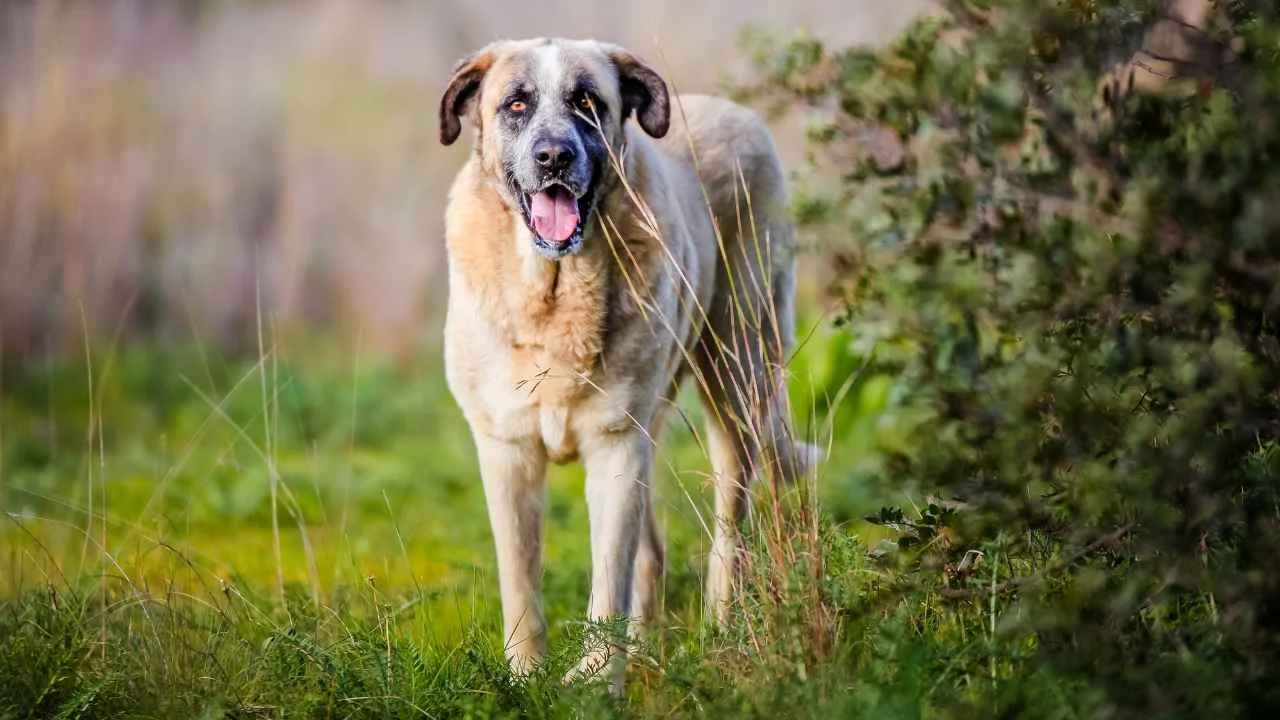
Portuguese shepherds trusted this giant to guard livestock alone on open plains. The Rafeiro do Alentejo originated in the Alentejo region centuries ago, bred to protect sheep from wolves with no human direction at all.
This is not a dog for first-time owners. It needs space to patrol, so acreage suits it better than a small yard. Experienced handlers who understand livestock guardian instincts will get the most out of this large dog.
Coat: Short, dense double coat built for rough outdoor weather.
Shedding and upkeep: A moderate shedder that stays manageable with weekly brushing.
Drooling: Prone to drooling, especially after meals or exercise.
With its own family, the Rafeiro is calm and surprisingly affectionate. It stays reserved around strangers and will protect without hesitation. Around smaller dogs and livestock, its guarding instincts stay switched on, so early socialization helps it relax.
3. Estrela Mountain Dog
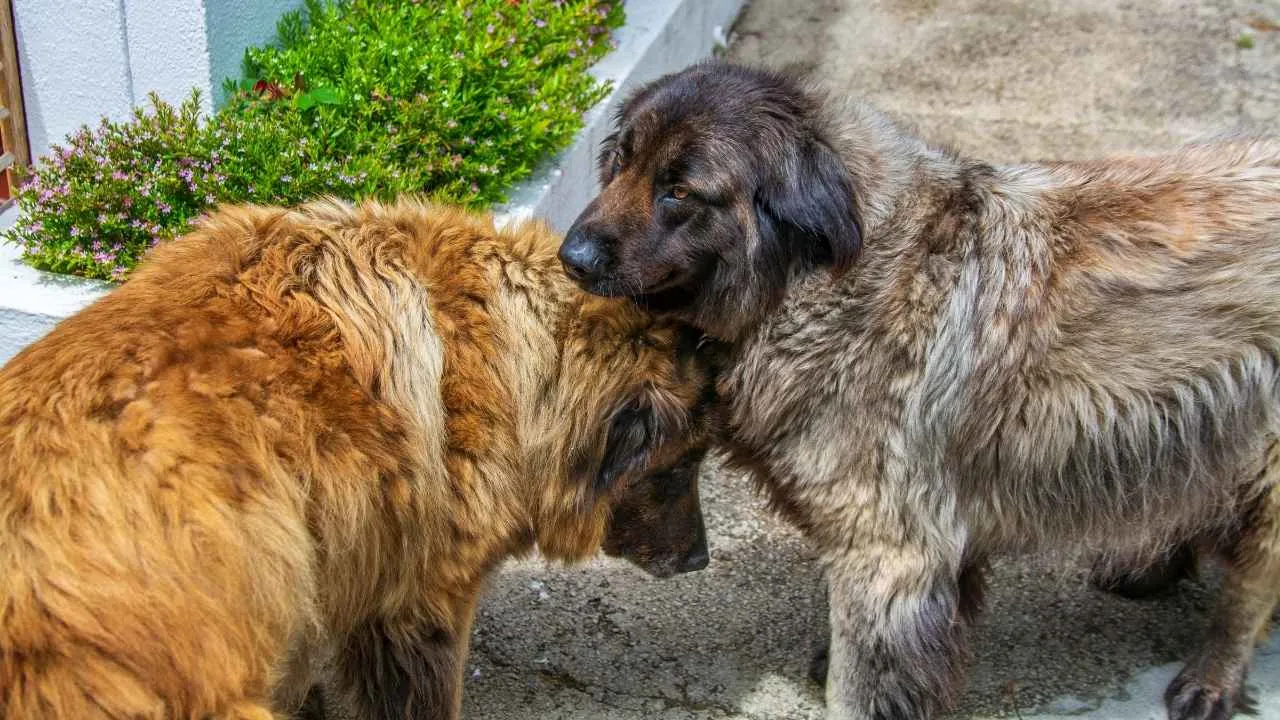
Up in Portugal’s Serra da Estrela mountains, this giant once guarded both flocks and farmhouses from wolves. The Estrela Mountain Dog is one of Iberia’s oldest breeds, historically used to protect sheep across harsh mountain terrain. Experts even rank it among the world’s most devoted guardian breeds.
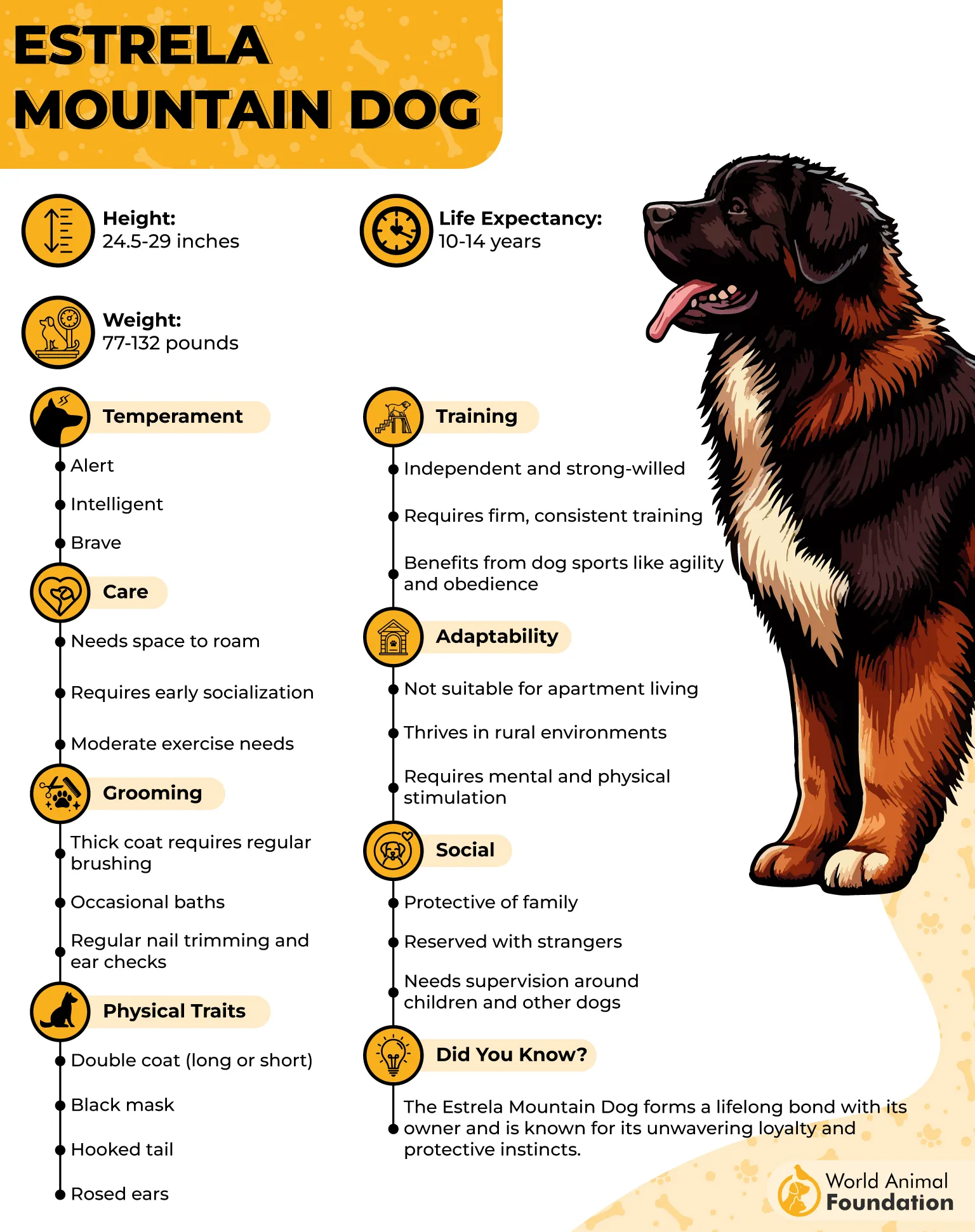
PetMD suggests that families with experience handling large, independent dogs will do best here. It adapts well to a home with a secure yard, though it’s happiest with room to roam. First-time owners may find its independent streak a real challenge.
Coat: Long or short double coat, depending on the variety.
Shedding and upkeep: A heavy seasonal shedder that needs regular brushing.
Drooling: A light drooler compared to other giant guardians.
At home, the Estrela is gentle and deeply loyal to its people. It’s typically patient with children and protective without being aggressive. Around strangers, it stays alert, and with other animals it needs early introductions to stay calm.
4. Slovak Cuvac
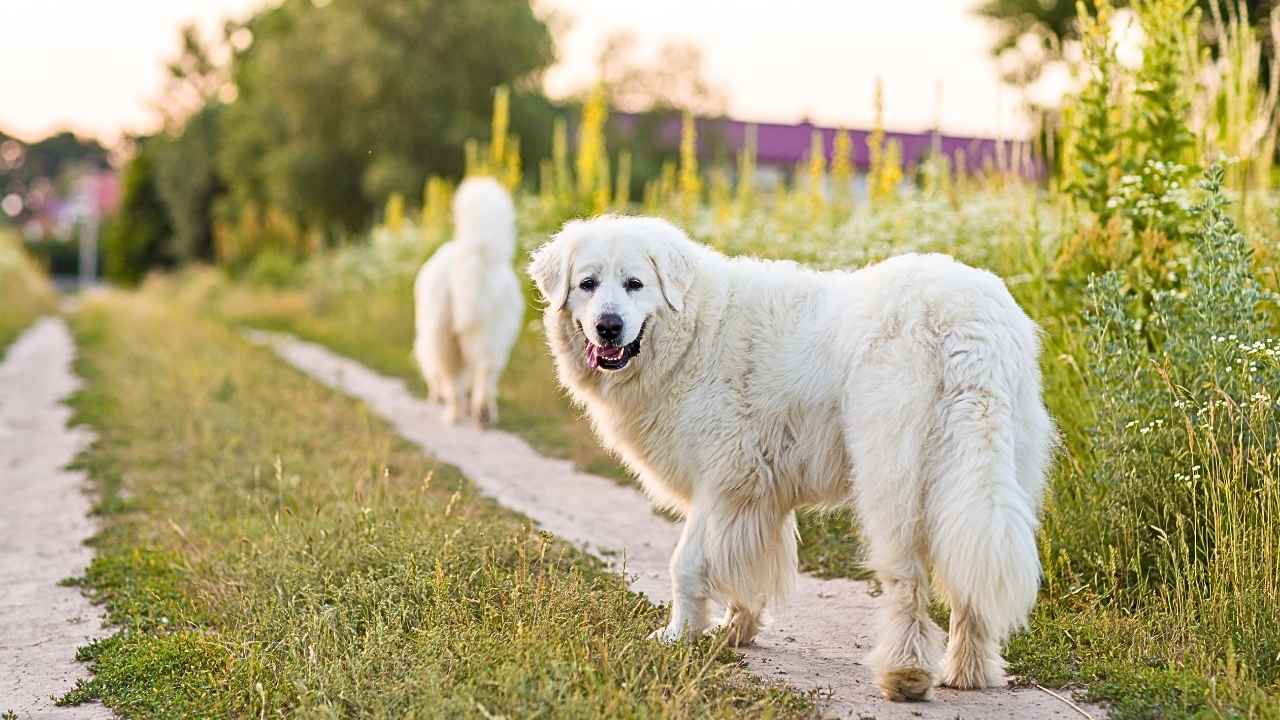
High in the Tatra Mountains, shepherds once relied on this giant’s white coat to spot it among the flock at night. The Slovak Cuvac was bred for centuries to guard sheep across Slovakia’s mountain pastures. Unlike many giant breeds, it was prized as much for loyalty to its shepherd as for raw guarding instinct.
This dog thrives with an experienced owner who can offer structure and space. A rural home or large property fits it far better than city living. Consistent training from an early age keeps its independent streak in check.
Coat: Thick, white double coat built for cold mountain climates.
Shedding and upkeep: A heavy shedder, especially during seasonal coat blow.
Drooling: Minimal drooling, unlike most giant guardian breeds.
With family, the Slovak Cuvac is affectionate and deeply devoted. It tends to be cautious around strangers until it decides they’re trustworthy. With other dogs, it can be territorial, so early socialization goes a long way.
5. Caucasian Shepherd Dog
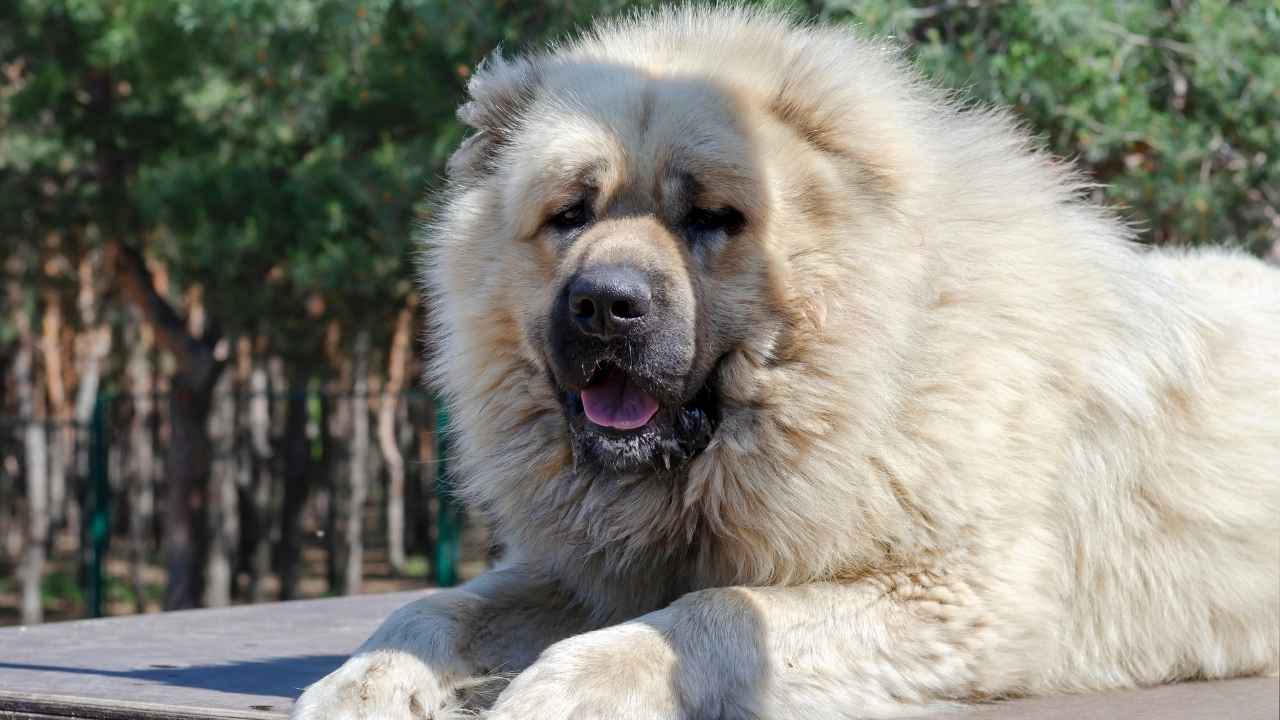
In the Caucasus mountains, this giant was trusted to fight off wolves and even bears to protect livestock. The Caucasian Shepherd Dog has guarded flocks across Russia, Georgia, and Armenia for centuries. It remains one of the most powerful livestock guardians in the world.
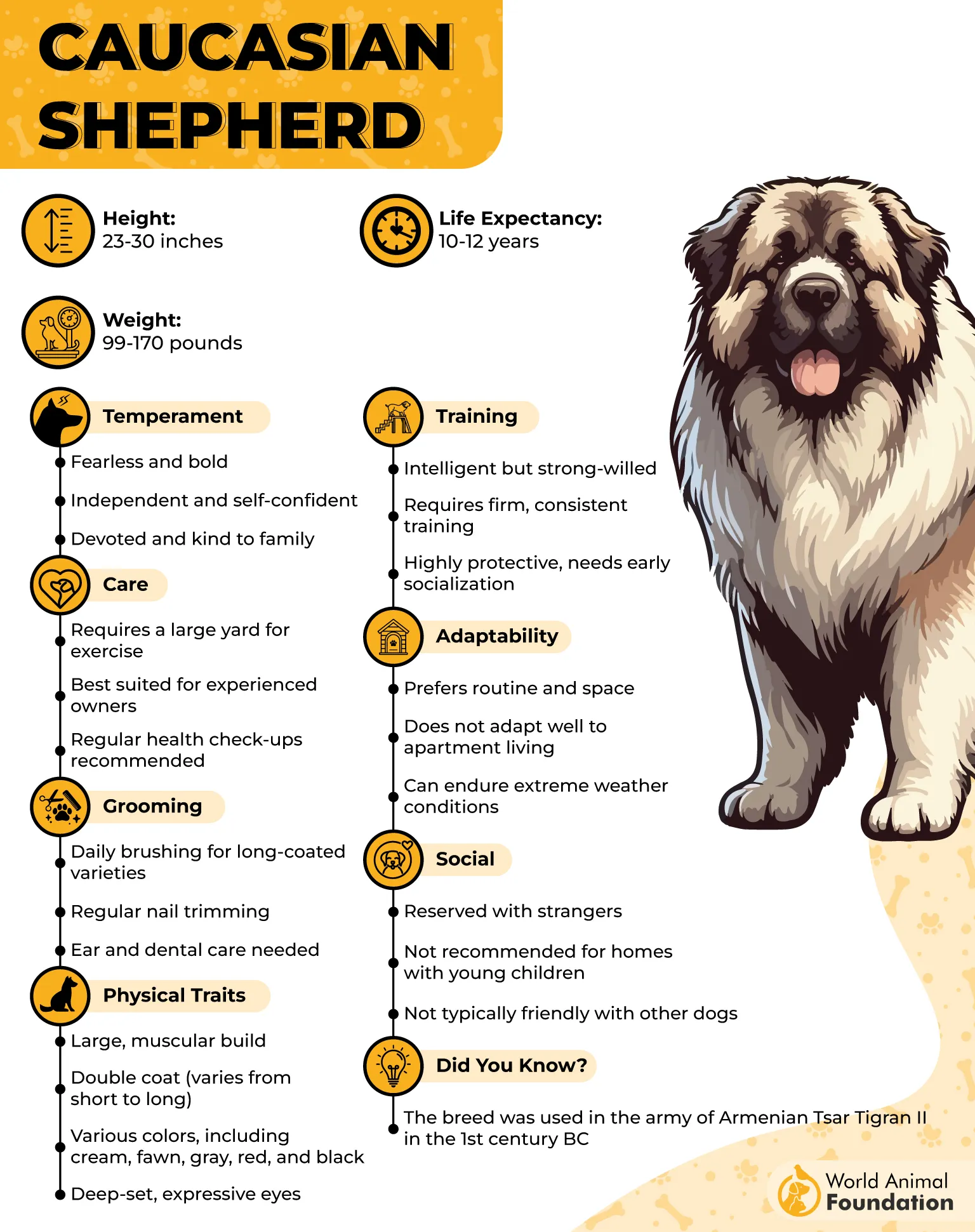
Only experienced owners should take this one on. Its imposing size and strong guarding instincts call for a secure, spacious property, not a small yard. Consistent training, started while they’re still puppies, is vital for a well-mannered adult.
Coat: Extremely thick double coat built to handle freezing winters.
Shedding and upkeep: A heavy year-round shedder, with seasonal blowouts.
Drooling: A moderate drooler, more than most mountain guardian breeds.
Within its own family, the Caucasian Shepherd Dog is loyal and protective to a fault. It’s naturally distrustful of strangers and needs careful socialization around children and other animals. Left untrained, this large dog’s guarding instincts can turn into real aggression.
6. Tatra Shepherd Dog
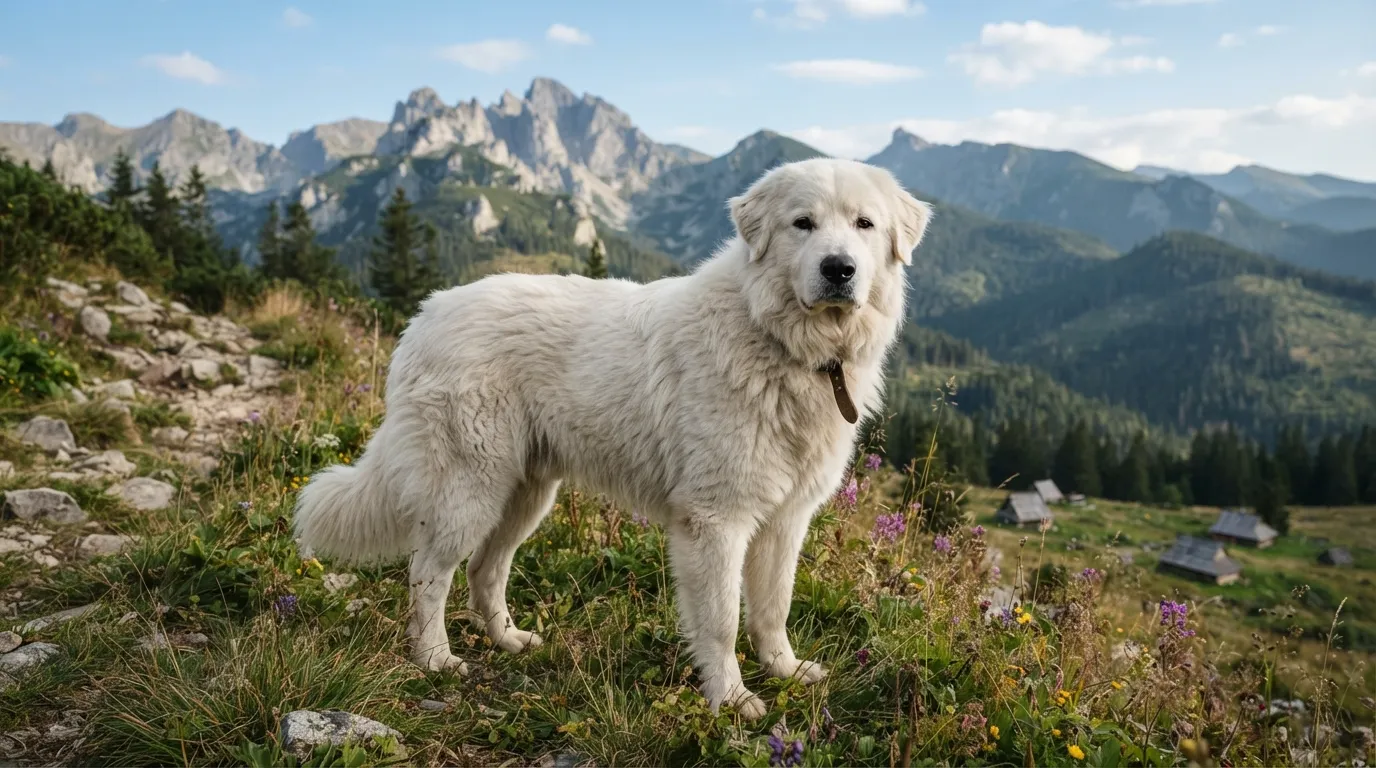
In Poland’s Tatra Mountains, shepherds bred this giant specifically to guard sheep from wolves and bears with no supervision. The Tatra Shepherd Dog, also called the Polski Owczarek Podhalański, has worked independently in these mountains for centuries. Its calm confidence made it just as useful for guarding farms as flocks.
This dog suits experienced owners with rural space more than city apartments. It needs room to patrol and a job to stay mentally satisfied. Daily walks alone won’t be enough without some form of guarding or working role.
Coat: Thick, white double coat that sheds heavily by design.
Shedding and upkeep: Needs brushing several times a week during shedding season.
Drooling: A light drooler for a breed this size.
At home, the Tatra Shepherd Dog is gentle and devoted to its family. It stays polite with children it knows well but wary of strangers on the property. With other pets, early exposure helps it accept cats and smaller dogs calmly.
7. Romanian Mioritic Shepherd Dog
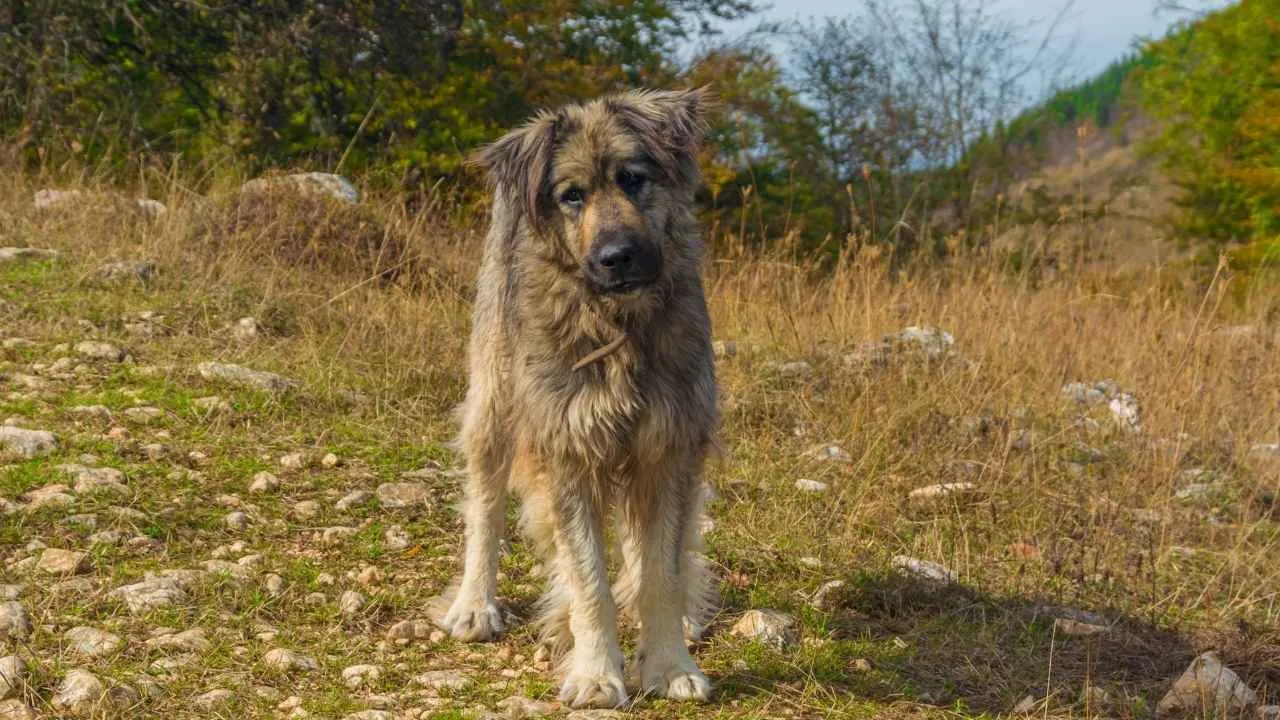
Deep in the Carpathian Mountains, Romanian shepherds bred this giant to guard flocks from wolves and bears for generations. The Mioritic Shepherd Dog takes its name from a famous Romanian folk ballad about a shepherd and his loyal dogs. Royal Canin lists it among Europe’s most devoted livestock guardians.
Experienced owners with rural land will get along best with this breed. It needs space to move and a flock, family, or property to feel responsible for. Apartment living leaves this large dog understimulated and restless.
Coat: Long, thick double coat with a slightly wavy texture.
Shedding and upkeep: A heavy shedder that needs brushing a few times weekly.
Drooling: A minimal drooler, rare for a dog this large.
With family, the Mioritic is sweet, calm, and endlessly loyal. It remains protective and alert around strangers, true to its guarding roots. With children and other pets it’s raised with, it’s typically gentle, though supervision is wise given its size.
Conclusion
These giant breeds prove that gentle giants come in far more shapes than the usual lineup of Great Danes and Mastiffs. Each one carries centuries of guarding history, and that heritage still shapes how much space, training, and patience they need from the families who take them in.
If one of these breeds has earned a special place in your heart, do your research, meet a few in person, and consider rescue before you commit to a lifetime with a dog this size. The world needs more people ready to give these loving companions the home they deserve, so why not start that search today?
