




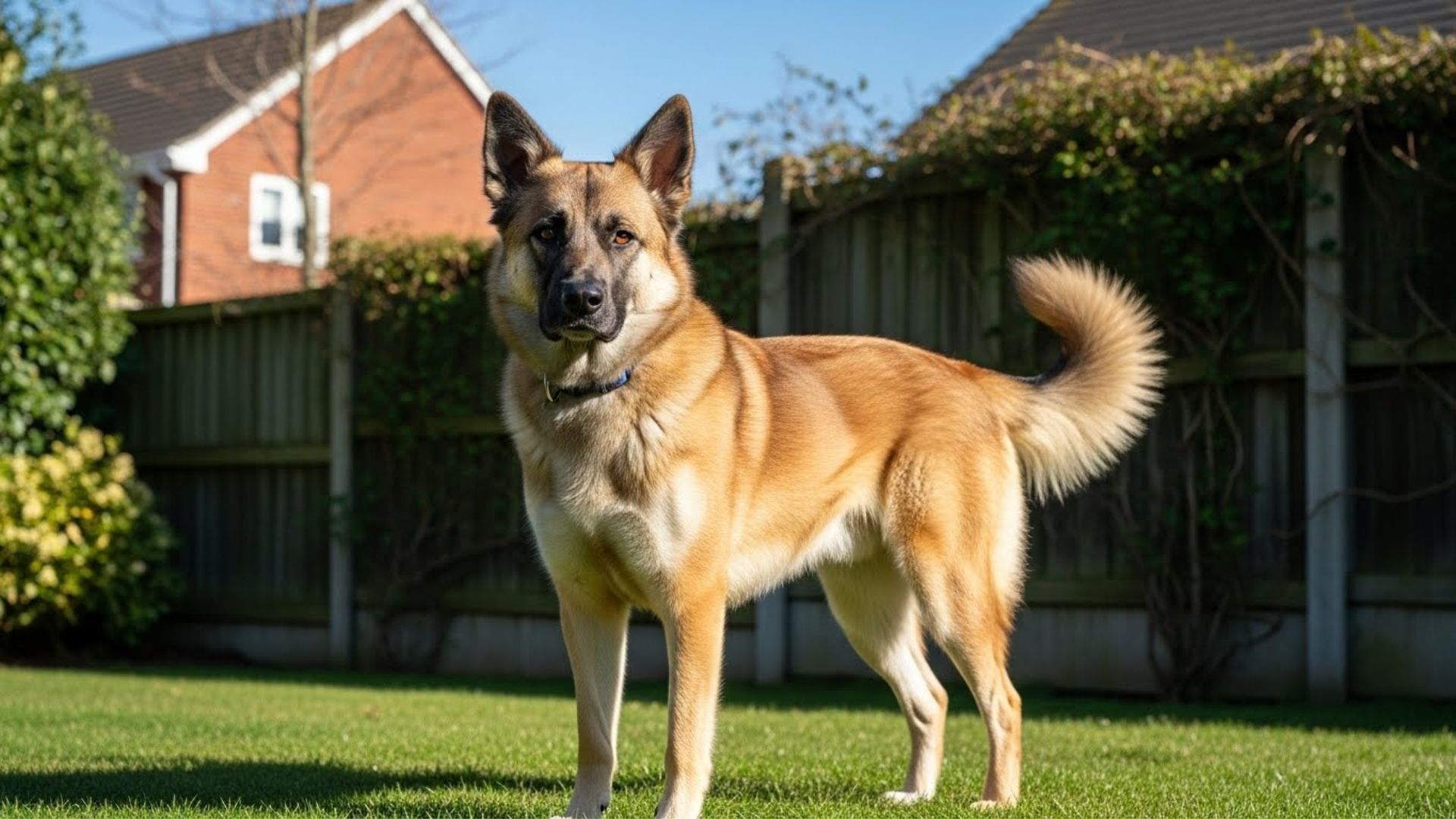
For dog enthusiasts seeking a unique companion, large breeds often bring both charm and challenge. While popular giants dominate the spotlight, several uncommon large breeds offer distinct personalities and traits that appeal to dedicated owners. These rare dog breeds can turn ordinary pet ownership into a remarkable journey of discovery.
Uncommon large dogs often require experienced handling, consistent training, and ample space to thrive. Their rarity means fewer households are familiar with their quirks, making them ideal for owners who enjoy learning and adapting. Beyond size, these rare dog breeds can bring unmatched loyalty, intelligence, and character to the right home.
Exploring these seven uncommon large dog breeds reveals a blend of strength, beauty, and temperament. Each breed carries its own history and unique traits, making them perfect for passionate dog lovers willing to commit fully.
Top Uncommon Large Dog Breeds For Dedicated Owners
1. Neapolitan Mastiff
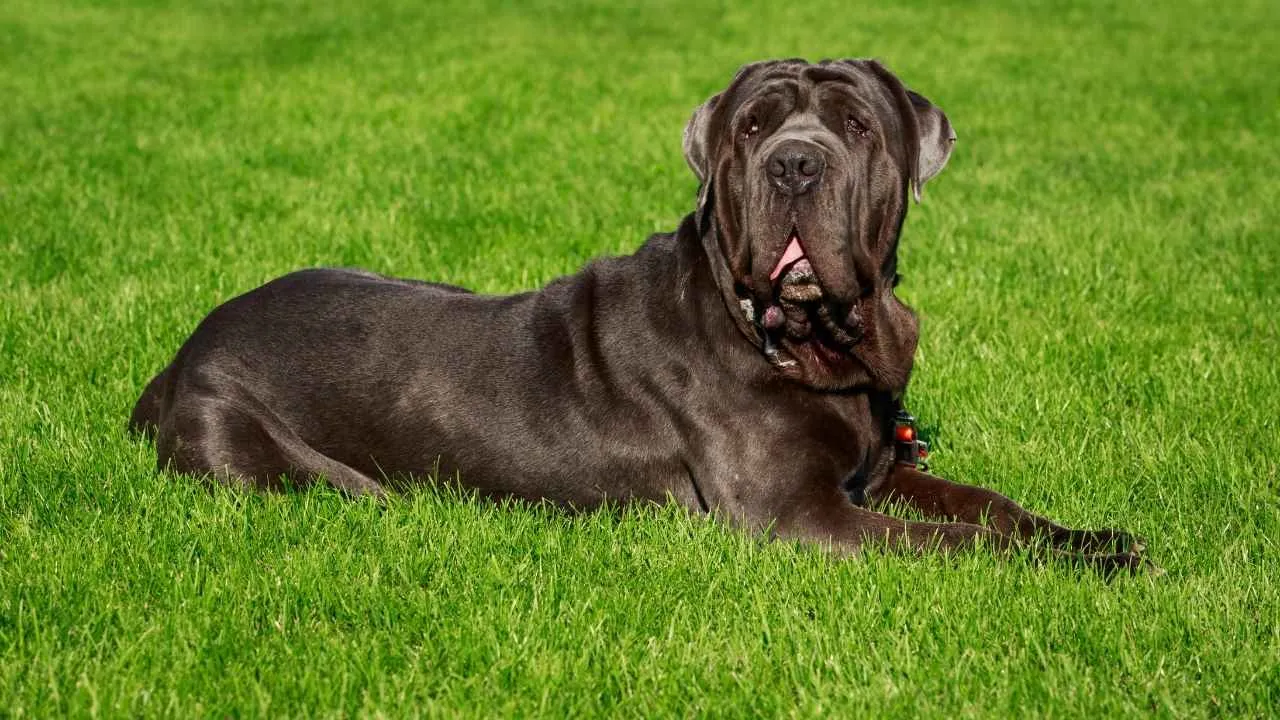
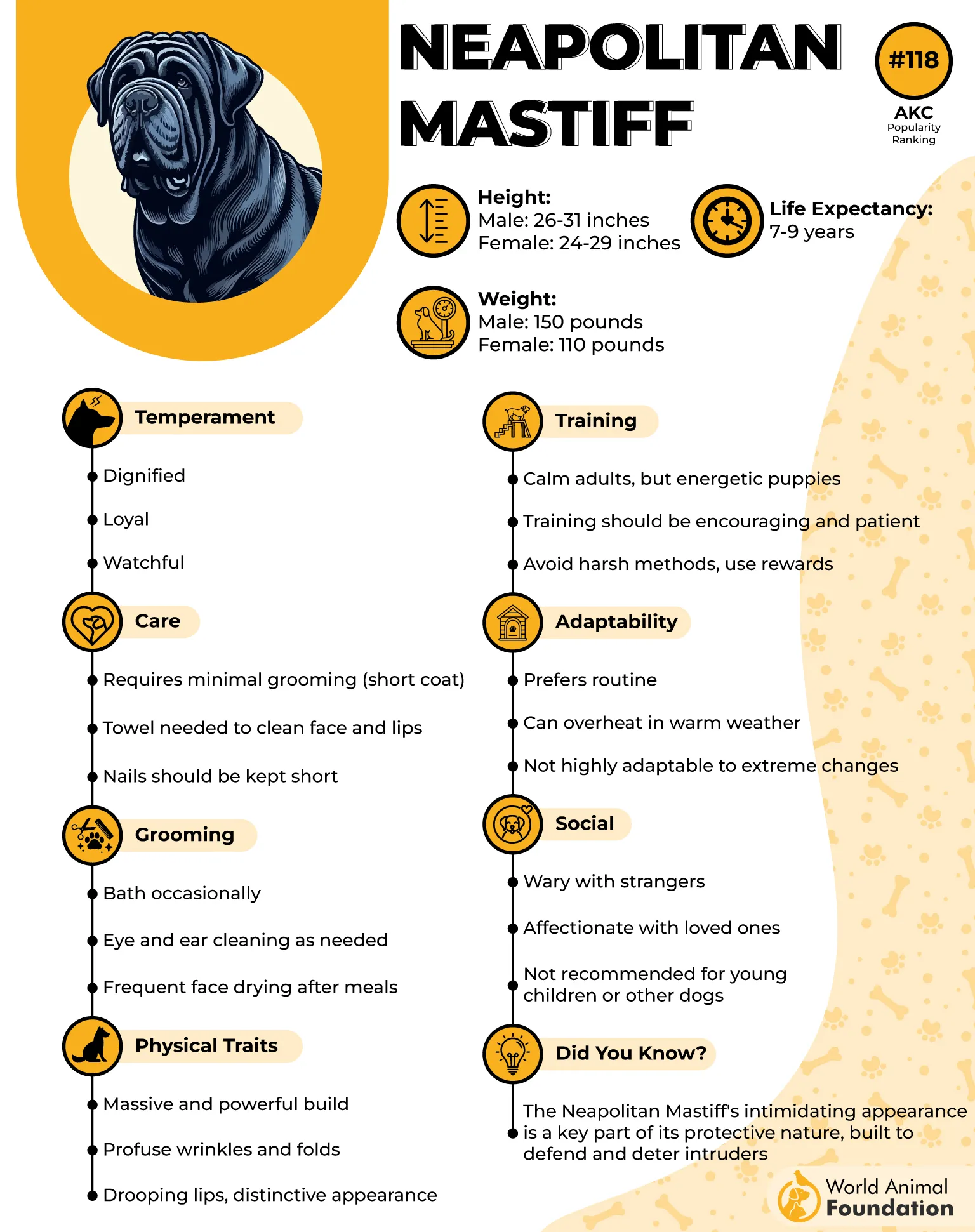
The Neapolitan Mastiff is a massive, awe-inspiring breed whose wrinkled, pendulous features have warned intruders since Roman times. Few of the oldest breeds carry the combination of historical prestige and couch-loving temperament like the Mastino.
From Gladiator Arenas to Living Rooms
Tracing back to 700 B.C., the Neapolitan Mastiff served as a war dog, estate guardian, and protector in ancient Italy. Now, these oldest dogs prefer quiet homes over the battlefield, blending nobility with domestic calm.
Care, Exercise, and Social Grace
Mastinos thrive on moderate walks and backyard exploration but enjoy long hours napping in the sun. Their loose skin and wrinkles require regular cleaning to prevent irritation, while joint and omega-3 supplements support their massive frames.
Why Neapolitan Mastiffs Are Uncommon for Dedicated Owners
Their droopy, wrinkled appearance is deliberately intimidating, not typical of most companion dogs.
They require consistent, patient training due to their independent temperament.
Regular wrinkle care and drool management demand dedication.
Their large size can overwhelm inexperienced dog owners.
They need moderate exercise but thrive on mental stimulation, not constant activity.
2. Chinook
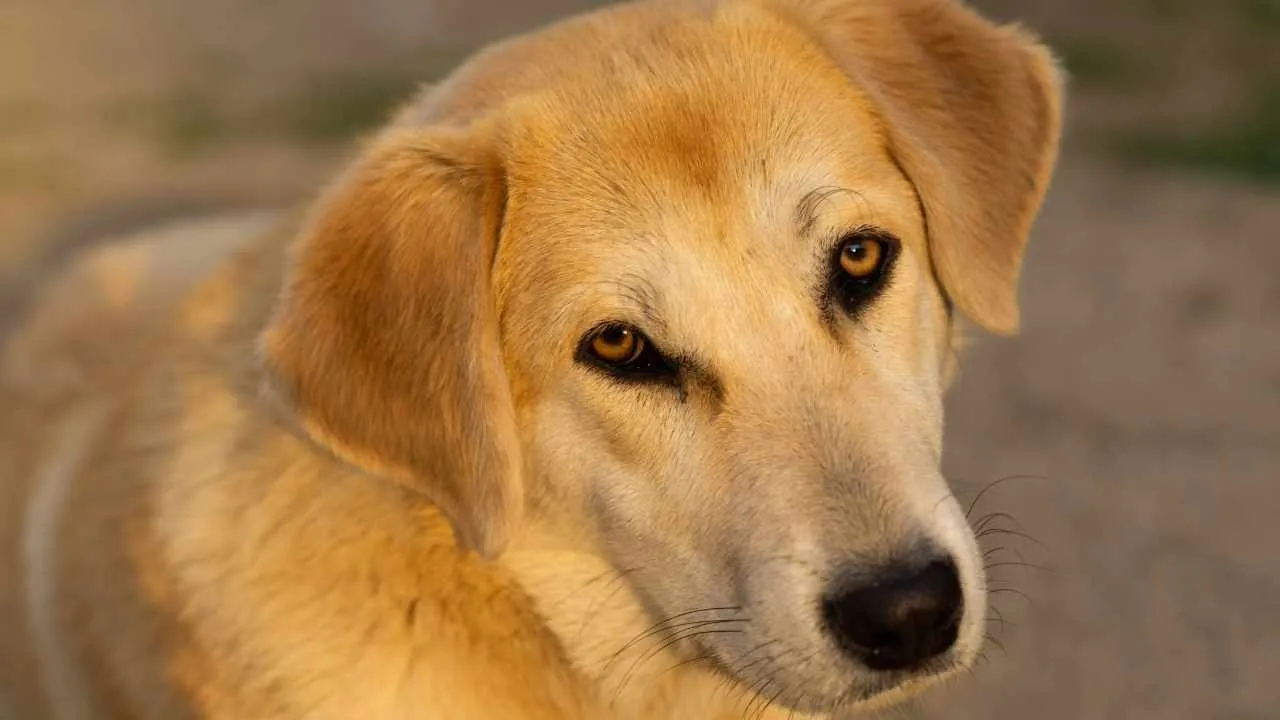
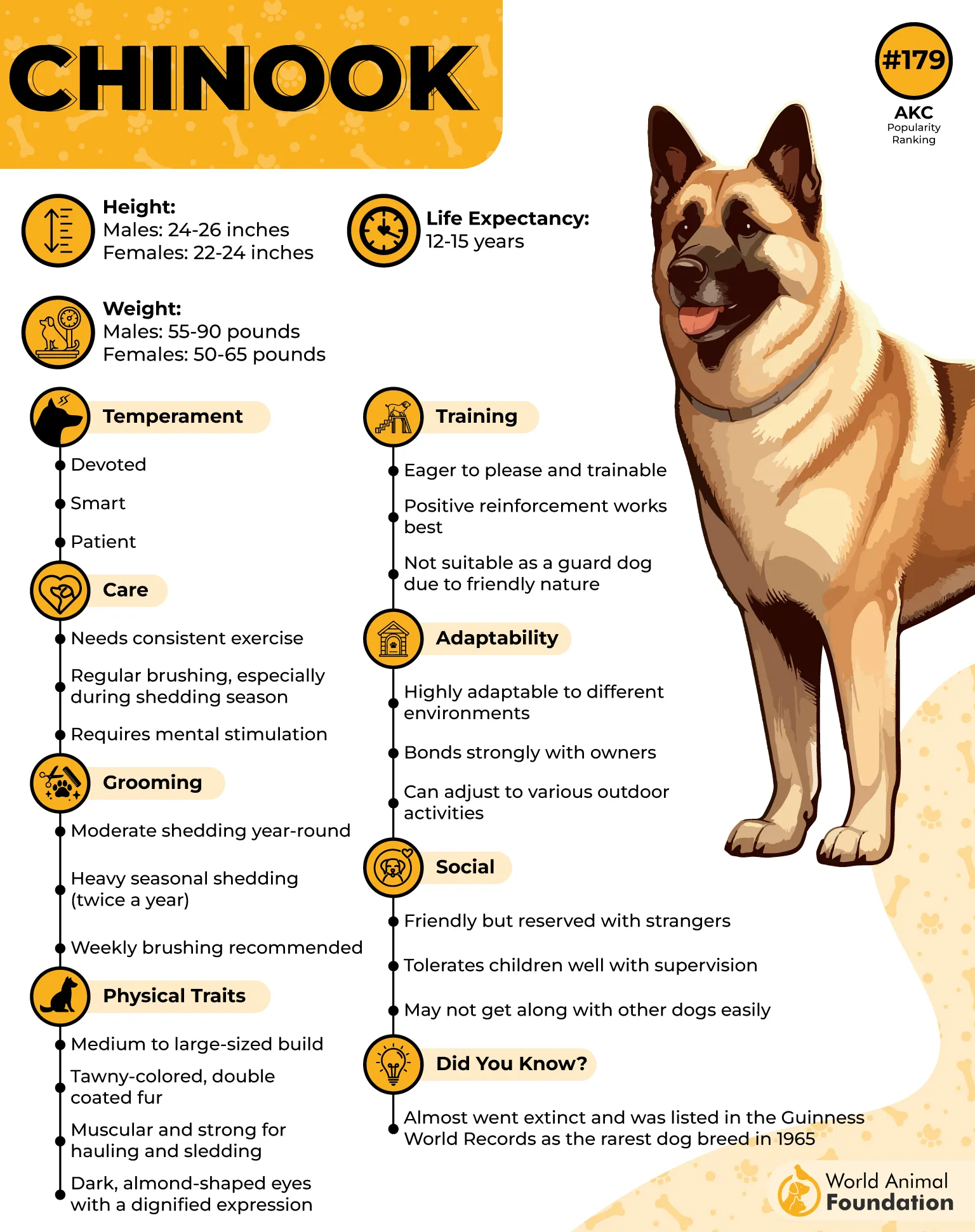
The Chinook is a strikingly rare breed, known for its tawny coat and athletic build. Developed in New Hampshire, these dogs were bred for sledding, endurance, and teamwork, as per PetMD. Their loyalty and intelligence make them extraordinary companions for families who include them in daily adventures.
Adventure-Born and Family-Focused
Chinooks thrive in active households and enjoy hiking, camping, and outdoor fun with their “pack.” While they are hardy and high-energy, they also love downtime at home. Leaving them alone for long stretches can lead to boredom and destructive behavior, so companionship is key.
Training, Grooming, and Exercise Needs
These dogs excel at obedience, agility, and sledding activities thanks to their intelligence and eagerness to please. Regular brushing, nail trimming, and daily teeth care keep them healthy. Consistent training with positive reinforcement ensures they remain well-behaved and happy.
Why Chinooks Are Uncommon for Dedicated Owners
Extremely rare, one of the scarcest AKC-recognized breeds.
Require constant companionship; they don’t thrive when left alone.
High-energy and athletic, demanding regular mental and physical stimulation.
Specialized care and grooming for coat and overall health.
Strong working instincts make them best suited for experienced dog owners.
3. Azawakh
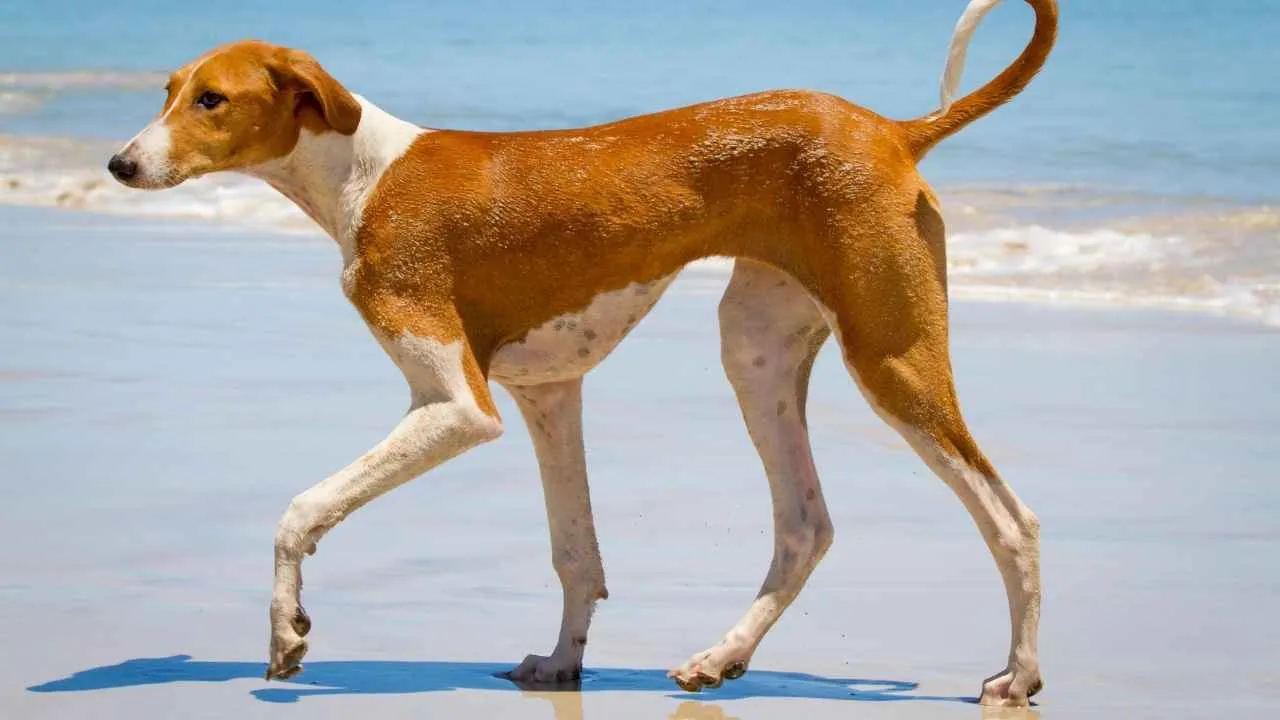
The Azawakh is a tall, slender sighthound with a glossy coat and a graceful, curved tail. Lean and athletic, these tall dogs move with effortless elegance and carry an air of aloof sophistication. Their striking appearance and lithe frame make them instantly memorable.
Guardians of the Sahel
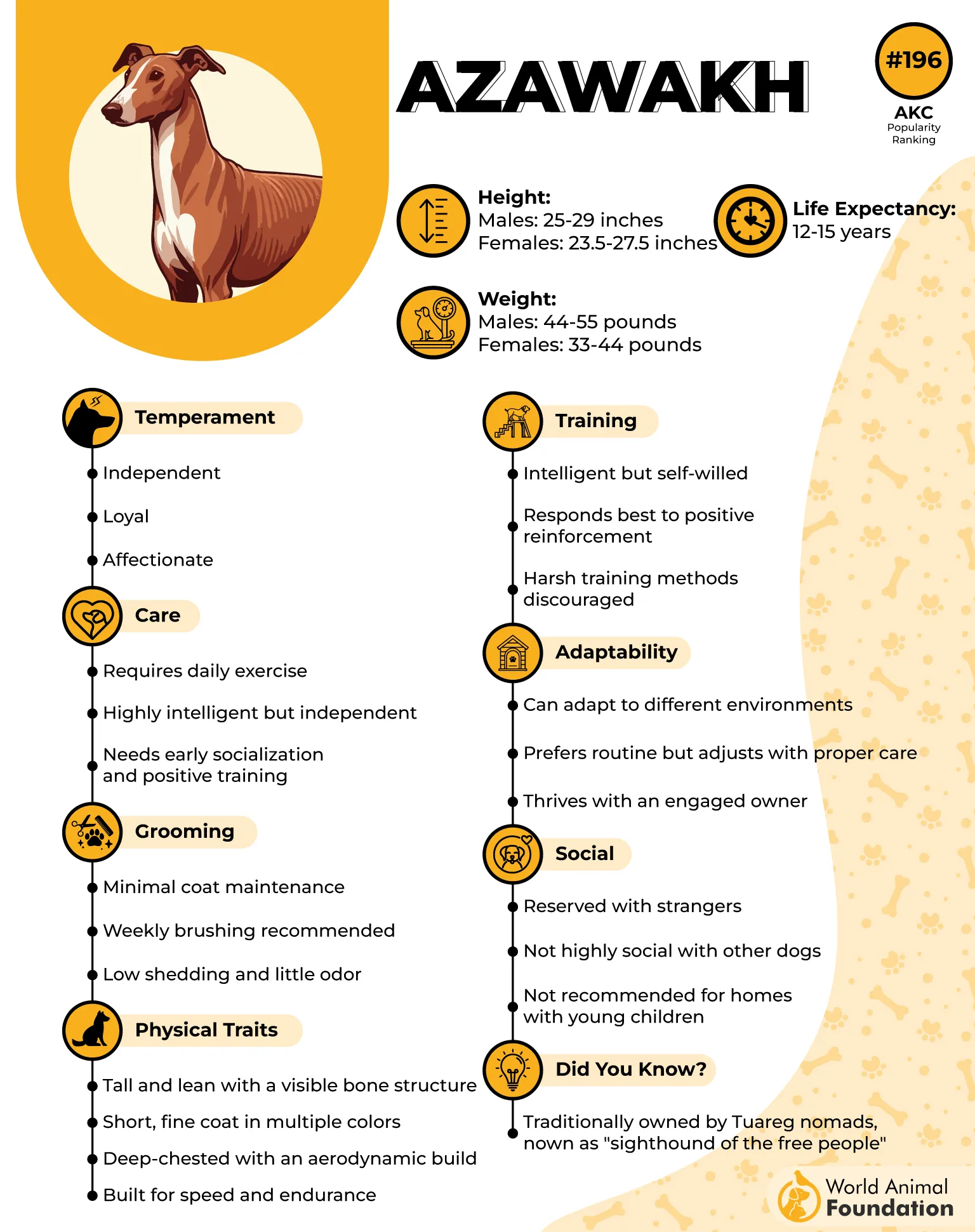
Originating from the Sahara Desert, Azawakhs were bred by nomadic Tuareg people to guard livestock and hunt in packs. Incredibly loyal at home, they are naturally wary of strangers and can become fiercely protective if they sense danger. Early socialization is essential to balance their vigilance.
Exercise, Training, and Comfort
Though speedy and energetic, Azawakhs are content with about an hour of daily exercise, such as brisk walks or yard sprints. Their thin coats make them sensitive to cold, and minimal grooming—a weekly rub-down—keeps their coat healthy.
Why Azawakhs Are Uncommon for Dedicated Owners
Rare outside their native West African region.
Naturally aloof, requiring experienced handling and socialization.
High prey drive makes recall training challenging.
Sensitive to cold due to minimal body fat and a thin coat.
Independent and reserved, not ideal for small children or casual pet owners.
4. Estrela Mountain Dog
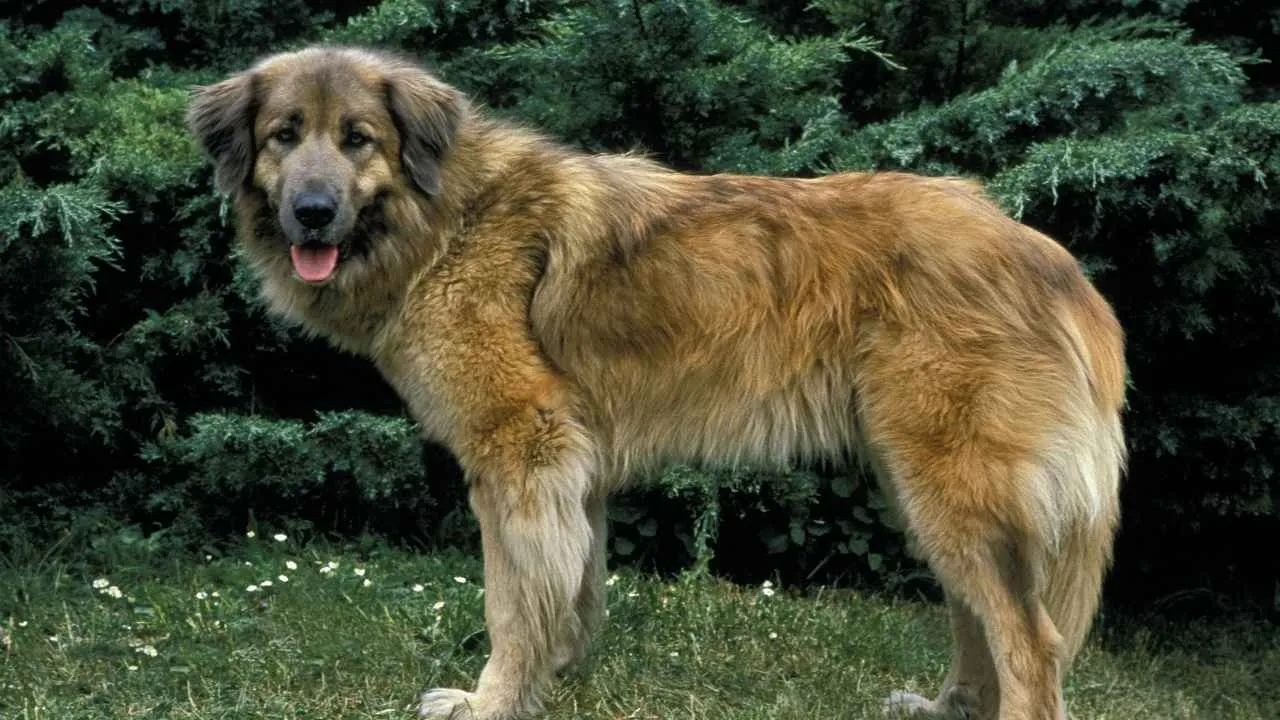
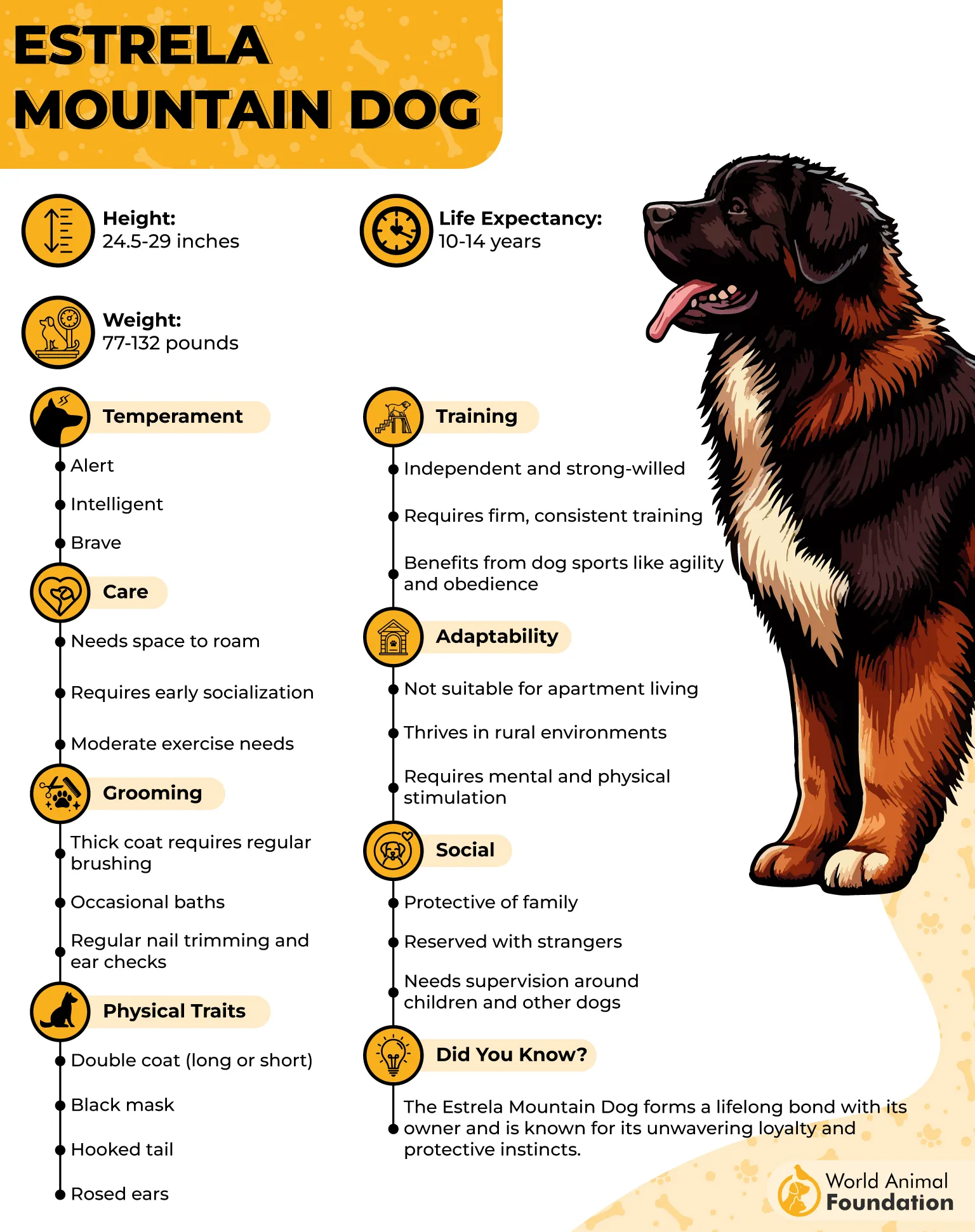
The Estrela Mountain Dog is a sturdy, athletic mastiff-type from Portugal, built to thrive in rugged terrain, as per Purina. With long or short coats and a strong, graceful build, these dogs are as agile as they are powerful. Their striking black masks and distinctive rose ears make them instantly recognizable.
Independent Thinkers and Family Protectors
Bred to make decisions while guarding flocks, Estrelas are devoted to family but cautious with strangers. Early socialization and consistent training are key to guiding their independent streak. They bond closely with their household, enjoying playtime with children and shared outdoor adventures.
Care, Exercise, and Mental Stimulation
Though not hyperactive, Estrelas need daily exercise to maintain physical and mental health. Their double dew-claws hint at a rugged ancestry and climbing ability. Moderate grooming and a balanced diet, plus occasional supplements for joint health, keep them thriving in varied climates.
Why Estrela Mountain Dogs Are Uncommon for Dedicated Owners
Independent-minded, requiring patient, experienced handling.
Naturally wary of strangers, needing thorough socialization.
Agile and potentially escape-prone, demanding secure outdoor spaces.
Moderate but consistent exercise is needed for mental and physical health.
Rare outside Portugal, making them uncommon in most households.
5. Kuvasz
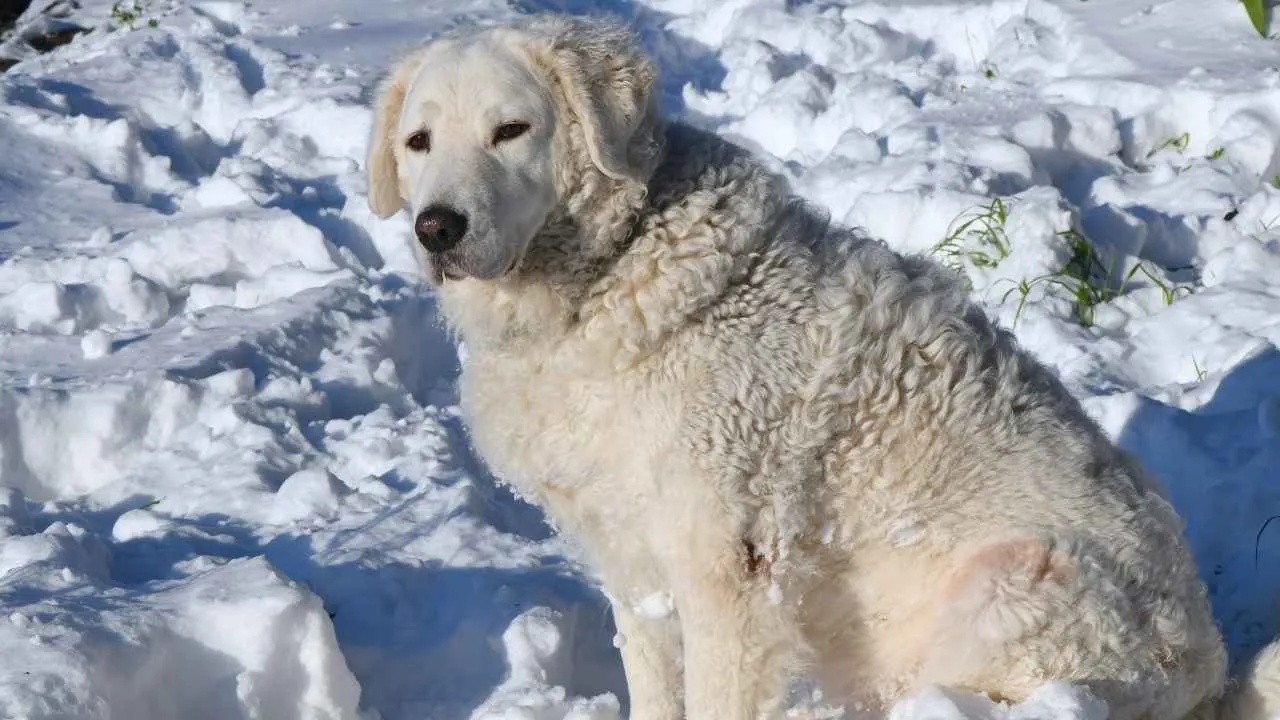
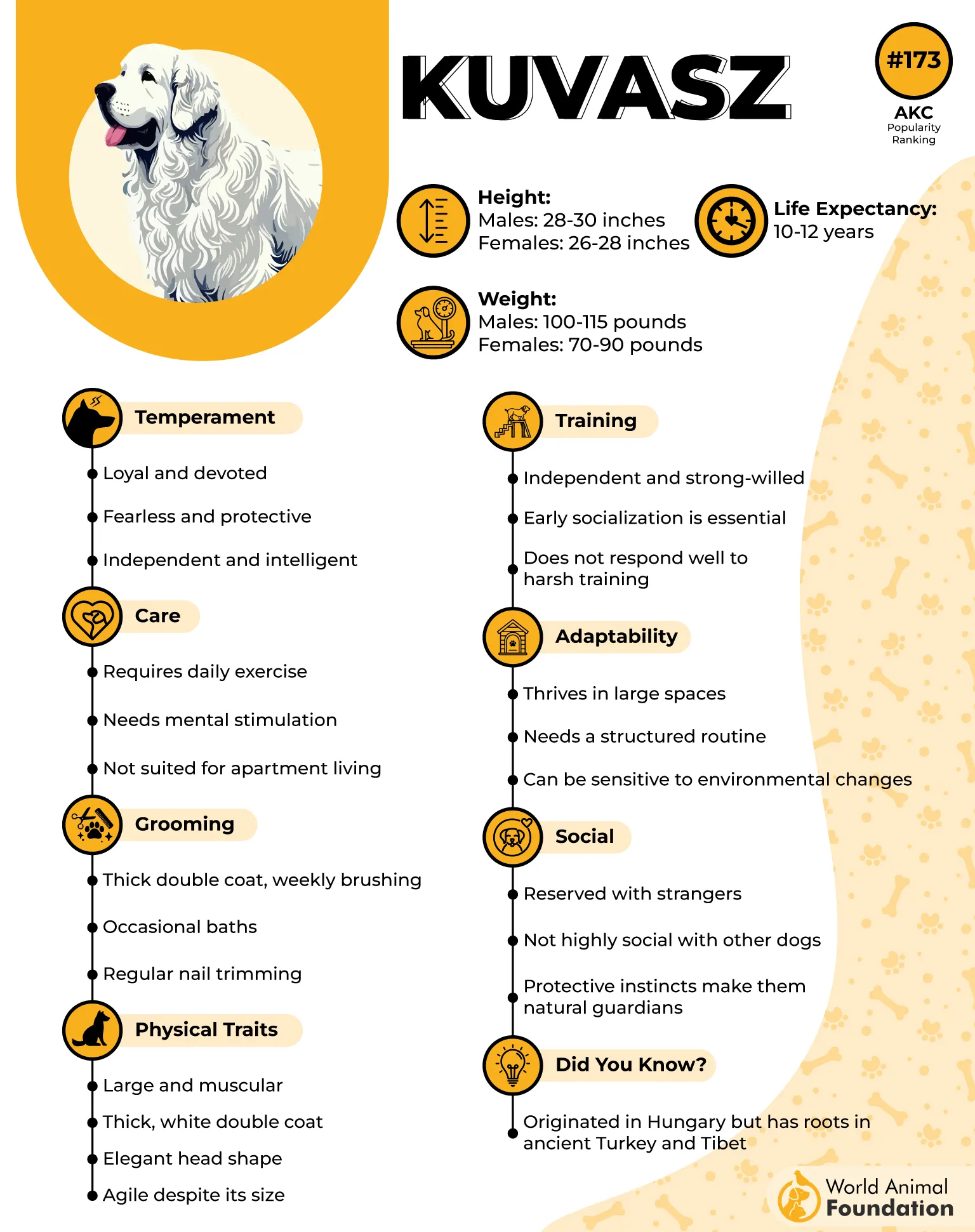
The Kuvasz is a majestic, snow-white livestock guardian dog from Hungary, built for strength, speed, and courage. With a thick double coat and elegant head, these large dogs combine beauty with power. Their size and agility make them formidable protectors of both flocks and families.
Ancient Protectors and Royal Companions
Tracing back to ancient Turkey and Tibet, Kuvasz were prized for guarding livestock and even serving Hungarian kings, as per Britannica. They have the independence and intelligence of a true working dog, capable of facing predators or intruders with impressive bravery.
Training, Exercise, and Lifelong Loyalty
Kuvasz are athletic and require regular exercise, though their energy needs ease as they mature. Their thick coat needs weekly grooming, with more frequent attention during shedding seasons. Consistent, firm, and patient training is essential to manage their strong-willed, protective nature.
Why Kuvasz Are Uncommon for Dedicated Owners
Naturally independent and protective, requiring experienced handling.
Potentially aggressive if not properly socialized or exercised.
Large size and athleticism demand secure, spacious living areas.
Early and lifelong socialization is critical to prevent destructive behavior.
Rare outside their native Hungary, making them a challenging find for most owners.
6. Otterhound
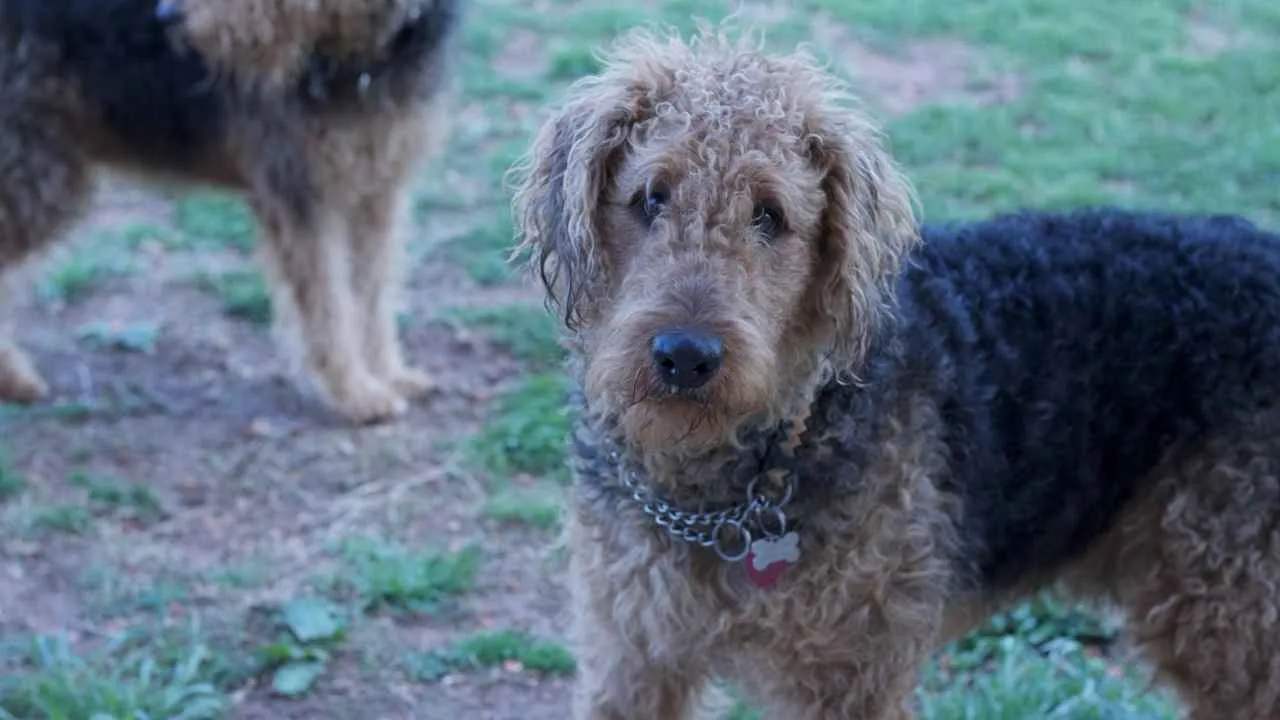
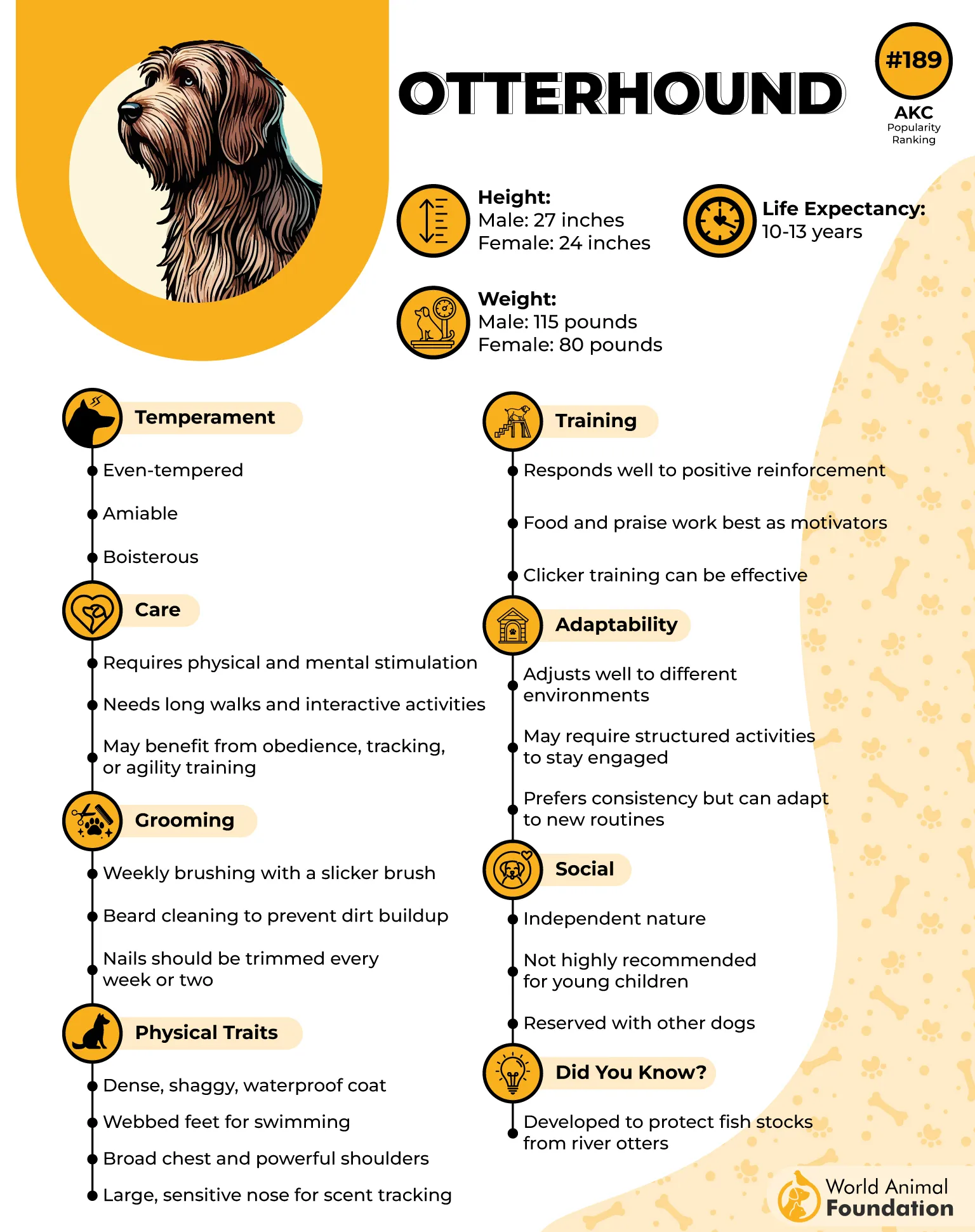
The Otterhound is a large, shaggy scent hound with a playful personality and a love for water. Its rough, oily coat and webbed feet make it an expert swimmer, built for hunting in rivers and wetlands. Tall, strong, and exuberant, these dogs are instantly recognizable by their bearded faces and droopy ears.
From Otter Hunts to Family Companions
Once prized for otter hunting in medieval England, Otterhounds were bred to work in packs with patience and persistence, as per WebMD. Today, their hunting instincts remain strong, but they excel as friendly, energetic, great companions who thrive in active households.
Exercise, Training, and Grooming Needs
Otterhounds require one to two hours of daily exercise and benefit from leash or fenced supervision due to their scent-driven curiosity. Weekly brushing maintains their waterproof coat, while gentle training and positive reinforcement guide their strong-willed but affectionate nature.
Why Otterhounds Are Uncommon for Dedicated Owners
Extremely rare, with fewer than 1,000 worldwide.
Strong hunting instincts can override obedience, requiring careful supervision.
Large, boisterous, and strong—can unintentionally knock over small children.
Shaggy, oily coat needs weekly maintenance to prevent matting and odors.
Energetic and scent-driven, demanding consistent exercise and engagement.
7. Leonberger
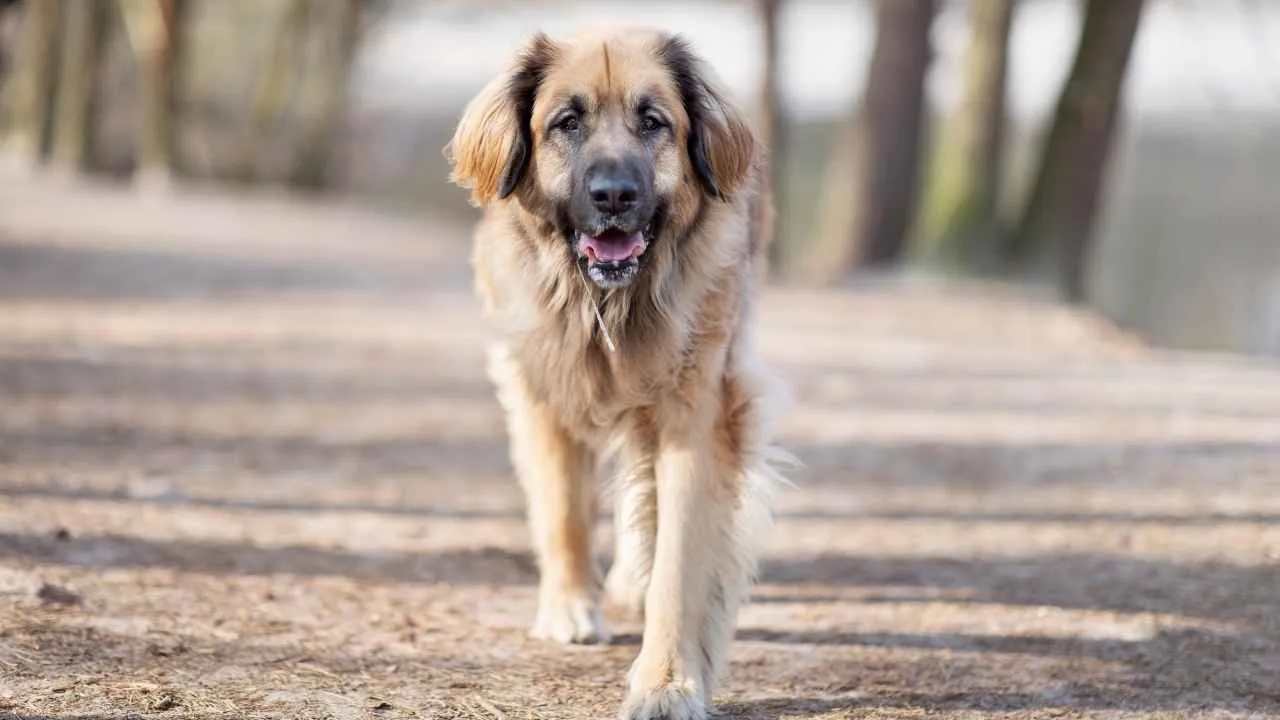
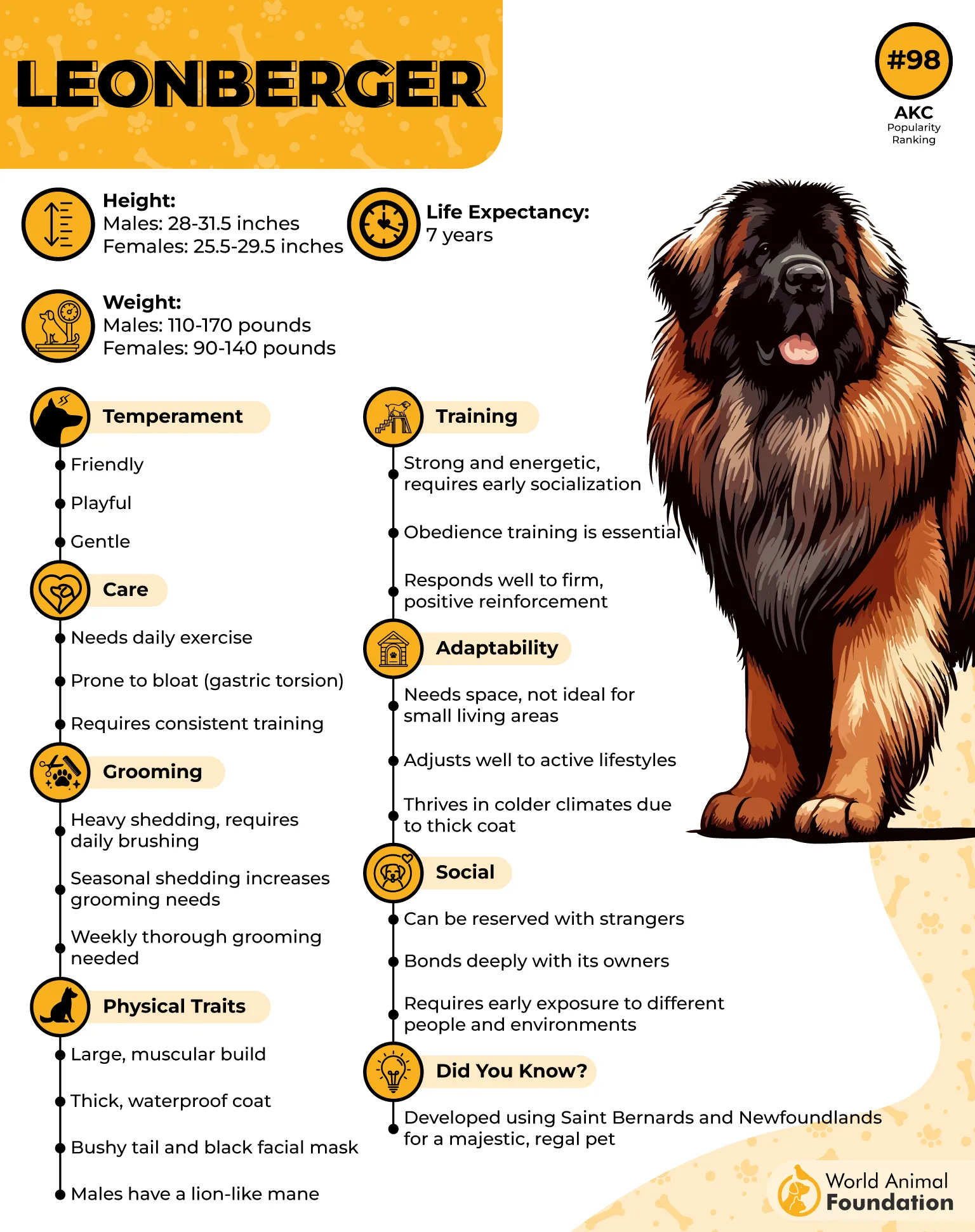
Leonbergers are calm, powerful dogs built for work and companionship. As members of the Working breed group, they were originally bred for guarding, pulling carts, and even water rescue. With their lion-like mane, striking black mask, and intelligent eyes, they are both imposing and gentle.
Family-Friendly, Loyal, and Affectionate
These massive dogs are excellent family pets, getting along with children, other animals, and most strangers when socialized early. Leos are intuitive, loyal, and affectionate, forming deep bonds with their human families. While friendly, they are best suited for homes that understand and respect their size and strength.
Exercise, Grooming, and Training Needs
Adult Leonbergers need over two hours of exercise daily, but puppies require gentler activity to protect developing joints. Training should be reward-based, consistent, and patient, harnessing the breed’s intelligence and cooperative nature.
Why Leonbergers Are Rare for Dedicated Owners
A very large size requires space and careful management around small children.
Heavy shedding and a thick double coat demand regular grooming tools and effort.
High energy levels require daily exercise and mental stimulation.
Slow to mature, often not fully grown or coordinated until 2 years old.
Strong, protective instincts may challenge inexperienced dog owners.
Conclusion
Choosing a rare, large breed is a big commitment, but it comes with unmatched rewards. These dogs bring loyalty, intelligence, and a deep bond that few other pets can match. Understanding their unique needs is the first step to a lifelong, fulfilling relationship.
These dogs thrive with families who are active, patient, and ready to provide consistent training, socialization, and daily exercise. Grooming, mental stimulation, and space are not optional—they are essential to keep them happy and healthy. A well-prepared home makes all the difference.
If you’re ready for the challenge, the payoff is extraordinary companionship and unwavering devotion. Take the time to learn, plan, and prepare for their special needs. The right commitment opens the door to a truly rewarding partnership.
