




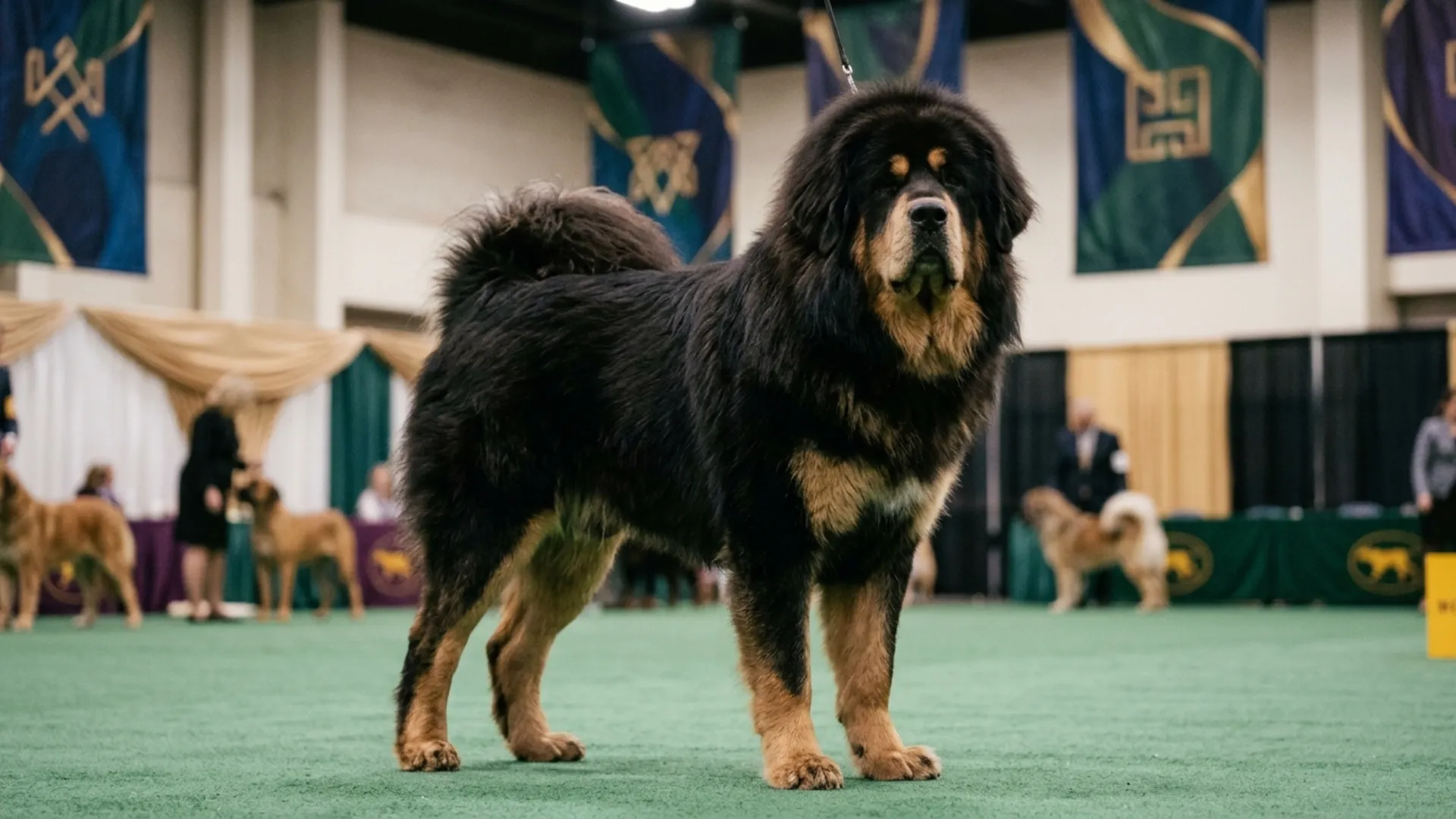
Most people hesitate when it comes to giant dogs, especially the uncommon ones. The size alone feels like a commitment that might be hard to manage in daily life. Space, routine, and energy levels all start to feel like potential challenges before the idea even settles in.
It is easy to assume that a larger dog will automatically mean more work and less flexibility. But that assumption does not always hold, especially with lesser-known giant breeds that carry a very different presence in the dog world.
These dogs are not just about size. They bring a calm strength, a steady nature, and a kind of companionship that feels grounded rather than overwhelming. Once you look past the initial concern, a different picture starts to form. Some of these breeds fit into a lifestyle more smoothly than expected.
What follows highlights those uncommon giants that offer both presence and balance.
Key Takeaways
A dog once bred to resemble a lion still walks beside humans today, carrying a massive frame with a surprisingly balanced nature.
The Leonberger and Tibetan Mastiff both reflect this legacy in different ways, one shaped through careful breeding and the other through survival in harsh mountain regions.
Then there’s the Boerboel and Black Russian Terrier, built for real responsibility where strength meets control and every movement has purpose.
As you move through the rest, each giant reveals a story that goes far beyond size and into what true companionship actually feels like.
Uncommon Giant Dog Breeds That Make Proud Pets
1. Leonberger
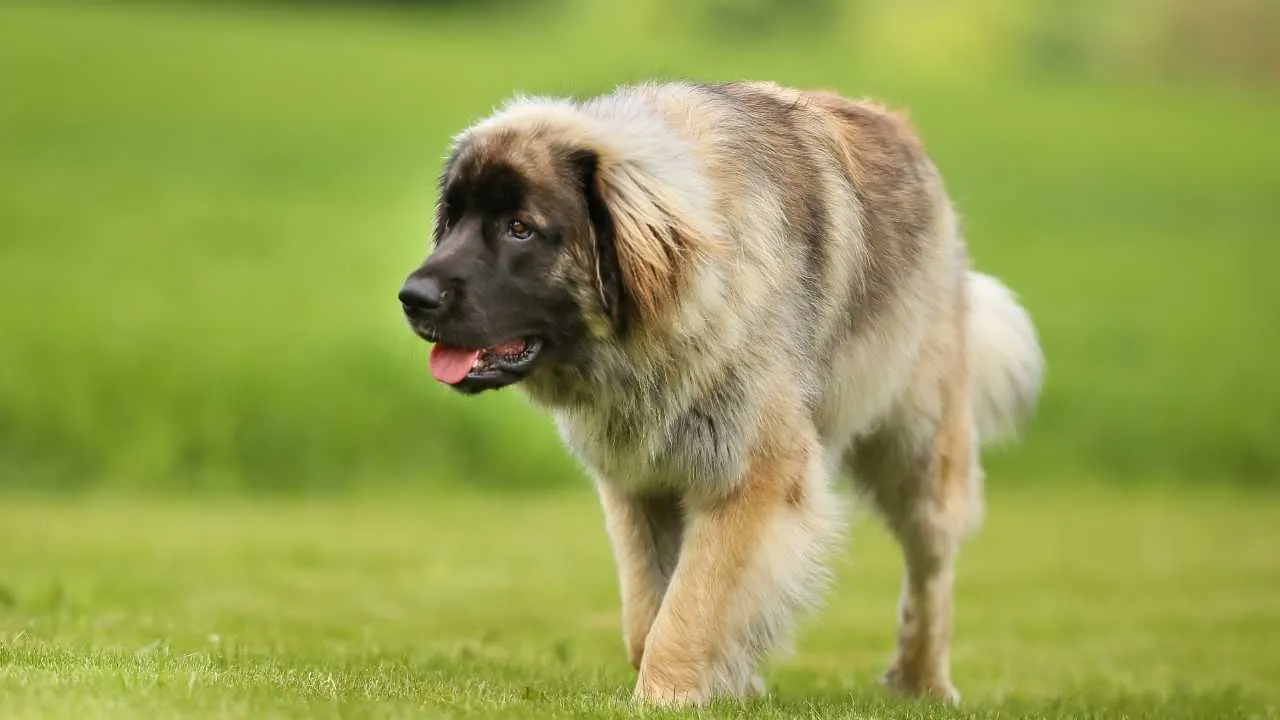
The Leonberger takes its name from Leonberg in Germany, where a lion-inspired breeding idea shaped a giant reddish-gold companion.
Early breeding combined Newfoundland, Saint Bernard, and Great Pyrenees lines to create a powerful yet balanced working dog. Its identity carries a rare status today due to its near extinction in the past century.
Physical presence and working traits
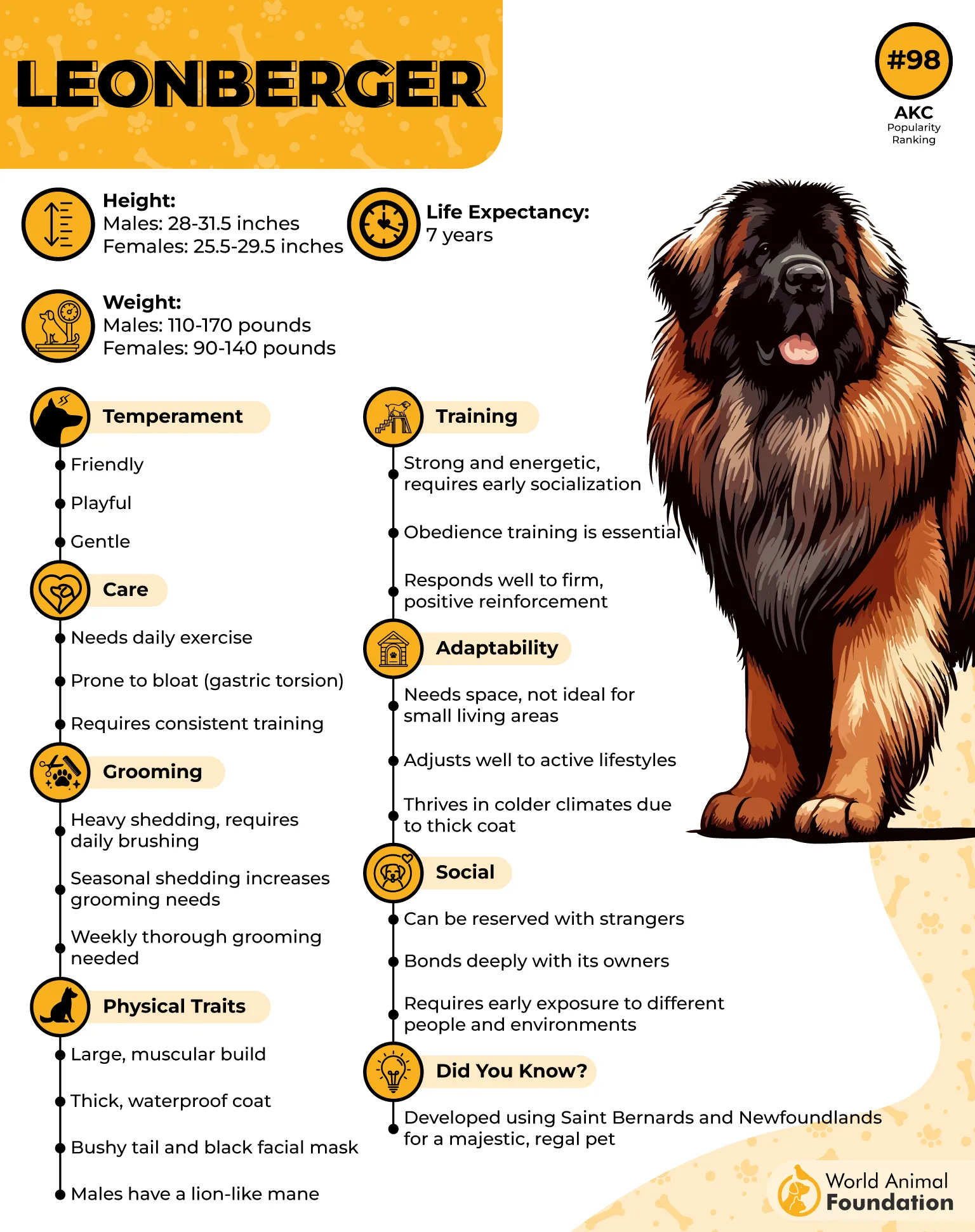
This large dog breed combines heavy muscle, a large frame, and a long coat that supports both work and varied climates. Its structure supports strength-based tasks while remaining calm when properly guided and socialized.
Key characteristics tied to its build and use:
Large frame suited for demanding physical tasks
Thick coat adapted for outdoor conditions
Strong body built for pulling and rescue work
Activity preference and mental engagement
They require regular physical engagement, such as walking, hiking, or swimming, paired with tasks that keep their attention focused, as mentioned in PetMD.
It performs well in roles involving structured activity like rescue or agility-based work. Alongside activity, it responds positively to consistent affection and social connection.
2. Tibetan Mastiff
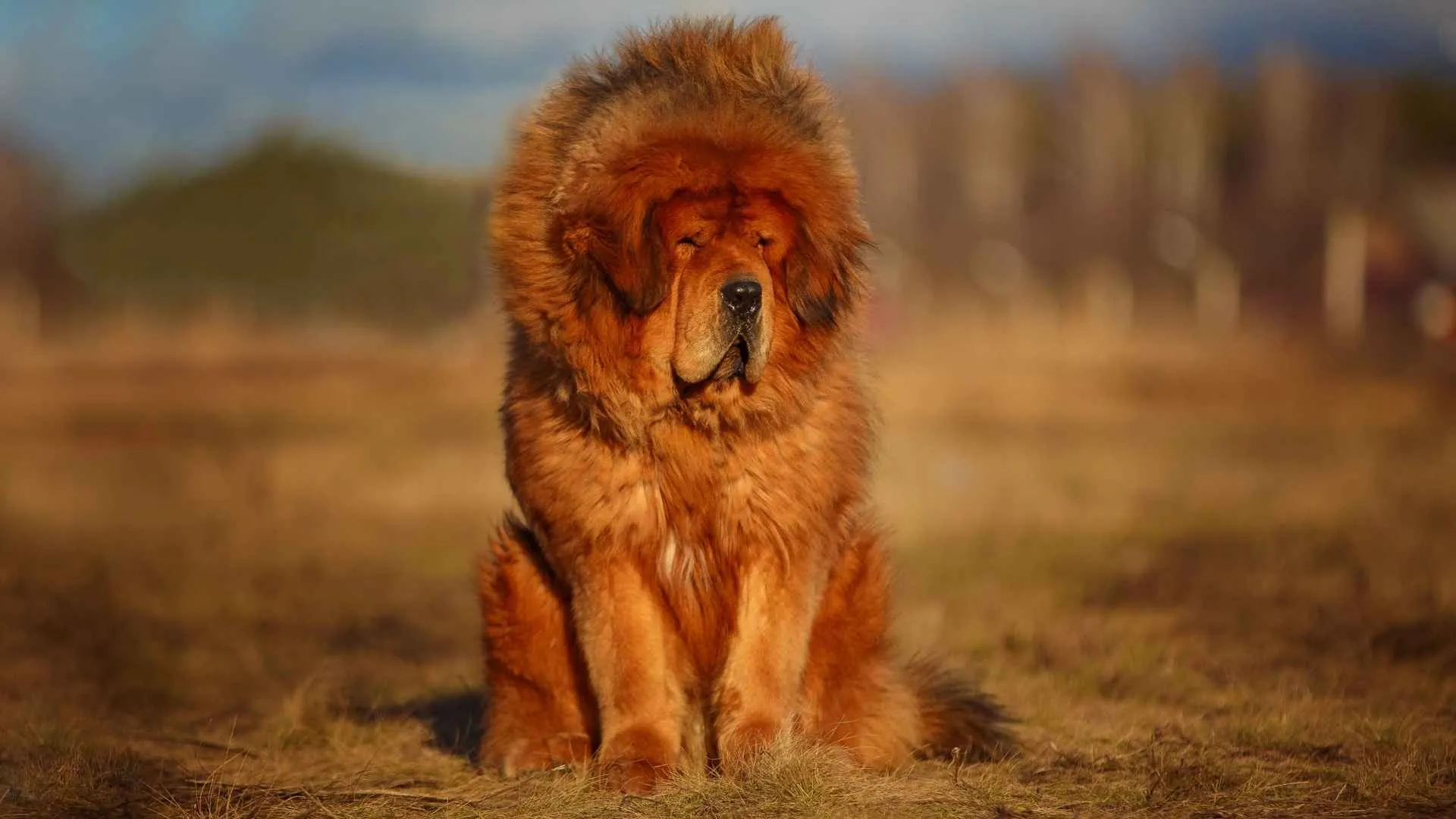
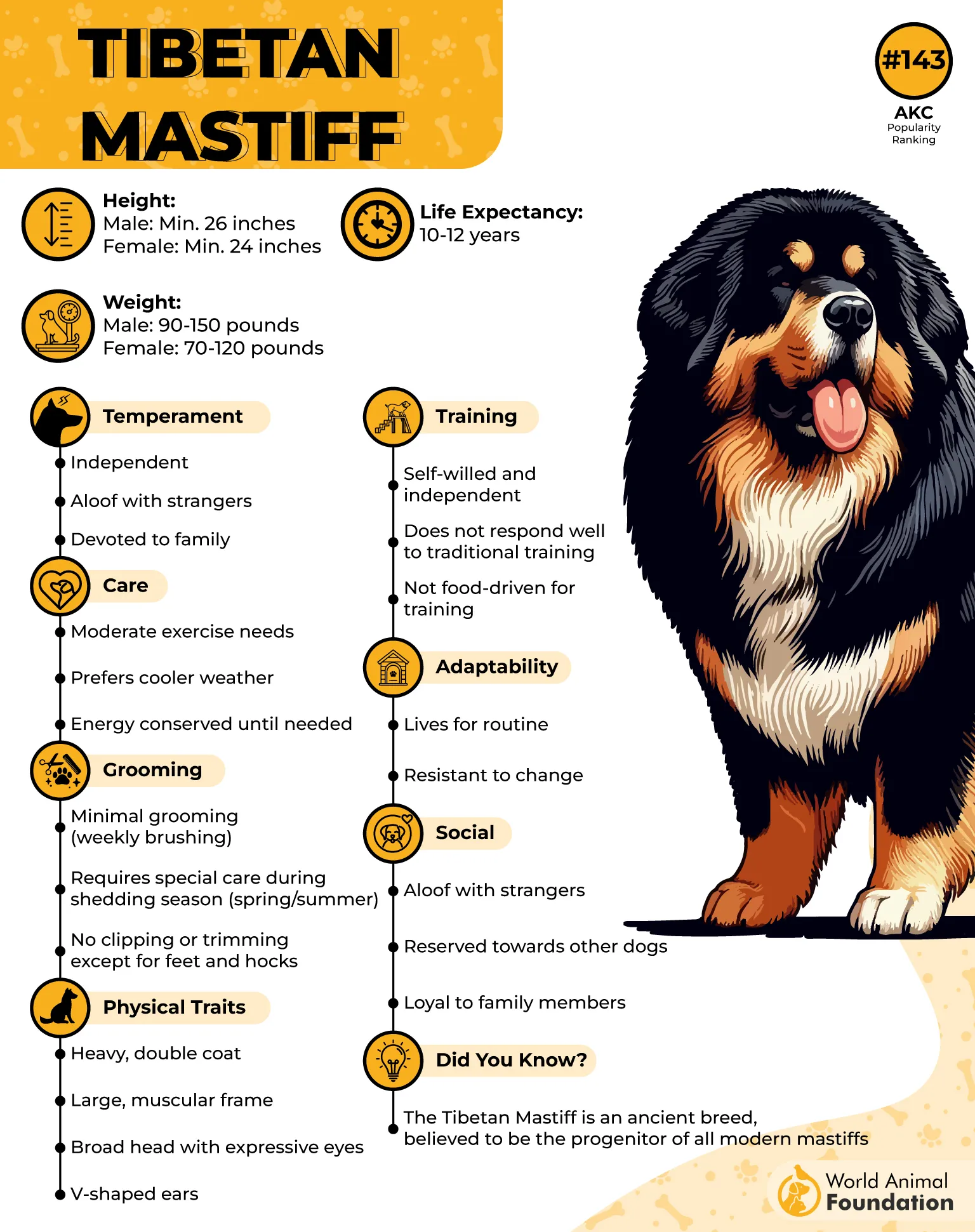
Tibetan Mastiff carries a rare presence formed in the mountain regions of Tibet, where survival shaped a large, lion-like frame and alert stance. Its dense double coat, broad head, and curled, feathered tail reflect a body built for protection rather than speed.
Form and control in protective behavior
This ancient breed observes its environment closely and relies on independent thinking instead of rushing into action. Its intelligence works alongside a strong sense of territory, especially when unfamiliar people or animals appear near its space.
This behavior becomes clearer through core patterns:
Evaluates threats before reacting
Treats unfamiliar presence with caution
Responds independently rather than following impulse
Temperament shaped by independence
As a gentle giant, they form strong bonds within their trusted circle while remaining reserved toward outsiders. Its independent mindset requires purposeful engagement to remain mentally balanced. Early social exposure plays a key role in shaping how it interprets unfamiliar situations as it grows.
3. Dogue De Bordeaux
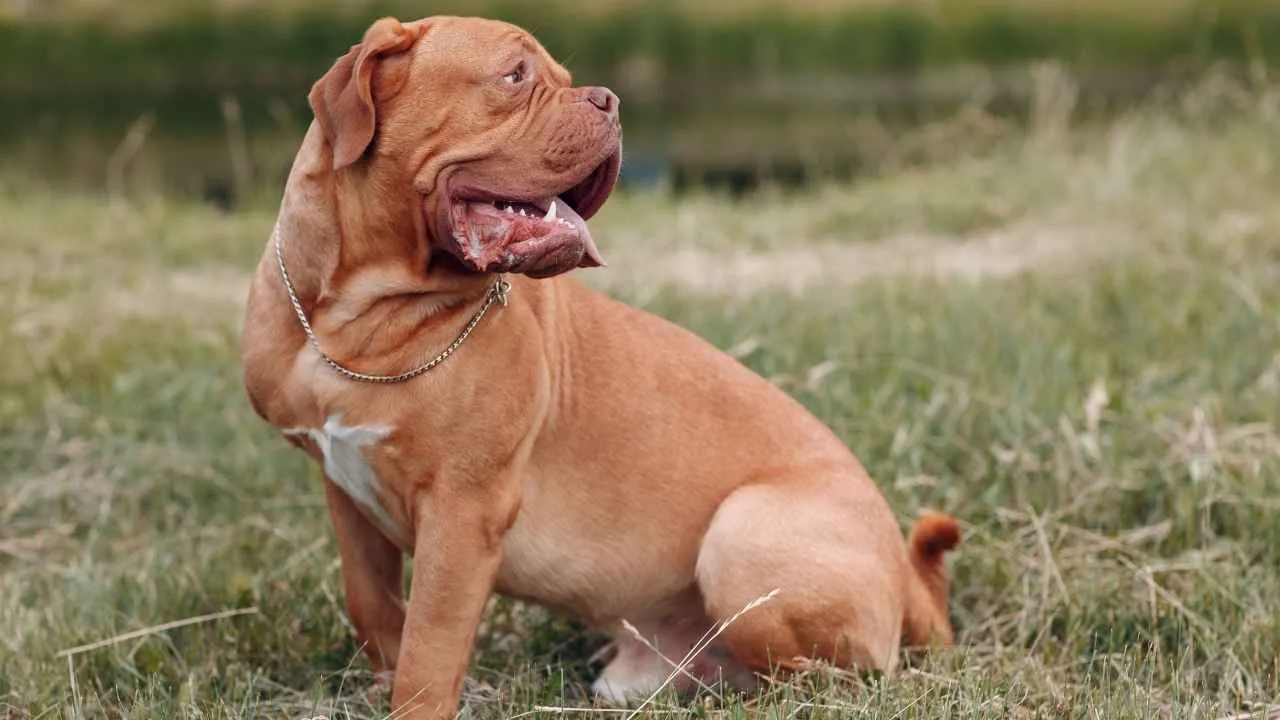
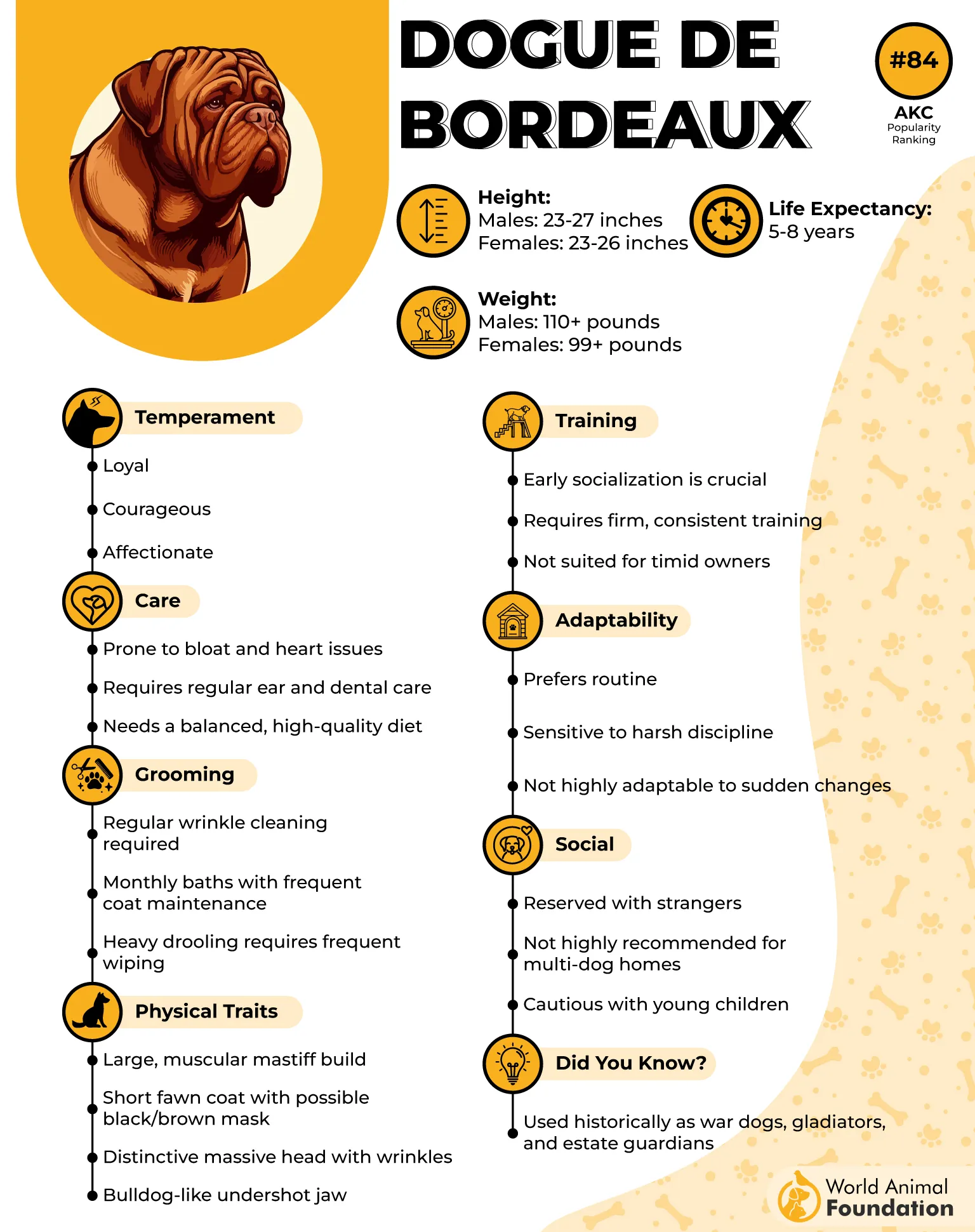
Dogue de Bordeaux carries a heavy, muscular frame with a broad head and deeply wrinkled forehead that gives a firm visual weight.
Its short, dense coat keeps maintenance simple, requiring only light weekly brushing. The entire build reflects strength concentrated into a compact, powerful outline.
Functional role shaped through purpose
As guard dogs, they have been used in guarding estates, protecting livestock, and assisting in demanding field work involving large game. Its role demanded steady awareness of surroundings and readiness when an unfamiliar presence appears near the property.
This working profile can be broken into key points:
Used for estate and livestock protection duties
Assisted in controlling large game during hunts
Reacts to an unfamiliar approach with a vocal warning
Presence shaped by recognition and control
Media exposure helped them gain attention again and increased recognition of their uncommon status outside France, as mentioned in the VCA Hospital.
Early presence in the USA remained limited before wider recognition brought more interest. Its personality combines protective awareness with a calm domestic rhythm when properly guided.
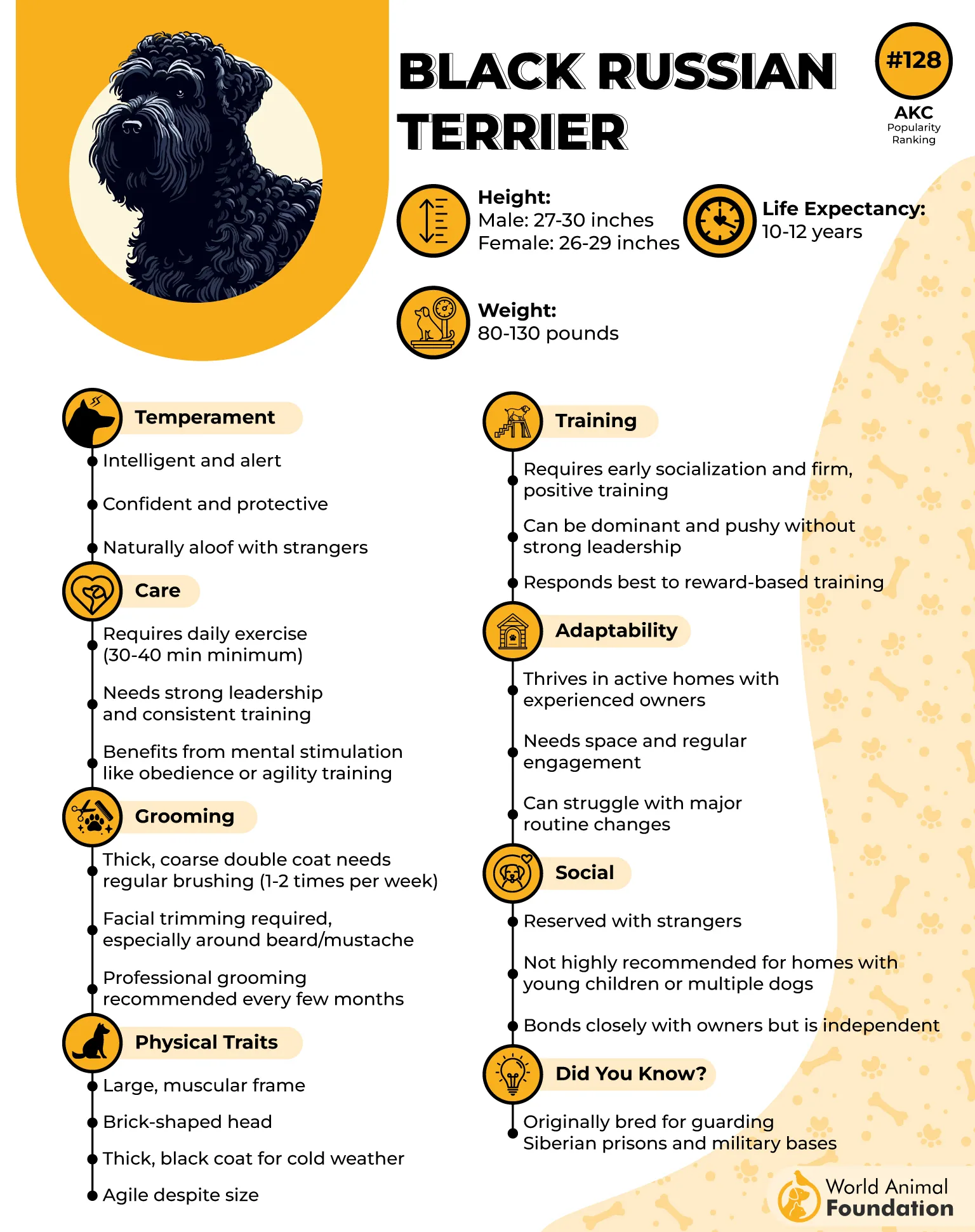
4. Black Russian Terrier
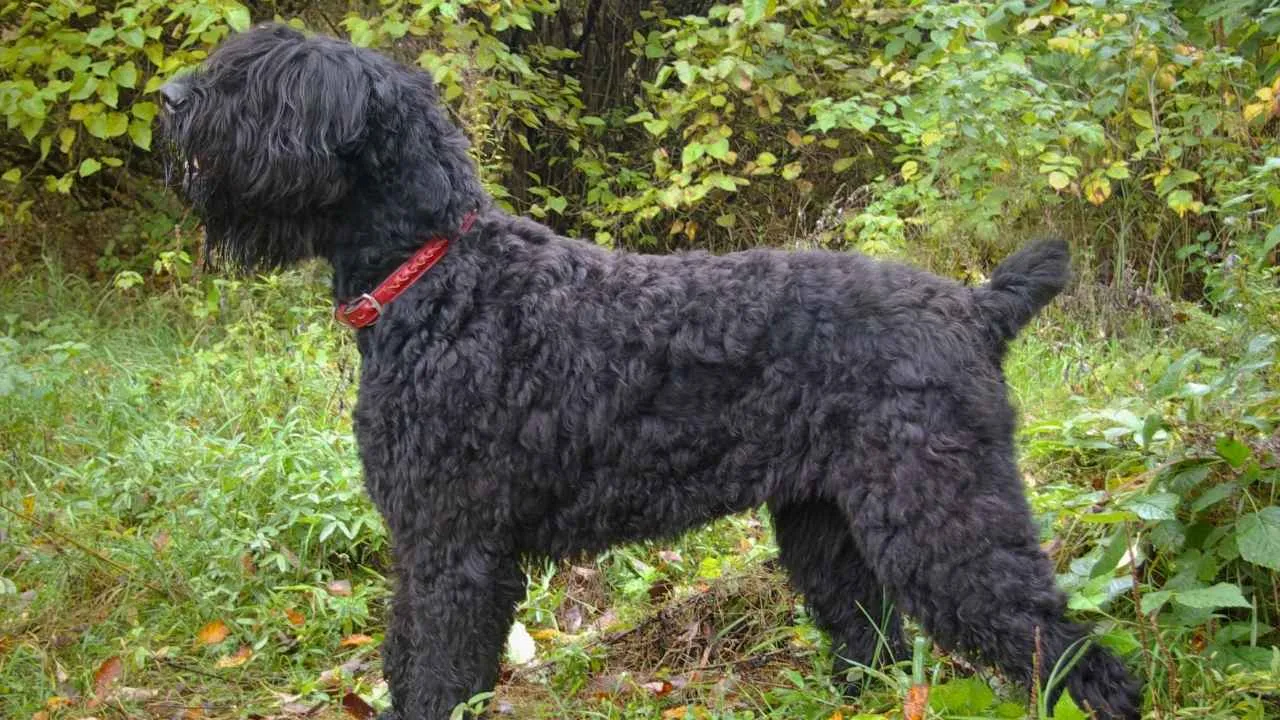
The Black Russian Terrier was originally bred from large working breeds combined in post-war Russia to create a powerful, multi-purpose working dog.
Rottweiler, Giant Schnauzer, Airedale Terrier, and Newfoundland all contributed to its heavy structure and controlled power, as highlighted in Omlet. This mix resulted in a rare giant breed built for demanding tasks rather than appearance.
Controlled response and social handling
They react to unfamiliar people with caution, often holding distance until trust is built through repeated exposure. Its bond with family develops strongly once familiarity is established, forming a steady internal attachment.
This behavior becomes clearer in daily handling:
Approaches strangers with reserved assessment
Builds trust gradually through consistent exposure
Forms a strong attachment within its family circle
Activity shaped by steady output
This loyal dog does not rely on constant motion but still requires regular engagement through long walks and structured play. Its energy works best when directed into physical and mental tasks rather than free, unfocused activity. This balance prevents restlessness while supporting its working nature.
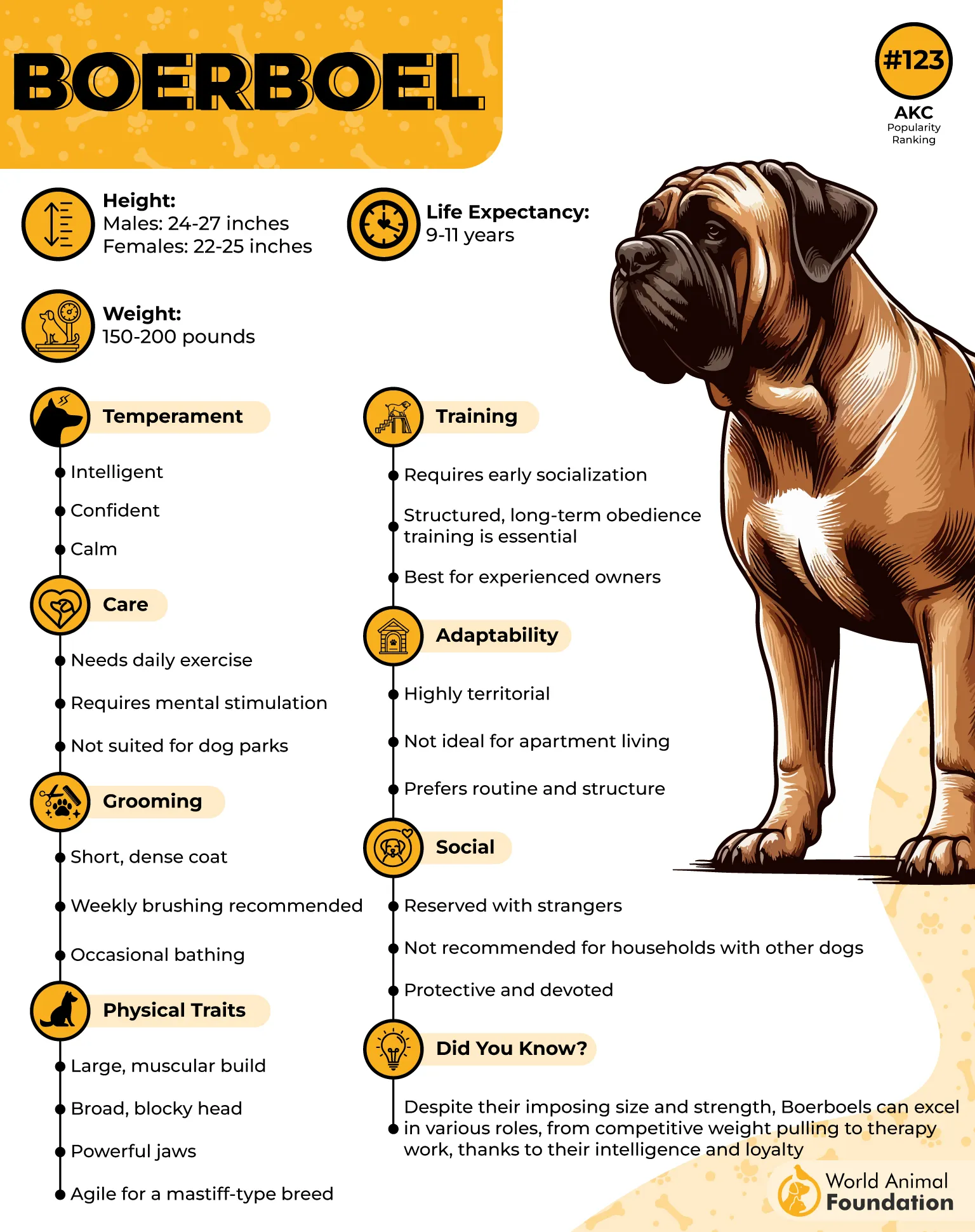
5. Boerboel
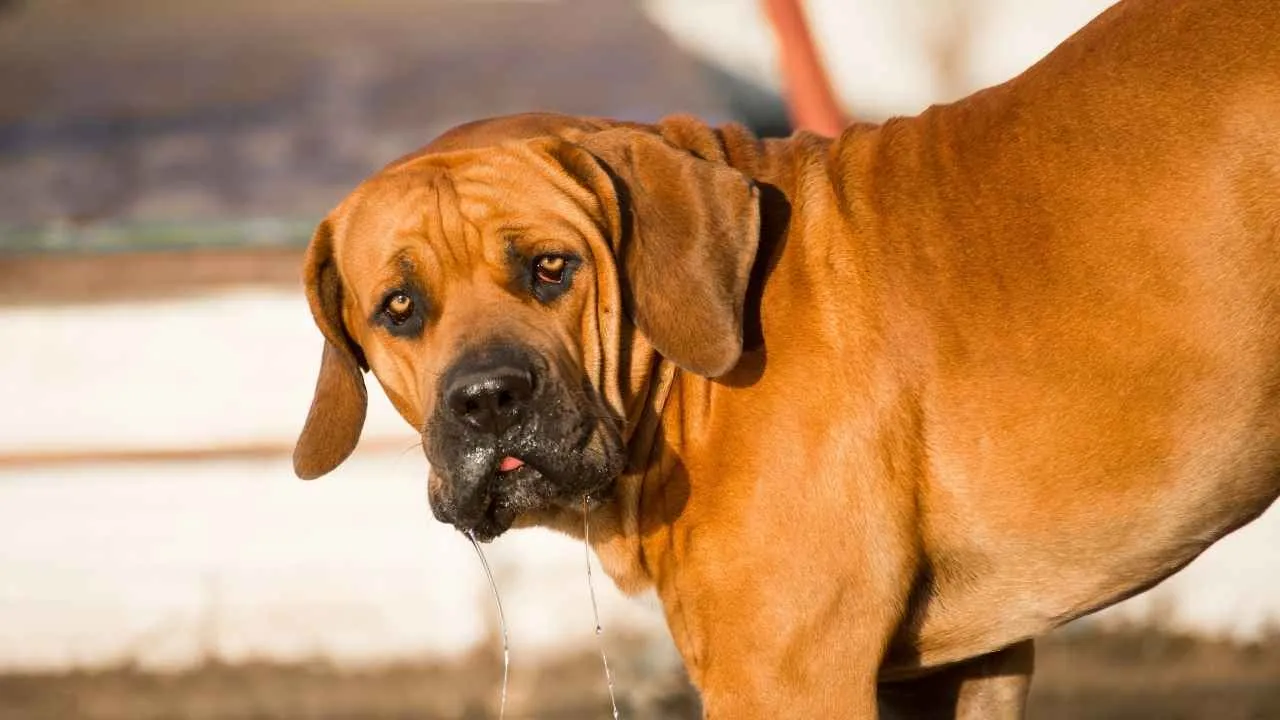
Boerboel, also called the South African Mastiff, was shaped to guard farms against powerful predators like hyenas and lions.
Its enormous frame reflects a working purpose tied to protection in open, demanding land. This foundation created a dog built for serious responsibility rather than casual companionship.
Strength expressed through role behavior
This big dog reacts to its environment with measured confidence, stepping into protective duty when needed while maintaining a gentle temperament within familiar settings. Its intelligence and trainability support structured handling, but its independent thinking requires clear direction.
This balance becomes visible in core working patterns:
Responds with firm control in unfamiliar situations
Learns commands through consistent repetition
Assesses threats before engaging physically
Family connection and social contrast
This family dog forms a strong attachment to its household, often showing a calm and steady interaction style with children and familiar people.
Around new people, its behavior shifts toward guarded awareness, reflecting its protective role. This contrast defines how it separates home comfort from external caution.
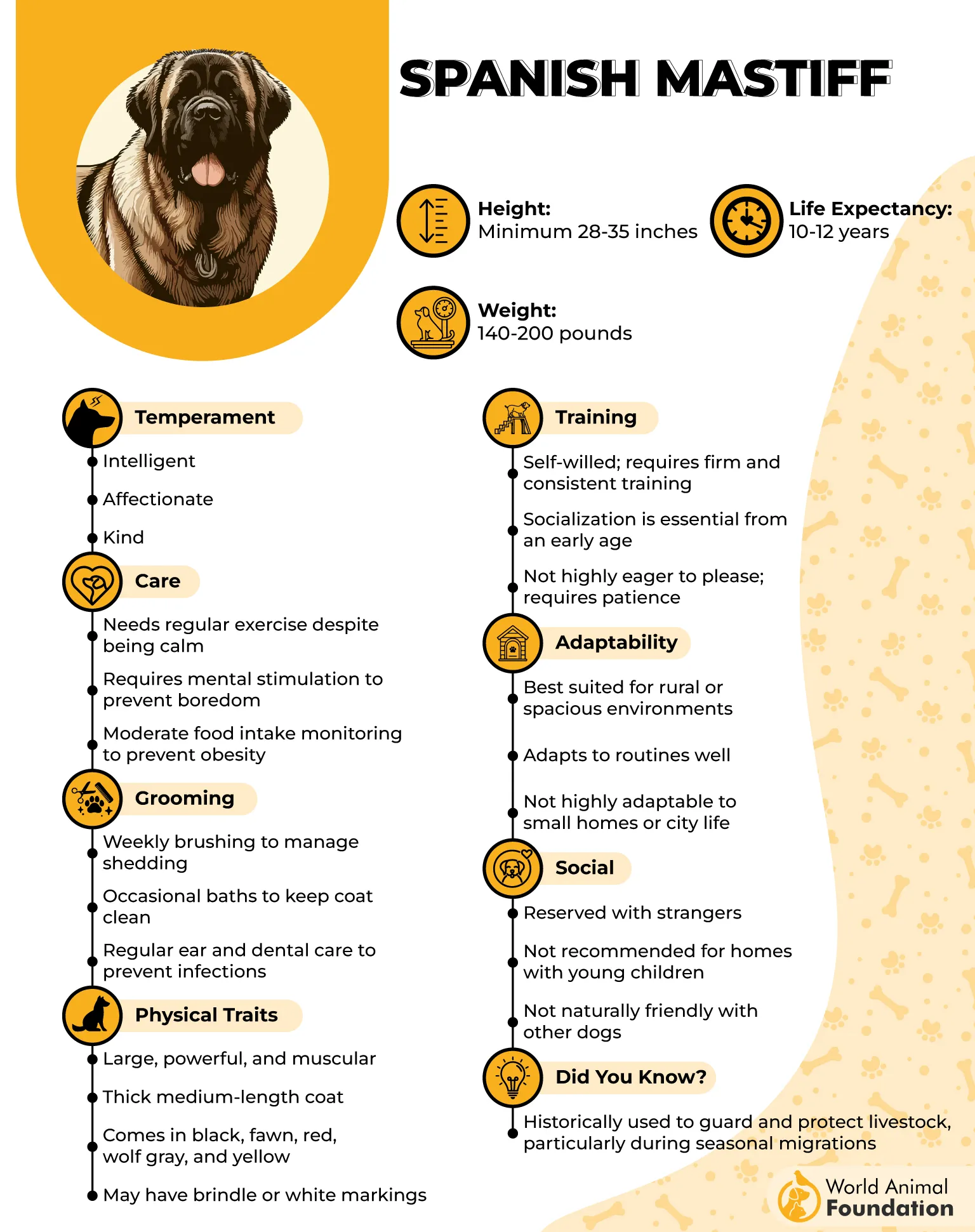
6. Spanish Mastiff
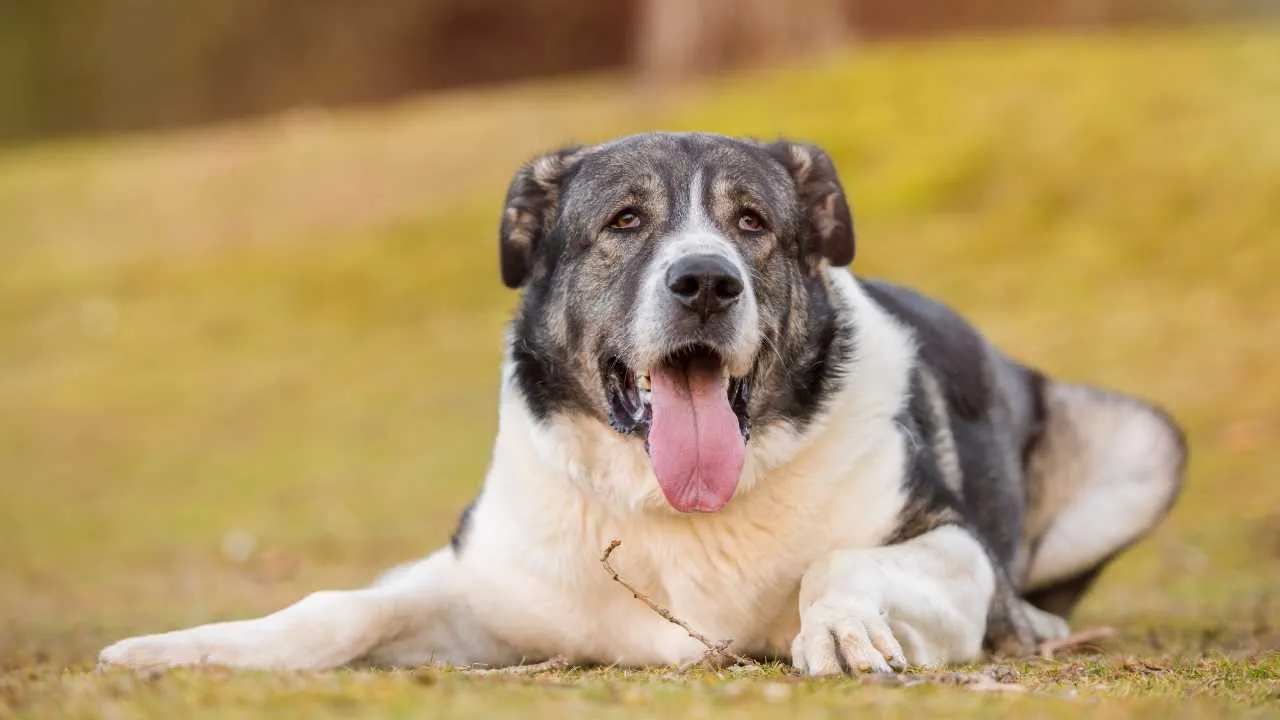
Spanish Mastiff is a rare large-bodied breed from Spain, shaped through centuries of guarding sheep across open land. Its massive frame and dense structure were built for long protection duty against predators. Reports note that a single dog could oversee close to 100 sheep in open pastures.
Physical structure tied to endurance work
This large breed carries a heavy head, loose skin forming a dewlap, and a strong, muscular build that supports long hours outdoors. Its short, dense coat appears in shades like fawn, wolf-gray, red, black, and yellow, often with markings.
This structure reflects clear working traits:
Built to guard large livestock groups across open terrain
Dense coat suited for changing outdoor conditions
Strong frame supporting sustained guarding roles
Training focus and daily rhythm
They respond best to early obedience work, learning simple cues and leash control during earlier stages. Its daily routine includes moderate activity such as walking, swimming, or enclosed play rather than long-distance running. This balance fits its lower stamina but steady working instinct.
7. Estrela Mountain Dog
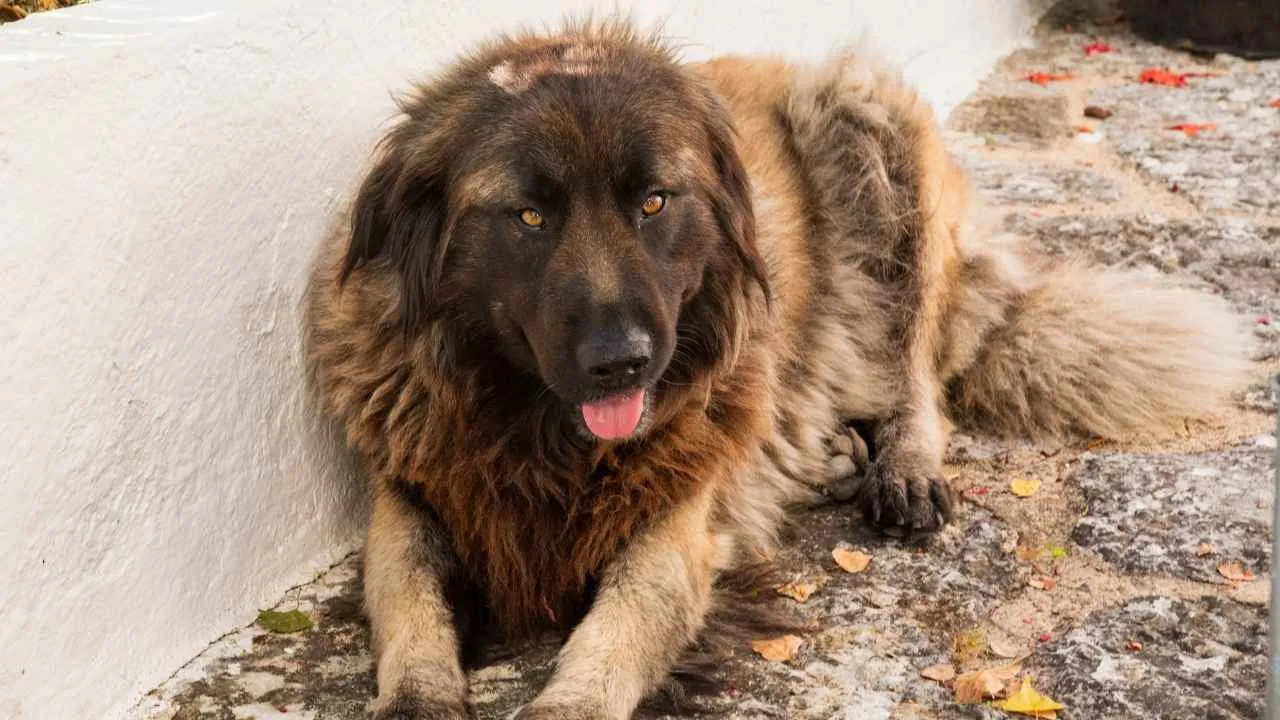
The Estrela Mountain Dog breed originated from the rugged Serra da Estrela region of Portugal, shaped as one of the oldest mastiff-type guardians in the Iberian Peninsula.
Its structure reflects adaptation to steep terrain and long outdoor guarding duties. This foundation links directly to its role in protecting flocks across remote land.
Physical identity built for terrain control
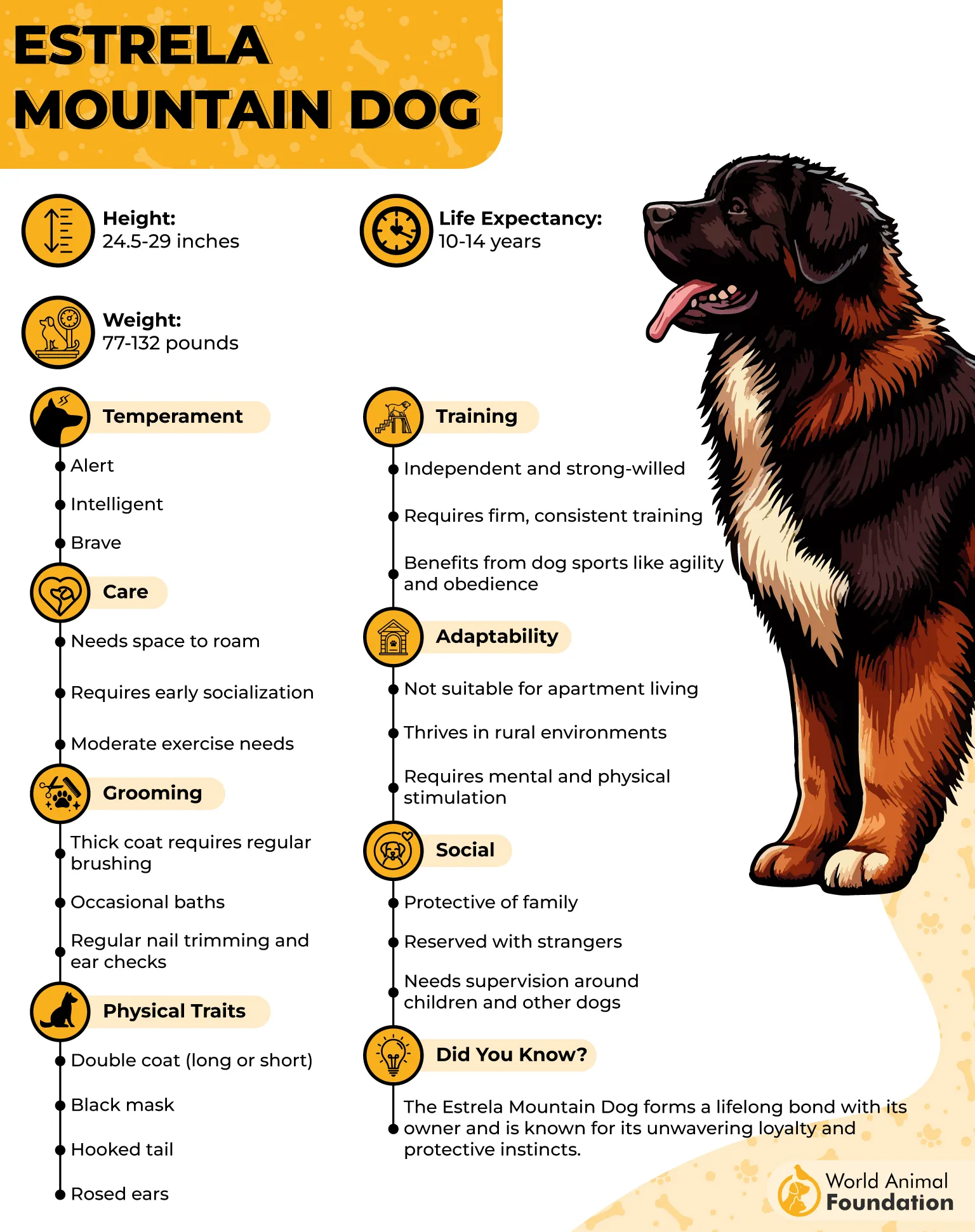
They carry a heavy frame paired with a thick coat that can appear long or short, designed for harsh weather shifts. The coat texture resembles coarse goat hair and appears in shades like fawn, wolf gray, yellow, or brindle.
Key physical markers define its presence:
A distinct black mask across the face
Tail ending in a natural hook shape
Ears that fold back in a rose position
Role-driven behavior in daily life
As an excellent guard dog, they work with a protective nature shaped by guarding flocks and family spaces, often observing unfamiliar presence with caution.
Its behavior around strangers tends to be reserved until trust is built through time and exposure. This makes early social exposure an important part of its adjustment in home settings.
8. Neapolitan Mastiff
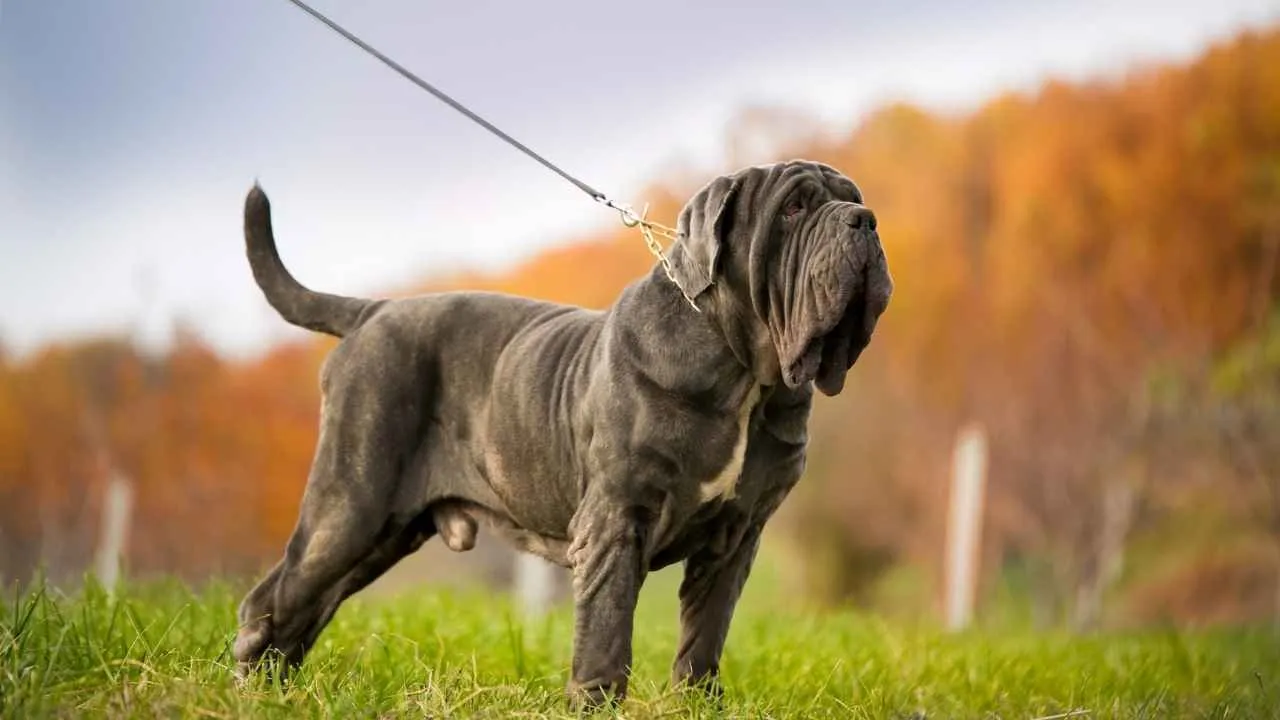
The Neapolitan Mastiff comes from war dogs once used by Roman forces, later shaping its role as an estate guardian in Italy. Its massive frame and loose skin create an intimidating appearance that reflects this past. Today, it remains uncommon yet recognizable for its sheer physical presence.
Built for guarding, not chasing
These mastiffs operate with a slow, deliberate pace, focusing more on observation than pursuit. Its guarding instinct works through awareness of surroundings rather than constant action.
That approach becomes clear through these traits:
Heavy build supports grounded, controlled movement
Watchful nature reacts to an unfamiliar presence
Preference for staying within known territory
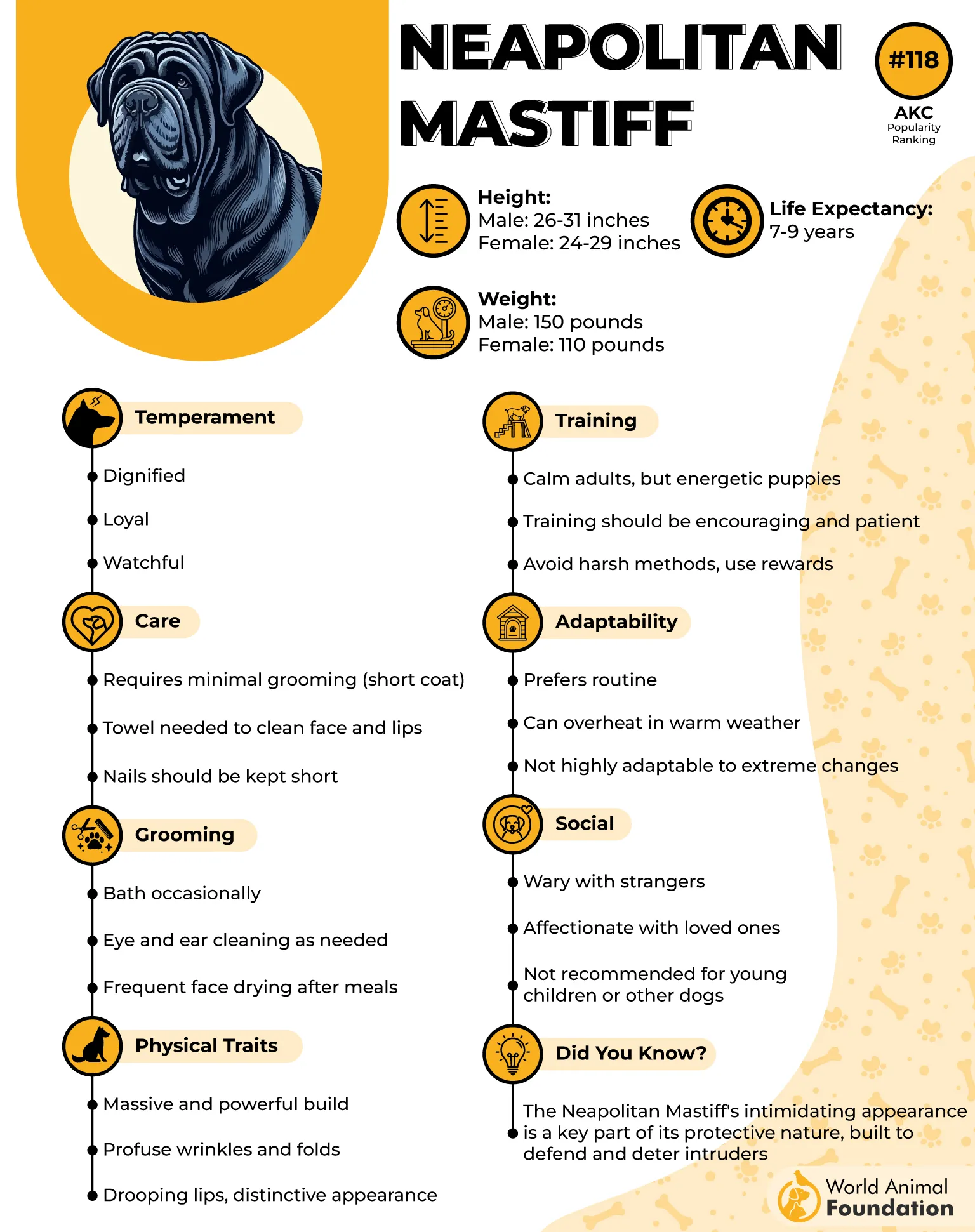
Home-focused temperament
They settle comfortably into indoor life, often choosing rest over extended activity. It spends much of its time around familiar spaces, using short walks or backyard roaming as its main outlet. This pattern makes it well-suited for quieter households rather than active families.
9. Scottish Deerhound
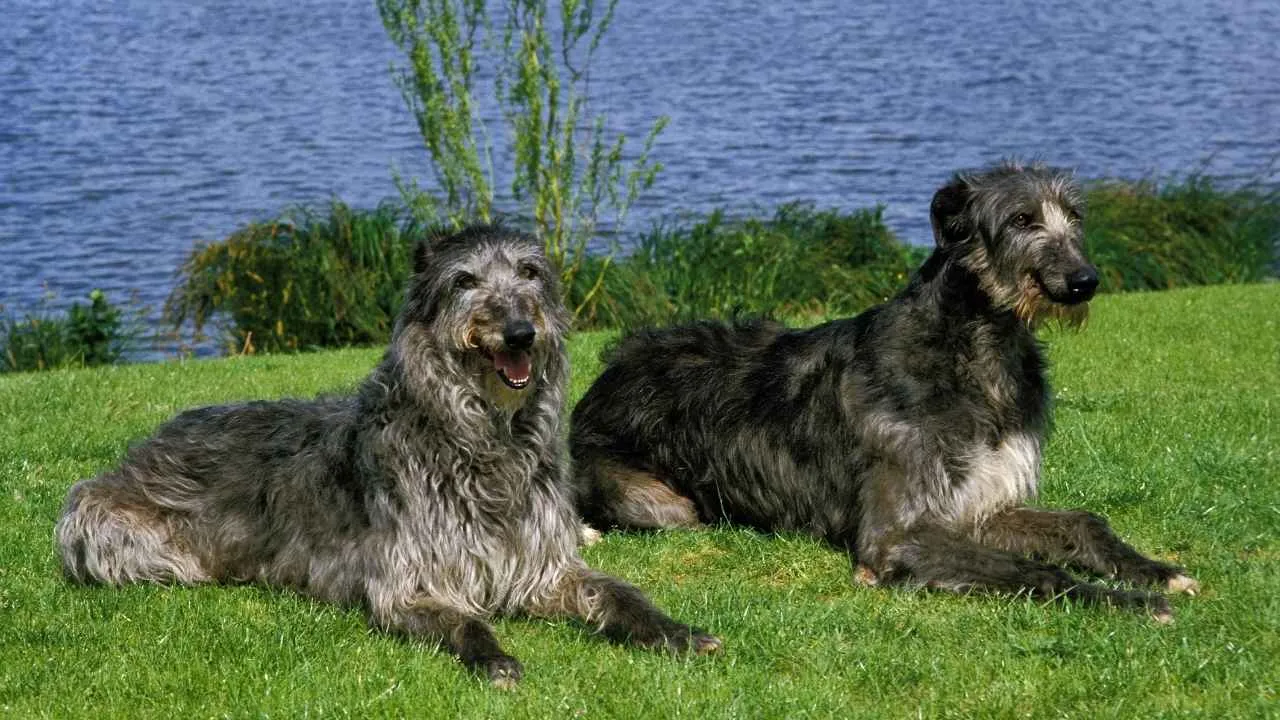
Scottish Deerhound brings a tall, lean structure shaped for chasing deer across open Highland terrain. Its size feels imposing, yet its overall presence leans toward calm companionship rather than constant activity. This rare breed holds value through both its physical form and its hunting capability.
Built for pursuit across distance
As a sighthound, they rely on vision and speed during outdoor tracking rather than scent. Its athletic ability connects with open-space movement and controlled bursts of energy.
That capability becomes clearer through:
Long legs built for covering wide terrain
Strong prey focus during outdoor activity
Speed bursts followed by extended rest periods
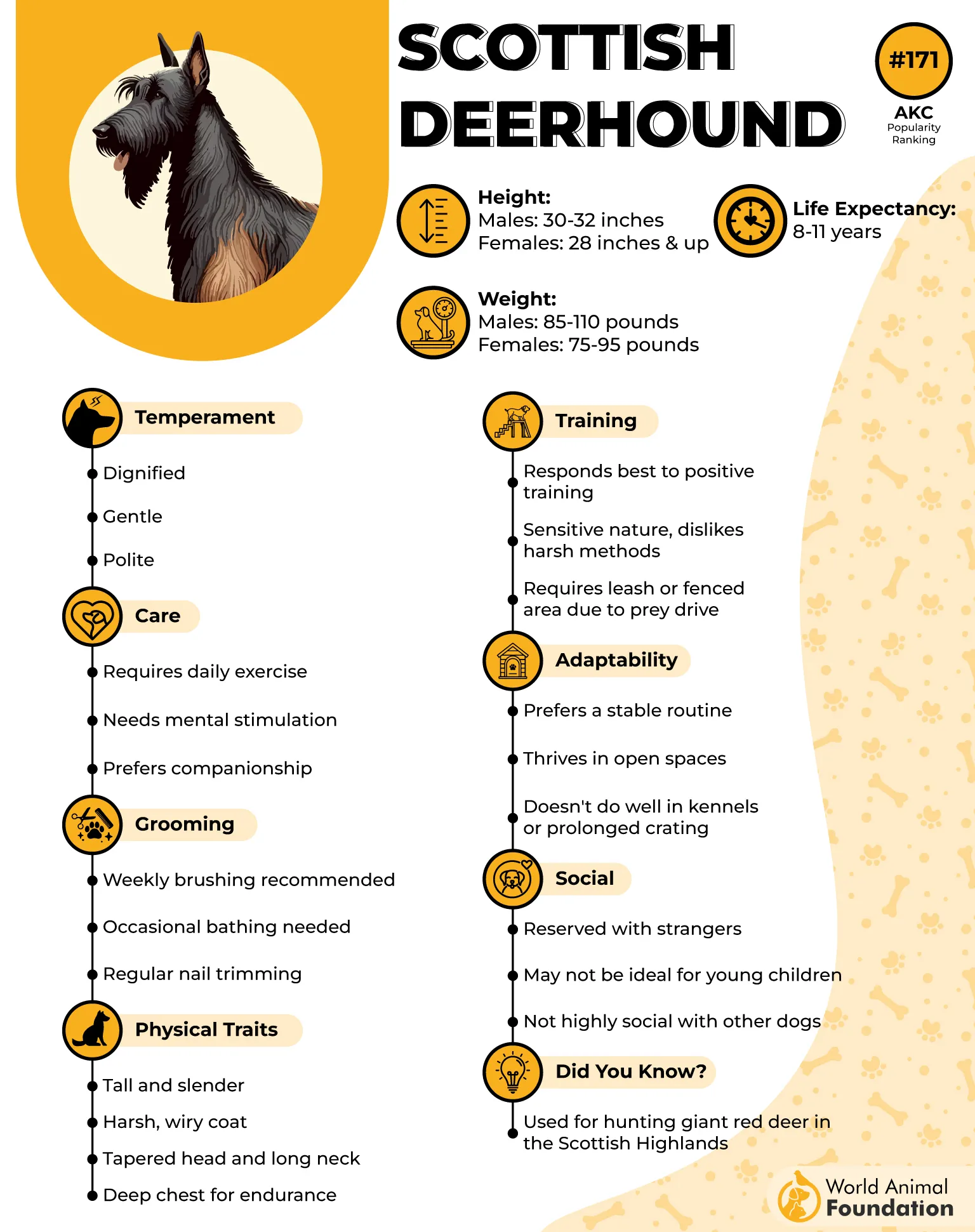
Temperament within the home
Known as the “Royal Dog of Scotland”, they settle into a relaxed routine indoors, often resting for long periods once their activity needs are met.
Its gentle nature appears in how it interacts calmly with people and adapts to quiet environments. Some individuals remain reserved, while others engage more openly.
10. Komondor
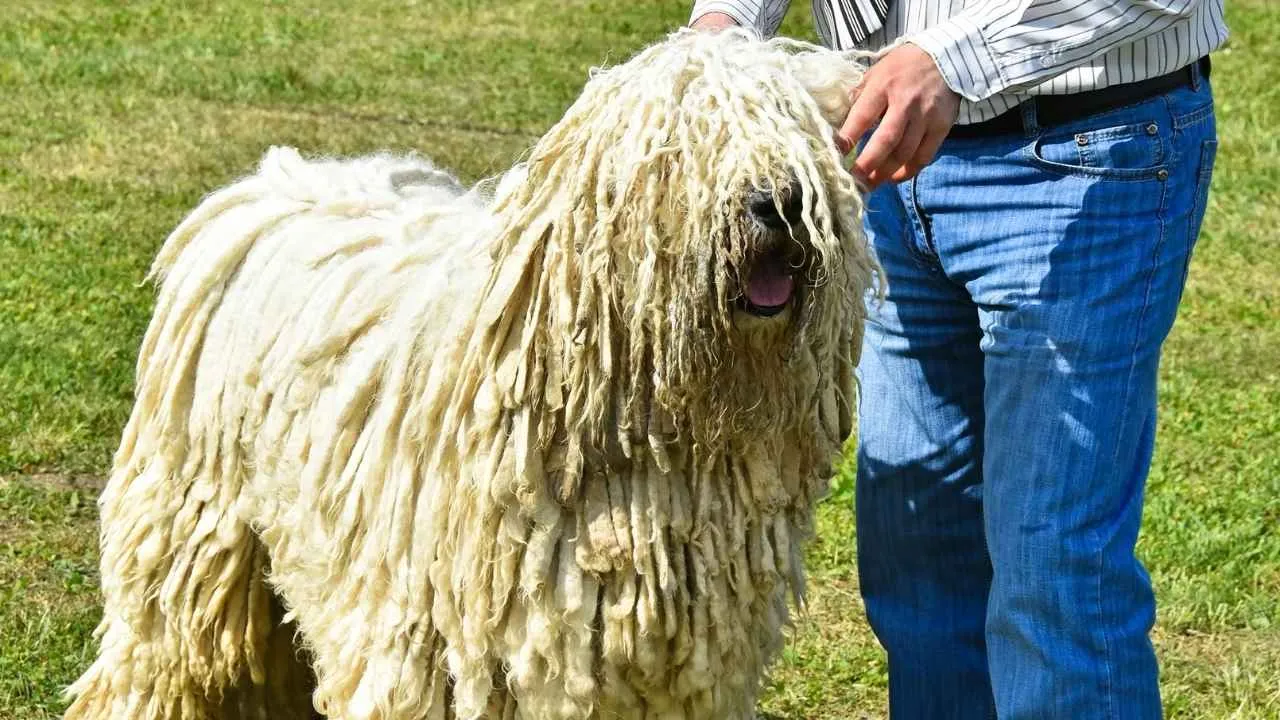
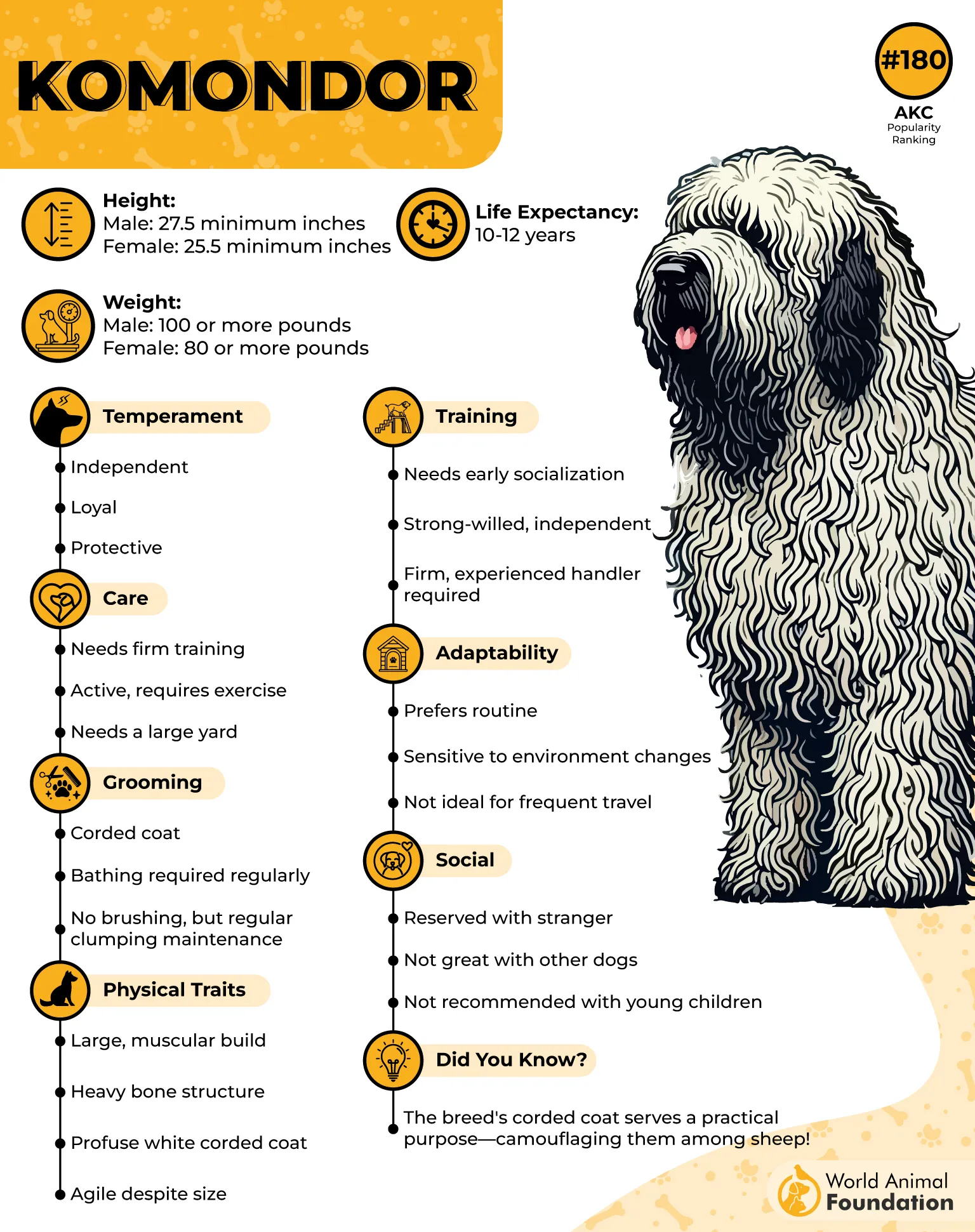
Komondor appears with dense white cords that form naturally over time, creating a coat that visually blends into livestock settings.
This distinct look served a functional role in sheep-guarding environments across Hungary. The rarity of this breed adds to its unique presence, with numbers remaining limited worldwide.
Coat structure and upkeep demands
They require consistent attention to maintain their corded coat, as the strands need separation and care to stay clean and healthy. This is not a passive grooming routine and demands time and commitment.
That requirement becomes clear through practical care needs:
Manual separation of cords to prevent matting
Regular cleaning to maintain coat condition
Time-intensive upkeep compared to standard coats
Social behavior and response patterns
They do not rush into new interactions, which makes early exposure to people and places important. It interacts gently with children and familiar other pets when properly introduced. Its alertness may lead to barking when something demands attention.
Conclusion
Uncommon giant breeds often challenge first impressions once you spend time around them. Their size may seem demanding at first, but their behavior reveals a steadier, more balanced reality. Strength appears in how they move, respond, and stay connected without constant effort, something experienced dog owners often recognize early.
Over time, that balance becomes the most noticeable part of living with them. Their presence feels consistent, and their actions remain measured across different situations, shaped in part by natural protective instincts. In the end, these dogs remain deeply affectionate and become fantastic companions, where size no longer feels overwhelming and loyalty settles naturally into everyday life.
