




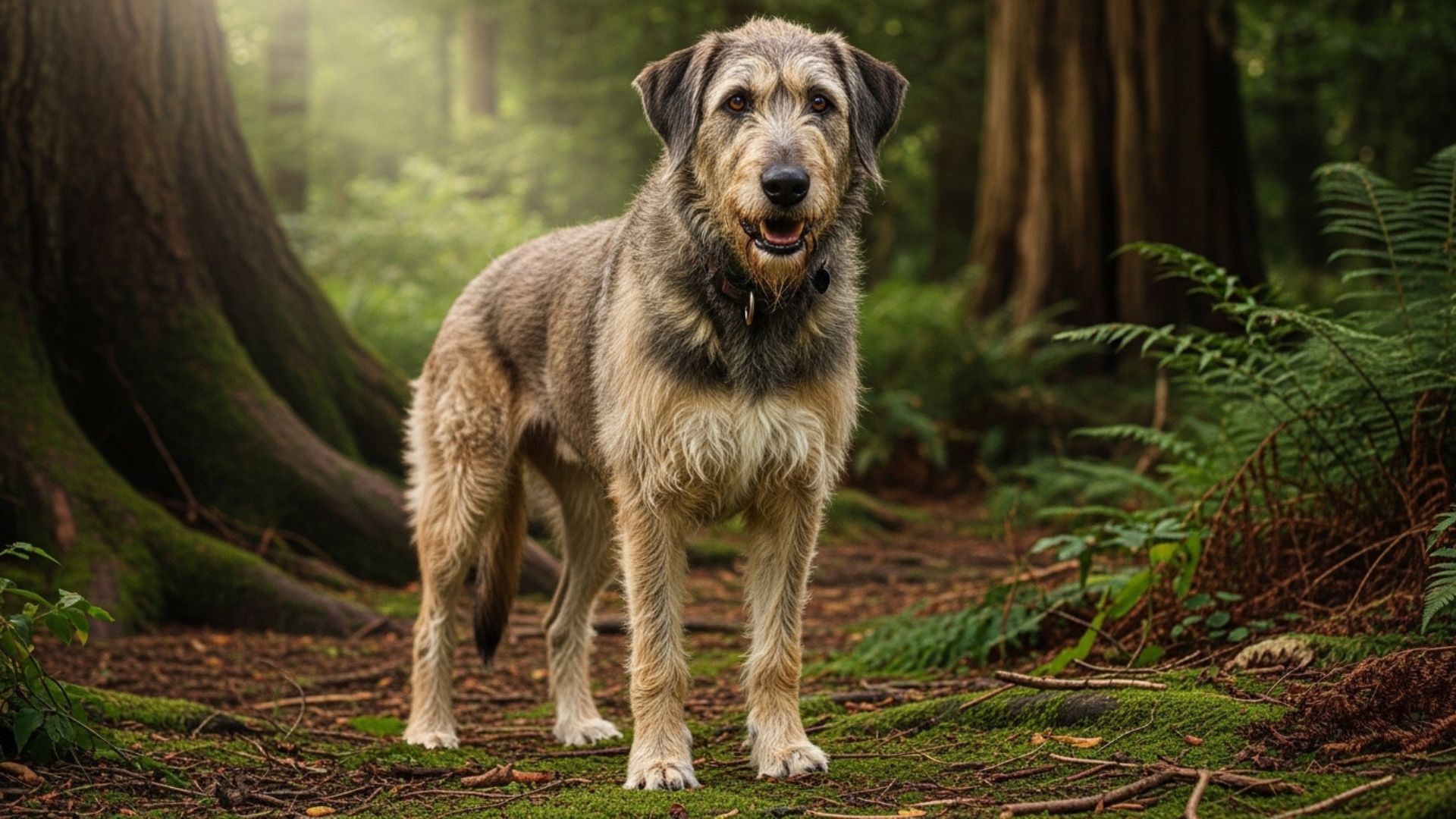
Not every dog lover is searching for a common dog. Some experienced dog owners are drawn to uncommon dog breeds for owners who love big dogs with commanding size, deep loyalty, and a strong desire to protect their human family members.
These rare dog breeds often form powerful emotional connections, making them exceptional family companions for the right household.
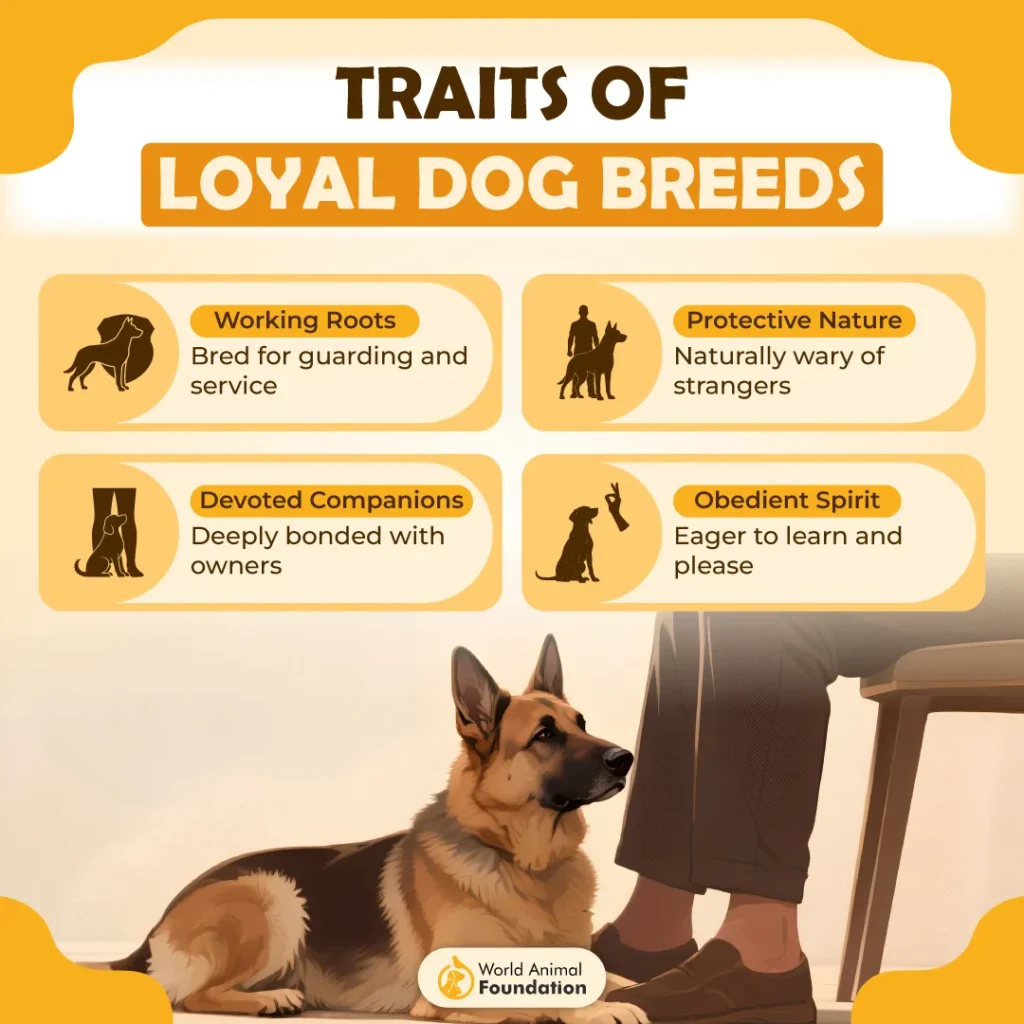
Many of these large dog breeds were originally bred for guarding, hunting, or service dogs, which explains their protective instincts and unwavering loyalty.
If your family lifestyle includes outdoor adventures, space to move, and a love for deeply loyal pets, these gentle giants can become excellent family dogs.
Uncommon Dog Breeds For Owners Who Love Big Loyal Companions
1. Otterhound
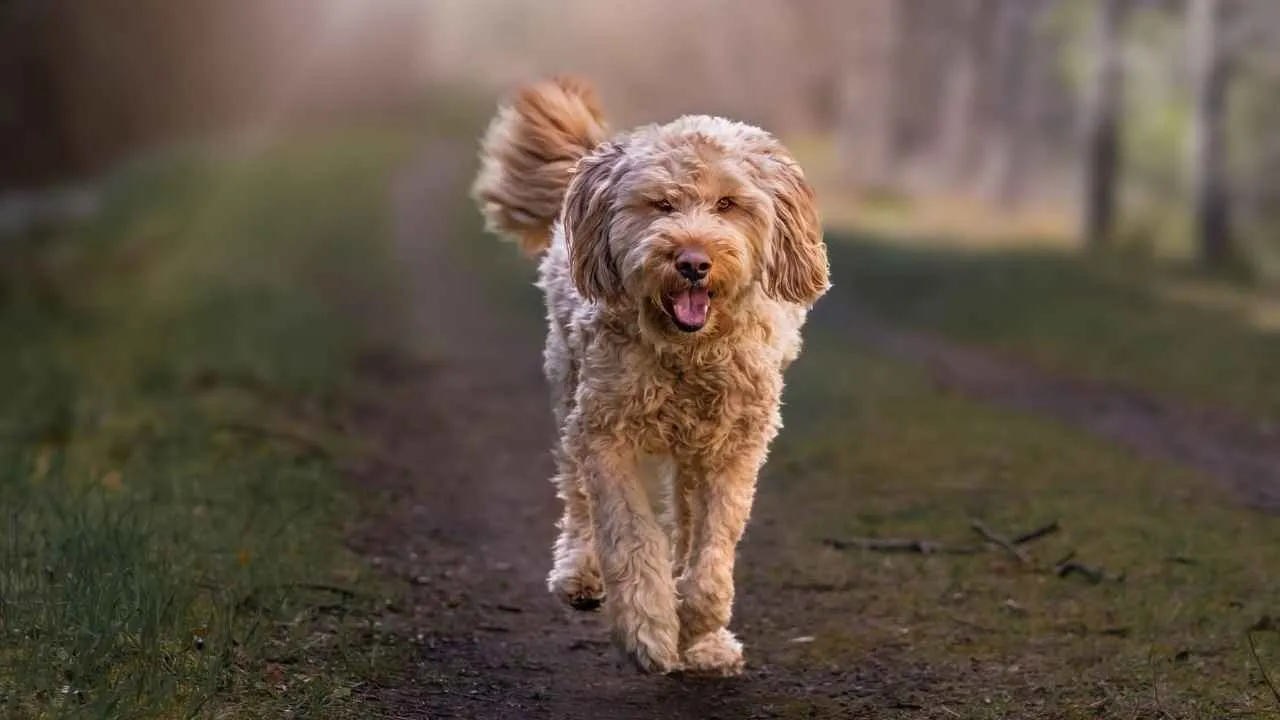
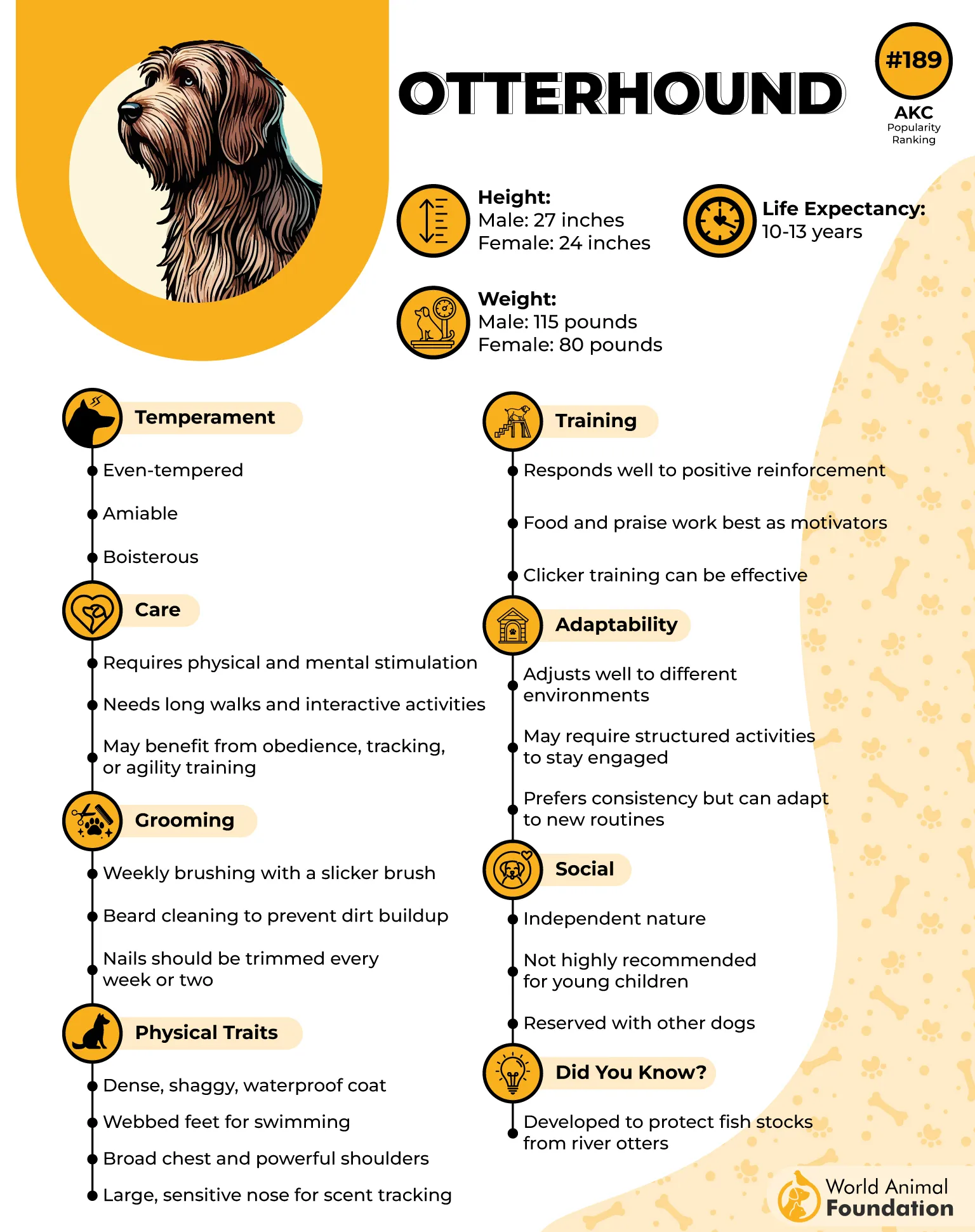
This scarce breed is known for its dense shaggy coat, webbed feet, acute sense of smell, and affinity for swimming. A broad chest and powerful shoulders allow them to swim all day without tiring. Their large black nose is amazingly sensitive and could follow an otter’s underwater scent trail over great distances, according to the American Kennel Club.
Temperament
As friendly dogs, Otterhounds make great family companions. Otterhounds can do well with other pets and children, as long as they are properly trained and socialized when they are puppies.
Health problems
Large dogs with deep chests, such as the otterhound, are prone to bloat. During bloat, a dog’s stomach fills with gas and can suddenly make their abdomen look distended.
Key traits
Originally bred to hunt otters.
Deeply loyal and friendly with family pets.
Enjoy outdoor adventures and physical exercise.
Require mental stimulation and consistent training.
2. Leonberger
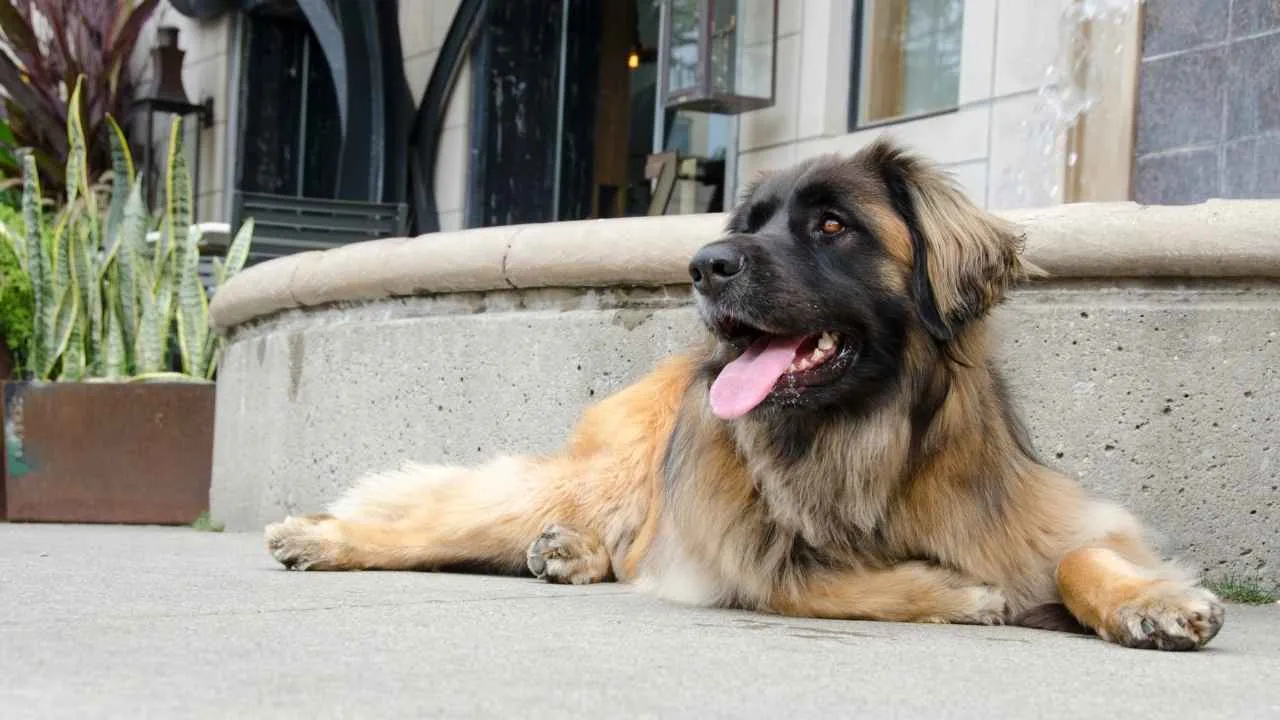
The Leonberger is a giant dog breed whose name is derived from the town of Leonberger, Germany. According to legend, the reddish-gold dog was bred in the 17th century by crossing Newfoundland, Saint Bernard, and Great Pyrenees to resemble the lions on Leonberger’s coat of arms.
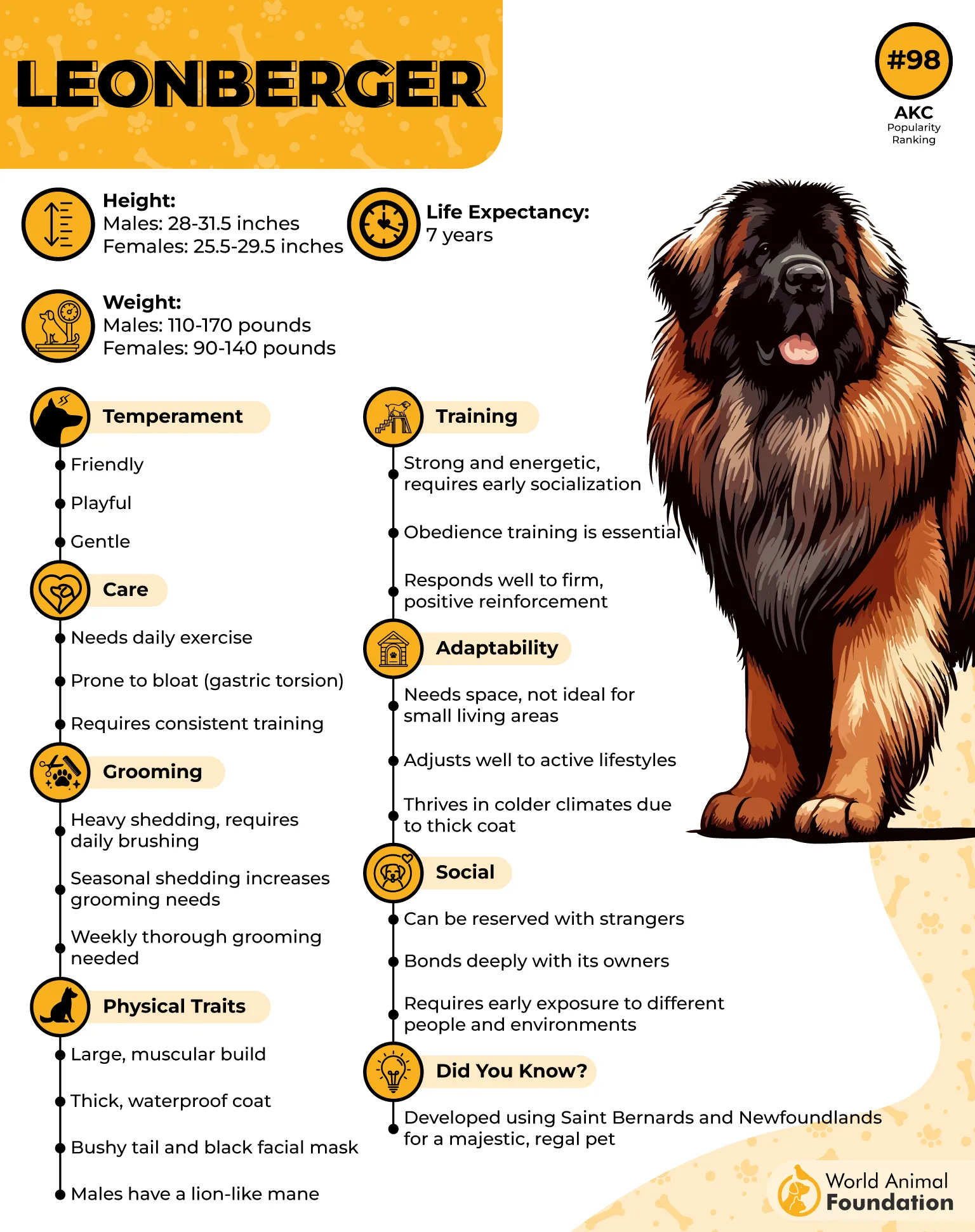
Temperament
Leonbergers are loving and playful with those they trust, as noted by Royal Canin. They’re great with children, amenable to other dogs, and welcoming to strangers when well-socialized. They are generally calm and quiet, but they require brisk exercise at least once every day, such as a long walk or hike.
Health problems
They have a few discernible health issues that are screened in most giant breed dogs. One of the most concerning health conditions Leonbergers can develop is gastric dilatation and volvulus, a severe form of bloat.
Key traits
Large breeds with a gentle temperament.
Deeply affectionate and loyal nature.
Excellent companions for active families.
Known to form strong bonds with family members.
3. Komondor
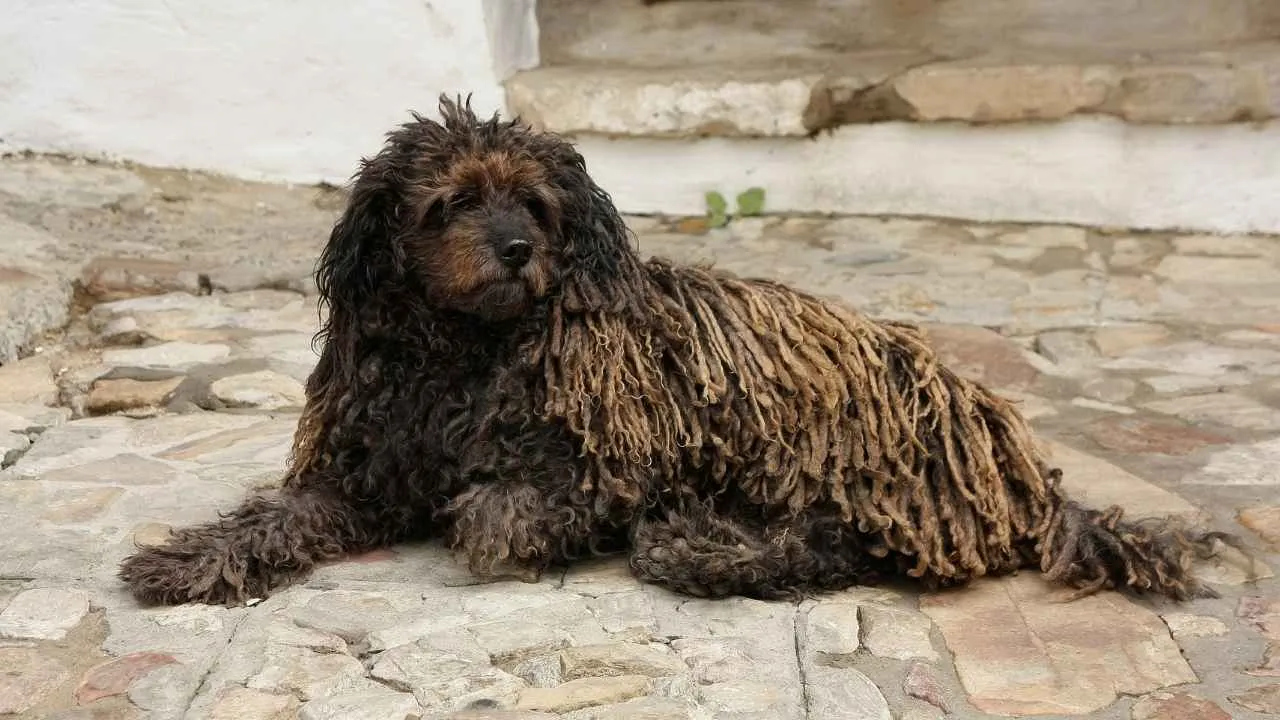
The Komondor, also known as the Hungarian Sheepdog, is one of the most distinctive-looking dogs on the planet, thanks to their long, white doggy dreadlocks. But there’s more to this pup than their dreads. They are powerful and protective Hungarian flock guardians.
They are also super sweet, affectionate, and loving with their families, earning them a top spot as a family-friendly canine companion, according to the Vet Playas.
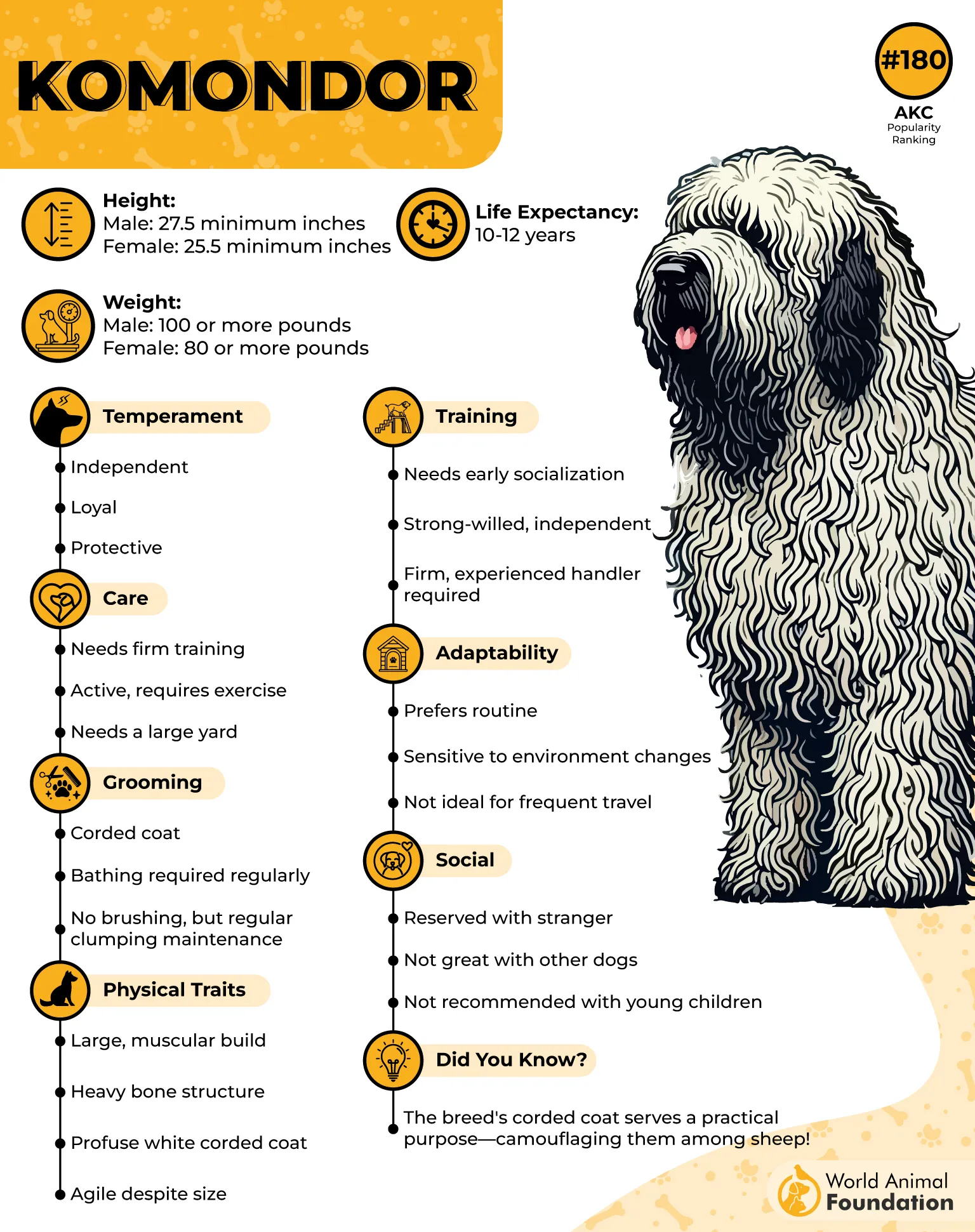
Temperament
Komondors are playful and powerful dogs with a coat that demands a lot of time and attention to keep sweet-smelling and easy to live with. Devoted to their family, they will guard and protect, but this may mean they make errors of judgment that could land themselves and their owner in trouble.
Health problems
Owners are, understandably, upset when their dog develops a health problem linked to its breed. The potential health problems that Komondors are prone to include:
Hip dysplasia.
Gastric Dilatation Volvulus.
Ear problem.
Key traits
Originally bred as livestock guard dogs.
Independent dogs with a protective nature.
Deep loyalty towards the human family.
needs early socialization and positive training.
4. Neapolitan Mastiff
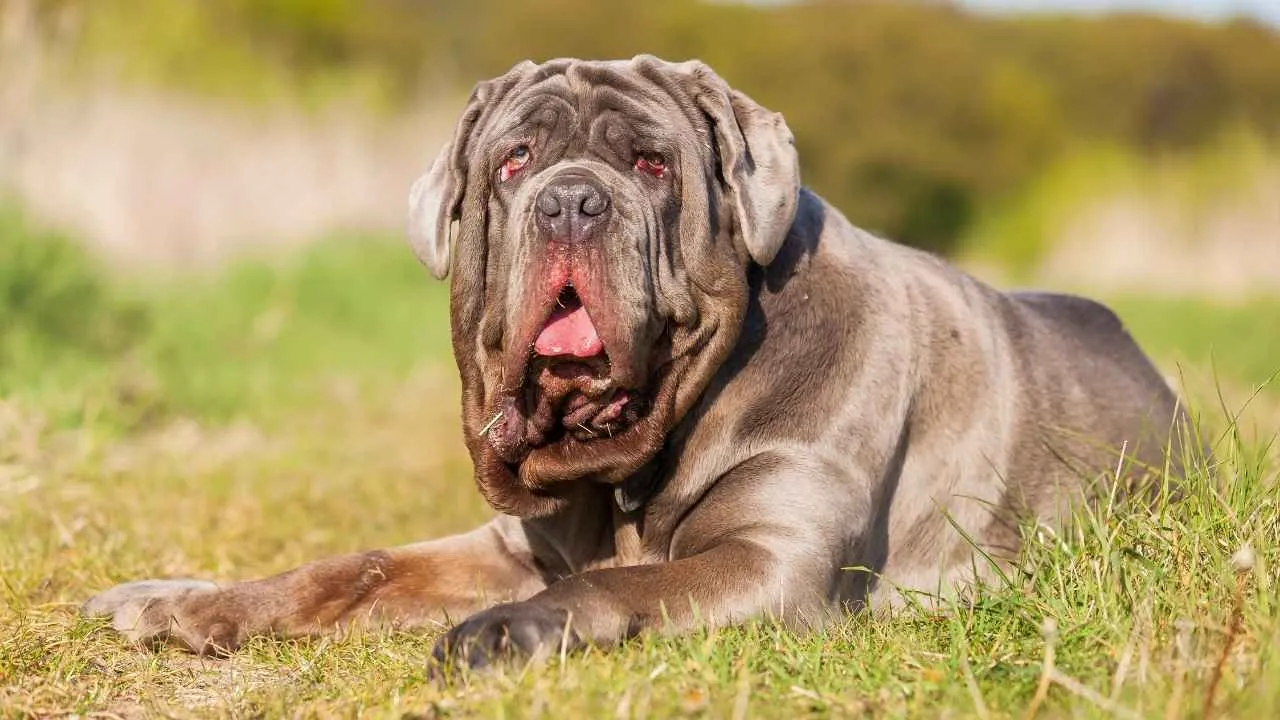
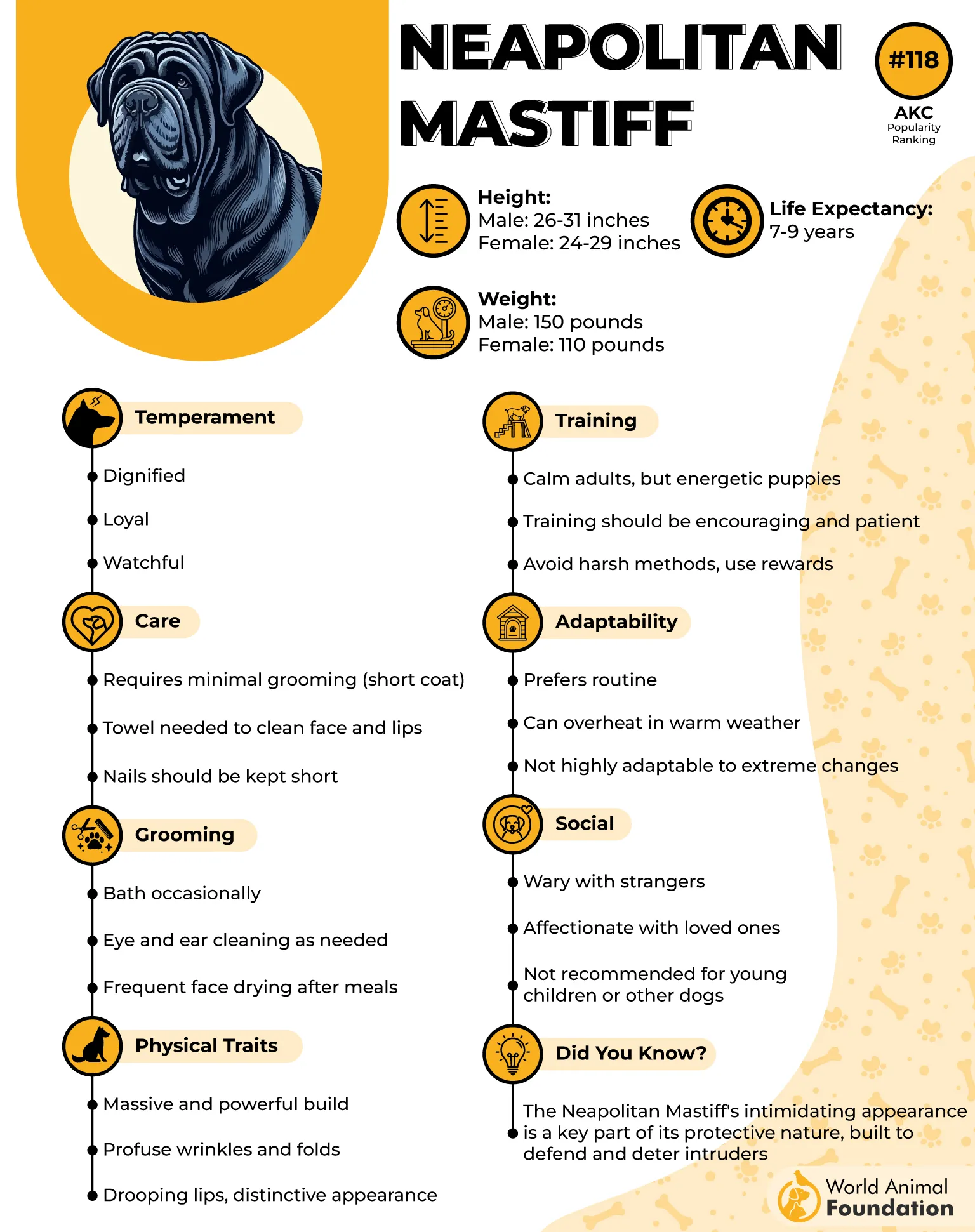
A massive, powerful dog, the Neapolitan Mastiff is recognized by its loose, wrinkly skin and slow, bumbling gait. Orvis mentions that its serious demeanor and natural protective instincts make it an excellent watchdog, but it is calm and affectionate unless provoked.
The Neapolitan Mastiff is a heavy drooler, especially in hot temperatures or after eating and drinking, so it helps to keep a towel handy. He should be taken on walks twice a day.
Temperament
Neapolitan Mastiffs are homebodies. They enjoy the occasional walk, but they are more than happy to lie around the house all day and get mist of their activity by roaming around the back yard.
Health problems
The Neapolitan Mastiff’s lifespan is just 7-9 years. This short lifespan is because of their massive size and their propensity for health issues such as
Heart disease
Gastric Dilatation and Volvulus
Hip and elbow dysplasia
Cherry eye
Key traits
Powerful build.
Natural guard instincts.
Loyal family protector.
Quiet and watchful.
Affectionate dog.
5. Chinook
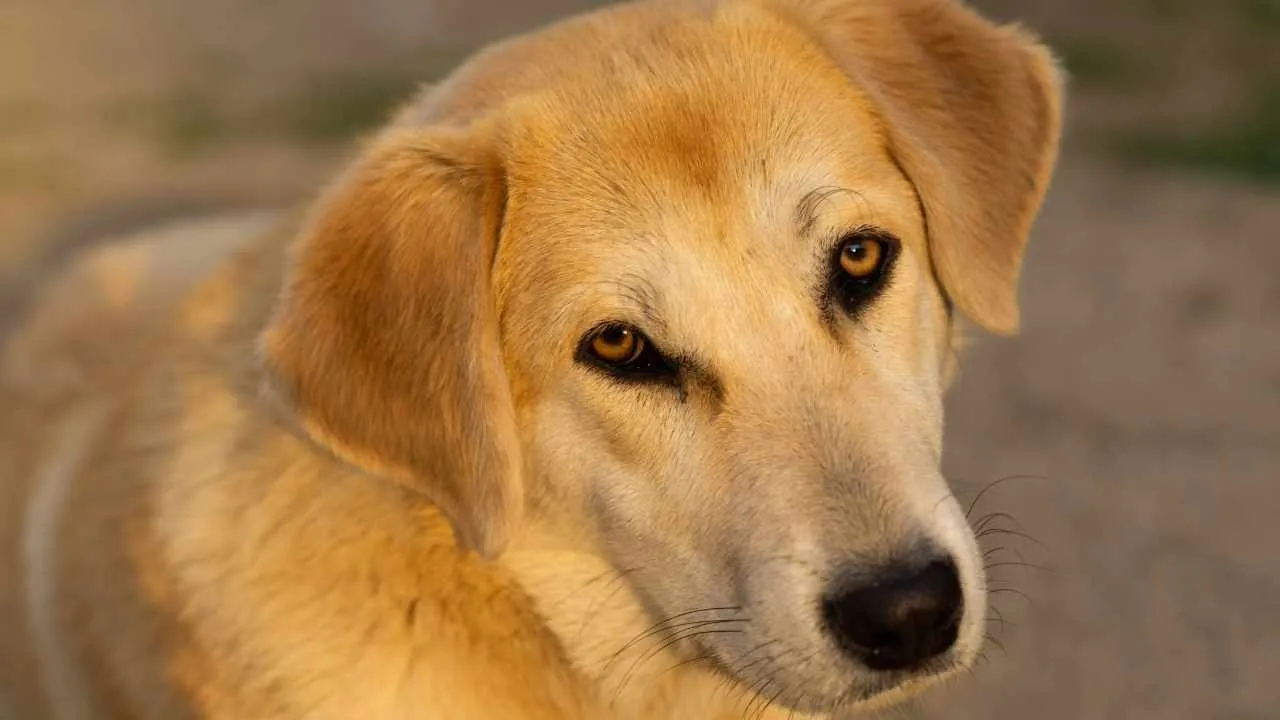
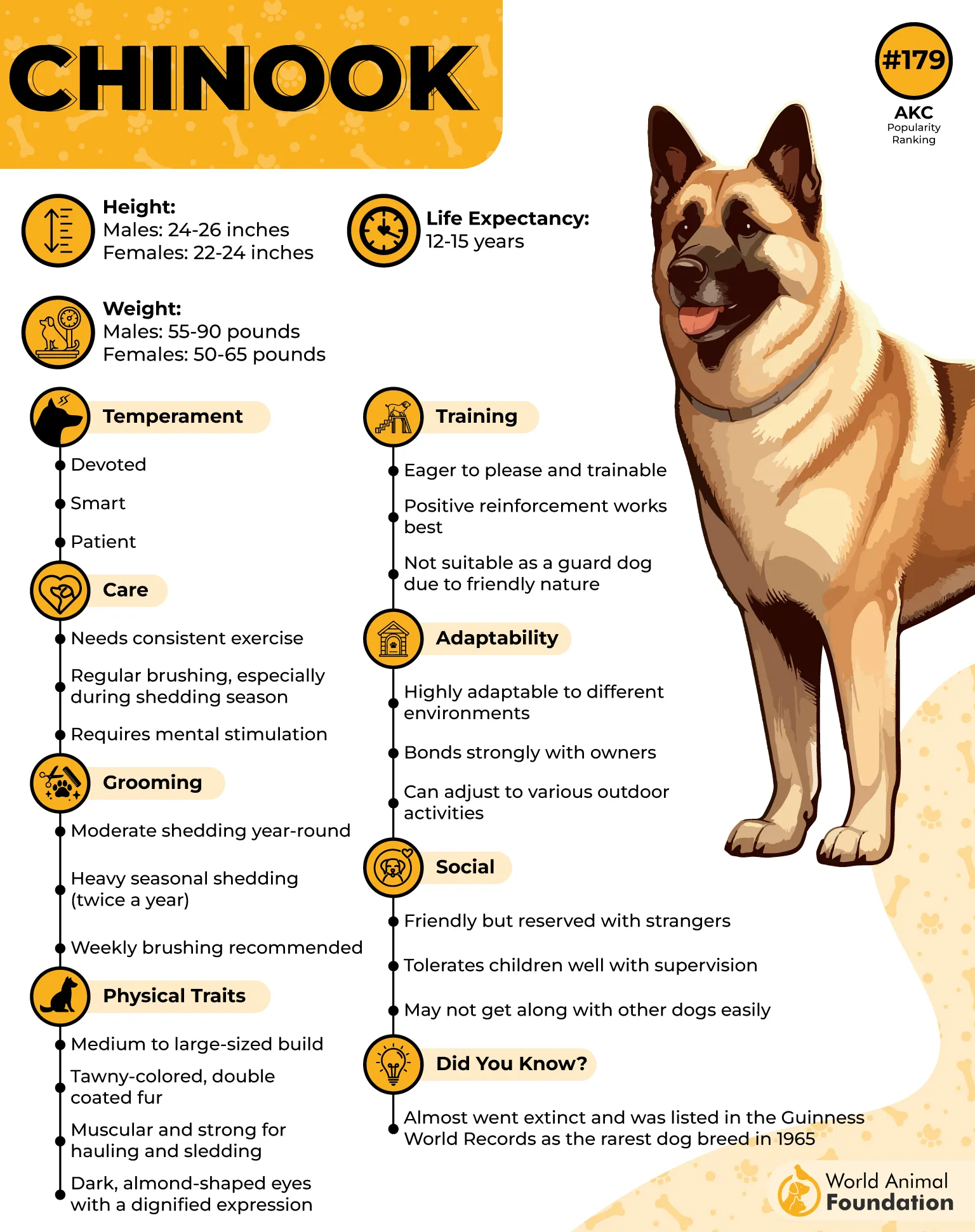
The Chinook is a rare dog breed and can therefore vary greatly in size. Bred to be an outstanding athlete, Chinooks are hardy, intelligent, and loyal. These dogs thrive in a “pack” environment and may not be suitable in a home where they are alone for long periods.
Their intelligence makes them easy to train, and, because of their non-aggressive nature, they make wonderful working dogs to assist the handicapped more than other breeds.
Temperament
Typically, Chinook temperament is loving, playful, and eager to please the family members.
Health problems
They are at risk for a few medical conditions,
Hip Dysplasia
Cryptorchidism
Paroxysmal dystonia
Key traits
National dog breed.
Highly trainable.
Great for active families.
Strong work ethic.
Extremely loyal breeds.
6. Azawakh
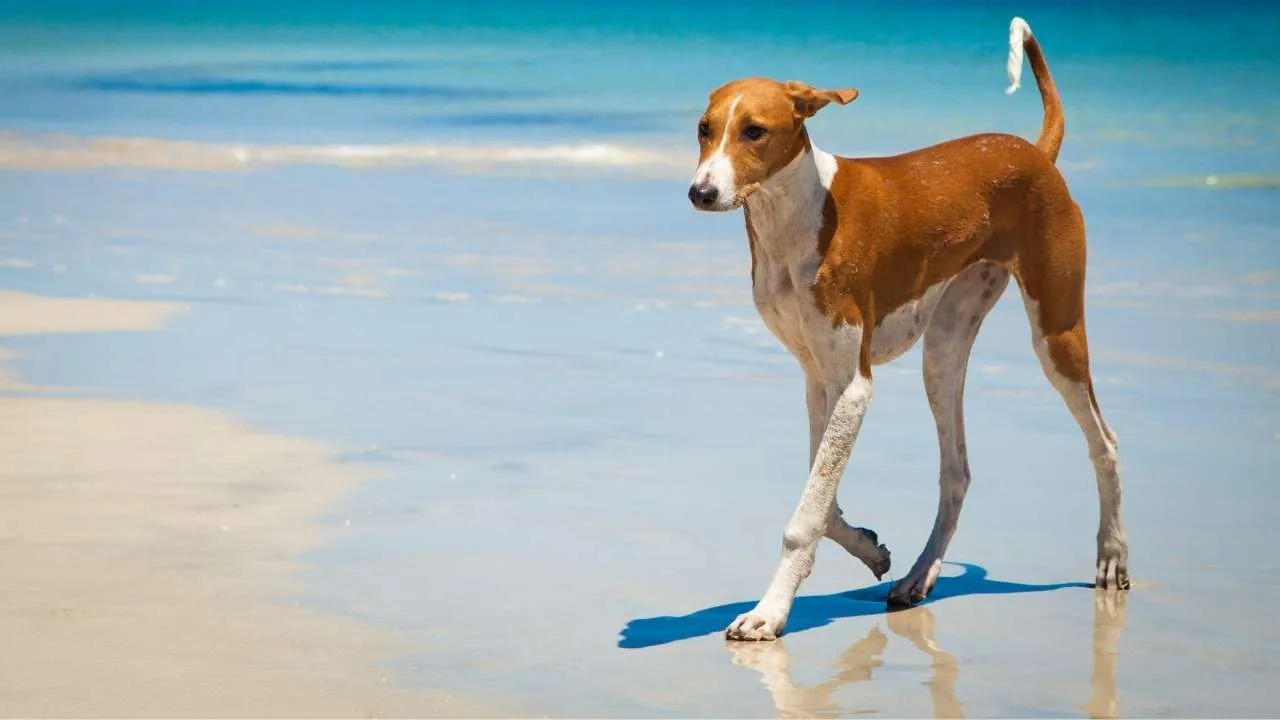
Despite their elegant limbs, the Azawakh is a deceptively skilled hunter. This West African native once relied on their speed and stamina to chase gazelle, hare, and wild boar in the Saharan desert. While their role has changed over time, this pooch still needs loads of physical stimulation.
If you are looking to go running with your dog, then the Azawakh is the companion for you.
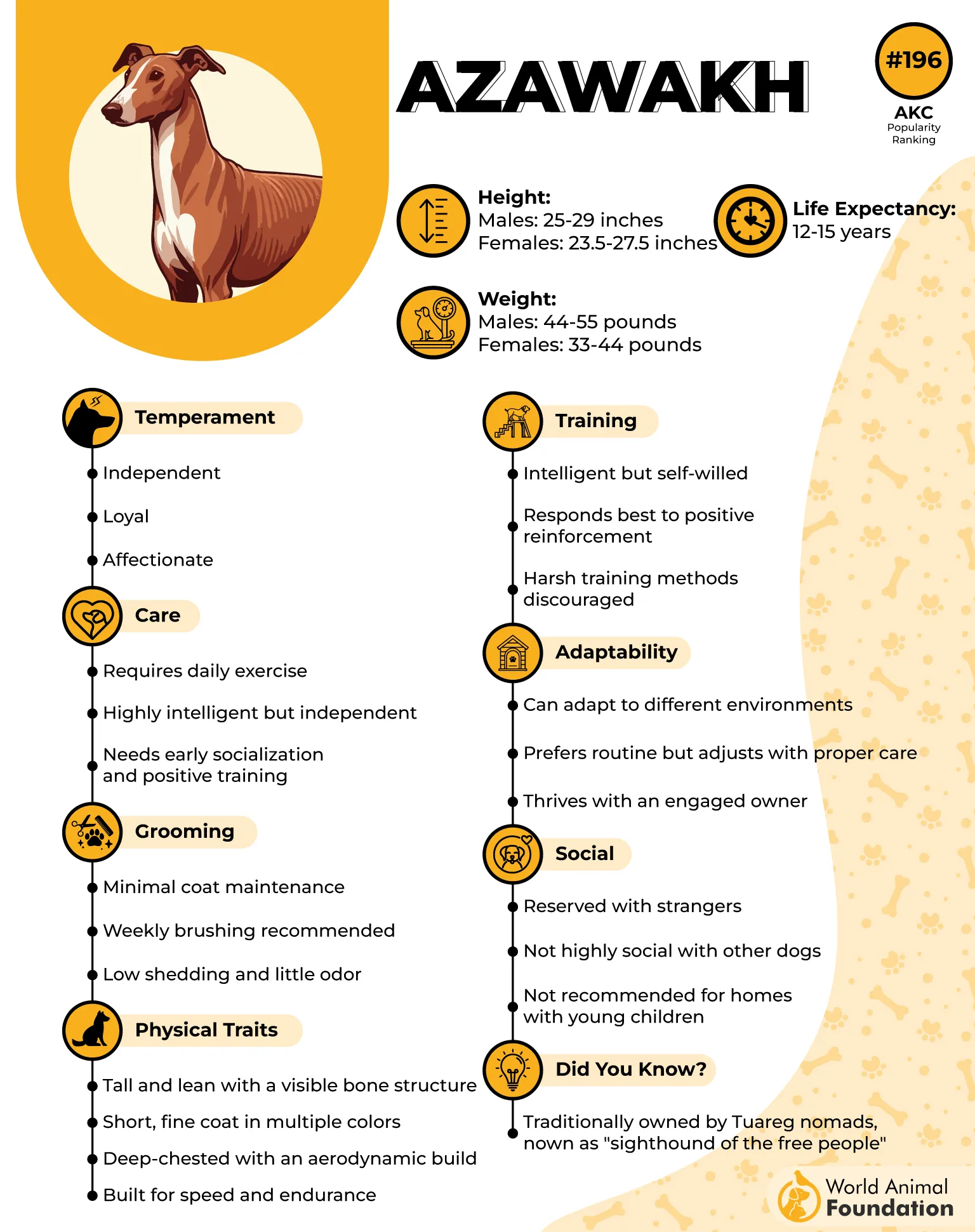
Temperament
Azawakhs are known to coexist peacefully with other dogs, but keep in mind that this sight-hound breed might be prone to chasing small household pets, like cats.
Health problems
Azawakh is considered to be a generally healthy dog breed with only a few occasional health concerns, like Hypothyroidism, masticatory muscle myositis, which tend to develop in the later stages of a dog’s life.
Key traits
Elegant and athletic.
Rare dog breeds.
Excellent endurance.
Loyal but independent.
7. Estrela Mountain Dog
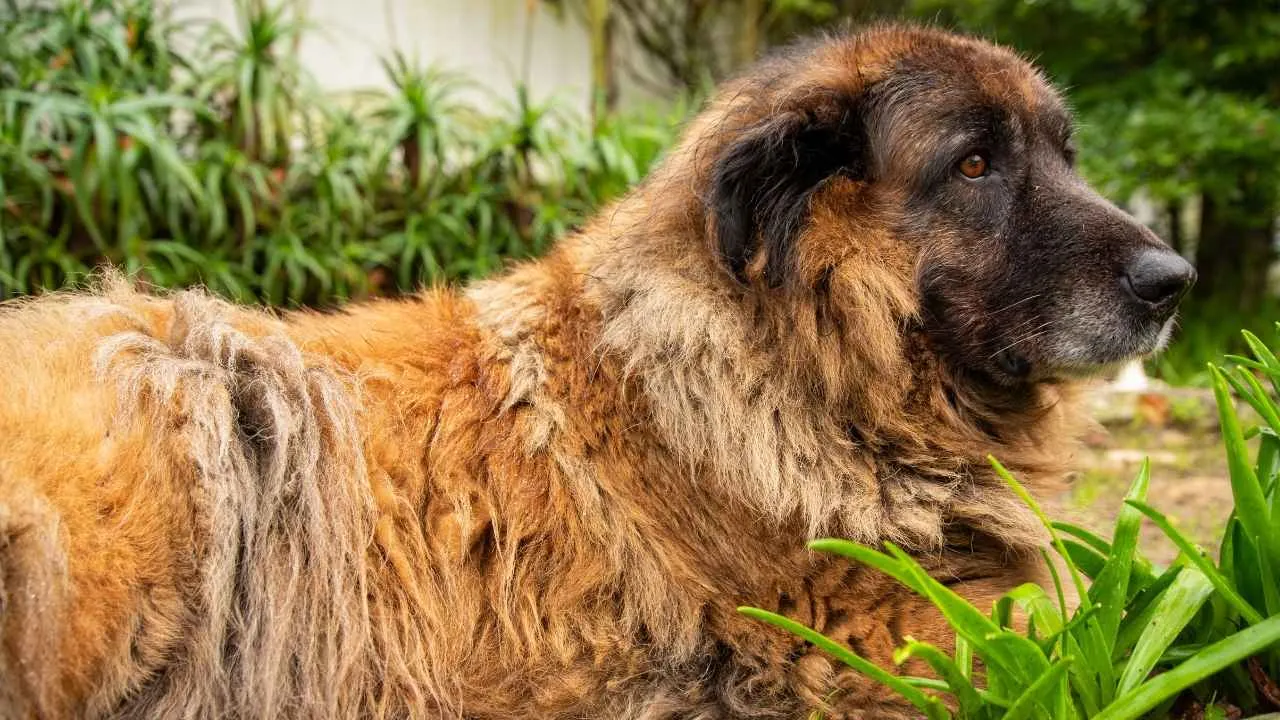
The Estrela Mountain Dog hails from the Estrela Mountains in Portugal, where they were used to guard livestock from predators and thieves. This protective spirit remains, as they are often used as police dogs and still cherished for their loyal and nurturing nature.
Once the Estrela forms a bond with you, this rare breed of dog is a loving companion to have by your side. The Estrela Mountain Dog makes people fall in love with it. These guardians are truly gentle giants at heart!
Temperament
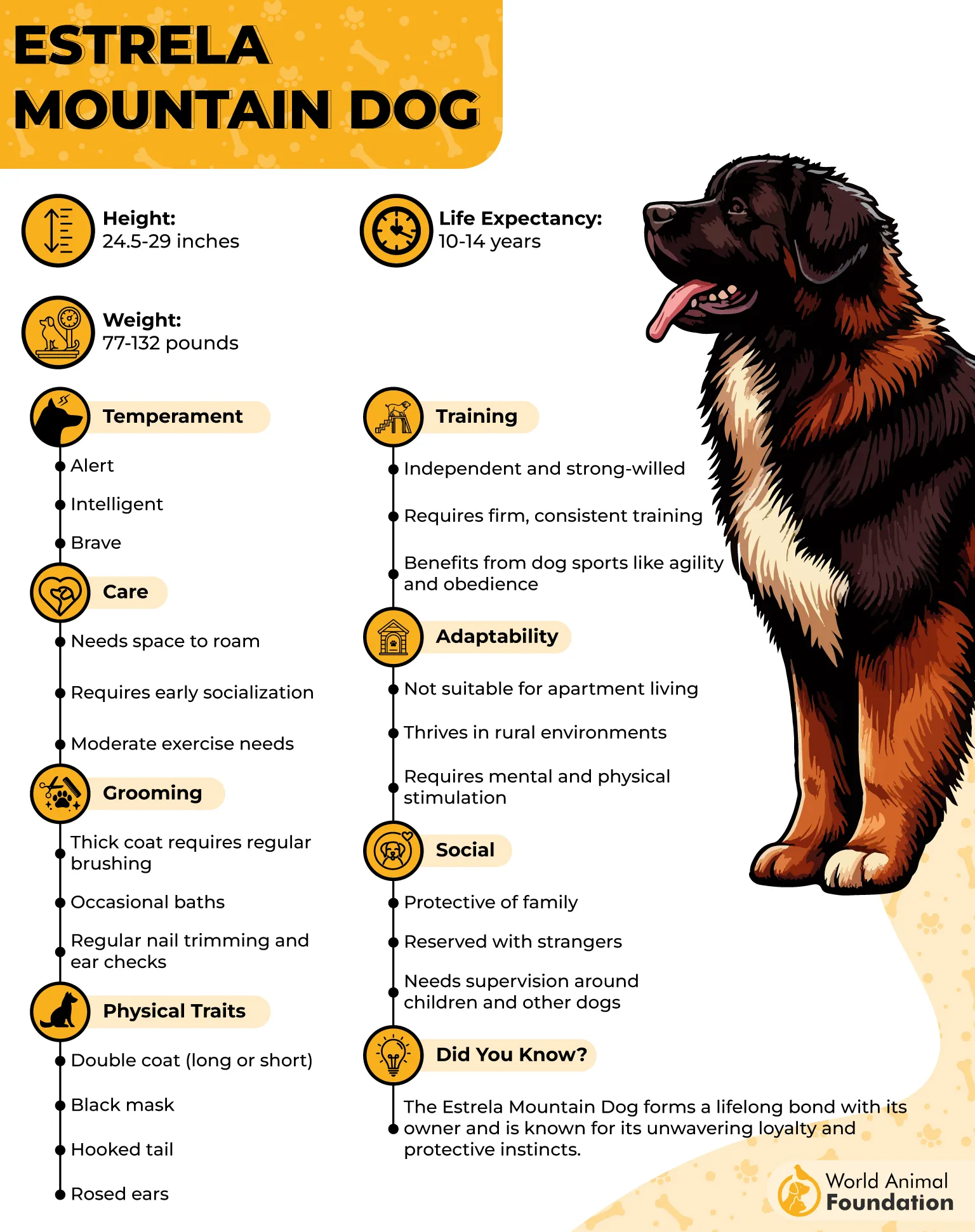
While slow to warm to strangers, Estela Mountain Dogs are devoted to their families. Their history makes them watchful working dogs, but they can be playful and loving with children.
Health problems
Like all dogs, they are predisposed to certain health conditions such as
Hip dysplasia
Elbow dysplasia
Bloat
Key traits
Livestock guardian heritage.
Calm protective dogs.
Adaptable to family life.
playful personalities.
8. Caucasian Shepherd Dog
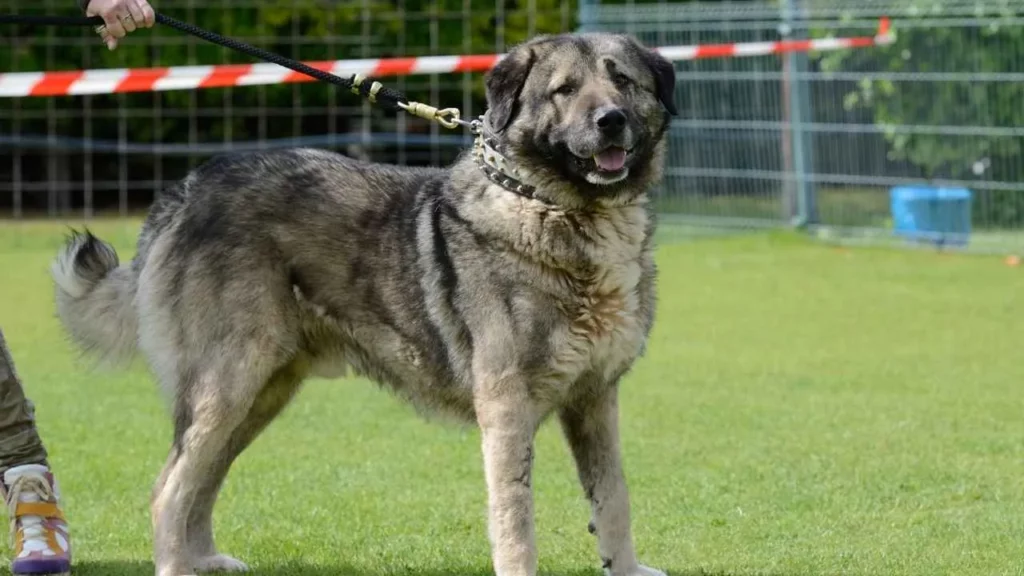
Caucasian shepherds are calm, protective pets, not your typical playful pups. They are extremely loyal to their families but may not be the most welcoming to newcomers.
Temperament
Because of this working dog’s independent nature, many Caucasian Shepherds prefer to be the only pet in the home. They also do best in homes without young children, as they don’t do well with kiddos pulling their tail or climbing on them.
Health problems
The Caucasian Shepherd Dog’s lifespan is just 7-9 years. This short lifespan is because of their massive size and their propensity for health issues such as Entropion, Hip and Elbow Dysplasia.
Key traits
One of the largest dog breeds.
Fiercely protective.
Excellent guard dogs.
Strong-willed.
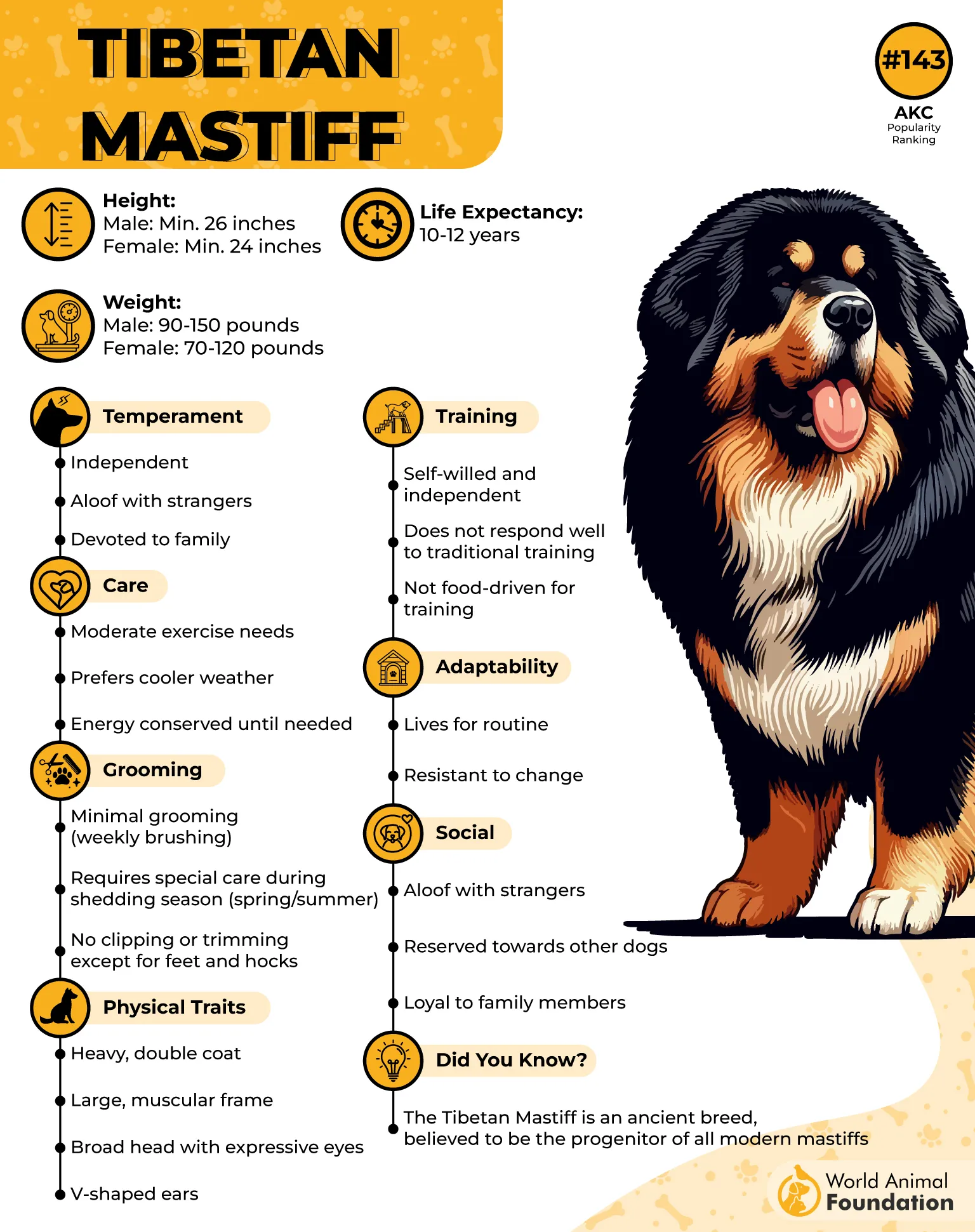
9. Tibetan Mastiff
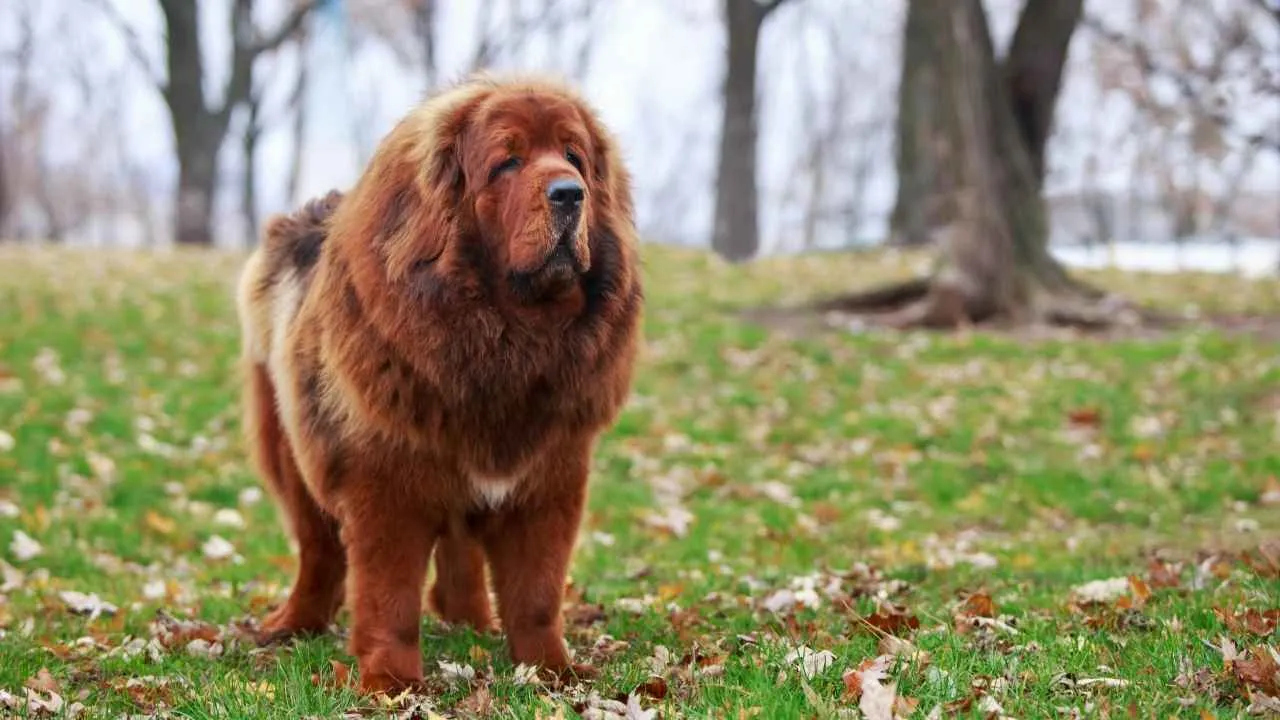
The origins of the Tibetan Mastiff remain a mystery today. Due to the isolated Tibetan region and ancient roots of the breed, no one truly knows what dogs contributed to its creation. However, they are believed to have descended from mastiff-like dogs into two types: the Do-Khyri and the Tsang Khyri.
Temperament
The Tibetan Mastiff displays an aloof, watchful, and alert temperament and can make a loyal family dog. Because they’re so loyal to their family.
Health problems
Like many other dog breeds, they can be predisposed to several medical issues, eye problems, elbow and hip dysplasia, and hypothyroidism.
Key traits
Ancient guardian breed.
Quiet confidence.
Strong protective instincts.
Loyal nature.
loving dog.
10. Black Russian Terrier
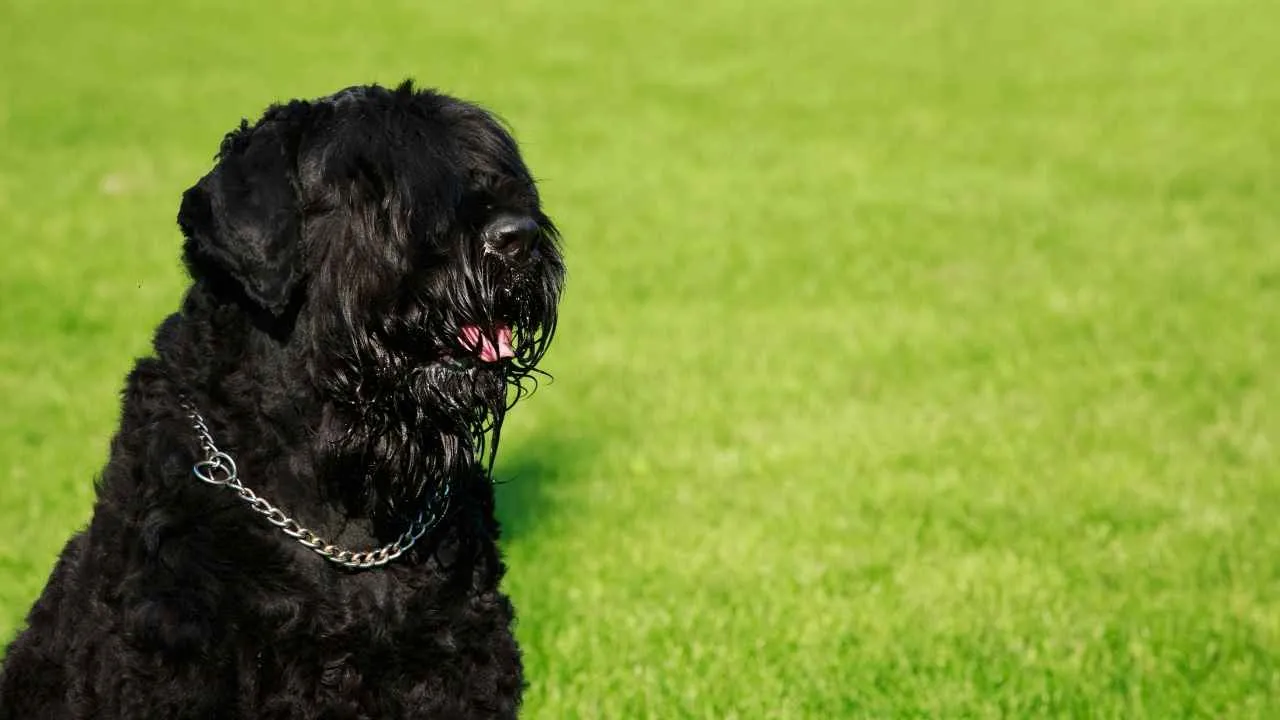
Black Russian Terriers are large, loyal dogs in the working group. They’re a Russian dog breed that was created to patrol borders and protect their owners. These dogs make for intelligent, impressive pets. But they’re certainly not for everyone.
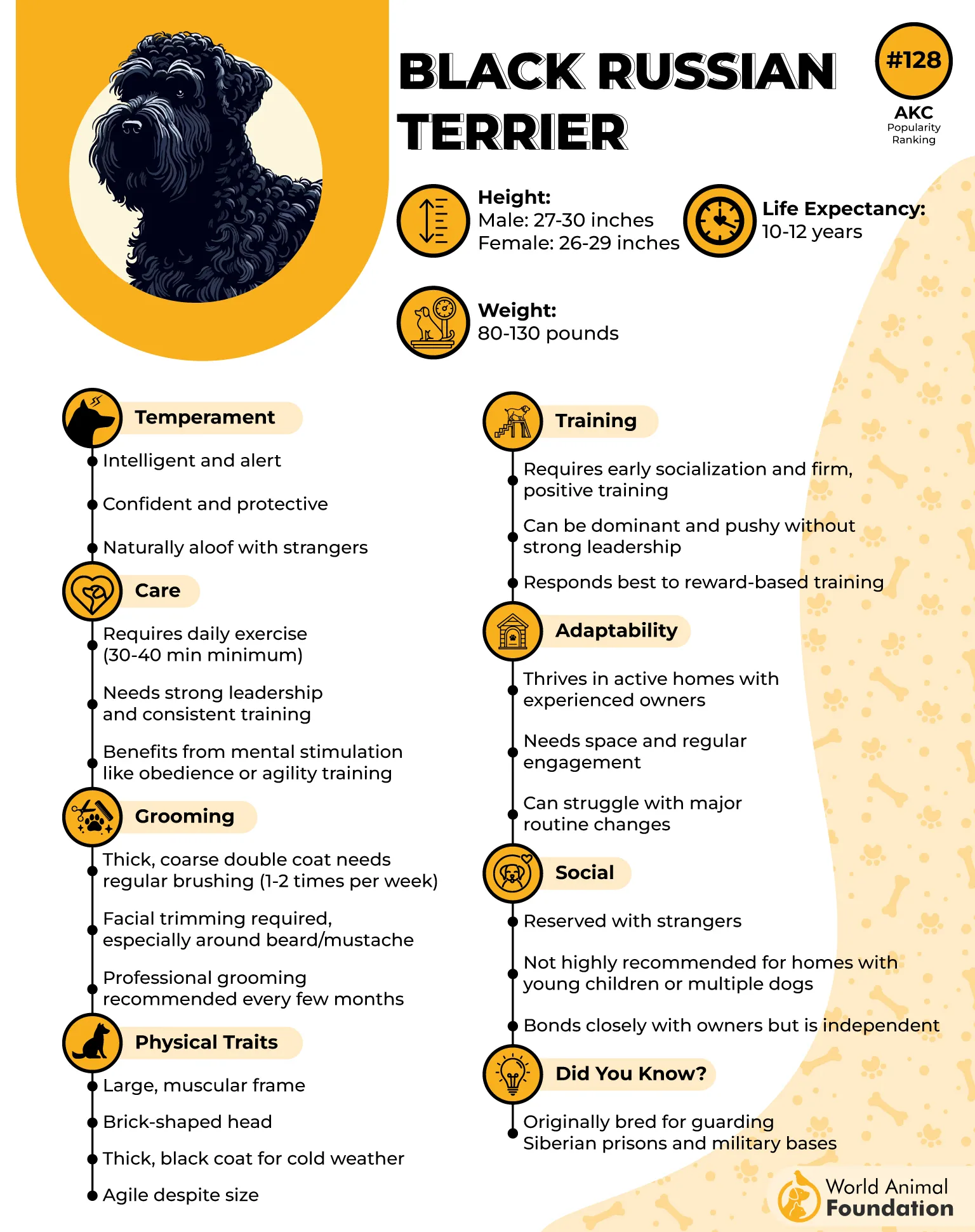
Temperament
Black Russian Terriers can be reserved with strangers but are affectionate with their family members. They need to spend lots of time with their family and be socialized early and consistently throughout their life.
Health problems
They may be predisposed to certain health conditions such as hip dysplasia, heart issues, bloat, and gastric dilatation and volvulus, etc.
Key traits
Developed during World War II.
Excellent service dogs.
Highly trainable.
Incredibly loyal.
Conclusion
Uncommon dog breeds for owners who love big, loyal companions offer something truly special: deep loyalty, protective instincts, and an emotional connection that goes beyond companionship.
While these large dogs may not suit every household, they’re excellent family dogs for those willing to invest time and training, socialization, and mental and physical stimulation with a relaxed lifestyle.
With the right environment, these rare dogs become loving families, devoted protector and loyal companions for life.
