




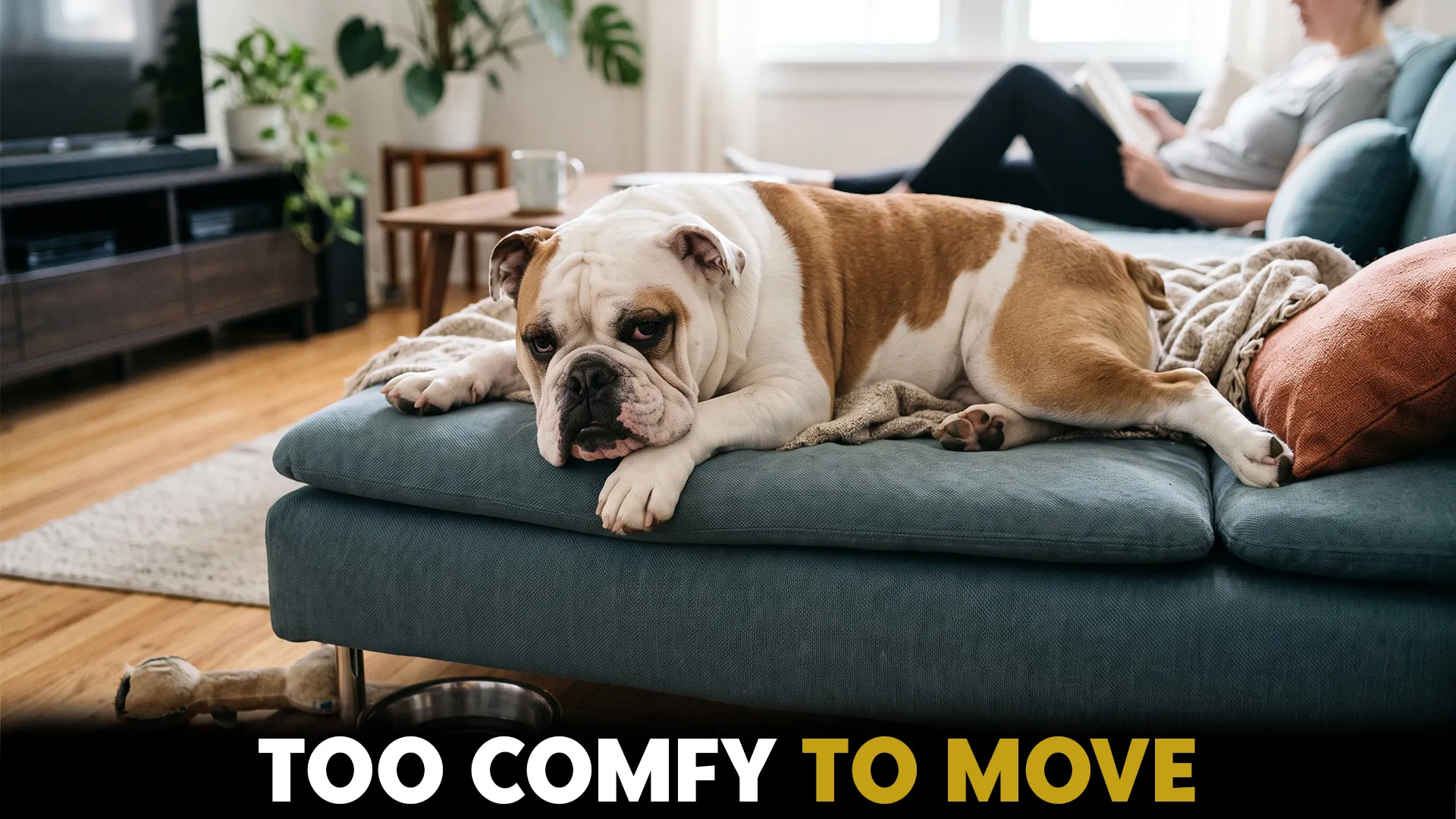
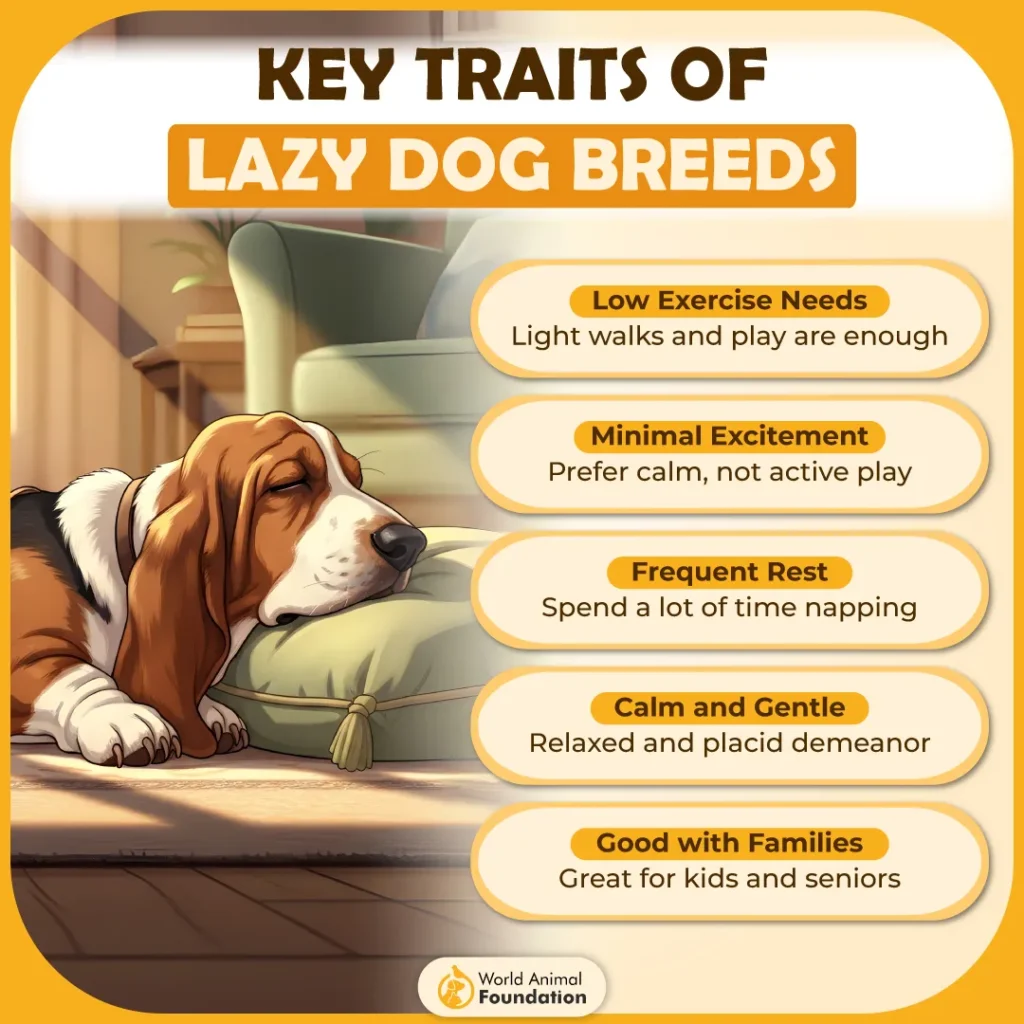
Couch potatoes have a reputation for being lazy, but when it comes to dogs, a slower pace can be a lifestyle preference.
Ultra-relaxed dog breeds can be appealing when your idea of a good day involves staying home, taking an easy stroll, and spending plenty of time together indoors. Their calmer nature can make them easier companions for households that do not revolve around intense exercise or constant activity. Still, relaxed does not mean inactive.
Every dog needs movement, stimulation, social interaction, and training, with the amount depending on its individual needs. Some laid-back dogs may happily snooze after a short walk, while others still need regular play before settling down. Knowing that distinction helps prevent the mistake of confusing low energy with low care.
If peaceful companionship sounds better than a busy routine, the seven breeds ahead may be exactly the kind of company you have been looking for.
Key Takeaways
Couch time sounds better than a packed schedule? These seven breeds are happiest when a quiet day includes a short walk and plenty of time at home.
Pekingese once lived as prized companions in Chinese imperial homes, with some so tiny they were called “sleeve dogs.”
Basset Hounds, Bulldogs, and Shih Tzus bring their own version of the easygoing life, although each still has a few needs that matter.
From a giant Saint Bernard to a lap-loving French Bulldog, the full list has some surprisingly different answers for anyone who loves a slower routine.
Ultra‑Relaxed Dog Breeds Every Couch Potato Will Adore
1. Basset Hound
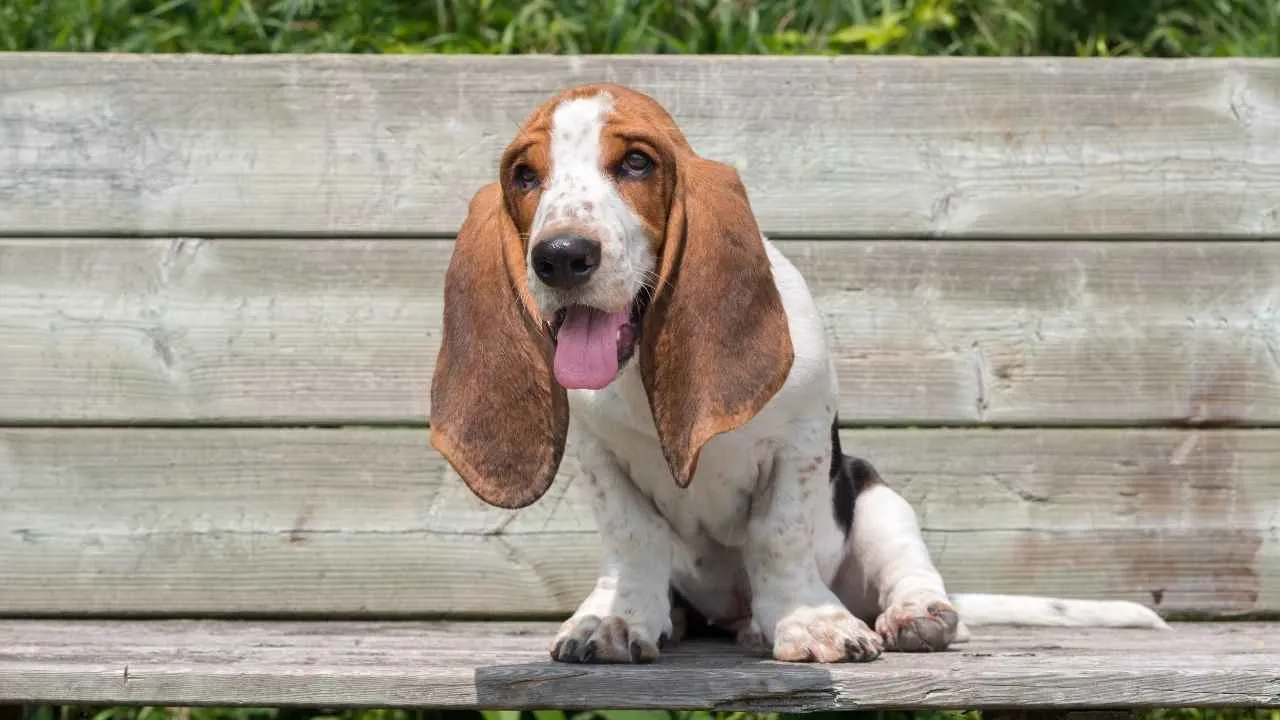
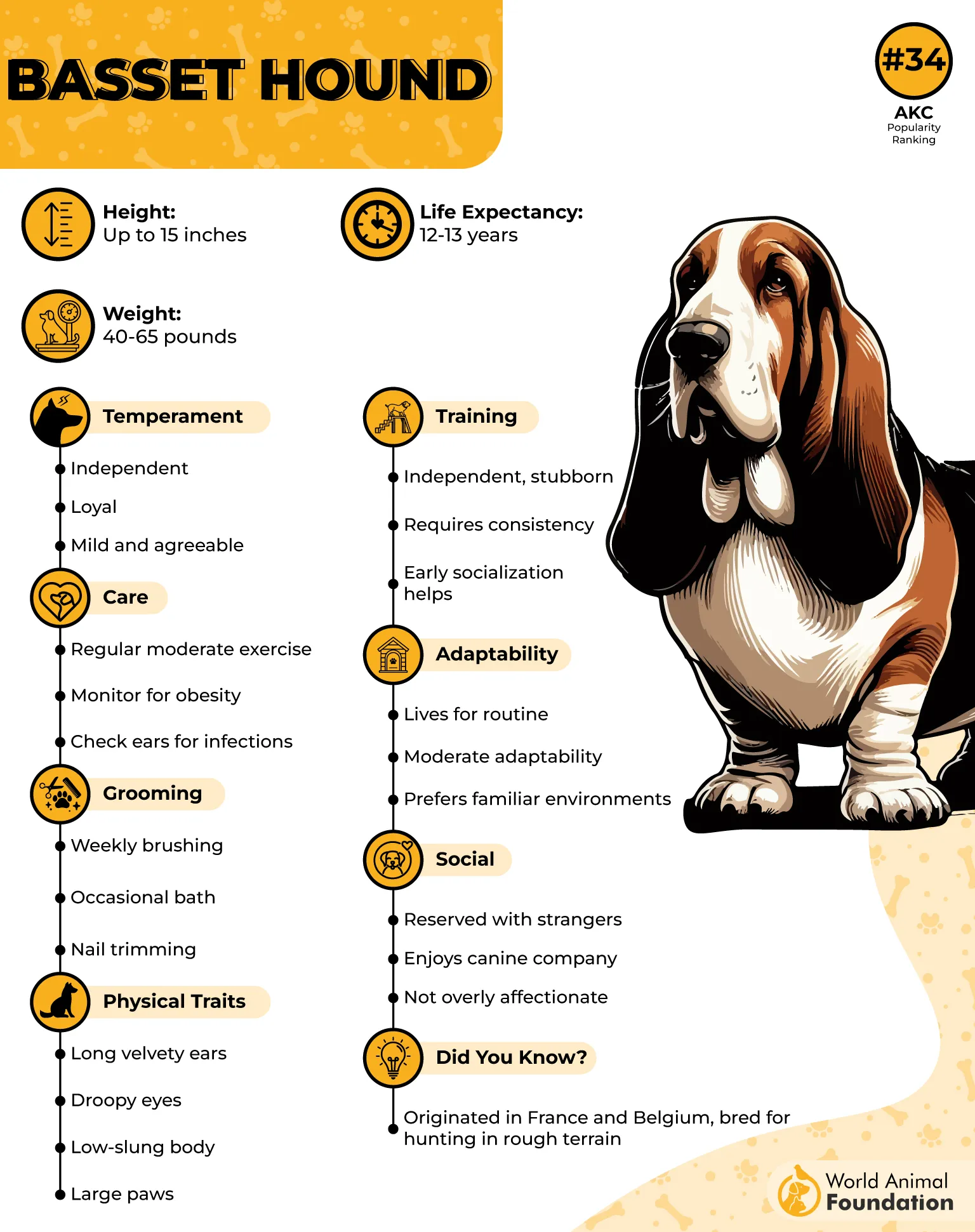
Basset Hound is believed to have originated in France, where its low-set build suited hunting rabbits and hares through dense cover. The name comes from the French word bas, meaning low or dwarf, and Bloodhound crosses later increased the breed’s size, as mentioned by Omlet.
A Natural Lounger
Basset Hounds do not usually need a packed schedule to stay content, and their exercise can remain fairly modest from day to day. Giving them around 20 to 30 minutes of activity is generally enough to add movement without making exercise the focus of their routine.
These traits make that easygoing lifestyle more interesting:
Oversized couch cuddles
Long back and short legs
Droopy ears during activity
Training With Personality
This laziest dog breed can take longer to train because pleasing people is not its main motivation, so playful methods work better than repetitive drills. Around the house, its affectionate nature often appears in the form of oversized snuggles despite its medium-sized frame.
2. Pekingese
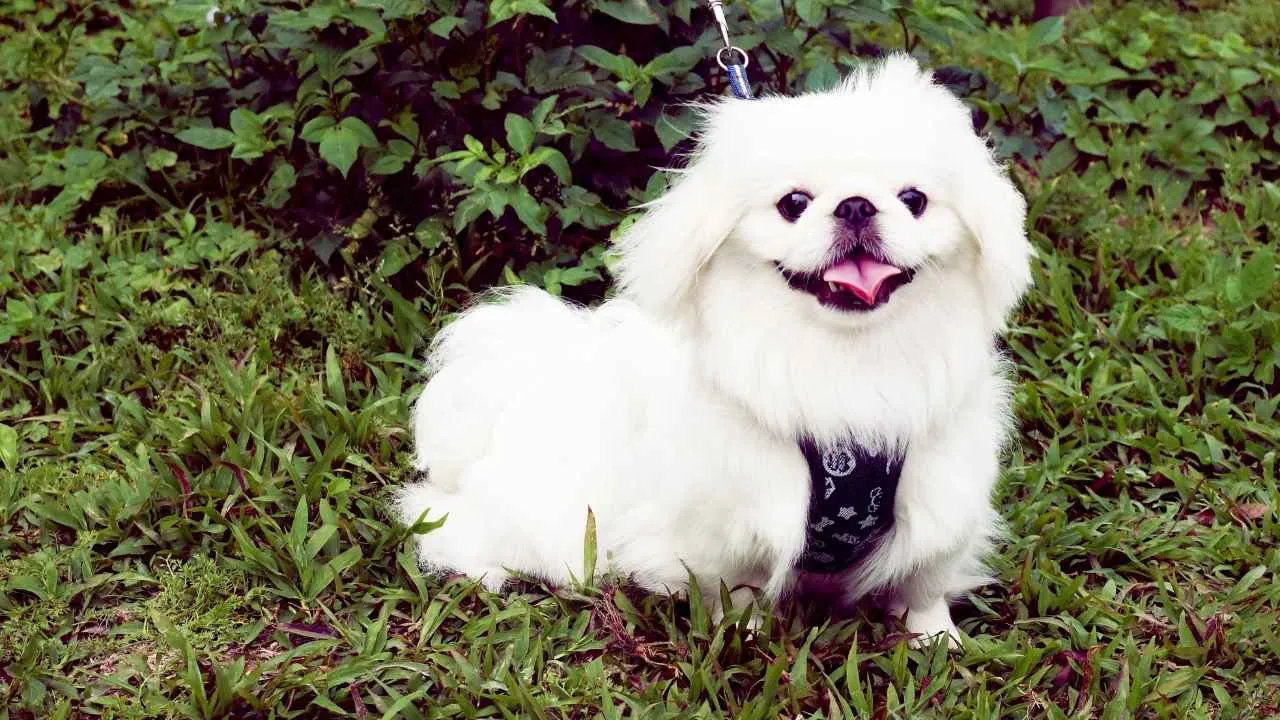
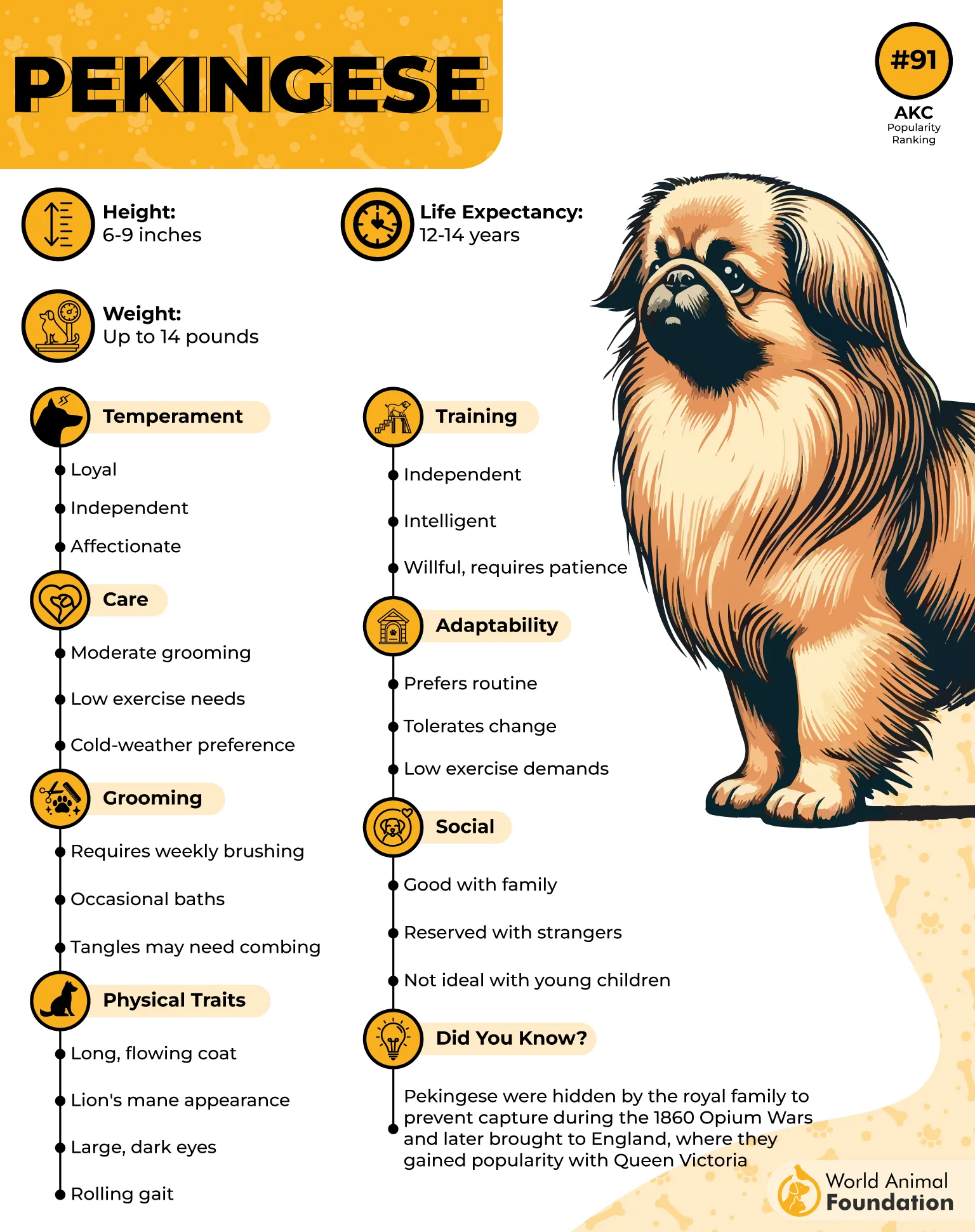
Pekingese dates back around 2,000 years to China, where Buddhist monks kept these small dogs as companions and called them Lion Dogs. Some were so tiny that they became known as “sleeve dogs,” fitting inside the robes of Chinese emperors and reflecting their prized status.
A Natural Homebody
Pekingese can make plenty of use of your home, moving between short bursts of activity and long stretches of rest. One or two 20- to 30-minute walks can provide enough daily activity without pushing this short-legged breed too far.
That easy activity level still has some limitations:
Moderate energy level
Flat-faced and heat-sensitive
Comfortable alone for several hours
Selective With Company
This low-energy dog breed can be affectionate with the whole household while forming its strongest attachment to one particular person, as noted by the AKC. Around children, kittens, or lively puppies, gentle supervision matters because this breed may have little interest in energetic play.
3. Bulldog
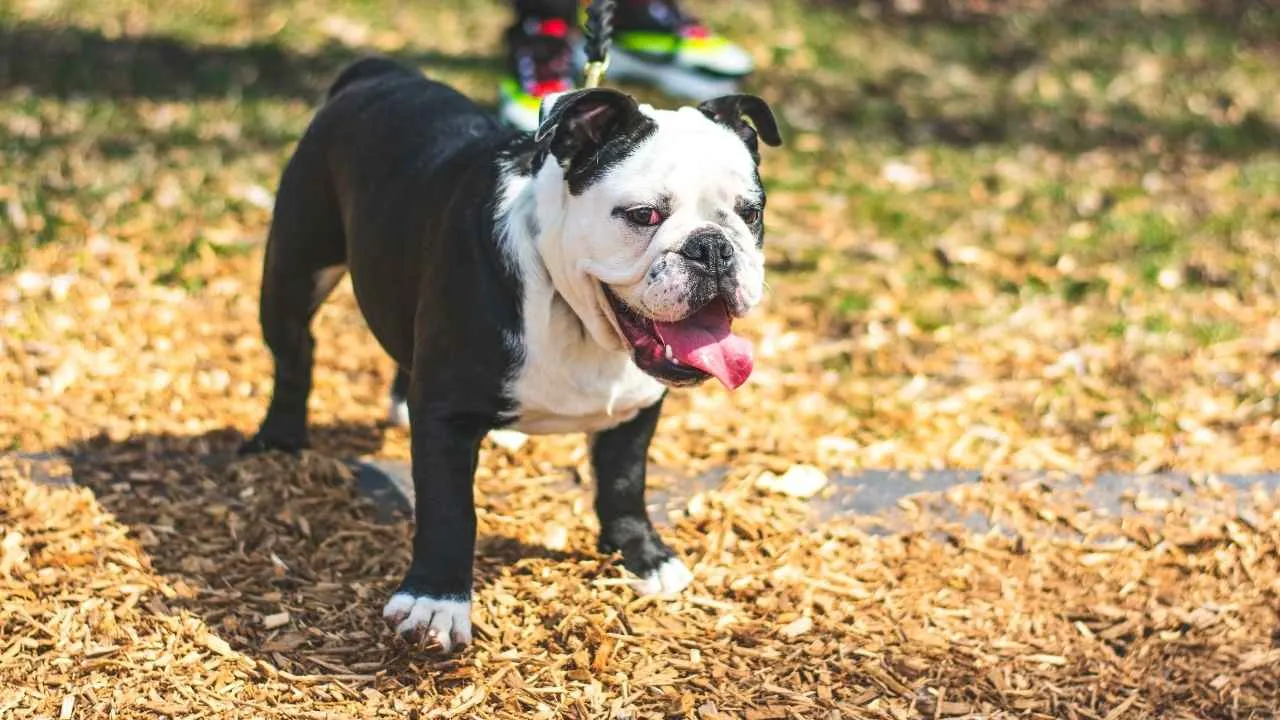
Bulldog began in England as a bull-baiting dog, with its broad, flat face suited to gripping during the sport. Later, the breed became closely associated with Oxford and Cambridge, while English settlers brought Bulldogs to America during the 18th century, leading to the Bulldog Club of America in 1890.
A Natural Lounger
A Bulldog is happiest when the day includes plenty of downtime, with a soft spot beside its favorite person often becoming the main attraction.
Its short muzzle also limits vigorous activity, making a relaxed household routine much more suitable than demanding physical pursuits.
Here are the different activity that suits well to them:
Two or three 15-minute walks daily
Gentle sniffing during neighborhood walks
Puzzle toys for indoor mental activity
A Social Little Character
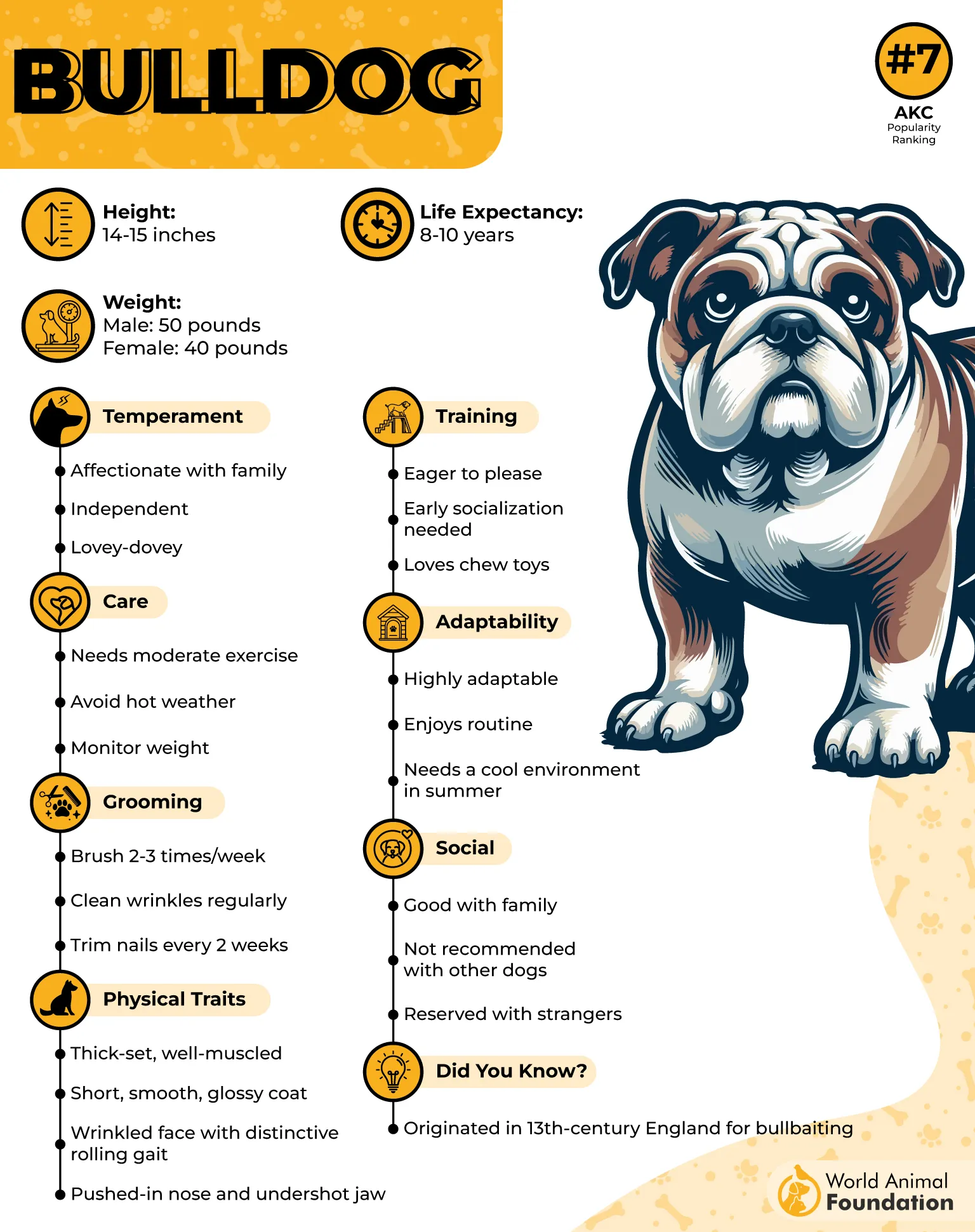
Bulldog enjoys attention from visitors, children, delivery people, and familiar faces encountered around the neighborhood, as outlined in Orvis. At home, its playful side can include relocating slippers, books, or hats, followed by comical expressions when someone objects.
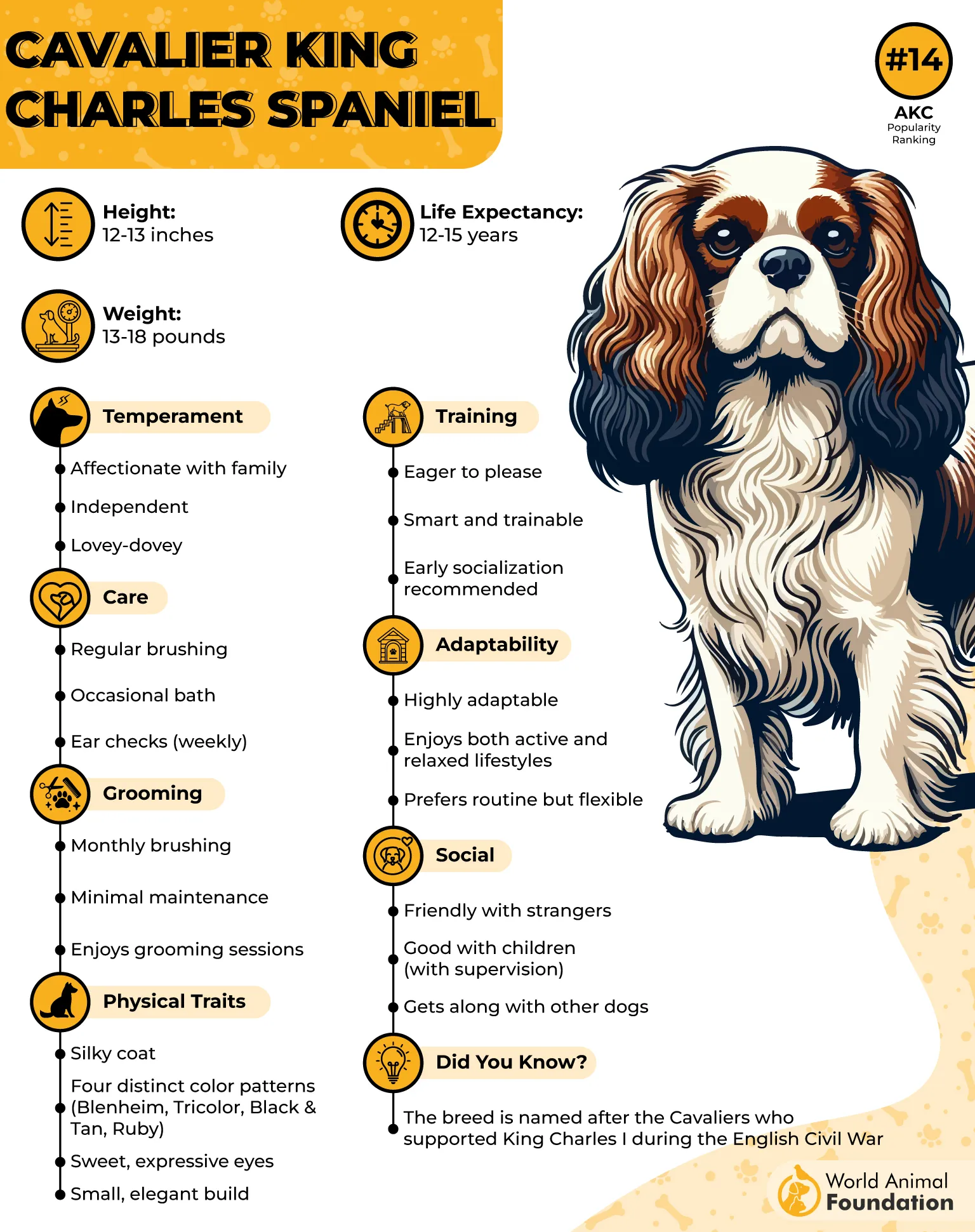
4. Cavalier King Charles Spaniel
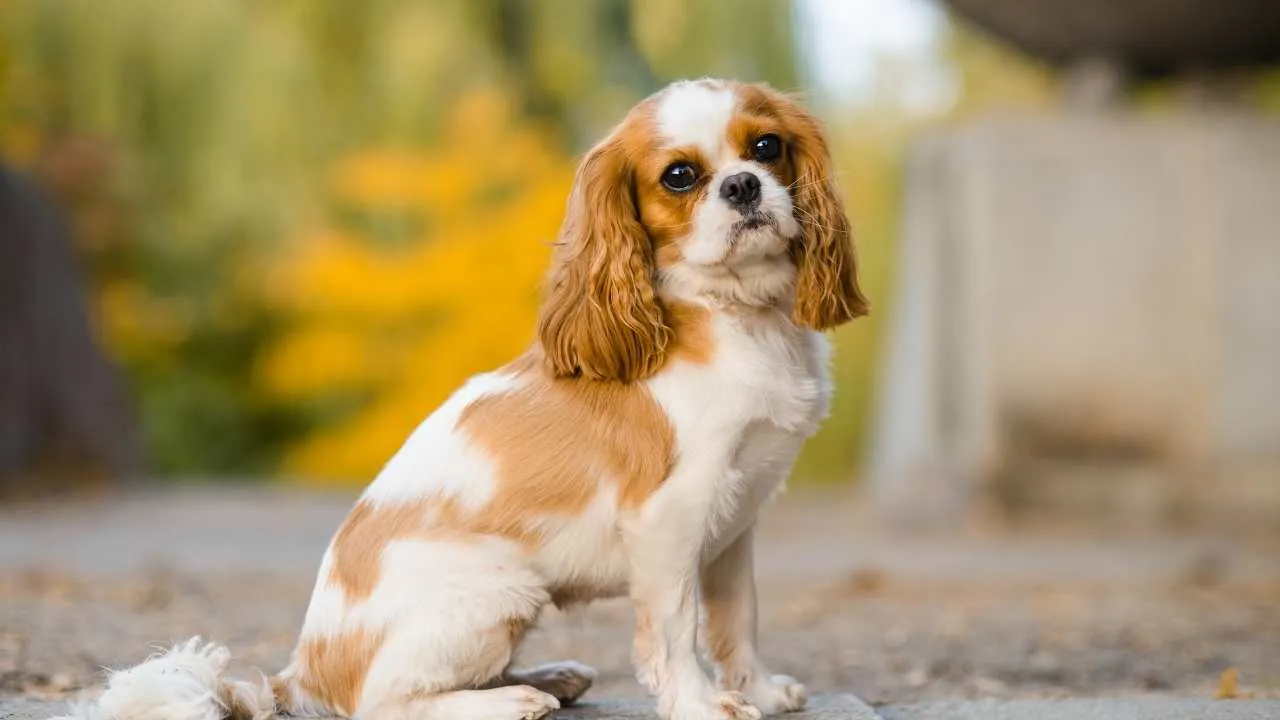
Cavalier King Charles Spaniel traces its story to Tudor-era homes, where these small dogs served as lap companions and even warmed their people’s feet. By the 1700s, King Charles II’s fondness for the breed helped give it the royal name associated with it today.
Easygoing Energy
Two 20- to 30-minute walks and some everyday play can keep a Cavalier King Charles Spaniel nicely occupied. After that, there is usually no need to keep planning activities, as this adorable breed is quite content to spend the afternoon relaxing at home.
Its playful side also shows in several activities:
Enjoys scent work, flyball, and agility
Curious about interesting smells
Needs a leash in public places
Social by Nature
Cavalier King Charles Spaniel is naturally outgoing with people and generally friendly toward other animals, including cats. Larger dogs can feel intimidating at first, so smaller play areas with familiar surroundings may offer a gentler introduction for this petite breed.
5. Shih Tzu
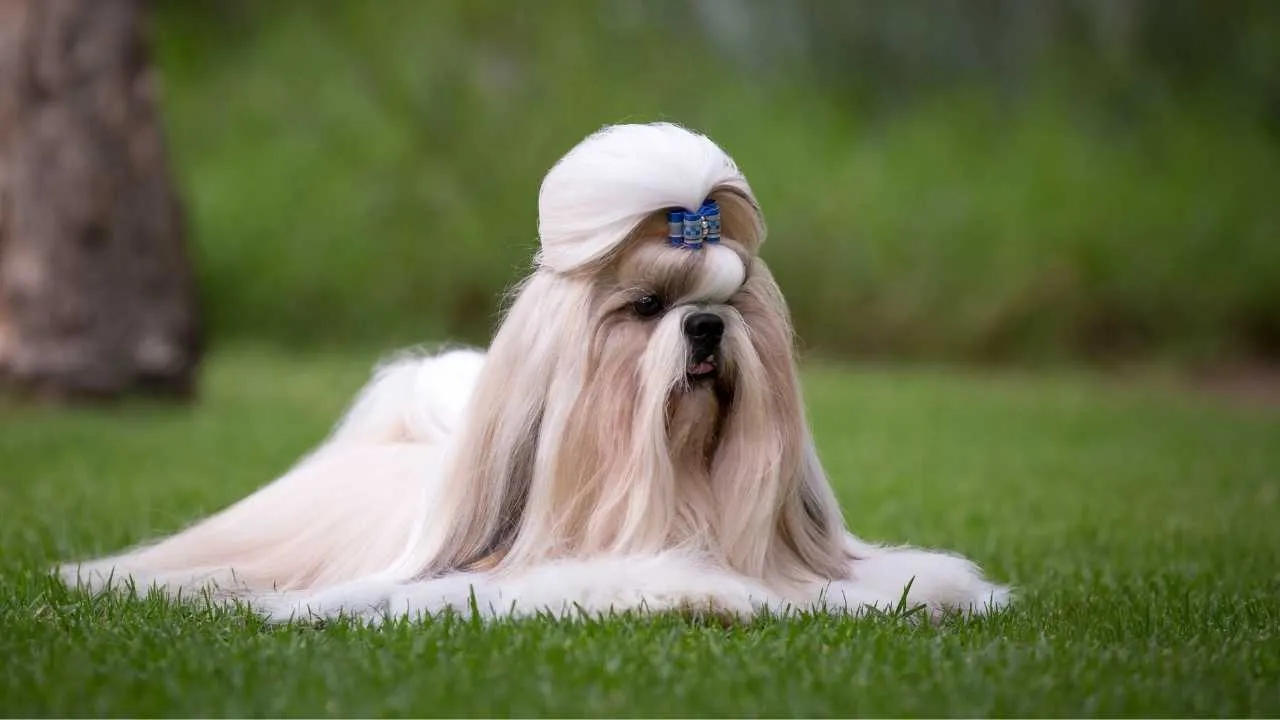
Shih Tzu has deep links to China and Buddhism, where it was revered as the Lion Dog and closely associated with imperial life. Its earlier roots are also connected with Tibet, while one theory suggests Pekingese and Lhasa Apso contributed to its lineage.
Made for Quiet Days
Shih Tzu is quite happy when exercise stays simple, with two or three 20-minute walks giving it regular movement throughout the day. Stretching those outings much longer can be tiring for its short legs, so shorter walks are often easier to handle from start to finish.
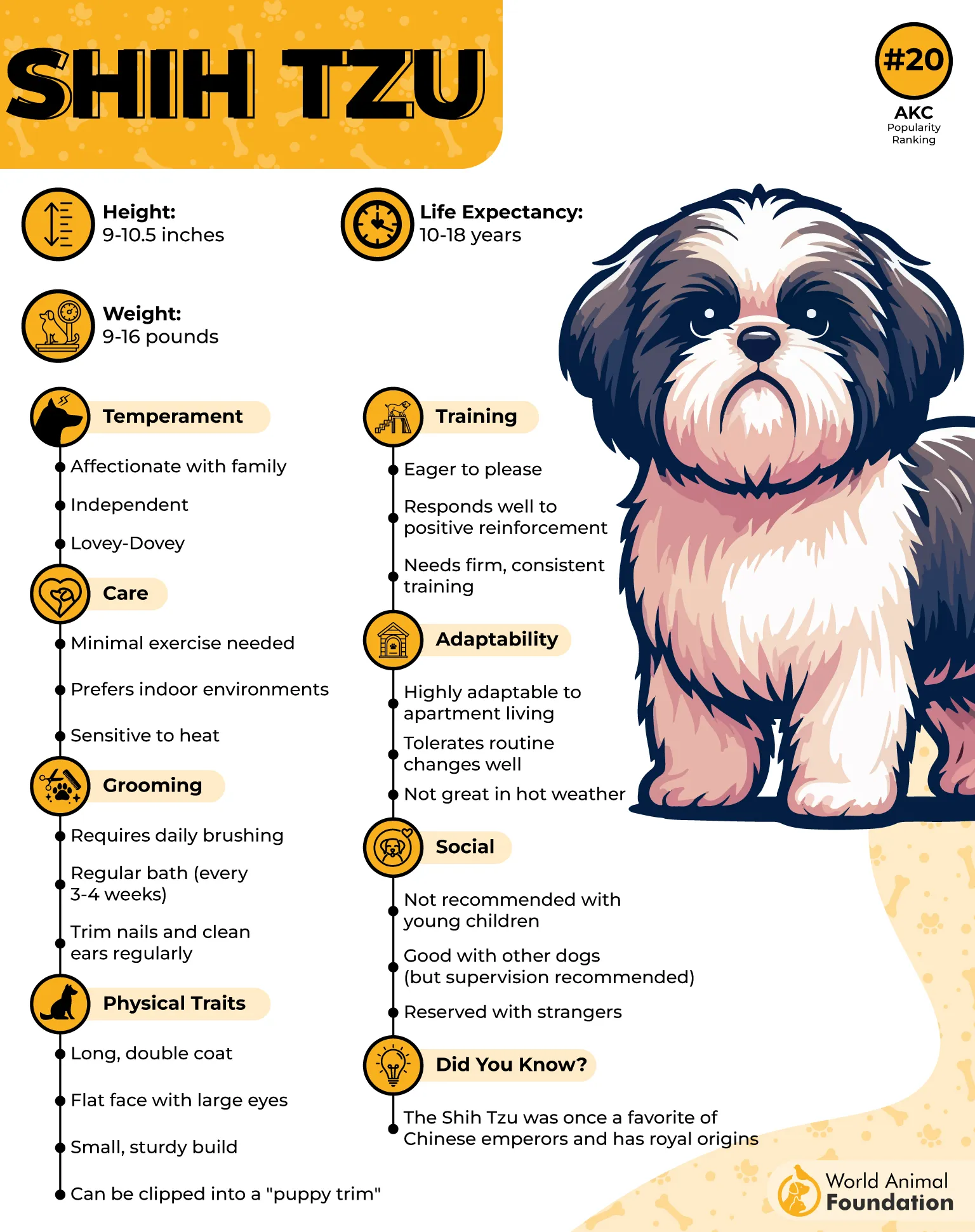
Its exercise needs are simple, but temperature still matters:
Avoid the hottest hours because of its short muzzle
Cold exposure should be limited to about 15 minutes
Indoor play can help prevent boredom-related chewing or barking
A Watchful Little Companion
Shih Tzu can quickly pick up on changes around the home and may be the first to alert you when the mailperson or another visitor arrives. Its calm manner also suits close companionship, while training may call for extra patience when this independent little dog has other ideas.
6. Saint Bernard
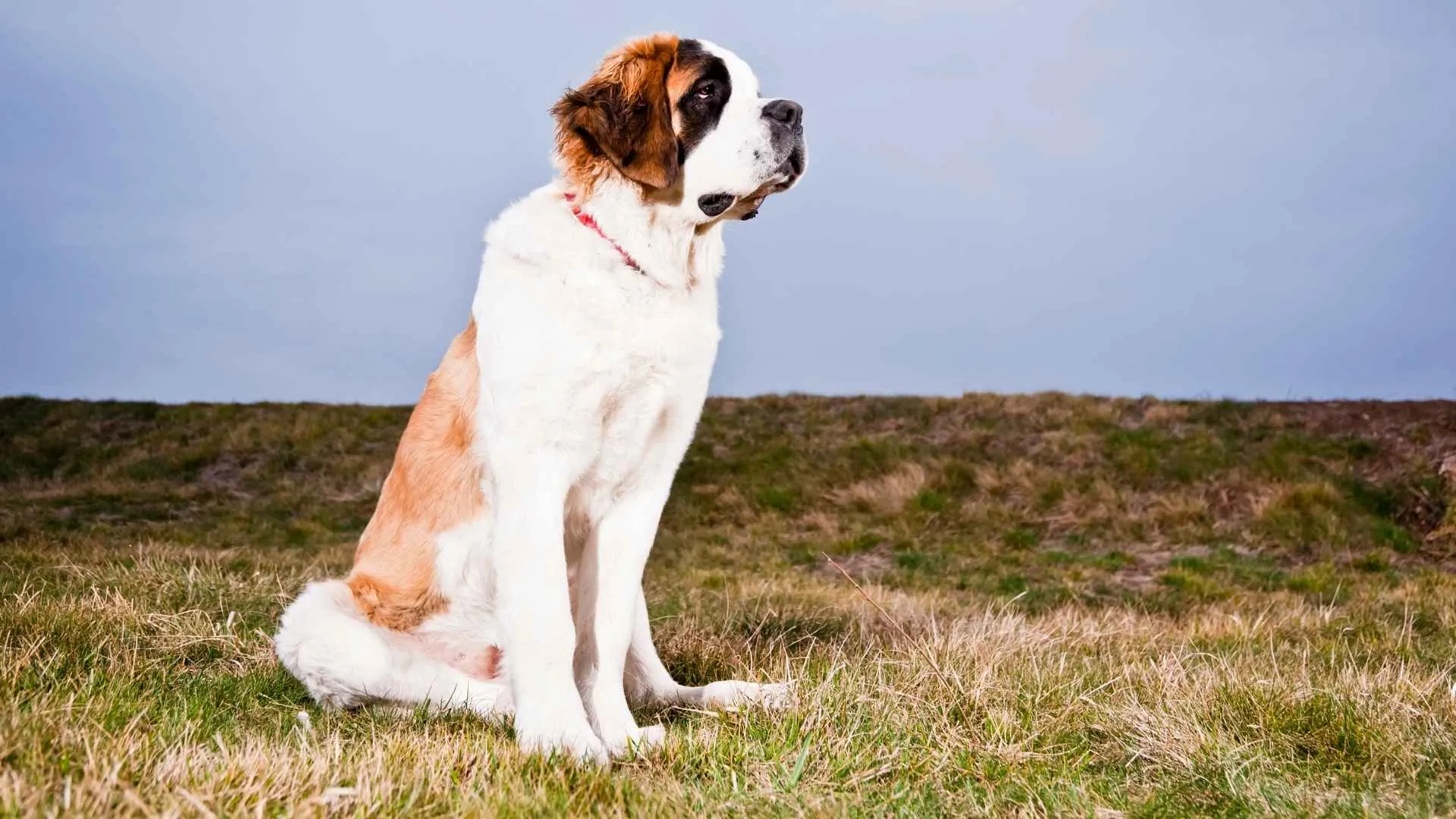
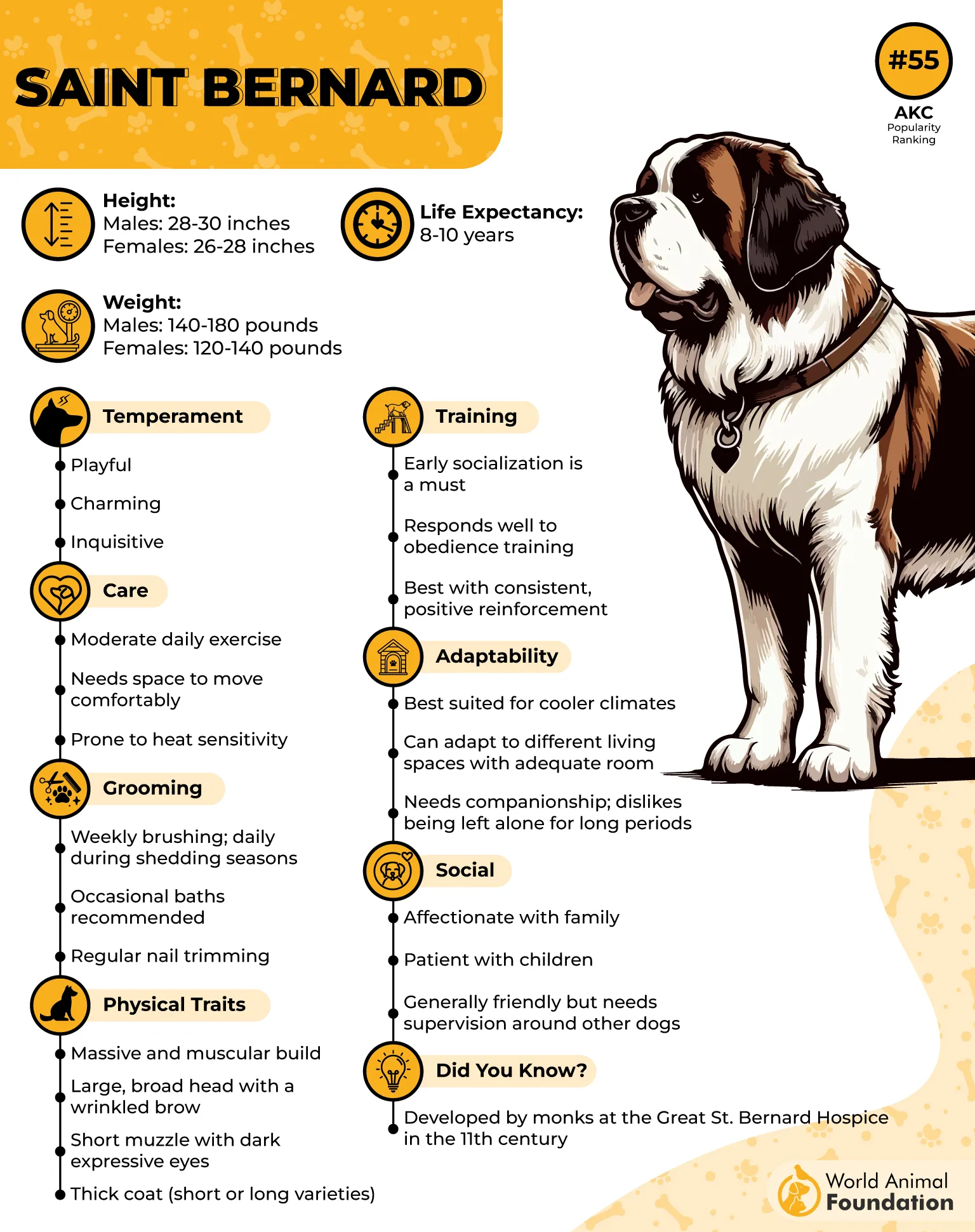
Saint Bernard first appears in records from 1707 at the hospice on Saint Bernard Pass between Switzerland and Italy. Monks used these powerful dogs for tasks such as pulling carts before recognizing their remarkable ability to locate people through deep snow.
Easygoing Outdoors
Saint Bernard suits a relaxed lifestyle because short outings are usually enough for this mellow breed. Around 30 minutes of daily exercise can be suitable, with cool-weather walks and gentle nature hikes fitting its pace far better than strenuous activity.
These qualities make its routine especially distinctive:
Younger dogs learned rescue skills from older dogs
Deep snow became part of their rescue work
Snowy weather suits them particularly well
Happiest Nearby
This large dog breed often prefers staying close to their people, whether that means accompanying them on a short outing or quietly resting nearby while household tasks get done. Its gentle nature also makes it generally compatible with children, dogs, and cats.
7. French Bulldog
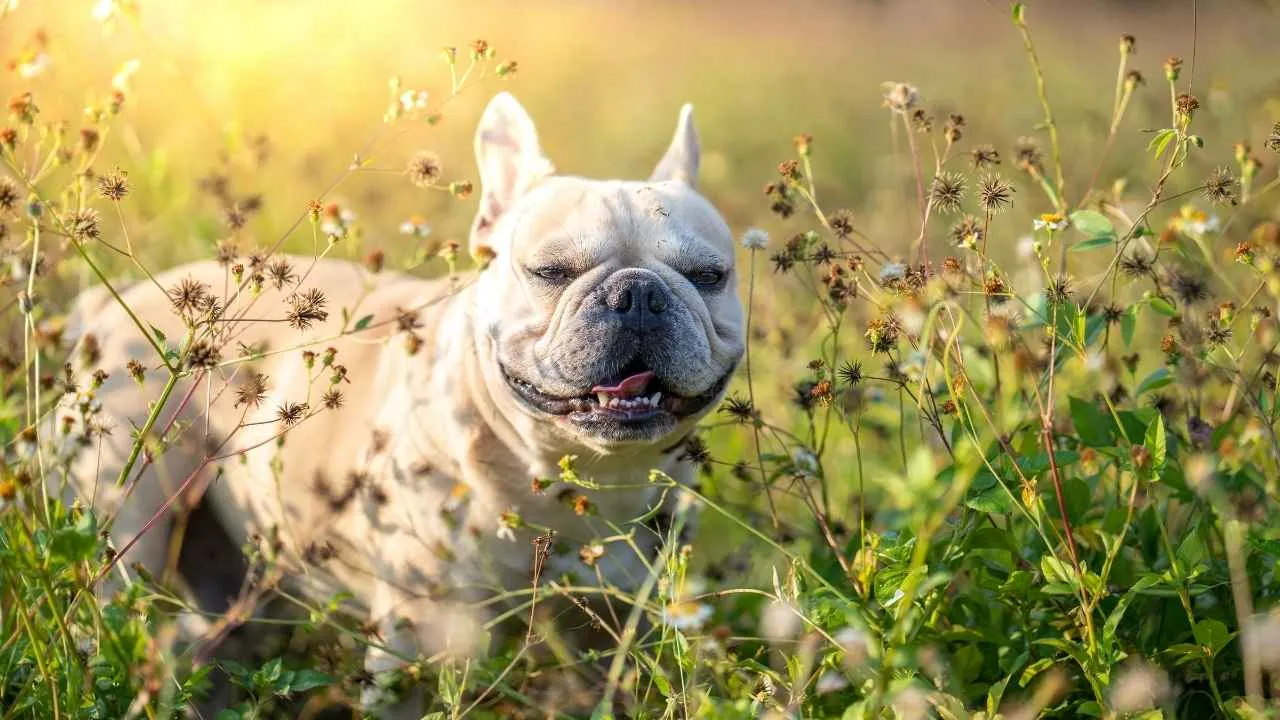
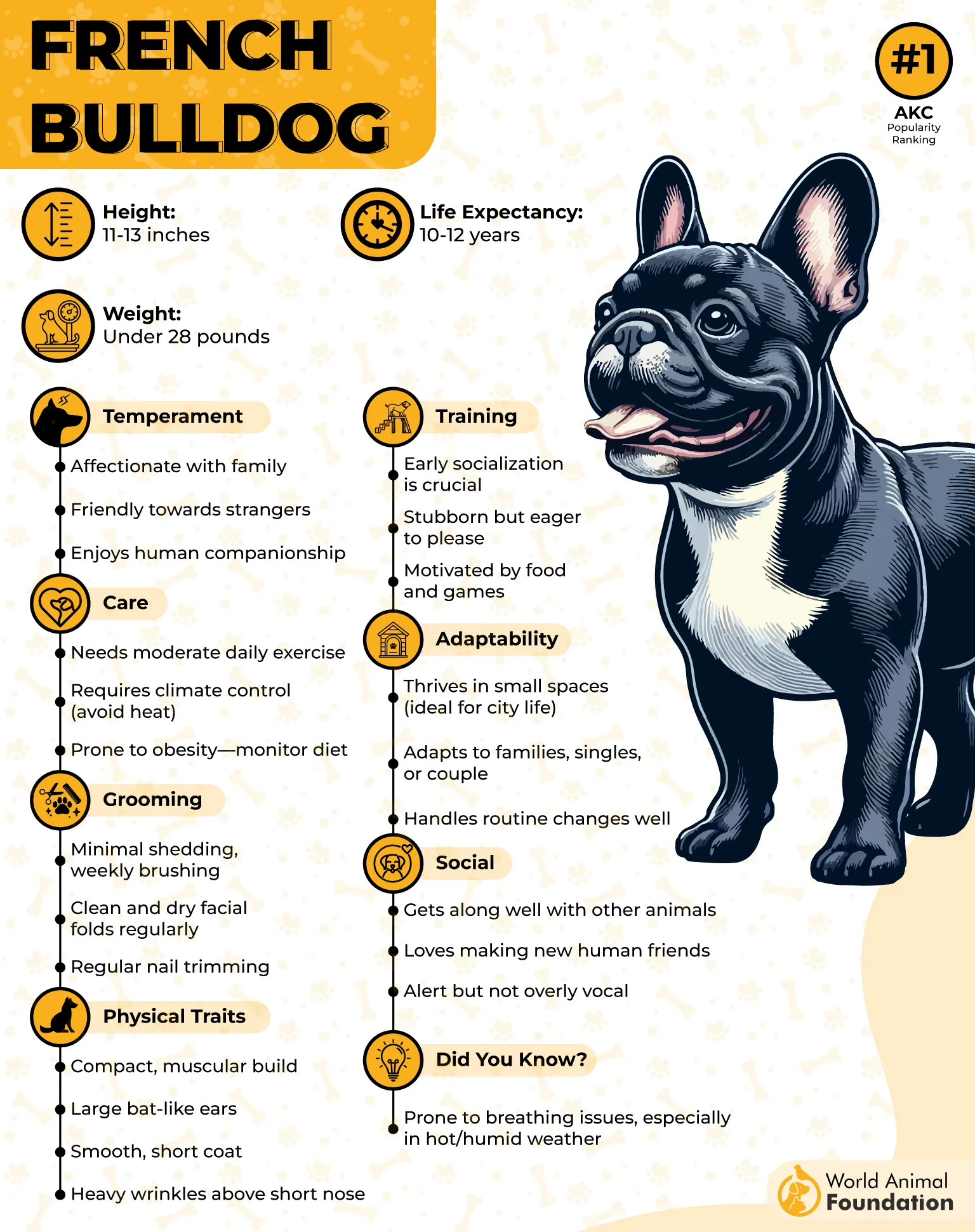
French Bulldog began its French chapter in the mid-1800s, when English lace workers brought their small Bulldogs across the Channel. French families became especially fond of the smaller dogs with upright bat-like ears, and their popularity grew rapidly by the late 1800s.
Made for Mellow Days
Frenchies have short legs and a flat face, making gentle walks and brief jaunts a better match for their bodies than demanding athletic routines. Fetch, a neighborhood stroll, or relaxed yard time can provide enjoyable activity without turning the day into a workout.
For their daily life routine, this is what matters:
Flat-faced airway concerns
Harness preferred for outings
Puzzle toys for indoor enrichment
A Little Stubbornness
This low-maintenance dog can make obedience training a test of patience, especially when the reward does not seem worthwhile from the dog’s perspective. Praise, a tummy rub, or a chance to curl up on a lap can provide useful motivation during short training sessions.
Conclusion
Life with a laid-back dog can suit people who would rather spend an afternoon at home than plan a schedule. That slower pace still needs balance, since every dog requires exercise, companionship, training, and safe ways to stay mentally engaged. Some may need little exercise and settle after regular walks, while high-energy dogs may need play or long walks before relaxing.
Pet parents should think about living space, weather, time alone, grooming, and daily routines before choosing. A good match can enjoy quiet evenings and comfortable naps without missing the care needed to stay healthy.
Some dogs may even spend much of the day sleeping, but long periods of rest should still be balanced with appropriate activity. That balance makes relaxed companionship easier to enjoy every day.
