




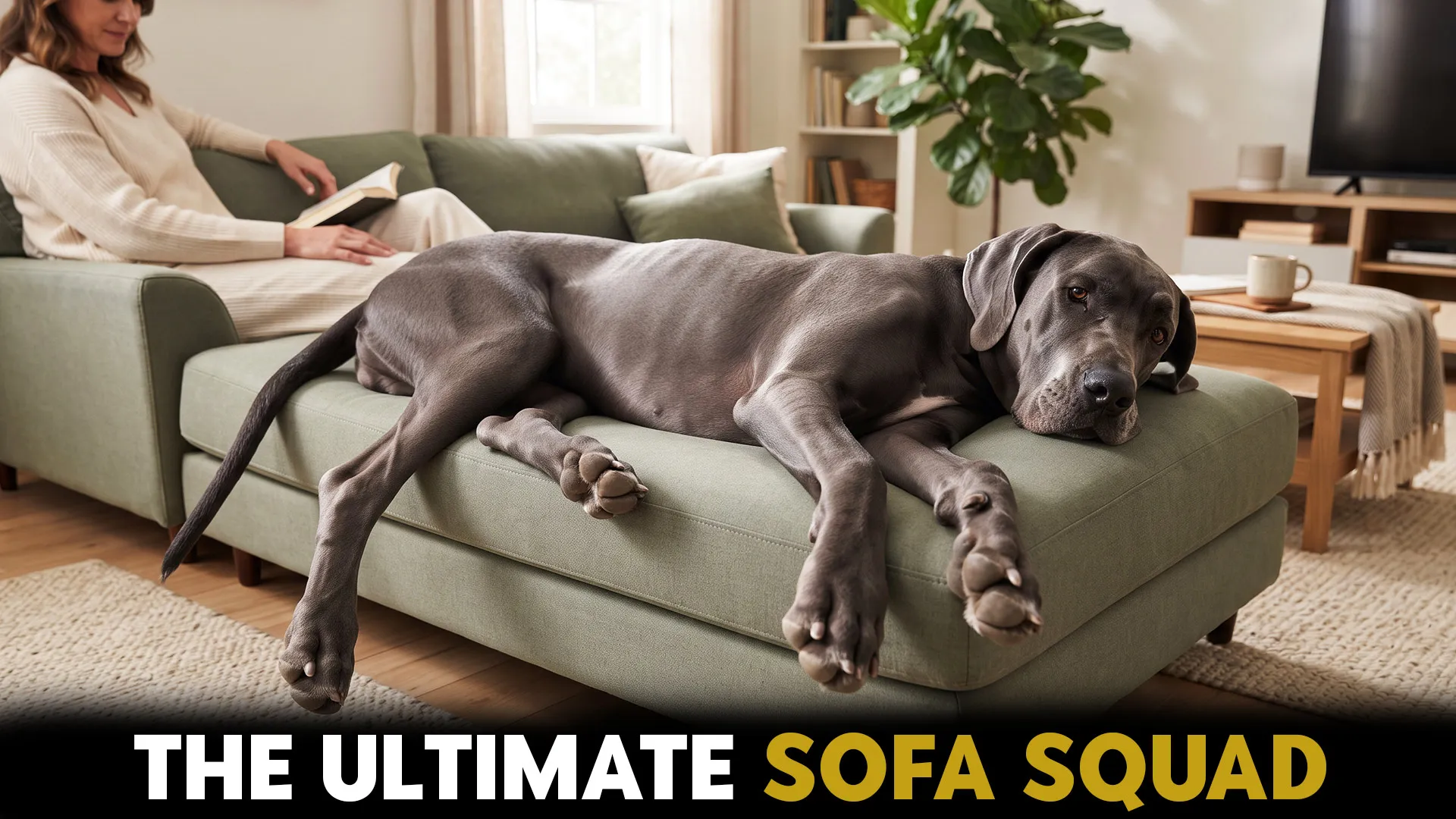
Couch potato life has one simple rule: nobody should expect you to leave the sofa every five minutes. For dog lovers who prefer quiet evenings, gentle walks, and plenty of downtime, ultra-lax dog breeds can be a good match.
These dogs tend to have calmer energy levels and lower exercise needs than breeds bred for demanding work, although every dog still needs daily activity and attention. The interesting part is how much difference that temperament can make at home.
A dog that happily settles after a reasonable walk can fit a relaxed household far better than one that constantly looks for another job. That matters on rainy afternoons, lazy Sundays, and evenings when the biggest plan is ordering dinner and watching television.
But which dogs truly fit this slower rhythm, and which ones only look laid-back? The answers get interesting once you see the breeds that take relaxation seriously.
Key Takeaways
Quiet evenings, slow mornings, and a dog that is perfectly happy beside you can make couch-potato life even better.
The Great Dane may have a history as a boar hunter, yet today it can be surprisingly content with a moderate daily walk and plenty of time at home.
Then comes the Pekingese, a tiny companion with a fascinating royal history that once included dogs small enough to fit inside an emperor’s sleeves.
As the list continues, the Cavalier King Charles Spaniel, Saint Bernard, Newfoundland, Clumber Spaniel, and Pug each bring their own version of the slower life.
Ultra‑Relax Dog Breeds for the Ultimate Couch‑Potato Life
1. Great Dane
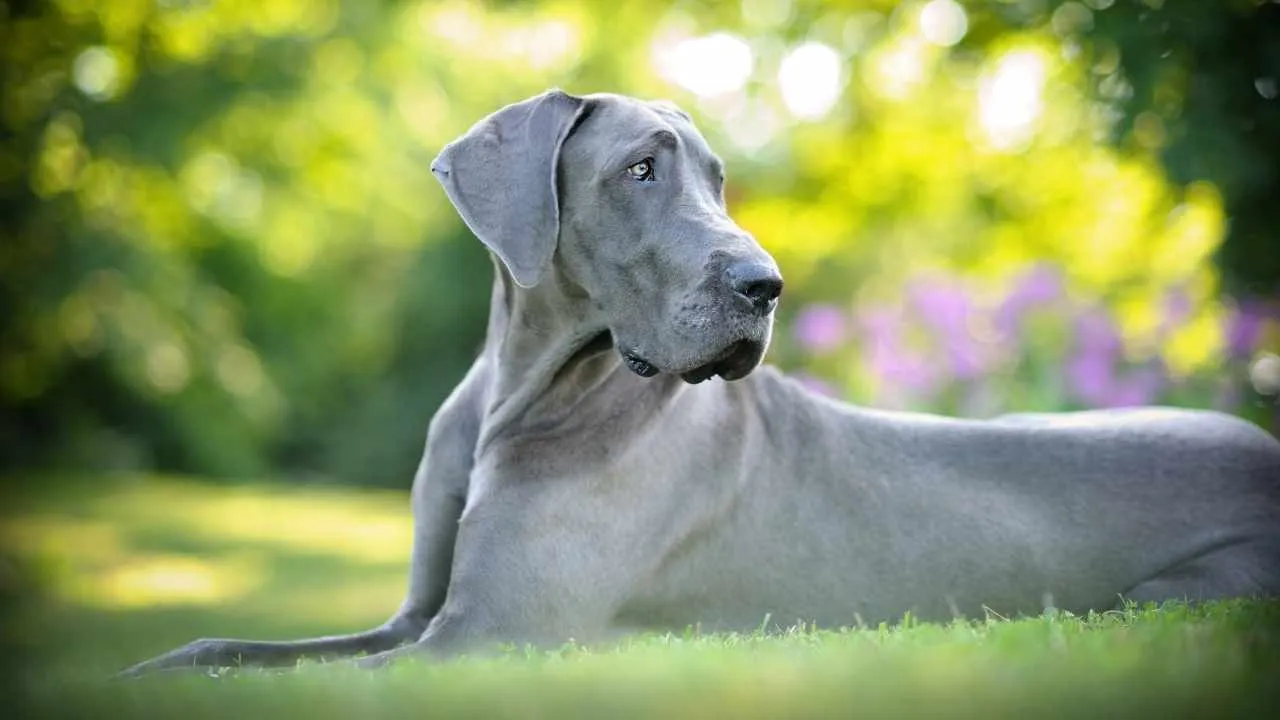
Great Dane originated in Germany, with its ancestry commonly linked to the Irish Wolfhound and English Mastiff. Ancient artwork from Egypt and temples in Babylon also contain dogs resembling the breed, adding an intriguing layer to its early history and development.
From Hunter to Guardian
This family dog was once used for hunting wild boar before German breeders shifted its role toward guarding homes and serving as a companion. That change brought a calmer household role while retaining the imposing size that makes the breed impossible to overlook.
These habits give this giant breed extra character:
Gentle around children
Can become a devoted shadow
Reserved with unfamiliar people at first
Moderate Daily Activity
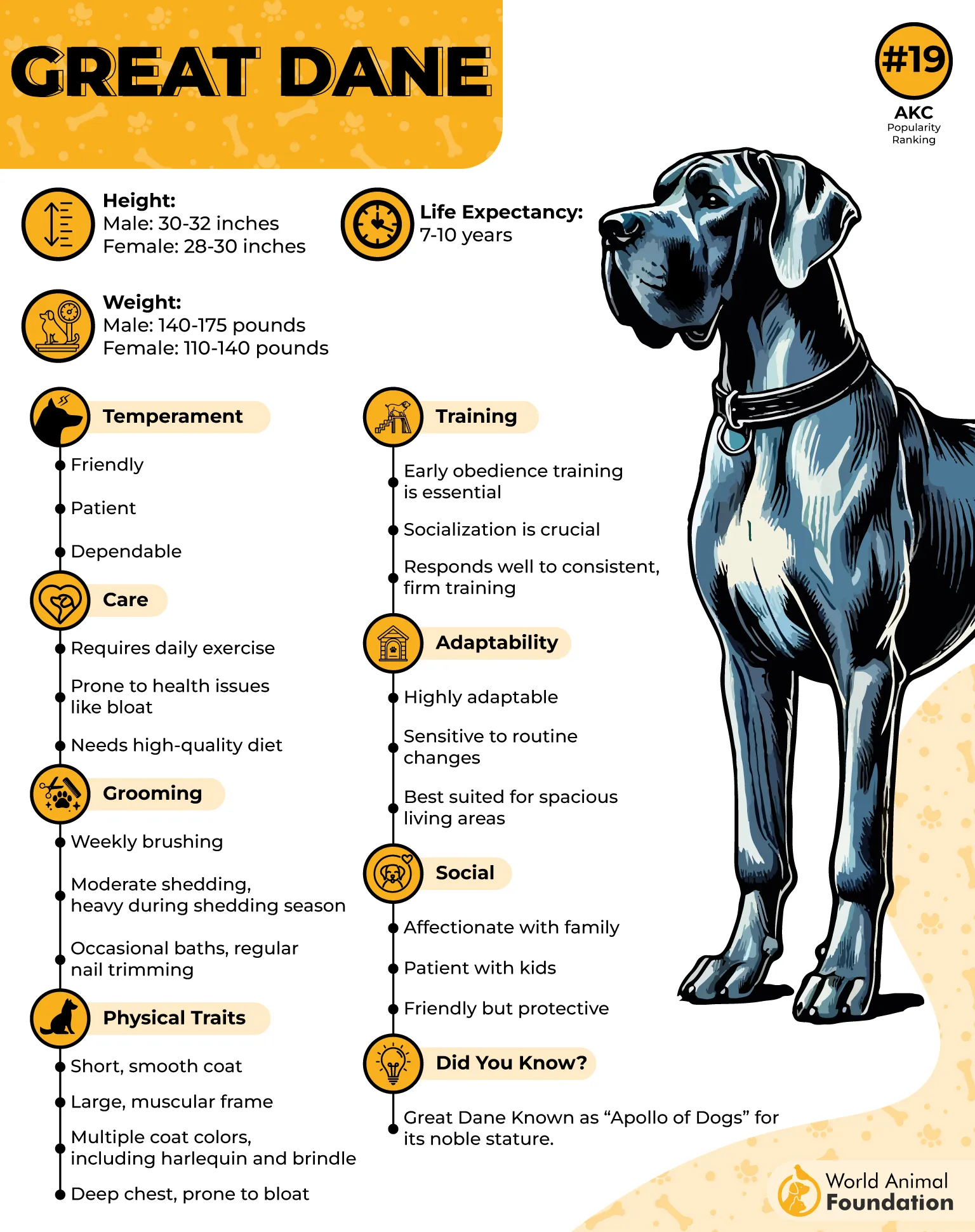
Great Danes generally need around 30 to 60 minutes of exercise each day, with neighborhood walks and fenced-yard play fitting well into their routine, as noted by Greencross Vets.
Adult dogs can enjoy longer hikes, while jogging and strenuous activities should wait until the joints have fully matured around age two.
2. Pekingese
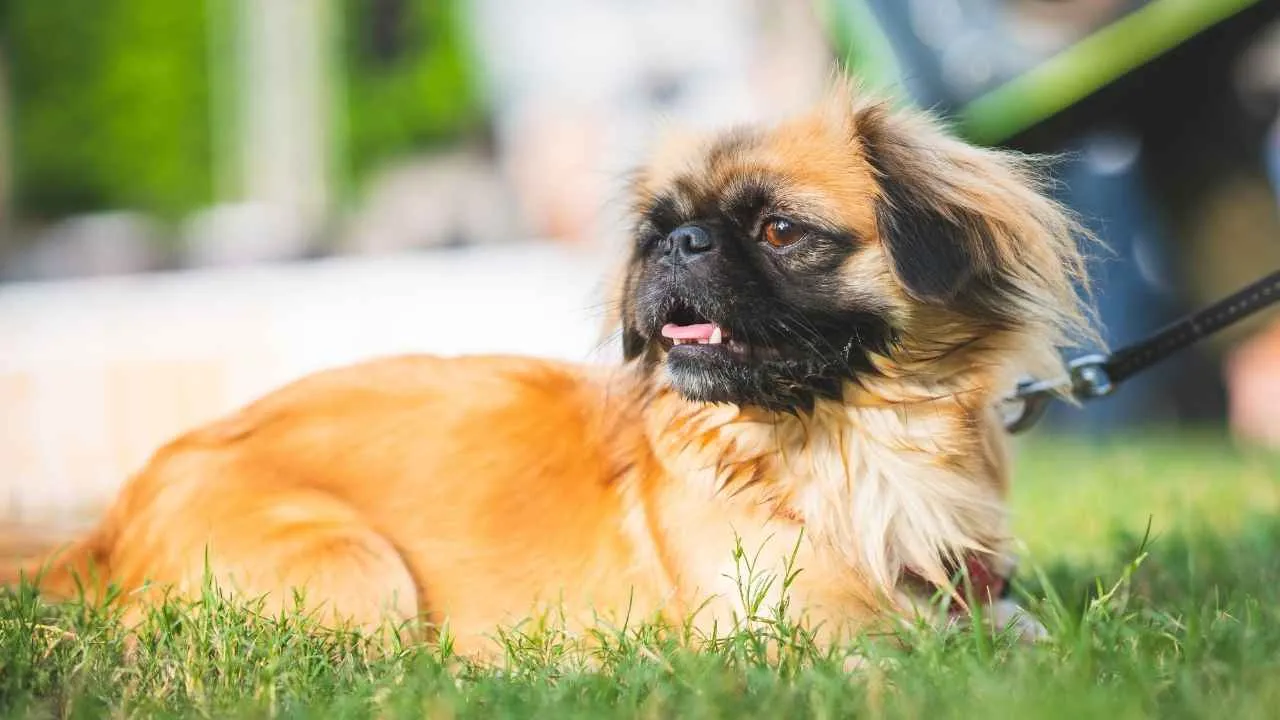
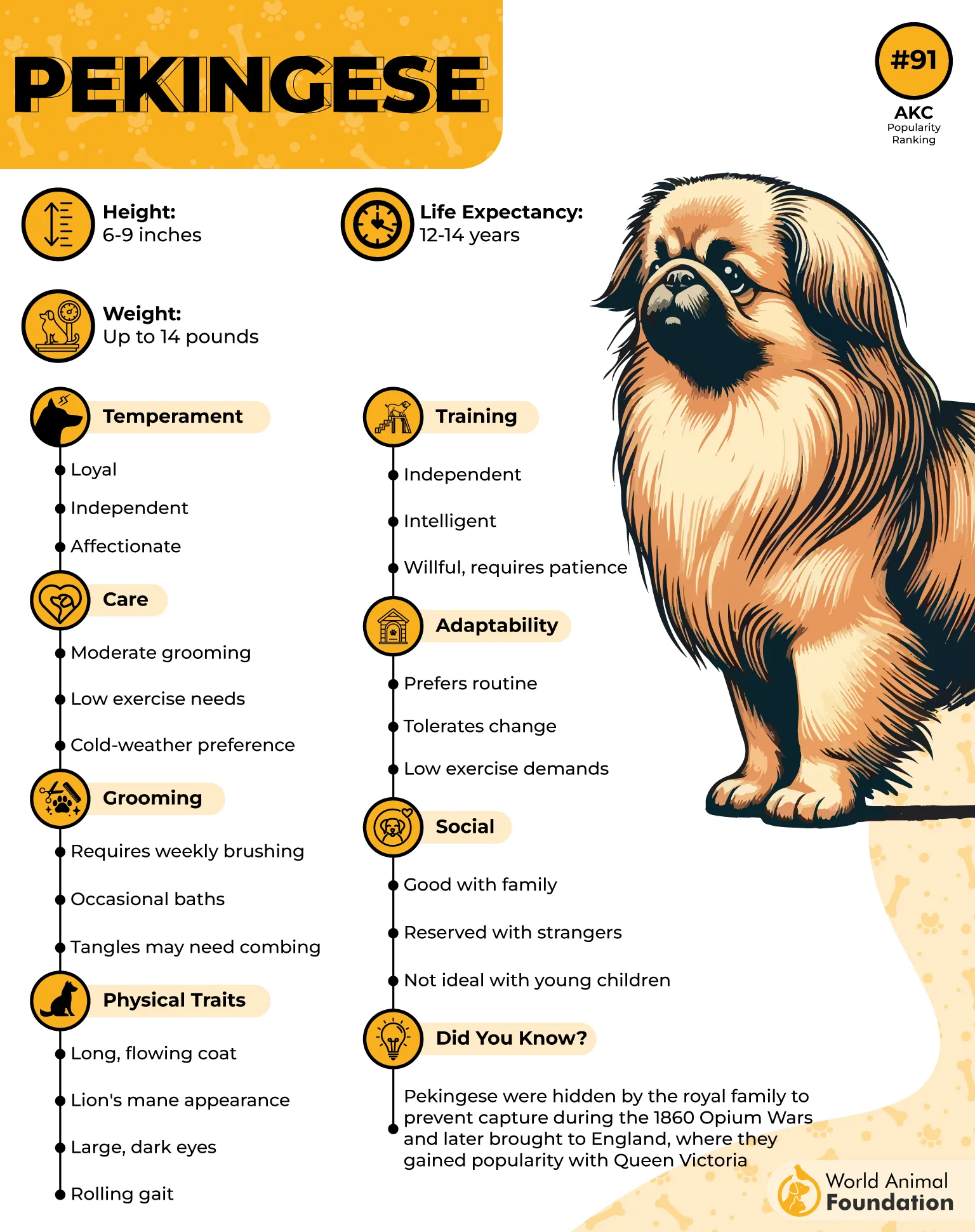
Pekingese dates back around 2,000 years to China, where Buddhist monks kept these small dogs as cherished companions known as Lion Dogs. Their size later took an unusual turn, with tiny “sleeve dogs” small enough to fit inside an Emperor’s robe sleeves.
Made for the Sofa
This low-activity dog is far happier beside you than on a demanding outing, making the sofa a much better match for its moderate energy level, as mentioned by WebMD. One or two 20- to 30-minute walks each day can provide enough activity without asking too much from its short legs.
These points make them easier to understand:
Longer walks can be difficult
Indoor games provide mental activity
Flat-faced structure increases heat sensitivity
A Selective Socialite
Pekingese forms close attachments to familiar people while remaining cautious around unfamiliar faces. It may also tolerate other household pets better with early socialization, particularly before living alongside energetic kittens or bouncy puppies becomes difficult.
3. Cavalier King Charles Spaniel

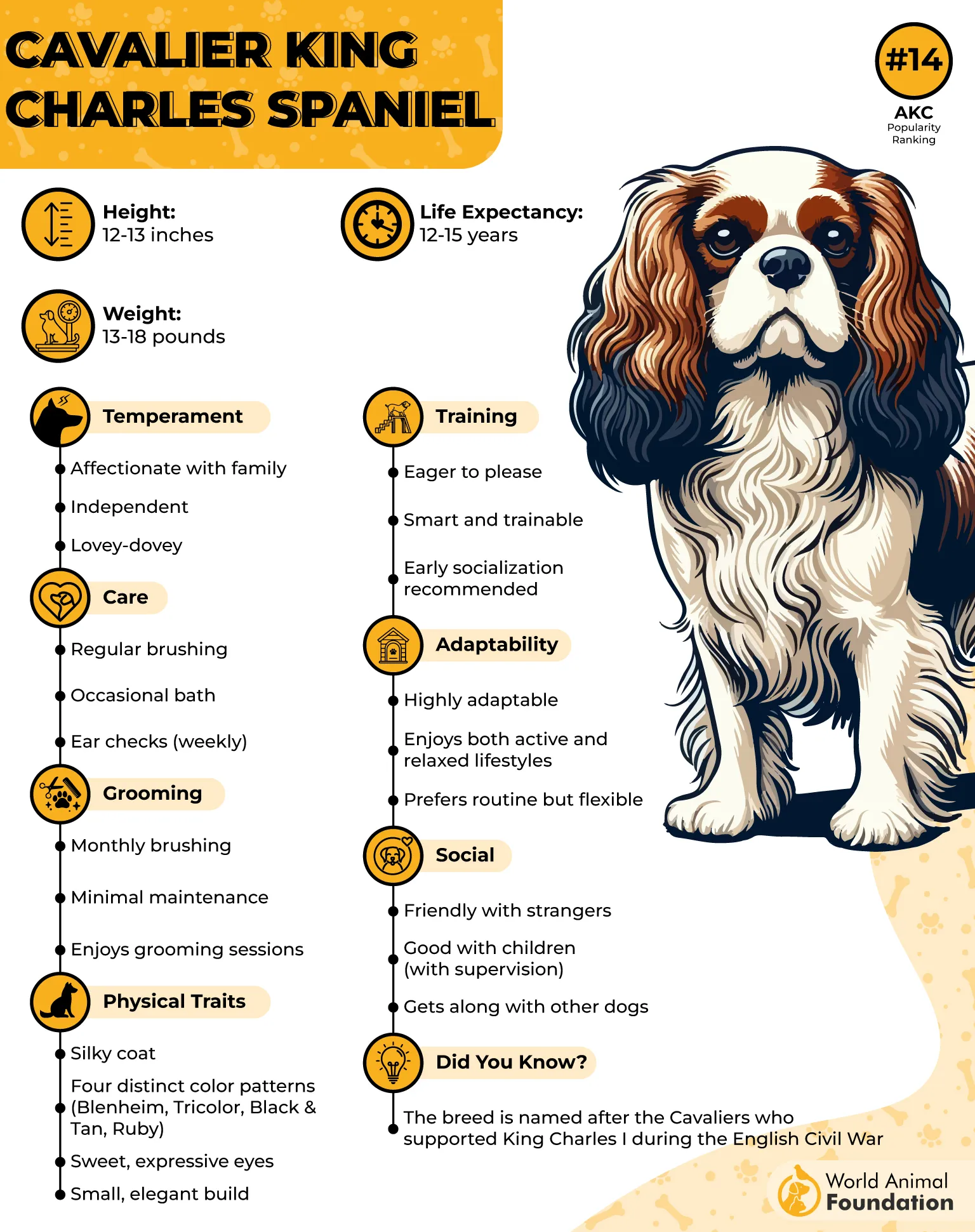
Cavalier King Charles Spaniel takes its name from King Charles I, the 17th-century British monarch often depicted with Spaniel-type dogs at his side. The breed began as a bird-hunting dog before its smaller size and pleasant nature made companionship its more prominent role.
Made for Easy Days
These Spaniels have a moderate energy level, with two 20- to 30-minute walks each day generally fitting their routine alongside play and training. That manageable schedule leaves plenty of room for slow mornings, sofa time, and an unhurried day at home.
Their easygoing nature also shapes social life:
Enjoys leisurely walks with plenty of sniffing
Handles cats and unfamiliar people well
May feel shy around larger dogs
Social by Nature
This sofa-loving breed can settle into different households, whether you live alone, with roommates, or with a large family, as long as it gets plenty of attention and companionship.
This adaptable breed can live in an apartment or house, though a fenced yard is important because an interesting scent can tempt it to wander, as PetMD claims.
4. Saint Bernard
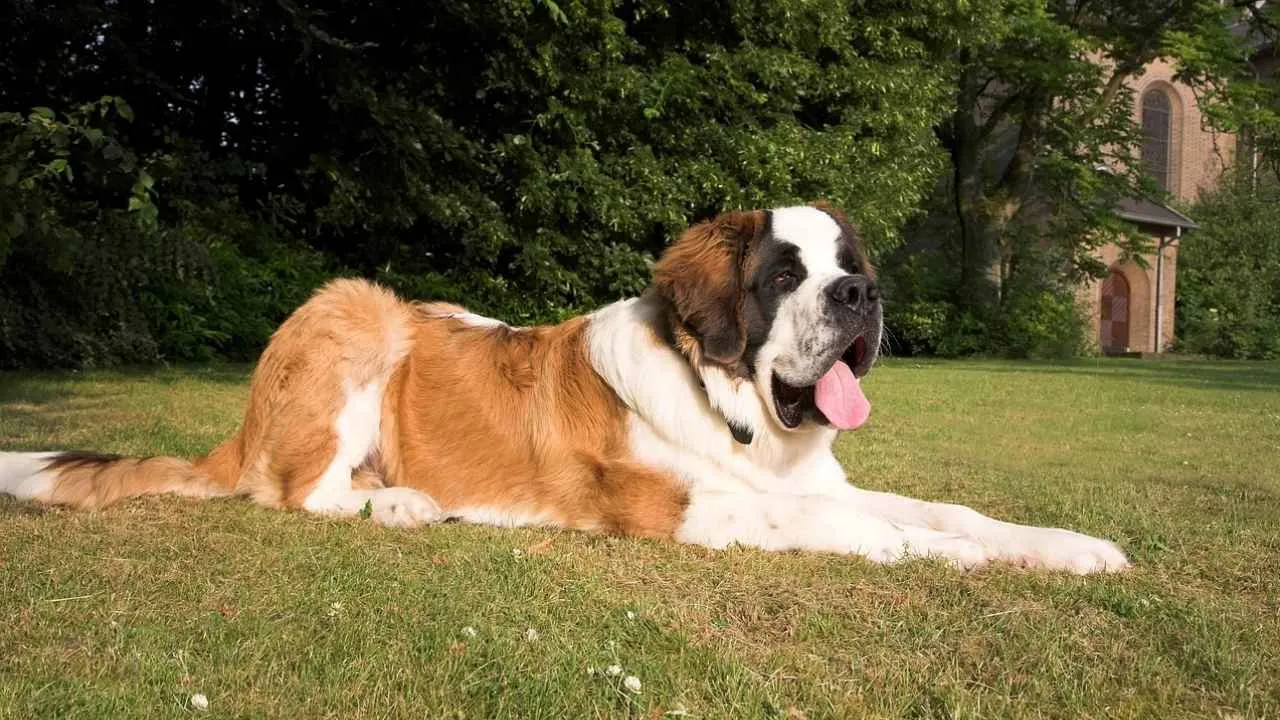
Saint Bernard first appears in records from 1707, linked to the monks of the Saint Bernard Pass Hospice between Switzerland and Italy. The breed likely descended from Roman Molossian dogs before gaining recognition for finding lost travelers in deep snow.
A Slow-Paced Routine
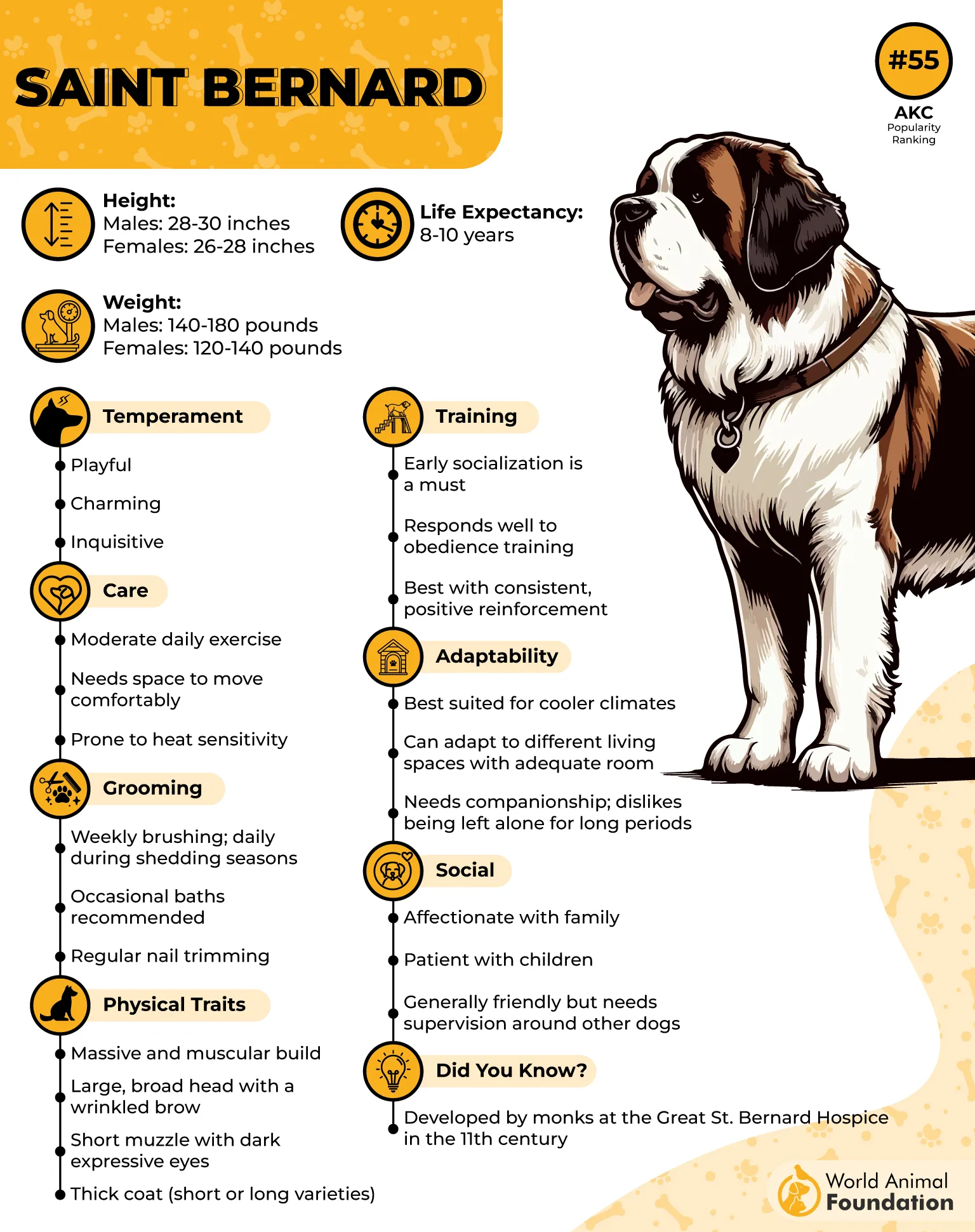
These breeds suit a relaxed household rhythm, with about 30 minutes of daily exercise generally fitting their needs. Short walks and gentle outings work well, while heavy panting or lying down signals that the dog needs a cooler break.
This is what you can expect in daily life from your dog:
Prefers cool seasons
Enjoys rolling in snow
Soft grass can ease joint strain
Easy Company
Saint Bernard is a mellow companion that often wants to be wherever its favorite person is, including quiet outings or a cozy spot nearby while you work.
Its gentle nature also allows it to get along with children, dogs, and cats, with extra care needed around very young children because of its size.
5. Newfoundland
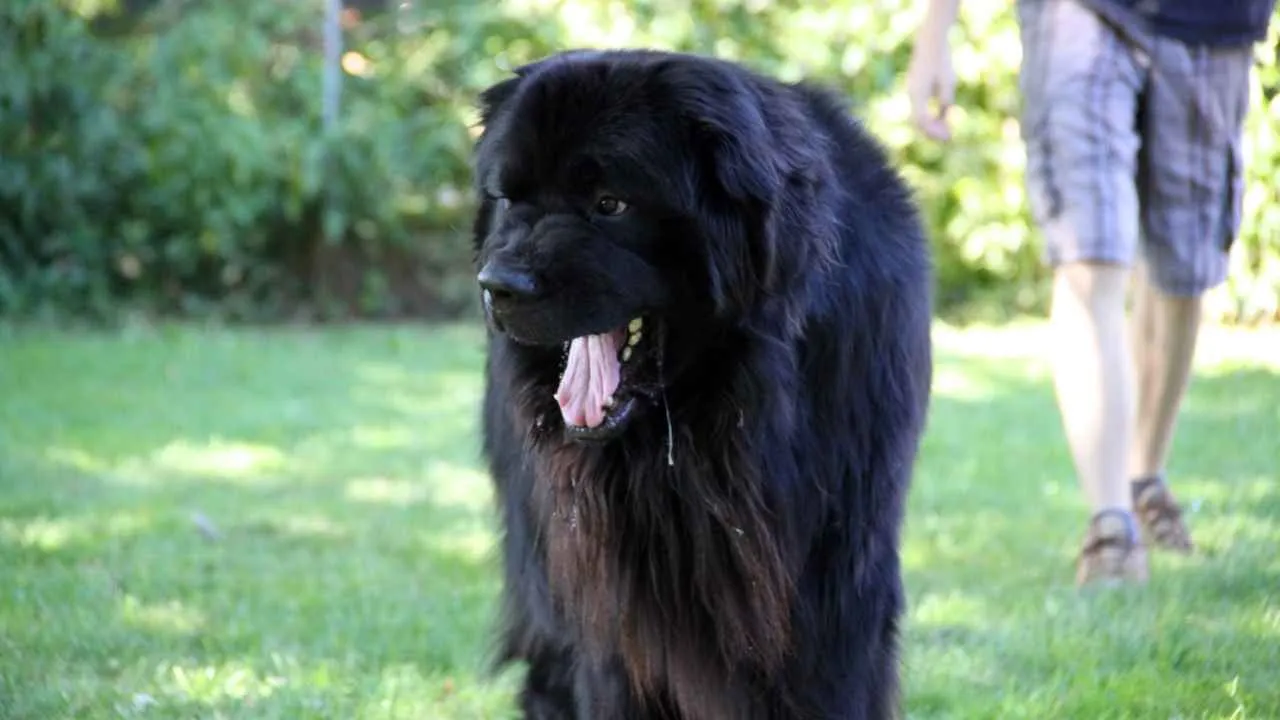
Newfoundland originated in Newfoundland, Canada, where early dogs worked alongside fishermen on demanding daily jobs.
Portuguese Fishermen’s Mastiffs are believed to have influenced the breed in the 16th century, when these dogs were more lightly built than the massive companions seen today.
Gentle for Its Size
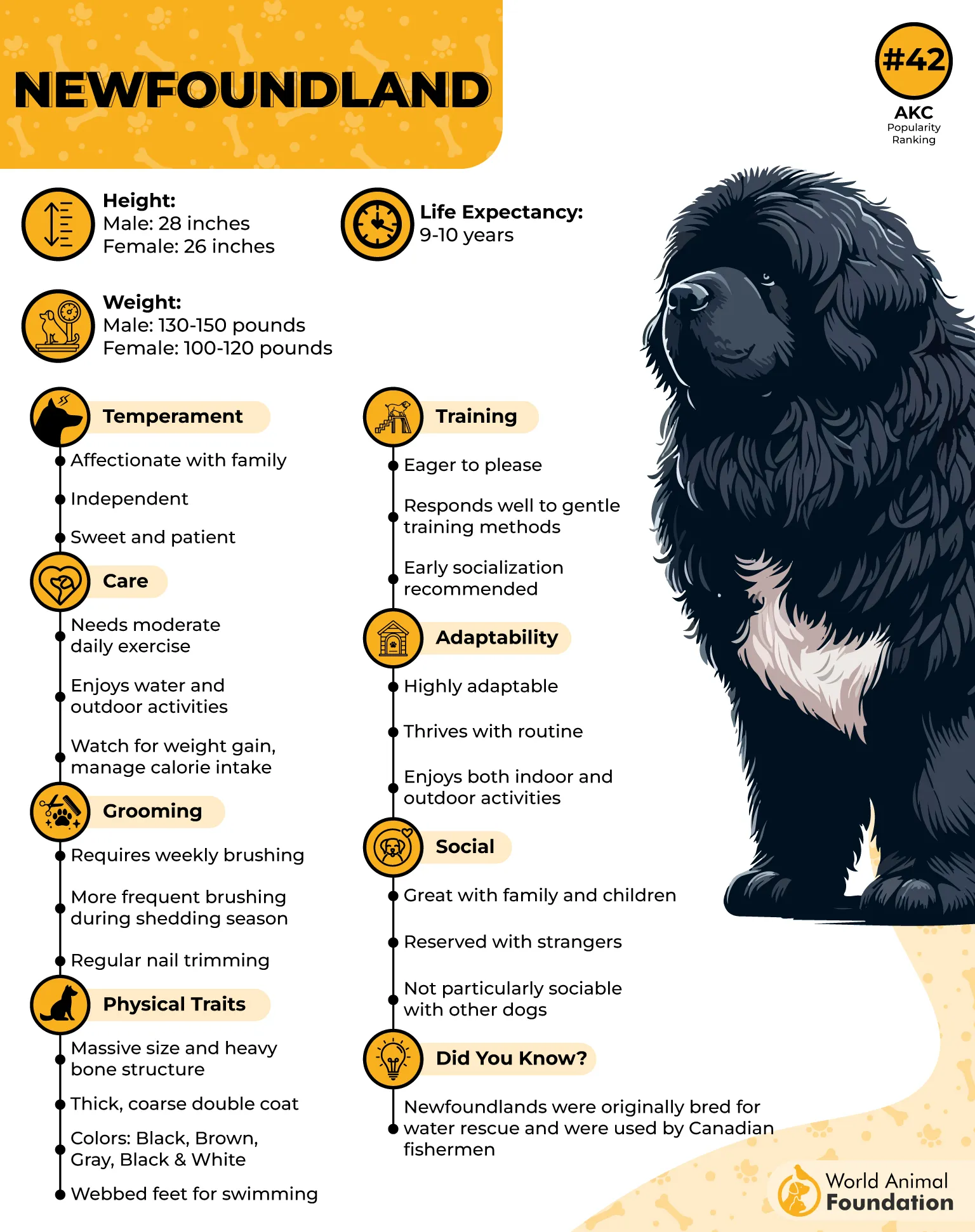
Newfies have a calm, patient temperament and enjoy being around people, including children of all ages. Its friendly nature extends to cats and smaller dogs, although its sheer size can make supervised play important around young children.
The following details make life with this giant breed distinctive:
About 30 minutes of daily activity
Long-distance running can strain the joints
Warm weather requires extra care
Cooler Days Suit Them
Newfoundland handles cold conditions particularly well, while hot weather calls for careful planning and constant access to fresh water. Summer activity is better scheduled for cooler morning or evening hours, with reliable air conditioning useful when temperatures rise.
6. Clumber Spaniel
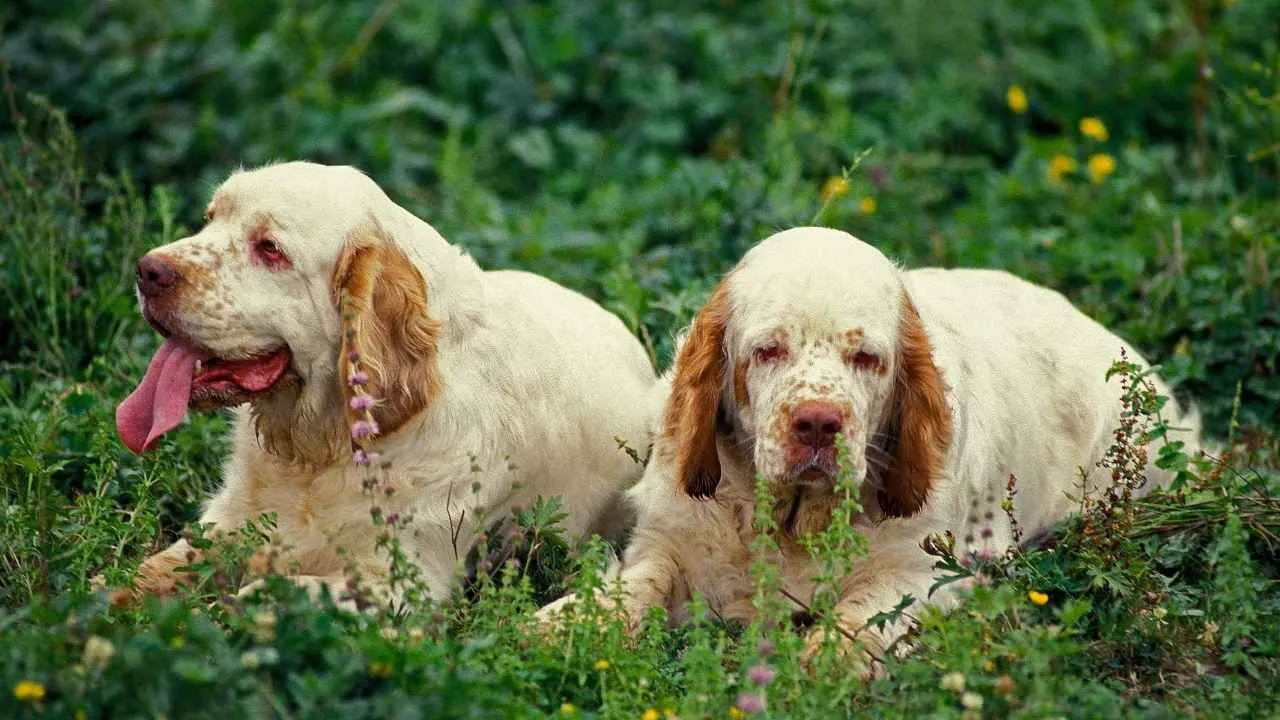
Clumber Spaniel emerged in England during the late 1700s and ranks among the oldest Spaniel breeds. Its exact ancestry remains uncertain, with Alpine Spaniel and Basset Hound among the breeds suggested as possible contributors, while focused breeding began at Clumber Park in Nottinghamshire.
Made for Thick Cover
They are the heaviest and most heavily built of the Spaniels, with a keen nose suited to finding and retrieving game through dense undergrowth. English nobility valued these dogs for their hunting ability and skill at bringing game back.
A few details from that working role are easy to miss:
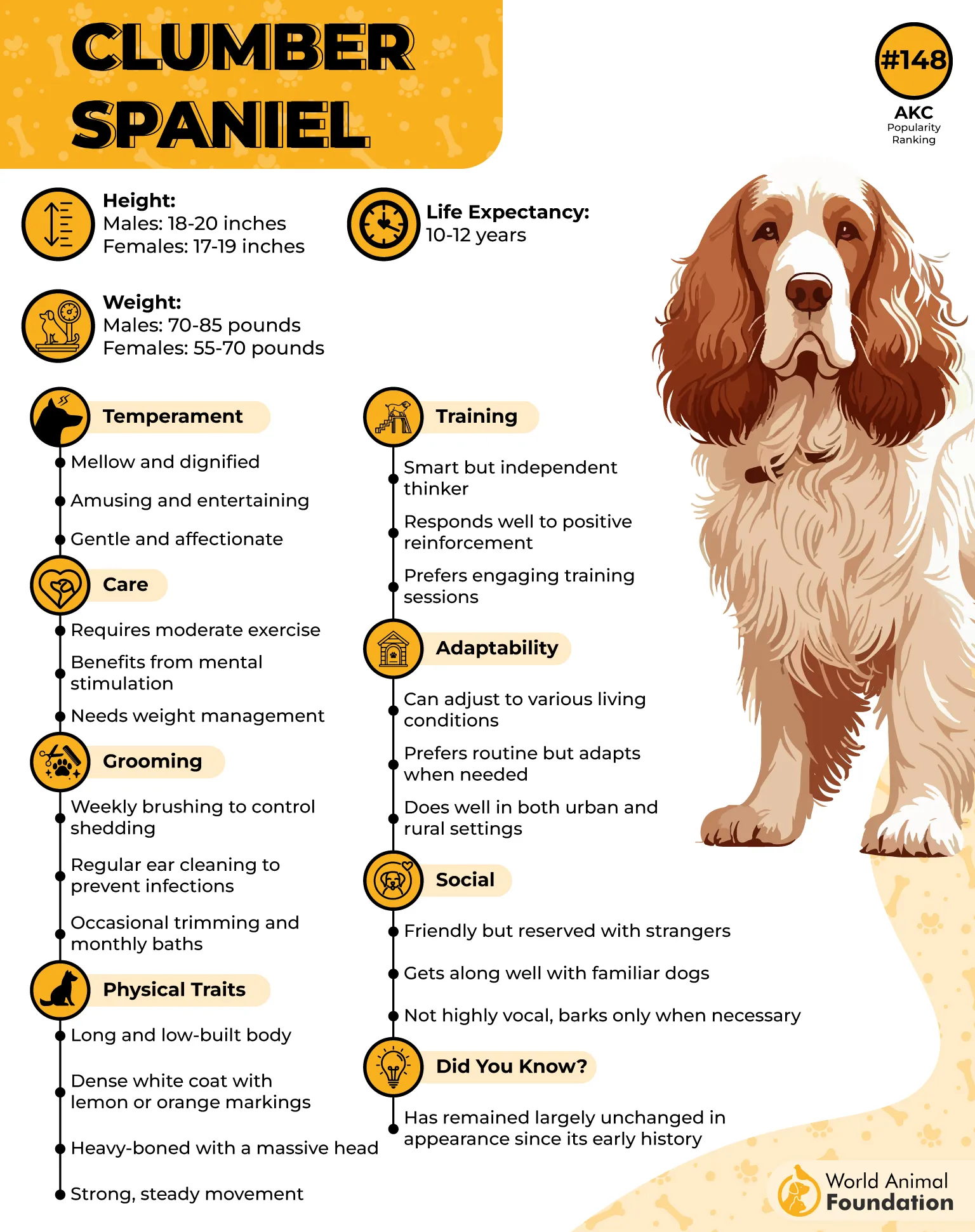
Steady temperament around the household
Can live with children, cats, and other dogs
Needs supervision around young children
A Slow-Paced Routine
Clumber Spaniel can enjoy fetch, hikes, dog-park play, and games with children, yet its daily exercise requirement is only about 30 minutes. Between activities, this scent-driven breed may pause to investigate interesting smells or spend some quiet time napping in a sunny spot.
7. Pug
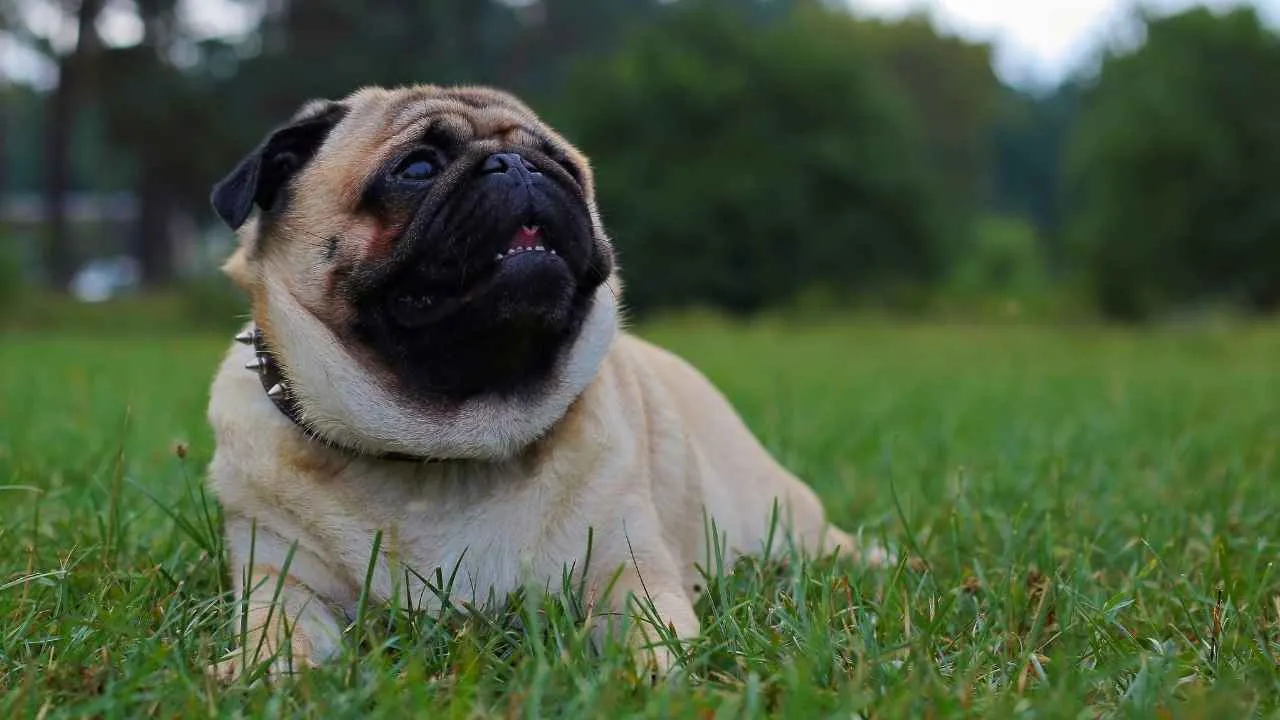
The Pug descends from mastiff-type dogs and was associated with Tibetan monasteries before traveling from China to Europe with the East India Trading Company in the 1700s.
Its name may come from the Latin pugnus, meaning fist, or from the marmoset monkeys called “Pug” that were popular pets in the 18th century.
Easy-Paced Days
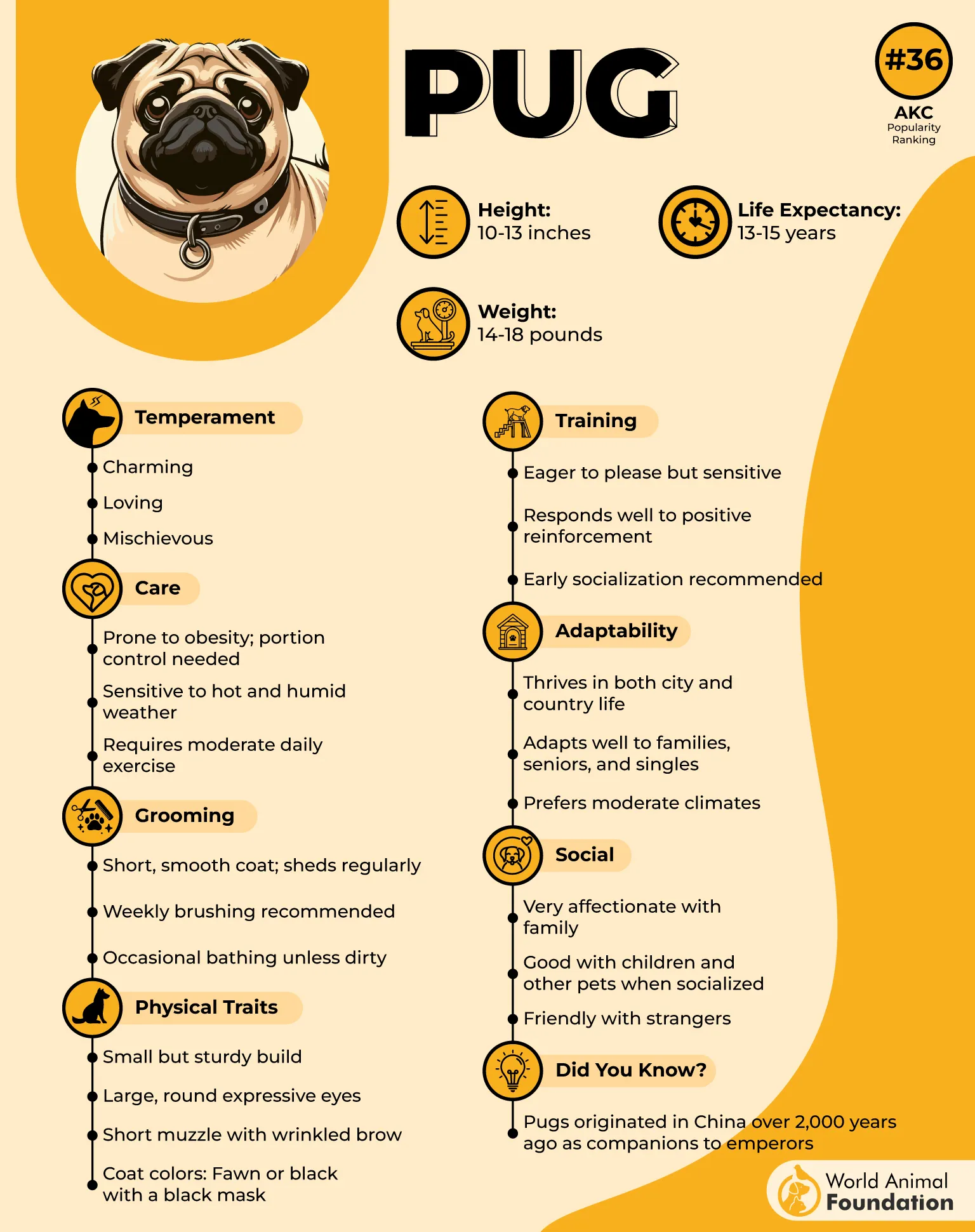
This lazy dog breed typically needs less than an hour of exercise each day, making short walks and indoor games a better match for its naturally low energy level. Its speed of around 5 to 10 mph also suits relaxed activities such as a gentle game of fetch.

A little activity can go a long way for this lap lounger:
Shorter sessions spread across the day
Indoor play can replace longer outings
Agility is possible for some individuals
A Social Little Dog
Pugs enjoy being included in household activity and generally get along well with children, babies, other pets, and visitors. Its most noticeable sounds may come from snorting and snoring rather than frequent barking, while calm pets are preferable companions around its sensitive face.
Conclusion
A relaxed lifestyle can work beautifully with a dog whose daily needs match your pace. Short walks, gentle play, mental activity, and plenty of rest can give lower-energy companions a comfortable routine without turning every day into a workout. Still, calm behavior does not mean skipping exercise, training, grooming, or social time.
Weather and body size can also affect how much activity feels comfortable, especially during hot or cold conditions. Look at your schedule, living space, and ability to provide consistent care before choosing.
The right match can make quiet evenings, lazy mornings, and slow weekends even more enjoyable together.
