




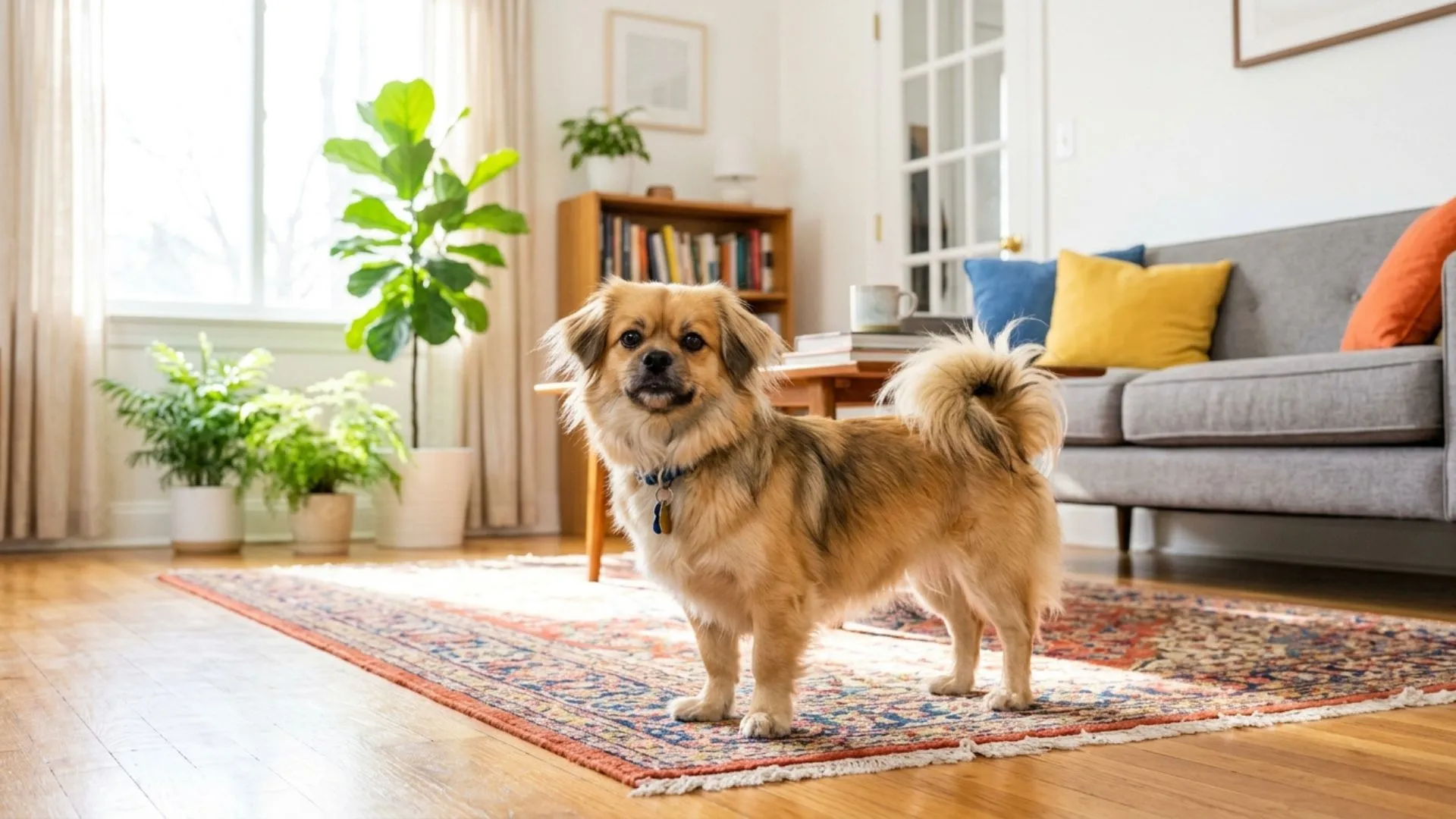
Not every dog dreams of sprinting through obstacle courses or acting like they just drank three energy drinks before breakfast. Some dogs are way more into the soft-life aesthetic — cozy naps, gentle play, slow walks, and quietly existing beside their favorite human like a fuzzy, emotional-support side quest.
That’s exactly why low-stimulation dog breeds are having a major moment right now. According to the American Pet Products Association, over 65 million U.S. households own dogs, and more people are choosing companion breeds that fit apartment living, remote work schedules, and quieter lifestyles.
A lot of modern dog owners want calm energy instead of constant chaos — basically a dog that matches the vibe of a rainy Sunday Netflix binge instead of a CrossFit bootcamp.
Many calm breeds were historically bred as companion dogs for royalty, nobles, or close household living. That “stick close to your human” instinct still lives rent-free in their brains today. Instead of trying to herd your entire family or launch themselves off the couch every five seconds, these dogs are happiest when they’re calmly involved in your daily routine.
Let’s look at the ultra-calm dog breeds that thrive on quiet, low-stimulation play and peaceful companionship.
Ultra-Calm Dog Breeds That Thrive on Quiet, Low-Stimulation Play
1. Cavalier King Charles Spaniel
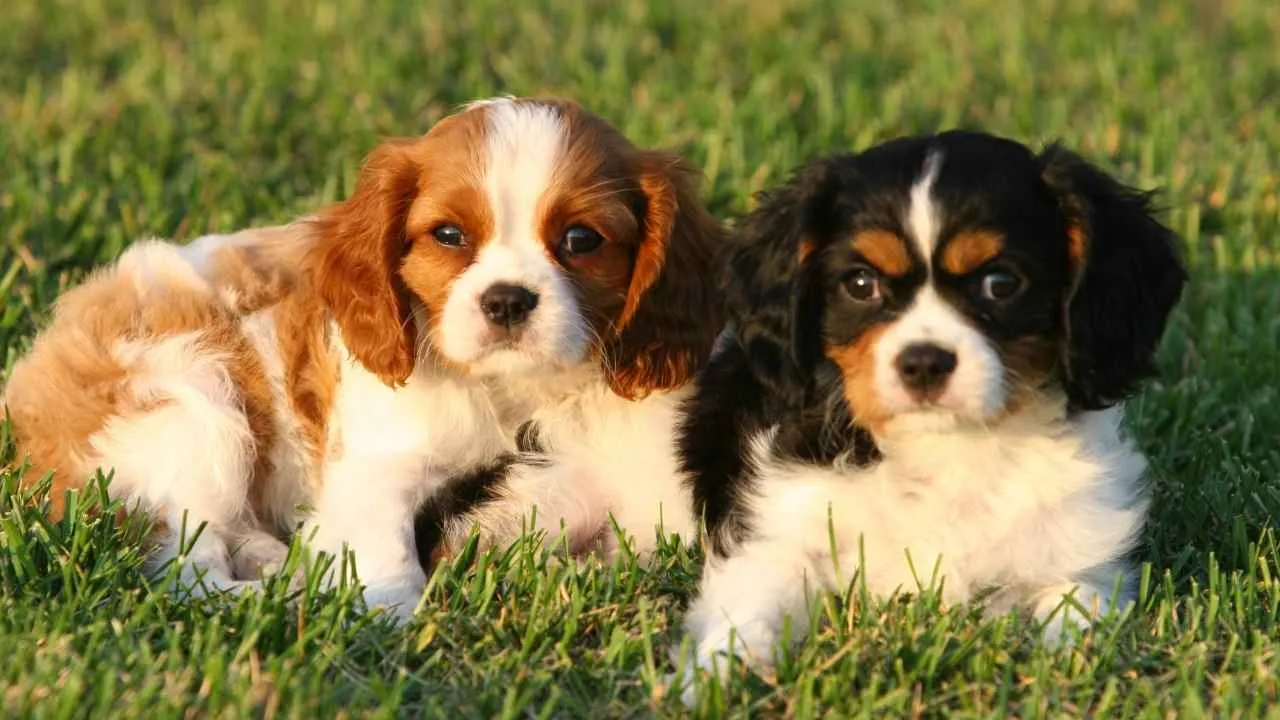
The Cavalier King Charles Spaniel is basically the comfort dog of the dog world. These little spaniels are affectionate, emotionally tuned in, and incredibly adaptable to slower-paced lifestyles. They love playtime, but they’re not demanding chaos goblins about it.
Most Cavaliers are perfectly happy with one decent daily walk and a few gentle indoor games afterward. They often adapt their energy level to their owner’s lifestyle, making them an excellent fit for calm homes, apartment living, or quieter families.
If your idea of cardio is walking to the fridge during a streaming marathon, the Cavalier probably supports your choices.
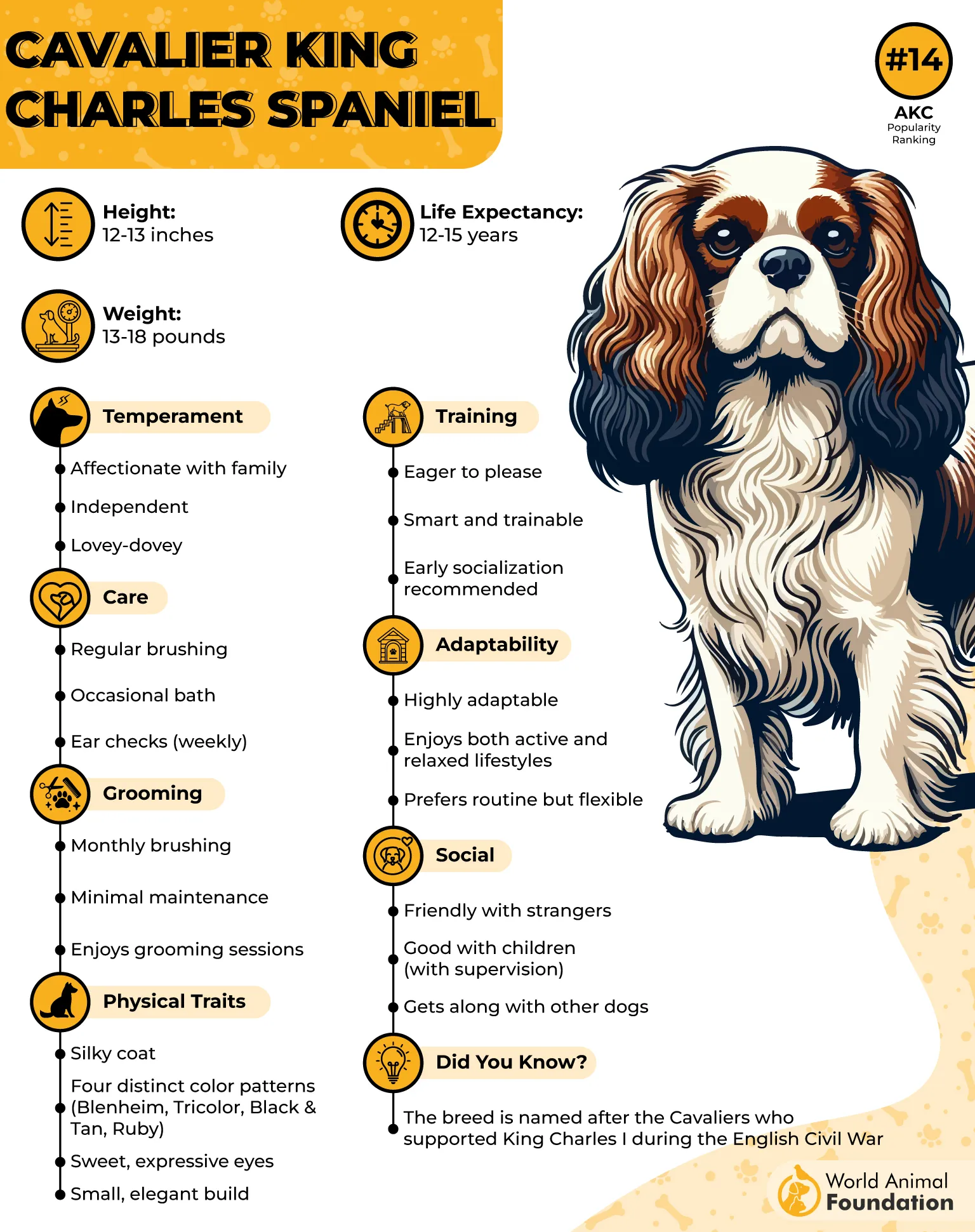
One thing owners constantly mention is how emotionally attached Cavaliers become. They follow their people from room to room like tiny furry assistants, trying to monitor every side quest. That’s why they’re often called “velcro dogs.”
Their favorite games are usually soft and low-impact, says PDSA. Plush toys, gentle fetch, scent puzzles, and treat-dispensing toys work especially well because they enjoy mental stimulation without turning everything into an Olympic event.
Fun fact: Cavaliers were beloved lapdogs in royal courts during the 17th century and regularly appeared in paintings beside nobles and kings. Honestly, their entire vibe still screams “luxury emotional support companion.”
2. Basset Hound
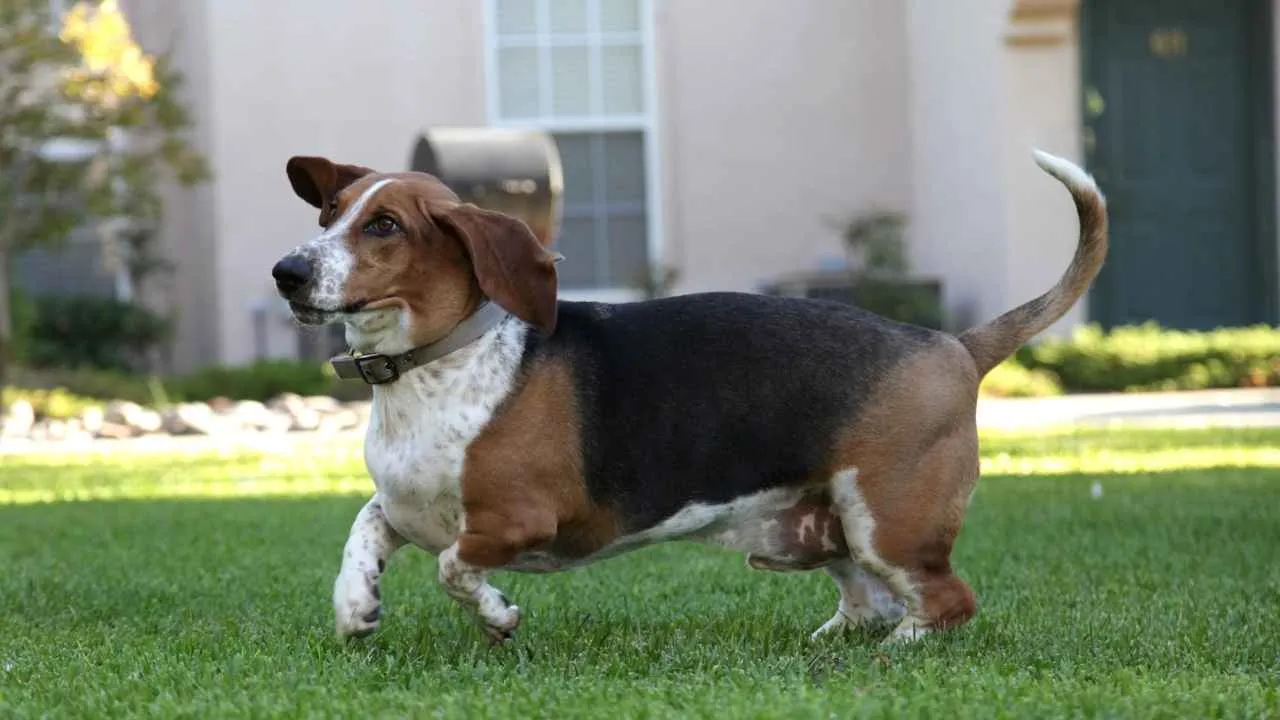
Basset Hounds are basically sleepy detectives with incredible noses. They may look permanently exhausted, but underneath those droopy eyes is one of the strongest scenting abilities in the canine world.
This lazy dog breed is calm, affectionate, and famously low-energy indoors. Most Bassets are fully content lounging around the house for hours before suddenly remembering they want snacks or a slow neighborhood walk. Their energy comes in tiny, dramatic bursts, then immediately disappears again.
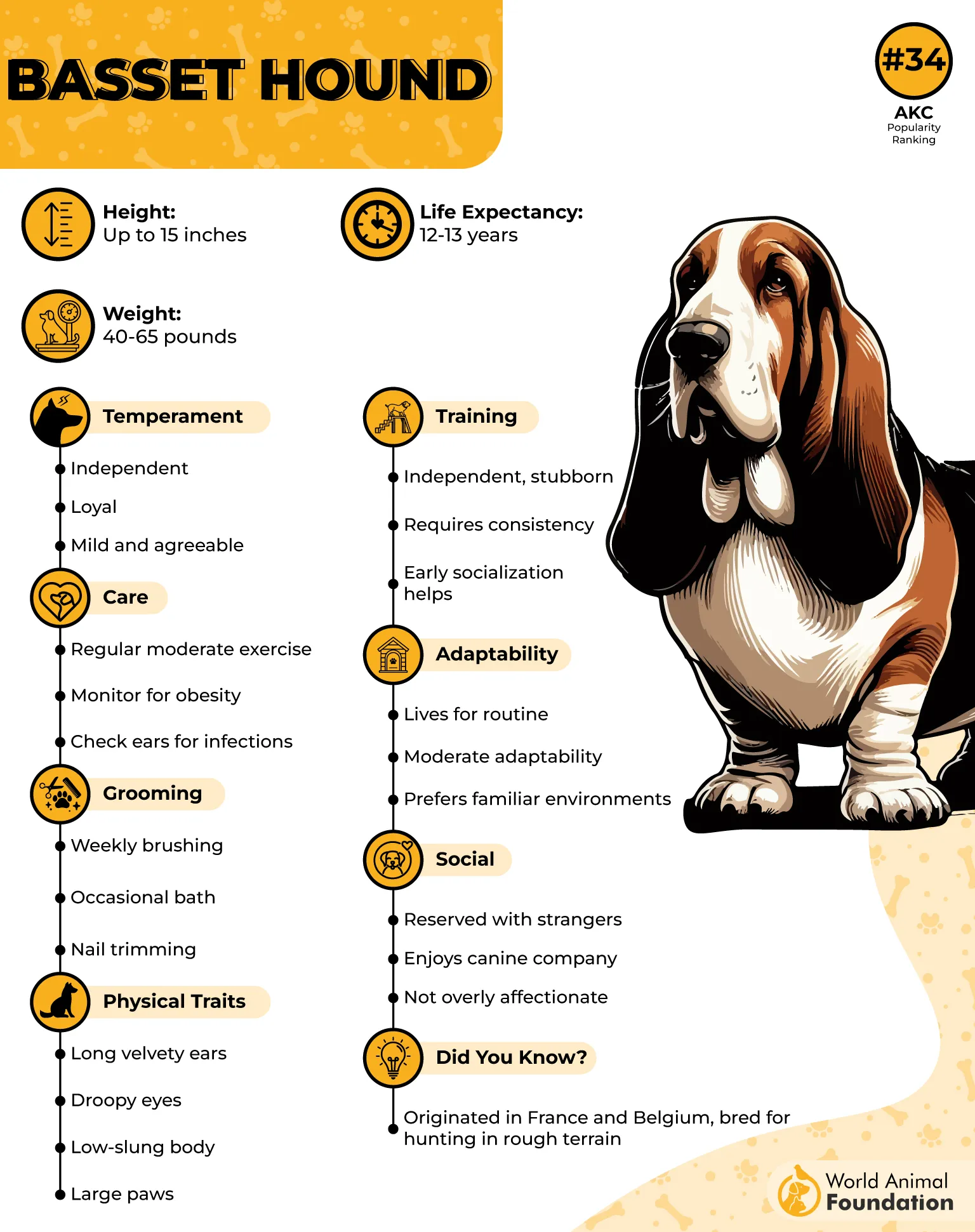
Despite their lazy reputation, Hills Pet says they still need 30–60 minutes of daily exercise to stay healthy. Because of their long backs and short legs, low-impact movement works best. Sprinting or intense jumping is definitely not their thing.
What makes them especially great for low-stimulation homes is their patient and calm temperament. They’re tolerant, gentle with kids, and usually relaxed around strangers. Many owners describe them as “old souls trapped in dog bodies.”
Quiet activities work incredibly well for this low-energy breed. Scent games, slow sniff walks, Barn Hunt sports, and treat puzzles. Let them use their strongest skill — their nose — without overstimulating them physically.
Fun fact: A Basset Hound’s sense of smell is second only to the Bloodhound. Their long ears actually help sweep scent particles toward their nose while tracking. Nature really said, “maximize the sniff settings.”
3. Shih Tzu
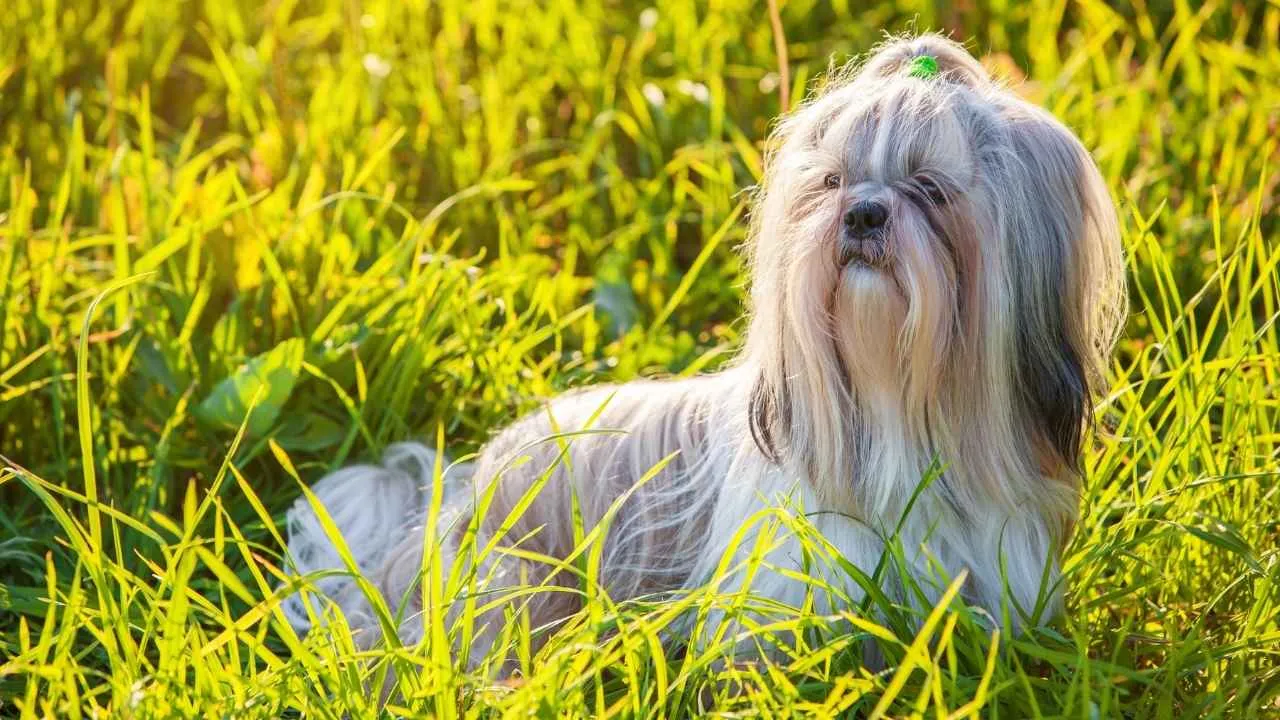
Shih Tzus were literally bred to hang around royal palaces looking adorable, and honestly, they still act like tiny emperors today. These dogs thrive on companionship, calm routines, and cozy indoor living.
Their exercise needs are relatively low compared to more athletic breeds. Around 30 minutes to an hour of light activity daily is usually enough. Short walks, indoor games, and gentle hide-and-seek sessions keep them happy without overwhelming them.
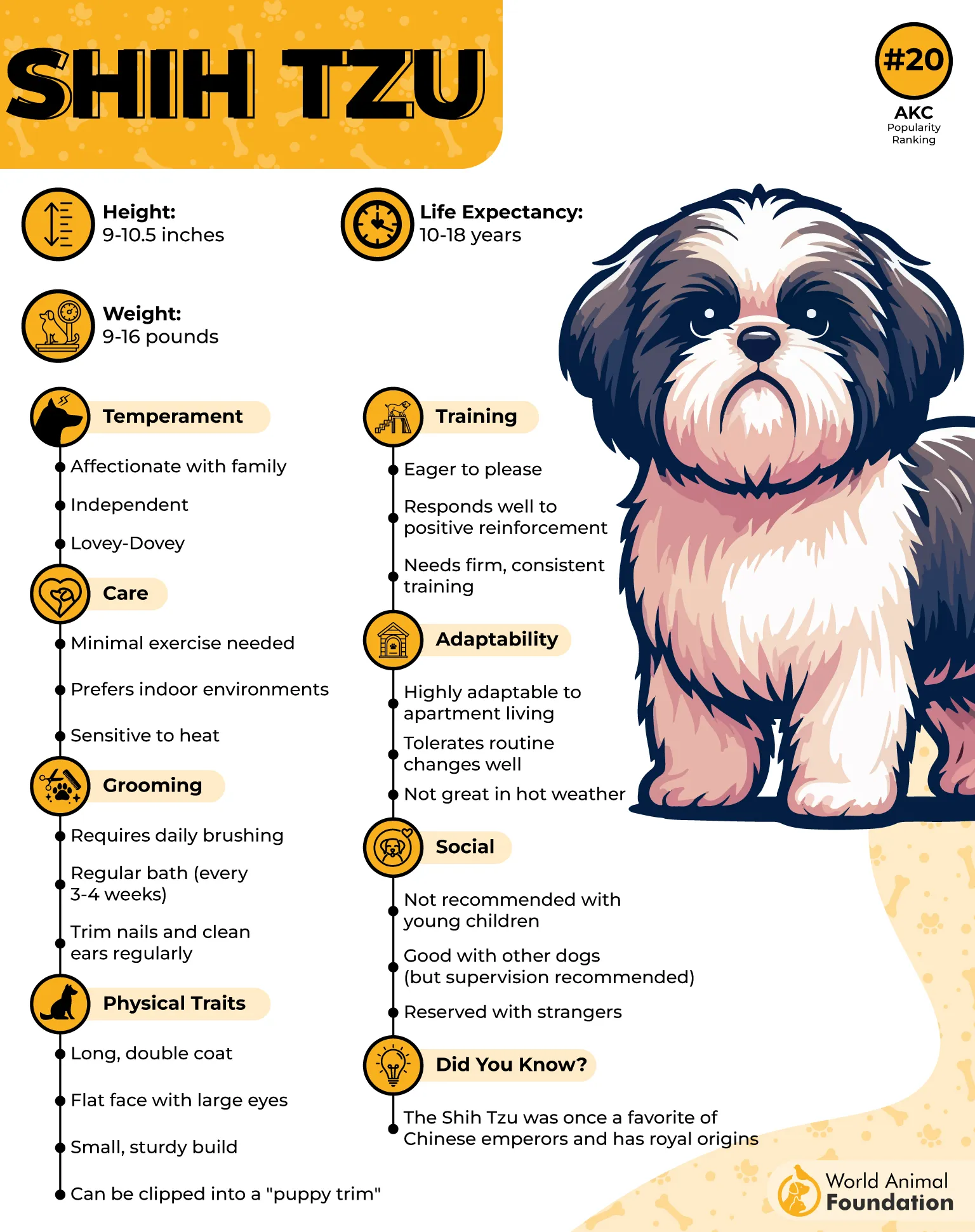
With a gentle temperament, PetMD says, they absolutely love interactive games that involve attention from their humans. Hide-and-seek is basically peak entertainment for them. Owners often say their Shih Tzu acts like they just won a reality show competition every time they successfully find someone hiding behind a curtain.
Unlike high-drive dogs that constantly demand stimulation, Shih Tzus are happy switching between short bursts of play and extended cuddle sessions. They know how to relax without getting bored immediately.
They’re also highly adaptable emotionally. These dogs with a calm demeanor tend to match the household mood really well, which is why they’re popular among seniors, apartment dwellers, and quieter families.
Historical fact: Shih Tzus were treasured companion dogs in ancient Chinese royal courts, especially during the Ming Dynasty. These dogs have literally been pampered for centuries. Main character energy runs deep in this breed.
4. Pug
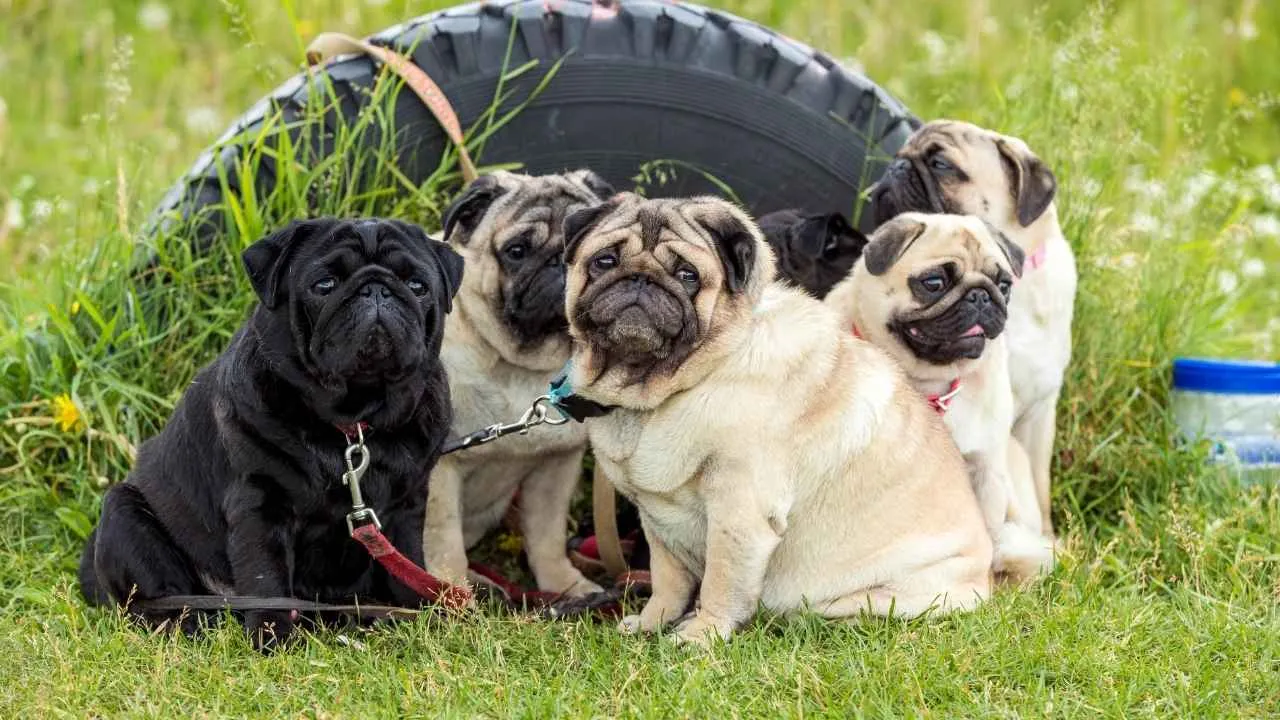
Pugs are basically tiny comedians disguised as dogs. They thrive on companionship, soft routines, and low-impact fun rather than nonstop physical activity.
Because of their flat faces, they can struggle to breathe during intense exercise or in hot weather. That’s why most experts recommend two short walks daily, combined with indoor play sessions, rather than long runs or heavy workouts.
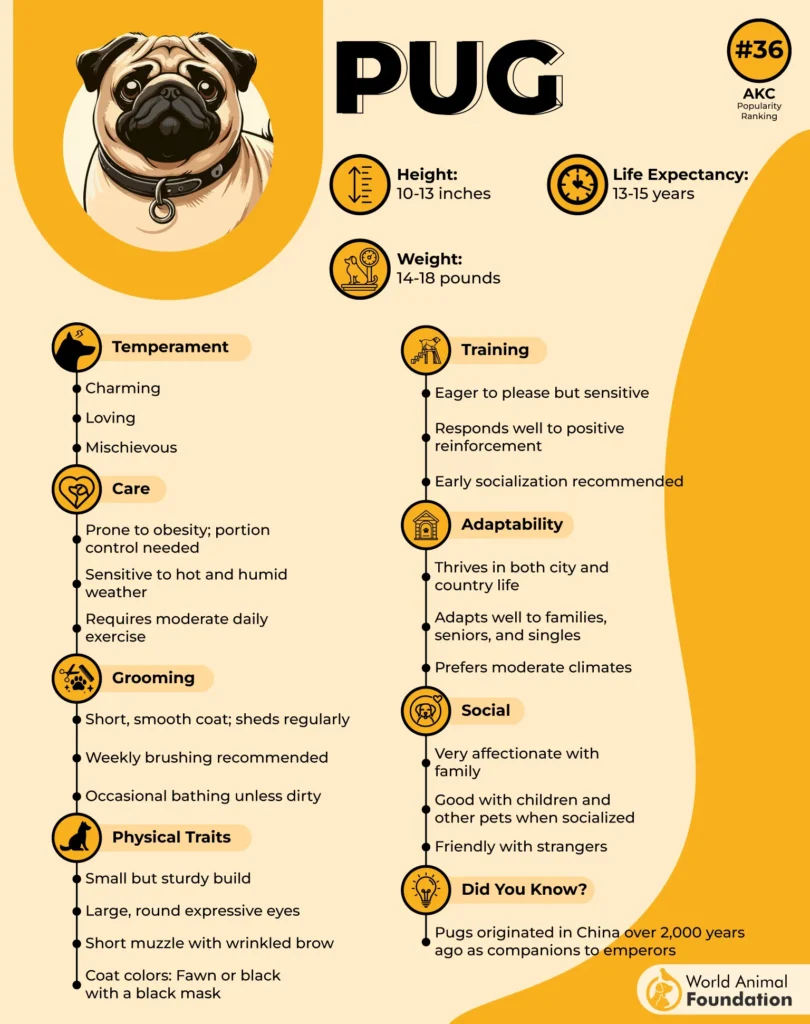
These dogs, with a calm, friendly nature, are incredibly people-focused and often act as emotional support roommates. Owners constantly mention how their Pug wants to participate in literally everything — cooking, gaming, laundry, watching TV, all of it.
Their favorite activities are usually low-stimulation but mentally engaging. Puzzle feeders, gentle tug games, slow fetch sessions, and wobble toys keep them entertained without exhausting them physically.
One underrated thing about them is how well they adapt to apartment living. They don’t need massive yards or intense outdoor adventures to feel fulfilled. Honestly, many Pugs are happiest curled beside their owner while pretending they pay rent.
Real owner insight: Many Pug owners joke that their dog has “two modes only” — chaotic goblin for 15 minutes or professional napper for six hours.
5. Pekingese
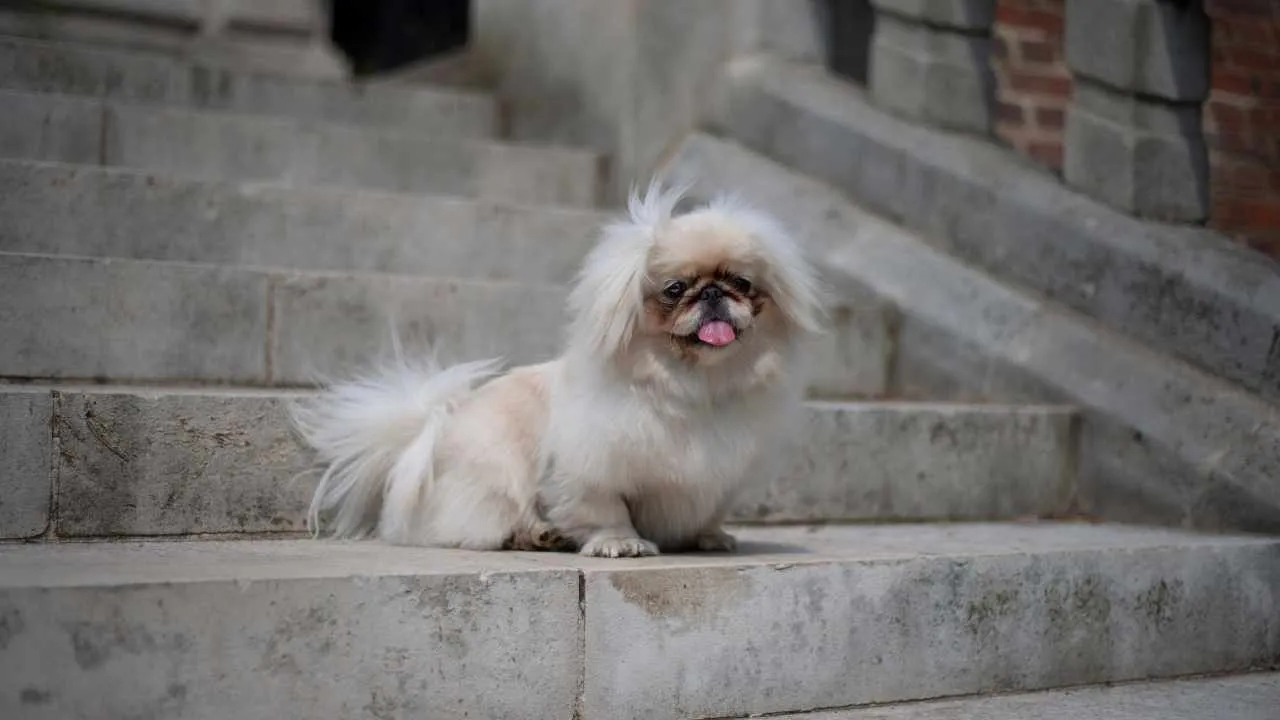
The Pekingese has the energy of a retired member of the royal family who still expects everyone to respect their title. Calm, independent, and surprisingly playful, these dogs prefer low-key activities over intense stimulation.
Inside the home, Pekingese are usually quiet and relaxed. They enjoy toys and games, but they don’t constantly demand attention or exercise. A short daily walk and some indoor play are generally enough.
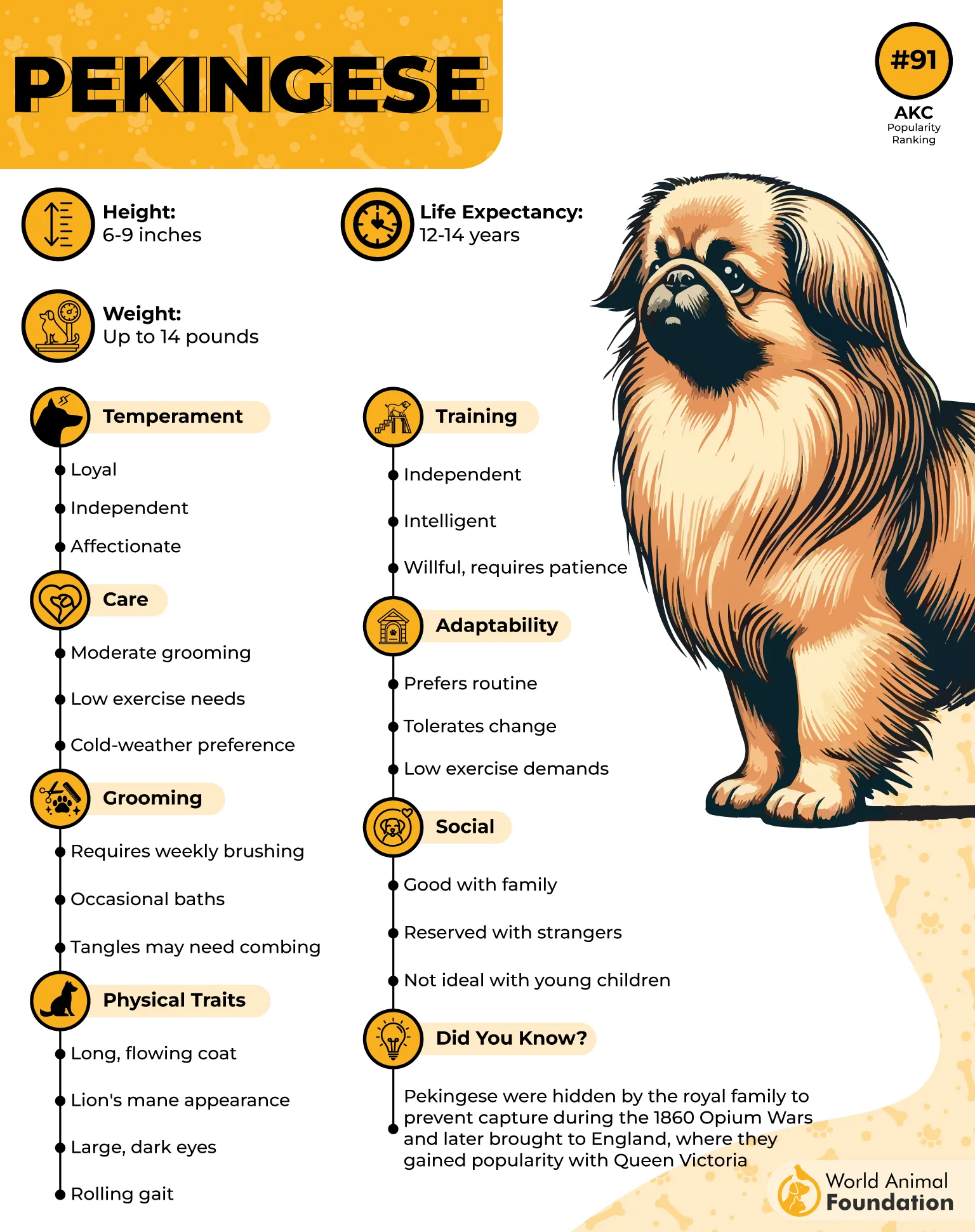
One thing that makes this breed unique is its independent personality. Pekingese love their people, but they’re not clingy in the same way some companion breeds are. They often act like tiny supervisors, calmly judging the entire household from the couch.
They also excel at puzzle toys and slow-paced games because they’re surprisingly intelligent problem-solvers. Many owners say their Pekingese becomes deeply invested in solving treat puzzles as if it’s a high-stakes escape-room challenge.
Because of their flat faces and compact build, these small pups do best with gentle activity and cooler temperatures. Overheating can become dangerous very quickly.
Historical fact: Pekingese dogs were sacred companions in ancient China and were once owned exclusively by Chinese royalty. Stealing one could reportedly result in severe punishment centuries ago. These dogs were elite-tier companions long before social media existed.
6. Boerboel
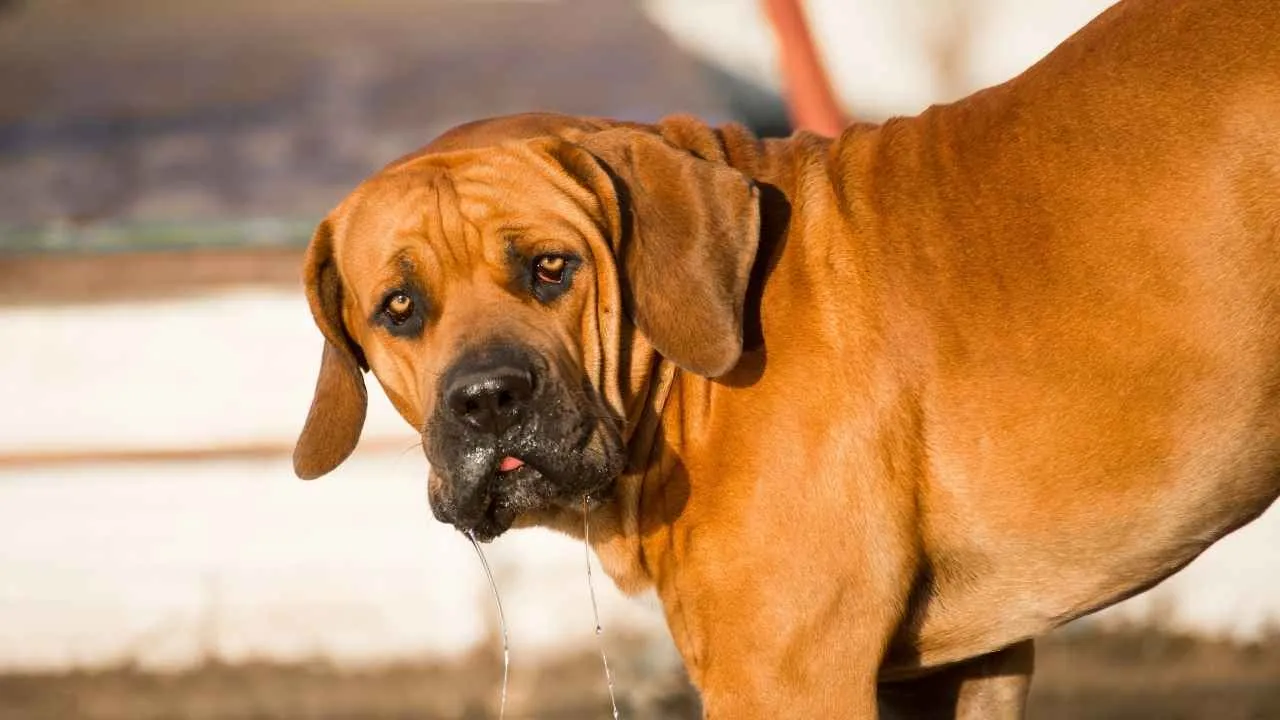
The Boerboel is easily the biggest surprise on this list. At first glance, this giant muscular guardian looks like a dog built for nonstop intensity. But inside the home? It is often calm, steady, and deeply family-oriented.
Boerboels are naturally protective and confident, but they’re not hyperactive. Many owners describe them as emotionally balanced dogs that enjoy moderate exercise followed by long stretches of quiet relaxation with their family.
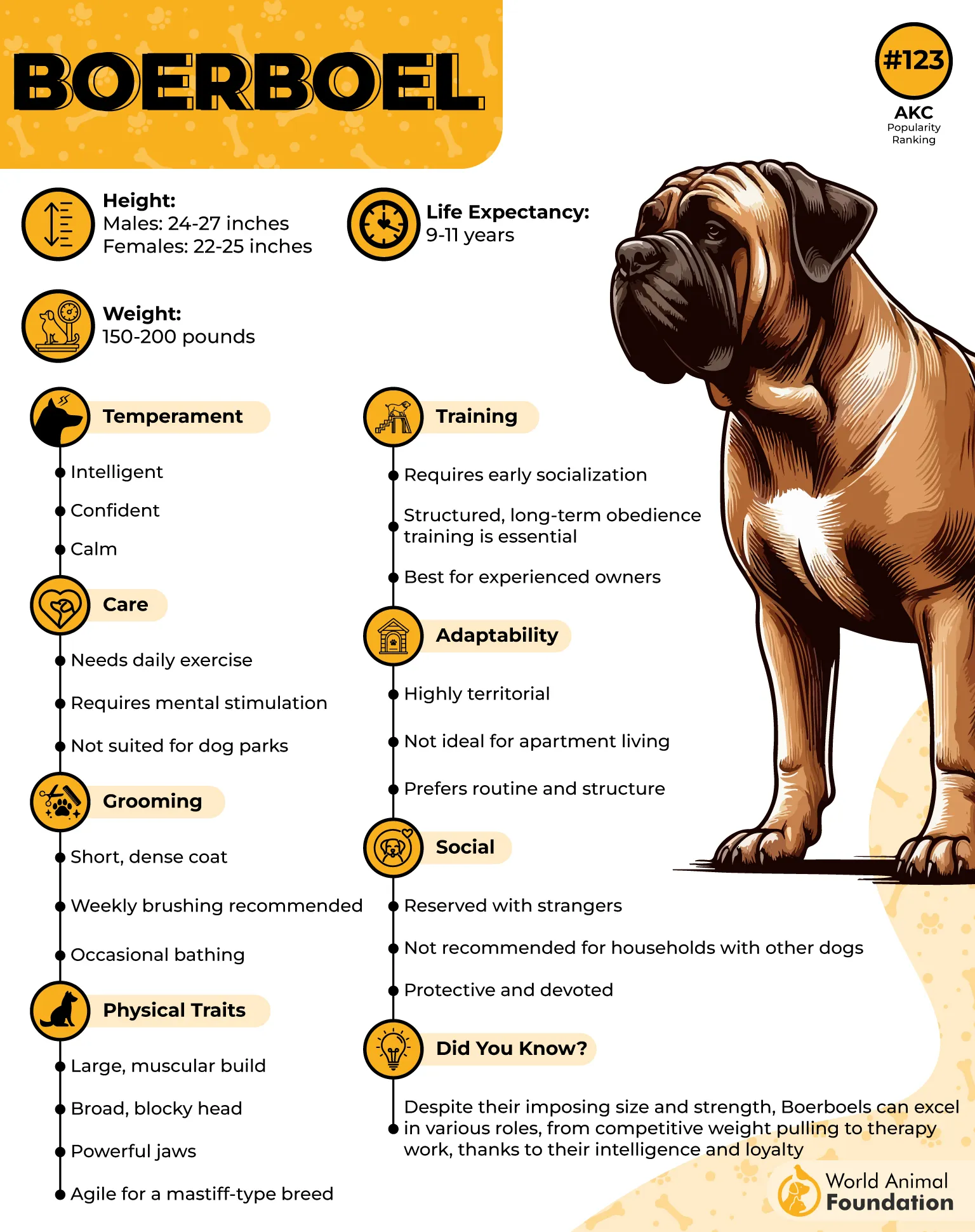
Because they bond intensely with their household, Boerboels prefer calm companionship over chaotic environments. They usually stay close to their owners and quietly observe everything happening around them like giant furry security systems.
Despite their massive size — often exceeding 150 pounds — they can be incredibly gentle with children when properly socialized. Still, supervision matters because these dogs are powerful enough to knock over small kids during play accidentally.
Low-stimulation activities like training sessions, relaxed walks, scent games, and controlled play work best. Boerboels enjoy having a purpose without needing endless physical exhaustion every day.
Fun fact: Boerboels were originally developed in South Africa to guard farms against predators, including large wildlife. That calm confidence? Completely intentional.
7. Tibetan Spaniel
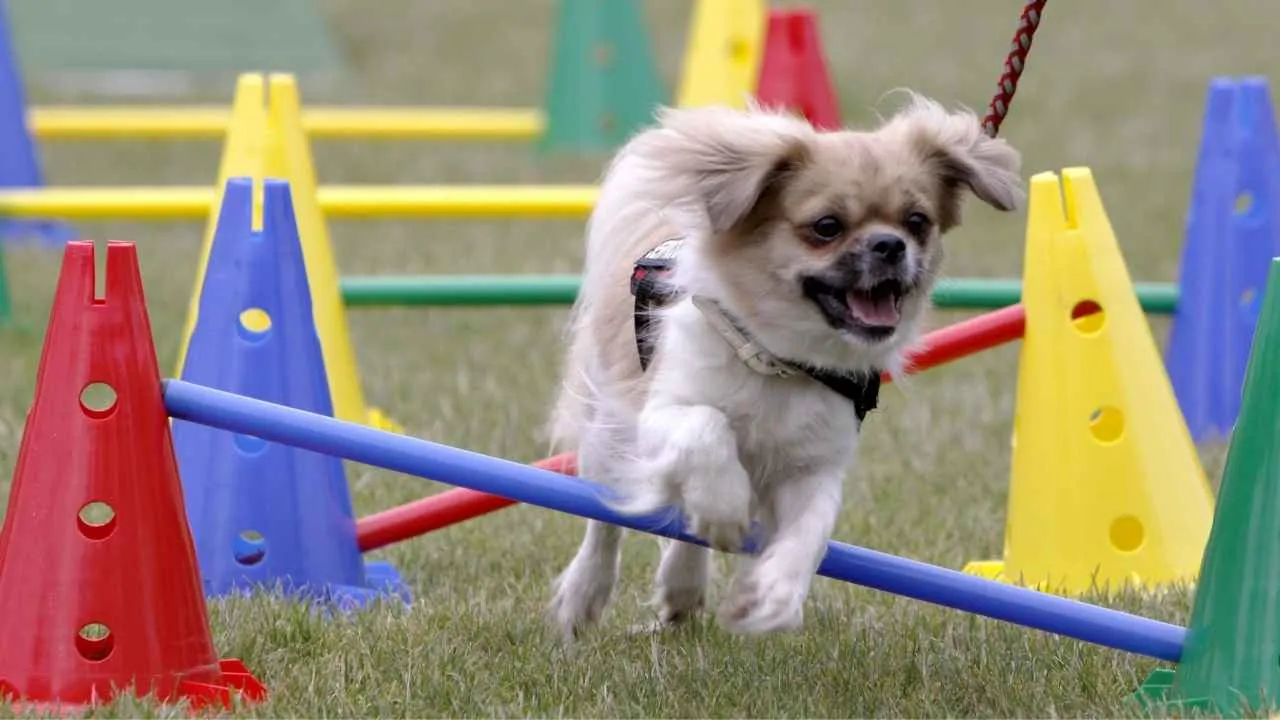
Tibetan Spaniels are calm little watchdogs with huge emotional intelligence. They’re playful without being overwhelming and affectionate without becoming overly needy.
Unlike many small breeds, Tibetan Spaniels are not usually excessive barkers. They stay alert and observant, but prefer to calmly monitor their environment from high places like couches, windowsills, or chair backs.
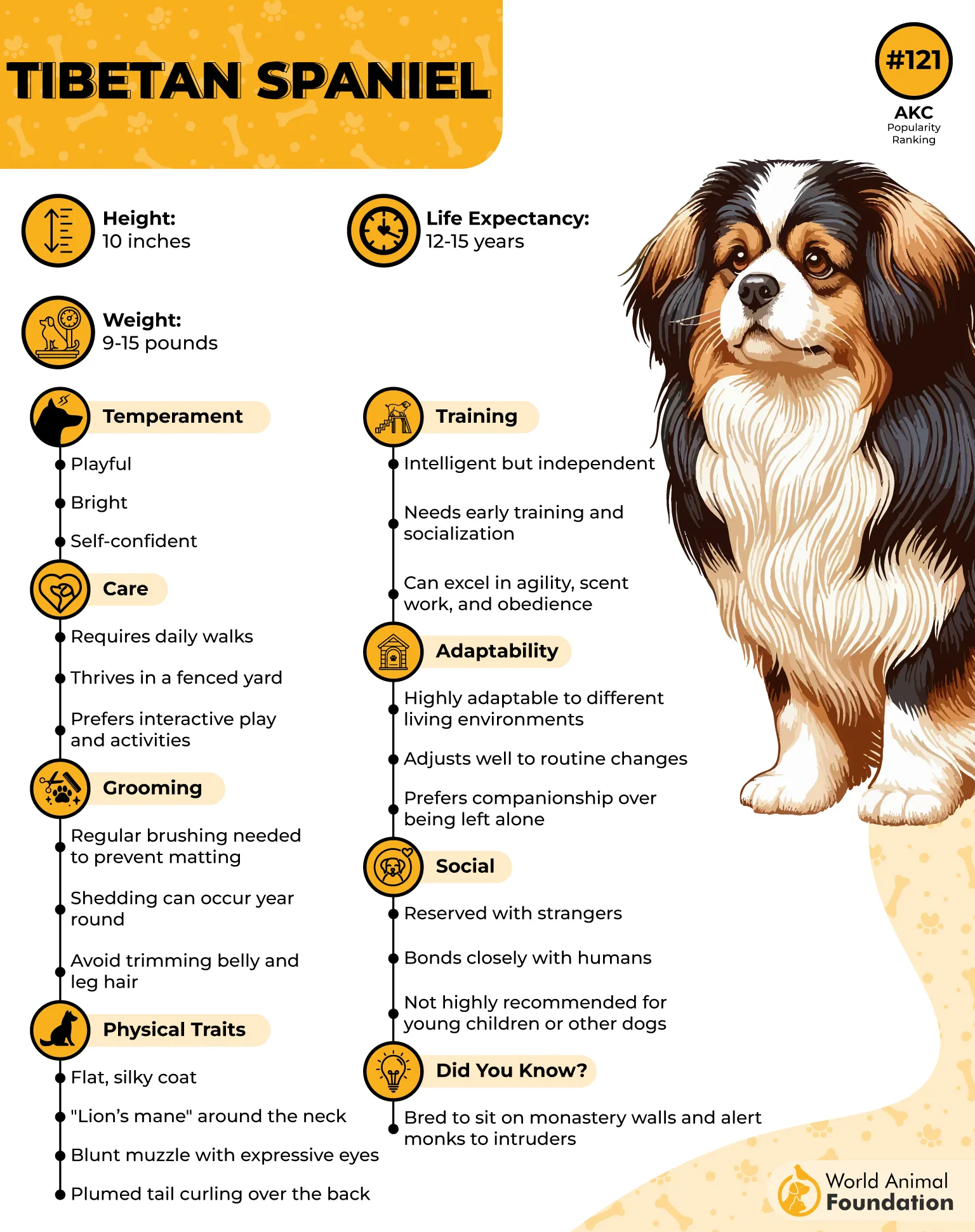
Exercise needs are moderate and manageable. A daily 30-minute walk, plus indoor play sessions, is usually enough to keep them healthy and emotionally balanced.
Tibbies are known for forming extremely strong bonds with their humans. They love social interaction but often show it in quiet ways — sitting nearby, following you gently through the house, or calmly supervising your daily routine like a tiny life coach.
Puzzle toys and scent-based games are especially good for this breed because Tibetan Spaniels are smart, curious, and naturally observant. They enjoy stimulation that feels mentally rewarding rather than physically exhausting.
Historical fact: Tibetan Spaniels were originally bred by Buddhist monks and kept within monasteries, where they served as alert companions and watchdogs. That peaceful-but-watchful vibe still defines them today.
8. Clumber Spaniel
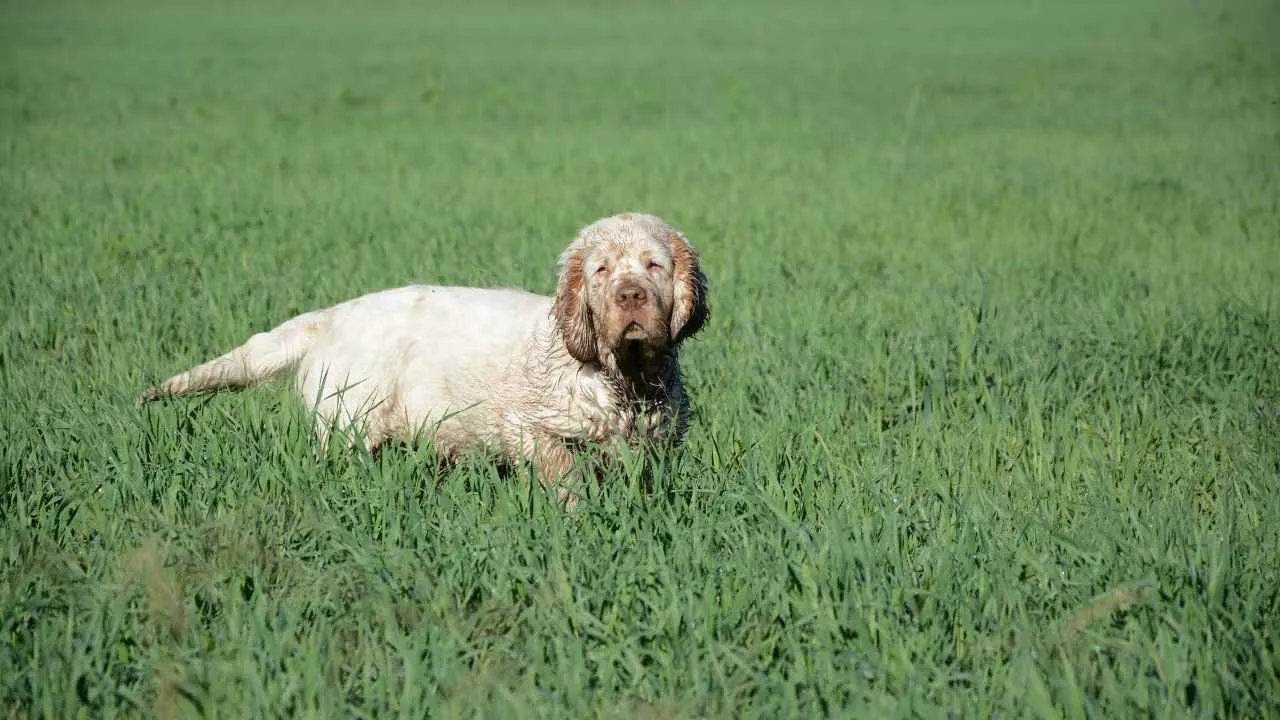
Clumber Spaniels are one of the chillest sporting breeds you’ll ever meet. While many spaniels act like furry espresso shots, the Clumber moves through life at approximately half-speed.
These small dogs enjoy daily walks and play sessions, but they’re not built for nonstop activity. Most Clumbers prefer steady movement, calm routines, and relaxed companionship over chaotic exercise.
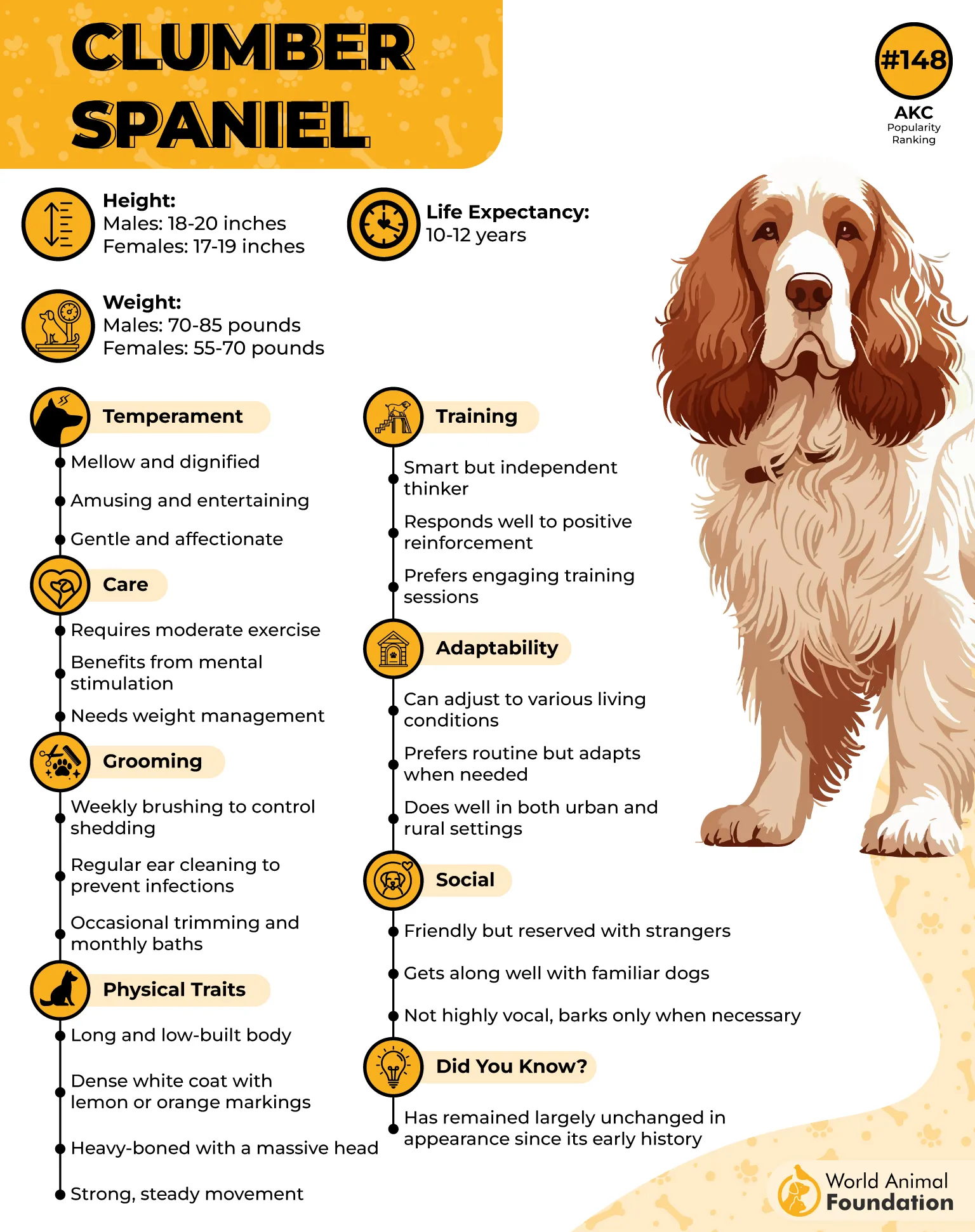
Being lap dogs, these affectionate dogs are deeply affectionate and surprisingly goofy. Owners often describe them as “gentle clowns” because they combine calm personalities with random bursts of awkward humor.
One reason they fit so well in low-stimulation homes is their emotional steadiness. Clumbers tend to remain calm even in busy households and usually aren’t reactive or overly excitable.
Pet owners say that their favorite activities often include leisurely sniff walks, soft fetch sessions, and food puzzles. Because of their heavier build, low-impact activities are the healthiest for their joints in the long term.
Fun fact: Clumber Spaniels were historically favored by British nobility for hunting because they worked slowly and methodically rather than frantically charging through fields.
9. Irish Wolfhound
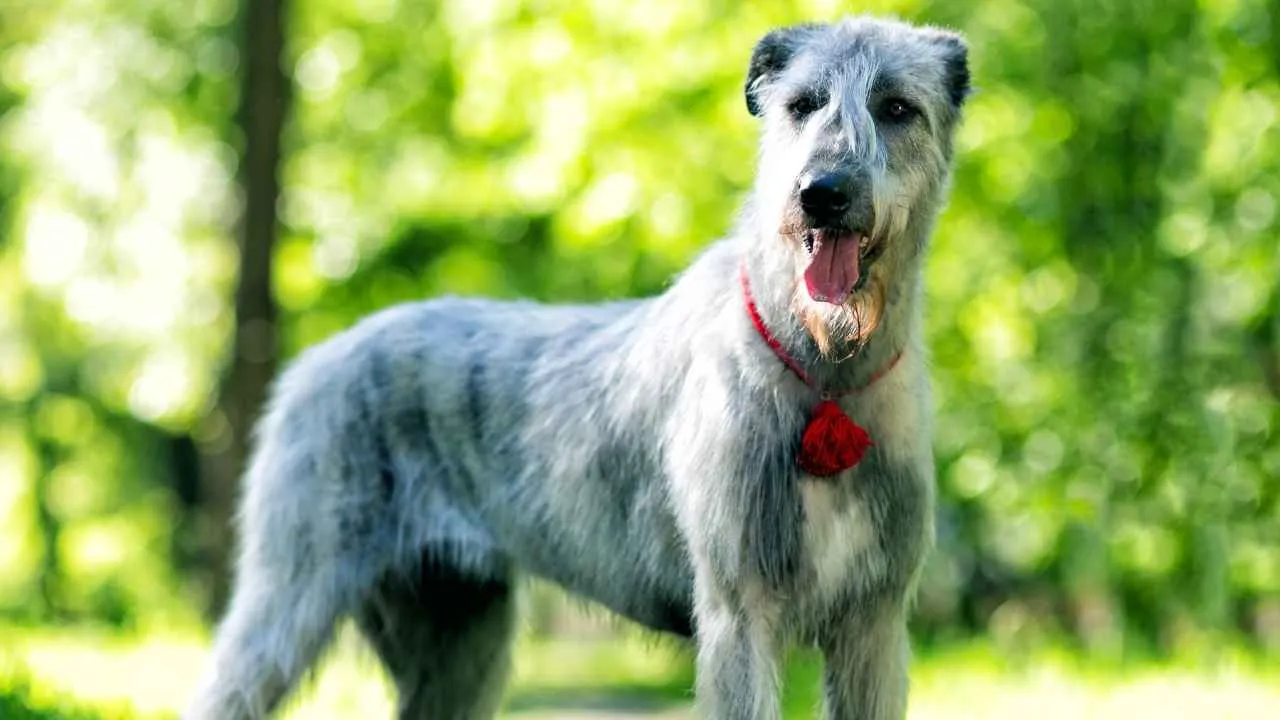
Irish Wolfhounds look like fantasy-movie creatures, but their personality is surprisingly soft and gentle. Despite being one of the tallest dog breeds on Earth, they’re famous for their calm and relaxed nature indoors.
These low-energy dogs enjoy playtime and walks, especially when young, but they mature into very mellow adults. Most owners say their Irish Wolfhound acts more like a quiet roommate than a hyper dog.
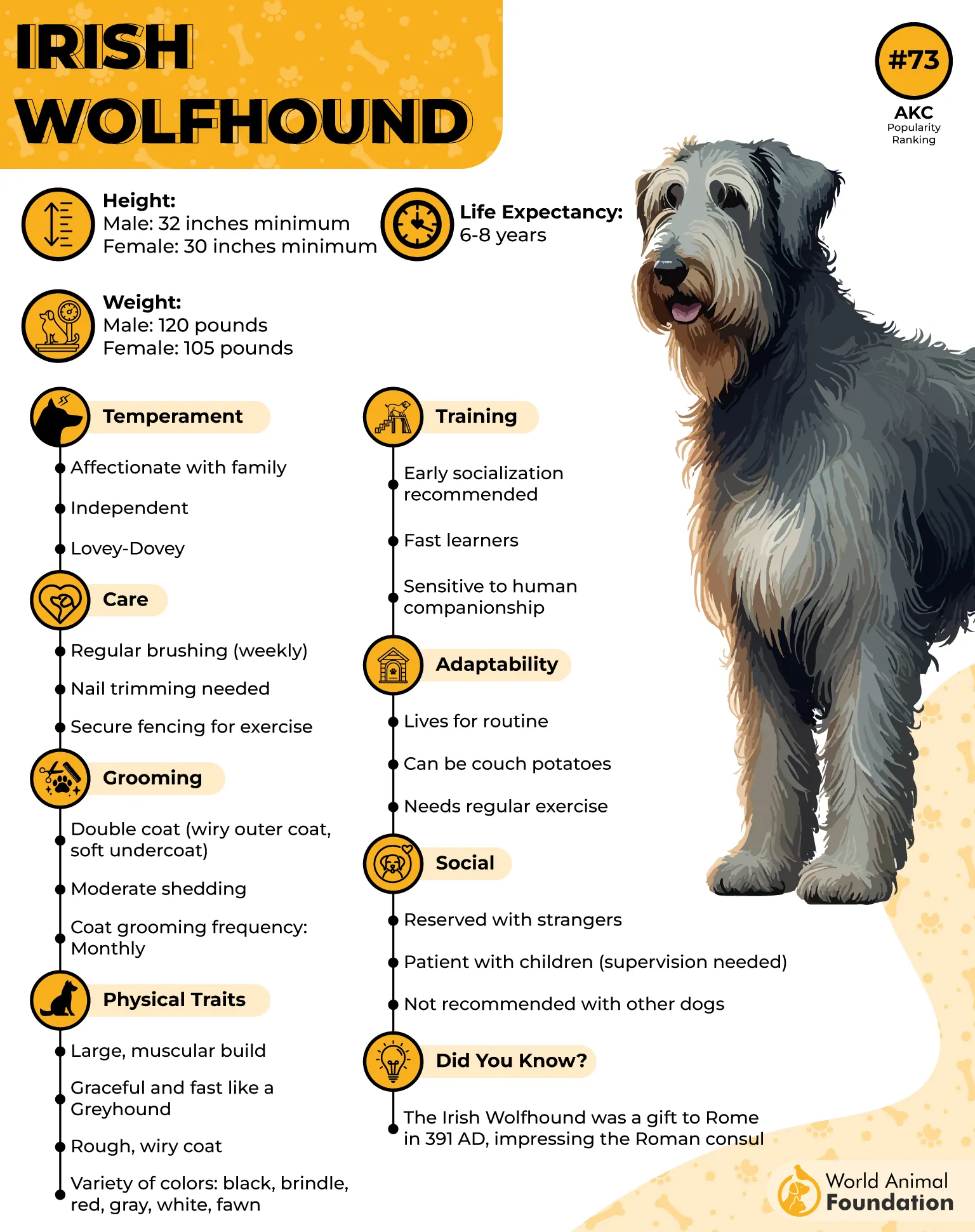
Because of their giant size, controlled low-impact activity is extremely important. Short walks, gentle games, and relaxed outdoor time help keep them healthy without stressing their joints.
These low-energy dog breeds form deep emotional bonds with families and usually prefer peaceful companionship over chaos. They’re sensitive, affectionate, and surprisingly intuitive for such enormous dogs.
One thing owners constantly mention is how emotionally gentle Wolfhounds are. They often seem aware of their own size and move carefully around children or smaller pets.
Historical fact: Irish Wolfhounds were originally bred to hunt wolves and protect Irish estates centuries ago. Today, though, most would rather nap dramatically across your entire couch like oversized emotional support carpets.
Conclusion
Not every dog wants to live life at maximum volume. Some breeds genuinely thrive in calm environments where quiet companionship, gentle play, and cozy routines matter more than nonstop stimulation.
Whether it’s the emotionally tuned-in Cavalier King Charles Spaniel, the sleepy detective energy of the Basset Hound, or the giant-softie vibes of the Irish Wolfhound, these breeds prove that low energy doesn’t mean low personality.
In fact, many calm dogs form incredibly deep emotional bonds with their humans because they place a high value on companionship rather than constant activity. They fit beautifully into apartments, quieter homes, remote-work lifestyles, and families who prefer peaceful routines over chaos.
Looking for a gentle giant? Chow Chows are big dogs that come with a gentle demeanor and make great companions!
At the end of the day, the best dog isn’t the most athletic or intense one. It’s the dog whose energy matches your life naturally. And for many people, these calm companion breeds absolutely nail that assignment.
