




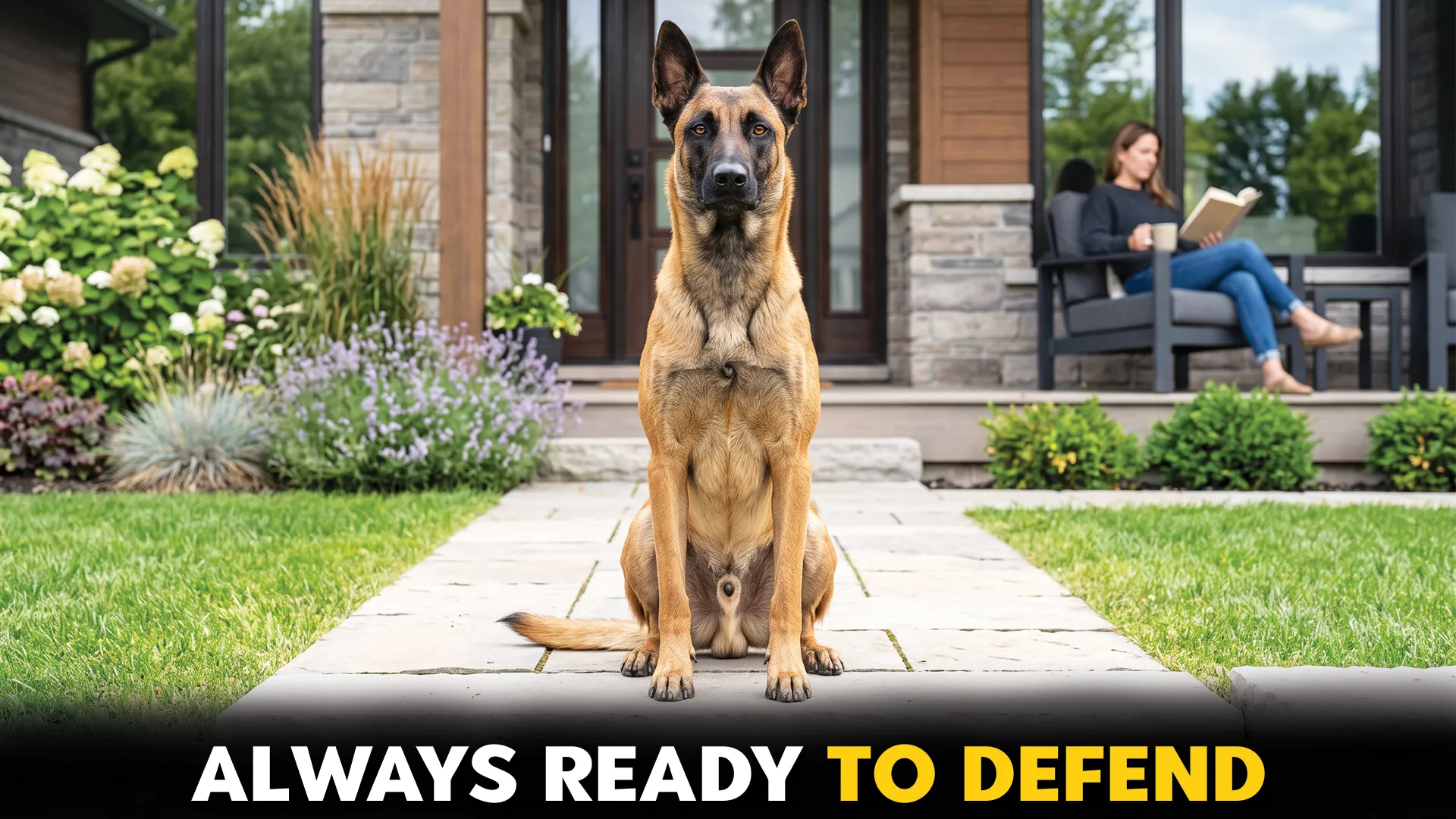
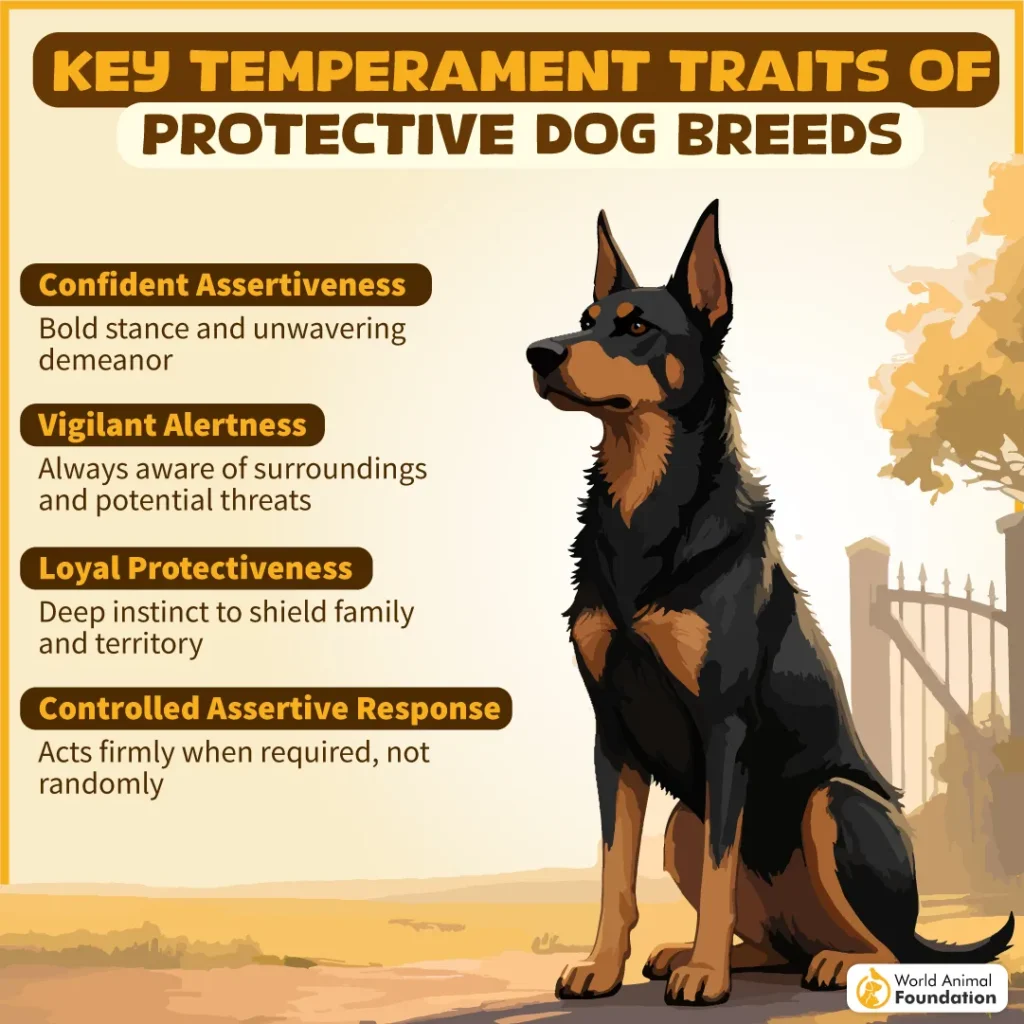
A dog can be more than a loving companion. It can also be a loyal protector. The right dog can stay alert to its surroundings and quickly notice when something feels unusual. At the same time, it can be affectionate, playful, and deeply attached to its family.
Being protective is not simply about size, strength, or a powerful bark. The best protective dogs are often confident, intelligent, loyal, and naturally watchful. With proper training and early socialization, these instincts can be guided into calm and dependable behavior.
If you want a devoted companion that can also help your family feel safer, choosing the right breed is important. In this article, we’ll explore some of the best protection dogs known for their courage, loyalty, and watchful nature. You’ll also learn what makes them effective guardians and loving family companions.
Ultimate Protective Dog Breeds for Peace of Mind
1. German Shepherd
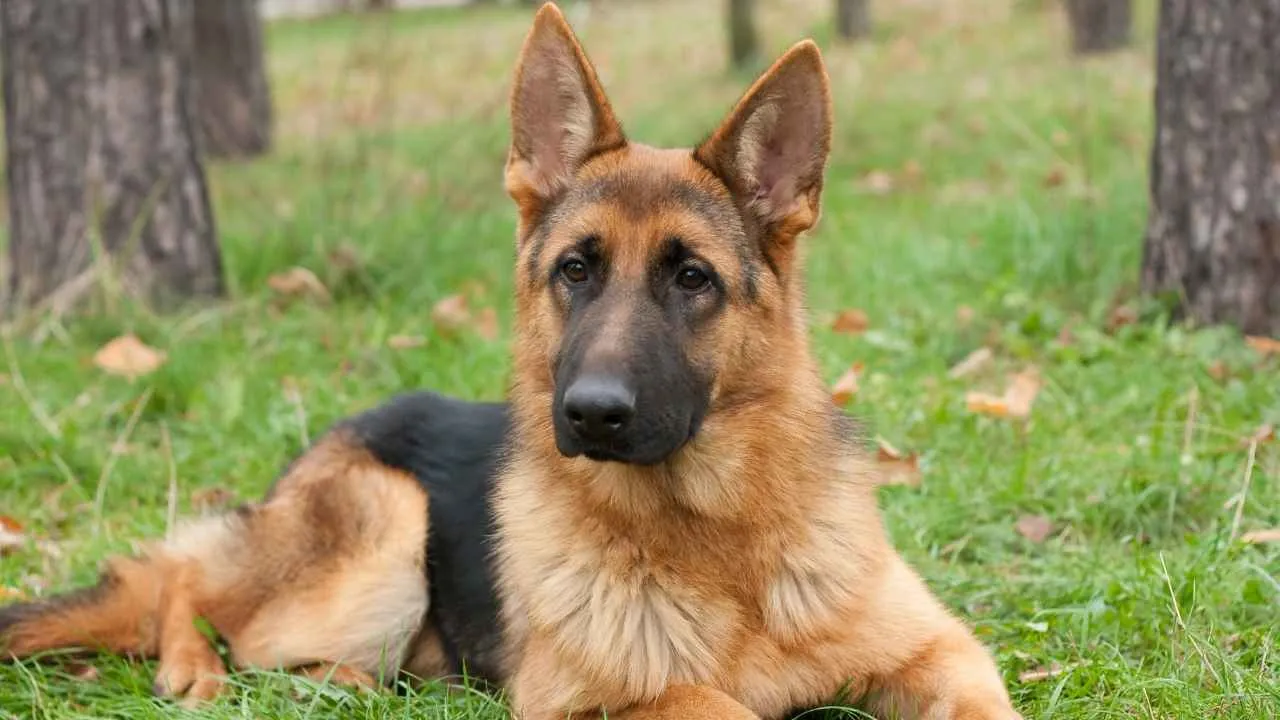
German Shepherds were developed in Germany from traditional herding and farm dogs. Their intelligence, courage, and alert nature made them valued working dogs.
Today, they are trusted for police and military work, search and rescue, tracking, guide work, and protection duties. Their loyalty also makes them devoted family companions.

Protective Nature and Temperament
German Shepherds are naturally watchful and protective of their families. They are intelligent, confident, and quick to notice unusual activity around them.
They may be reserved with strangers and will bark to alert their owners when they sense a possible threat. Early socialization and consistent, positive training help guide these instincts in the right direction.
Exercise and Grooming Needs
These active dogs need regular mental and physical stimulation to stay happy and well-behaved. Hiking, agility, tracking, herding, and nose work can keep them engaged and prevent boredom.
Their double coats shed heavily, so regular brushing is important, especially during shedding seasons. With proper training, exercise, and care, German Shepherds can offer loyal companionship and peace of mind.
2. Rottweiler
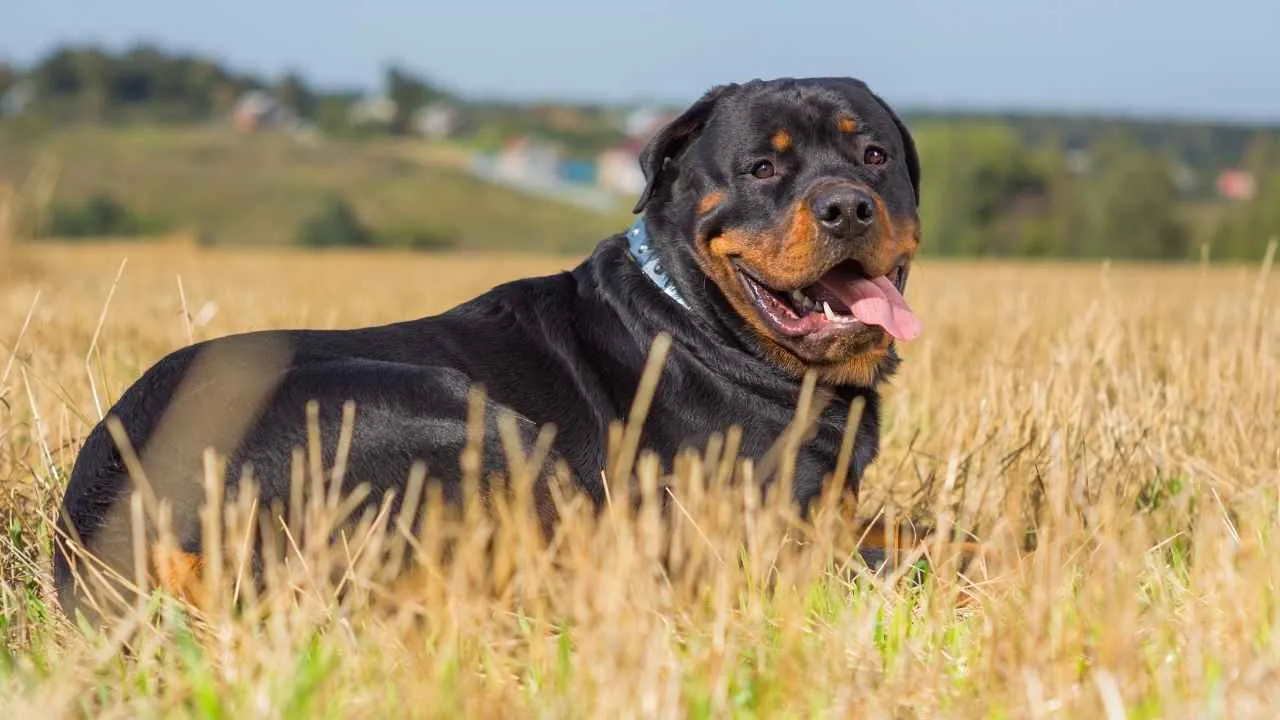
Rottweilers have a long history as working and guardian dogs in Germany. They once helped drive cattle, protect their owners, and even carry money for local butchers.
Today, they continue to serve in police and military roles while also making devoted family companions. Their strength and natural wariness make them serious protectors.
Protective Nature and Temperament
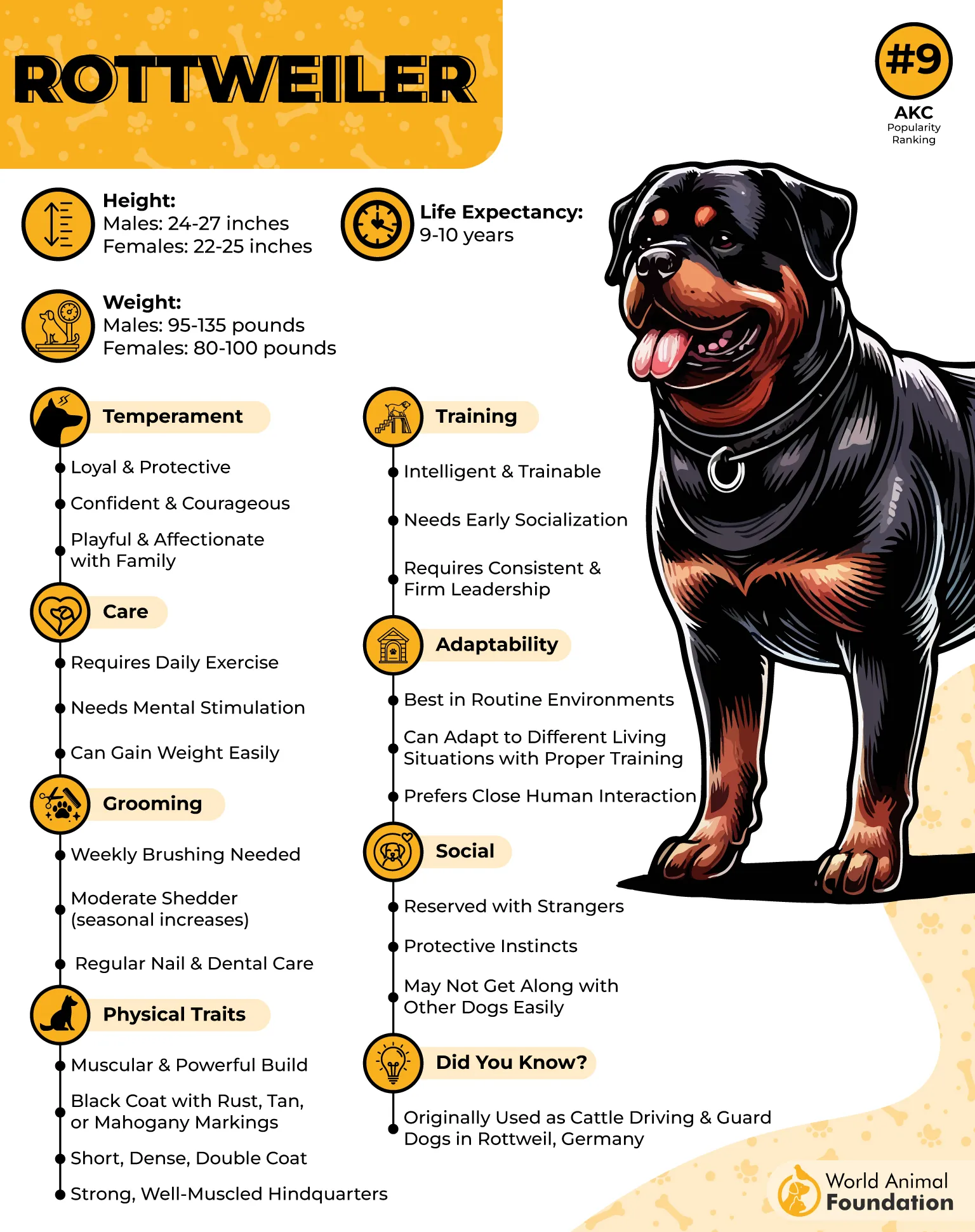
Rottweilers are confident, intelligent, brave, and deeply loyal to their families. They can be reserved around strangers and may become protective in unfamiliar situations.
Despite their powerful appearance, many are calm, affectionate, and gentle with their families. Early socialization and positive training are important for helping these strong-willed dogs develop good social skills.
Exercise and Daily Care
According to PetMD, Rottweilers need at least an hour of daily exercise along with mental stimulation. Walks, hiking, running, tracking, agility, obedience work, and other activities can keep them engaged.
They need a secure yard and should be supervised around unfamiliar dogs. Their short coat is easy to maintain, although regular brushing helps manage year-round shedding.
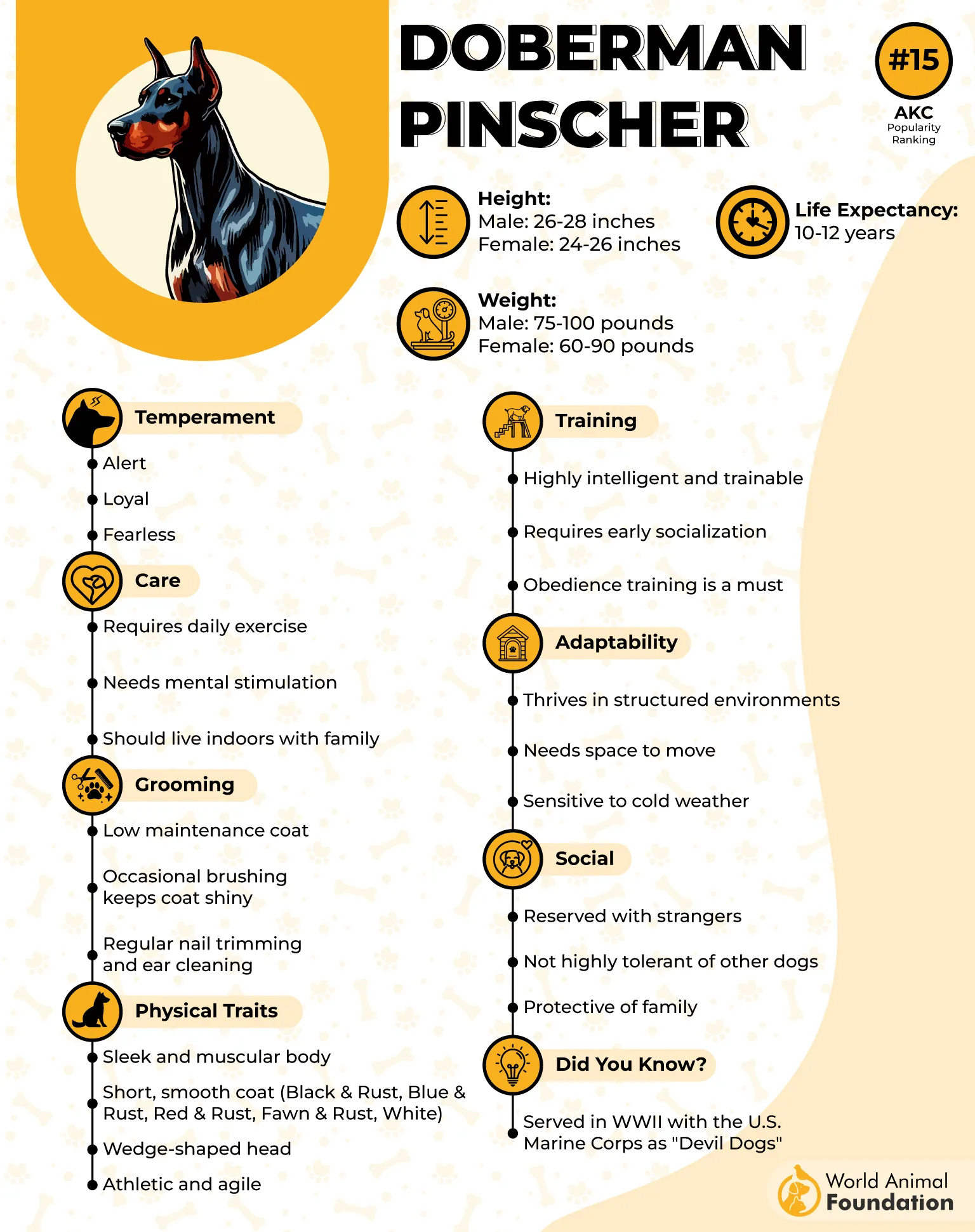
3. Doberman Pinscher
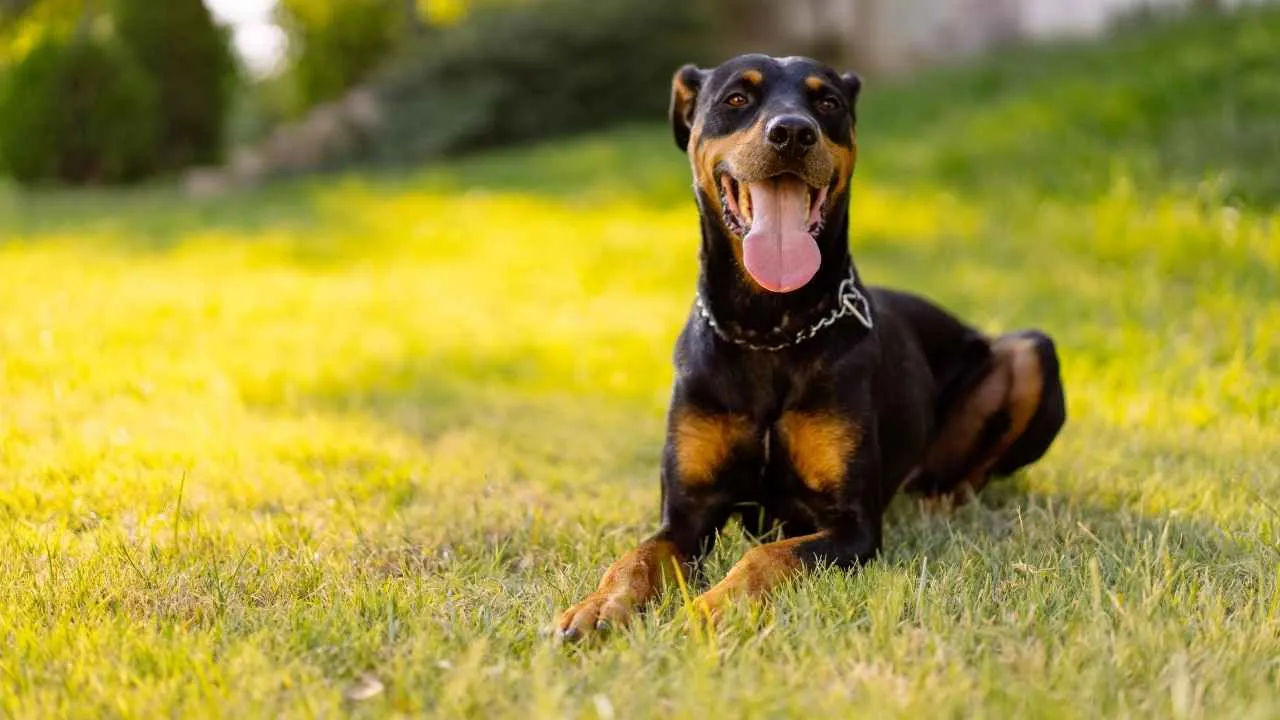
Doberman Pinschers were developed in Germany as personal protection and working dogs. They quickly became known for their intelligence, athleticism, and ability to stay alert to their surroundings.
Today, Dobermans work in roles such as protection, police work, and search and rescue while also serving as devoted family companions, as noted by the AKC. Their sleek appearance and naturally watchful nature make them excellent guard dogs.
Protective Nature and Temperament
Doberman Pinschers are extremely intelligent, confident, loyal, and highly attentive to their families. They are naturally protective and can be reserved around unfamiliar people, especially without proper socialization.
Despite their serious appearance, well-raised Dobermans can be affectionate, playful, and closely bonded with their owners. Early socialization and consistent positive-reinforcement training are essential for helping these energetic dogs become confident and well-mannered companions.
Exercise and Daily Care
Doberman Pinschers need plenty of daily exercise and mental stimulation to stay healthy and well-behaved. Long walks, running, obedience training, agility, tracking, and interactive games can help keep their active minds and athletic bodies engaged.
They do best with an involved dog owner and a securely fenced outdoor space. Their short coat is relatively easy to maintain, requiring regular brushing to remove loose hair.
4. Cane Corso
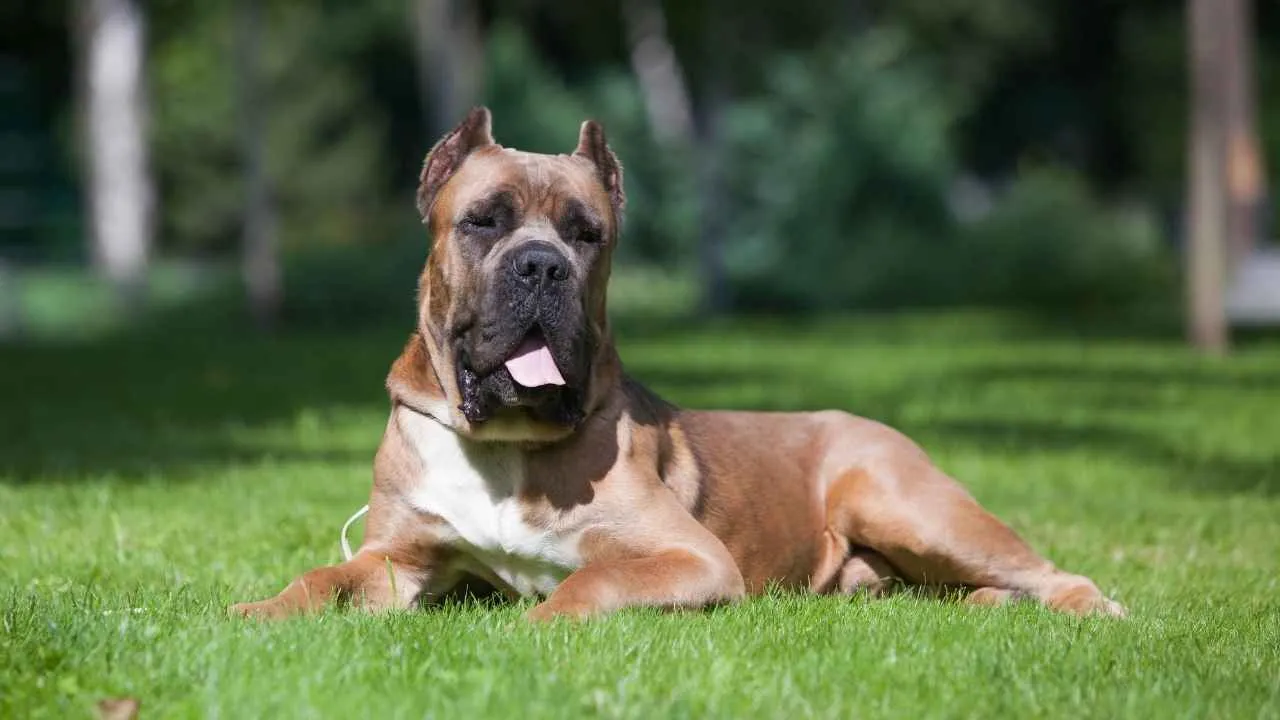
Cane Corsos are large Italian mastiffs with a long history as working and guardian dogs. They were originally used to guard property, assist with farm work, and hunt game.
Their ancestry is linked to ancient Roman working dogs, and their strong protective instincts remain an important part of the breed today.
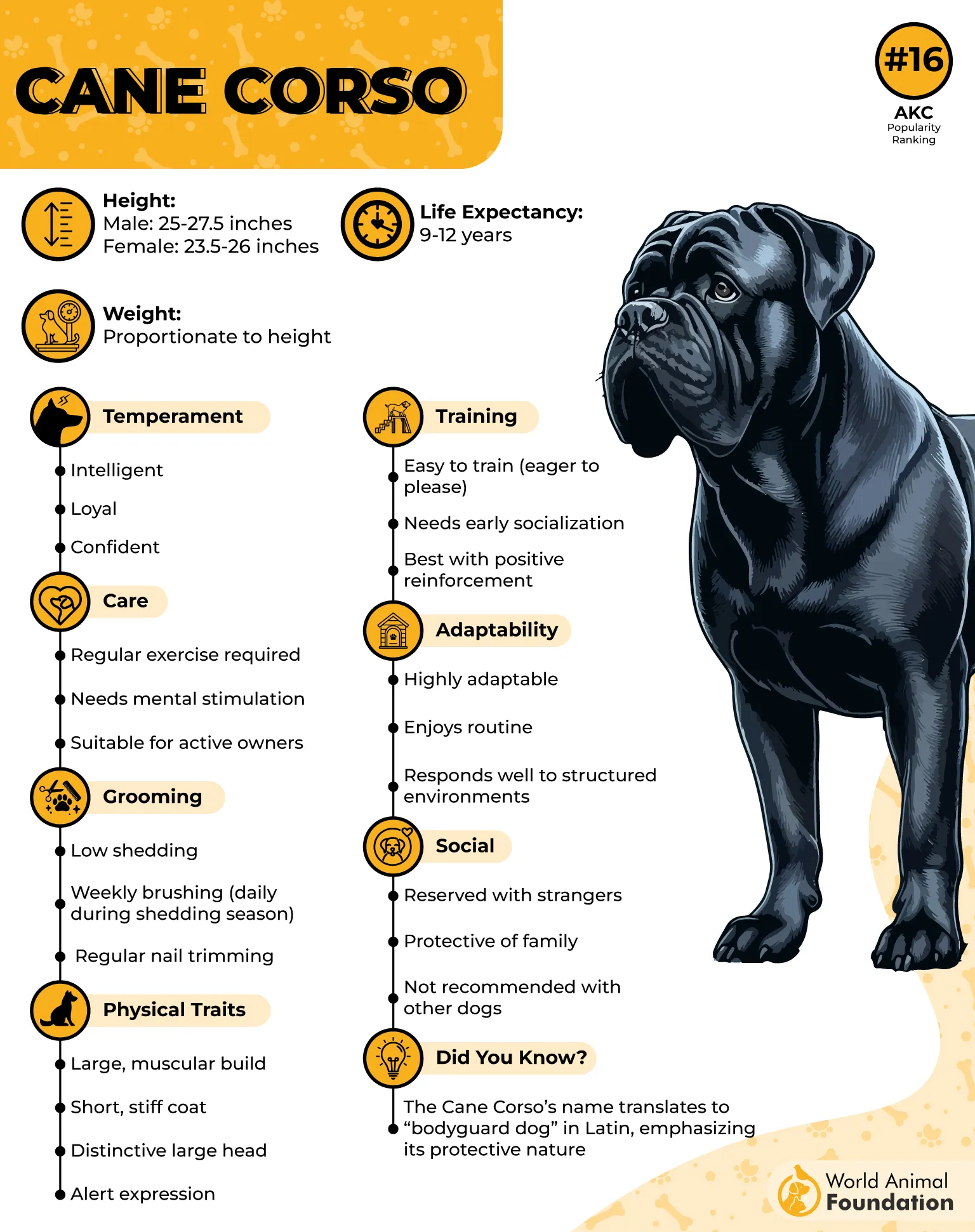
Protective Nature and Temperament
Cane Corsos are intelligent, confident, serious, and extremely loyal to their families. They tend to be reserved around strangers and highly attentive to changes in their surroundings.
Their natural guarding instincts can make them excellent protectors, but their size and strength require an experienced owner who can provide clear, consistent training.
Exercise and Daily Care
Cane Corsos need regular physical exercise and mental stimulation to stay fit and prevent boredom-related behaviors.
Long walks, scent work, obedience training, agility, tracking, and other structured activities can keep them physically and mentally engaged. They do best in homes with plenty of space and a secure, sturdy fenced yard rather than small apartments.
5. Bullmastiff
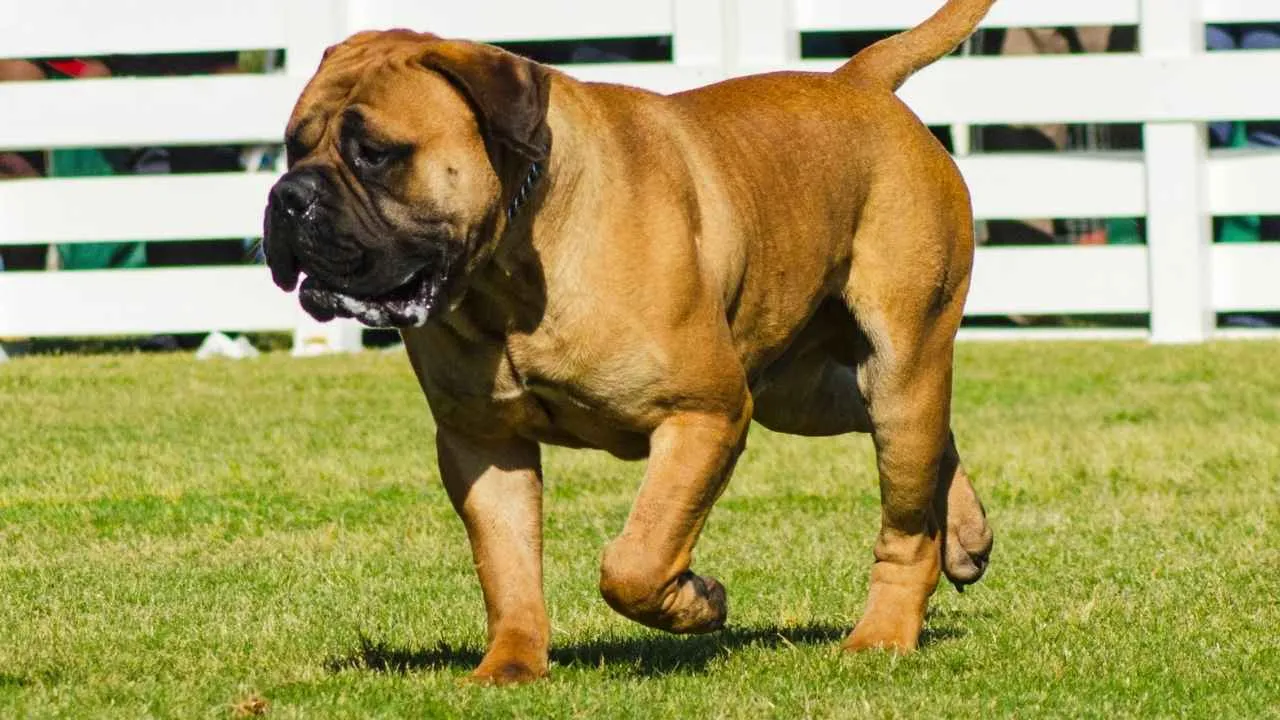
Bullmastiffs are large, affectionate, and devoted guardian dogs with a strong history of protecting people and property.
Orvis mentions that British gamekeepers developed the breed in the mid-1800s by crossing Bulldogs with Mastiffs to create a powerful dog capable of deterring poachers. Despite their intimidating size, Bullmastiffs can be gentle and loving with their families.
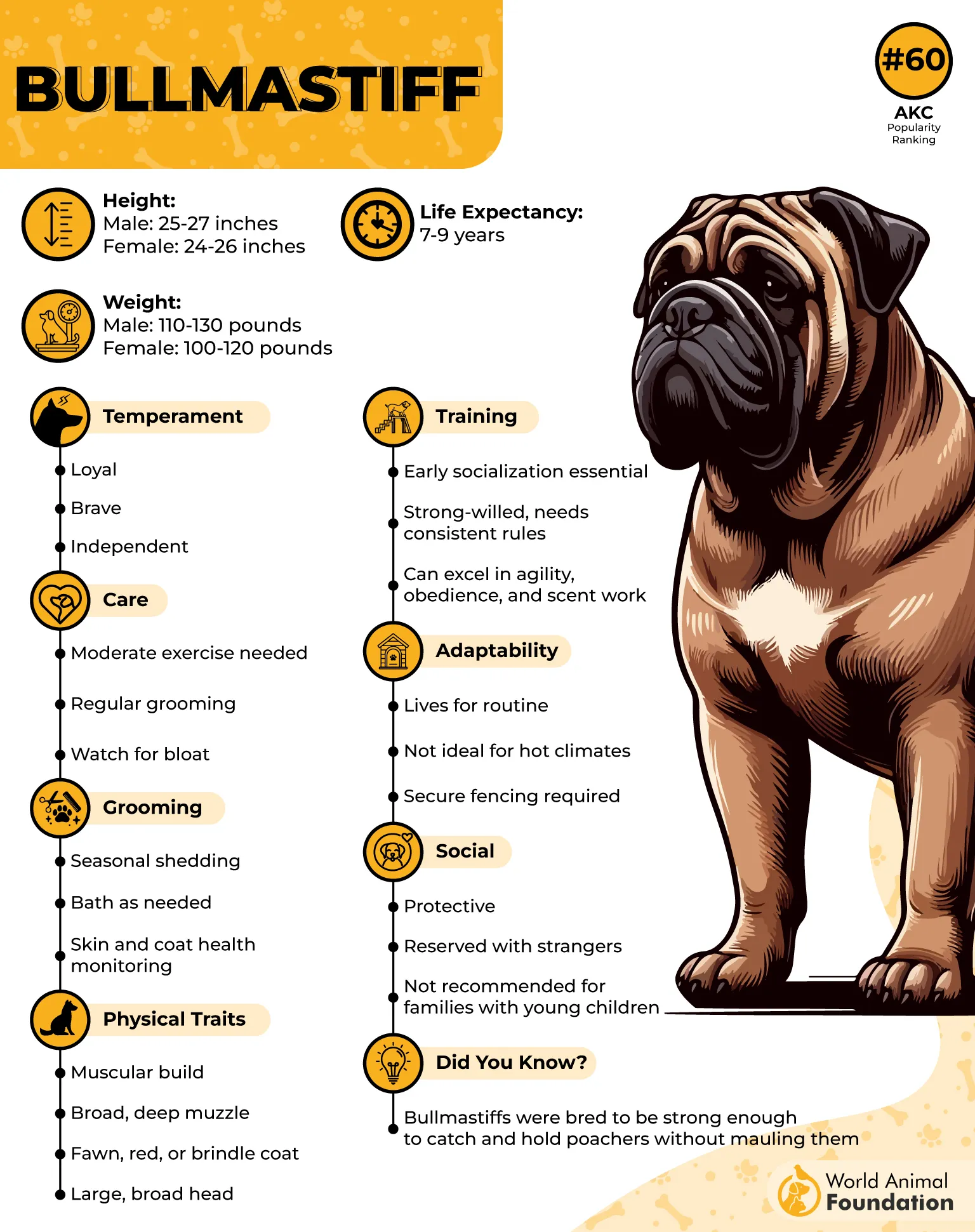
Protective Nature and Temperament
Bullmastiffs are loyal, calm, and naturally protective of the people they love. They may be reserved or suspicious around strangers and often accept unfamiliar people more readily when introduced by someone they trust.
They are generally affectionate with family members and can be good with children when properly raised and supervised. Their stubborn and independent nature means early socialization and consistent, positive training are essential.
Exercise and Daily Care
Bullmastiffs need daily exercise, including walks and playtime in a securely fenced yard, but they are not built for long-distance running.
Shorter activities and regular mental stimulation are better suited to their stamina and temperament. Training should be varied with commands, play, and rewards rather than repetitive drills, as they can become bored or resistant.
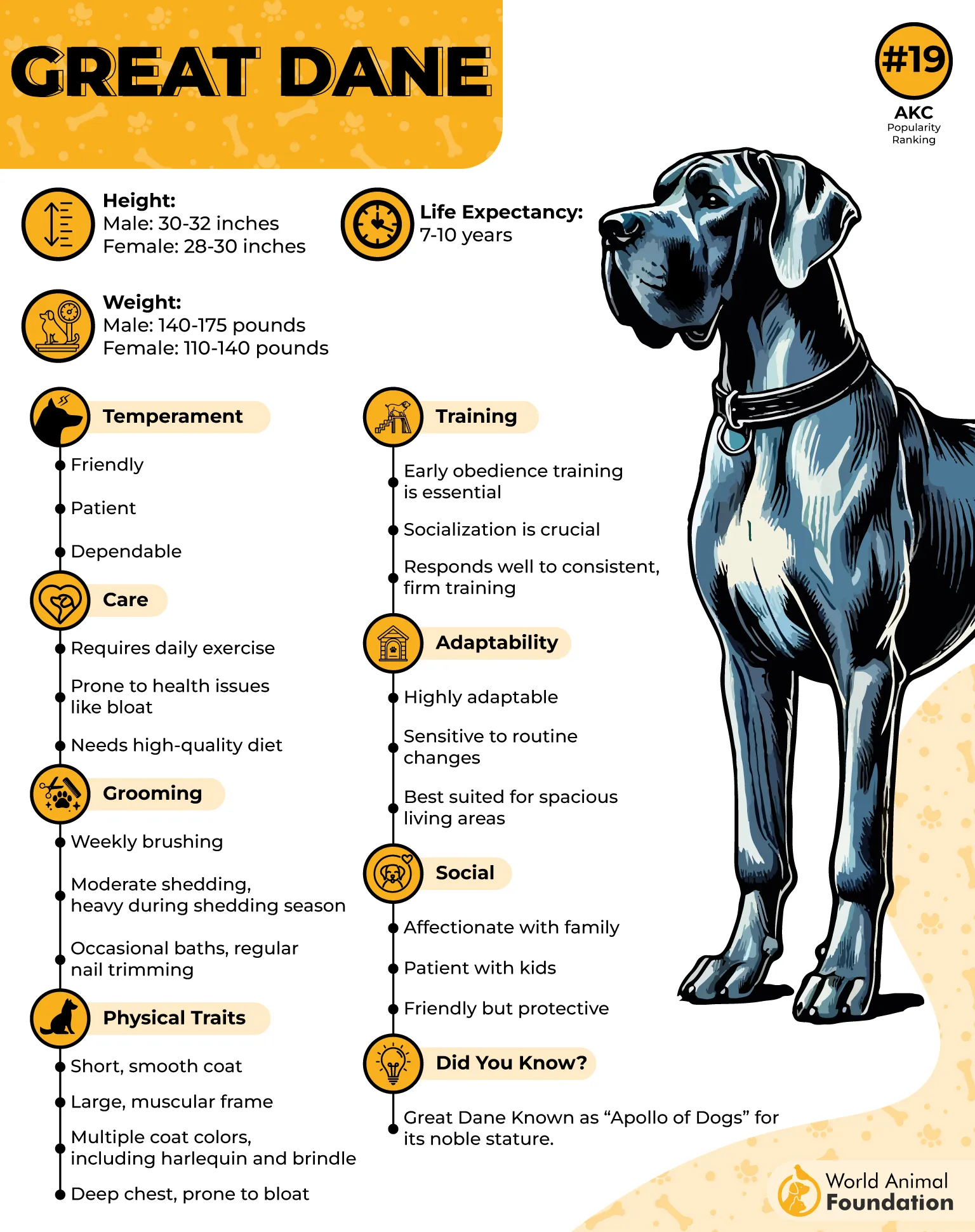
6. Great Dane
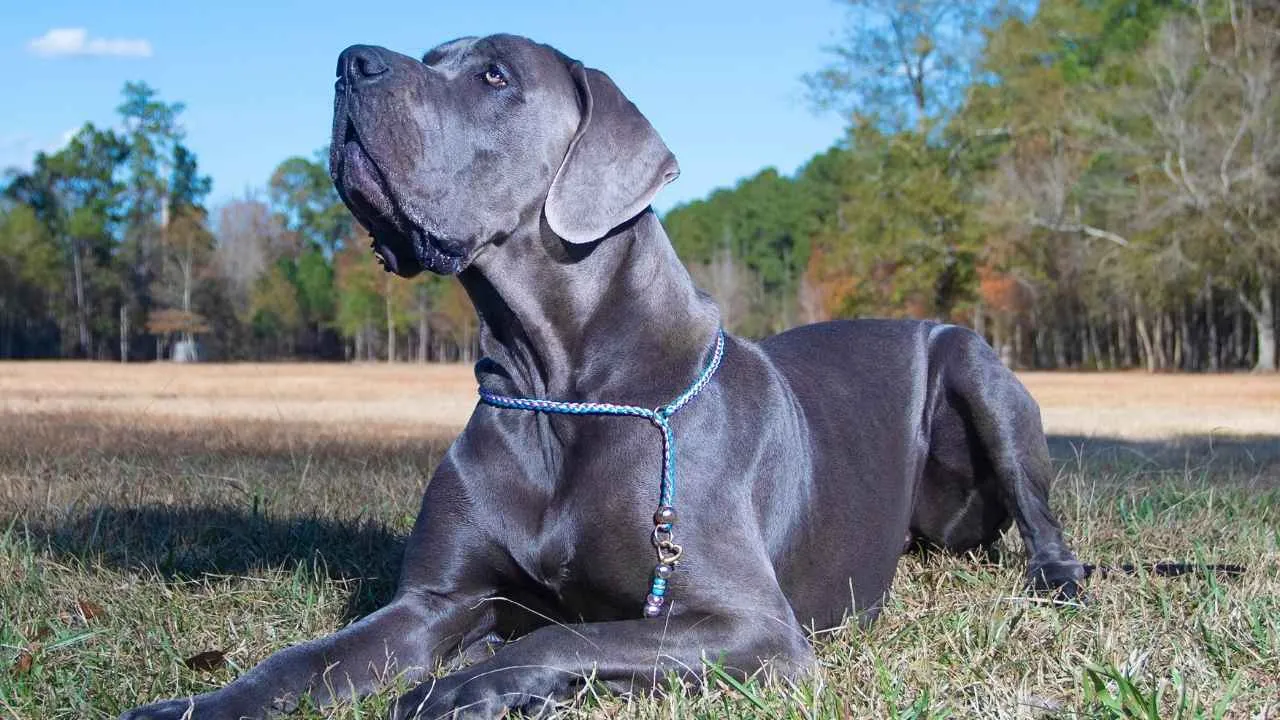
Great Danes are among the tallest dog breeds in the world, originally developed in Germany during the 1800s to hunt wild boar and guard estates.
Despite their enormous size and working history, they are best known for their gentle, affectionate nature. Often called the “Apollo of Dogs,” Great Danes are loyal companions that enjoy being close to their families.
Protective Nature and Temperament
Great Danes are friendly, dependable, and generally calm around both family members and strangers. They can be impressive watchdogs and will usually bark when they have a reason, but they are not typically excessive barkers.
Their affectionate nature makes them good family dogs, and they often get along well with other dogs and household pets. However, their size and strength mean young children and older adults may have difficulty managing them.
Exercise and Daily Care
Great Danes have relatively low energy levels and usually do well with daily walks, moderate play, and basic mental stimulation rather than intense exercise. They are intelligent and respond well to training, although they may not always be quick to respond to commands.
Their short coat is easy to maintain with weekly brushing, and their rapid growth as puppies means they need appropriate nutrition and careful care while developing.
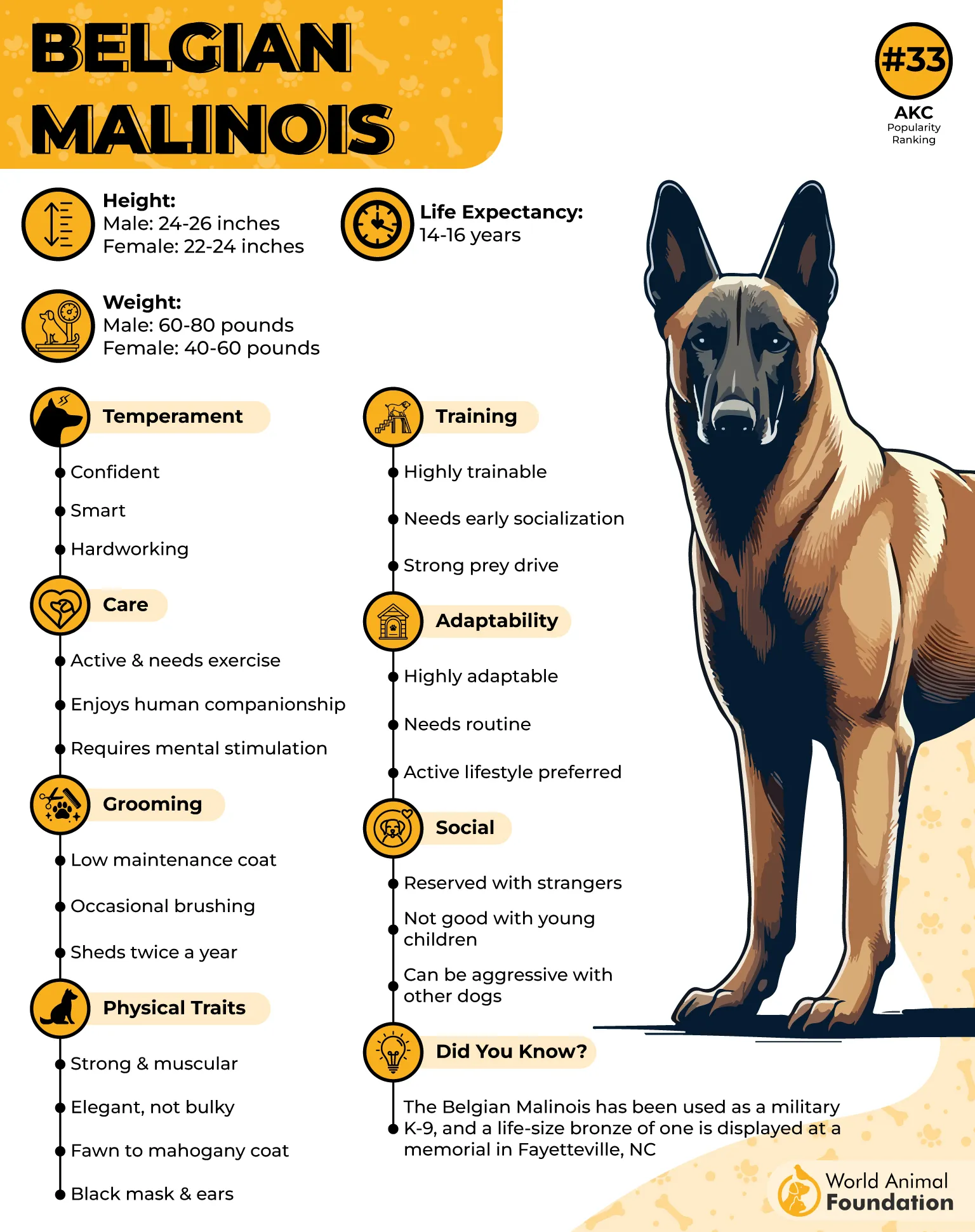
7. Belgian Malinois
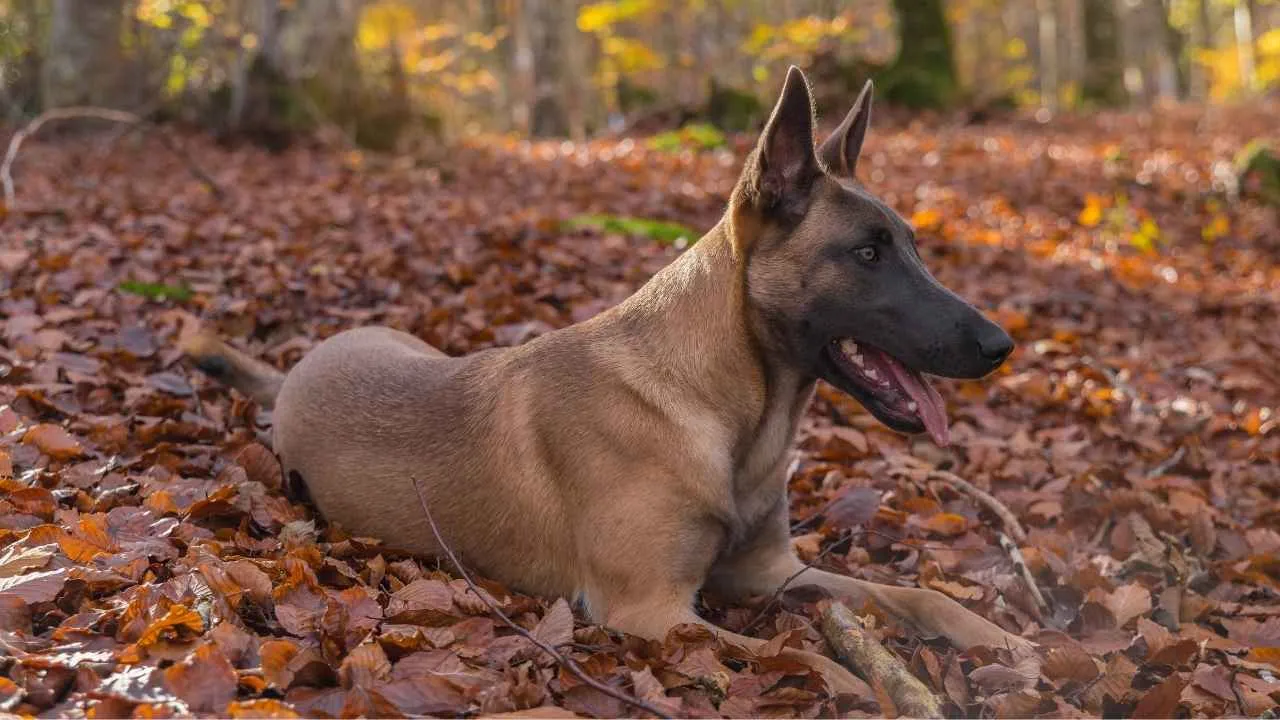
Belgian Malinois are highly intelligent, confident, and hardworking dogs originally developed in Belgium as herding dogs. Their exceptional trainability, strength, and determination later made them valuable in police, military, search-and-rescue, and detection work.
Today, they can be loyal and affectionate companions, but they are best suited to experienced owners who can provide an active lifestyle and plenty of mental stimulation.
Protective Nature and Temperament
Belgian Malinois are alert, responsive, and naturally protective, making them capable watchdogs and protection dogs. They are deeply loyal to their families but may be reserved around unfamiliar people and dogs.
Their strong prey drive can make them chase cats, other animals, cars, or fast-moving objects, so early socialization and consistent obedience training are essential. They can live with children and other pets when properly trained and introduced, but interactions should always be supervised.
Exercise and Daily Care
Belgian Malinois have extremely high exercise needs, and ordinary daily walks are rarely enough to satisfy them.
They thrive on running, hiking, biking, agility, tracking, herding, obedience, and other activities that challenge both their bodies and minds. Without enough exercise and stimulation, they may become bored and develop destructive behaviors.
8. Akita
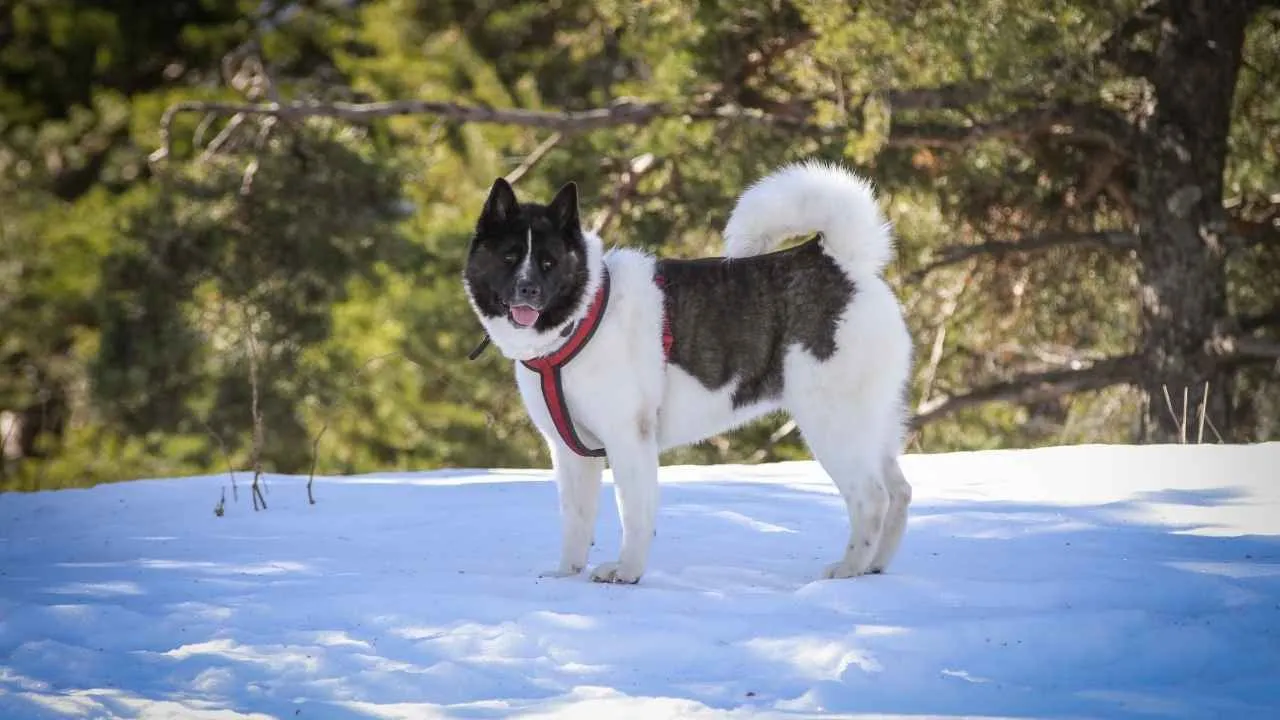
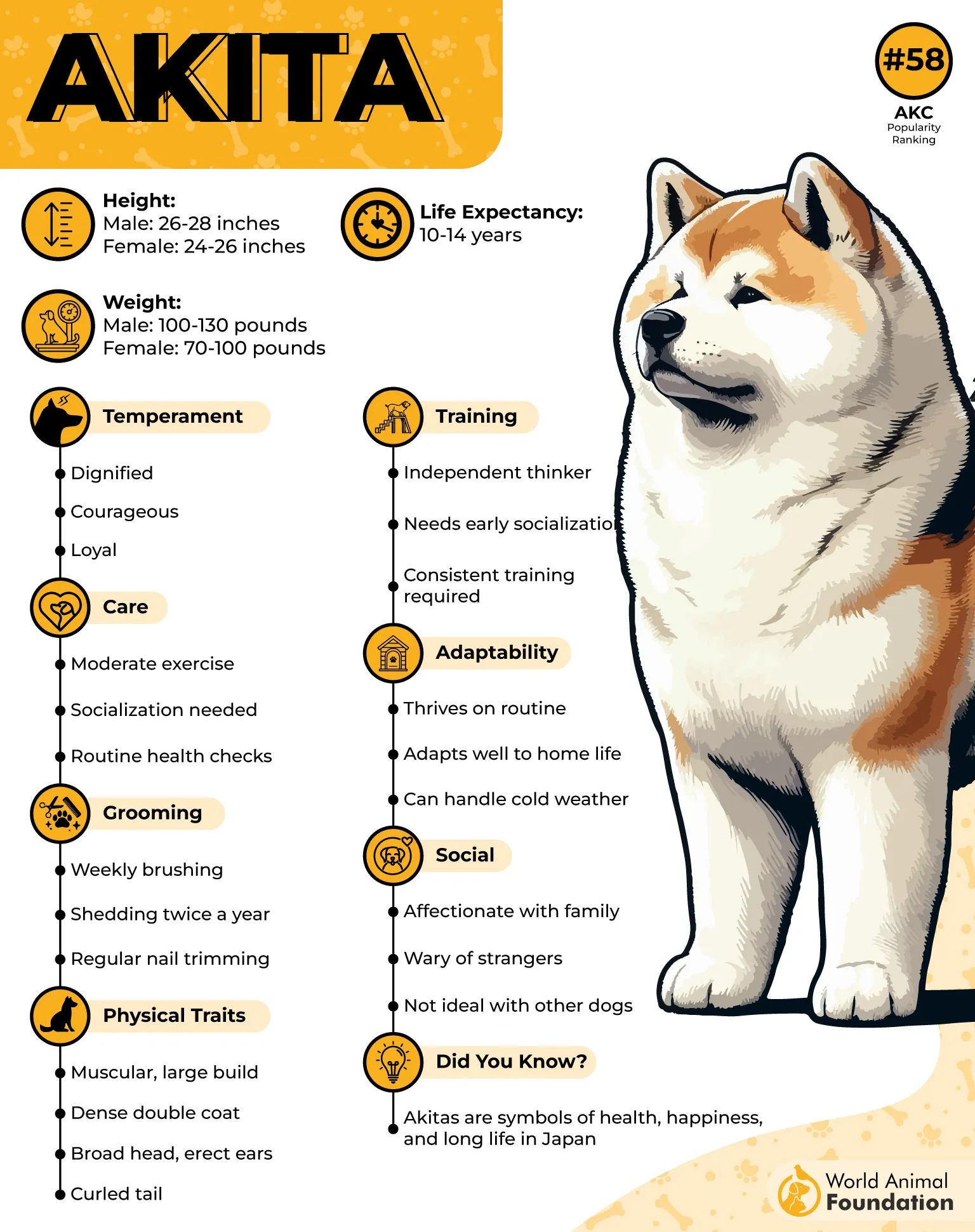
Akitas are large Japanese dogs originally bred for hunting and known for their strength, independence, and deep loyalty. The breed holds an important place in Japanese culture and is famously associated with Hachiko, whose remarkable devotion became a symbol of loyalty.
Despite their dignified appearance, Akitas are powerful, strong-willed dogs that are best suited to experienced owners.
Protective Nature and Temperament
Akitas are devoted to their families and naturally protective of their homes. They are usually quiet and feel cautious around strangers.
However, they can be territorial and may show aggression toward unfamiliar dogs, particularly dogs outside their household. Early socialization, consistent training, and careful supervision around children and other pets are important because of their size, strength, and independent nature.
Exercise and Daily Care
Akitas are active and powerful dogs that need regular physical exercise and mental challenges to stay balanced. Long walks, hikes, puzzle activities, and training exercises can help keep them engaged, while giving them a job to do can prevent boredom.
Their thick double coat requires regular grooming and can make them sensitive to hot weather, so they generally do better in cooler climates.
9. Giant Schnauzer
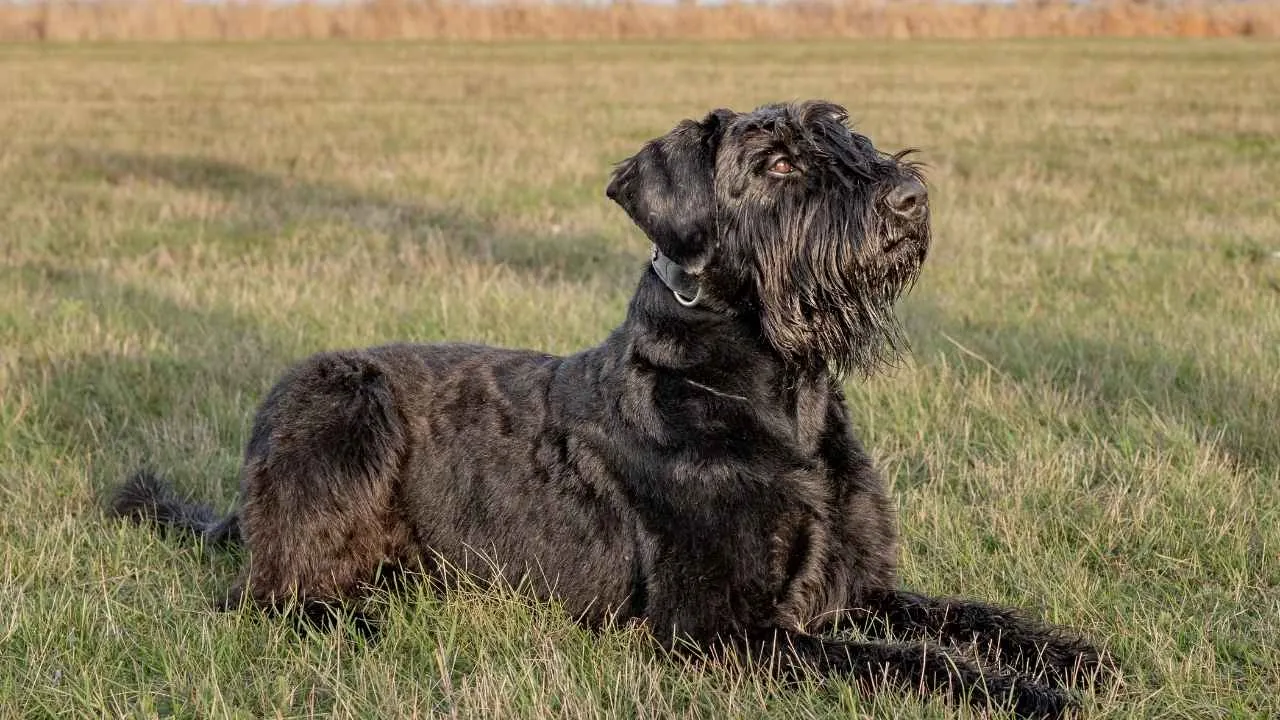
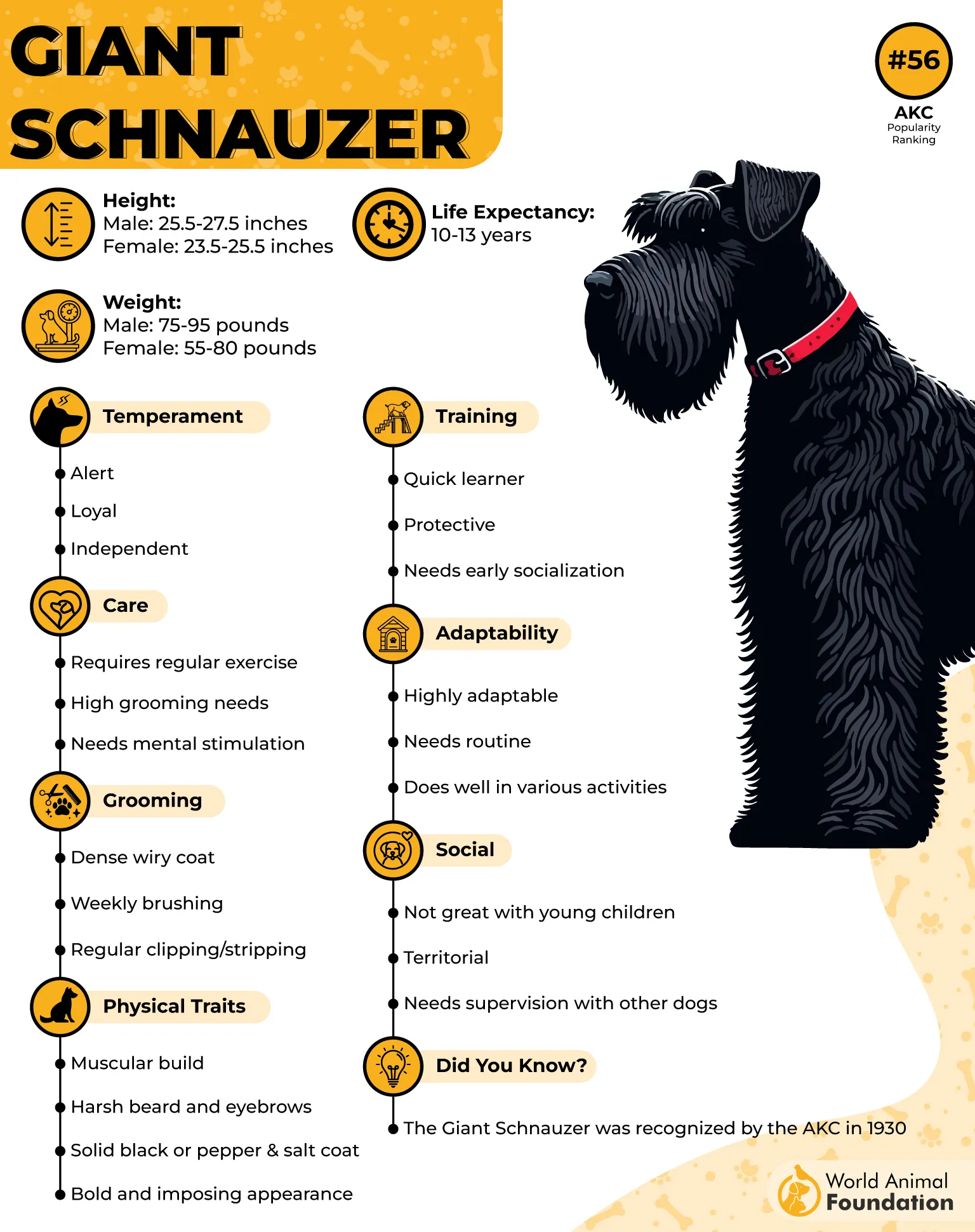
Giant Schnauzers are the largest of the three Schnauzer breeds, originally developed in Germany as farm and home guardians. Their intelligence, strength, and willingness to work later made them valuable military and police dogs.
These large dogs form strong bonds with their families and are deeply devoted to their people, but their size and protective instincts make them best suited to owners who can provide confident, consistent handling.
Protective Nature and Temperament
Giant Schnauzers are alert, confident, and naturally protective of their families and homes. They tend to be cautious with strangers rather than immediately friendly and may take time to accept new people.
They are generally gentle and affectionate with their families, but their territorial instincts can become difficult to manage without early socialization. Introducing puppies to different people, animals, and situations from an early age helps them develop into more balanced adults.
Exercise and Daily Care
Giant Schnauzers are high-energy working dogs that need plenty of daily exercise, mental stimulation, and structured training.
They enjoy learning new tasks, playing, and participating in activities that give them a sense of purpose. Training should be consistent and firm but fair, as their intelligence and independent streak can lead them to test boundaries.
Conclusion
Choosing a personal protection dog means looking beyond size, strength, and appearance. The right guard dog should match your lifestyle, experience, living space, and ability to provide consistent training, exercise, socialization, and mental stimulation.
Early training and socialization are especially important for dogs with strong guarding instincts. Teaching them how to respond calmly to strangers, children, other animals, and unfamiliar situations can help prevent unwanted behaviors while building confidence and trust.
Ultimately, a great guardian is not simply a powerful dog. It is a loyal, well-balanced furry friend that feels secure with its family, understands boundaries, and can protect when necessary while still enjoying everyday life at home.
