




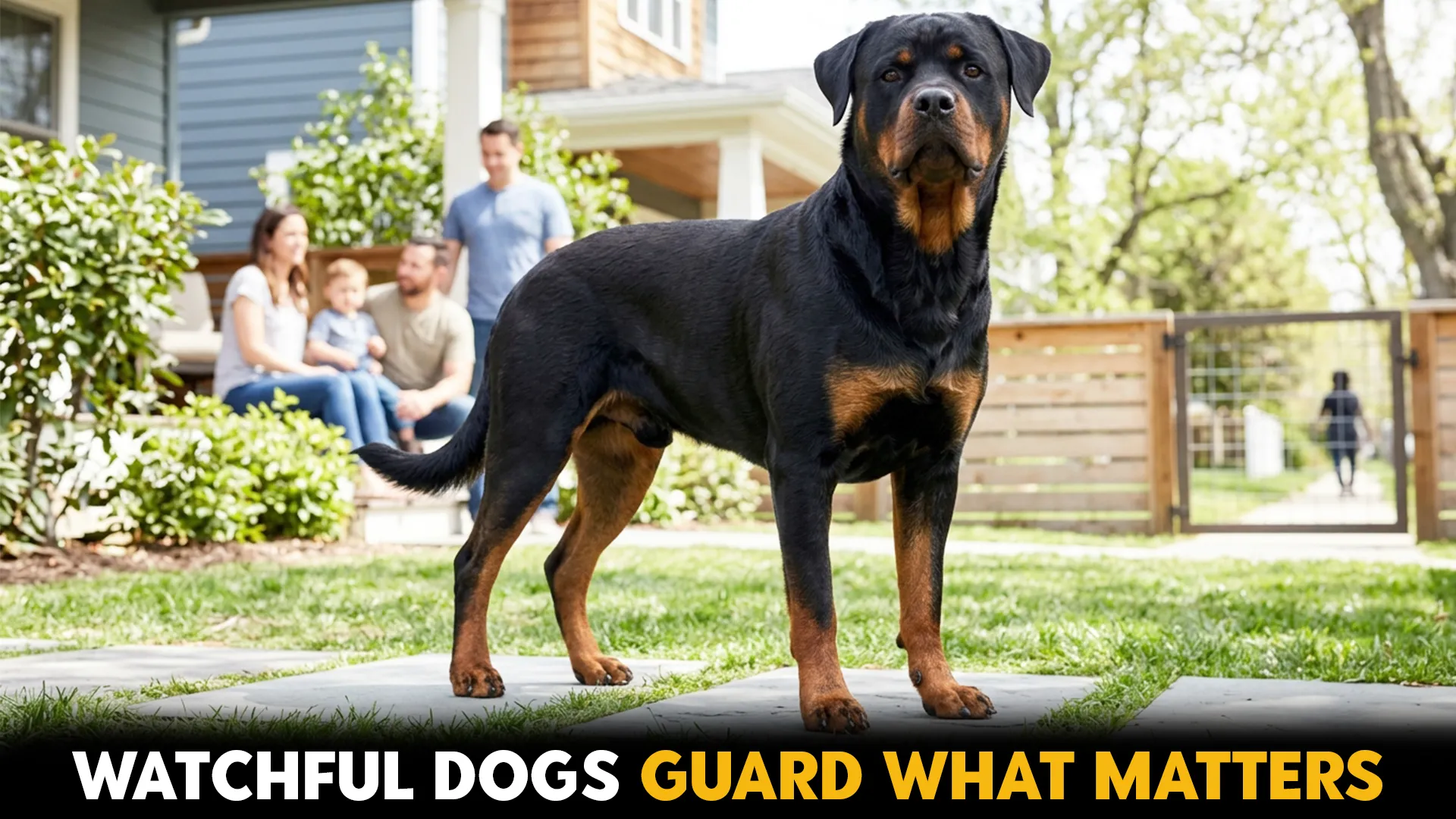
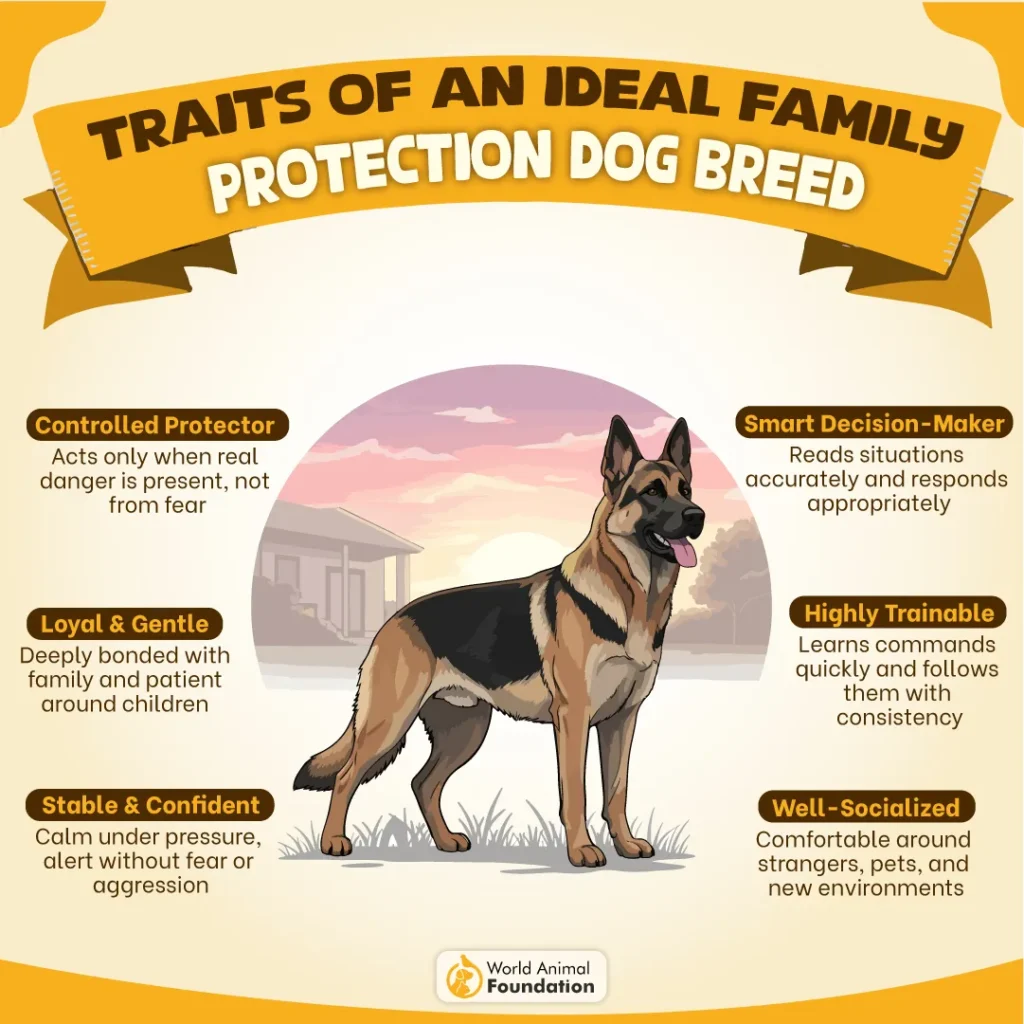
What if your family had a loyal companion who could offer both unconditional love and an extra sense of security? Dogs have been protecting humans for centuries, standing by their families and guarding their homes against potential threats.
But a true protective dog offers more than an intimidating appearance or a loud bark. These dogs combine loyalty, courage, intelligence, and a strong instinct to keep their loved ones safe.
The right fit depends on your family’s lifestyle, living space, and experience with dogs. Proper training, early socialization, and consistent care are also essential to help a protective dog stay confident and well-behaved around family members and visitors.
So, which dogs stand out when it comes to protecting the people they love? We’ve rounded up seven of the best guard dog breeds that bring together loyalty, confidence, and natural guarding instincts.
Ultimate Protective Dog Breeds Every Family Needs
1. German Shepherd
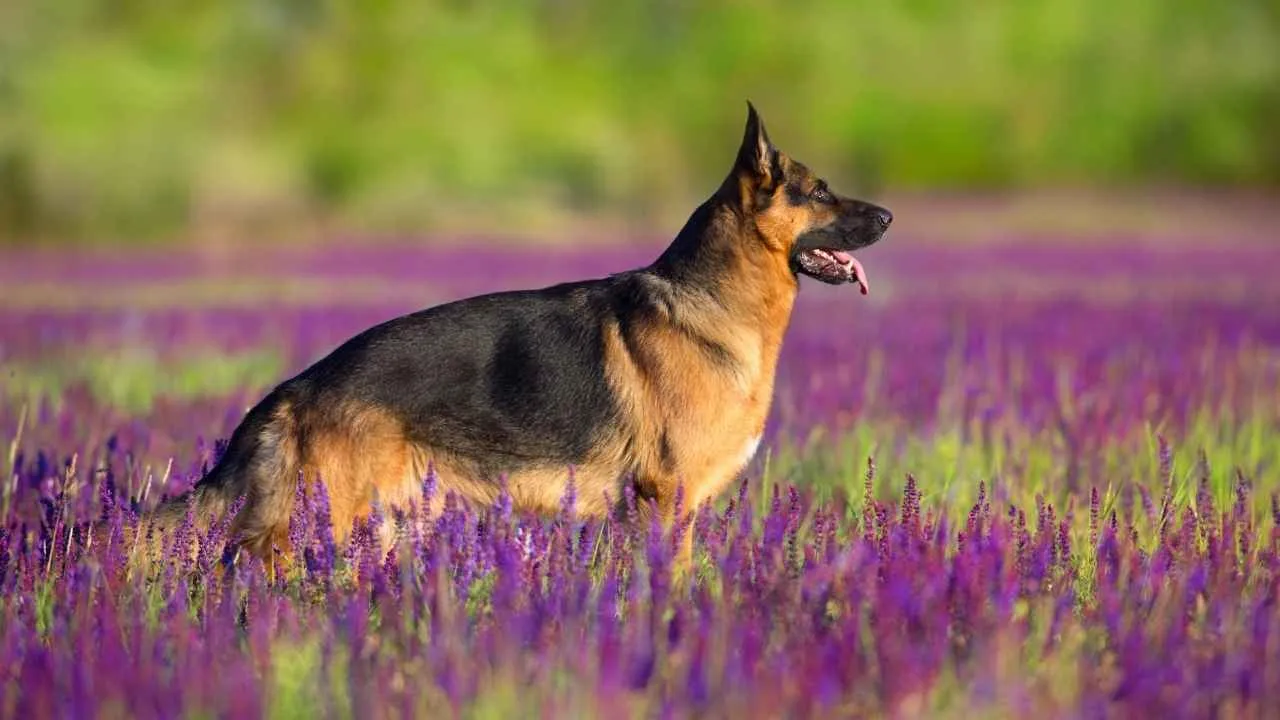
German Shepherds are known for their intelligence, courage, and strong loyalty to their families. Their alert nature and protective instincts make them excellent guard dogs.
They are also widely used by police and military forces for tracking, patrol work, bomb detection, and search and rescue missions. Beyond their working roles, these dogs can be affectionate family companions.
What Makes German Shepherds Protective?
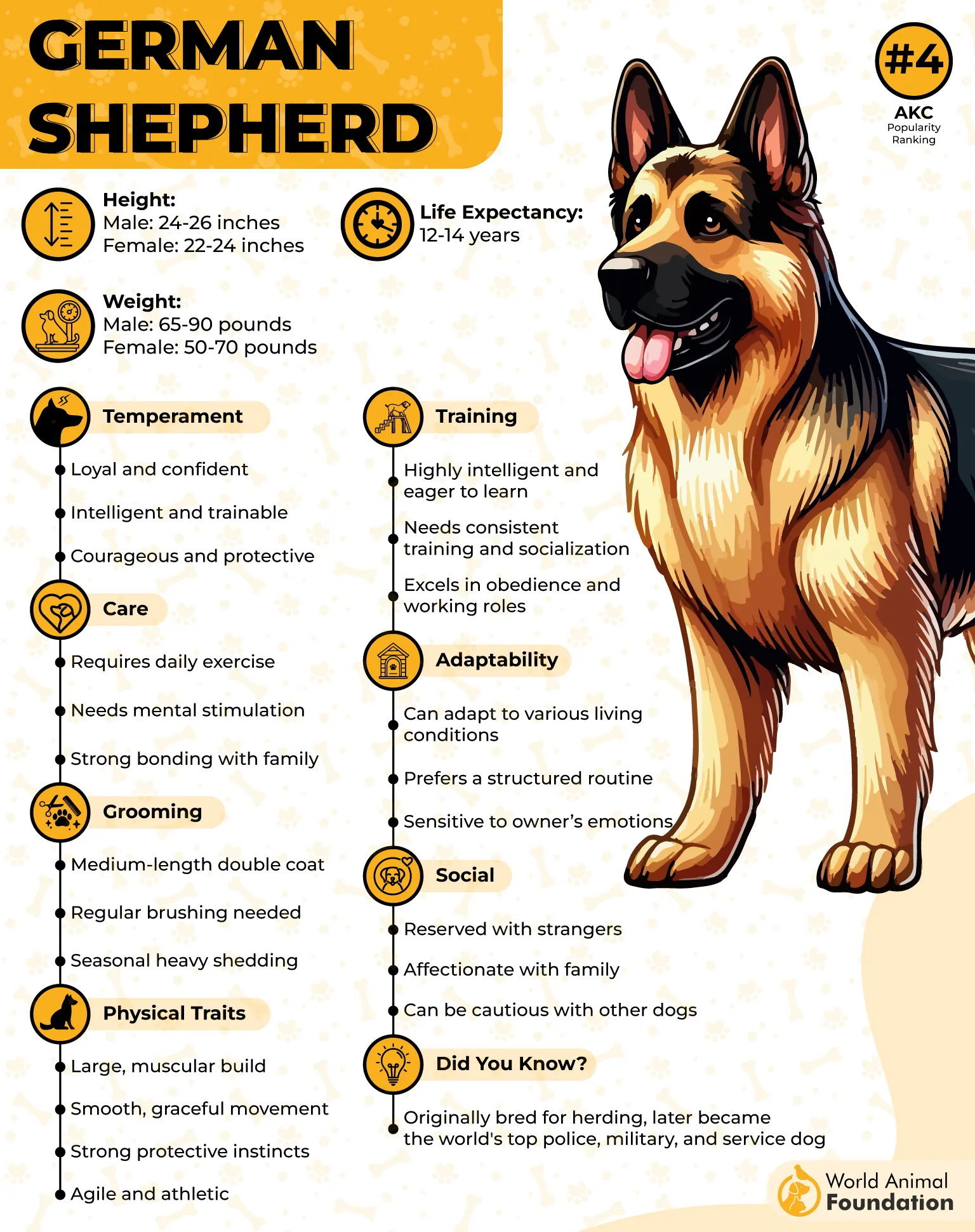
German Shepherds are naturally watchful and may remain reserved around strangers, as noted by PetMD. They form close bonds with their owners and are willing to defend their loved ones when needed.
They can be gentle with children when properly trained and socialized, but all interactions between dogs and children should be supervised. Their intelligence helps them learn commands quickly, although they need consistent guidance to keep their protective instincts under control.
Training and Care Needs
Exercise: These energetic dogs need one to two hours of daily exercise and mental stimulation to prevent boredom and unwanted behaviors.
Training: Early socialization, obedience training, patience, and positive reinforcement help them become confident and well-mannered companions.
Outdoor safety: Their strong chasing instinct means they should be kept on a leash or inside a fenced yard when outdoors.
Grooming: Their double coats shed throughout the year, with heavier shedding during spring and fall. Regular brushing helps manage loose fur.
2. Rottweiler
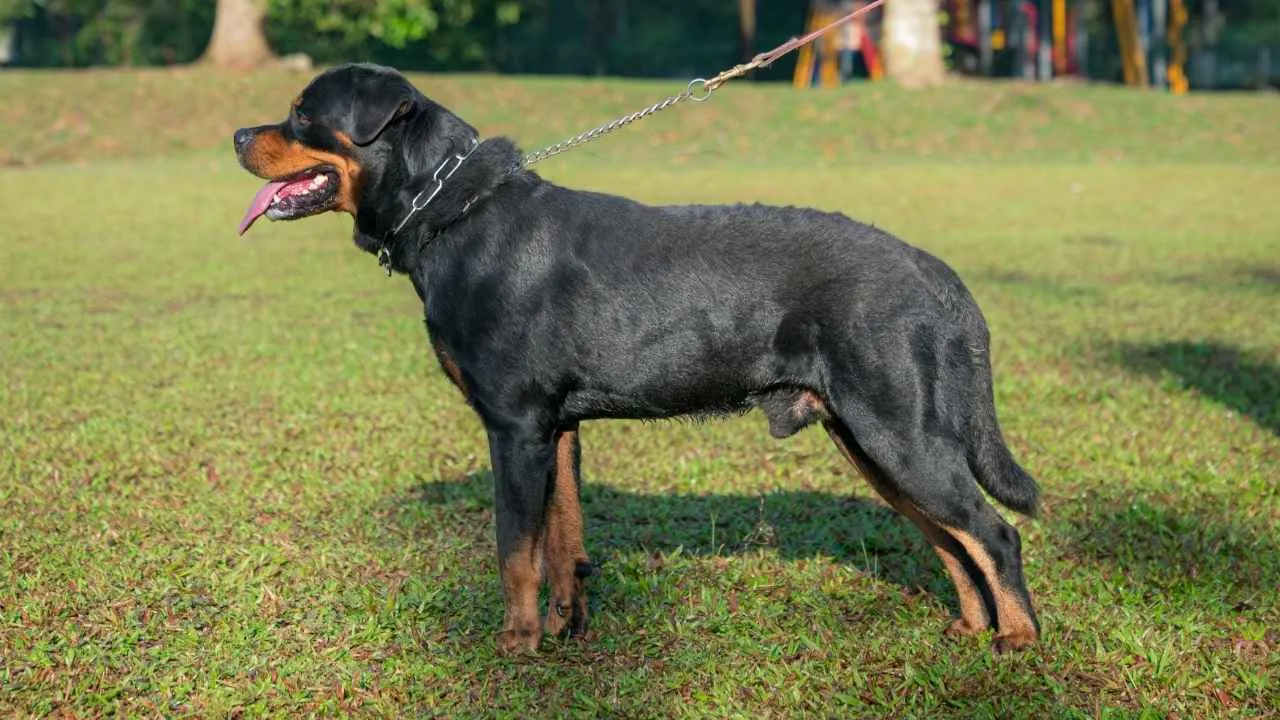
Rottweilers are powerful working dogs with a long history of guarding people and property. Their roots trace back to ancient Roman drover dogs. Later, they helped move cattle to markets and protected butchers from thieves, earning the nickname “the Butcher’s Dog.”
As their traditional work declined, they found new roles in police and military services. Today, their strength, confidence, and loyalty make them well-known protective companions.
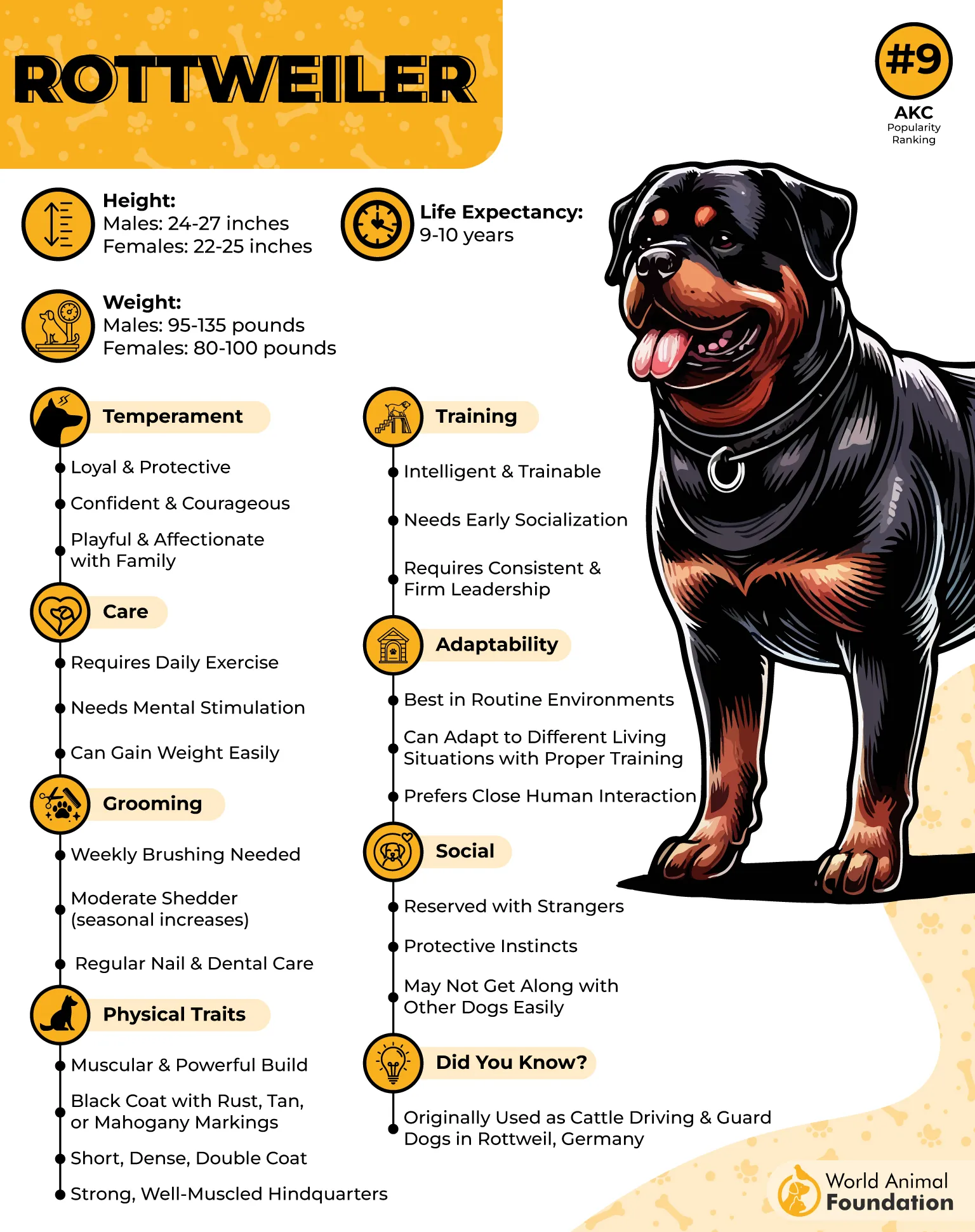
What Makes Rottweilers Protective?
Rottweilers are naturally watchful and may be reserved around strangers. They form deep bonds with their families and can be affectionate companions at home.
Their guarding instincts may make them territorial, and they often bark when someone approaches the house. These dogs are generally better suited to experienced dog owners who can provide firm, patient guidance.
Exercise and Care Needs
Exercise: Rottweilers need at least 60 minutes of daily exercise. Walks, hikes, backyard play, and dog sports can help keep them active.
Mental stimulation: Regular activities and engagement help prevent boredom and unwanted behaviors.
Grooming: Their short black coats with tan markings shed throughout the year. Brushing several times a week helps manage loose fur.
Training: Early socialization and steady training help manage their strong guarding instincts and develop good social skills.
3. Doberman Pinscher
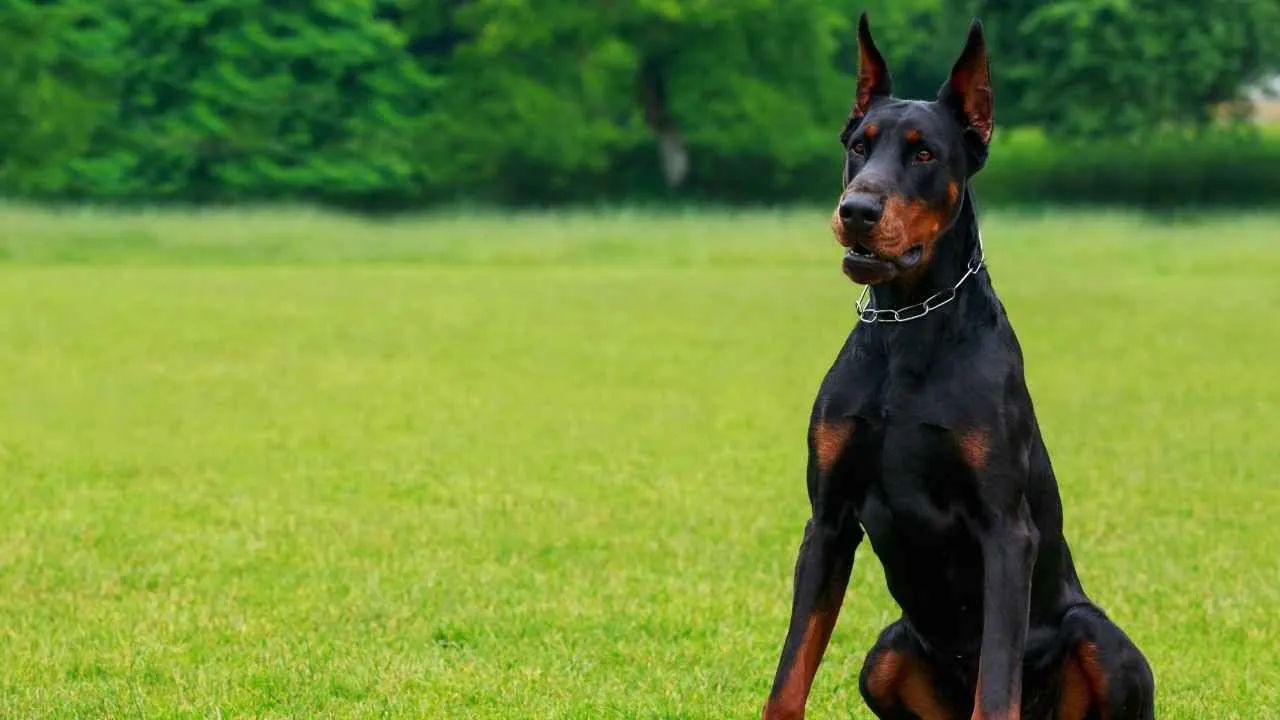
Doberman Pinschers are sleek, muscular dogs known for their intelligence, speed, and alert nature. First bred in Germany by tax collector Louis Dobermann in the late 1800s, they were developed into loyal and capable protectors.
Today, they serve as family guardians and working dogs in security, police work, and search and rescue. Their athletic build and confident presence can also discourage potential intruders.
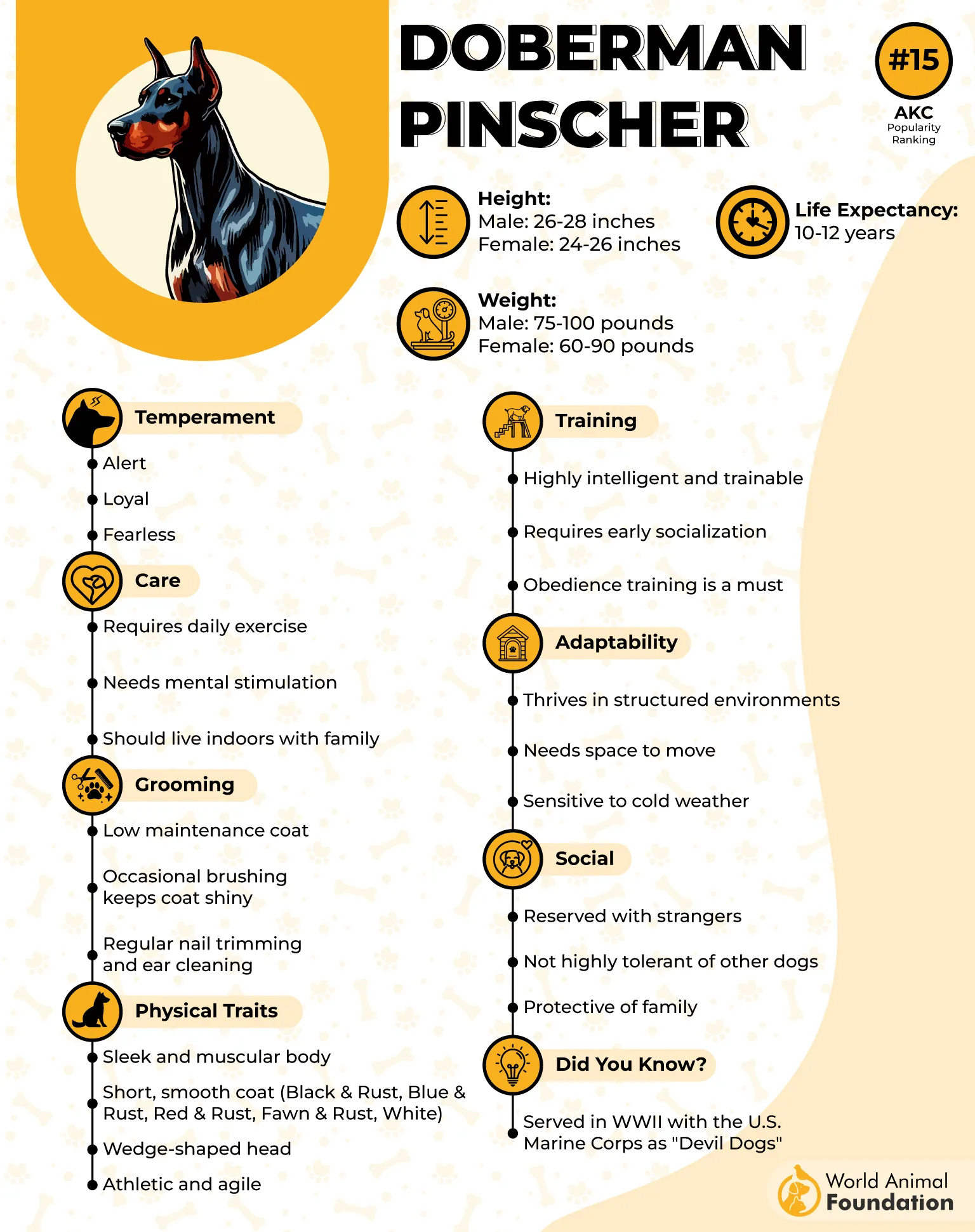
What Makes Doberman Pinschers Protective?
Dobermans are highly loyal to their families and protective of their homes. They are usually alert but quiet, barking when they sense a potential threat.
Although they may be reserved around strangers, they are affectionate and playful with people they trust. Britannica says they can also be domineering toward unfamiliar dogs, and some may chase smaller animals due to their strong prey drive.
Exercise and Care Needs
Exercise: These energetic dogs need regular physical activity to stay healthy and prevent destructive behaviors.
Mental stimulation: Training, games, and challenging activities help keep their intelligent minds engaged.
Training: Consistent obedience training and early socialization help manage their protective instincts and develop good manners.
Outdoor safety: Keep them on a leash or inside a fenced yard, as they may chase small animals.
4. Bullmastiff
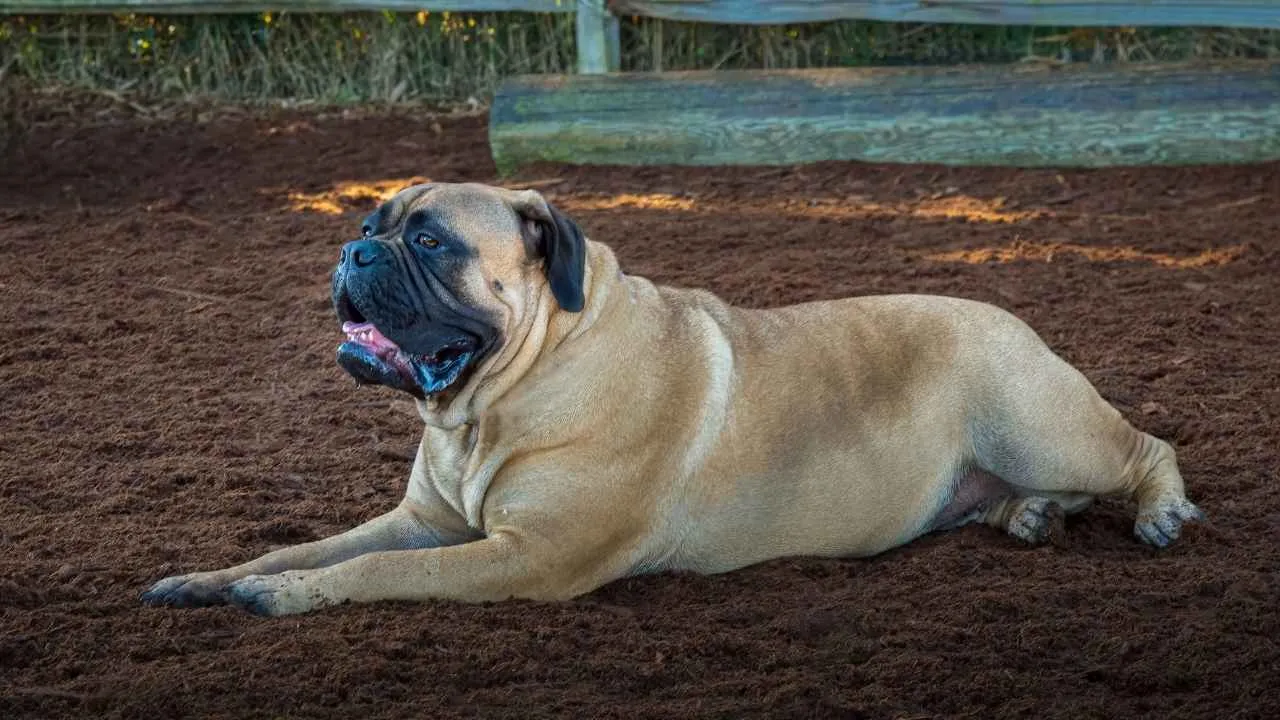
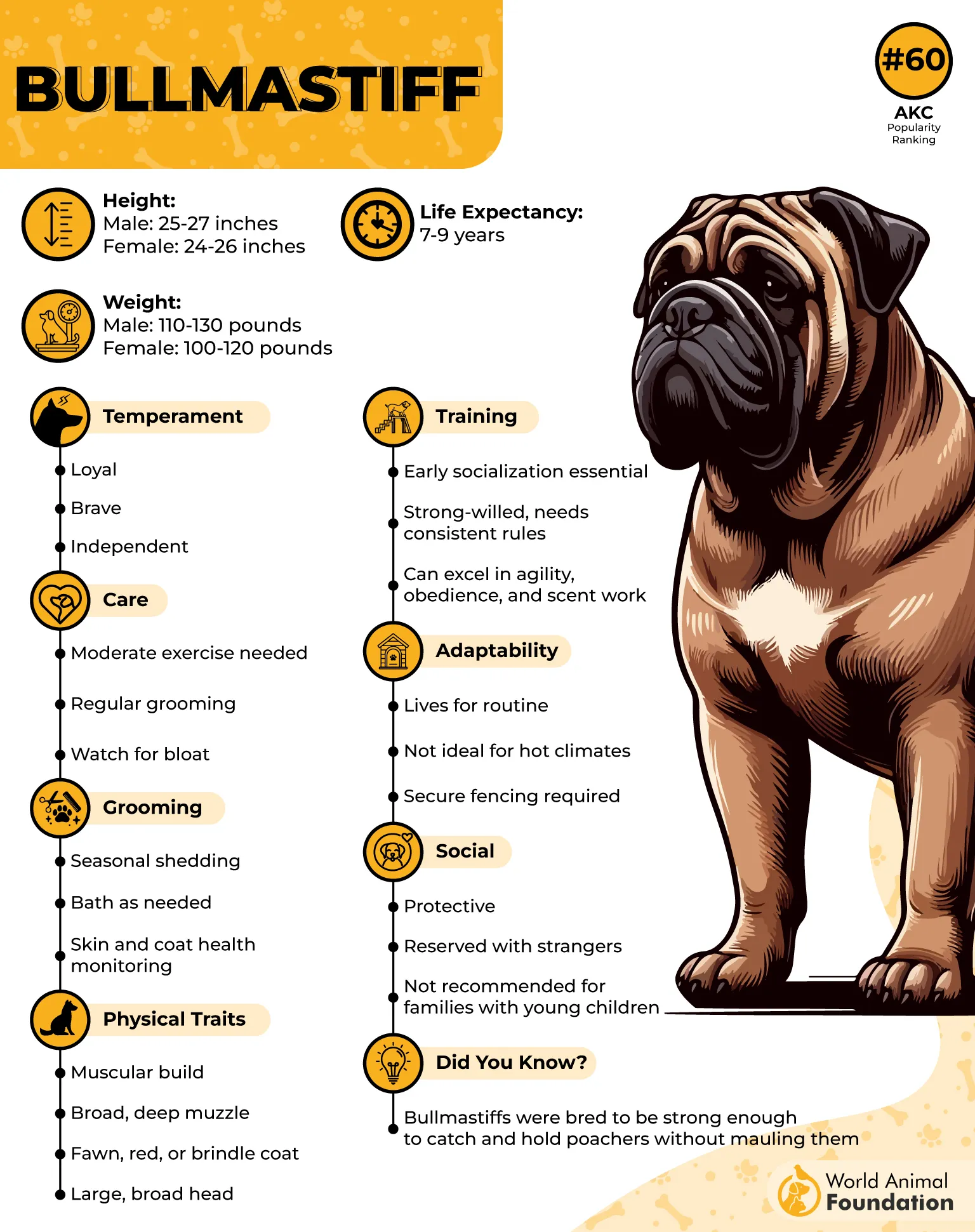
Bullmastiffs are powerful, affectionate dogs with a long history of protecting people and property. British gamekeepers developed them in 19th-century England by crossing Bulldogs with Mastiffs. Their purpose was to guard estates and stop poachers.
Today, these gentle giants are known for their impressive presence and deep devotion to their families. Despite their size, they often have a calm, loving nature.
What Makes Bullmastiffs Protective?
Bullmastiffs are loyal to their families and naturally wary of unfamiliar people. They may greet strangers with suspicion and often prefer meeting visitors introduced by someone they trust.
Unlike many alert dogs, they are not known for barking excessively. Their large, muscular build alone can discourage potential intruders. At home, they are affectionate and enjoy staying close to their loved ones.
Exercise and Care Needs
Exercise: Bullmastiffs need daily activity, including walks and playtime in a fenced yard. However, they are not suited to long-distance running.
Training: Teach them basic commands and leash manners from puppyhood. Their strength makes consistent guidance especially important.
Socialization: Introduce them to different people, children, and dogs early to help them remain calm in various situations.
Health and nutrition: Their short snouts can make them prone to breathing problems. Maintaining a healthy weight also helps reduce stress on their joints.
5. Boxer
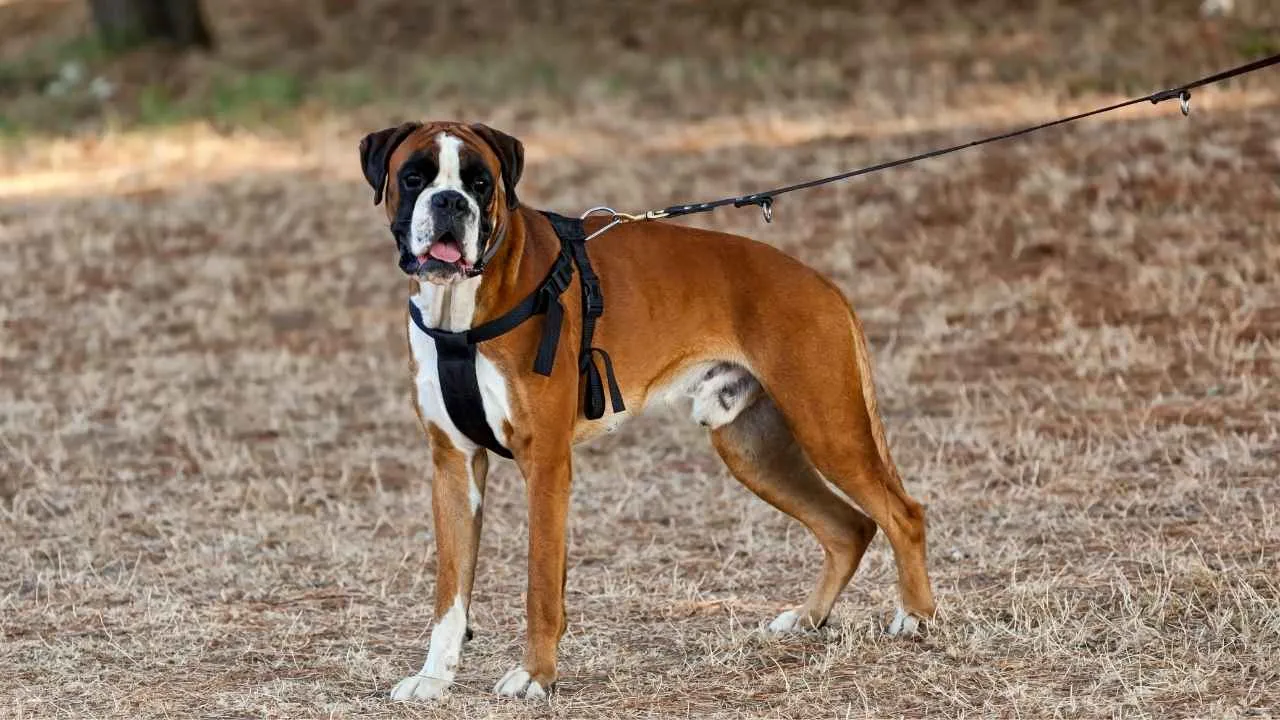
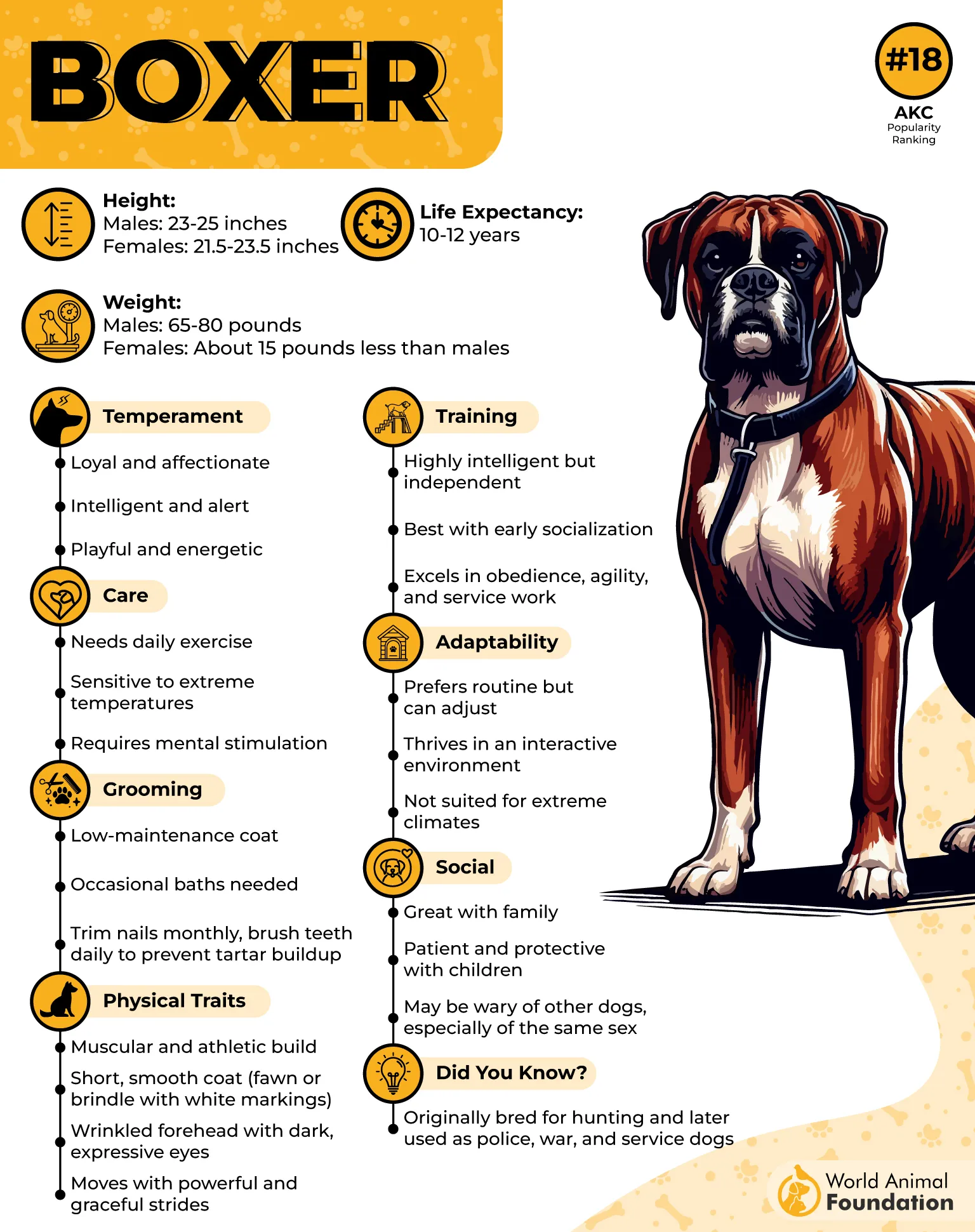
Boxers are muscular, athletic dogs with playful personalities and a strong sense of loyalty. Originally developed in Germany, they were used for hunting and later became popular family companions.
Their energetic nature, intelligence, and protective instincts make them excellent watchdogs. Although they may look serious, Boxers are affectionate dogs that often remain playful well into adulthood.
What Makes Boxers Protective?
Boxers form strong bonds with their families and are quick to bark when they sense a potential threat. They are confident and fearless, but they do not usually look for trouble.
While they can be friendly with strangers and other pets, they are ready to defend themselves and their loved ones when necessary. Their playful and affectionate nature also makes them good family companions.
Exercise and Care Needs
Exercise: Boxers need plenty of daily activity, ranging from 30 minutes to two hours. Agility, rally, and other dog sports can help channel their energy.
Training: They learn quickly but can be stubborn. Early training helps manage jumping and overly excited behavior.
Grooming: Their short, smooth coats require little grooming.
Companionship: Boxers enjoy spending time with their families and may become distressed or destructive when left alone for too long.
6. Cane Corso
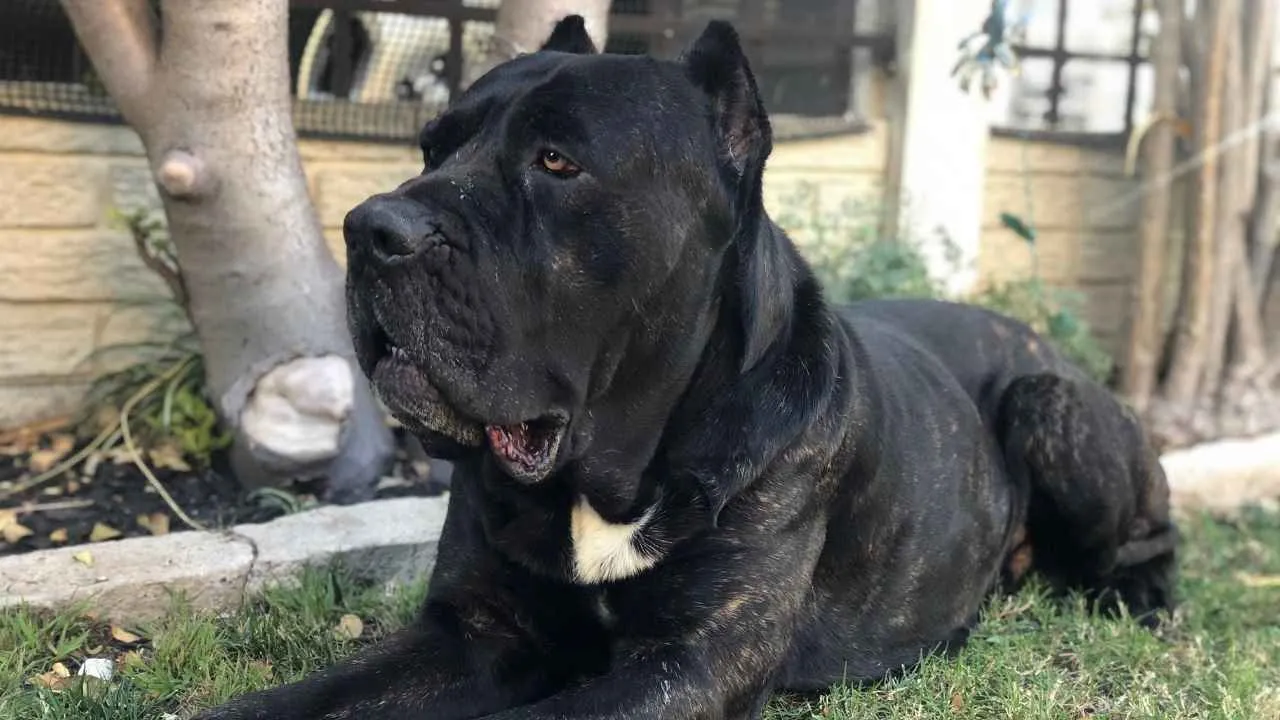
Cane Corsos, also known as Italian Mastiffs, are powerful working dogs with a long history of guarding homes and farms. Their ancestors date back to ancient Greece and Rome, where they served as guardians and working companions.
Their name roughly translates to “guard dog of the courtyard.” Today, Cane Corsos are known for their intelligence, muscular build, and deep loyalty to their families.
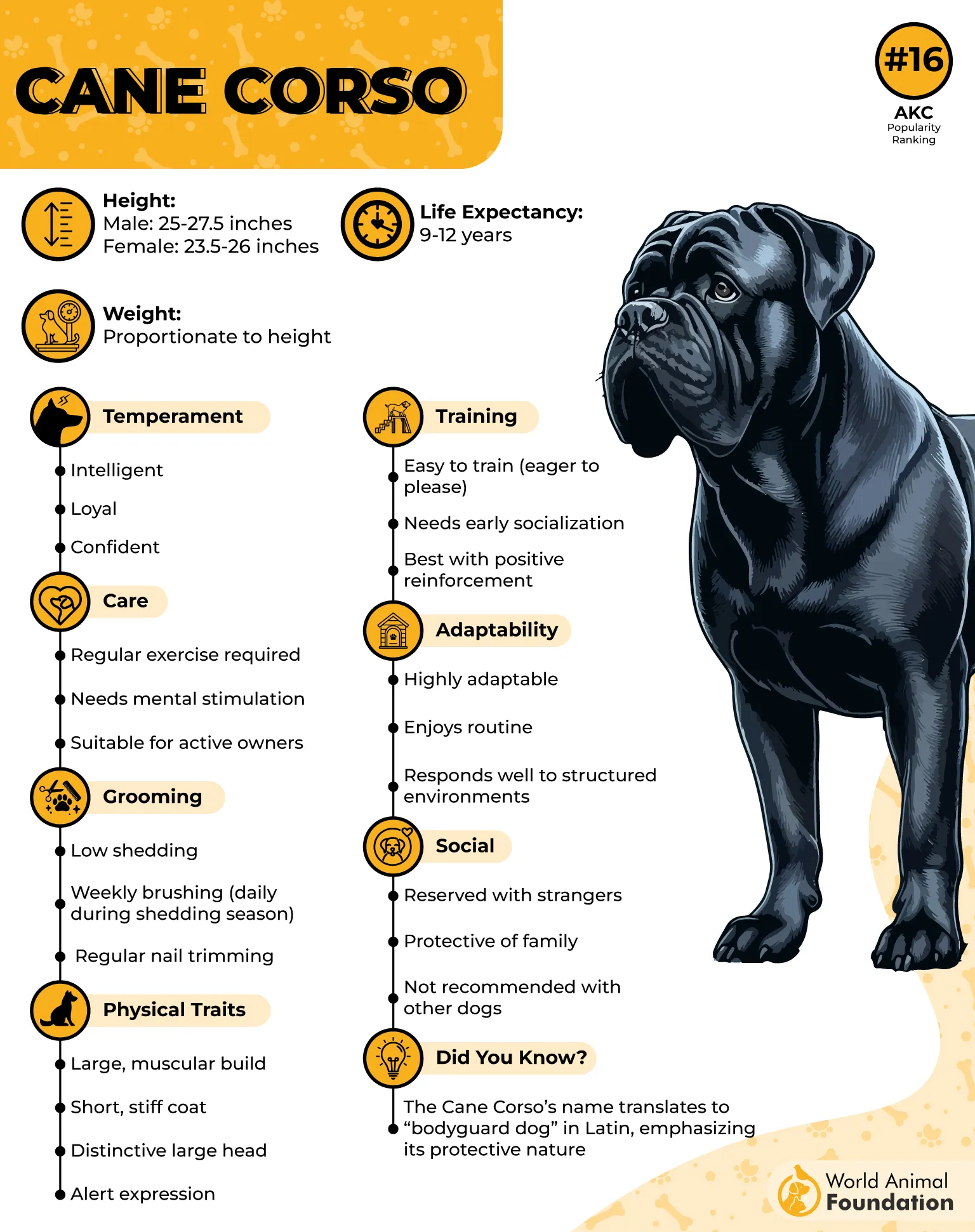
What Makes Cane Corsos Protective?
Cane Corsos are devoted to their owners but tend to be reserved around strangers. Their natural guarding instincts make them excellent watchdogs, and they can also serve as protection dogs with proper training.
They are intelligent and eager to please, although they can be strong-willed and independent. These dogs are generally better suited to experienced owners who can manage their strength and protective nature.
Exercise and Care Needs
Exercise: Cane Corsos need plenty of daily activity, including brisk walks and opportunities to run safely. They thrive when given purposeful tasks.
Training: Positive reinforcement, consistency, and early socialization help develop good behavior and reliable responses.
Mental stimulation: Activities such as tracking, agility, obedience, and protection sports can keep them engaged.
Grooming: Their short, smooth coats require little maintenance, but moderate shedding occurs throughout the year.
7. Giant Schnauzer
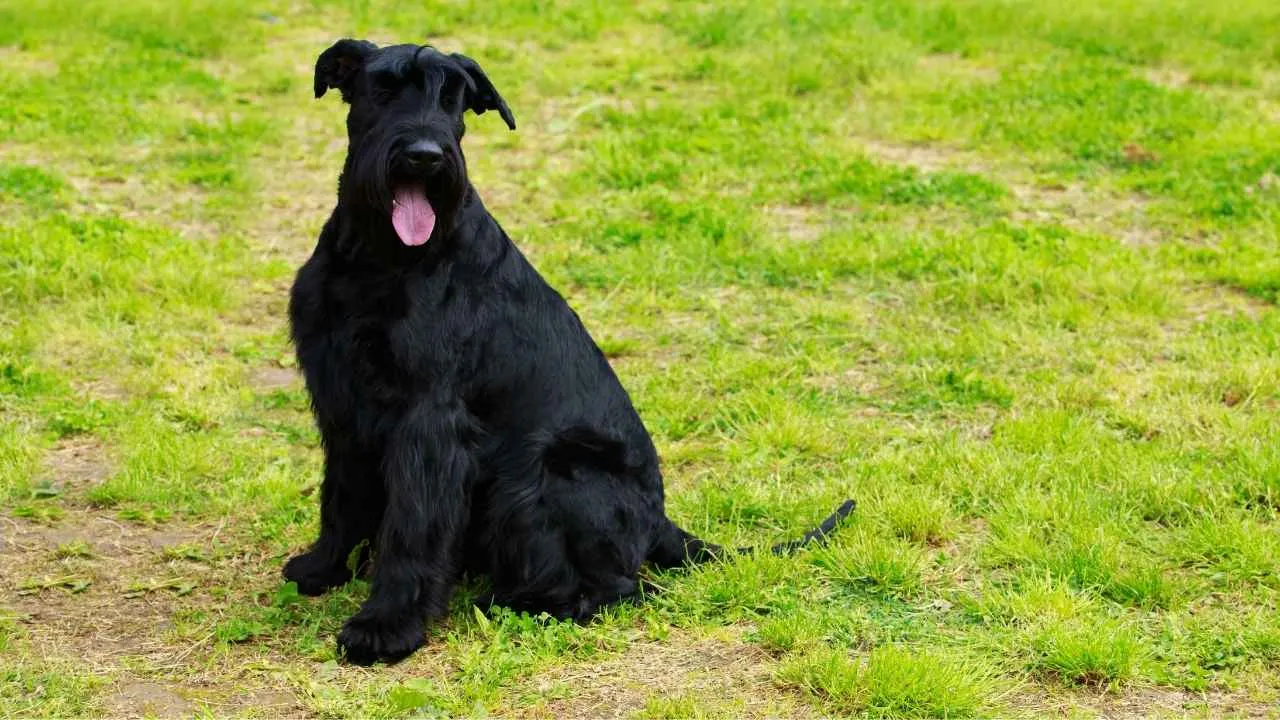
Giant Schnauzers are intelligent, energetic working dogs with strong protective instincts. Developed in Germany from Standard Schnauzers and Great Danes, they were originally bred to drive livestock and guard farms and homes.
Today, they also serve as military and police dogs. Known for their bearded muzzles and loyal nature, these dogs enjoy having a job to do and staying close to their families.
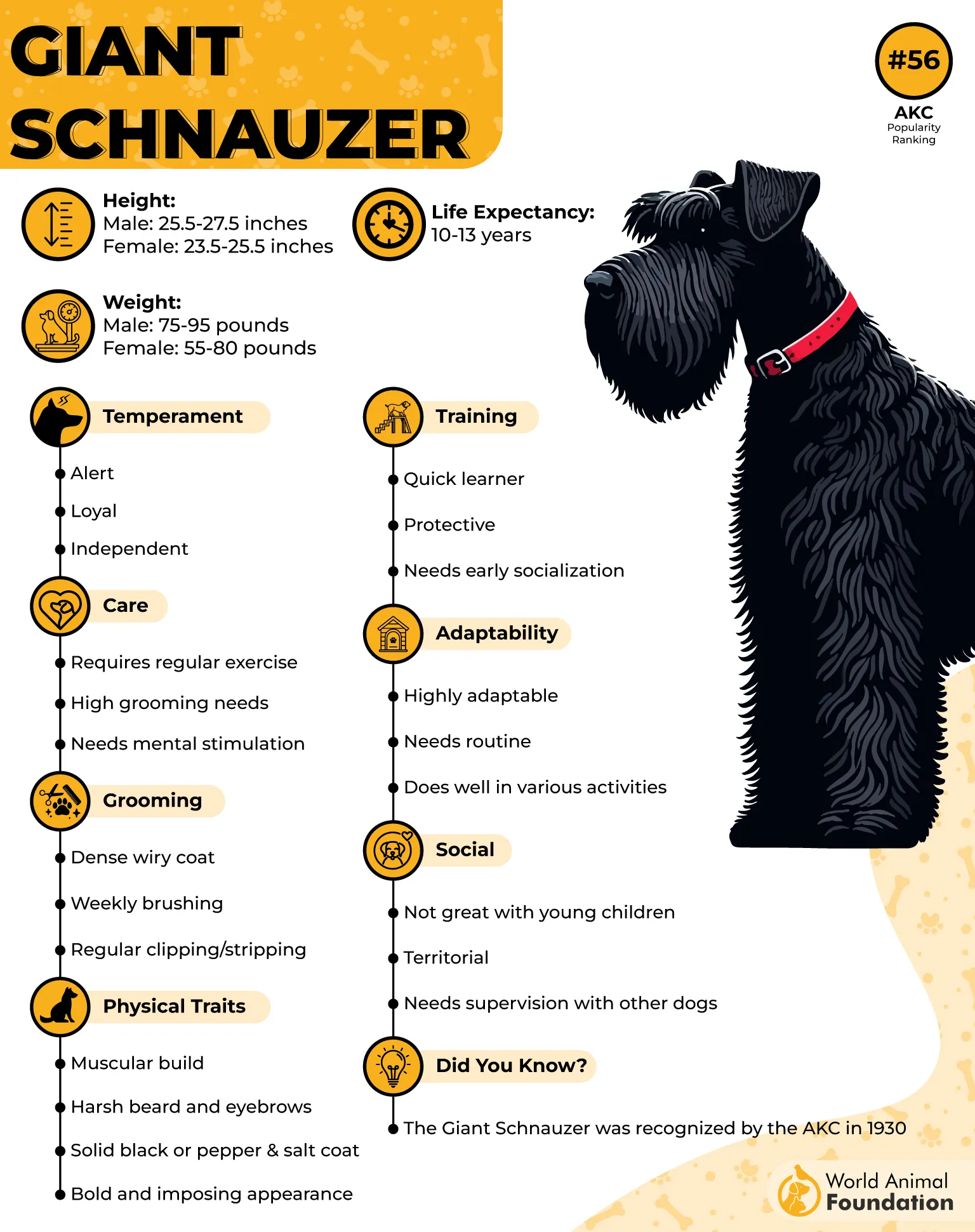
What Makes Giant Schnauzers Protective?
Giant Schnauzers are naturally protective of their homes and cautious around strangers. They are generally calm and affectionate with their families but may try to take charge if they lack clear guidance.
These clever dogs learn quickly and remember commands, though their independent streak can make them stubborn at times, as Omlet notes. Early socialization helps them accept visitors and become comfortable around other animals.
Exercise and Care Needs
Exercise: Giant Schnauzers need vigorous daily exercise to manage their high energy levels.
Training: Consistent, short training sessions help reinforce commands and manage their independent nature. Puppy and adult training classes can also help.
Mental stimulation: They thrive on tasks, training games, and activities that challenge their intelligence.
Leash training: Teaching good leash manners early is important because their strength can make them difficult to control if they pull.
Conclusion
Protective dog breeds offer loyalty, confidence, and a strong instinct to guard their families. However, each breed has different exercise needs, energy levels, and temperaments, so choosing the right dog means looking beyond its protective nature.
Before bringing one home, consider your lifestyle, experience with dogs, and ability to provide consistent training, early socialization, and daily activity. A good guardian is not simply a dog that protects your home but one that feels secure, trusts its family, and knows how to respond to the world around it.
