




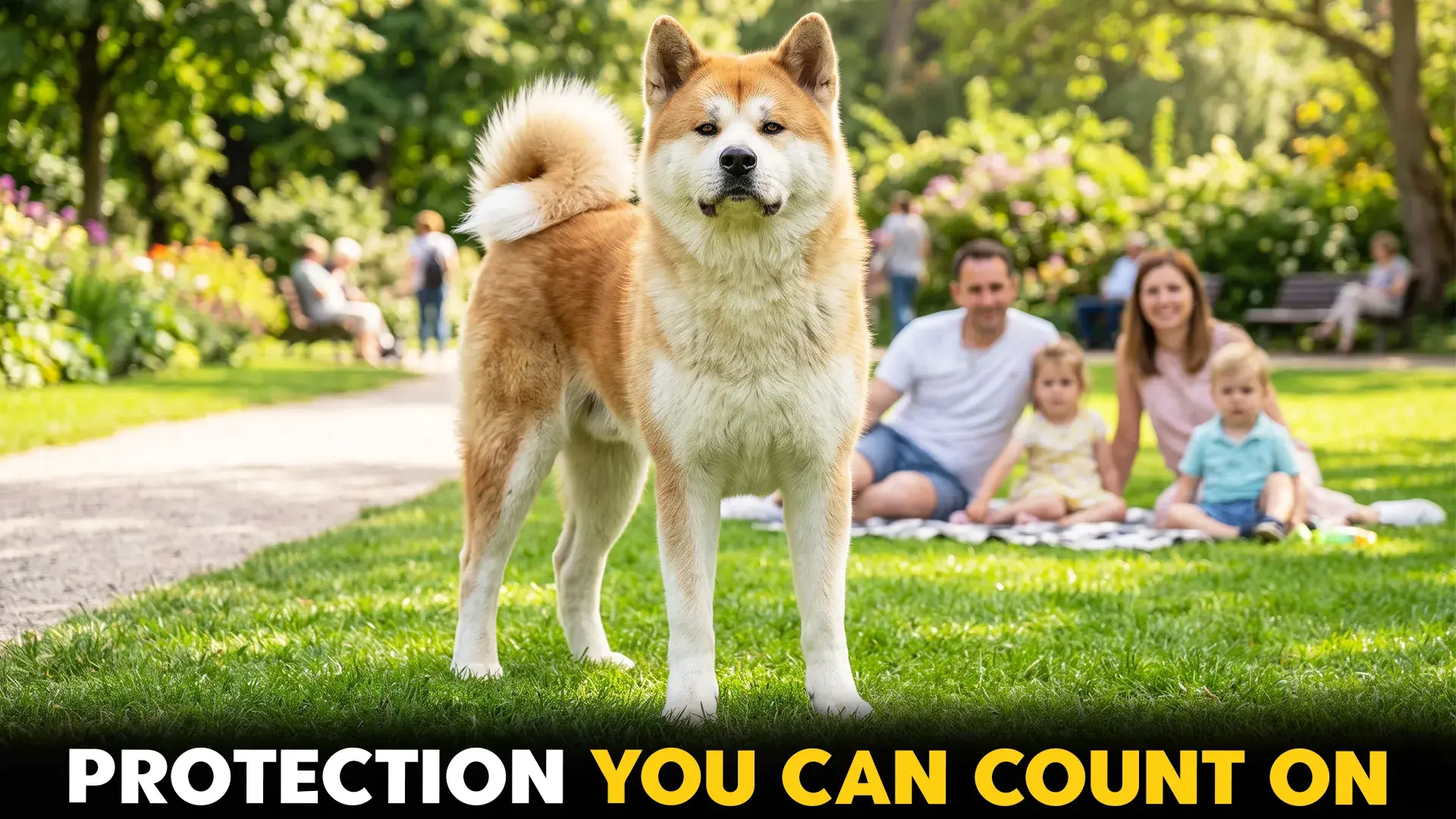
Not every dog that looks intimidating is naturally protective, and not every dependable guardian relies on size alone. That difference surprises many families searching for a companion they can trust around the people who matter most.
Some dogs stay remarkably calm until they recognize a genuine concern, while others react without the judgment that makes a reliable protector. Knowing which qualities separate true family guardians from dogs that simply appear protective can completely change your decision.
It is often the smaller details that reveal whether a dog will offer confidence instead of constant challenges. Temperament, awareness, loyalty, and the ability to distinguish everyday activity from real threats all matter far more than appearance.
The following selections highlight loyal companions whose instincts and steady character have earned lasting respect from families everywhere.
Key Takeaways
One dog became famous for waiting nine years for its owner. Another once carried a merchant’s money around its neck to keep thieves away
Those stories belong to the Akita and the Rottweiler, and they reveal how trust has always been part of these remarkable breeds.
Add the intelligence of the Doberman Pinscher and the tireless drive of the Belgian Malinois, and the list becomes even more fascinating.
The more you read, the easier it becomes to understand why these dogs have earned the confidence of families for decades.
Ultimate Protective Dog Breeds for Family Safety
1. Akita
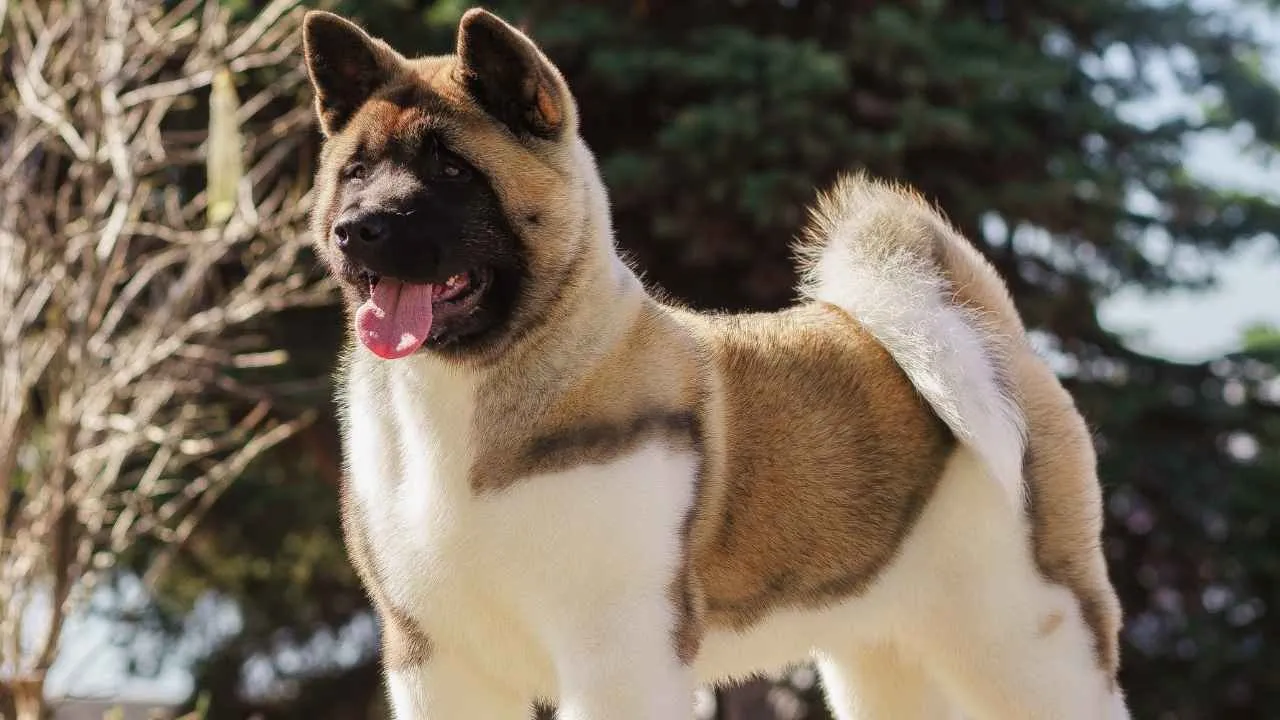
Akita holds a special place in Japan, where it is recognized as a national monument and symbolizes good health. The famous story of Hachiko, who waited at a train station for nine years after his owner’s death, reflects the remarkable loyalty often associated with this breed, as highlighted by PetMD.
Purpose Through the Years
This furry breed first worked as a hunting and fighting dog before later taking on police and guard responsibilities. That working past helps explain the calm confidence and independent judgment often seen in this breed today.
Some lesser-known details add extra perspective:
Akita statues are gifted after a baby’s birth in Japan
Also given when someone is recovering from an illness
Police work became one of its later roles
Independent Mind
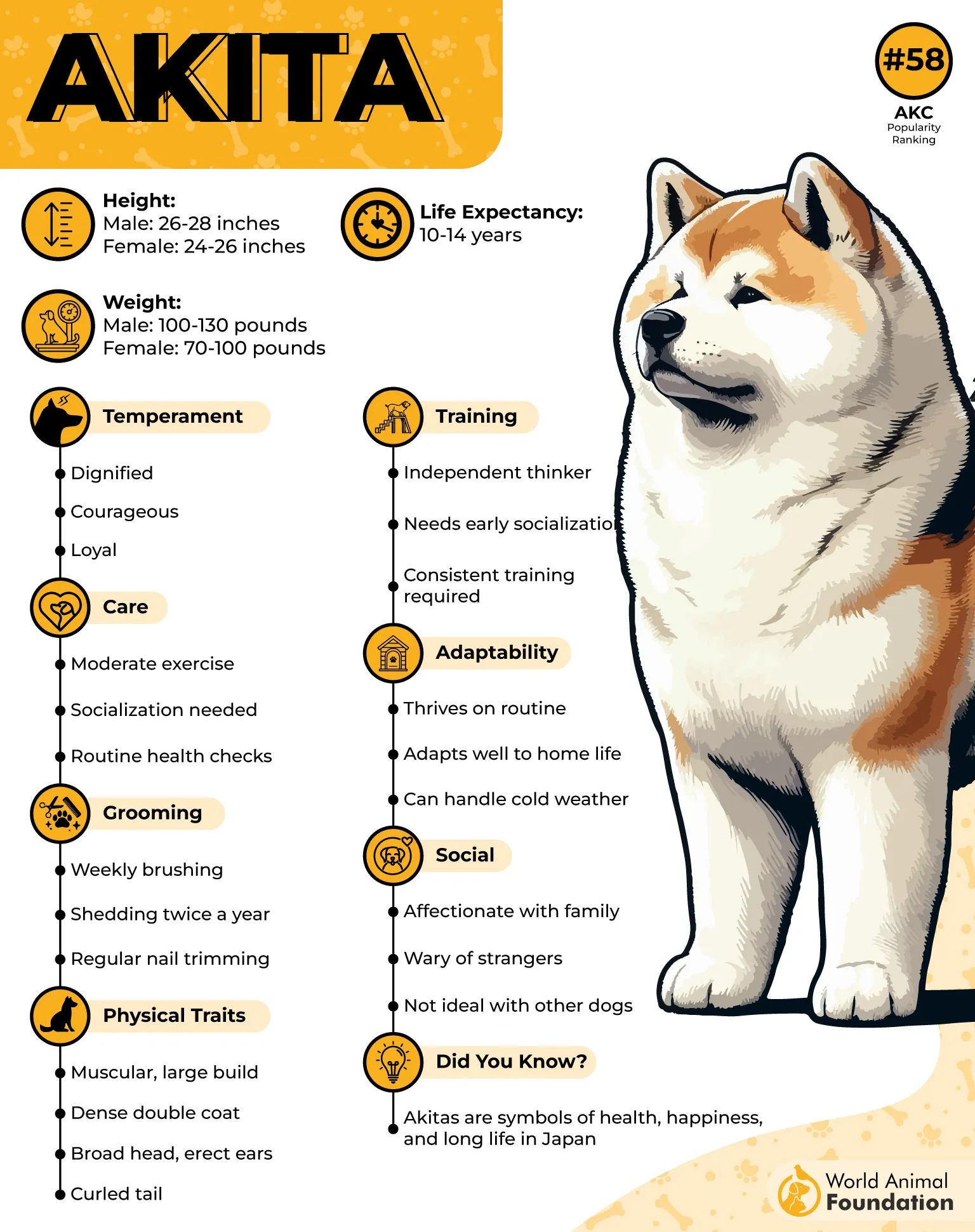
Akita learns obedience cues quickly, although keeping its attention usually requires consistent positive reinforcement and meaningful rewards. Early socialization and steady guidance from an experienced handler help this intelligent breed adapt to unfamiliar situations with greater confidence.
2. Bullmastiff
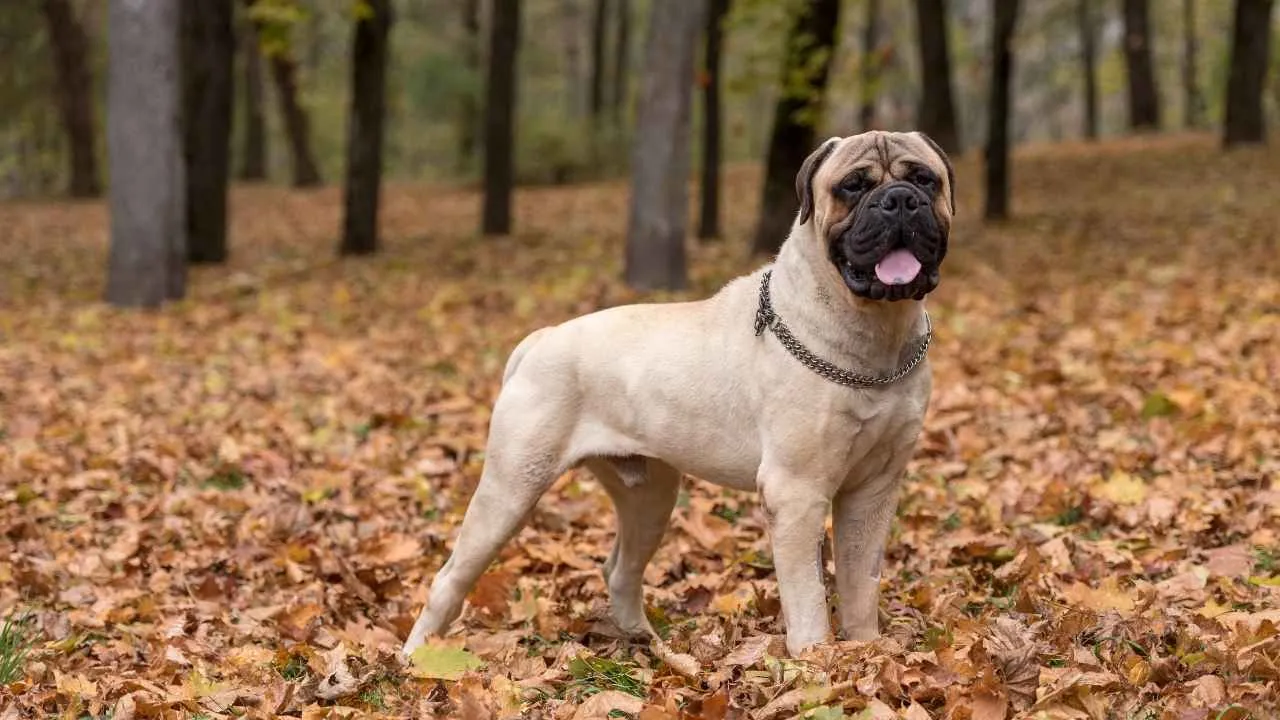
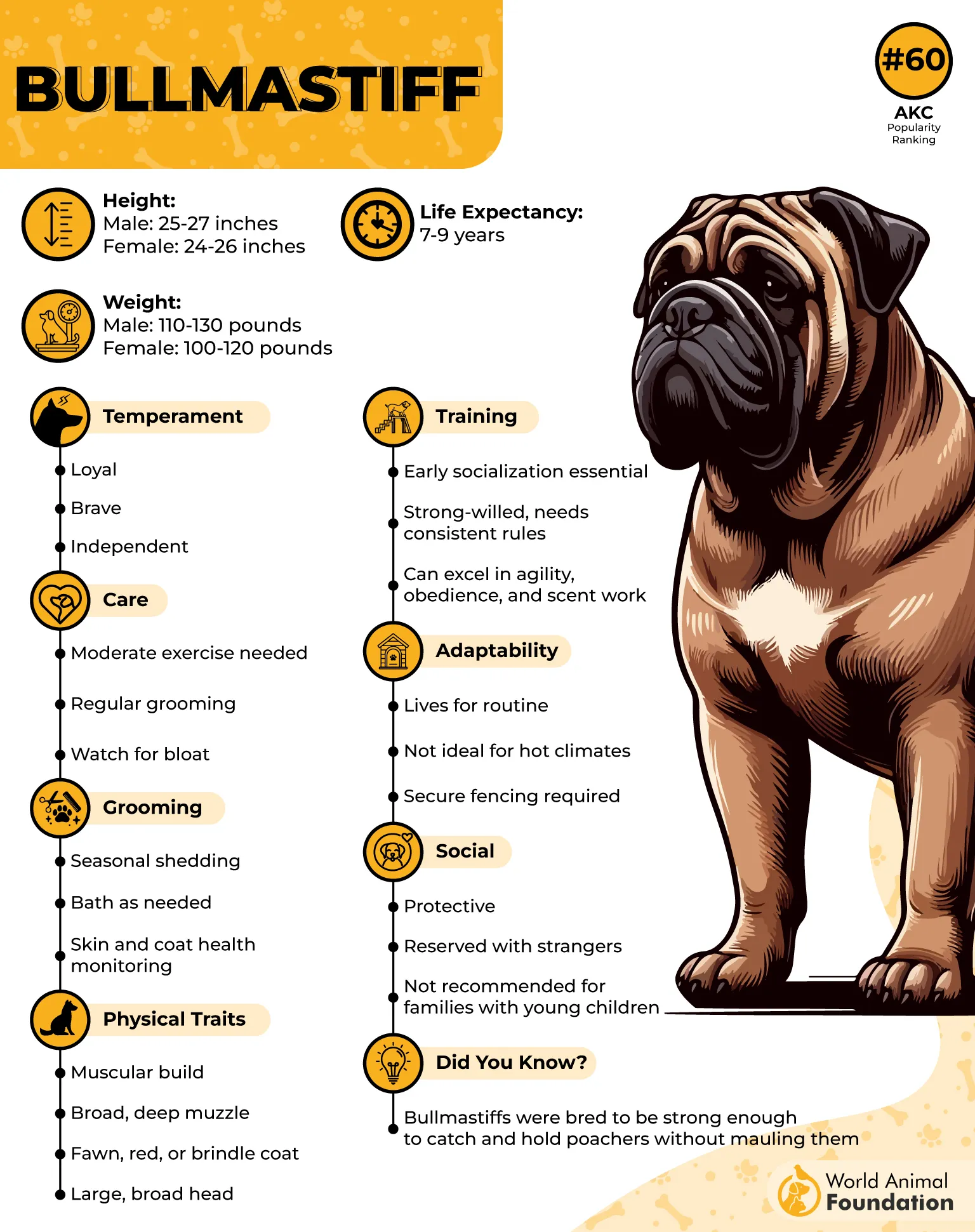
Bullmastiffs first gained recognition during the 19th century, when gamekeepers relied on these powerful dogs to protect large estates. As per WebMD, its ancestry combines the English Mastiff and Old English Bulldog, later leading to recognition as a distinct purebred.
Calm but Watchful
This guard dog breed has an affectionate nature with a constant awareness of their surroundings, making them a dependable household watchdog. Early training and proper socialization help this intelligent breed respond confidently in different situations as it matures.
Beyond their obvious traits:
Descends from Molosser-type dogs
Recognized by the Kennel Club as a purebred
Moderately playful with family members
Practical Around Home
Bullmastiffs benefit from a securely fenced yard, helping prevent unnecessary encounters with unfamiliar people beyond the property. While this breed enjoys being active, long-distance or high-speed activities are less suitable than steady walks and purposeful interaction.
3. Doberman Pinscher
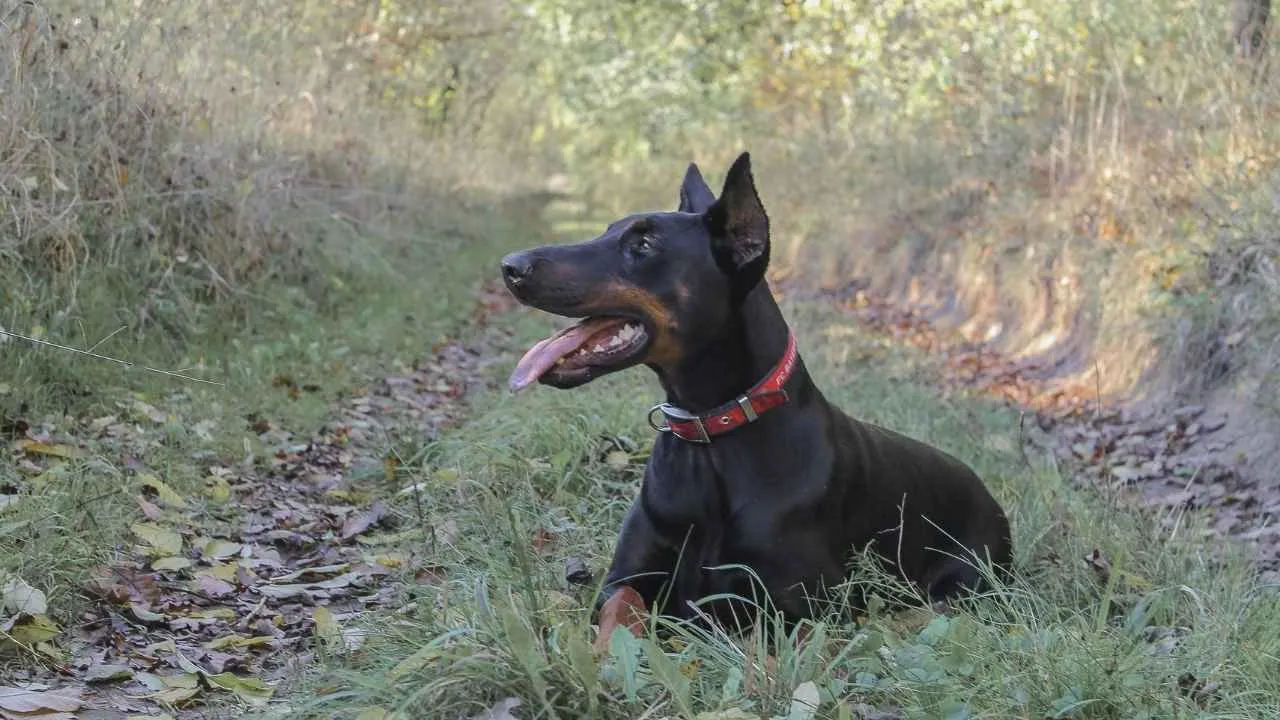
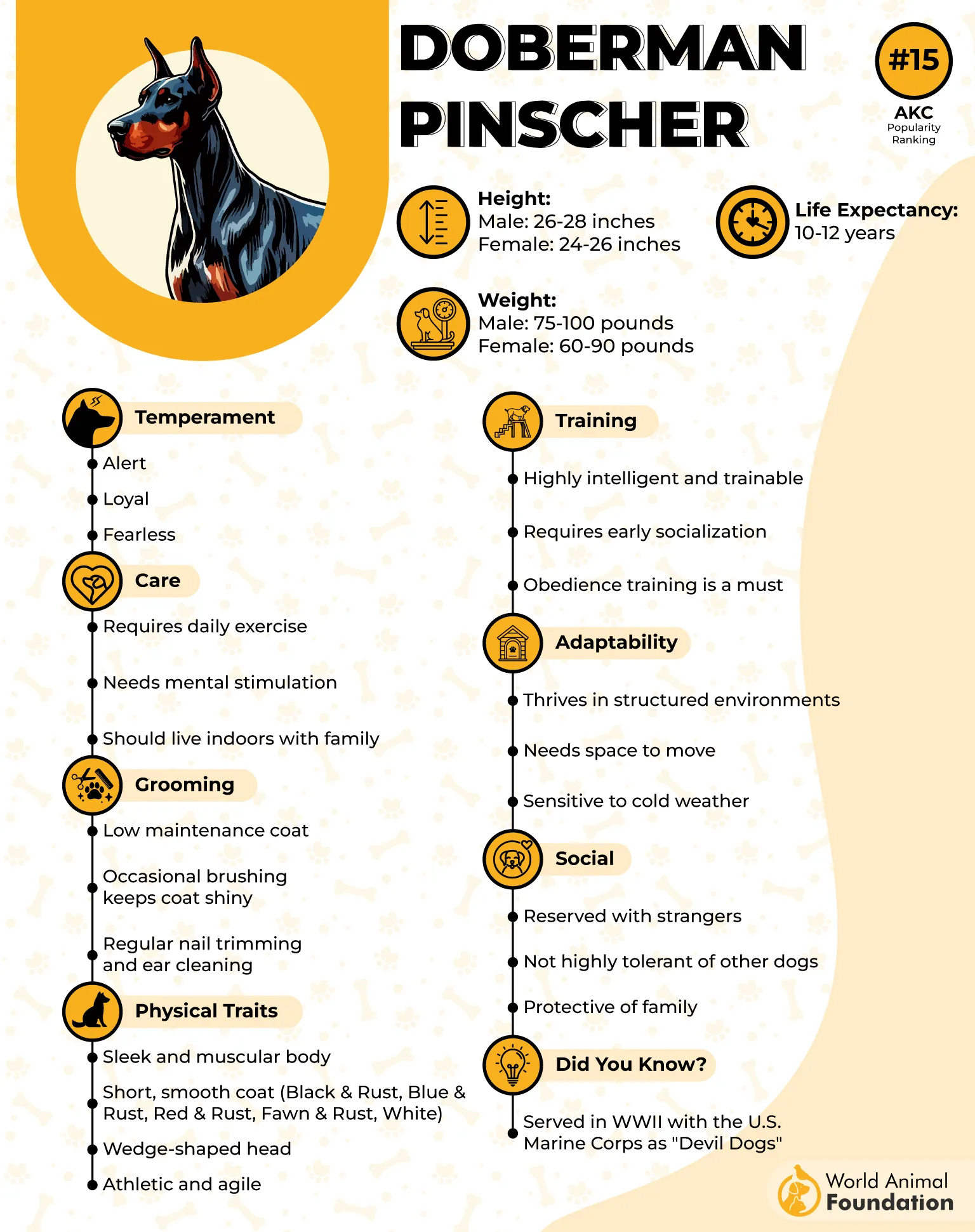
Doberman Pinscher was originally bred in Germany during the late 1800s through the work of tax collector Louis Dobermann, who combined several breeds to create an intelligent and dependable working companion. That history still shapes a breed trusted for demanding work that calls for quick judgment and focus.
Always Alert
This great guard dog is highly intelligent and willing to work, making it a familiar choice for security duties, police work, and search and rescue. Curiosity and intelligence also mean this breed needs meaningful daily activity instead of long periods with nothing to do.
A few details complete the picture:
Created using several working breeds
Early socialization and proper training are especially important
Has a strong prey drive
Watchful at Home
Dobbies forms a close connection with its family, which often leads to caution around unfamiliar people. Young children generally receive patience, although enthusiastic play can accidentally knock over a small child, making supervision an important part of family life.
4. Rottweiler
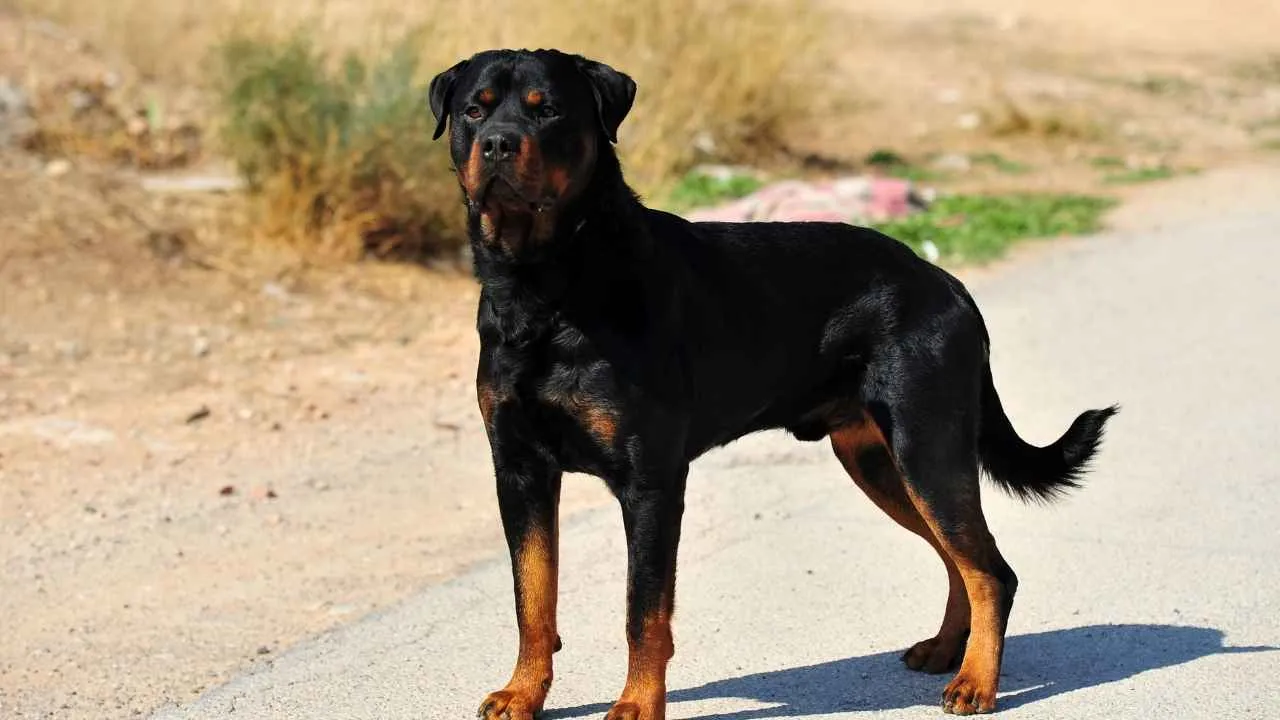
The Rottweiler has a long history in the German town of Rottweil, where it helped move cattle, pulled butchers’ meat carts, and protected valuable goods. After livestock was sold, merchants even tied their money around the dog’s neck to help protect it from thieves during the journey home.
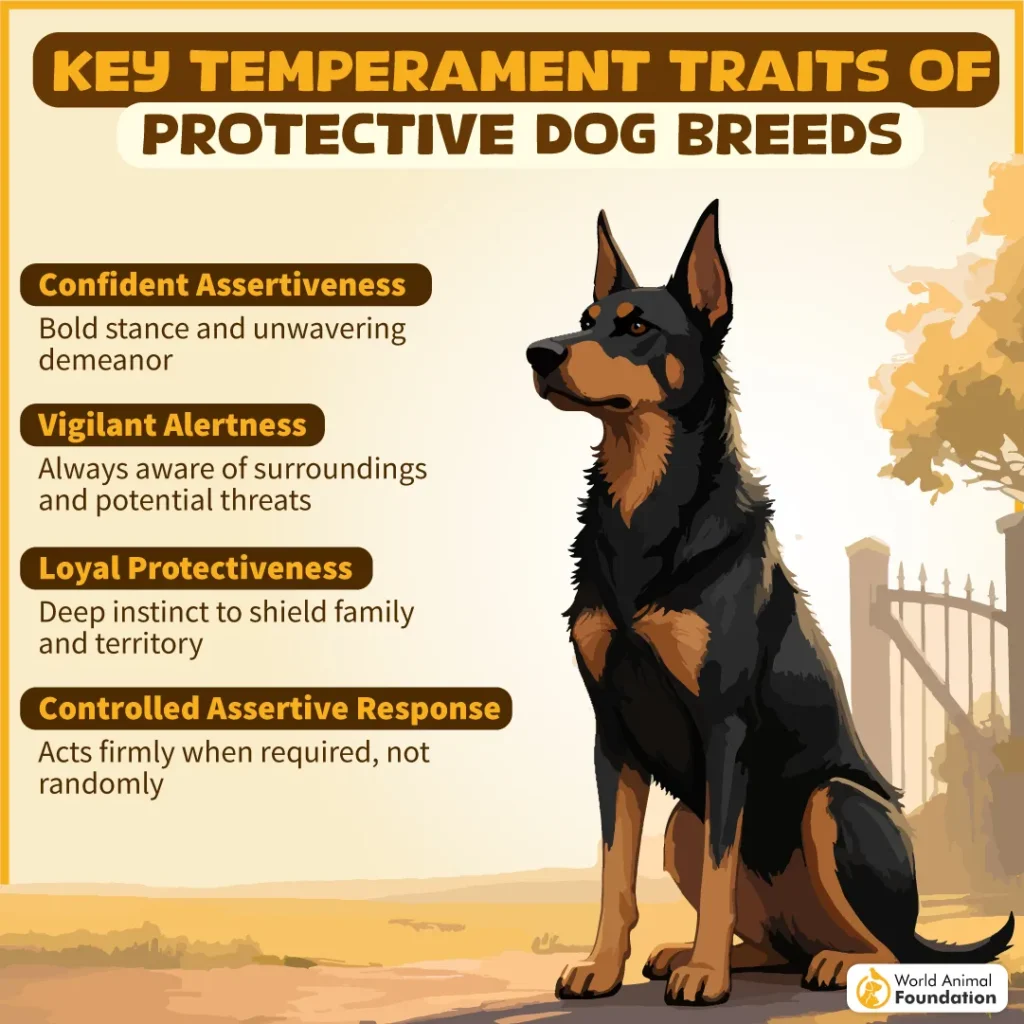
Protective Instinct
A calm temperament allows this breed to assess situations before reacting, while its natural guarding instinct keeps a close watch on the people it values most. Around children, that instinct can even lead it to step between them when disagreements become heated, as per Omlet.
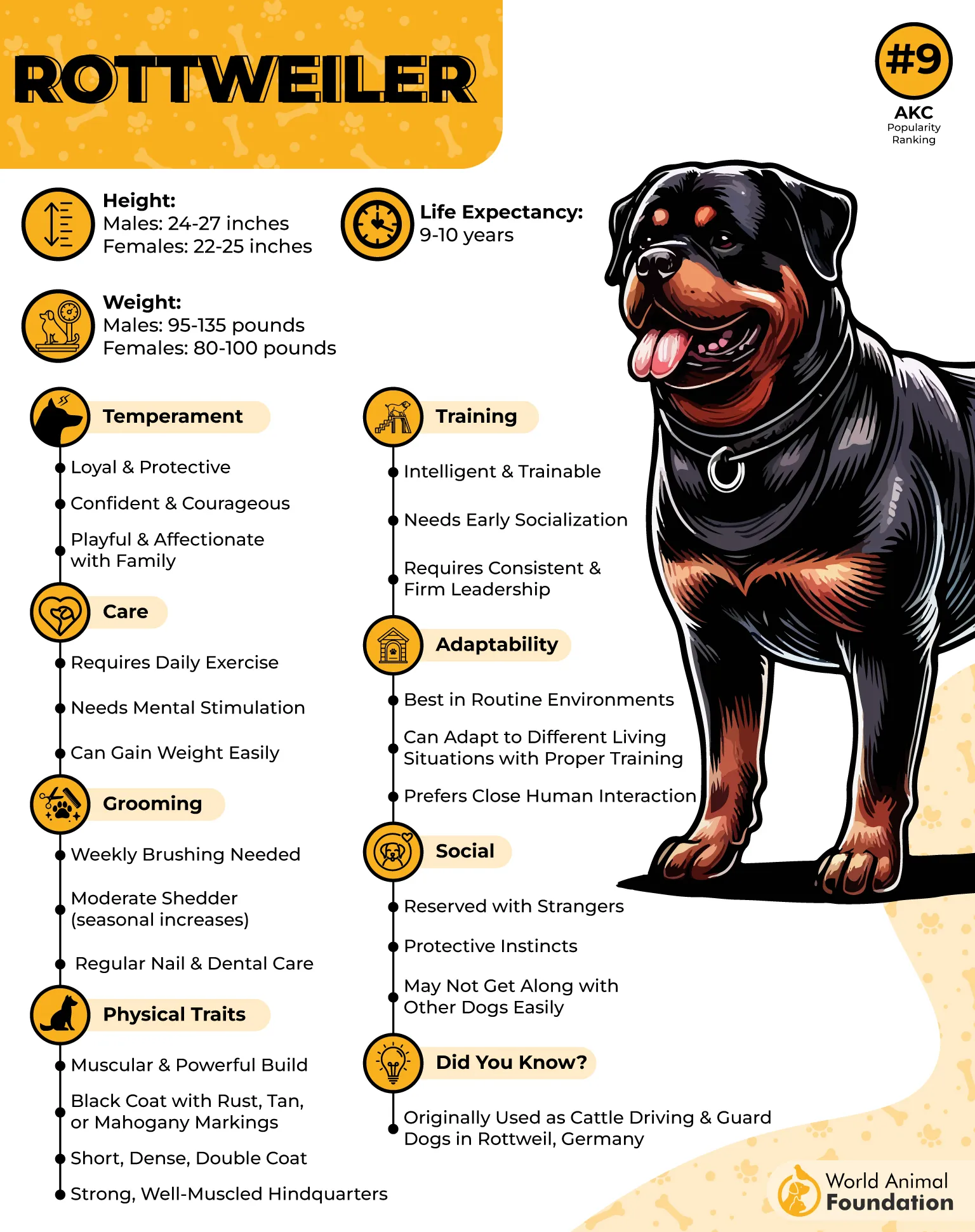
The following facts reveal how this breed was trusted:
Respond best to firm and consistent training
Intelligent but also independent
Faced decline after railways expanded
Thoughtful Around Others
Rottweilers usually observe unfamiliar people from a distance instead of reacting impulsively, giving them time to judge what is happening. Early socialization with different people, places, other dogs, and everyday situations helps shape balanced responses as the dog matures.
5. Belgian Malinois
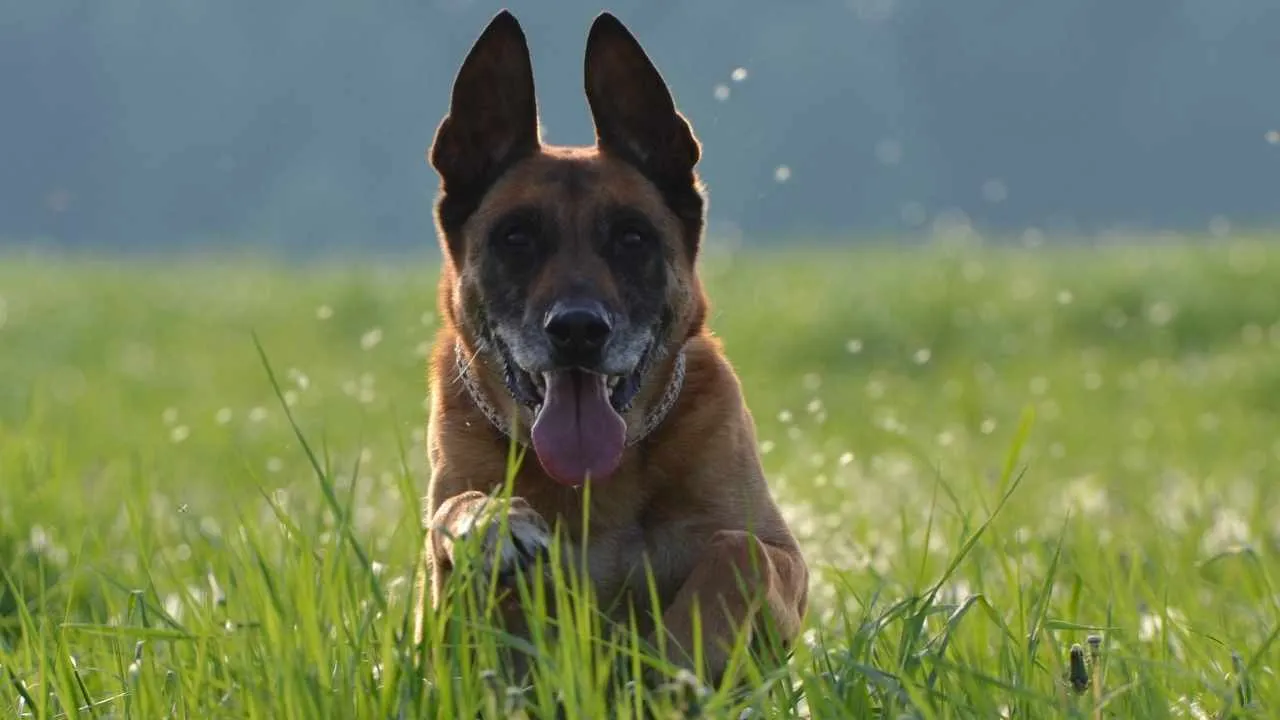
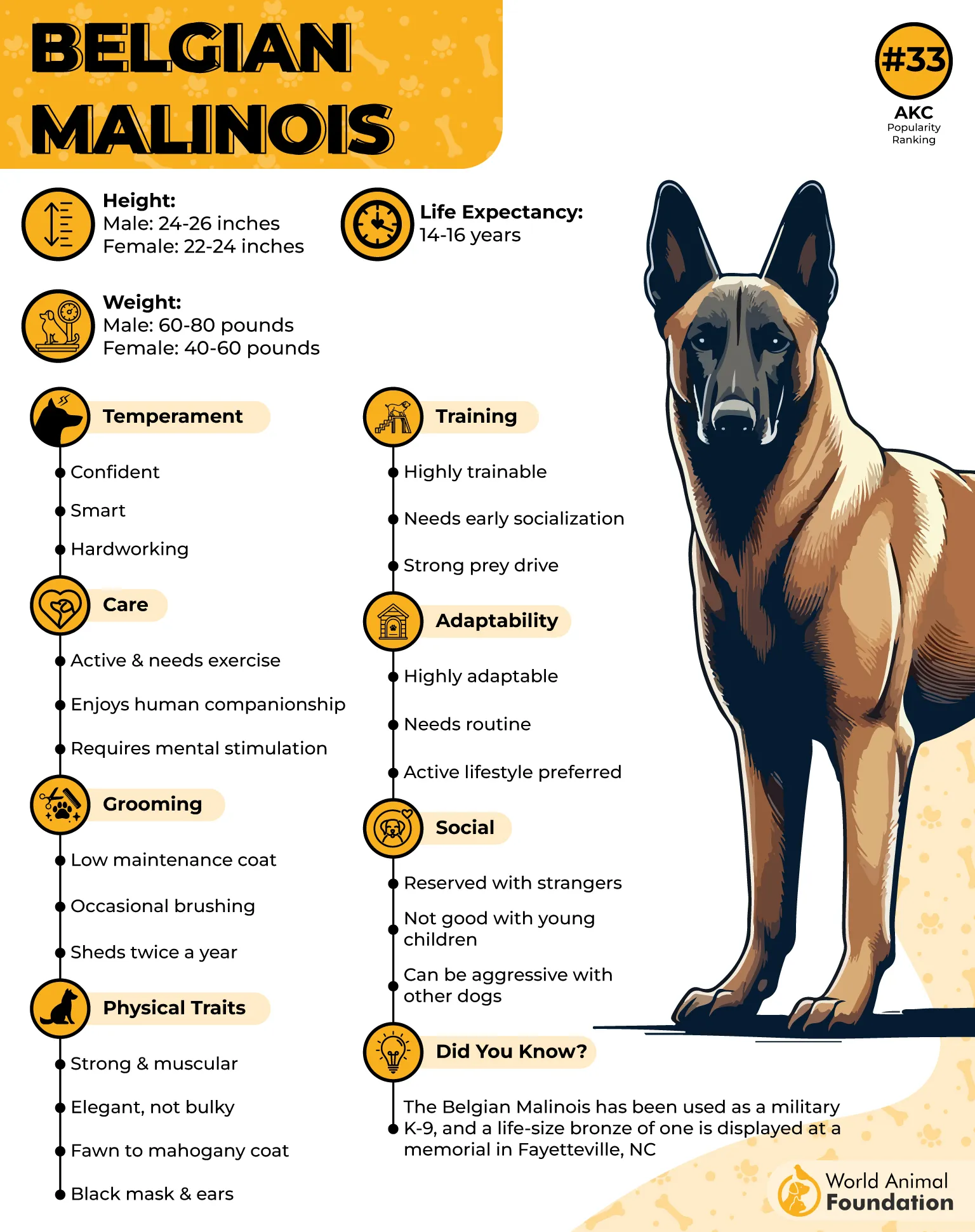
Belgian Malinois first took shape near the Belgian city of Malines, where its sharp mind and willingness to work quickly found practical use beyond herding. That same focus later opened the door to police work, search and rescue, and bomb and drug detection.
Purpose Every Day
This excellent guard dog performs best when each day includes structured tasks instead of simple walks alone. Activities that challenge both thinking and athletic ability help channel their drive into productive routines and meaningful work.
That working lifestyle includes several notable strengths:
Excels in scent tracking
Performs well in agility events
Strong herding instinct
Focused Companion
Belgian Malinois prefers spending time alongside its family instead of entertaining itself for long periods outdoors. Its strong prey drive can also trigger chasing behavior toward cars, animals, or running children, making early socialization and supervised interactions especially important.
6. German Shepherd
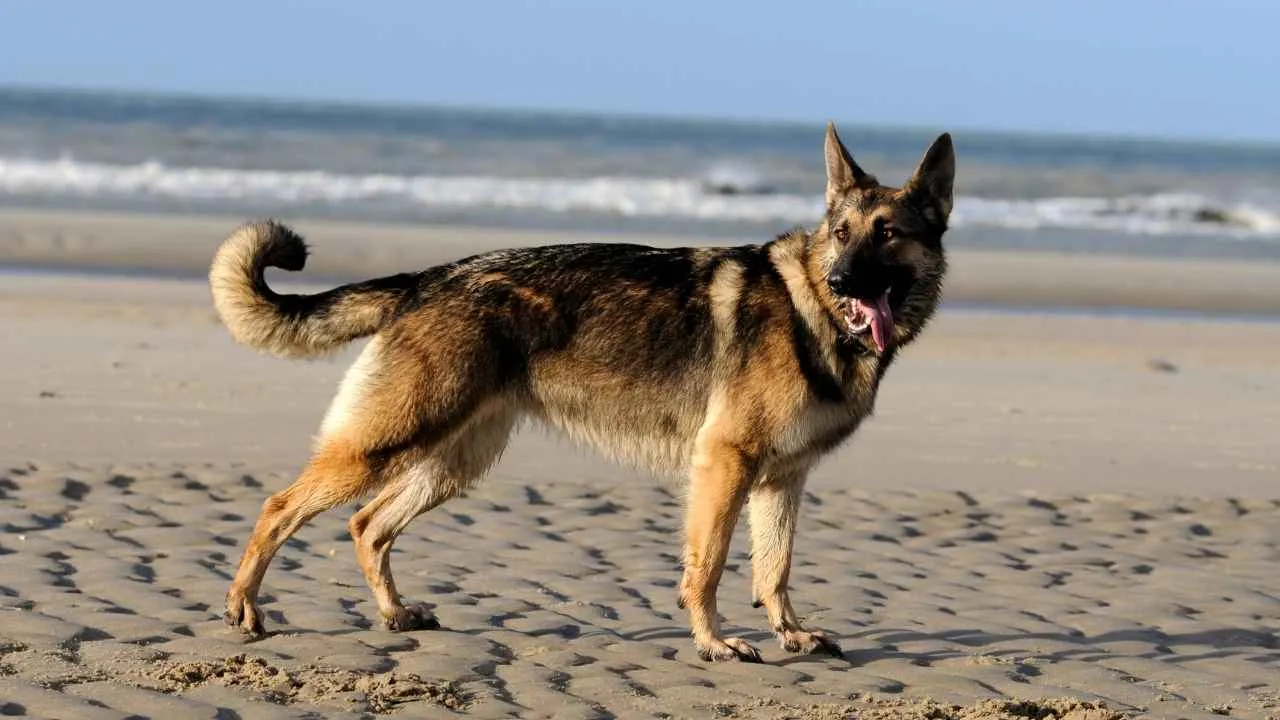
German Shepherds are known for their sharp minds, athletic build, and confident nature, making them a dependable choice for jobs that require skill and reliability. Its herding roots also shaped a dog that responds best when given meaningful tasks and clear direction each day.
Trusted in Demanding Roles
This large dog performs best in homes that can match its energy and commitment to learning through regular training and activity. That same dependability explains why this breed is frequently selected for specialized working roles requiring focus and discipline.
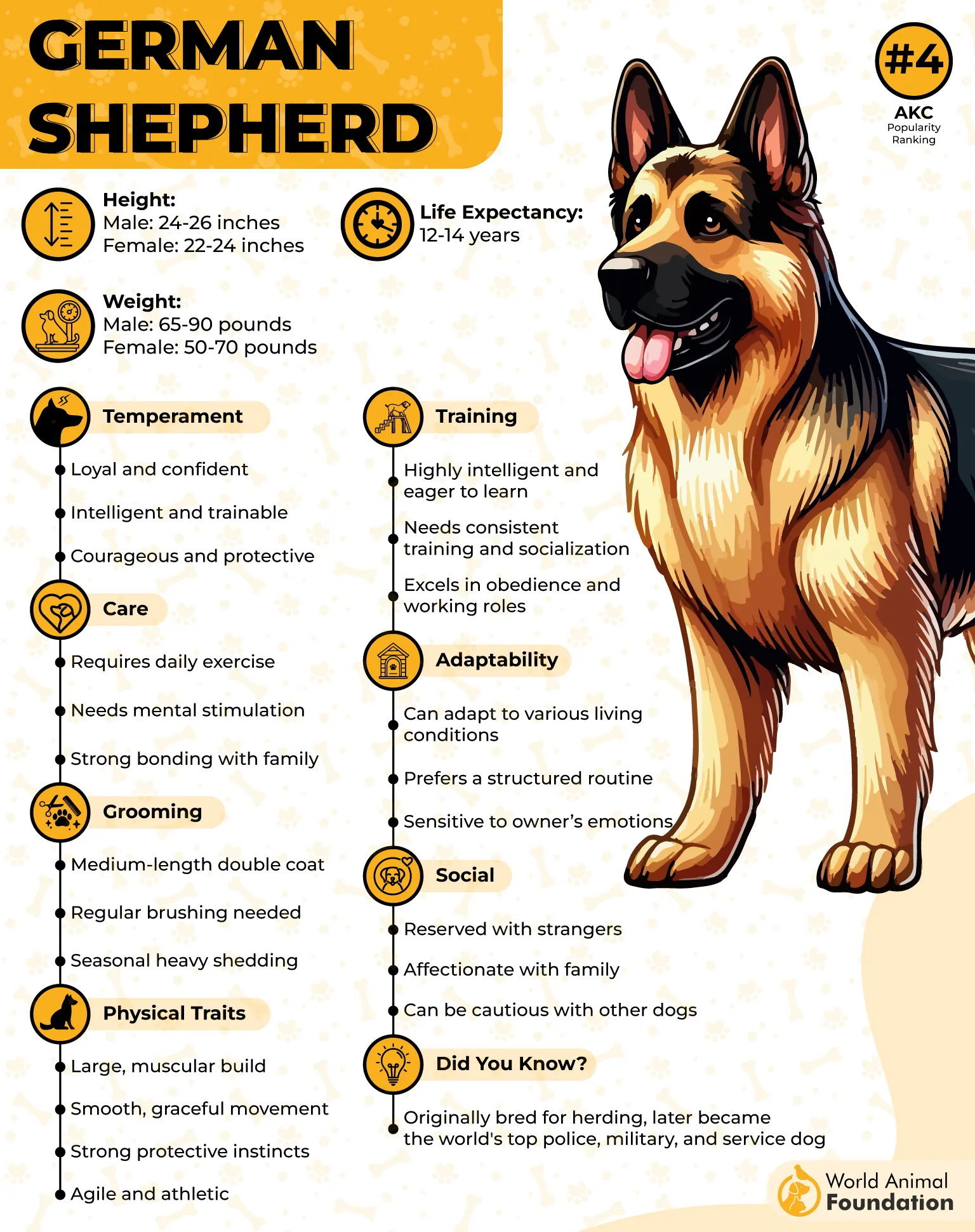
A closer look explains that reputation:
Police patrol duties
Bomb detection work
Search and rescue operations
Training Starts Early
German Shepherd puppies benefit greatly from early socialization combined with consistent guidance as they mature. One to two hours of daily exercise, along with structured activities, helps channel energy into productive habits instead of unwanted behaviors caused by frustration.
7. Cane Corso
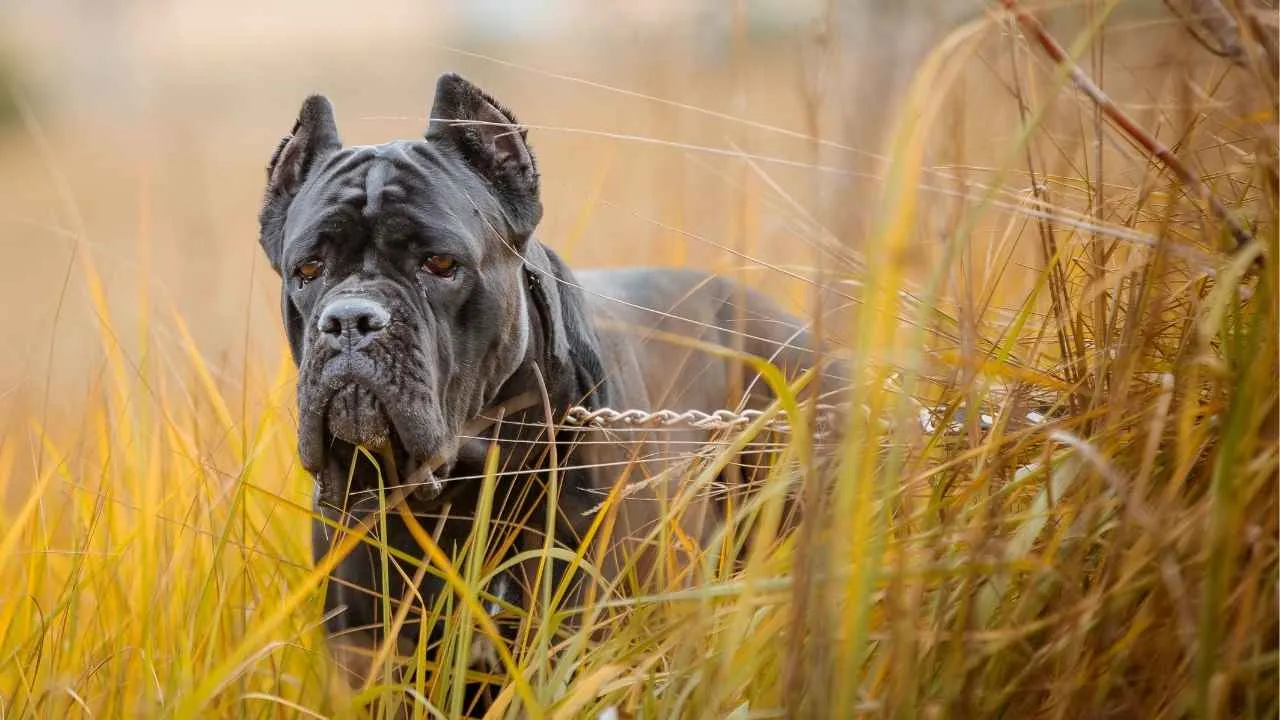
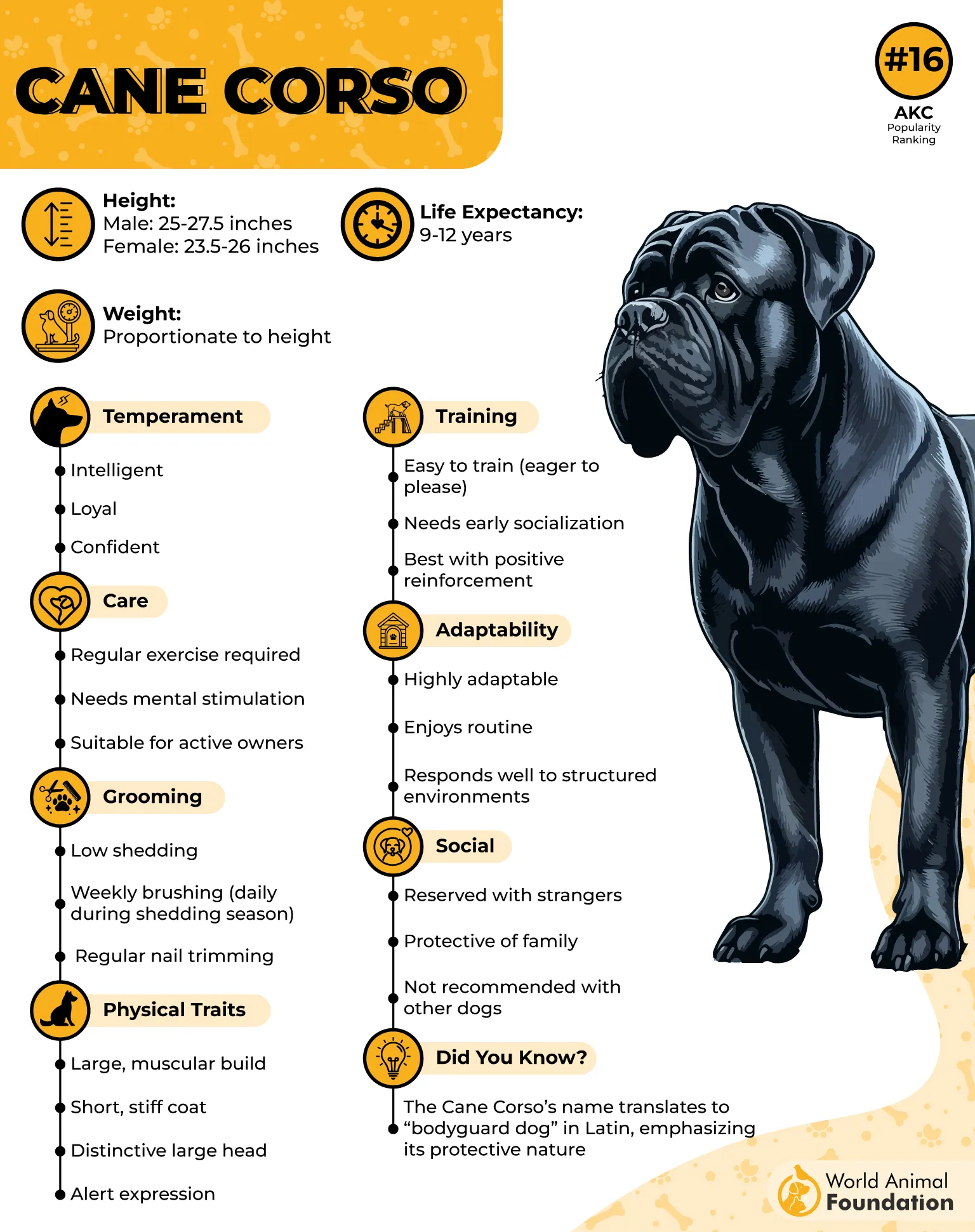
Cane Corso takes its name from the Latin phrase meaning “guard dog of the courtyard,” reflecting a role that stretches back to ancient Greece and Rome. This Italian Mastiff combines an imposing frame with a thoughtful nature, often reaching over 100 pounds and up to 28 inches at the shoulder.
Built for Responsibility
This protection dog handled a wide range of demanding jobs, including guarding property, assisting on farms, and serving alongside soldiers. That working heritage explains why this breed responds best when given clear direction and consistent guidance from an early age.
A few details add another layer to its character:
Popular in the United States since the 1980s
Large, expressive head and muscular frame
Prefers resting in the same room as its family throughout the day
Calm and Observant
Cane Corso pays close attention to everything happening nearby and usually responds with quiet confidence instead of unnecessary noise. Early socialization using positive reinforcement helps this breed accept unfamiliar people, animals, and situations with greater confidence as it matures.
Conclusion
Feeling safe at home often begins with choosing one of the best guard dog breeds, whose natural protective instincts are matched by a steady temperament and a genuine connection with its family. A protective nature becomes most valuable when it is supported by patience, proper guidance, and everyday trust instead of fear or unnecessary aggression.
Taking time to understand each breed’s personality leads to better decisions for dog owners and happier homes for everyone involved. When that choice is made thoughtfully, the result is far more than a reliable guardian. It is one of the smartest breeds to share family memories while quietly providing reassurance through loyalty, awareness, and dependable character every day.
