




You do not need a dog that demands four hours of grooming and two emotional support sessions just to feel appreciated. Some dogs are wired differently, naturally protective, surprisingly chill, and absolutely not here for your drama. They will bark at strangers but fall asleep on your couch five minutes later as if nothing happened.
A great family pet is one that acclimates to your lifestyle, and apart from entertaining and accompanying you on hikes, it also protects you from life-threatening situations.
According to the American Pet Product Association, over 86.9 million U.S households own a dog, and a growing number want real protection without the high maintenance headache. If that sounds like you, buckle up. These seven breeds are the real deal.
Ultimate Guard Dog Breeds for Low‑Maintenance Protection
1. Bullmastiff
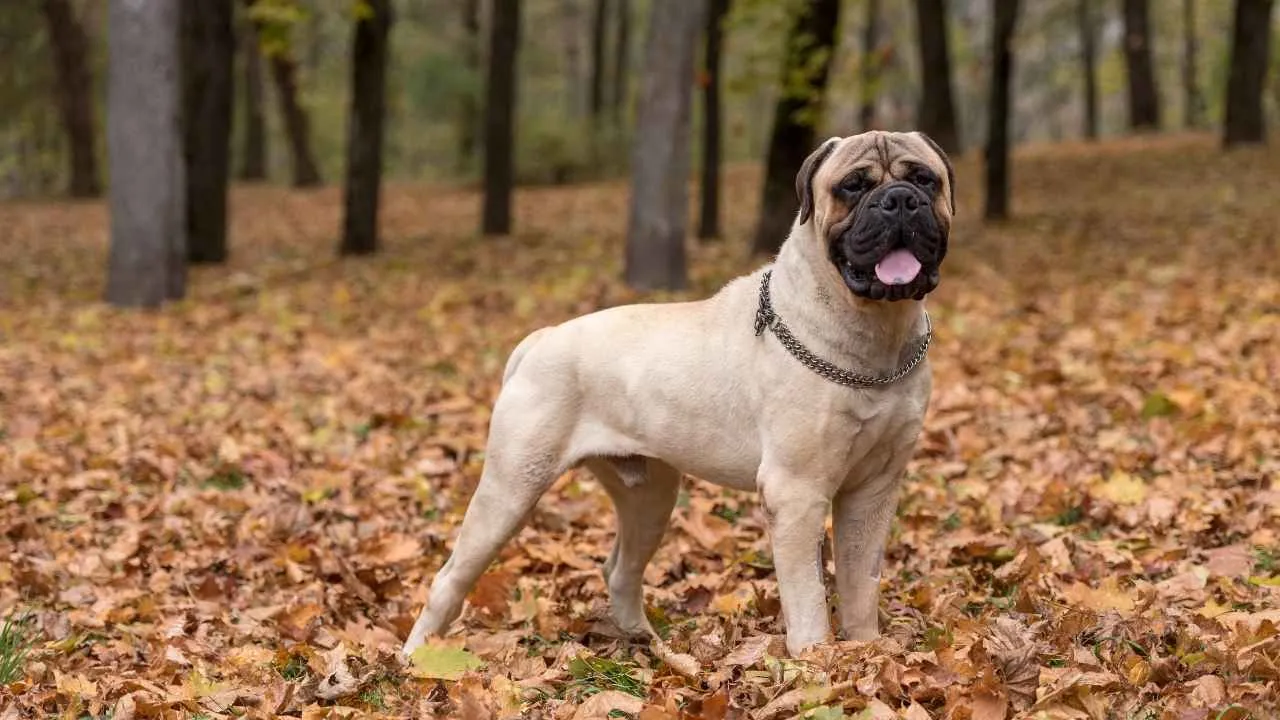
Originally bred in the 1800s to catch poachers, the Bullmastiff is a cross of a Bulldog (40%) and a Mastiff (60%). Since poaching used to be a grave crime back then, the breed was created to assist gamekeepers, especially at night, to pin and hold poachers; thus, it is named the “Gamekeeper’s Night Dog,” according to Purina UK.
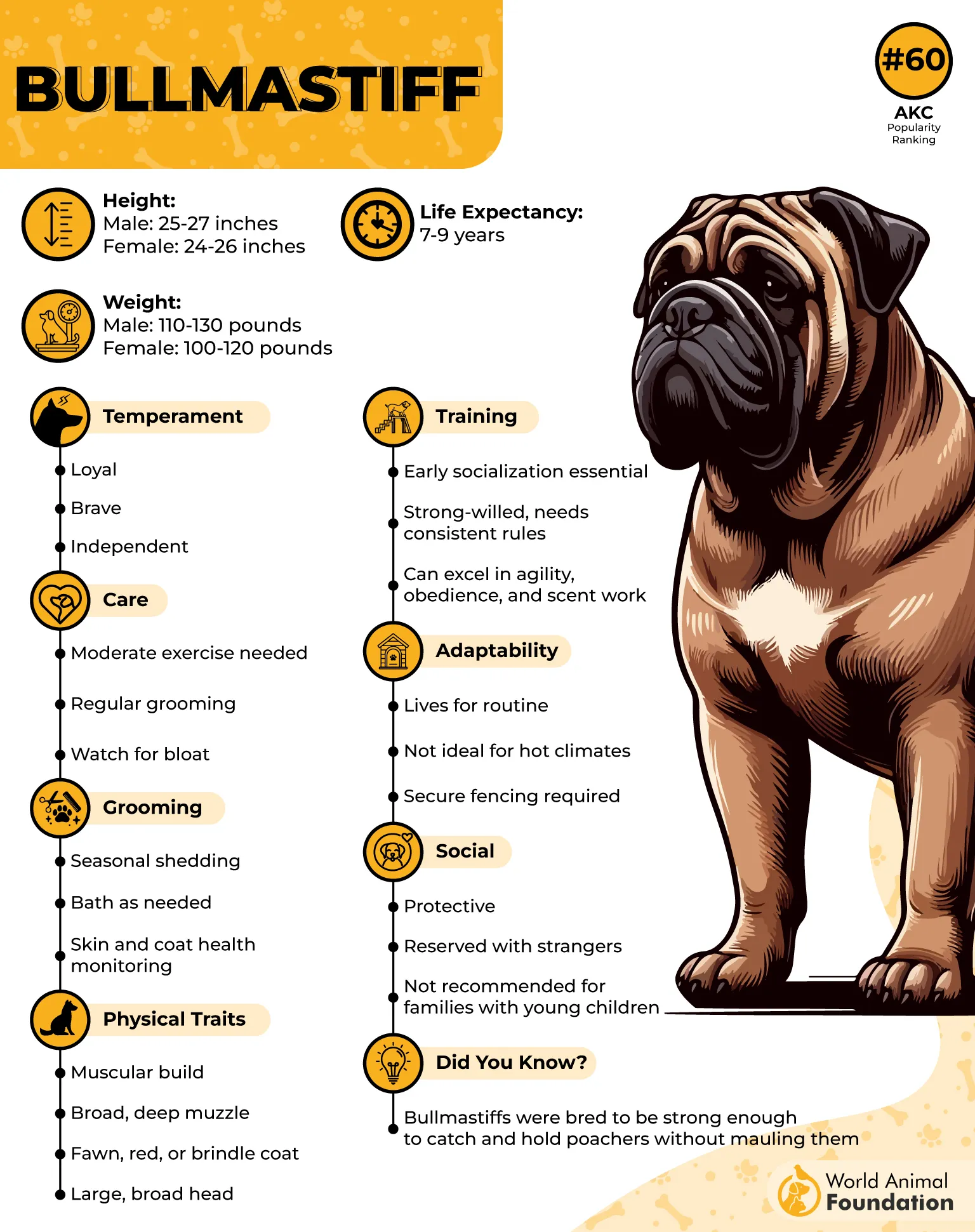
The breed is built for power, speed (25-30 mph), and strength. This excellent guard dog weighs around 100-130 pounds and stands 24-27 inches tall, creating an intimidating impression upon strangers. It has a short and dense coat with minimal grooming needs: brush twice weekly with a grooming glove or a rubber brush to remove dead hair, and bathe after every 6-8 weeks to manage dog odor
It quietly tracks the prey without barking and catches it from behind. It then pins and holds it to the ground, often sitting on their chest, putting pressure against their bodies to prevent movement. Then it keeps on barking till the owner comes and takes charge. This incredibly loyal companion has moderate exercise needs (30-60 minutes a day): brisk walks, jogging, tug-of-war, etc.
2. Rhodesian Ridgeback
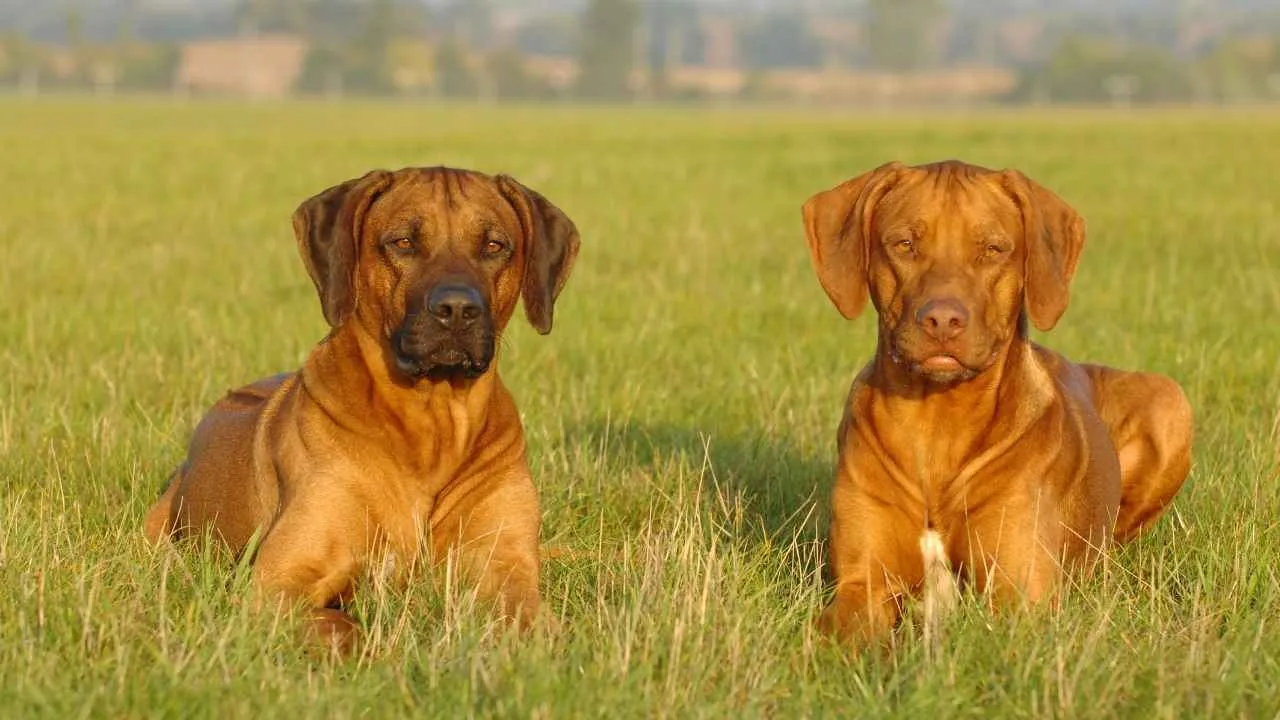
The European settlers brought their local guard dogs in the 17th century when they came to southern Africa. These dogs were a mix of the Great Dane, Mastiff, and scent hounds. Later, these settlers realized that the local African dogs were more suited to the African climate and were resistant to tropical diseases. Hence, crossing of these two dogs resulted in the birth of the Rhodesian Ridgeback.
It weighs around 70-85 pounds. It has a cat-like temperament and tends to self-clean, think independently, and remain calm. Early training and proper socialization are required with positive reinforcement to avoid stubbornness and destructive behavior.
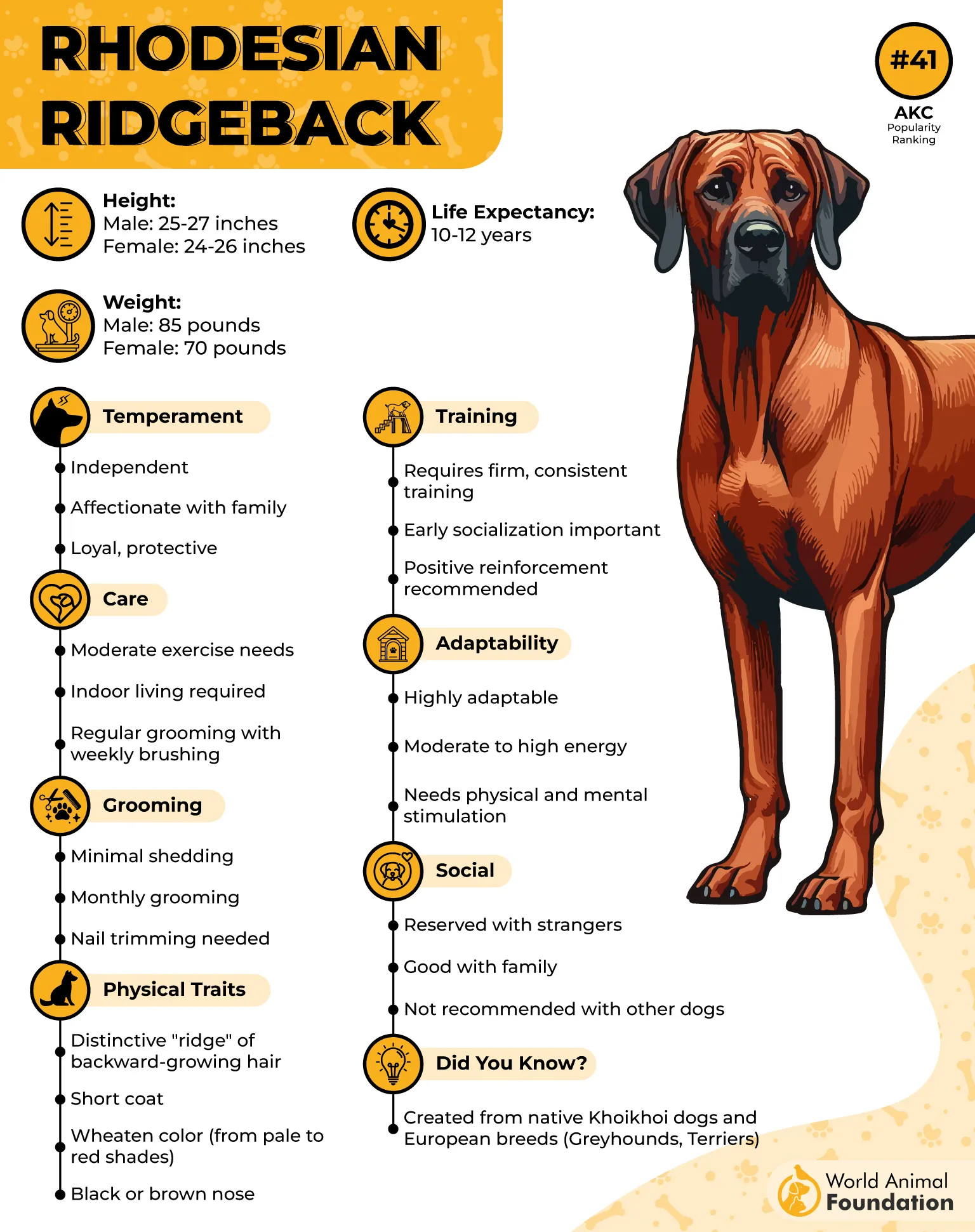
It has a glossy and sleek coat that comes in various shades of wheat color. This guardian breed has low shedding, and weekly brushing is enough.
This muscular dog selects a high position to sit on and scans the surroundings. It often patrols the perimeter to check for any suspicious activity. Once the threat is detected, it produces low barks to alert the owner and deter intruders. If that does not work, it corners and holds the prey without biting and keeps on barking till the owner arrives.
3. Rottweiler
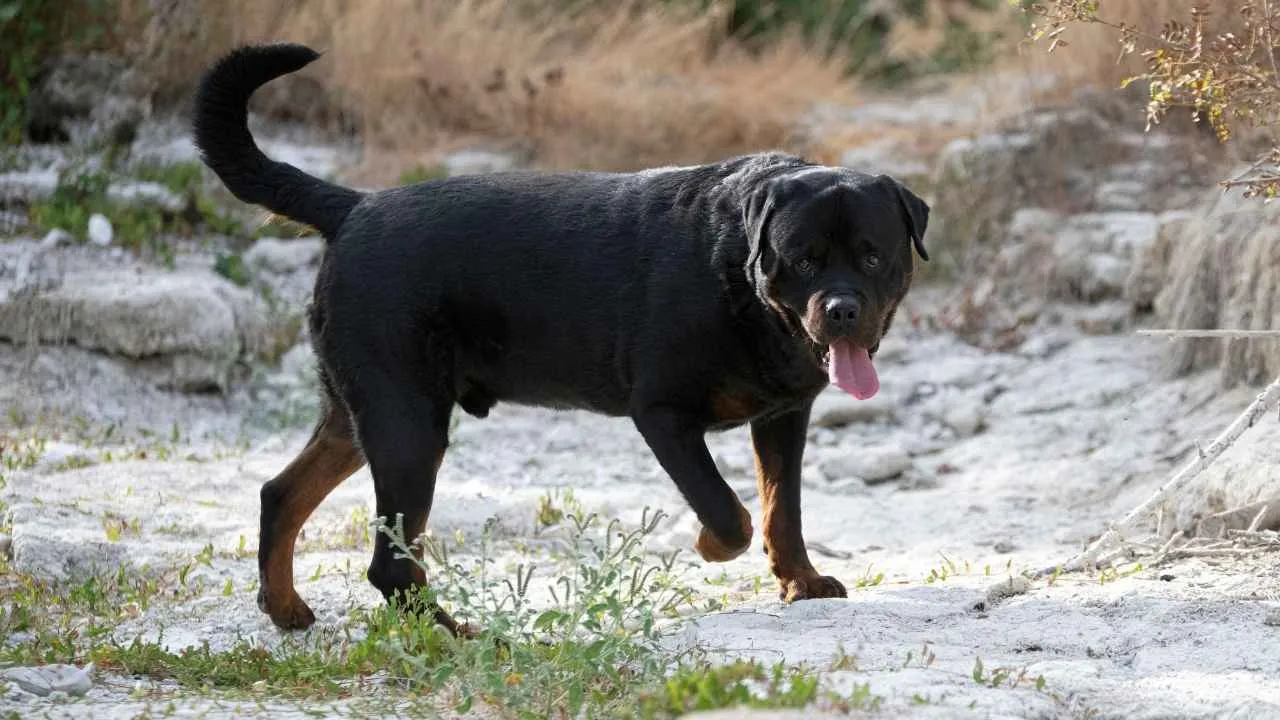
There are three types of Rottweiler: American, German, and Roman. The German breed is calmer and has a broad chest. The Roman breed is larger with loose skin and heavier bone structure, with the most health problems among all breeds. The American breed has a mild temperament and a lean frame. However, the German breed is known to be more protective, according to Pooch & Mutt.
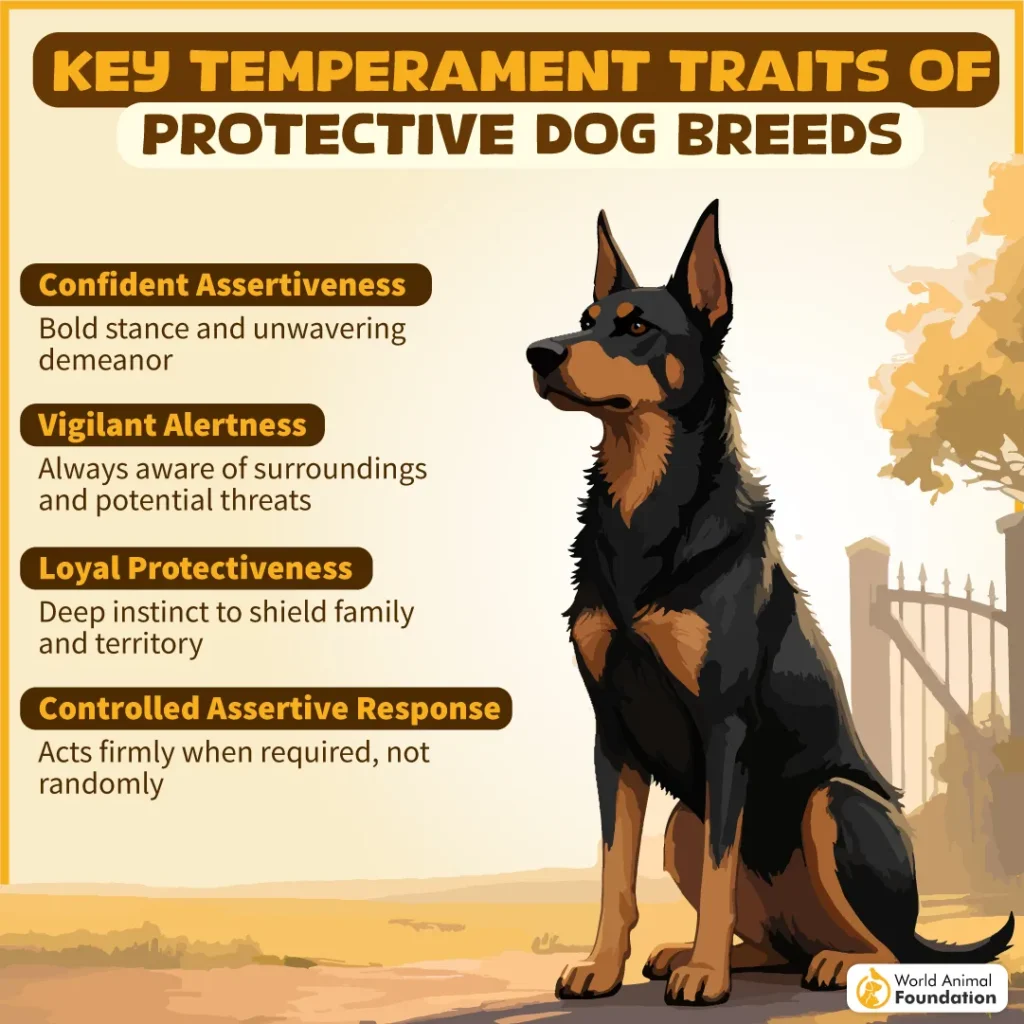
This highly trainable dog is extremely intelligent and learns complex tasks easily. With the bite force of 328 PSI, it can easily break one’s bones.
This flock guardian has a double coat: the medium-length outer coat and an undercoat (dense on the neck and thigh regions). The coat moderately sheds and needs weekly brushing in the normal season, while daily brushing during spring and summer.
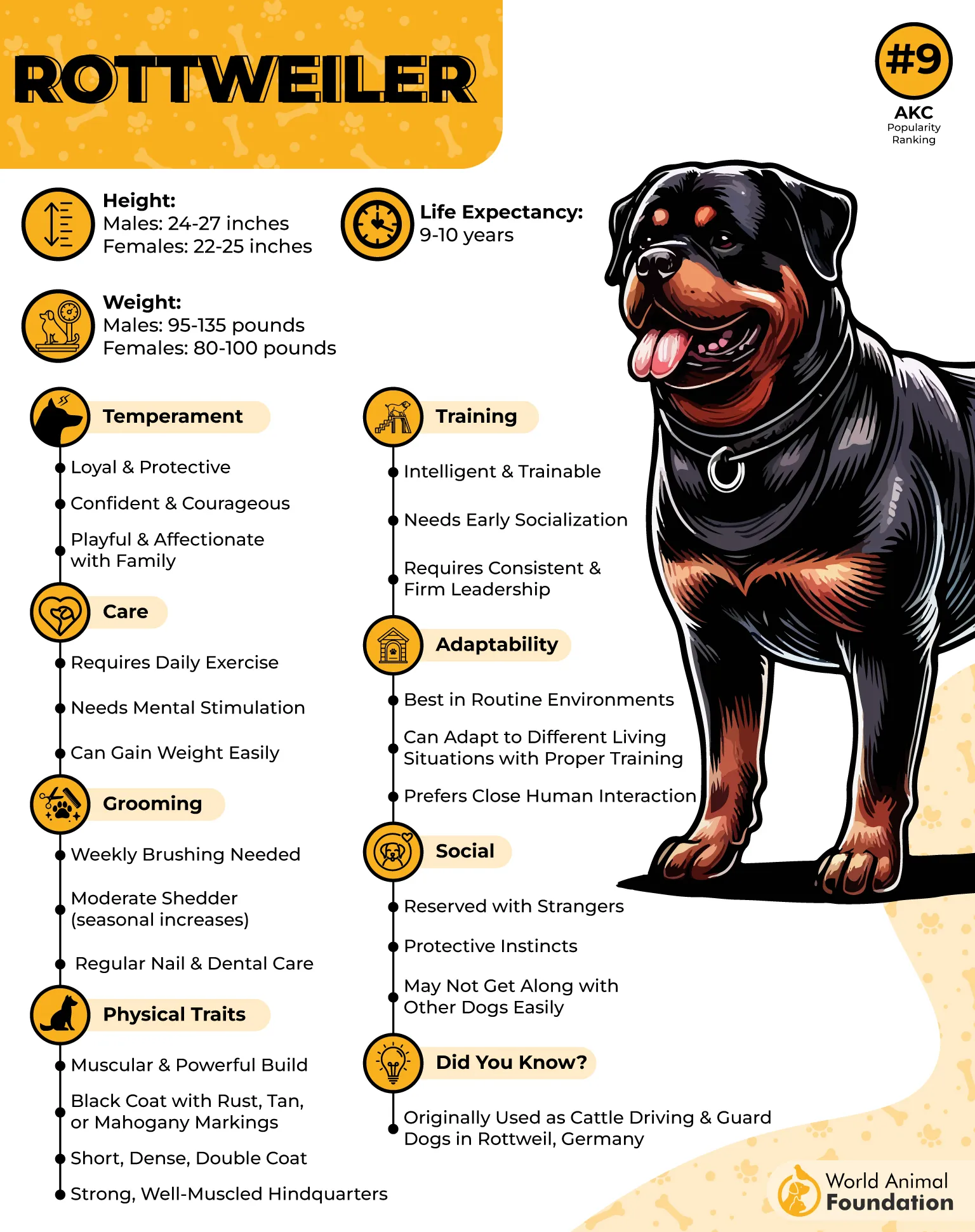
The breed usually shows non-aggressive behavior around small children and family members. It constantly patrols the territory. Since it is naturally wary of strangers, it alerts the owners whenever it senses a threat.
Once it is sure of an intruder, it uses its massive weight (80-135 pounds) to cut off the intruder’s path. It targets the source of attack: the weapon-holding arm, and will bark as a final source of protection.
4. Doberman Pinscher
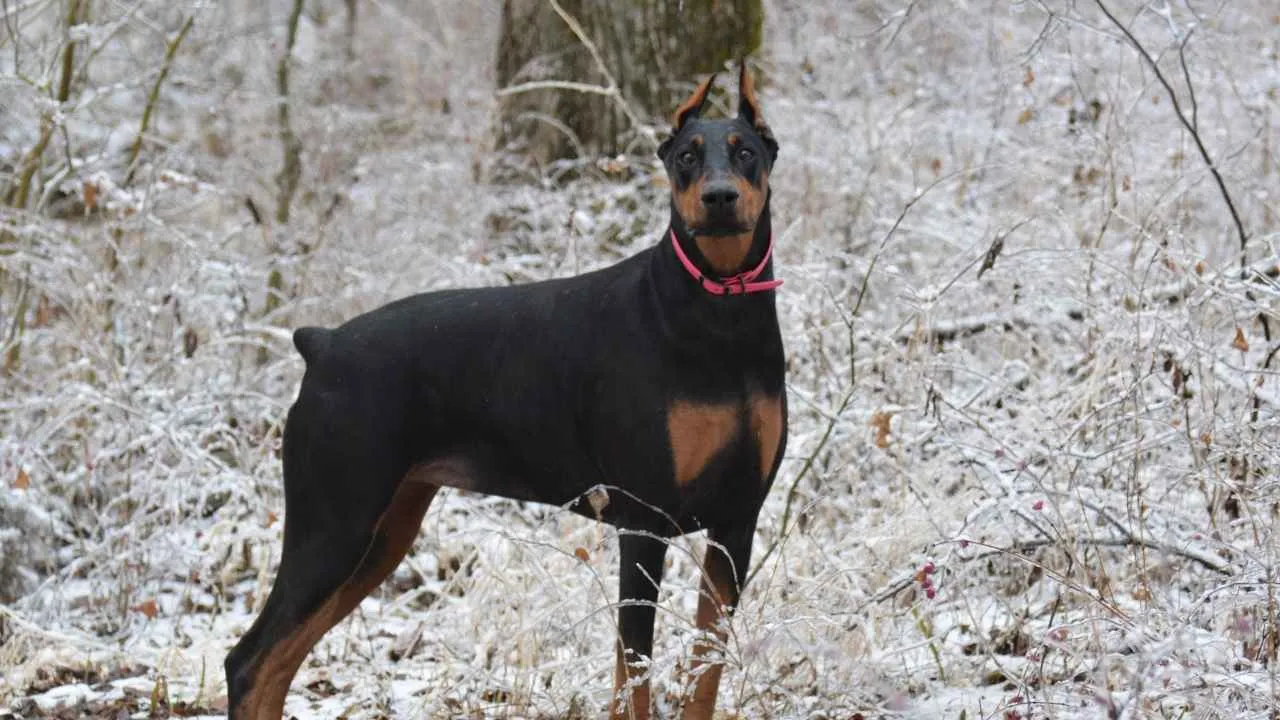
The breed originated in Germany in the 19th century by a tax collector, Louis Dobermann, as a protection dog. Its high energy, speed, and stamina led it to work in police work, military departments, and also in World War I. Being an emotionally intelligent breed, it is also used as a therapy and service dog, according to Wikipedia.
It makes a deep bond with one person and has an instinct to protect that one person; thus, it is a right guard dog for single women living alone. It runs with a speed of 35-40 mph and catches intruders from behind.
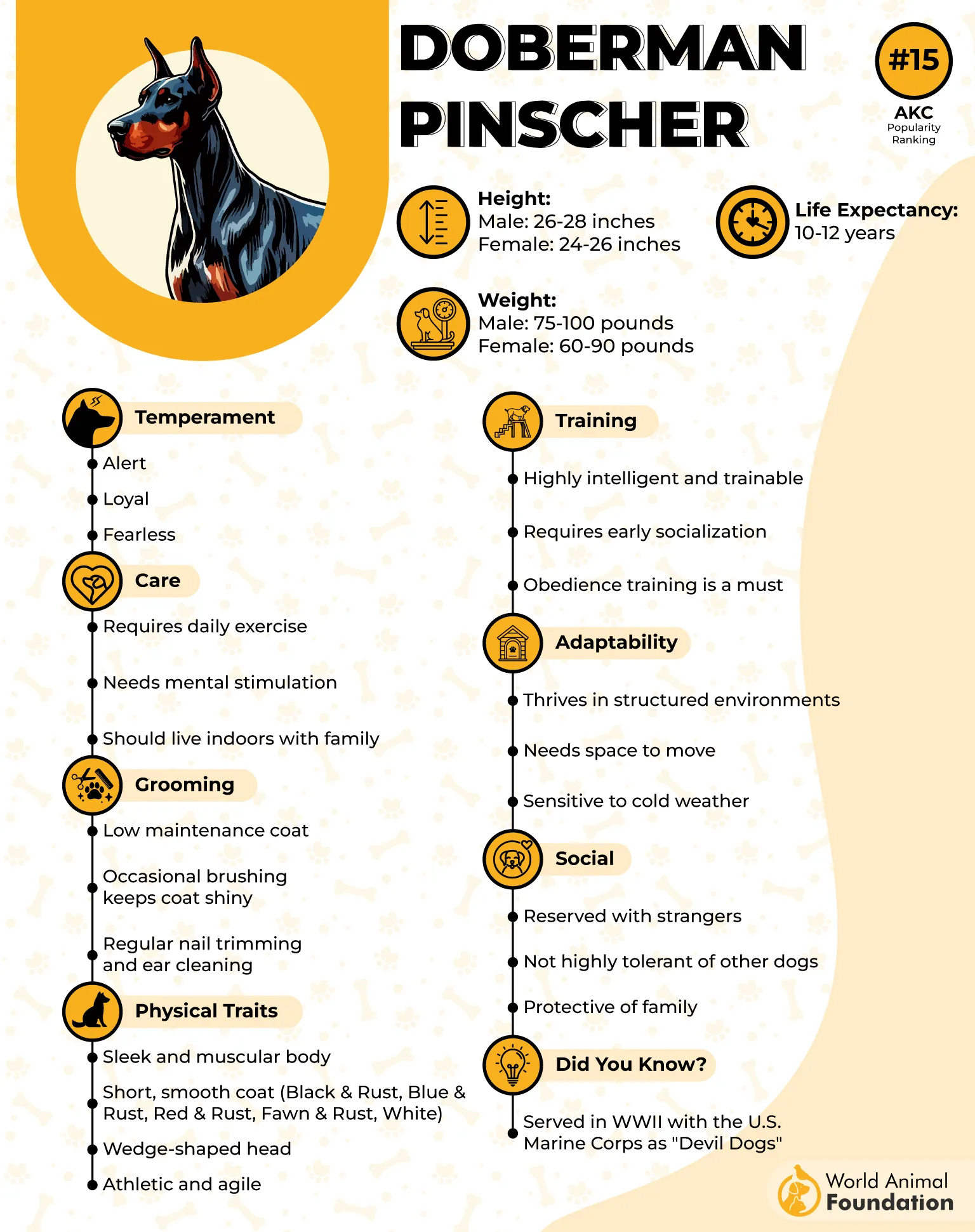
It has a short, smooth, and thick coat that comes in fawn, blue, black, or red colors, and has rust-colored markings on the tail, face, and body.
It uses its rear molars for maximum leverage with a bite force of 308 PSI. It is the fifth most intelligent breed, making it a quick learner in command learning and obedience training. Male breeds are more territorial and larger, while the female breeds are faster and more aggressive towards strangers.
5. Cane Corso
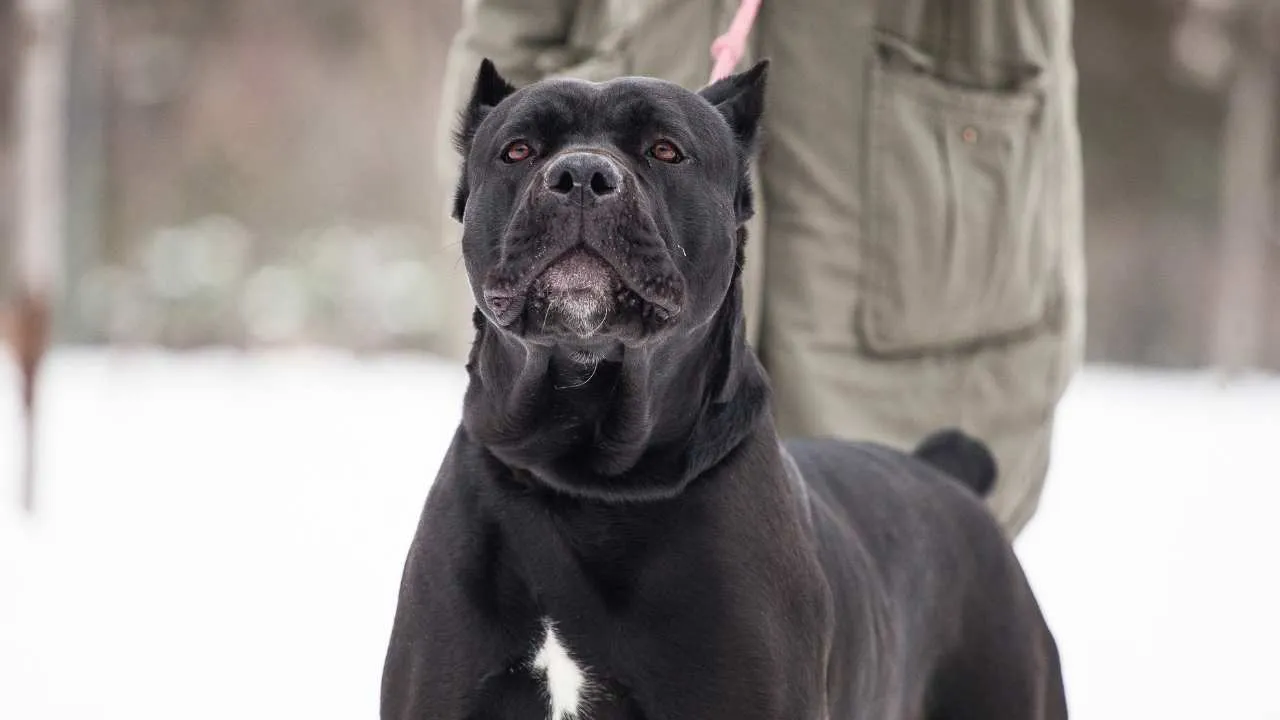
Originally bred in Italy, the Cane Corso was used to protect livestock and is also kept as a companion dog. It also served the role of a herding and a hunting dog. This affectionate and one of the smartest breeds has expressive faces, a large head, and a muscular build, a perfect balance of beauty and strength.
The name literally means “bodyguard dog.” It is velcro in nature and can develop separation anxiety if left alone for too long. The breed has a high pain tolerance, a strong bite force (700 PSI), and high intensity to deter intruders (90-120 pounds).
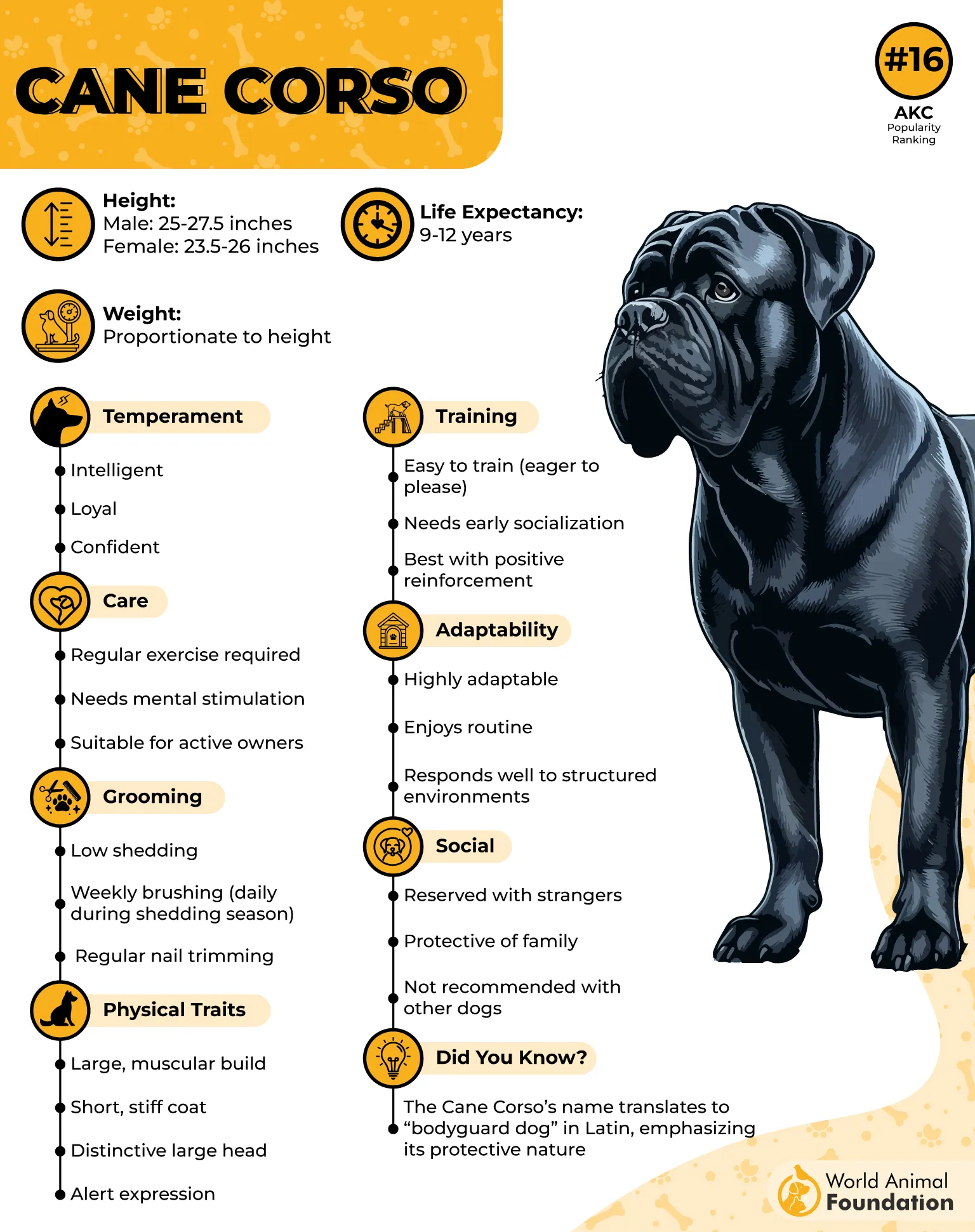
It has a short, double coat that comes in fawn, red, gray, and various shades of brindle. Brush the breed with a grooming mitt, rubber curry brush, and hound glove to distribute natural oils and remove dead hair.
This independent thinker needs 1-2 hours of regular exercise to prevent boredom and destructive behavior. It can detect an upcoming threat before it even happens. This large dog produces a dry bark to alert dog owners. It forms an alert body posture, appears large, and takes a stiff-legged stance to look intimidating. It uses its massive weight to knock a person down, shove, or overpower them.
6. Boerboel
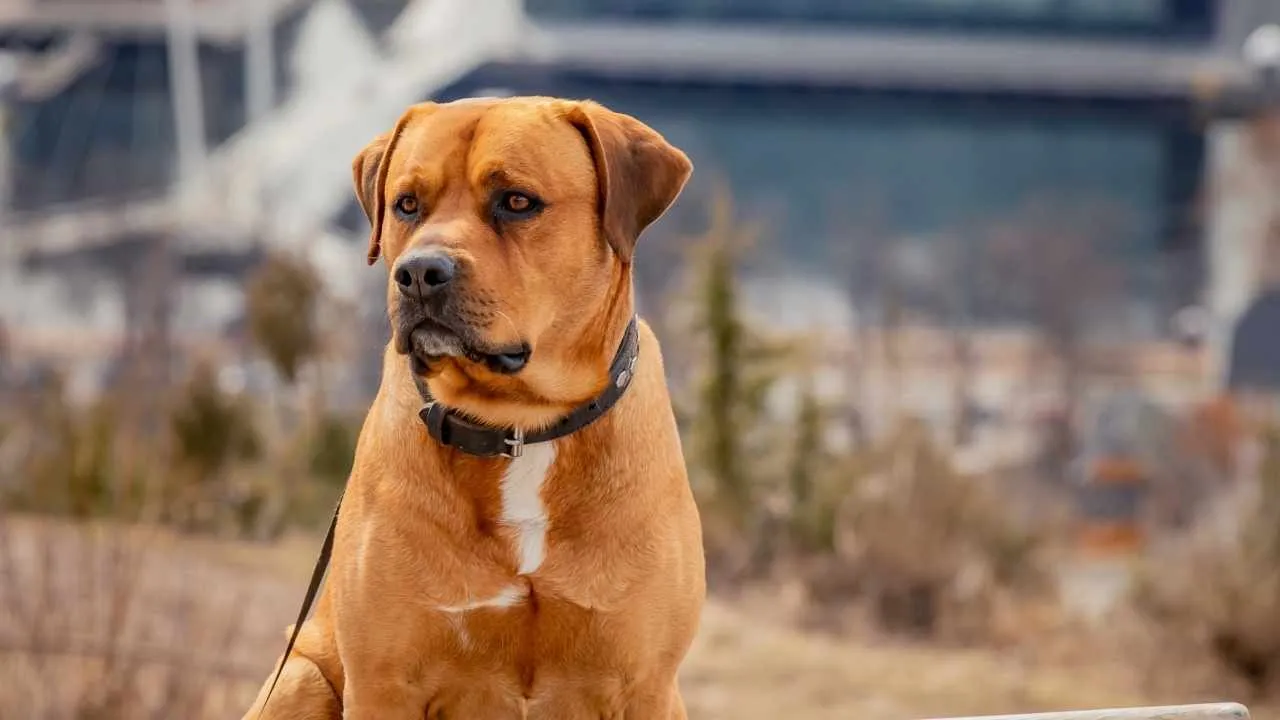
The only breed developed in South Africa to guard livestock and homes. The breed’s name comes from a Dutch word, “boer,” which means ‘farmer.’ This loving family pet looks fine when brushed weekly with a soft bristle brush or a rubber grooming tool. This practice promotes hair growth and keeps the coat healthy by equally distributing natural oils throughout the body.
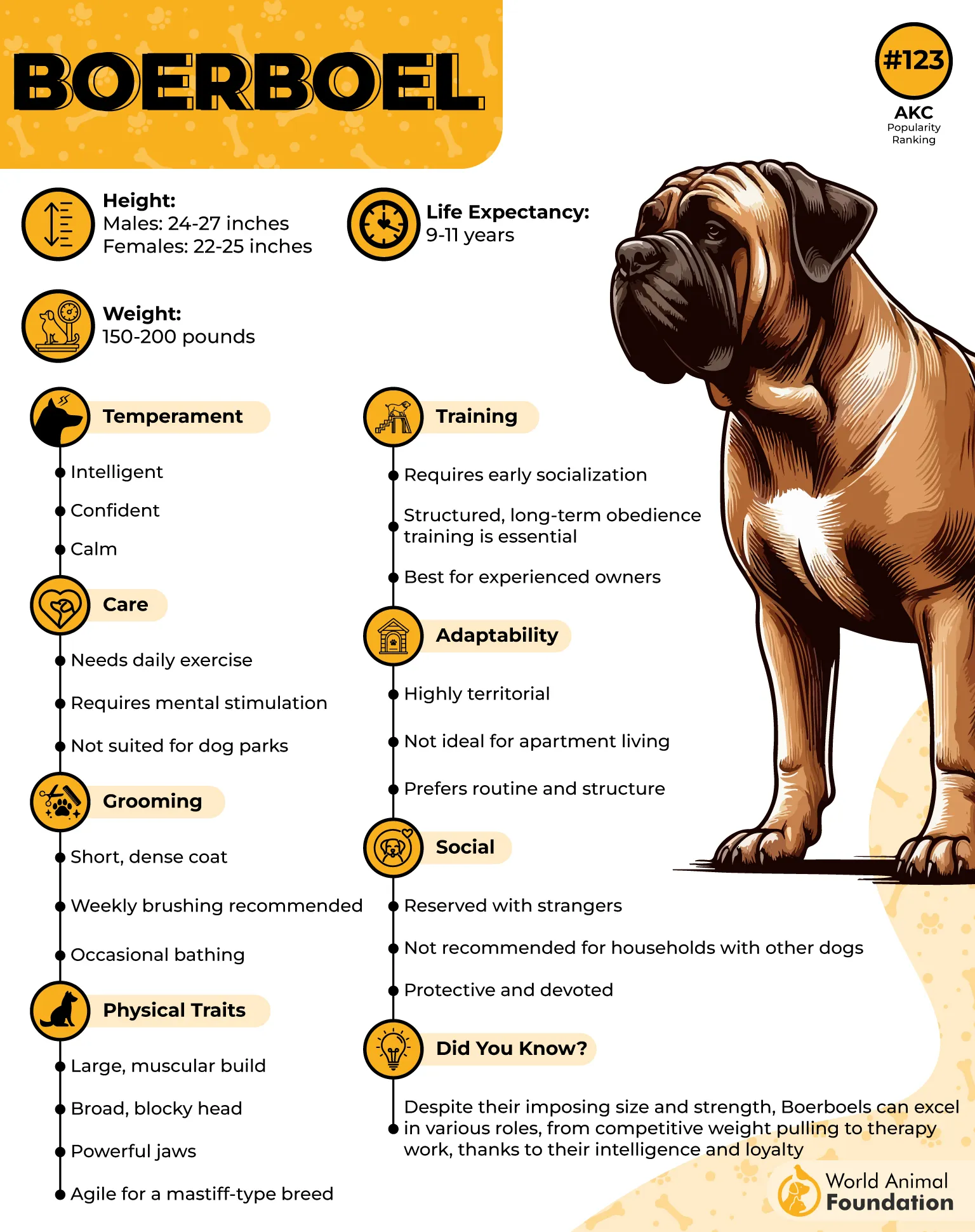
Weighing around 143-200 pounds, the Boerboel has the highest bite force (450-800 PSI). This right dog has a protective nature, making it a natural alert and protection dog. It has the minimal error ratio because of its observant nature and high intelligence. It is a low-energy guard dog and turns on the protective mode as soon as it detects a threat.
It produces low growls to show its presence and may chase or pin the intruder to the ground. It keeps on holding them till the owner arrives, providing effective protection. It is a highly active breed and needs daily 1.5-2 hours of mental stimulation and physical boost: weight pulling, hiking, jogging, and task-oriented activities, etc.
7. Great Dane
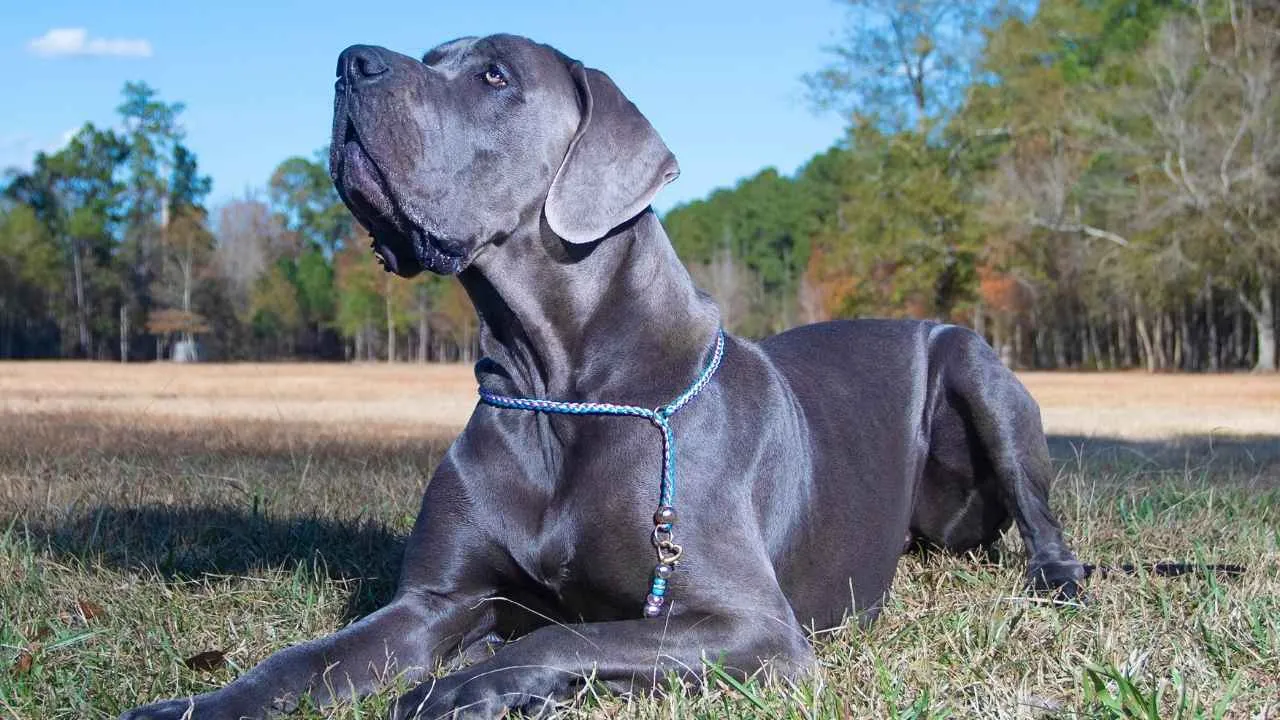
Originating in Germany, the Great Dane is a breed of large mastiff-sight hound. Its primary goal was to hunt wild boars, bears, and deer. The tallest dog to ever exist was a Great Dane named Zeus (standing 44 inches tall). This protective dog breed sees its family as a “pack” and tends to guide and protect them in case of safety risks.
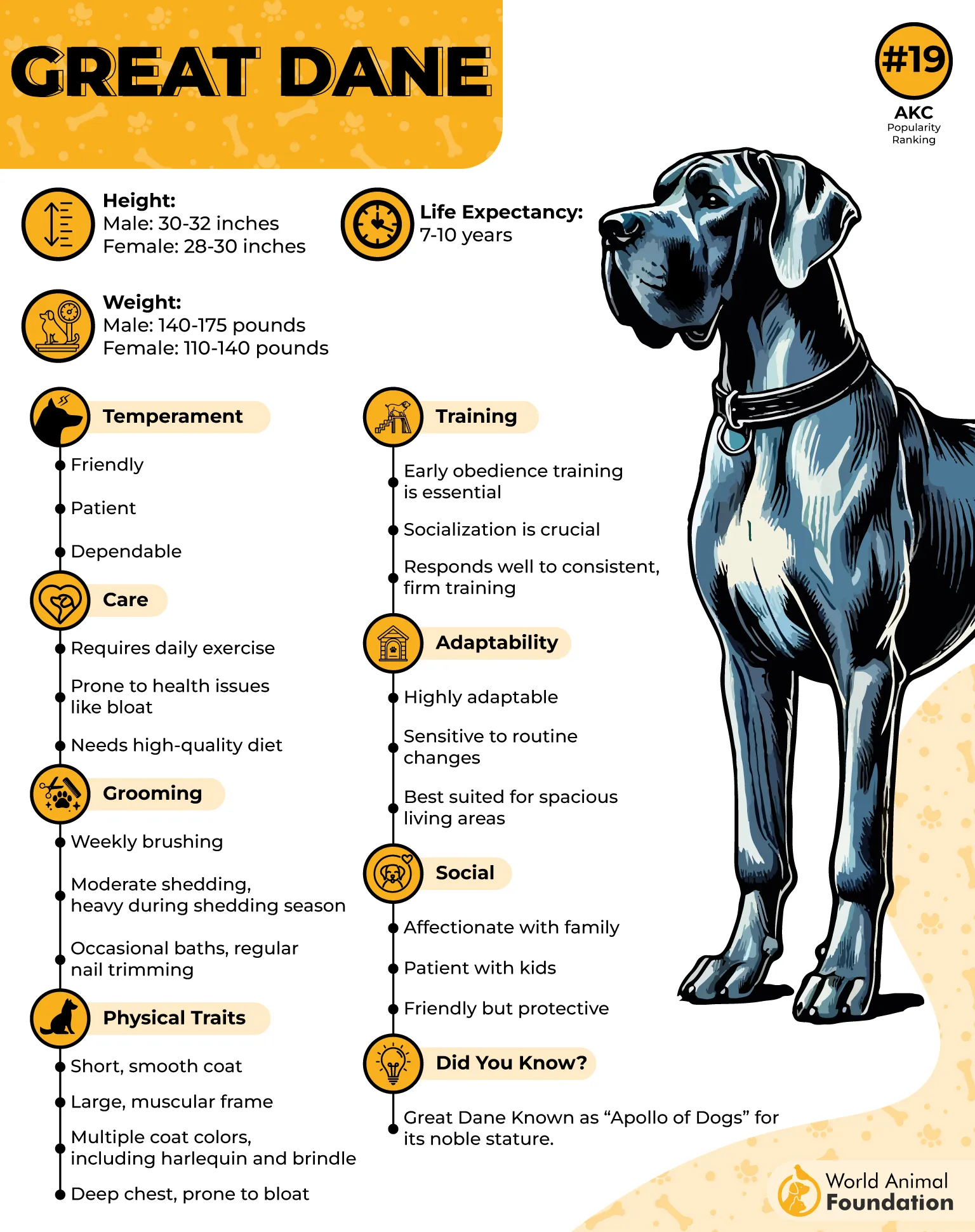
It is a confident breed and is less likely to bark nervously, and only barks when needed. It has a short and smooth coat and can be brushed with a curry comb, soft bristle brush, and a rubber grooming mitt. Regular vet checkup is important to clean ears and eyes to prevent infection. Keep a towel to clean facial wrinkles and drool.
This great family guard dog protects the territory without any formal training, and remains calm under panic and stressful circumstances, keeping itself sane. It takes almost 2-3 years for a Great Dane to mature. Thus, proper training is non-negotiable.
Conclusion
Protection does not have a cost on your weekends or your peace of mind. These seven breeds make the case that a dog can be a formidable guardian and a low-maintenance companion, no contradictions, no compromise.
Whether it is the silent authority of the Bullmastiff, the lion tracking roots of the Ridgeback, or the sheer imposing size of a Great Dane in your hallway, each of these dog breeds brings something to the table.
Go for a dog that fits your routine and does not look cool only in pictures. At the end of the day, it is a matter of protection. Palpating a smooth-coated breed is a relief, while having a giant breed fierce enough to break the intruder’s bones boosts confidence.
