




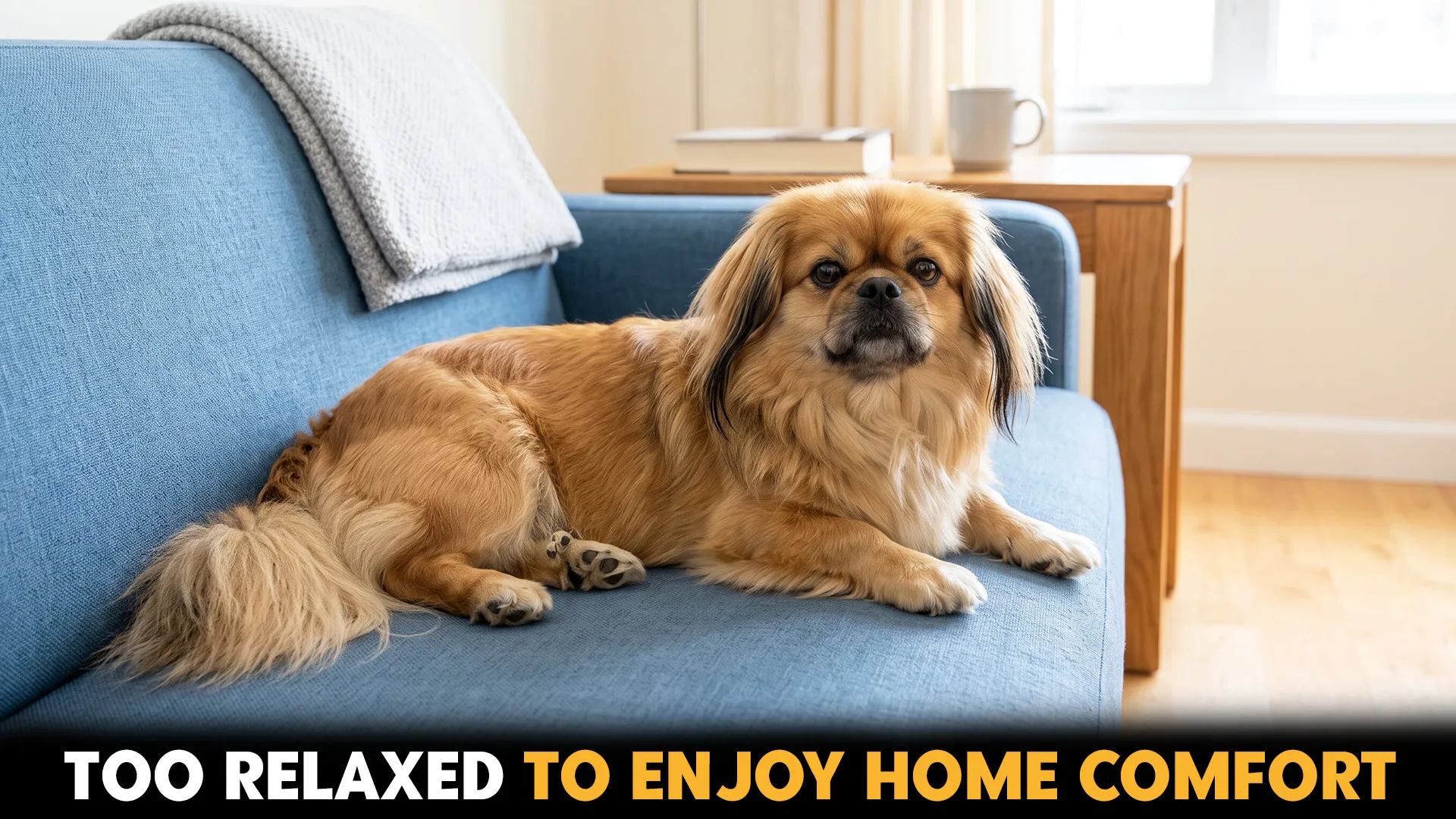
Some dogs seem perfectly content with a short walk, a good meal, and an afternoon spent stretched across the sofa. Others can turn a peaceful day at home into a nonstop schedule of walks, games, and outdoor adventures.
The difference matters when you want a companion who matches your quieter lifestyle. Couch potato dog breeds are often admired for their relaxed personalities, fondness for indoor comfort, and enjoyment of spending time beside their people.
Still, a sleepy appearance alone tells you very little about a dog’s actual needs. Puppies, for example, may have bursts of energy even in breeds known for their calmer adult temperament. Age, health, training, and individual personality all influence how much activity a dog needs.
So, what should you look for when choosing a genuinely laid-back companion? The answer involves more than finding a dog that loves naps.
Let’s look at the breeds that make relaxing at home especially enjoyable.
Key Takeaways
If your perfect day at home involves fewer walks and more sofa time, a few dogs may be very happy to join you.
Bulldogs need only gentle outings, while Basset Hounds can spend plenty of time relaxing before their famous noses find something worth investigating.
Pekingese once rode inside the sleeves of Chinese nobles, and Pugs went from imperial companions to enthusiastic little shadows around the house.
Further down the list are some seriously big dogs whose favorite plans today can be far quieter than their histories suggest.
Ultimate Couch‑Potato Dog Breeds for Relaxing Home Life
1. Bulldog
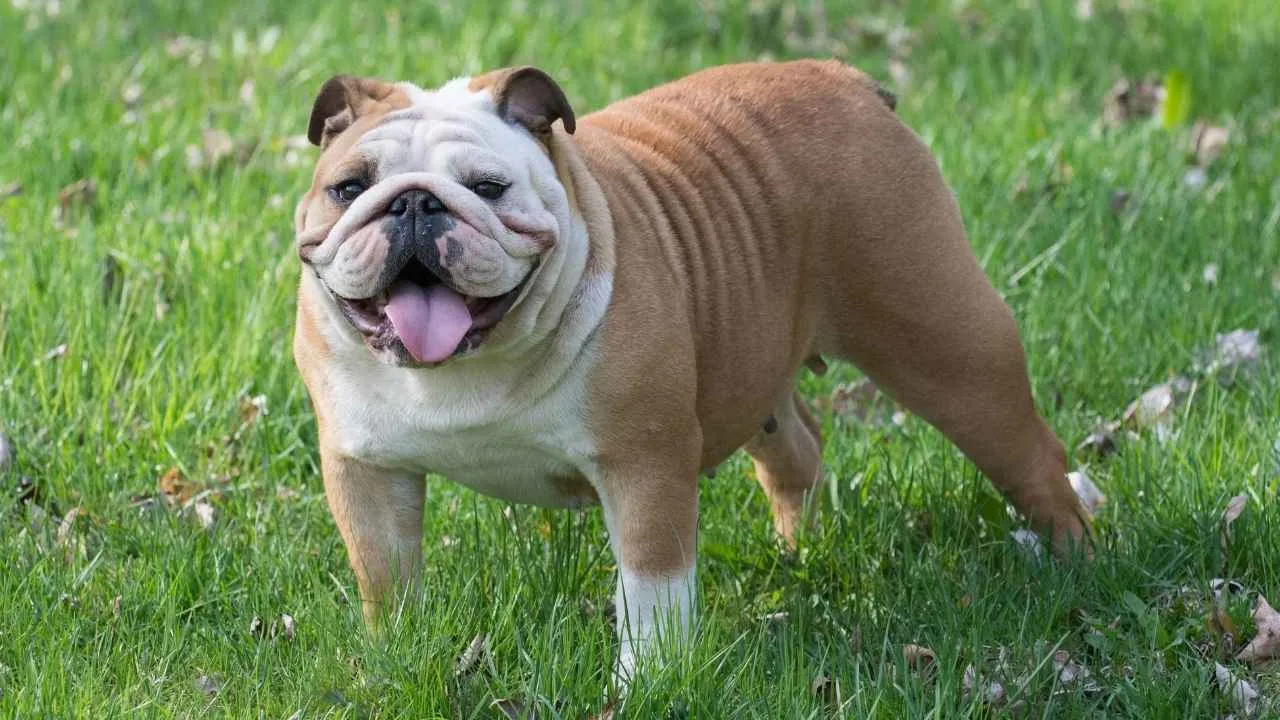
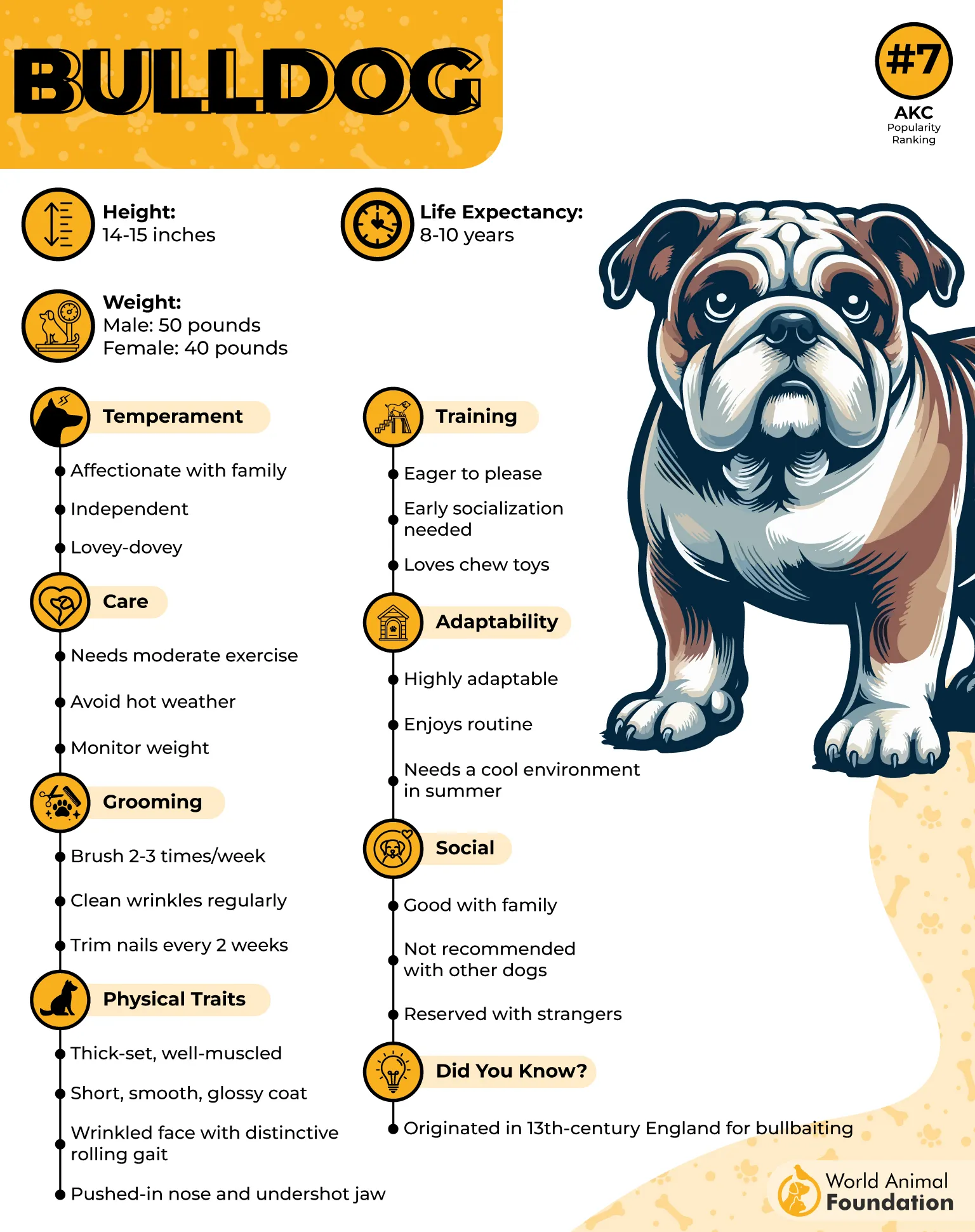
The English Bulldog’s story began in England, where its muscular frame suited the brutal sport of bull-baiting between the 13th and 16th centuries. After the practice was outlawed in 1835, the breed’s role gradually shifted toward companionship and family life.
Made for Slow Days
A bulldog’s short, flattened muzzle limits strenuous activity, making gentle outings a better fit than demanding workouts. Two or three relaxed 15-minute walks a day can provide movement without placing excessive strain on this stocky dog, especially in warm weather.
For its daily routine, this is what matters:
Avoid exercise during extreme heat or freezing weather.
Offer food puzzles for indoor engagement.
Use short tug games for gentle play.
A Comical Housemate
These breeds have a playful streak that can appear in surprisingly unexpected ways, including sneaking off with slippers, books, or hats around the house, as Chewy claims. These dogs can also be stubborn during training, so small, tasty rewards can help encourage consistent responses to basic cues.
2. Basset Hound
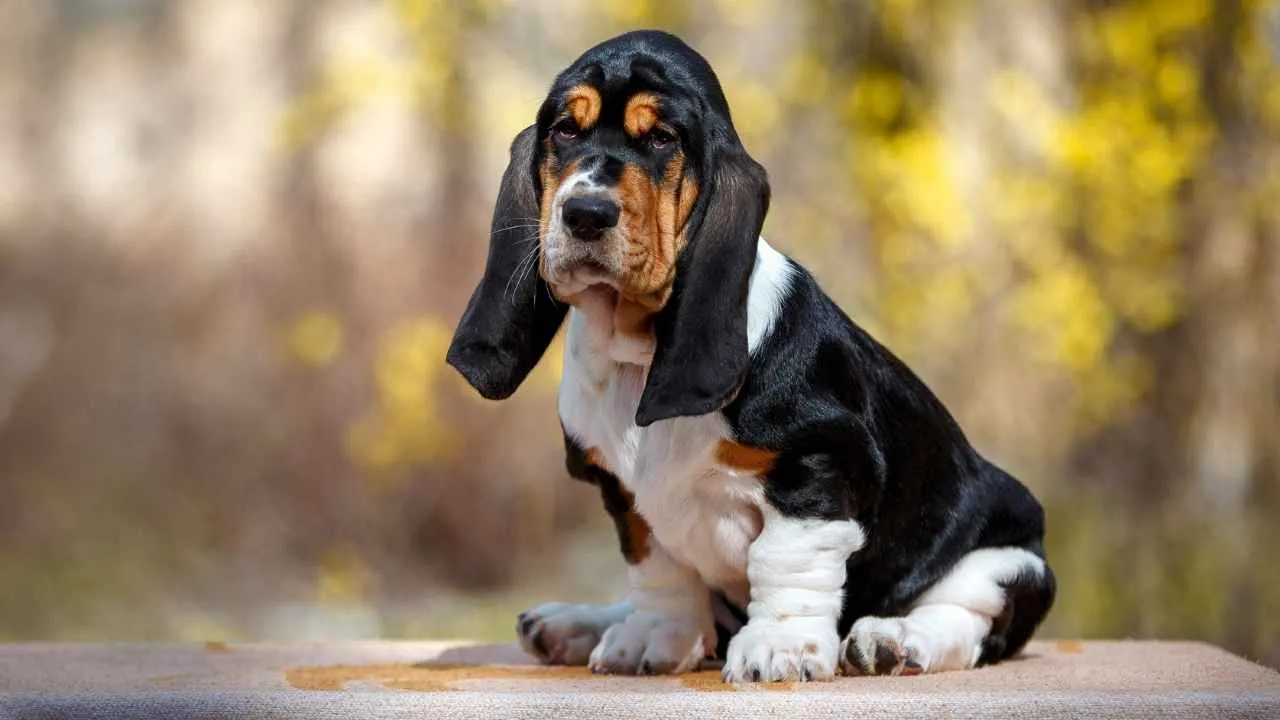
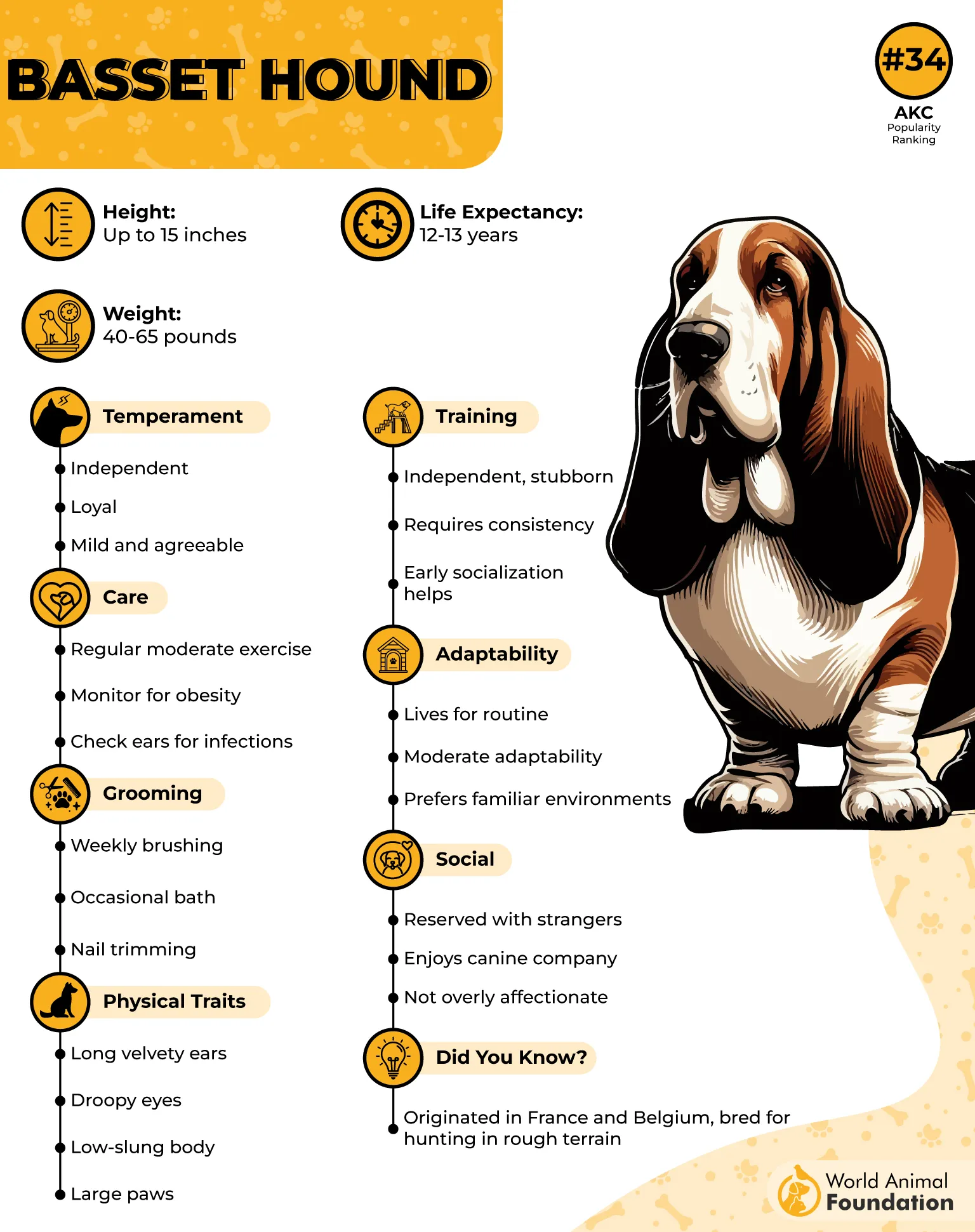
Basset Hound developed in France and Belgium, where its distinctive low-slung build suited the demanding task of following hares by scent.
The French word bas, meaning “low,” reflects its noticeably short legs, while the American Kennel Club officially recognized the breed in 1885.
Made for Slower Days
Basset Hound is happiest with gentle daily activity rather than strenuous runs or demanding hikes. Around 20 to 30 minutes of exercise a day can suit this easygoing dog, while its long back and short legs make jogging a poor choice.
Here are some worth-knowing details of the breed:
Medium-sized body with a low-set frame
Long back that needs careful handling
Drooping ears that can swing while walking
Nose Before Everything
This loving companion can seem pleasantly unhurried around the house, yet an interesting scent may quickly capture its full attention and send it following a trail.
According to Orvis, a leash is especially important outside secure areas, since a tempting smell can easily distract it from your calls.
3. Pekingese
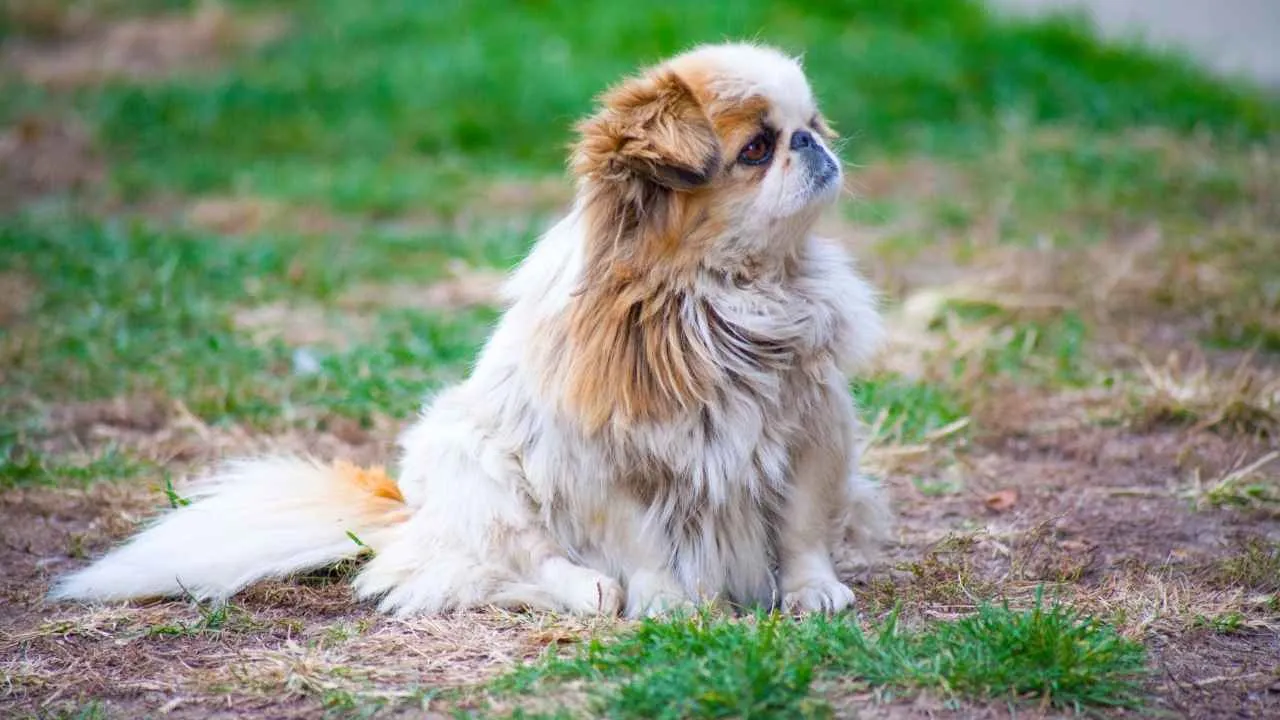
Pekingese occupied a privileged place in ancient Chinese imperial courts, where emperors kept these small dogs for centuries and restricted access to them. Their connection to palace life also inspired the nickname “sleeve dogs,” as nobles sometimes tucked them into the wide sleeves of their robes.
Lazy-Day Companion
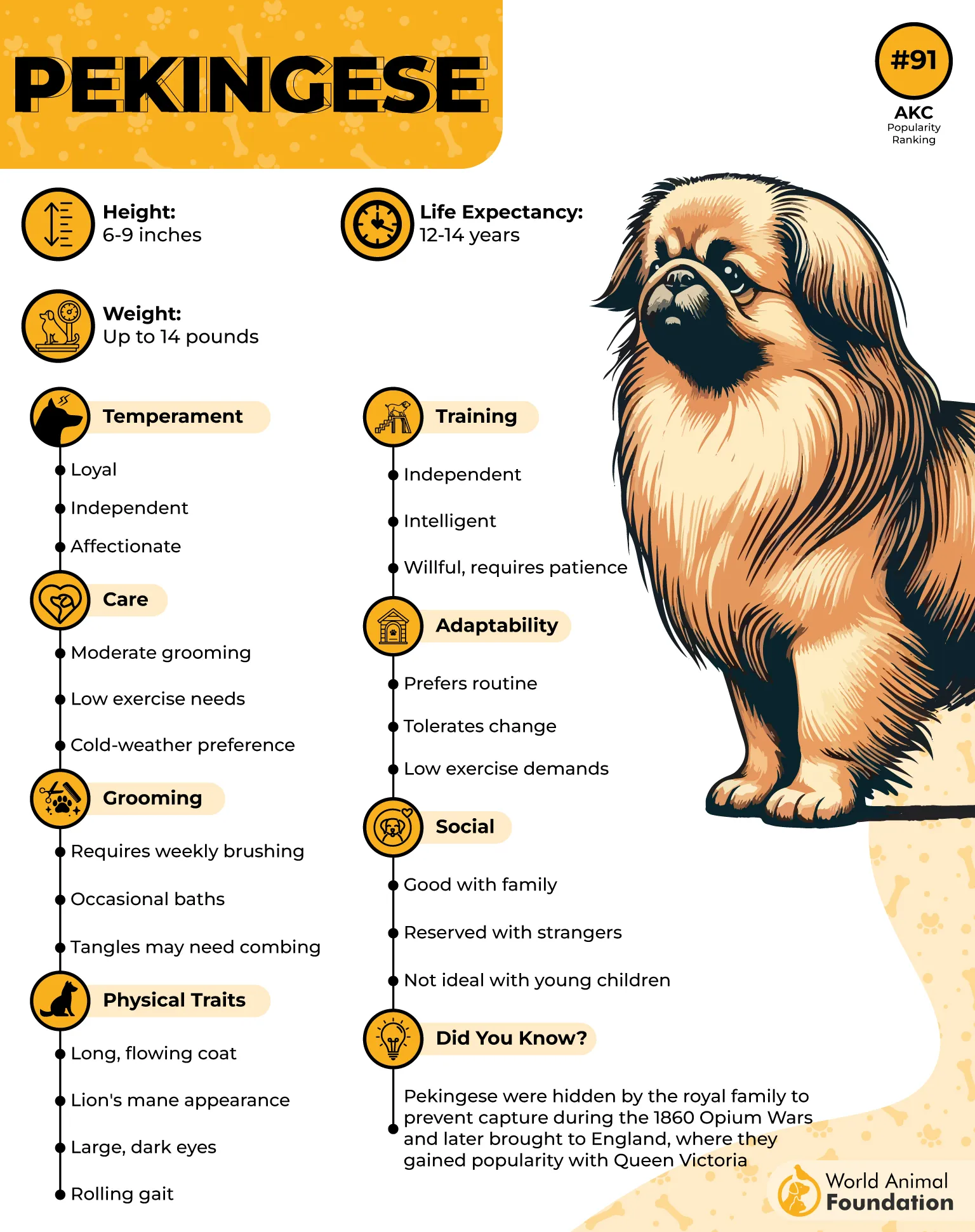
This lap dog suits a relaxed household with its modest activity needs and preference for lounging beside a favorite person. One or two daily walks of 20 to 30 minutes can provide enough activity, while longer outings may strain its short legs.
To snuggle with this breed, dog lovers need to consider these points:
Flat face makes hot weather risky.
Short legs limit lengthy walks.
Indoor games offer a cooler activity option.
Choose Play Carefully
Pekingese may enjoy a peaceful afternoon on the sofa more than joining highly playful dog breeds in an energetic game. It can live with children and other pets, though gentle handling and early introductions matter, particularly around lively puppies or kittens, as Purina mentioned.
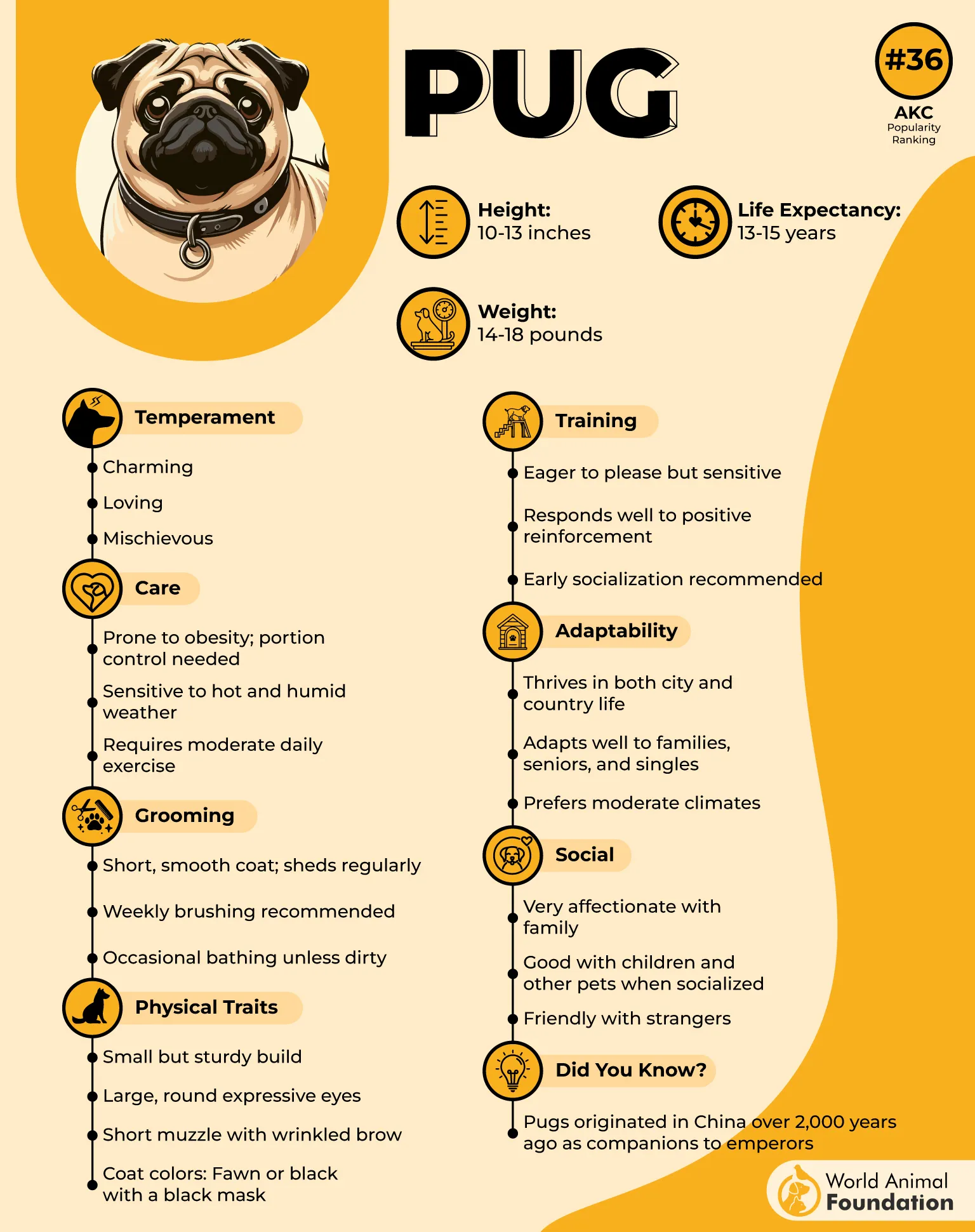
4. Pug
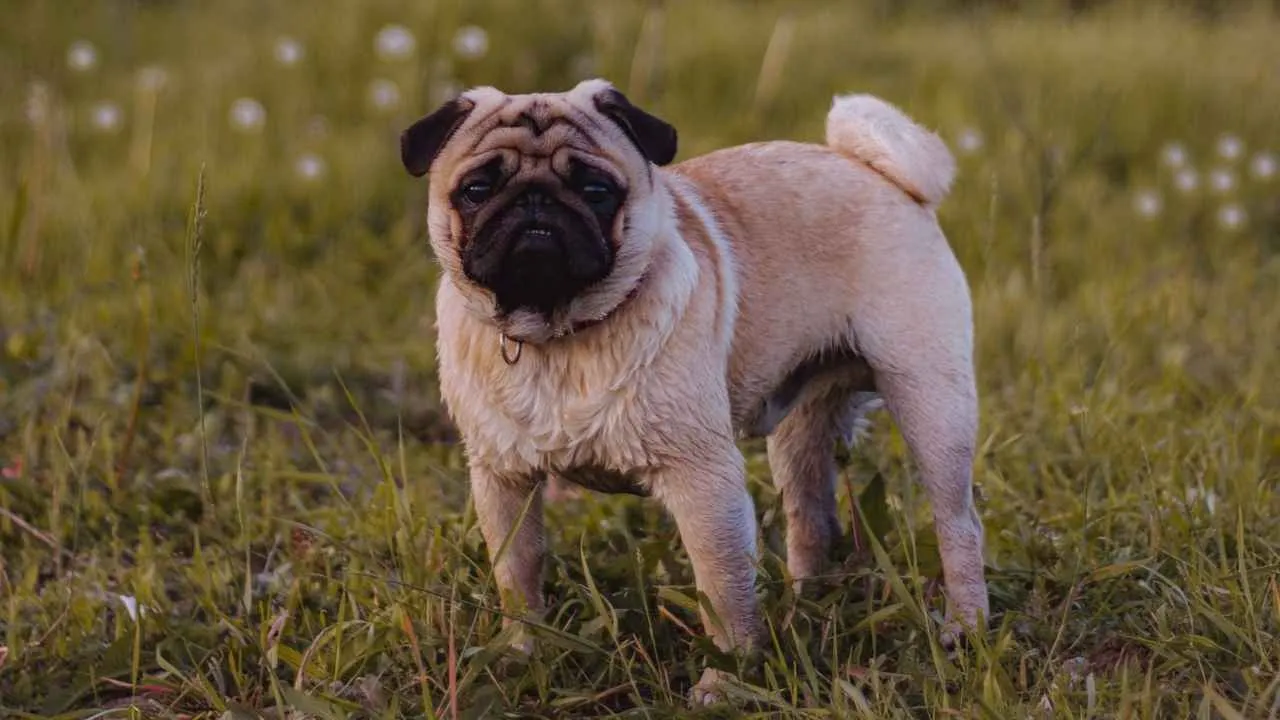
Pugs spent centuries as a prized companion of Chinese emperors, with some even receiving personal guards. By the 1500s, the breed had reached Europe, where it won royal fans, including Napoleon’s wife Josephine and Queen Victoria, who reportedly shared her home with as many as 38 Pugs.
Easy-Going Personality
A pug may enjoy following its people from room to room before eventually claiming somewhere comfortable for a well-earned rest. With modest exercise needs, the coziest corner of the sofa can quickly become its favorite afternoon hangout.
This is what makes this couch buddy quite distinctive:
Often snores and snorts during rest
Can adapt to apartment living
Enjoys joining family activitie
A Social Little Shadow
This cuddly charm likes being part of whatever is happening at home, from warmly welcoming dinner guests to spending plenty of time with children and other pets. Its natural enthusiasm for company means it may happily follow people from room to room, hoping to share in the attention and fun.
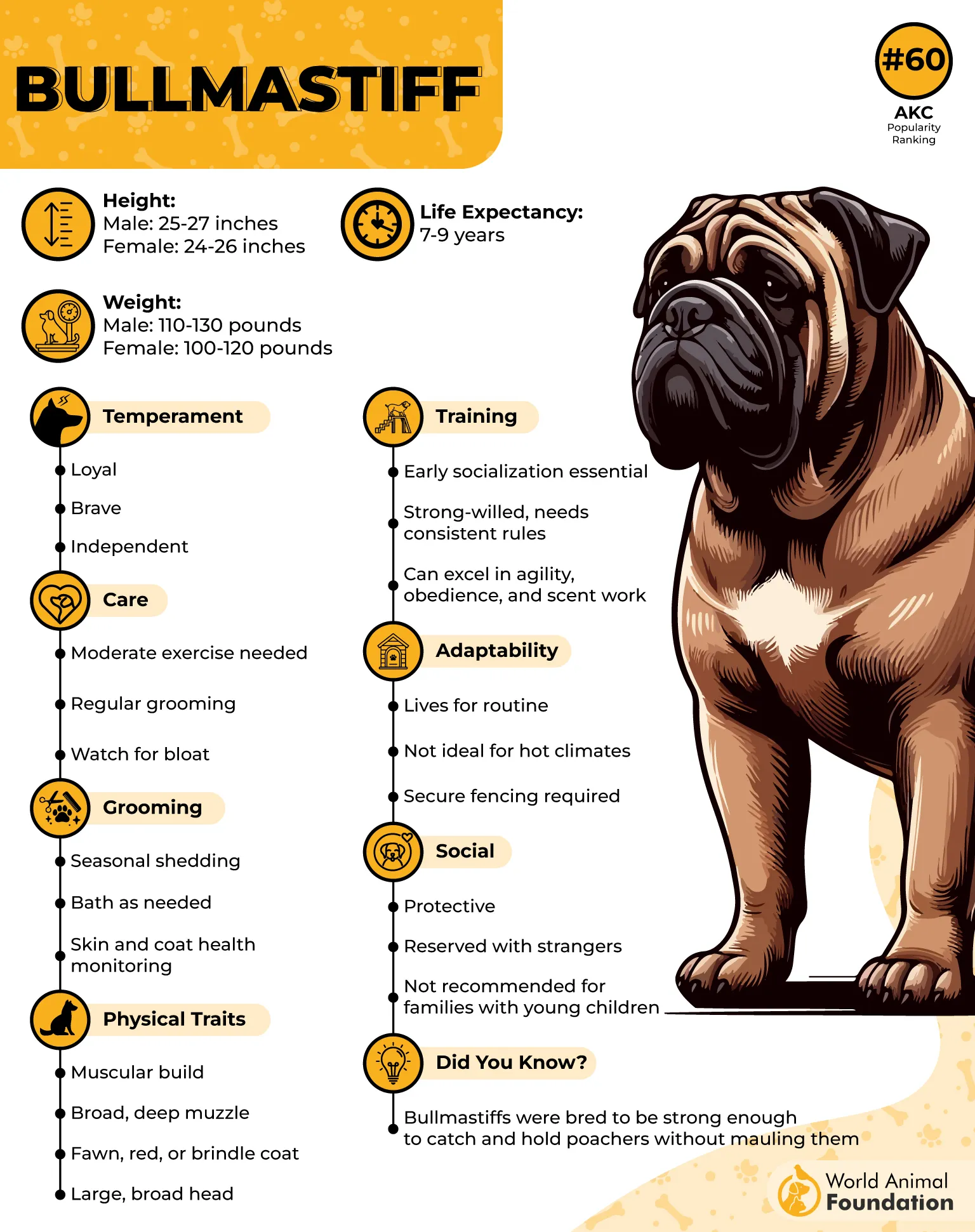
5. Bullmastiff
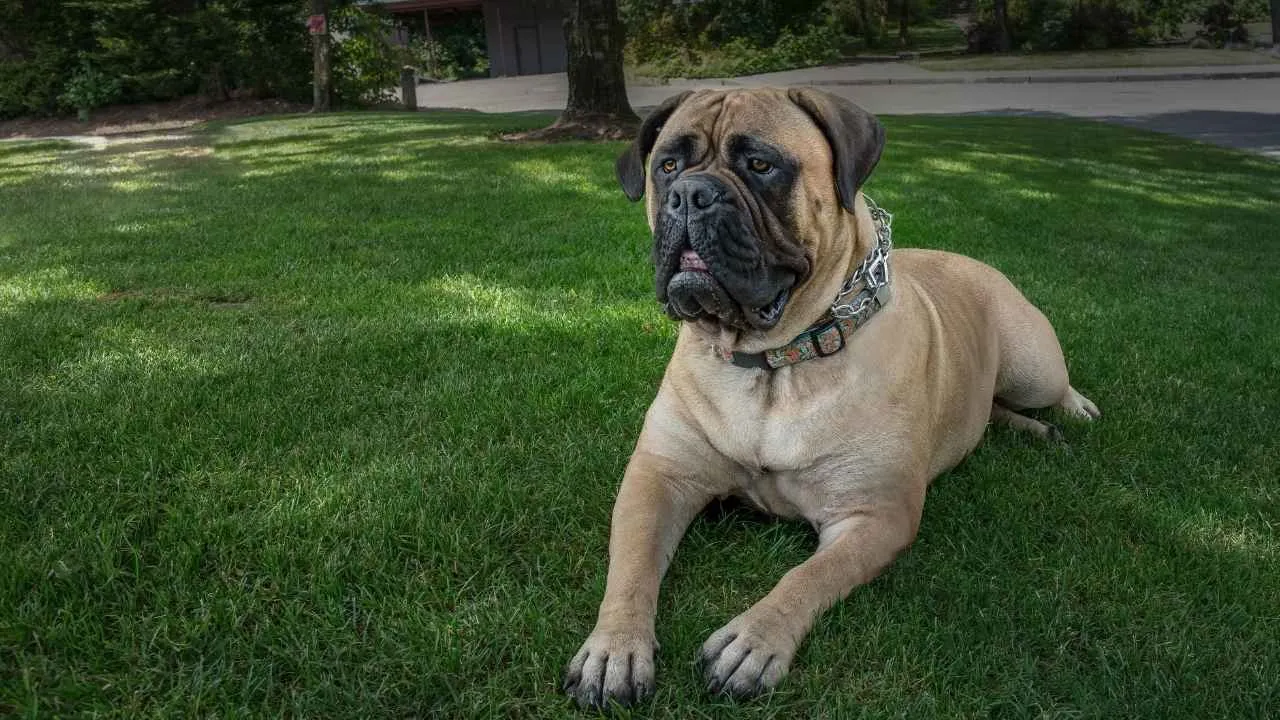
Bullmastiff emerged in England during the Industrial Revolution, when estate owners needed powerful dogs to guard their land against poachers. A cross between the Mastiff and Bulldog, this imposing breed was valued for protecting estates and discouraging unwanted intruders.
Built For Lounging
Bullmastiffs do not need every outing to become a workout, since their moderate energy is usually satisfied by slower, leisurely walks. Around 30 to 45 minutes of daily exercise, including a neighborhood stroll or a casual game of fetch, fits its usual routine.
Here’s what you can’t ignore with this breed:
Sensitive to hot weather
Needs supervised interactions with small children
Benefits from early socialization with unfamiliar people
A Gentle Housemate
Bullmastiff often shows affection by pressing its large body against the people it trusts, sometimes forgetting just how much space it occupies. Around smaller pets, supervision helps keep an innocent nudge or playful movement from becoming an accidental bump.
6. Newfoundland
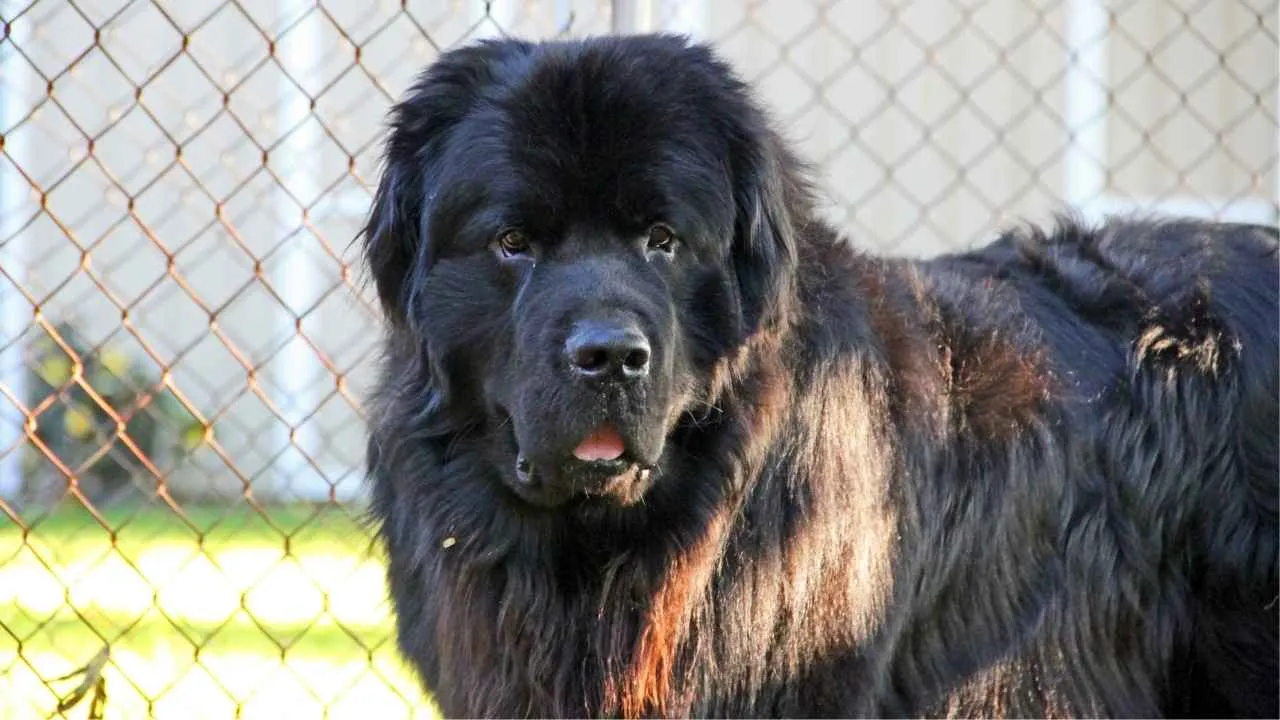
Newfoundland originated on the Canadian island of the same name, where early dogs worked alongside Portuguese fishermen from around the 16th century. Their duties included hauling fishing nets, swimming through cold waters, and pulling carts loaded with equipment.
A Natural Couch Companion
Newfoundlands need roughly 30 minutes of daily activity, making leisurely walks and relaxed afternoons a better fit than long-distance running. Its massive frame also puts extra pressure on the joints, so gentle movement matters more than strenuous workouts.
These activities suit this gentle giant particularly well:
Swimming in a pool or lake
Leisurely hikes on easy trails
Dock-jumping activities
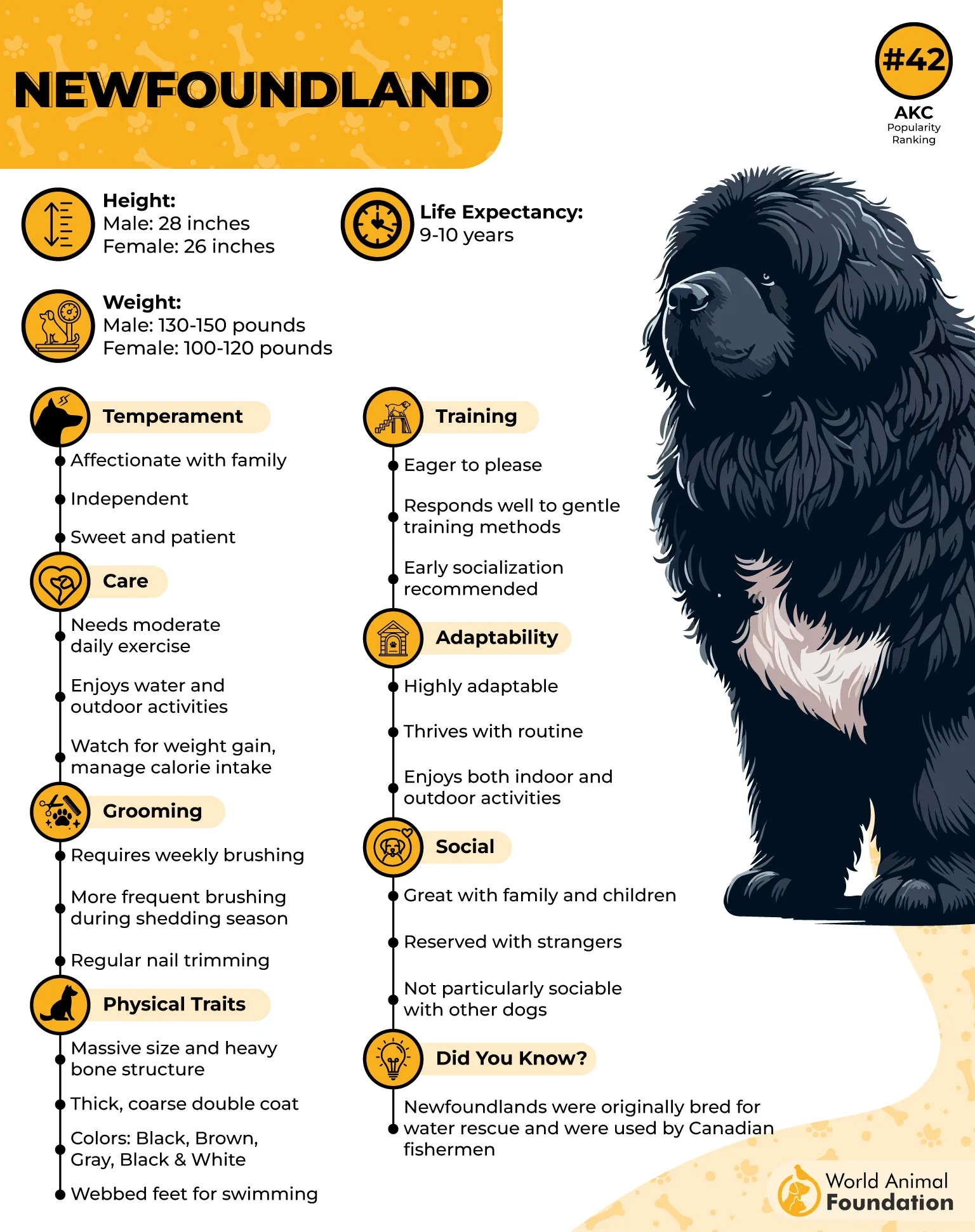
Gentle Around the Family
Newfoundland is patient with children and generally welcoming toward unfamiliar people, although its sheer size can make ordinary play surprisingly overwhelming. Early socialization and consistent training help puppies learn suitable manners around smaller dogs and young children.
7. Clumber Spaniel
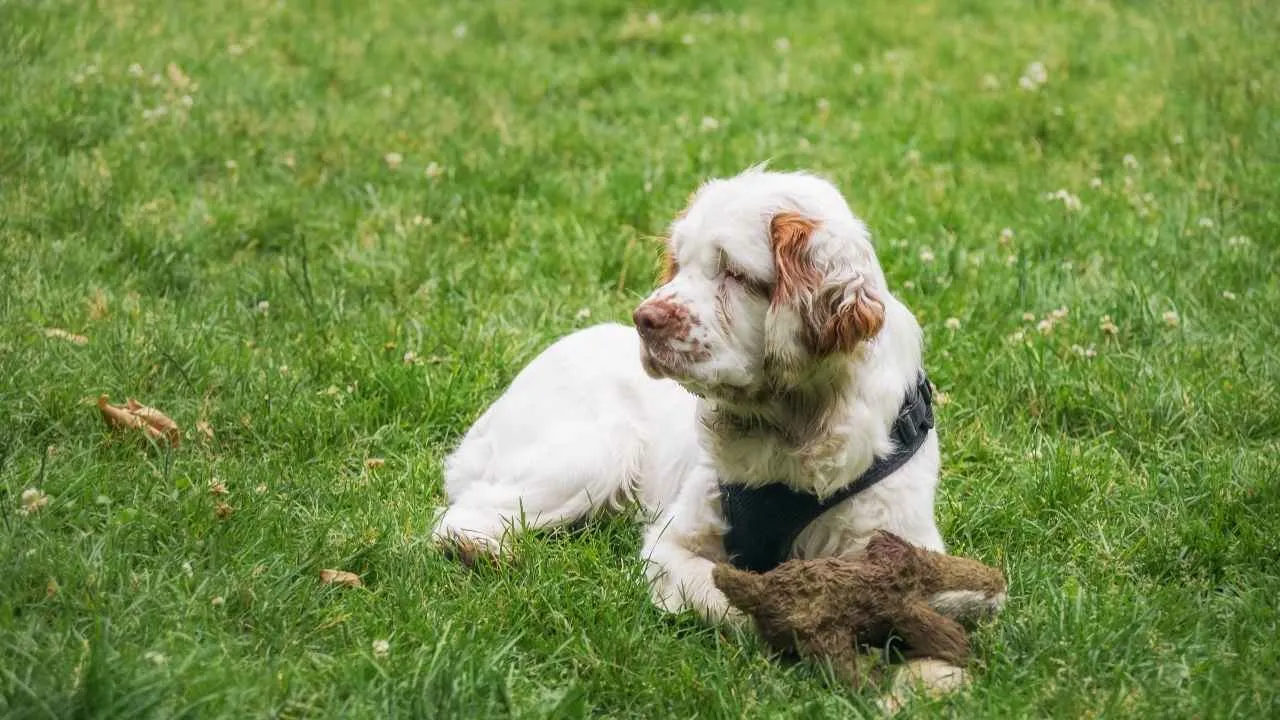
Clumber Spaniel takes its name from Clumber Park, the English estate where the Duke of Newcastle helped establish the breed during the 1700s.
Its earlier origins remain uncertain, with theories linking it to French dogs brought into England or crosses between Basset Hounds and Alpine Spaniels.
Loves Lazy Days
Clumber Spaniel has a slow, lumbering pace and needs only about 30 minutes of daily exercise, making it a natural match for a relaxed household routine. Walks often turn into leisurely sniffing sessions as this former bird dog follows interesting scents along the way.
A few details explain its working roots:
Keep training short and varied
Fetch taps into retrieving instincts
Regular brushing helps manage heavy shedding
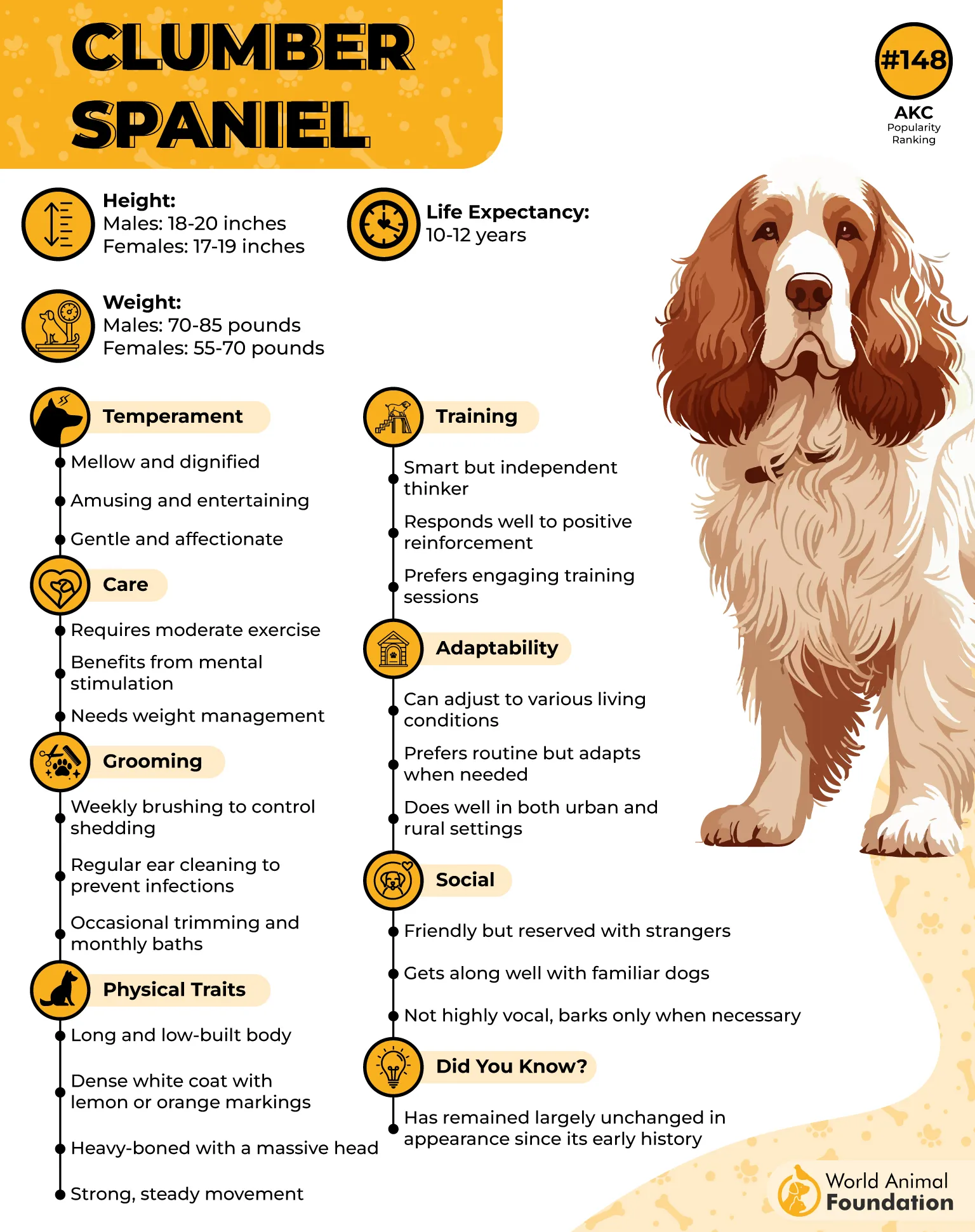
Snuggling Personality
Clumber Spaniel has an easygoing temperament and enjoys sharing ordinary family activities, from a quiet afternoon on the sofa to a relaxed walk outdoors.
It can also get along with children, cats, and other dogs when introductions are handled carefully, although its large frame may accidentally knock over very young children.
8. Saint Bernard
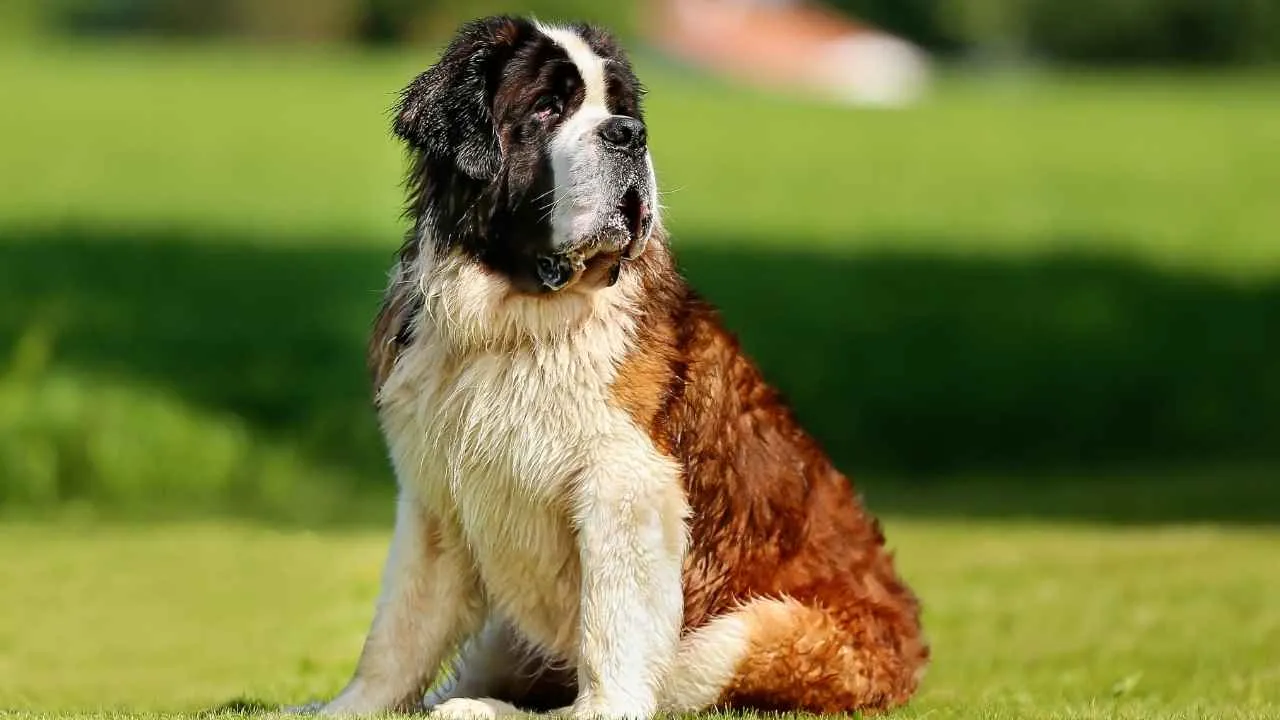
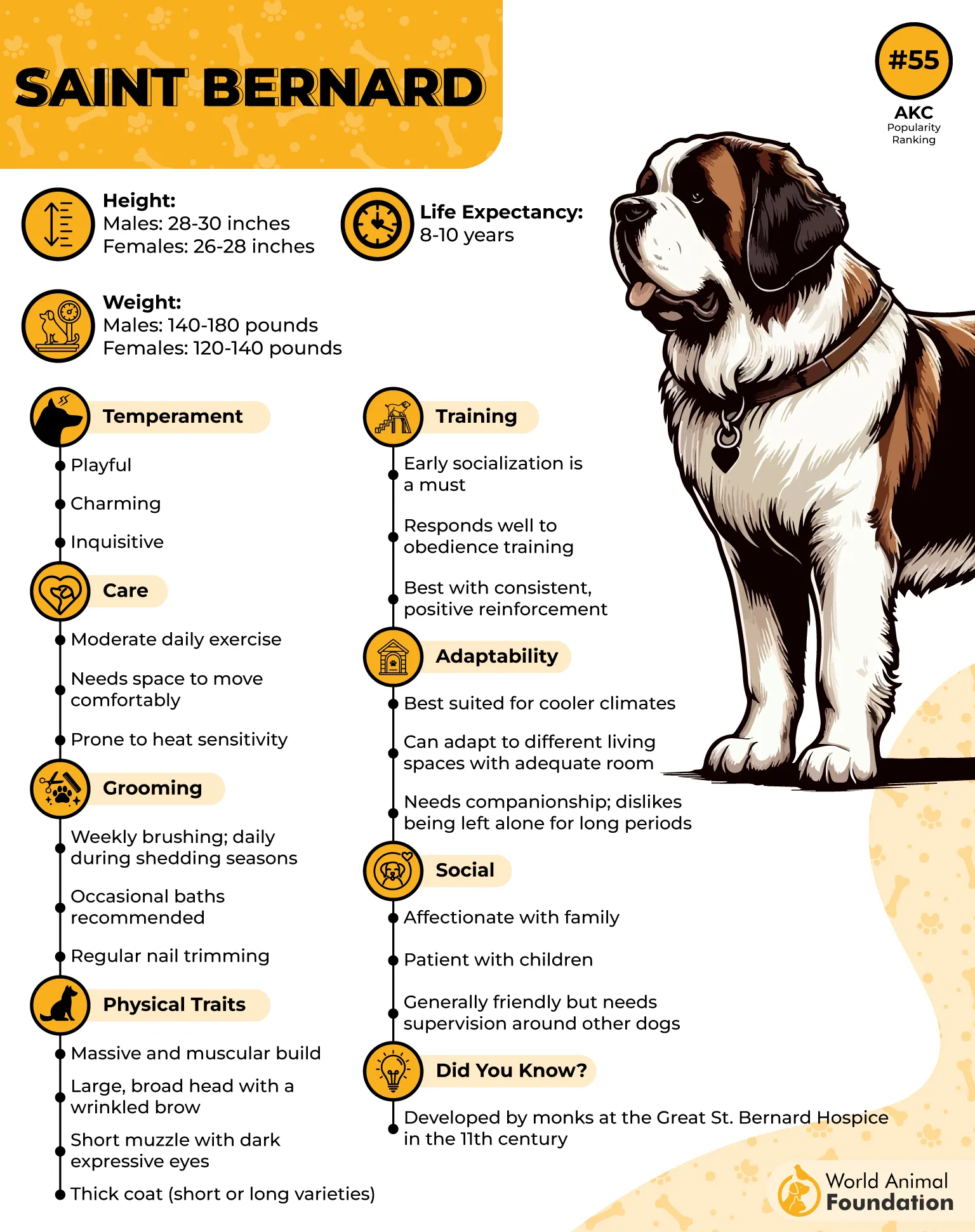
The Saint Bernard’s history is closely connected with the Great Saint Bernard Hospice, established by monk Bernard of Menthon in the Swiss Alps around the 11th century. In later years, monks used the dogs to find stranded travelers across snow-covered and hazardous mountain terrain.
Loves Cozy Naps and Comfortable Laps
This gentle breed suits a relaxed household routine, with around 30 minutes of daily exercise often meeting its needs. Gentle neighborhood walks and short outings in cool weather are better choices than strenuous workouts or lengthy hikes.
For its daily care, you can keep these points in mind:
Enjoys playing in snow, as cold weather is his favourite.
Can struggle in hot summer weather.
Needs room to stretch out indoors.
A Friendly Giant
Incredibly Affectionate and sociable, the Saint Bernard usually welcomes familiar faces, neighbors, and even delivery workers with enthusiasm. Its size can make greetings a little overwhelming, so teaching calm manners early helps prevent accidental bumps around children.
9. Greyhound
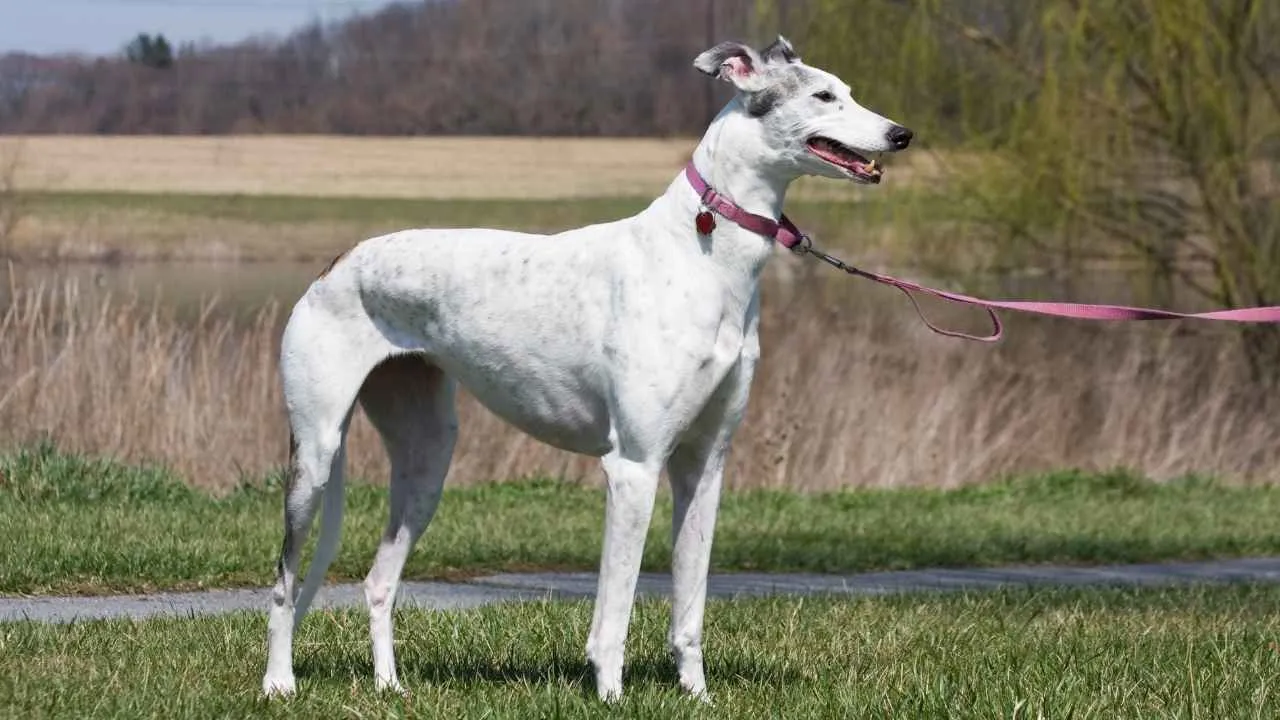
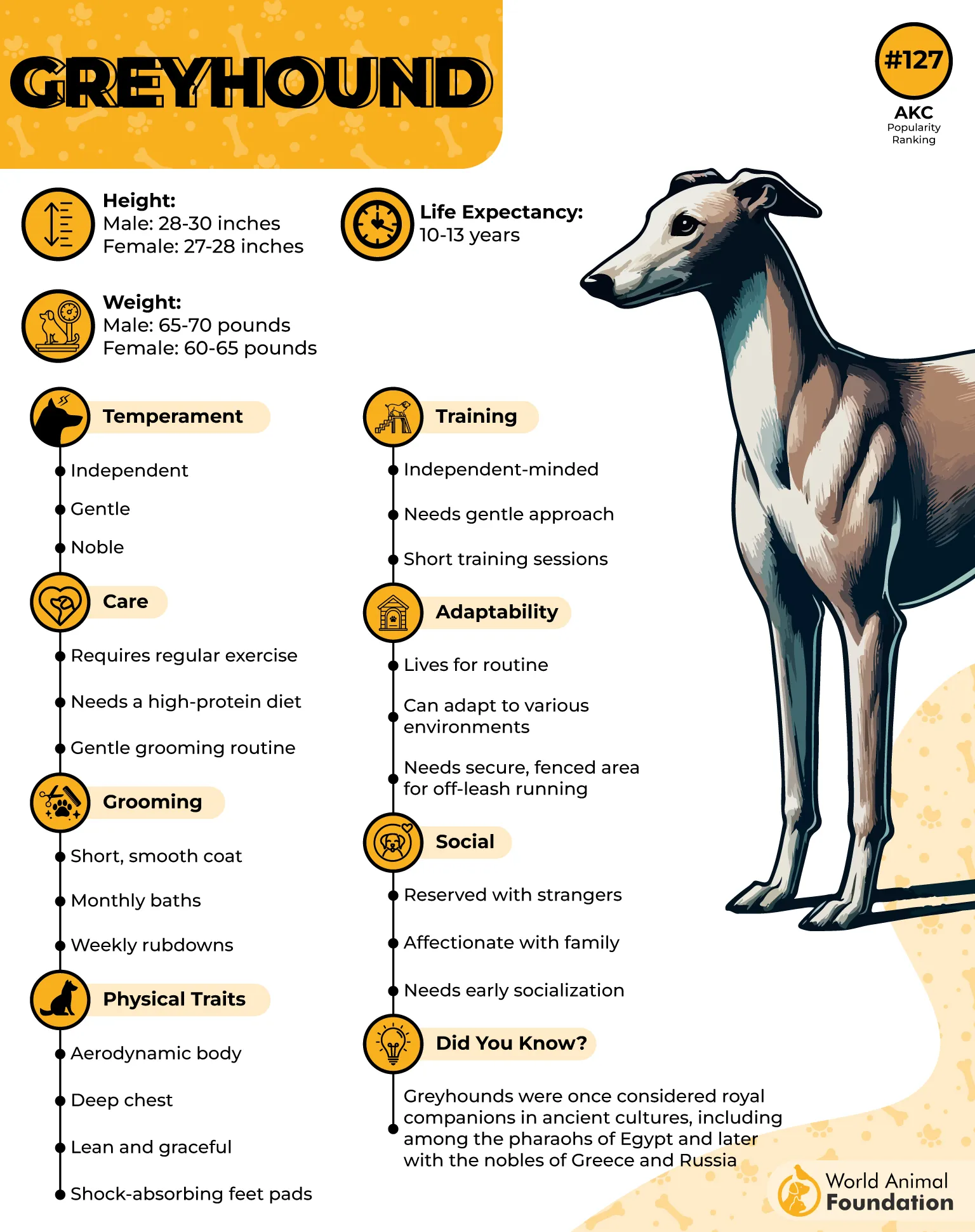
Greyhounds were originally bred in Europe as sighthounds to spot and pursue game using their exceptional eyesight. For centuries, nobility favored these slender, long-legged dogs, while organized racing gained popularity in Britain and America during the early 1920s.
Manageable Pace at Home
They can reach speeds of around 43 miles per hour over short distances, thanks to their flexible spine, long legs, and streamlined frame. At home, a good walk and a brief sprint in a secure, fenced area can satisfy its need for activity before a long indoor rest.
The following considerations make their daily care easier:
- weekly brushing for its short coat
Warm sweaters in chilly weather
Interactive toys for quiet indoor activity
A Gentle Housemate
Greyhounds are gentle and emotionally sensitive, often settling beside their favorite people once daily exercise is finished. At home, their calm and generally quiet nature can work surprisingly well in an apartment, as long as a comfortable bed and secure space for occasional fast runs are available.
Conclusion
A peaceful day at home feels even better when your dog is content to share the sofa after a short walk. Some dogs naturally prefer a slower pace, making them suitable companions for people who enjoy quiet routines. However, even the sleepiest dog needs regular movement, attention, and opportunities to explore its surroundings.
Health, age, and personality can also change how much activity is suitable, so it helps to look beyond a breed’s reputation for being relaxed. Think about your daily habits and the care you can provide. The right companion can bring warmth and company to everyday life without demanding constant activity.
